Kitchen Secrets Worth Bringing Home
Working in a restaurant teaches you plenty of things that rarely appear in ordinary cookbooks, especially when it comes to preparing delicious meals quickly and efficiently. Professional cooks rely on practical techniques to improve flavor, reduce waste, and keep everything running smoothly during busy service hours. While some restaurant methods require specialized equipment, many of the most useful tricks can easily be adapted to your home kitchen.
1. Salt Your Pasta Water Generously
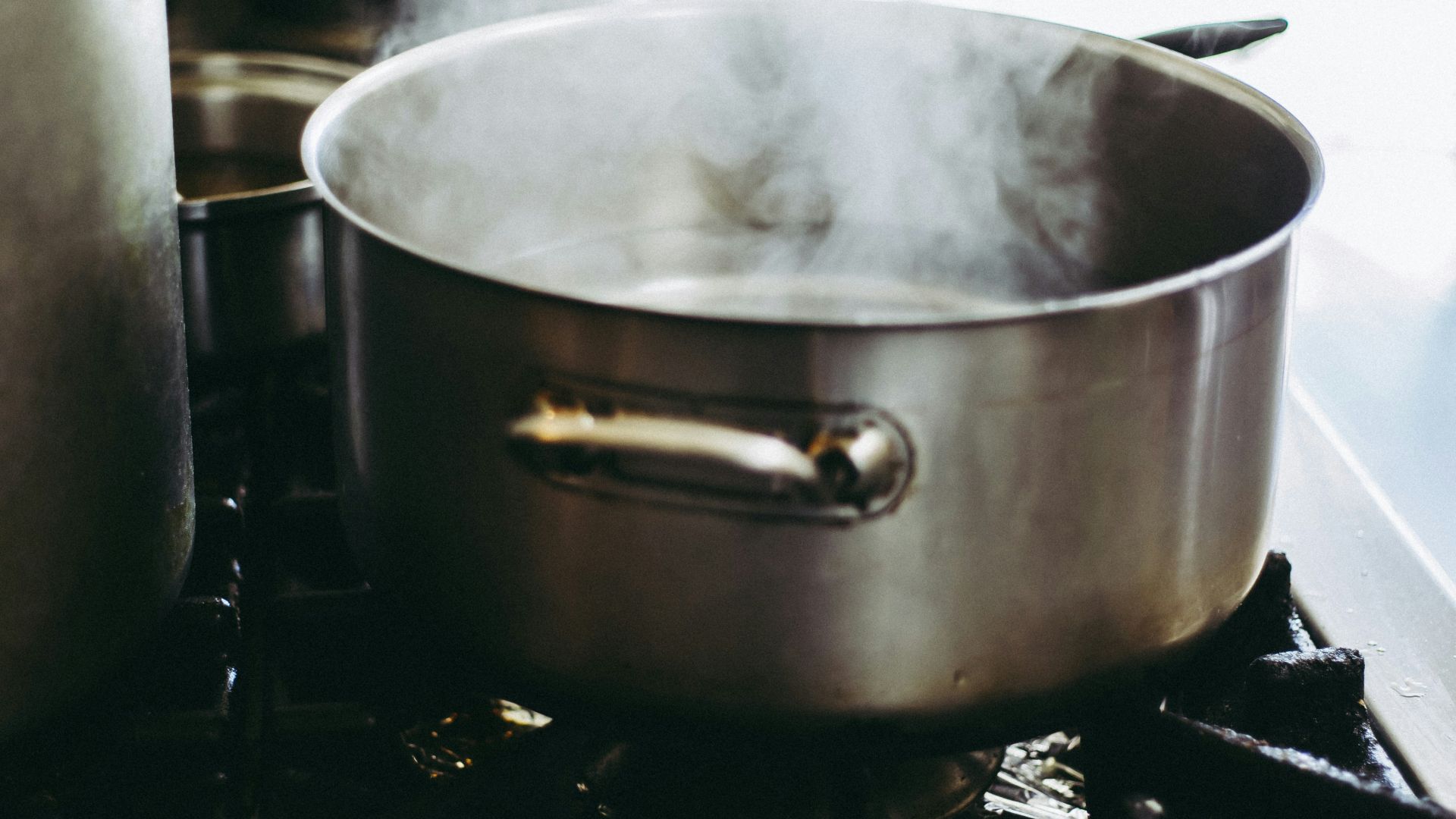
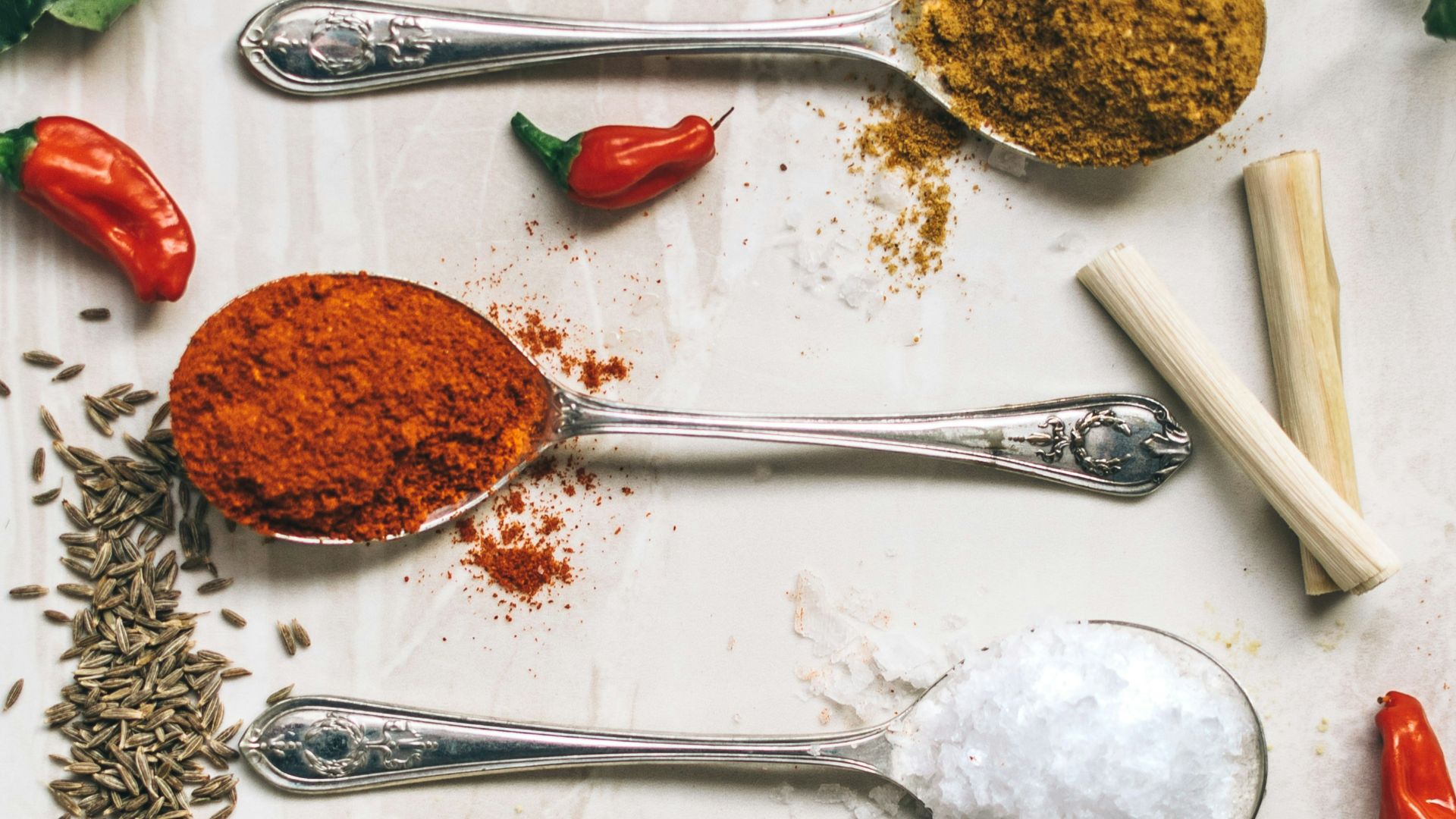
As mentioned previously, all good chefs will salt their pasta water well. Obviously, you don't want the water to be inedible, but there should be a fair amount of salt in there, enough to make a difference to your cooked pasta. It's always better if the pasta is tasty in its own right.
2. Save Some Pasta Water Before Draining
A lot of chefs will take a mugful out of the pan of boiling water before draining all the pasta. They may then add some to, for example, a sauce, which will help it stick better to the pasta. It's useful if you have a sauce with a lot of butter in it, a cheese sauce, or even just boiled pasta and good olive oil.
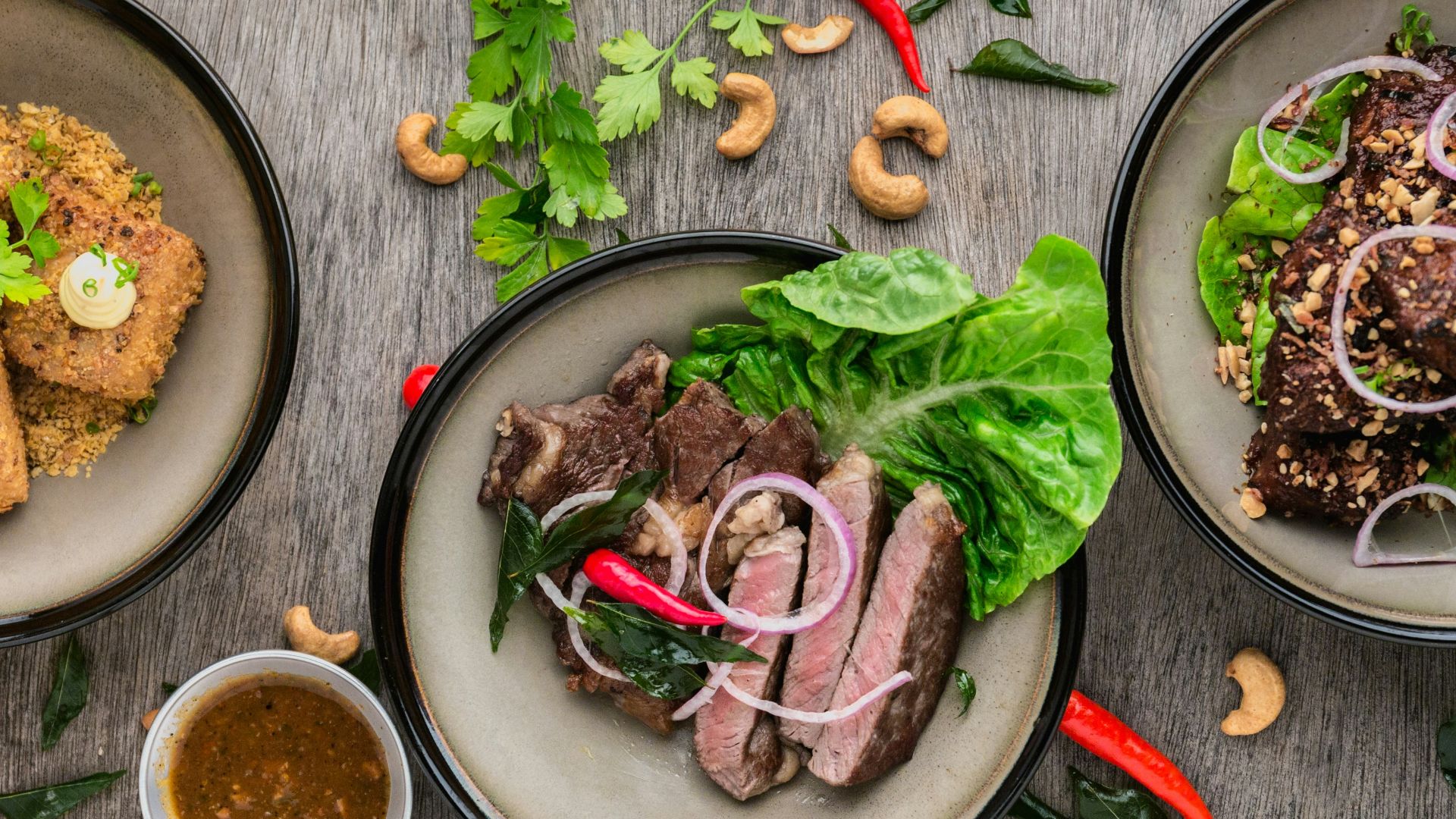
3. Dry Your Meat Before Searing
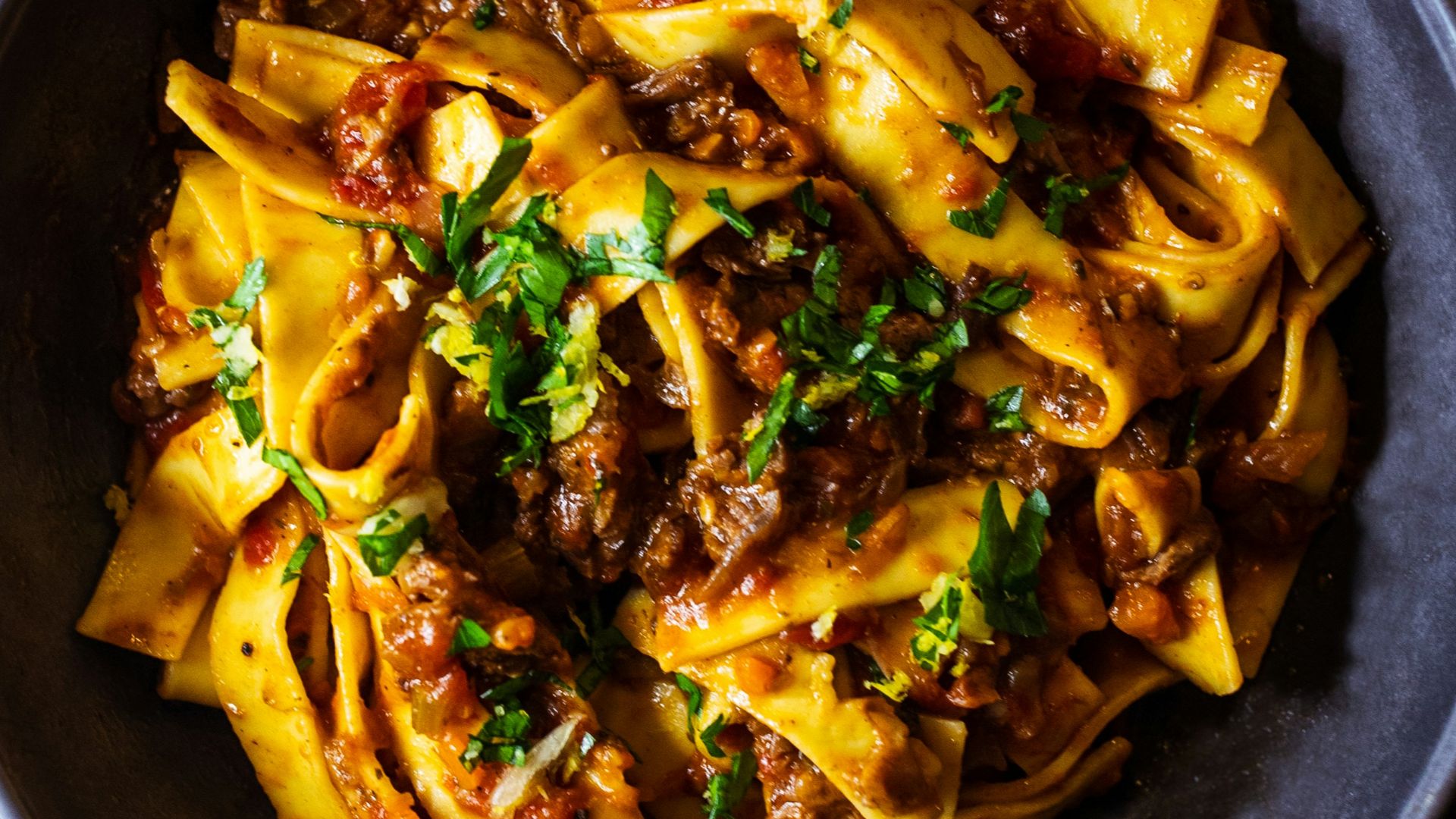
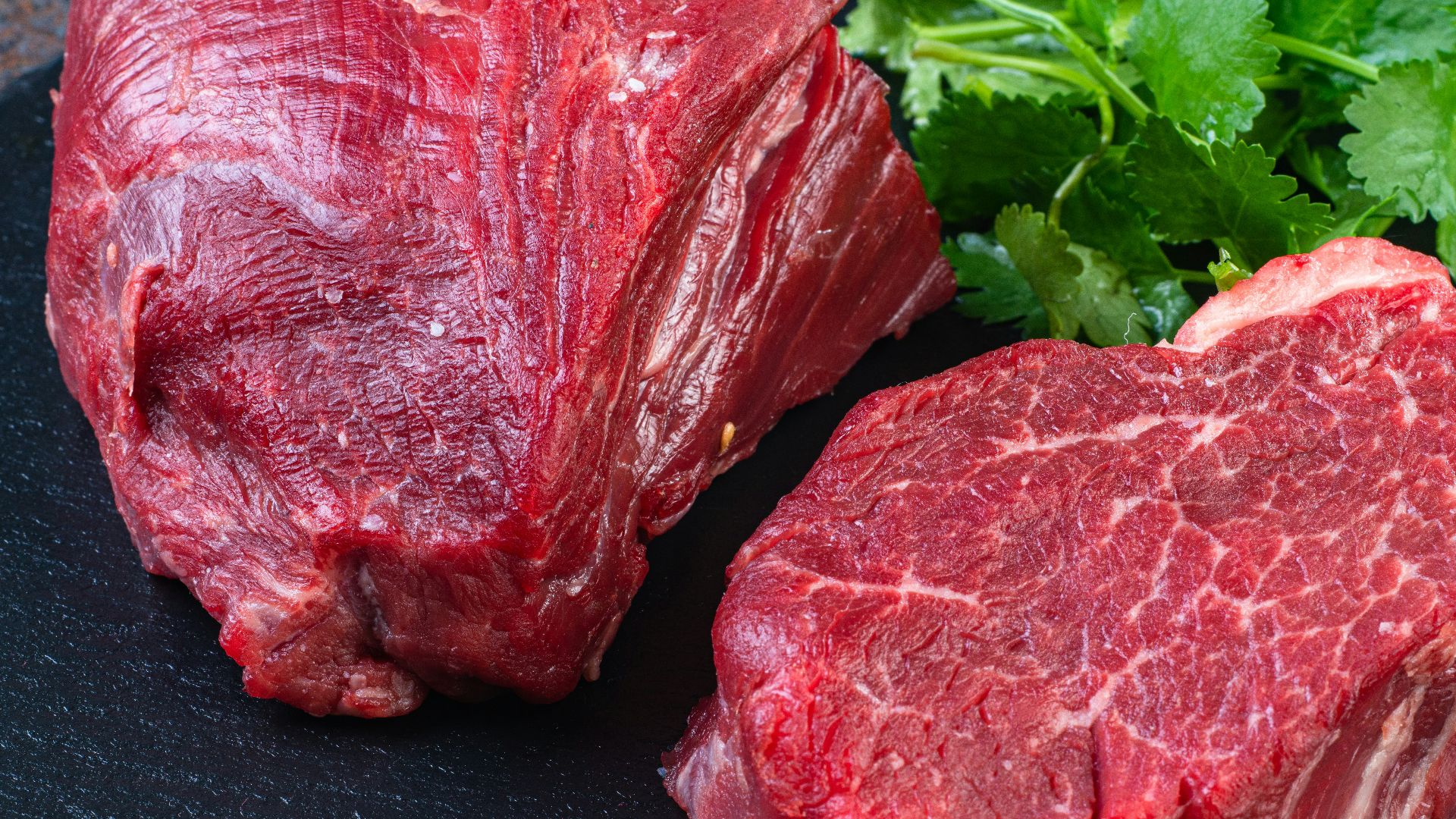
All that great color on a restaurant piece of beef (or any other piece of meat) is greatly aided by making sure that there isn't too much water sitting on top. So take some paper towels and pat as much moisture off as possible. A properly preheated pan and a little cooking oil can then help produce a more flavorful crust.
 David Foodphototasty on Unsplash
4. Use Acid to Brighten Bland Dishes
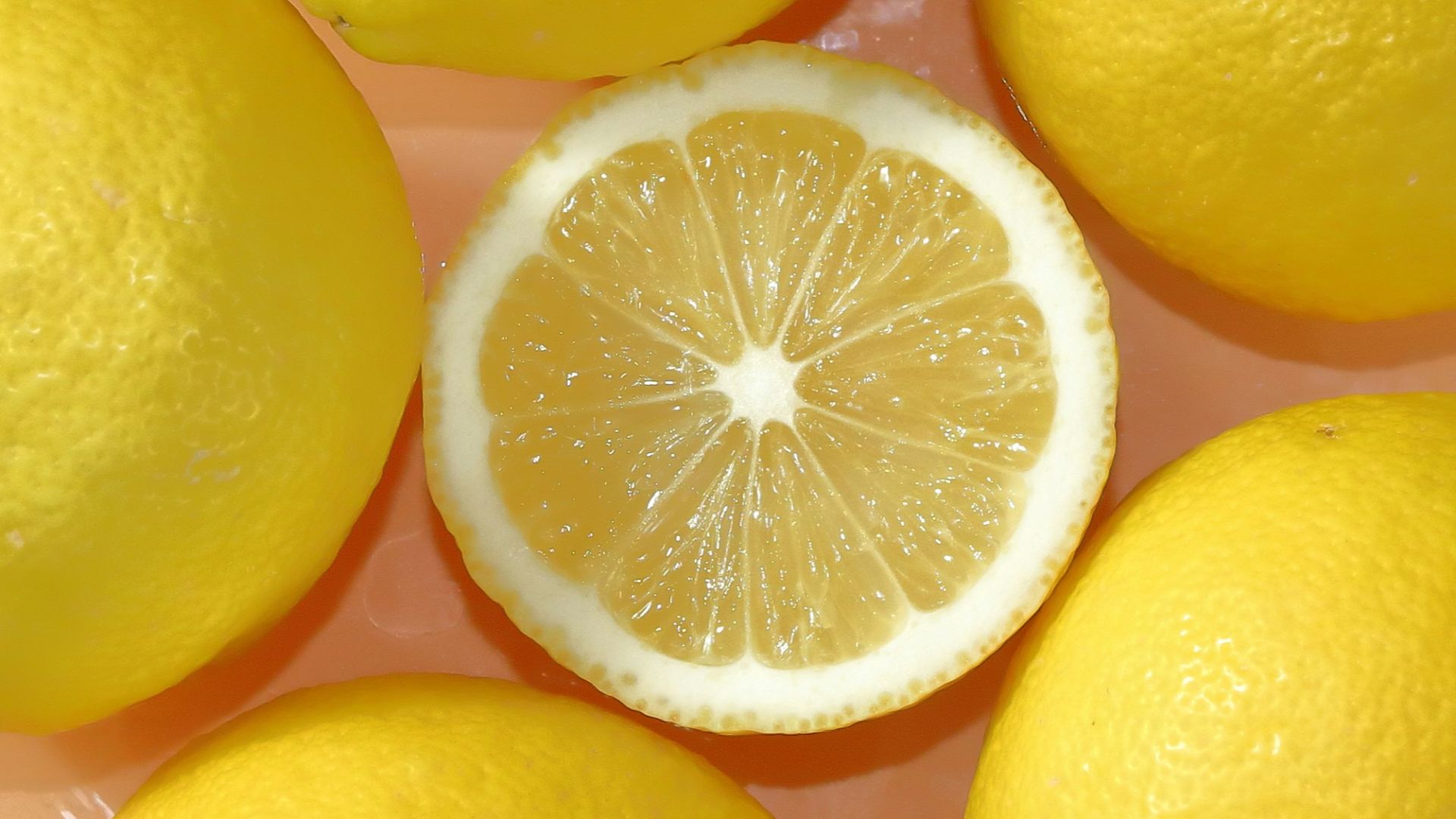
Sometimes a dish will seem to be missing something even if you've adequately salted it. Squeezing some lemon over the top or adding a dash of vinegar will bring out other flavors in the dish. Try adding a squeeze of lemon to roasted vegetables or a splash of vinegar to a hearty soup before deciding it needs something else.
5. Prepare Ingredients Before You Start Cooking
All ingredients should be chopped, weighed, measured, and otherwise ready to go into whatever dish you are preparing. There's no point in having one thing burning on the stove when you're frantically trying to find another ingredient to go in next. It's very helpful, even if you're only making a quick meal for your family.
6. Finish Sauces With Cold Butter
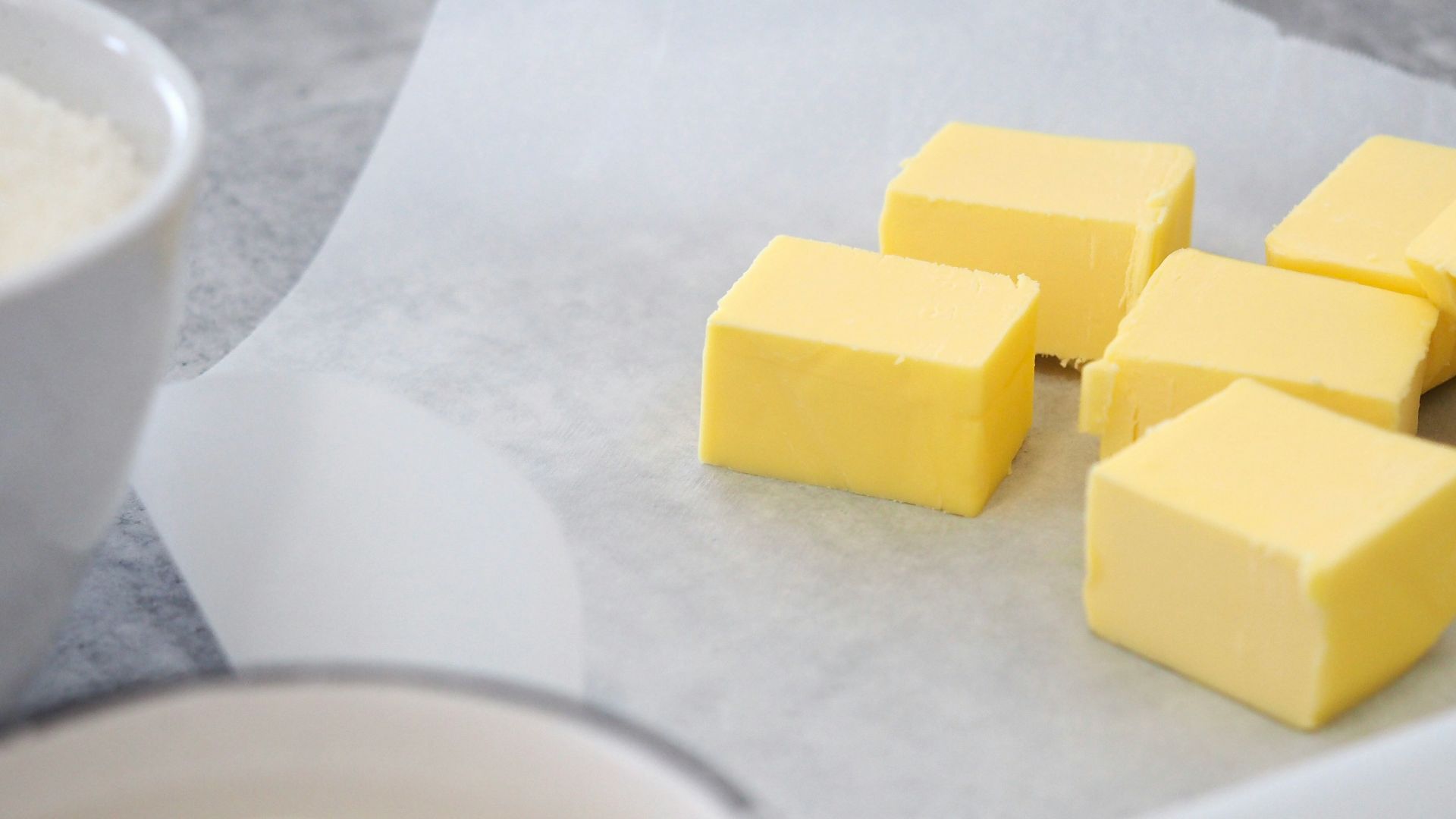
It's quite common to add knobs of ice-cold butter to many sauces toward the end. Whisking this carefully through will add gloss and richness to the sauce and take some of the edge off. Provided the sauce isn't too hot, you shouldn't find that it turns greasy.
7. Roast Vegetables Without Crowding the Pan
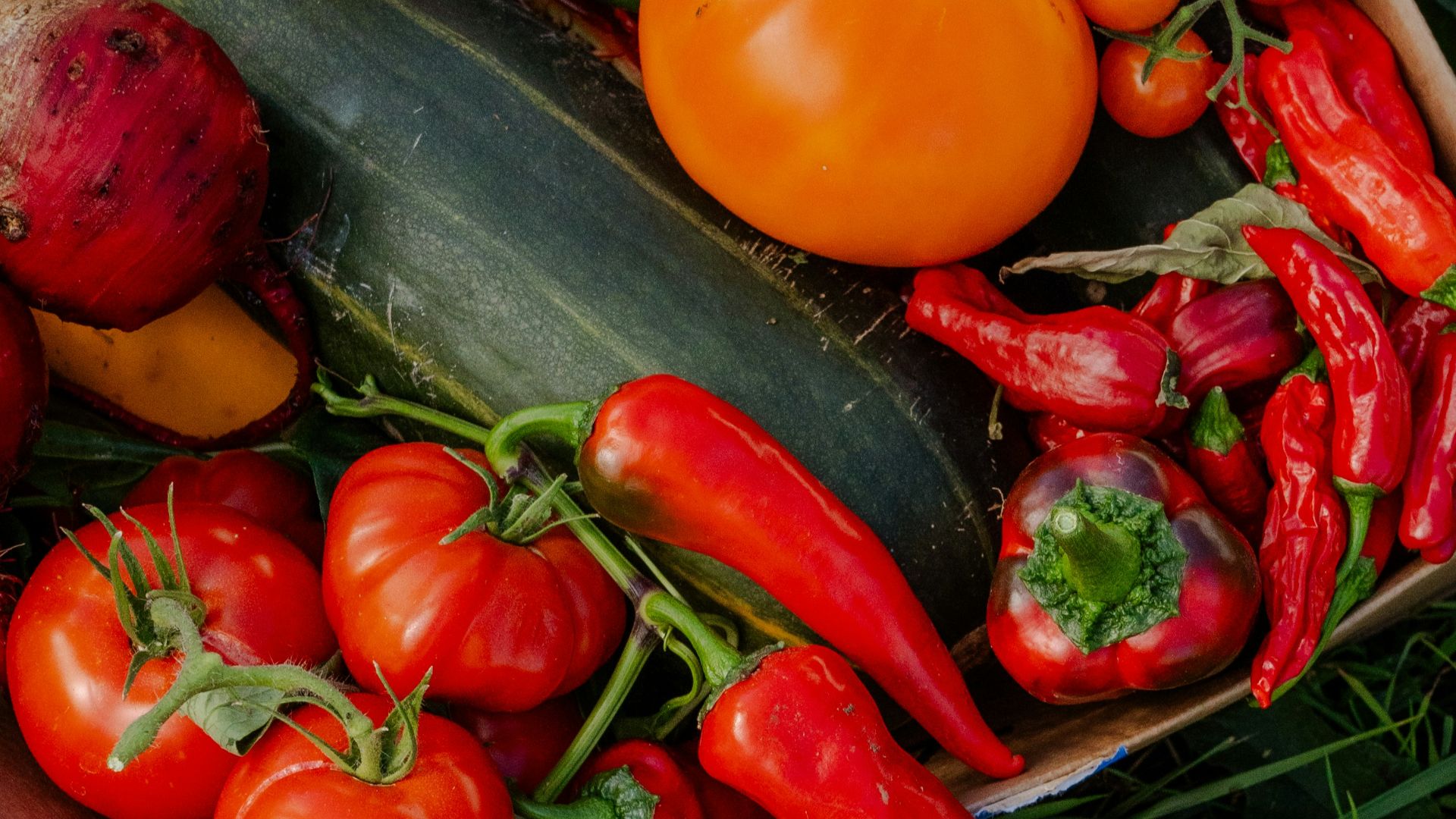
Packing them too tightly is probably the reason your vegetables aren't as golden as you'd like them. Of course, all vegetables give off a certain amount of water once hot, so you want this to evaporate as quickly as possible. So try to lay them out flat across an entire large baking sheet, leaving some space between them.
8. Let Cooked Meat Rest Before Slicing
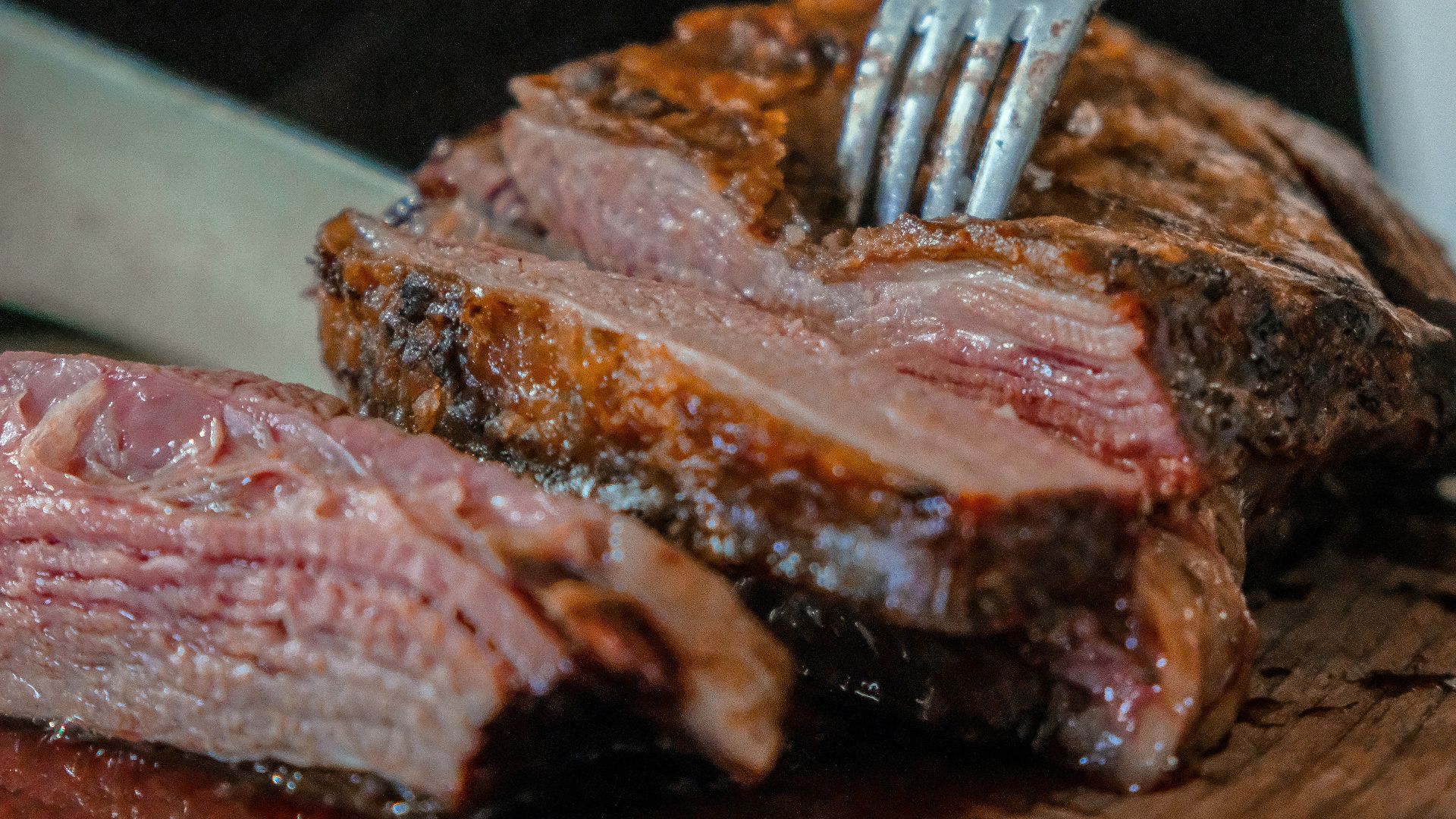
Much of the juicy goodness can run out of your meat if you cut straight into it as soon as it's cooked. It's best to leave it for a few minutes to allow the temperature to even out and the juices to settle. The length of time needed will, of course, be much longer for a bigger piece of meat.
 José Ignacio Pompé on Unsplash
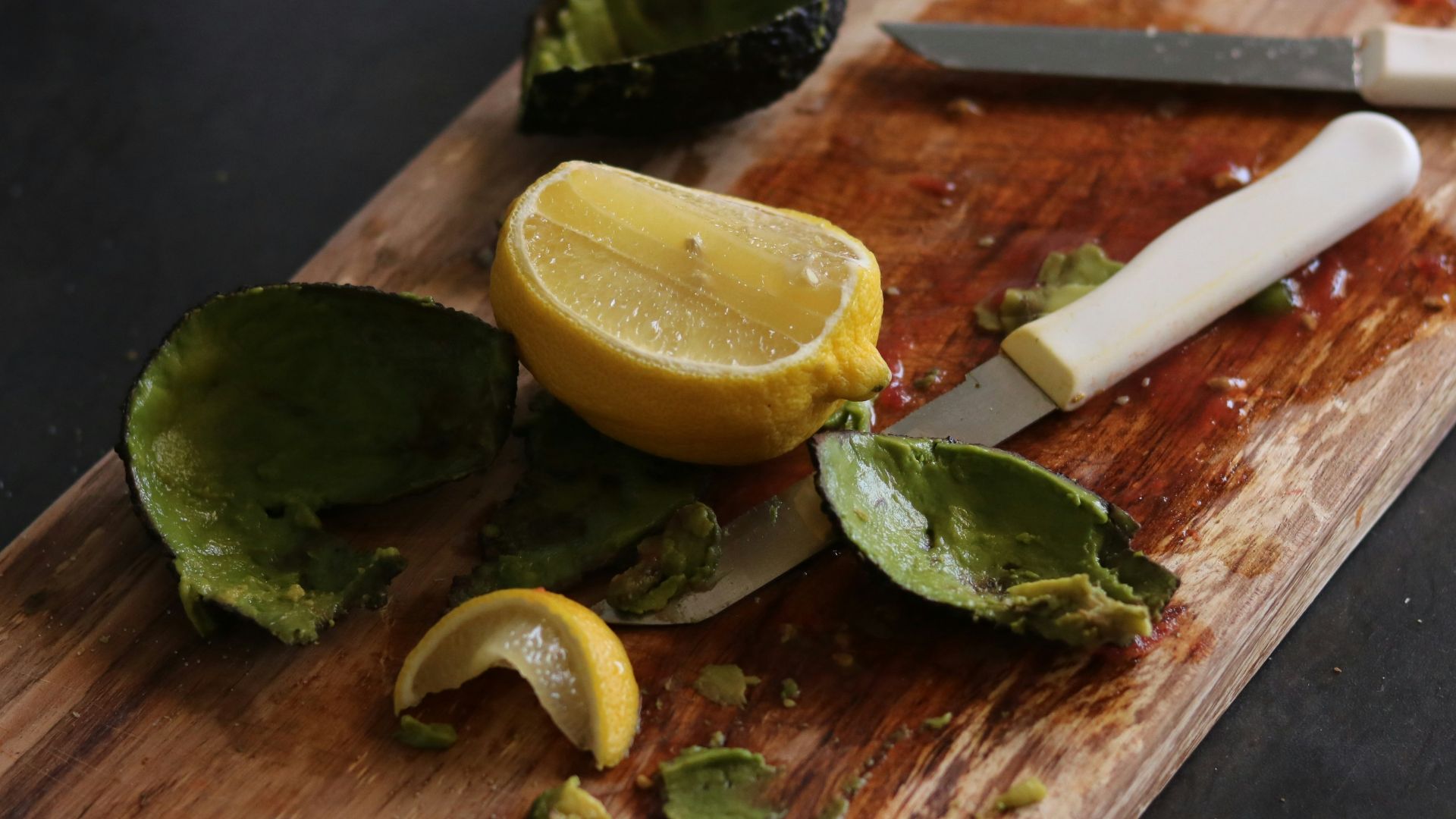
9. Keep a Bowl for Kitchen Scraps
You'll save many trips to the trash can if you have a bucket or large bowl beside you to put all your unwanted peels, paper, boxes, and so on. You'll thank yourself at the end of cooking when there's far less to clear away around the kitchen. Adopting this simple habit at home keeps your workspace cleaner and makes the final cleanup considerably easier.
 Alicia Christin Gerald on Unsplash
10. Cook Mushrooms Until Their Moisture Evaporates
Because there is so much water in most types of mushrooms, if you rush to cook them, they can end up quite waterlogged. It's worth leaving them on the stove for a relatively long time over fairly high heat to lose most of their liquid. Once they've started turning golden, adding butter, garlic, or herbs can create a particularly flavorful side dish.

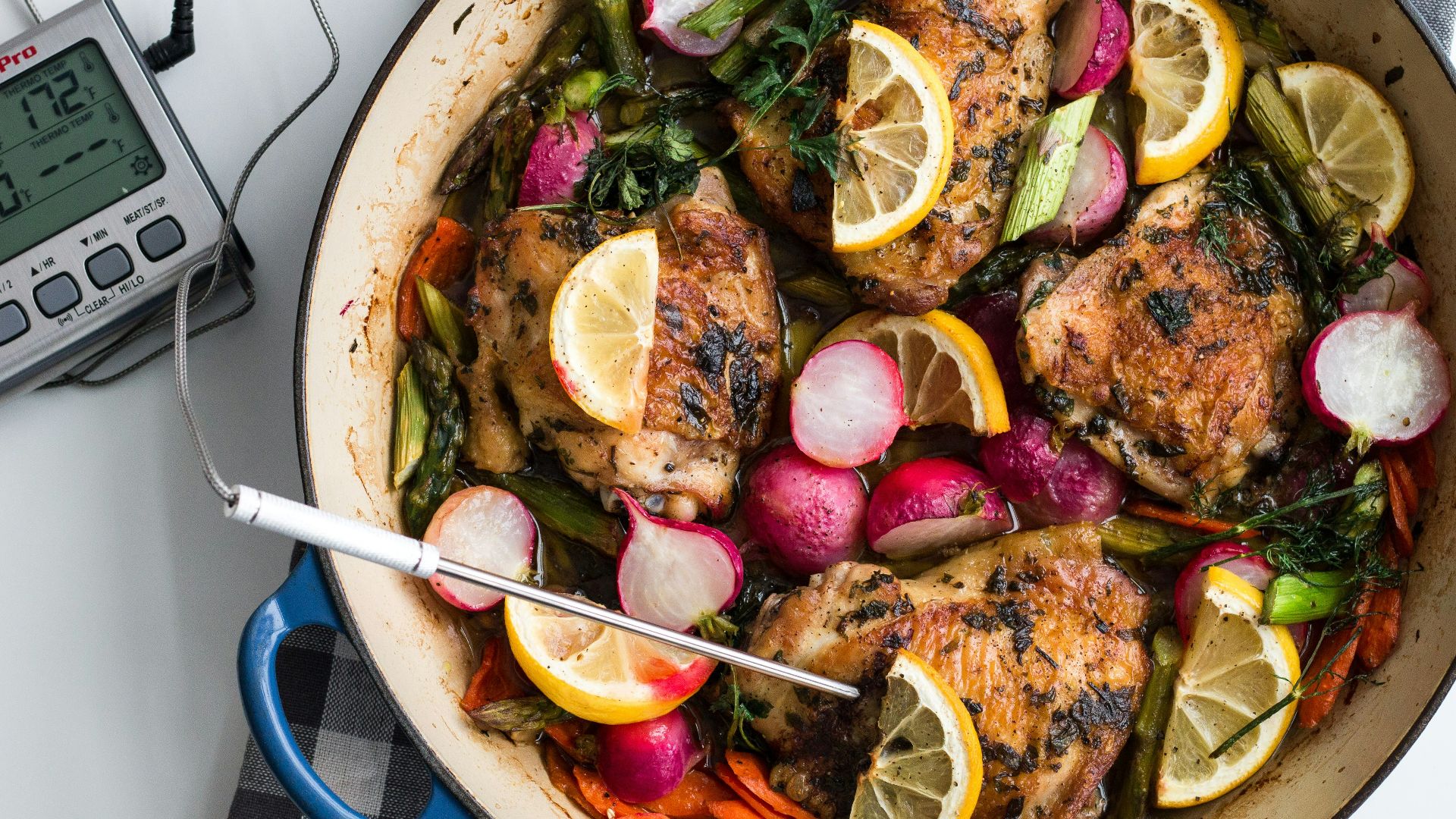
11. Use a Thermometer Instead of Guessing
There are so many variables involved in getting most meats cooked to perfection, and it's imperative that they reach a safe internal temperature. With a good-quality, quick-reading probe, you'll take much of the guesswork out of cooking your chicken, beef, lamb, pork, and fish. Rather than repeatedly cutting into your dinner to check whether it's ready, you can measure the internal temperature and avoid unnecessary overcooking.
12. Toast Spices to Release More Flavor
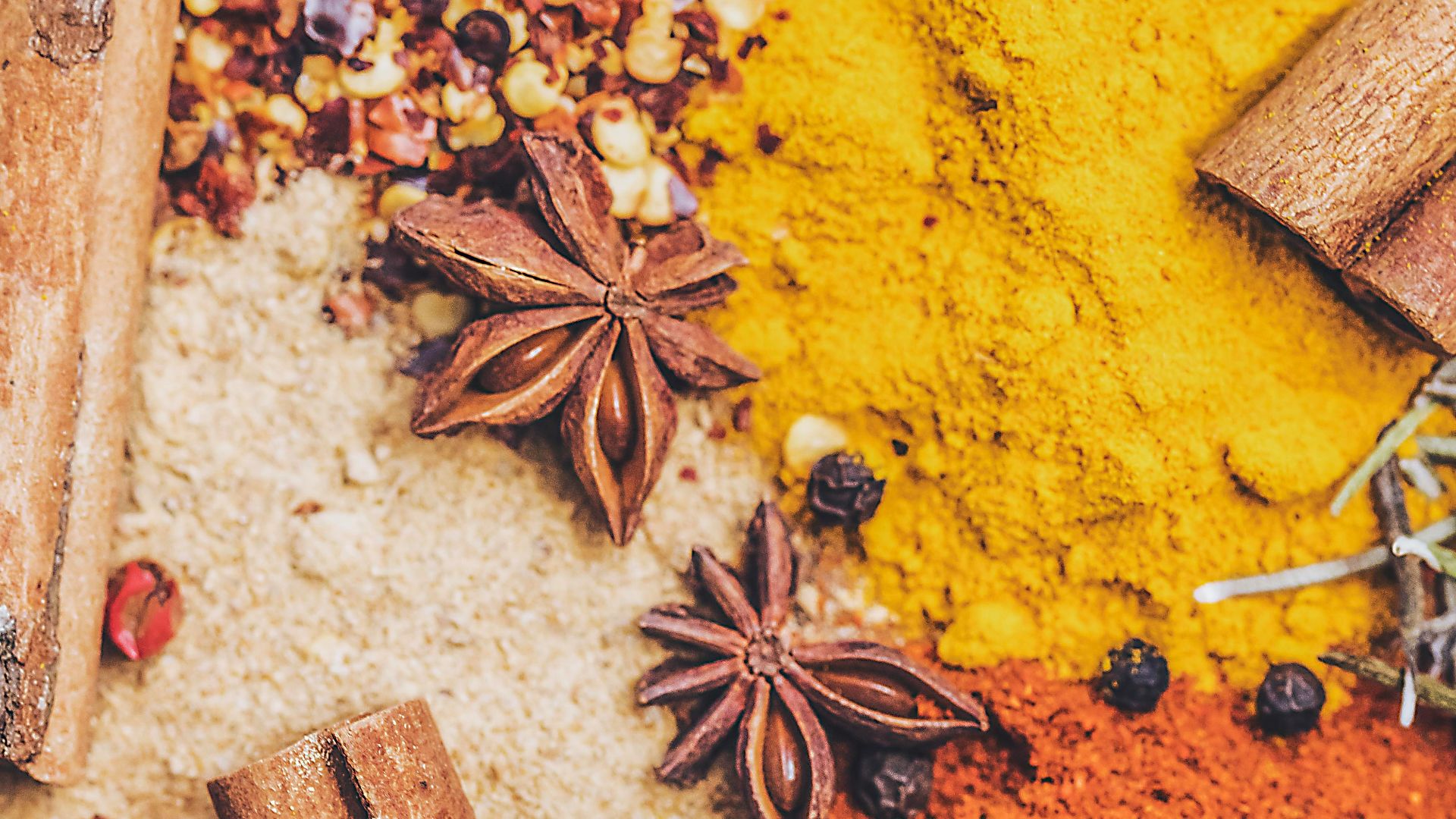
There's no better way of bringing out all the delicious smells of many dried spices than to place them into a slightly hot, dry pan. Whether it's cumin, coriander seeds, or many others, your final dish will only benefit. Shake or stir constantly, taking care not to burn them, and remove them as soon as they are very fragrant.
13. Add Fresh Herbs Near the End
Most tender-leaved herbs, such as basil and cilantro, benefit from being sprinkled over just before serving. Their lovely fresh flavors would be much diminished by being cooked with the rest of the ingredients. Some stronger herbs, such as thyme and rosemary, will stand up well to being cooked for a length of time.

14. Make Crispy Potatoes by Parboiling Them
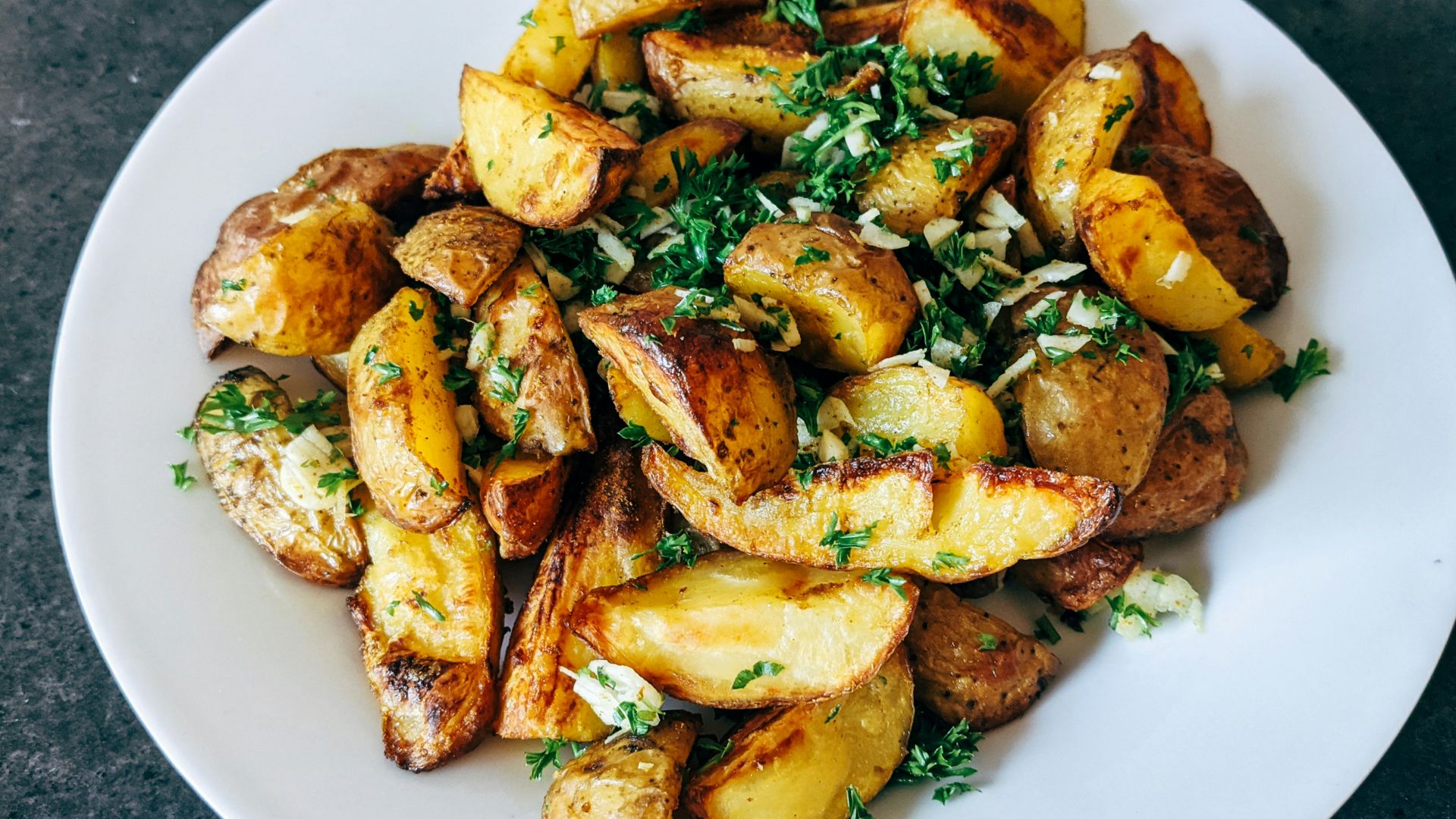
To get that perfect combination of a crisp outside and fluffy inside in potatoes, it helps to give them a quick boil first. Take some large chunks and boil until just starting to go soft, then shake them in their colander so they all get slightly roughed up around their edges. Toss with oil and roast well.
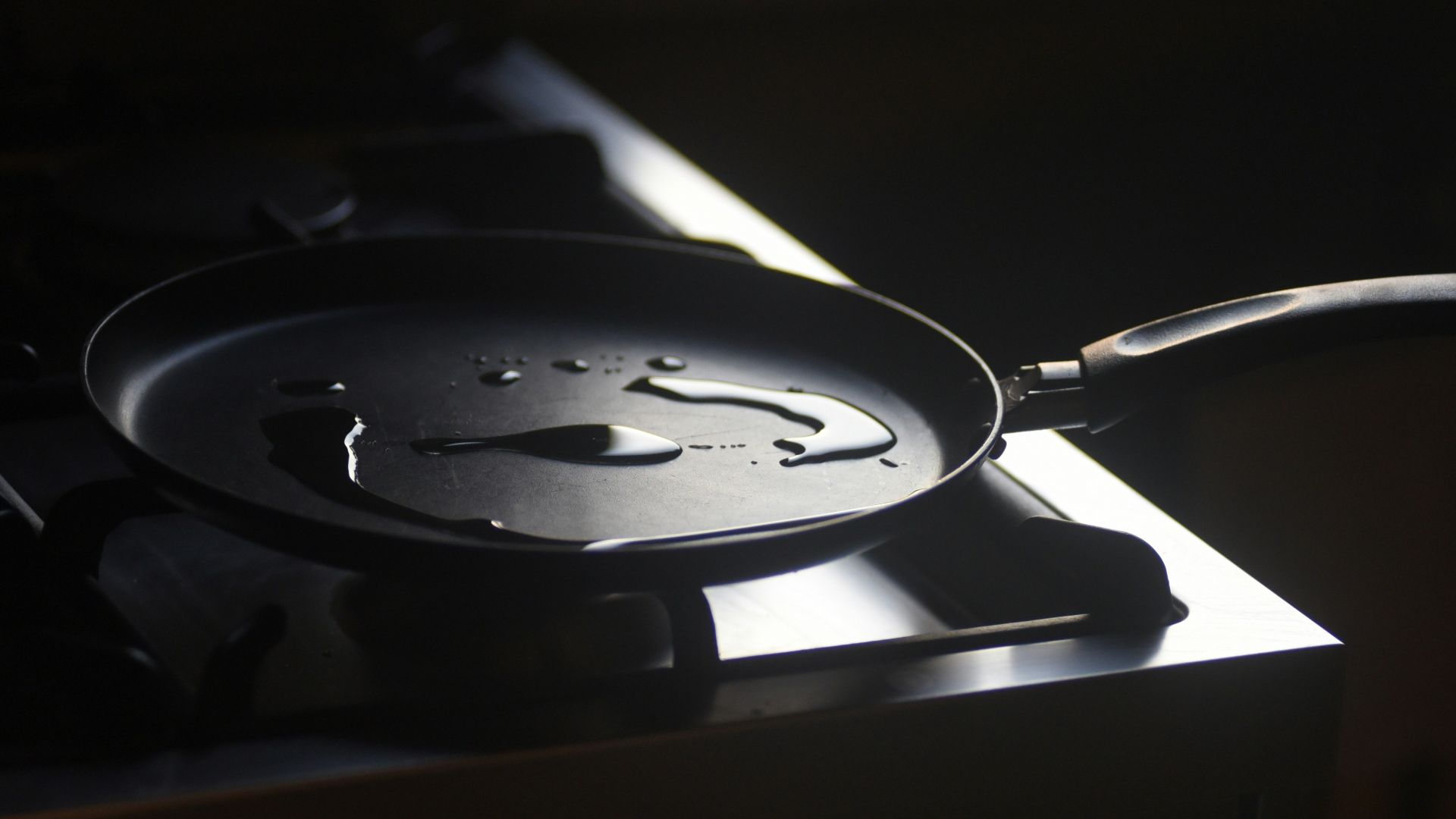
15. Use the Right Pan Temperature
Obviously, this will vary enormously depending on what it is you're cooking. If it's not hot enough, you run the risk of not achieving any desirable color; alternatively, if it's too hot, you will char some things before they've had a chance to cook through. Once you learn the right temperatures, it takes much of the guesswork out of following a recipe.
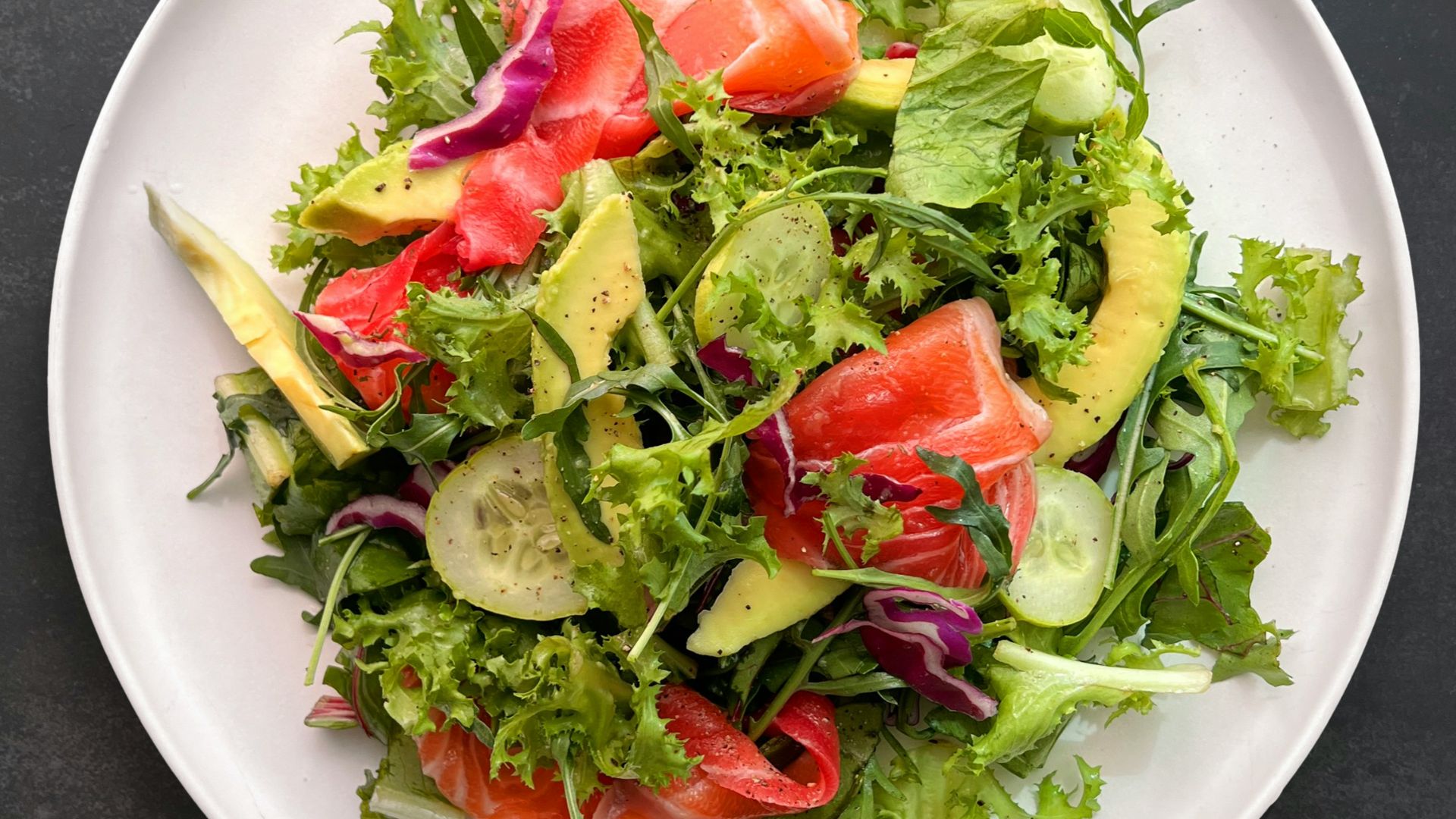
16. Keep Salad Greens Completely Dry
Ideally, restaurants have huge machines to spin all their salad leaves completely dry. Any residual water means the dressing won't cling as well and, of course, will just collect at the bottom of the bowl. Washing greens ahead of time, drying them thoroughly, and refrigerating them properly can also make assembling fresh salads much faster.
17. Season Food Throughout the Cooking Process
Don't leave all your seasoning to the last minute. There will be many opportunities throughout most recipes to add a little here and a little there. You can then taste at various points and adjust as required, ensuring all elements have a good, strong flavor.
18. Use a Hot Pan to Reheat Pizza
Microwaving leftover pizza might be convenient, but it often leaves the crust soft and the toppings unevenly heated. Reheating a slice in a covered skillet over medium-low heat can help restore a crisp bottom while warming the cheese. Adding a few drops of water to an empty area of the pan before covering it can create enough steam to help heat the toppings without soaking the crust.

19. Label and Date Your Leftovers
As you can imagine, there's a huge amount of produce being prepared constantly in a busy restaurant, all needing careful labeling and dating. All it requires is a stick-on label with the relevant information. But it can be extremely useful to do the same at home to ensure that everything is used within a reasonable time frame.
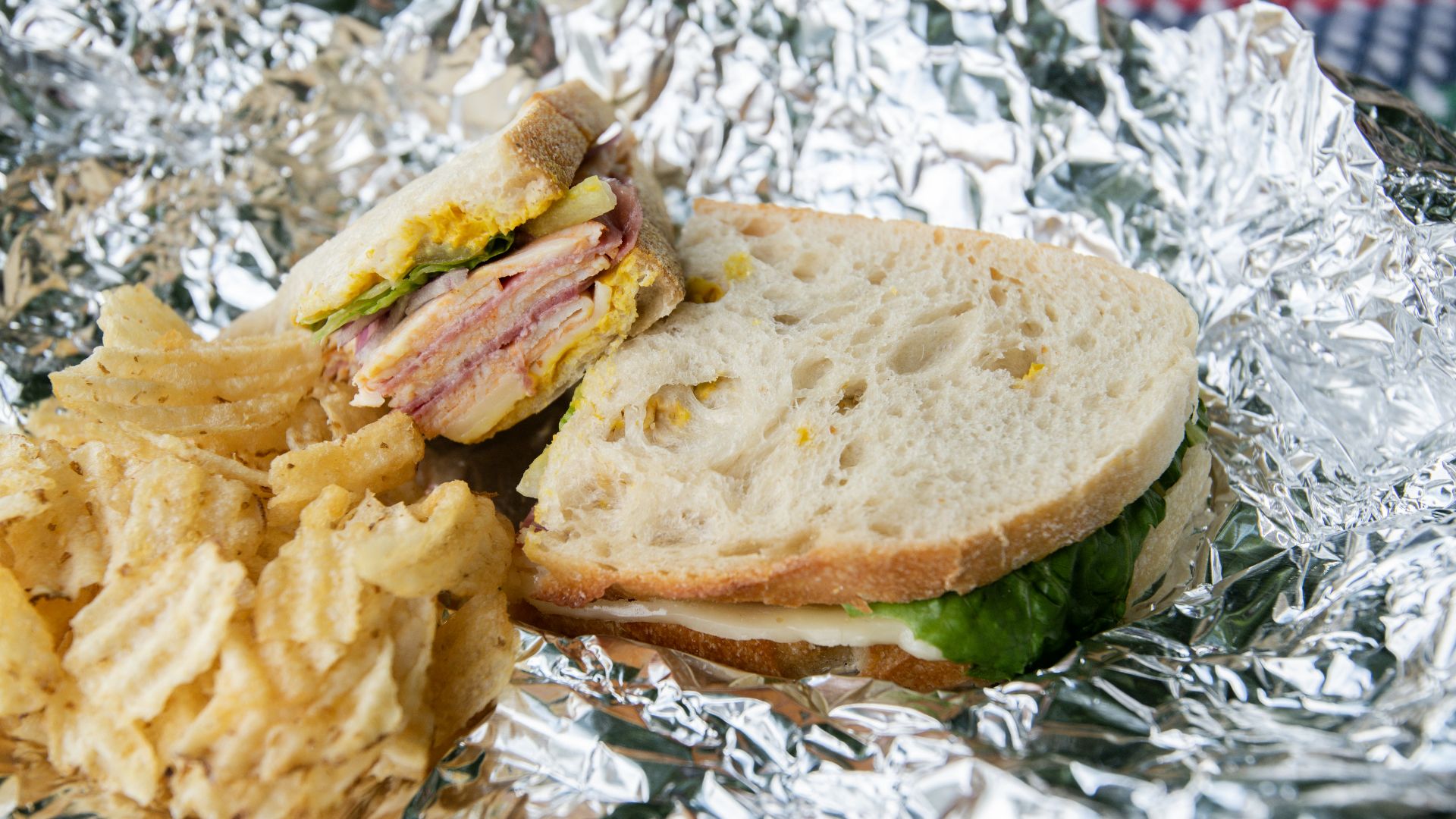
20. Taste Everything Before Serving
As you can appreciate from the previous points, a chef will be tasting constantly throughout the preparation of any given meal. There are so many elements that could affect the end result, depending on the individual vegetables and fruits used, for example. So make sure you take advantage of any final opportunity to make adjustments.

KEEP ON READING


20 Dishes That Built Modern American Cuisine