 Spencer Scott Pugh on Unsplash
There was a time when Kentucky Fried Chicken was practically synonymous with delicious fried chicken, generous family meals, and a secret recipe that competitors couldn't quite replicate. Colonel Harland Sanders built his reputation around carefully prepared food, eventually transforming his roadside restaurant business into an international franchise. However, the chain that once dominated the fried chicken industry has struggled to maintain its appeal in the United States, raising questions about what happened to one of America's most recognizable fast-food brands.
Between concerns about food quality, increasingly competitive prices, and a crowded fast-food market, KFC has found itself in an uncomfortable position. While the company remains enormously successful internationally, its American operations have experienced declining sales and growing competition from younger chicken chains. Perhaps the most interesting part of this story is that Colonel Sanders himself was criticizing the company's direction decades before today's problems emerged.
The Colonel Wasn't Happy With KFC Either
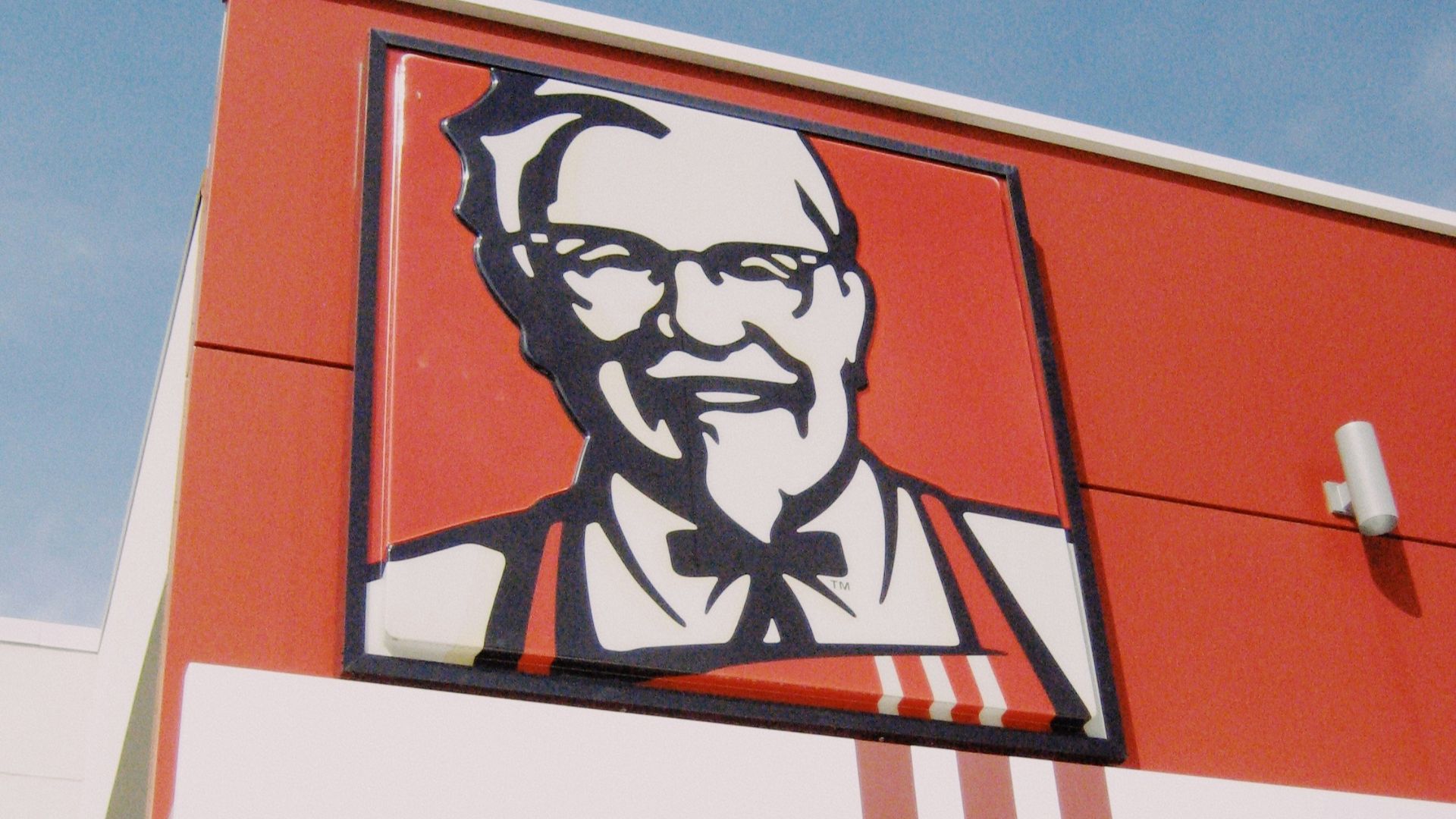
Colonel Sanders sold his chain in 1964 and naturally continued to take an interest in the standards of food produced under his name. There would be great pressure on the new owners to try to standardize as many items as possible, reduce the number of cooking processes, and hold down costs. He felt that many of these changes would adversely affect the quality of food served at KFC restaurants.
The gravy was one item that he felt was badly let down. It was quite laborious to make according to the original recipe, and the new management decided upon an easier method of production. He was openly critical of this, although he continued to be the "face" of KFC.
As the years went by, he came into increasing conflict with the owners over standards, openly attacking members of management. At one stage, it even led to court proceedings, so clearly he felt very strongly about many aspects of the running of the chain.
Naturally, it would be far easier to maintain standards when running only a few outlets, all under direct control, rather than several thousand around the world. Obviously, there are advantages to mass-production methods if consistency and low prices are required, but inevitably, some corners may be cut somewhere. How to maintain quality to the standard set by Colonel Sanders was to be a continuing problem.
For decades, KFC enjoyed considerable recognition as one of America's leading fried chicken restaurants. However, competitors such as Popeyes, Chick-fil-A, and Raising Cane's have increasingly challenged its position in the American market. These chains have developed devoted customer bases through distinctive menus, recognizable products, and marketing strategies that appeal to modern fast-food customers.
Chick-fil-A has become particularly successful by concentrating on chicken sandwiches, nuggets, and a relatively focused menu. Raising Cane's has taken an even narrower approach, building its identity around chicken fingers, fries, toast, and its signature sauce. Meanwhile, Popeyes attracted enormous attention with its chicken sandwich launch in 2019, demonstrating how a single popular product could generate widespread interest.
Over the years, KFC has tried everything from sandwiches to various limited-time offers (LTOs) and promotions. While its buckets are fairly easy to identify, there are many other options available to consumers wanting fast-food chicken. With so many choices, it is by no means certain that familiarity will draw people into a particular outlet.
The company's American performance illustrates the problem. According to parent company Yum! Brands, KFC's U.S. system sales declined 6% in the third quarter of 2026 compared with the previous year, excluding currency effects. Meanwhile, the overall KFC division continued growing internationally, suggesting that the brand's difficulties are considerably more pronounced in its home market.
Can KFC Actually Recover Its Former Glory?
Another challenge facing KFC is the changing relationship between fast food and affordability. Customers who once considered fried chicken buckets an economical family dinner now have to compare restaurant prices with grocery bills and competing meal deals. Although rising food and labor costs affect the entire industry, consumers may become less forgiving when a familiar restaurant no longer feels like particularly good value.
The standard of food and the reliability of preparing it correctly and satisfactorily are also very important, given the number of outlets. One bad experience may well deter a customer from returning to any of its restaurants. So obviously, it is important that these factors can be relied upon across all of its branches if the company is to win back business.
Of course, there have been many changes and innovations trialed by KFC over the years in an effort to update various aspects of its business, from products on sale to the restaurants themselves and methods of placing orders. As mentioned previously, as of the end of the third quarter of 2026, there were over 35,000 outlets around the world, according to parent company Yum! Brands, so clearly the chain is very widely represented internationally.
So although it may be somewhat overstating the case to suggest KFC has been devastated, the continued decline in figures in the US is worrying. It clearly benefits from an extremely high level of brand awareness and loyalty built up over many years, which few competitors could match. So arguably, all it needs to do is concentrate on producing good-quality, well-made chicken that people would want more of!
KEEP ON READING

How Cabbage Became the New "It" Vegetable


20 Great American Foods Hiding in Gas Stations