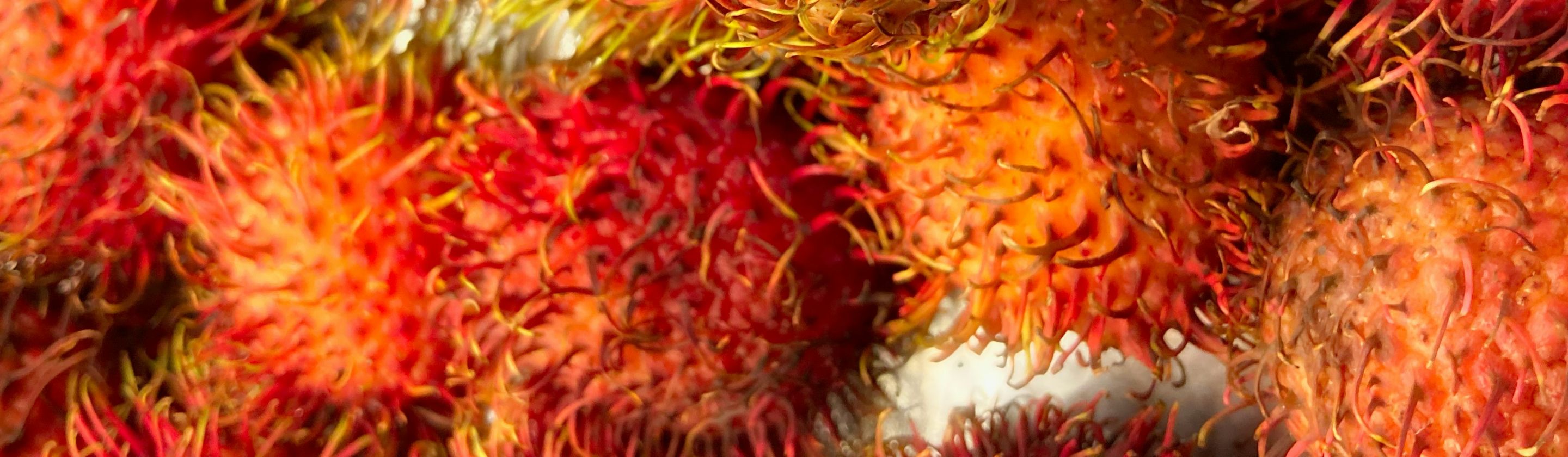
If You Recognize These, You’re in the 1%
Think you know obscure foods? Sure, you might eat exotic fruits and local specialties. But there are thousands of edible plants and animals out there that most people will never know. With that in mind, here are 20 unique dishes only a few people know.
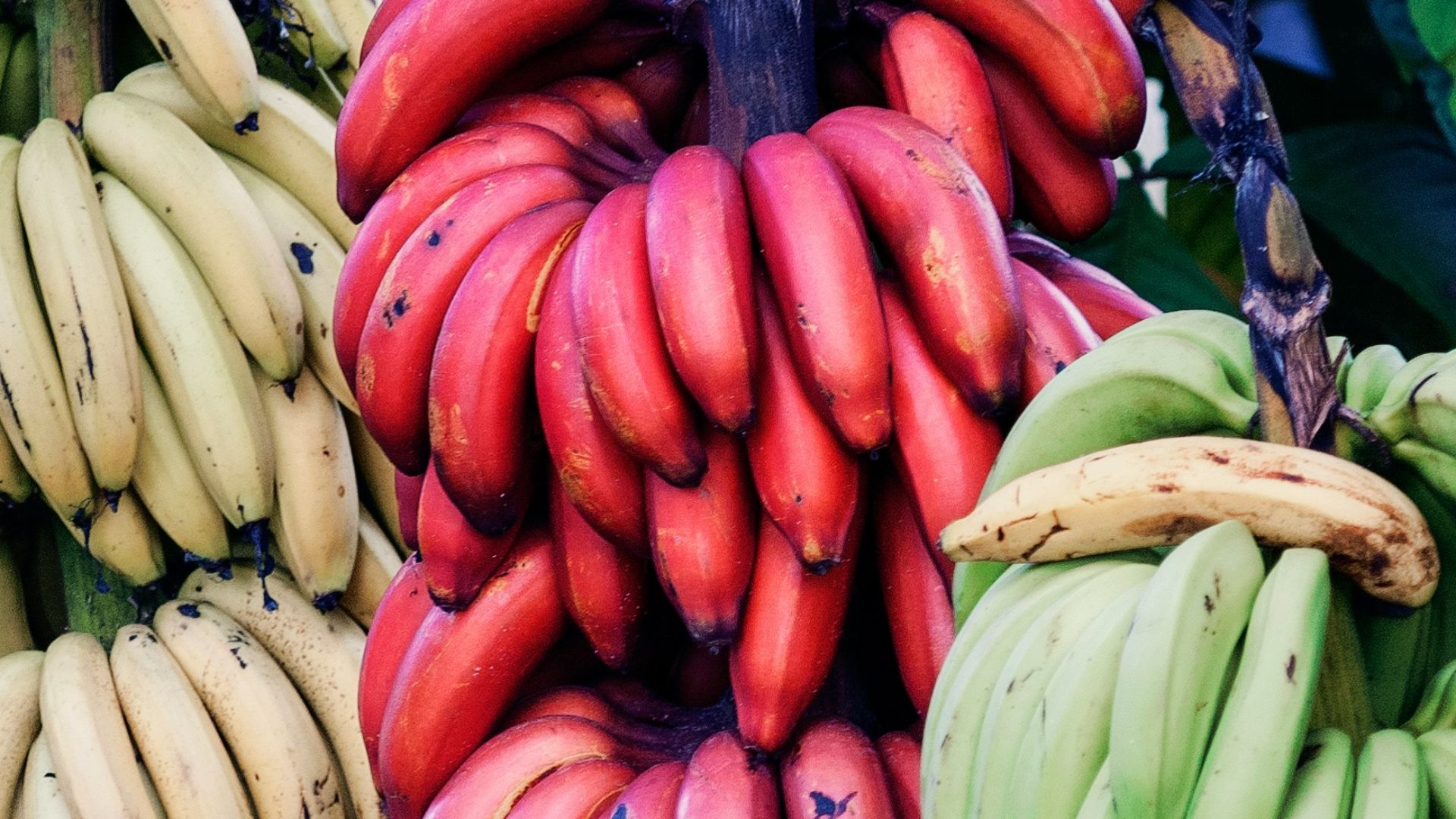
1. The Neon Blue Lingcod
Don’t let the shocking blue color fool you; this rare North American fish tastes just like any other white fish when cooked. Lingcod meat is naturally fluorescent due to the presence of a bile pigment known as biliverdin, though it loses its pigment when you cook it and turns white.
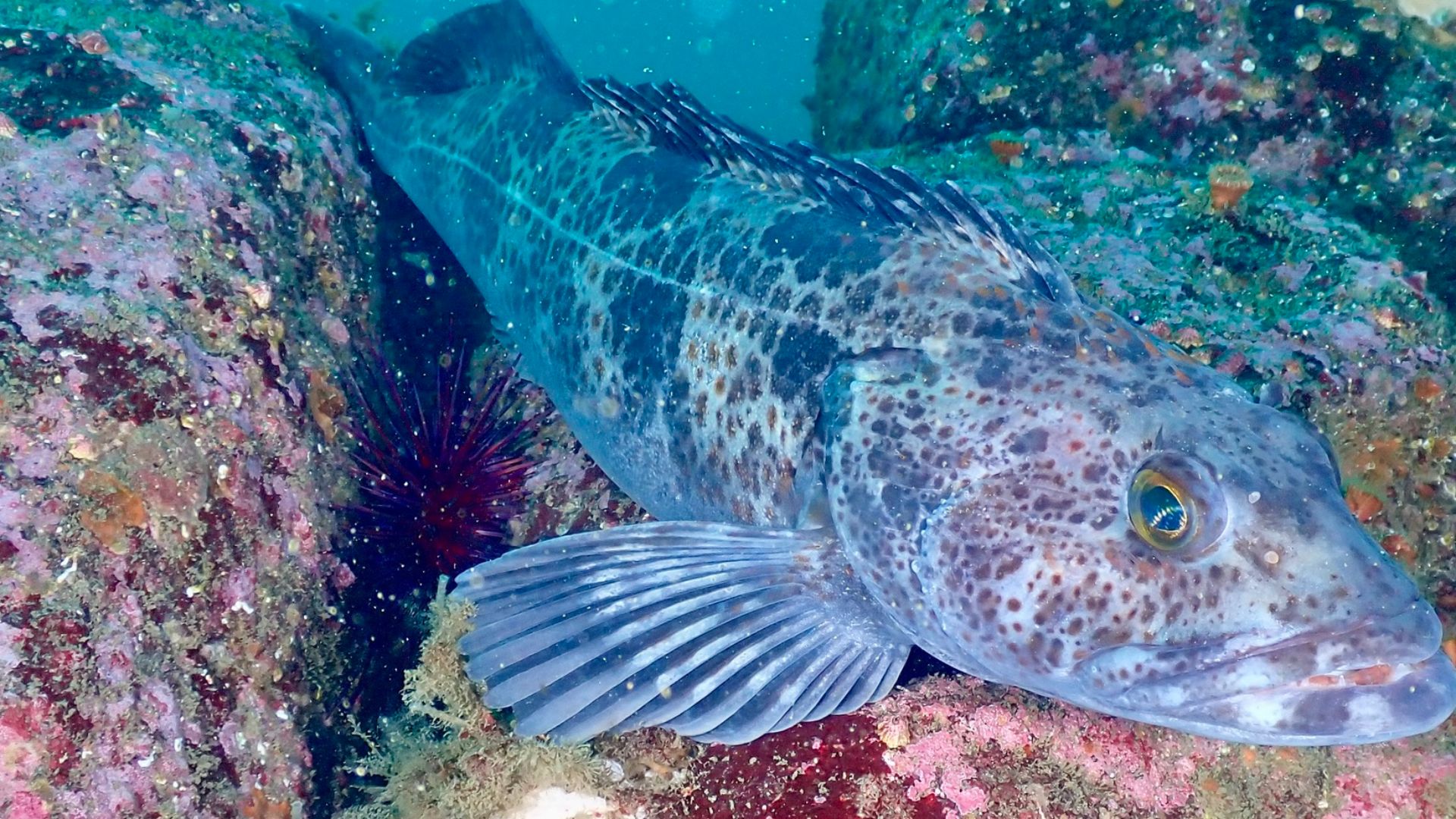
2. Miracle Berries from West Africa
Originating from West Africa, miracle berries are small red fruits that contain a protein which can fool your taste buds in the weirdest way possible. After chewing on the fruit, acidic foods like lemon become downright sweet. It’s one of those foods that everyone thinks is a myth, but miracle berries exist.
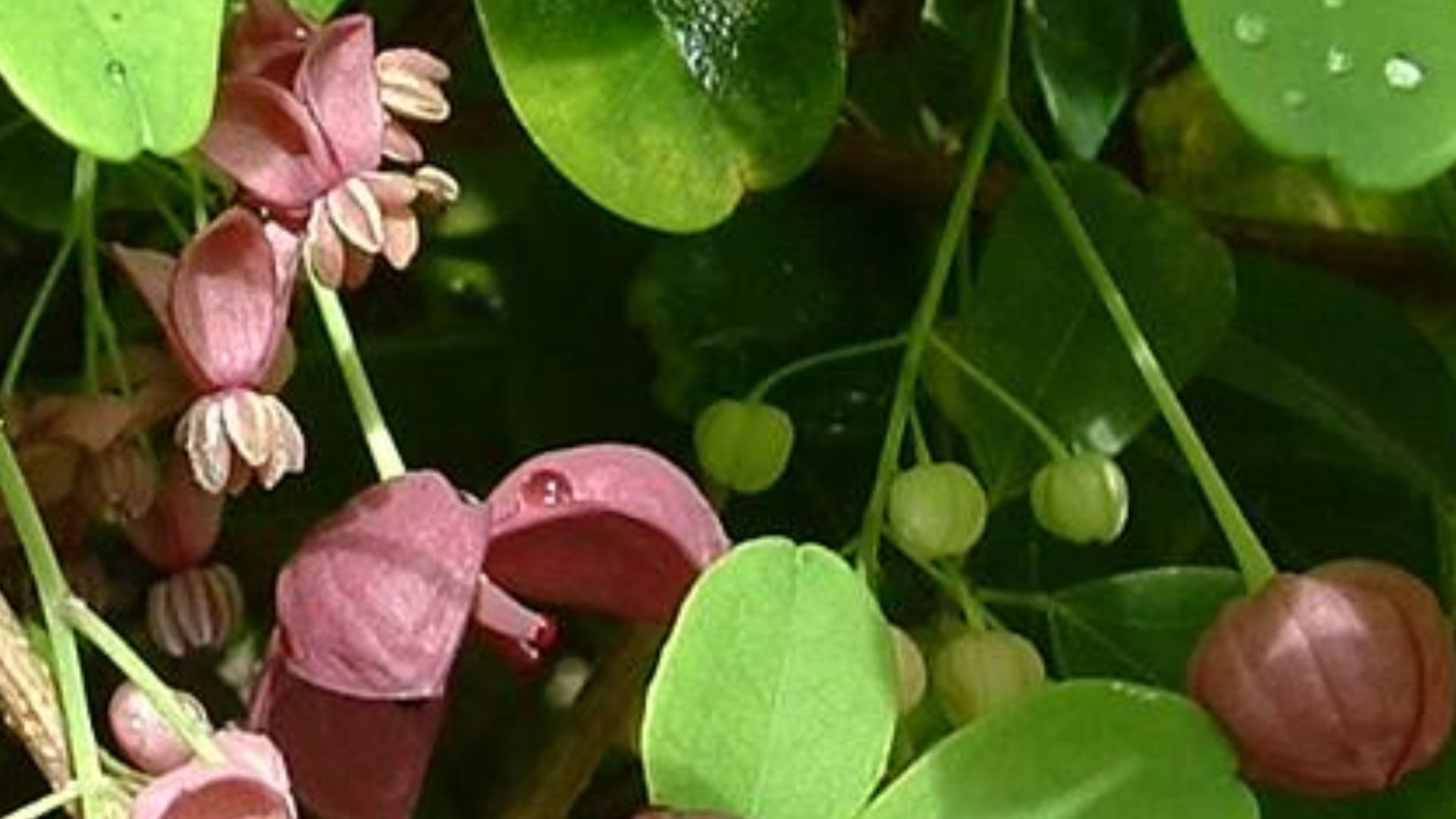
3. The Enigmatic Akebia Quinata
A member of the chocolate family, the strange purple pod known as akebia quinata is originally from Japan. The pod will not open until it’s ripe, exposing the edible white flesh inside. These fruity vegetables taste fairly mild with a slight sweetness, but they’re also stuffed with meat and fried as a snack in Japan.
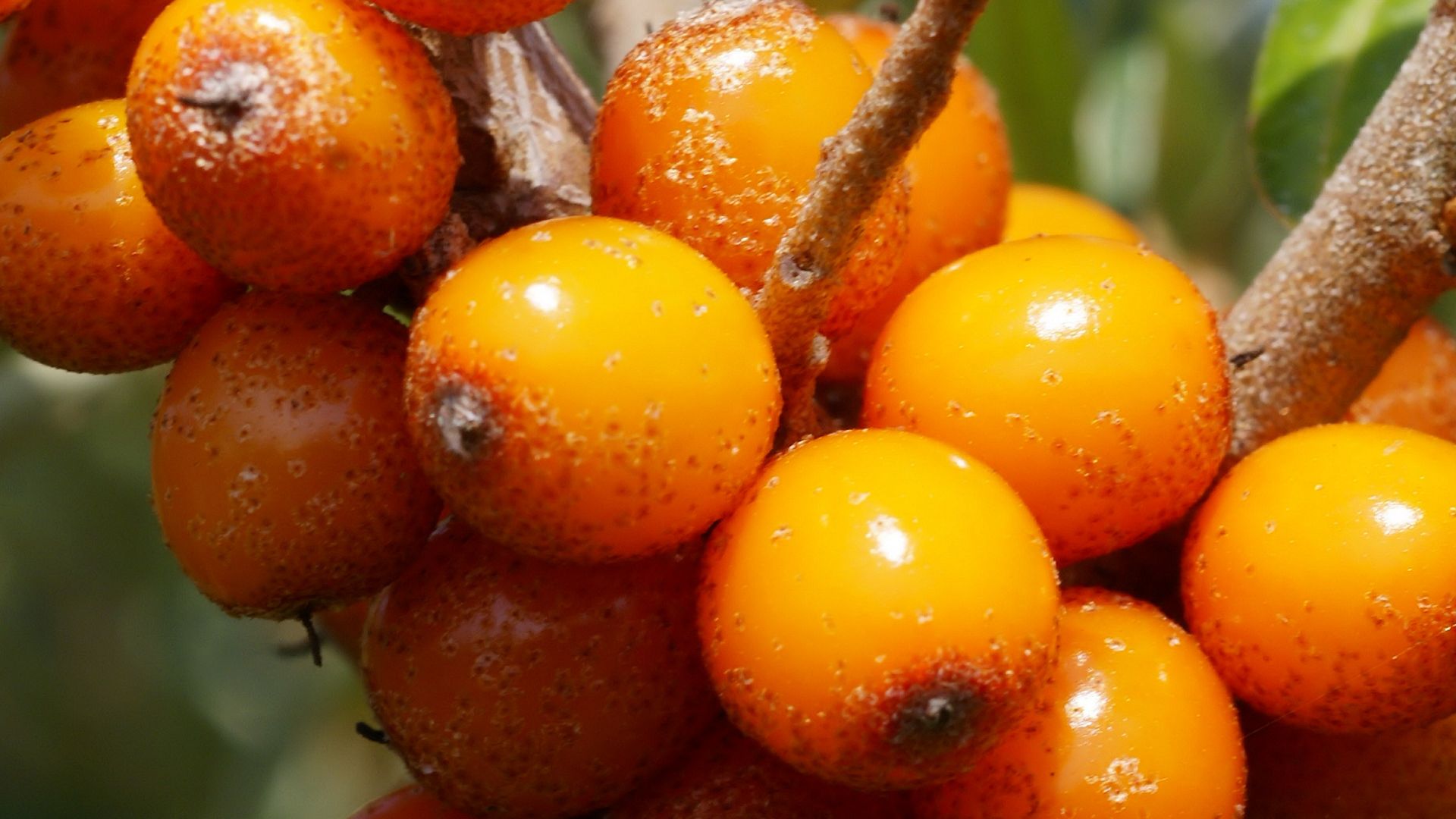
4. High-Altitude Sea Buckthorn
You might find this bright orange berry growing on thorny shrubs in the Himalayas or along rugged northern coasts. It’s packed with more vitamin C than almost any other fruit, but its intense tartness means you’ll probably want to mix it with plenty of honey. These berries are also prized by locals for their medicinal properties.
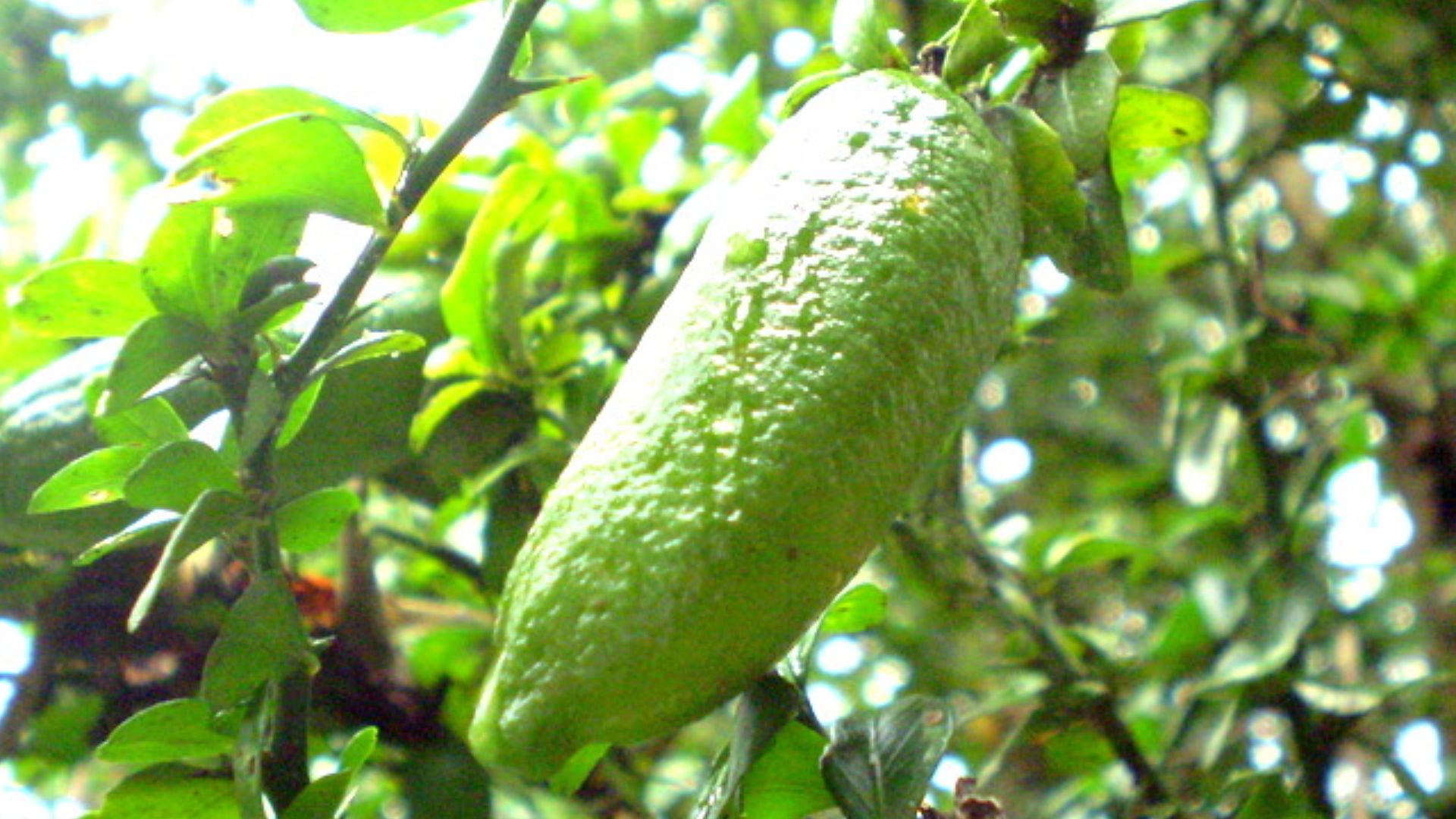
5. Australian Finger Limes
Native to Australia, these bright green cylinders are filled with tiny juice sacs that burst in your mouth. Finger limes come in green, yellow, pink, and even burgundy, and taste just like key limes but with extra flair. You’ll never find them in your grocery store’s produce section.
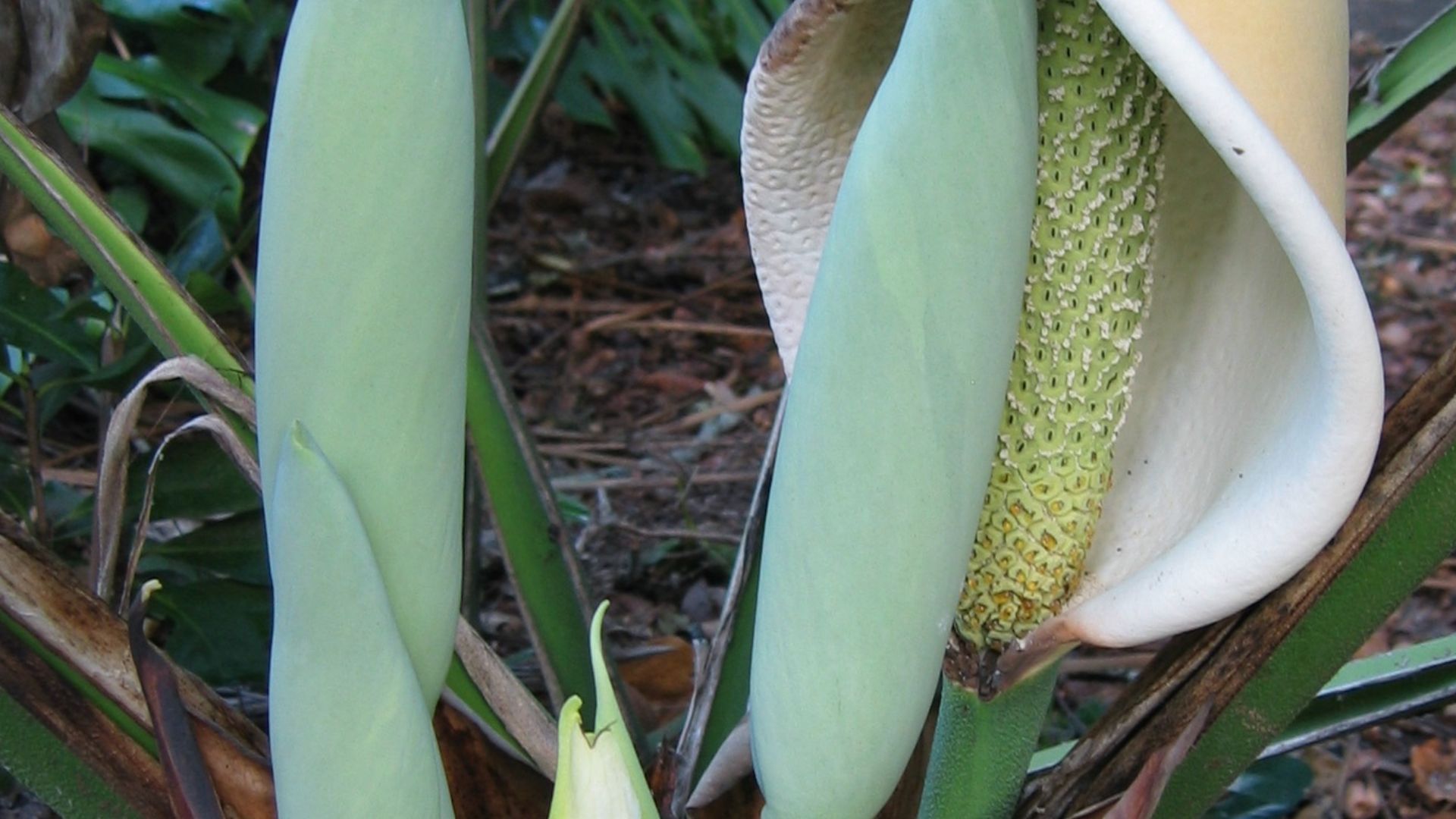
6. The Giant Monstera Deliciosa
Better known as the Swiss cheese plant, the monstera deliciosa grows wide leaves with holes throughout Southeast Asia and Central America. Cutting into the husk reveals triangles of sticky fruit that taste like a blend of banana, pineapple, and vanilla.
7. Black Sapote Chocolate Pudding Fruit
This Mexican persimmon relative looks like a green tomato on the outside, but the interior features a dark custard that looks and feels exactly like chocolate pudding. It’s a dream for health-conscious dessert lovers since it has a rich flavor profile without any of the actual cocoa or dairy.
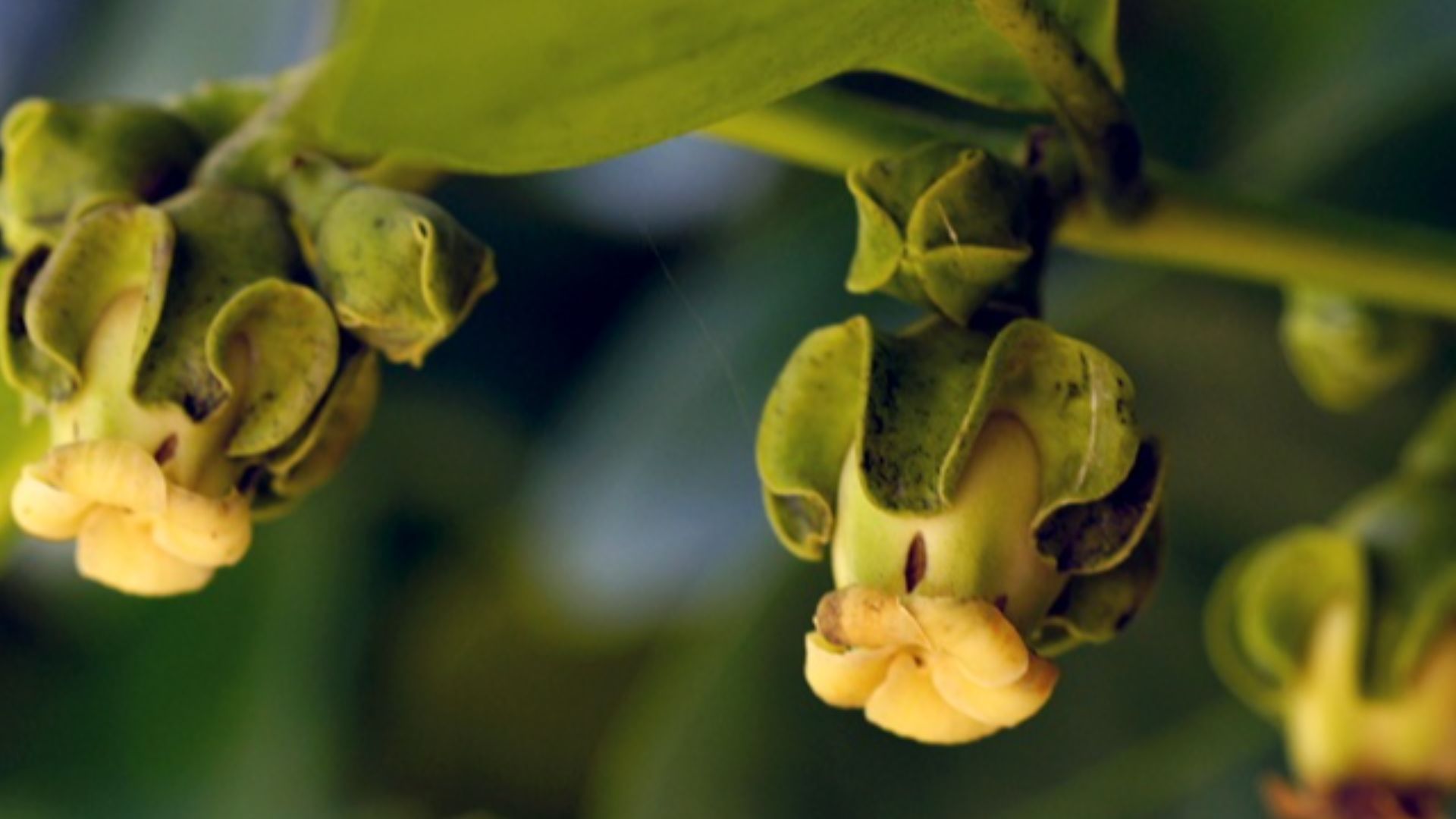 Tatiana Gerus from Brisbane, Australia on Wikimedia
8. The Wood Apple of South Asia
Wood apples are so hard that you have to break the shell with a hammer or large rock to reveal the fibrous, tamarind paste inside. You’ll mostly find wood apples being squished into drinks or spicy sauces in Sri Lanka. Unfortunately, these magical fruits are a rarity on American soil.
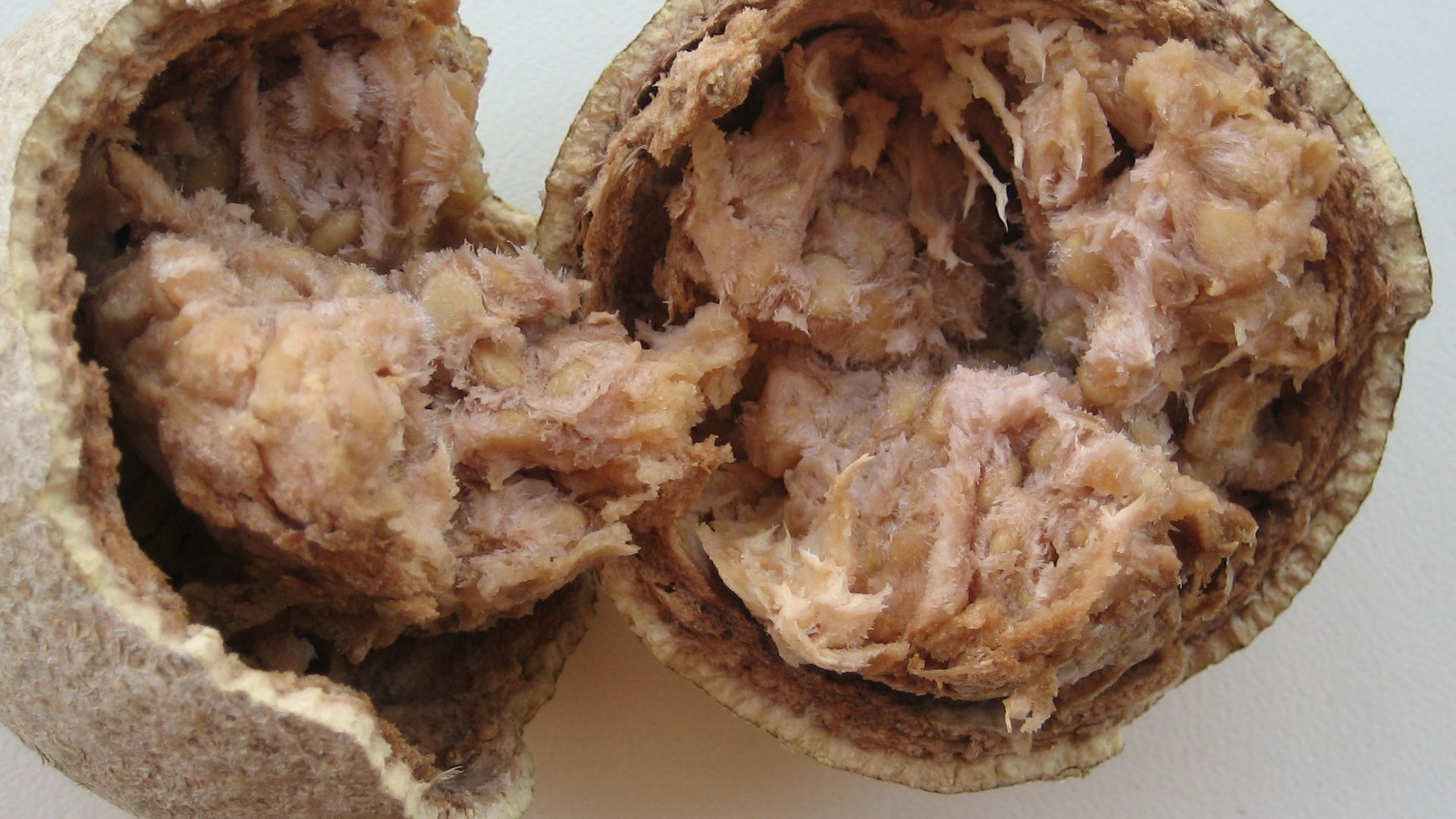 Seisfeldt at English Wikipedia on Wikimedia
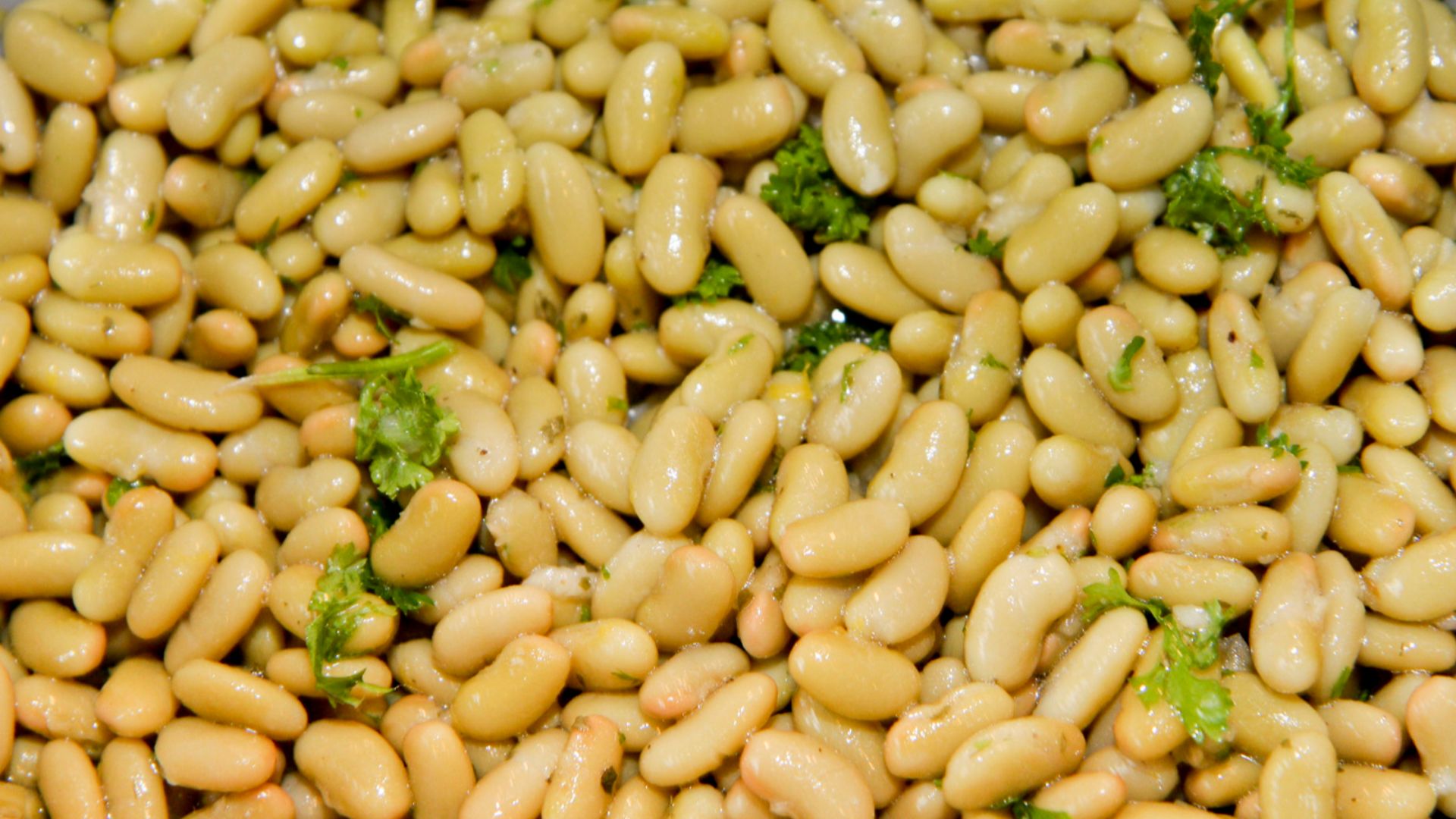
9. Succulent Sea Beans
They may look like weeds, but these succulent green stalks are popping up in upscale restaurant kitchens. Sea beans are harvested in saltwater marshes and have the taste of salty vegetables, like cucumbers. Sea beans also happen to taste like the sea, because they absorb the saltwater surrounding them as they grow.
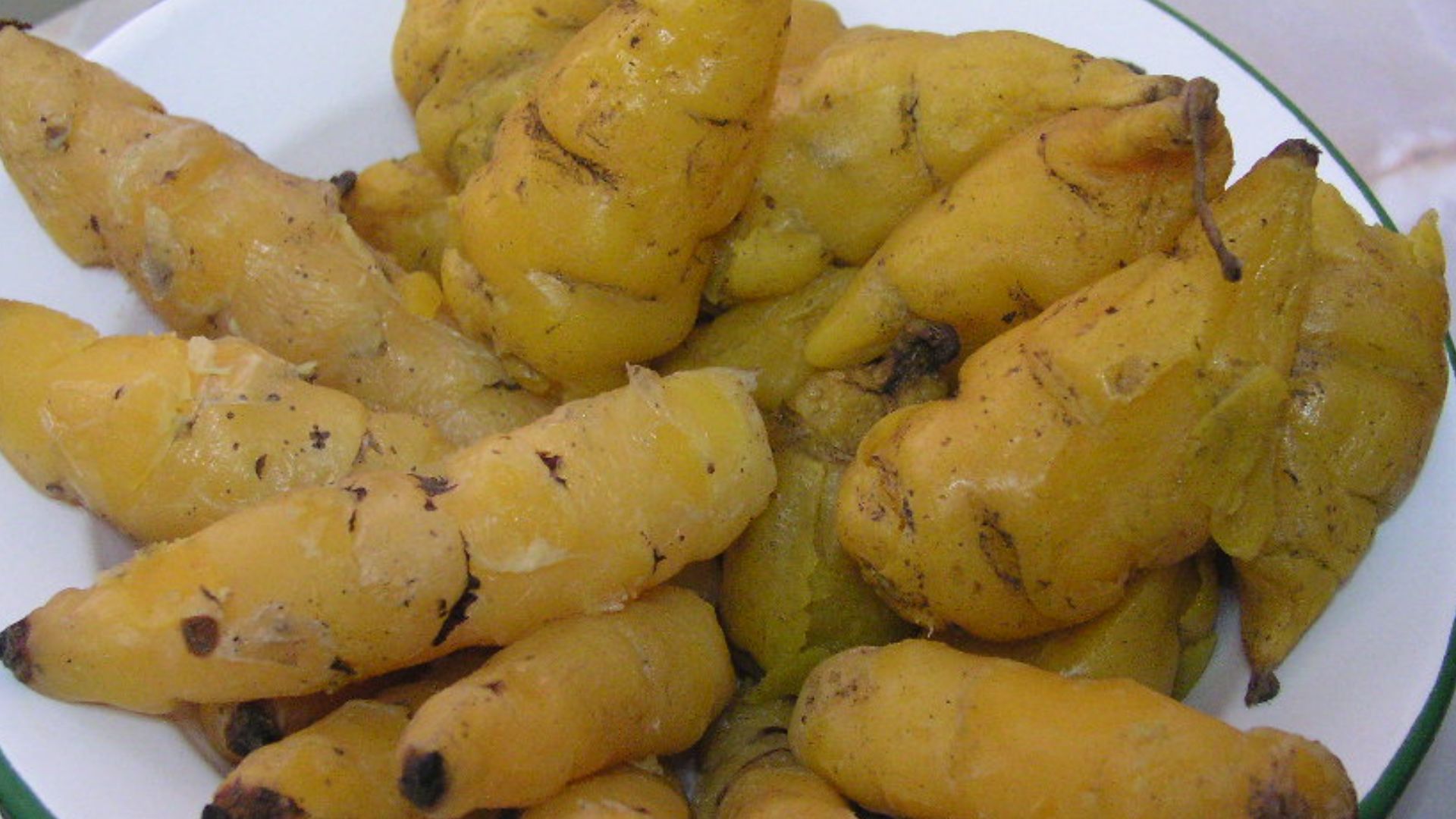
10. The Oca Tuber from the Andes
Potatoes may be the world’s favorite vegetable, but their trendy cousin from South America is even better. The oca is a sweet, sour root vegetable with the texture of jelly and the taste of a lemon. Available in colors ranging from deep orange to fluorescent pink, ocas are too sweet to pass up.
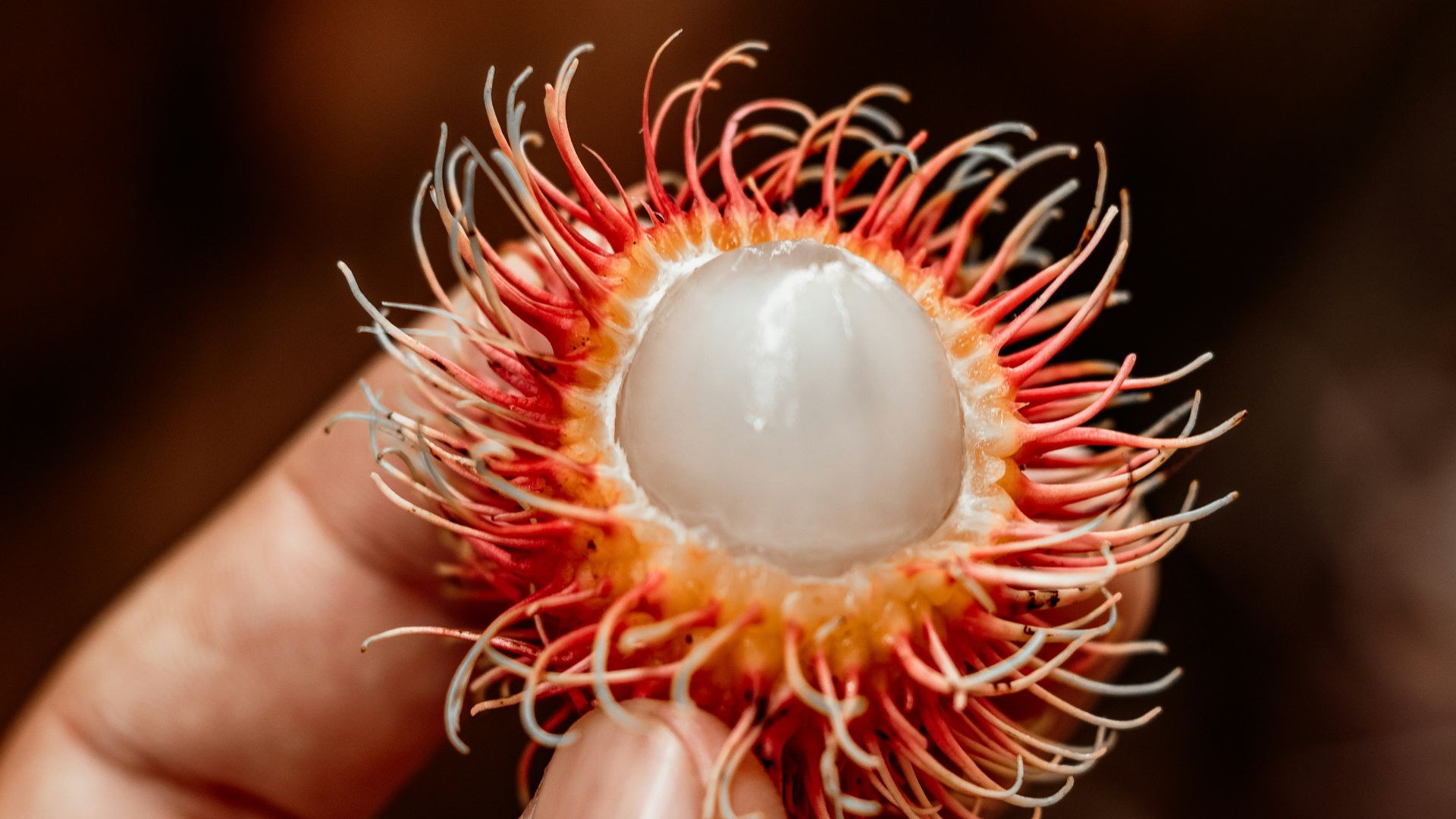
11. Sweet and Sour Rambutan
Look at that funky exterior! It’s easy to mistake these for lychees, but underneath those soft spines is a crisp, grape-like fruit with the perfect combination of floral sweetness and acidity. These gems are wildly popular throughout Southeast Asia, but they don’t keep for long.
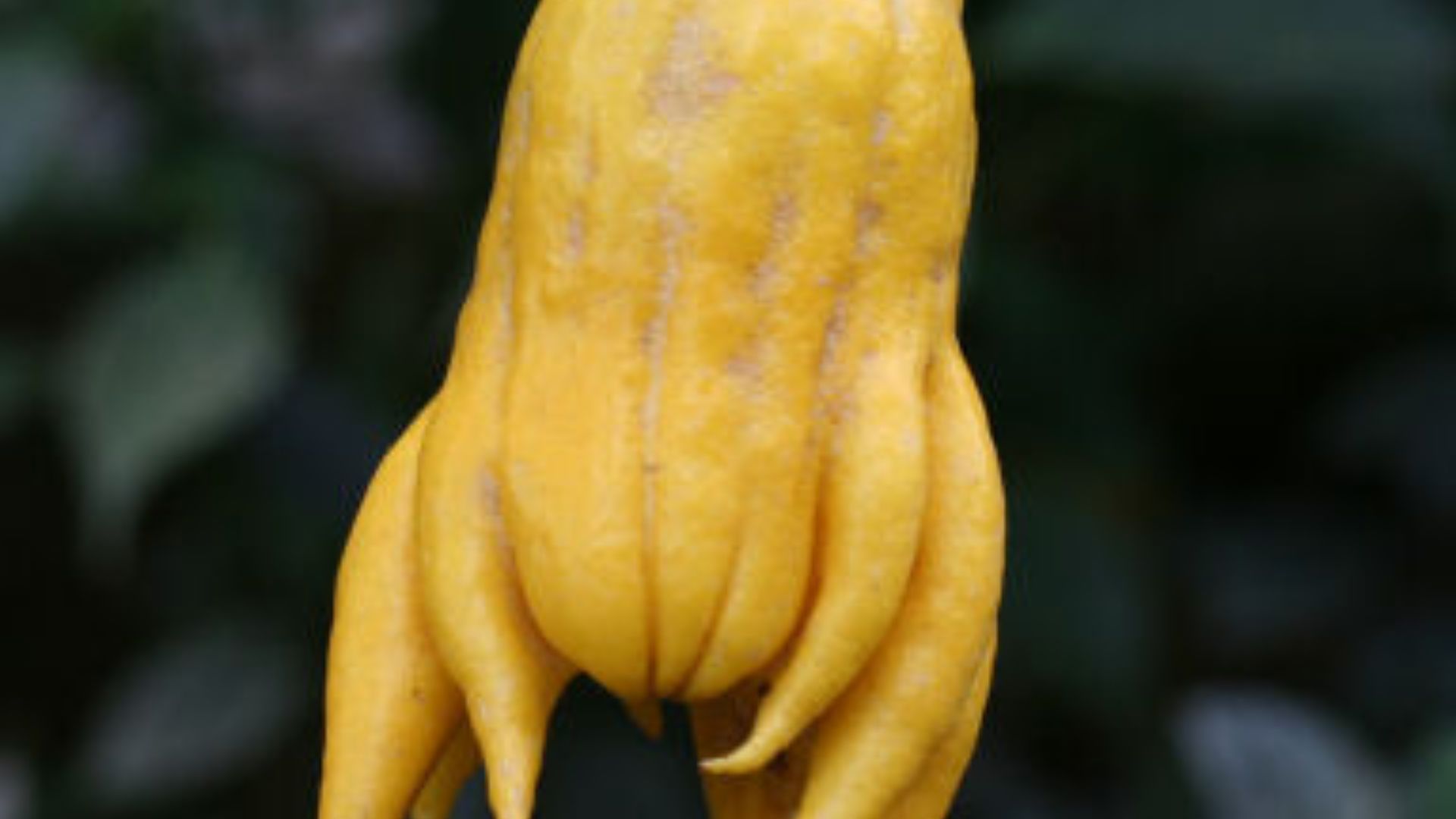
12. The Bizarre Buddha's Hand
This weird citrus fruit has no juice or pulp, but it is cultivated for its extremely flavorful zest and aroma. Buddhists often use it for meditation because it smells so clean and floral. You can also use it to make your whole house smell amazing!
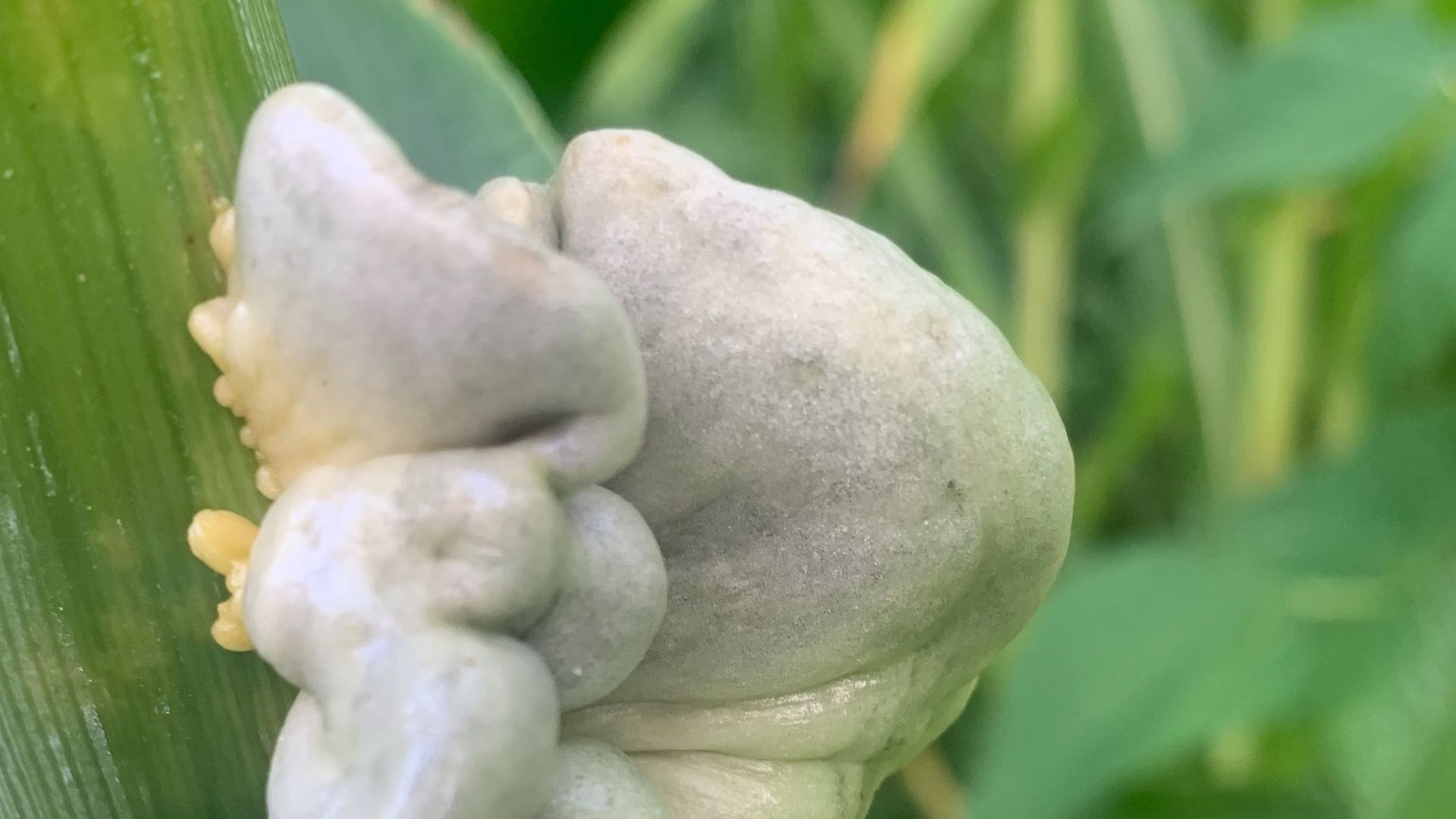
13. Earthy Cuitlacoche
Americans used to discard cuitlacoche as a fungus! But in Mexico, the people know how delicious these earthy, smoky boletes can be! Look for them simmered in soups or mixed into quesadillas.
 Jose Angel Urquia Goitia on Wikimedia
14. The Nutty Tiger Nut
Despite their name, tiger nuts aren’t nuts at all. They’re little marble-sized tubers that grow on the roots of a grass-like plant. Tiger nuts have a nutty flavor that’s similar to almonds and coconut.
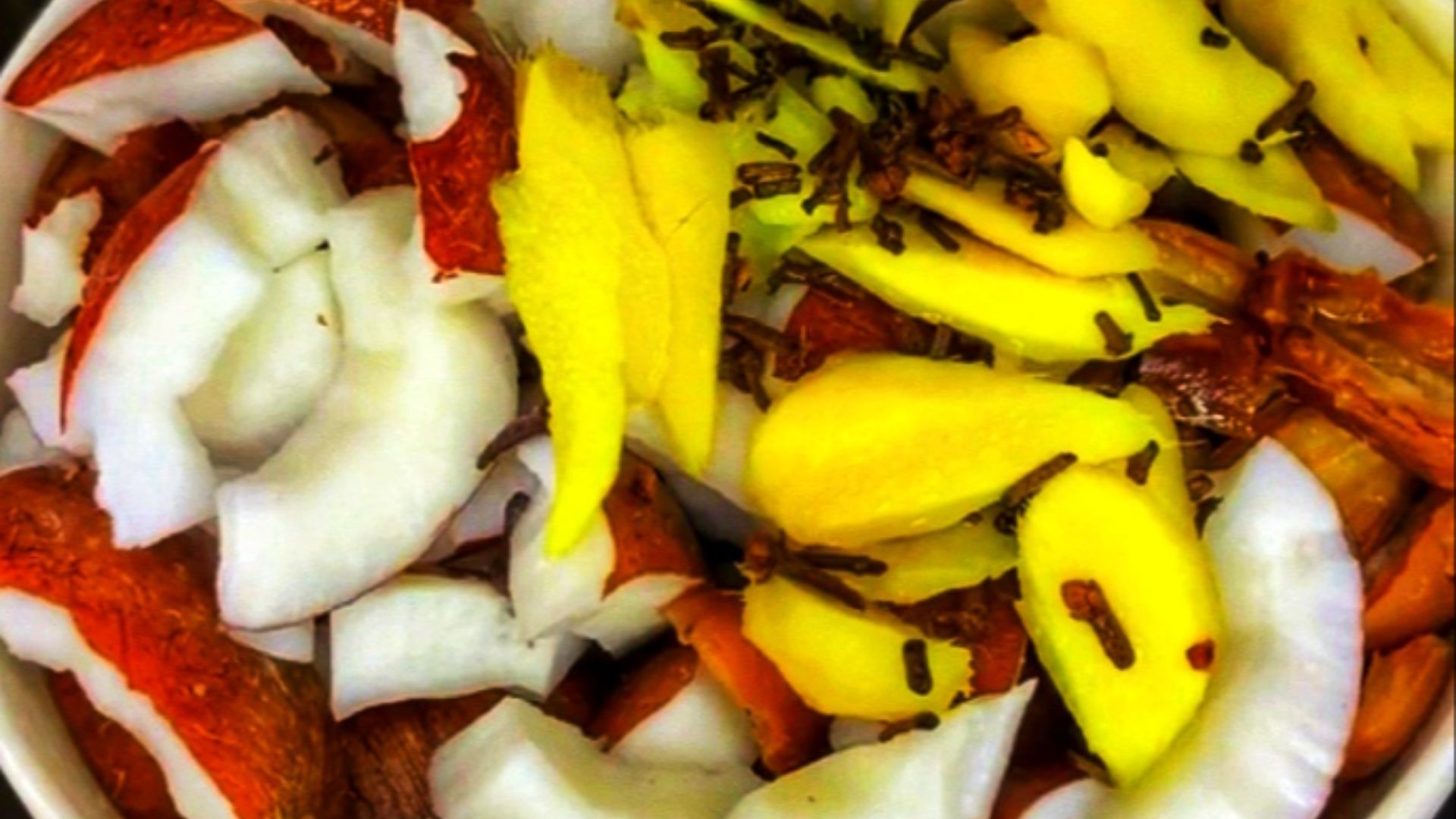
15. Astringent Medlars
Tart cherries and apricots come together to make medlars, another ancient fruit that was common in medieval Europe. Nowadays, you have to wait for them to age before they’re sweet enough to eat. When they go brown and mushy, the texture is similar to applesauce.
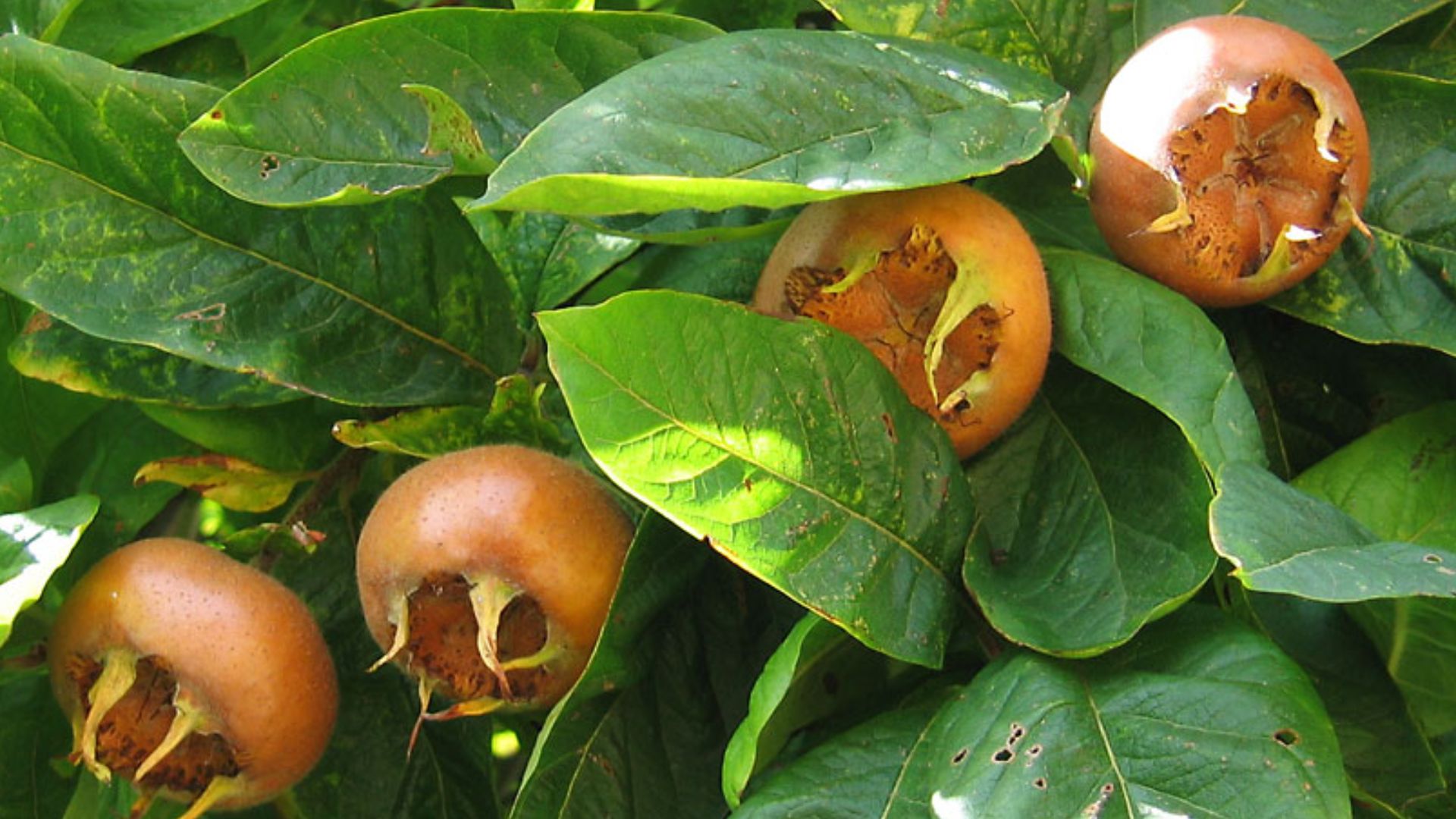 Solipsist~commonswiki on Wikimedia
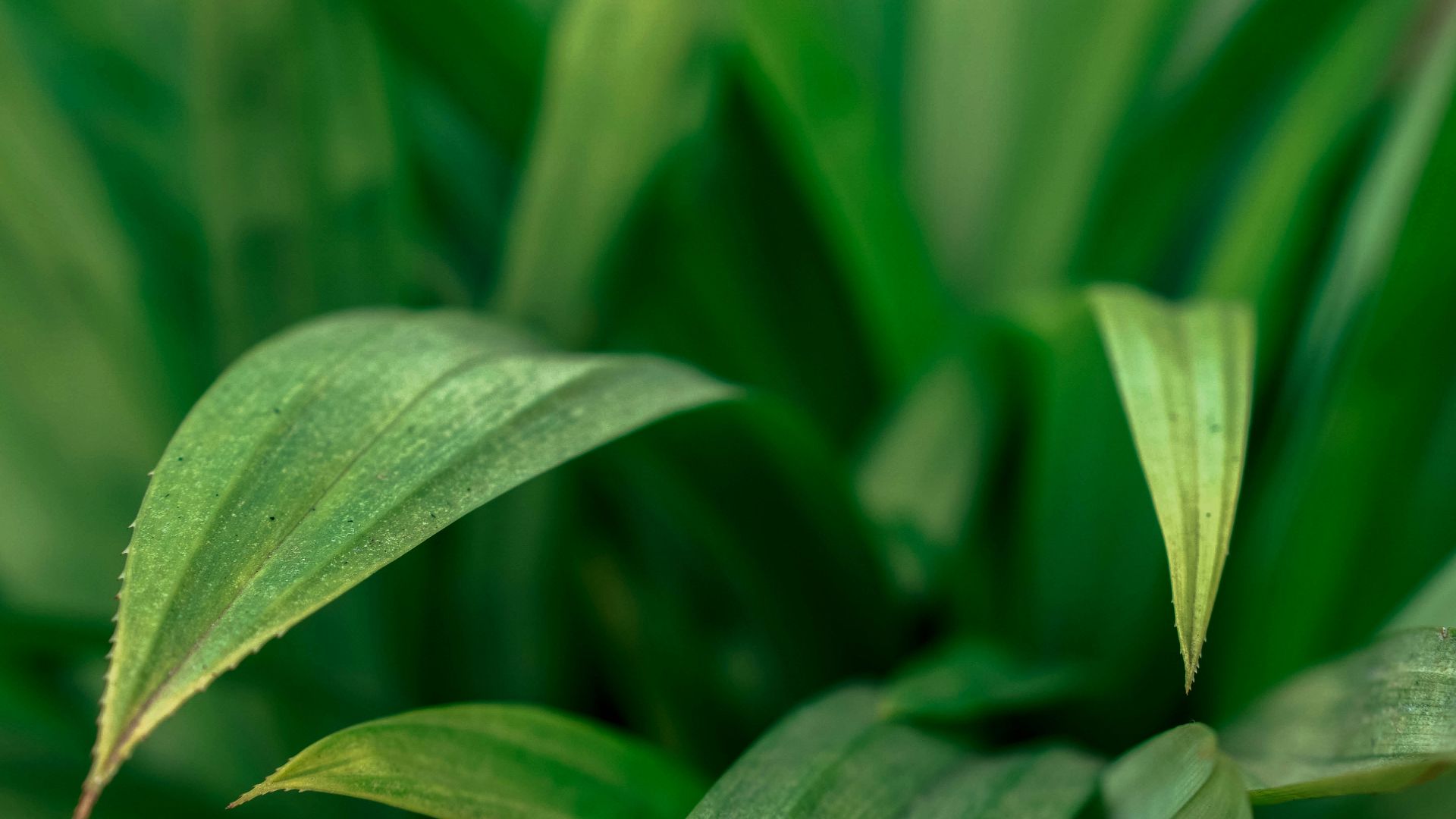
16. The Fragrant Pandan Leaf
Dubbed “the vanilla of the East,” these aromatic leaves are used in Southeast Asian cooking to flavor desserts and rice dishes. You can’t eat the leaves themselves, but when they’re grated or crushed, they leave everything they touch with a green hue and nutty-sweet fragrance. Look for pandan extract in the baking aisle!
17. Spicy Nasturtium Seeds
Known for their bright orange blossoms, nasturtiums can also provide you with edible green seeds that smell and taste just like capers. They’re also referred to as “Poor man’s capers.” Try eating the crunchy seeds raw or pickled, or consider adding them to your salads.
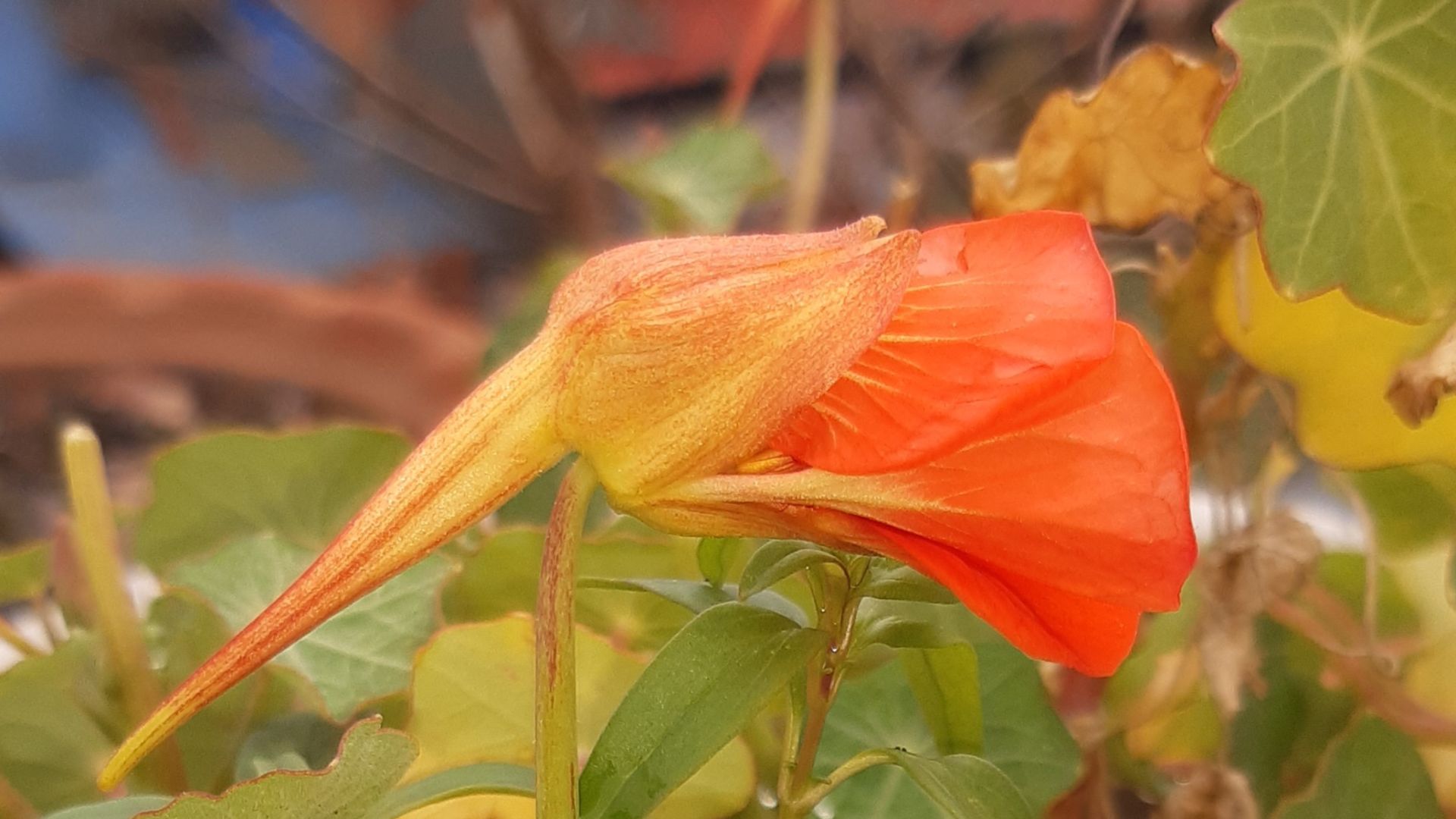 Sabina Bajracharya on Wikimedia
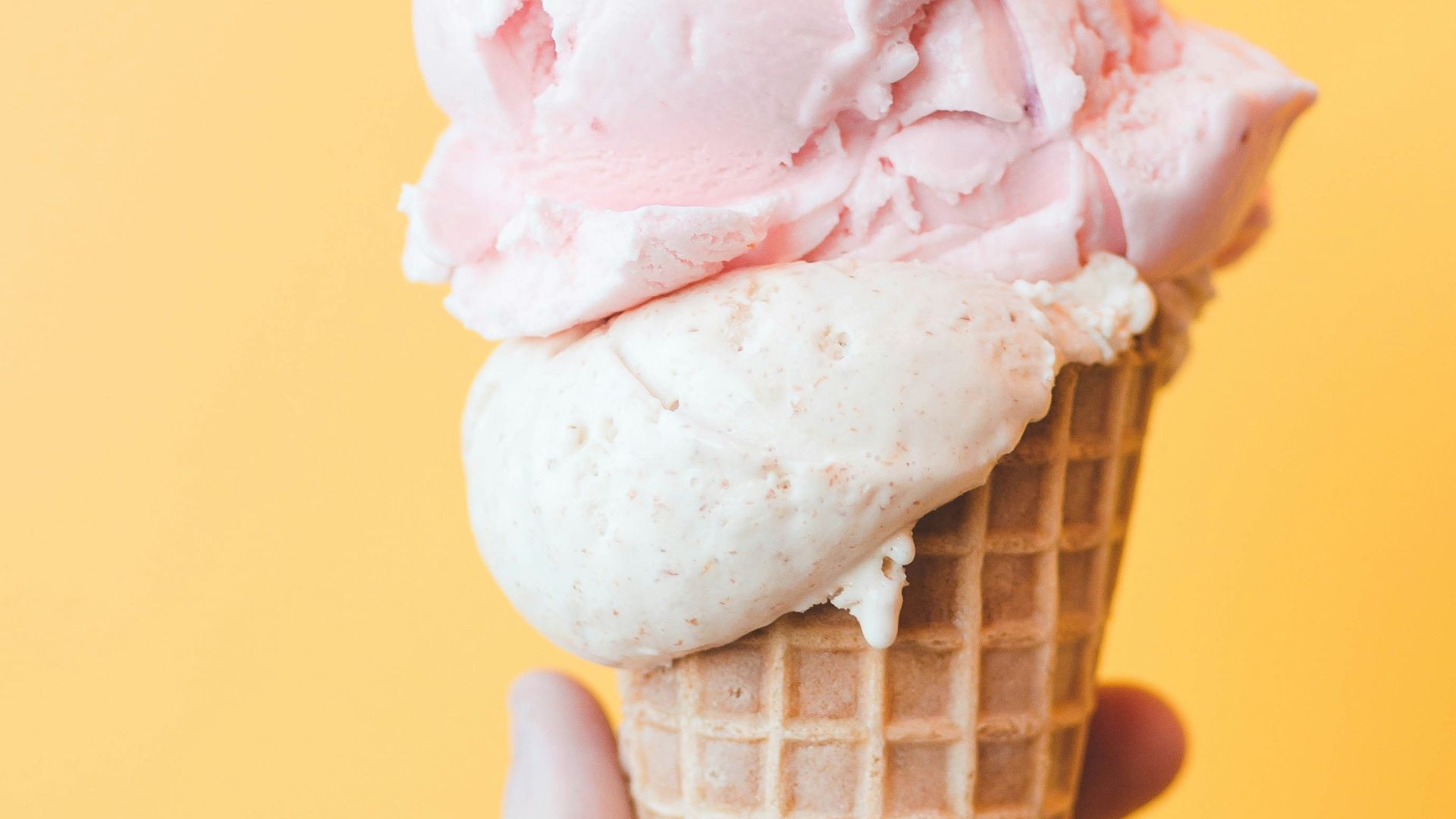
18. Creamy Ice Cream Beans
Ice cream beans are crunchy on the outside and creamy on the inside. The pods of the Inga tree house a fluffy, vanilla-flavored treat that kids love to eat right off the tree in South America. If you want to find some for yourself, you might need to take a trip!
19. The Bitter Melon
Very few foods are as wonderfully bitter as bitter melon. It’s a favorite ingredient in stir-fries and Indian cooking because not only is it healthy, but it cuts through fattier meats with its acidity. As unpleasant as the name sounds, bitter melon is a unique treasure you should seek out.
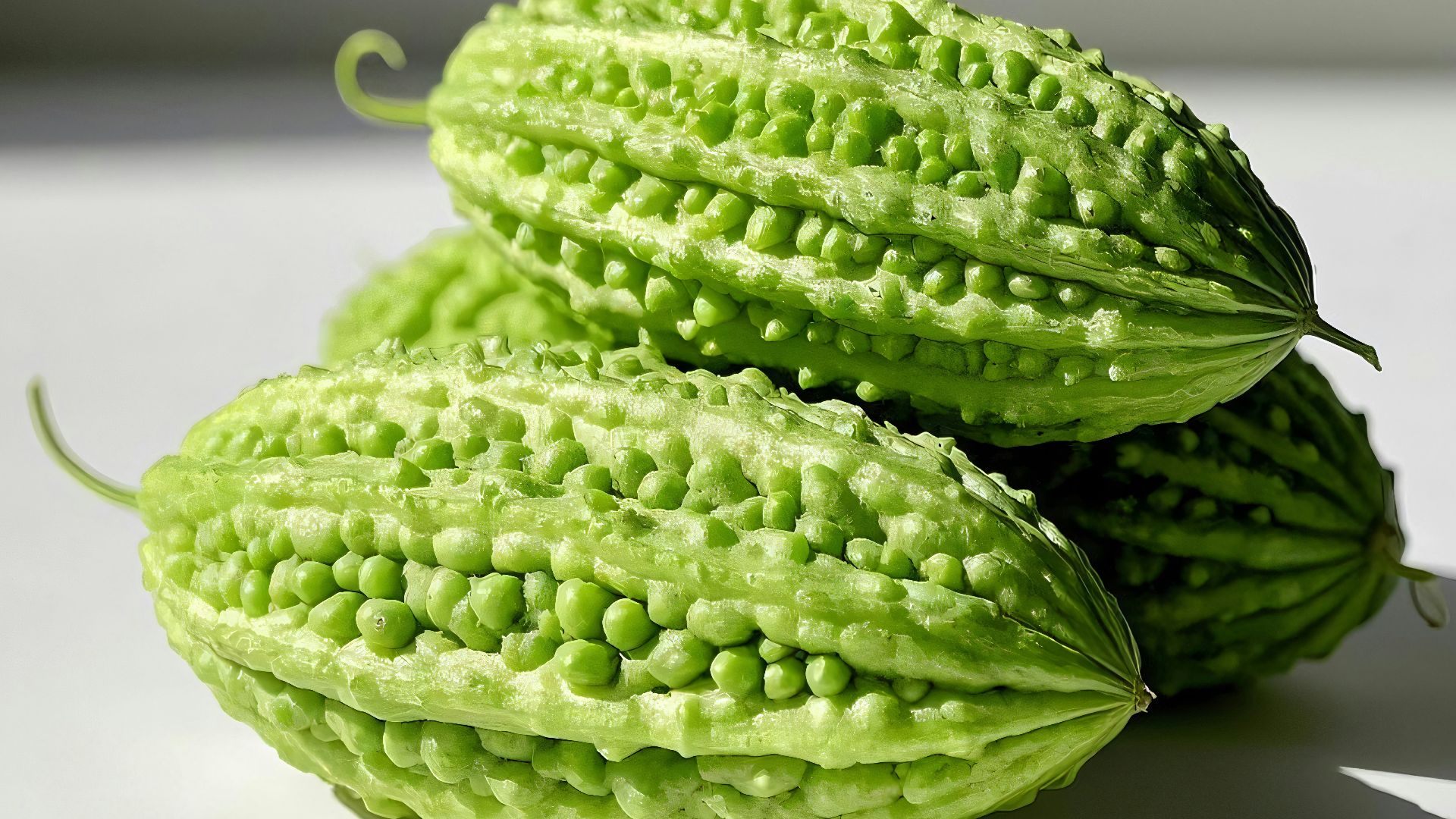 Novariandy Chandra on Unsplash
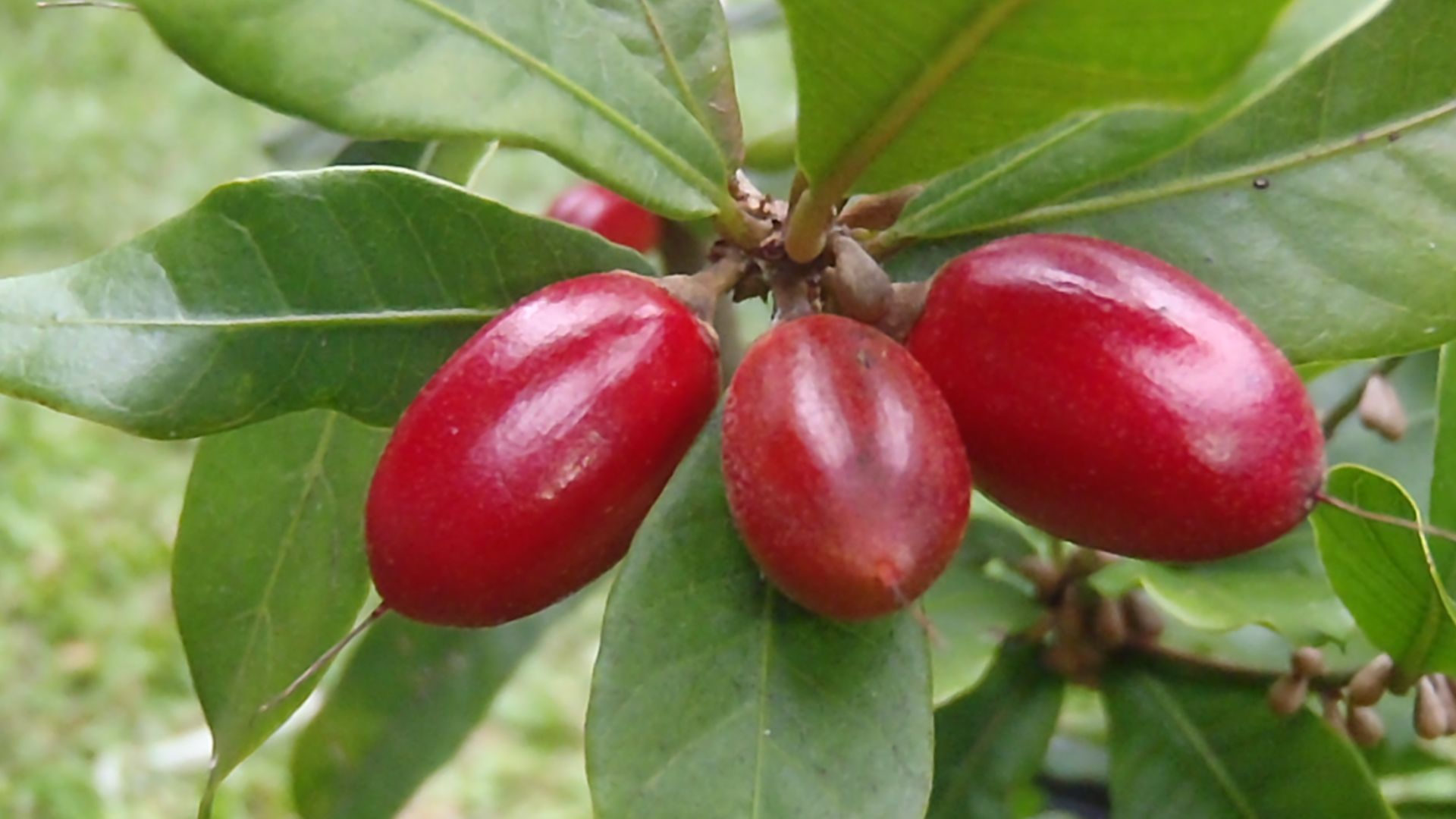
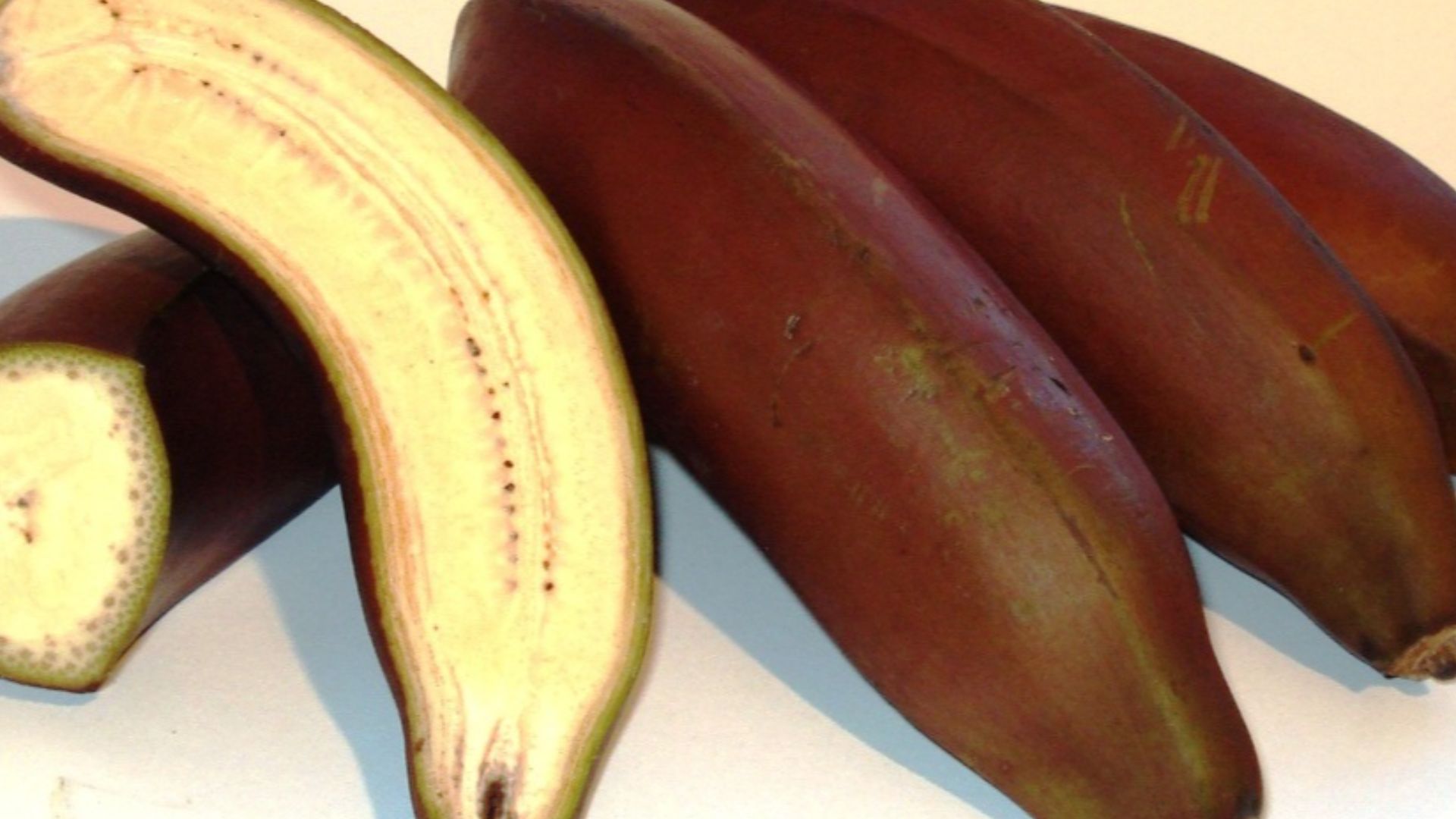
20. Rare Red Bananas
Most people think all bananas are yellow, but this variety features a thick, reddish-purple skin. They're much softer and sweeter than the standard Cavendish banana you see at every checkout counter. They aren't grown on nearly the same scale as their yellow cousins, so you’ll have to keep a sharp eye out at specialty markets to snag a bunch.
KEEP ON READING


10 Most Hated Foods in the Entire World