Conflict Has Had a Surprising Influence on What We Eat
Wars have changed borders, governments, and entire economies, but they've also had a surprisingly lasting effect on the dinner table. When fresh ingredients became scarce, armies needed portable meals, or civilians were forced to stretch their food supplies, people turned to products that were cheap, filling, and easy to store. Some were invented specifically for soldiers, while others existed long beforehand, but suddenly had a new importance. Here are 20 foods that became staples because of war.
1. Spam
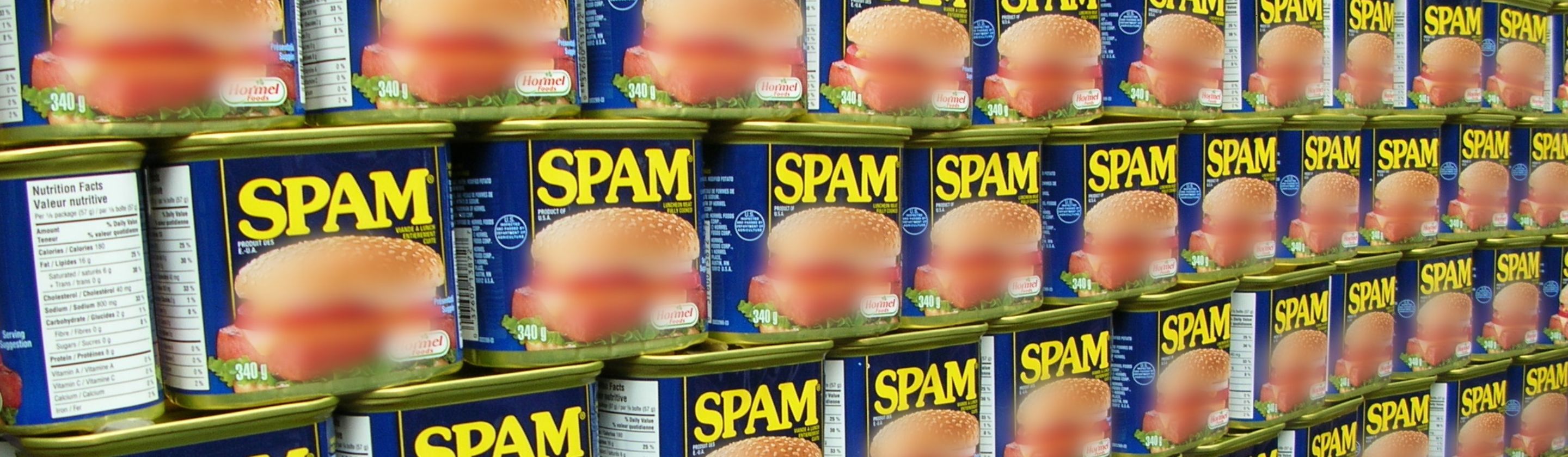
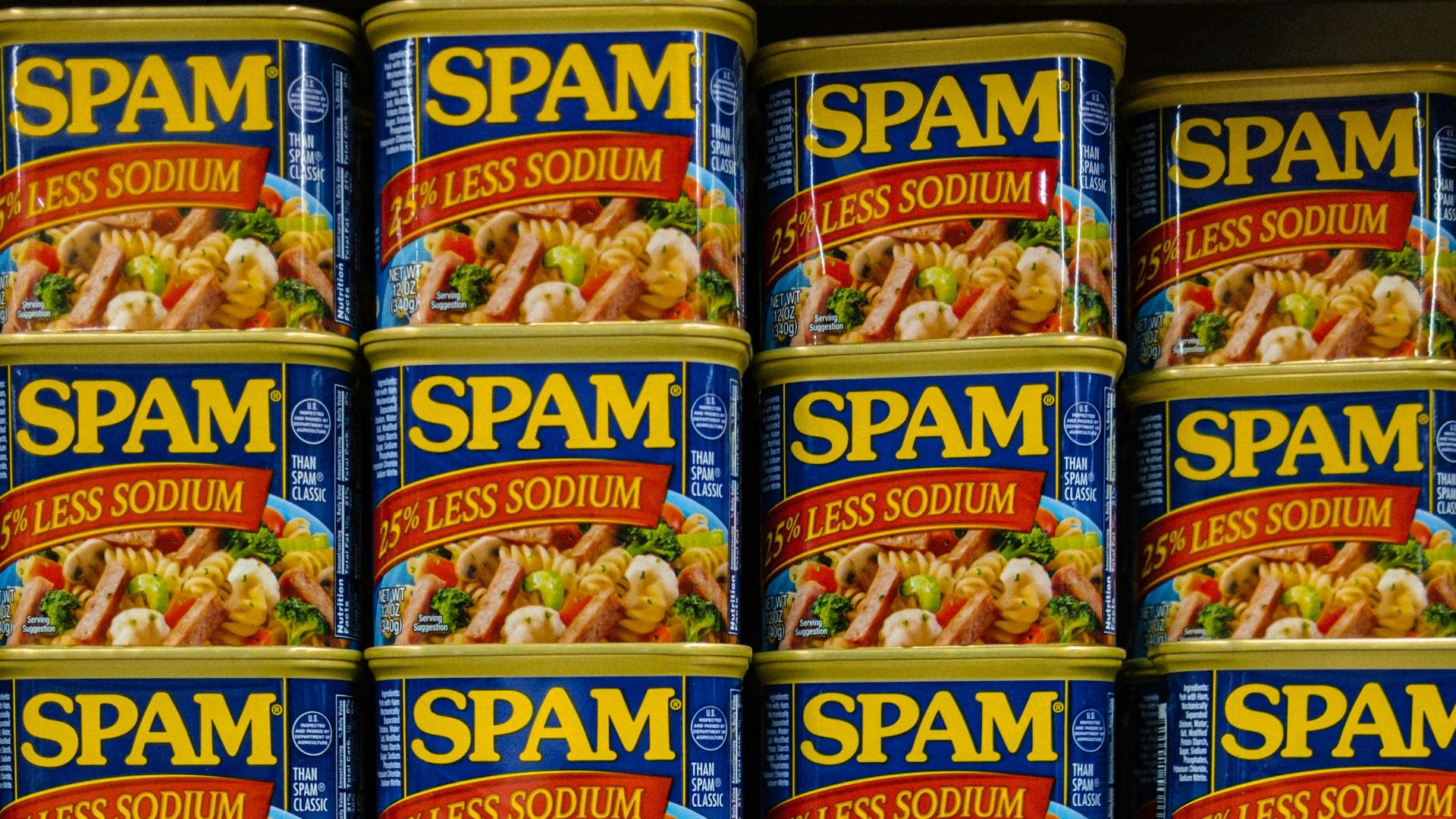
Spam was introduced by Hormel during the Great Depression in 1937, but World War II turned the canned meat into an international phenomenon. The U.S. military shipped huge quantities of it overseas because it could survive long journeys without refrigeration. Communities in places such as Hawaii, Guam, South Korea, and the Philippines incorporated Spam into local dishes, and it became an integral ingredient still used today.
2. M&M's
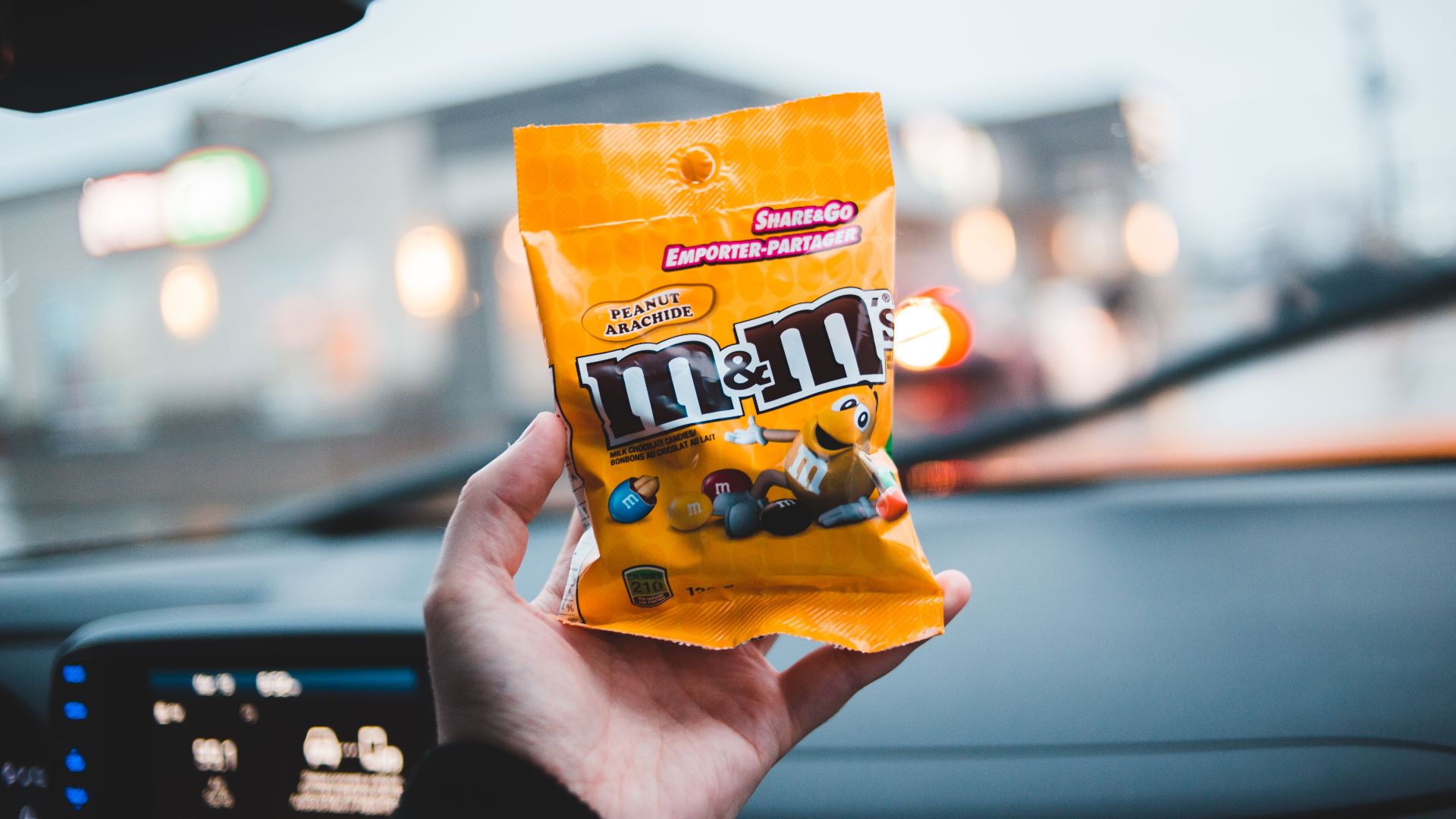
The idea behind M&M's was perfect for soldiers: chocolate that wouldn't immediately melt all over their hands in hot environments thanks to the hard candy shell. Mars began producing the candy in 1941, and during World War II, M&M's were sold exclusively to the U.S. military for inclusion in soldiers' rations. After the war, civilian consumers were more than happy to keep eating them.
3. Instant Coffee
Instant coffee existed before World War I, but military demand gave it a huge boost. American soldiers received instant coffee in their rations because it was lightweight, convenient, and required little preparation beyond hot water. Many servicemen returned home accustomed to drinking coffee this way, helping expand the civilian market.
4. Canned Corned Beef
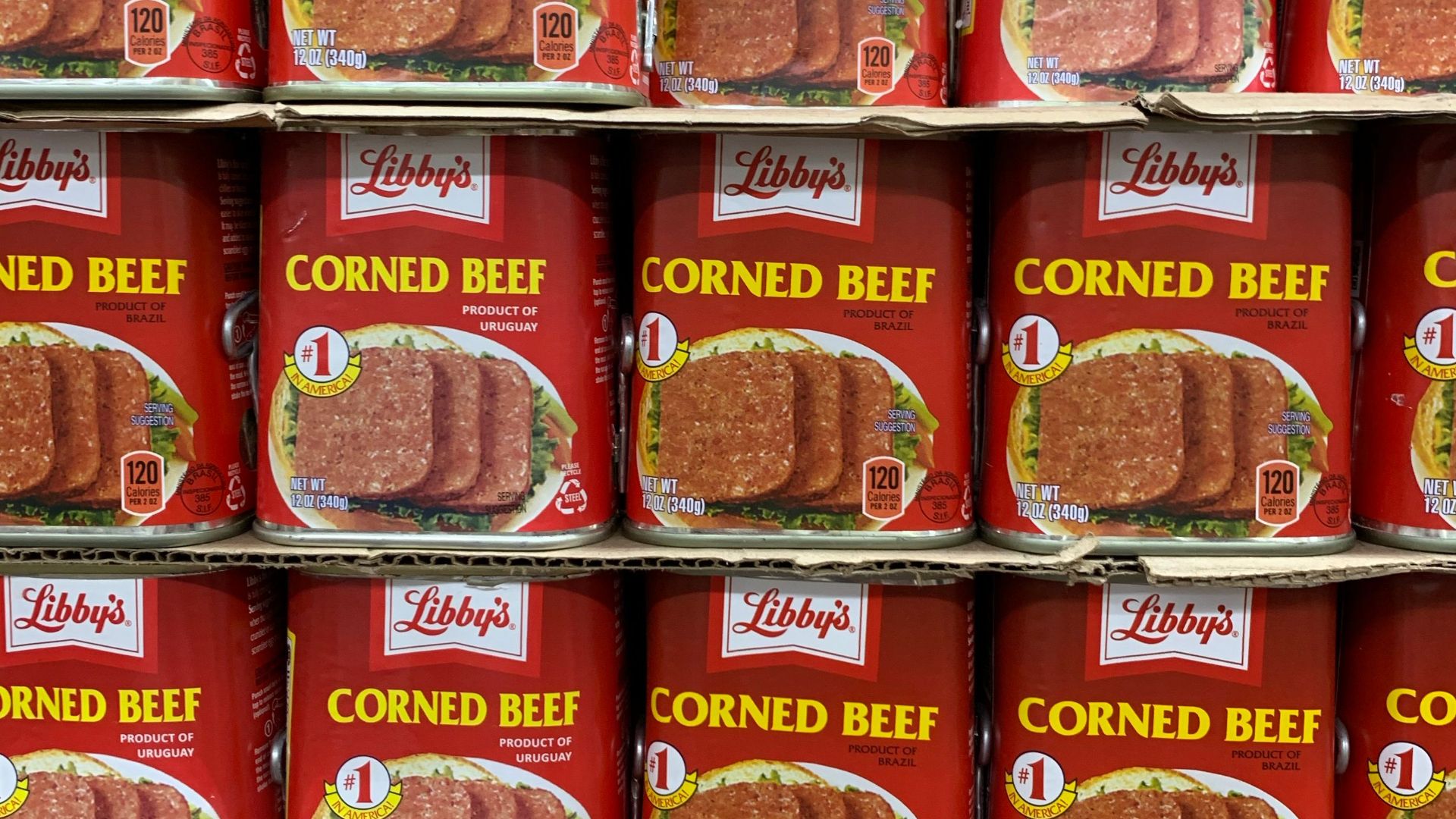
Corned beef had been around for centuries, but canned versions became especially important during both world wars. Armies needed protein that could travel without spoiling, and tins of beef could be transported almost anywhere. Wartime rationing also made canned meat appealing to civilians who couldn't reliably get fresh cuts. In several countries, canned corned beef eventually became a familiar ingredient.
5. Powdered Eggs
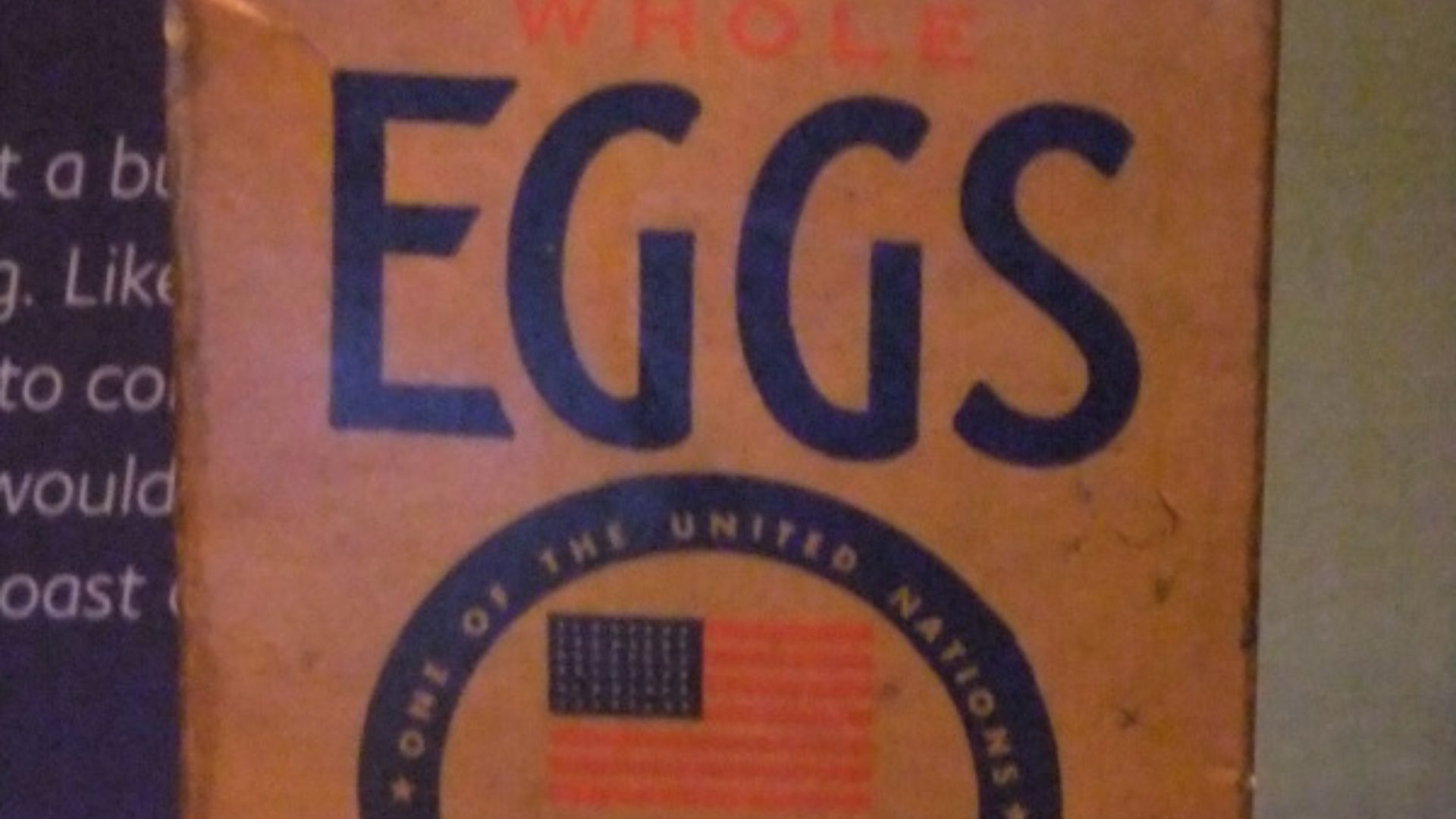
When transporting millions of fresh eggs wasn't practical, powdered eggs offered a useful wartime solution. During World War II, Britain imported huge quantities of dried egg powder to supplement rationed fresh eggs. Families learned to scramble it, bake with it, and make do with its unusual texture. While powdered eggs never completely replaced the real thing, the war introduced them to millions of people, and they remain a necessary ingredient in many baked goods, sauces, and soups.
6. Margarine
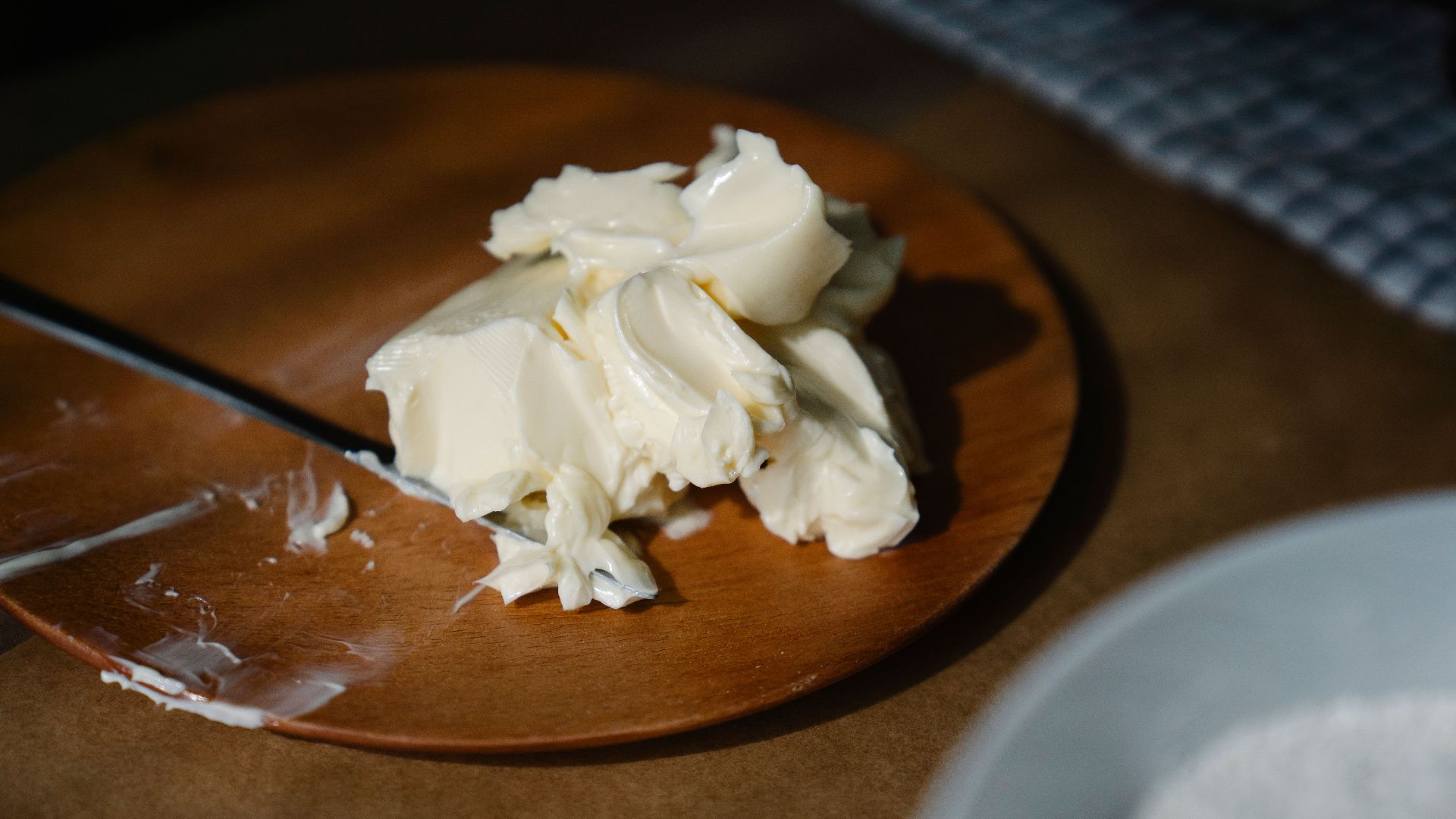
Margarine was invented in 19th-century France partly in response to a challenge from Napoleon III, who wanted an inexpensive butter substitute for the military and working classes. Its fortunes rose dramatically during later wars when butter became scarce or rationed. During World War II, households in several countries relied heavily on margarine because dairy products were harder to obtain. What had once been considered a cheap imitation became an everyday refrigerator staple.
7. Canned Sardines
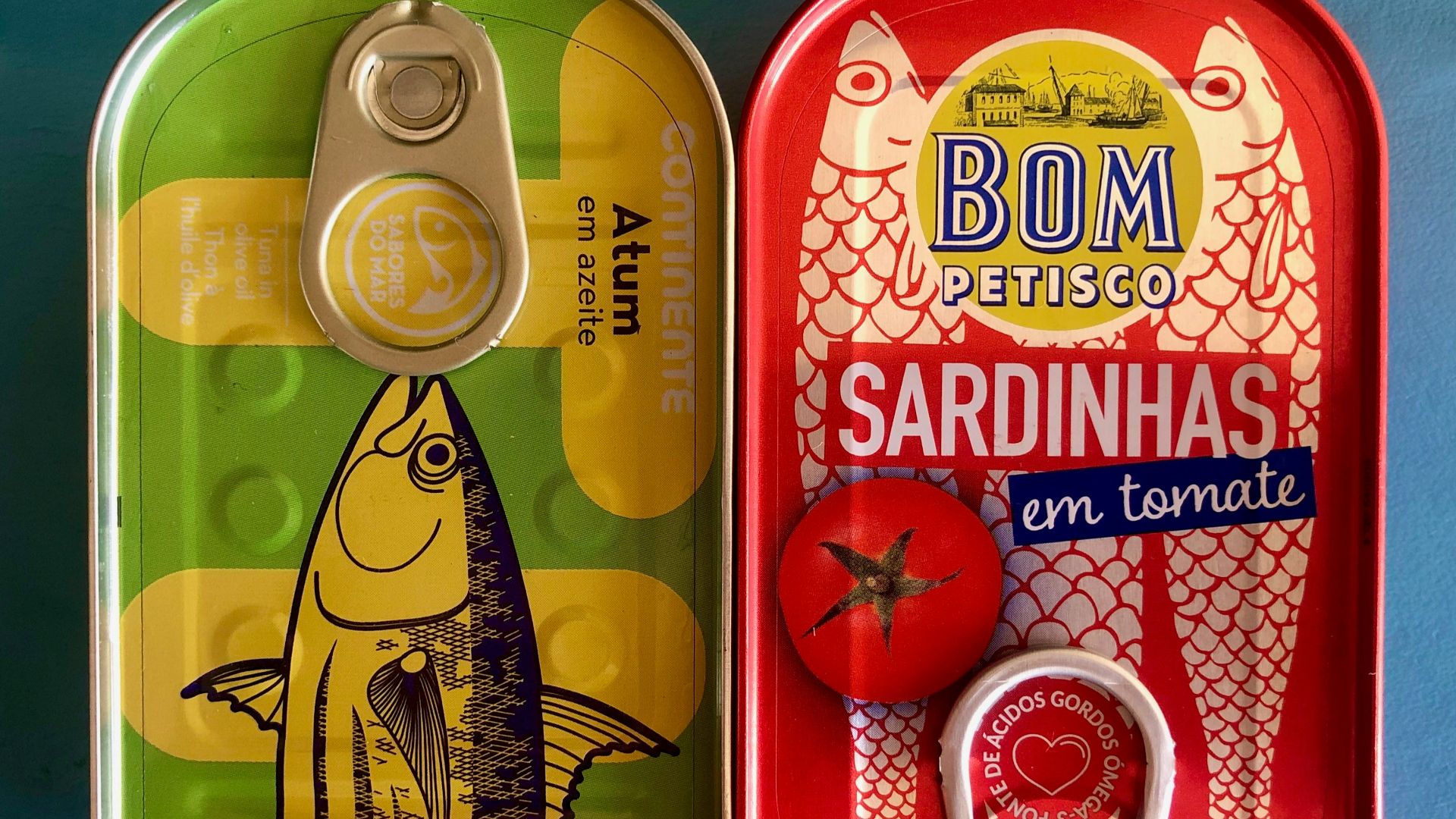
Small canned fish became particularly valuable whenever war interrupted fresh-food supplies and shipping routes. Sardines packed a useful amount of protein and fat into a container that could sit on a shelf for months. The convenience helped canned sardines become a pantry regular in many parts of Europe and beyond.
8. Ramen
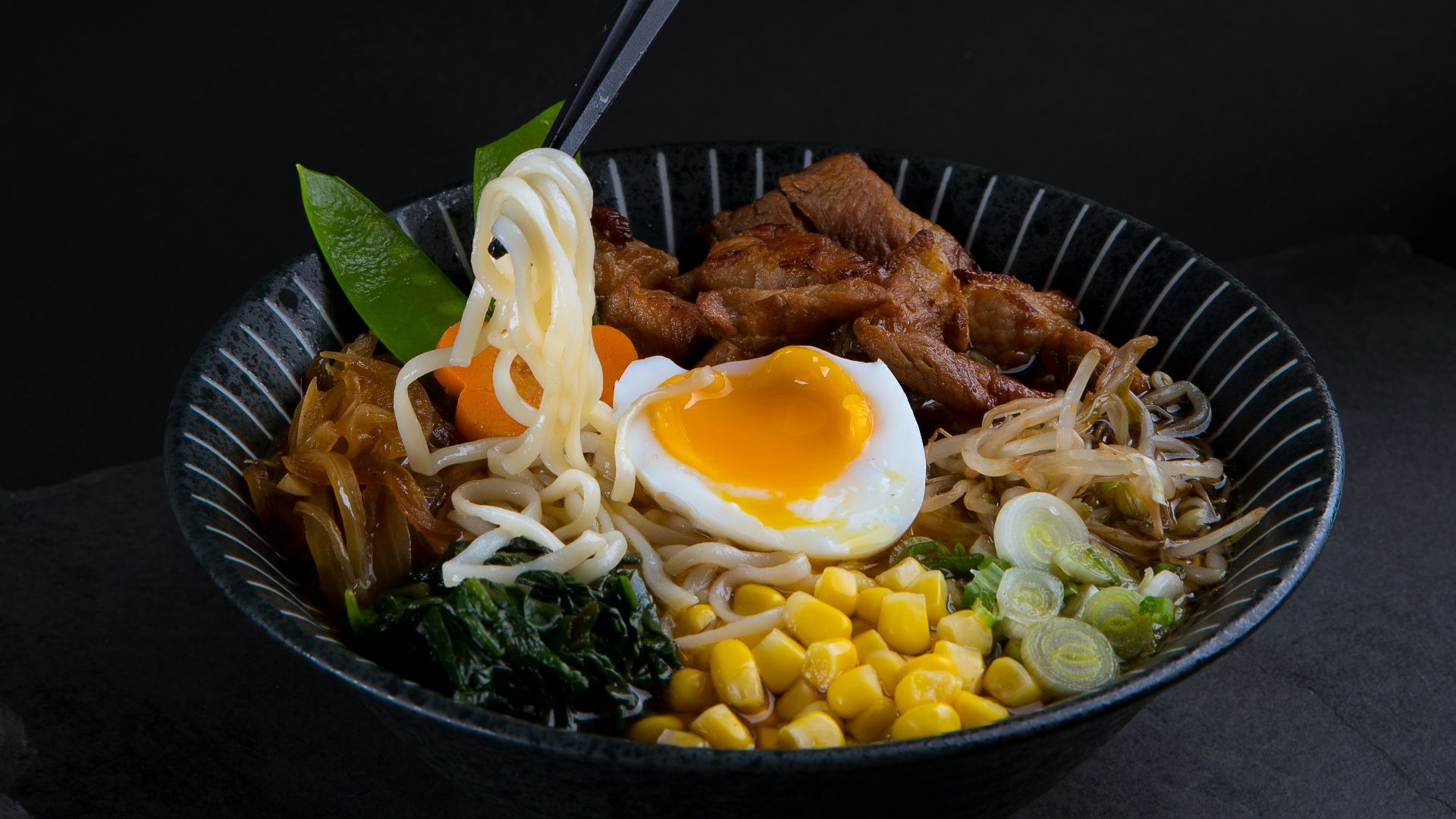
Japanese ramen existed before World War II, but the conditions that followed the war helped turn it into a major part of everyday Japanese food culture. Severe food shortages pushed people toward inexpensive wheat-based meals, while American wheat imports increased the supply of flour. Before the postwar boom turned it into one of Japan's most famous dishes, street vendors served bowls of ramen to hungry urban populations looking for something affordable and filling.
9. Instant Noodles
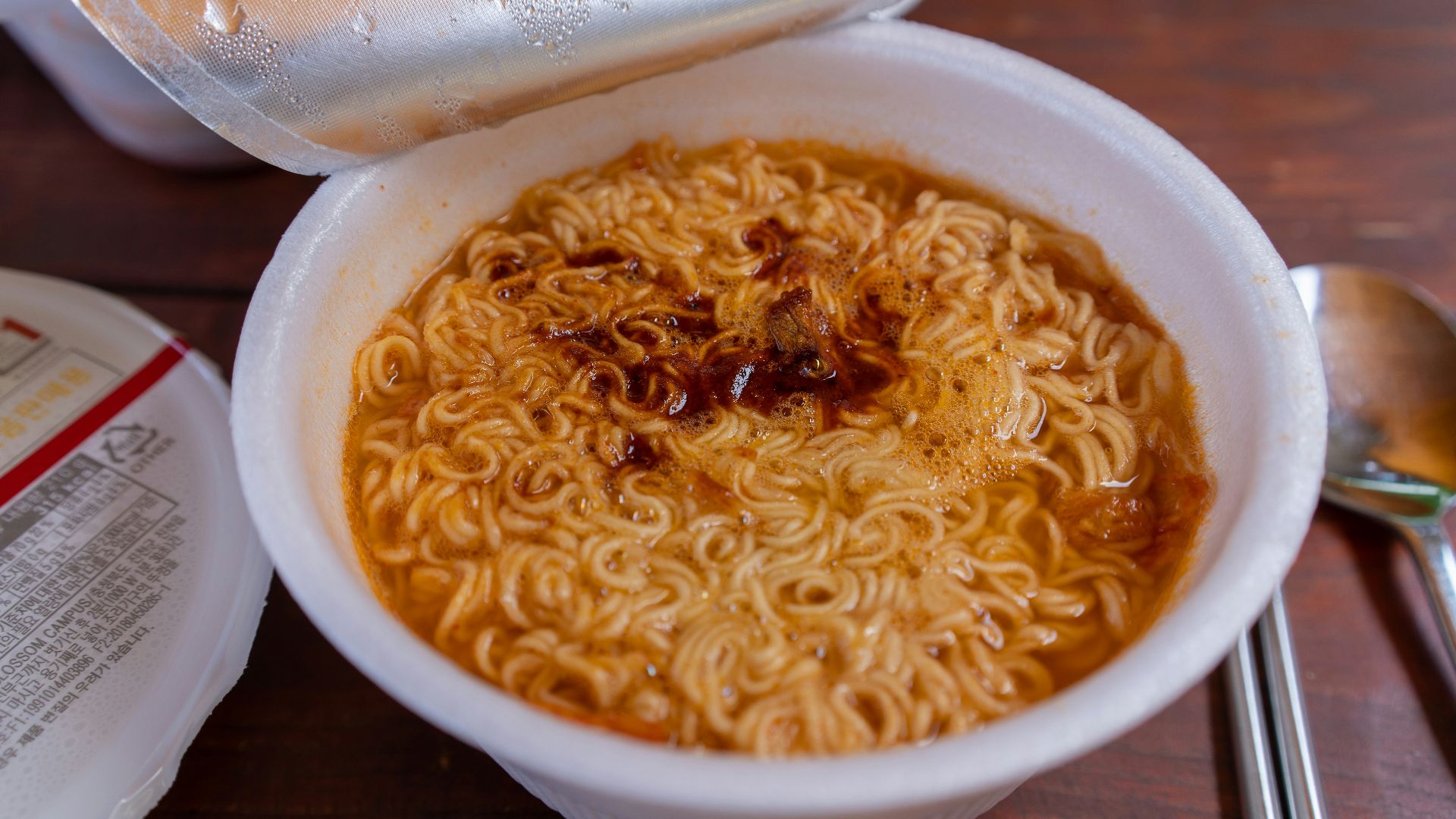
Instant noodles were created in Japan in 1958, with inventor Momofuku Ando motivated in part by the hunger and food shortages he had witnessed after World War II. His goal was to create an inexpensive food that could be stored for long periods and prepared quickly. Chicken Ramen became the first successful product, followed later by Cup Noodles. A problem made painfully obvious by war ultimately inspired one of the world's most widely eaten convenience foods.
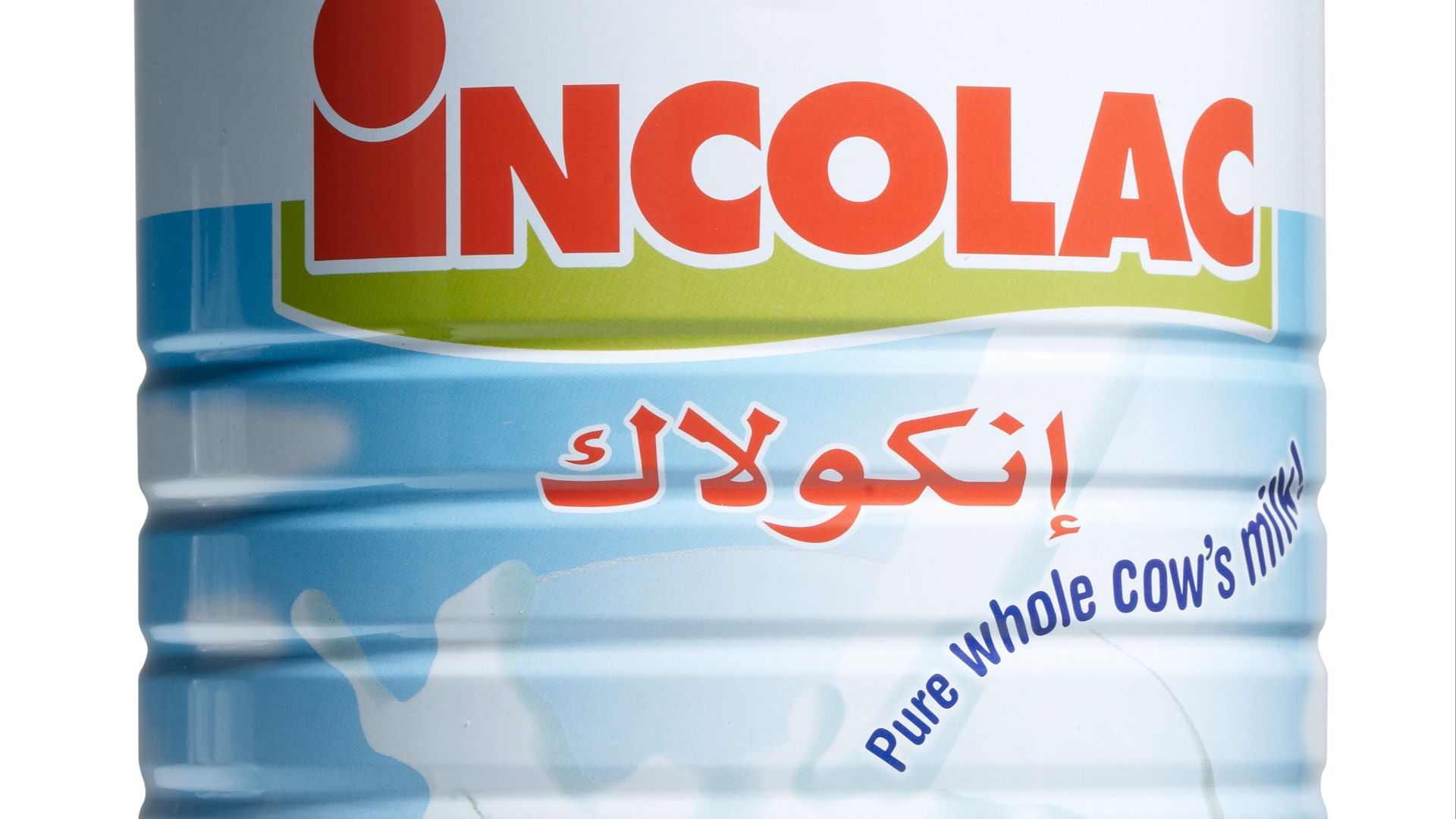
10. Powdered Milk
Milk doesn't travel particularly well when refrigeration is limited, which made dried milk extremely useful during wartime. Governments and militaries relied on milk powder because it was lighter and lasted longer. During World War II, it became part of military supplies and civilian relief programs around the world.
11. Canned Beans
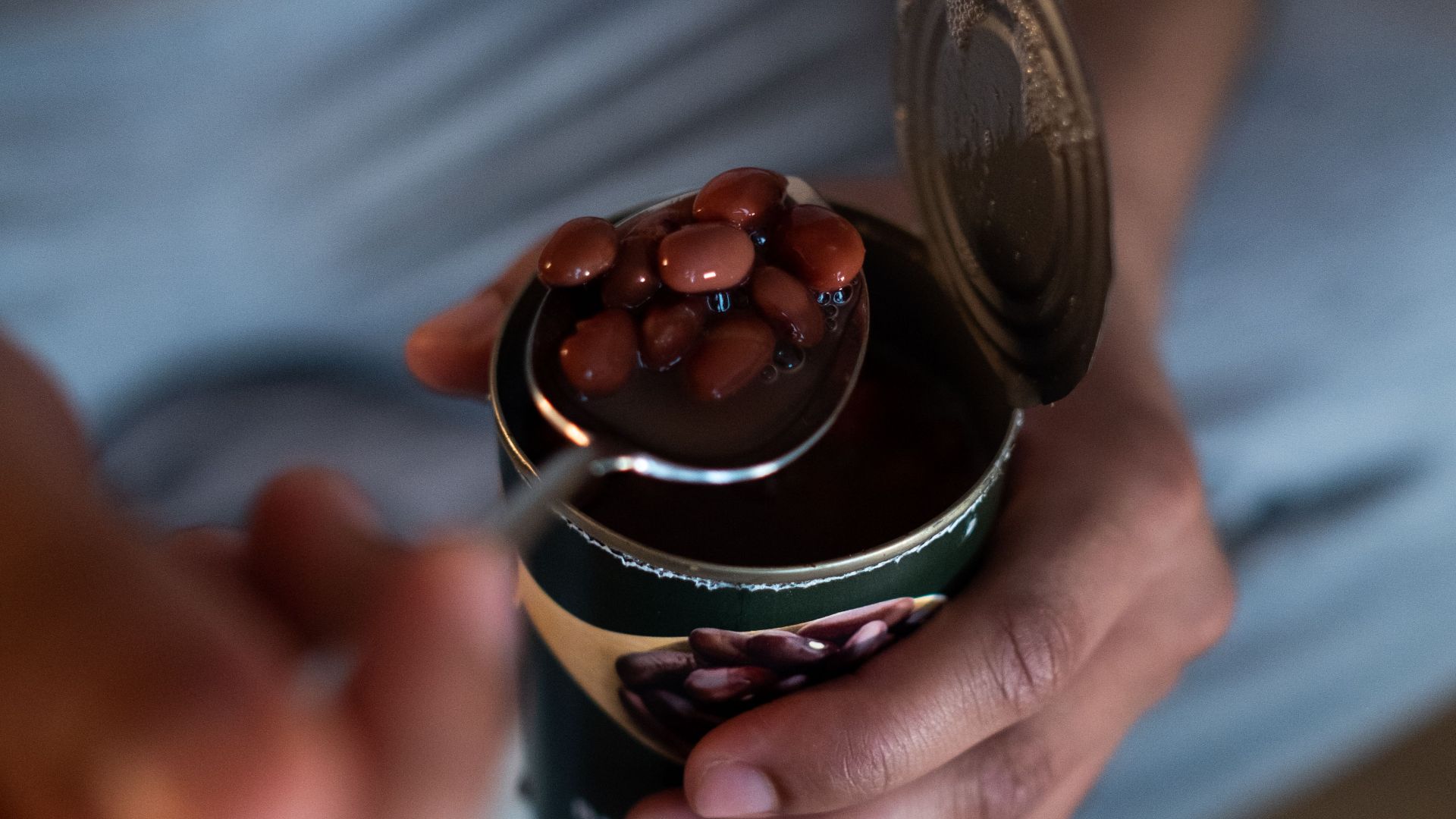
Beans were already an inexpensive staple, but canning made them especially useful for armies. During the American Civil War and later conflicts, canned foods offered troops meals that could survive transportation and long periods away from kitchens. Beans were filling, relatively cheap, and easy to heat over a fire. Their association with convenient, ready-to-eat meals helped canned beans become a permanent supermarket fixture.
12. Condensed Milk
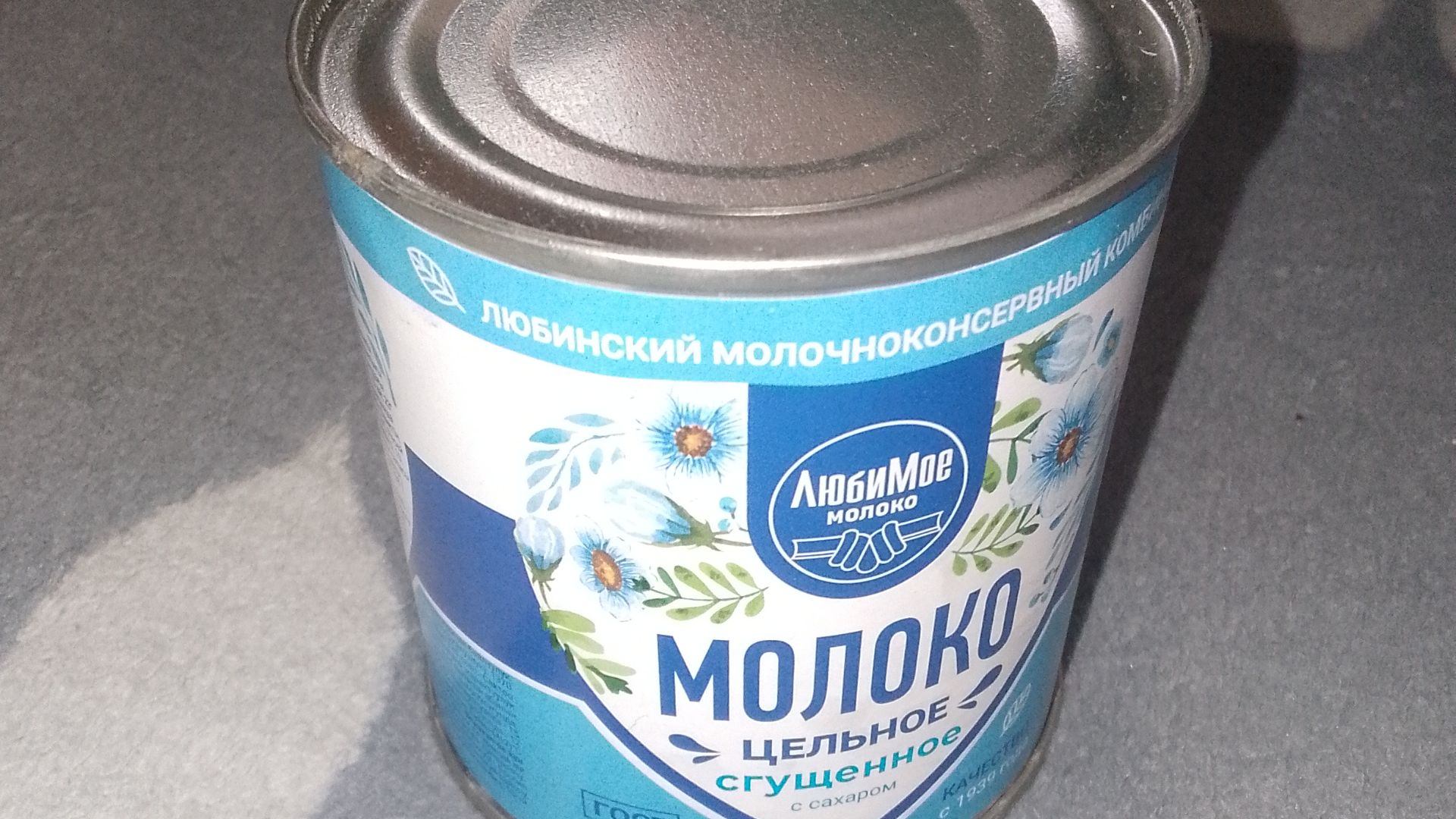
Gail Borden patented his process for sweetened condensed milk in the 1850s, but the American Civil War provided the product with its major breakthrough. The Union Army purchased large quantities because the milk stayed usable far longer than fresh dairy. Soldiers developed a taste for it and introduced the product to their families when they returned home.
13. Canned Soup
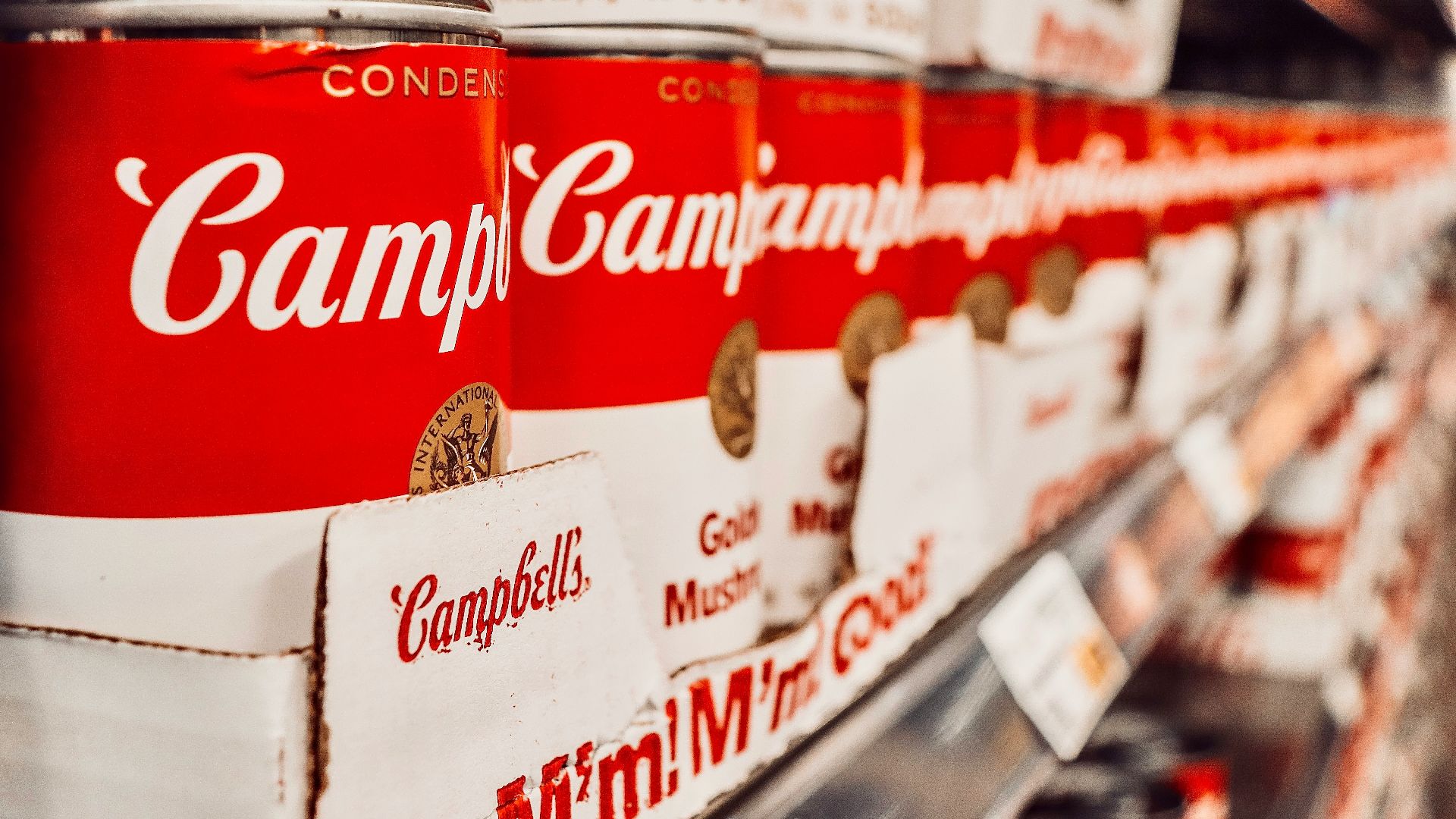
Industrial canning was already growing before the world wars, but wartime demand helped consumers grow comfortable with shelf-stable prepared foods. Soup in a can made sense when households were dealing with rationing, limited ingredients, and pressure to avoid waste. It also suited military kitchens and other large-scale feeding operations.
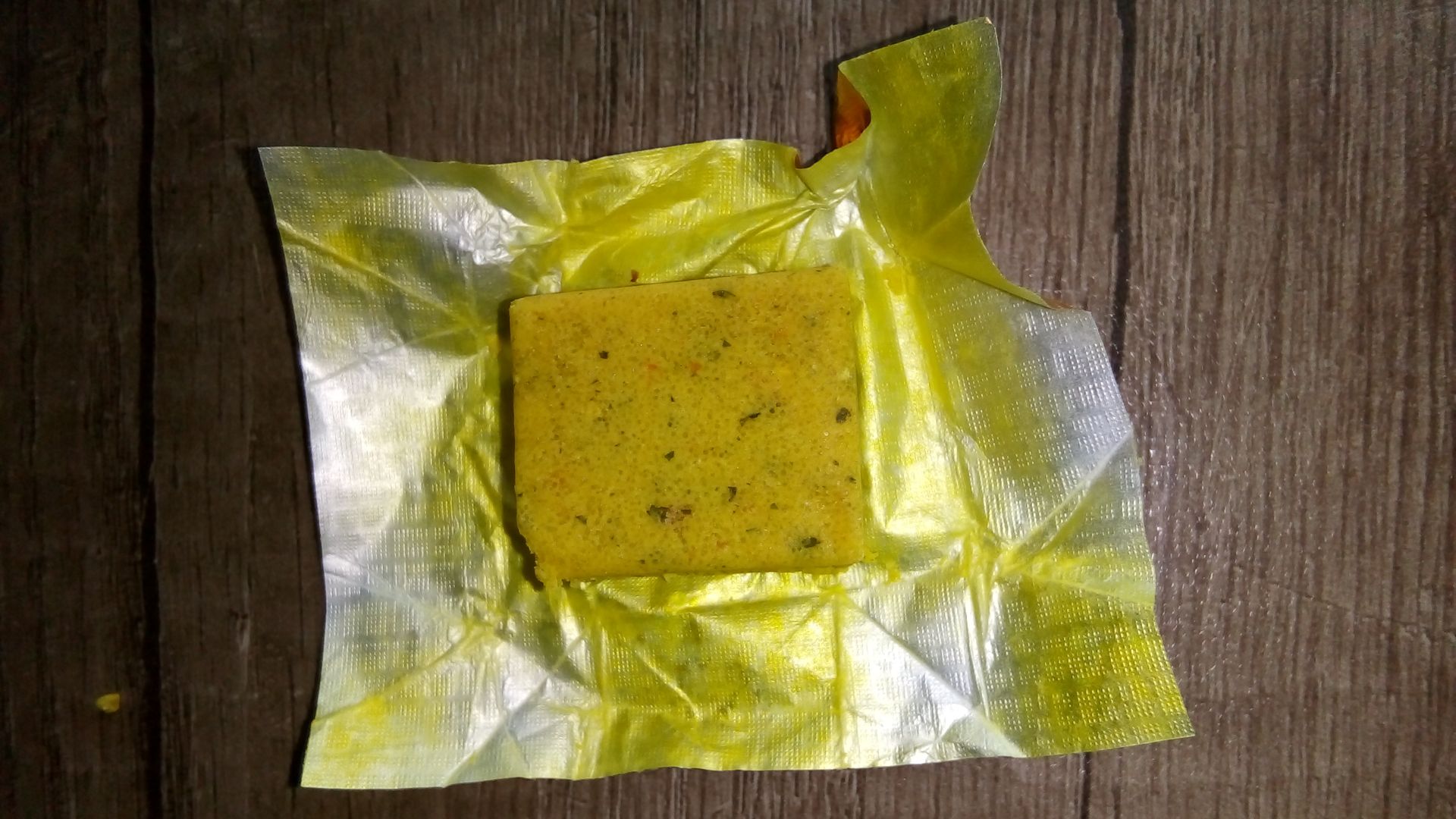
14. Dried Soup Mixes
Lightweight dehydrated foods became especially attractive to militaries because transporting water inside food added unnecessary weight. Dried soup powders and cubes could be shipped cheaply and easily transformed into a hot meal. Wartime consumers also appreciated anything that stretched limited meat and vegetables further. These products helped normalize the instant soups and packaged mixes that later filled grocery-store aisles.
15. Meatloaf
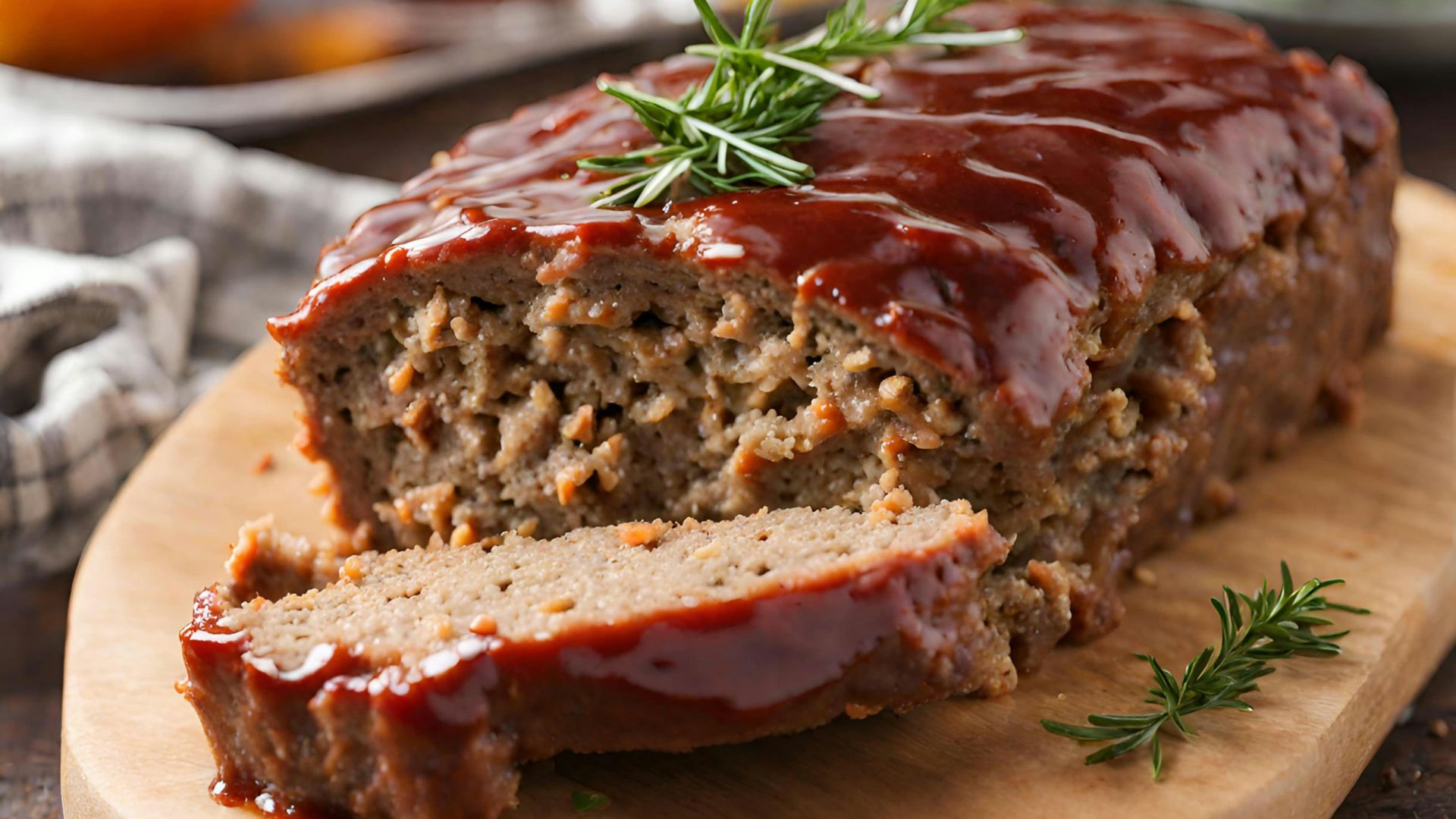
Meatloaf certainly wasn't invented during wartime, but American rationing during World War II gave the dish renewed importance. Meat could be scarce or expensive, so cooks stretched it with bread crumbs, oats, vegetables, and other fillers. A single pound of meat suddenly fed considerably more people.
16. Carrot Cake
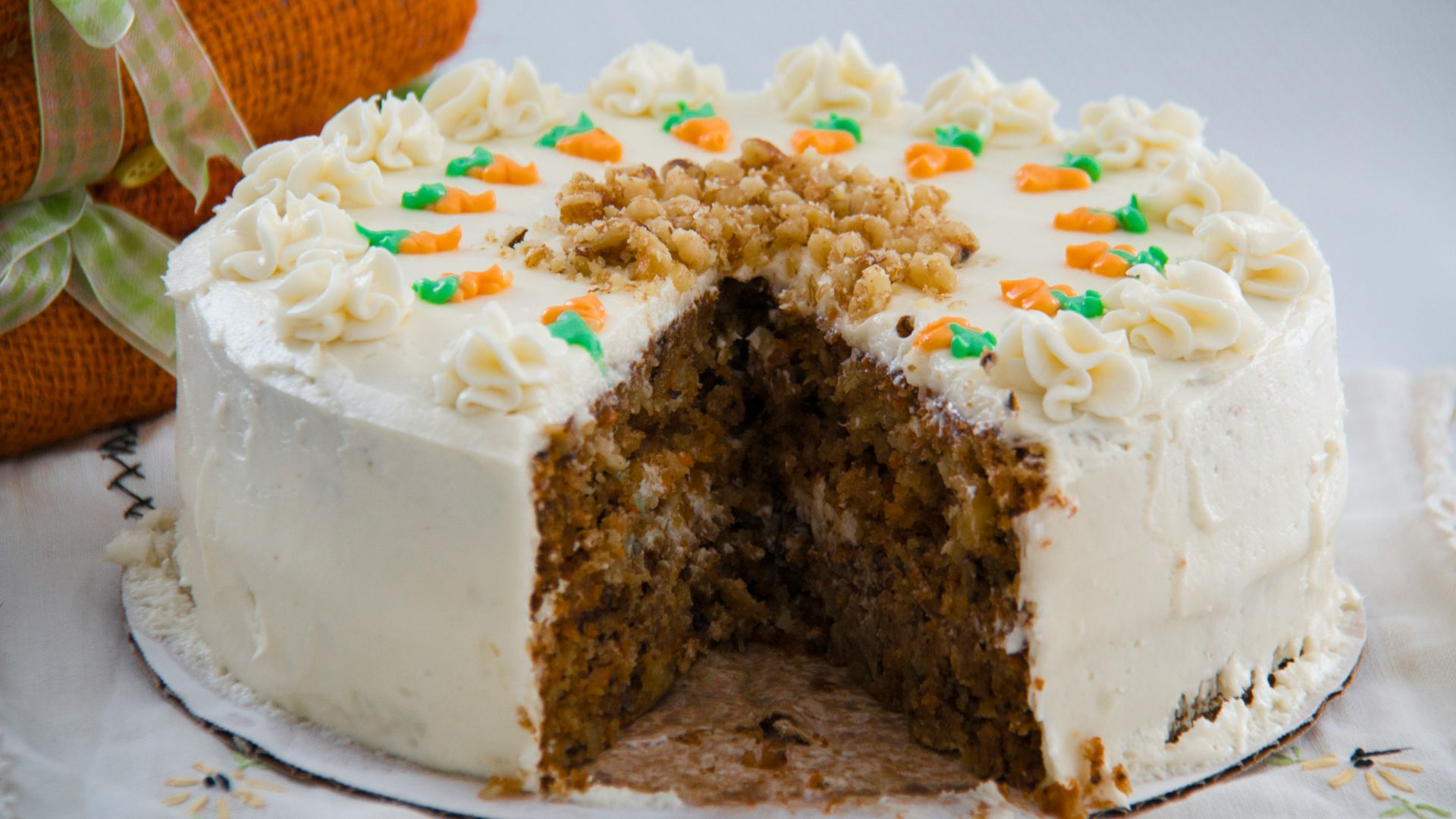
Carrot desserts are much older than World War II, but wartime Britain gave carrot cake a major popularity boost. Sugar was tightly rationed, while carrots were widely available and naturally sweet, so government campaigns encouraged using them in sweets. The cake survived rationing and eventually became popular far beyond Britain.
17. Potato Bread
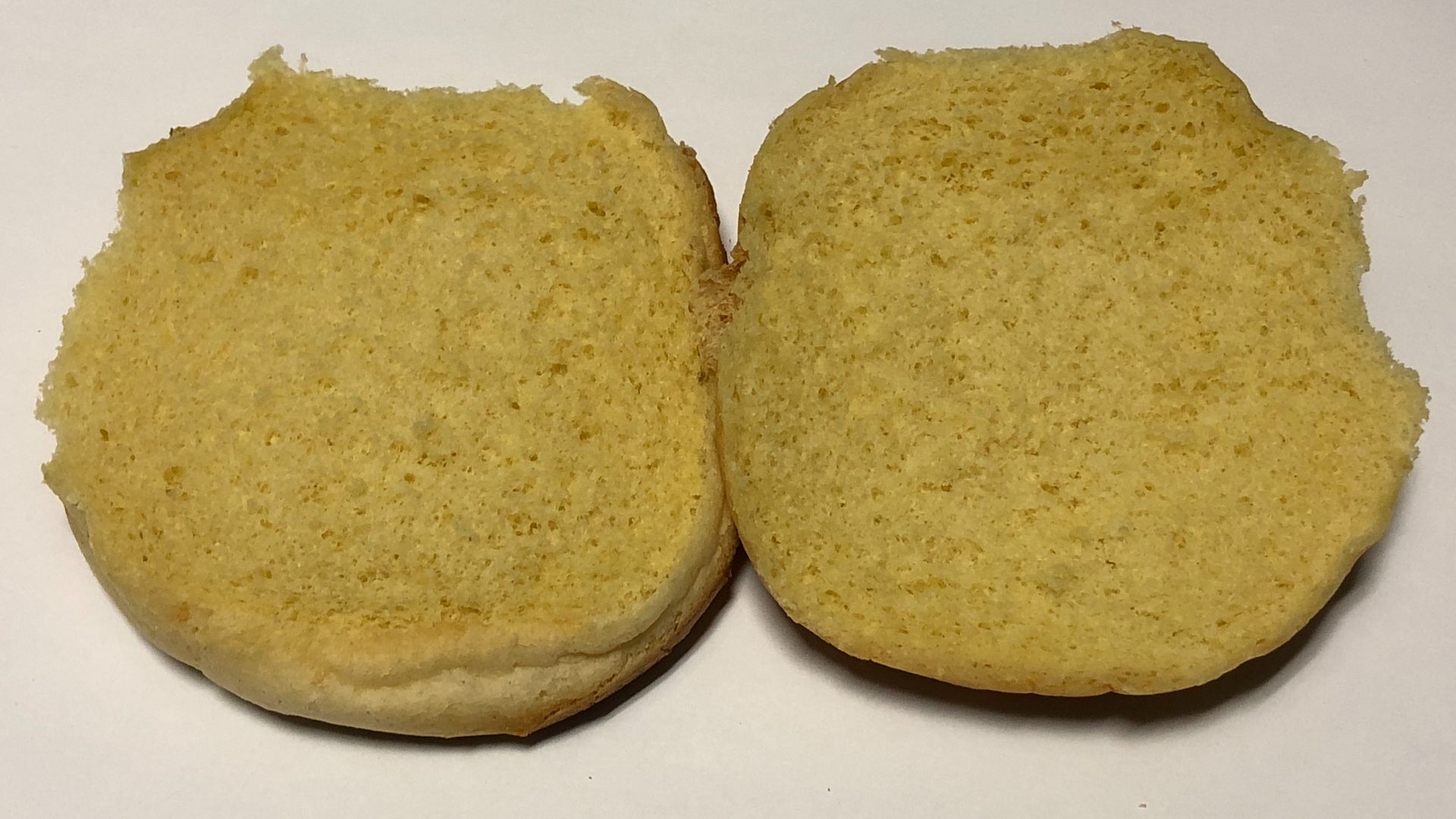
Wheat shortages repeatedly encouraged governments to find ways of stretching flour during wartime. Bakers discovered that potato could be incorporated into bread dough, and versions of potato bread gained attention in Europe and North America during periods when food conservation mattered. Once people discovered they actually liked the soft texture, the idea didn't disappear when wheat supplies recovered.
18. Victory Garden Vegetables
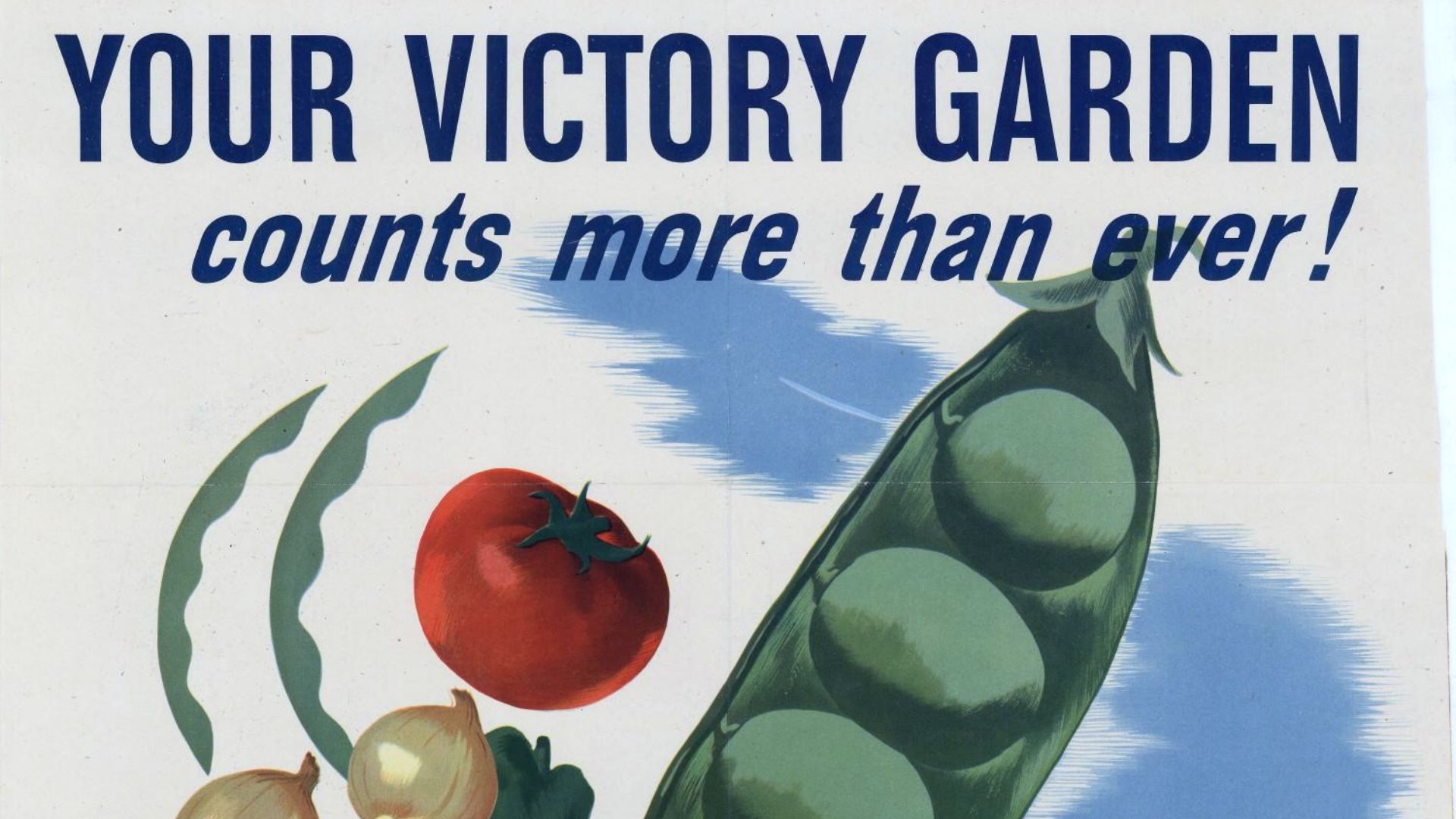
Vegetables obviously weren't invented because of war, but World War I and World War II dramatically changed how millions of Americans thought about growing and eating them. Governments encouraged families to plant "victory gardens" so commercial agriculture could focus more resources on troops and allies. For many families, gardening became a food habit that continued into peacetime.
19. Peanut Butter
Peanut butter was already growing in popularity before the world wars, but military use gave it another major push. Peanuts provided inexpensive protein, and peanut butter was portable, calorie-dense, and easy to serve without cooking. American servicemen ate it as part of military rations, often alongside crackers or bread. Returning soldiers helped reinforce its place as an ordinary American pantry food rather than a novelty health product.
20. Fish & Chips
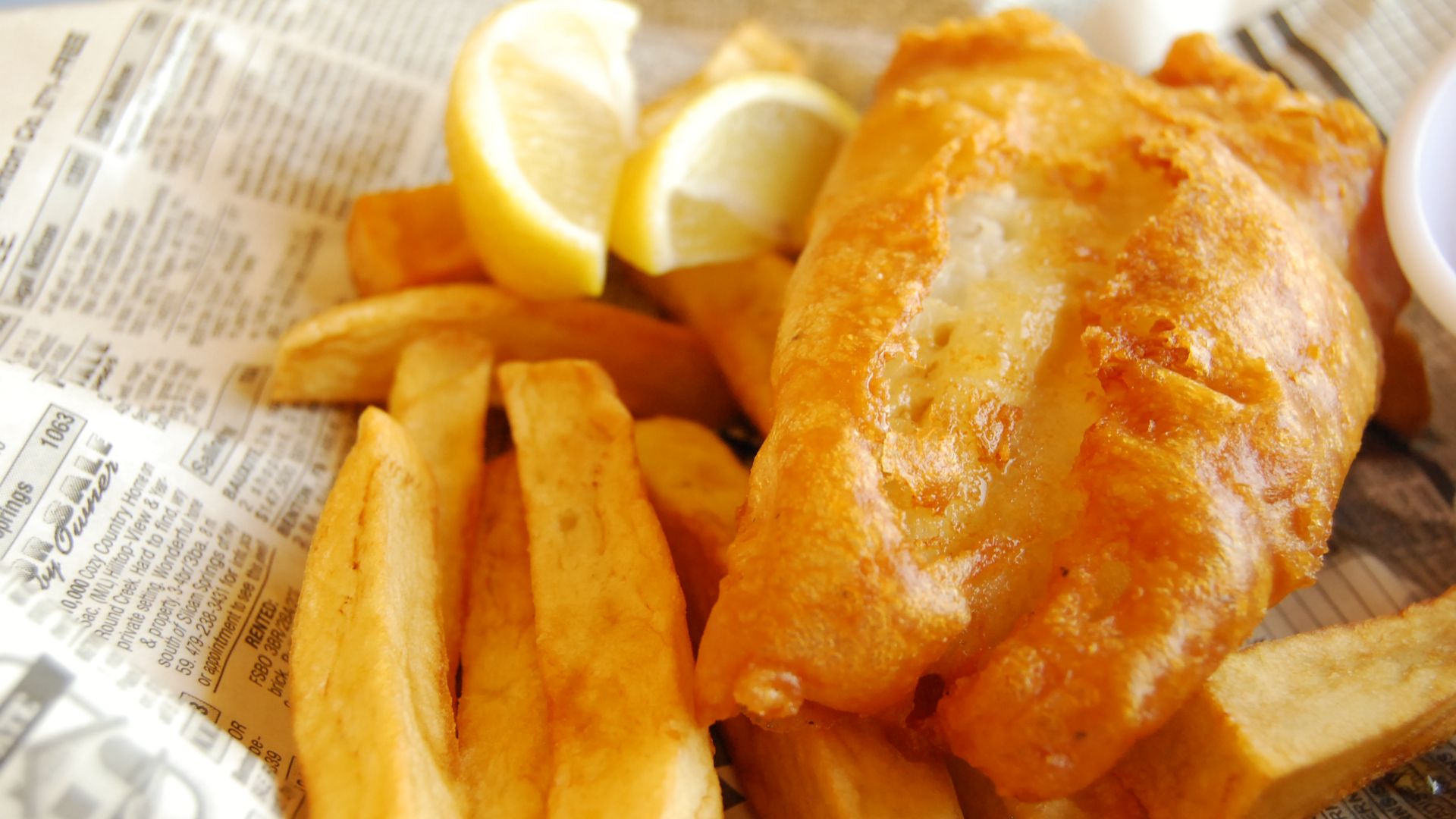
Fish and chips had been a British favorite long before World War II, but the war strengthened its place in national food culture. The British government famously avoided rationing fish and potatoes whenever possible because the meal was inexpensive, filling, and considered good for civilian morale. Even while many other foods were restricted, people could still line up at the local chip shop, which made it an even stronger symbol of everyday British life.
KEEP ON READING