Diabetes in a Cup: Why You Should Stop Drinking Sugar-Sweetened Beverages
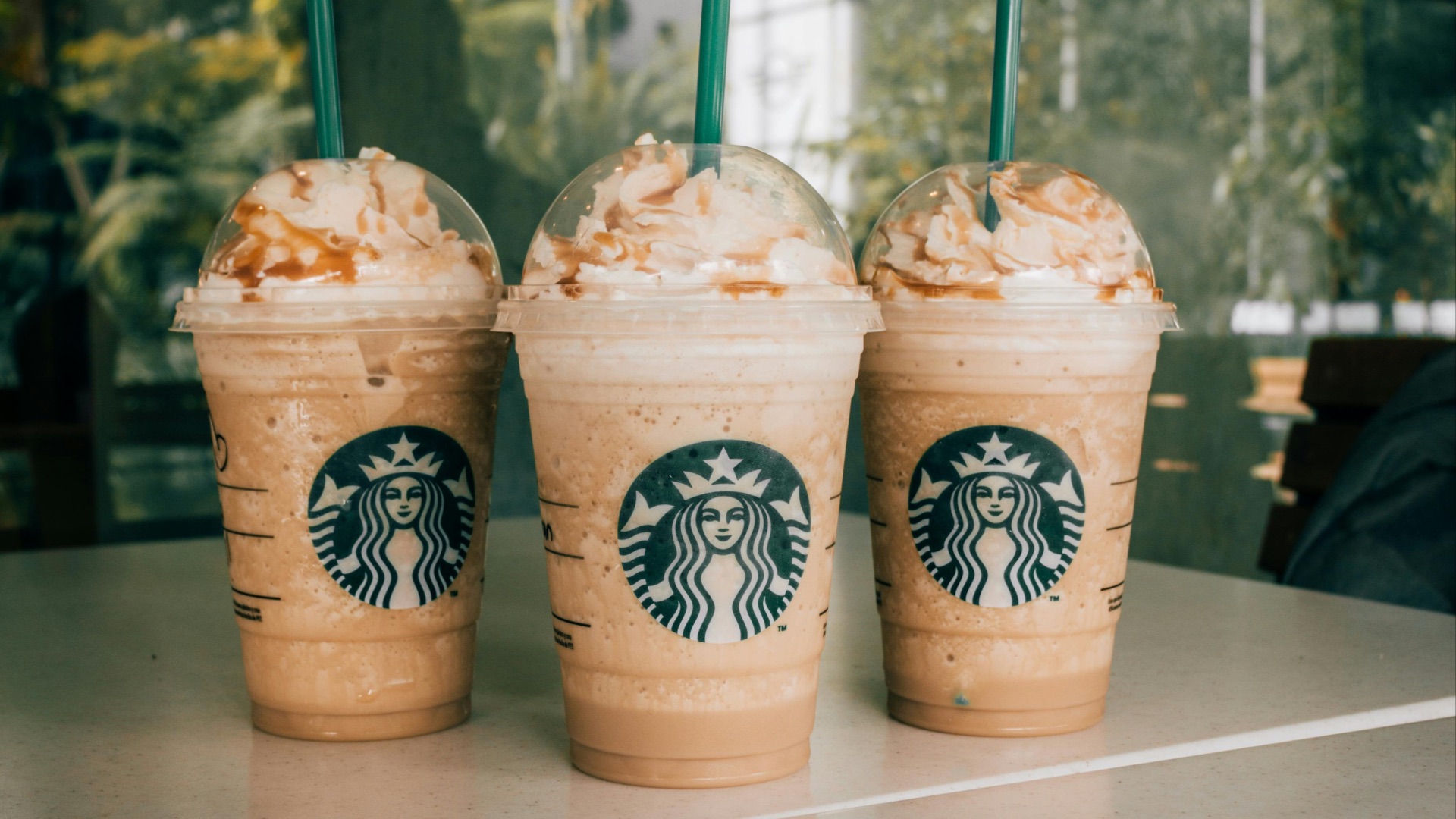
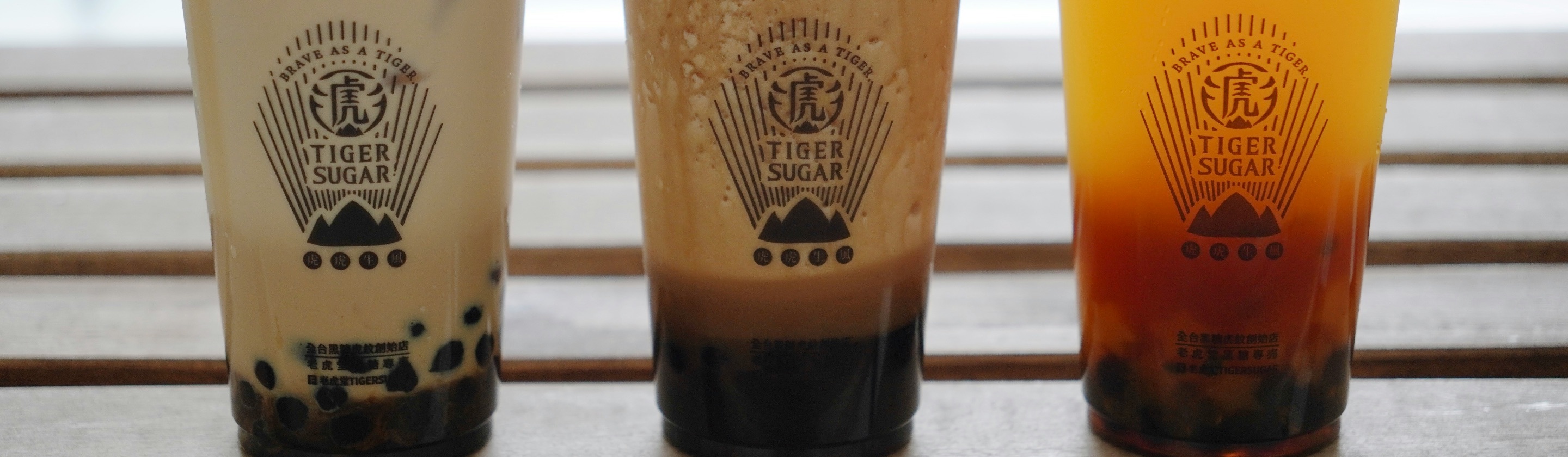
Sugar-sweetened beverages are everywhere. From the soda fountain at your favorite fast food spot to the boba spot that just opened in your neighborhood and the Starbucks sitting right beside it, these drinks have become a staple of modern life. And why not treat yourself to a frappuccino topped with extra whipped cream and caramel syrup every now and then? There's no harm in that, right? Well, what most people don't realize is how much damage they can do to the body over time, particularly when it comes to blood sugar regulation and the development of type 2 diabetes.
The connection between sugary drinks and diabetes isn't a new discovery—far from it, in fact—but it remains one of the most underappreciated public health concerns today. Many people understand that soda isn't exactly a health food, but they may not grasp just how significant the risk is. The next time you put in your order at Dunkin', you might want to think twice.
What Sugar-Sweetened Beverages Do to Your Blood Sugar
You might think sugary drinks and food work the same way when they enter your body, but they don't. When you drink a sugary beverage, the sugar enters your bloodstream much more rapidly because there's no fiber or protein to slow the absorption process. This causes a sharp spike in blood glucose levels, which forces your pancreas to release a large amount of insulin to compensate. Over time, these repeated spikes can put serious strain on your body's ability to manage blood sugar effectively.
Unlike whole foods that contain natural sugars, drinks like soda, sweetened iced tea, and energy drinks deliver a concentrated dose of sugar with little to no nutritional value. Research has consistently shown that liquid calories are processed differently than solid ones; your body doesn't register them the same way, so you're unlikely to feel full after drinking them. This means you often end up consuming more overall calories on top of the sugar load the drink already delivered.
The type of sweetener used in many of these beverages also matters. High-fructose corn syrup, which is commonly found in sodas and fruit-flavored drinks, is processed primarily by the liver rather than being used directly for energy. Excess fructose can lead to increased fat production in the liver, contributing to insulin resistance, which is a key driver of type 2 diabetes. This is a significant concern, especially for people who drink these beverages regularly without thinking twice about it.
Sugary Drinks and Type 2 Diabetes
The scientific evidence connecting sugar-sweetened beverages to diabetes is substantial and difficult to ignore. A major meta-analysis published in 2010 found that people who consumed one to two sugary drinks per day had a 26% greater risk of developing type 2 diabetes compared to those who rarely or never consumed them. That kind of statistical association is hard to dismiss, especially when it's supported across multiple large-scale studies.
It's worth noting that this risk appears independent of body weight. While obesity is a well-known risk factor for type 2 diabetes, researchers have found that sugary drink consumption increases diabetes risk even among people who aren't overweight. This suggests that the physiological impact of frequent blood sugar spikes and insulin overload plays a direct role, not just the weight gain that can come with excess calorie intake.
The data on fruit juice is also worth paying attention to, since many people assume it's a healthier alternative. Research has found that greater consumption of fruit juice was associated with a higher risk of type 2 diabetes, while replacing it with whole fruit was linked to a lower risk. After all, whole fruit contains fiber that slows sugar absorption; juice, on the other hand, strips that benefit away and delivers the sugar in a much more concentrated form.
How to Cut Back Smartly
Reducing your intake of sugary drinks doesn't mean you have to resign yourself to plain water for the rest of your life. There are plenty of satisfying alternatives that don't come with the metabolic baggage. Sparkling water with a splash of citrus, unsweetened herbal teas, and cold brew coffee without added syrups are all solid options that still feel like a treat.
If you've been drinking soda or sweetened drinks daily, going cold turkey can feel jarring, so a gradual approach tends to be more sustainable for most people. You can start by swapping one sugary drink per day with something lower in sugar, then build from there over a few weeks until you're only drinking one sweet thing per week. Small, consistent changes tend to stick far better than abrupt restrictions that leave you craving what you gave up, so don't pressure yourself into thinking you have to stop immediately.
It's also worth reading labels carefully, since sugar hides under many names on ingredient lists. Sucrose, glucose, dextrose, cane juice, and corn syrup are all forms of added sugar that can appear in drinks marketed as "natural" or even "healthy." As you peruse the nutrition facts, keep in mind that the American Heart Association recommends that men consume no more than 36 grams of added sugar per day, and women no more than 25 grams. The more conscious you are of how much sugar you're putting in your body, the more diligent you might become at ensuring you don't go past the limit.
KEEP ON READING

Happy Hour: The 20 Best Foods For Social Snacking