What Happens When You Quit Ultra-Processed Foods for 30 Days
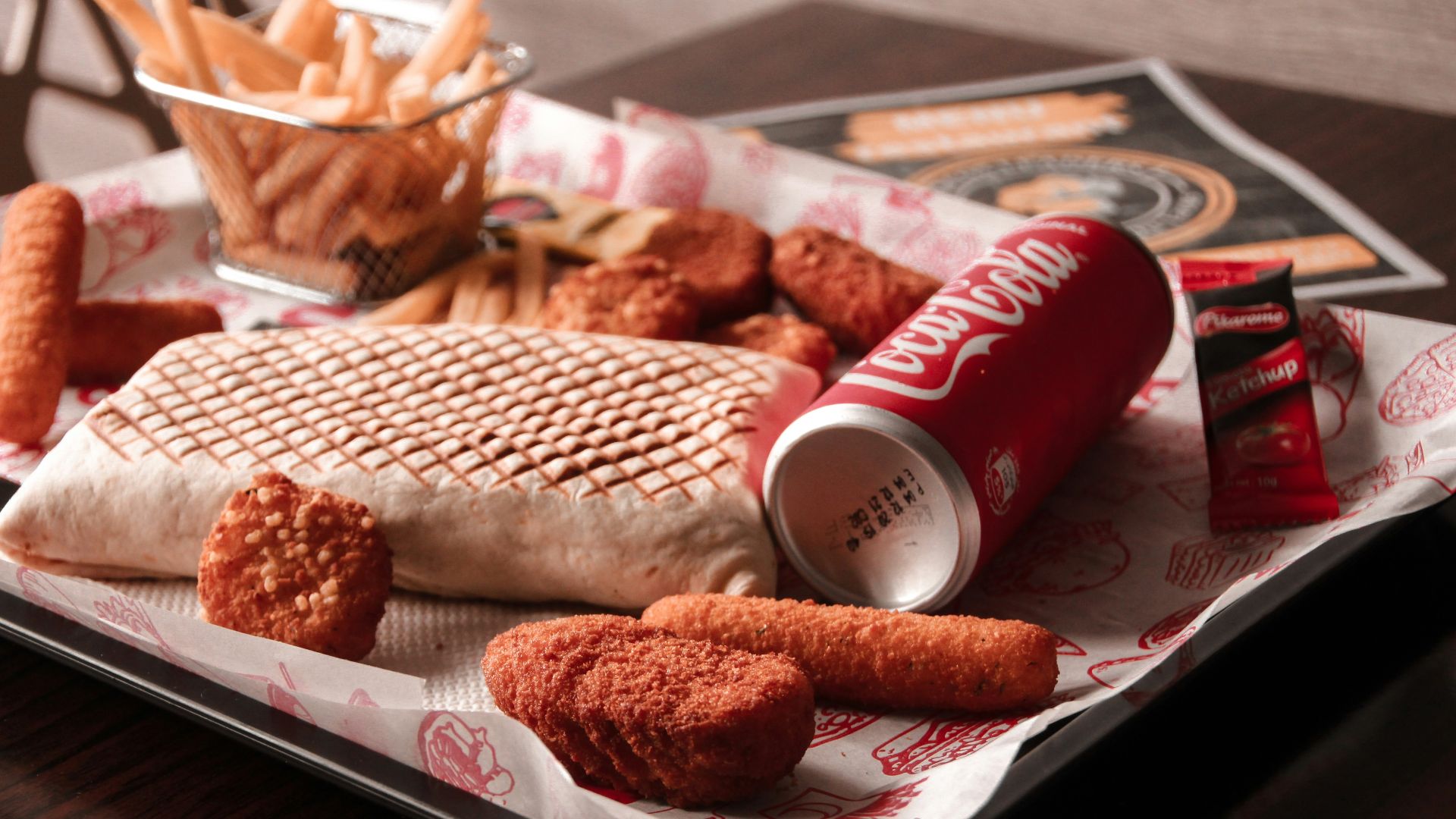
When we’re talking about ultra-processed foods, we’re not just talking about candy, chips, and soda. Ultra-processed foods include many frozen meals, packaged baked goods, sweetened breakfast foods, processed meats, and snack foods made with industrial ingredients, additives, and flavor boosters. In the U.S., they’re a huge part of daily eating: a CDC National Center for Health Statistics report found that ultra-processed foods made up 55.0% of total calories eaten by people aged one and older from August 2021 to August 2023.
So, cutting them out or sharply cutting back for 30 days can feel like more than a simple dinner swap. You may be changing your usual breakfast, your afternoon snack, your lunch routine, and the thing you reach for when you’re tired. The exact effects will vary from person to person; still, research points to changes in appetite, calorie intake, cravings, weight, and overall diet quality when people eat fewer ultra-processed foods.
What Changes In The First Week
The first few days can feel surprisingly irritating, especially if ultra-processed foods usually fill the gaps between meals. NIH News in Health says researchers are studying whether cutting back on these foods can cause withdrawal-like symptoms, including irritability, agitation, low mood, and strong cravings. That doesn’t mean everyone will feel miserable, and it doesn’t mean every packaged food is addictive. It does mean cravings may have a biological side effect that you’re feeling.
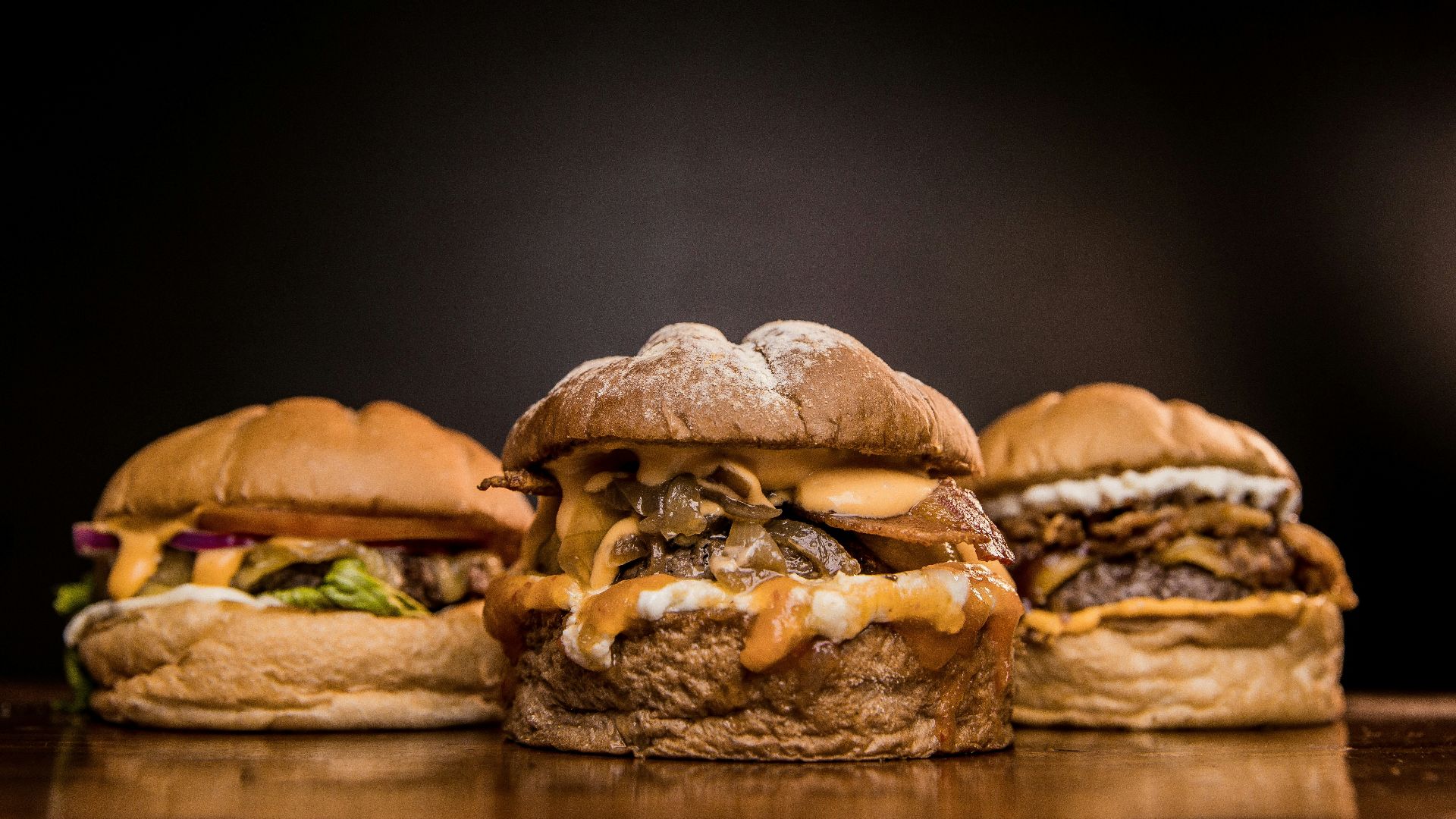
Part of the pull comes from how many ultra-processed foods are built. They’re often easy to eat quickly, easy to keep eating, and built around combinations of refined carbohydrates, added fats, salt, sweetness, and soft or crunchy textures. NIH News in Health says some researchers are looking at how these foods may activate reward pathways involved in cravings. That is a cleaner, safer way to say it than claiming they “hijack” the brain, tempting as it might be.
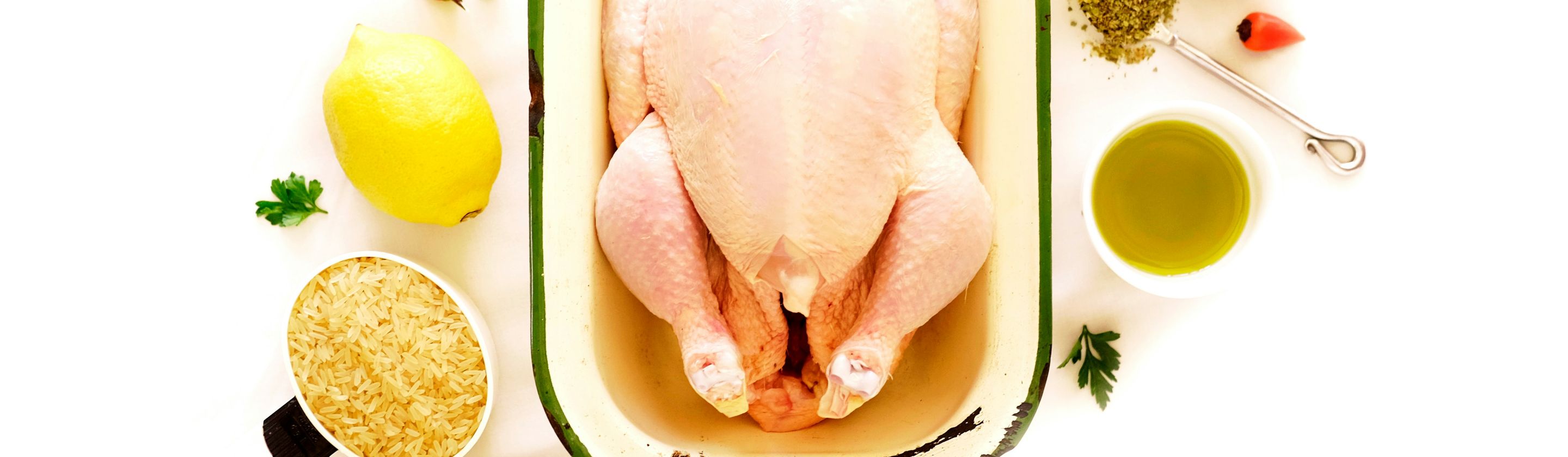
During that first week, simpler meals may feel less instantly exciting. Chicken, rice, vegetables, beans, eggs, fruit, oats, yogurt, and nuts don’t hit the same snack-food notes as a salty, crispy, sweet thing from a bag. That can make the first few days feel a bit flat, especially around your usual snack times. After the routine settles, some people find cravings easier to handle because meals are more filling and the day has fewer blood-sugar crashes.
Why Appetite And Weight May Shift
One of the strongest studies on ultra-processed foods came from a small inpatient trial published in Cell Metabolism. In that study, 20 adults ate ultra-processed and unprocessed diets for two weeks each, in random order. The meals were matched for presented calories, sugar, fat, sodium, fiber, and macronutrients, while participants could eat as much or as little as they wanted. They ate about 500 more calories per day on the ultra-processed diet and gained weight during that phase, while they lost weight during the unprocessed phase.
That matters because it shows how food can nudge appetite even when the numbers on paper look similar. Texture, speed of eating, calorie density, flavor, and food structure may all play a role. A soft, salty, sweet, or snacky food can disappear quickly before fullness has much time to catch up. Whole or minimally processed meals often take more chewing, more time, and more plate-building.
A 2025 Drexel University pilot program landed in the same general neighborhood, though it was small and lasted longer than 30 days. In that eight-week program, 14 adults cut ultra-processed food intake by almost half, reduced calorie intake by more than 600 calories per day on average, and self-reported losing an average of 7.7 pounds. Sugar intake fell by 50%, saturated fat by 37%, and sodium by 28%.
What May Improve By The End Of The Month
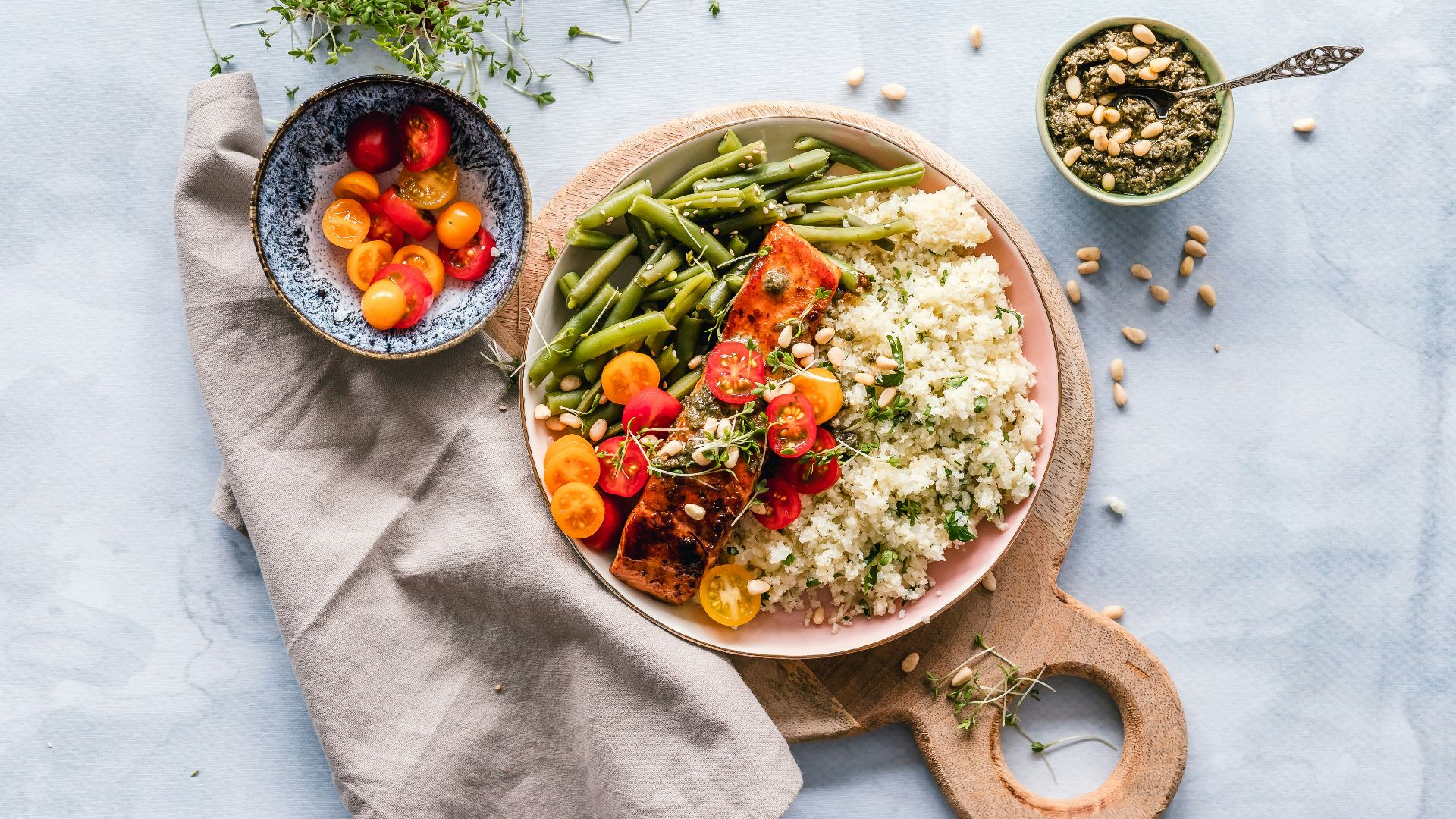
By the end of 30 days, the clearest changes may come from what you’re eating more of, not only what you’re skipping. Replacing ultra-processed foods with minimally processed meals often means more fiber, more protein, more water-rich foods, and fewer concentrated sources of added sugar and sodium. That can support steadier fullness and a more balanced eating pattern. It may also make snacking feel less automatic, which is a small but meaningful victory in a world where snacks somehow appear everywhere.
Digestion may shift too, especially if your new meals include more vegetables, fruit, beans, lentils, oats, whole grains, nuts, and seeds. Those foods add fiber, which can support bowel regularity and feed gut bacteria. A sudden jump in fiber can also bring gas or bloating at first. Going gradually and drinking enough water can make the change feel less intense.
Longer-term research supports being careful with ultra-processed foods, though it doesn’t prove that one 30-day change will immediately lower disease risk. A 2024 umbrella review in The BMJ found that greater exposure to ultra-processed foods was associated with a higher risk of several adverse health outcomes, especially cardiometabolic, common mental disorder, and mortality outcomes.
A newer Nature Medicine randomized crossover trial adds another useful layer. Researchers provided adults with two diets that both followed healthy dietary guidelines, one minimally processed and one ultra-processed. Participants lost weight on both diets, but University College London’s summary says they lost more on the minimally processed diet. The trial looked at eight-week periods rather than exactly 30 days, so it helps guide the bigger picture without pretending that a month-long experiment will play out the same way.
So what happens when you quit ultra-processed foods for 30 days? You may notice fewer cravings, steadier hunger, less mindless snacking, and a diet that naturally contains less added sugar, sodium, and saturated fat. Some people may lose weight, especially if packaged snacks, sugary drinks, and ready meals make up a large part of their usual routine. The safest takeaway is not that 30 days will transform your body, mood, skin, or sleep. However, cutting back can make meals more filling, choices more intentional, and make you feel better.
KEEP ON READING