Getting Dinner on the Table
A lot of people genuinely want to cook more, but schedules, grocery costs, and decision fatigue can turn even simple meals into something that feels harder than it should be. If you’ve ever wondered why you—and others—keep defaulting to takeout or snacks despite promising you'll fix up something at home, here are 20 reasons that might just explain it.

1. Time Feels Scarce
Even when you technically have time, it rarely shows up in a neat, usable block. Cooking requires a stretch of attention that includes prep, cooking, and the little loose ends that always pop up, like searching for a container lid or wiping up a spill. When your evening is already crowded, the option that fits into the smallest gap usually wins.
2. You’re Tired at the Wrong Time
It’s frustrating how often your motivation peaks earlier in the day, then disappears right when dinner becomes urgent. By the time you’re home and settled, your brain wants comfort and your body wants to sit down, not chop vegetables and stand at the stove.

3. Decision Fatigue
Dinner can become the final exam after a full day of decisions, messages, and small demands. Even if you enjoy cooking, the question of what to make can feel strangely heavy when you’re already mentally tapped out. If you’ve ever opened the fridge, stared for a full minute, and then ordered food, that’s decision fatigue driving.

4. Grocery Shopping Is a Whole Separate Project
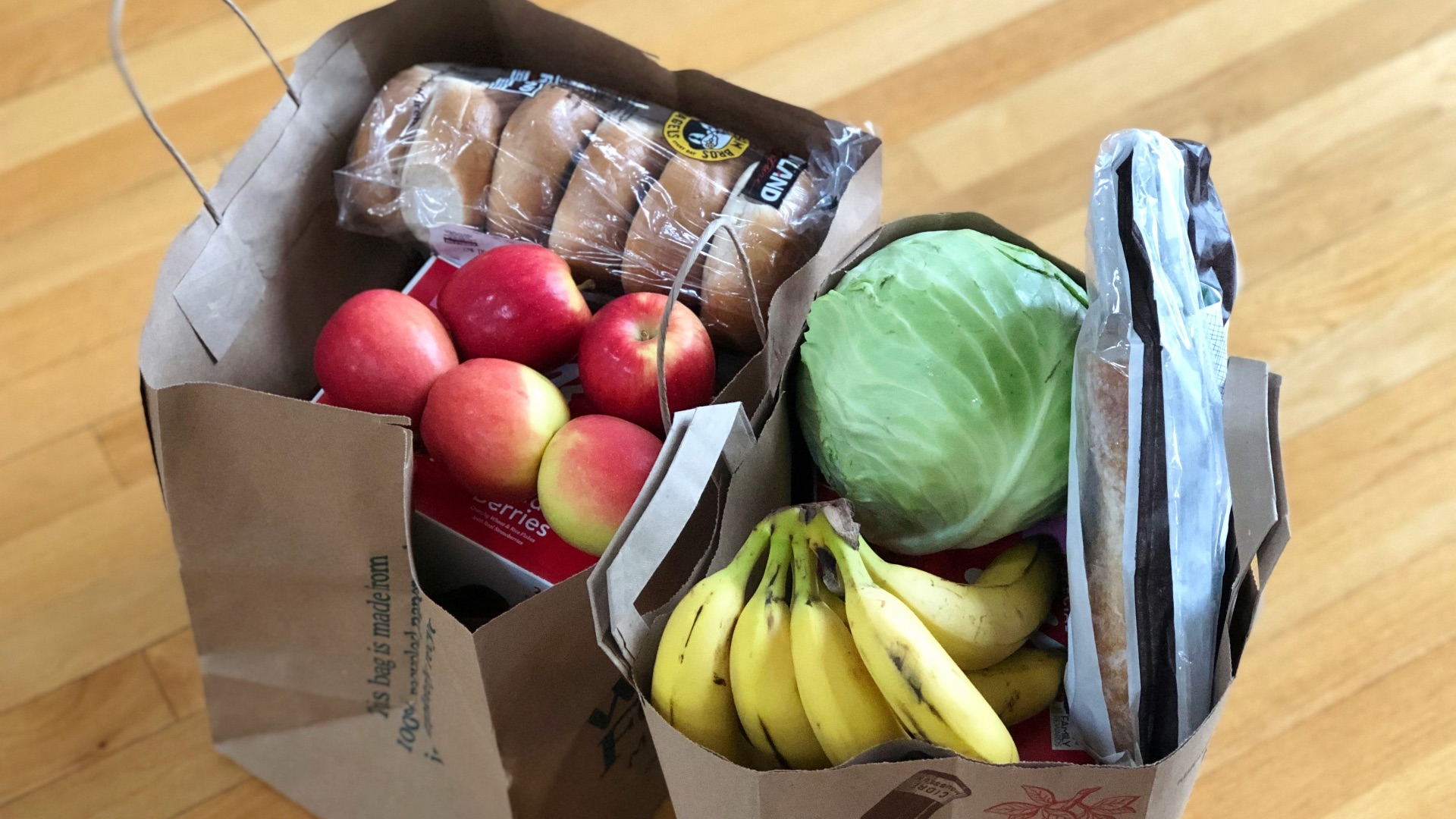
Cooking at home depends on shopping, and shopping isn’t a simple errand for a lot of people. It’s planning, timing, transportation, and the mini stress of remembering everything while also trying not to overspend. When the supply chain of your own kitchen feels complicated, you’re more likely to pick meals that don’t require it.
5. You Don’t Have a Reliable Plan for the Week
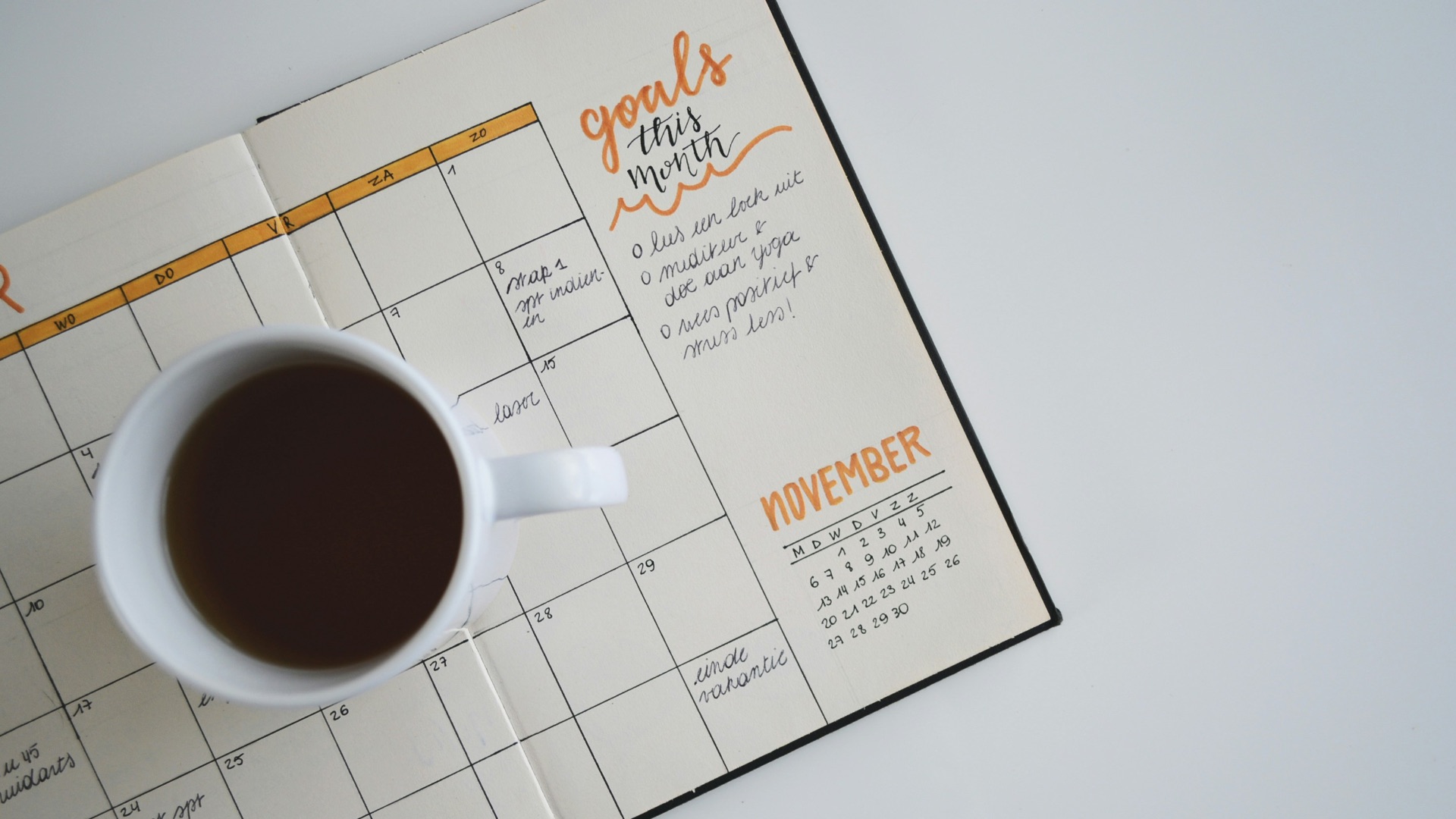
When there’s no plan, dinner gets decided at the worst possible time: when you’re hungry, low on patience, and trying to keep the evening moving. That’s when cooking starts to feel like a high-effort puzzle, not a normal habit. A loose plan doesn’t have to be strict, but without one, you’re asking yourself to improvise every single day.
6. You’re Not Sure What to Do with What You Bought
Buying ingredients and actually using them are two different skills, and people don’t talk about that enough. It’s easy to pick up a bag of greens or a new sauce with good intentions, then forget what you imagined making with it. Once you feel uncertain, you start avoiding the ingredient altogether, and the guilt of wasting it makes the whole fridge feel less friendly.
7. Your Kitchen Setup Slows You Down
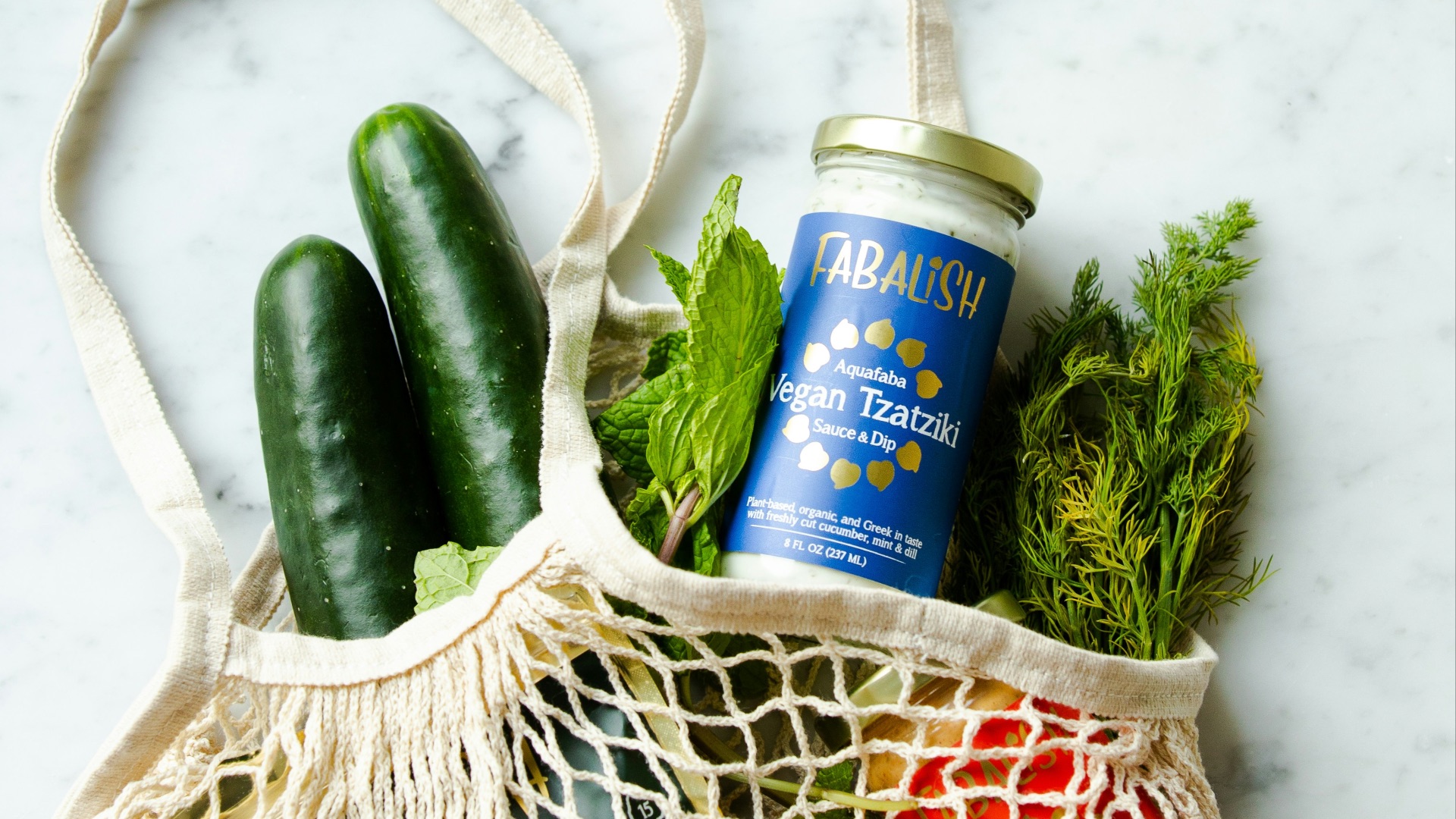
A kitchen can be technically functional while still making everything harder than it needs to be. If your knife is dull, your pans stick, or your counter space is cramped, cooking becomes a series of small annoyances that stack up fast. When your tools fight you, it’s completely normal to avoid the activity that triggers the fight.

8. Cleanup Feels Like the Real Cost
For many people, the meal isn’t the problem, it’s the aftermath. If cooking automatically means a greasy stovetop, multiple pans, and a sink that looks discouraging, you’ll hesitate before you even start. Sometimes you don’t skip cooking because you hate cooking, you skip it because you can already picture the cleanup eating up your whole evening.
9. You’re Trying to Cook Healthier and It Feels Complicated
When you decide you want healthier meals, cooking can suddenly feel like it comes with rules and pressure. You start questioning everything: Is this too salty, too much pasta, not enough vegetables, or not balanced enough to count? That kind of mental tracking can drain the fun and make takeout seem like the easier emotional choice, even if it’s not your ideal.
10. You Don’t Want to Waste Food
Cooking gets harder when you’ve been burned by meals that didn’t get eaten. Maybe you made something that flopped, or you cooked with optimism and ended up tossing leftovers three days later. Once that pattern sets in, you start playing it safe, and playing it safe often means cooking less. It’s not that you don’t want to cook, it’s that you don’t want to feel wasteful.
11. You Live with People Who Have Conflicting Preferences
Cooking for multiple people can feel like running a tiny restaurant with picky customers. One person wants spicy, another can’t handle spice, someone else is avoiding dairy this week, and suddenly, the easiest meal option turns into a negotiation. When you’re trying to make something that won’t disappoint anyone, it’s easy to decide it’s not worth the stress.
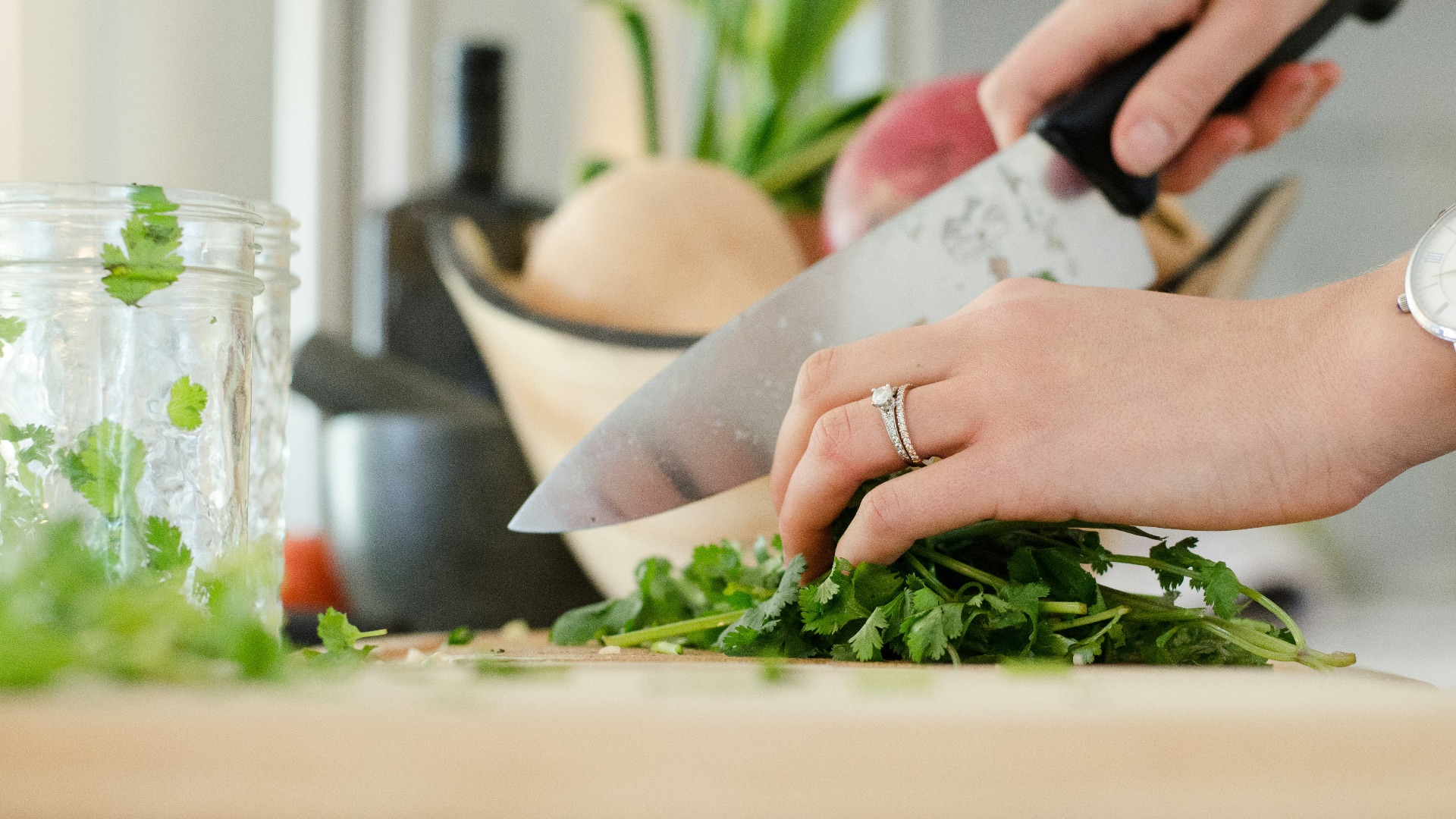
12. You’re Cooking for One and It Doesn’t Feel Worth It
Cooking for yourself can feel oddly anticlimactic, especially after a long day. You do the work, you eat, and then you’re left with leftover ingredients and cleanup, without the social payoff of feeding others. It can also be tricky to buy groceries in portions that make sense, so you end up repeating meals or watching food go bad. Over time, that loop can make cooking feel like a chore you’re doing just to prove a point.
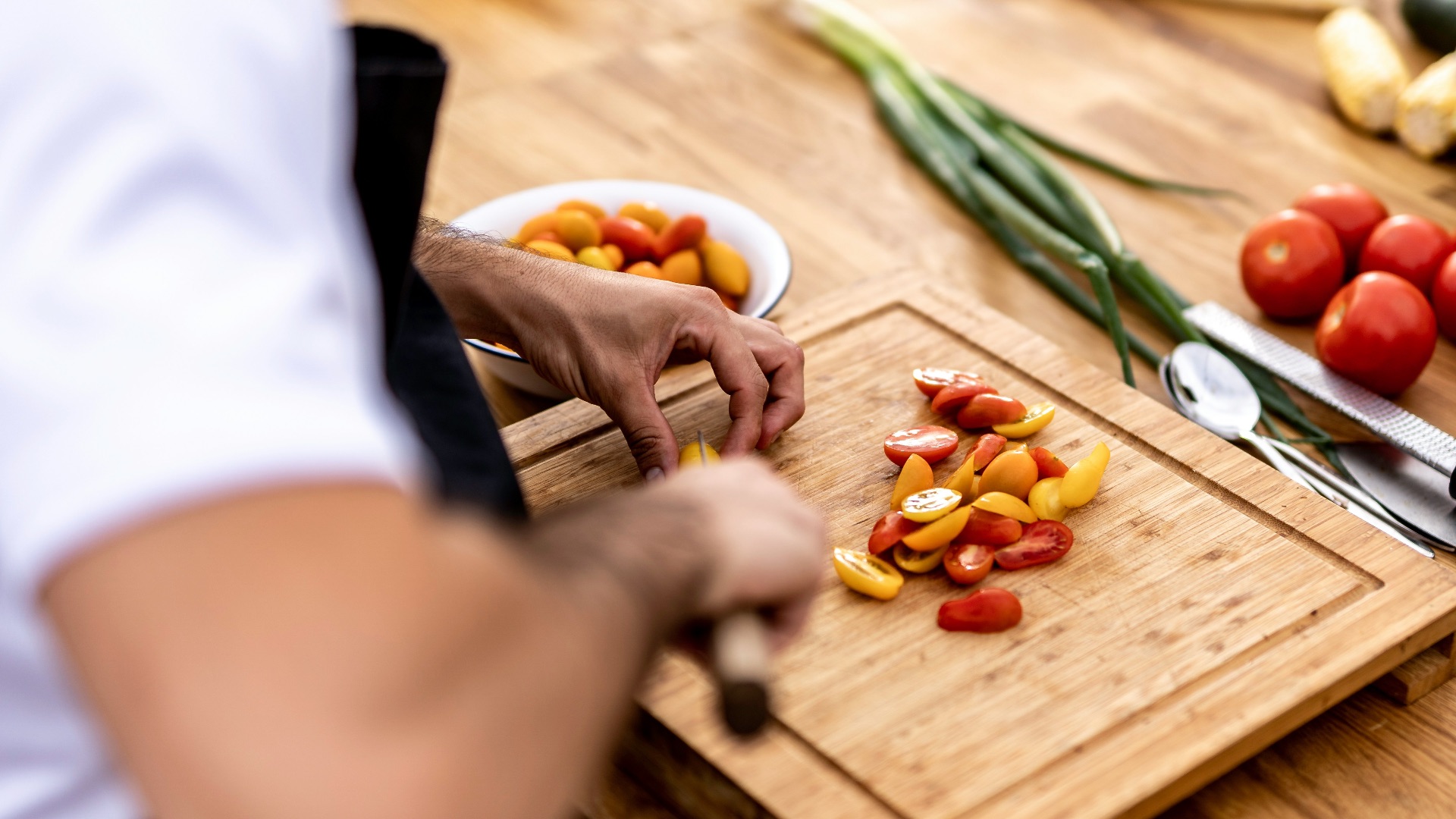
13. The Cost of Ingredients Can Be Unpredictable
Even if you want to cook, grocery prices can make it hard to commit to a plan. You might go in expecting a reasonable total and walk out feeling like you barely bought anything for what you spent. That uncertainty can push you toward whatever feels most predictable, even if it’s not the cheapest option long-term. When money feels tight, cooking can start to feel like a gamble instead of a solution.
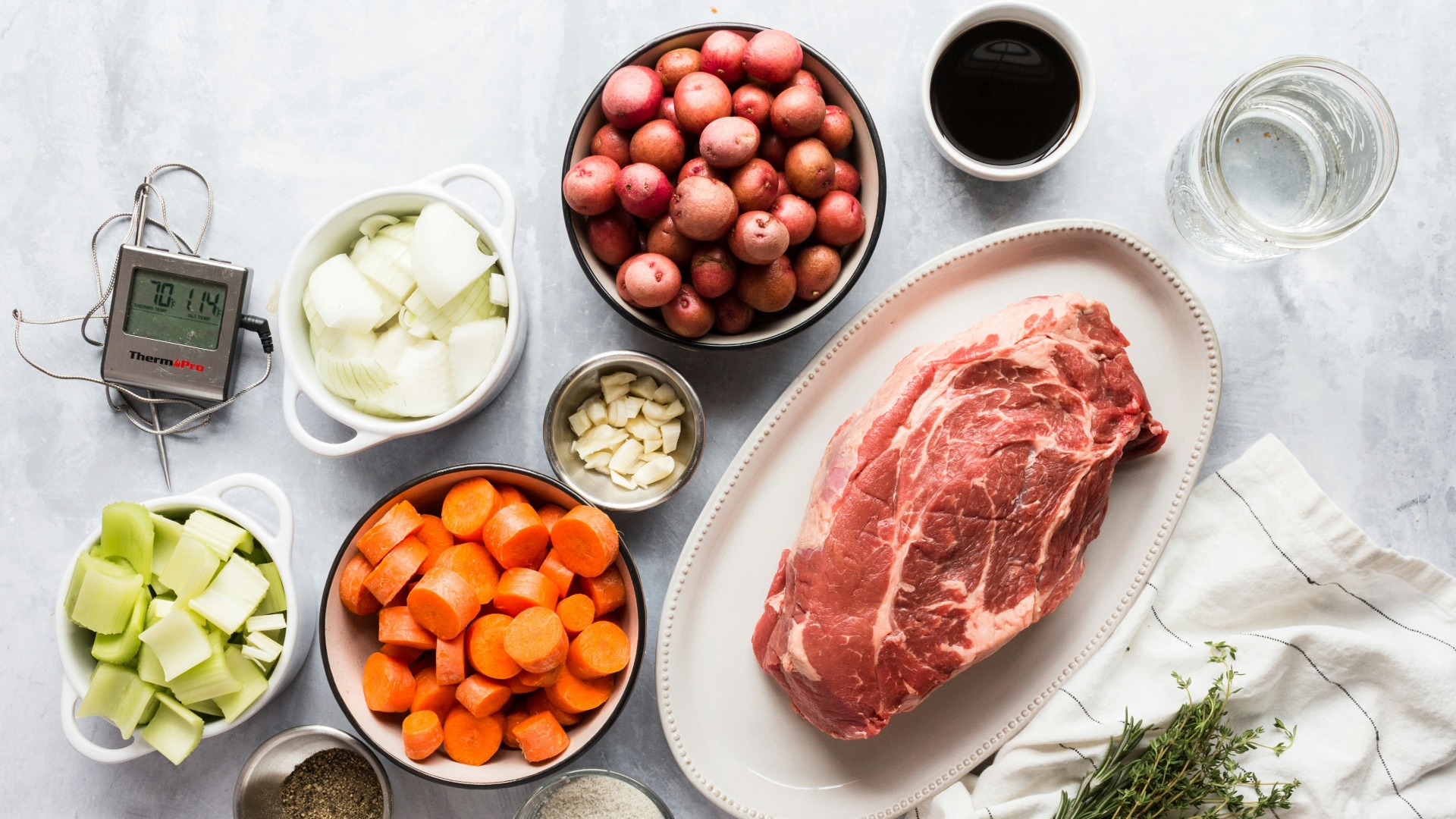
14. You Don’t Trust Your Skills Yet
Cooking is one of those things where small failures can stick in your memory. If you’ve overcooked chicken, under-seasoned soup, or followed a recipe that turned out bland, you might start expecting disappointment before you even begin. That expectation makes every step feel more stressful and less enjoyable. If you don’t fully trust your own outcomes yet, it’s reasonable that you’d cook less often.
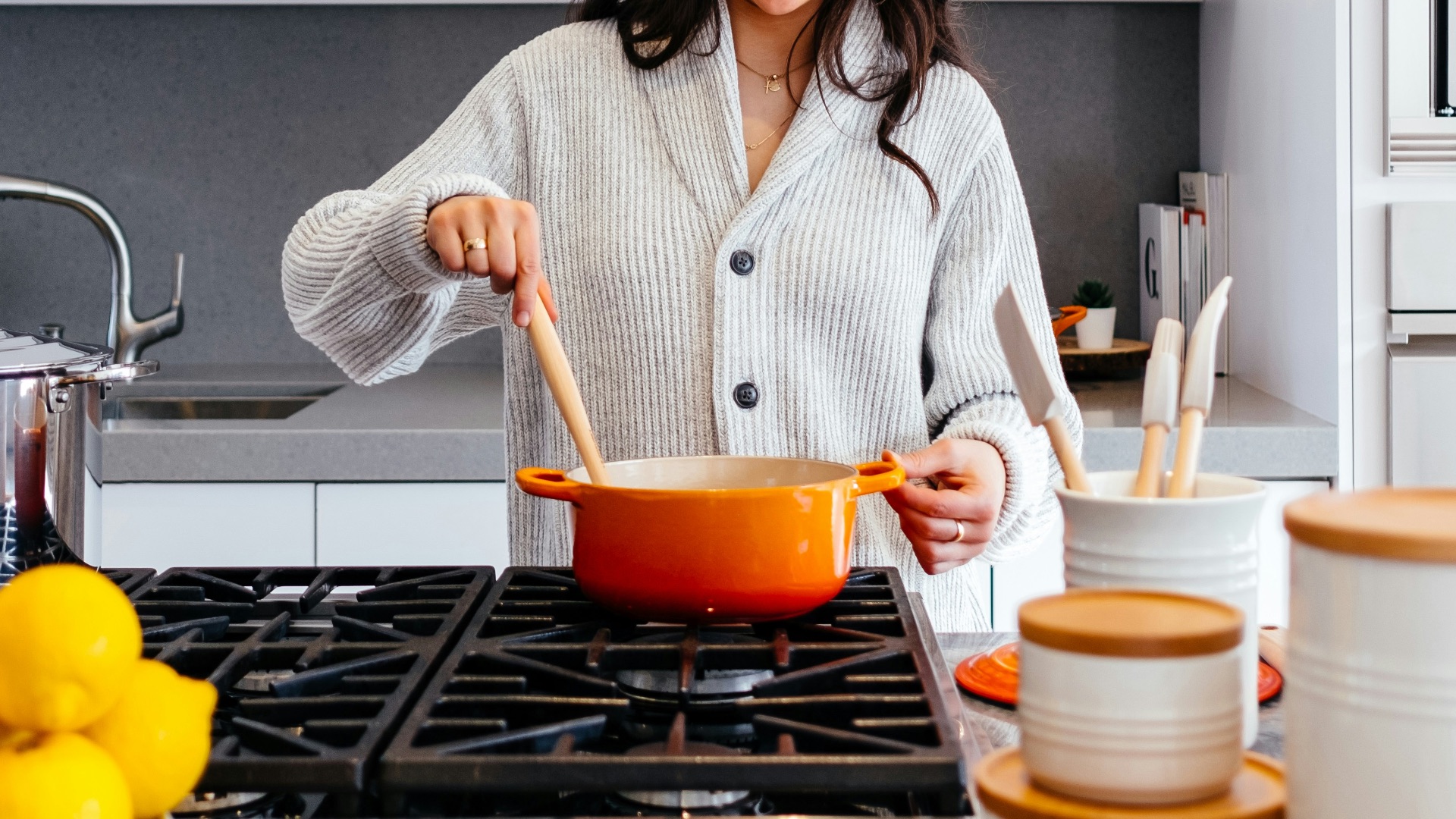
15. Recipes Sometimes Ask Too Much
A lot of recipes are written like you have unlimited time, unlimited dishes, and a fully stocked pantry. They call for specialty ingredients, multiple steps, and techniques you’re supposed to already know, all while acting like it’s simple. When the instructions don’t match real life, you end up feeling like you’re doing something wrong. In reality, the recipe just isn’t designed for a normal weeknight.
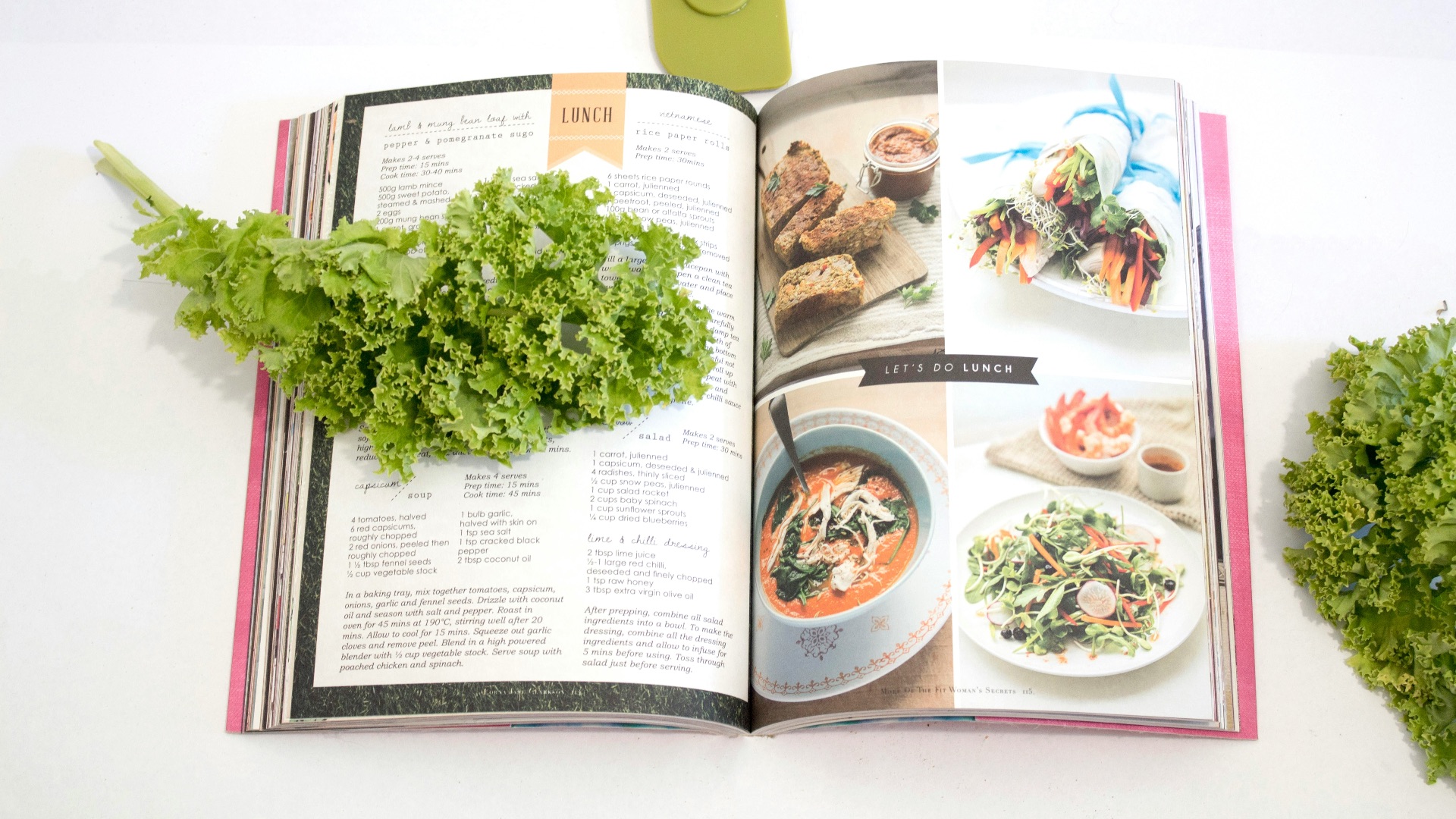 S O C I A L . C U T on Unsplash
16. You’re Missing a Few Go-to Meals
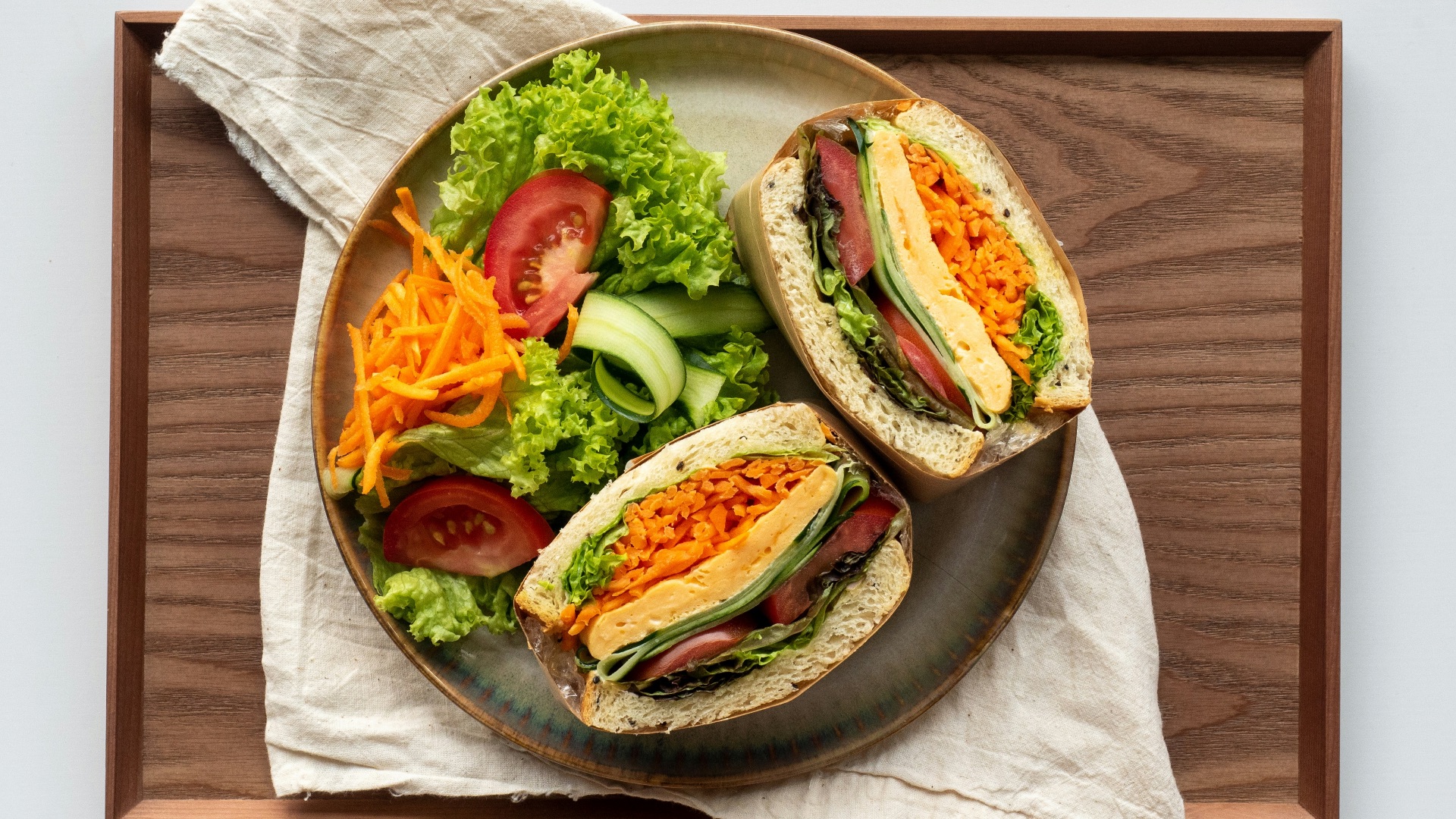
People who cook often usually aren’t reinventing dinner every day. They have a handful of meals they can make without thinking too hard, and that lowers the barrier to starting. If you don’t have those reliable defaults yet, every meal feels like a bigger decision with higher effort. Cooking becomes much easier once you’ve built a small personal menu that you actually like.
17. Your Schedule Is Irregular
Cooking thrives on routine, and an unpredictable schedule makes routine hard to maintain. If you don’t know when you’ll be home or how hungry you’ll be, planning dinner can feel pointless. That uncertainty also makes grocery shopping harder because you can’t predict what you’ll actually use. When your days don’t follow a pattern, convenience options tend to take over by default.

18. Convenience Food Is Getting Better and Easier
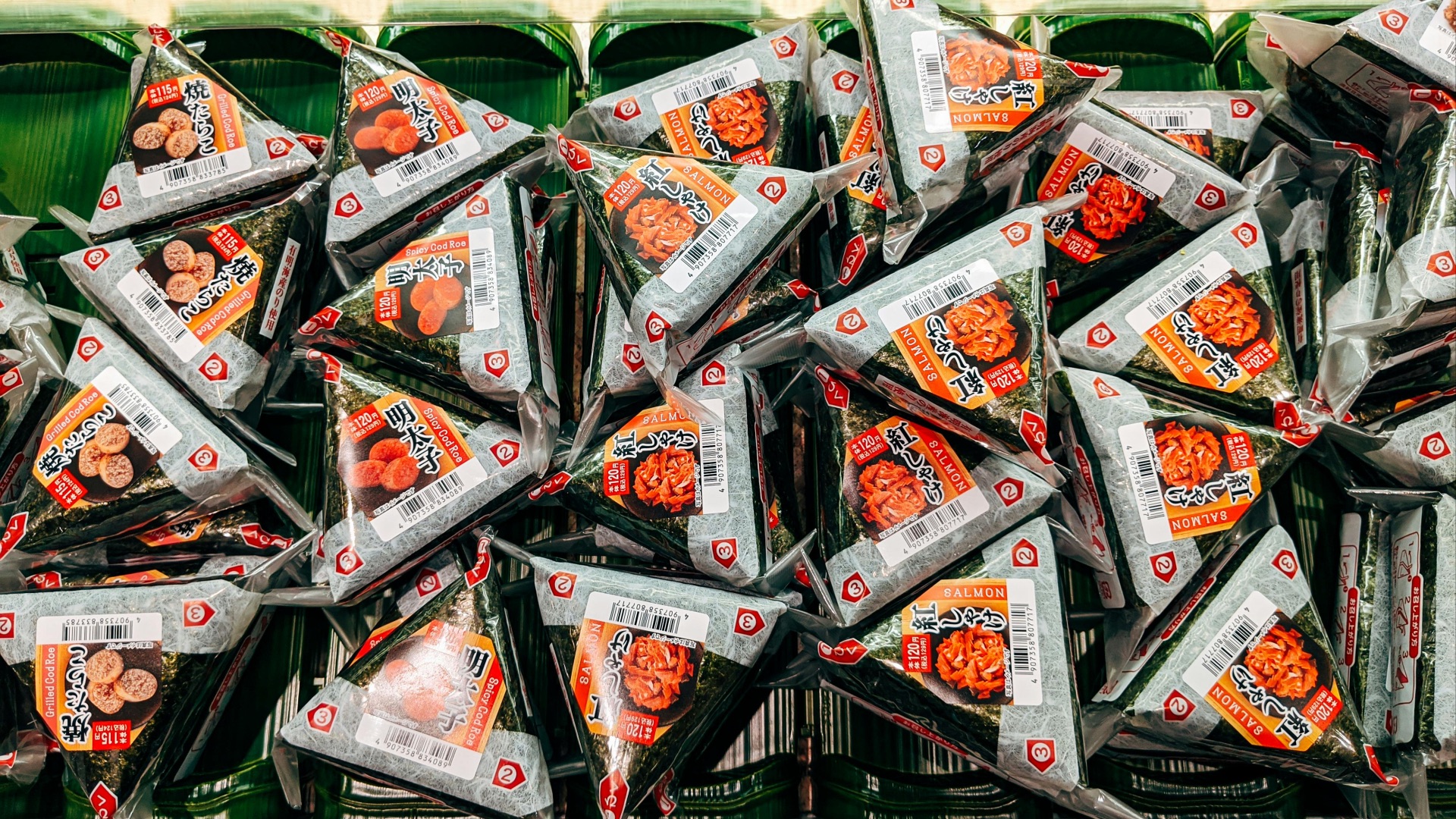
It’s hard to compete with something that’s fast, consistent, and doesn’t require effort. Delivery apps, grocery store prepared meals, and even decent frozen options have made it easier than ever to eat without cooking. When a ready-made meal solves the immediate problem, cooking has to offer a benefit that feels worth the extra steps. If you’re choosing convenience more often, you’re not failing, you’re responding to what’s available.
19. Social Life and Obligations Crowd Out Cooking
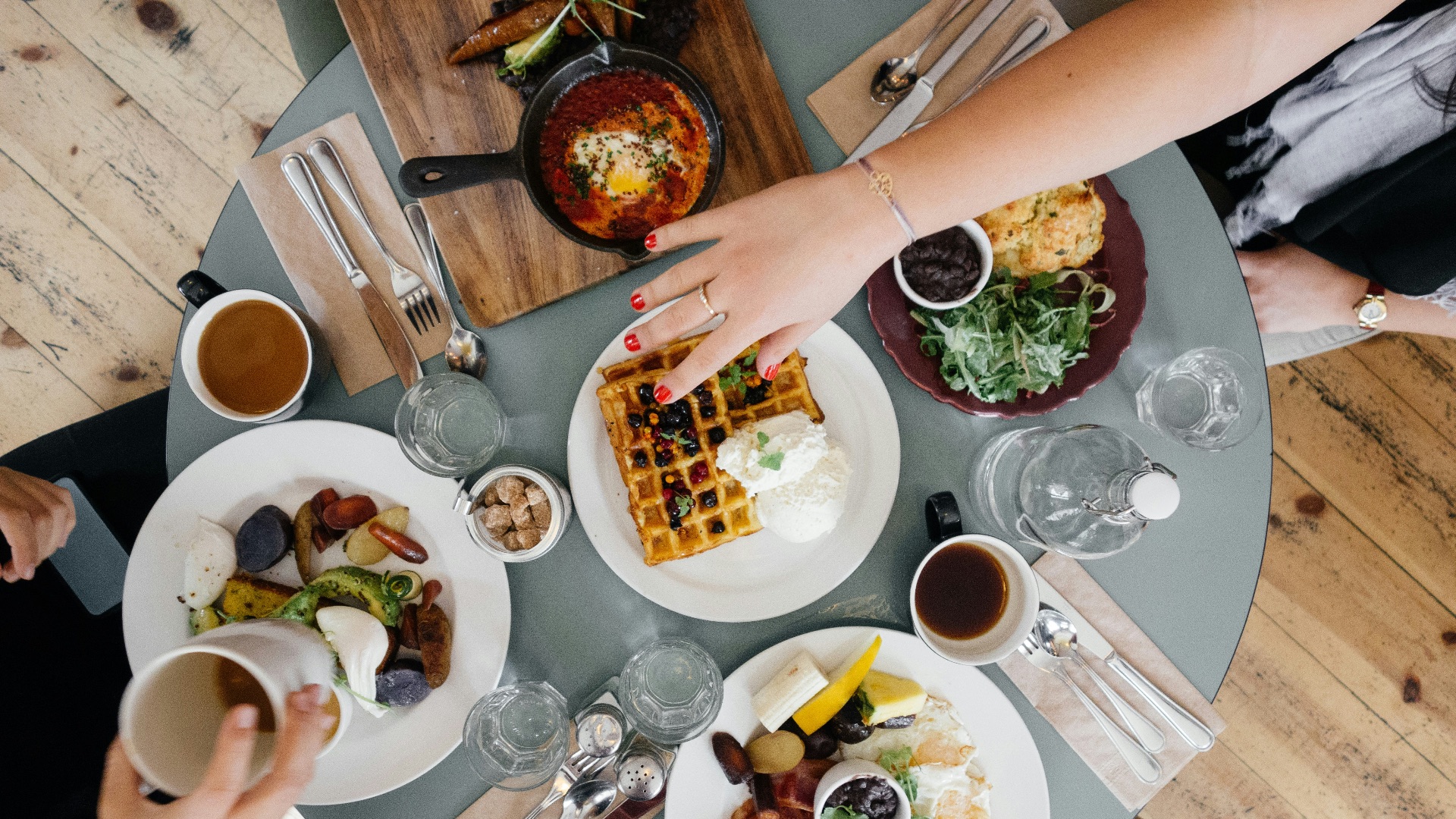
Even good plans can push cooking out of your week without you noticing. A couple of late nights, a few meetups, errands, or family responsibilities, and suddenly you’ve gone days without making a real meal at home. Then you’re out of groceries, your routine feels broken, and starting again feels like effort. Cooking is a habit that needs time, and sometimes life takes that time away.
20. Cooking Feels Like Another Responsibility
If your life already feels packed with tasks, cooking can start to feel less like a choice and more like an obligation. You might enjoy it in theory, or even enjoy it on weekends, but weekday cooking can feel like one more thing you have to manage. When you’re carrying a lot, you’ll naturally lean toward anything that reduces your workload. Wanting to cook more can be true, and still not be enough to override that daily pressure.
KEEP ON READING
The Most Popular Signature Dishes Around the World