Coke Vs. Pepsi: Why People Swear They Can Taste the Difference
If you’ve ever heard someone order a Coke and get asked, “Is Pepsi okay?” you know the answer is probably "no," even if they say "yes" to be polite. For some people, that question lands like a minor personal insult, even if they’ll still drink it. The funny part is that both are colas, both are sweet, and both can be instantly recognizable, yet the debate refuses to die.
So, what part of this is really a sensory difference and what part is just brand loyalty? Your brain doesn’t taste with your tongue alone, since memory, branding, and expectation all sneak into the sip. Once you’ve picked a team, you’re not just drinking a soda; you’re defending a tiny piece of your identity.
The flavor differences are real, but they’re not always obvious
Coke and Pepsi share a cola base, but they’re not identical twins. Many people describe Pepsi as slightly sweeter up front, while Coke often reads as sharper and more “bitey,” especially when it’s cold. That contrast can feel huge if you’re paying attention or want to prove a point, but almost invisible if you’re just thirsty.
Where people really notice it is in the first few seconds of a sip. Pepsi tends to hit with a smoother sweetness that pops quickly, while Coke can feel more balanced, with a stronger caramel-citrus impression and a brisker finish. If you drink them side by side, the difference usually becomes clearer than when you’re casually grabbing a can.
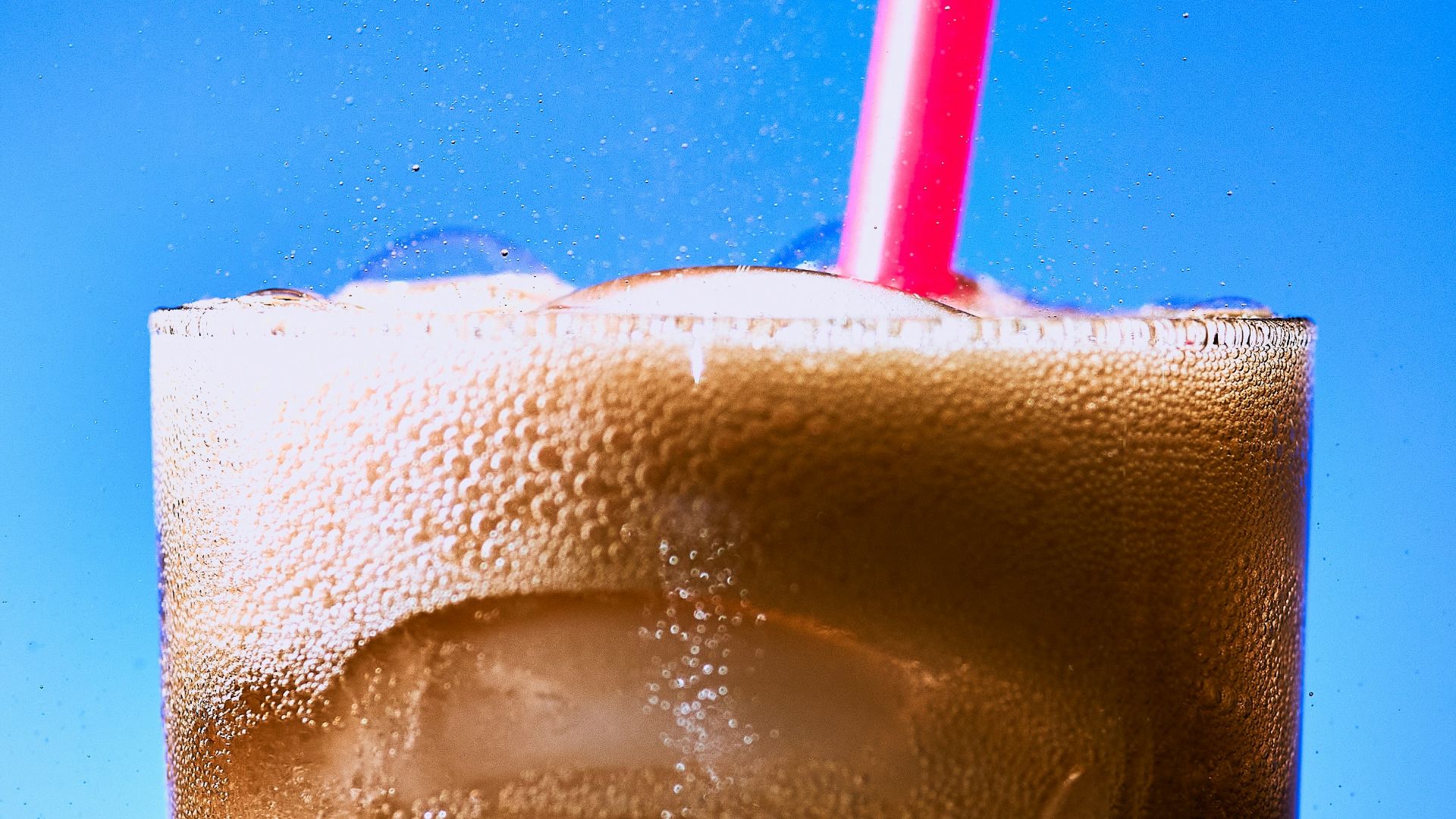
Temperature and carbonation also change everything, which is why opinions can be all over the place. A soda that’s slightly warm tastes much sweeter, and a soda that’s gone a bit flat loses the crispness that people often associate with “Coke bite.” If you’re trying to settle the debate at home, the most scientific thing you can do is chill both equally and use identical cups.
Your brain is doing more work than you think
Taste is not a clean, objective measurement, even though it feels like it should be. The second you see a red label or a blue label, your brain starts predicting what you’re about to experience. That expectation can shift what you notice, what you ignore, and how strongly you react.
Brand loyalty adds another layer because it turns preference into identity. If you grew up with one soda in your fridge, that specific flavor became more than something you like; it became something you derive comfort from. When someone hands you the other one, the taste can feel “wrong” in the same way a familiar song feels off if it’s played in a different key.
There’s also the context effect. A fountain Coke at a movie theater, a can on a hot day, or a fast-food cup full of ice all create different experiences, even if the syrup is similar. When people swear they can taste the difference, they’re often tasting the moment, not just the cola.
Why the debate survives, no matter how many blind taste tests exist
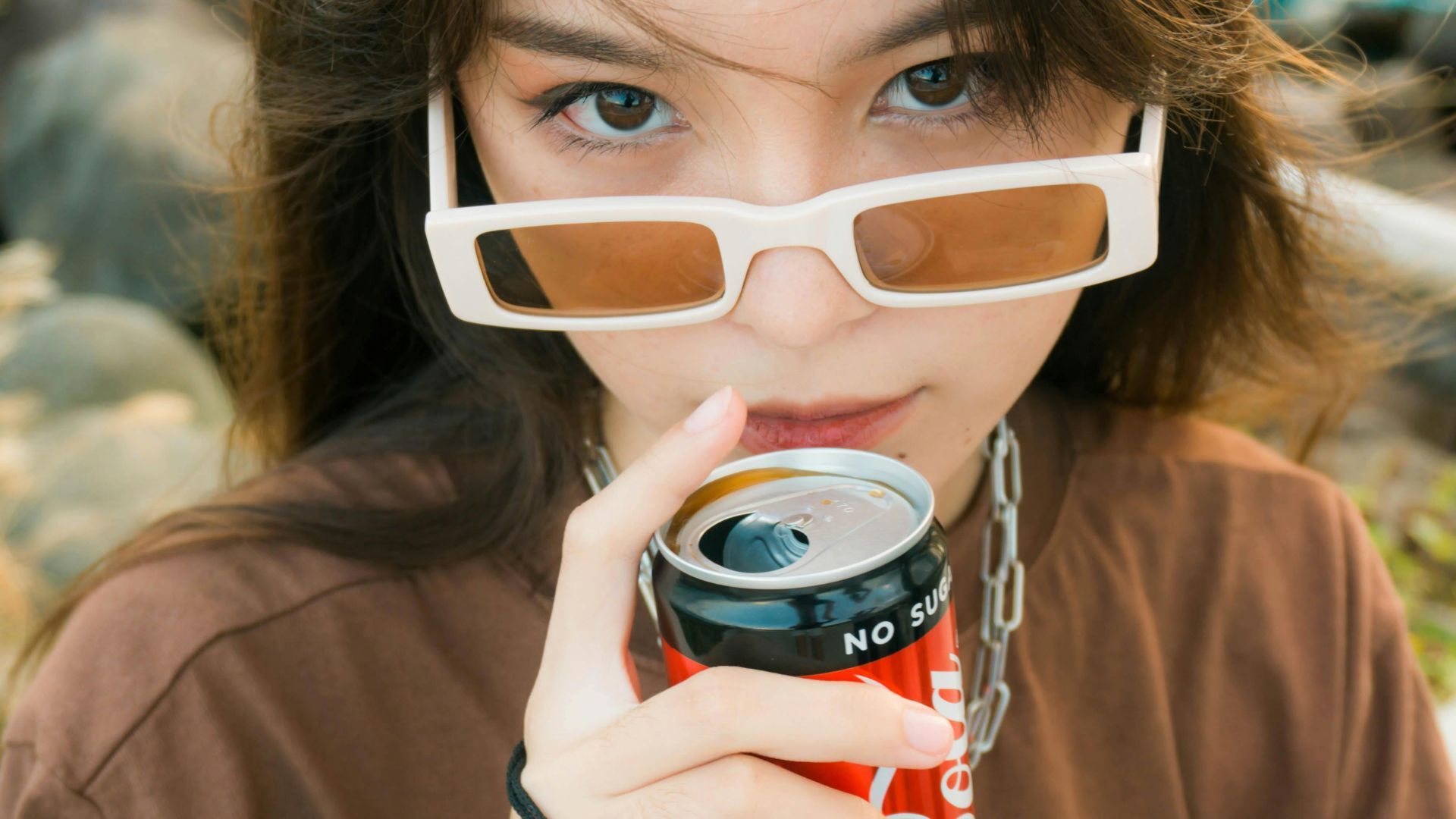
Blind taste tests tend to humble everyone, which is why they never end the argument. Sometimes people can pick their favorite, and sometimes they can’t, especially if the pours are close and the cups are unlabeled. Even when someone guesses wrong, they often explain it away because the opinion feels too established to abandon.
The “Pepsi Challenge” era made this even more complicated, since sip tests favor sweetness. When you only take a small taste, a sweeter soda can win because it delivers an instant hit. Over a full can, though, that sweetness can feel heavier, and a sharper, drier finish may become more appealing.
Then there’s the fact that most people don’t drink cola in laboratory conditions. You’re drinking it with sodium-heavy foods like pizza, burgers, fries, or a bag of chips. Food pairing changes perception, and Coke’s bite can feel cleaner against greasy foods, while Pepsi’s sweetness can feel smoother with certain snacks.
To this day, the Coke vs. Pepsi debate sticks around because of both of these colas' strong cultural significance. When you take a side, you feel decisive, nostalgic, and a little dramatic over something that won’t ruin anyone’s life. If you honestly can’t tell the difference, you’re probably the healthiest person in the room, because you’re not emotionally invested in carbonated sugar. But if you do have a favorite, lean into it, because sometimes the small preferences are the most fun to argue about.
KEEP ON READING

20 Dishes That Built Modern American Cuisine