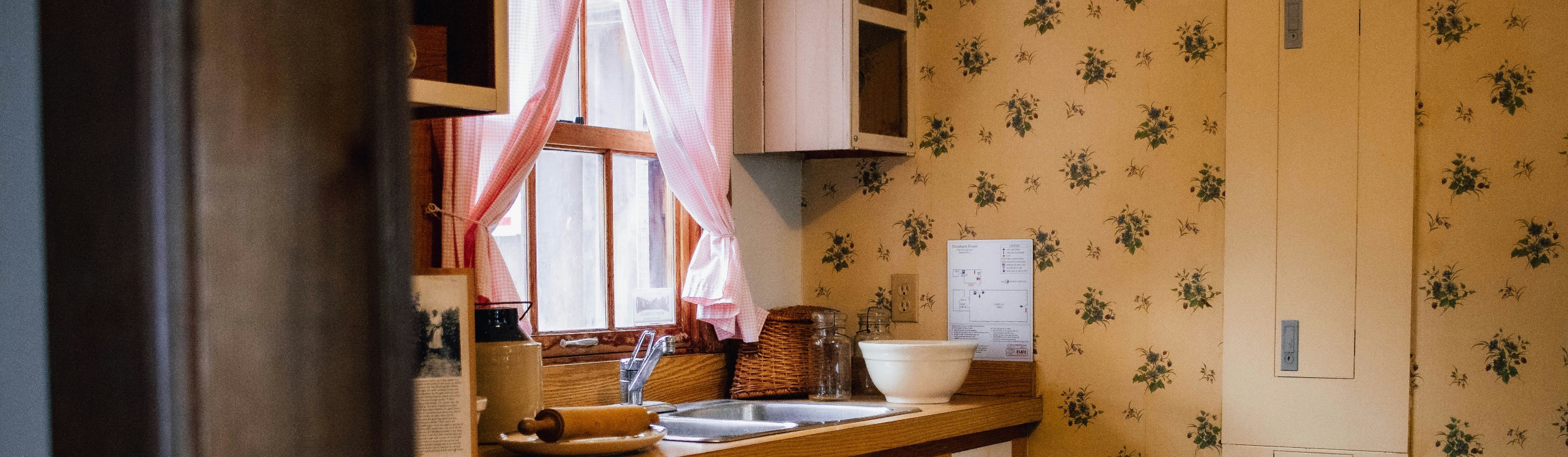
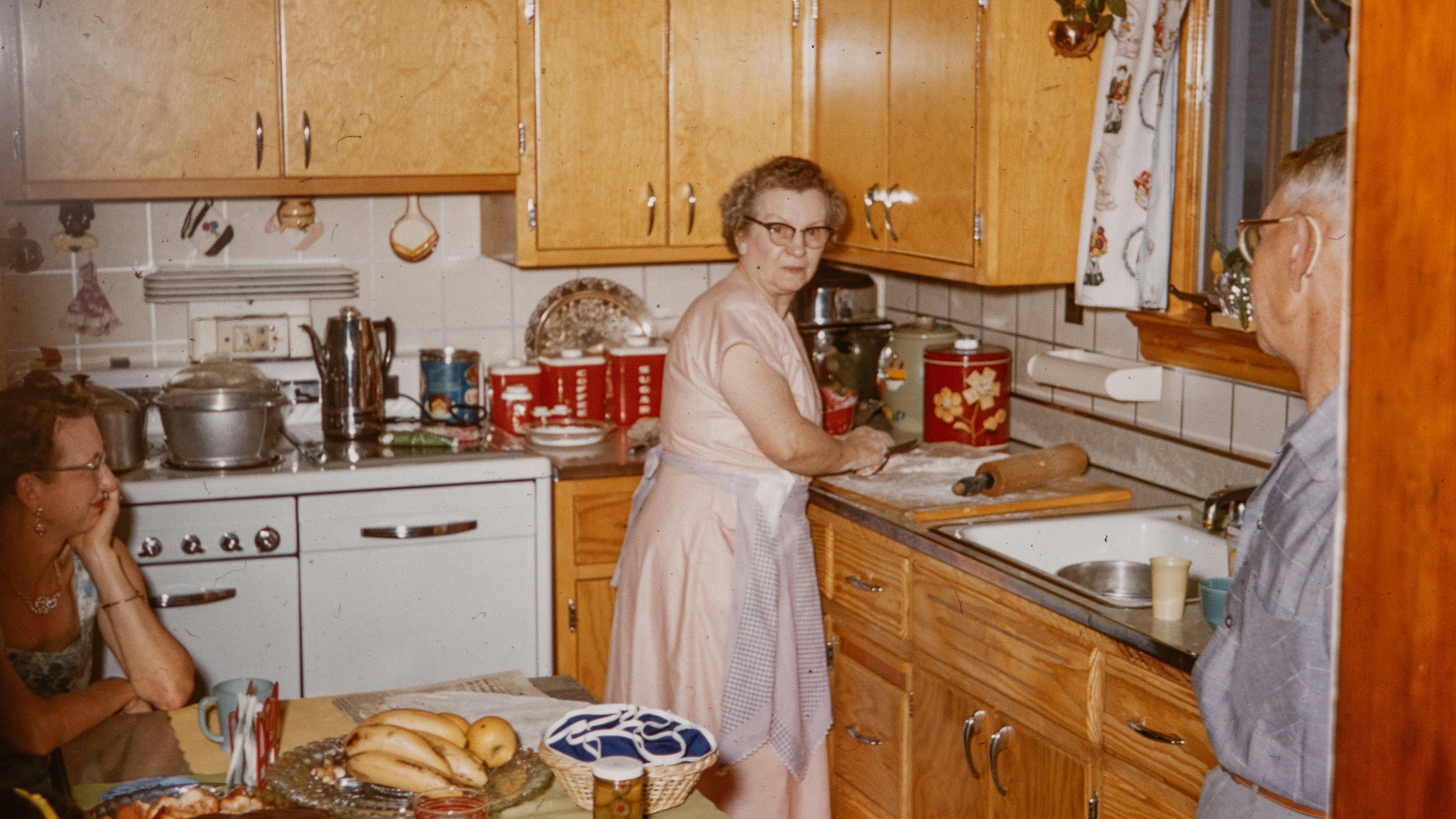
Grandma’s kitchen was known for a lot of things: home-cooked meals, lace curtains, and gigantic hutches that held dishes no one could use—let alone look at. But between all the knick-knacks and chest freezers was something we never really gave her credit for. Grandma was a stickler for saving money, and she knew how to live on a budget!
With food prices continuing to put pressure on bank accounts, some old-fashioned kitchen wisdom deserves another look. You don't have to cook everything from scratch or abandon modern conveniences, but a few thoughtful changes to how you shop, prepare meals, and maintain your kitchen could leave more money in your pocket.
Making Every Grocery Dollar Count

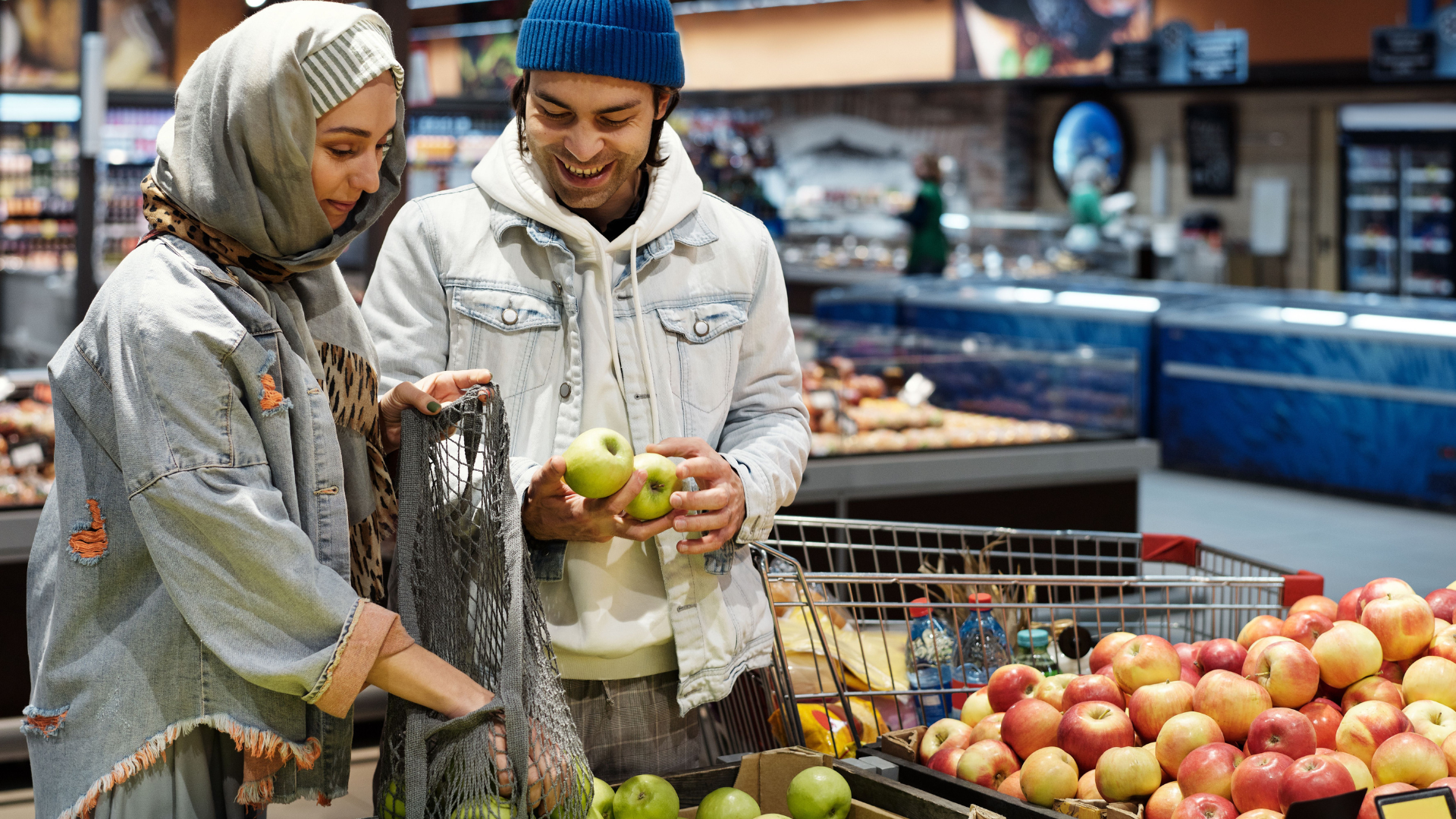
First and foremost, no grandmother went to the market without a list. Even before writing one, she'd check the refrigerator, pantry, and freezer to see which ingredients actually needed replacing. It’s simple, and yet many young people never bother, which is how you wind up with eight bags of rice in the pantry.
Speaking of rice, practical purchases weren’t just staples—they were pantry staples you could use in a pinch for anything. A bag of potatoes might become baked potatoes one evening, breakfast hash another morning, and a side dish later in the week. Buying versatile staples means you can prepare different meals without purchasing an entirely new collection of ingredients each time. Don’t kid yourself; that flexibility is especially useful when you're trying to make a limited budget last.
Older generations also understood that convenience came with an additional cost. Okay, sure, it’s more work to cut your own lettuce or shred your own cheese, but it’s also more money in your pocket to do those things yourself. When your schedule allows, doing some preparation yourself can reduce the amount you spend on basic ingredients.
Cooking Smarter With Everyday Ingredients
Meal prep wasn’t a thing when grandma was a kid, either, so many of them were perfectly comfortable cooking large quantities of food. Preparing a generous batch of chili, spaghetti sauce, or stew meant they could handle several meals without starting from scratch each evening. Why not follow in their footsteps? That approach makes it easier to use economical family-size packages without eating identical dinners all week!
Homemade baking was another familiar routine, although it wasn't necessarily an everyday feat. Basic muffins, biscuits, and pancakes didn’t even need expensive ingredients, so making a batch at home could cost less than grabbing the same stuff from the store. The savings are greatest when you choose straightforward recipes and avoid buying expensive specialty ingredients.
Believe it or not, protein was a big deal in grandma’s house as well, though we’re not just talking about meat. Many home cooks relied on beans, lentils, eggs, and potatoes to prepare filling meals without purchasing costly cuts of beef or chicken. Including a few meatless dinners in your weekly rotation can make a noticeable difference to your grocery spending, and it can also help keep your stomach from rumbling throughout the day.
Keeping the Kitchen Running

One thing Grandma understood particularly well was that kitchen equipment didn't need replacing simply because something newer hit the market. A reliable cast-iron skillet, sturdy mixing bowl, or sharp kitchen knife could remain useful for decades with proper care. Heck, some Boomers still use some of the stuff they got for wedding gifts! And why shouldn’t they? That's cheaper than jumping on every upgraded version of appliances you already own.
Being careful with water and electricity was another sensible habit in households where every expense mattered. Covering pots while bringing water to a boil, heating only the water you need, and matching burners to appropriately sized pans can reduce unnecessary energy use. Smaller cooking jobs may also be more economical in a microwave than a full-size oven. We know it all sounds small, but the small stuff adds up—and it doesn’t require much effort.
Grandma wasn't even impressed by fancy storage containers, either, and certainly not when a perfectly good jar or sturdy reusable container was hiding in the cupboard. Clean glass jars can hold dry ingredients such as rice, dried beans, and sugar, provided they're suitable for food storage and close securely. That’s an easy swap you can make at home. Don’t forget that keeping supplies organized also makes it easier to notice when something is running low or approaching its expiration date.
There’s no point sweating the big stuff in a kitchen when the small habits are what actually make a difference. You don't need to adopt every traditional practice to enjoy the financial benefits of that mindset. Being a little more deliberate about everyday kitchen decisions can help your grocery budget stretch considerably further. The next time you head to her house, take stock of what she’s doing—you never know what you’ll discover for yourself!
KEEP ON READING

10 Healthy School Snacks to Pack for Your Kid

Why Some Foods Become Comfort Foods
10 Foods Gen Z Is Bringing Back From the Dead
Why Leftover Rice Deserves Extra Caution
20 Grandpa Flavors You Get Judged For Liking