The rivalry between New York and Chicago regarding their respective pizza styles is perhaps the most enduring and passionate debate in American culinary history. You can't walk through the streets of Manhattan or the neighborhoods of the Windy City without hearing a local defend their hometown slice as the only "real" version of the dish. This conflict isn't just about calories or toppings; it's a fundamental clash of cultural identity that has been simmering for nearly a century. Whether a foldable triangle or a sturdy deep-dish wedge is preferred, participation occurs in a tradition that defines the spirit of two of the greatest cities in the world.
While both cities trace their pizza roots back to Italian immigrants who brought their recipes across the Atlantic, the paths they took couldn't be more different. New York focused on the speed and accessibility of the street-side slice, while Chicago reinvented the meal into a hearty, sit-down experience that mirrors its industrial, hardworking roots. It's fascinating to realize that two places starting with the same basic ingredients, flour, water, yeast, and tomatoes, could end up with such drastically different results. Understanding the history behind these styles helps explain why a compromise between the two camps is essentially impossible.
The Architecture of the Crust and Construction
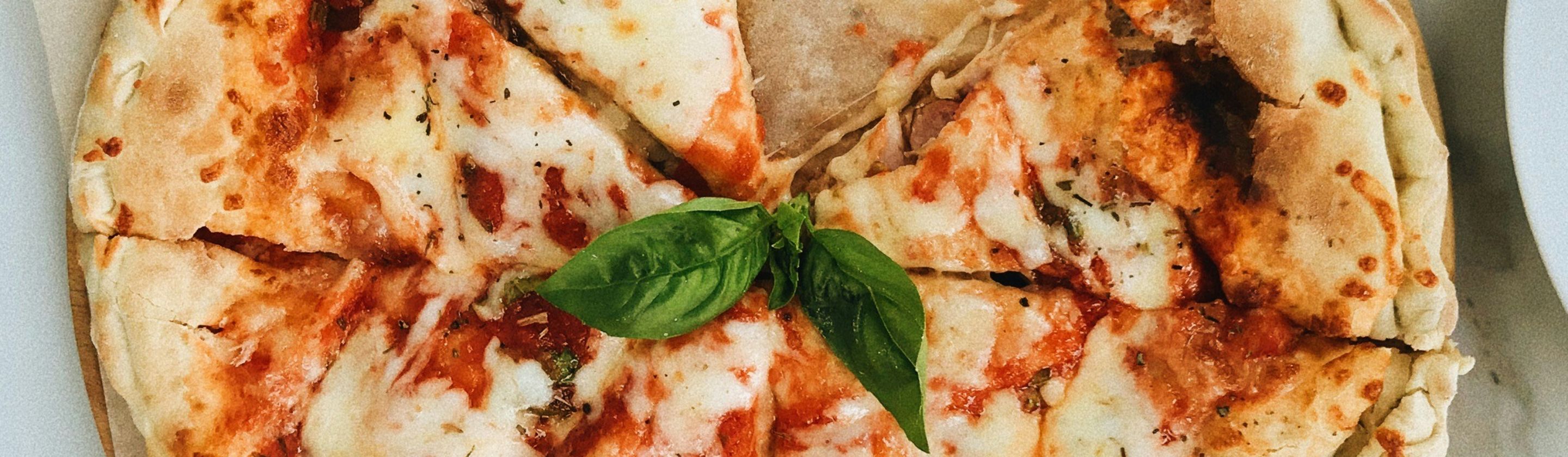
The easiest way to identify the differences between the two competitors is by examining the construction of the dough. NY style is known for its thin, chewy crust that’s engineered to fold in half, creating the ultimate handheld snack. This “fold” is considered essential by many NY residents because it creates a place for all of the oil to rest at the center of the slice while still giving the bottom of the slice enough structure to hold its own weight. NY style dough is typically hand-tossed, which creates a blistered, charred cornicione that adds texture and crunch to each bite.
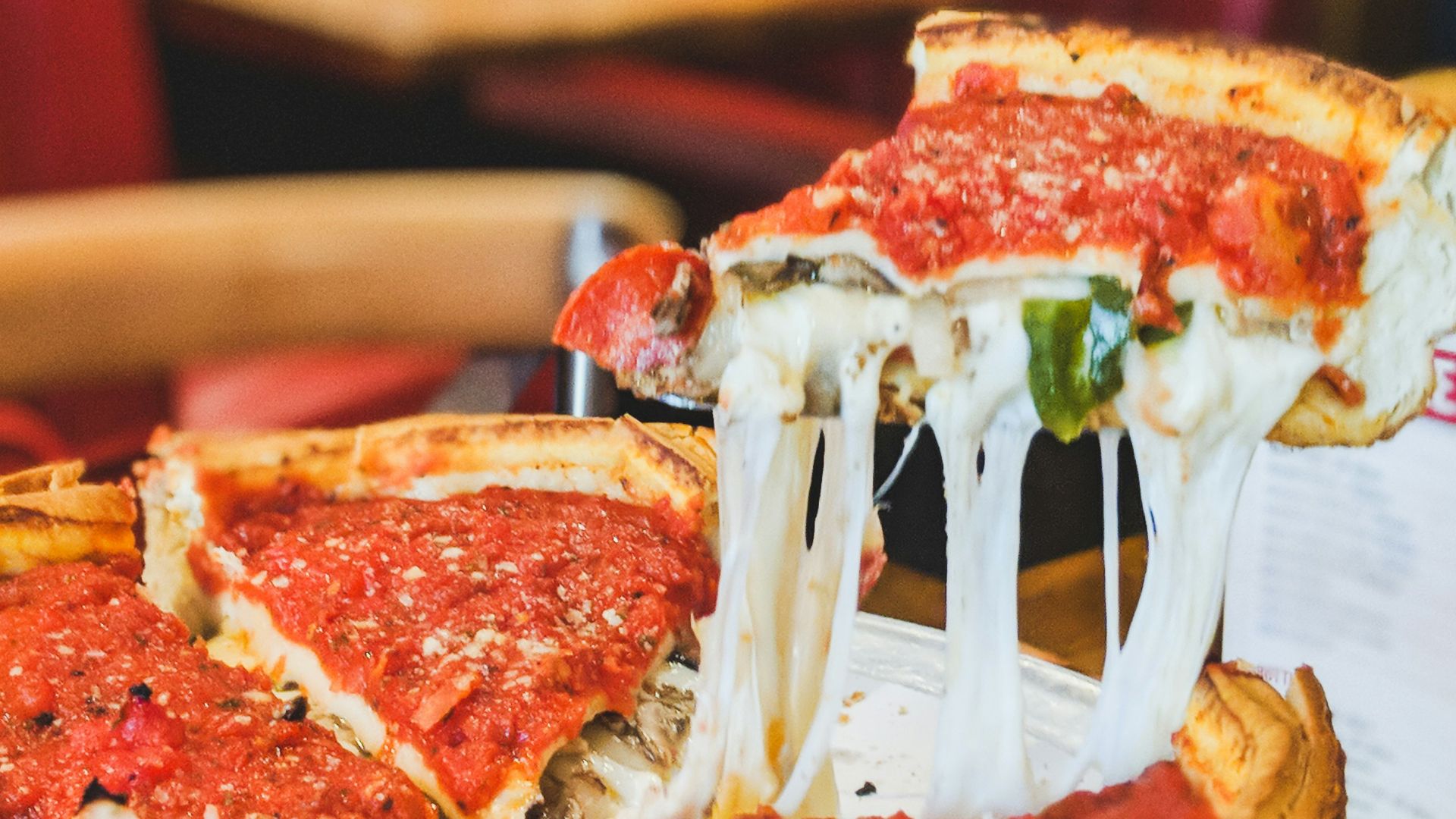
Deep-dish dough resembles more of a pastry dough than an actual flatbread. It is pressed into what looks like a higher-rimmed round cake pan. This creates a thick wall that can hold inches of cheese and hearty tomato sauce. Chicago dough tends to be richer with the addition of cornmeal or butter, creating a biscuit-like dough that is flakier and heartier than a NY slice. A fork and knife are usually needed to cut through it.
Another key difference in Chicago-style pizza is how ingredients are layered due to its height. Because there is so much depth, cheese is placed directly on top of the crust so that it doesn’t burn while the pizza cooks. Next come meats or vegetables, followed by layers of crushed tomato sauce. New York pizza typically does the opposite. Sausage, then sauce, then a quick layer of low-moisture mozzarella. The cheese browns nicely inside a blazing hot deck oven. Because of these differences in construction, every bite has a different ratio of dough, cheese, and sauce, creating two completely different taste sensations.
The Cultural Significance of the Slice Versus the Pie
In New York, pizza is the ultimate equalizer and a cornerstone of the city’s frantic, high-energy lifestyle. A slice can be found for a few dollars on almost any corner, making it the go-to fuel for students, bankers, and tourists alike at any hour of the day or night. It is a democratic food that doesn't require a reservation or even a chair, emphasizing the city's focus on efficiency and constant movement. To a New Yorker, a pizza that takes forty-five minutes to bake isn't just a meal; it is an inconvenience that goes against the natural rhythm of the city.
Chicagoans consider their deep-dish pizza a celebration in and of itself. It is an activity designed to be enjoyed leisurely with good company. Because deep-dish is so dense, it is never eaten on the go or as a quick meal like a lunch-hour slice in NYC. Deep-dish exemplifies Midwestern ideals of hospitality and generosity. Food, like family, is meant to be comforting and filling, especially during cold Chicago temperatures. Eating pizza slowly cultivates a different relationship with food; the slice becomes a destination rather than a quick stop.
These rivalries become contentious because pizza styles represent each city’s culture and perseverance. NYC residents often point to “city water” as the secret behind their chewy slices. Chicagoans reference clever restaurant owners who reinvented pizza as an all-you-can-eat meal in the 1900s. Neither side will apologize or concede, because for either city to say the other style is “better” is almost treasonous to their hometown identity.
Ultimately, the reason these two cities will never agree is that they aren't even playing the same game. Comparing a New York slice to a Chicago deep-dish is like comparing a sleek sports car to a reliable SUV; they both serve a purpose, but they are built for entirely different terrains. There is no need to pick a side to appreciate the craftsmanship that goes into both, but local pride ensures no concession will ever be made. As long as there are ovens in Brooklyn and pans in the Loop, the Great Pizza War will continue to rage on with delicious intensity.
KEEP ON READING
20 Food Requests Only Spoiled People Ask For

20 Hardest Foods on Earth To Eat

Do Vitamin Supplements Actually Make You Healthier?