Foolproof Party Tips
Your guests will forgive a burnt roast, but they'll never forget feeling awkward or unwelcome in your home. That's the real secret behind memorable dinner parties. Modern hosting has evolved beyond fancy silverware and stiff formality. Now it's about creating genuine warmth while managing smartphones, dietary restrictions, and the delicate art of conversation facilitation. Master these etiquette essentials, and you'll become the ultimate host.

1. Send Timely Invitations
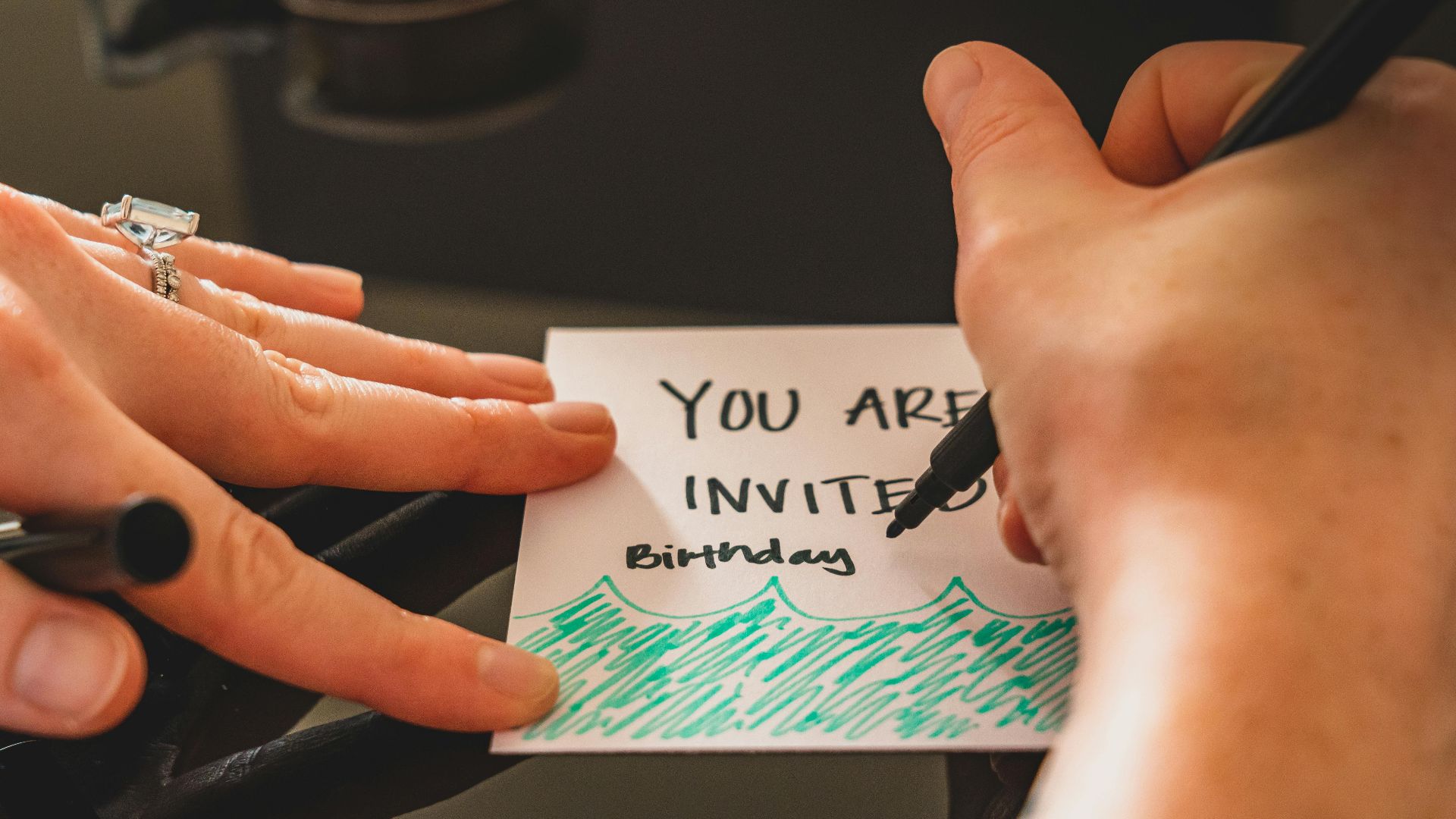
Timing turns a casual gathering into something guests anticipate. You must send invitations at least three to four weeks ahead of standard dinner parties, though formal events may require six weeks' notice. During busy seasons like holidays, extending your timeline ensures better attendance rates.
2. RSVP Deadline
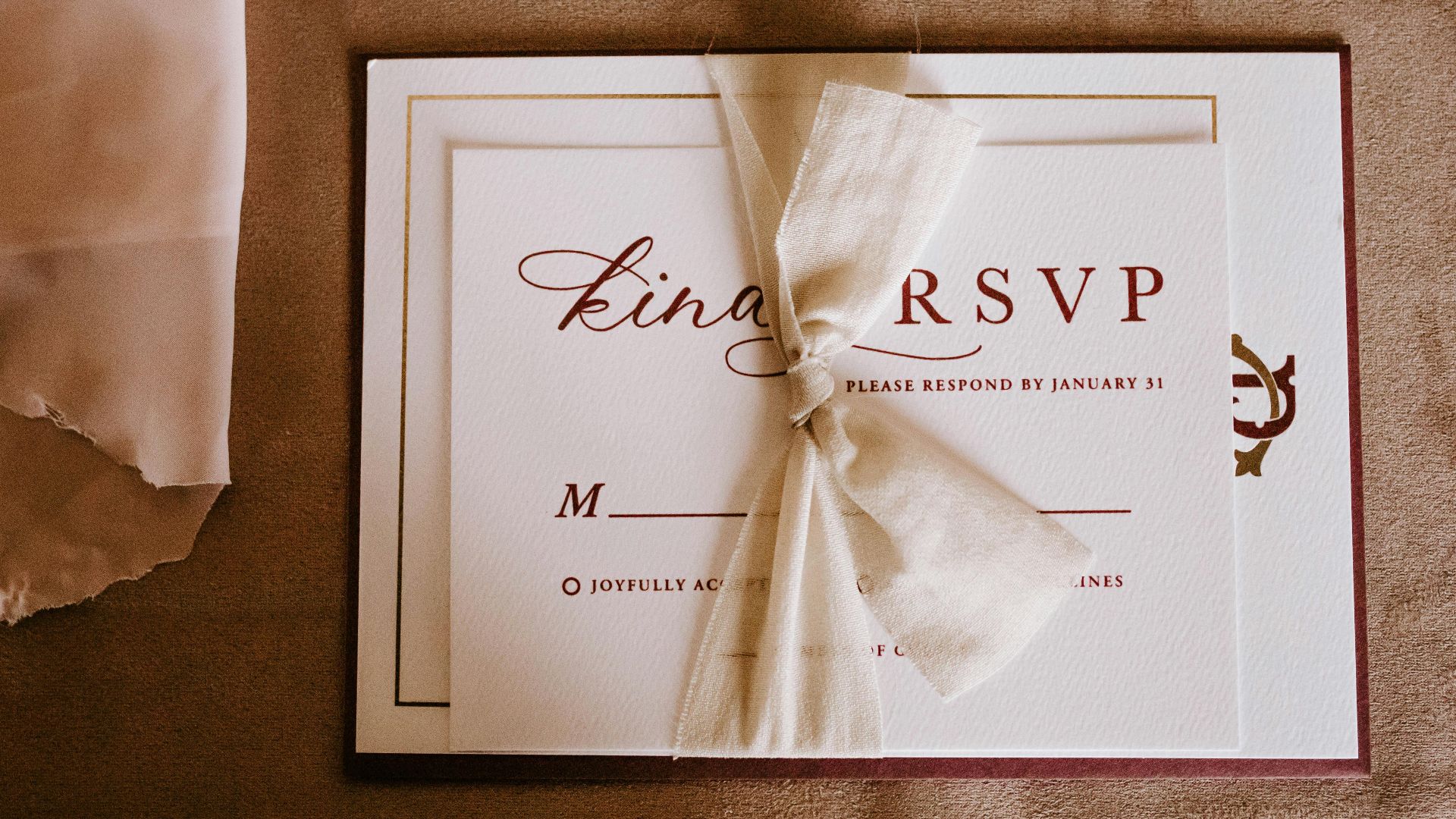
Including "RSVP by [specific date]" isn't demanding—it's essential planning information that separates organized hosts from stressed ones. Set your deadline about one week before the party to allow time for final headcount adjustments and grocery shopping.
3. Dietary Restrictions
Today's hosting landscape demands navigating gluten-free, dairy-free, nut-free, keto, vegan, and pescatarian preferences simultaneously, a reality vastly different from decades past. The gracious approach involves asking about restrictions when guests RSVP, then actually listening to their needs rather than making assumptions.
4. Seating Arrangements
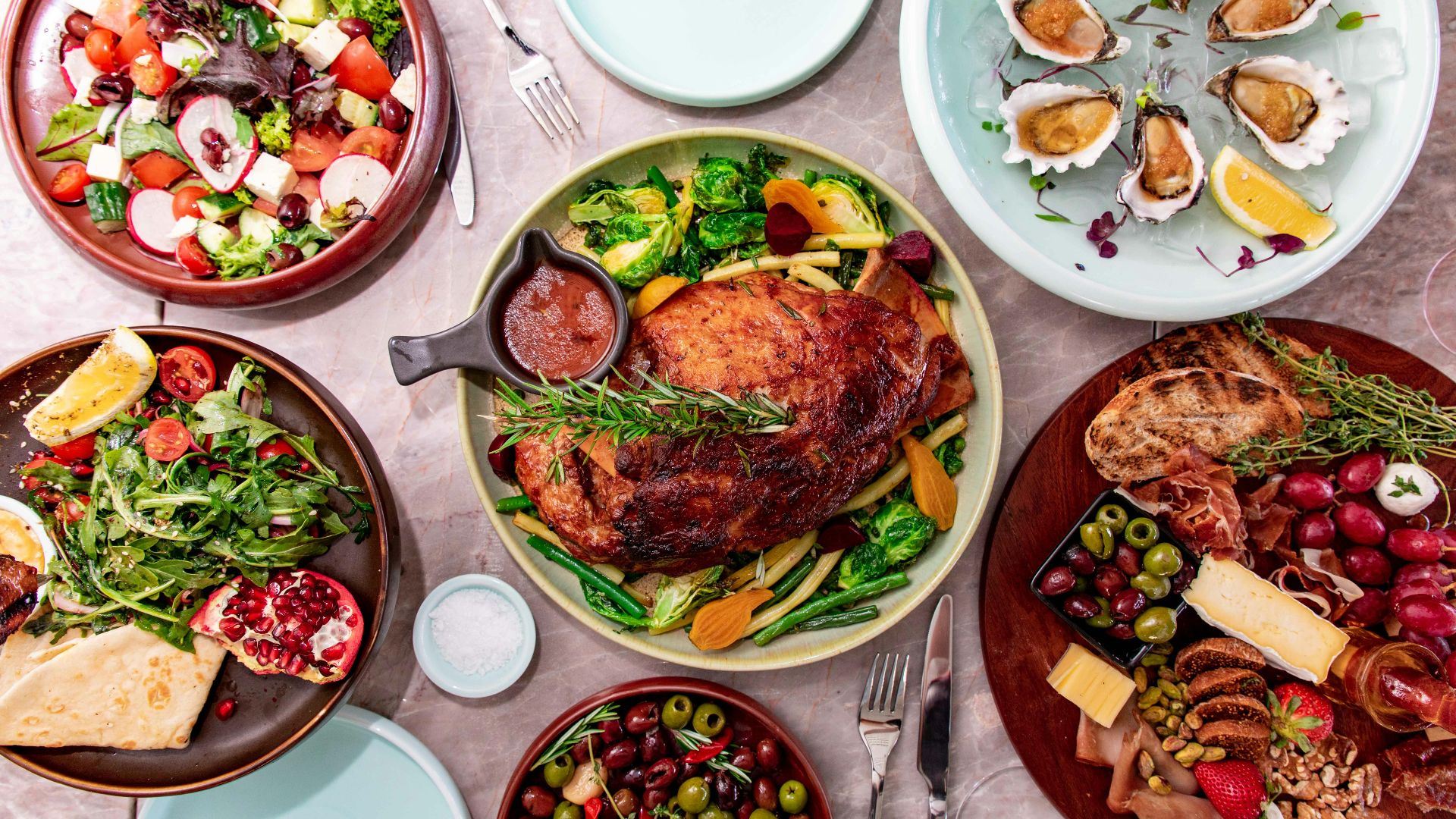
Strategic placement creates conversational magic that random seating rarely achieves. Separate couples—they already talk constantly—and position chatty, outgoing guests (some hosts call them "carriers") next to quieter individuals who need drawing out. Seat guests unfamiliar with the group beside easy conversationalists.
5. Guest List
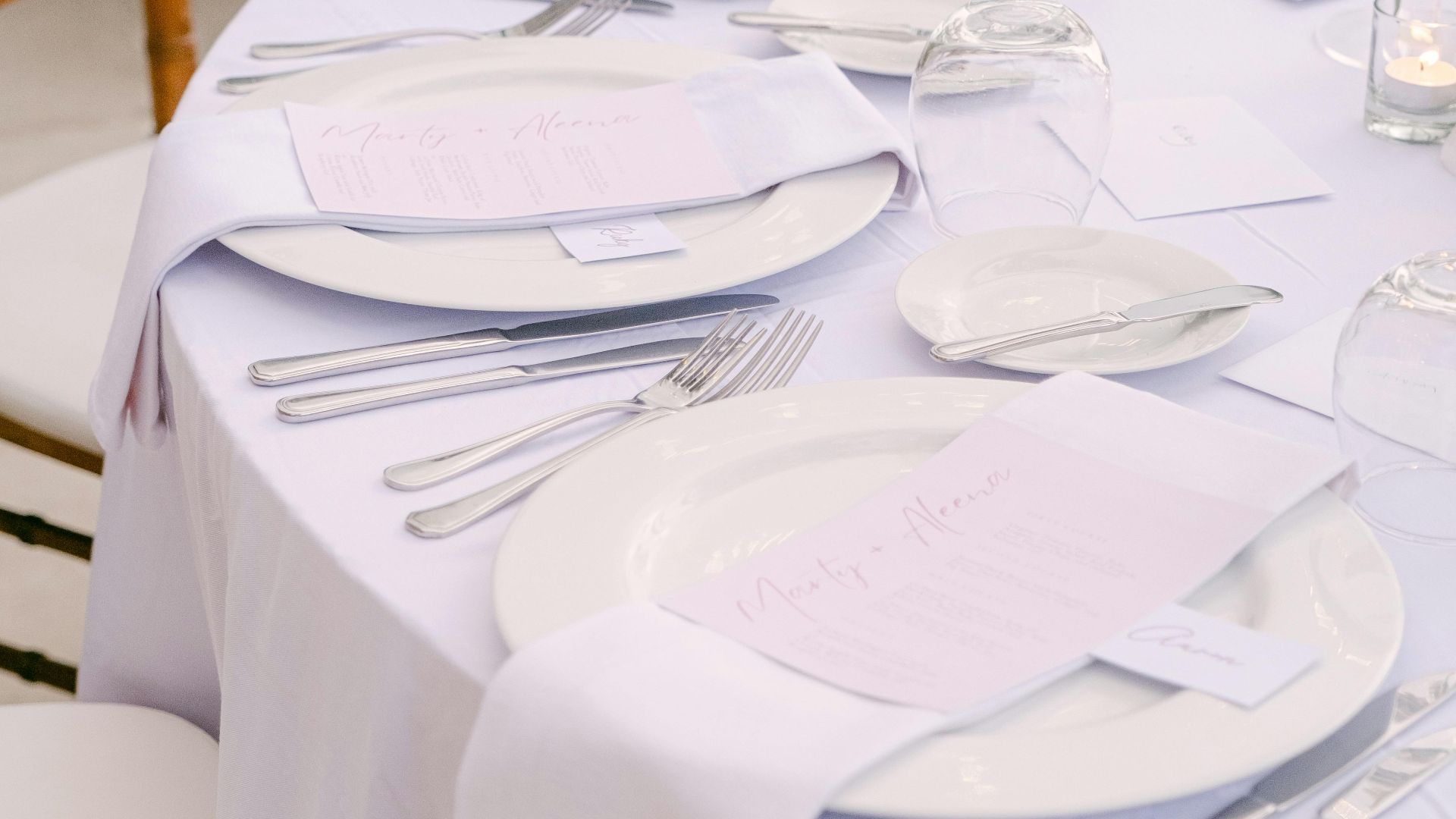
Your first dinner party shouldn't involve coordinating twelve personalities simultaneously while managing kitchen chaos. Limit initial gatherings to six to eight people, as it allows you to stay relaxed and attentive rather than overwhelmed. A great group of people makes any party succeed.

6. Arrival Timing
Plan dinner for at least one hour later than your invitation states, giving guests time for cocktails and mingling before sitting down. In American culture, arriving five to ten minutes late is actually considered most polite—never early, as hosts juggle last-minute preparations.

7. Phone Policy
Smartphones have become the elephant in every dining room, bathing faces in blue glow when they should be engaged in actual conversation. The rule is straightforward: no phones during courses, period. This time exists for presence and genuine connection.
8. Welcome Guests
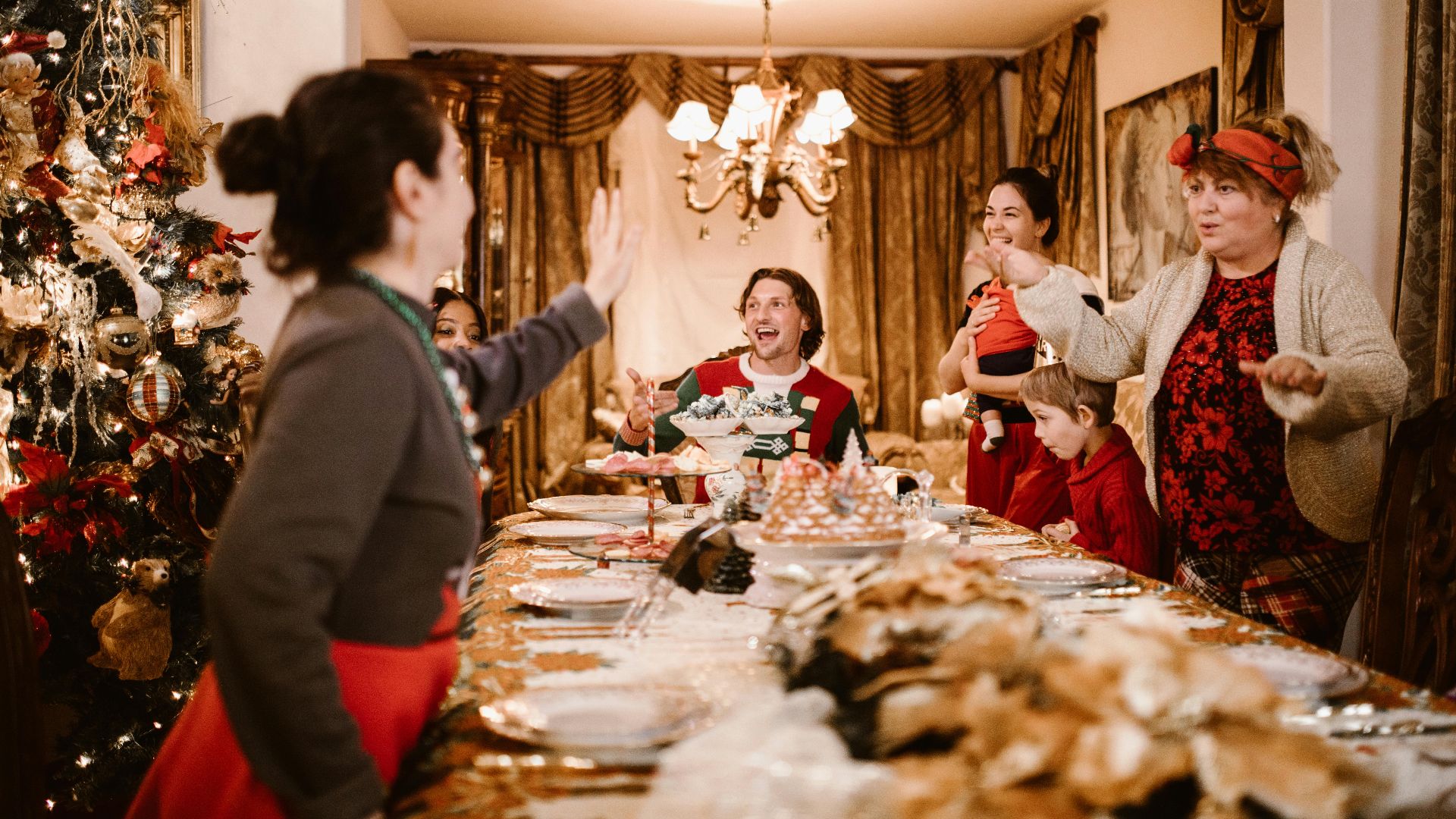
Make sure guests receive warm greetings at the door, then feel genuinely welcome throughout the evening rather than abandoned after initial hellos. Your job involves looking after each guest—noticing empty glasses, spotting someone standing alone, and remedying these situations immediately.

9. Set Atmosphere
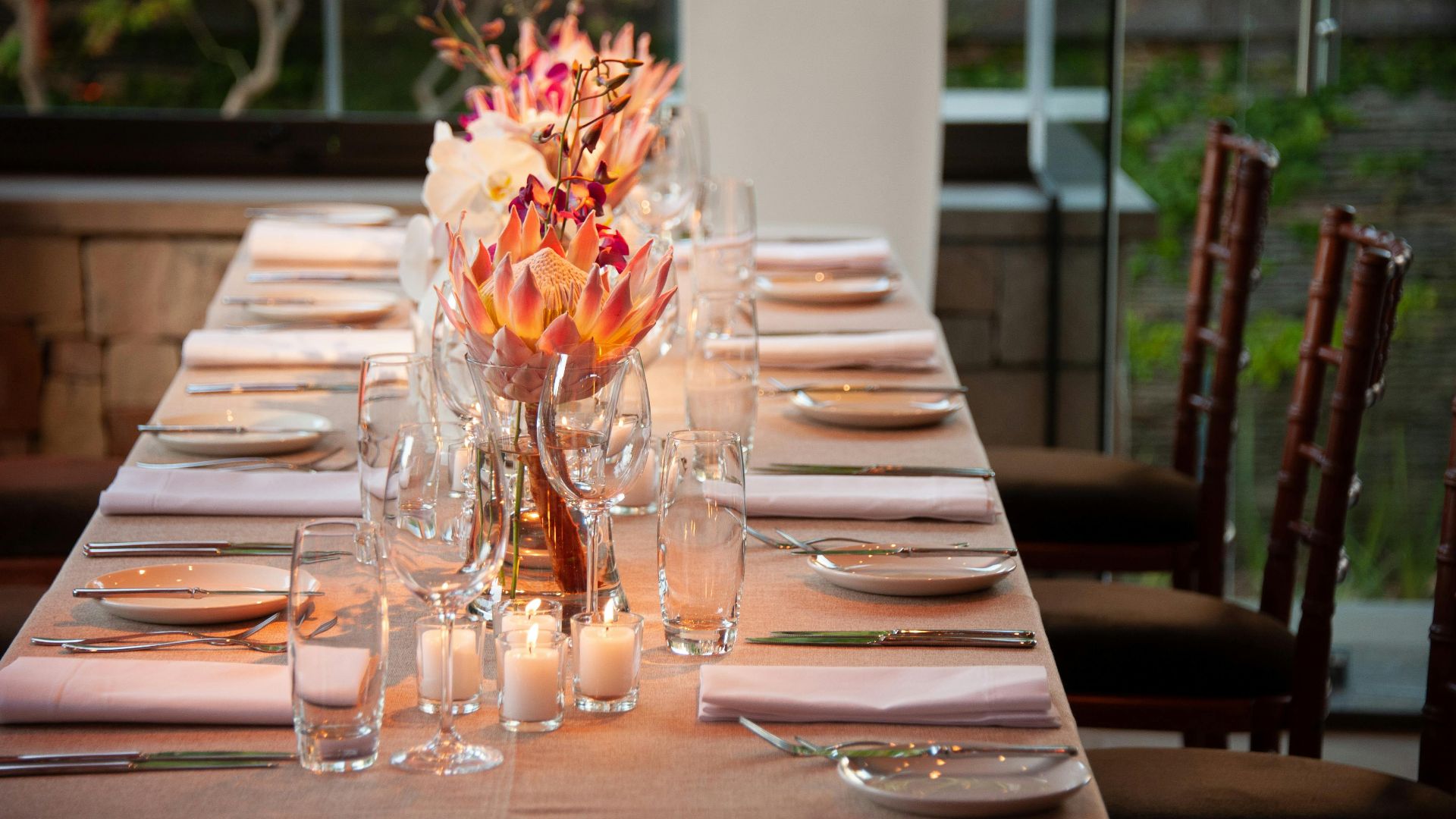
Good lighting plays a significant role in what guests experience from the moment they arrive at your door. Opt for soft, warm lighting instead of harsh overhead fluorescents. Candles or fairy lights on the table establish an inviting, intimate feel that makes people relaxed.
10. Curate Music
Many hosts forget to plan their playlist and regret it every single time when awkward silence fills the room. Music should fade into the background yet stay upbeat enough to lift the mood subtly throughout the evening. Set volume slightly louder than conversational level.

11. Table Presentation
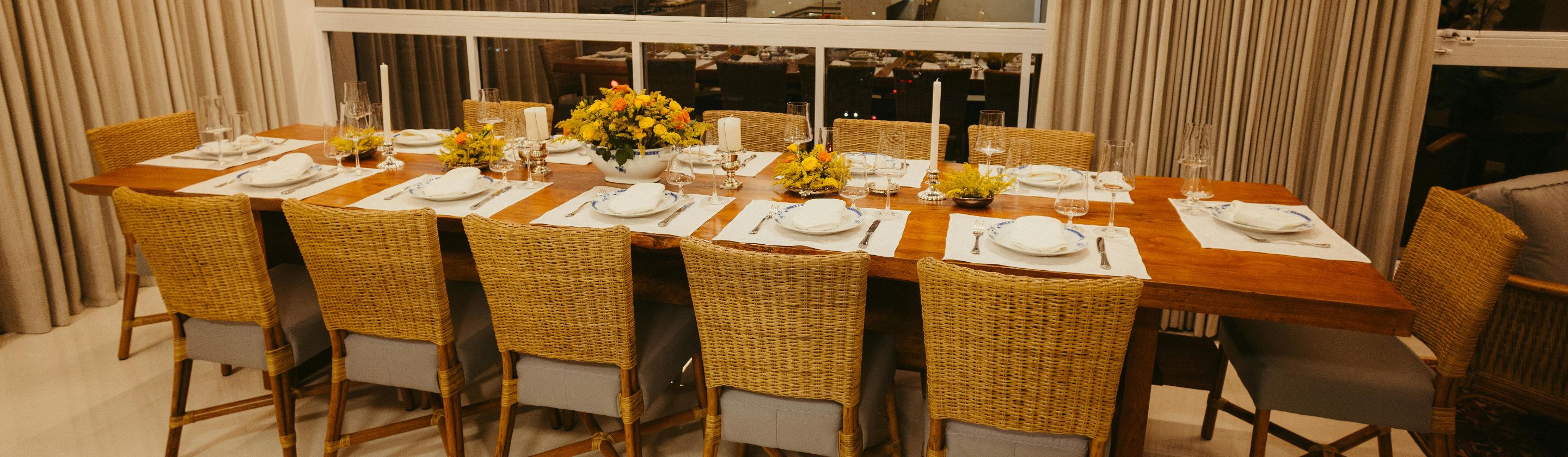
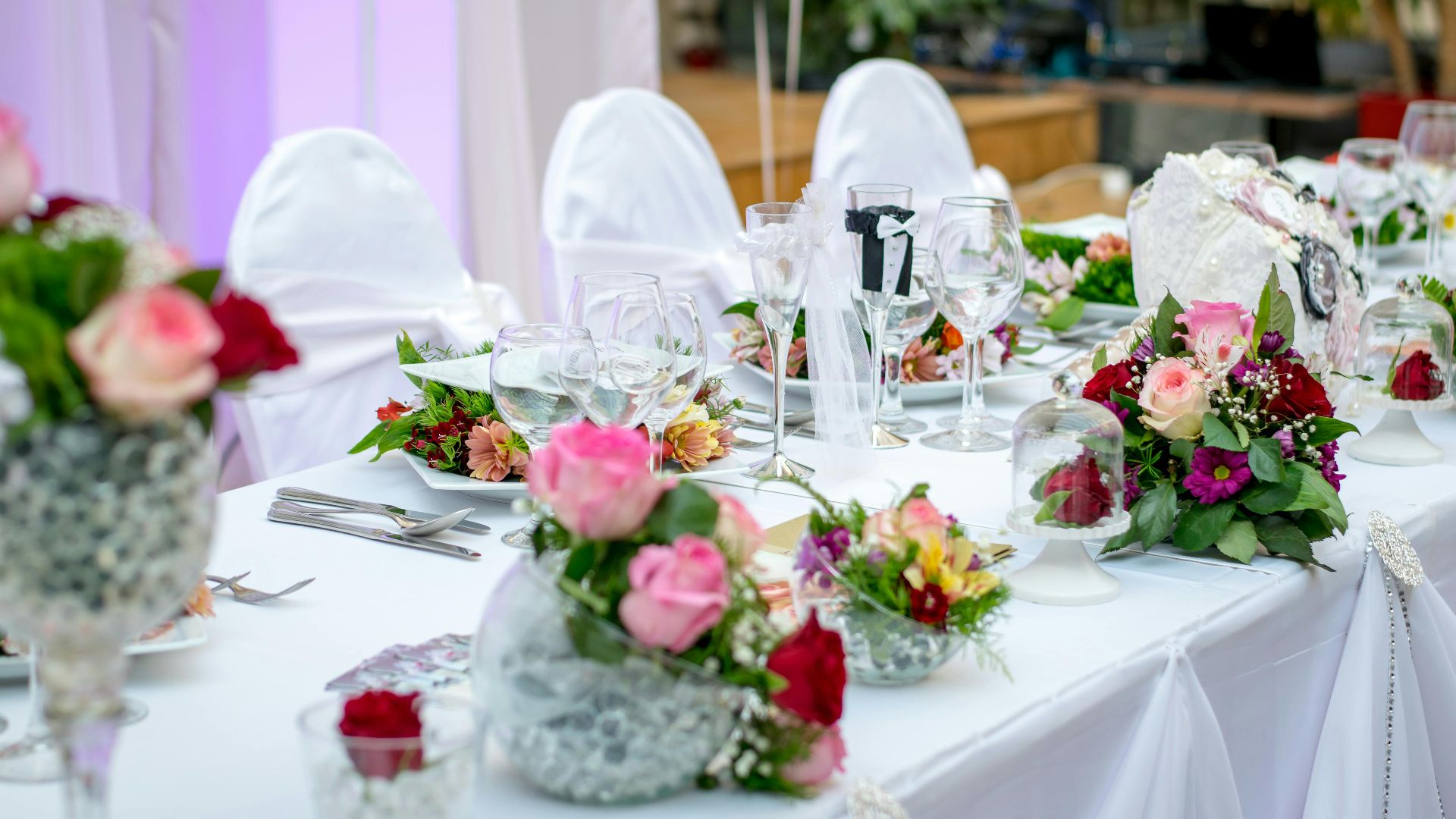
Where your guests sit and what they see in front of them is almost as important as the food itself. The table setting forms part of the complete experience. Always begin with decorative elements, particularly flowers, which etiquette expert Aerin Lauder considers essential.
12. Menu Preparation
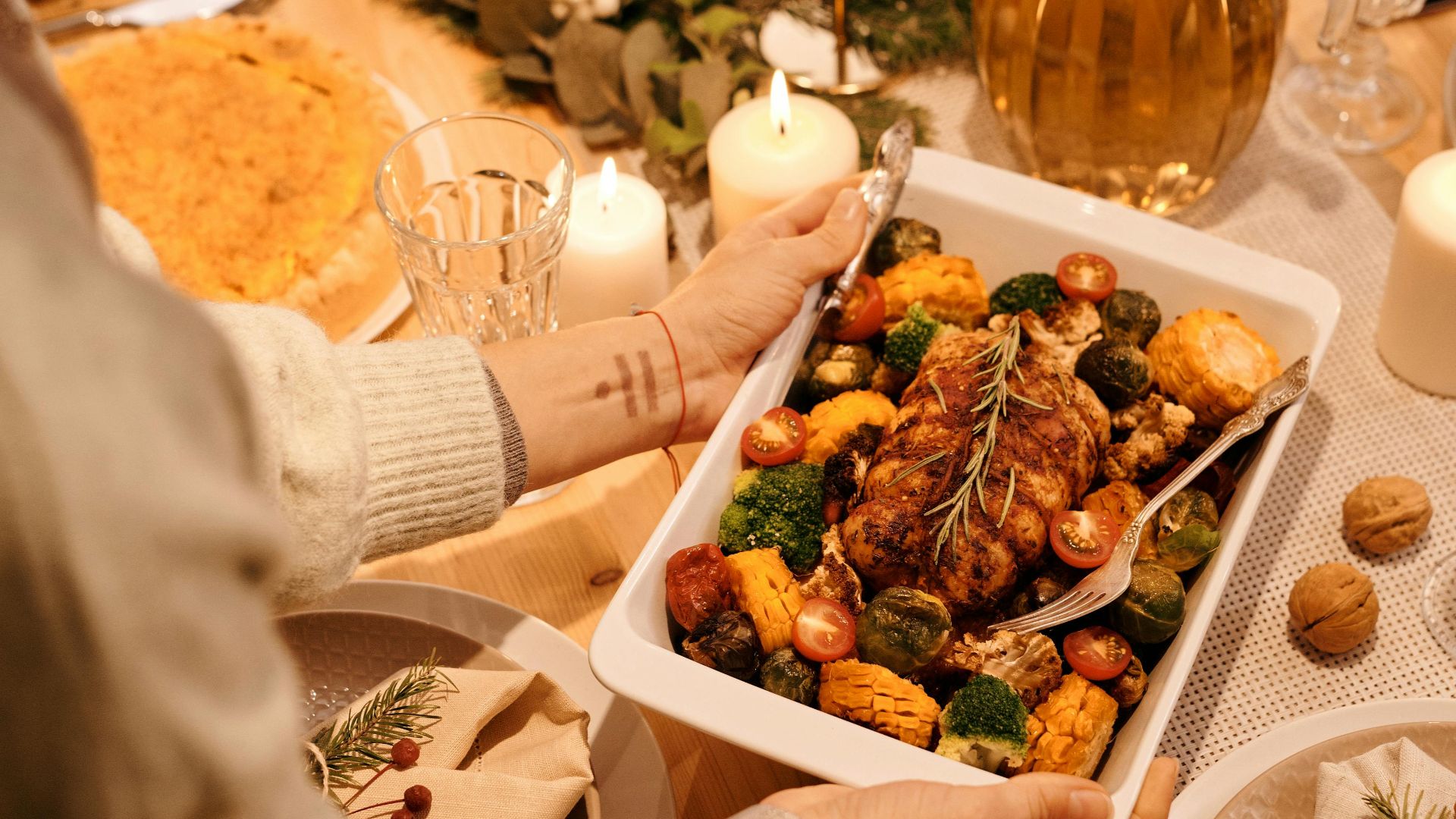
Choose dishes you've actually made before rather than experimenting with untested recipes when guests arrive. This sounds obvious, but hosts ignore this wisdom constantly and regret it. Your menu should reflect the evening's vibe while catering to known preferences and dietary restrictions.
13. Beverage Selection
Providing alternatives for non-drinkers, designated drivers, and those avoiding alcohol demonstrates thoughtful hosting that everyone notices and appreciates. Have champagne or crémant available so nobody feels excluded from special aperitifs, plus non-alcoholic options beyond water.

14. Circulate Actively
Your job involves running the show and letting guests know when it's time for dinner, dessert, or activities. Spending most of your time in the kitchen at your guests' expense does not make for a good event, no matter how perfectly you execute the dishes.
15. Facilitate Conversation
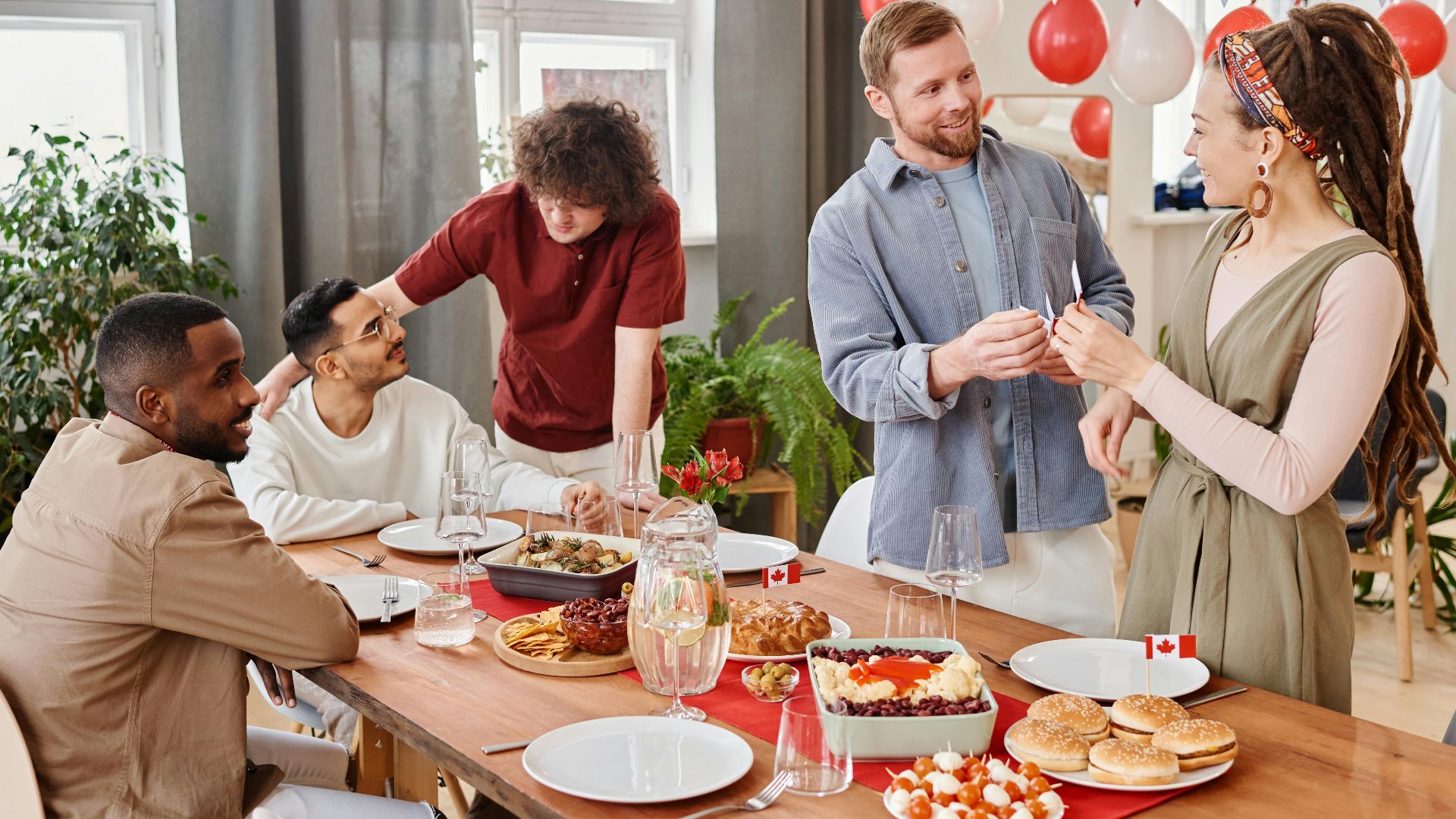
A good host introduces people when they first arrive, ideally with some kind of backstory that creates natural talking points between strangers. Keep conversation-starting questions ready to deploy when lulls inevitably occur. Avoid divisive subjects like politics.

16. Gracious Flexibility
Be flexible when someone shows up with an unexpected guest, even though springing surprises on hosts is genuinely discourteous behavior. No polite host would ever send such a guest packing, so graciously accept and quietly add the table settings.

17. Clearing Plates
Wait until dessert to clear the main table rather than jumping up the moment forks rest on plates. Premature clearing signals the evening is over and ruins the vibe completely. Nothing makes people more anxious about manners than hosts clearing dishes too early.

18. Don’t Panic
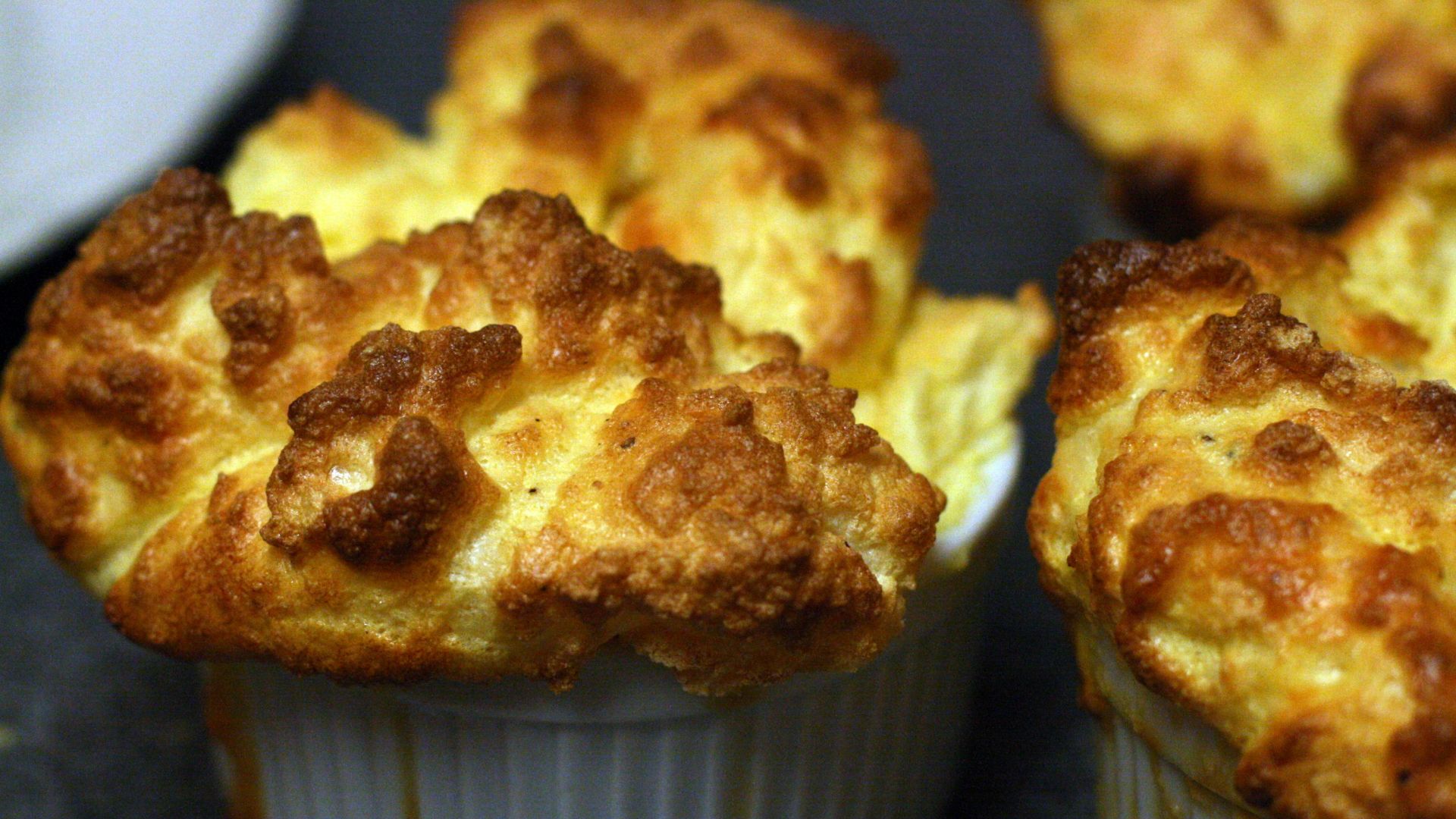
Your soufflé falls, or the main dish burns despite perfect timing. Well, these disasters happen to every host eventually, making backup plans essential. Have fallback desserts ready for ruined confections, and don't panic when things go sideways because guests follow your emotional lead.
 Jules Morgan from Montreal, Canada on Wikimedia
19. Express Gratitude
Thank people for coming as you bid them goodbye, making each guest feel genuinely appreciated for attending and contributing to the evening's success. Your appreciation should feel sincere rather than perfunctory. After all, guests invested their time and brought gifts or dishes.

20. Post-Party Cleanup
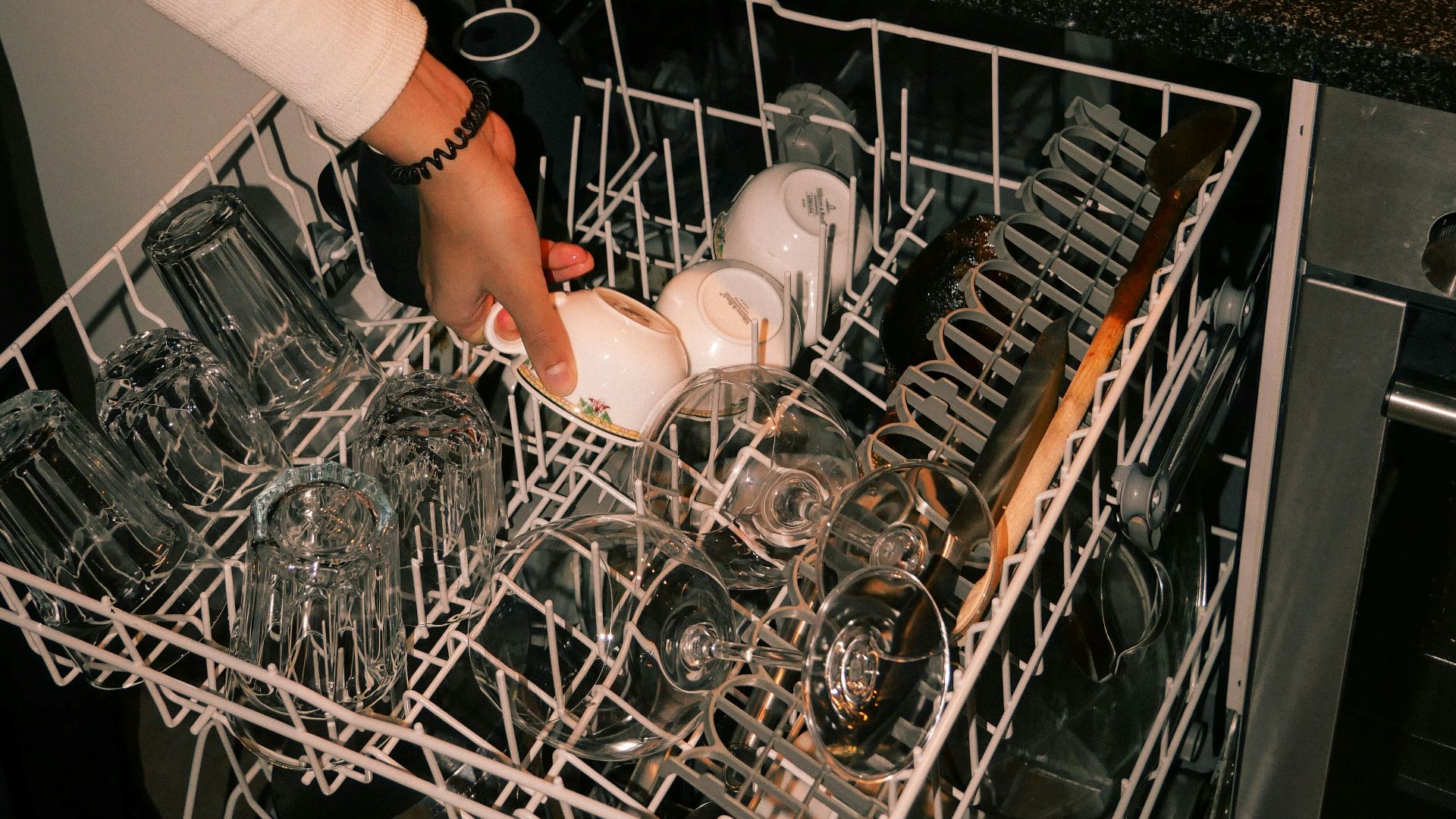
Instead of having to deal with crusty food the next morning when you're already worn out from hosting, do dishes before going to bed. After the main course, load the dishwasher with plates, glasses, and utensils while the guests savor tea and dessert.
KEEP ON READING


20 Dishes That Built Modern American Cuisine