This Japanese Delicacy Got The Ban Hammer From The United States
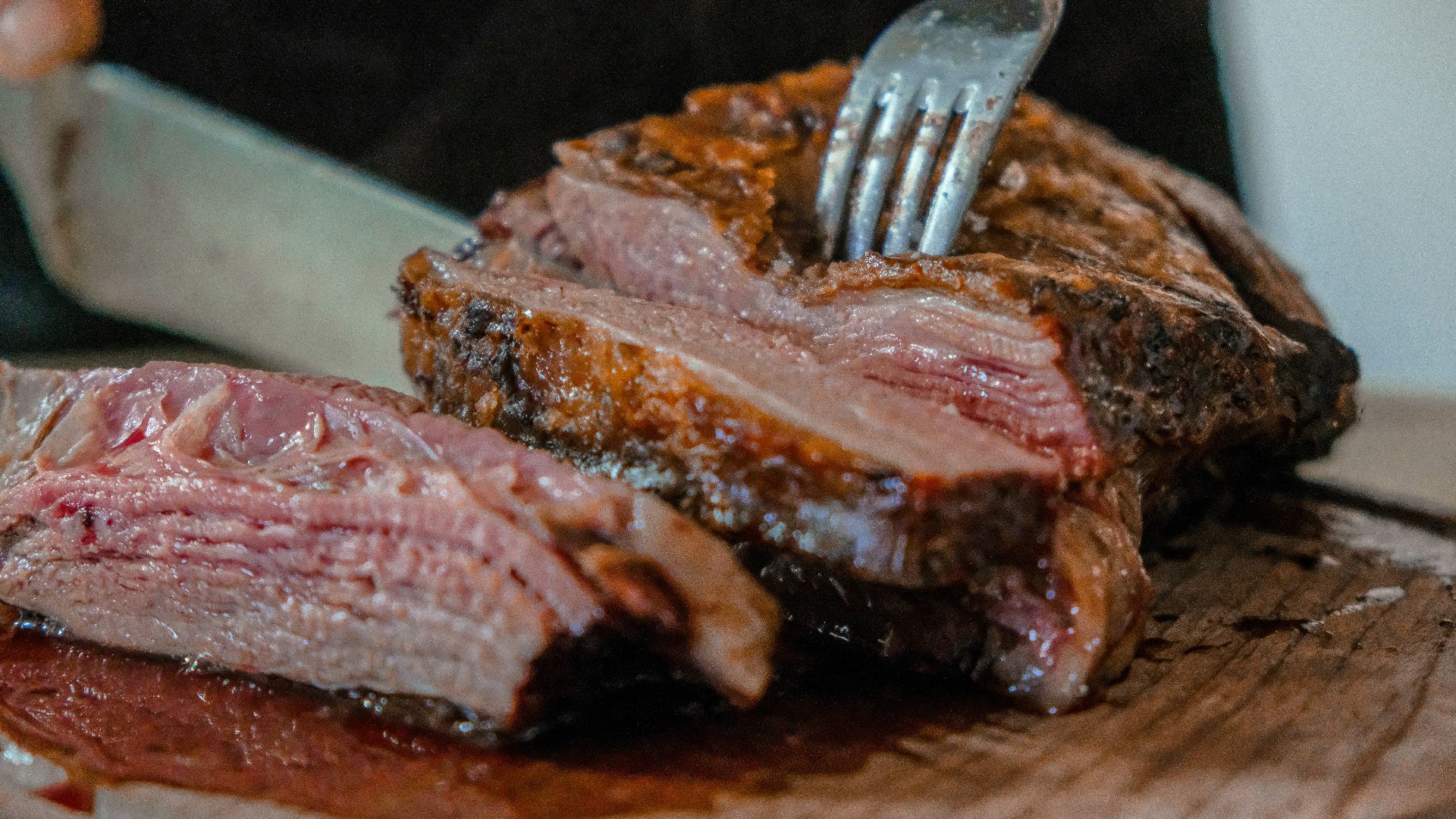 José Ignacio Pompé on Unsplash
Japan is world-renowned for its incredible culinary landscape, where chefs spend decades perfecting everything from simple rice bowls to intricate multi-course meals. Travelers flock from all over the globe to experience these authentic flavors, often pushing their palates to try things they would never dream of eating at home. However, you might be surprised to learn that some of these prized Eastern culinary treasures are completely illegal to import or serve within American borders. Federal regulatory agencies maintain incredibly strict standards regarding foreign food products, and one particularly famous delicacy crossed the line that safety inspectors refused to compromise on.
While it sounds like the plot of a dramatic food movie, the restrictions are rooted in genuine public health concerns and intricate international trade laws rather than simple cultural misunderstandings. Exploring the history of this prohibited item gives you a fascinating look into how agricultural policy shapes what can legally land on your dinner plate. The story behind this forbidden food is filled with rigorous safety protocols, culinary passion, and a surprisingly complex legal battle. If you are curious about why the United States drew a hard line in the sand against this iconic Japanese luxury item, the explanation involves a unique blend of biology and bureaucracy.
The Meat That Crossed the Regulatory Line
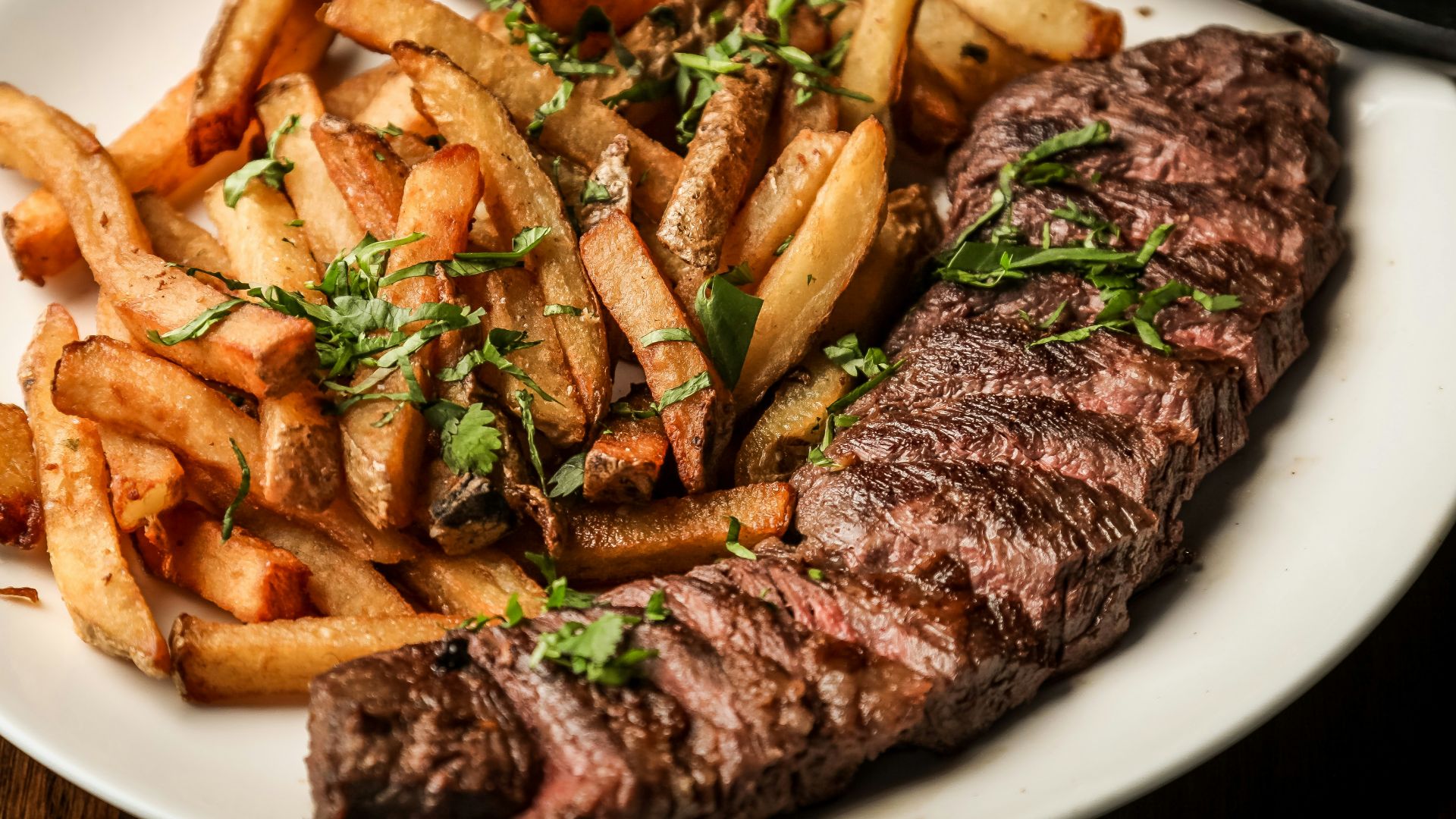
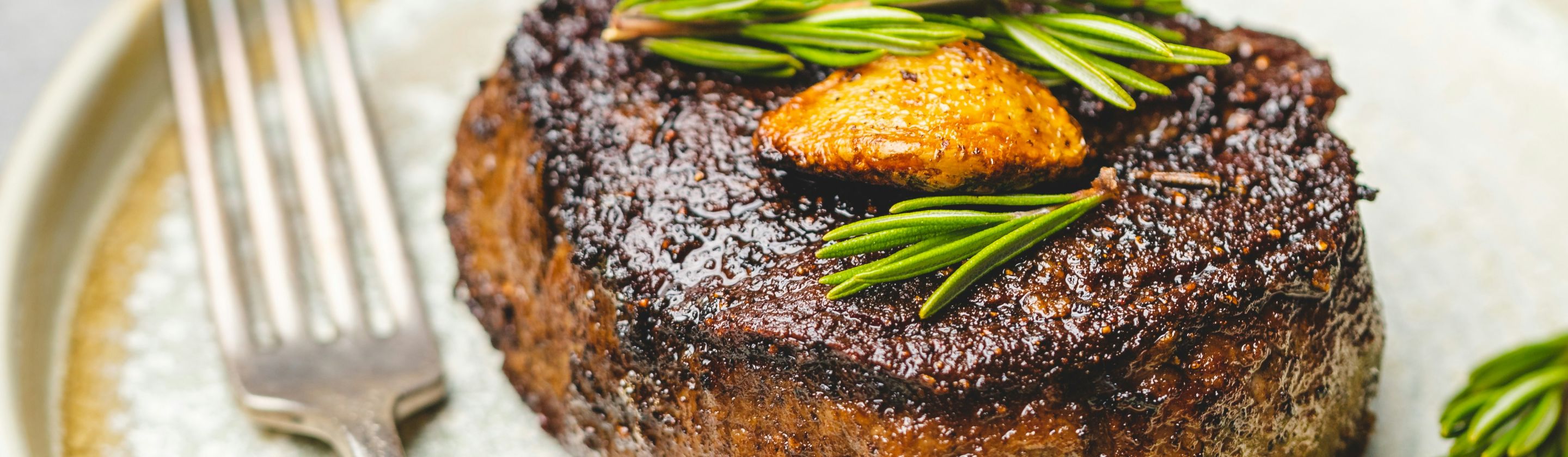
For many years, authentic Japanese beef faced an absolute prohibition that completely prevented it from entering the United States domestic food supply. This severe restriction targeted the legendary Wagyu beef, particularly the ultra-premium varieties prized for their incredible marbling and melt-in-your-mouth texture. Federal officials implemented this drastic measure due to a major outbreak of foot-and-mouth disease that devastated livestock populations across Japan in the early part of the century. The United States Department of Agriculture took immediate action to protect domestic herds from this highly contagious viral infection by shutting down all imports.
You could not find a single cut of genuine, imported Kobe steak in any American steakhouse during this strict lockdown period, no matter how much cash you were willing to spend. Many high-end establishments resorted to serving domestic crossbreeds, which they frequently labeled as American Wagyu to satisfy the intense consumer demand. The strict ban extended to all forms of fresh beef, meaning that even processed or carefully packaged meat products were completely turned away at border checkpoints. Inspectors remained highly vigilant because a single slip-up could have introduced a devastating agricultural crisis to American farmers.
The total freeze on these luxury imports forced a massive shift in how luxury restaurants operated and how foodies approached high-end dining experiences. Chefs had to get incredibly creative with domestic alternatives, though purists insisted that nothing could truly replicate the exact fat distribution of the original Japanese strains. This regulatory barrier lasted for a surprisingly long time while international health officials worked tirelessly to contain the biological threat overseas. It served as a stark reminder that even the most celebrated luxury foods are entirely subject to the unyielding rules of global biosecurity.
Navigating the Strict Rules of Safety
The core reason behind such an unyielding stance from American inspectors involves the sheer difficulty of monitoring foreign slaughterhouses and processing facilities. United States food safety agencies mandate that any country wishing to export meat must maintain an inspection system that is completely equivalent to domestic standards. Japan's traditional methods of raising and processing cattle are highly specialized, creating unique bureaucratic hurdles when aligning with American regulatory paperwork. Officials needed absolute certainty that every single facility handling the meat adhered to pristine sanitary conditions before allowing a single shipment through.
Scientists were particularly concerned about the potential transmission of bovine diseases that could lie dormant in livestock without showing immediate outward symptoms. Because the viral strains responsible for foot-and-mouth disease can survive in chilled or frozen meat for extended periods, standard preservation methods offered no real protection. You can see why customs agents were instructed to confiscate any unauthorized beef products discovered in travelers' luggage during routine airport screenings. The risks to the massive American beef industry were simply far too high to justify taking any unverified chances for the sake of a gourmet meal.
Over the years, the Japanese government worked diligently to restructure its agricultural monitoring systems to satisfy the exacting demands of its North American trading partners. They established specialized export-certified facilities that subjected cattle to rigorous testing protocols and continuous health tracking from birth to processing. This massive administrative overhaul required an immense investment of time and resources from local farmers who were eager to regain access to the lucrative American market. It proved that getting a delicacy approved for international travel requires far more than just a stellar reputation among food critics.
The strict ban was eventually lifted after years of intense diplomatic negotiations, scientific reviews, and comprehensive on-site inspections by American agricultural experts. In the fall of 2012, the United States officially reopened its borders to a very limited and highly regulated stream of authentic Japanese beef imports. You can now enjoy genuine A5 Wagyu at select certified restaurants across the country, though the luxury meat still arrives under incredibly tight scrutiny. Every single legitimate shipment must be accompanied by detailed documentation that verifies the exact lineage and processing origin of the cattle.
KEEP ON READING
The Most Popular Chocolate Bars in the USA
The Most Popular Candies in the USA
20 Annoying Foods That Get Stuck In Your Teeth