The Most Feared Thing In Ancient Rome Was A Dinner Invitation From Emperor Domitian
The Most Feared Thing In Ancient Rome Was A Dinner Invitation From Emperor Domitian
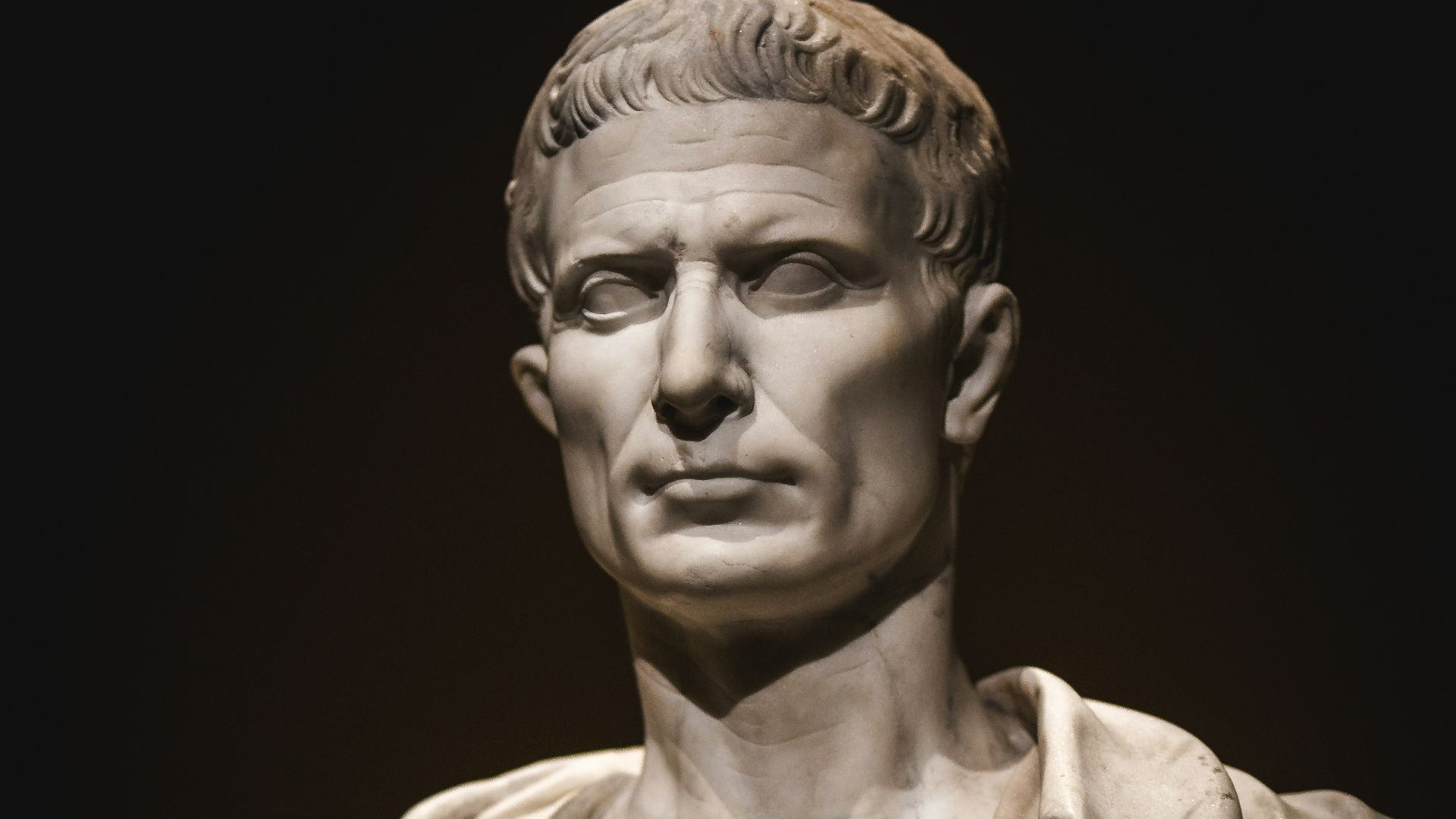
If you lived in the first century AD and found a formal invitation from the Imperial Palace on your doorstep, you wouldn’t be celebrating your social ascent. While dining with the Emperor should have been the peak of a Roman aristocrat’s career, under the reign of Domitian, it felt more like a summons to one’s own funeral. This particular ruler wasn’t just known for strict administrative policies; he had a twisted sense of humor that turned the traditional Roman dinner party into a psychological weapon.
The atmosphere of the Flavian palace shifted drastically when Domitian took the throne, moving away from the boisterous, public banquets of his predecessors toward something far more sinister and secluded. He used the dinner table as a stage to assert absolute power, often leaving guests wondering if their next course would be their last. Visitors would enter the dining hall not expecting fine wine and music, but rather a chilling display of the Emperor’s total control over life and dignity.
The Infamous Black Dinner and Psychological Warfare
Picture sitting down to dinner in a room where everything visible is painted black. Guests once attended a dinner party thrown by Domitian described as a “funeral banquet.” At the event, black curtains were hung on the walls and couches. Servants even wore black. Guests were seated at a dining table with tombstone-like name markers etched with their names into stone. It was meant to inspire dread, literally forcing Rome’s elite to quake in their sandals before even taking a bite.
The courses served continued the grim theme. Guests were presented with charred black foods resembling burned offerings on a grave site. For hours, the emperor spoke only of death. Conversations revolved around death penalties and the afterlife. Guests were even prohibited from whispering consoling words to one another. Little “spirit” boys, covered head to toe in black soot, silently patrolled the dining areas. It was a direct taste of what Domitian’s guests’ lives were like, constantly at his beck and call.
When guests were finally released from the evening of terror and allowed to return home, the nightmare was not over. Days after the dinner, Domitian would send messengers to the homes of his guests to deliver a “gift.” The guests’ newfound freedom from fear would not become clear until servants arrived at their front doors, placing the actual stone dining name markers from the dinner (often expensive jewels inlaid) on their steps, along with the eerie little “spirit” boys who had served them.
A Culture of Paranoia and Silent Servants
Domitian did not rely solely on grand theatrical events to keep people on edge; his daily dinner habits were just as unsettling for those in his inner circle. He famously hated the chatter and political maneuvering that usually accompanied Roman meals, so he often dined in complete isolation or forced guests into an uncomfortable, watchful silence. If lucky enough to be invited on a “normal” night, guests would spend the evening watching him catch flies with a sharp stylus rather than engaging in policy debate. This erratic behavior made it impossible to predict his mood, which was exactly how he wanted subordinates to feel.
The architecture of his dining rooms served his paranoia perfectly, featuring walls lined with highly polished reflective stone such as phengite. This allowed him to see everything happening behind him without ever turning his head, making it nearly impossible for anyone to share a secret glance or gesture. Guests would sit there trying to enjoy their peacock tongues while knowing the Emperor was watching every reflection for any sign of treachery. It turned the act of eating into a high-stakes performance where a single nervous twitch could be interpreted as conspiracy.
To further emphasize his authority, he demanded to be addressed as “Lord and God,” even in the relatively private setting of supper. This meant the casual banter of the Roman elite was replaced by stiff, ritualistic praise that felt more like a religious ceremony than a meal. If someone failed to show the proper level of adoration, or appeared too comfortable in his presence, they would quickly find themselves off the guest list and on a list of suspected traitors. He effectively transformed the dining room into a courtroom where he was the sole judge, jury, and potential executioner.
Being a frequent guest at the palace did not guarantee safety; in fact, it often meant increased danger because proximity allowed guests to see the cracks in the facade. Domitian was known for showing excessive kindness to people right before having them arrested or executed, a trait that made his dinner invitations feel like traps. If he was particularly charming and gave someone a seat of honor at the table, the entire evening would be spent wondering if it was simply a final, curated meal before punishment. This psychological cruelty became a hallmark of his reign, ensuring that no one ever felt truly secure in their position.