The Tipping Point: The Controversial History And Future Of Gratuity In America
 Carol Highsmith's America on Unsplash
Reading today’s digital restaurant receipt can feel like crunching your way through a calculus problem while your courteous waiter waits patiently for you to sign your life away. At some point over the last decade, we’ve all noticed suggested tip rates creep up from the once standard 15% to 20%, and sometimes even an outrageous 30%. Not to mention, they’re showing up in venues and businesses that have nothing to do with table service. What was originally intended as a humble gesture of gratitude has evolved into a forced social contract designed to make you feel shameful and inadequate.
Tips are one of those unique American rituals we all love to hate when the check comes. At restaurants across the country, tipping has become a crucial part of our service economy: both a livelihood for millions of workers and a constant source of “tip fatigue” for customers. With plenty of exciting changes on the horizon, it’s safe to say that our current gratuity system is headed for a complete overhaul.
The Checkered History of Tipping in America
Contrary to popular belief, the American “tip” actually originated overseas. Wealthy Americans returning from Europe in the mid-1800s proudly brought back the practice as a way to flaunt their elite status and sophistication. Critics of tipping immediately rejected the concept as “un-American” and inflammatory, arguing that bribing someone for good service further perpetuated a servant hierarchy that had no place in our democratic society.
Post-Civil War companies eventually realized that they could exploit labor by offering token pay and forcing them to earn the rest from tips. Restaurants and railroad companies began hiring Black Americans en masse and promised “room and board” with virtually no base wage attached. Workers were then expected to survive on tips given to them by white passengers, placing the responsibility of wages on the customer instead of the company. Sound crazy? The added practice of a “sub-minimum wage” was later written into federal law.
Bars and restaurants everywhere adopted the tip practice in the 1920s, as it helped compensate for their huge loss in beverage revenue. By coercing customers to tip their waitstaff, dining out became incredibly affordable while workers took the brunt of the pay cut. The government eventually got involved by passing legislation that certified the tipped minimum wage, legally binding customers to act as co-workers.
Tip Creep
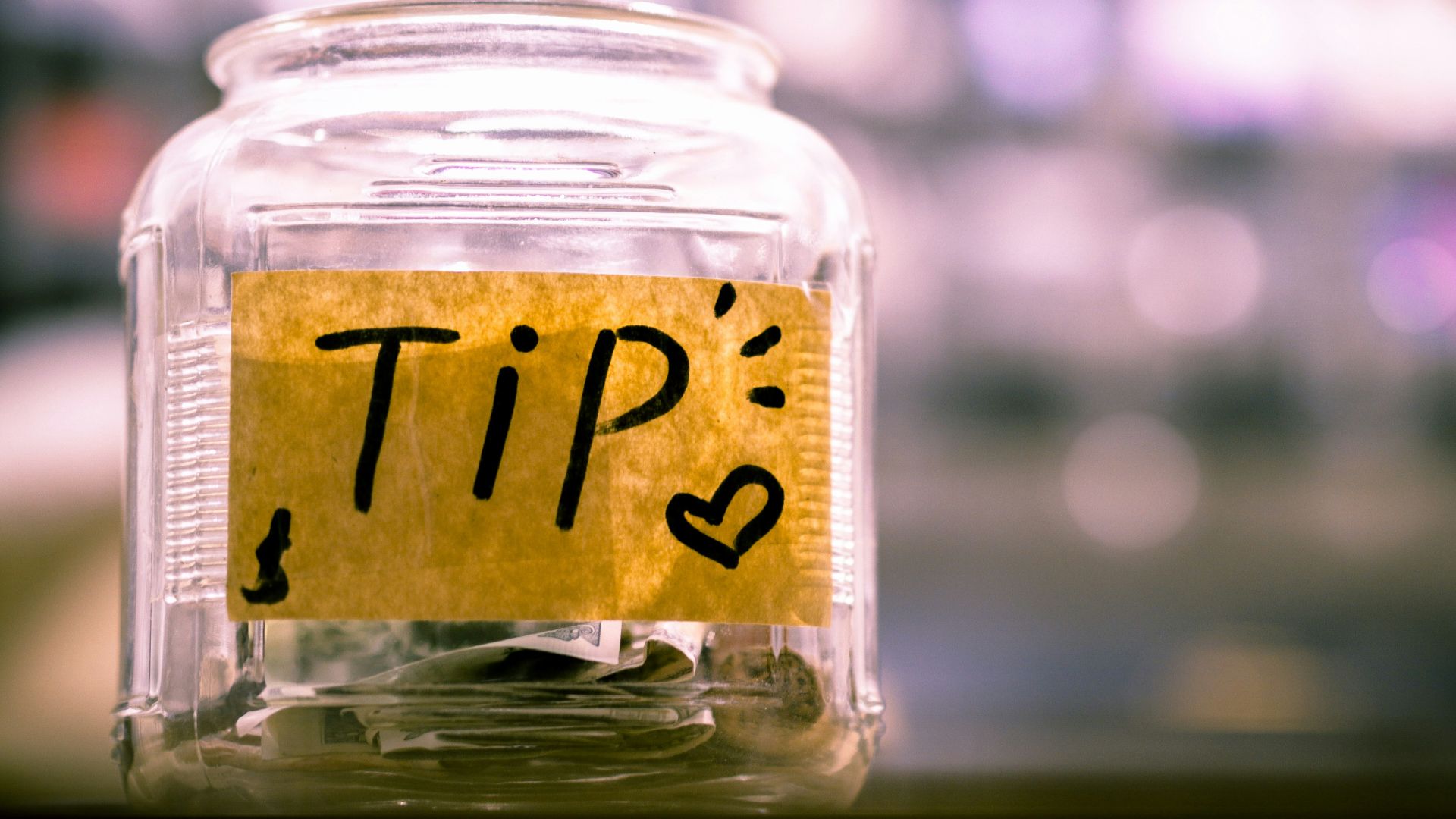
You may feel as though you are tipping more often these days, and you’re not crazy. The generous encouragement to tip at coffee shops, bakeries, grocery stores, and self-order kiosks is known as “tip creep.” It subjects you to the ultimate societal pressure of picking a pre-programmed gratuity or risk angering your barista by hitting “zero dollars” while they glare over your shoulder.
Digital tipping displays have increased overall tip percentages while making customers feel guilty for purchasing everyday goods. Many Americans now find themselves tipping for non-service-related transactions like counter service or retail goods. The new normal of digital fatigue has made us all question how tips have digressed into such aggressive social interactions.
Some businesses claim digital tipping screens allow employees to keep up with inflation without further raising menu prices. While tips can be substantial for front-of-house employees (those who interact with guests), they do nothing for the back-of-house staff who work tirelessly in the kitchen. Many restaurants have started adding “service charges” or enforcing tip pools to ensure kitchen staff receive a fair percentage of the bill.
Where Do Tips Go From Here?
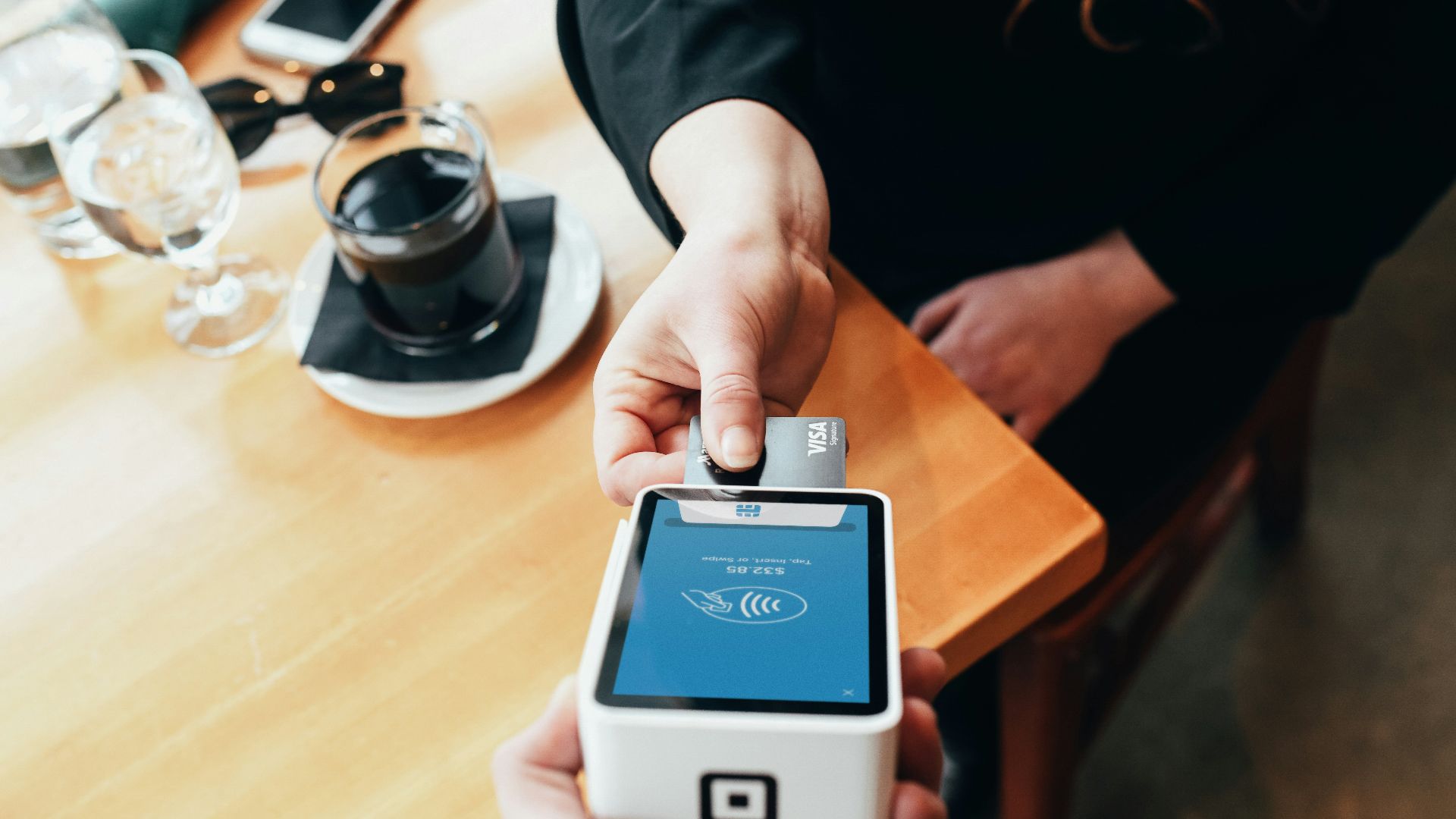
America’s tipping culture is shifting, as many restaurants and lawmakers question the viability of the $2.13 federal tipped minimum wage. Certain states have already adopted what is known as a “one fair wage” where employees make a full minimum wage regardless of tips earned. Servers would essentially make a stable income from their employer first, then take home tips as a bonus at the end of their shift.
The no-tipping movement has also started to gain some momentum, as restaurants include the cost of service within their menu pricing. Customers love this approach because they know exactly how much they will be charged upfront, but many high-earning servers are lobbying against it. This is because they prefer the uncertainty of crushing it on a busy night versus being locked into a flat service fee.
Expect to see much more automation and legislation being introduced as we near 2026. The Senate is currently buzzing about “No Tax on Tips” legislation that will likely make it to voting mid-next year. Will we tip $0.01, adopt a flat service fee, or completely destroy the practice of tipping in America? Only time will tell, but one thing is for sure: the days of voluntary gratuity are quickly coming to an end. Unsurprisingly, this debate has been going on for a while, leaving people wondering if tipping culture is ruining America, or if there is hope for salvaging it.
KEEP ON READING
The Most Popular Chocolate Bars in the USA
The Most Popular Candies in the USA
20 Annoying Foods That Get Stuck In Your Teeth