Old Techniques, New Appreciation
Cooking evolves with technology, ingredients, and industry demands, so skills that were once common can be turned into specialist knowledge. Labor-intensive methods often fade when modern tools deliver faster alternatives, while other practices gain fresh attention from chefs who appreciate flavor, craft, and tradition. That explains why some cooking techniques are disappearing while others are being revived. Here are 10 cooking techniques that are disappearing and 10 being revived by modern chefs.
1. Larding Lean Cuts Of Meat
Larding refers to threading strips of fat, traditionally pork fat, through lean meat prior to cooking to add moisture and richness. This technique is useful for game and lean roasts, but today's chefs have better access to marbled cuts and temperature control. The special tools and extra preparation make it uncommon in modern kitchens.
2. Barding Roasts With Fat
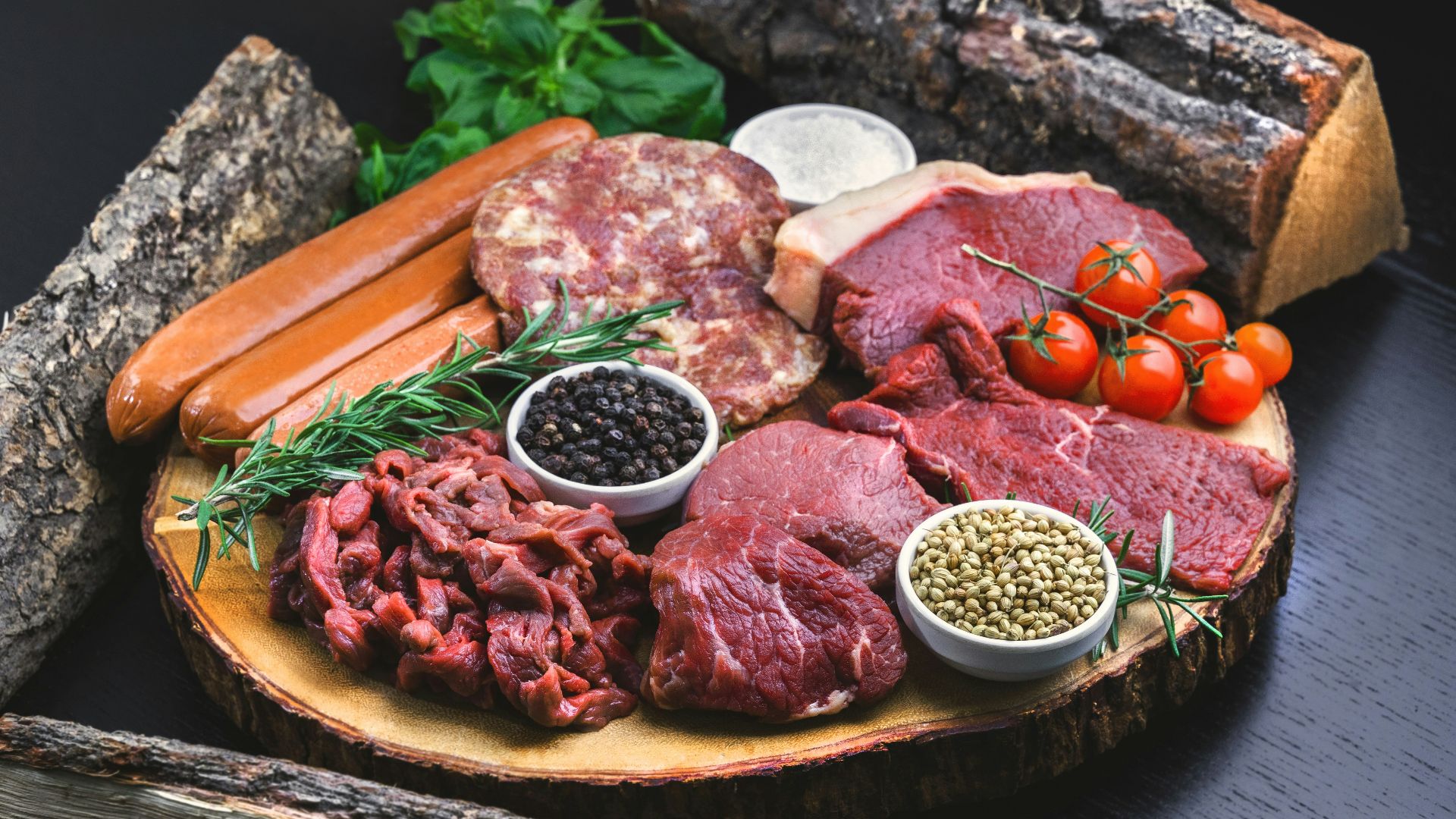
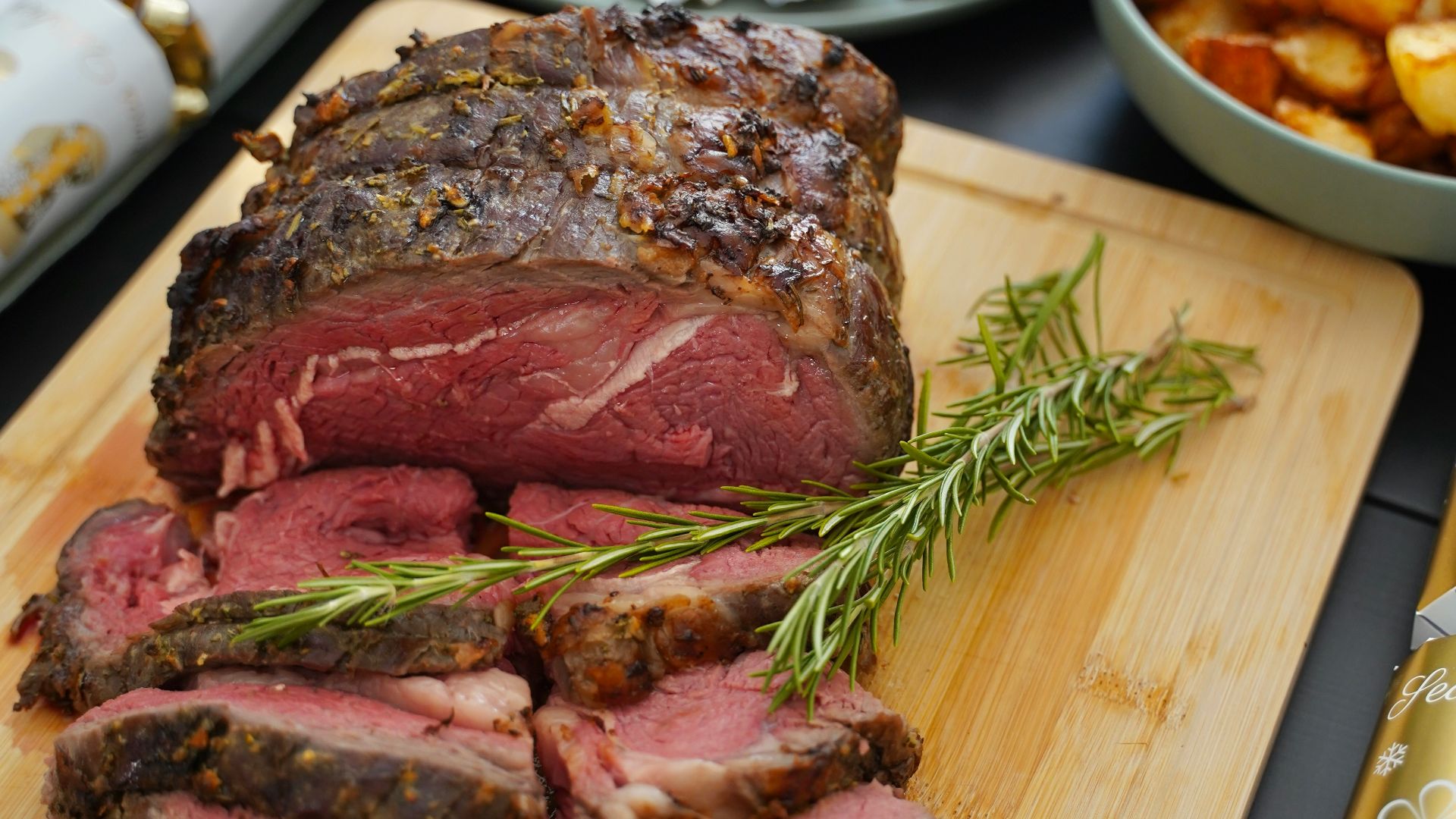
Barding covers the outside of meat with slices of fat before roasting, protecting the surface as the fat renders. Classical cooks often used pork fat on lean birds and game, while bacon eventually become a popular substitute.
3. Making Aspic From Scratch
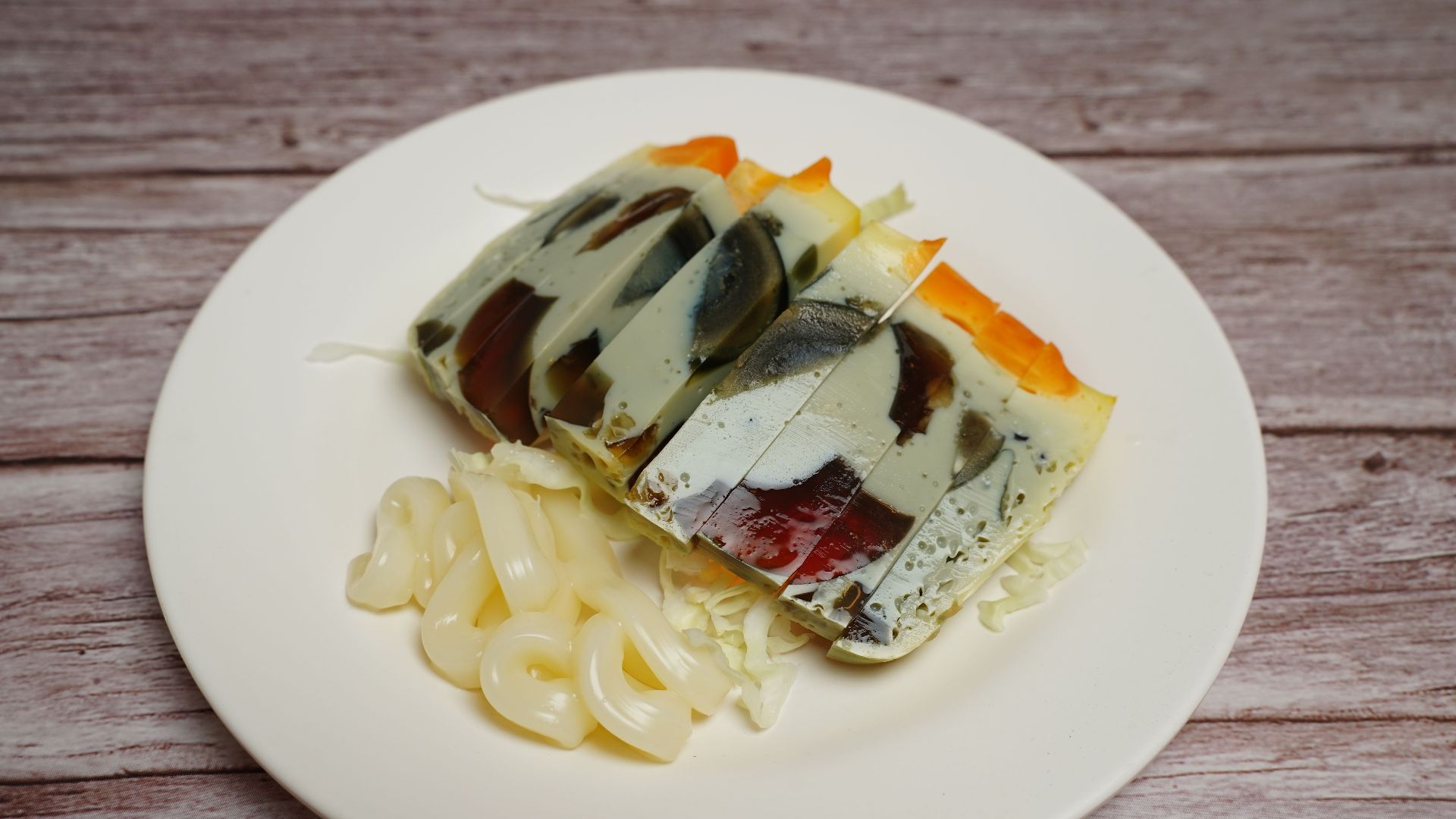
Traditional aspic starts with collagen-rich bones, skin, or connective tissue simmered until the stock can set into savory jelly. Cooks used it around meat, vegetables, eggs, or fish in elaborate cold dishes. The time-intensive process now appears mostly in specialist charcuterie kitchens, if at all.
4. Clarifying Consommé With A Raft
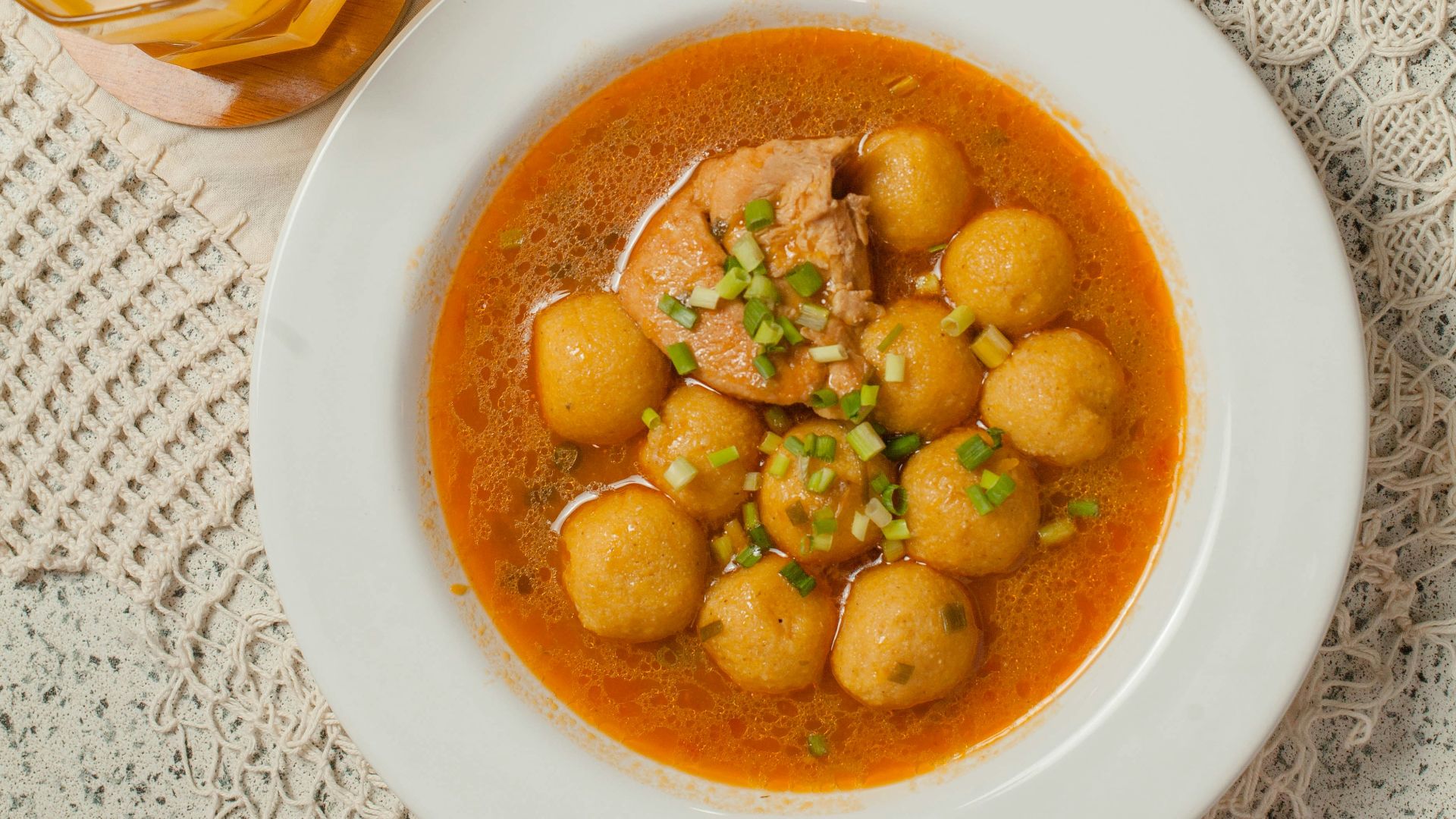
Classical consommé is clarified with a mixture often containing egg whites, lean meat, and aromatics. As it heats, the proteins form a raft that traps fine particles, letting the clear broth remain below. Culinary schools still teach the method, but its labor and precision make it much less common on modern menus.
5. Hand-Turning Vegetables
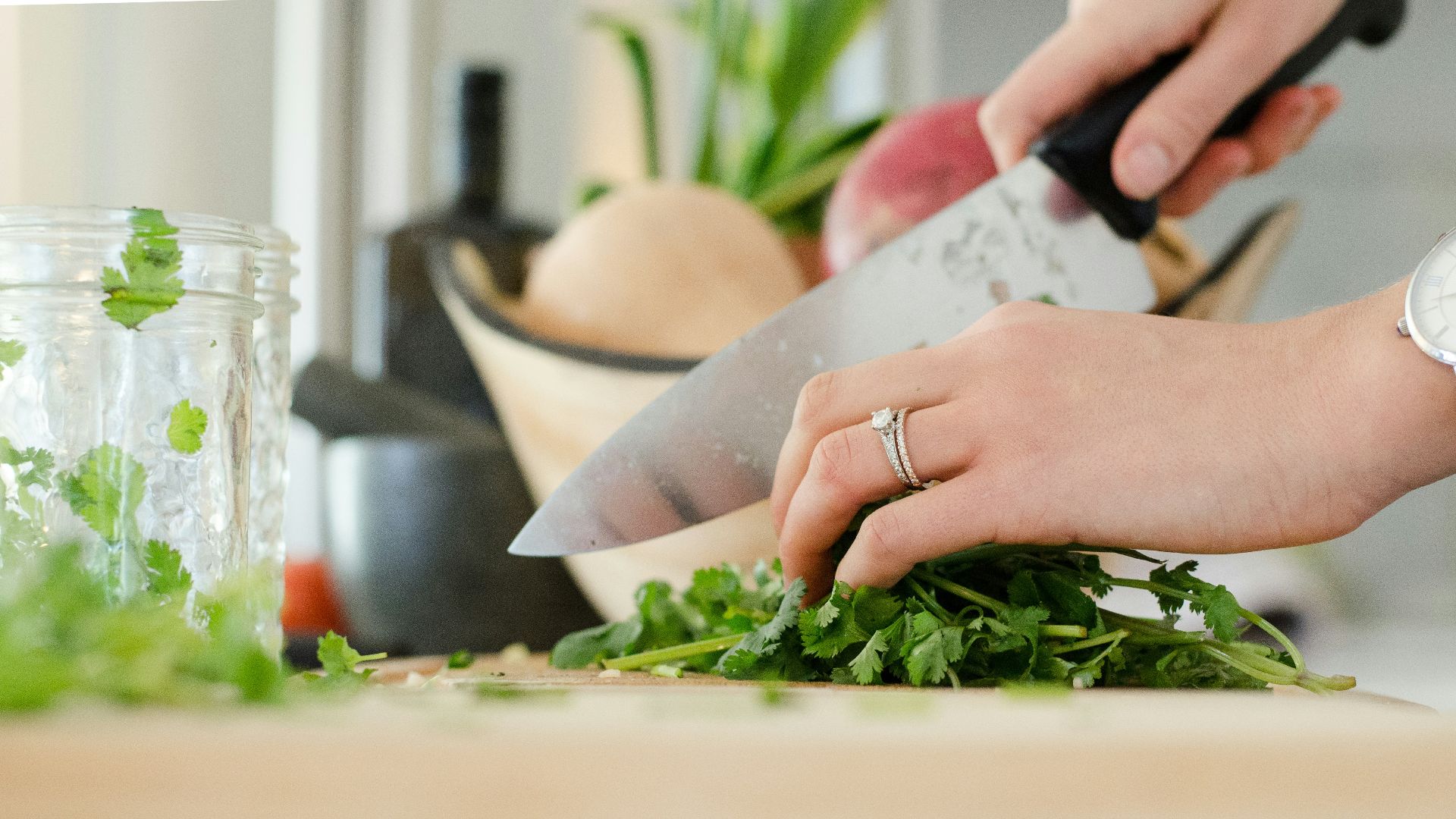
Turning shapes vegetables such as potatoes into small, evenly sized pieces with smooth sides. The uniform form encourages even cooking and once demonstrated classical knife skill in upscale kitchens. Since it creates trim and demands labor, many restaurants now opt for simpler, lower-waste cuts.
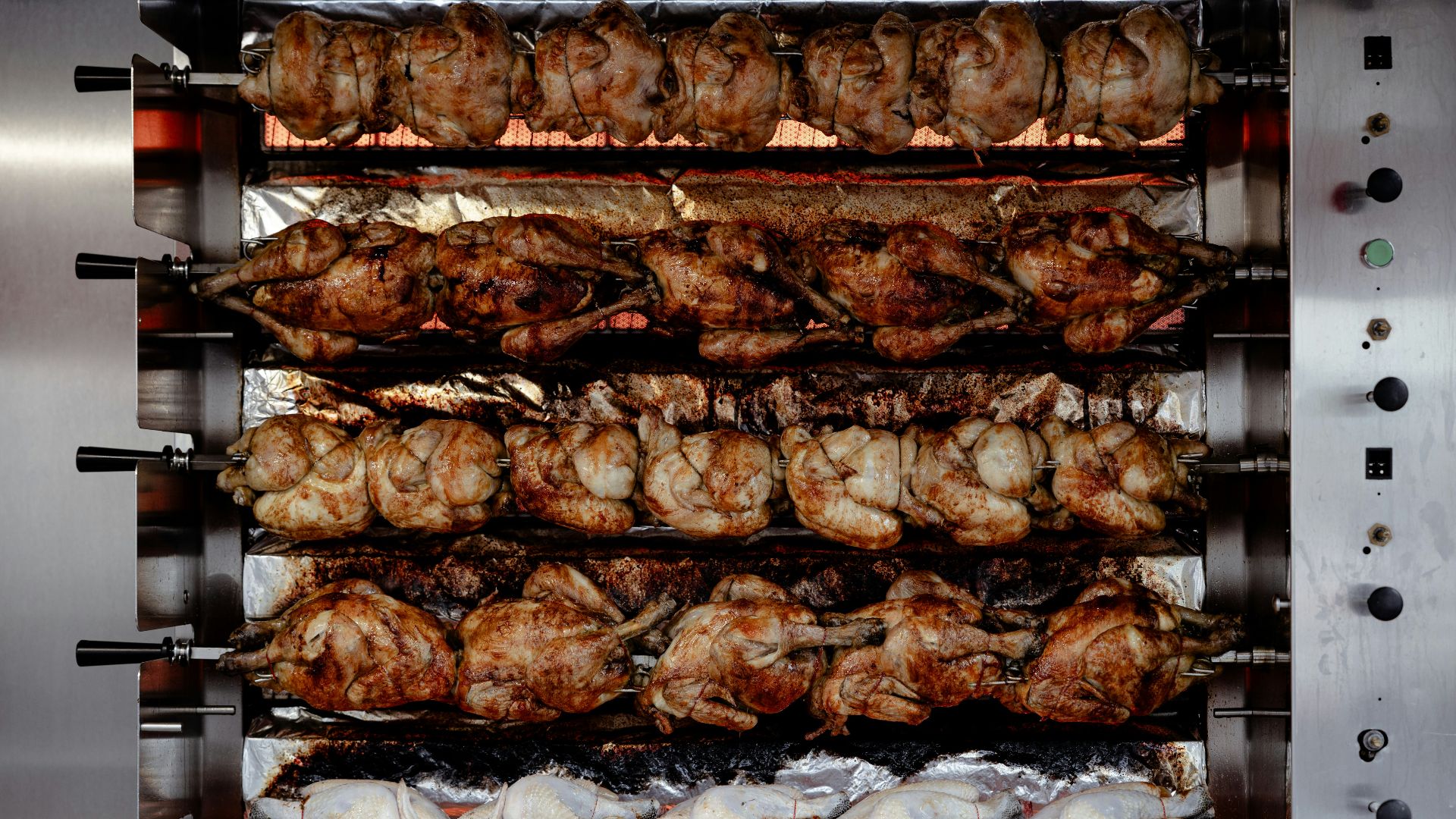
6. Spit-Roasting By Hand
Before electric rotisseries, large cuts of meat were roasted on spits turned manually beside an open fire. Mechanical rotisseries and enclosed ovens now do that work in restaurants ranging from fast food to upscale.
7. Using A Mortar
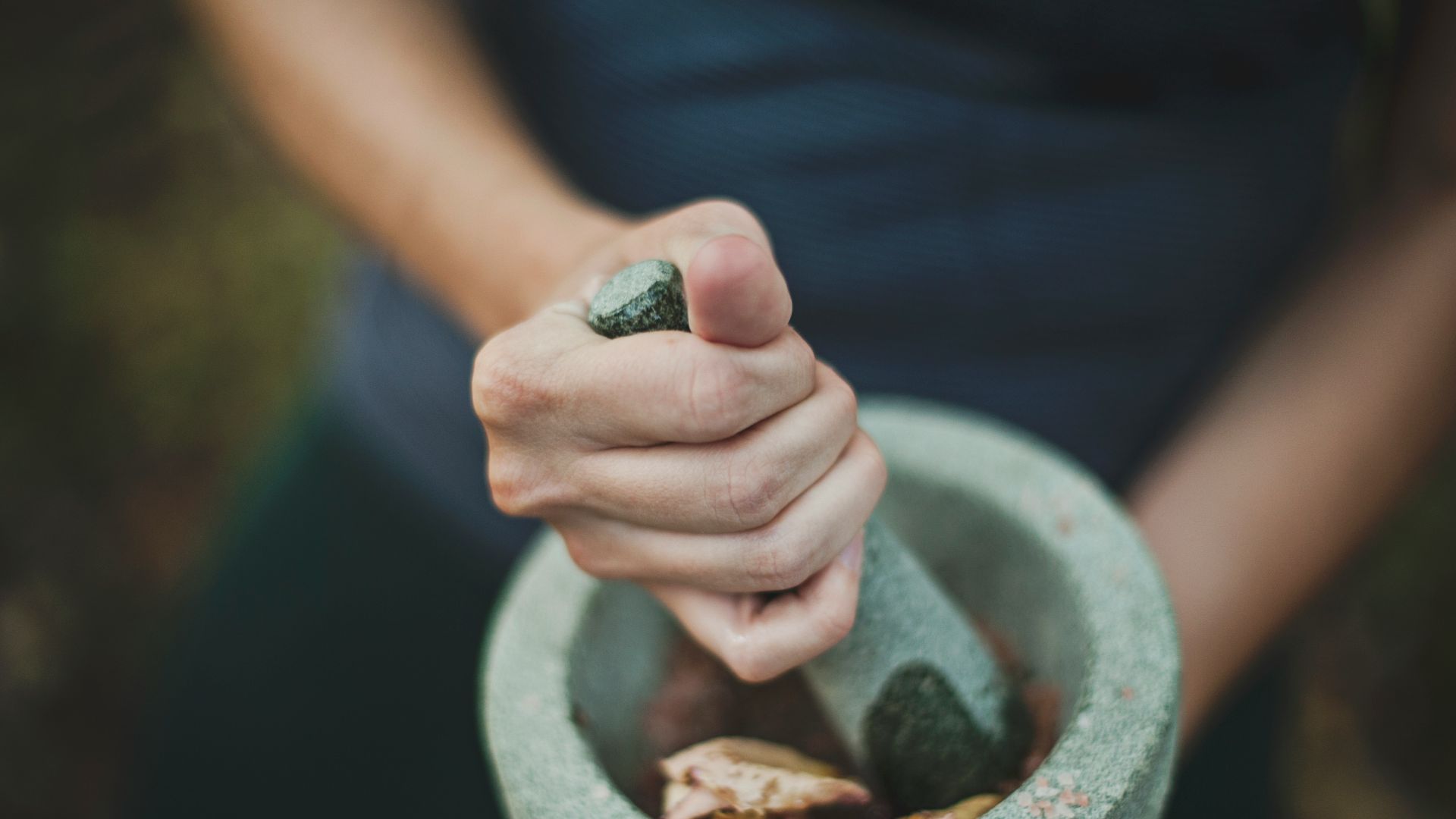
Mortars crush spices, herbs, garlic, and other ingredients in ways that create textures different from simple chopping. The technique remains important in many cuisines, but processors and blenders make preparation much faster.
8. Elaborately Trussing Poultry
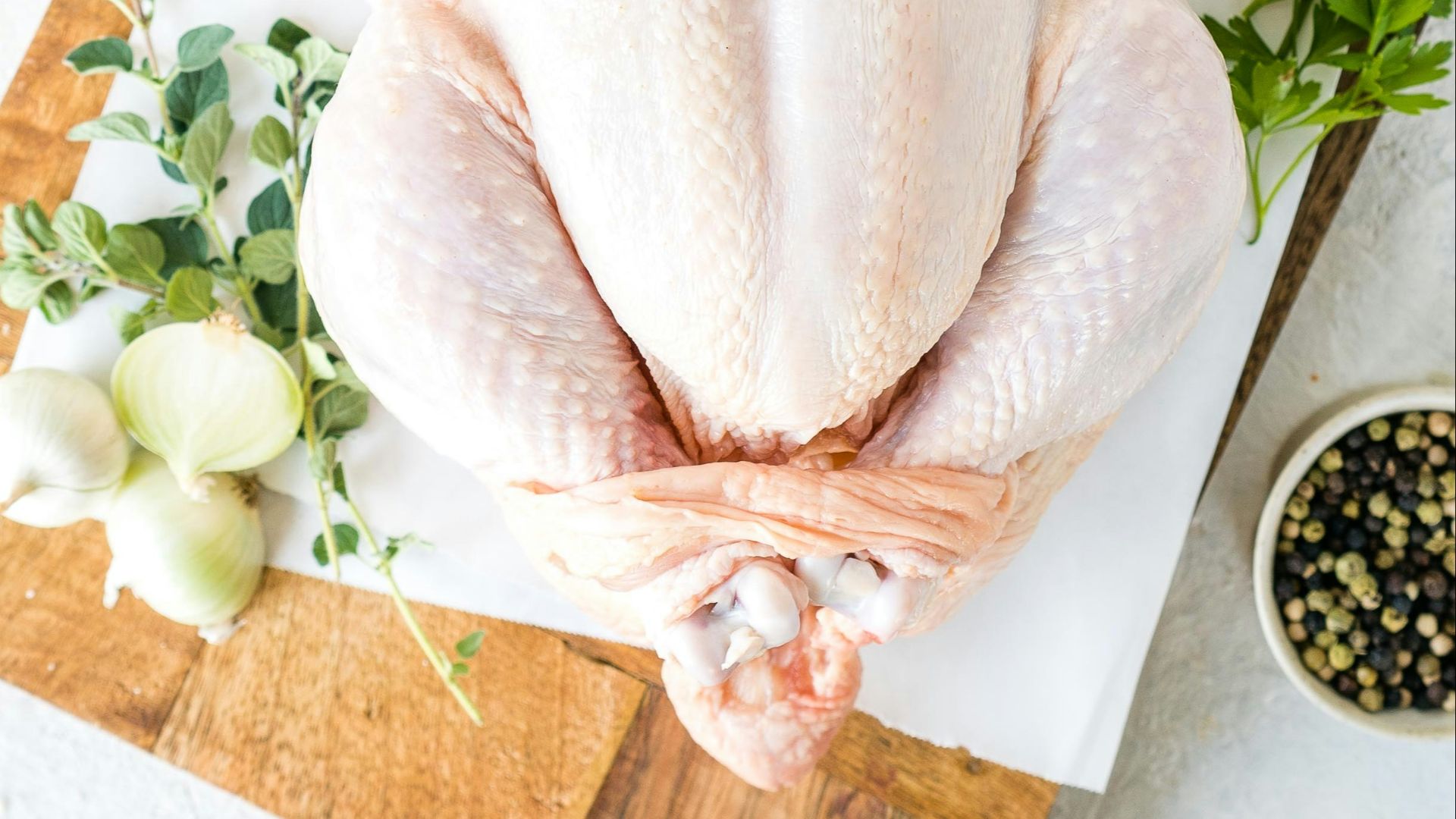
Traditional poultry preparation could involve carefully tying or stitching a bird into a compact shape before roasting or poaching. Proper trussing creates an orderly presentation and can help a delicate bird hold its form. Many cooks now use simpler twine methods or skip this step altogether.
9. Preparing Forcemeat By Hand
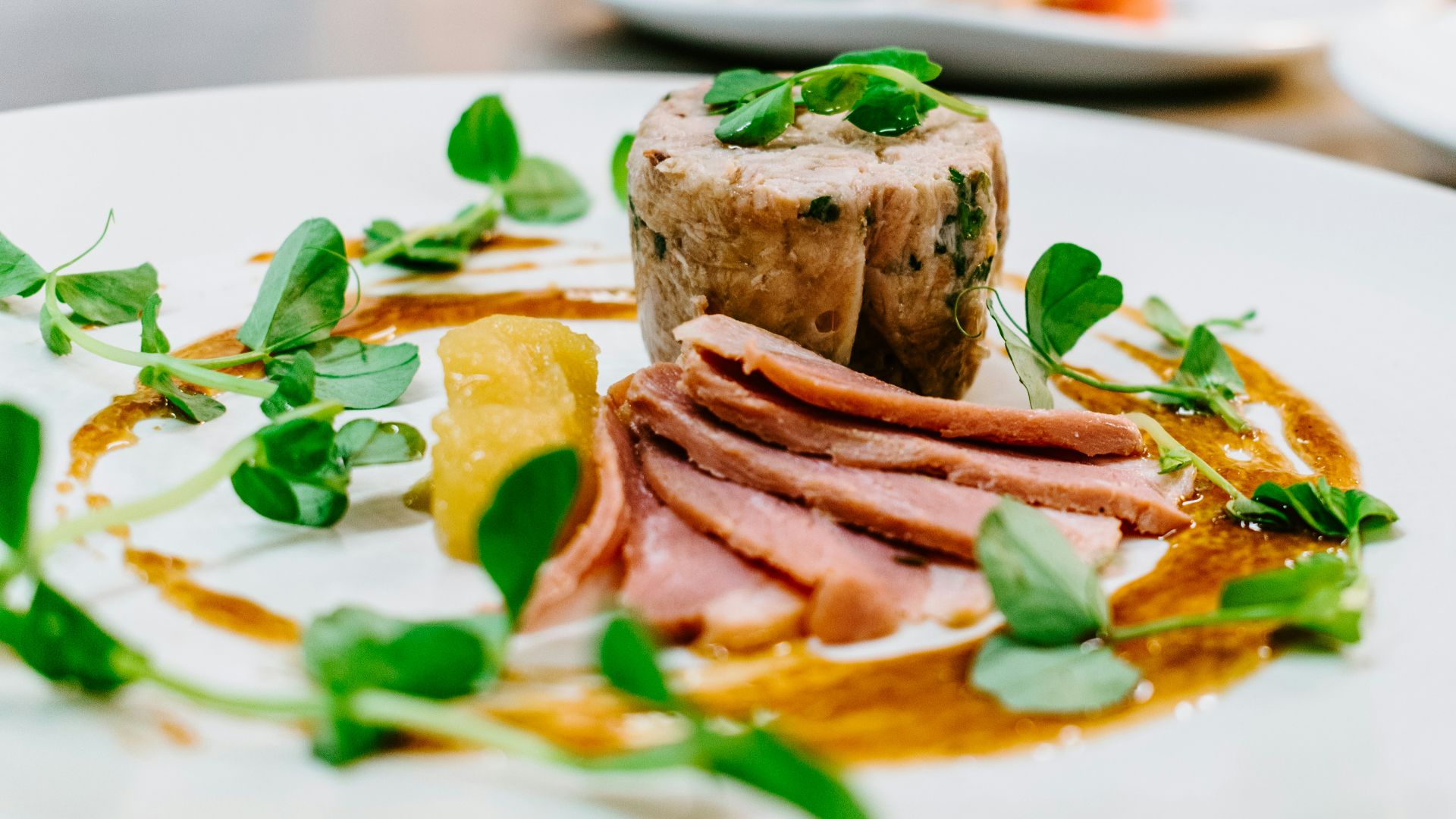
Forcemeat is a seasoned mixture of finely ground meat, poultry, fish, or other ingredients used for pâtés, terrines, sausages, and fillings. Earlier cooks relied on chopping, pounding, sieving, and careful mixing before grinders and processors were available.
10. Decorative Fluting And Channeling
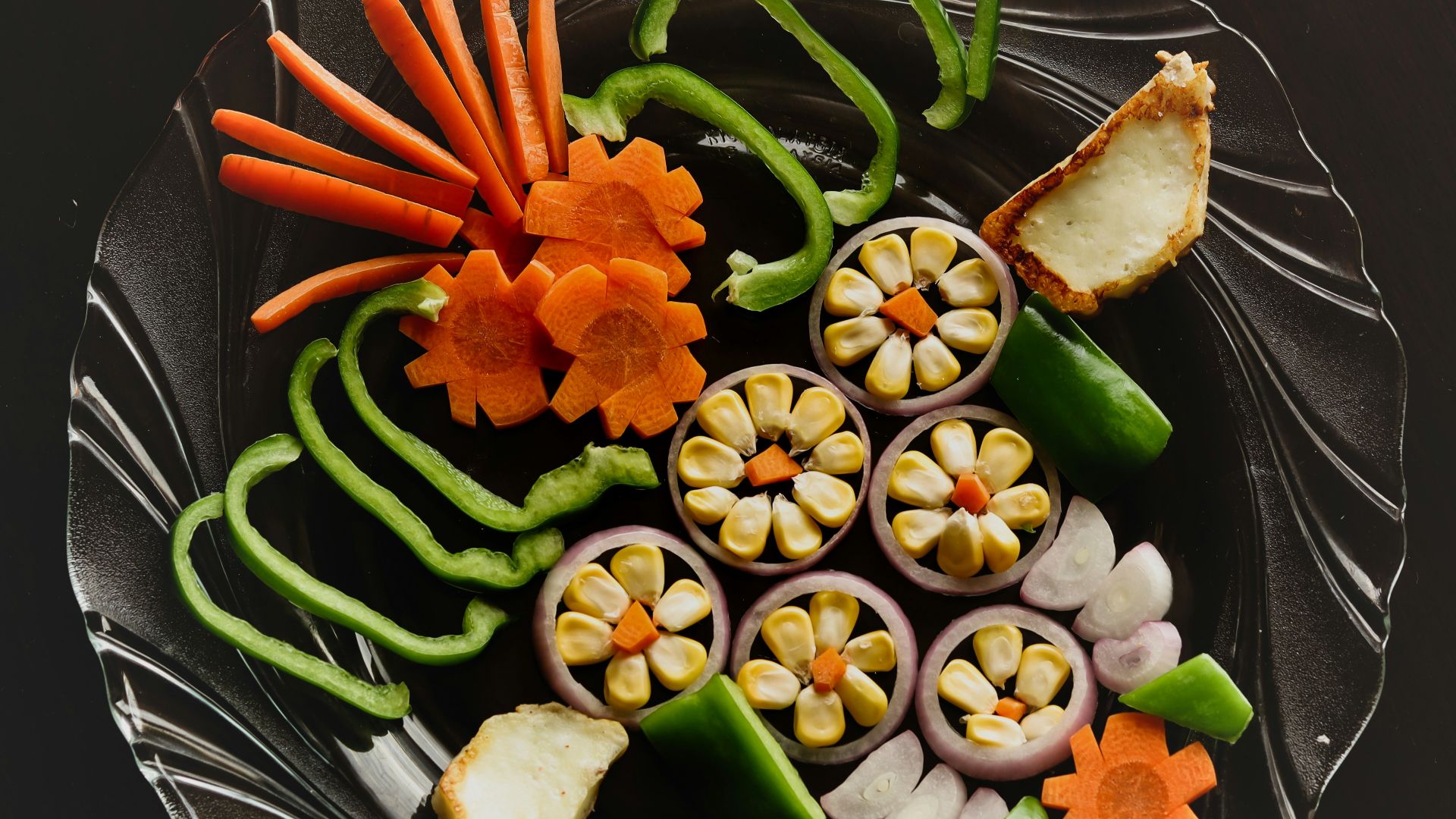
Classical garde-manger work often included fluting mushrooms, channeling citrus peel, and shaping vegetables into precise decorative forms. This technique demanded patience and gave formal dining rooms a controlled presentation style. Modern plating often favors natural shapes, simpler preparation, and lower waste, so these decorative knife skills are far less common.
1. Lacto-Fermentation
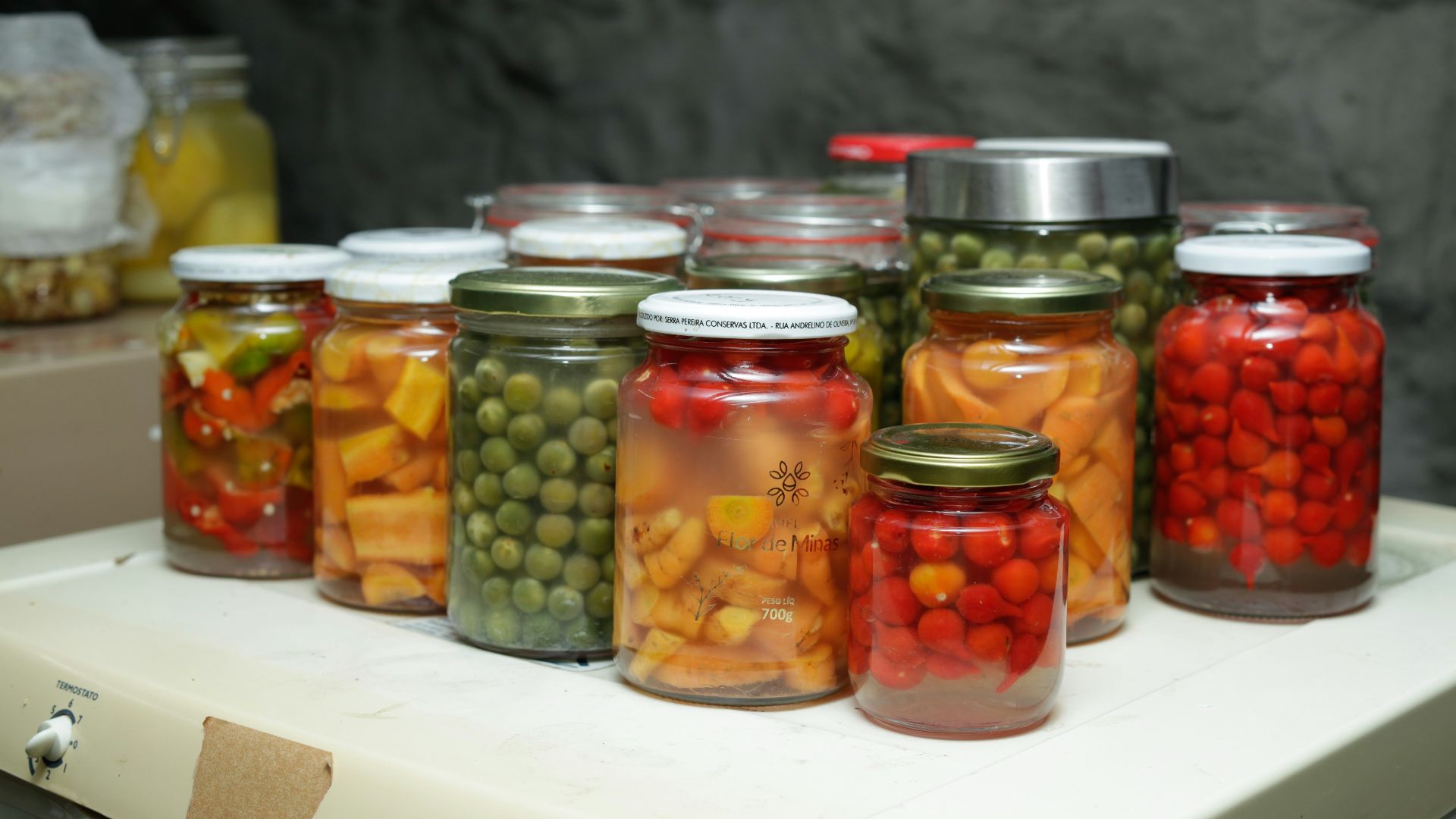
Lacto-fermentation uses beneficial bacteria to convert sugars into lactic acid, creating tangy flavors while helping preserve food. It once contributed exclusively to sauerkraut, kimchi, and naturally fermented pickles, but chefs now apply it to many vegetables, fruits, and sauces.
 PROJETO CAFÉ GATO-MOURISCO on Unsplash
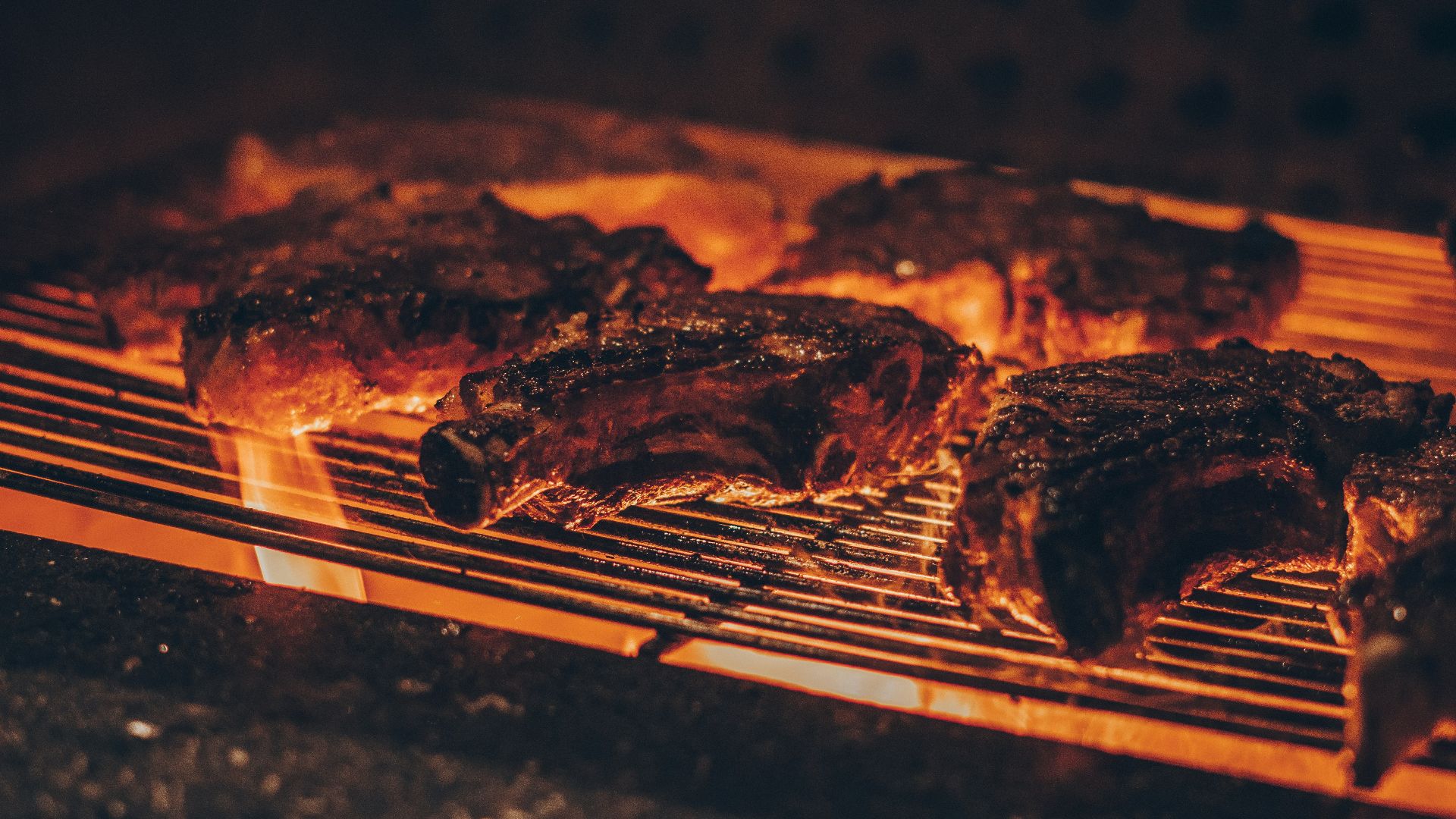
2. Cooking Over an Open Fire
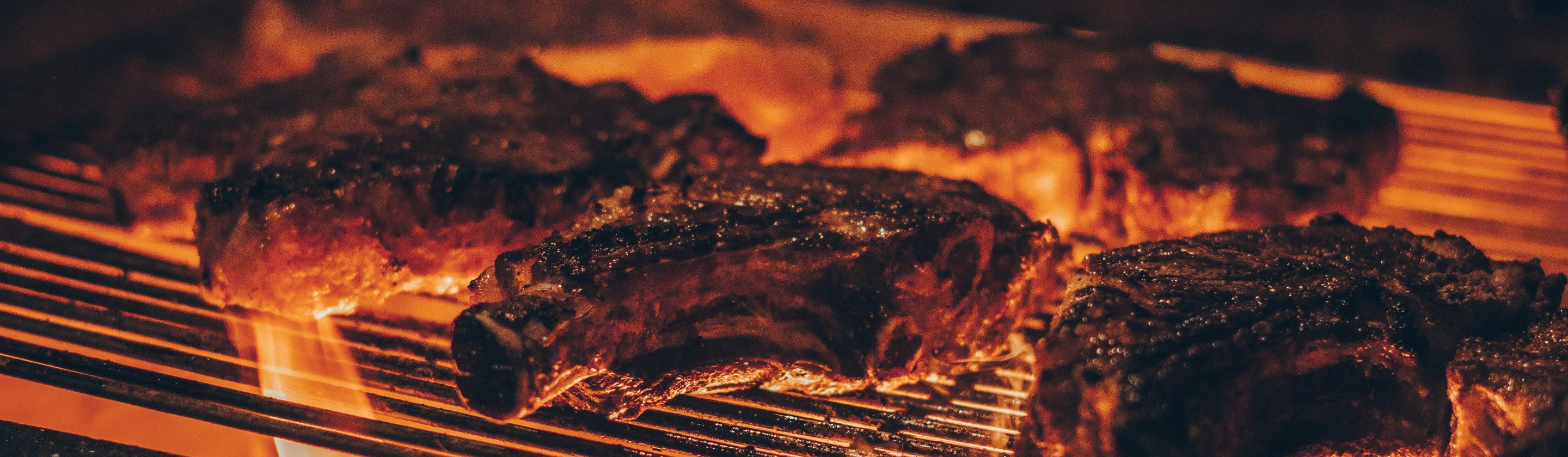
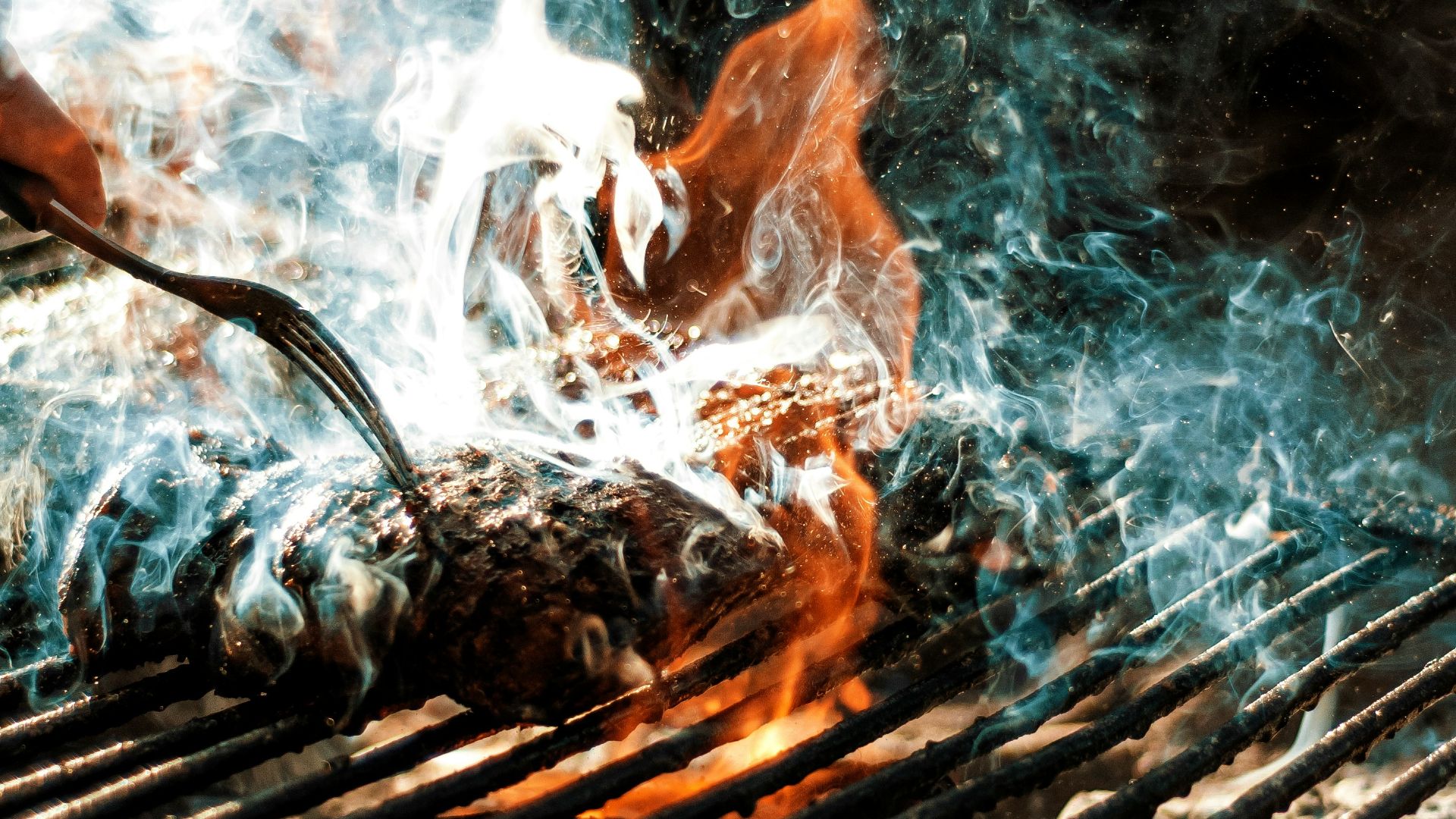
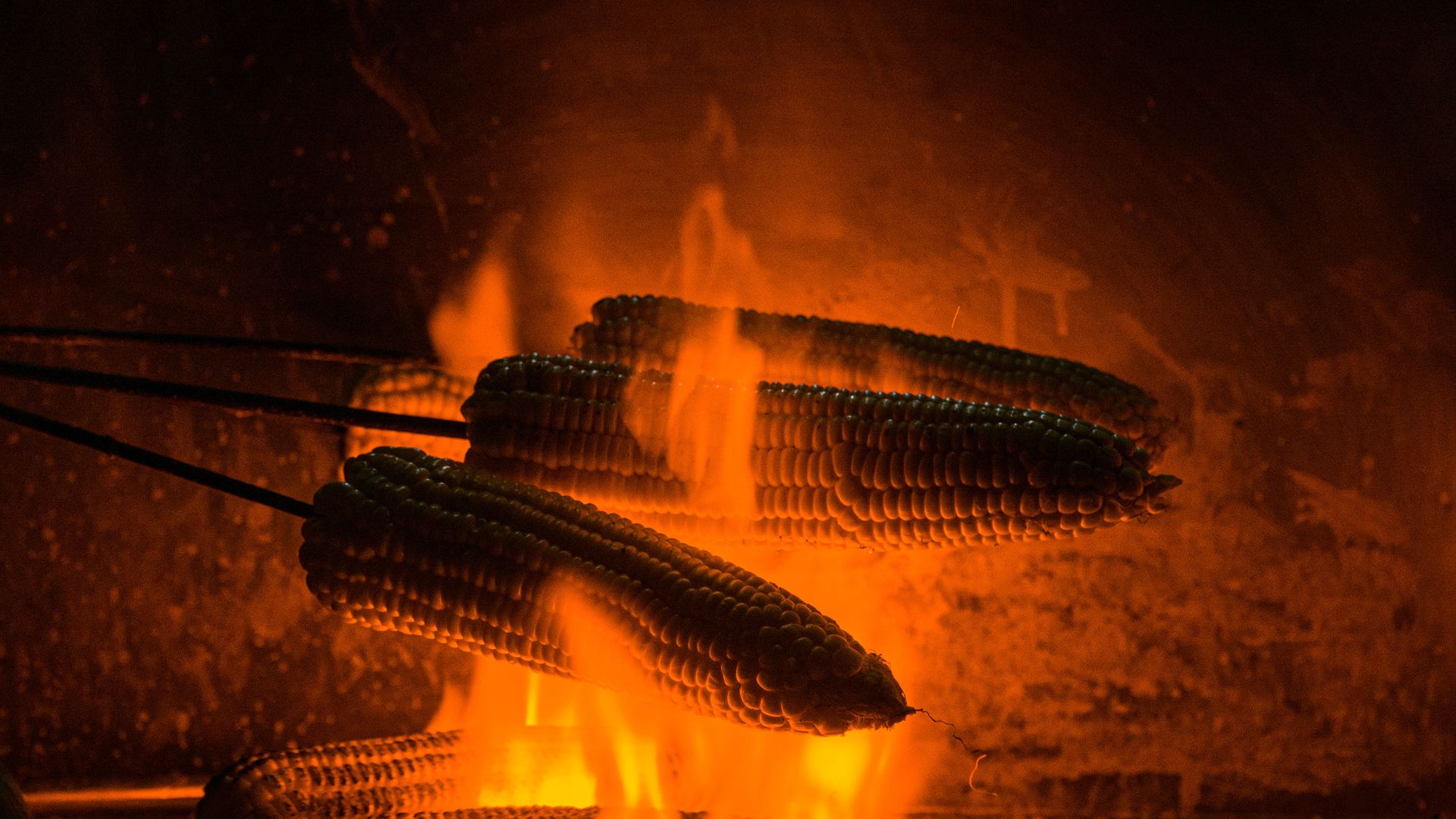
Wood and charcoal cooking are returning to restaurants that want complete control over smoke, heat intensity, and charring. Chefs use grills, hearths, embers, and pits for ingredients ranging from vegetables to whole animals. Modern live-fire cooking combines traditional heat sources with precise timing and contemporary ingredient preparation.
3. Dry-Aging Meat
Dry-aging stores meat under controlled temperature, humidity, and airflow so moisture evaporates while natural enzymes affect texture and flavor. Once strongly associated with specialist butchers and the most expensive steakhouses, the process has drawn attention from chefs exploring different cuts and aging periods.
4. Whole-Muscle Curing
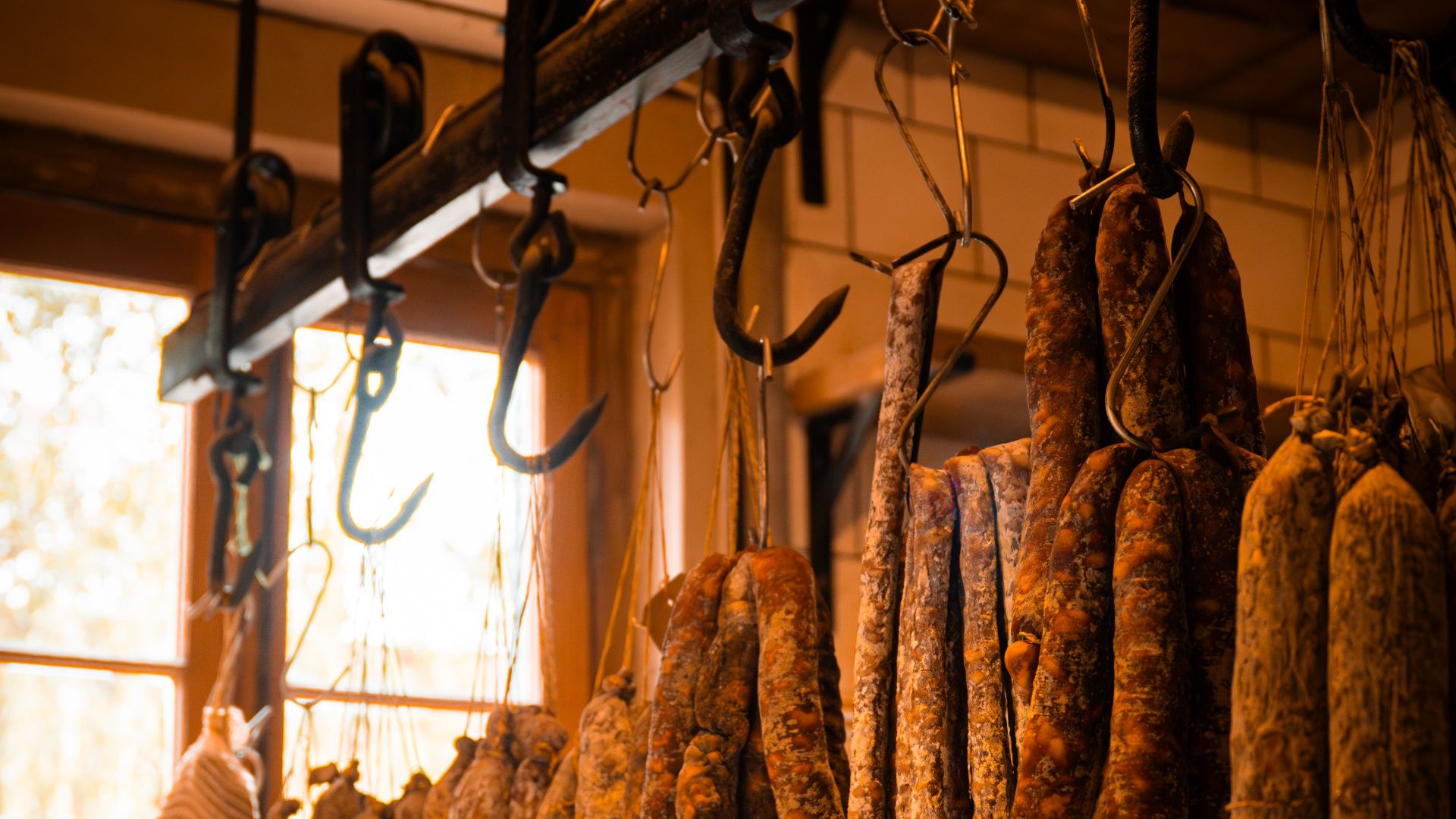
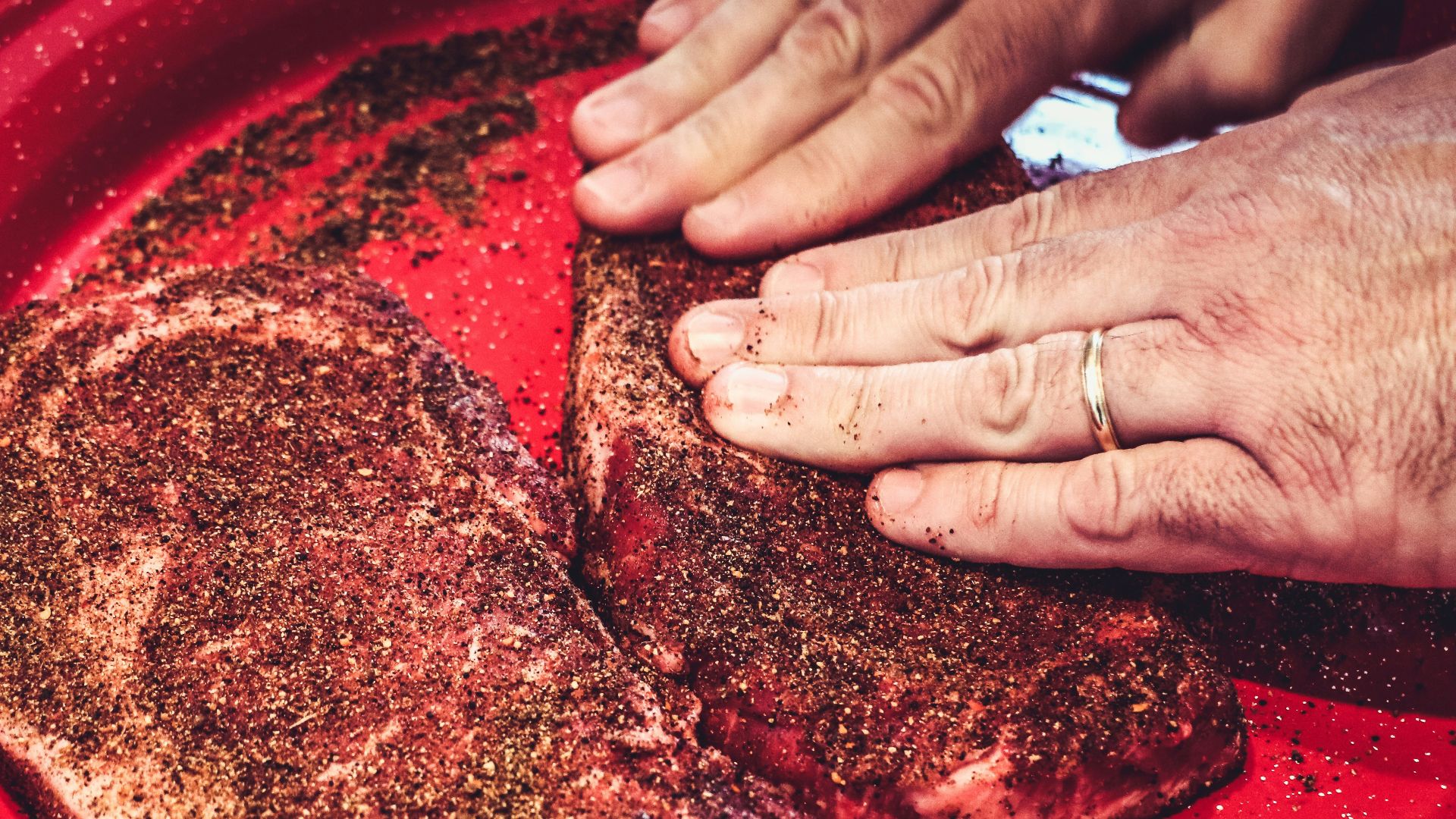
Salt-curing whole pieces of meat is an old preservation method behind foods such as prosciutto, bresaola, and country ham. Restaurant charcuterie programs have renewed interest in controlling salt, humidity, airflow, and aging rather than buying every product ready-made.
5. Confit Cooking
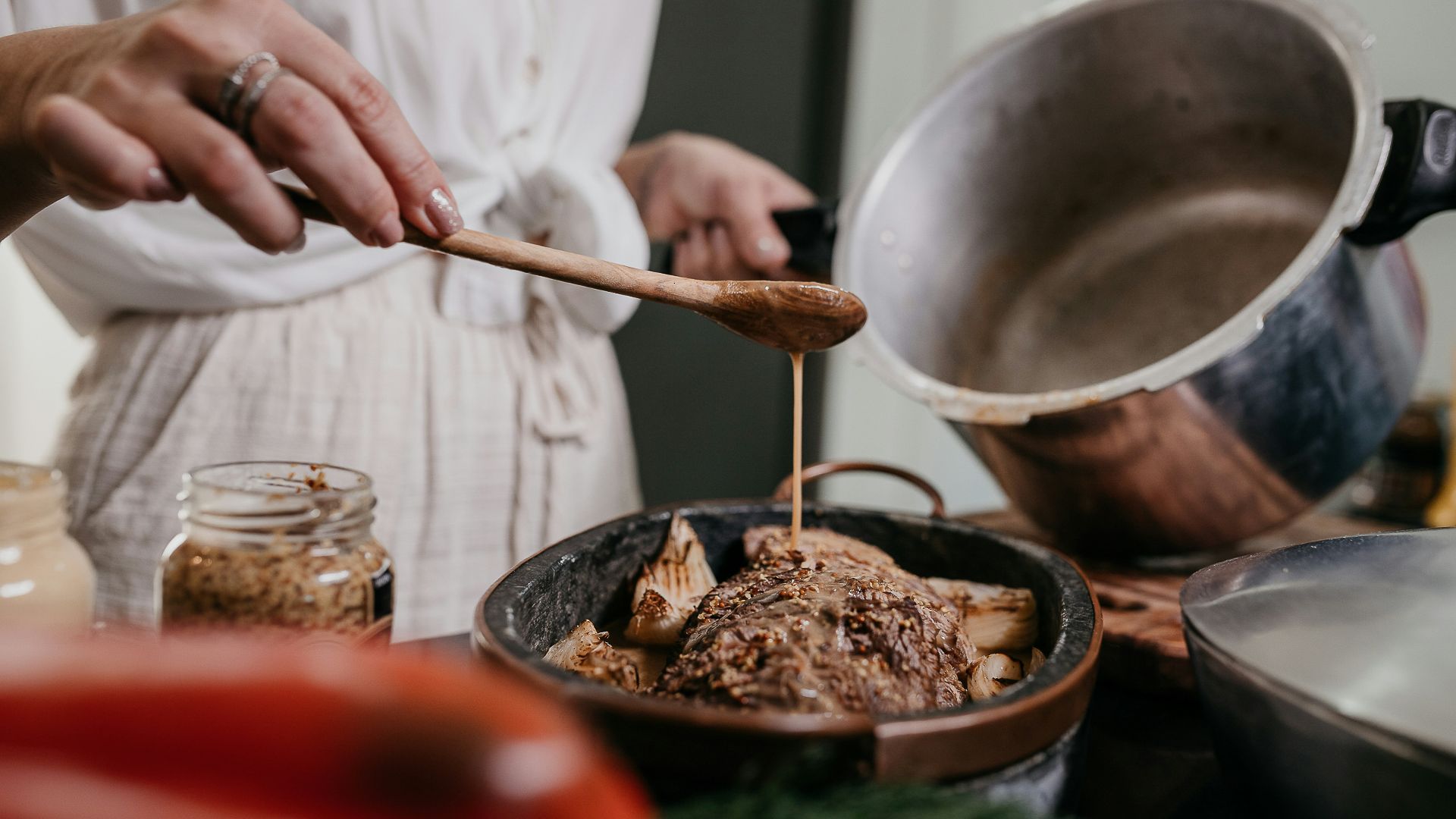
Traditional confit is closely associated with slowly cooking salted meat, especially duck or goose, in fat and storing it beneath that fat. Modern chefs have evolved the approach by gently cooking tomatoes, garlic, fish, and other ingredients in oil.
6. Dehydrating Ingredients
Drying is one of humanity's oldest preservation strategies, but restaurant dehydrators have given it a creative role. Chefs dry fruits, vegetables, herbs, ferments, and sauces to intensify flavor or create powders, chips, and garnishes.

7. Nixtamalizing Corn
Nixtamalization cooks and soaks dried corn in an alkaline solution, traditionally made with lime or wood ash, before washing and processing it. As more chefs make tortillas and masa in-house, nixtamalization is receiving attention as a foundational process.
8. Working With Koji
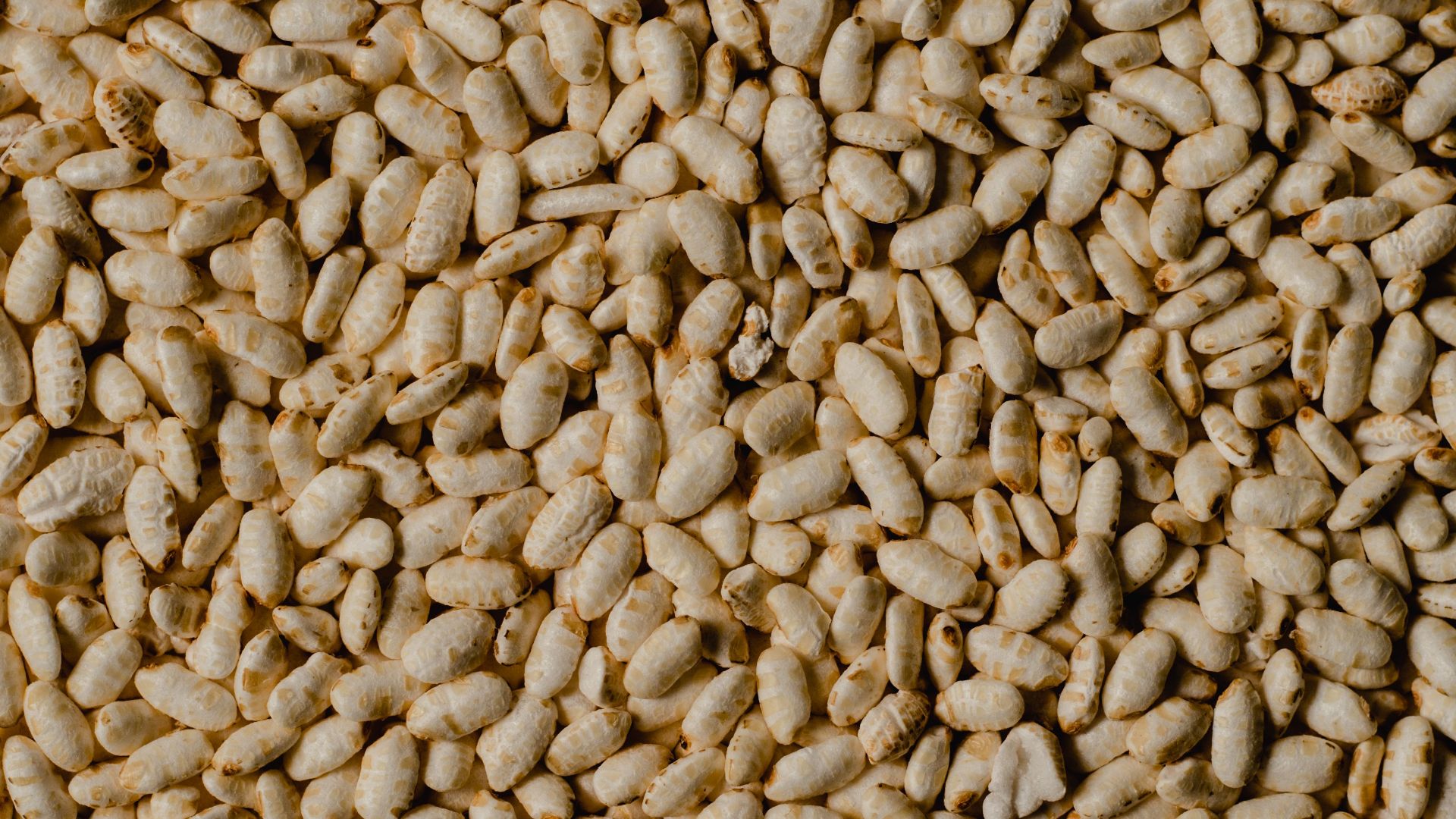
Koji is grain inoculated with Aspergillus oryzae, a mold long used in Japanese production of miso, soy sauce, and sake. Its enzymes break down starches and proteins as sweetness and savory depths develop, which has attracted hordes of experimental chefs.
9. Hearth And Ember Baking
Baking with retained heat from masonry, wood-fired ovens, or hearth embers predates thermostatically controlled ovens by centuries. Managing a cooling hearth or shifting embers takes attention, but it offers distinctive control over browning and smoke exposure.

10. Smoking
Smoking preserves and flavors food by exposing it to smoke from smoldering wood, often alongside salting or drying. The renewed focus emphasizes careful choices about fuel, temperature, and exposure time.
KEEP ON READING

20 Different Ways To Cook The Humble Egg

20 Food Requests Only Spoiled People Ask For