Nobody Was in a Hurry Back Then
Before refrigeration and industrial shortcuts a lot of food simply took as long as it took, and nobody expected otherwise. Fermentation and aging weren't inconveniences to engineer around; they were the entire process, often stretching a single dish across an entire season or longer. Some of these foods still get made the traditional way today, months and all, while others have been sped up with modern shortcuts that would have horrified the people who invented them. Here's 20 dishes that used to take months to make.
1. Parmigiano-Reggiano
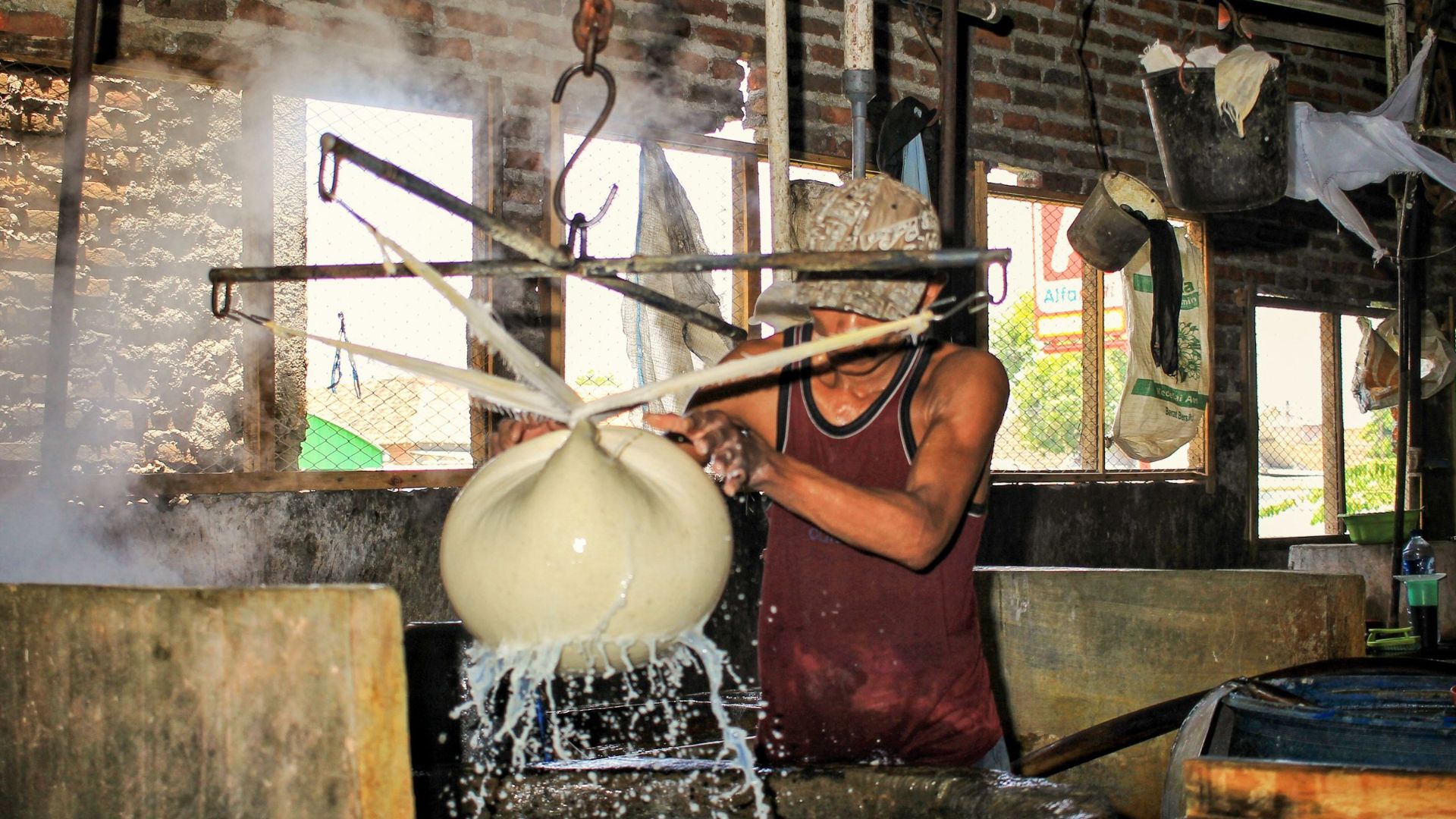
Traditional wheels of this cheese age for a minimum of twelve months before they're legally allowed to carry the name, and many producers hold wheels back for eighteen months or longer for deeper flavor. The entire process still can't be rushed with modern shortcuts without losing the texture that defines it.
2. Prosciutto di Parma
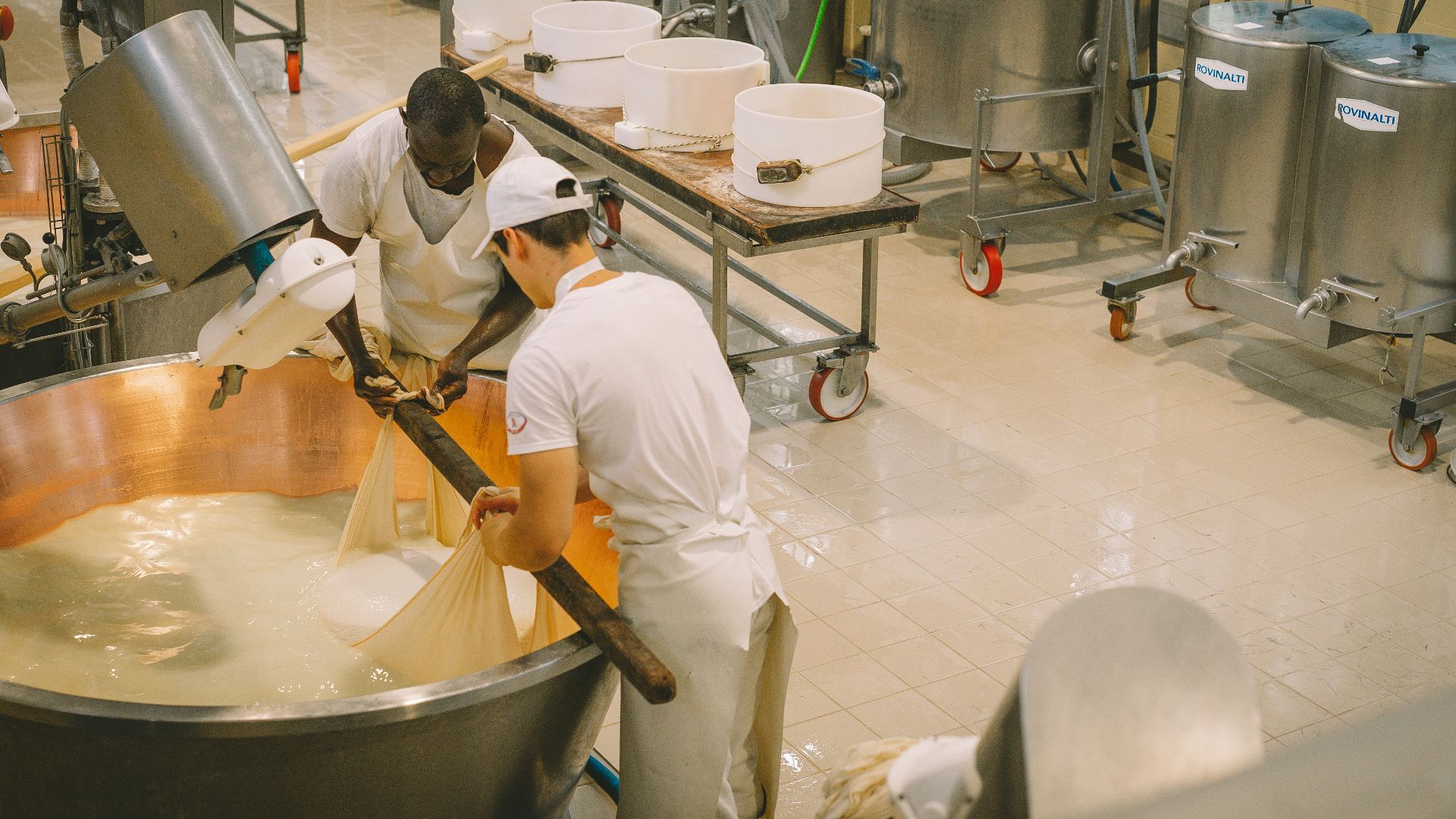
Legs of pork destined for true Parma ham spend a minimum of twelve months curing in carefully controlled cellars, sometimes stretching past two years for the most prized versions. Salt, air, and time do all the actual work, with no shortcuts allowed under the name's strict regulations.
 Kseniia Zapiatkina on Unsplash
3. Traditional Balsamic Vinegar
Authentic Aceto Balsamico Tradizionale spends a minimum of twelve years moving through a series of progressively smaller wooden barrels, reducing and concentrating the entire time. What's sold as cheap balsamic vinegar in most grocery stores skips this process entirely, which is part of why the real version costs so much more.
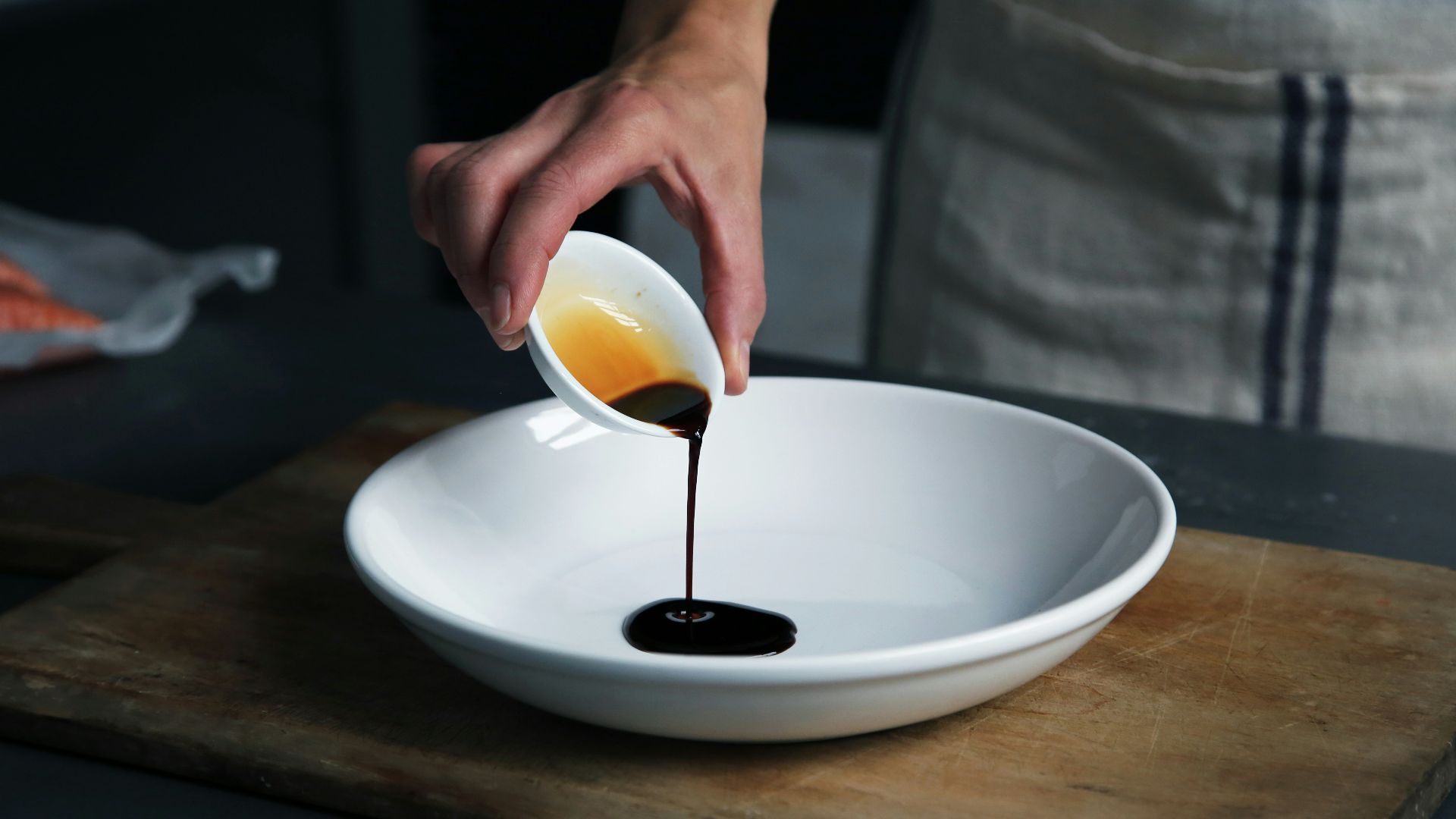
4. Traditional Soy Sauce
Naturally brewed soy sauce ferments for anywhere from six months to several years, developing complexity that mass-produced versions achieve chemically in a matter of days instead. The traditional method relies entirely on time and specific mold cultures doing slow, patient work.
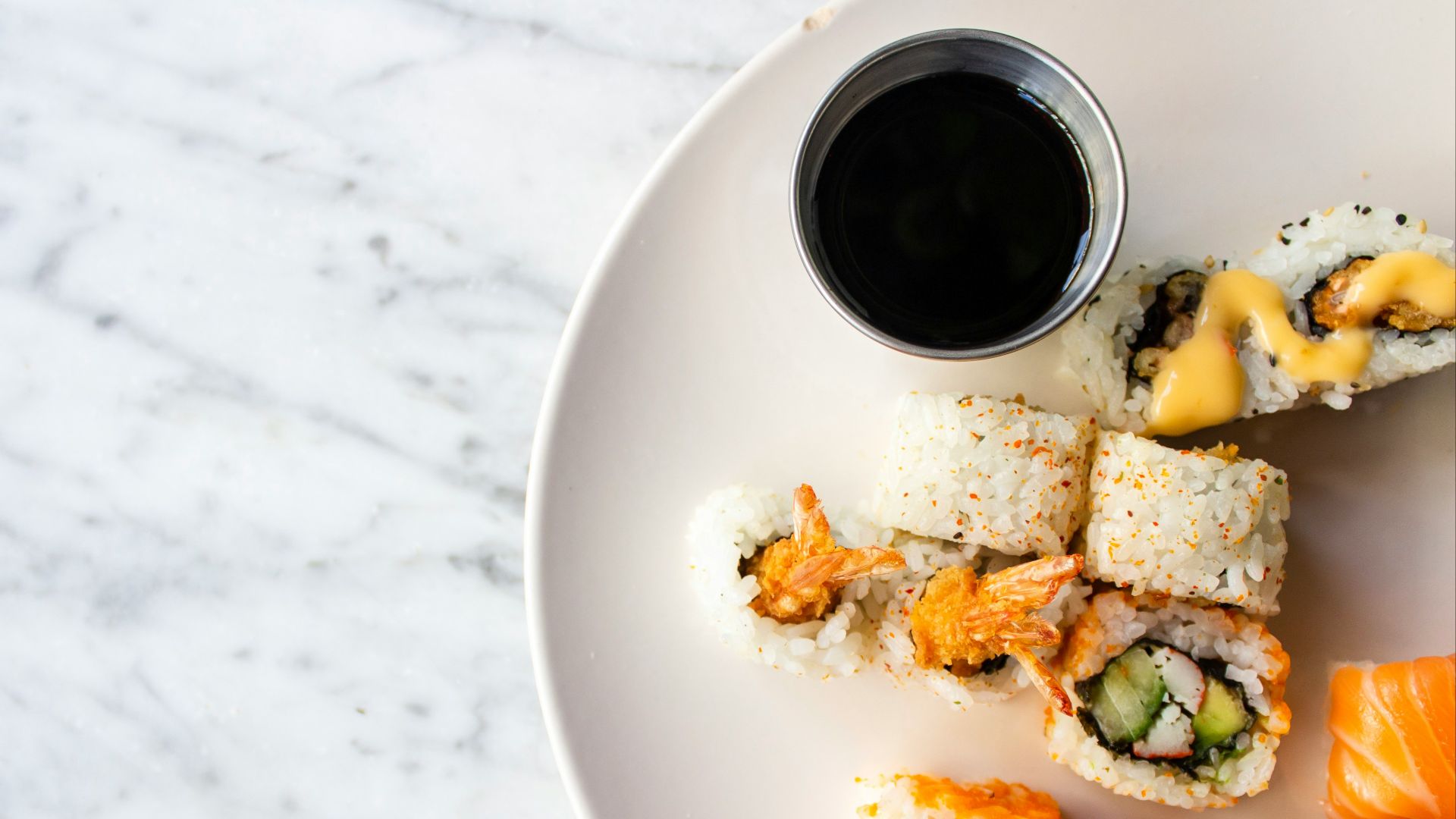
5. Traditional Miso
Miso paste traditionally ferments for six months to several years depending on the variety, with darker, more intense miso requiring the longest aging. Modern commercial miso often gets fast-tracked to a matter of weeks, sacrificing much of the depth the slow version develops.
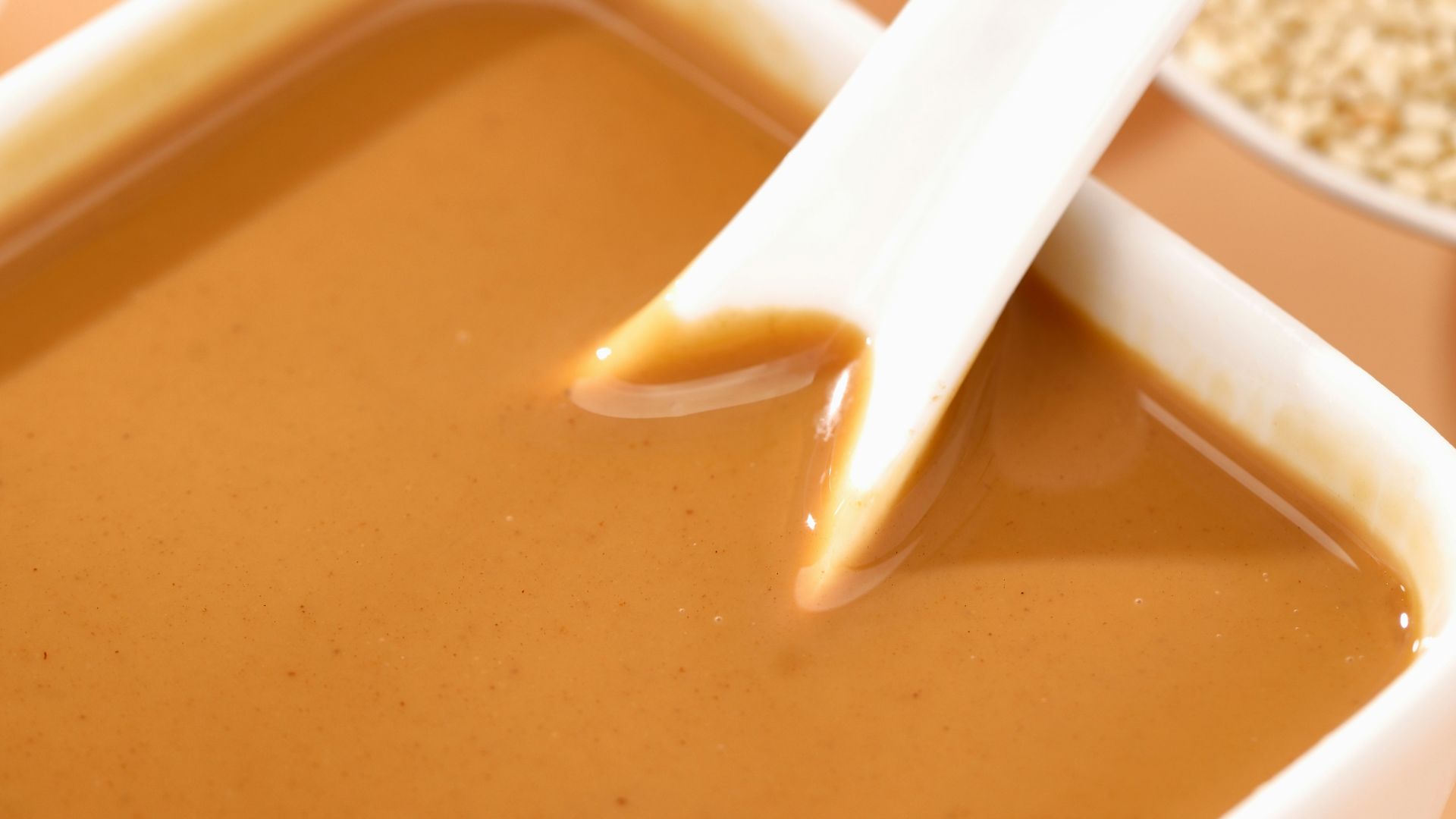
6. Kimjang Kimchi
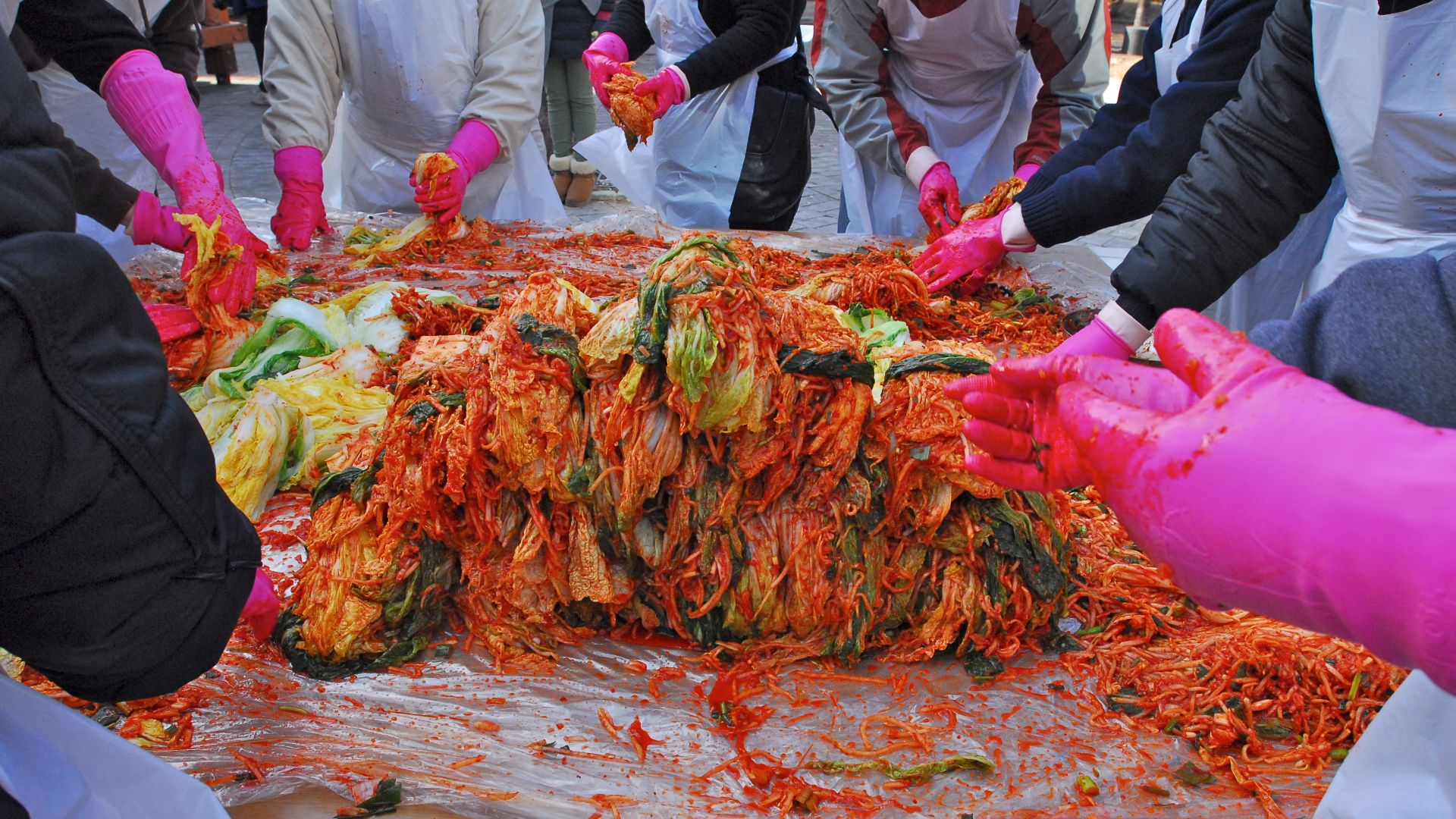
Large batches of kimchi made during Korea's traditional kimjang season were historically buried in earthenware pots underground, fermenting slowly through the winter months to last an entire household through the cold season. Modern refrigeration has shortened the process considerably, but the traditional method depended entirely on patience and the ground's natural insulation.
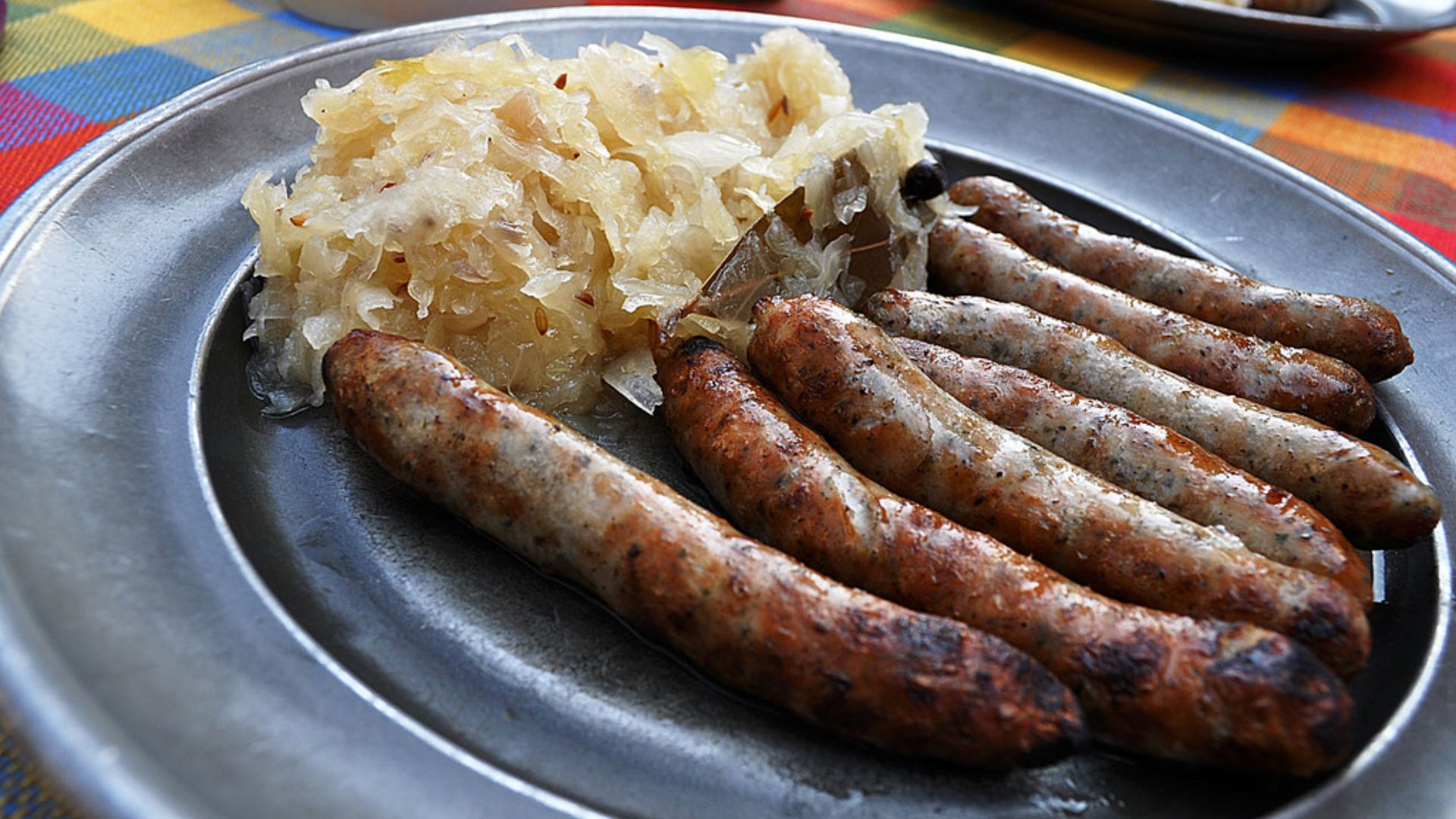
7. Traditional Sauerkraut
Properly fermented sauerkraut historically took four to six weeks minimum, and some traditional batches were left even longer to develop a deeper sourness. Quick versions sold today are often just cabbage soaked in vinegar, skipping the actual fermentation almost entirely.
8. Country Ham
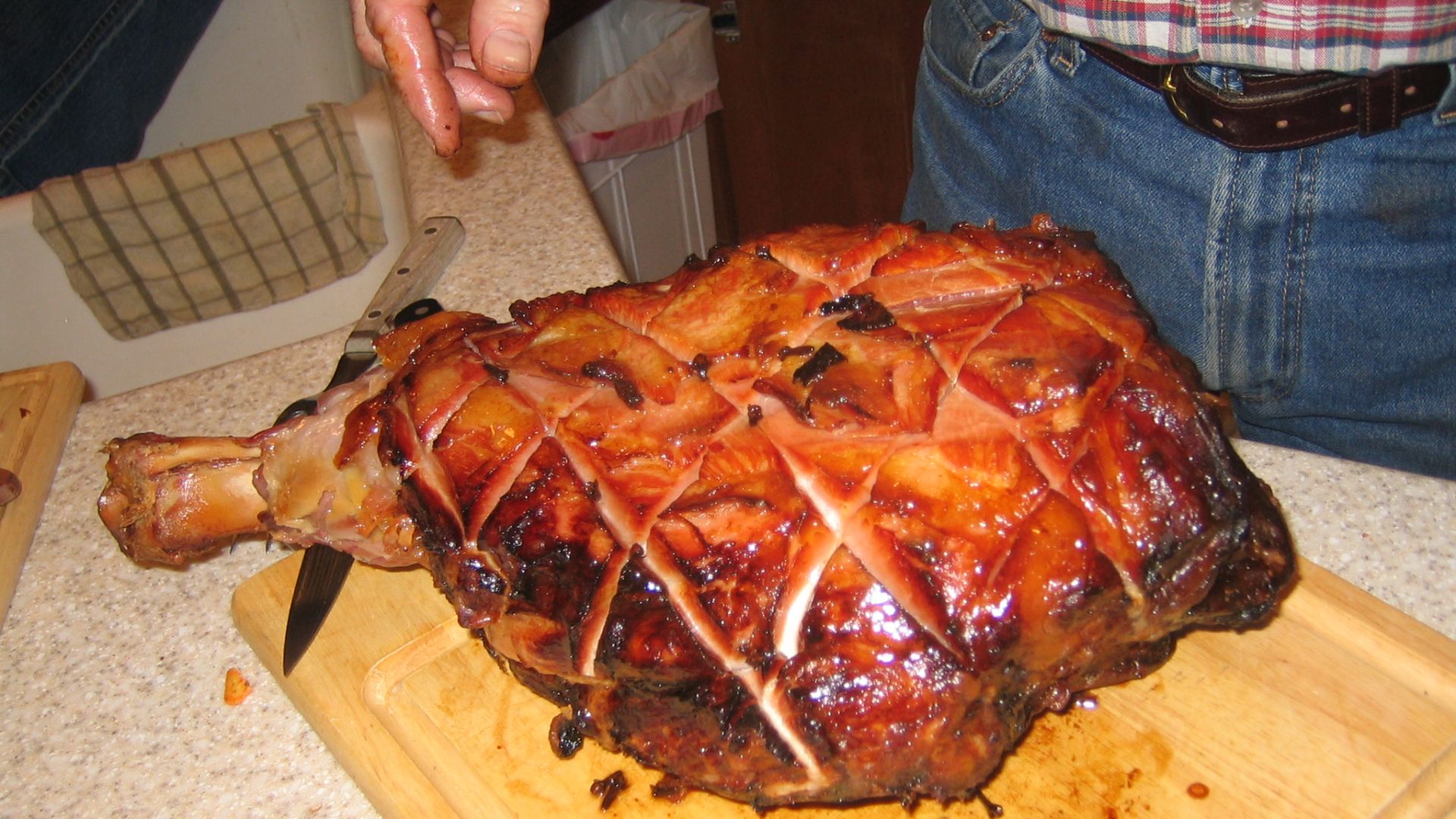
Traditional Southern country ham cures in salt for weeks, then hangs to age for anywhere from six months to over a year before it's considered ready. The long process concentrates flavor in a way that faster, wet-cured hams never quite replicate.
9. Dry-Cured Salami
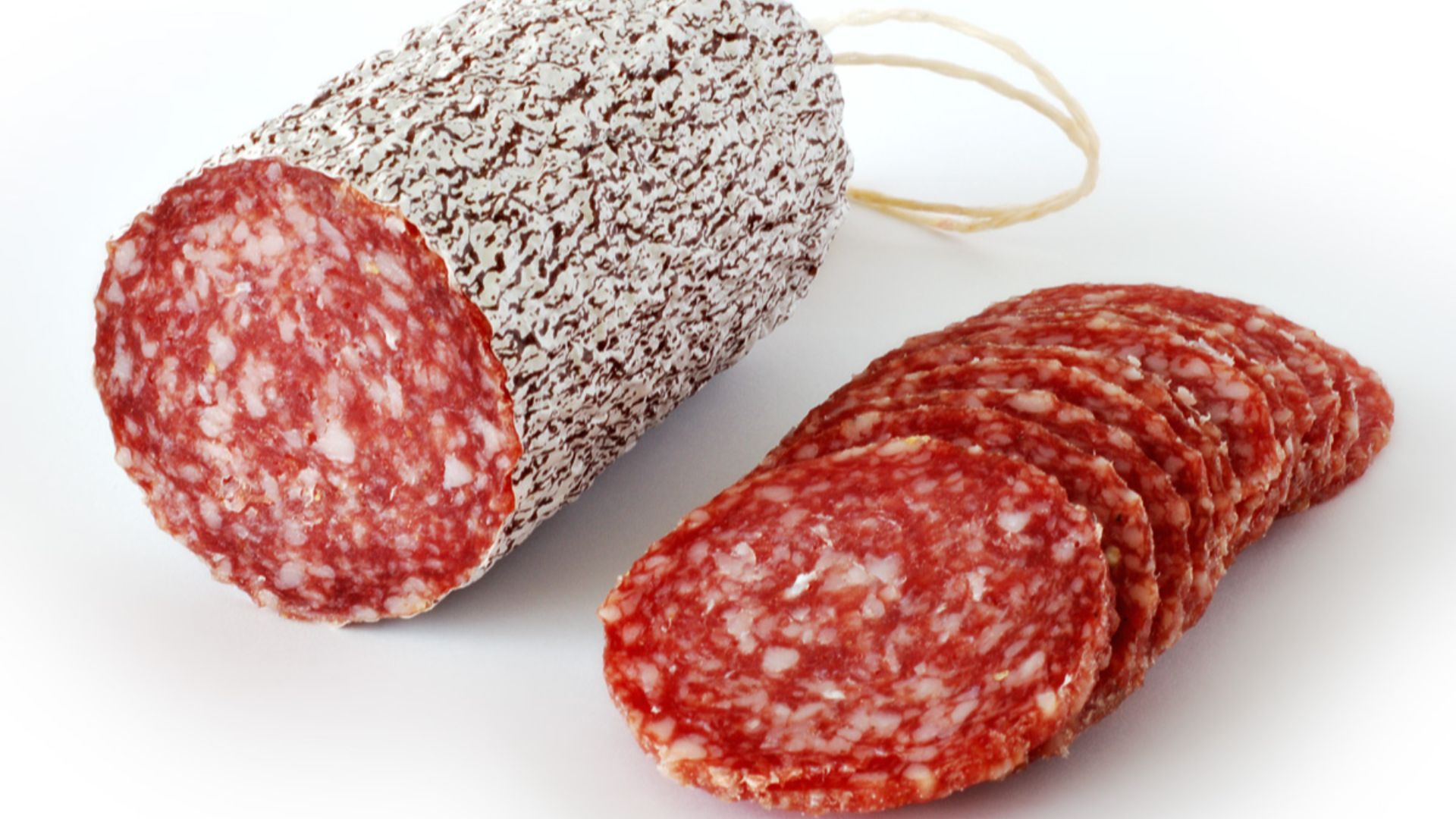
Traditional dry-cured salami hangs for one to three months in carefully controlled humidity and temperature, allowing beneficial mold cultures to develop the flavor and safety of the finished sausage. Rushing the process risks both poor flavor and actual food safety problems.
 André Karwath aka Aka on Wikimedia
10. Traditional Fish Sauce
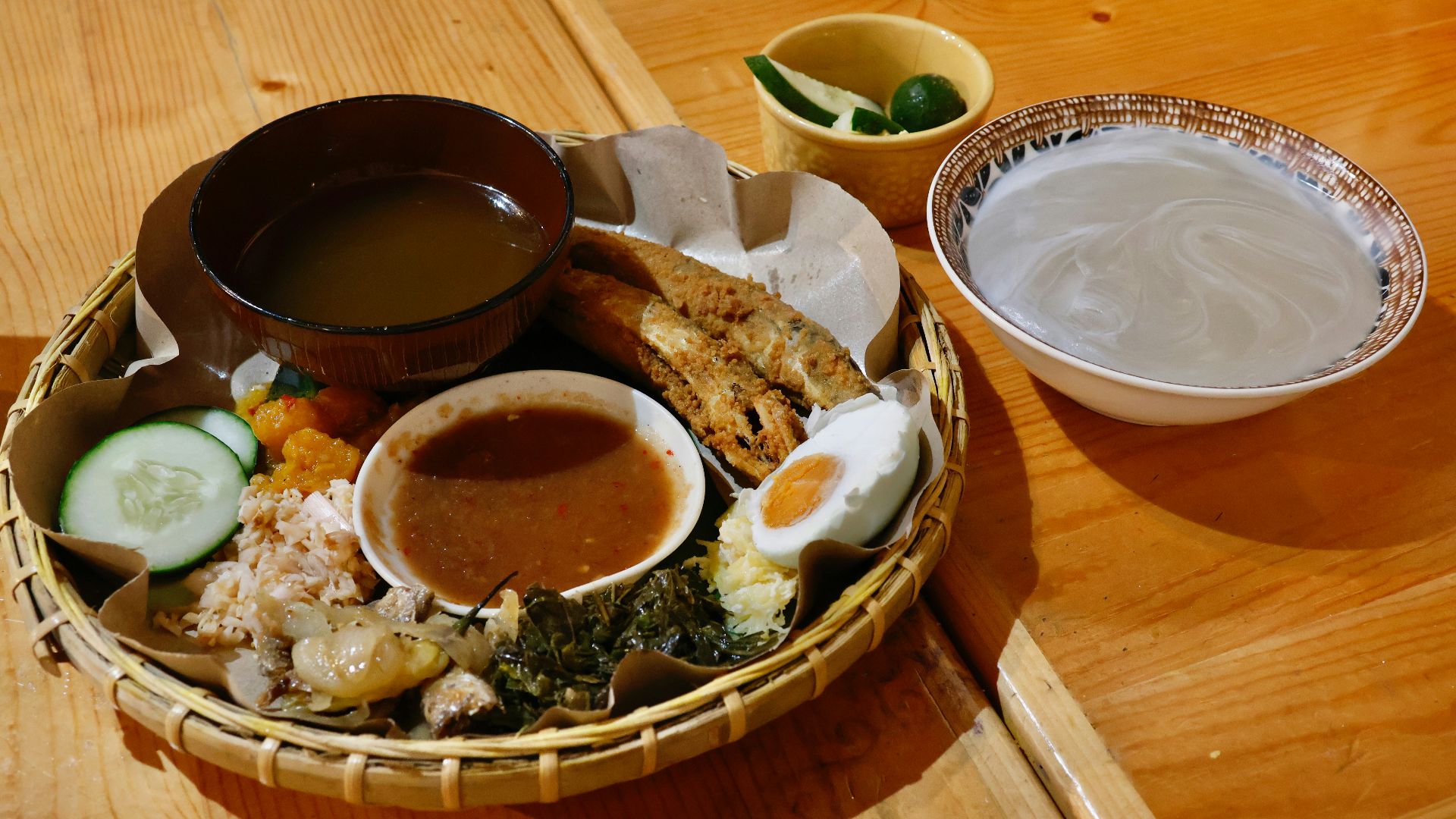
Authentic fish sauce made the traditional way ferments fish and salt together in wooden barrels for twelve to eighteen months before straining and bottling. Cheaper commercial versions cut that time dramatically using additives most traditional producers refuse to touch.
11. Aged Cheddar
Clothbound cheddar made the traditional way ages for a minimum of twelve months, with some prized wheels held for two years or longer to develop a sharper, more crumbly character. The wrapping itself plays a role, letting the cheese breathe slowly over that entire stretch.
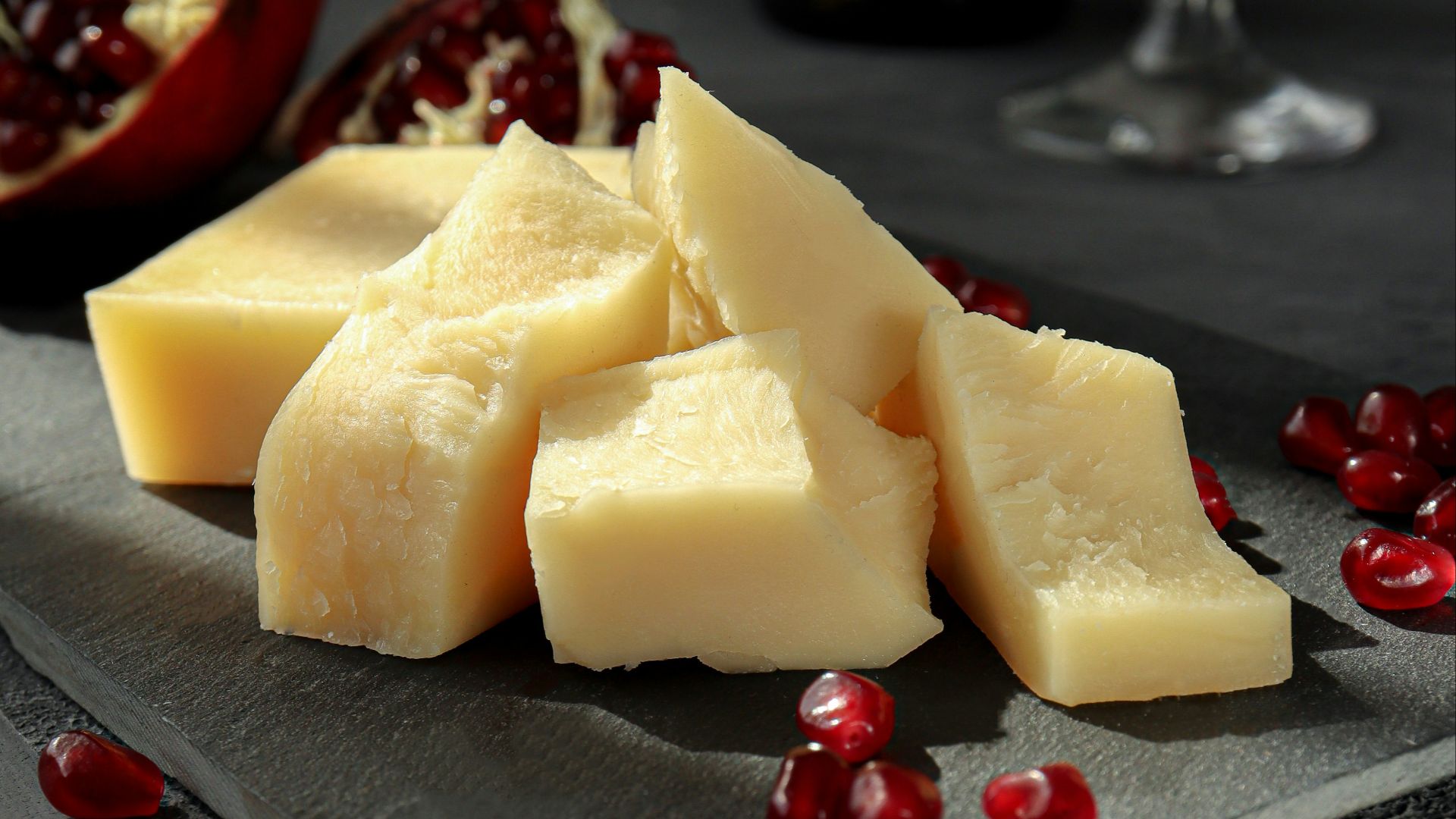
12. Christmas Pudding
British tradition calls for making this dense pudding weeks or even months before Christmas, allowing it to age and develop flavor as it's periodically fed small amounts of brandy. Skipping the aging period produces a noticeably flatter, less complex pudding on the actual day.
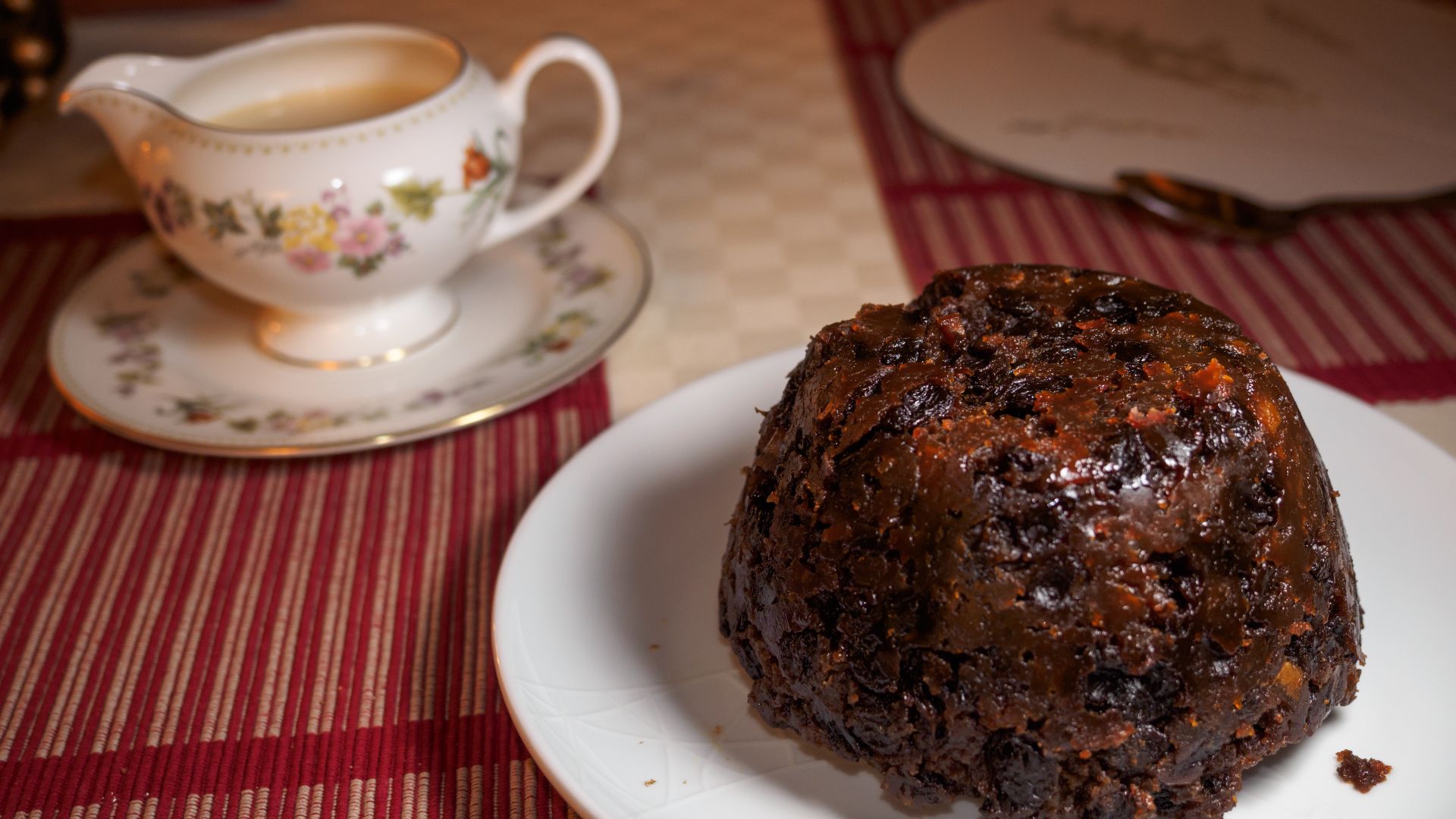 James Petts from London, England on Wikimedia
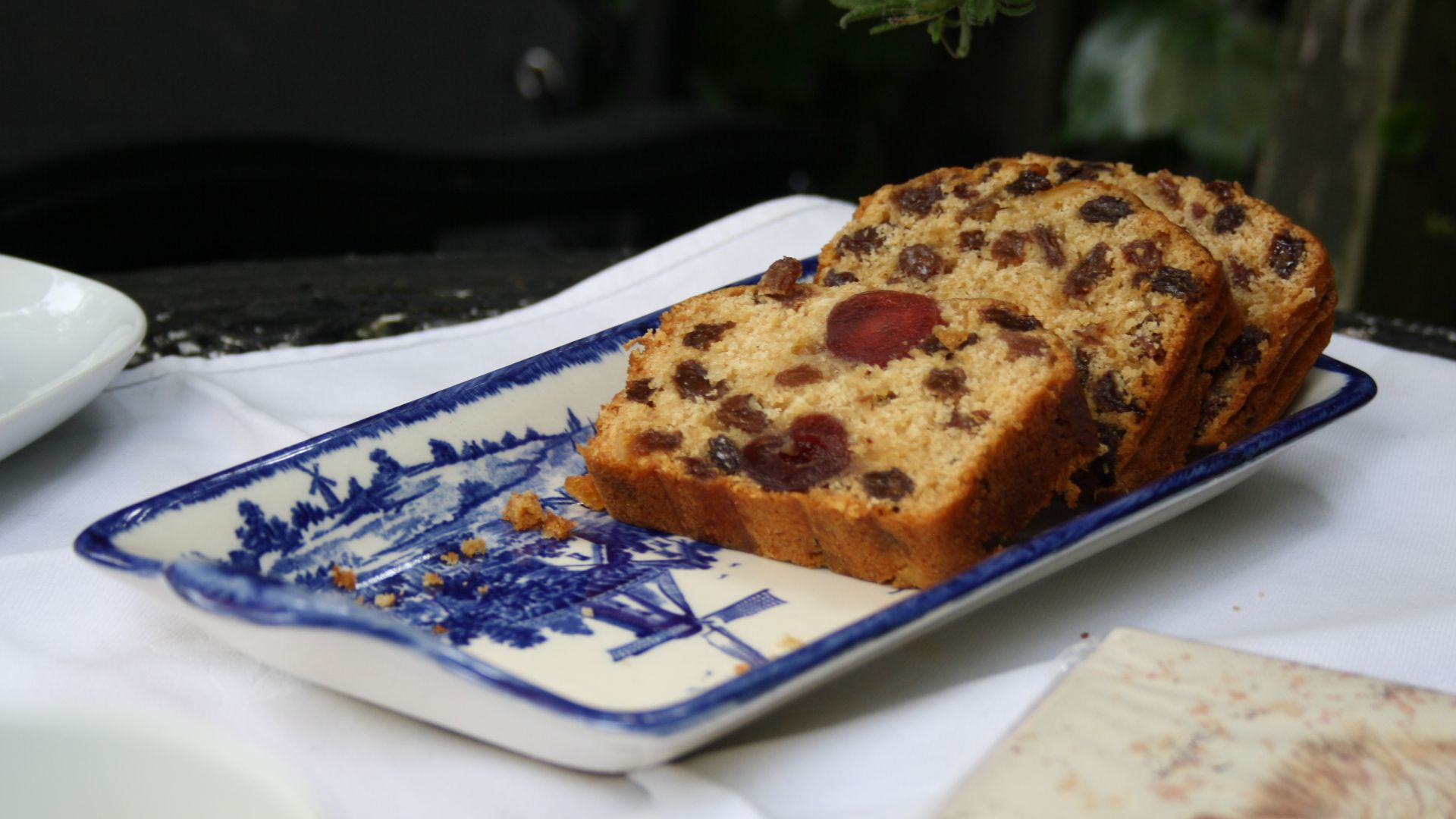
13. Fruitcake
Traditional fruitcake gets soaked in alcohol and wrapped for weeks to months after baking, with bakers periodically unwrapping it to add more liquor during the aging process. The long rest is what transforms a simple cake into something dense and deeply flavored.
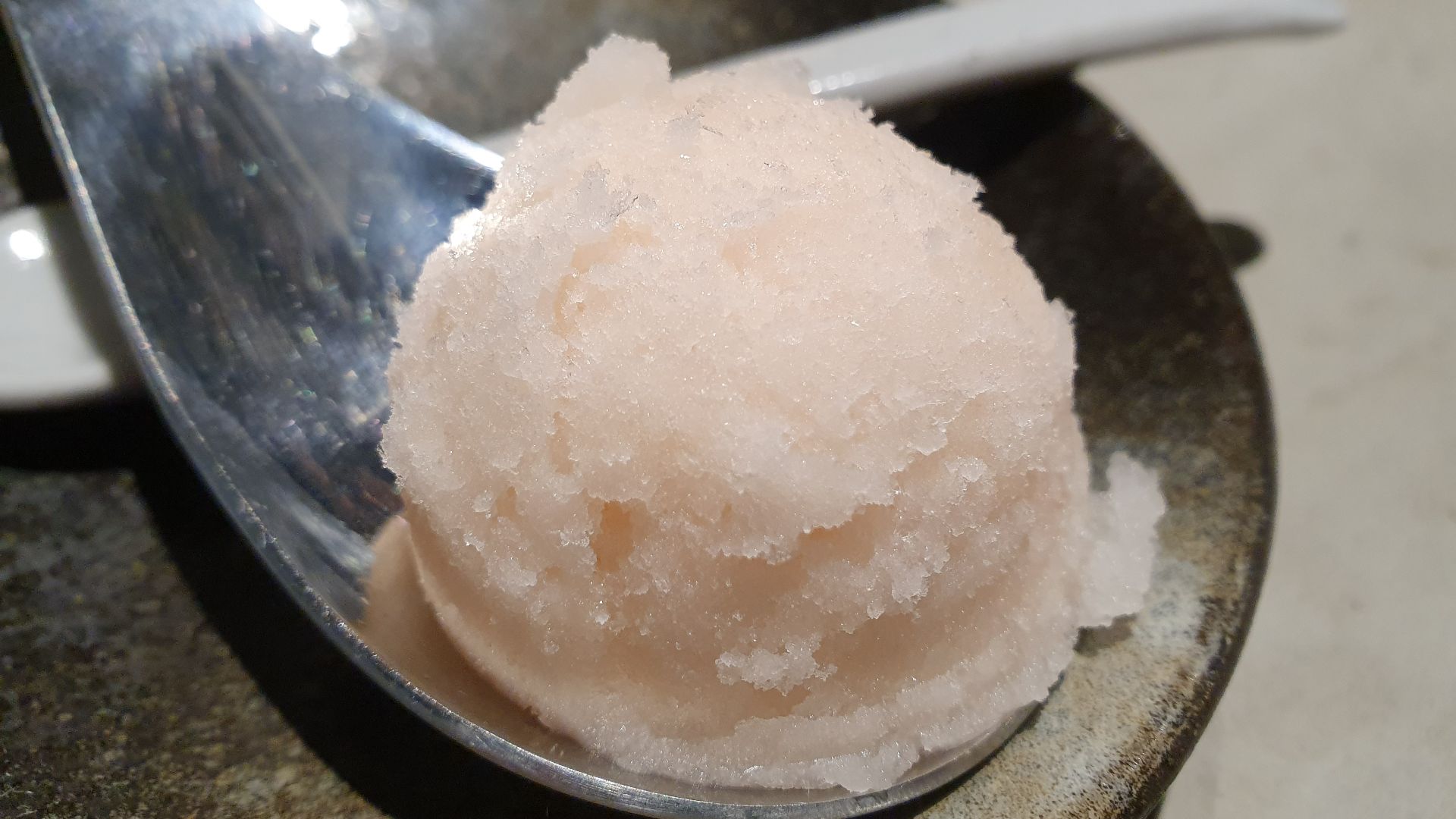
14. Nukazuke
This Japanese pickling method relies on a rice bran bed that gets maintained daily and can continue fermenting vegetables for months or even years without ever being fully replaced. Some family nukadoko beds have reportedly been kept alive and in continuous use for generations.
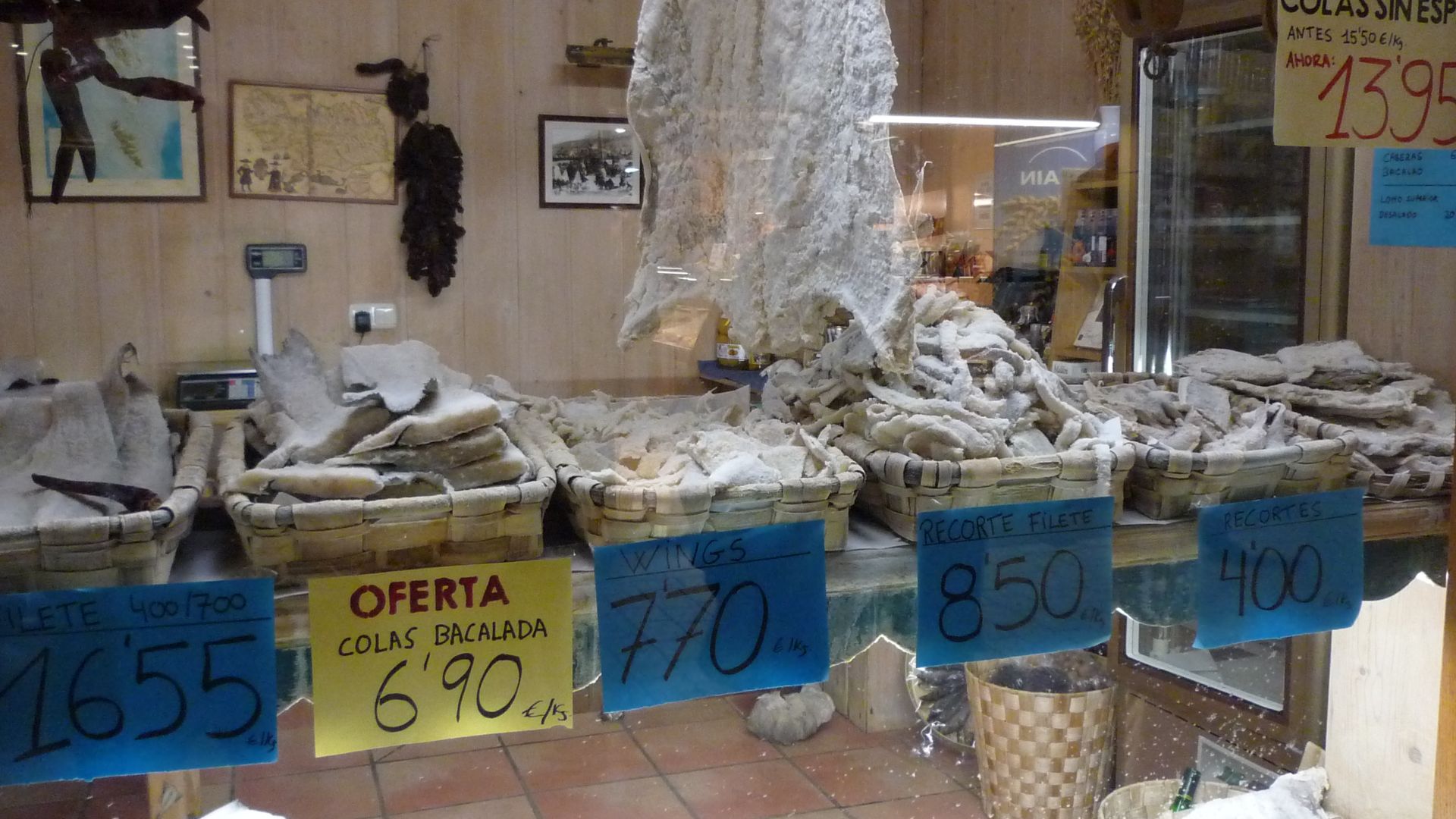
15. Salt Cod
Bacalao, or salt-cured cod, historically took weeks to properly salt and dry before it was stable enough to transport and store without refrigeration. The lengthy process is exactly what allowed the fish to survive long ocean voyages centuries before modern preservation existed.
 michael clarke stuff on Wikimedia
16. Hákarl
This Icelandic delicacy starts with shark meat that's fermented and then hung to dry for around four to five months total before it's considered ready to eat. The lengthy process is necessary specifically because the meat is toxic when fresh and needs that time to become safe.
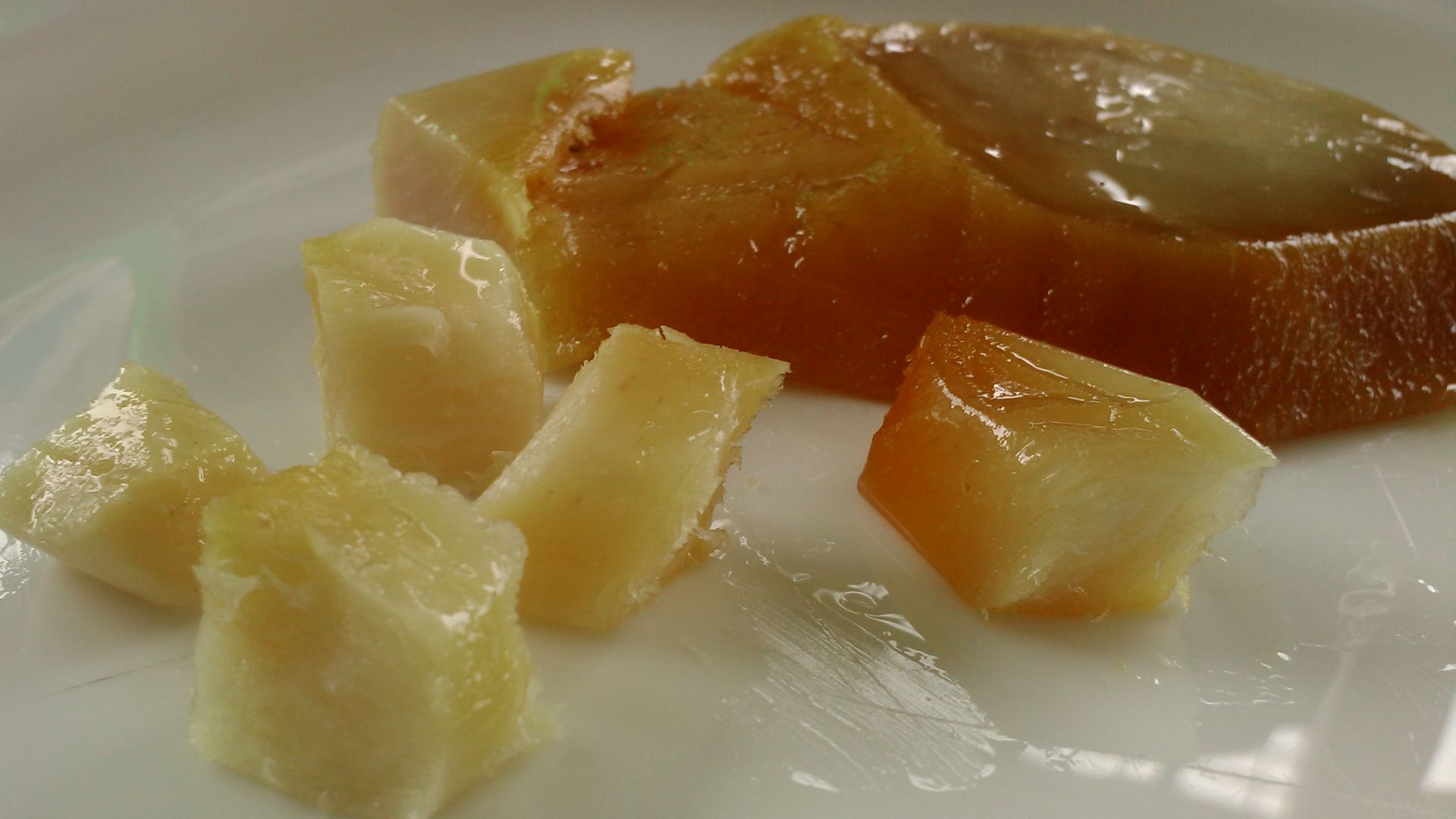
17. Century Eggs
Despite the dramatic name, these preserved eggs traditionally spend several weeks to a few months coated in a clay, ash, and lime mixture that gradually transforms both the yolk and white. The slow chemical process is what creates the distinctive dark color and creamy texture.
 Fumikas Sagisavas on Wikimedia
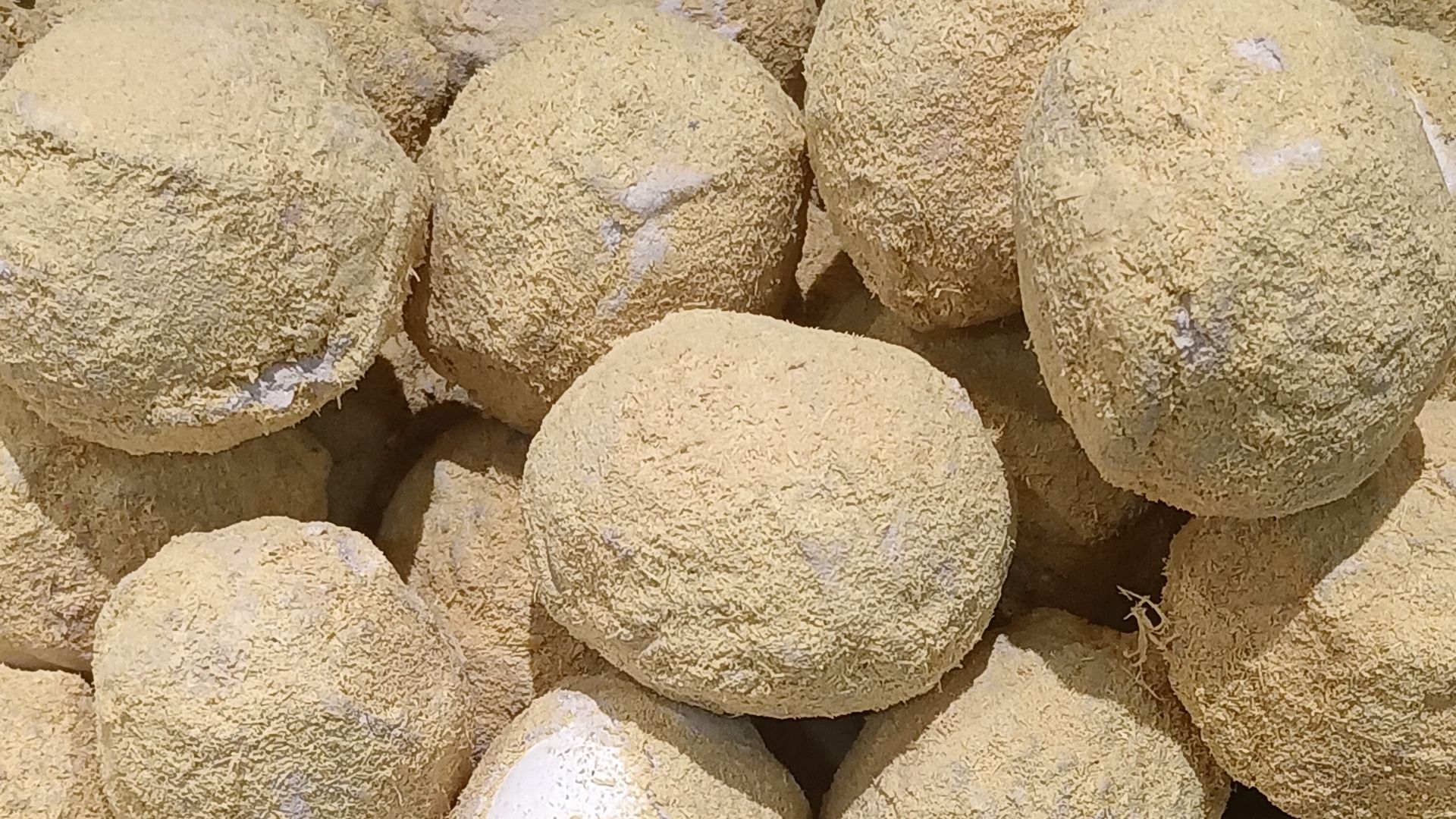
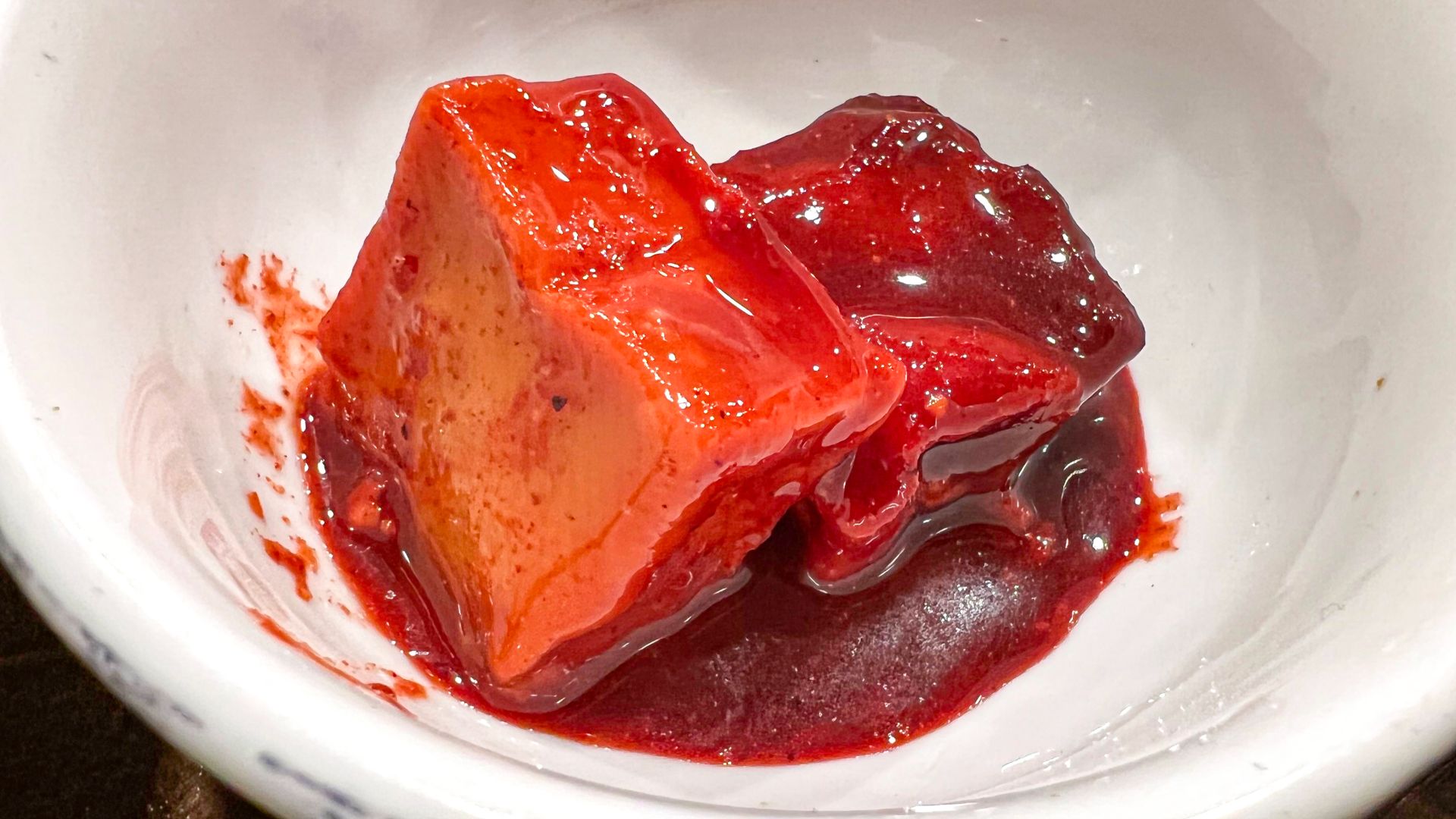
18. Furu
Traditional Chinese fermented bean curd starts with tofu that's inoculated with mold, dried, and then packed in brine or rice wine to ferment for several months before it develops its distinctive pungent flavor. The slow fermentation transforms a fairly plain base ingredient into something with real depth.
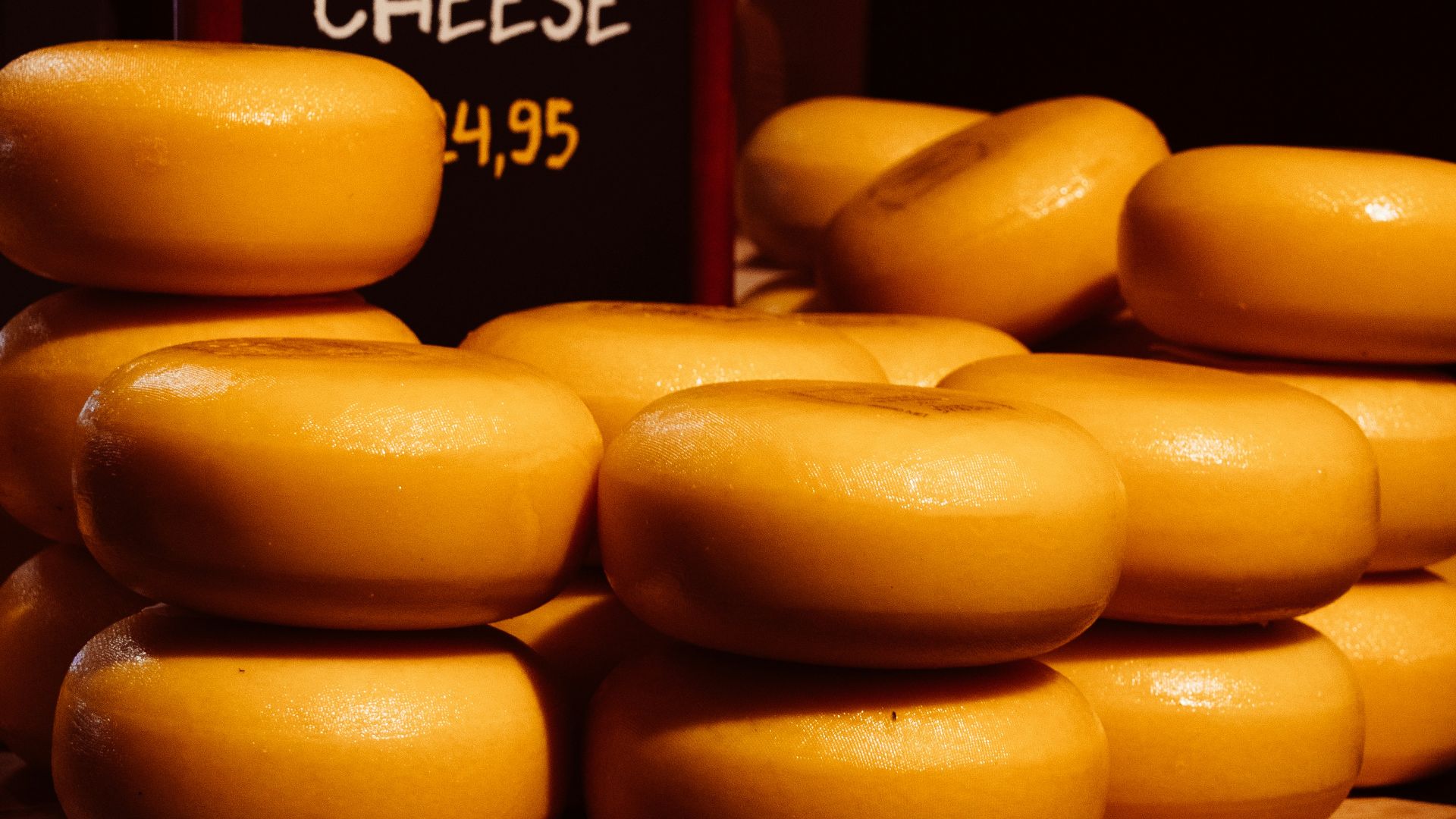
19. Aged Gouda
Traditional aged Gouda spends anywhere from one to several years developing its characteristic crystalline texture and caramel-like sweetness, far beyond the young, mild version sold in most supermarkets. The extended aging is entirely responsible for the difference between the two.
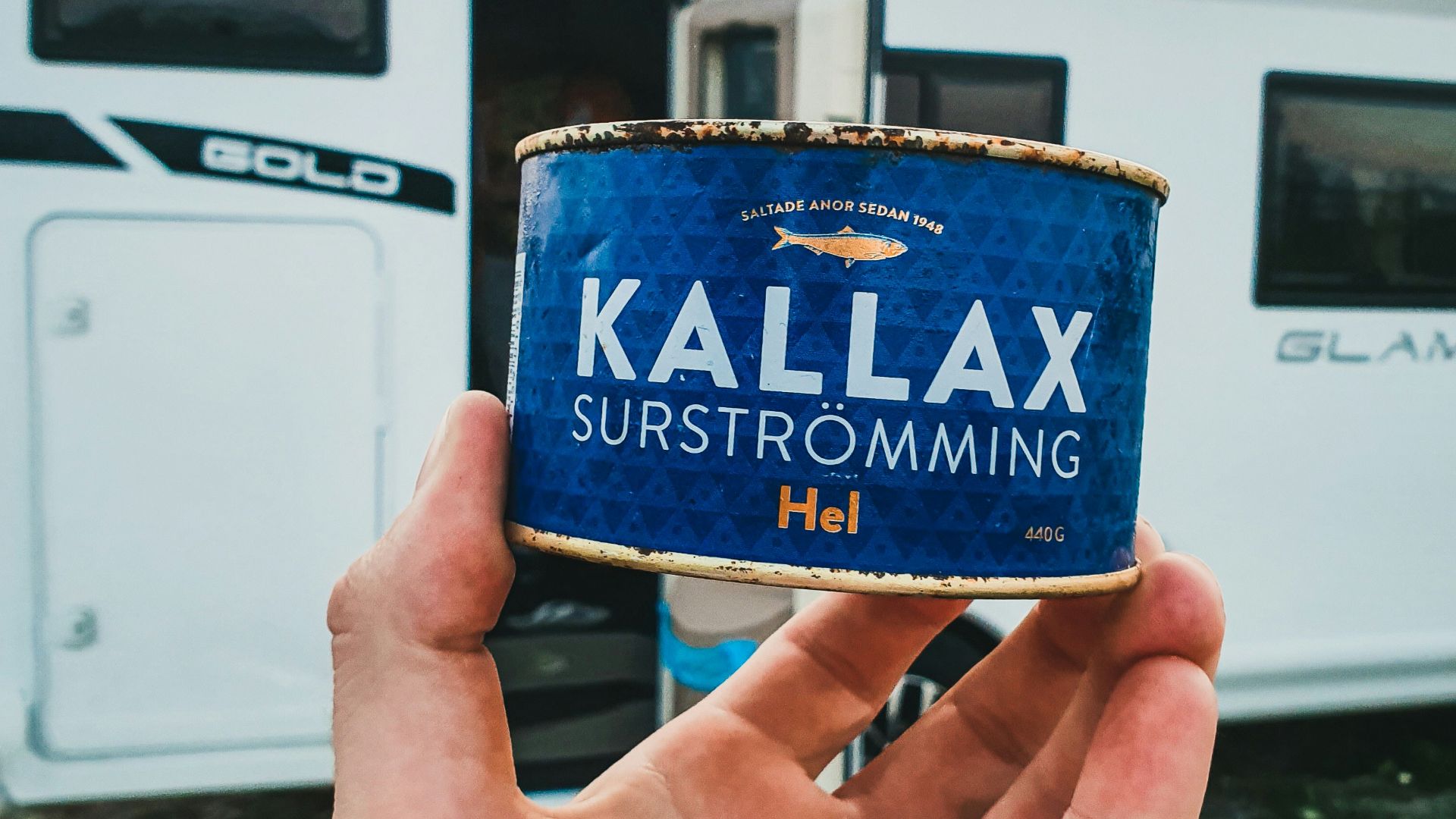
20. Surströmming
This Swedish fermented herring ferments in barrels for months before it's even canned, and the process actually continues slowly inside the sealed can itself. The famously intense smell it's known for is a direct result of that long, deliberate fermentation.
KEEP ON READING
Happy Hour: The 20 Best Foods For Social Snacking