Grow It Yourself
Groceries getting too expensive? Here's a solution you might not have thought of: grow produce at home. Believe it or not, you don't need to be an expert gardener to sprout some potatoes and tomatoes in your own backyard. In fact, it's easier than you think. Heck, you can even start small and nurse some scraps of green onion in a jar; you'd be surprised just how tall they get with just some water and sun. If you've got some time and patience on your hands, whether you've got several acres free or one sunny balcony, these 20 foods are excellent candidates for getting something edible growing at home.
1. Lettuce
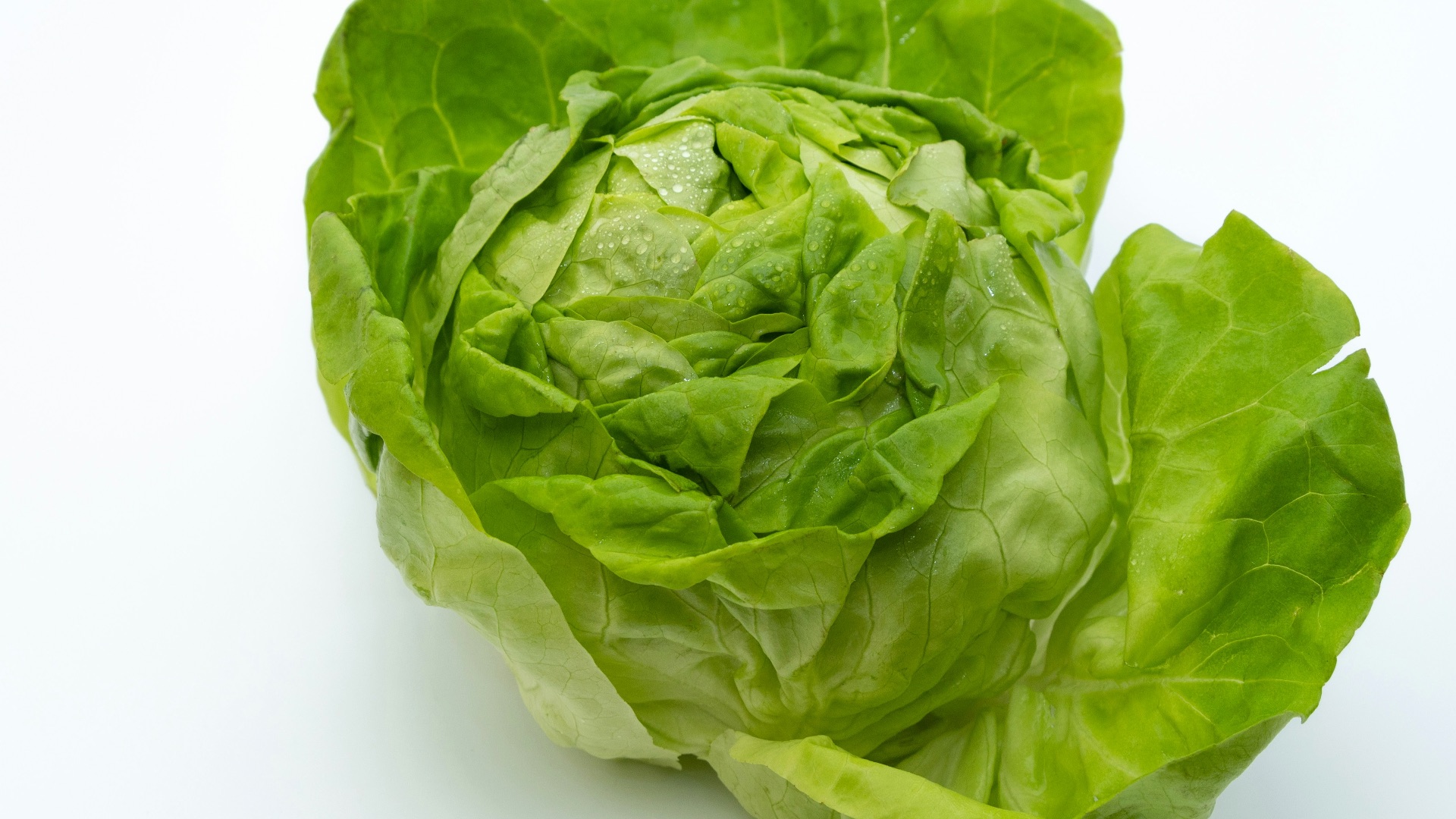
Lettuce is one of the most forgiving crops for new gardeners because it grows quickly, stays relatively compact, and doesn't need deep soil to produce a useful harvest. Loose-leaf varieties are particularly convenient because you can remove the larger outside leaves while allowing the center of the plant to continue growing. It also tolerates cooler temperatures better than many summer vegetables, making it a good choice for spring and fall planting. A shallow container, several hours of sun, and consistently moist soil are often enough to keep fresh leaves coming for weeks.
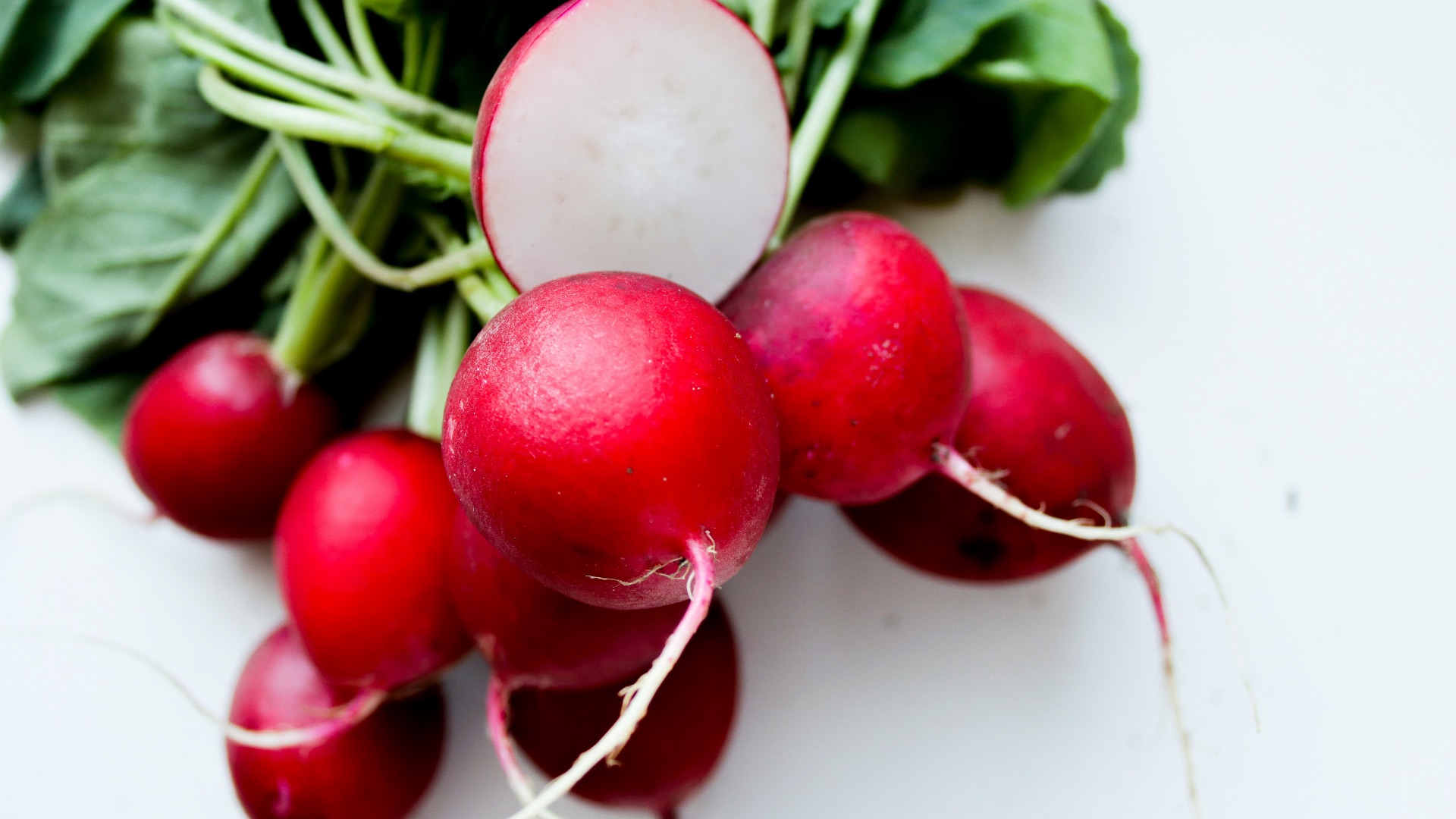
2. Radishes
Radishes are hard to beat when you want to see results quickly, since many varieties can go from seed to harvest in roughly a month. The seeds are planted directly where the roots will grow, so there isn't any need to fuss with transplanting seedlings or maintaining indoor starter trays. Loose soil helps the roots expand properly, while steady watering keeps them from becoming overly woody or intensely flavored. Because they mature so rapidly, you can sow another short row or container every couple of weeks instead of ending up with the entire crop ready at once.
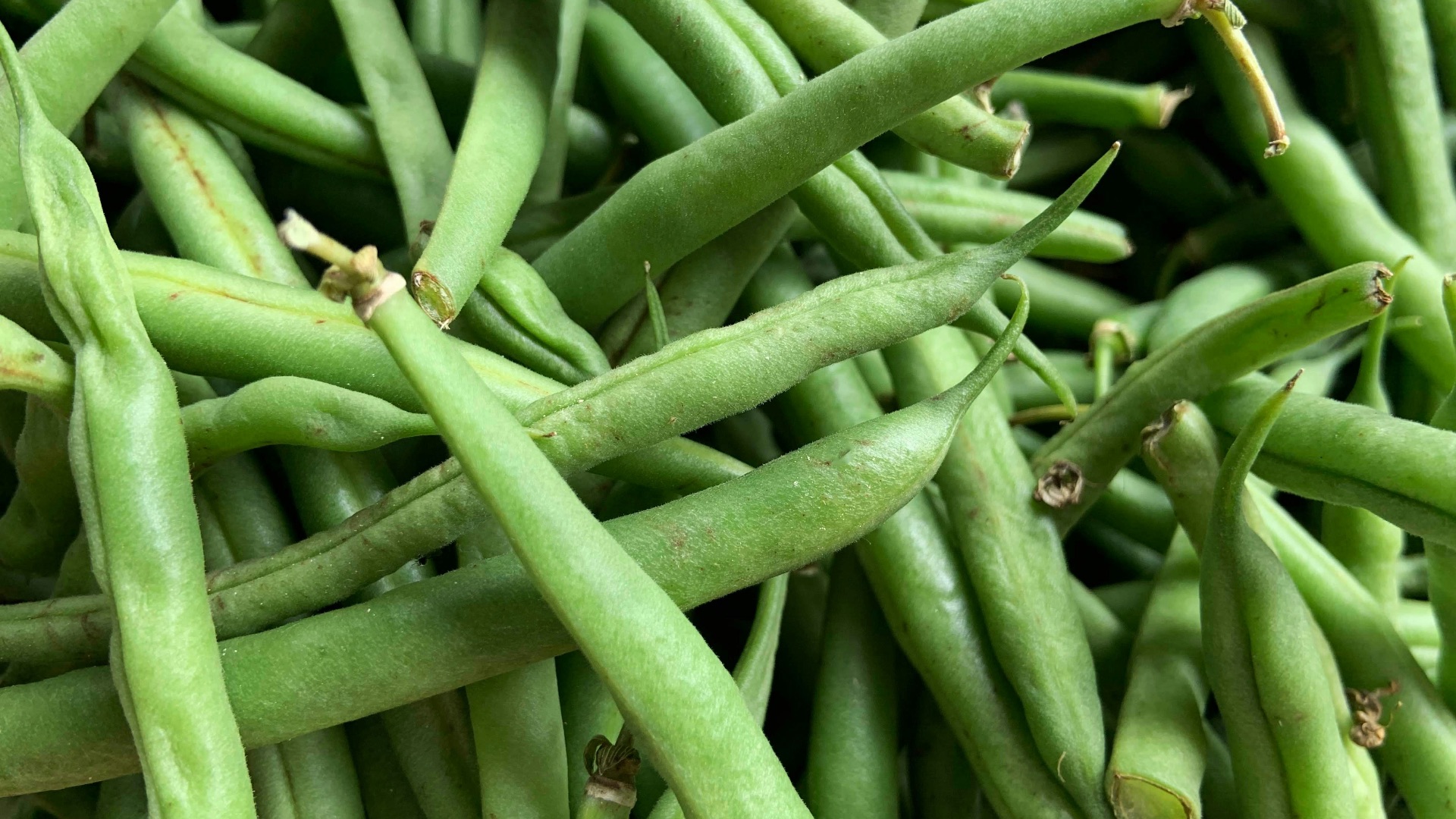
3. Green Beans
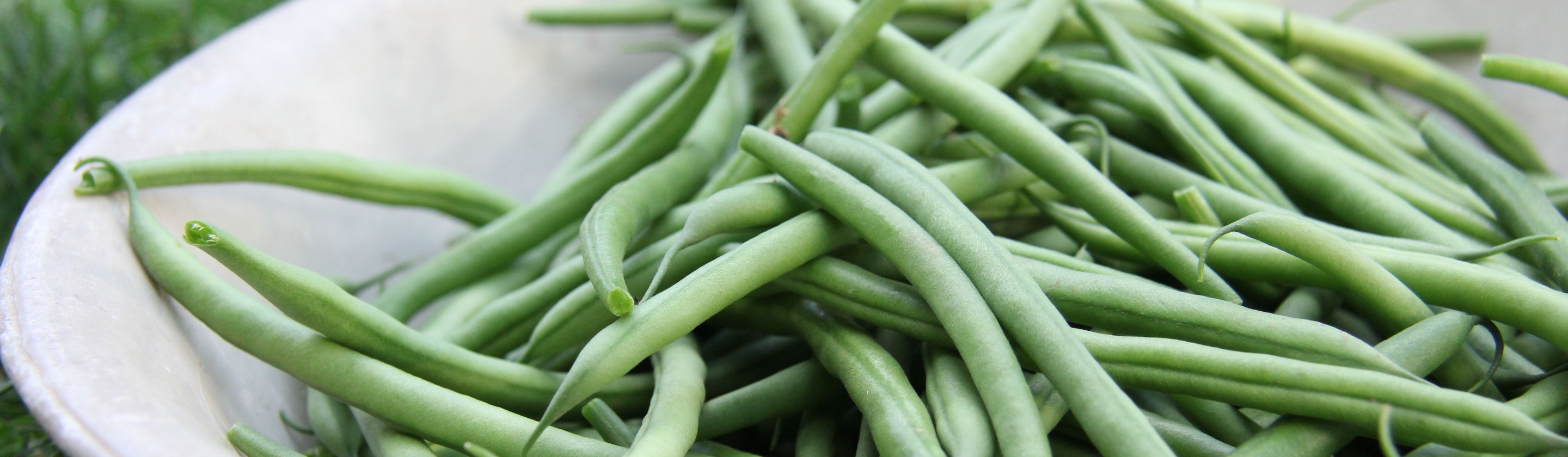
Green beans are dependable producers that germinate readily once the soil warms and usually require little intervention beyond water, sunlight, and regular harvesting. Bush beans stay relatively compact and are particularly easy to manage in raised beds or containers, while pole beans grow vertically and can make efficient use of limited ground space. Once the plants begin producing, you'll want to check them frequently because the pods can mature surprisingly fast. Picking beans while they're young and tender also encourages the plant to put its energy into developing additional pods.
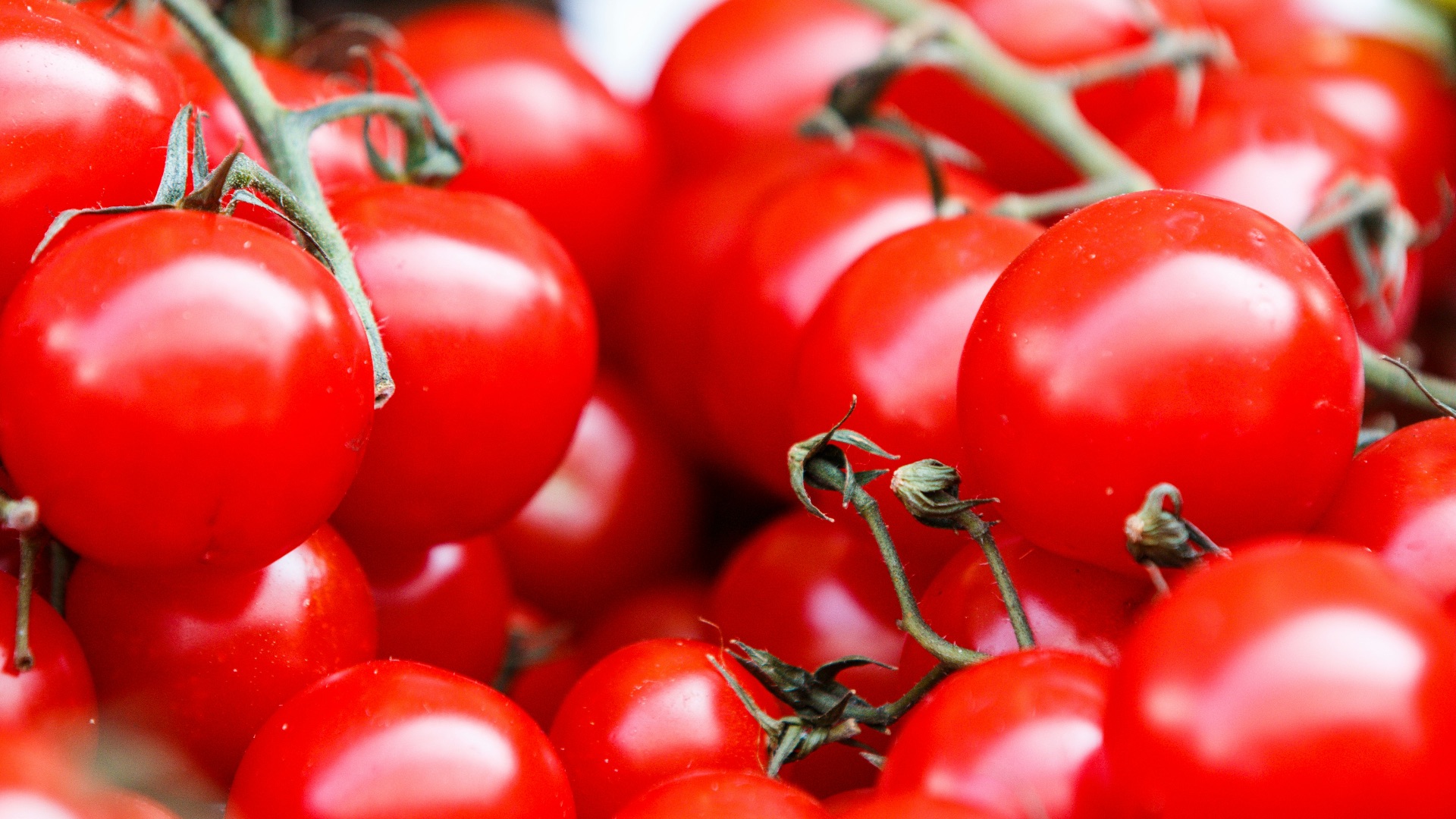
4. Cherry Tomatoes
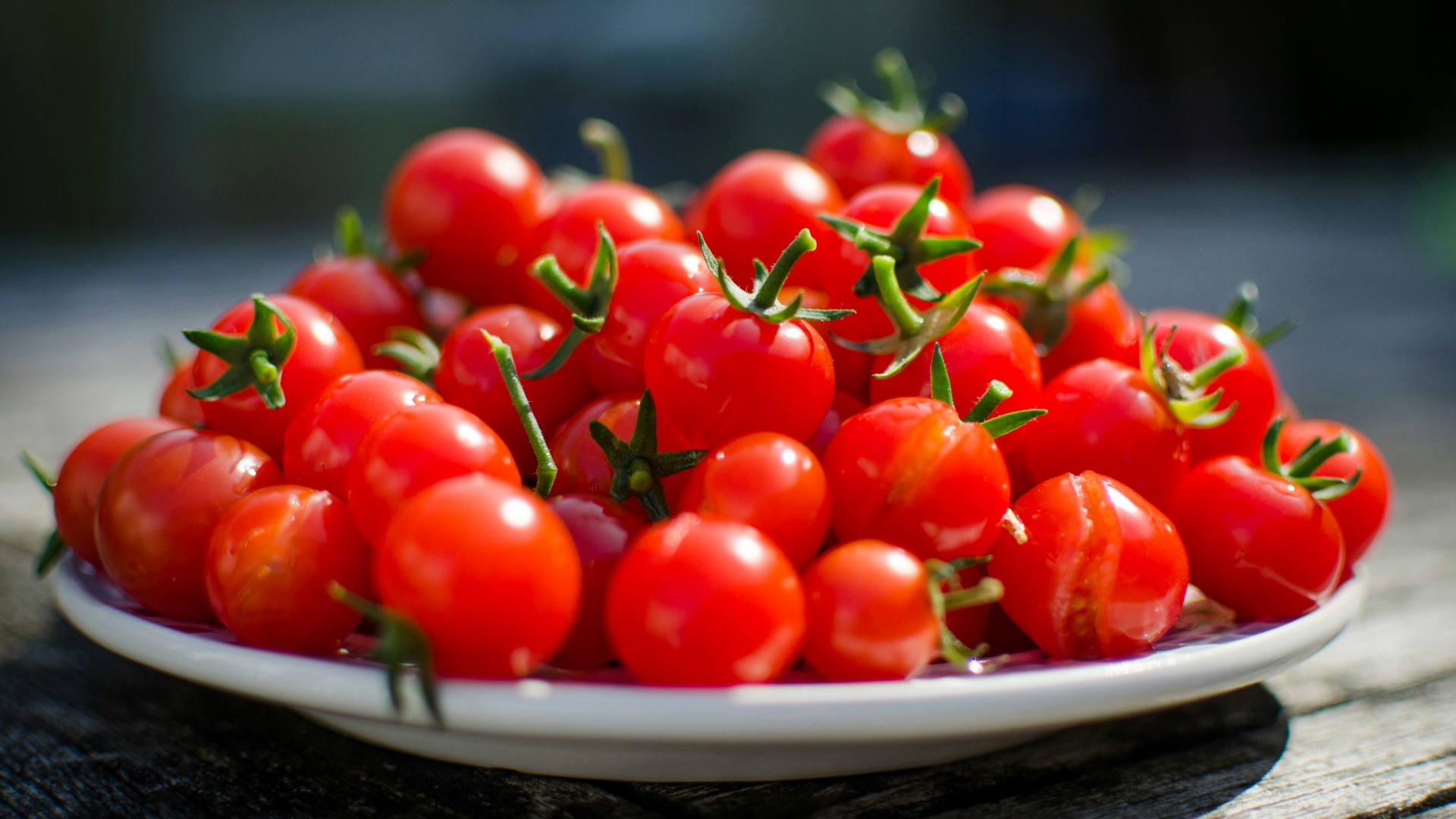
Cherry tomatoes are often easier to manage than large slicing tomatoes, and a healthy plant can produce an impressive amount of fruit over the course of the summer. They need a sunny location and consistent watering, but they're adaptable enough to grow in a large container as long as the roots have plenty of room. A tomato cage, stake, or other support helps keep the stems upright as the plant becomes heavier with fruit. Since the tomatoes ripen individually rather than all at once, you can usually pick a handful whenever you need them instead of dealing with one enormous harvest.
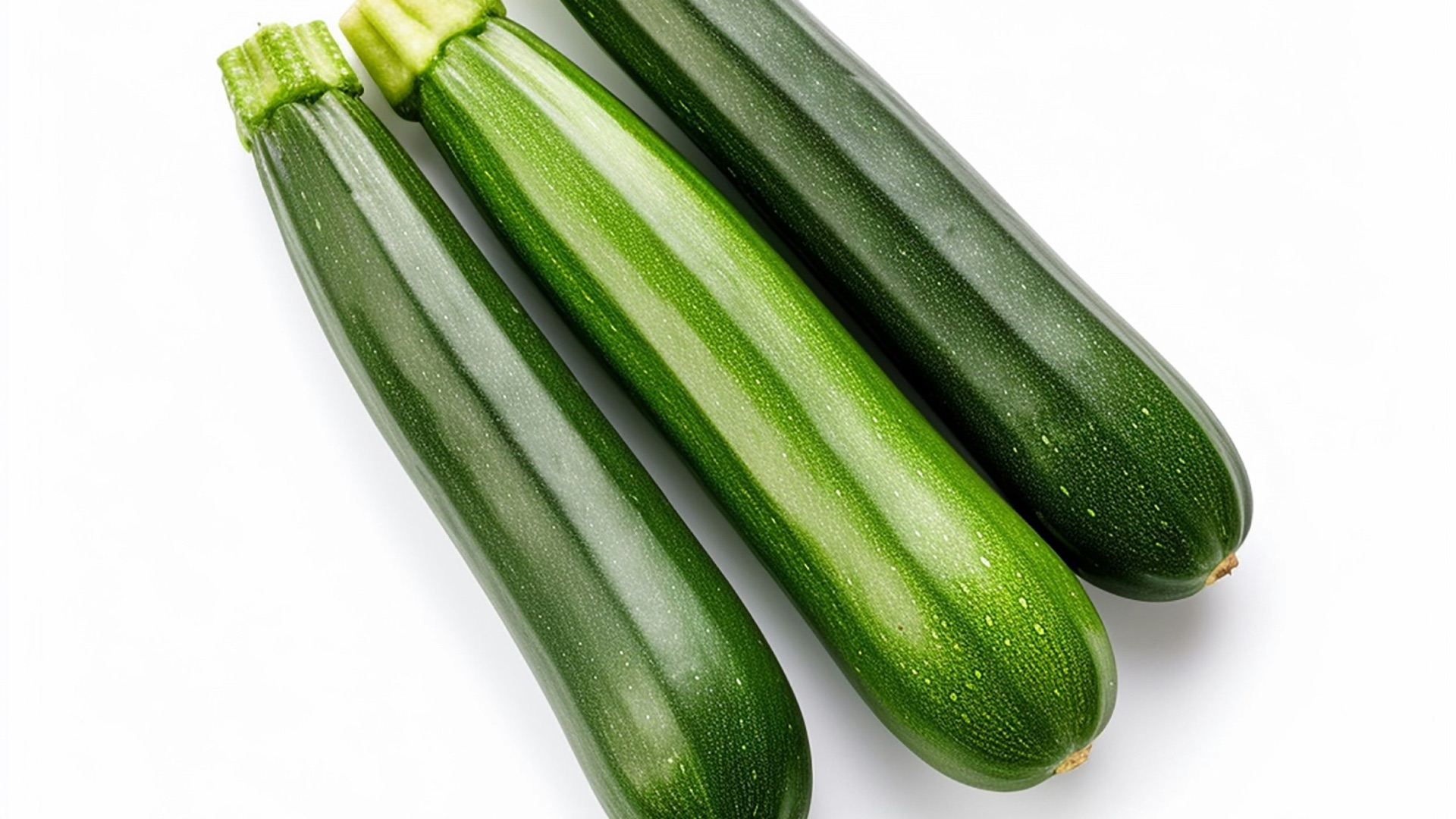
5. Zucchini
Zucchini has earned its reputation for being productive because even a single healthy plant can generate a substantial amount of food during warm weather. It does need more space than some of the crops on this list, but the plants establish quickly from seed and don't require complicated maintenance once they're growing strongly. Regular watering near the base of the plant helps support its large leaves and rapidly developing fruit. Check beneath the foliage every day or two once production begins, since small zucchini can reach harvest size much faster than you might expect.
 personalgraphic.com on Unsplash
6. Green Onions
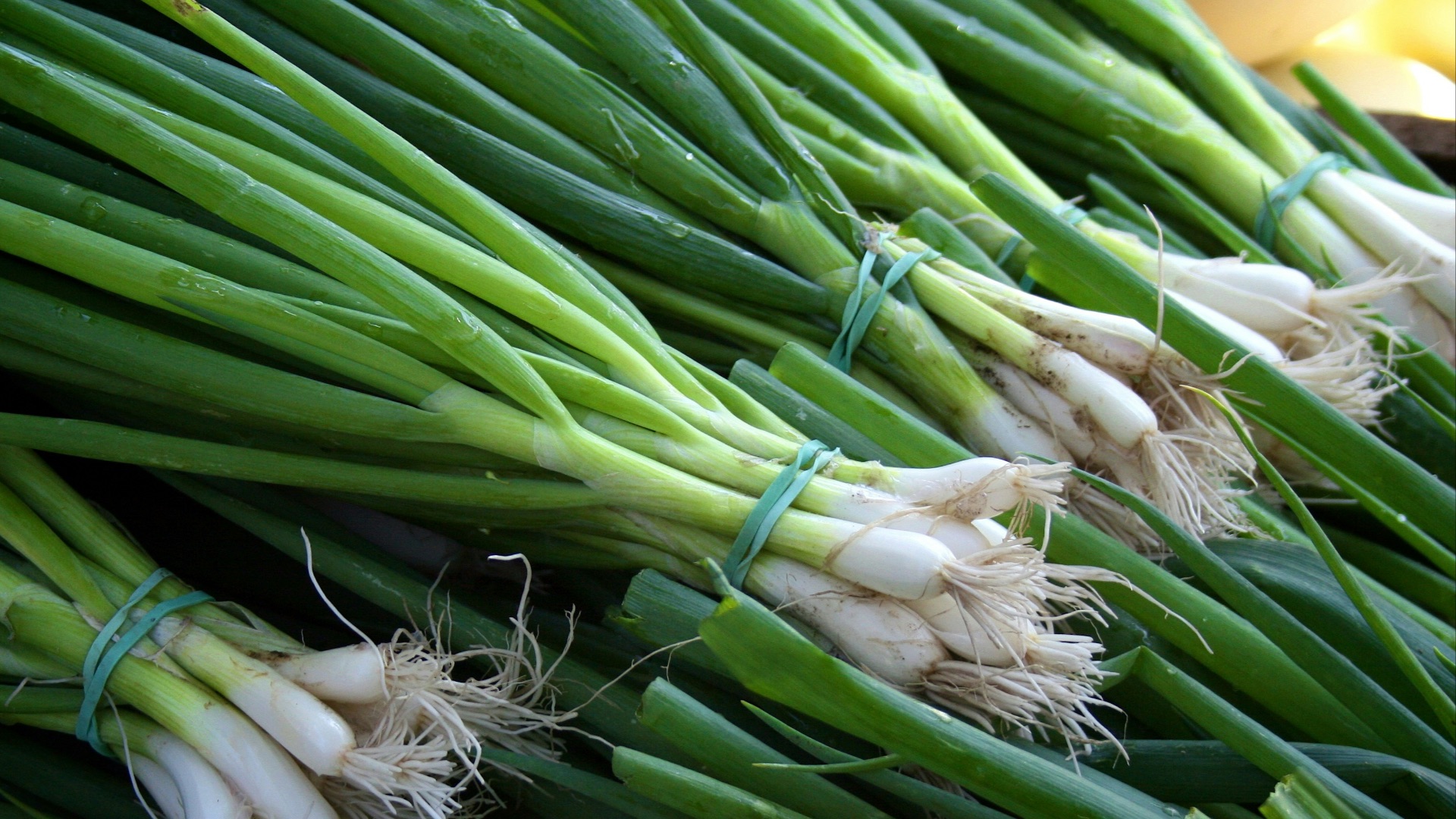
Green onions are an excellent choice when growing space is limited because you can fit quite a few plants into a relatively small container. They're also versatile when it comes to how you start them, with seeds, small onion sets, and rooted grocery-store ends all offering workable options. You can snip portions of the green tops when you only need a little for cooking, or pull the entire onion when it's large enough to use. Their narrow growth habit also makes them easy to tuck between other vegetables rather than dedicating an entire garden bed to them.
 Christopher Previte on Unsplash
7. Basil
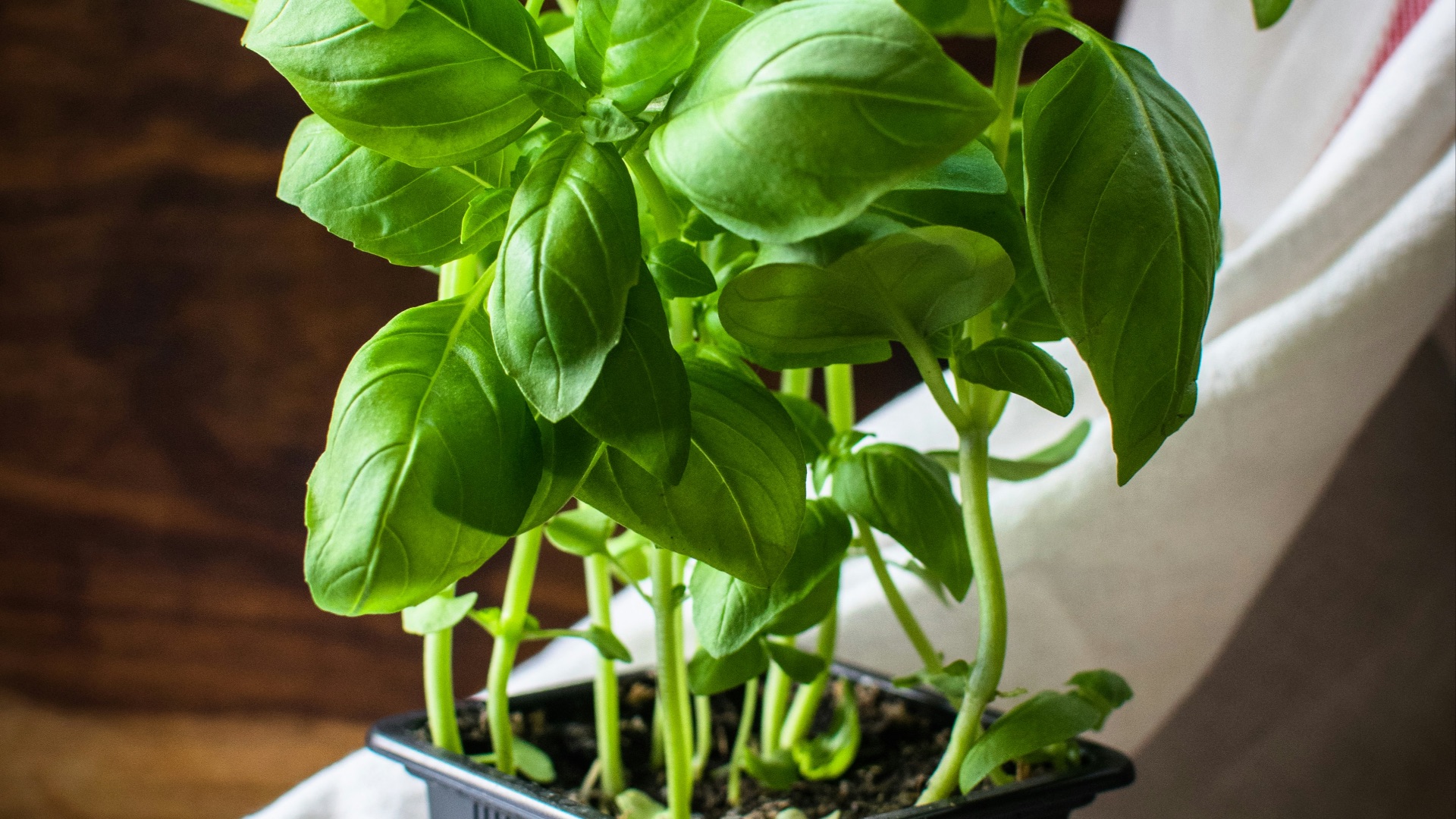
Basil is one of the easiest culinary herbs to grow during warm weather, particularly if you've got a sunny windowsill, patio, or balcony. It prefers consistently moist soil and plenty of light, but beyond those basics, the biggest job is usually harvesting it often enough. Pinching stems just above a pair of leaves encourages the plant to branch rather than becoming tall and sparse, which can significantly increase the amount you harvest. Removing flower buds as they form can also extend leaf production and help maintain the flavor people typically want for cooking.
8. Cucumbers
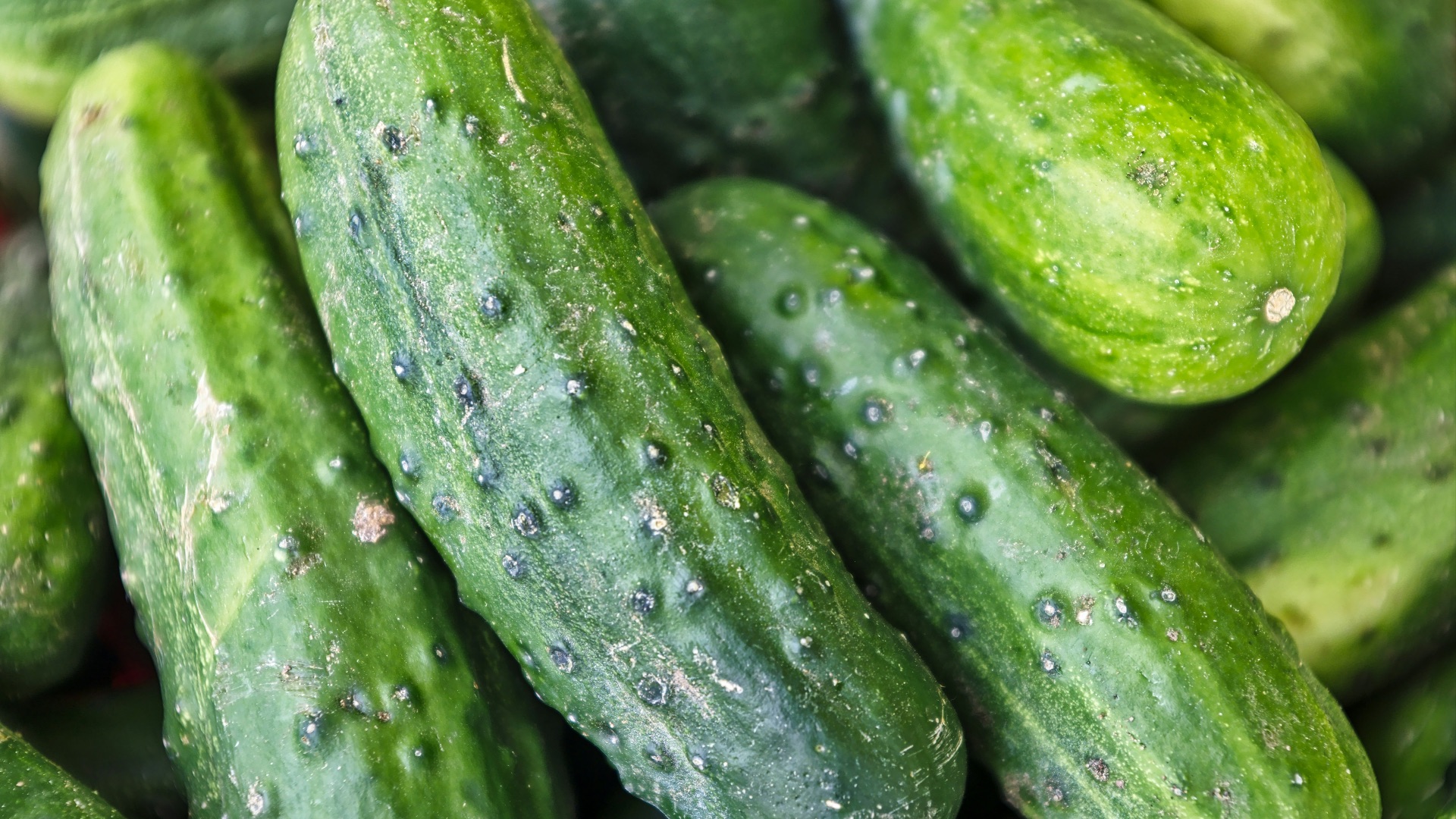
Cucumbers grow enthusiastically in warm conditions and can produce a steady supply throughout summer when they're given enough water and sunlight. Vining types are particularly useful for small gardens because they can be trained up a trellis, keeping much of the plant off the ground while freeing up valuable bed space. Consistent moisture matters once fruit begins developing, since major swings between dry and wet conditions can affect the quality of the cucumbers. Harvest them regularly at the recommended size for the variety rather than leaving them on the vine until they're oversized and full of mature seeds.
9. Peas
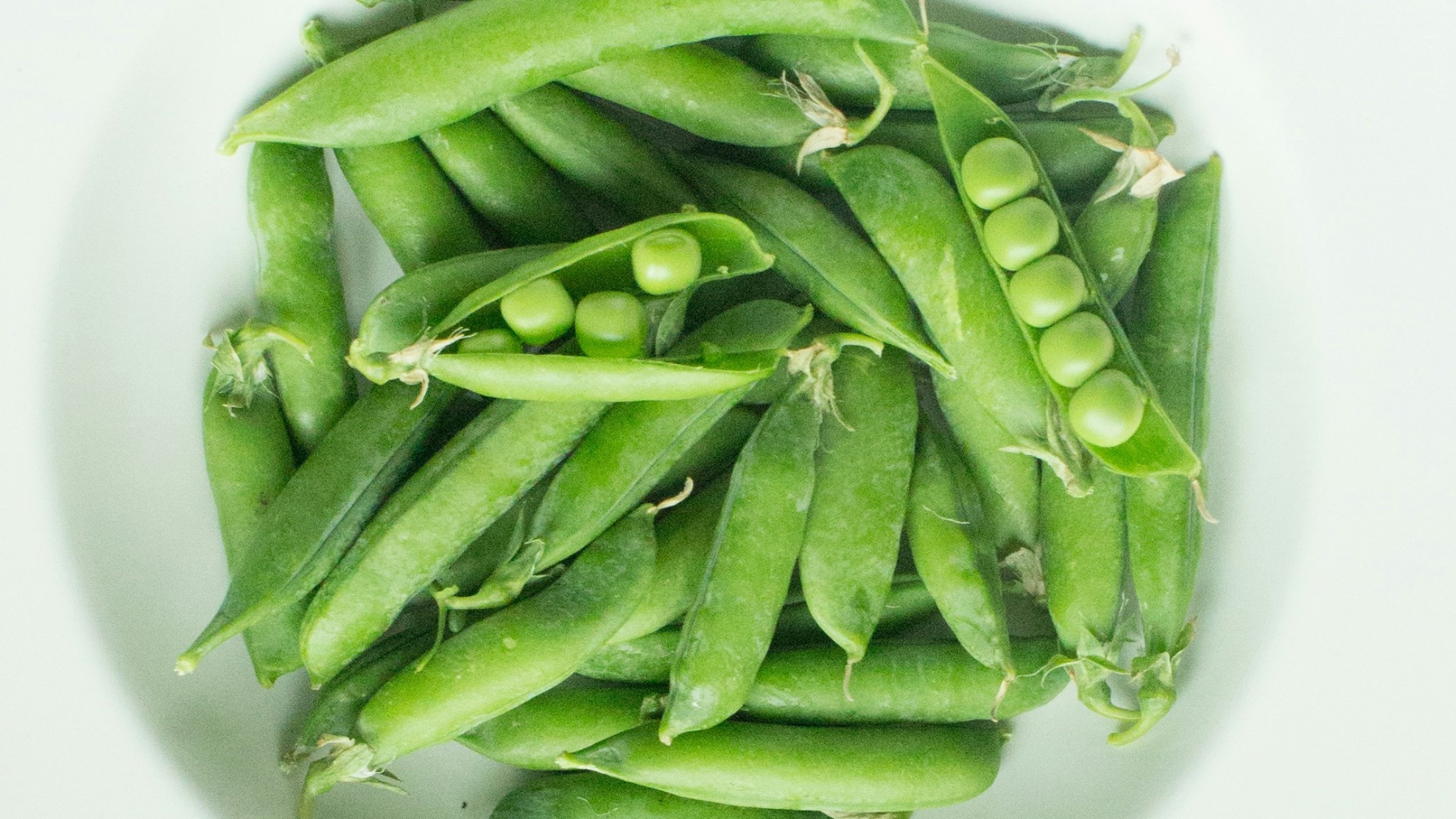
Peas are a useful crop for gardeners who want to grow something before the heat-loving vegetables of summer are ready to take over. They prefer cool conditions and can often be planted fairly early in spring, with another crop possible in fall where the season allows it. Most varieties benefit from a fence, mesh panel, or simple trellis that gives the climbing vines something to hold onto as they grow. Once the pods begin filling out, frequent picking keeps the harvest moving and gives you peas when they're still tender and sweet.
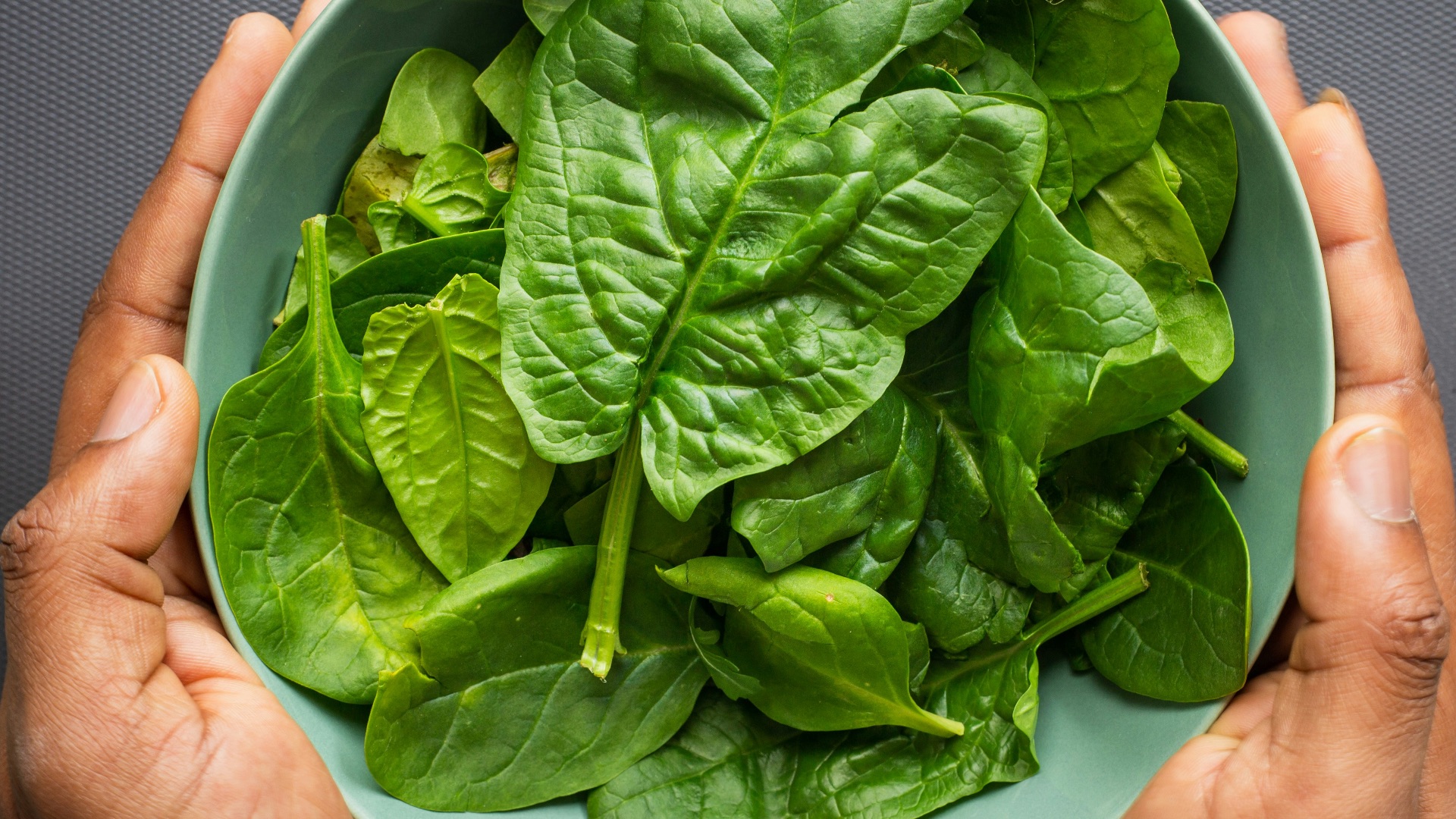
10. Spinach
Spinach rewards gardeners who take advantage of cooler weather, when its tender leaves can grow quickly without the plant immediately trying to flower. You can harvest very young leaves for salads or wait until they're larger and use them in cooked dishes, soups, eggs, and countless other meals. The shallow root system means spinach can perform well in containers, provided the soil doesn't dry out for long stretches. Sowing smaller batches several weeks apart can give you a more manageable supply instead of one large planting that matures at the same time.
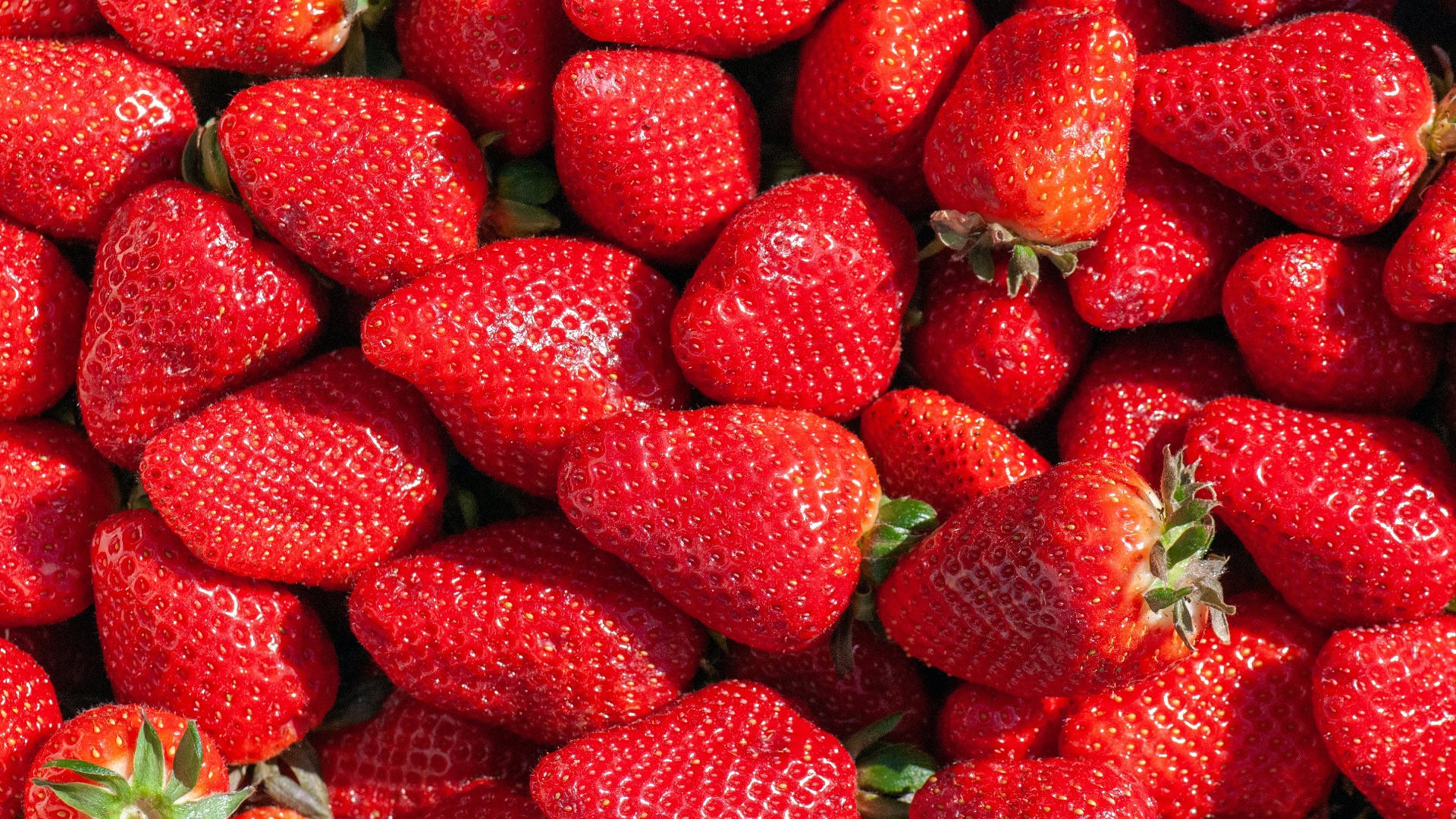
11. Strawberries
Strawberries are one of the more approachable fruits to grow at home because they don't require a large orchard-style setup to produce something worth harvesting. They perform well in traditional beds, raised gardens, hanging baskets, and containers, which gives you plenty of flexibility if you're short on space. The plants prefer plenty of sunlight and soil that drains well, and keeping developing berries away from constantly wet ground can help protect the fruit. Choosing everbearing or day-neutral varieties can also extend the season by producing multiple rounds of berries rather than concentrating everything into one relatively short harvest.
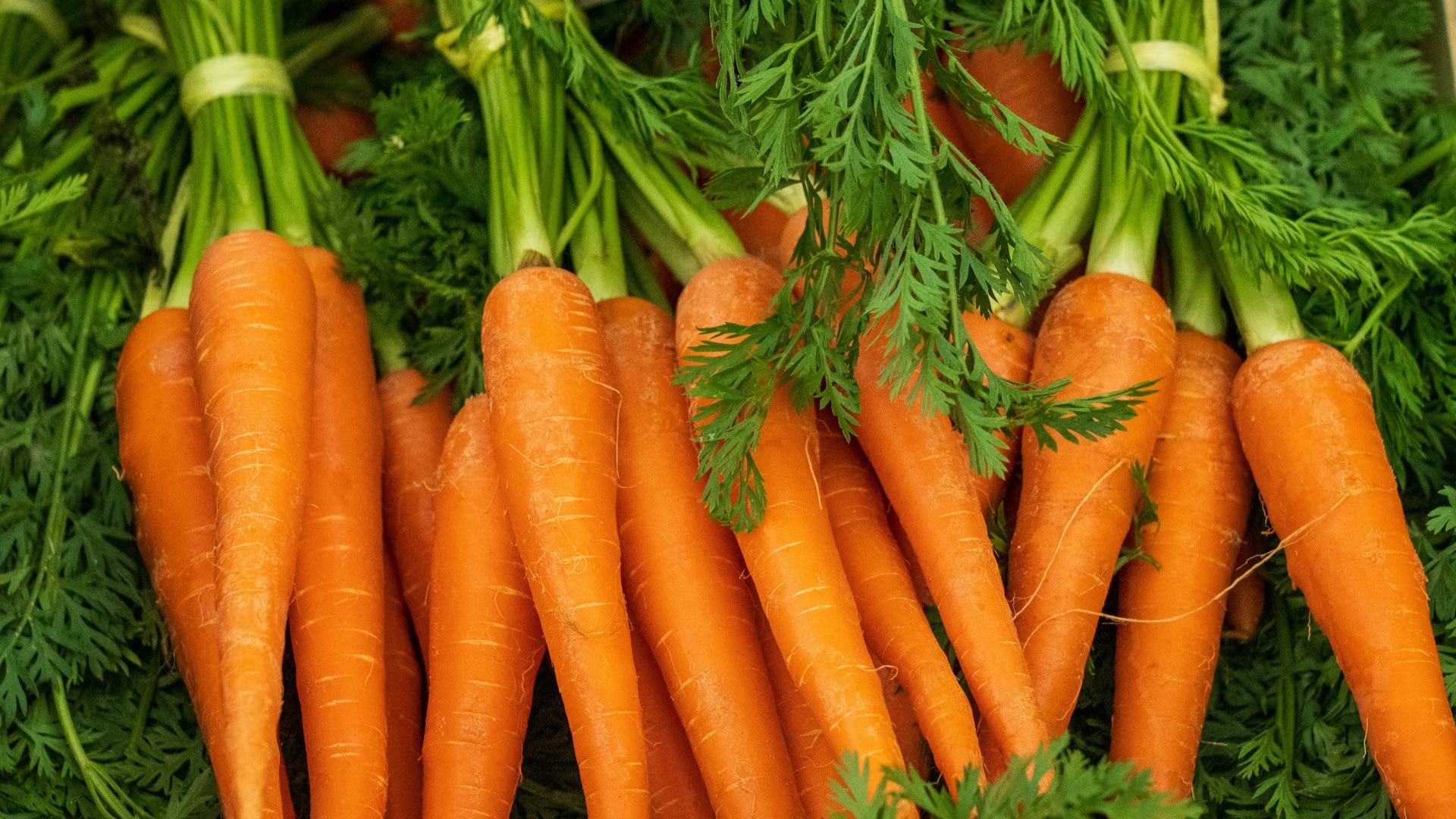
12. Carrots
Carrots aren't demanding in terms of ongoing care, but giving them the right soil at the beginning makes a noticeable difference in the final crop. Deep, loose soil without large stones or compacted clumps allows the roots to grow downward without becoming badly twisted or divided. Since carrot seeds are tiny and the seedlings emerge slowly, you'll need to keep the upper layer of soil moist during germination and thin crowded plants after they appear. Containers can actually be an excellent solution because you can fill them with a light growing mix and choose a depth appropriate for the carrot variety you're planting.
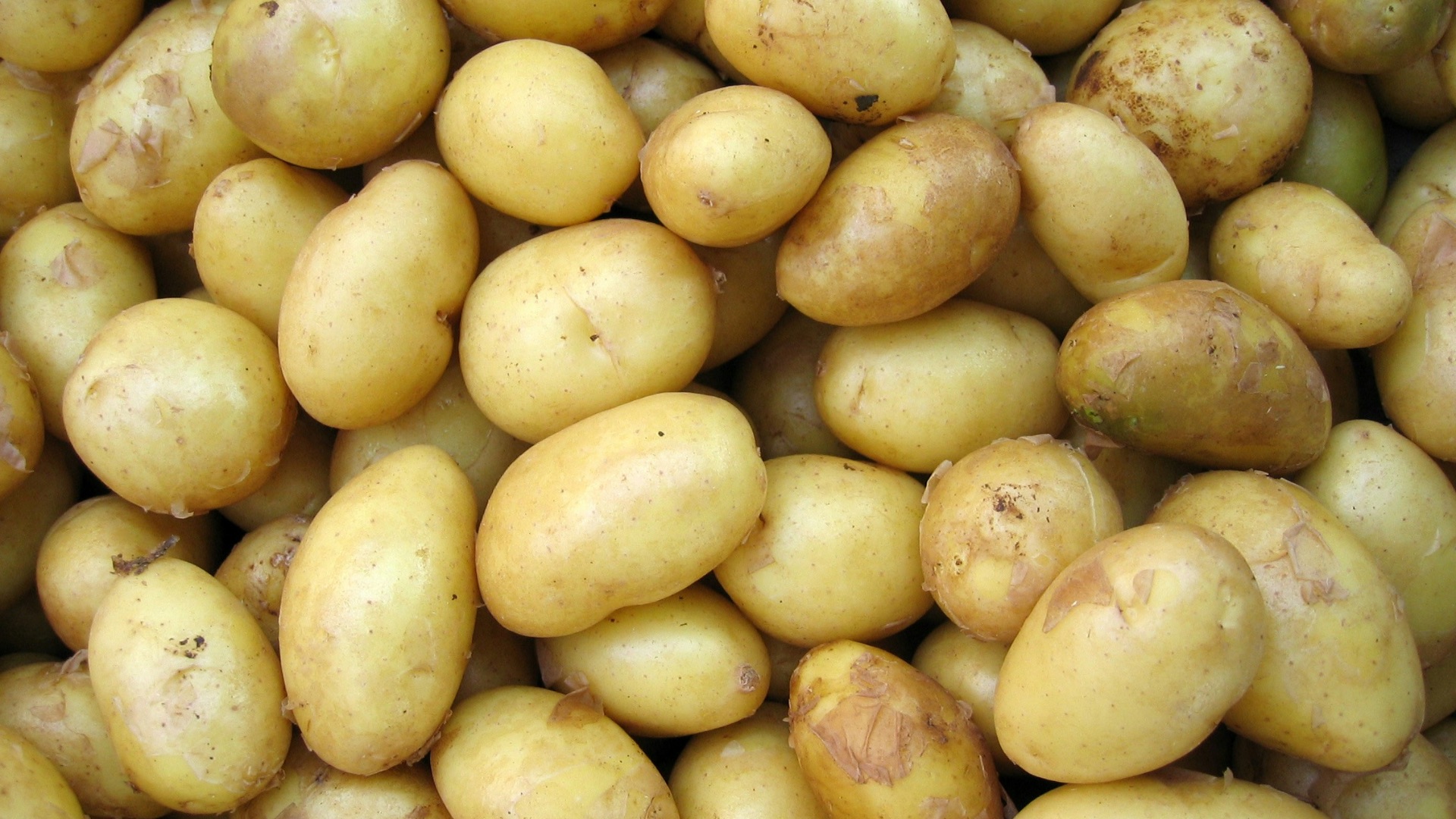
13. Potatoes
Potatoes are surprisingly practical for home growing because you don't necessarily need rows of garden soil to raise a respectable crop. Large containers, grow bags, and deep raised beds can all work, provided excess water can drain away and the plants receive enough sunlight. Seed potato pieces are planted beneath the soil, and additional soil can be added around the stems as the plants grow to keep developing tubers covered. When the foliage eventually yellows and dies back, harvesting becomes a matter of carefully digging through the soil to uncover what formed underneath.
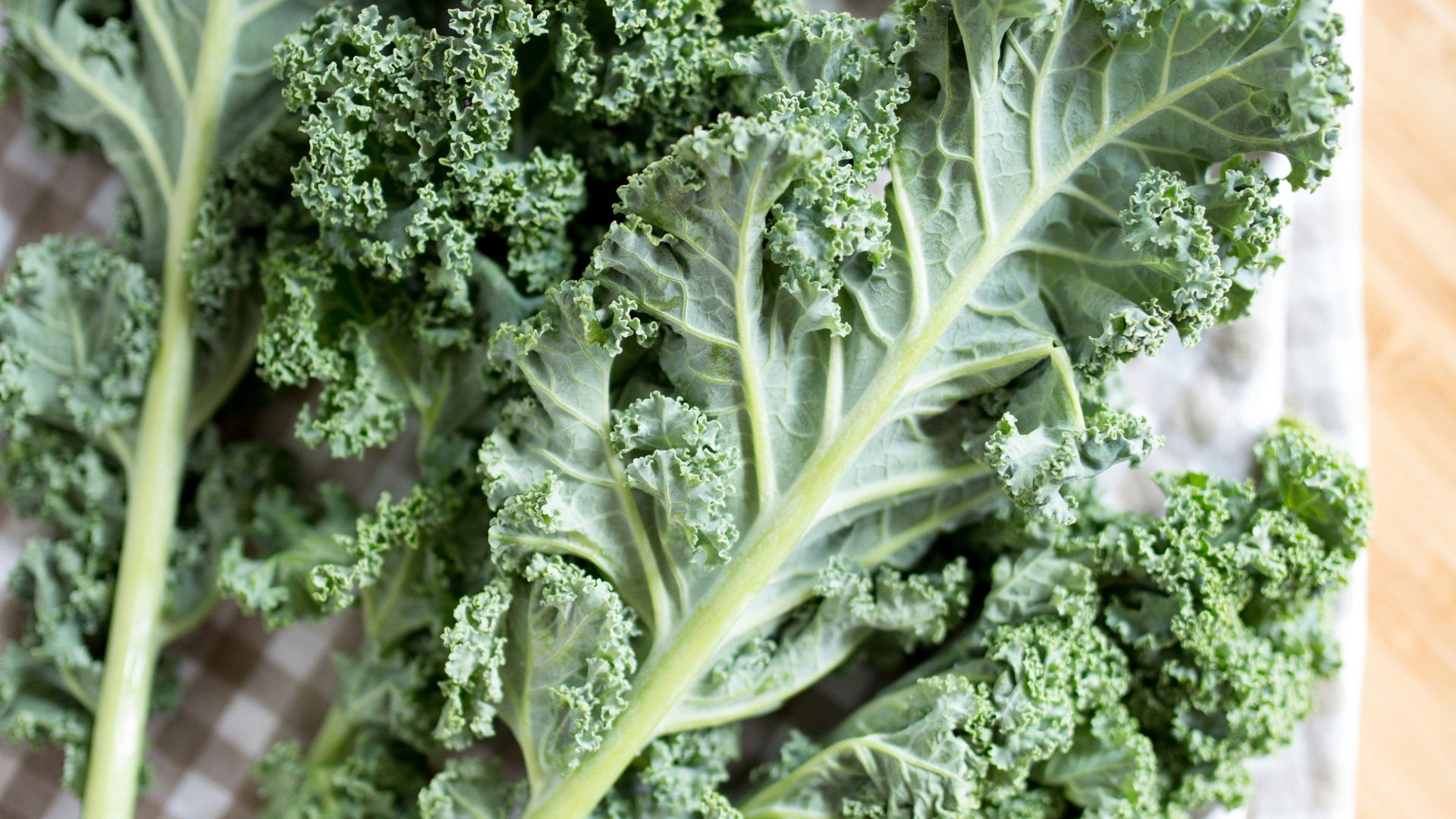
14. Kale
Kale is a durable leafy crop that can continue producing through weather that would cause more delicate greens to struggle. It tolerates cooler temperatures well, and mature plants can often remain productive for a long stretch of the growing season with relatively basic care. Rather than harvesting the whole plant, remove the larger outer leaves and leave the smaller center leaves to keep developing. That approach allows a single kale plant to provide repeated harvests instead of becoming a one-time crop.
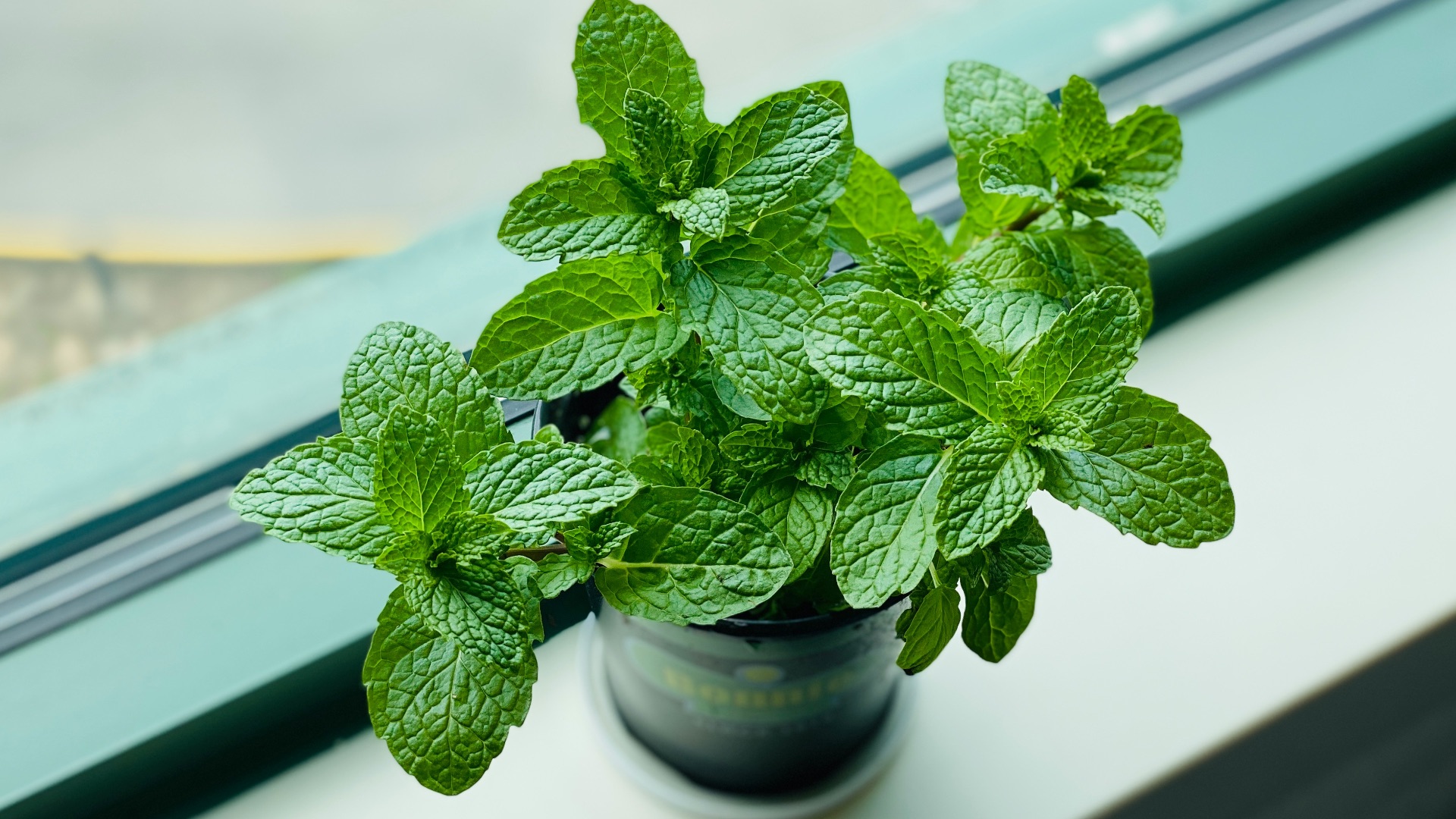
15. Mint
Mint is so eager to spread that the easiest way to grow it is often to give it a container where its roots can't wander throughout the garden. It handles regular harvesting well, and frequent cutting encourages fresh stems and leaves rather than harming the plant. Partial sun can be enough in many locations, although mint generally performs best when it receives reliable moisture and isn't left to dry out repeatedly. Keeping a pot near the kitchen also makes it convenient to grab a few leaves whenever you're making tea, sauces, salads, desserts, or cold drinks.
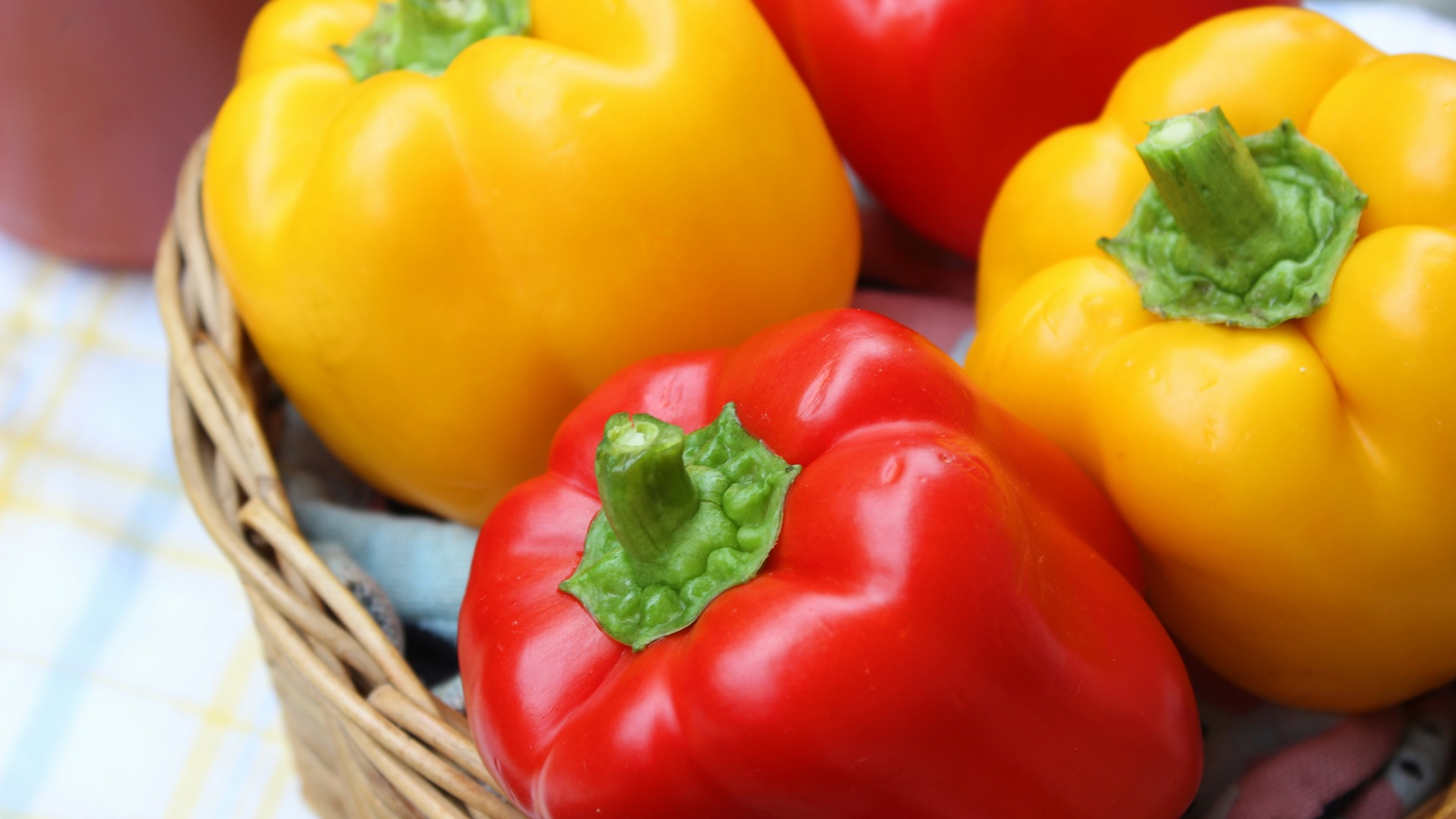
16. Bell Peppers
Bell peppers grow well in containers and garden beds as long as they receive the warm temperatures and sunlight they need to develop properly. They tend to grow more slowly than some vegetables, but the plants themselves aren't especially difficult to maintain once established. Consistent watering is preferable to repeatedly allowing the soil to become extremely dry, particularly while peppers are forming and gaining size. You can harvest them green or leave them on the plant longer until they reach their mature red, yellow, orange, or other final color, depending on the variety.
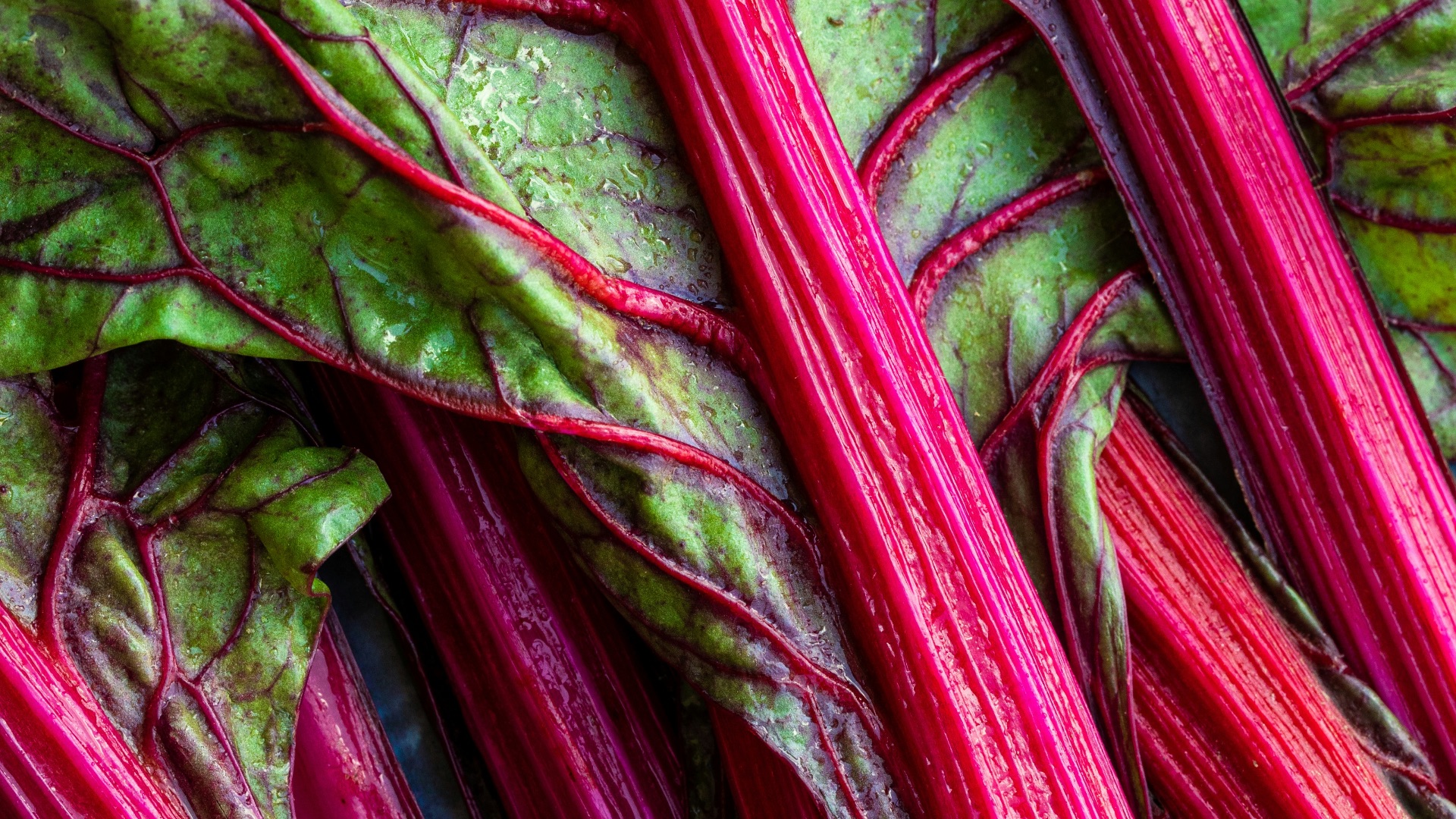
17. Swiss Chard
Swiss chard deserves more attention from beginning gardeners because it's attractive, productive, and less inclined to give up as soon as warm weather arrives. The broad leaves and substantial stems are both edible, and different varieties can produce white, yellow, orange, pink, or red stalks. Once the plant reaches a useful size, harvesting a few outer leaves at a time lets the center continue producing fresh growth. With reasonable water and sunlight, one planting can provide repeated harvests for months rather than disappearing after a few meals.
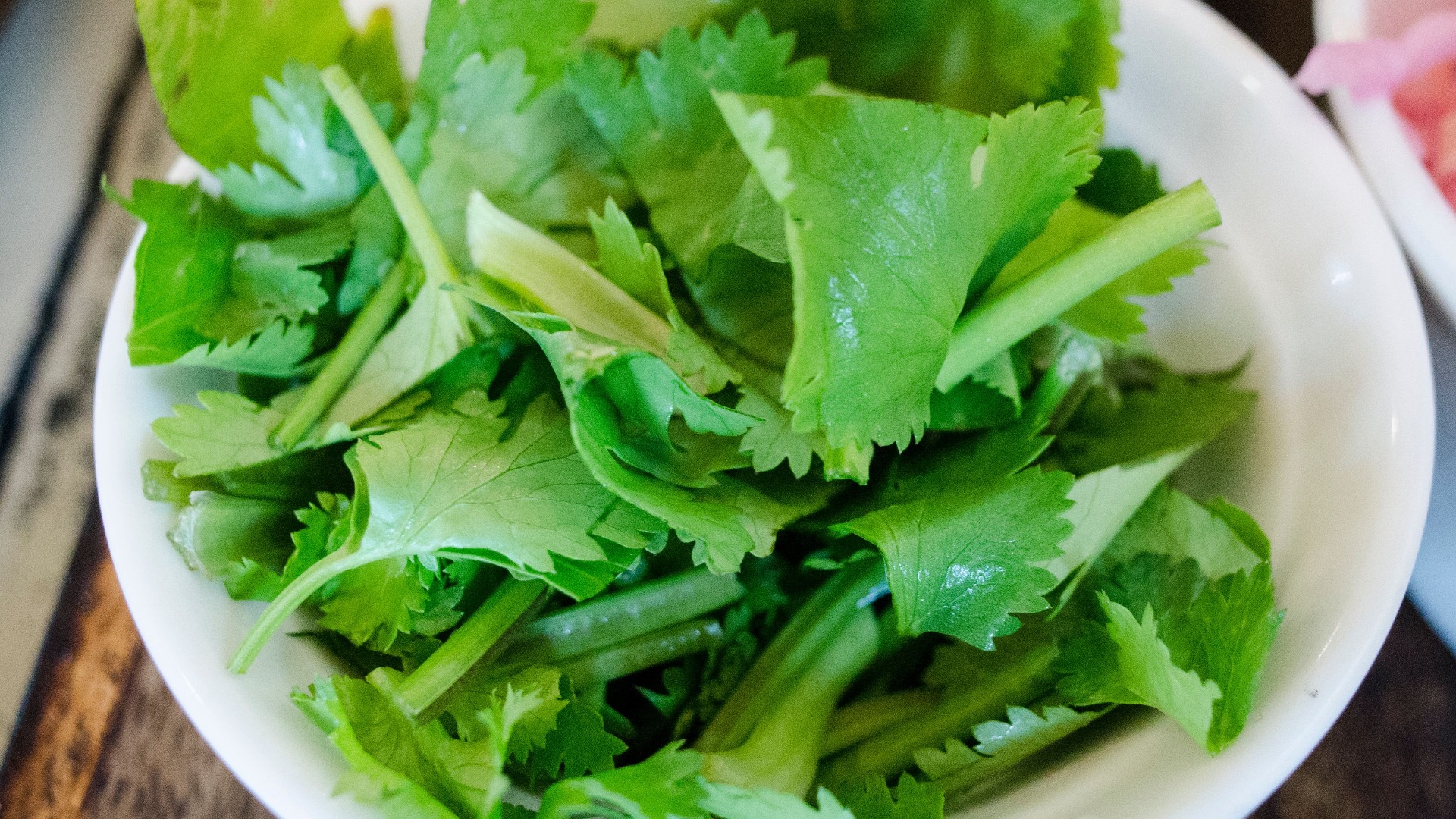
18. Cilantro
Cilantro grows rapidly from seed, which makes it easy to establish even if you've never grown herbs before. The main challenge isn't getting it to grow but keeping a steady supply, since the plant naturally moves toward flowering and seed production as temperatures rise. Planting small batches every few weeks can give you younger plants coming along as older ones finish producing leaves. If you allow some plants to mature fully, you'll also end up with coriander seeds that can be collected for cooking or saved for another planting.
19. Garlic
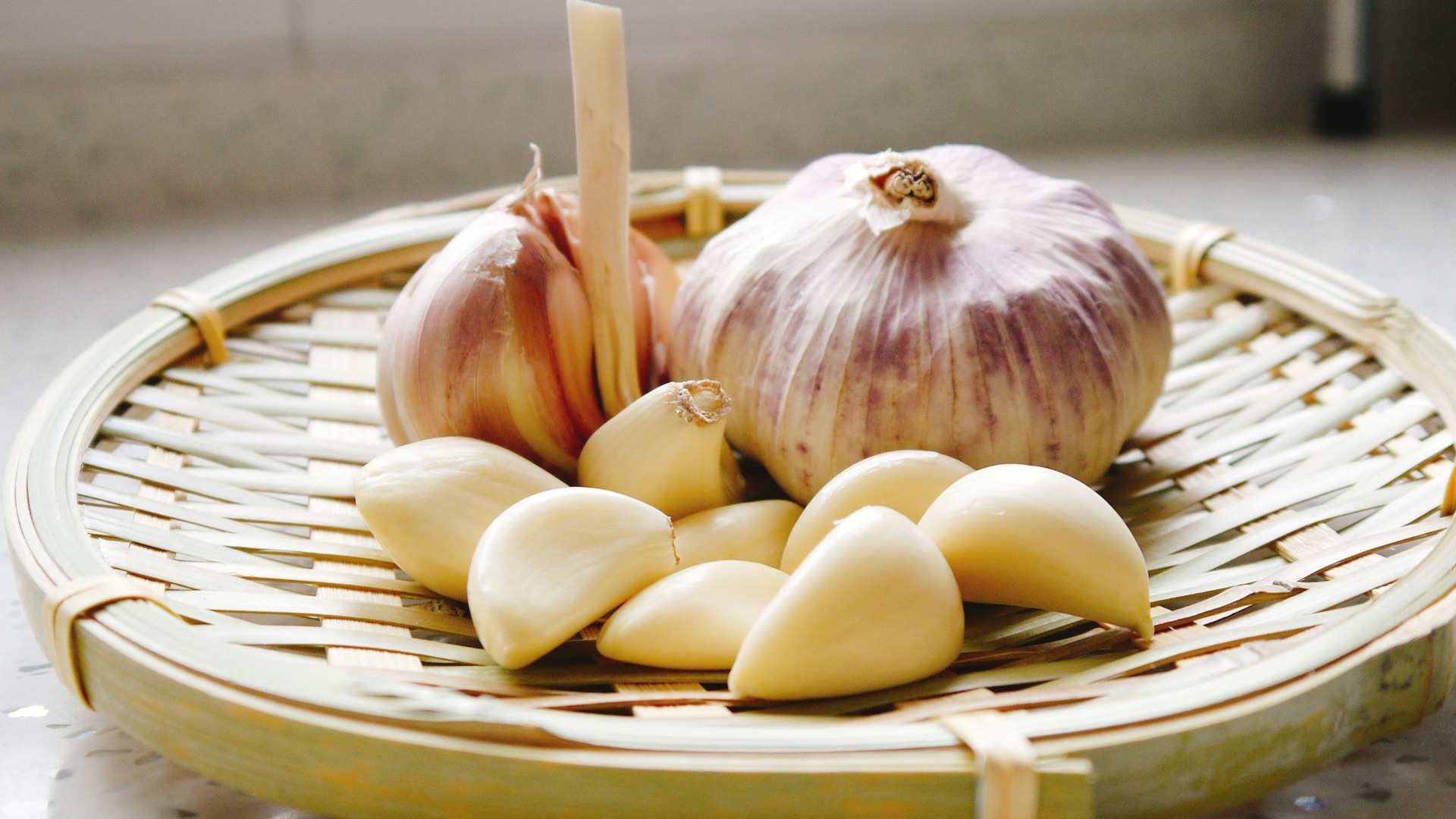
Garlic requires patience rather than intensive maintenance, making it a particularly good crop for someone who wants to plant something and largely leave it alone. Individual cloves are commonly planted in fall, where they begin establishing roots before spending the winter underground and resuming stronger growth in spring. During the growing season, the plants need reasonable moisture and sunlight, but there isn't much complicated pruning, training, or constant harvesting involved. When the lower leaves start turning brown in summer, the bulbs can be carefully lifted and cured so they'll store well after harvest.
20. Microgreens
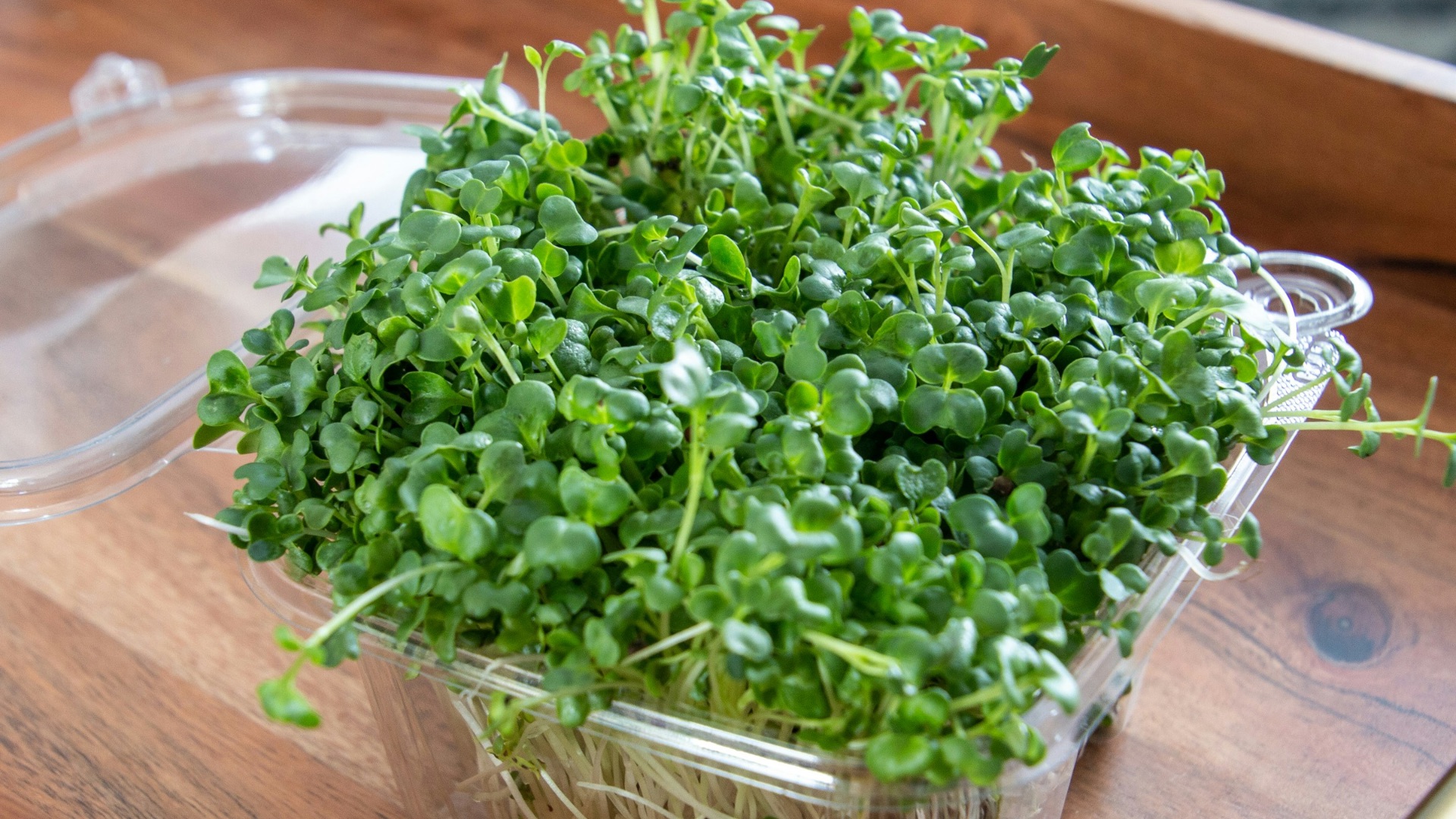
Microgreens make home food growing accessible even if you don't have outdoor space at all. They're grown densely in shallow trays and harvested while the plants are still young, often within just a few weeks of sowing. Radish, broccoli, pea, kale, mustard, and several other types can be grown this way, allowing you to experiment with different flavors without committing to full-size plants. Because each crop occupies very little space and finishes quickly, you can start new trays regularly and maintain a dependable supply on a bright windowsill or under an appropriate grow light.