
10 Foods That Changed the World For the Worse & 10 That Improved It
Food Has Always Had More Power Than We Admit
Food isn’t just something people eat when they’re hungry or bored near the fridge. It has shaped economies, empires, health trends, labor systems, wars, migrations, and the way entire societies organize daily life. Some foods made the world healthier, more connected, and better fed, while others brought environmental damage, exploitation, disease, or habits that haven’t exactly done humanity any favors. The tricky part is that many foods have complicated histories, so this list isn’t about declaring them purely good or evil; it’s about looking at the bigger impact they’ve had. Here are 10 foods that made the world worse and 10 that made it better.
1. Sugar
Sugar changed the world in a very dramatic and not especially charming way. Its rise helped fuel colonial plantation economies, brutal labor systems, and the transatlantic slave trade. Later, cheap sugar also became a major part of processed foods and sweetened drinks, which have contributed to the obesity epidemic.

2. Palm Oil
Palm oil is incredibly useful, which is exactly why it became such a global force; however, it's also one of the most problematic ingredients available. It appears in packaged foods, snacks, spreads, and numerous other products because it’s inexpensive, stable, and efficient to produce. The problem is that demand has been tied to deforestation, habitat loss, and major environmental pressure in some regions.
 Nazarizal Mohammad on Unsplash
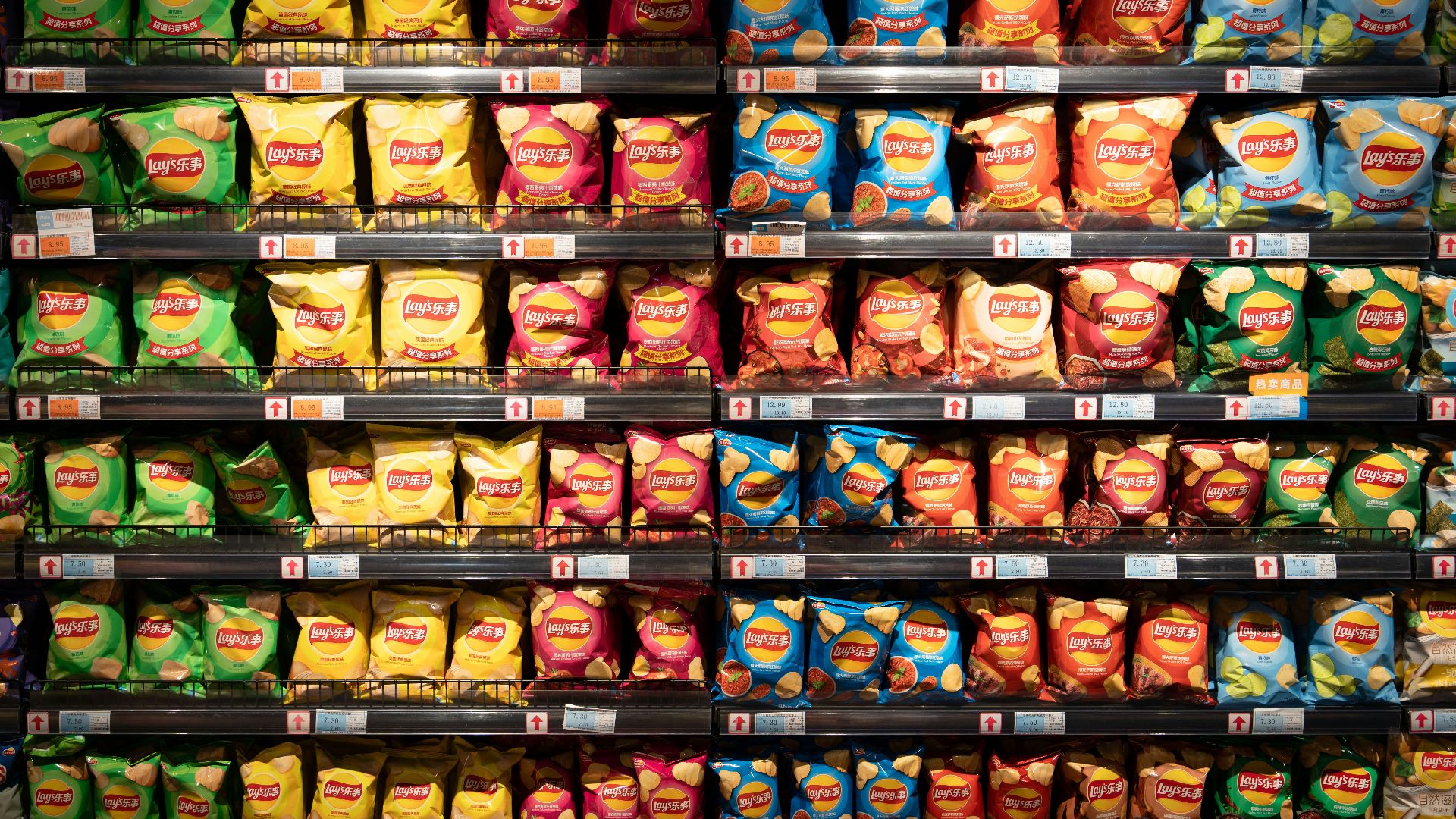
3. Ultra-Processed Snack Foods
Ultra-processed snack foods changed how people eat by making constant grazing easy, cheap, and wildly tempting. Chips, packaged cakes, flavored crackers, and similar foods are designed to be convenient and hard to stop eating. They’ve also contributed to diets higher in salt, sugar, refined starches, unhealthy fats, and diseases like cancer and diabetes.
4. Sugary Soft Drinks
Sugary soft drinks turned liquid sugar into a daily habit for millions of people. They’re easy to drink quickly, don’t fill you up much, and can add a lot of calories without feeling like a meal. Over time, their popularity has been linked to broader concerns about obesity, diabetes, and dental health.
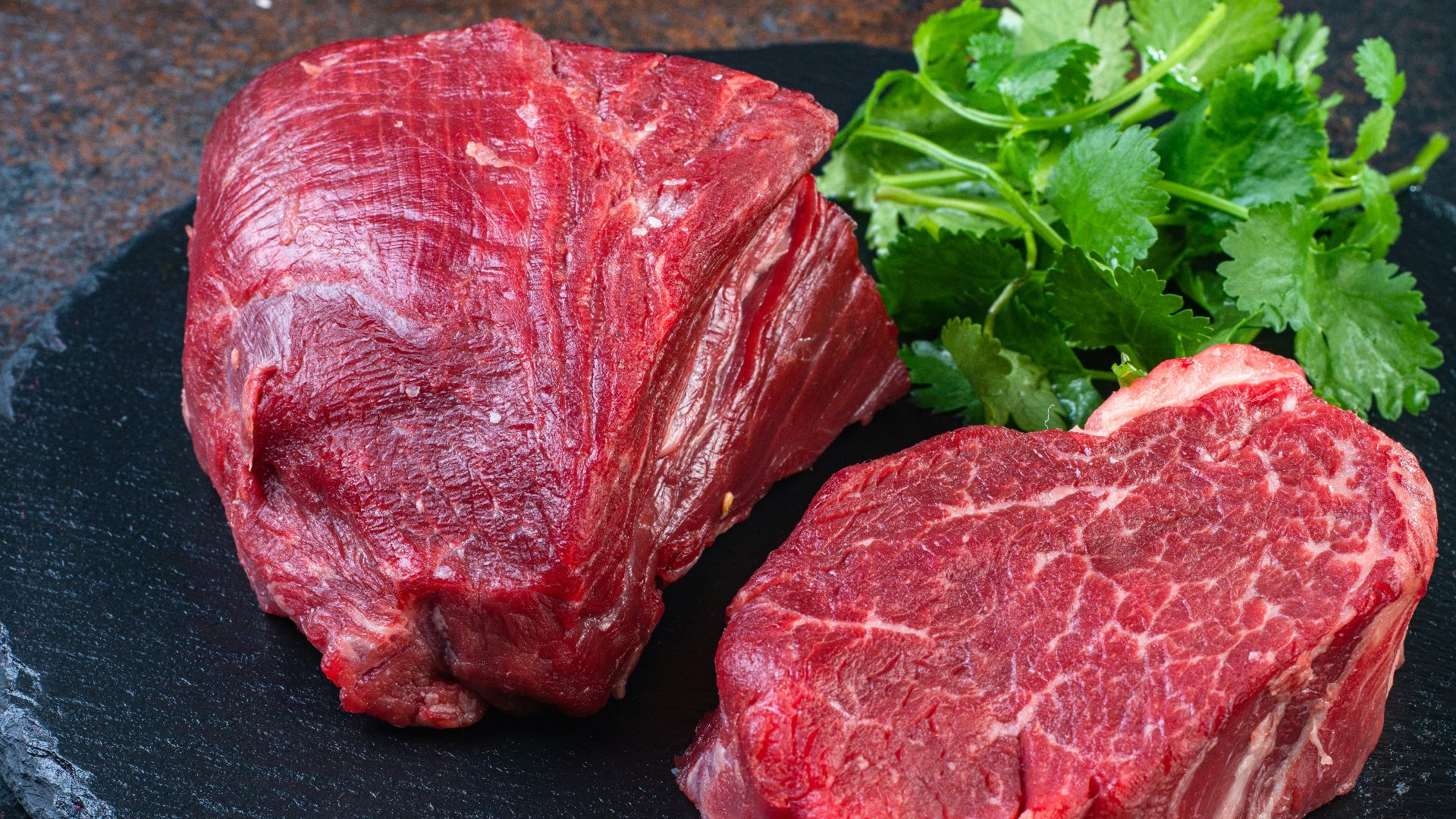
5. Factory-Farmed Meat
Meat has nourished people for a very long time, but industrial-scale meat production changed the equation. Factory farming made meat more affordable and widely available, yet it also raised concerns about animal welfare, antibiotic use, pollution, and greenhouse gas emissions. The issue isn’t that eating meat is new; it’s that producing enormous amounts of it at high speed has consequences.
 David Foodphototasty on Unsplash
6. White Bread
White bread became a symbol of modern convenience, but it also helped normalize diets built around refined grains. Processing removes much of the fiber and some nutrients found in whole grains, leaving bread that’s soft, shelf-friendly, and less filling. For many people, it became a staple that crowded out more nourishing options.

7. Margarine With Trans Fats
Margarine was once marketed as a smart alternative to butter, which seemed reasonable at the time. Unfortunately, many older versions contained industrial trans fats, which later became strongly linked to heart health risks. It’s a classic example of a food innovation that sounded healthier before science caught up with the consequences.

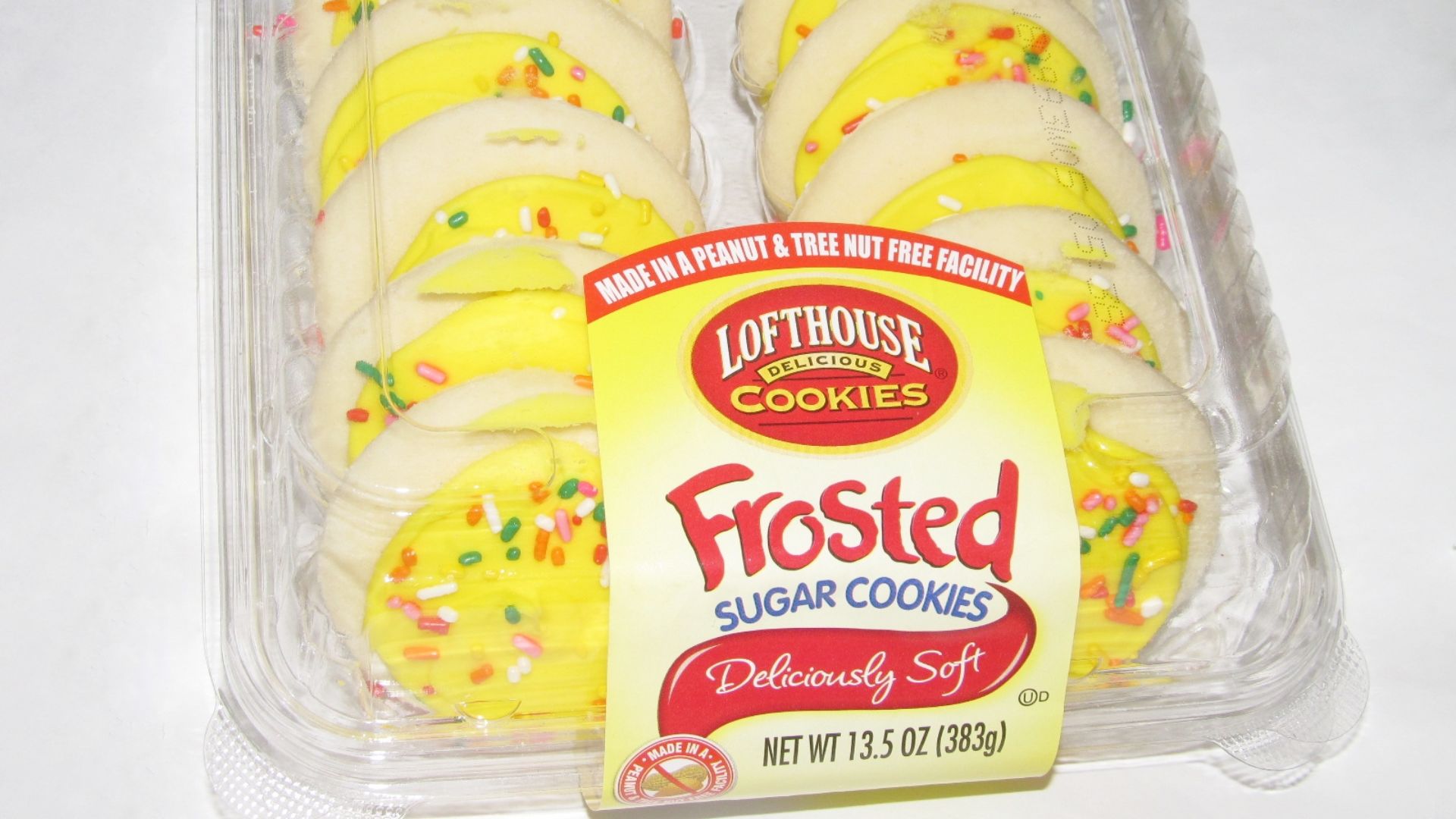
8. Corn Syrup-Sweetened Processed Foods
Corn syrup and high-fructose corn syrup helped make sweetness cheap and easy to add to packaged foods. That changed the flavor of everything from cereals to sauces to drinks. The problem is less about one ingredient acting alone and more about how it supports a flood of highly sweetened, highly processed products.
9. Overfished Luxury Seafood
Certain luxury seafoods became status symbols at a real environmental cost. Bluefin tuna, shark fin, and some other high-demand seafoods have faced pressure from overfishing and global appetite. The desire for rare, expensive dishes can push ecosystems into trouble when regulation and restraint fall behind.

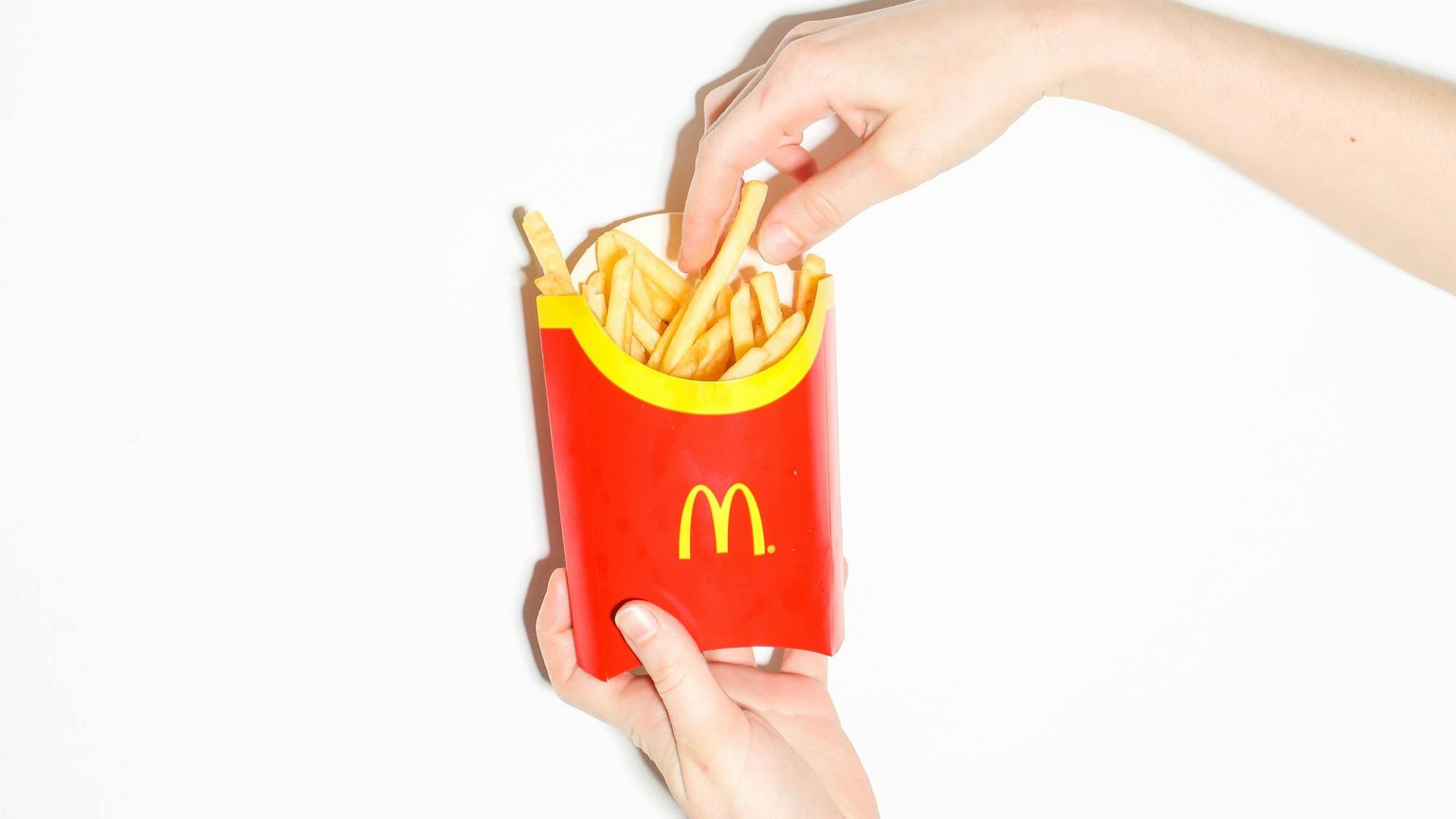
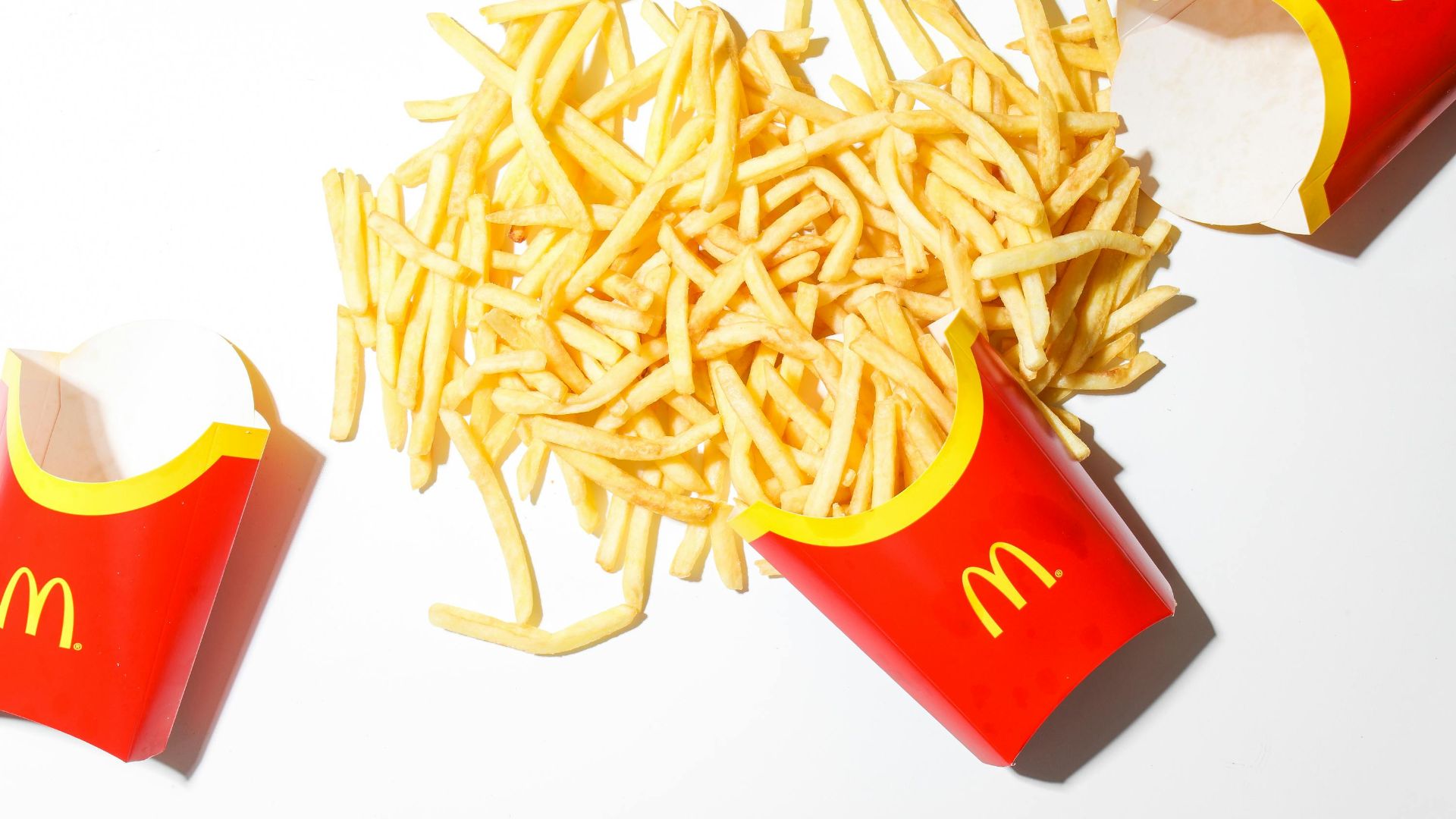
10. Fast Food Fries
Fast food fries changed global eating habits by becoming one of the most recognizable sides on Earth. They’re cheap, salty, convenient, and engineered for repeat cravings. Their rise helped normalize meals that are high in calories, sodium, and refined carbohydrates, especially when paired with burgers and soda.
Now that we've talked about the foods that helped make the world worse, let's talk about the ones that made it better.
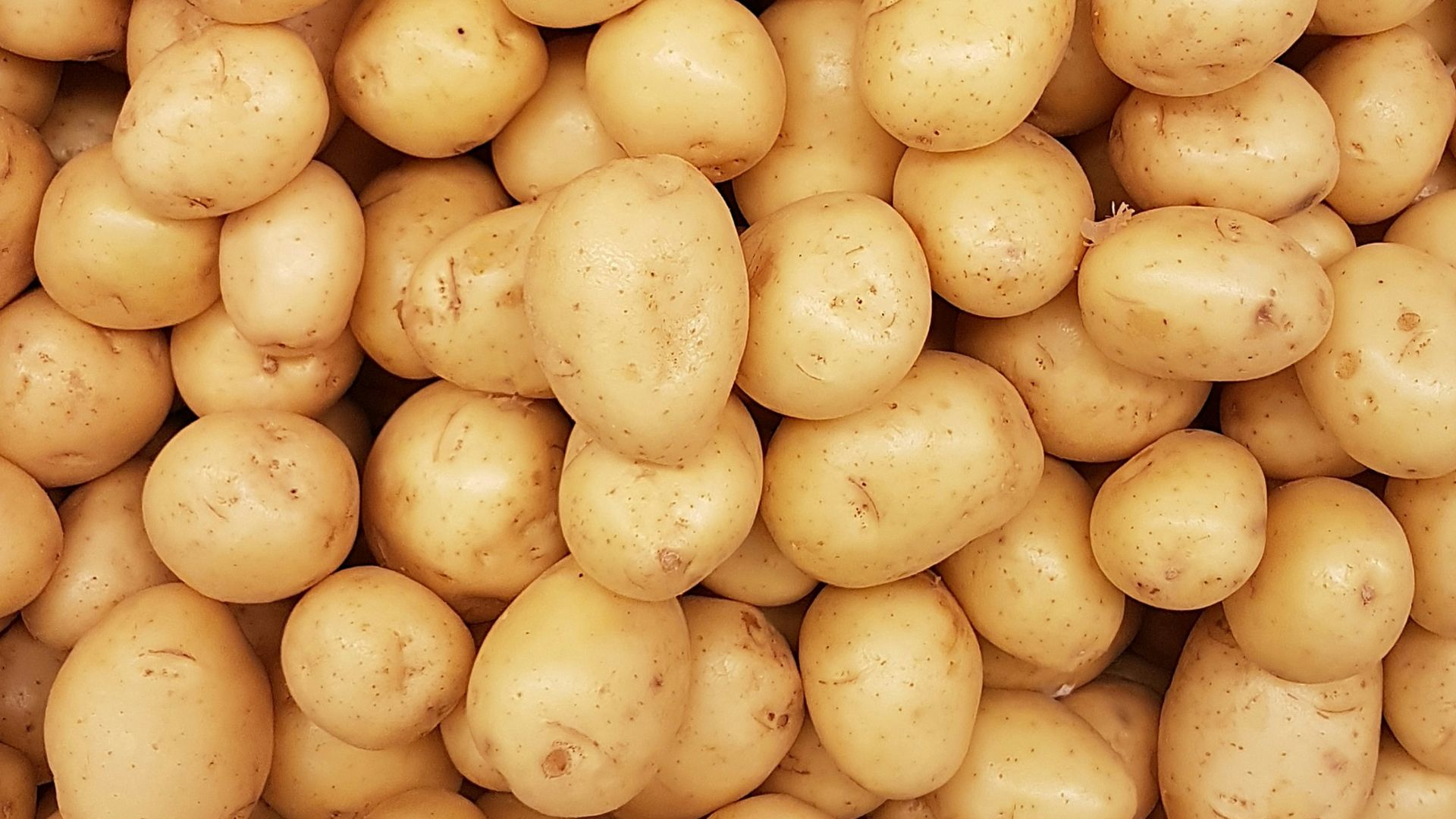
1. Potatoes
Potatoes improved the world by giving people a reliable, calorie-rich crop that could grow in difficult conditions. After spreading from the Americas to Europe and beyond, they helped support population growth and food security. The humble potato has done far more for civilization than its plain appearance suggests.
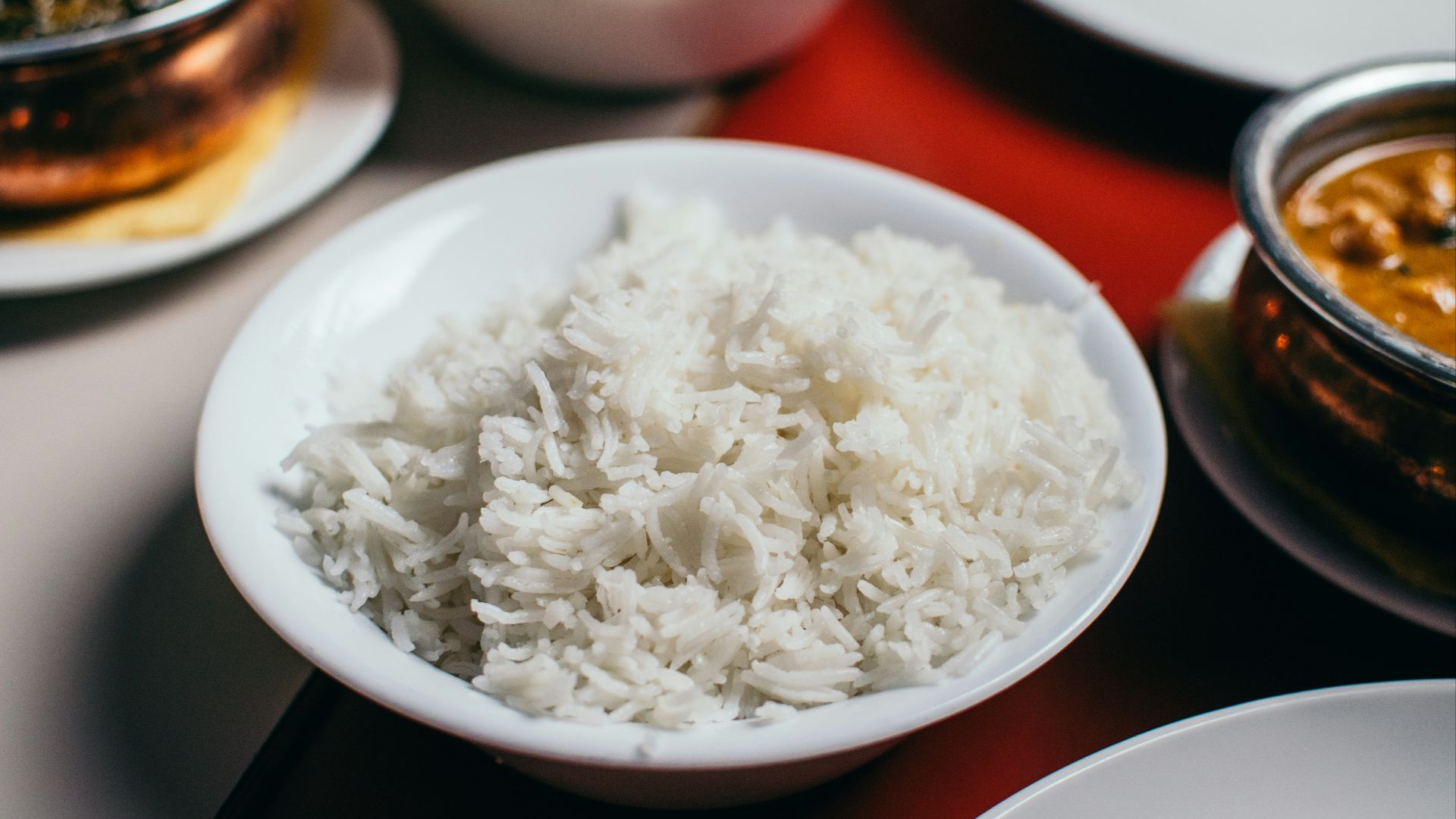
2. Rice
Rice has fed billions of people and supported entire cultures, economies, and cuisines. It became a foundation food across Asia and many other parts of the world because it’s productive, adaptable, and easy to pair with countless ingredients. For many communities, rice is more than a side dish; it’s a daily essential.
3. Wheat
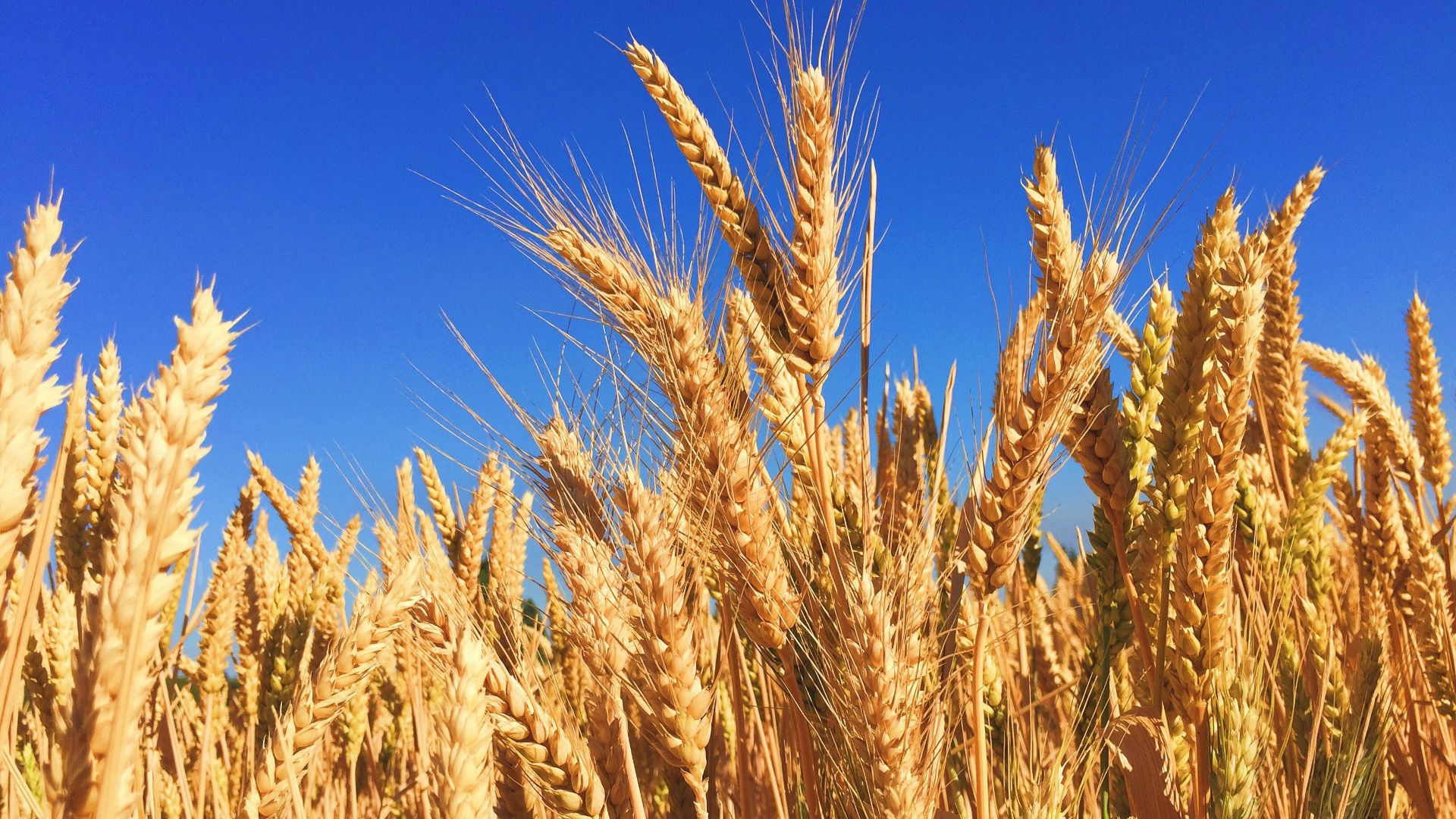
Wheat helped shape settled agriculture and the rise of cities, trade, and organized societies. Bread, noodles, couscous, and countless other staples gave people dependable sources of energy. Its ability to be stored and transported made it especially important for growing populations.
4. Beans
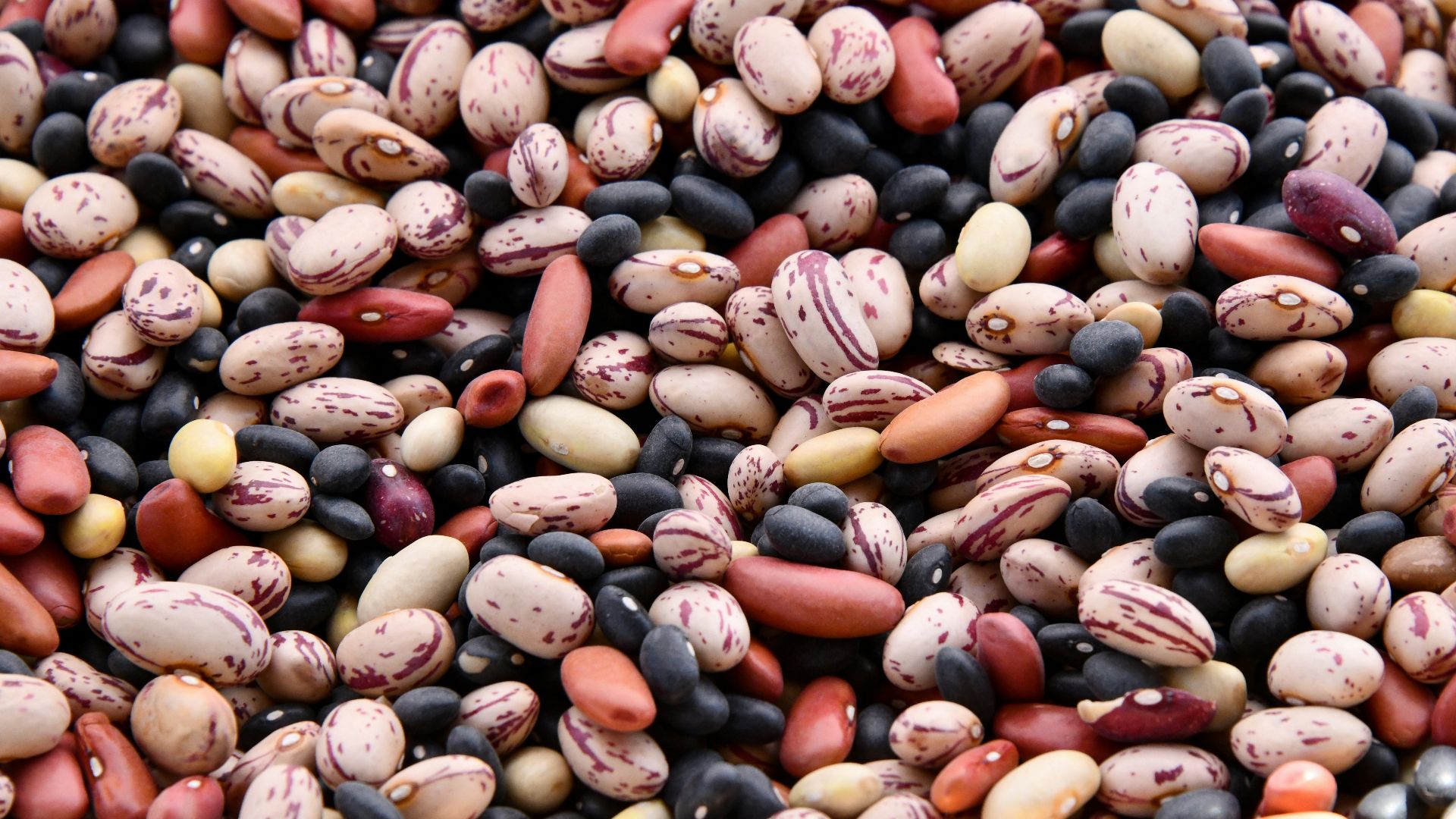
Beans improved the world by offering affordable protein, fiber, and nutrients to people across many regions. They store well, grow in many climates, and can support diets where meat is scarce or expensive. They’re practical, humble, and far more important than their reputation at dinner parties suggests.
5. Corn
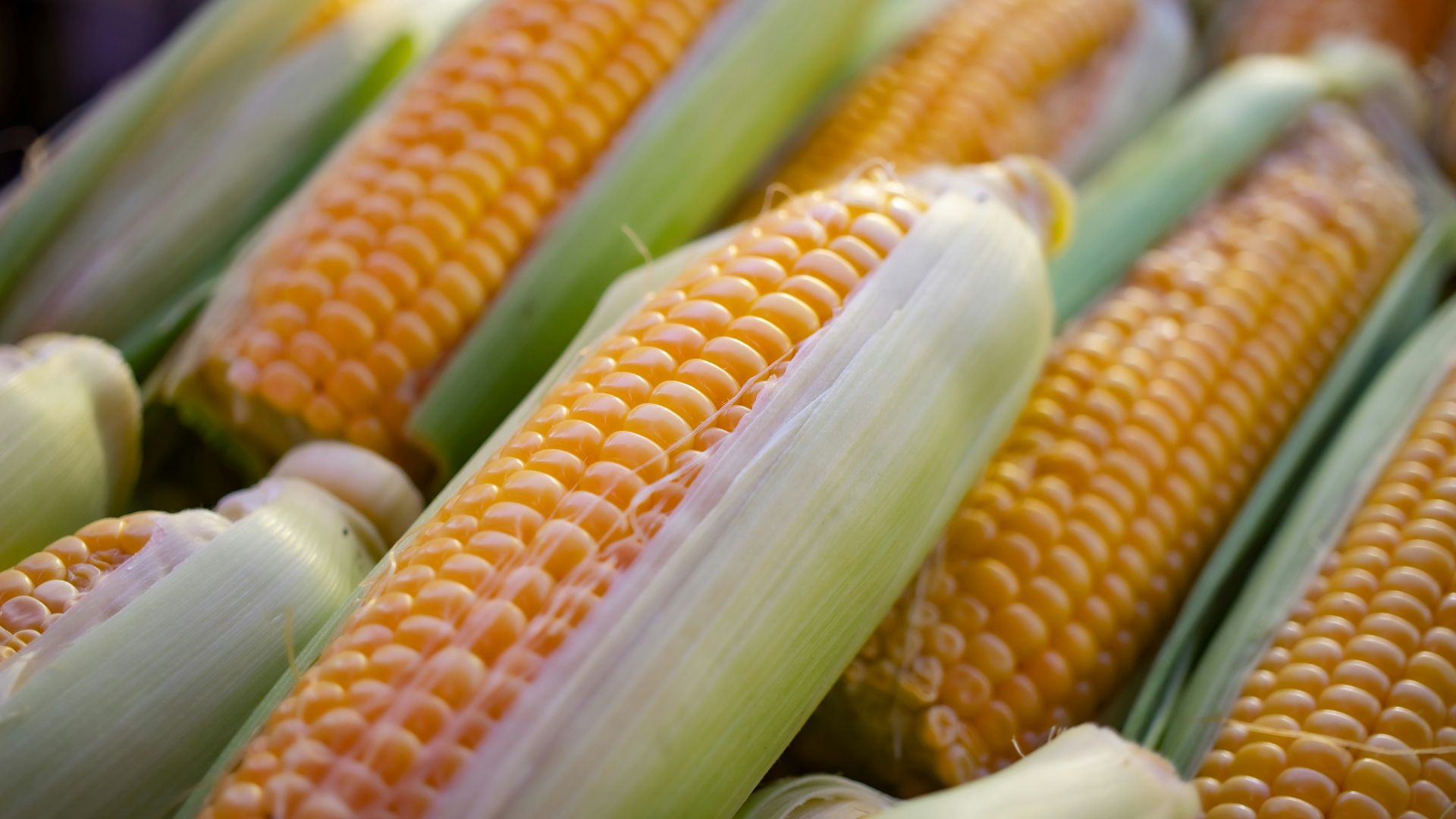
Corn, or maize, has been one of the most influential crops in human history. Indigenous peoples in the Americas developed it into a staple that later spread across the globe. Though modern industrial uses of the crop get complicated, it's fed people, livestock, and entire economies for centuries.
 Wouter Supardi Salari on Unsplash
6. Yogurt
Yogurt improved food history by helping people preserve milk and make it easier to digest. Fermentation gave communities a way to extend the usefulness of dairy before refrigeration came along. It also introduced beneficial bacteria into diets, which is one reason yogurt still has a healthy reputation today.

7. Lentils
Lentils have been feeding people for thousands of years, and they still deserve more applause. They cook faster than many beans, offer protein and fiber, and don’t demand fancy preparation. They’ve supported diets across the Middle East, South Asia, Europe, and beyond.

8. Olive Oil
Olive oil helped improve diets in Mediterranean regions and became a central part of one of the world’s most studied eating patterns. It provides unsaturated fats and adds flavor without needing heavy sauces or animal fats. Beyond nutrition, it shaped trade, agriculture, religion, and cooking traditions for centuries.

9. Bananas
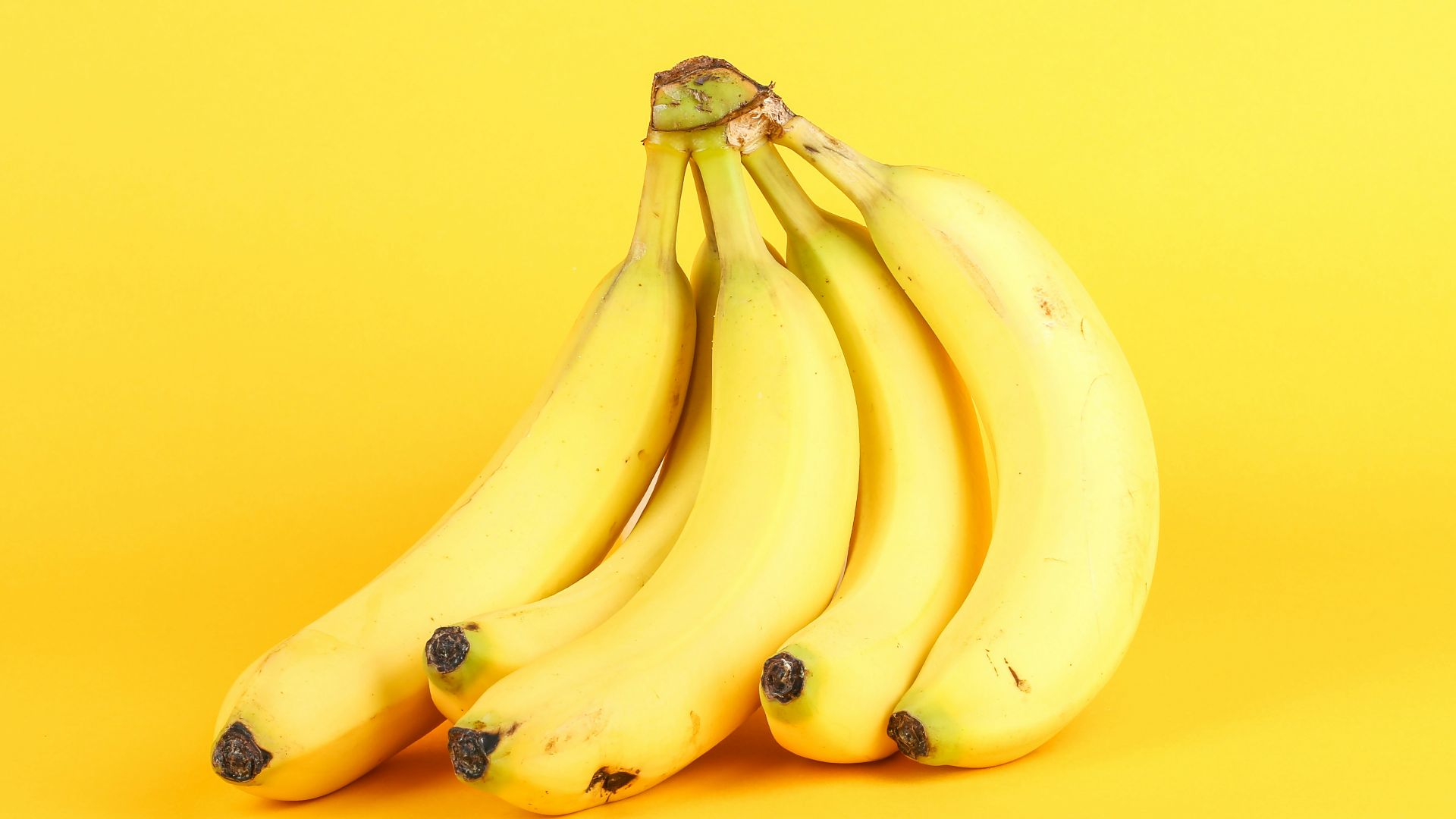
Bananas became one of the world’s most accessible fruits because they’re portable, sweet, cheap, and easy to eat without tools. They’ve provided quick energy and nutrients to people across many countries. Their global trade history has serious political and labor complications, but as a food itself, the banana has made fruit more convenient for everyday life.
10. Canned Foods
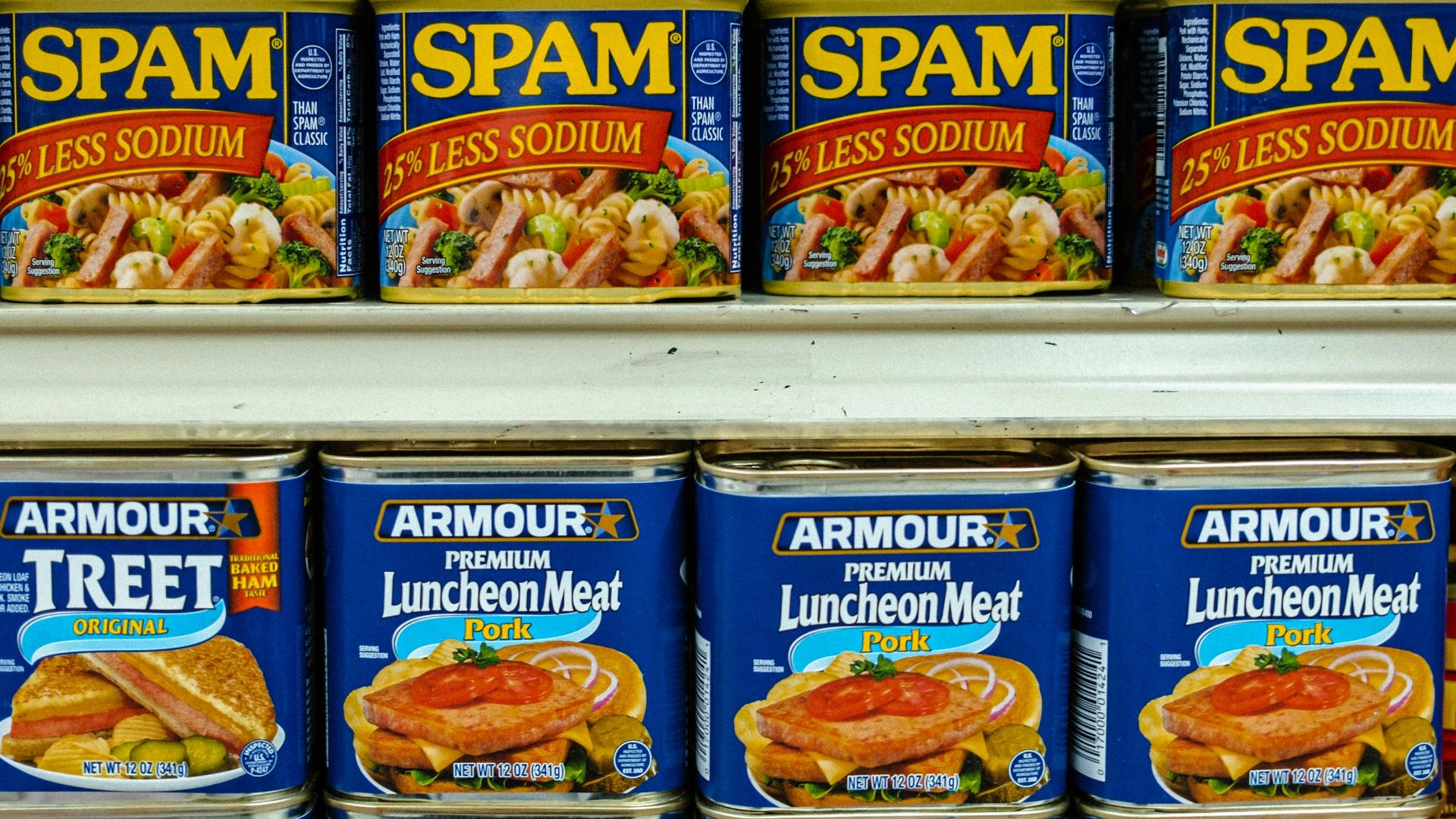
Canning changed the world by making safe, shelf-stable meals available far beyond harvest seasons. They helped feed soldiers, travelers, city dwellers, and families without easy access to fresh ingredients. Canning also reduced some kinds of food waste by preserving produce, fish, beans, and meats for longer periods.
KEEP ON READING

Happy Hour: The 20 Best Foods For Social Snacking