10 Generic Brand Products Worth Buying & 10 Brand Name Versions That Can't Be Beat
Smart Savings
When you go grocery shopping, you might be tempted to go for the brand-name items; after all, aren't they "better"? But if you take a closer look or compare generic versus brand-name items yourself, you'll probably notice there's hardly ever a difference. Why pay more for the same thing? That being said, there are still certain items where the original brand has earned its reputation for a reason, whether that's better flavor, better performance, or a level of consistency that's hard to forget. Let's take a look at which products you can safely swap—and which ones you're better off sticking with the original.
1. Basic Pantry Staples
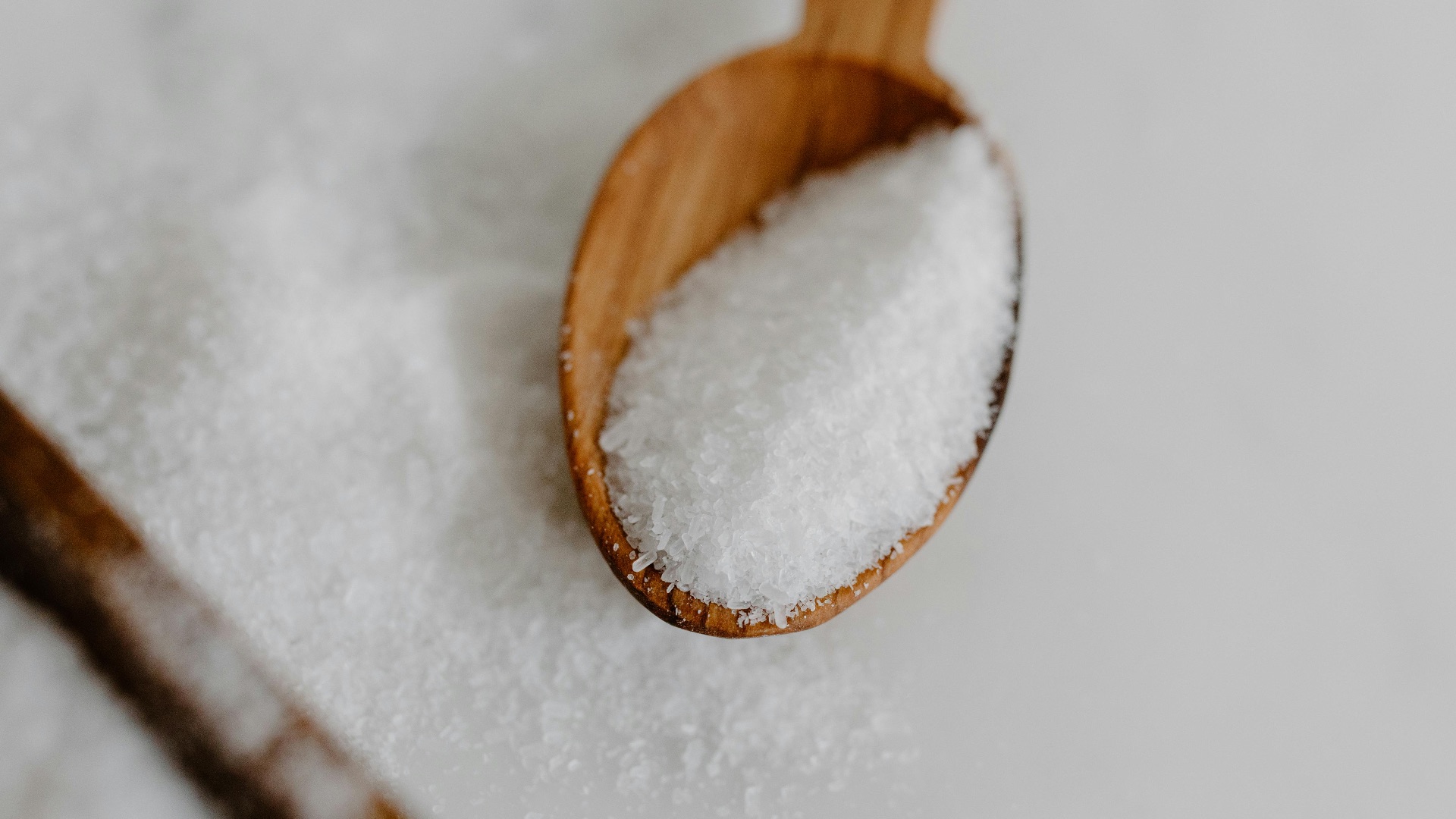
Generic flour, sugar, salt, and baking soda usually perform exactly the way you need them to in everyday cooking and baking. In most cases, you're paying for packaging and familiarity rather than a meaningful difference in quality. Unless you're shopping for a specialty version, the store brand is often the easy choice.
2. Canned Vegetables
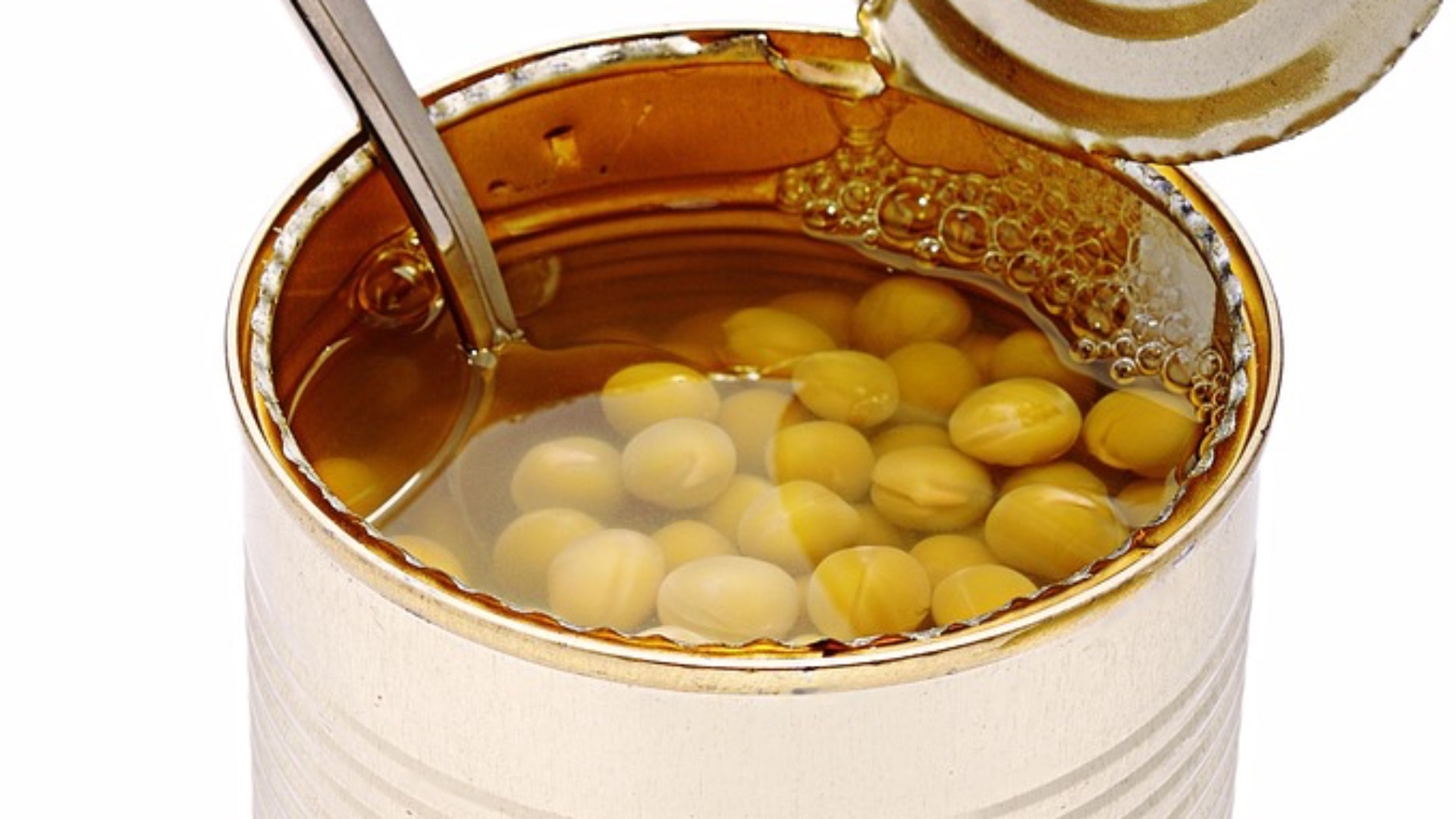
Store-brand canned corn, green beans, peas, and similar vegetables are often packed and processed to very similar standards as national brands. Once they're heated and seasoned in a recipe, most people wouldn't be able to tell which label was on the can. You're usually better off saving the extra money for fresh produce or something more distinctive.
3. Aluminum Foil
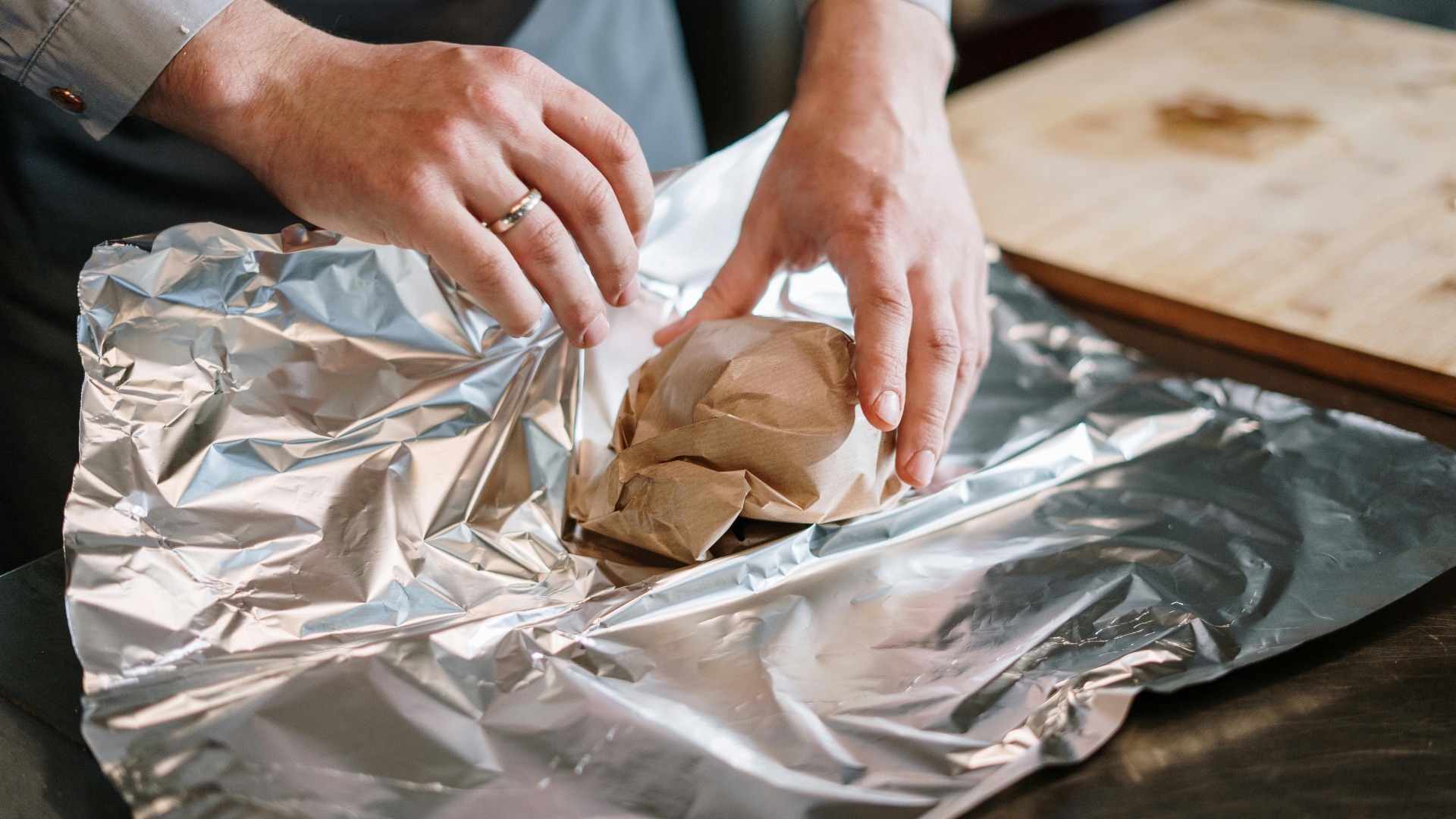
Generic aluminum foil tends to do the same job as the branded version when you're lining pans, wrapping leftovers, or covering dishes. As long as you aren't buying an ultra-thin bargain roll, the performance difference is often too small to justify the price gap. For regular kitchen use, the store brand is usually more than good enough.
4. Sandwich Bread
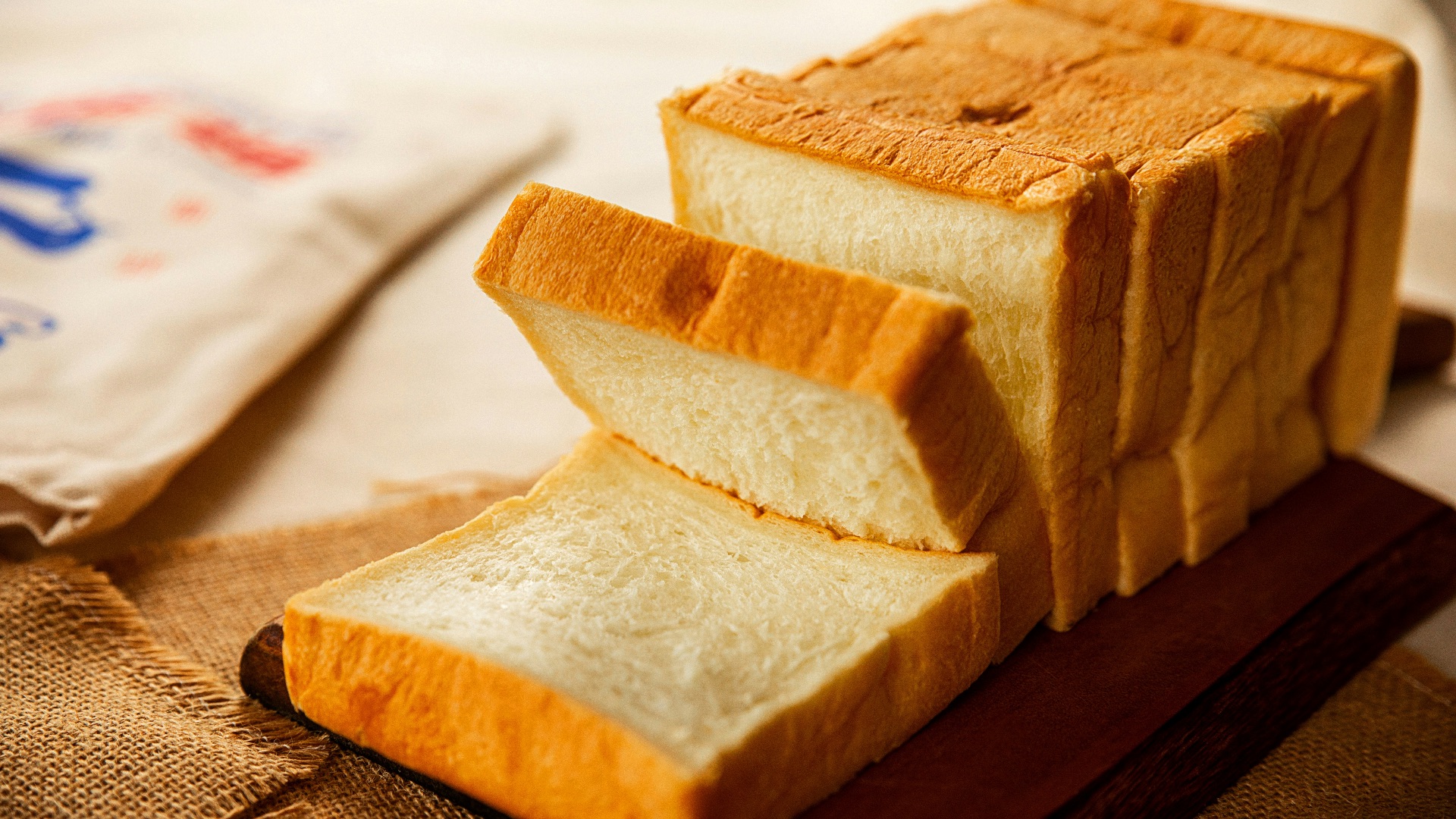
Basic white or wheat sandwich bread from a store brand is often perfectly fine for toast, packed lunches, and quick breakfasts. It may not have the marketing power of a major label, but that doesn't mean it's lacking in freshness or texture. When you're making a simple turkey sandwich, you probably won't miss the name brand at all.
5. Frozen Fruits and Vegetables
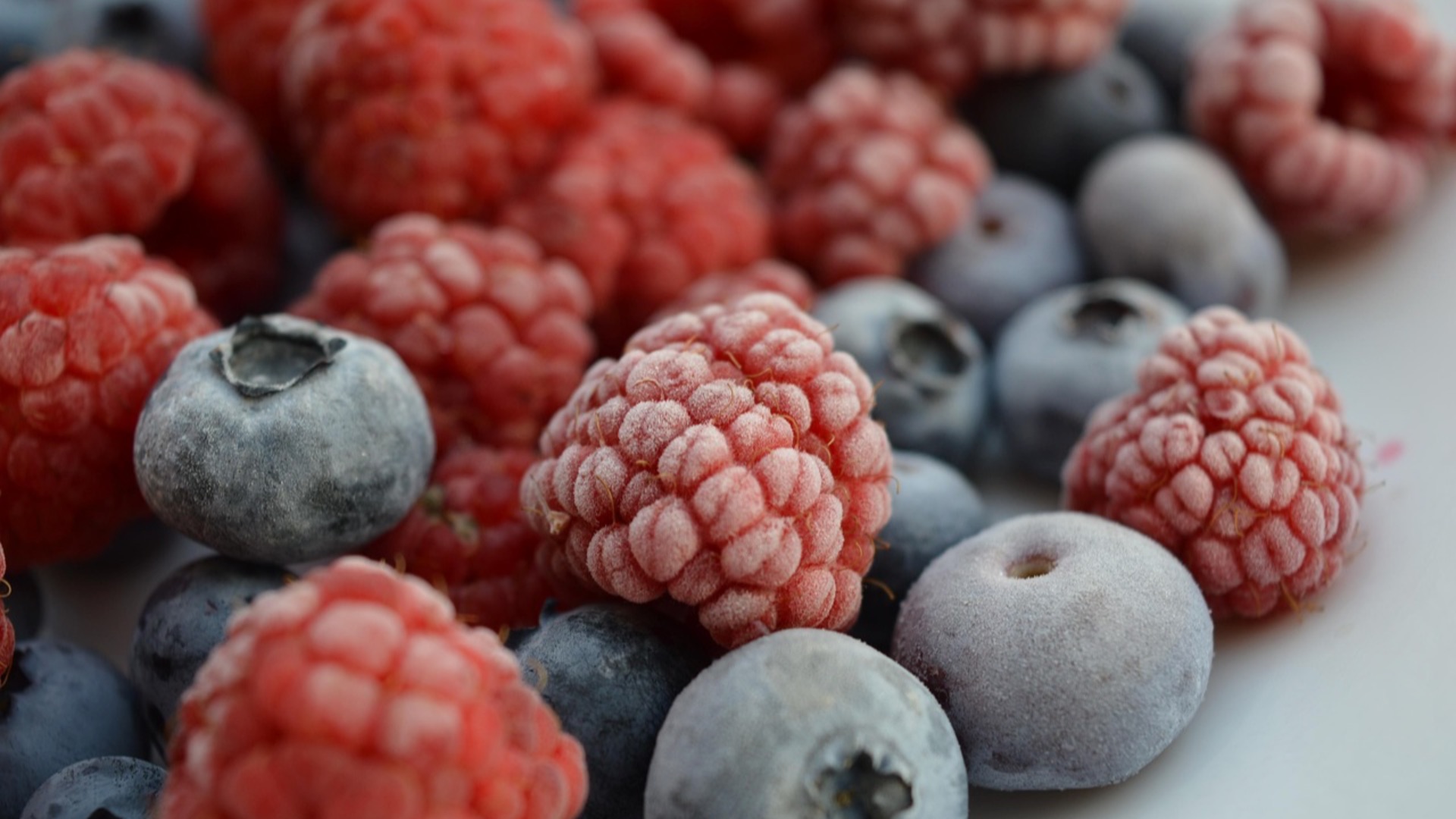
Generic frozen produce is one of the easiest places to cut costs because no matter whether you're making smoothies, stir-fries, or soups, the results are often nearly identical to the pricier option. If the bag contains what you need and looks well-packed, the lower-cost version is usually worth grabbing.
6. Over-the-Counter Pain Relievers
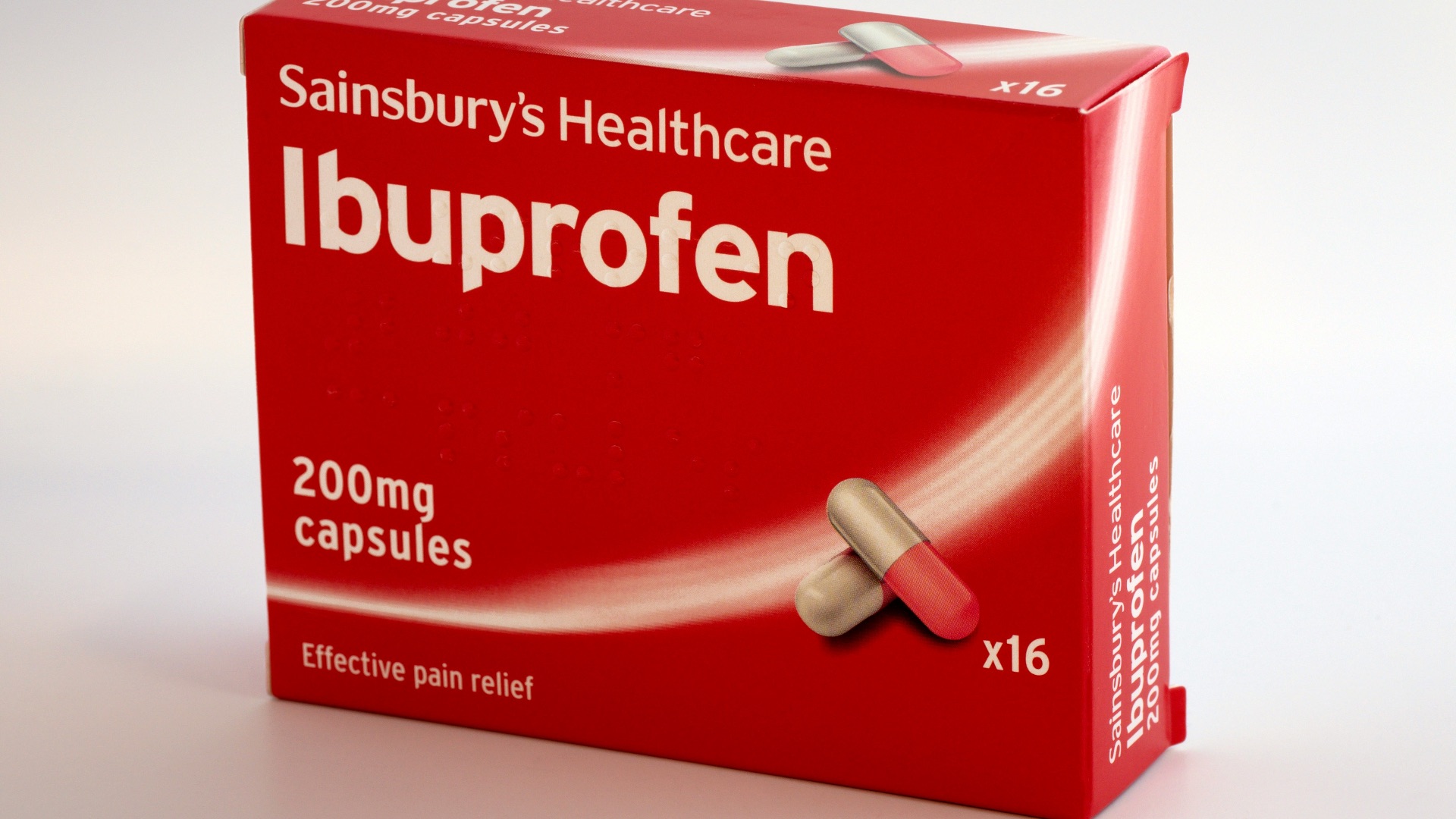
Store-brand ibuprofen, acetaminophen, and allergy tablets often contain the same active ingredients and dosage as their brand-name counterparts. When the formula is identical, the practical difference usually comes down to label recognition rather than effectiveness. More often than not, you're paying less for the same relief.
7. Spices for Everyday Cooking
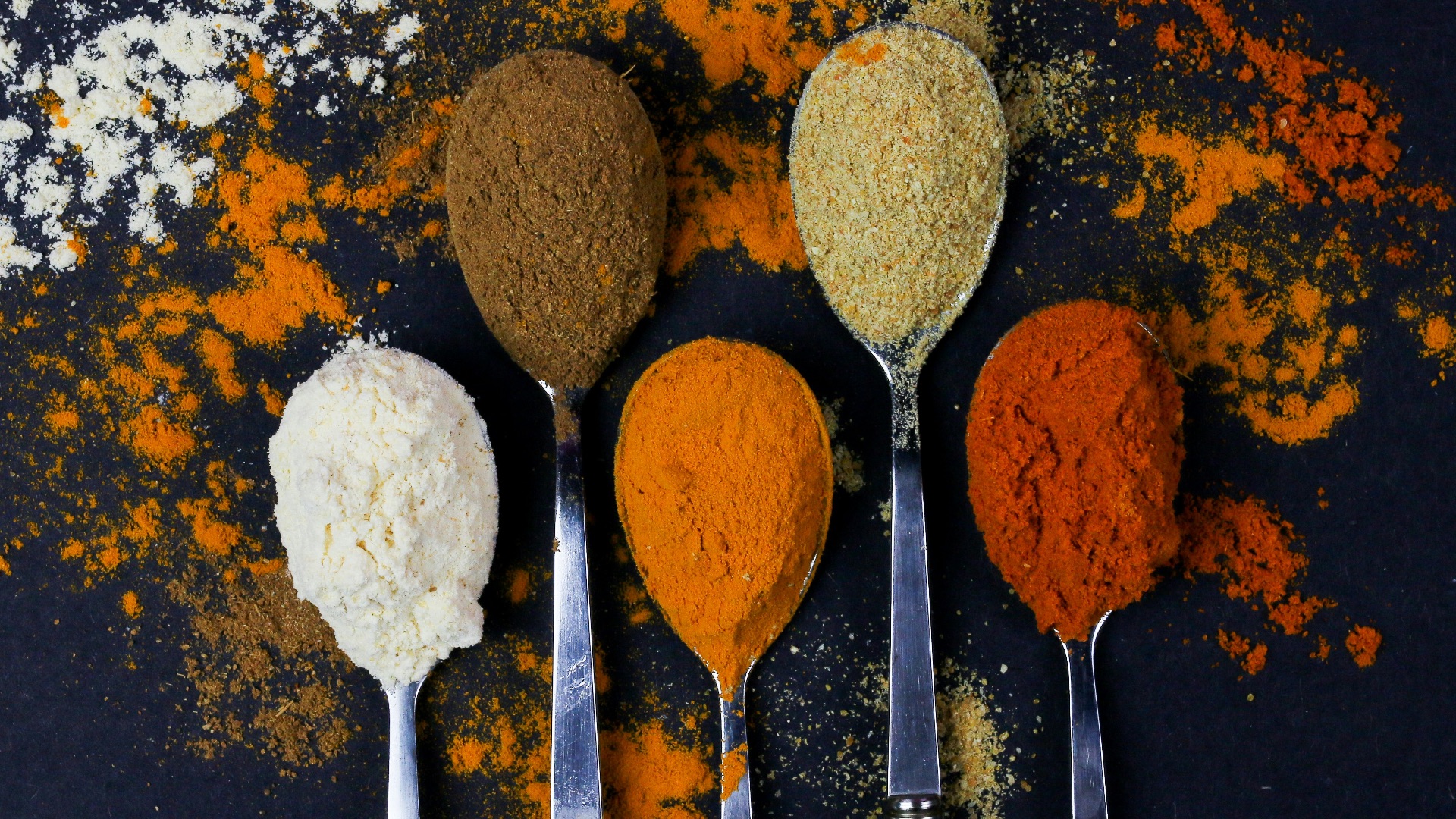
Generic garlic powder, paprika, oregano, and cinnamon are often perfectly acceptable for routine home cooking. Unless you're seeking especially fresh or high-end spices, the differences tend to be subtle enough that they disappear into the dish. For weeknight meals, the less expensive jar usually gets the job done without complaint.
8. Paper Napkins
Paper napkins are one of those household items where brand loyalty doesn't always earn you much. If the store version is absorbent enough and doesn't fall apart immediately, it has already passed the main test. Since they're made for quick, disposable use, paying a premium often feels unnecessary.

9. Bottled Water
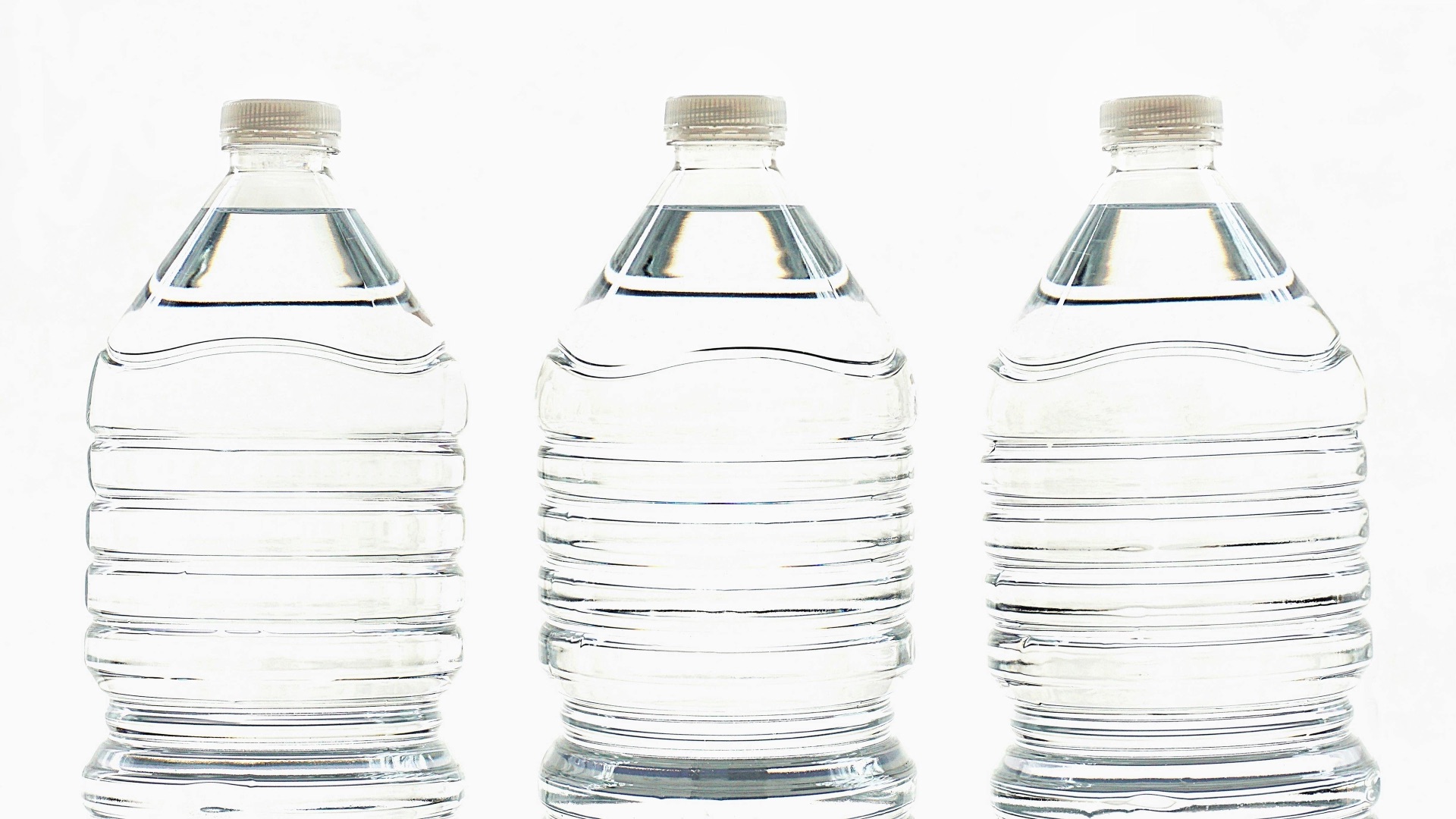
Generic bottled water is frequently sourced, filtered, and packaged in ways that make it hard to distinguish from the national brands lining the same shelf. Unless you're attached to a certain bottle shape or mineral taste, you may not notice much of a difference. This is one of the clearest examples of a product where branding often matters more than the contents.
10. Dried Pasta
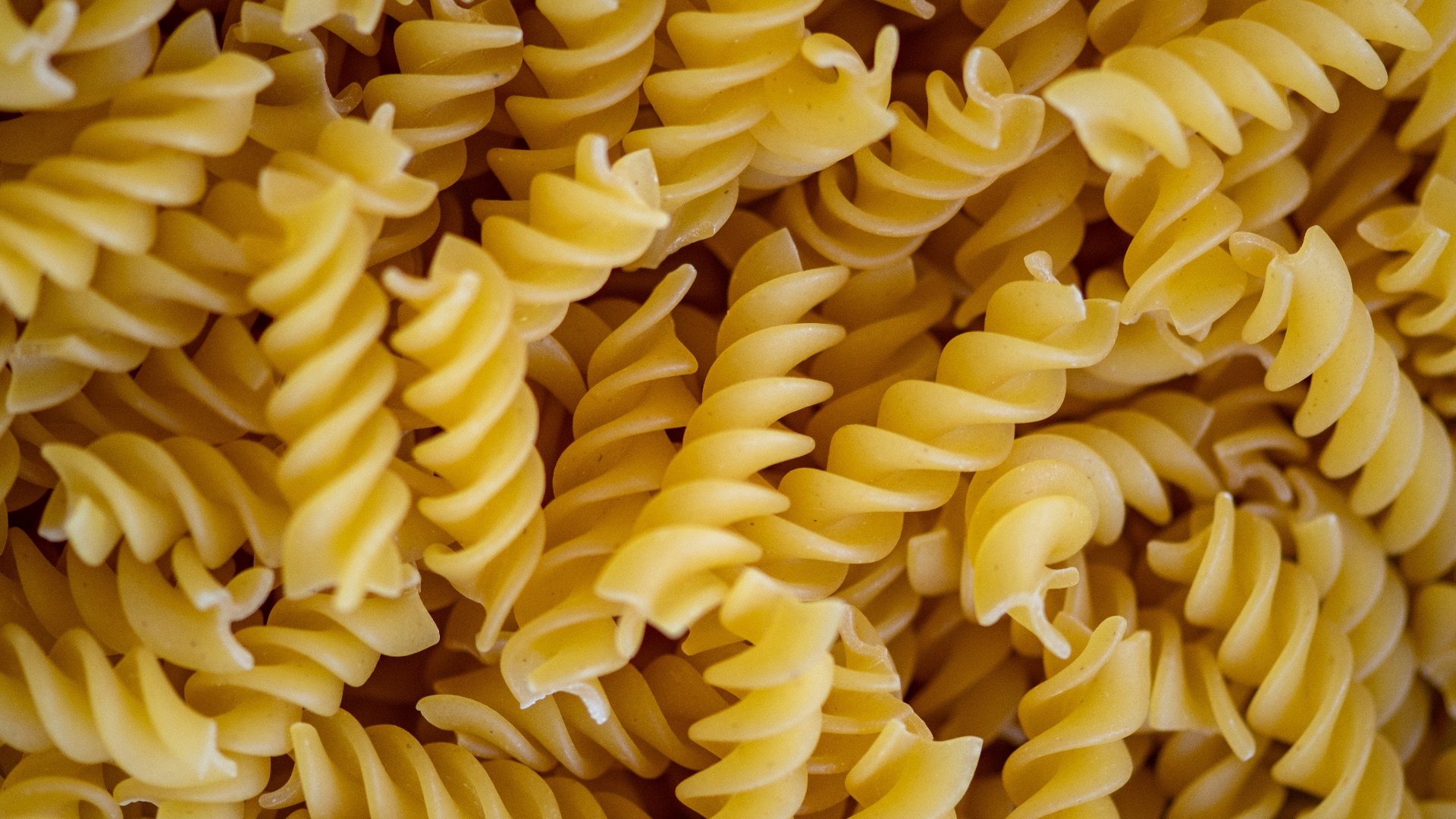
Generic dried pasta is often one of the easiest swaps in the grocery store because once it's cooked and tossed with sauce, most people won't notice much difference between a store brand and a well-known label. As long as the pasta holds its shape and doesn't turn mushy too fast, you're in good shape.
That said, not every store-brand option is the best one on the shelf; there are still a few products where the brand-name version consistently earns its place by simply doing the job better. Let's touch on 10 particular items.
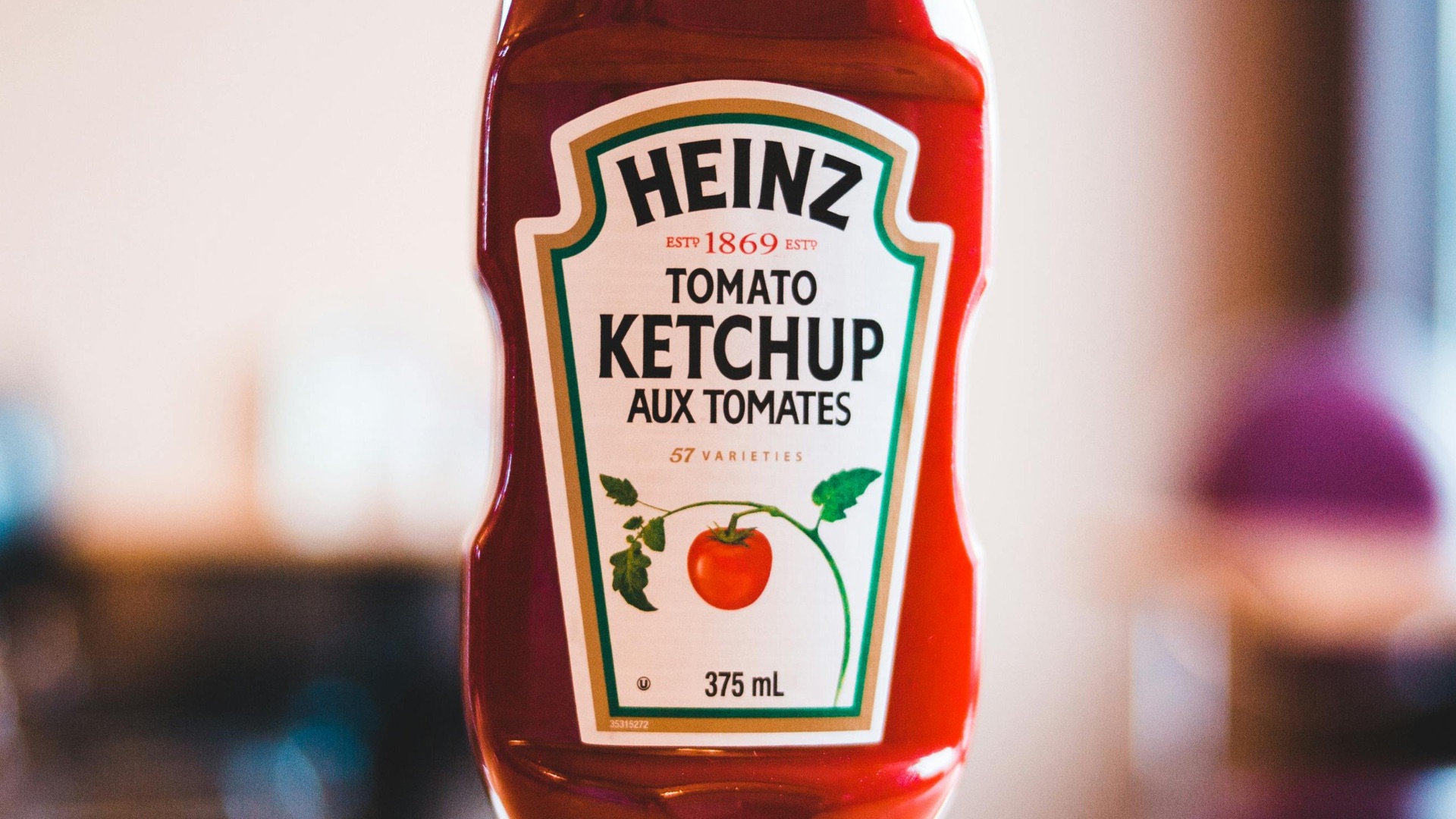
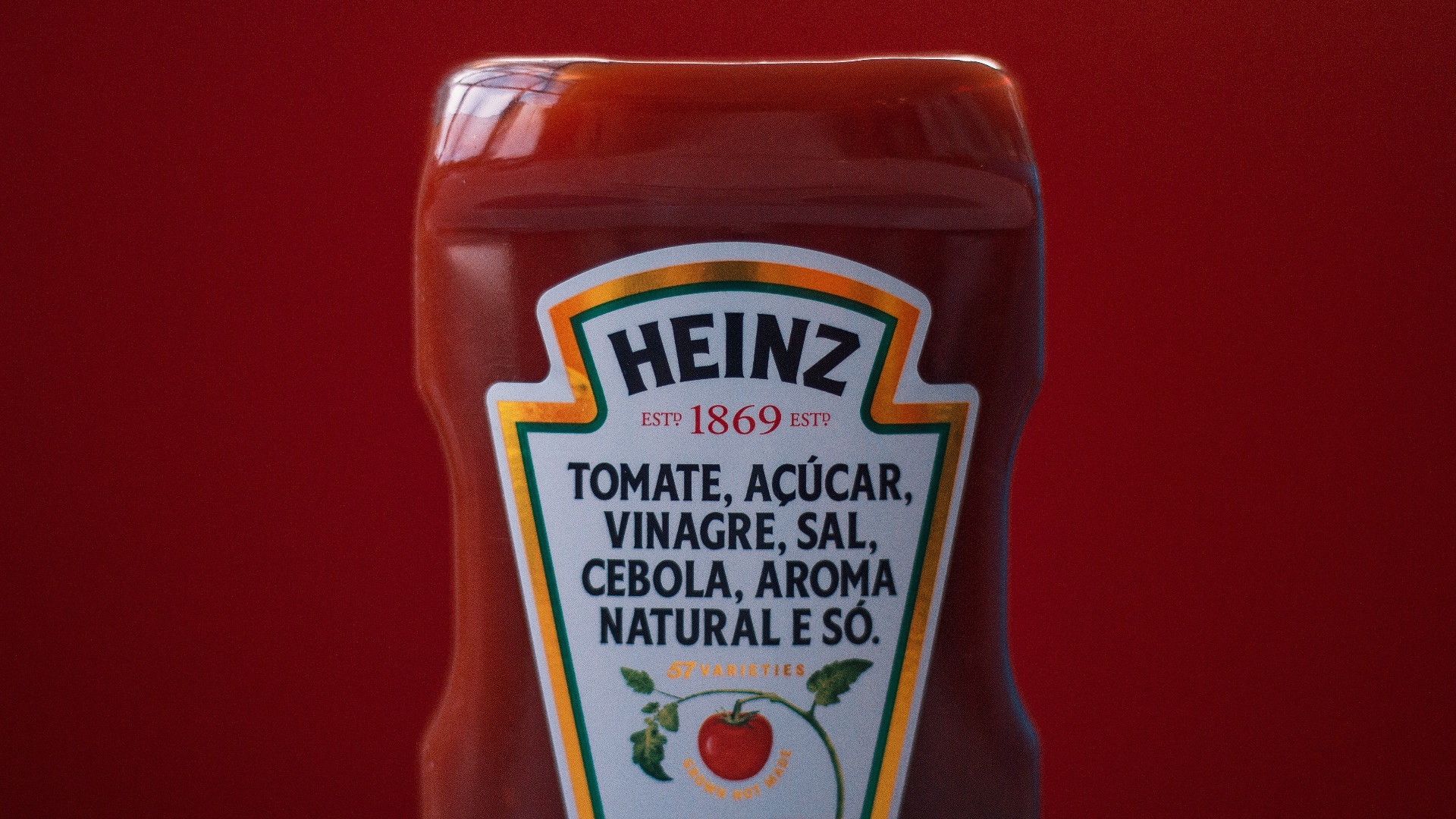
1. Heinz Ketchup
Heinz still sets the standard because its balance of sweetness, acidity, and thickness is hard to match. Many generic ketchups come close, but they often taste slightly flatter or feel thinner once they're on the plate. If ketchup is a regular part of your meals, this is one brand-name purchase that usually pays off.
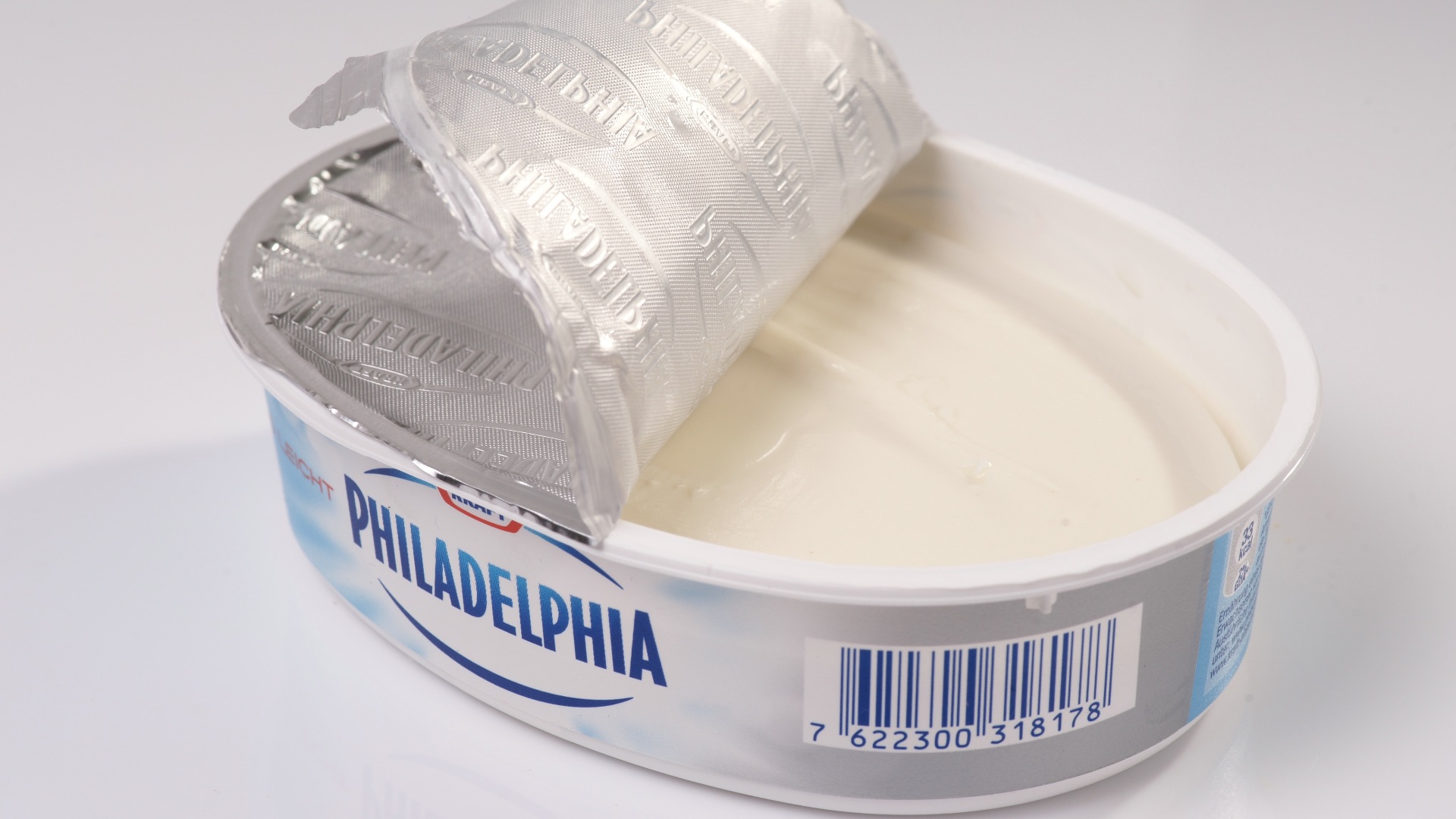
2. Philadelphia Cream Cheese
Compared to many store-brand versions, Philadelphia cream cheese tends to be smoother, creamier, and just more delicious. That matters whether you're spreading it on a bagel or working it into a cheesecake where texture really counts. Some generic options are fine, but the brand-name version still has an edge.
3. Dawn Dish Soap
Dawn has built its reputation on cutting grease quickly without forcing you to use half the bottle in one go. A lot of generic dish soaps work, but they often require more product and more scrubbing to get the same result. If you wash dishes by hand often, you'll want to pick something that gets the work done quicker.

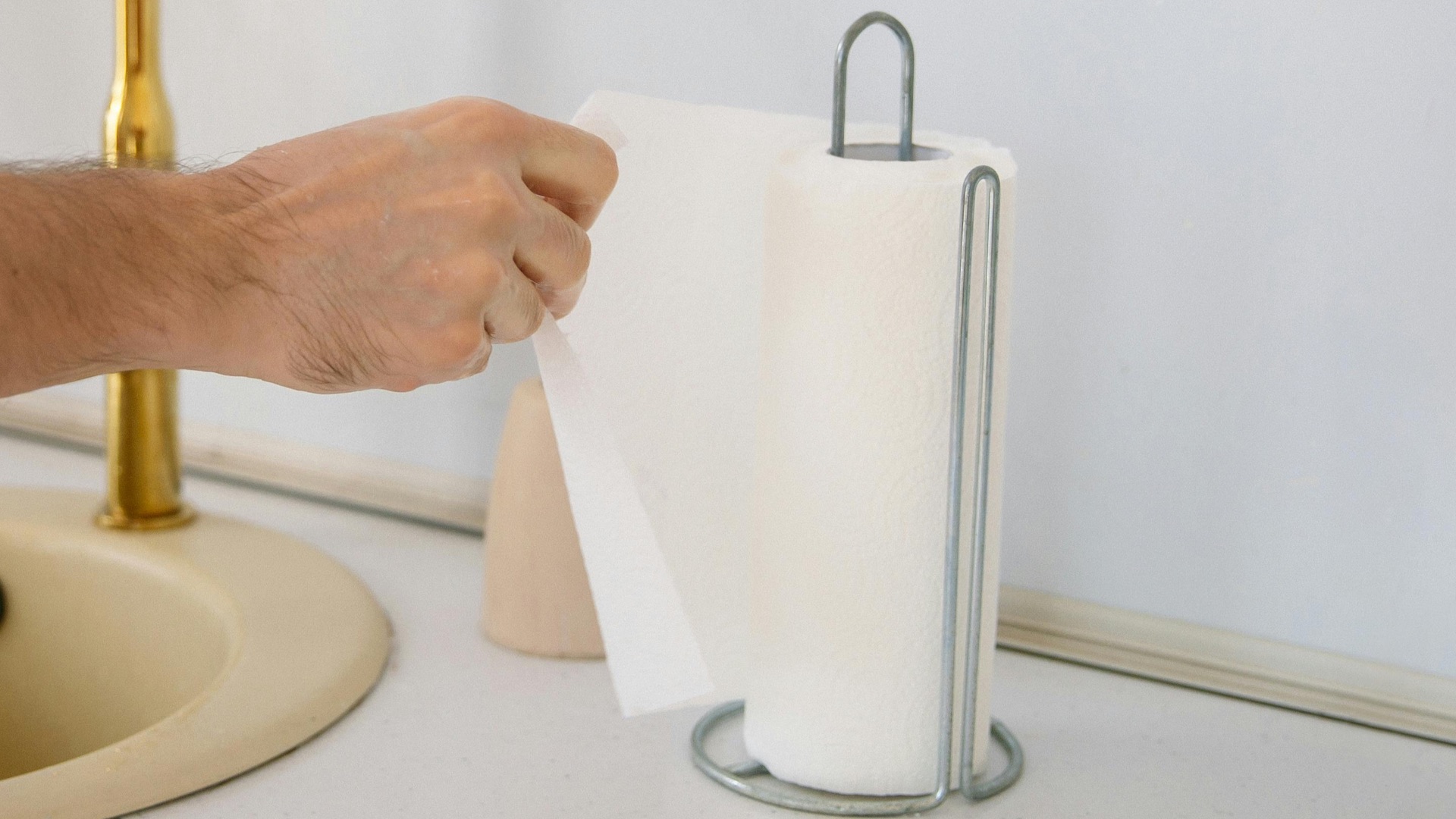
4. Bounty Paper Towels
Bounty remains so beloved because it absorbs well and holds together better than many competitors. Some generic paper towels shred, smear messes around, or force you to use twice as many sheets to finish the job. In a busy kitchen, that extra reliability can be more valuable than the initial savings.
5. Ziploc Storage Bags
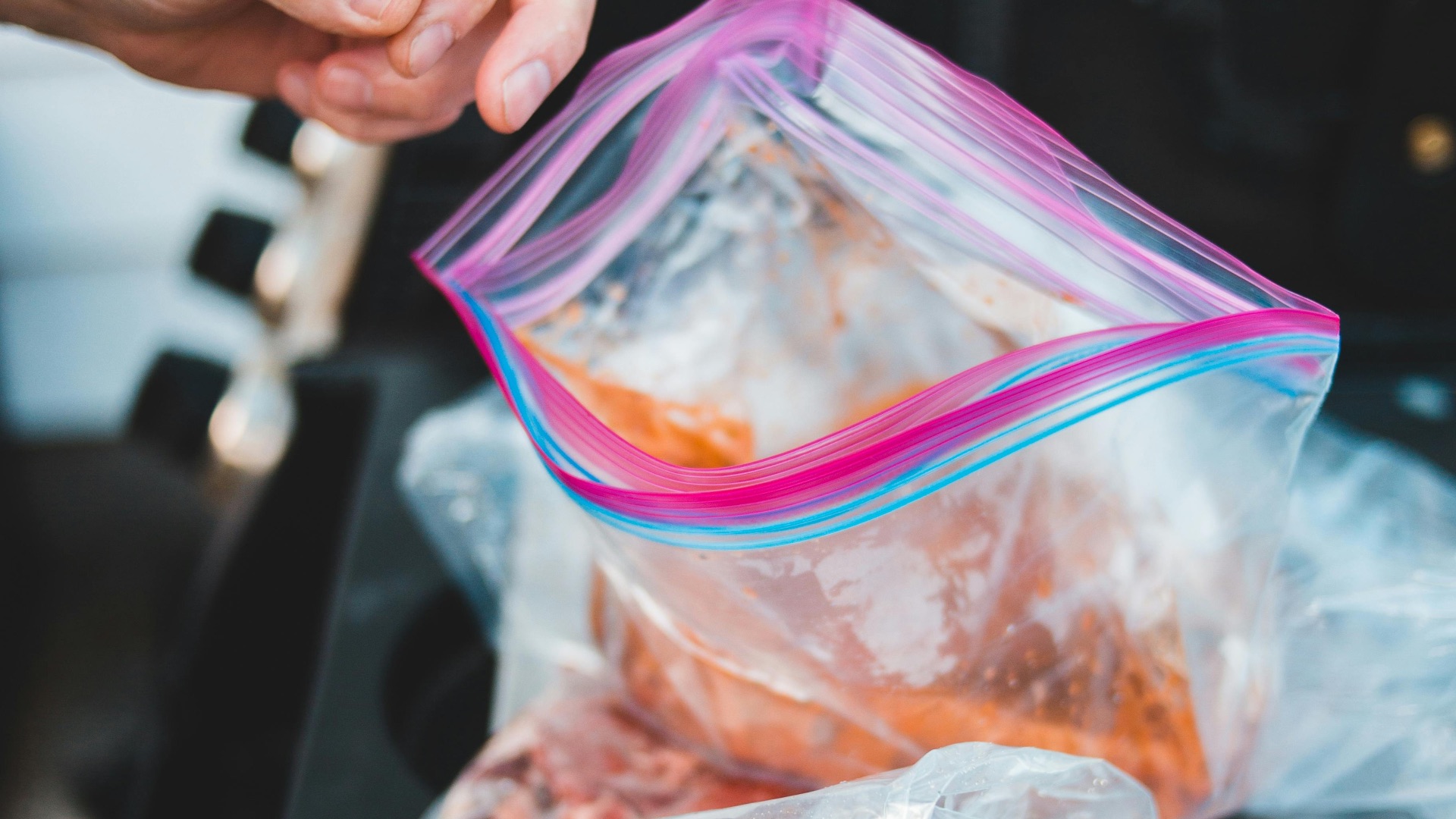
Ziploc bags are often stronger at the seams and more dependable at the closure than generic alternatives. That difference matters when you're storing liquids, packing lunches, or trying to avoid spills in the freezer. You can save on plenty of kitchen basics, but this is one area where reliability tends to be worth the upgrade.
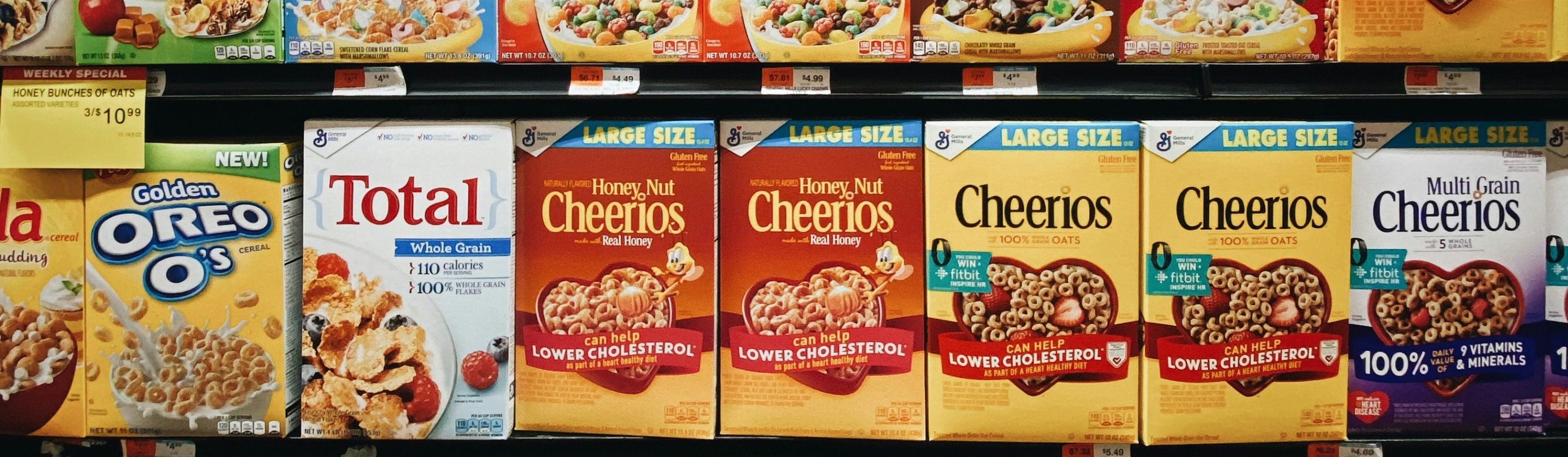
6. Brand-Name Cereal
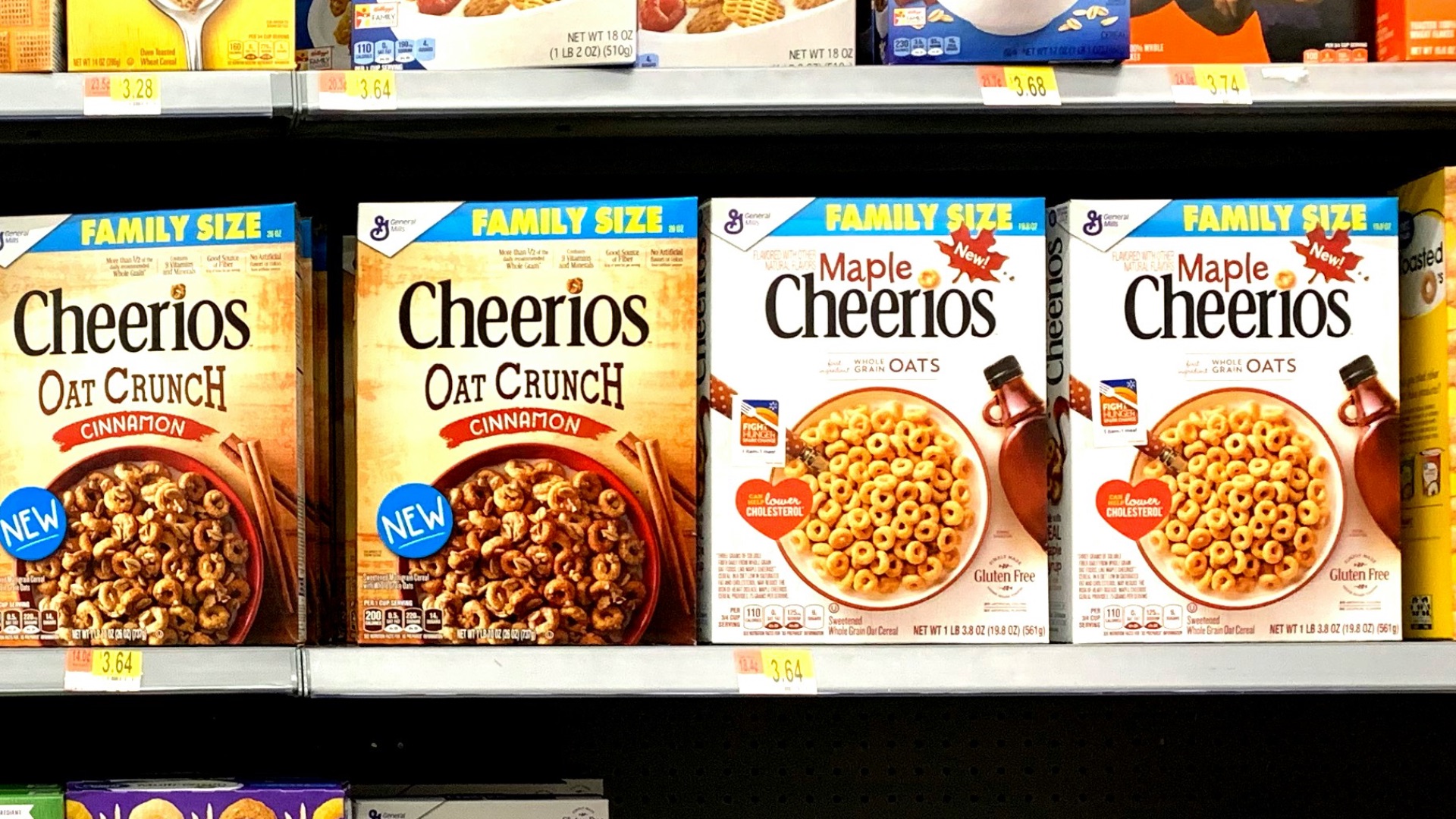
Whether it's Lucky Charms or Frosted Flakes, the brand-name versions we've all been familiar with since childhood are still the best ones on the shelf. The generic ones aren't bad, but they still can't beat the flavor of familiarity, and you'll probably still find yourself reaching for the brands you've always known.
7. Kikkoman Soy Sauce
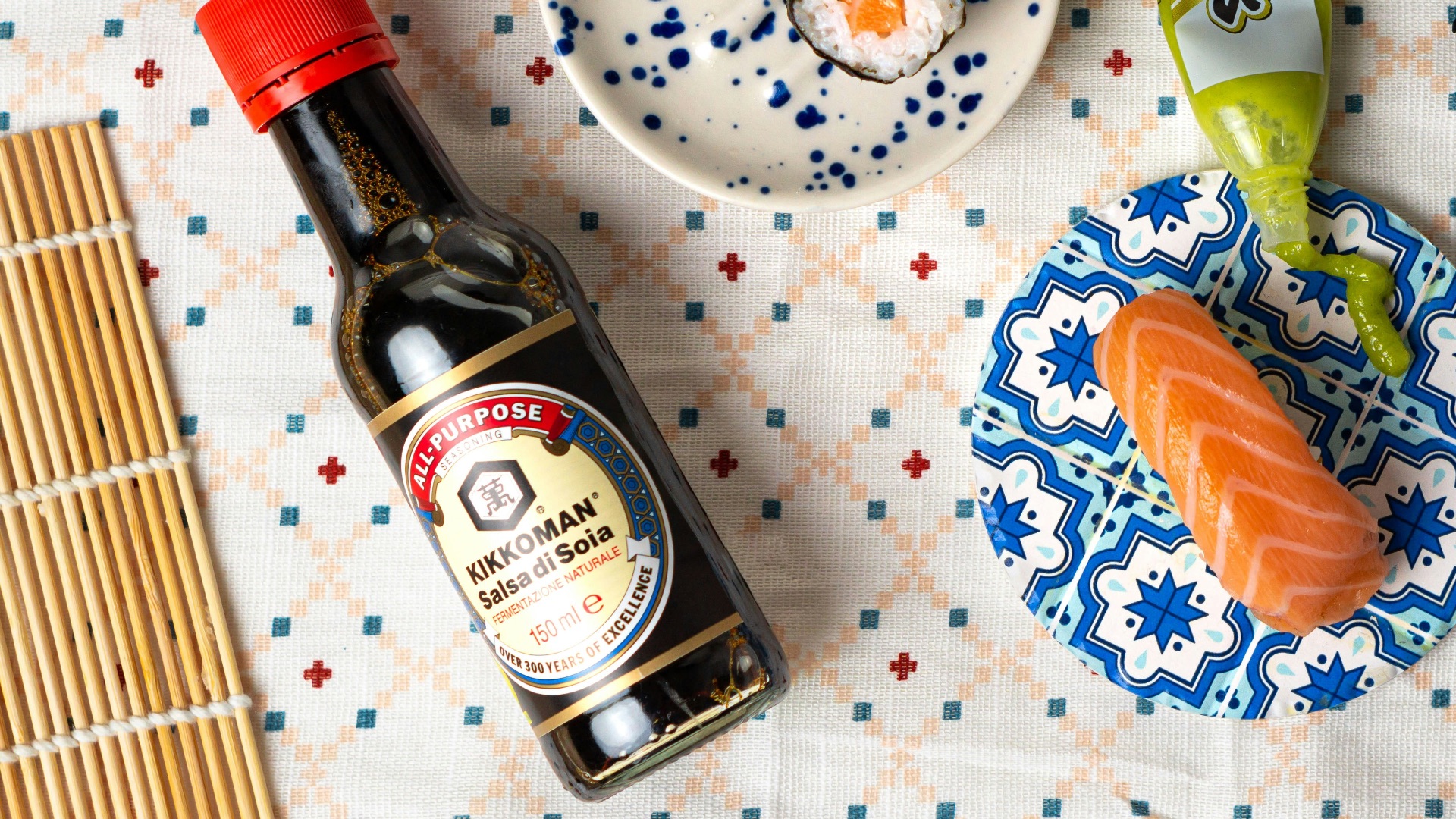
There's a reason why Kikkoman is the name you'll see all the time when you're grabbing sushi for dinner: it has a depth and balance that often makes generic soy sauce taste harsher by comparison. You notice that especially in marinades, dipping sauces, and stir-fries, where soy sauce isn't just a background ingredient. For a bottle that lasts a while and pulls a lot of weight, this is a strong case for choosing the original.
 frogses production on Unsplash
8. Oreo Cookies
Many sandwich cookies imitate Oreos, but the original still beats them out on texture, flavor, and the familiar balance between the cookie and the filling. Generic versions often miss the mark by being too sweet, too dry, or slightly off in flavor. If you're craving Oreos, buy Oreos.

9. Coca-Cola
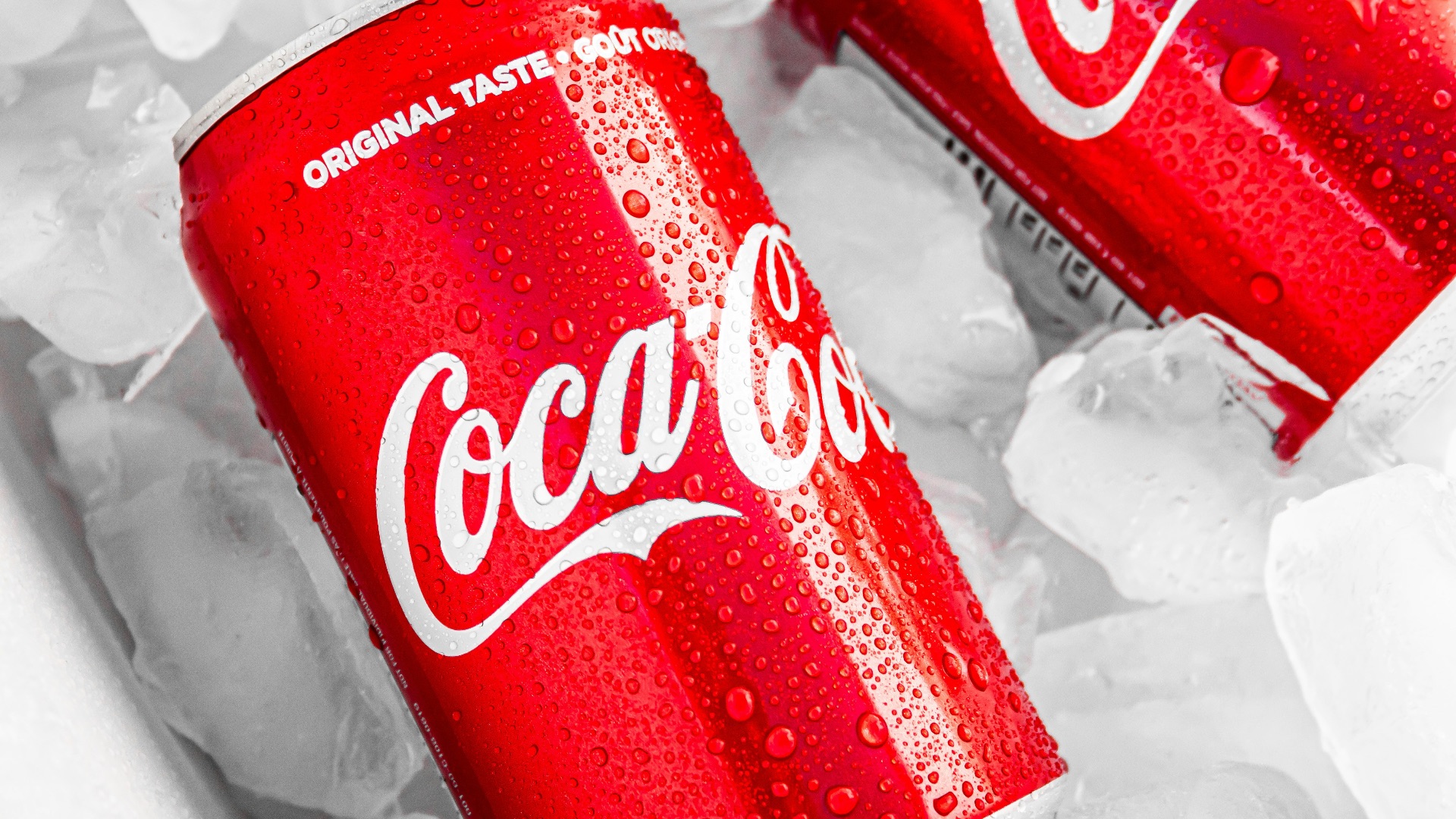
Sure, other versions of cola exist, but Coca-Cola remains hard to beat because the taste is so familiar and so carefully refined. The generic ones are drinkable, but they often feel either too syrupy or slightly off once you compare them side by side. When you're buying cola for the specific flavor, the original still tends to win.
10. Jif Peanut Butter
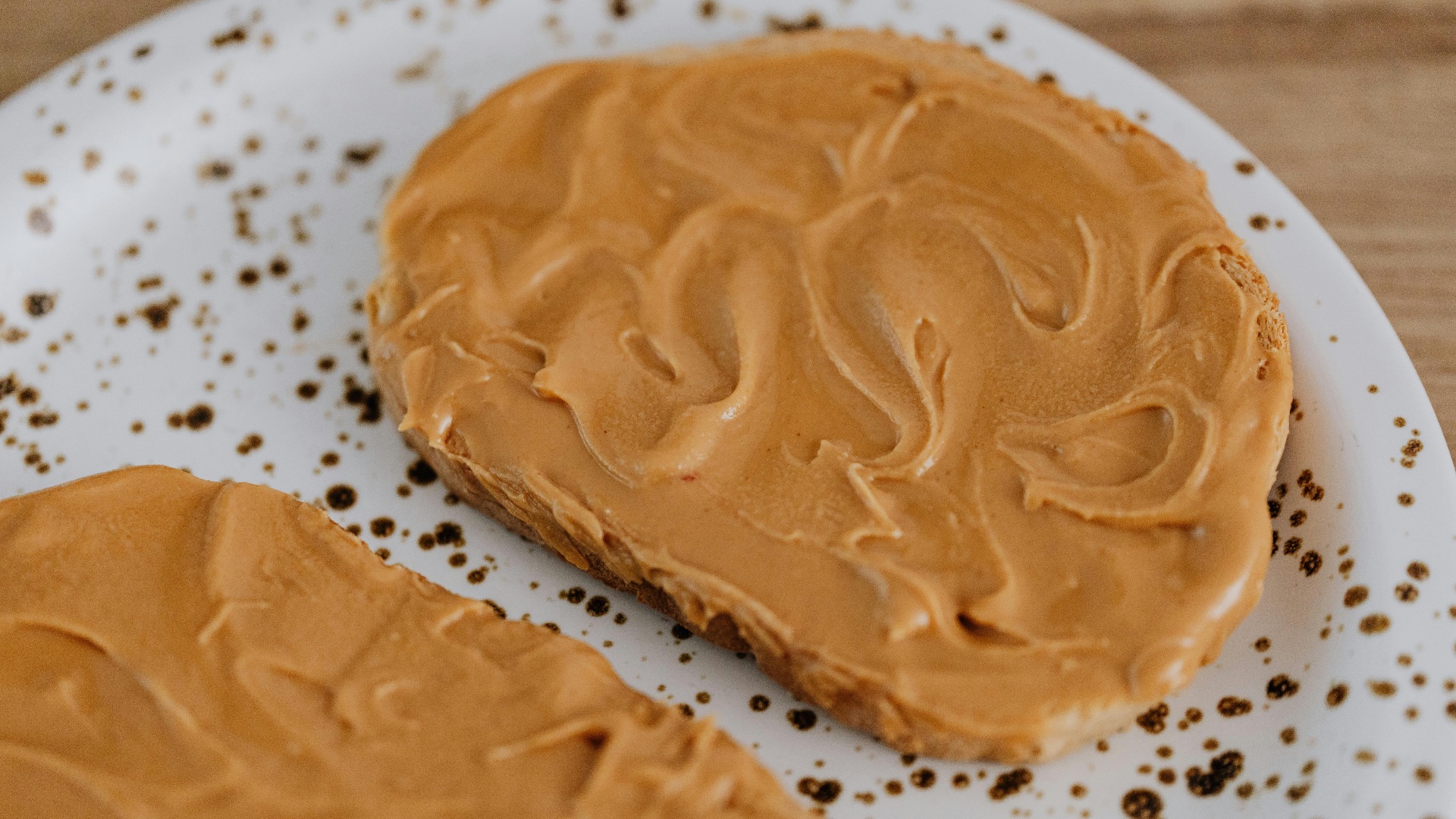
You might think generic peanut butter is the same as the brand-name versions, but one spoonful will instantly change your mind. Jif, for example, manages to hit a perfect balance of sweetness, saltiness, and creaminess that many generic peanut butters can't replicate. Some store brands are too oily, too stiff, or a little dull in flavor once you spread them on toast or use them in a sandwich. So if peanut butter is a staple in your kitchen, you're better off buying the brand-name version.
KEEP ON READING