Is That Real Vanilla? The Hidden World Of Premium Vanilla Farming
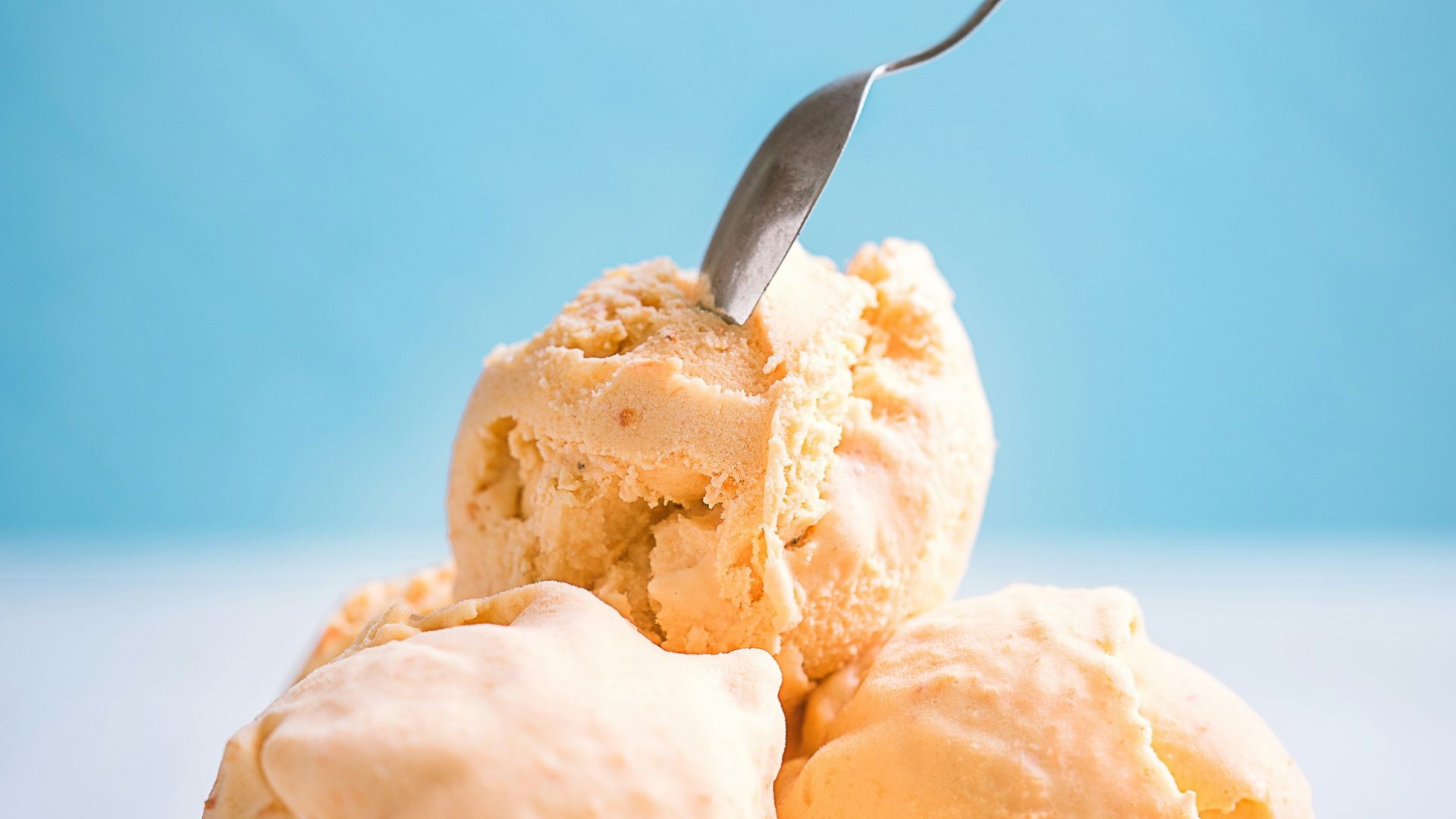
If you've ever picked up a bottle of vanilla extract or spotted tiny black specks in premium ice cream, you've probably wondered what makes real vanilla so special. Unlike many flavorings that come from relatively simple ingredients, vanilla has one of the most fascinating journeys from farm to kitchen. Its rich aroma and complex taste are the result of careful cultivation, patient processing, and years of agricultural expertise.
Although vanilla is one of the world's most recognizable flavors, few people know how much work goes into producing it. Premium vanilla farming depends on a combination of favorable climate, skilled labor, and time-consuming harvesting methods that can't easily be replaced by machines. Once you understand the process, it's easier to appreciate why genuine vanilla is considered one of the world's most valuable spices.
Growing Vanilla Is A Slow And Careful Process
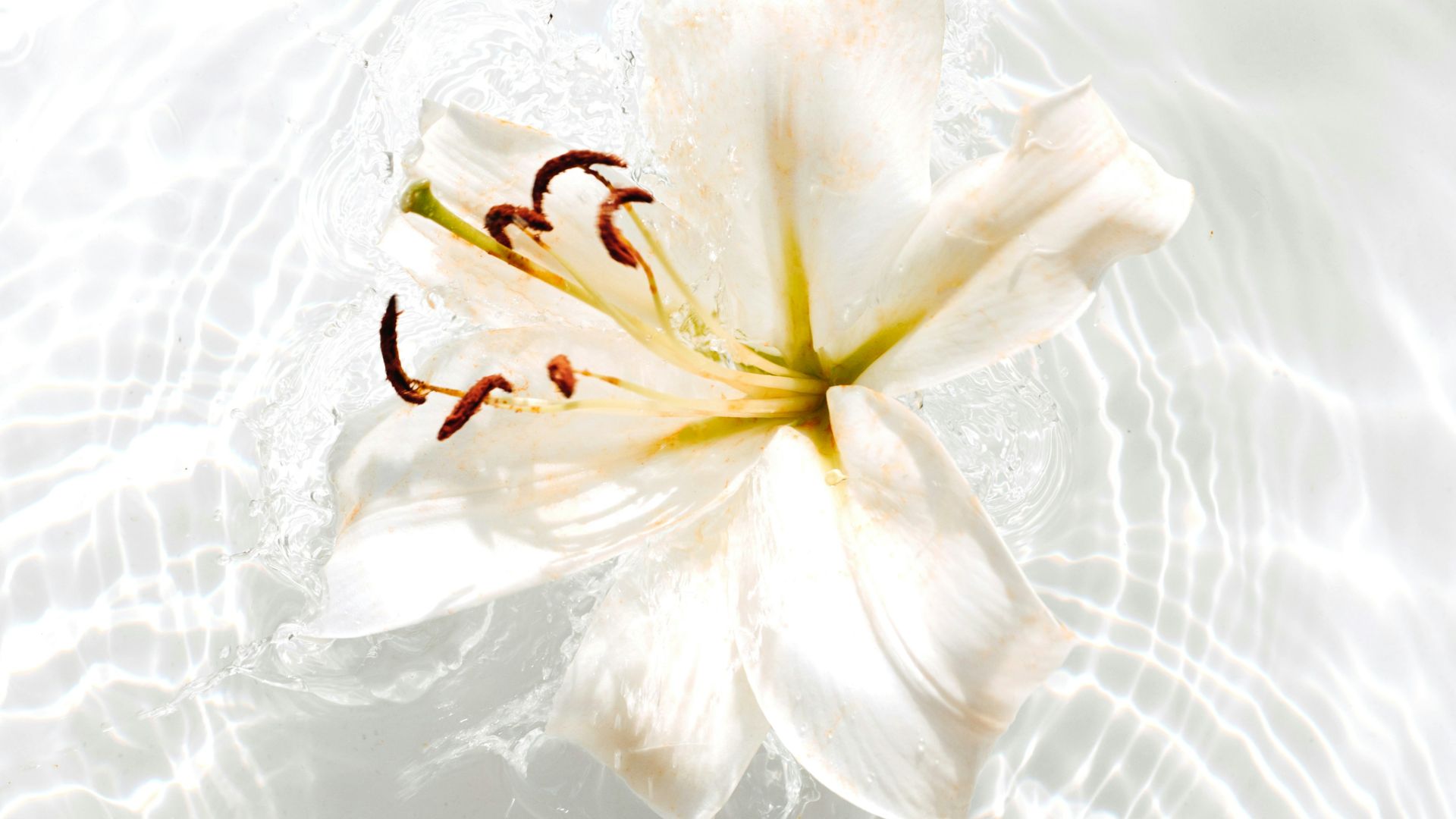
Vanilla comes from orchids, primarily the species Vanilla planifolia, which grows best in warm, humid tropical climates. Major producers include Madagascar, Indonesia, Uganda, and Mexico, with Madagascar supplying a significant share of the world's natural vanilla. The vines require support structures such as trees or poles because they naturally climb as they grow.
Unlike many commercial crops, vanilla plants demand patience before producing beans. A vine generally takes several years to mature enough to flower, meaning farmers invest significant time before seeing a harvest. During that period, the plants need regular care to remain healthy and productive.
One of the most remarkable parts of vanilla farming is pollination. Outside of vanilla's native range in parts of Mexico, the natural pollinators are largely absent, so most commercial vanilla flowers must be pollinated by hand. Since each flower remains open for only about a day, growers carefully transfer pollen by hand during a very small window, making timing just as important as skill.
Even after successful pollination, the developing vanilla pods continue growing for many months before they're ready to harvest. Farmers monitor the beans closely because harvesting too early or too late can reduce overall quality. Every stage requires attention, and there are very few shortcuts that produce comparable results.
From Green Bean To Rich Flavor
Freshly harvested vanilla beans don't smell like the familiar vanilla used in baking. At first, the green pods contain compounds that haven't yet developed into the rich aroma associated with finished vanilla. The signature flavor forms during a carefully managed curing process that transforms the beans over several months.
The curing process typically includes blanching or another heat treatment, followed by repeated cycles of sweating, drying, and conditioning. During these stages, enzymes naturally break down compounds inside the beans, helping develop vanillin and many other aromatic molecules that contribute to vanilla's complex flavor profile. The process requires close monitoring to balance moisture levels while preventing spoilage.
Premium vanilla beans are often sorted according to their appearance, moisture content, flexibility, and overall quality. Long, supple beans with a rich aroma are generally considered especially desirable for culinary use. Different growing regions also produce subtle variations in flavor, influenced by climate, soil conditions, and curing techniques.
Vanilla extract begins with these cured beans rather than fresh pods. In the United States, pure vanilla extract must meet specific standards that require extraction from vanilla beans using alcohol and water. This careful extraction preserves the broad range of natural flavor compounds that distinguish pure vanilla from simpler artificial flavorings.
Why Premium Vanilla Commands Such High Prices
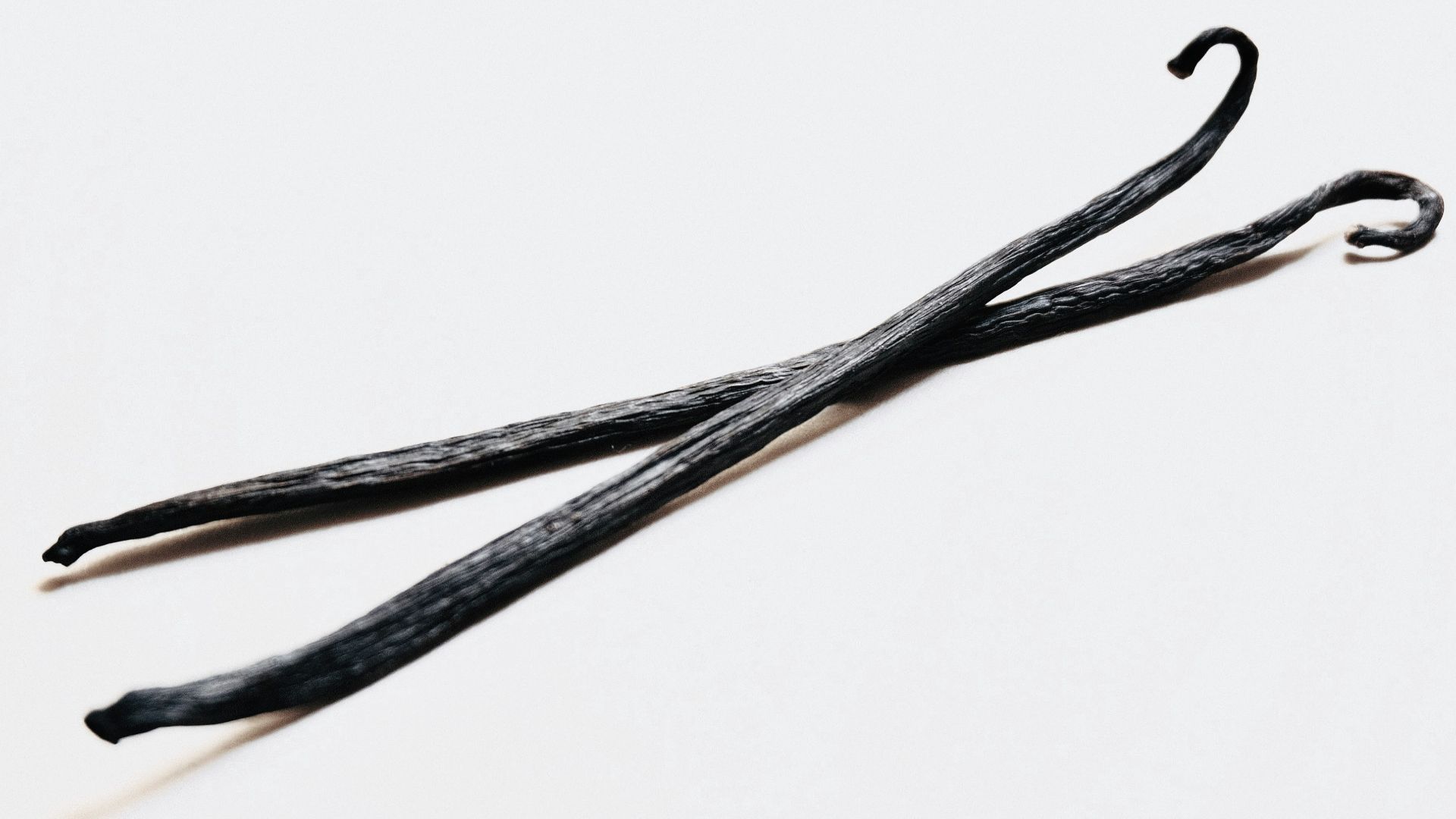
When you compare the price of pure vanilla extract with artificial vanilla flavoring, the difference can seem surprising at first. However, much of that cost reflects the extensive labor involved throughout the production process. Hand pollination, careful harvesting, and months of curing all contribute to the final price consumers see on store shelves.
Weather also plays a major role in the vanilla market. Since much of the world's natural vanilla is grown in tropical regions that occasionally experience cyclones and other extreme weather events, harvests can vary considerably from year to year. Changes in supply often influence global prices, making vanilla one of the more volatile agricultural commodities.
Artificial vanilla, commonly made using synthetic vanillin, provides a consistent and affordable alternative for many food products. While synthetic vanillin reproduces vanilla's primary flavor compound, natural vanilla contains hundreds of additional aromatic compounds that create greater depth and complexity. Depending on the recipe, some people notice a richer flavor when using pure vanilla, particularly in uncooked or lightly flavored desserts.
Learning about premium vanilla farming gives you a new appreciation for an ingredient that's often taken for granted. Every bottle of pure vanilla extract represents years of plant growth, skilled hand pollination, careful curing, and thoughtful craftsmanship before it ever reaches your kitchen. The next time you enjoy a dessert made with real vanilla, you'll know that its familiar flavor is the result of one of agriculture's most patient and carefully managed growing processes.
KEEP ON READING

Can't Sleep? Try These 3 Bedtime Drinks
The Quiet Death Of The Sit-Down Family Dinner