
The Real Reason You're Always Hungry an Hour After Eating
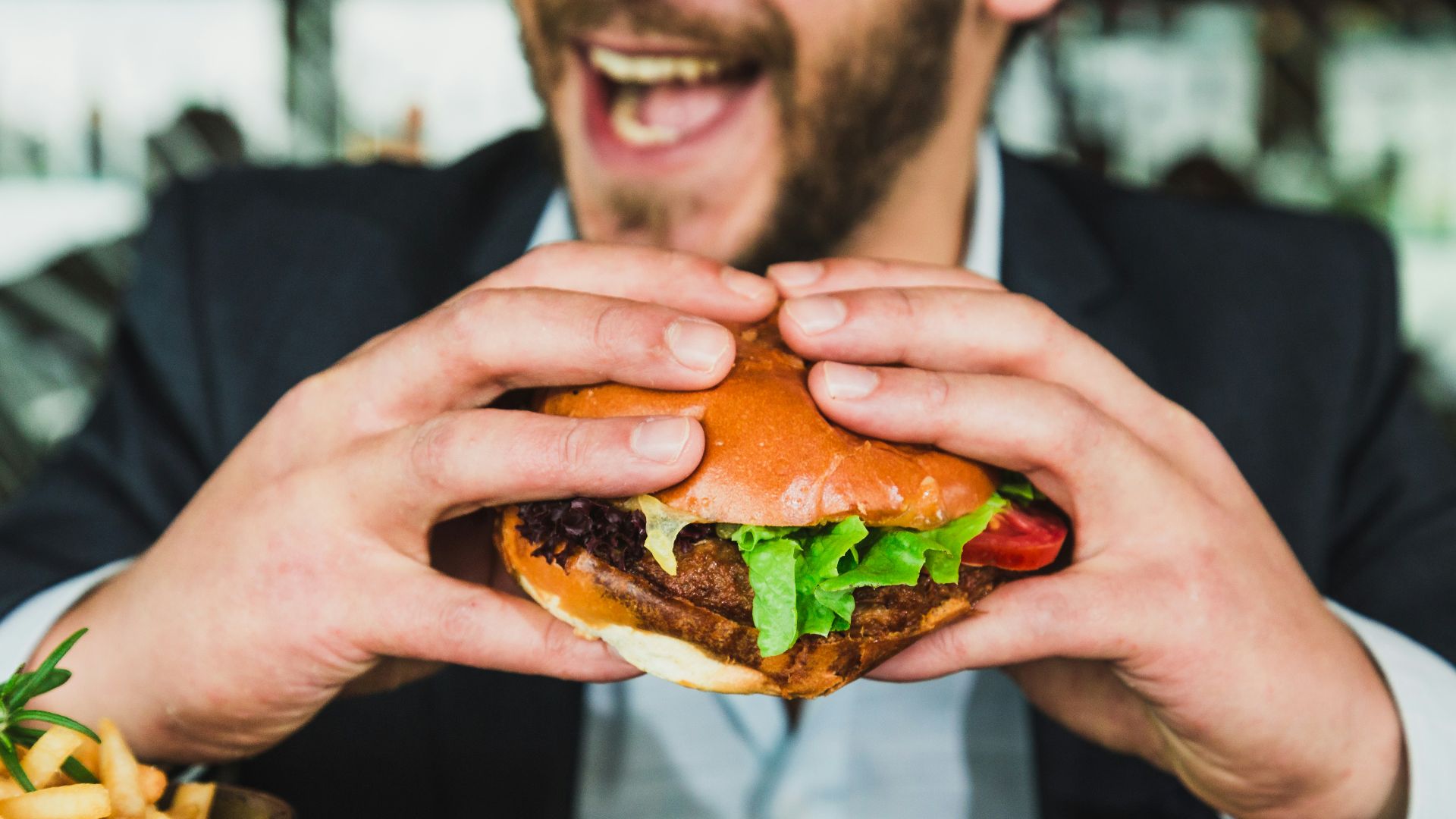
You finish lunch, get back to work, and not long after, you’re already thinking about a snack. You may not have a name for it, but we do - rebound hunger. This weird feeling of consistent hunger usually has a lot less to do with “bad self-control” than people assume. Appetite is shaped by blood sugar patterns, meal composition, eating pace, sleep, and a steady stream of signals moving between your gut, your hormones, and your brain.
That’s why a meal can look filling on paper and still leave you hungry an hour or two later. You can eat enough calories and still end up with a lunch that digests too fast, skimps on the nutrients, or disappears so quickly that your body never really catches up. When that happens, you'll start to notice a difference between eating lunch and feeling satisfied. It's frustrating, but not unusual.
Fast-Burning Carbs Set You Up for a Rebound
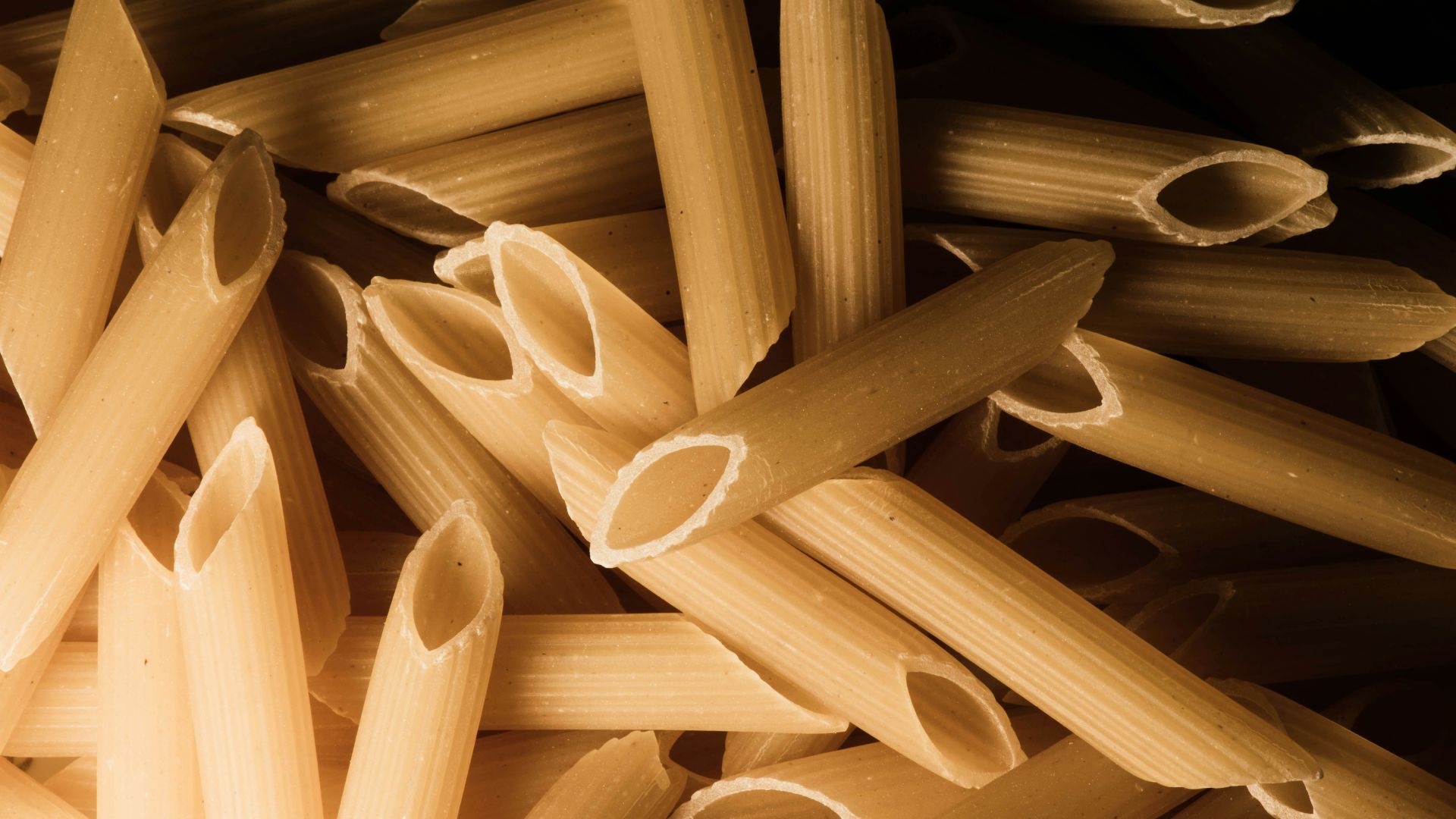
One of the biggest reasons hunger comes back so quickly is that some meals burn through fast. Refined carbohydrates like white bread, pastries, sugary cereal, and plenty of grab-and-go lunches digest quickly, which can pump up your blood sugar, before crashing a couple of hours later.
A large 2021 study published in Nature Metabolism found that post-meal glucose dips two to three hours after eating predicted later hunger and how much people ate next better than the initial glucose spike did. A lunch can feel perfectly fine when you eat it, then leave you weirdly snacky later because of this sugar drop.
There’s also evidence that high-glycemic meals can make food look a lot more tempting later on. In an American Journal of Clinical Nutrition study, a high-GI meal led to lower blood glucose, greater hunger, and increased activity in brain regions tied to reward and craving in the late post-meal period compared with a low-GI meal. So when a quick-carb lunch leaves you poking around for something sweet or salty an hour later, that feeling isn't coming out of nowhere.
A Full Stomach Isn’t Always a Filling Meal
A meal can also fall short because it’s missing the mix of nutrients that helps food actually last. Protein has some of the strongest short-term evidence for satiety, and a 2020 meta-analysis found that acute protein intake suppressed appetite, lowered ghrelin, and increased hormones linked with fullness, including CCK and GLP-1. That’s a big reason eggs, Greek yogurt, beans, tofu, fish, or chicken tend to keep you steadier than a lunch that’s mostly bread, chips, or crackers.
Fiber helps for a different set of reasons, but it matters just as much. Reviews of the research note that fiber’s physical properties can slow digestion, affect gastric emptying, and help increase satiety, especially when meals include vegetables, legumes, fruit, and intact whole grains. The evidence on whole grains versus refined grains isn't perfectly uniform in every single study, but overall, the case for fiber-rich foods helping with fullness is still solid.
Fat has a role here, too, even if nutrition culture has spent years making that sound far more dramatic than it needs to be. Research on gastrointestinal function shows that fat in the small intestine slows gastric emptying and triggers gut signals involved in satiety, which is one reason meals with some nuts, olive oil, avocado, or yogurt often hold better than the same meal stripped of all fat. There is no single magic macro ratio that works for everybody, but lunches built around protein, fiber-rich carbs, and some fat usually have a lot more staying power than carb-heavy meals on their own.
Your Habits Matter More Than You Think

How you eat matters almost as much as what you eat. A systematic review and meta-analysis on oral processing found that slower eating and longer exposure to food in the mouth can support satiation and reduce how much people eat afterward. That makes sense on a basic human level, too. If lunch is gone in six distracted minutes, your body gets less time to register that food actually showed up.
That’s why slowing down can help, even if it sounds like the kind of advice people usually give right before being extremely annoying. Controlled studies have linked slower eating with better fullness responses, though the popular “20-minute rule” is better treated as a rough shorthand than some precise biological stopwatch. You don't need to count every chew, but giving a meal a little more time and attention can make a real difference in how satisfying it feels.
Sometimes the problem isn't lunch at all. In a widely cited sleep-restriction study, sleeping four hours a night for two nights was associated with an 18 percent drop in leptin and a 28 percent rise in ghrelin, along with increased hunger and appetite, especially for calorie-dense foods. And if your hunger feels unusually intense, persistent, or out of proportion to what you’re eating, reputable medical sources note that conditions like diabetes and hyperthyroidism can be part of the picture, which is a much better reason to check in with a clinician than blaming yourself for being hungry again.
KEEP ON READING

20 Food Requests Only Spoiled People Ask For


20 Hardest Foods on Earth To Eat

Do Vitamin Supplements Actually Make You Healthier?