20 British Biscuits That Are So Tasty, We Need Them Here In America
Tea-Time Legends
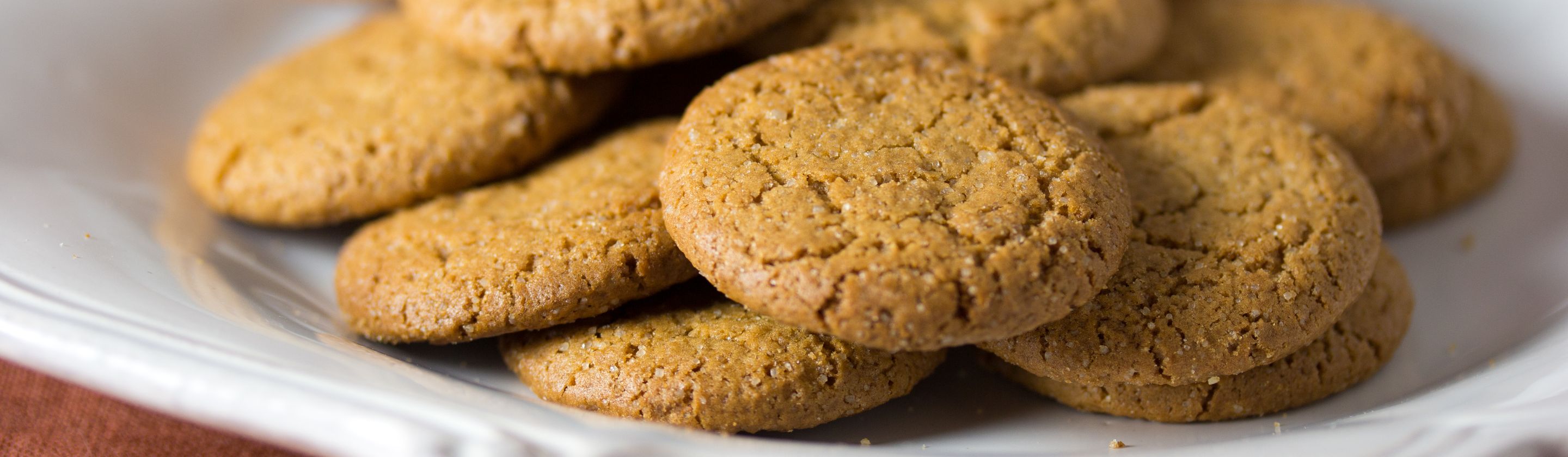
British snack culture has quietly perfected the art of the biscuit—less sugary, more textured, and endlessly dunkable. While American cookies chase extremes, these classics focus on balance and everyday indulgence. Many have been beloved for over a century, yet remain oddly elusive in America. That’s a tragedy worth correcting. Let’s dip and see which biscuits deserve a US takeover.
1. Custard Creams
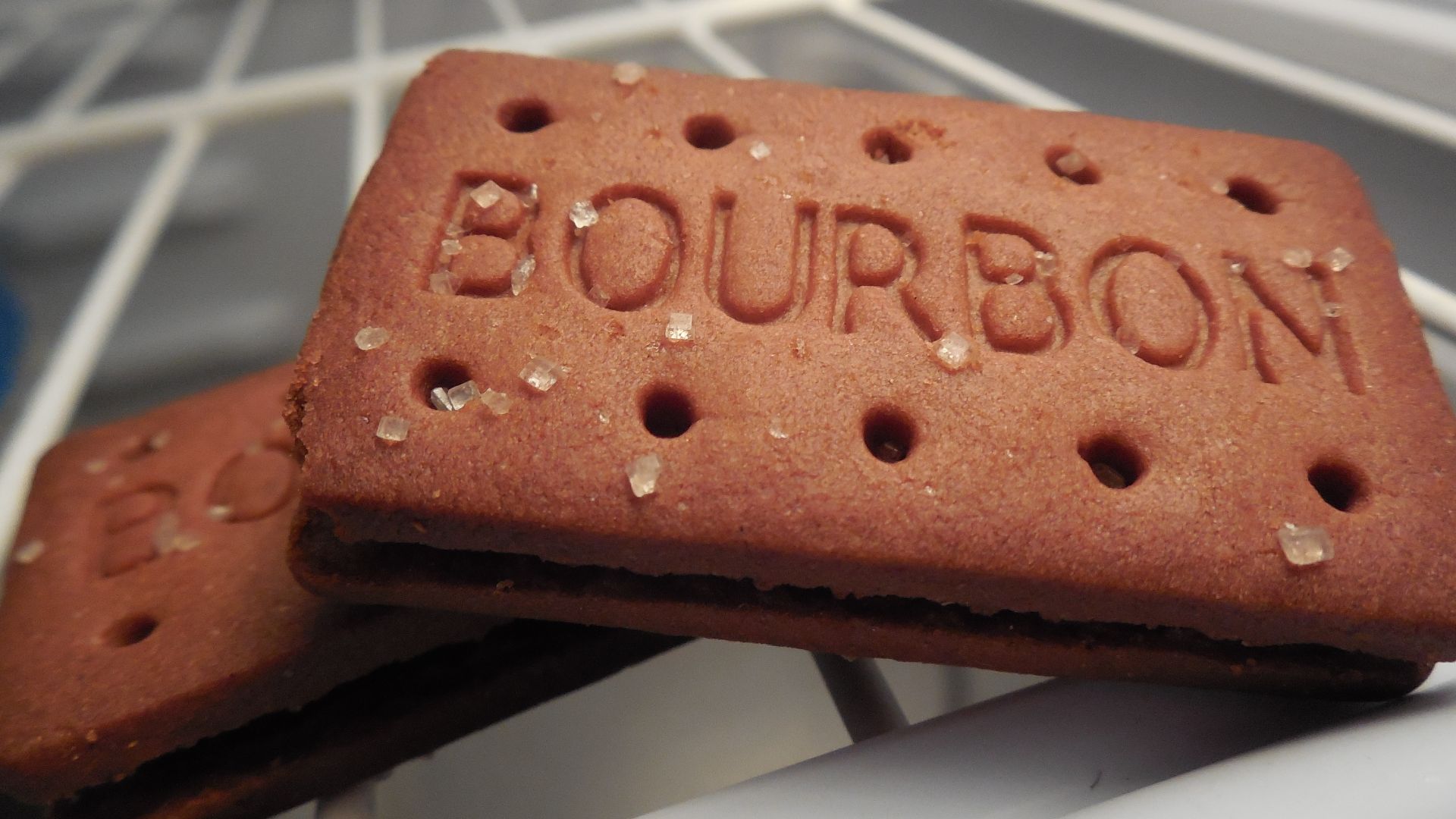
Britain introduced these in 1908 with crisp vanilla biscuits sandwiching custard cream filling. A 2007 BBC poll of 7,000 people voted them the favorite biscuit, with 9 out of 10 participants approving. They're perfect for dunking in tea and offer balanced sweetness that beats overly sweet American cream cookies.
2. Chocolate Custard Creams
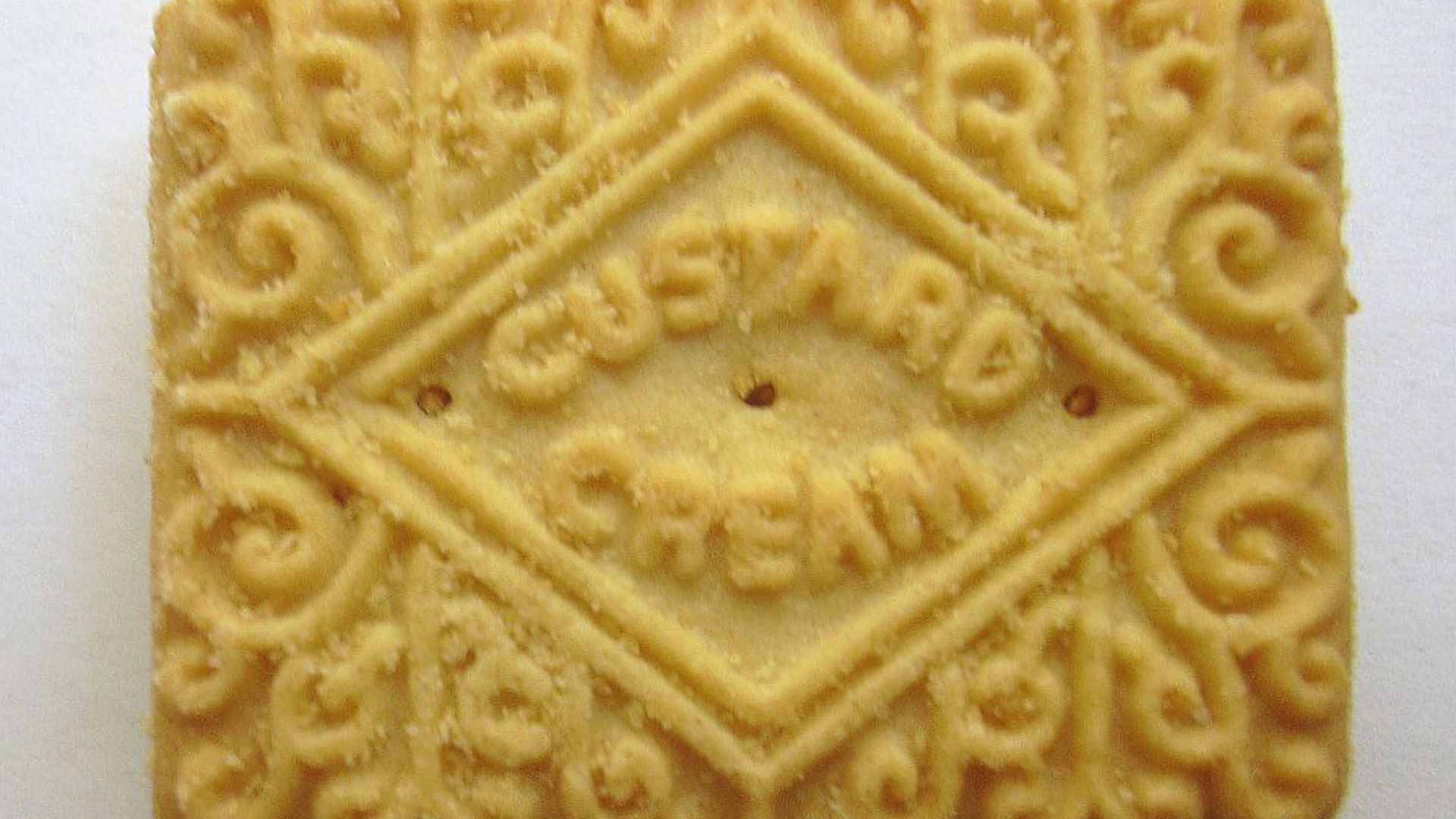
The chocolate version takes the classic custard cream and adds rich cocoa for extra indulgence. These early 20th-century British treats share the same high popularity in UK consumer surveys. But they're rarely available beyond specialty imports in America.
3. Bourbon Biscuits
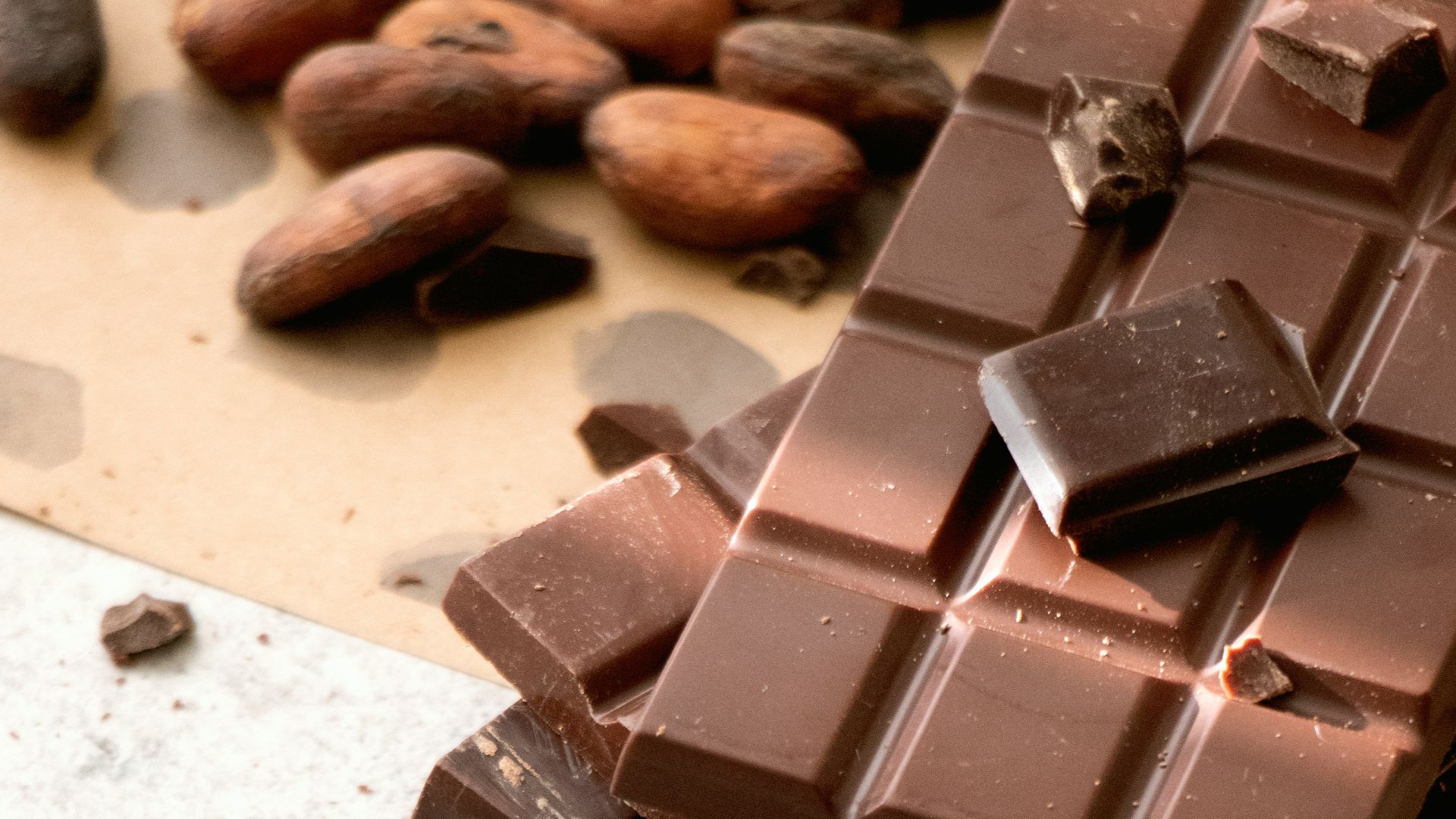
Peek Freans introduced these chocolate-flavored layers with buttercream filling back in 1910. They ranked fifth most popular for dunking in a 2009 UK survey, and deliver sophisticated cocoa taste with ideal crunch. Mostly import-only, bourbons diversify snack aisles.
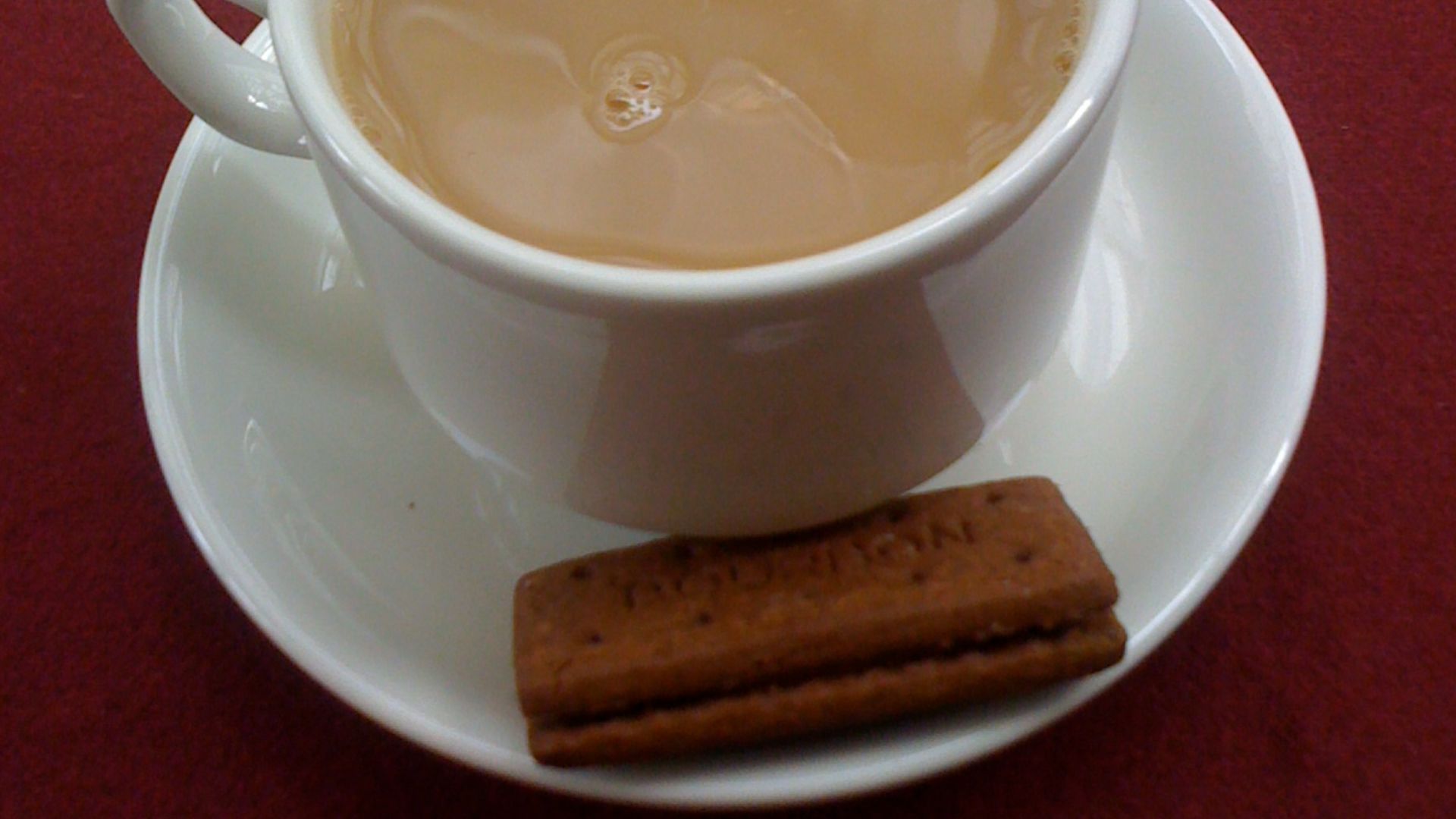 Paul Downey from Berkhamsted, UK on Wikimedia
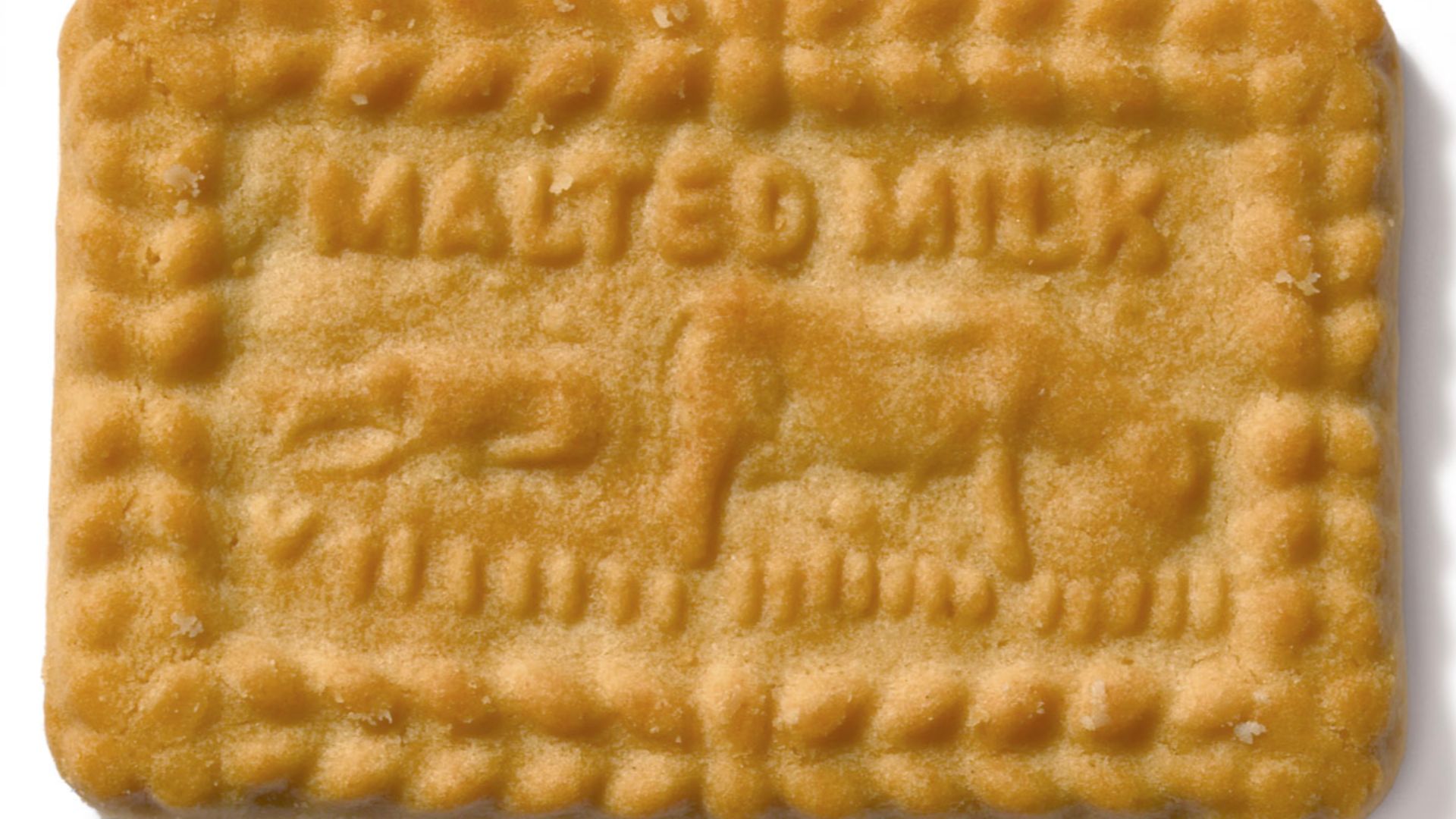
4. Malted Milks
Barley malt creates a subtle sweet-salty flavor in these crumbly 1924 biscuits from Elkes. Perfect for plain snacking or tea dunking, they've stayed beloved in the UK for a century. Low-sugar wholegrain alternatives like these would fill the gap left by basic graham crackers dominating American shelves.
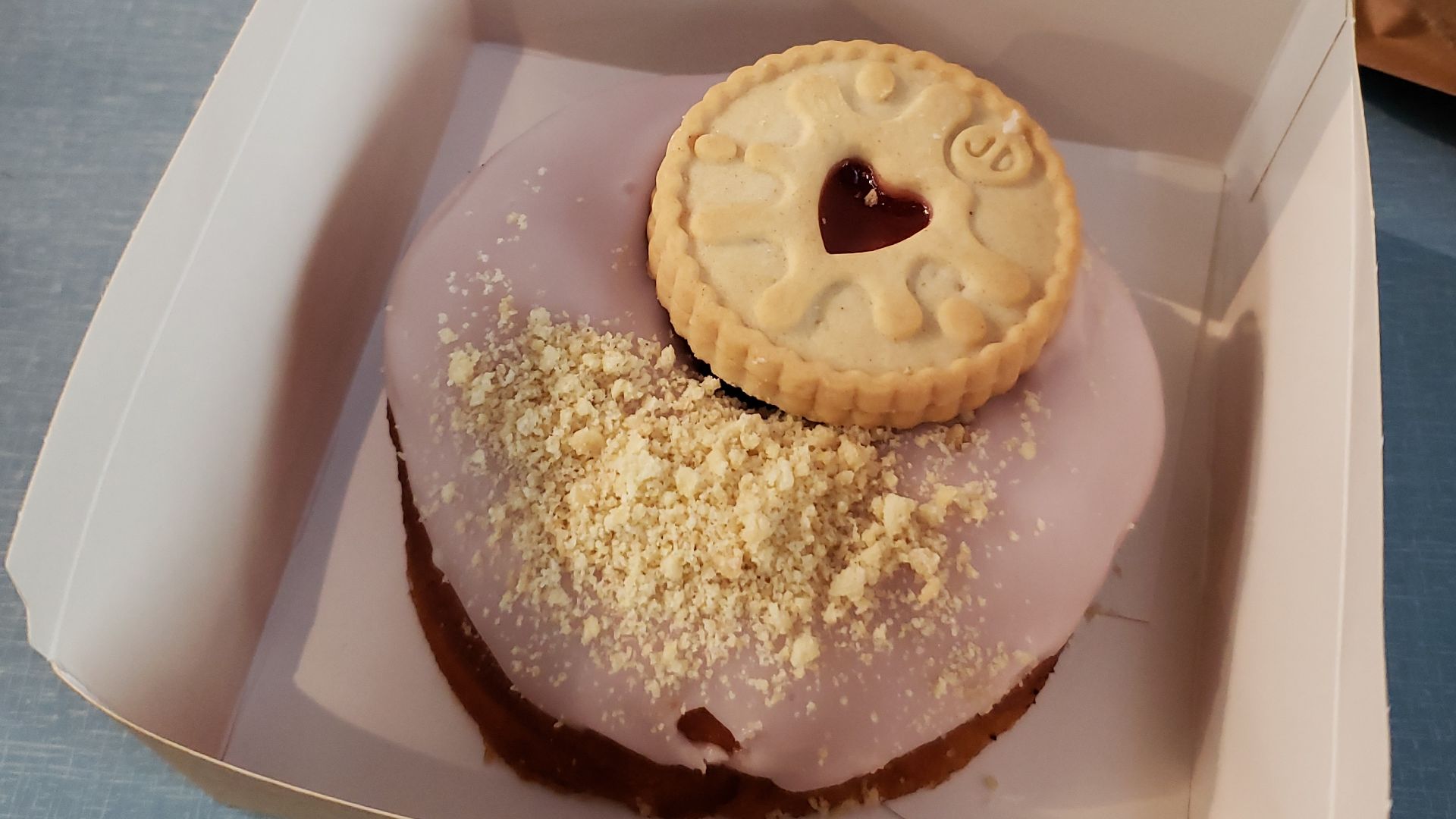
5. Jammie Dodgers
Burton's launched these in 1960, combining buttery shortcake with raspberry-apple jam and a playful heart cutout. They became the top children's sweet biscuit brand in the UK by 2009, though 40% get consumed by nostalgic adults.
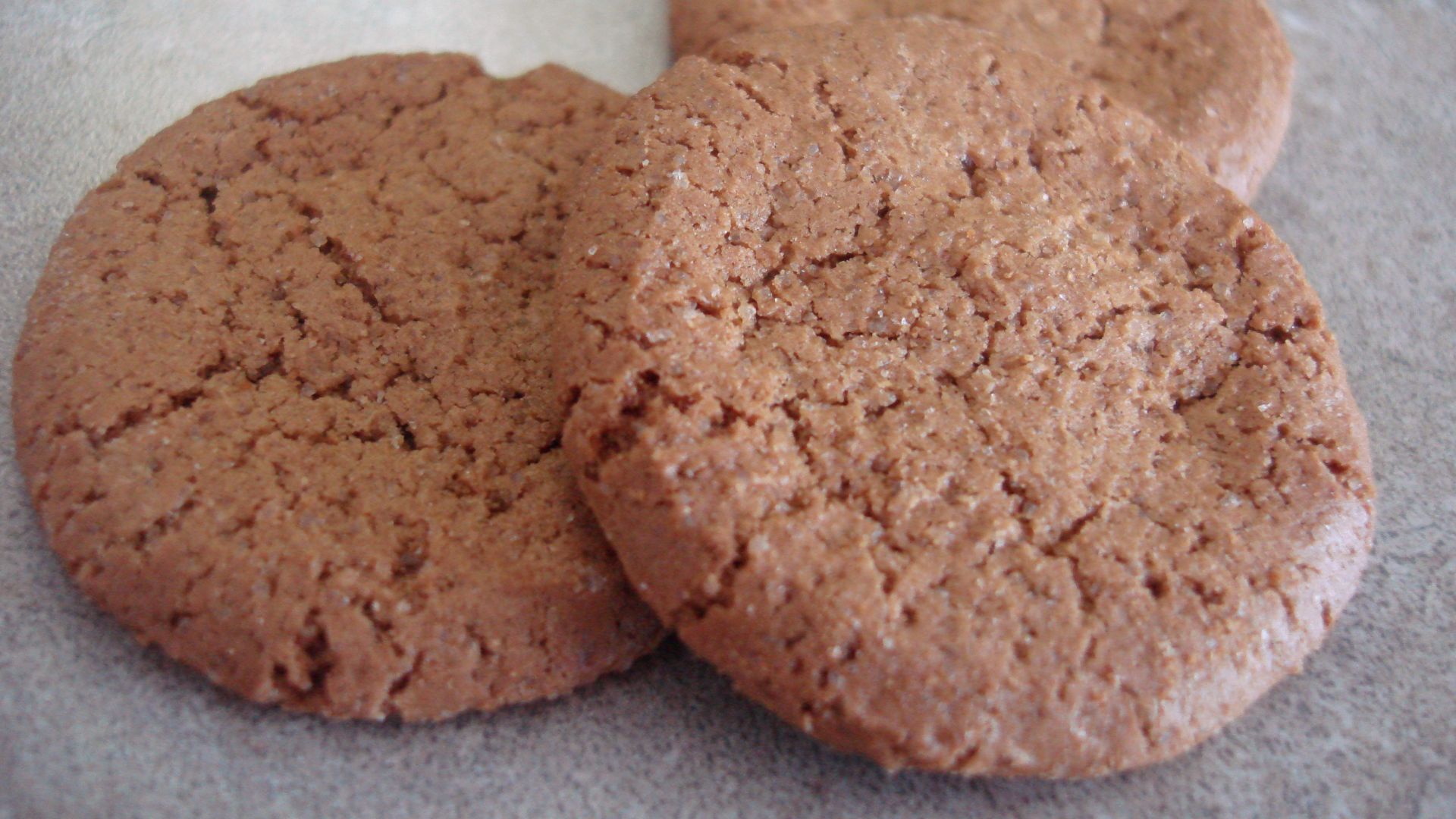
6. Ginger Nuts
Britain's been making these since the 1840s as a digestive aid with warming ginger and syrup. McVitie's version consistently ranks high in UK dunking surveys for balanced flavor and satisfying snap. However, they’re limited to specialty sections in America.
7. Party Rings
Fox’s launched colorful iced shortcake biscuits in 1983, instantly popular at UK children’s parties. Bright stripes from natural colors such as carrot and blackcurrant add playful appeal. American party snacks remain limited to plain animal crackers, far less exciting in comparison.
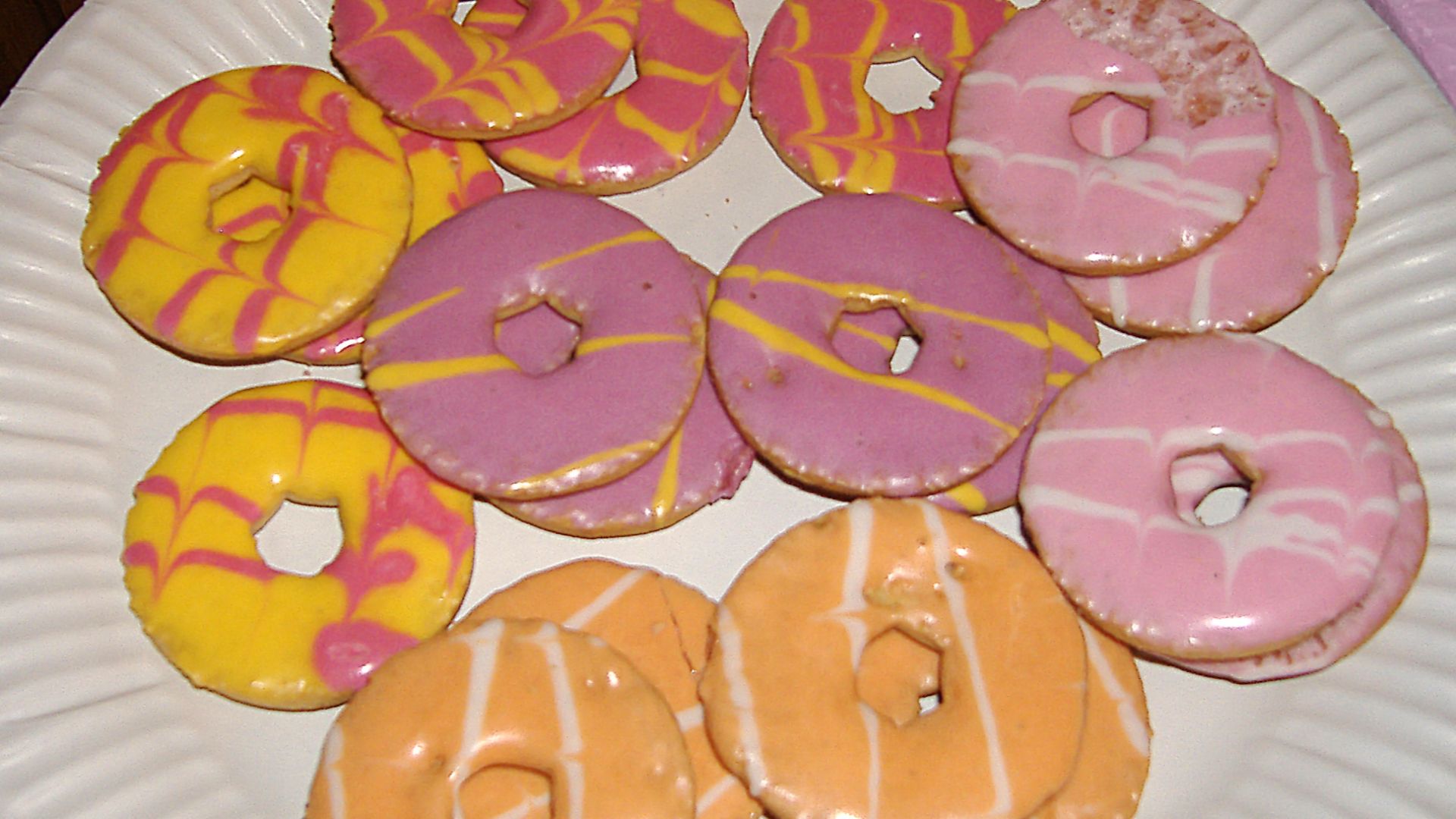 mattbuck (category) on Wikimedia
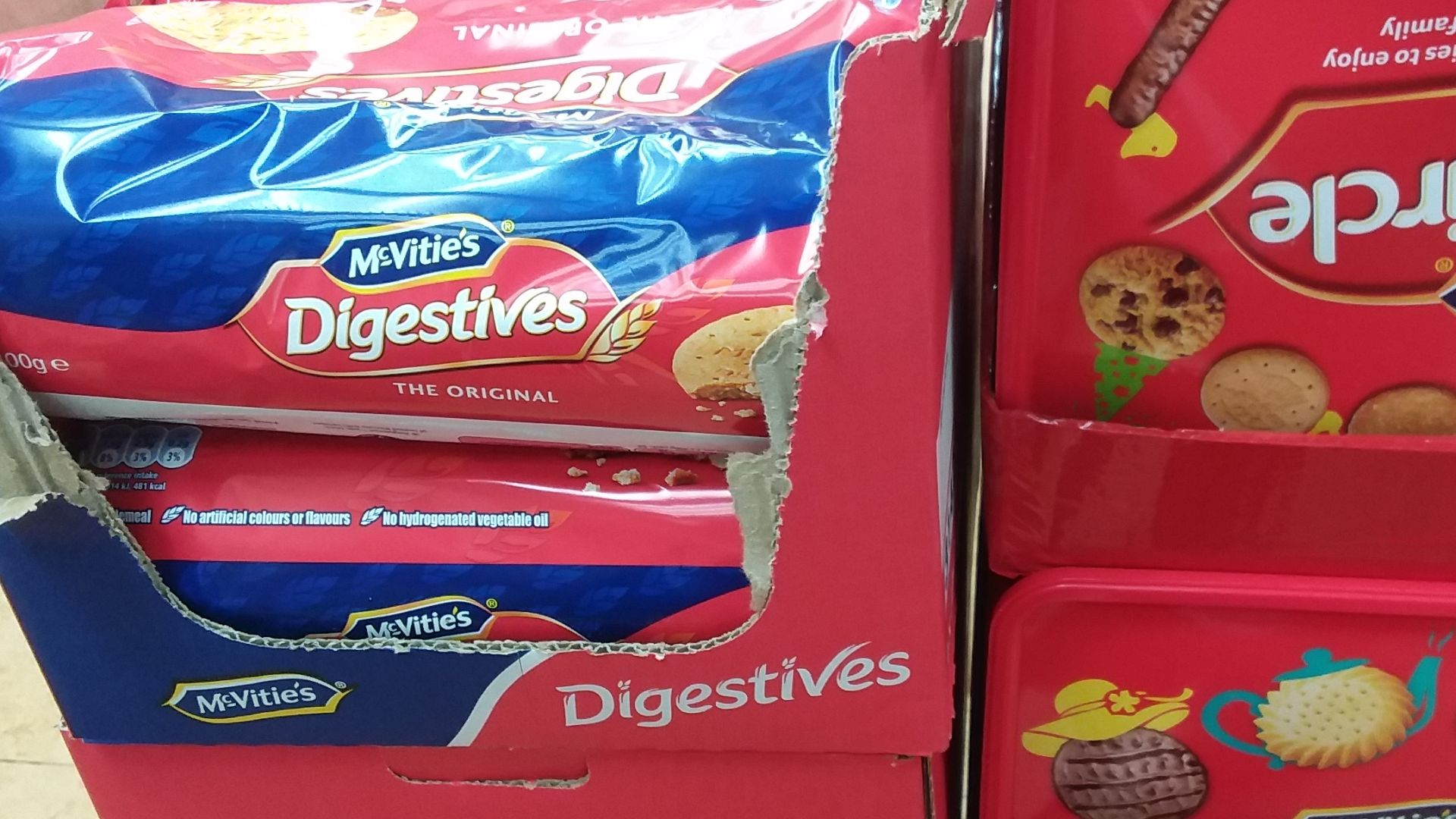
8. Gold Digestives
This modern McVitie's variant tops the classic digestive with caramelized white chocolate for toasty caramel flavor. They’re popular in the UK for putting a unique twist on beloved classics, but are completely absent from US shelves and are import-dependent.
 Ha Nam 4 Chor HUHUHU on Wikimedia
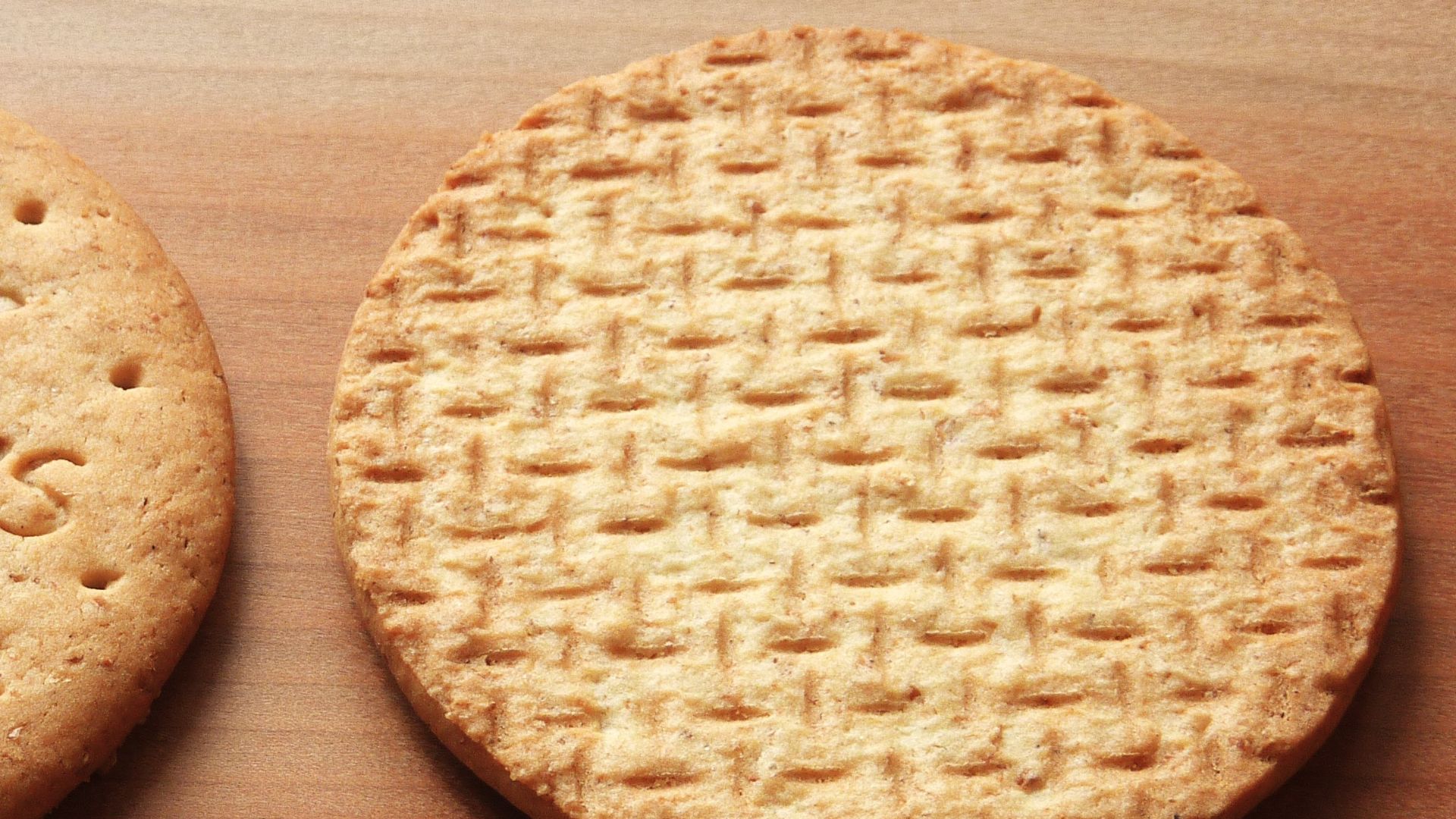
9. Milk Chocolate Digestives
Multiple surveys consistently ranked milk chocolate digestives as the UK’s favorite biscuit. McVitie’s introduced the blend of wholemeal and chocolate in 1925. The texture stays intact in tea, unlike American chocolate crackers.
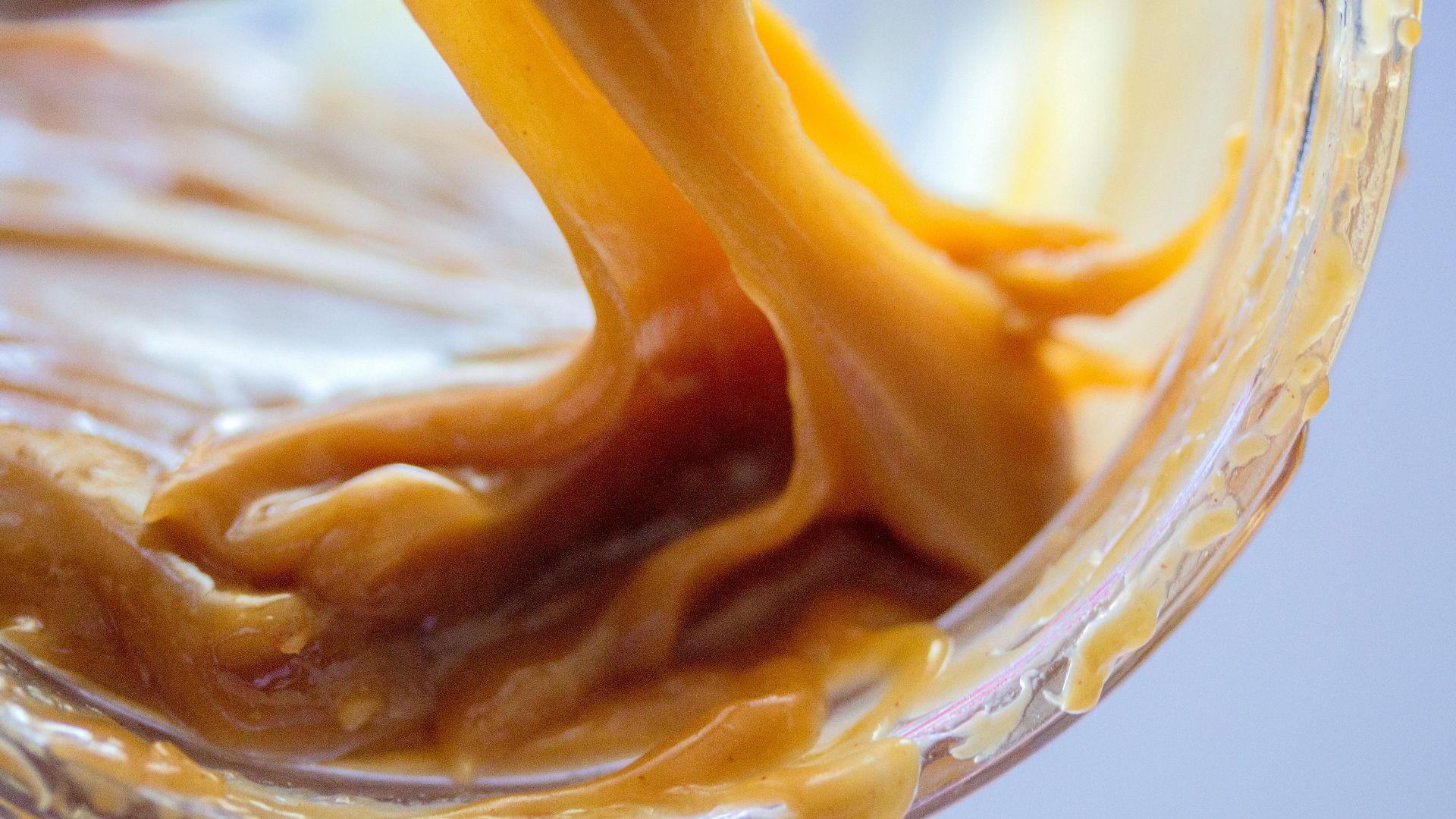
10. Gold Bars
The 1980s brought crisp biscuit layers combined with caramel and chocolate for candy-bar satisfaction. UK hybrid snack preferences rank them high for perfectly balanced texture. Between American cookies and candy bars sits a gap that barely gets filled, making imports essential for variety.
11. Nice Biscuits
Thin biscuits from 19th-century Britain get topped with a coconut sprinkle for a crisp snap and tropical aroma. Simple pleasure keeps them beloved yet underrated, stamped with "Nice" referencing the French city or just "pleasant." Standard American sugar cookies lack the sophistication that coconut brings to every bite.
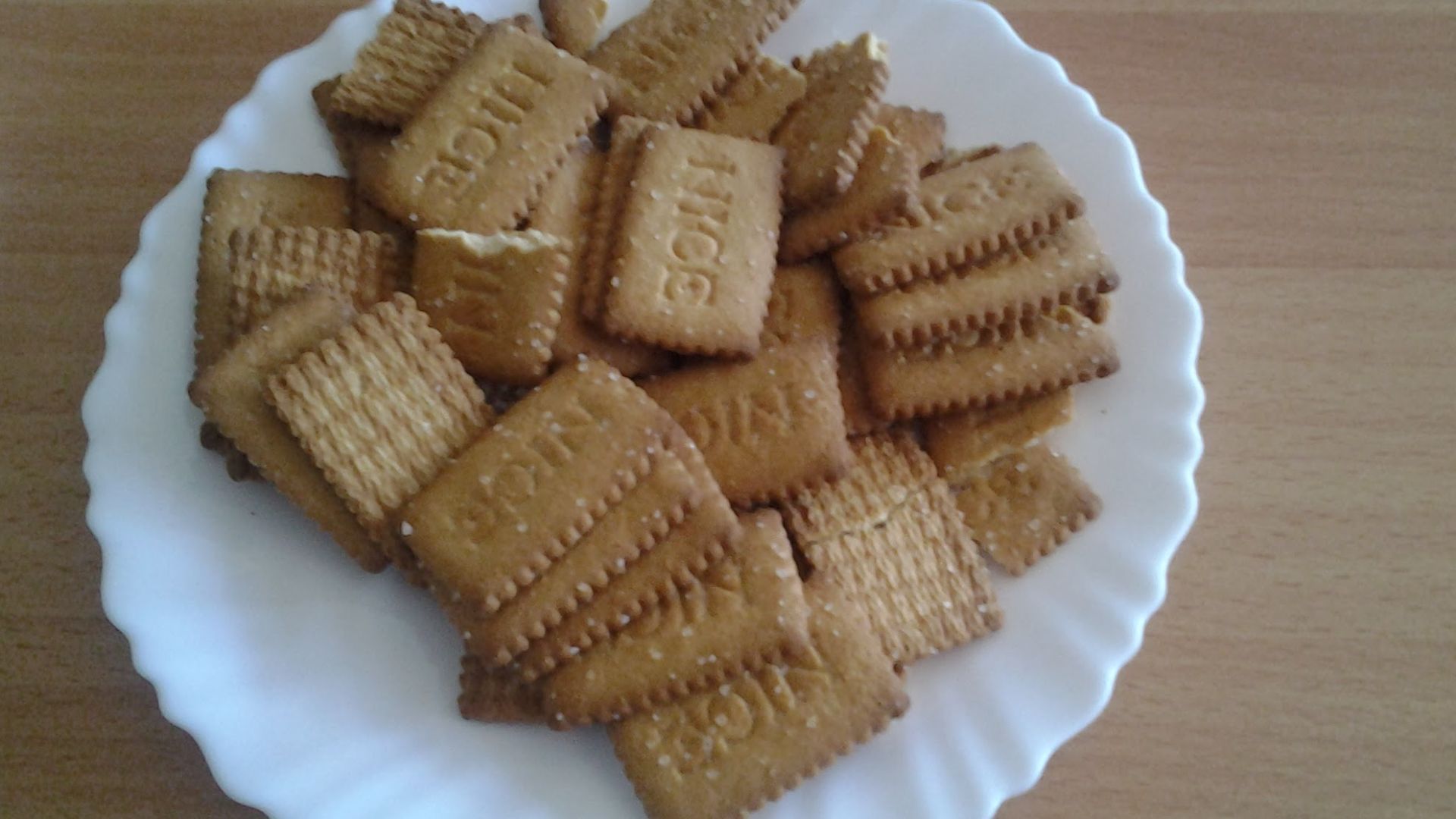 Catherine Mongina on Wikimedia
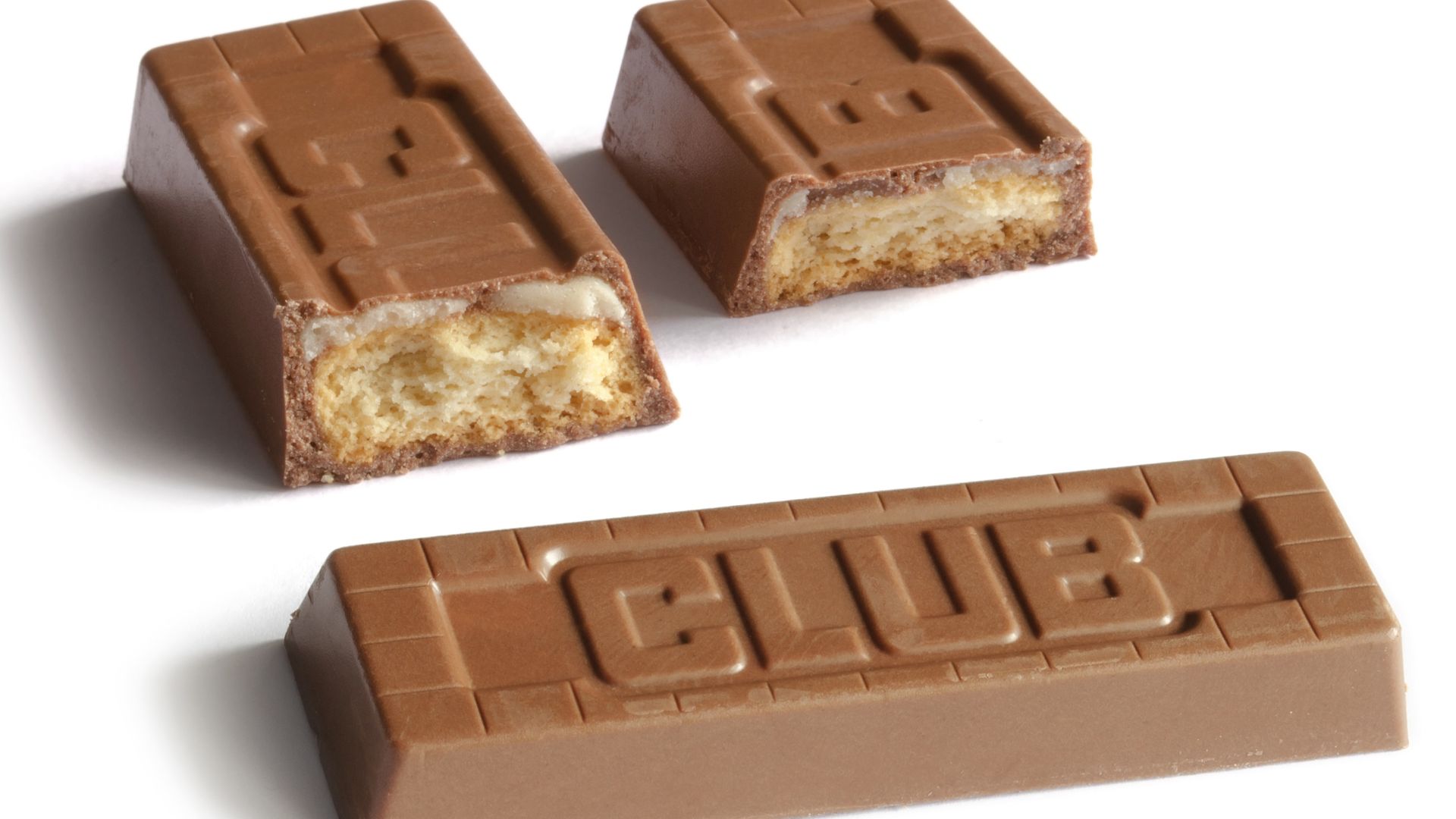
12. Club Bars
Jacob's put mint cream in a chocolate-covered biscuit back in 1919 for a refreshing contrast. Year-round availability makes them a UK staple, while Thin Mints only show up seasonally in America. The name ties to playing card symbols on early wrappers.
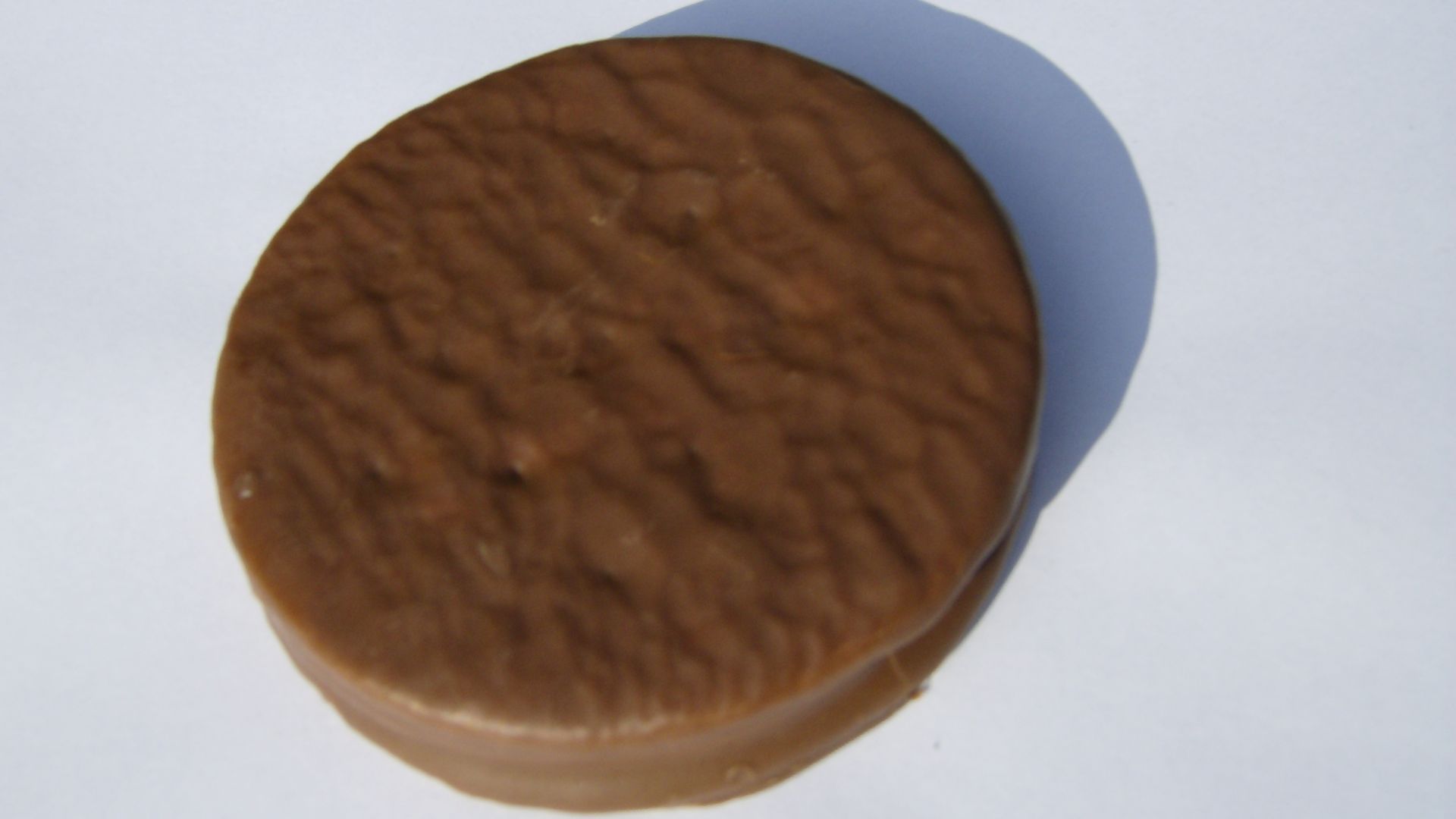
13. Wagon Wheels
Gooey s'mores-like taste comes from marshmallow and jam sandwiched between chocolate-coated biscuits. Garry Weston invented the oversized treat in 1948, naming it after Wild West wagon wheels from 1940s films. American stores stock regular cookies that look tiny and boring in comparison to these.
 Sealman at English Wikipedia on Wikimedia
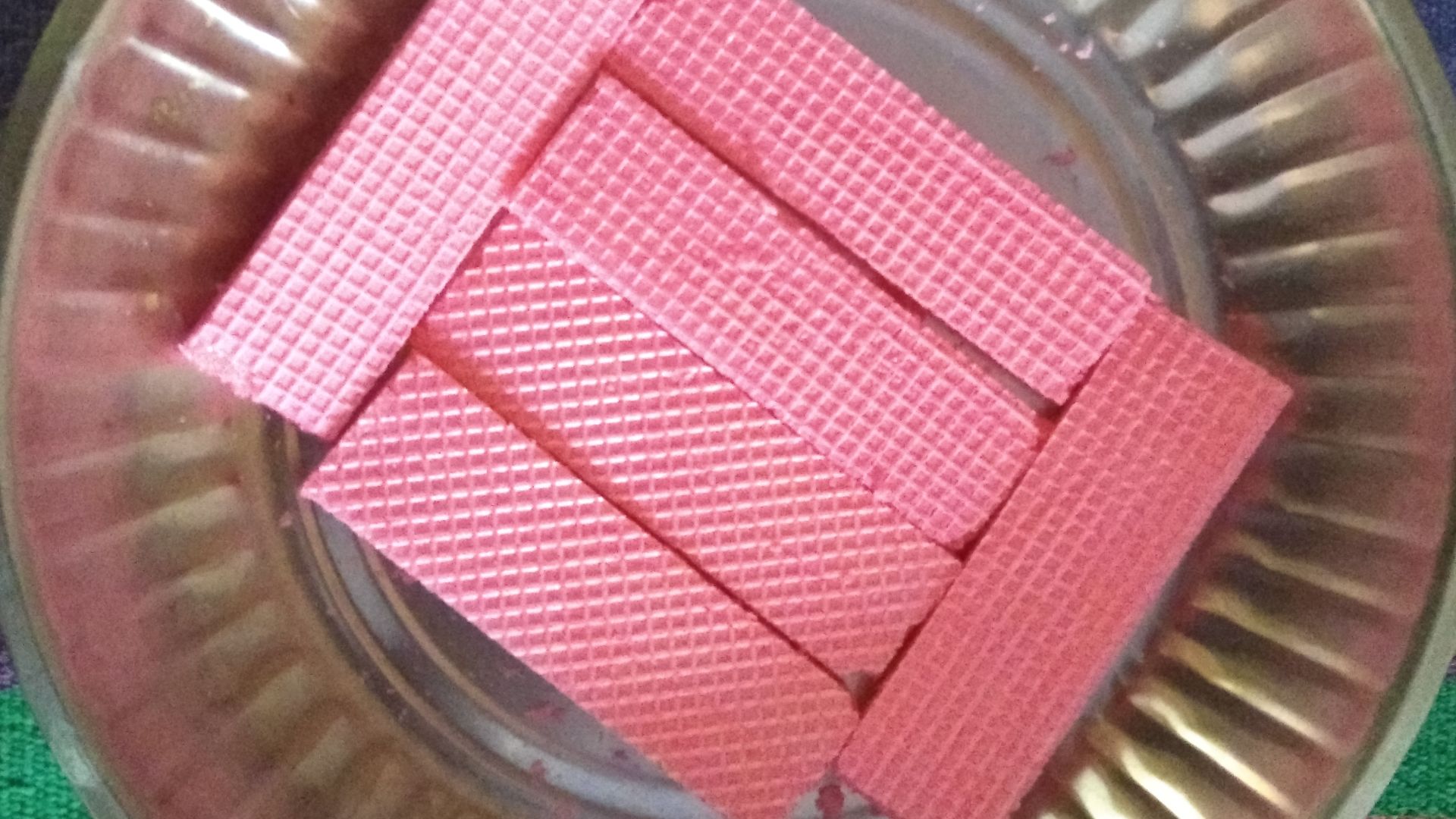
14. Pink Wafers
Airy vanilla crunch arrives in whimsical pink color from natural sources like carrots, which makes them vegan-friendly. Fox's mid-20th-century classic stays popular in UK variety packs for visual appeal. Basic Necco wafers can't compete with the premium quality and superior texture found in every layer of pink wafers.
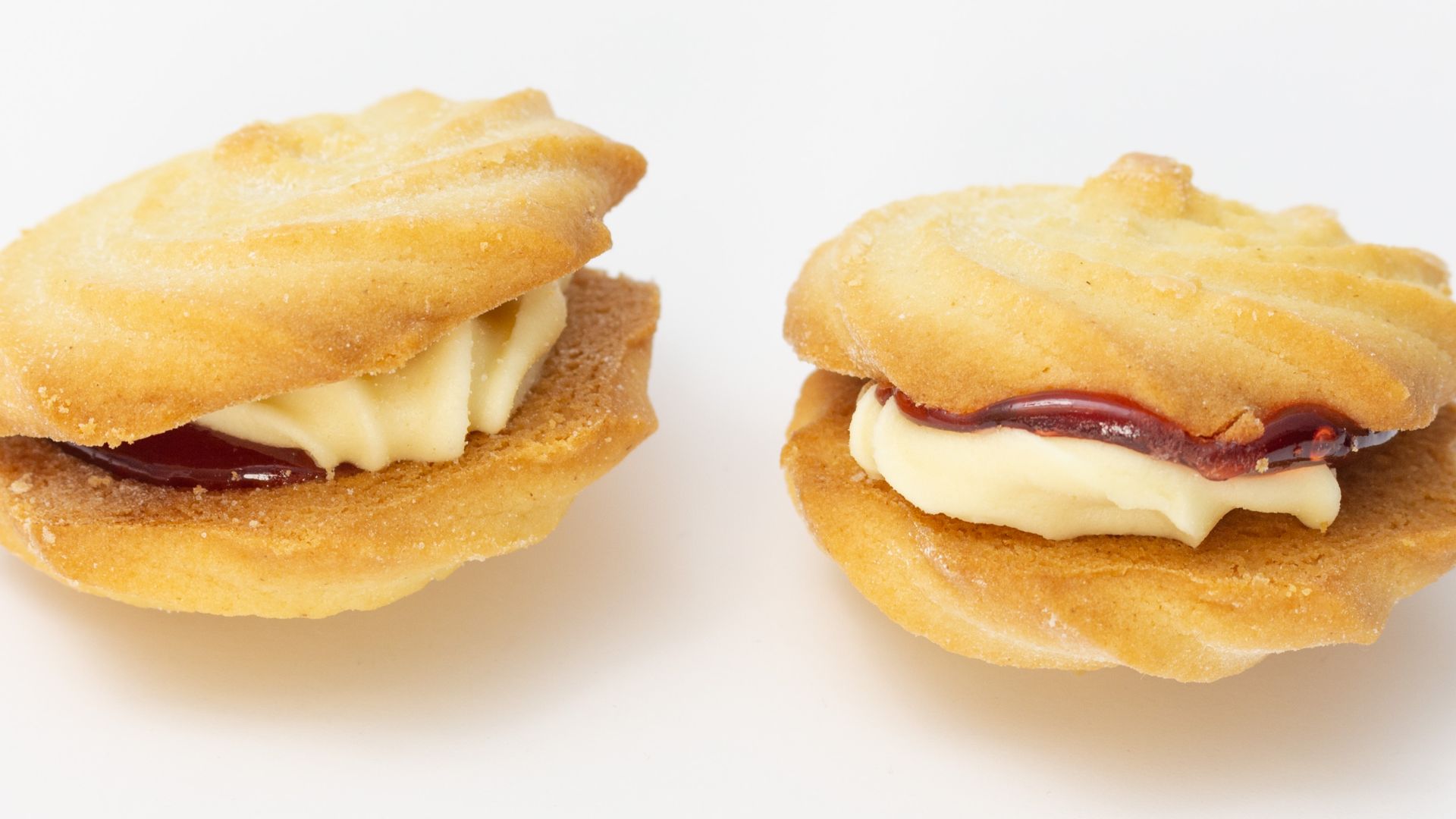
15. Viennese Sandwiches
Austrian baking traditions blend with British tea‑time charm in these swirled shortbreads filled with cream or jam. Mr Kipling helped make them a favorite, celebrated for their buttery richness. By contrast, American shortbread often feels plain.
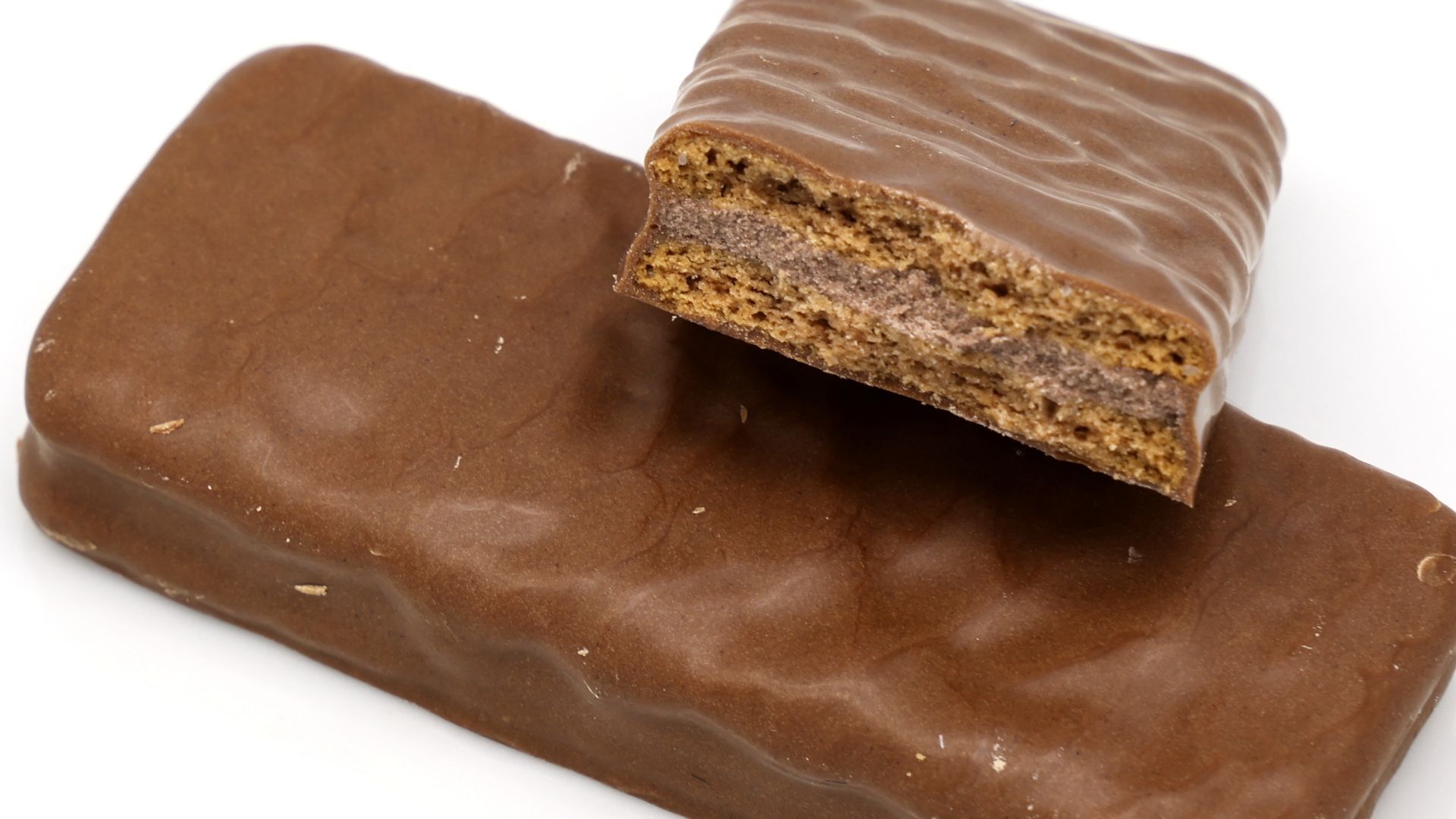
16. Penguin Bars
Moist, balanced texture defines cream-filled chocolate biscuits branded since 1932 by McVitie's. Cult favorite status grows as a playful Kit Kat alternative with wrappers including penguin jokes. American stores lack this exact format completely, missing out on humor and taste combined perfectly.
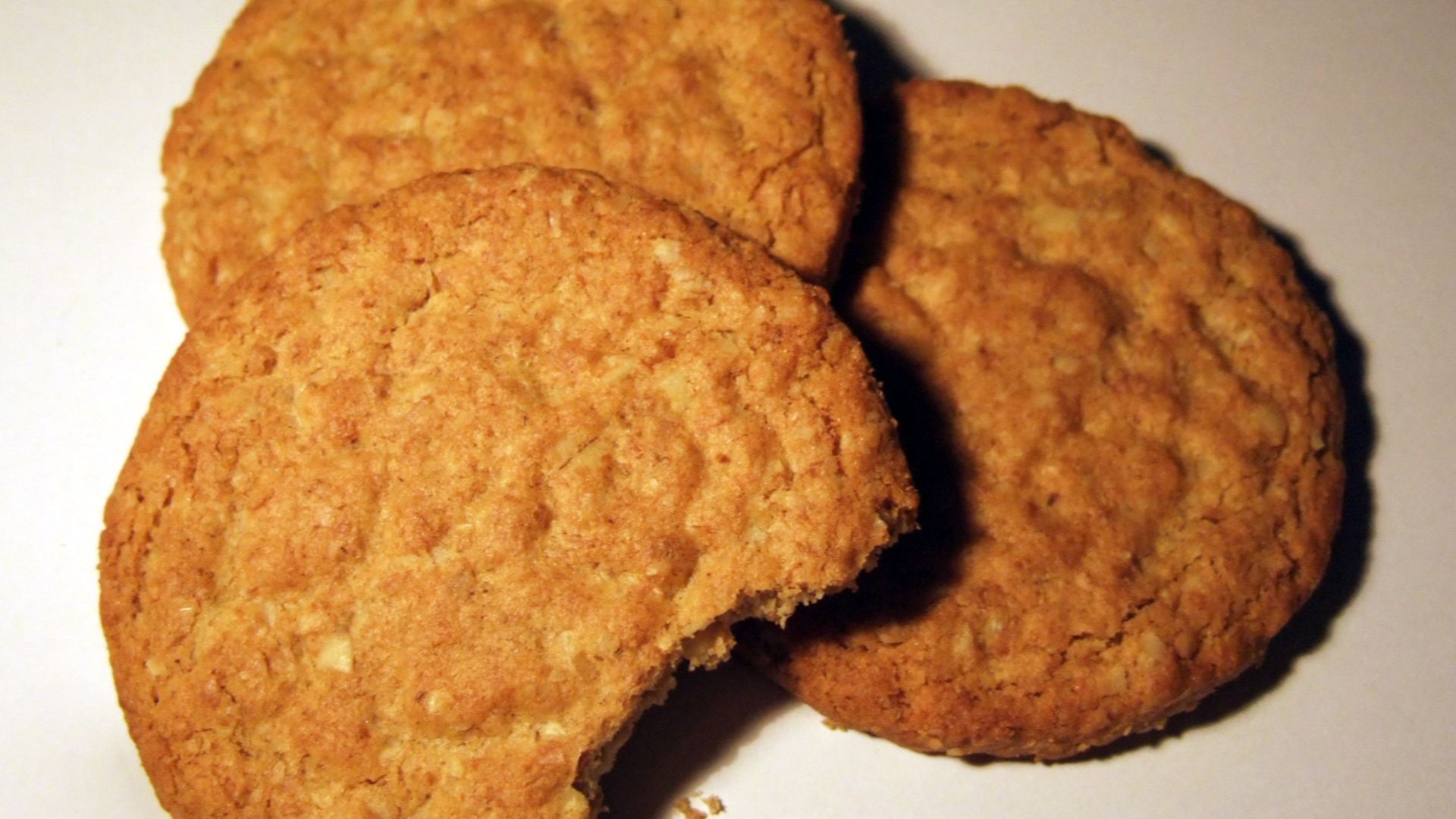
17. Hobnobs
McVitie’s introduced oaty biscuits with syrup sweetness in 1985, which stay hearty yet light for dunking. Their firm texture holds up in tea without falling apart. The name comes from “hobnob,” a term for socializing with elites.
 Sargant at English Wikipedia on Wikimedia
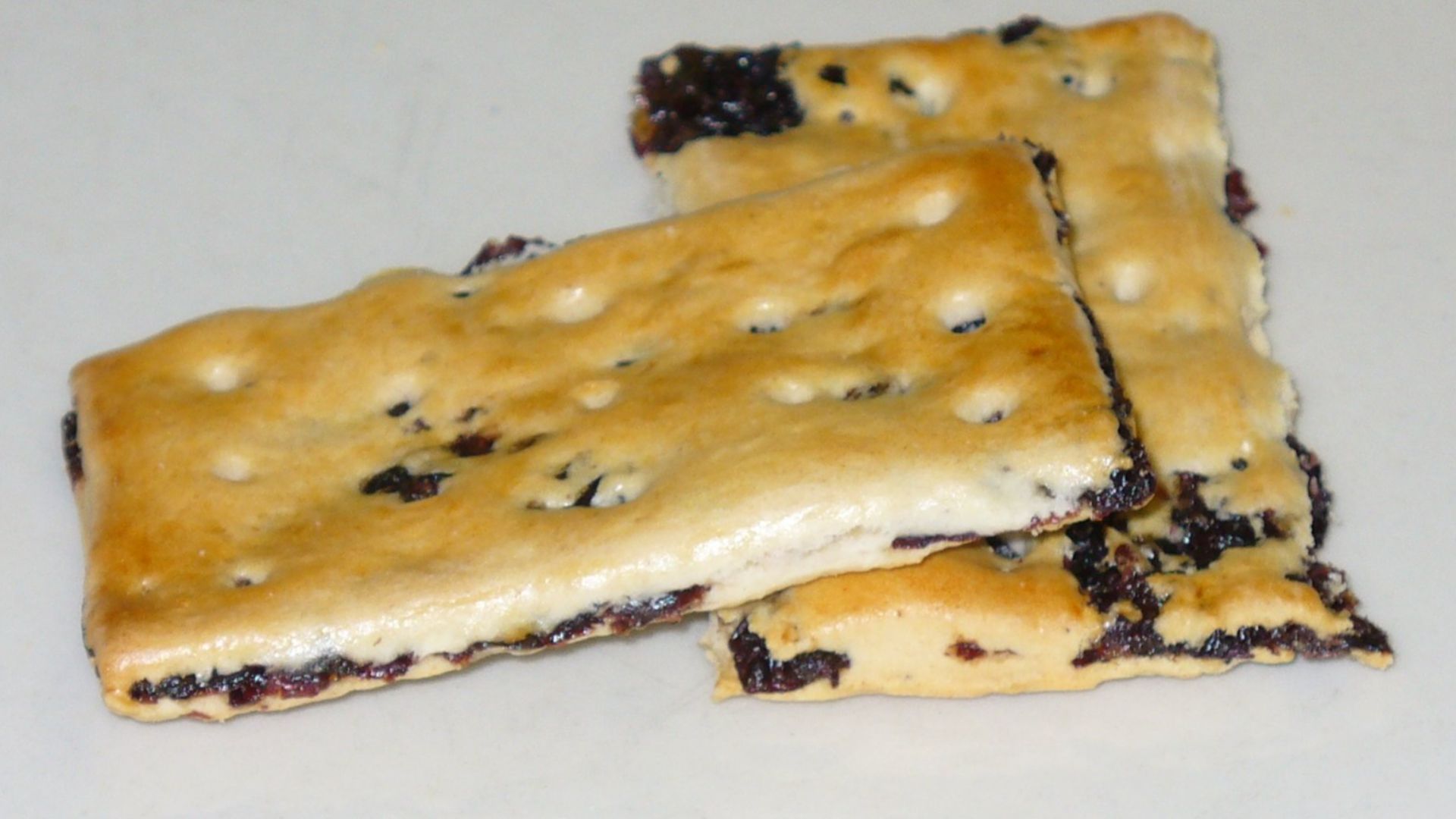
18. Garibaldi Biscuits
Peek Freans created thin, flaky dough with embedded currants in 1861, naming them after Italian hero Giuseppe Garibaldi. His 1864 UK visit inspired the tribute that tastes like refined fruitcake. Dried-fruit fans would appreciate the historical charm, but American stores rarely stock them.
19. Shortcake Biscuits
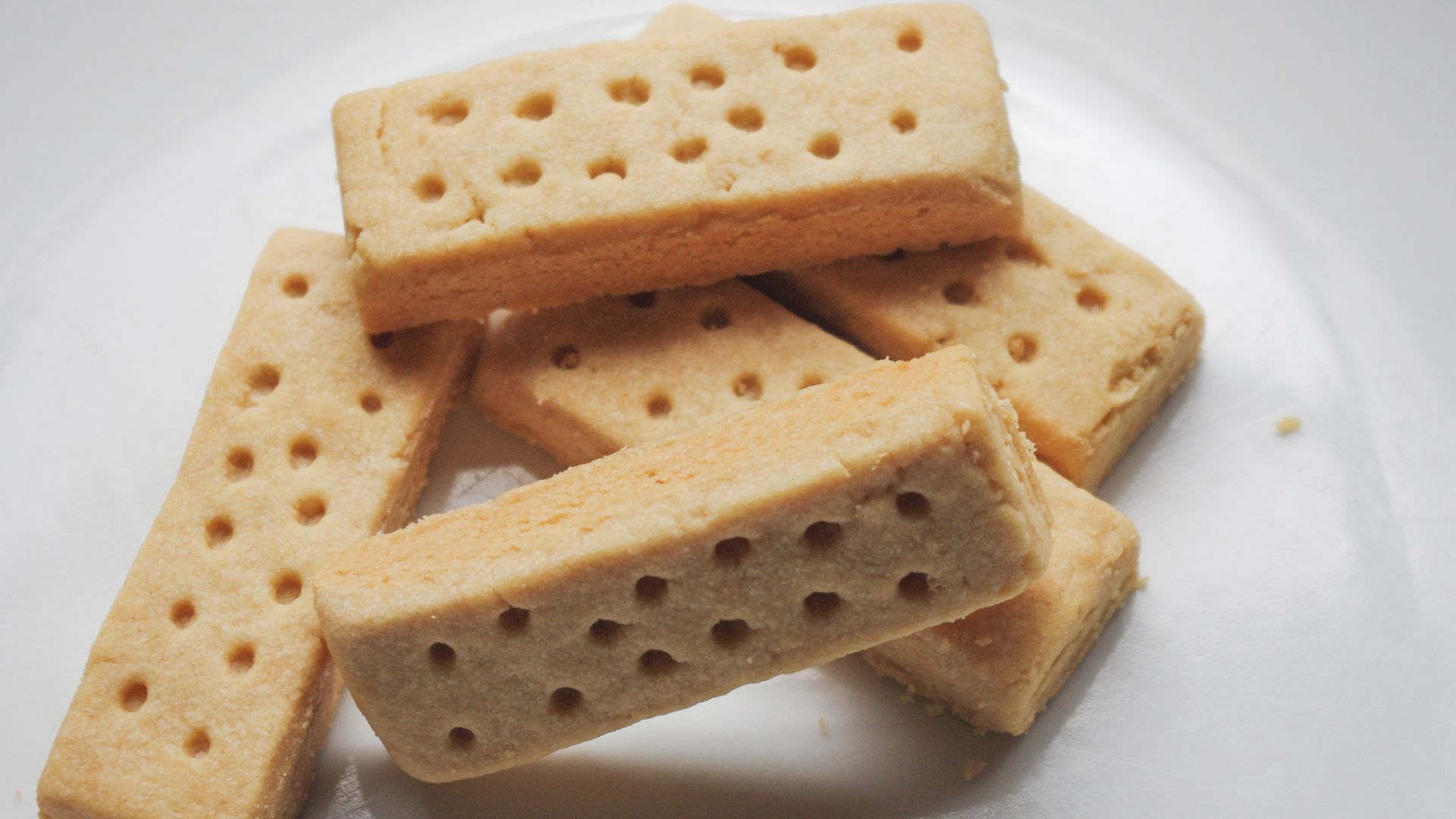
Traditional Scottish baking has offered subtle sweetness and a tender crumb since the 18th century. Authentic recipes grew out of medieval “biscuit bread” rusks and remain beloved across the UK. American shelves carry shortbread but miss this distinctive form that could genuinely excite cookie lovers seeking variety.
20. Jaffa Cakes
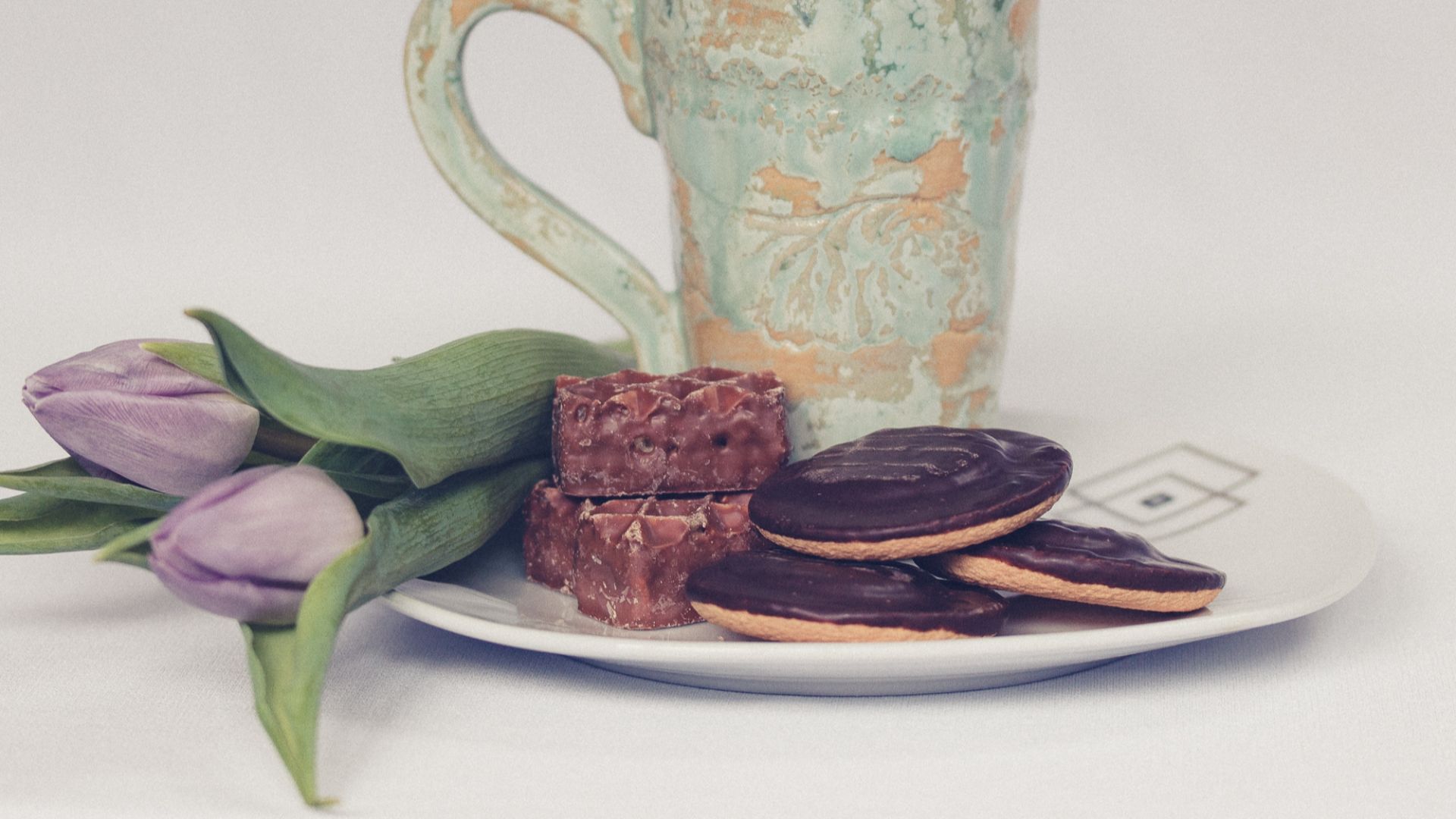
Developed in 17th-century Britain for the wealthy, lightly sweetened biscuits absorb flavor beautifully when dunked. McVitie's dominates the UK market with versatile versions that work perfectly with spreads. Queen Elizabeth II featured them in her chocolate biscuit cake recipe.
 Aliis Sinisalu aliissinisalu on Wikimedia
KEEP ON READING

The Most Popular Signature Dishes Around the World