20 Classy Victorian-Era Luncheon Dishes That Deserve a Comeback
Lunch Used to Have a Little More Ceremony
Victorian-era luncheons were not always casual little meals squeezed between errands. For middle- and upper-class households, meals could include carefully arranged cold meats, delicate sandwiches, savory pastries, salads, molded dishes, soups, and elegant desserts, making midday eating feel surprisingly refined. Some dishes now seem old-fashioned, but many of them would fit beautifully at garden parties, bridal showers, book clubs, picnics, and any lunch where paper plates aren't invited. Here are 20 Victorian luncheon favorites that deserve another turn at the table.
1. Chicken Salad Sandwiches
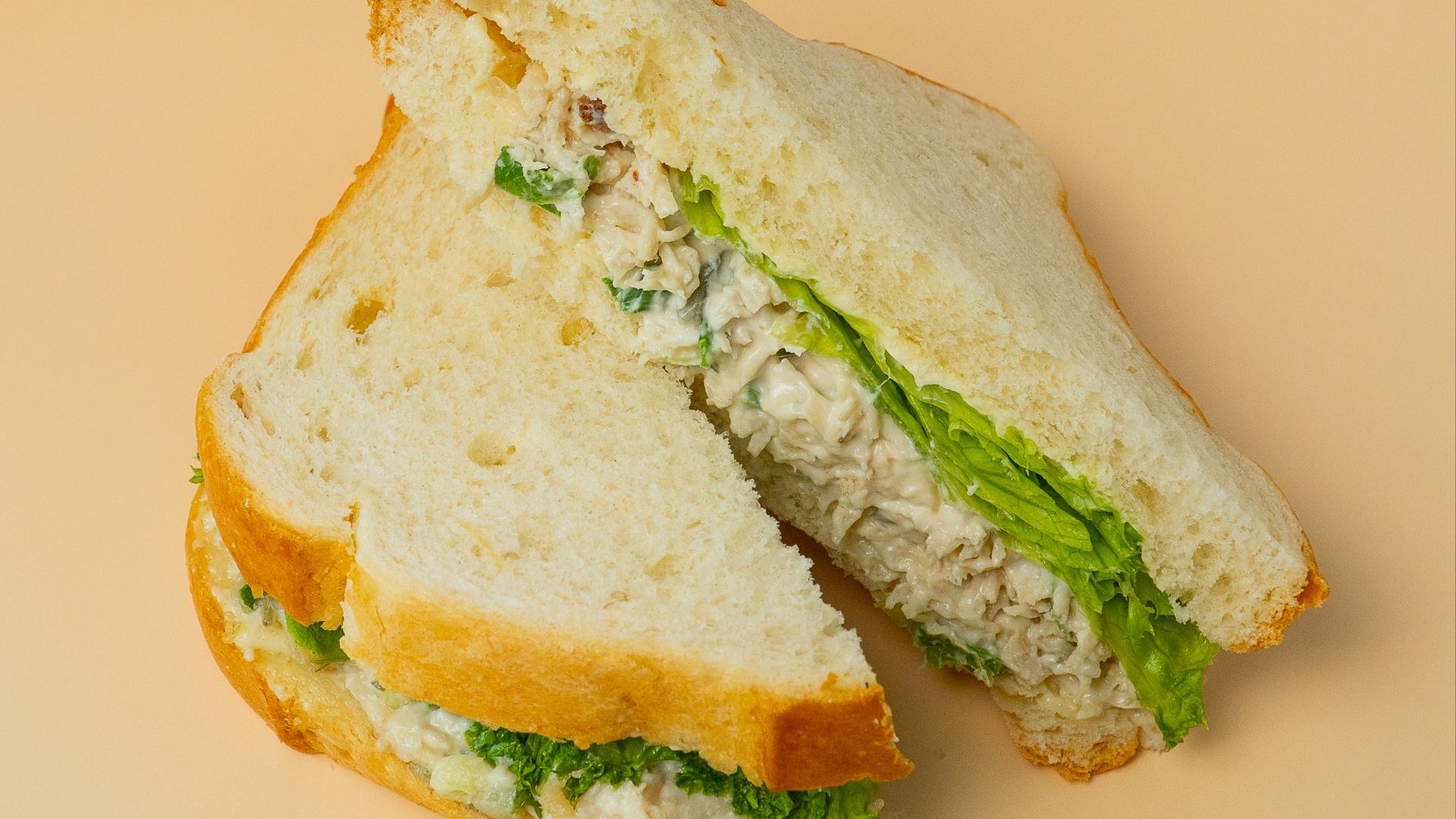
Chicken salad sandwiches were the kind of luncheon food that managed to be practical and polished at the same time. Finely chopped chicken, herbs, seasoning, and a little dressing could be tucked between thin slices of bread and served neatly. They worked well for picnics, teas, and indoor luncheons because they were easy to portion and pleasant to eat.
2. Cucumber Sandwiches
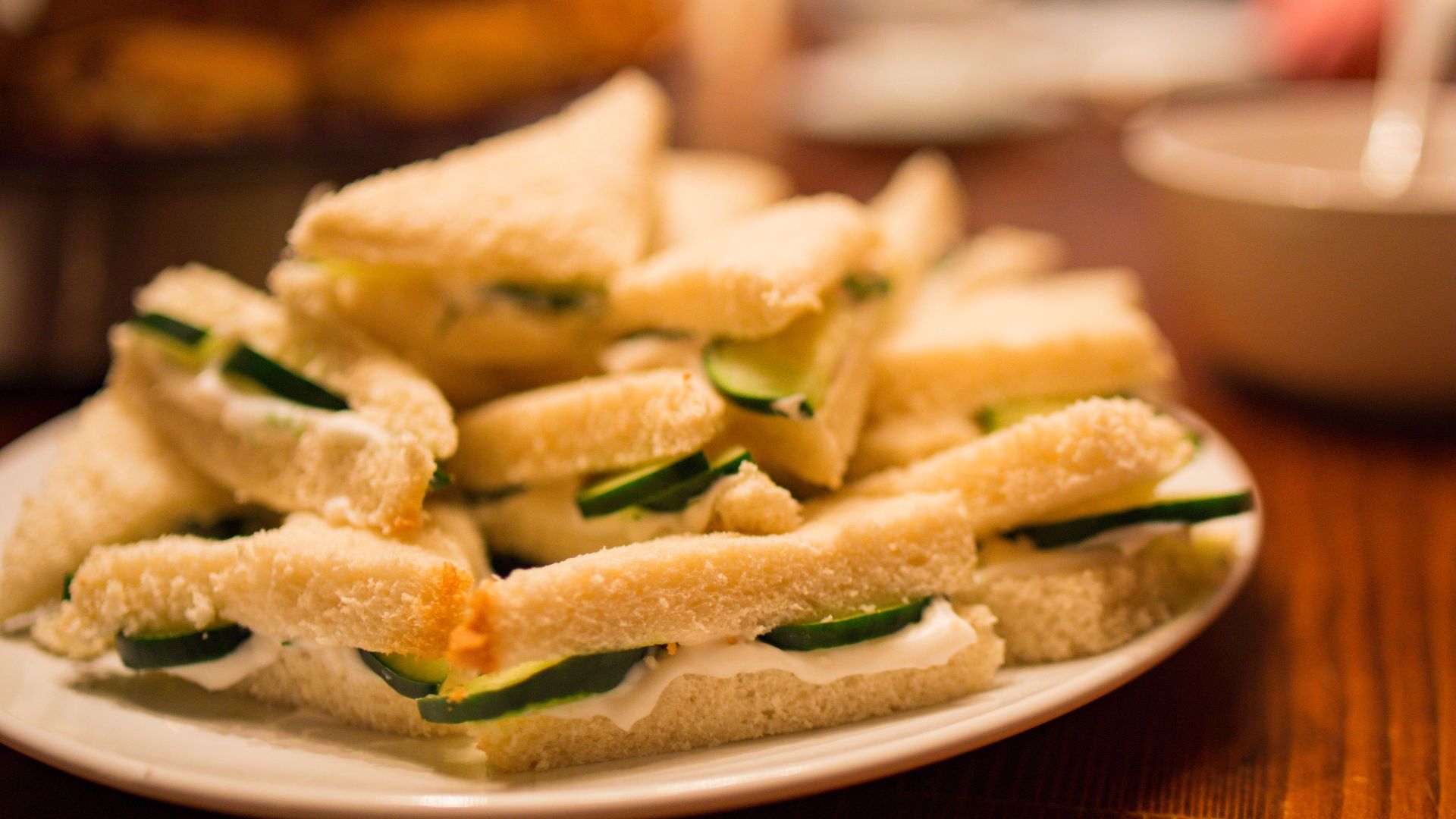
Cucumber sandwiches became a classic for a reason. Thin cucumber slices, buttered bread, and a light sprinkle of salt created something cool, crisp, and simple. They may sound delicate, but they're surprisingly satisfying when made well.
3. Salmon Mayonnaise
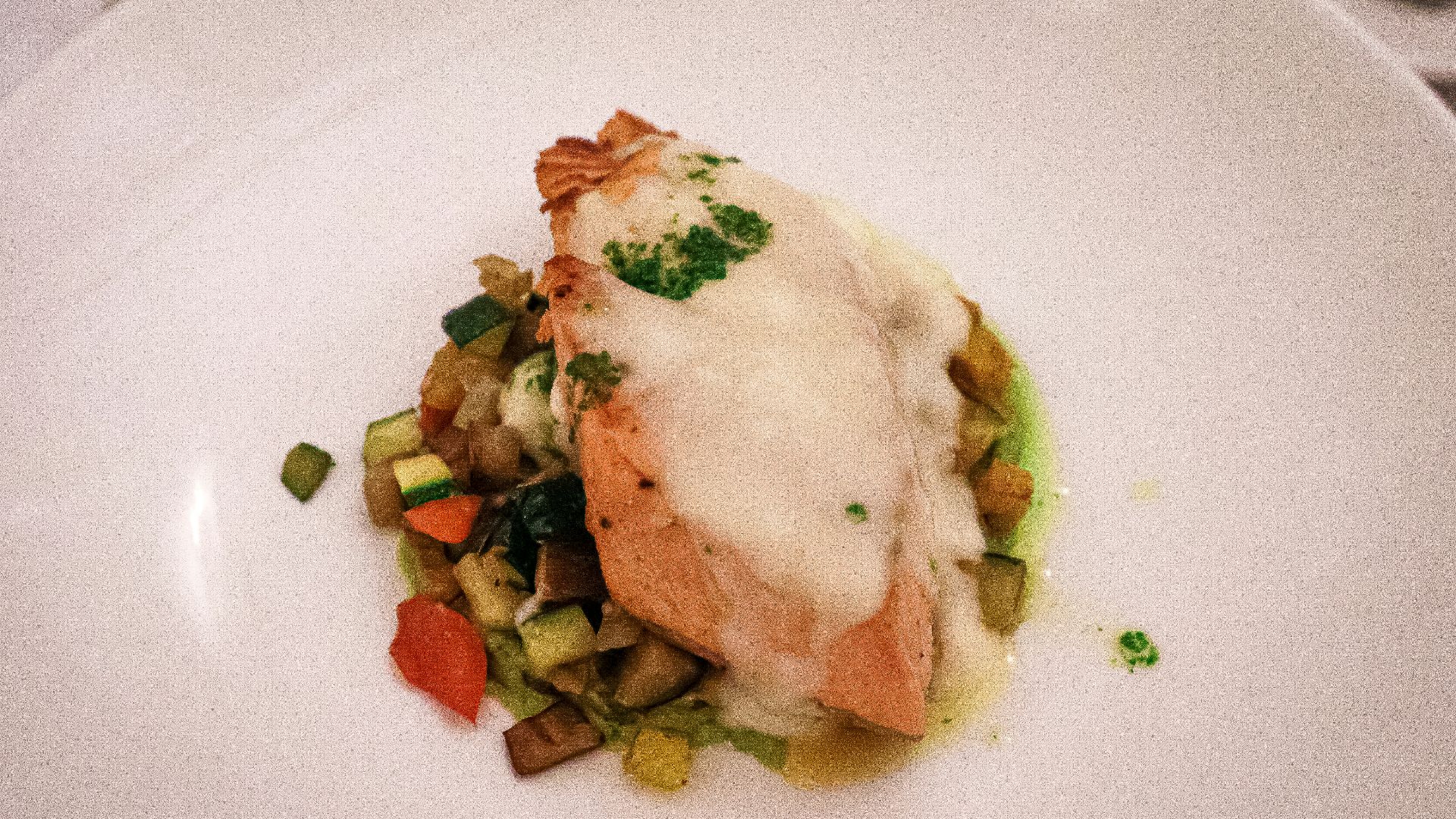
Salmon mayonnaise was a popular cold luncheon dish that often involved cooked salmon served with a rich, seasoned mayonnaise sauce. It could be presented beautifully on a platter with lettuce, cucumber, or hard-boiled eggs. The dish feels very Victorian because it turns simple cold fish into something composed and table-worthy.
4. Lobster Patties
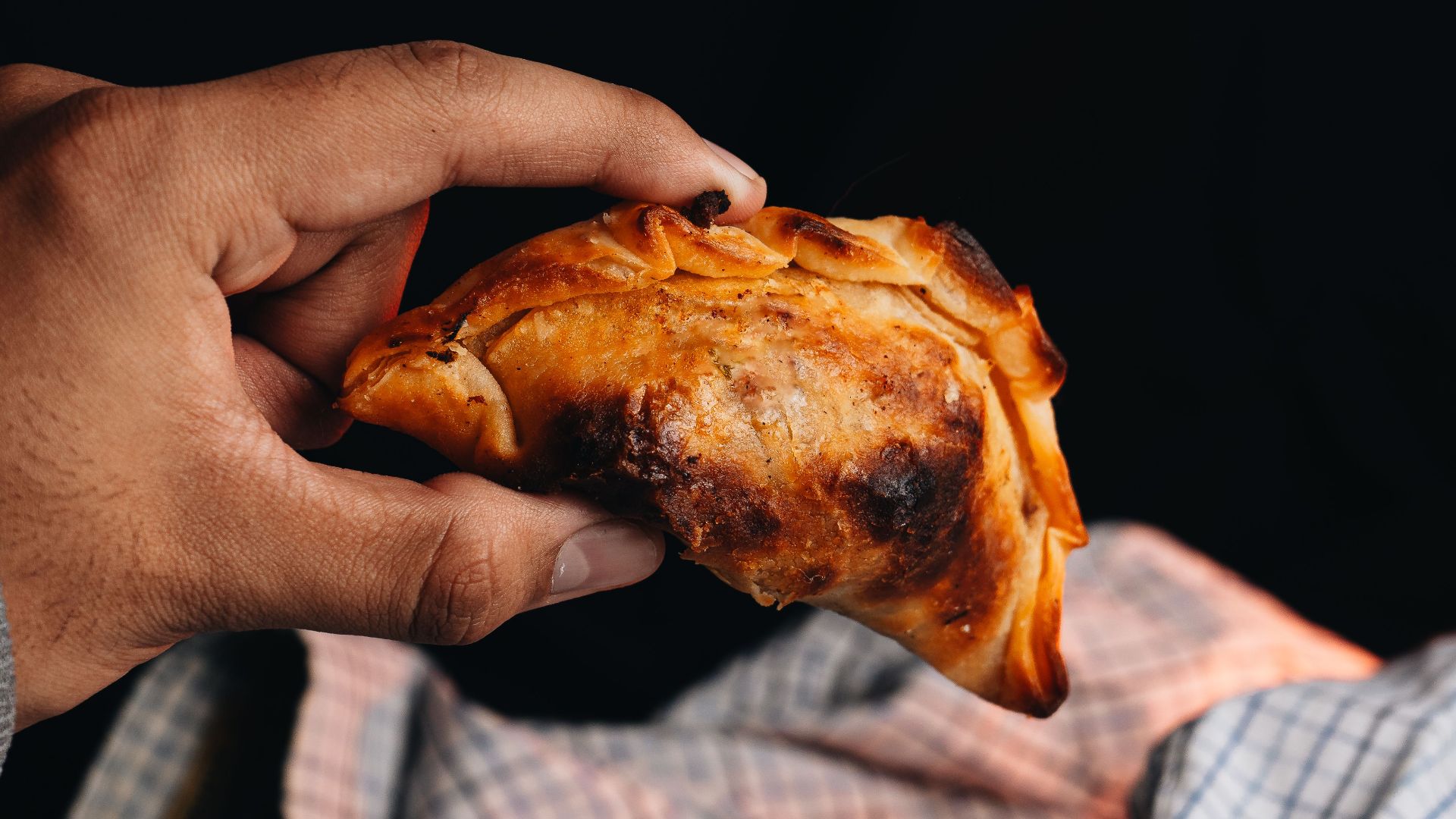
Lobster patties were small pastry cases filled with a creamy lobster mixture. They were elegant, savory, and perfectly suited to a luncheon where guests expected something more exciting than plain sandwiches. The flaky pastry gave the dish a lovely contrast to the rich seafood filling.
5. Chicken Croquettes
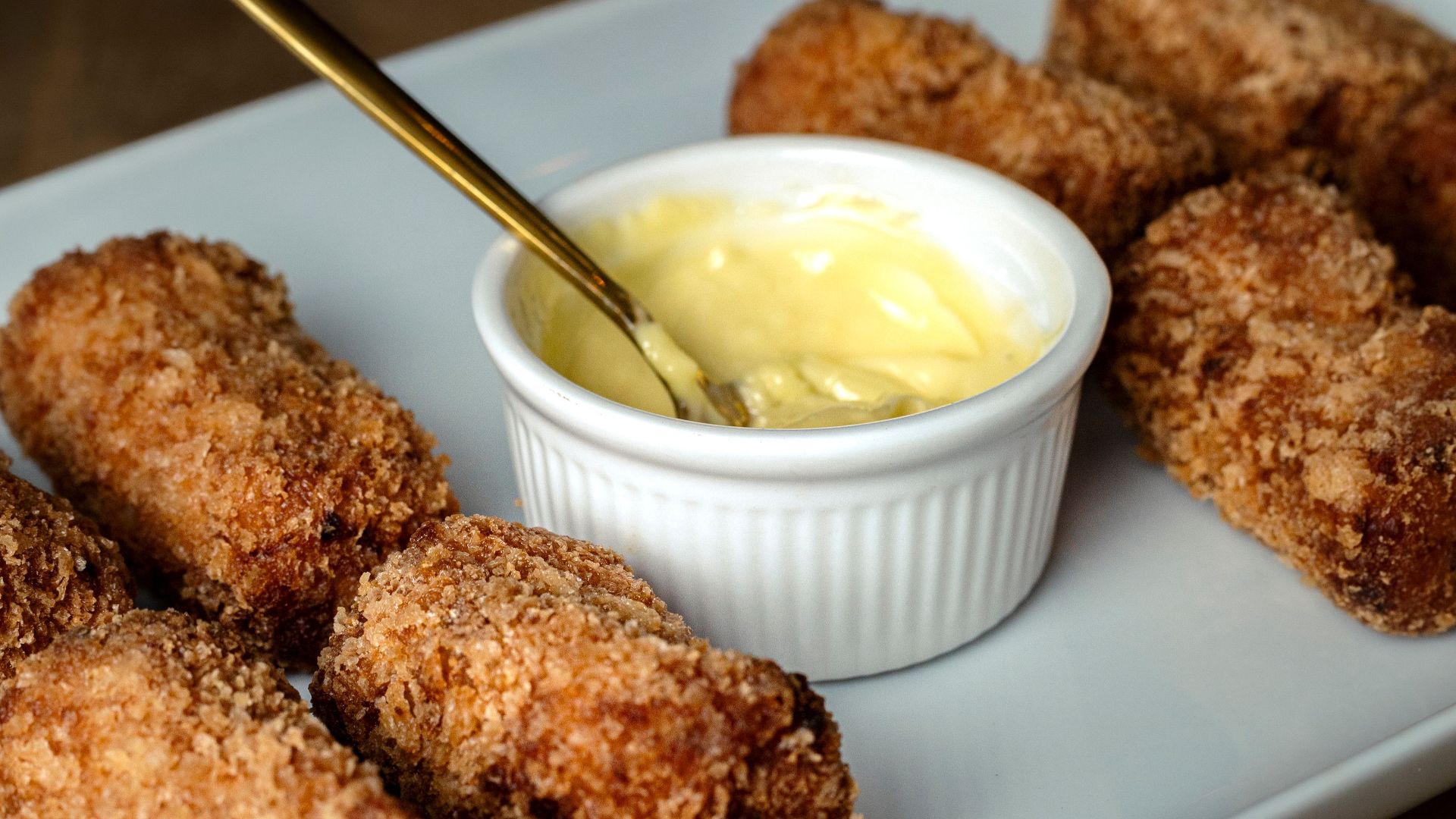
Chicken croquettes were a smart way to turn cooked chicken into a crisp, elegant luncheon dish. Minced chicken was usually mixed with sauce, shaped, coated, and fried until golden. They had enough richness to feel special without requiring a huge portion.
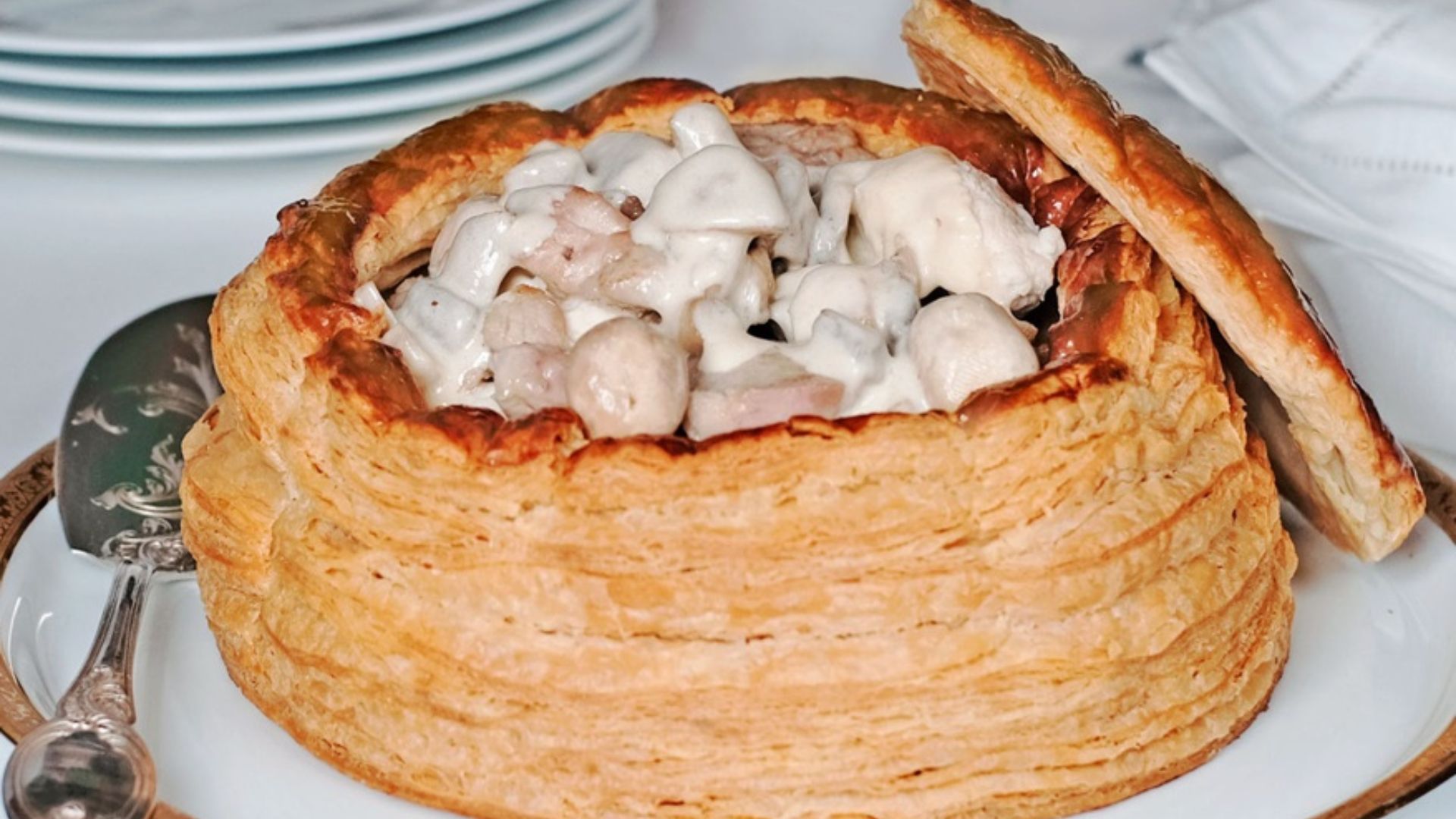
6. Vol-au-Vents
Vol-au-vents are puff pastry shells filled with savory mixtures such as chicken, mushrooms, seafood, or cream sauce. Victorians loved impressive little pastry dishes, and this one still has party potential. The crisp, buttery shell makes even a modest filling feel dressed up.
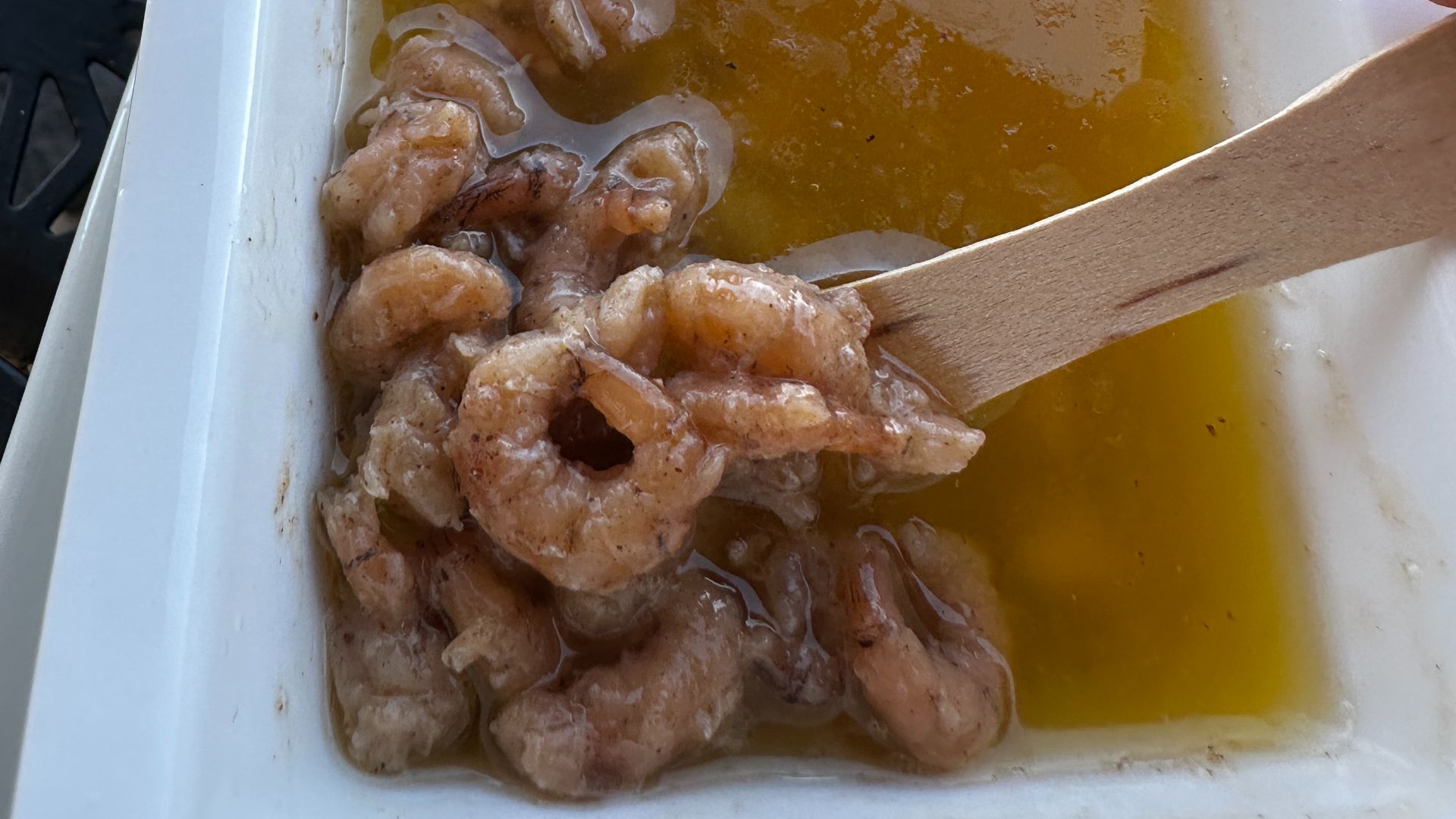
7. Potted Shrimp
Potted shrimp was a rich seafood dish made by packing cooked shrimp into butter and spices. It was often served cold with toast, making it both flavorful and practical for entertaining. The dish feels old-fashioned in the best way because it's simple, savory, and deeply satisfying.
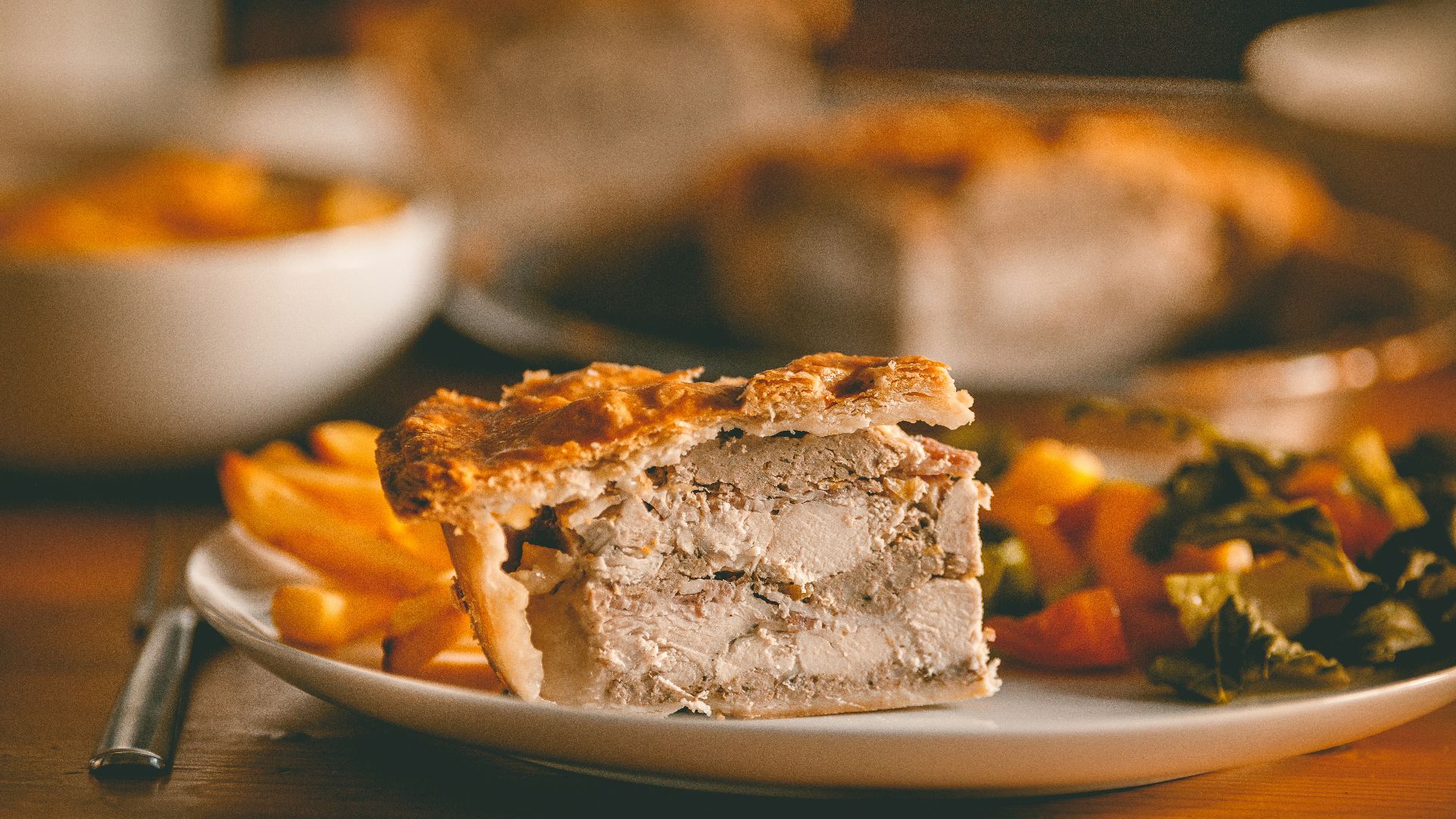
8. Raised Pork Pie
Raised pork pie was sturdy, elegant, and useful for cold luncheons or picnics. The firm pastry crust held seasoned meat, making it easy to slice and serve neatly. Victorian cooks appreciated foods that could travel and still look respectable on a table.
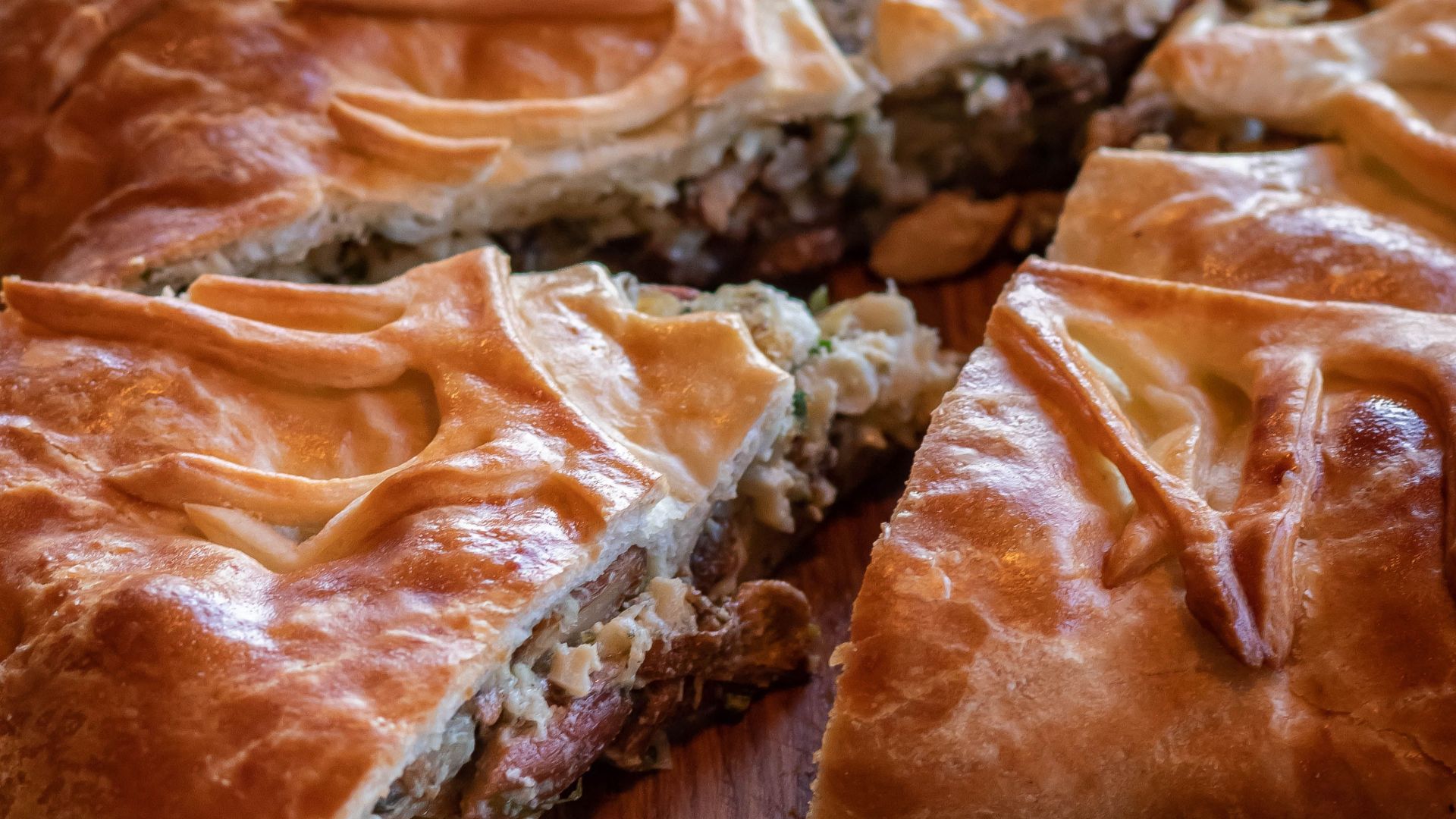
9. Game Pie
Game pie was a grander luncheon dish often filled with meats such as rabbit, venison, pigeon, or other game. It showed off skill, ingredients, and a certain amount of kitchen ambition. While modern diners might prefer chicken, duck, or mushroom versions, the idea still works beautifully.
10. Deviled Eggs
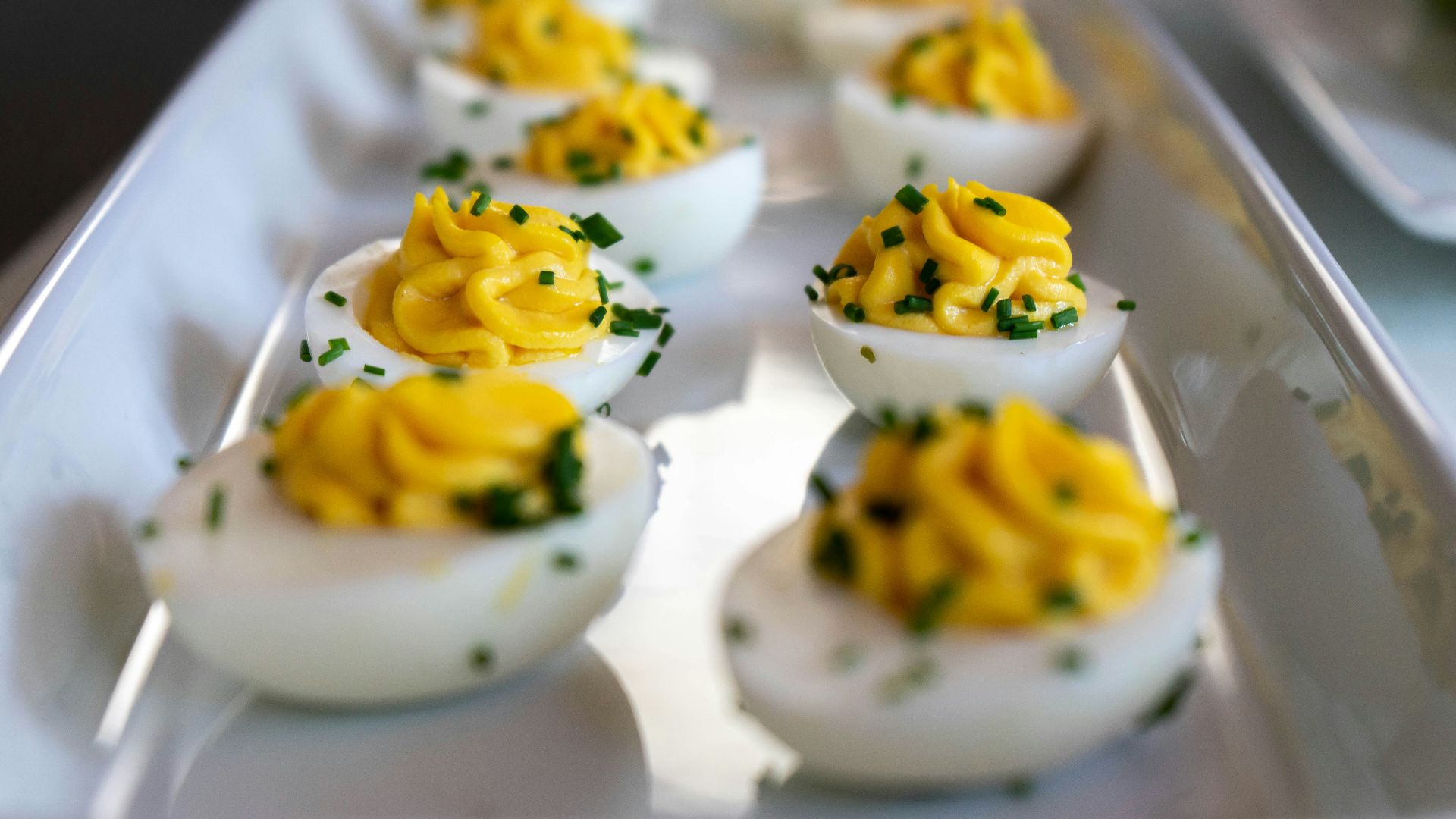
Deviled eggs fit neatly into Victorian-style luncheons because they're tidy, flavorful, and easy to arrange on a platter. The basic idea of seasoned eggs has a long history, and Victorian tables loved small savory bites. They can be made mild, spicy, herby, or fancy depending on the occasion.
11. Aspic With Chicken or Vegetables
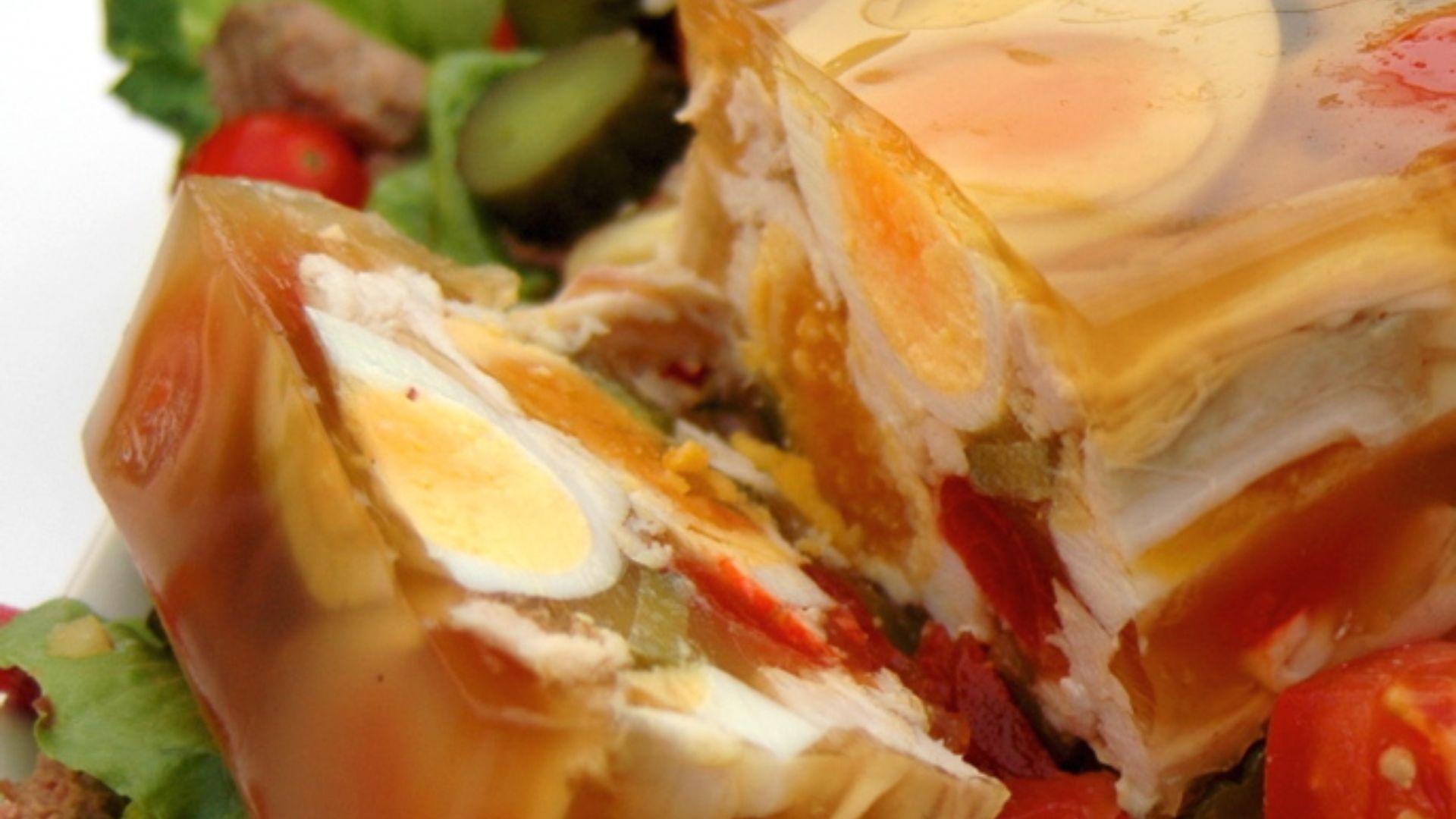
Aspic may be the most divisive dish on this list, but it was once a serious showpiece. Victorians enjoyed savory jellied dishes because they looked impressive, preserved ingredients, and showed technical skill. A molded aspic with chicken, vegetables, or herbs could be quite pretty when done carefully.
12. Cold Roast Beef With Horseradish
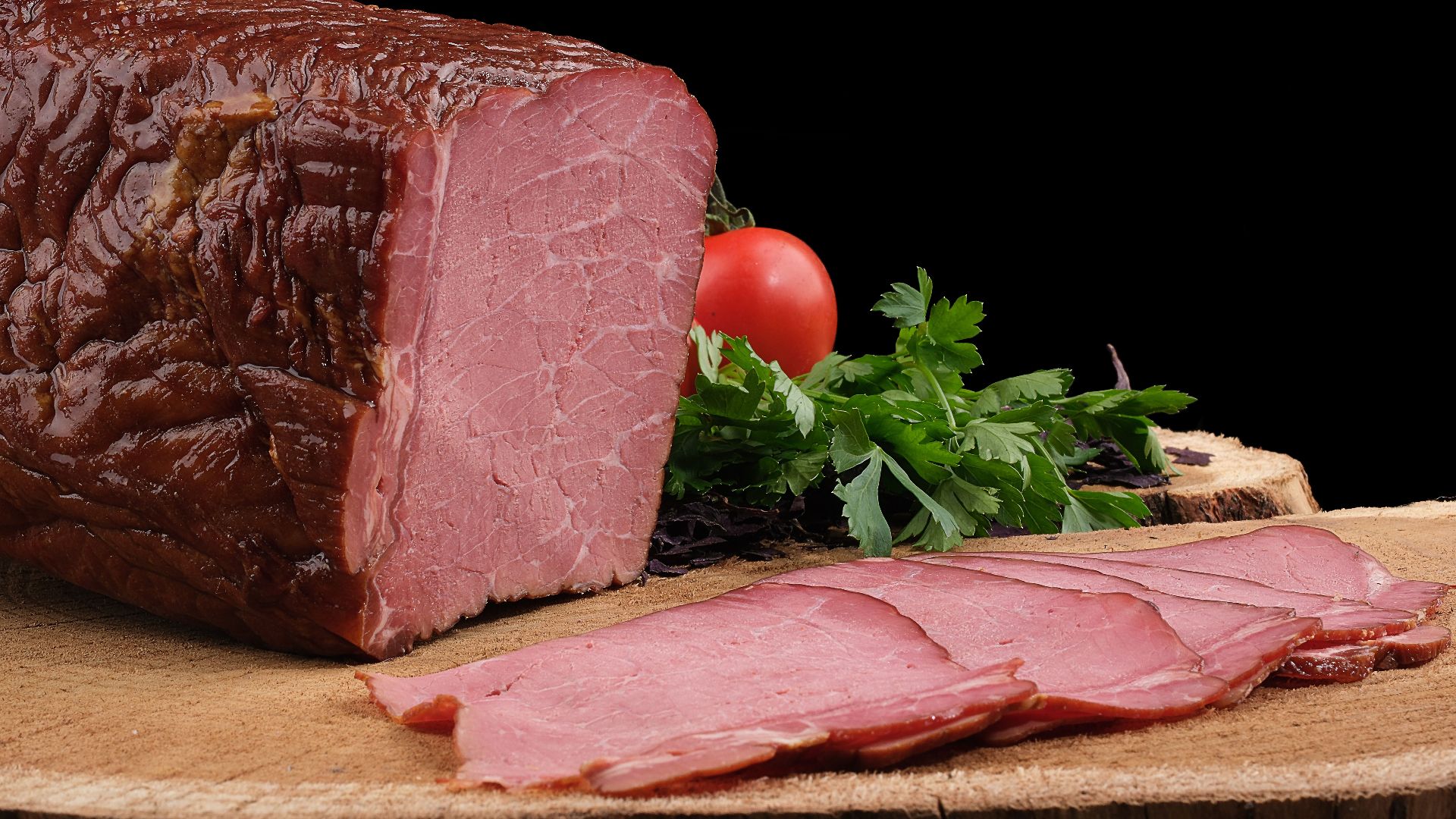
Cold roast beef was a luncheon staple because it was satisfying, elegant, and easy to slice for guests. Served with horseradish sauce, pickles, salad, or bread, it became a composed meal rather than plain leftovers. Victorians were very good at making cold meats feel intentional.
13. Potted Ham
Potted ham was made by finely mincing seasoned ham and packing it into a pot with butter or fat to preserve it. It could be spread on toast or thin bread, making it useful for luncheons and picnics. The flavor was savory, rich, and much more interesting than a plain slice of ham.
 Internet Archive Book Images on Wikimedia
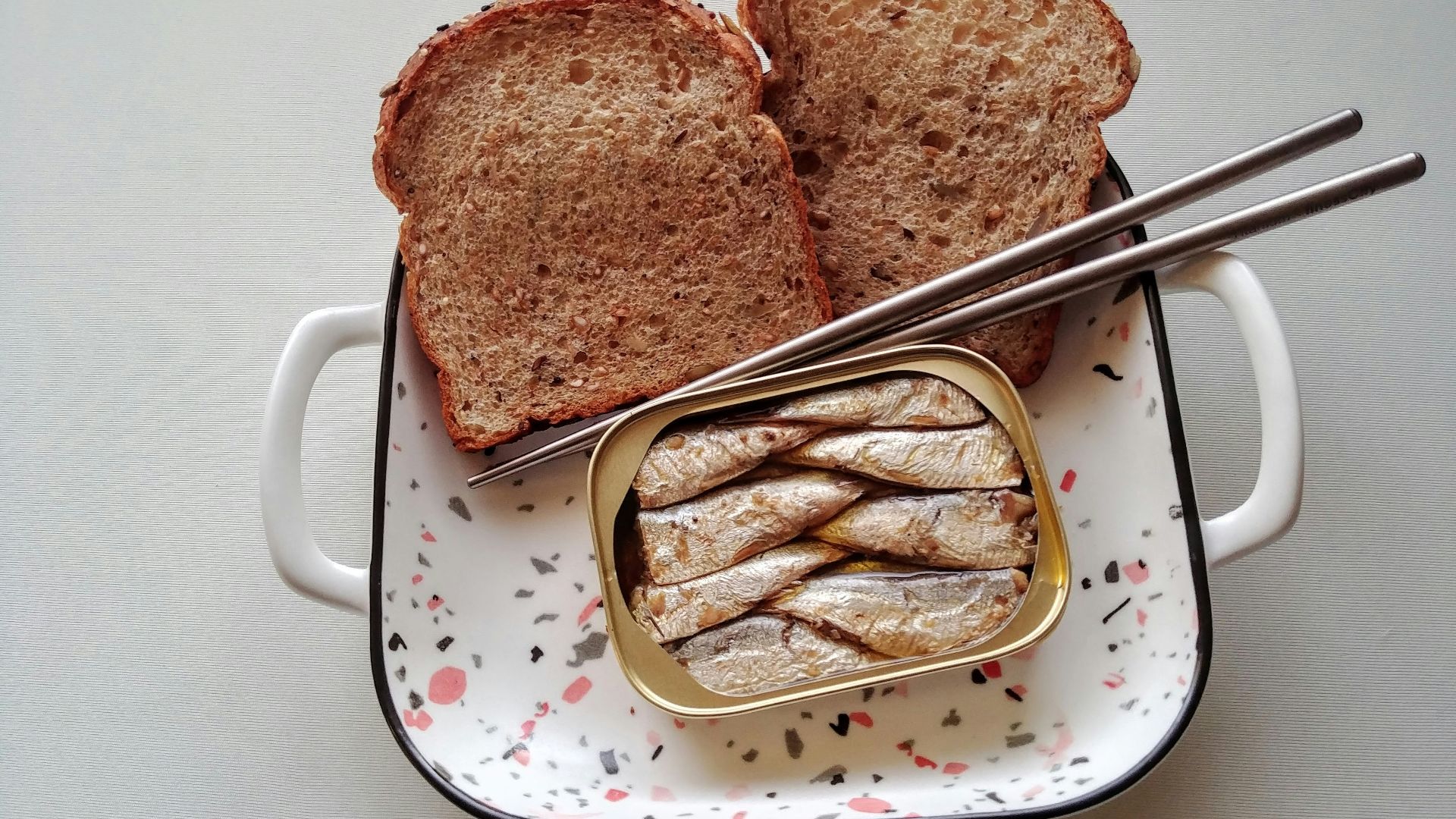
14. Sardines on Toast
Sardines on toast were simple, economical, and more elegant than people might expect. Victorians often valued dishes that could be prepared quickly while still feeling appropriate for the table. Good sardines, buttered toast, lemon, and pepper can make a small luncheon plate feel surprisingly chic.
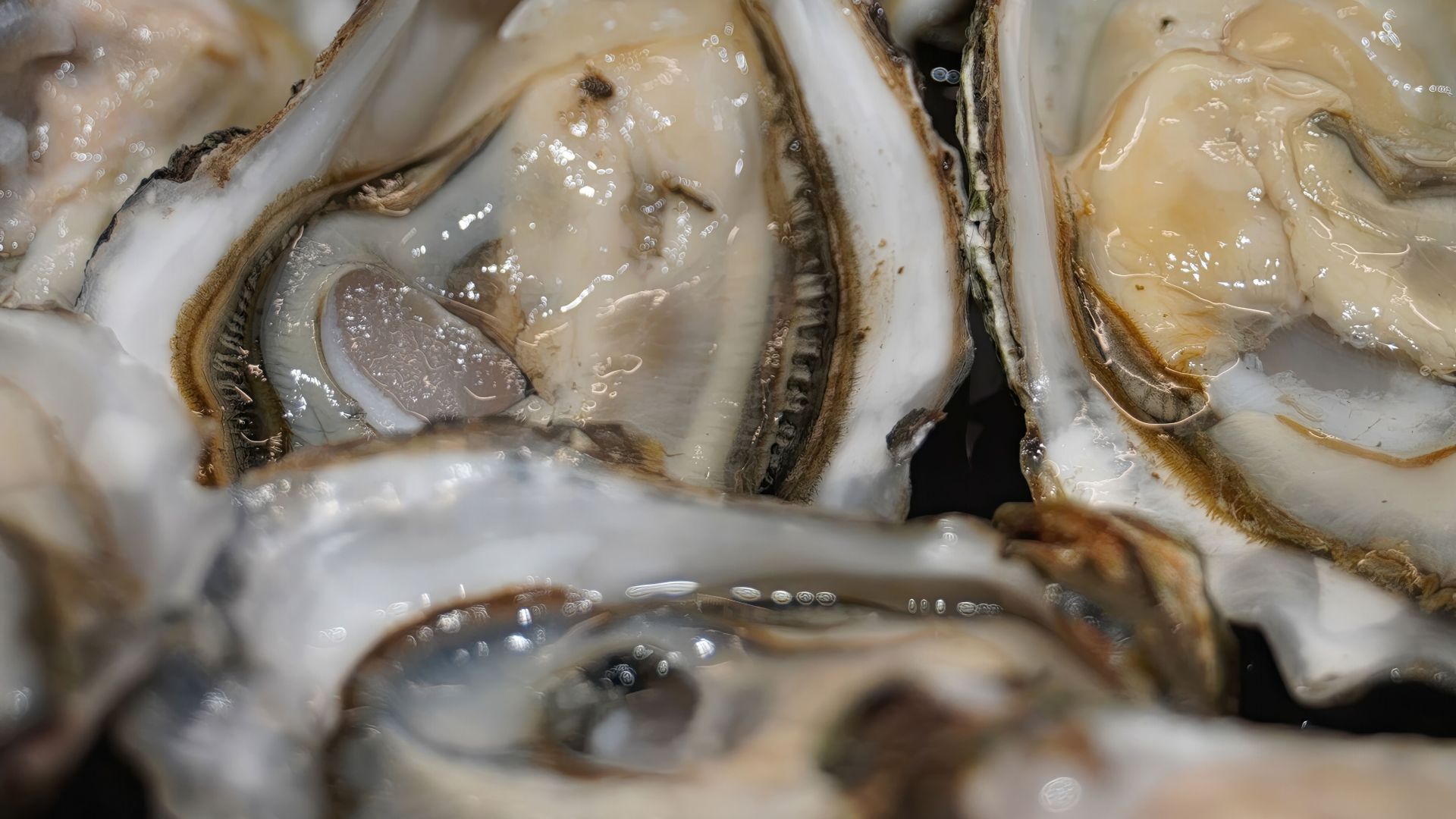
15. Oyster Patties
Oyster patties were another small pastry dish that made seafood feel festive. The oysters were usually cooked in a creamy sauce and spooned into pastry cases. They were rich enough to feel special but small enough for a luncheon course.
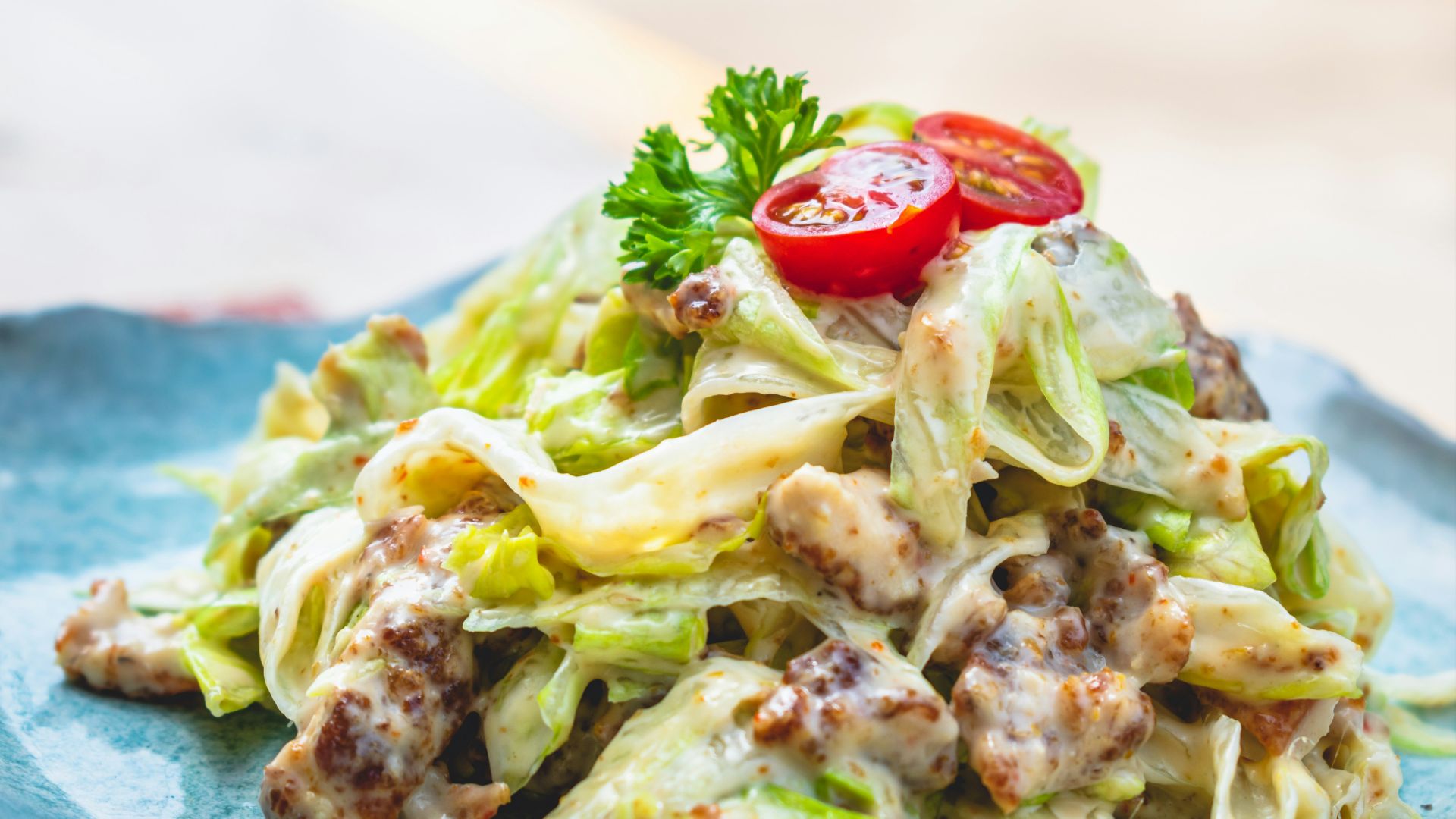
16. Celery Salad
Celery salad may sound plain, but Victorian tables often treated celery as a respectable and even stylish ingredient. Crisp celery could be served with dressing, nuts, herbs, or other vegetables for a fresh luncheon side. It gave richer meats and pastries something crunchy to sit beside.
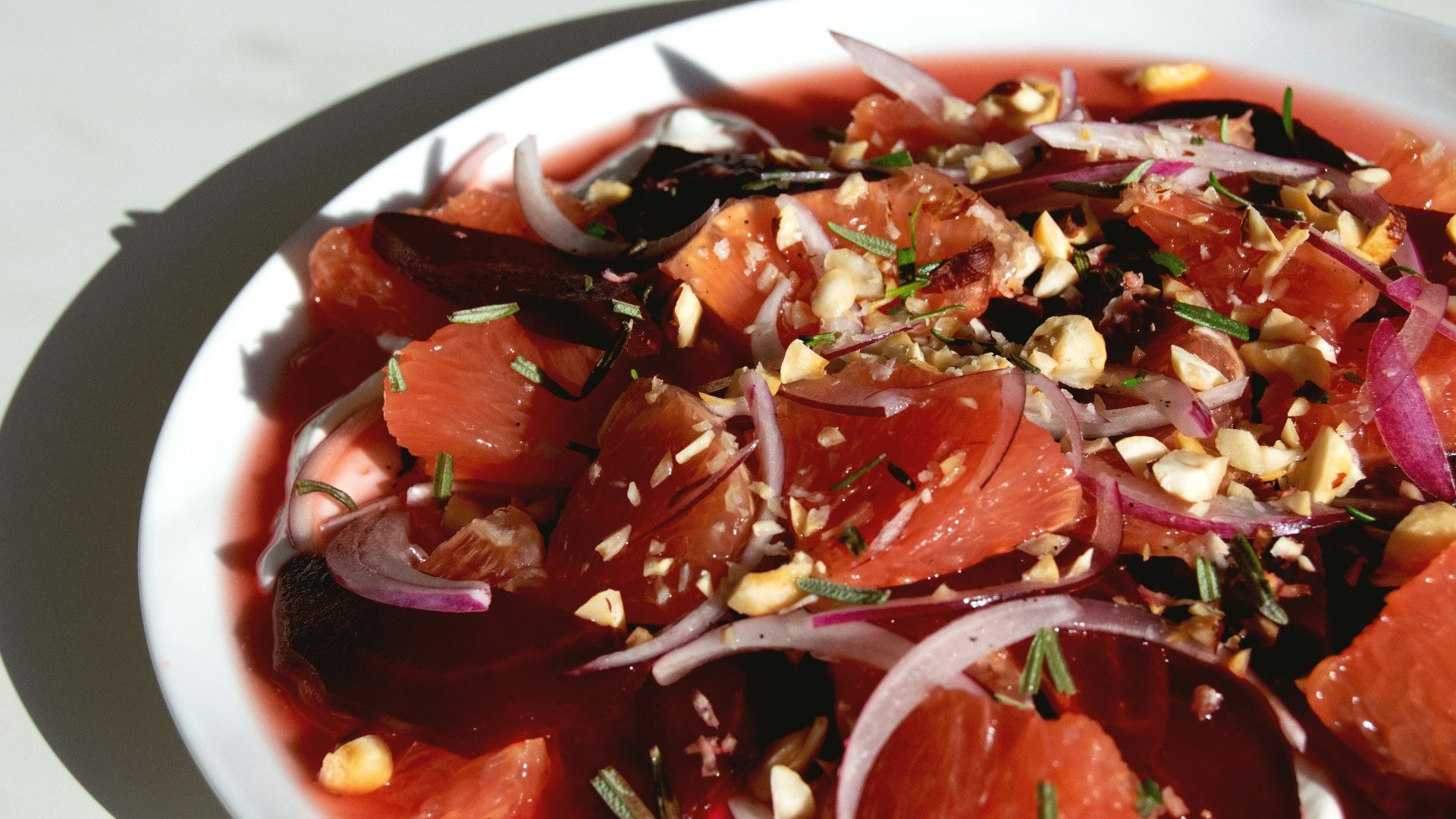
17. Pickled Beet Salad
Pickled beet salad brought color, sharpness, and a little drama to the luncheon table. Beets were common in 19th-century cooking, and pickling made them practical as well as flavorful. Their sweetness and acidity pair beautifully with cold meats, eggs, and creamy dishes.
 Neringa Skorupskiene on Unsplash
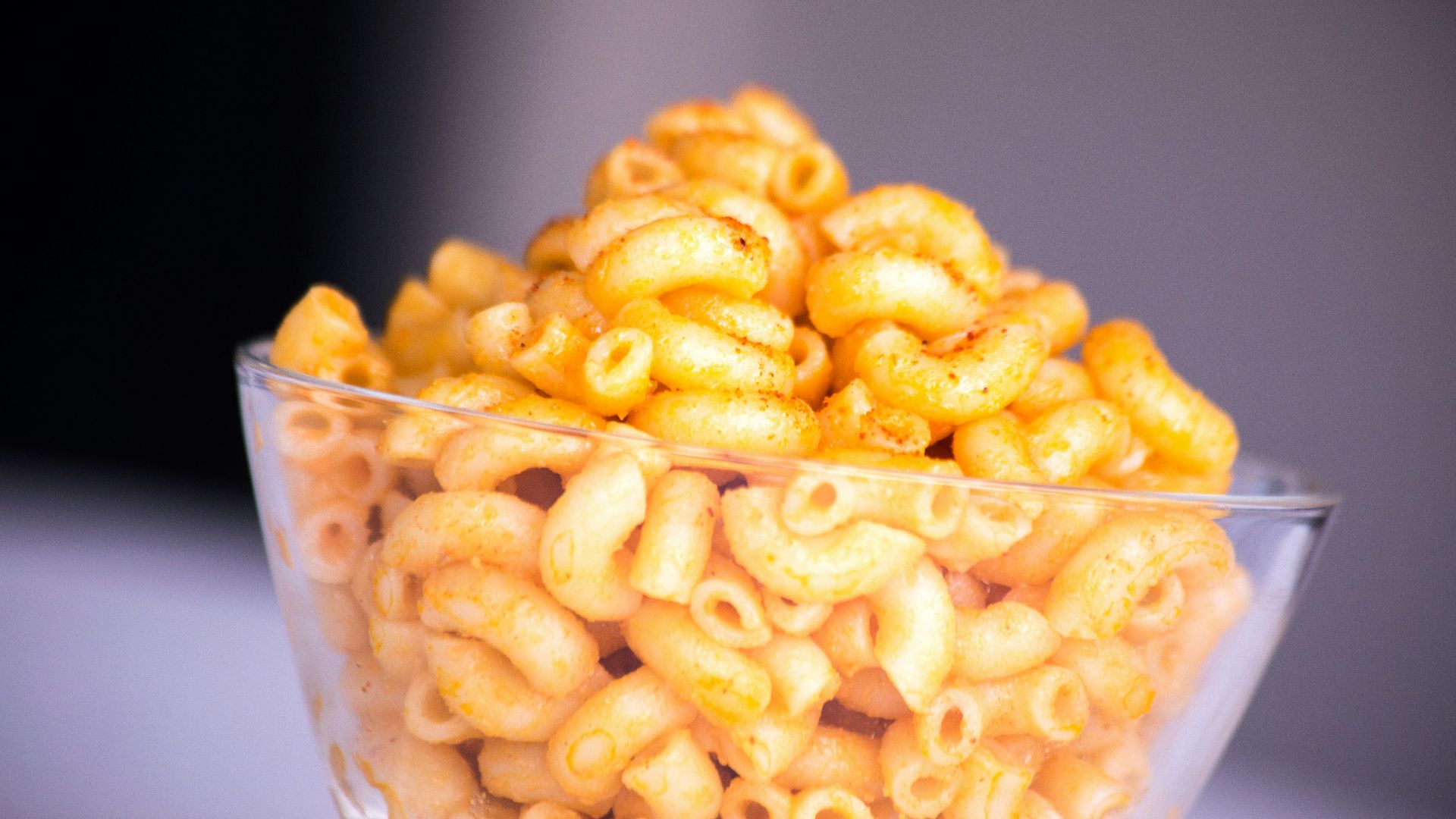
18. Macaroni Cheese
Victorian macaroni dishes were often served as refined luncheon or supper items, especially when prepared with cheese and a creamy sauce. Macaroni cheese may feel like comfort food now, but it has old-fashioned roots. The Victorian version could be baked, browned, and served neatly rather than scooped in a hurry.
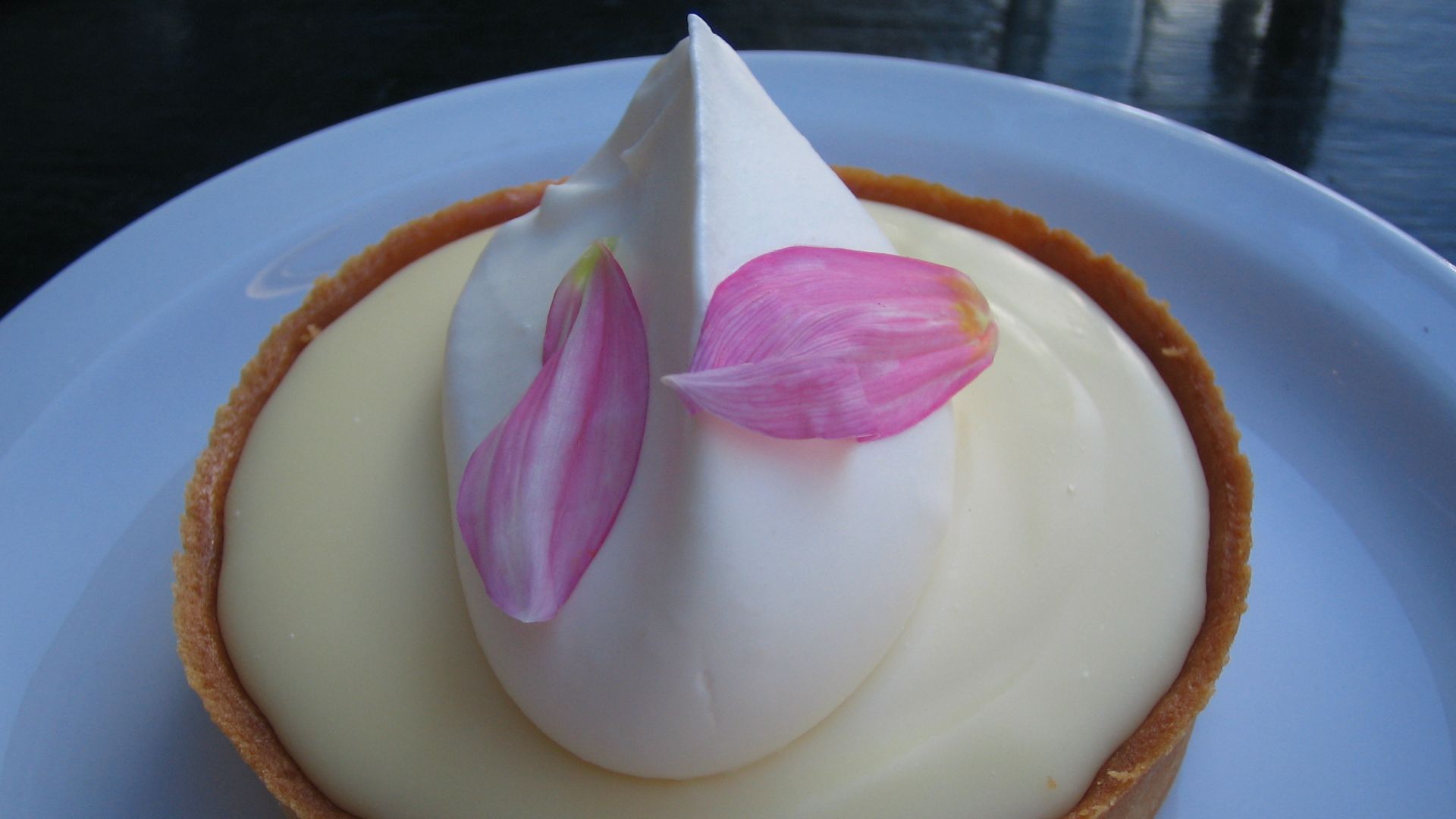
19. Lemon Cream
Lemon cream was a light, sweet ending that suited a luncheon better than a heavy pudding. It could be served chilled and offered a bright finish after meats, pastries, and salads. Victorian meals often included a sweet that looked pretty without overwhelming the table.
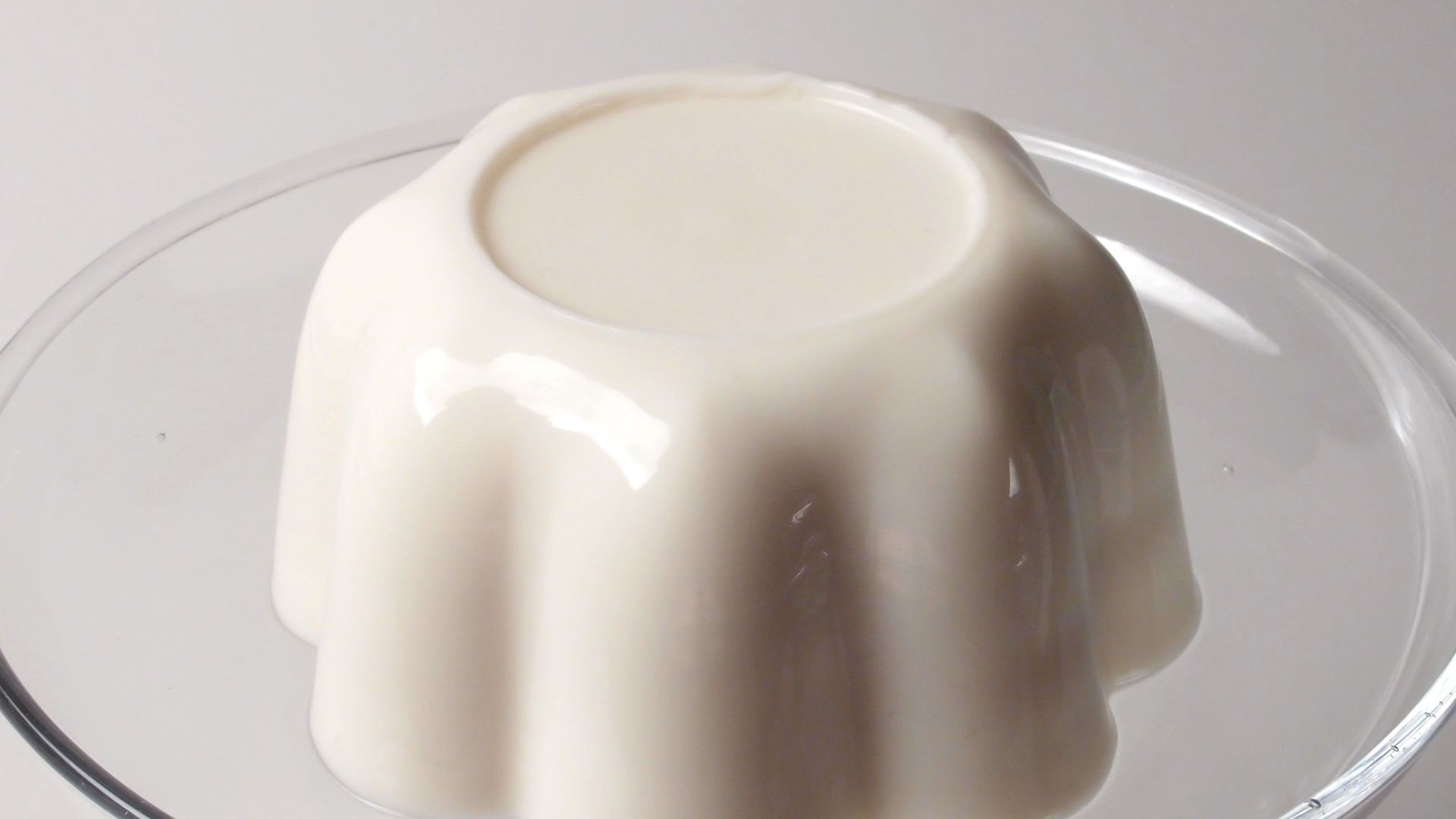
20. Blancmange
Blancmange was a molded dessert made with milk, sugar, and flavorings such as almond or vanilla. It was smooth, pale, delicate, and very much at home on a Victorian table. Modern versions could be made lighter and served with berries or fruit sauce to keep things fresh.
KEEP ON READING