What Does It Mean When a Product Is Recalled?
Has something you've bought been recently recalled? While these reports can be unsettling, especially when you've already consumed the product, it's worth knowing that recalls can happen for many different reasons other than contamination. Sometimes, it can simply be a labeling mistake, so don't panic just yet. But either way, when a recall happens, you'll want to act quickly to avoid potentially contracting an illness. Here are 10 common reasons why food might be recalled, and what to do immediately when a product you've purchased is affected.
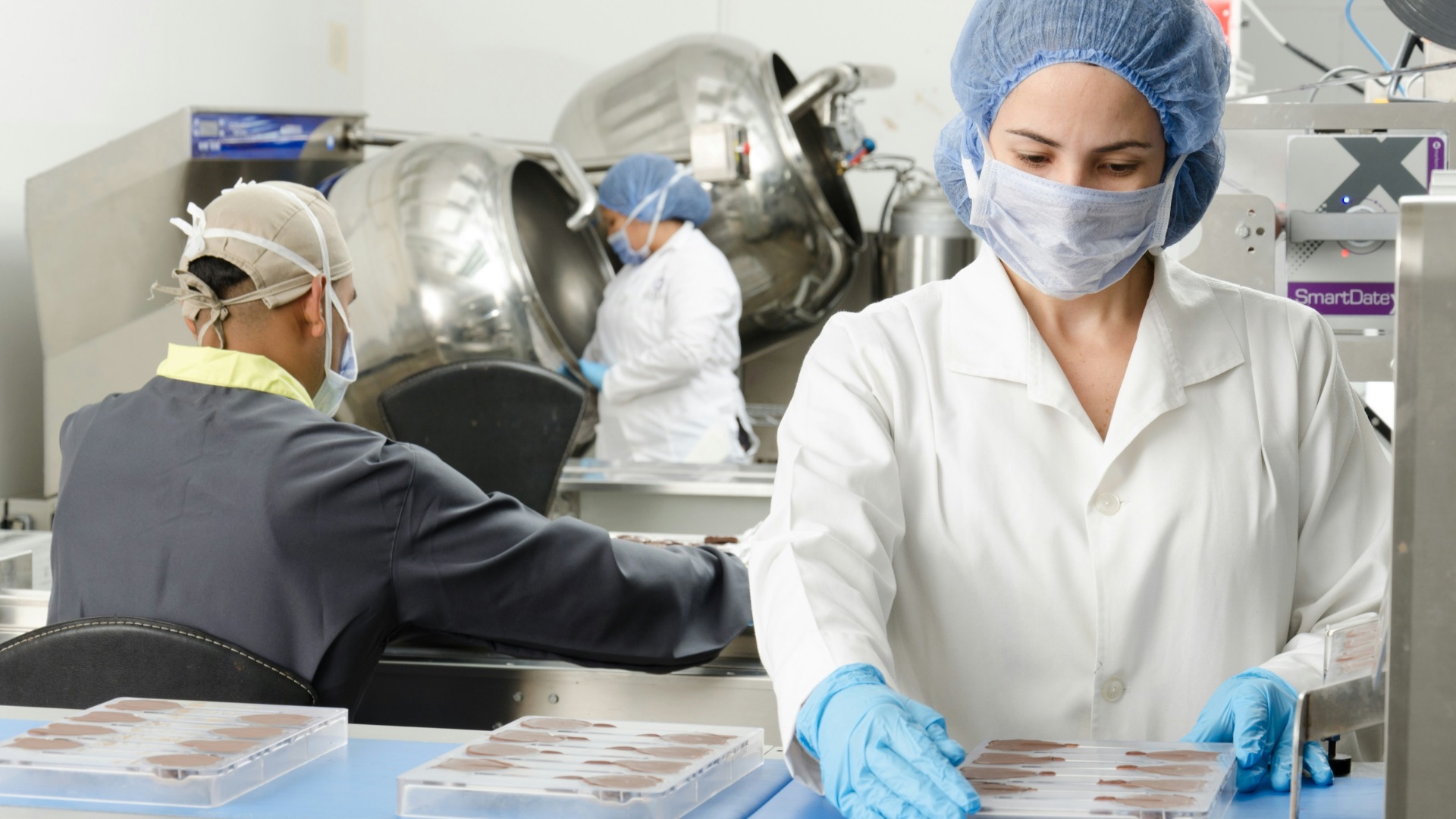
1. Bacterial Contamination Is Found
One of the most common reasons for a food recall is the discovery of harmful bacteria, such as Salmonella, E. coli, or Listeria. These germs can enter food during growing, processing, packaging, or handling. Sometimes contamination is found through routine testing, while other times it’s linked to reported illnesses. Because bacteria can’t always be seen, smelled, or tasted, a recall is often the clearest warning consumers receive.
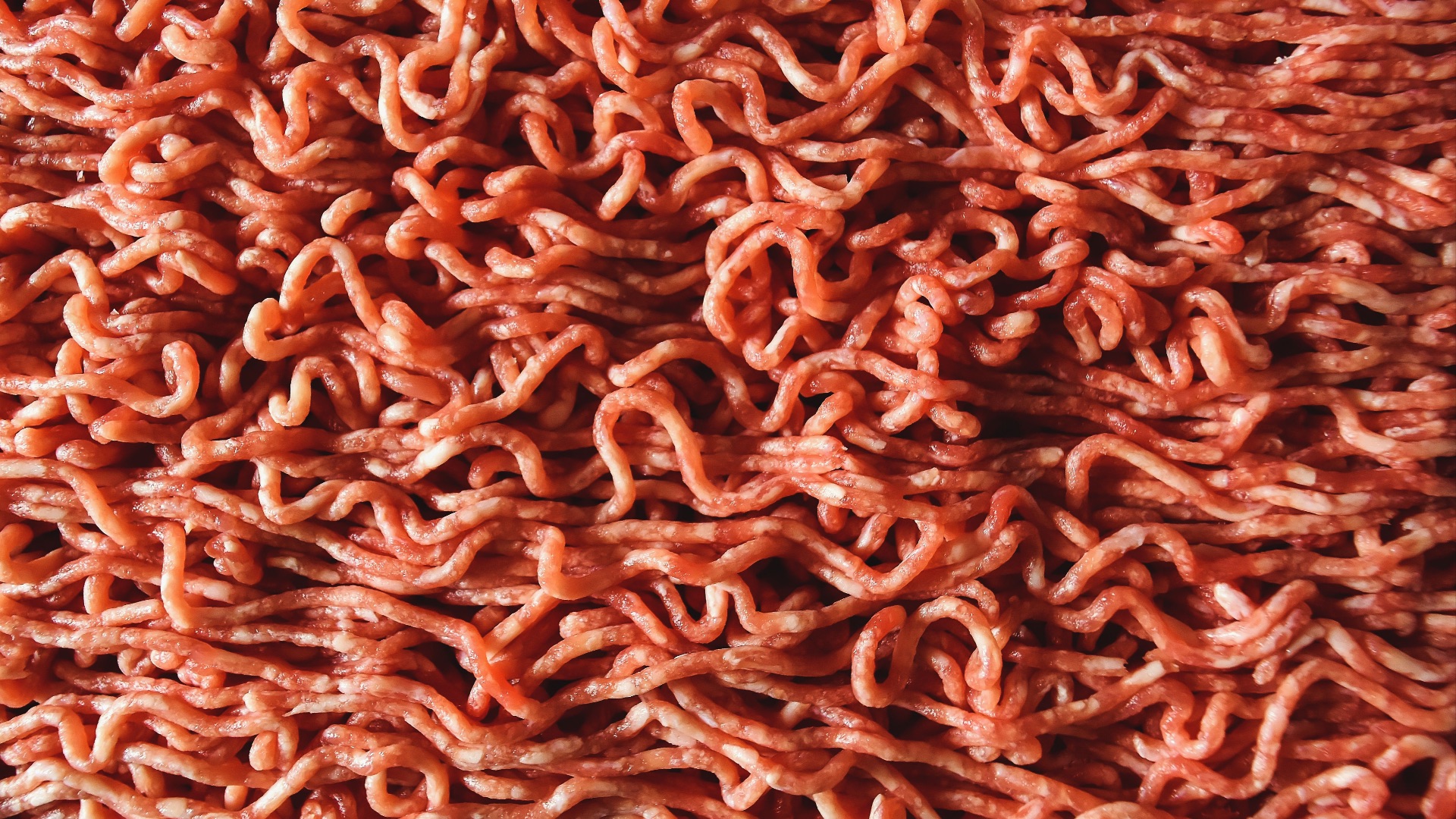
2. Allergens Are Left Off the Label
Food labels have to clearly identify major allergens, and a recall may happen when an ingredient like peanuts, milk, eggs, soy, wheat, sesame, fish, shellfish, or tree nuts isn’t listed correctly. For someone without allergies, the product may seem harmless, but for someone with a severe allergy, one mislabeled item can be dangerous. These recalls often happen because of packaging mistakes, recipe changes, or cross-contact during production. Even a small labeling error can create a serious health risk.
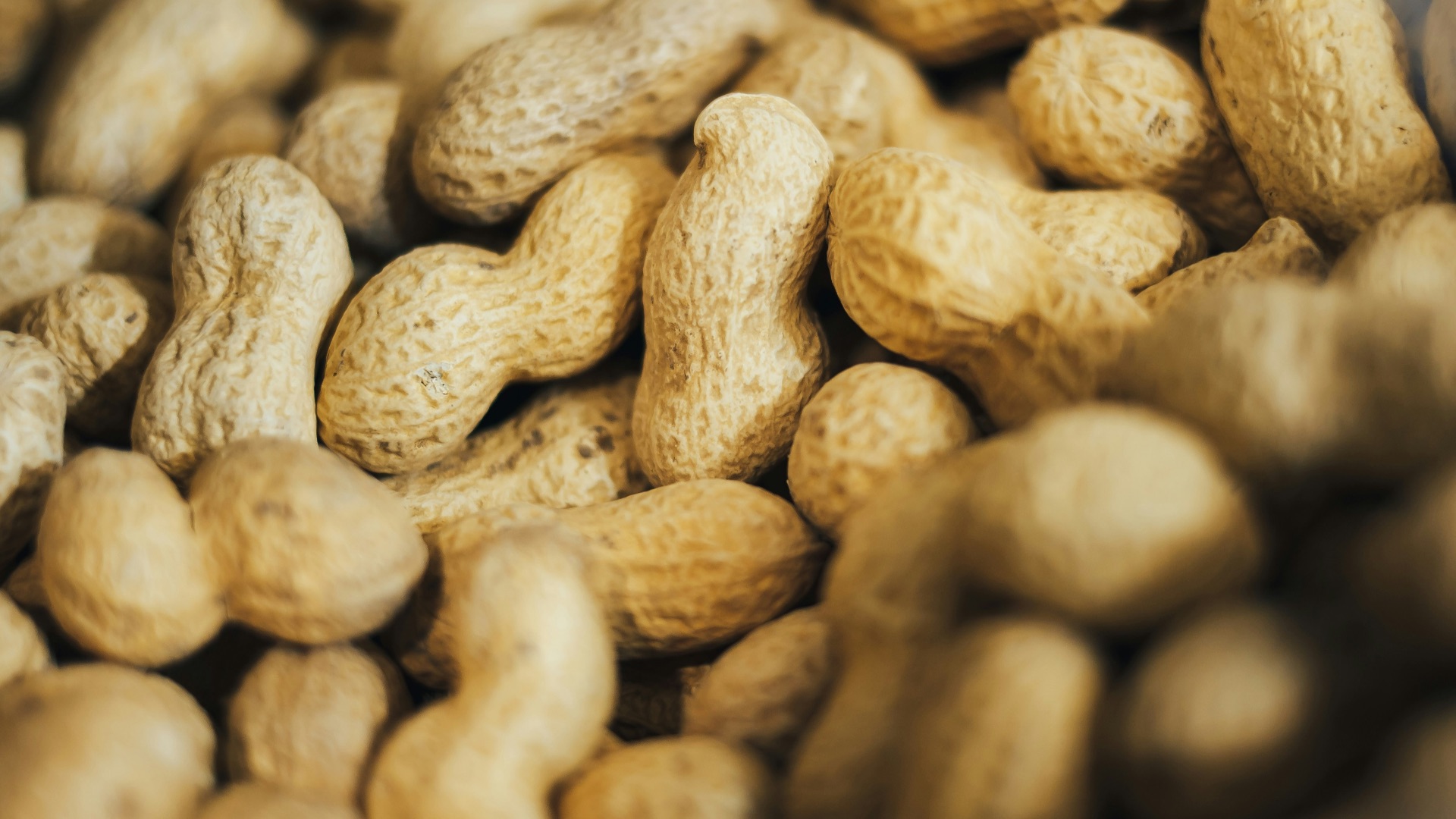
3. Products Are Put in the Wrong Package
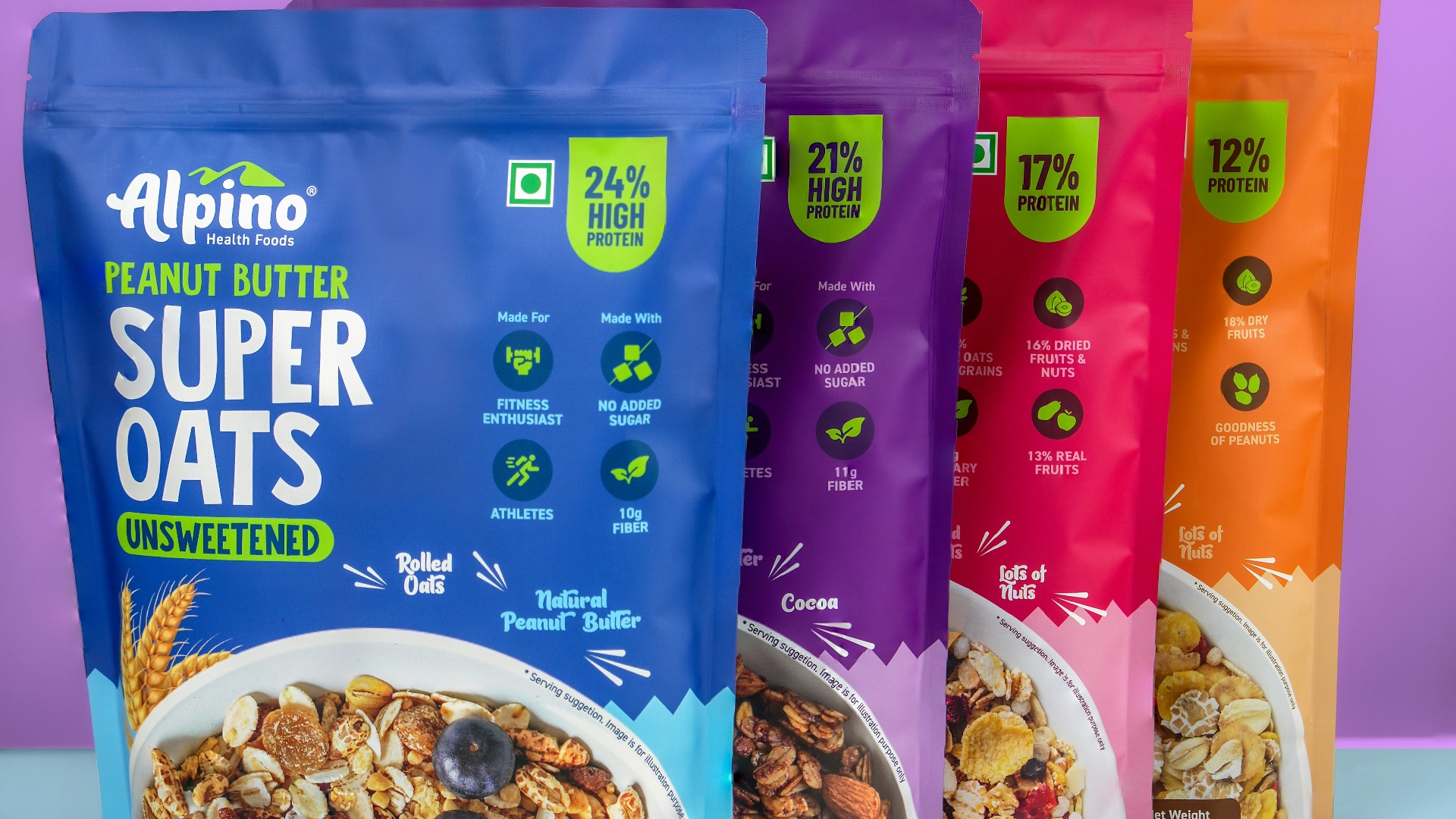
Mispackaging can lead to a recall when the food inside the container doesn’t match the label on the outside. This can happen if two products look similar on a production line or if the wrong label is applied during packaging. The problem becomes especially urgent when the incorrect package hides an allergen or gives inaccurate cooking instructions. In that situation, consumers may use the product in a way that isn’t safe for what’s actually inside.
 pouchdirect Ausatralia on Unsplash
4. Foreign Objects Get Into the Food
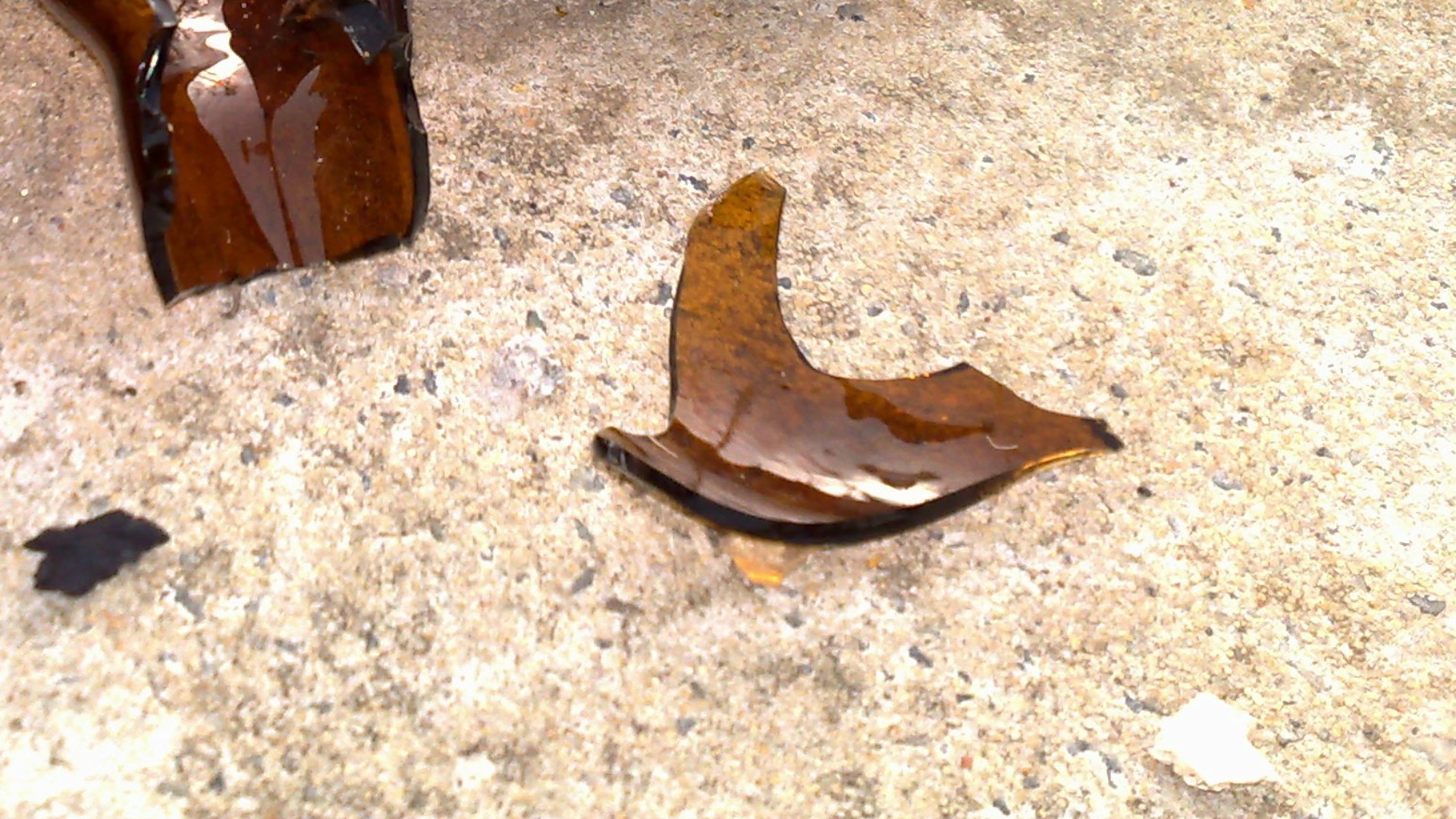
A recall may be issued when pieces of plastic, metal, glass, rubber, or other foreign material are found in a food product. These objects can come from broken equipment, damaged packaging, or problems during manufacturing. Even when the contamination appears limited, companies often recall affected lots to prevent injuries. No one wants to discover a sharp or hard object after taking a bite, so these recalls are usually handled with urgency.
5. The Food May Contain Undeclared Ingredients
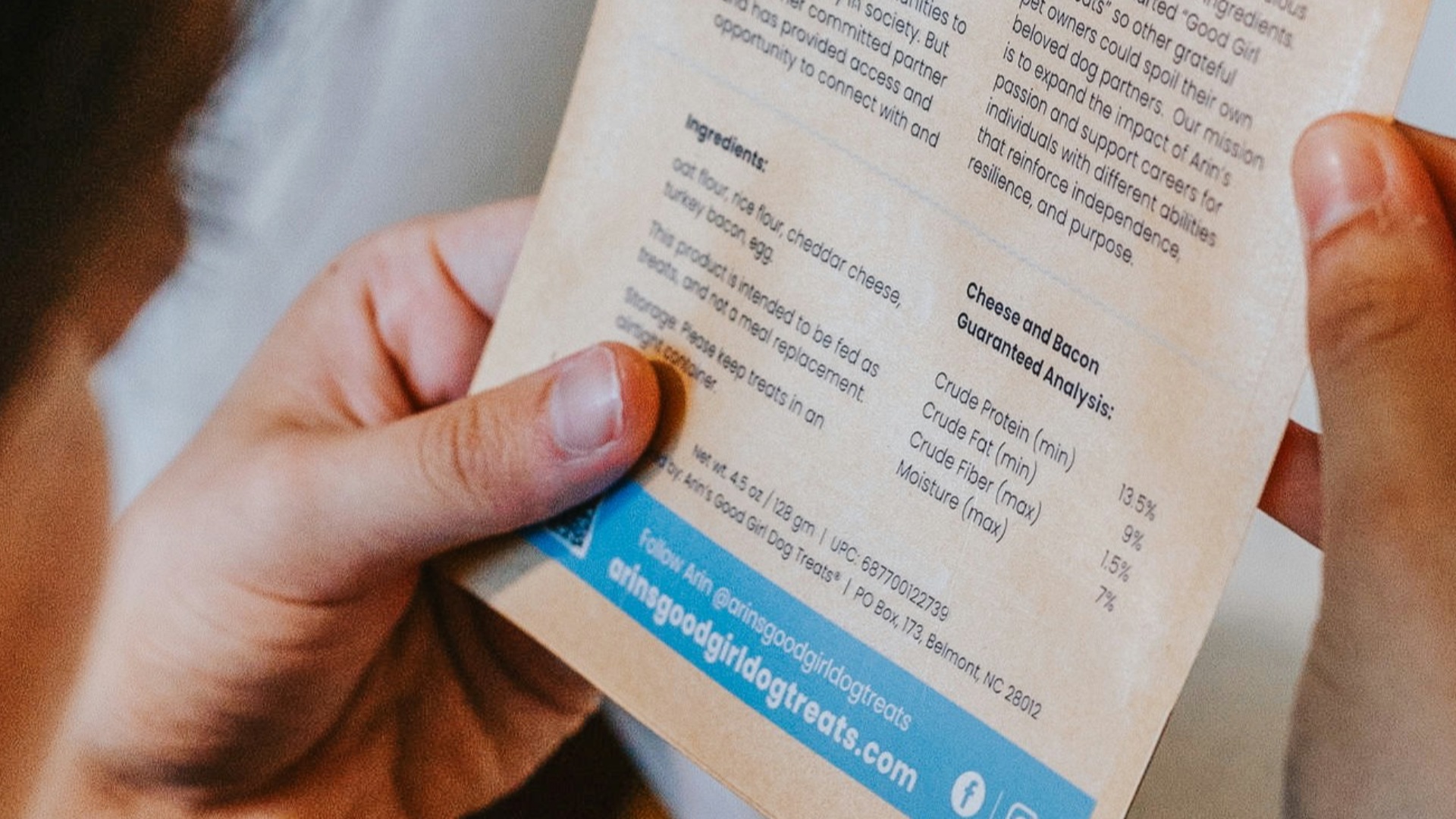
Beyond major allergens, a recall can happen when a product contains ingredients that aren’t disclosed on the label. This can matter for people avoiding certain substances for medical, dietary, or religious reasons. It can also create problems if the ingredient affects how the food should be stored, prepared, or consumed. Accurate labeling isn’t just about preference; it helps people make safe decisions.
 Arins Good Girl Dog Treats on Unsplash
6. Processing Didn’t Meet Safety Standards
Some recalls occur because a food wasn’t processed in a way that properly controls safety risks. For example, a product may not have been heated, cooled, sealed, or preserved according to required standards. This is especially important for foods that need strict temperature control or sterile packaging. Even if the food looks normal, a processing failure can make it unsafe over time.

7. The Product Was Produced Under Unsanitary Conditions
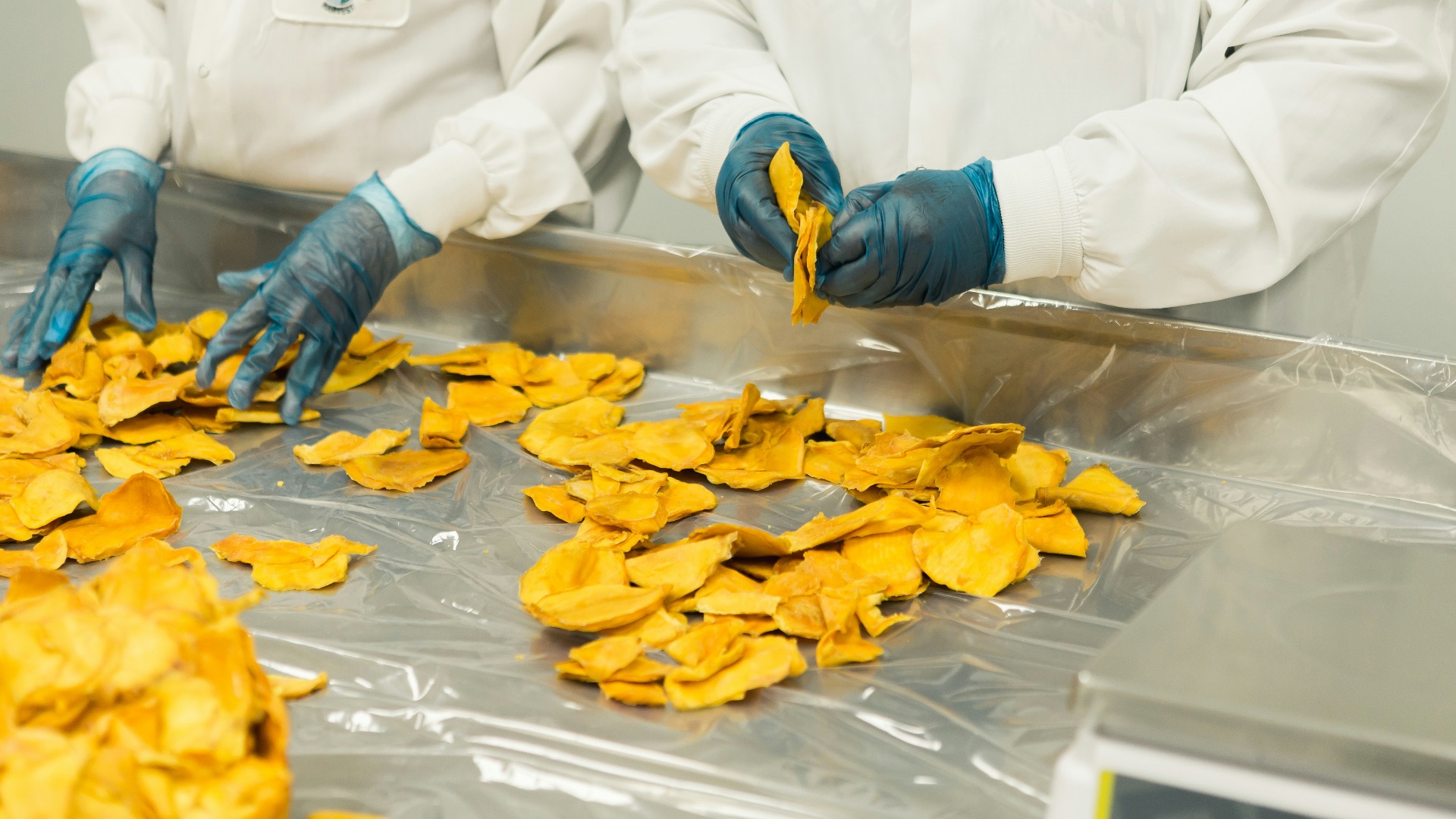
A recall may follow an inspection or investigation that finds unsanitary conditions at a facility. Problems can include poor cleaning practices, pest activity, contaminated surfaces, or improper employee handling. These issues don’t always prove that every product is unsafe, but they can raise enough concern to remove affected foods from the market. When sanitation breaks down, the risk can spread across multiple batches.
8. Illnesses Are Linked to a Specific Food
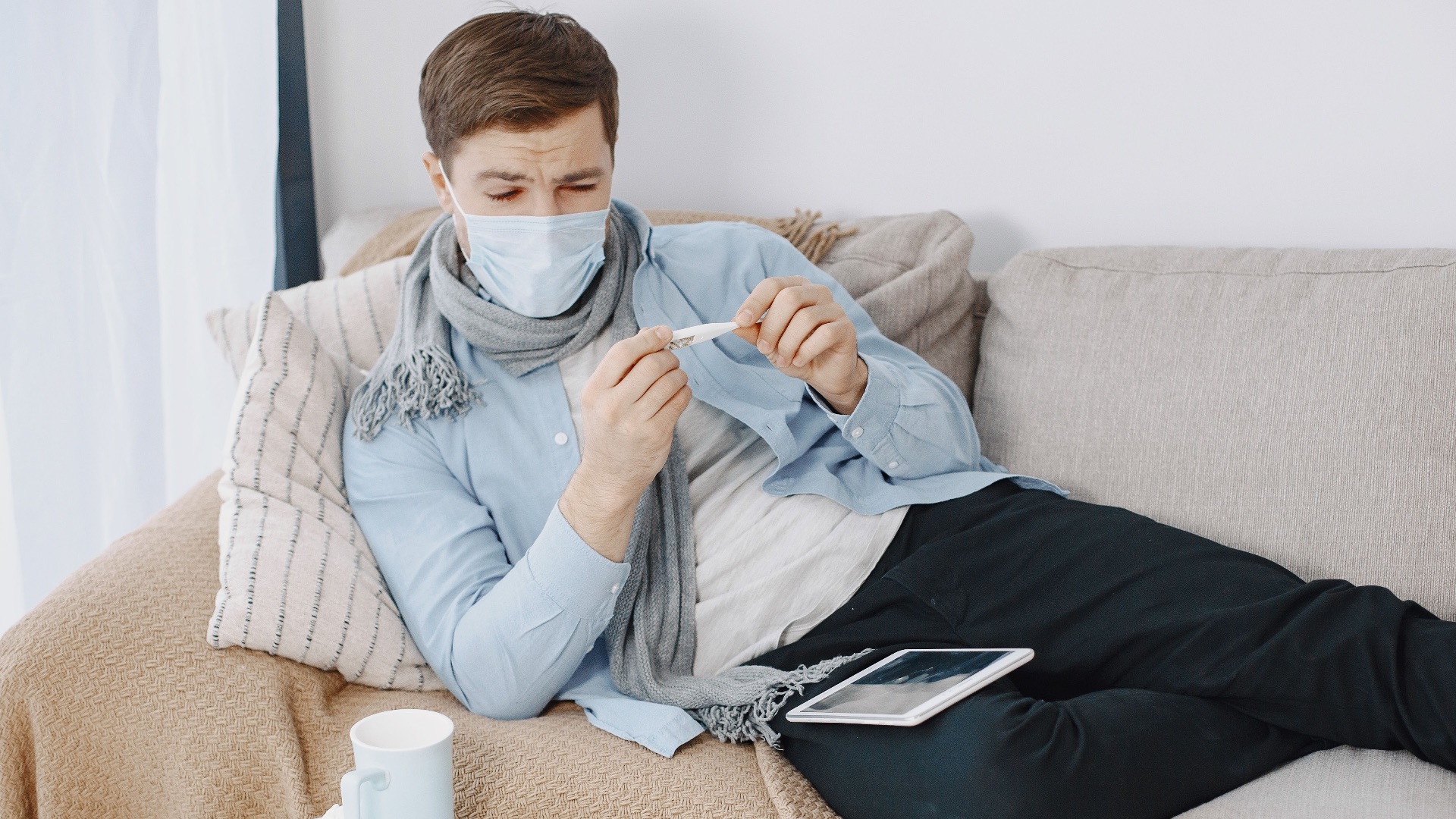
Sometimes a recall happens after public health officials connect illnesses to a certain product, brand, facility, or ingredient. Investigators may look at what sick people ate, where the food was sold, and whether lab testing links the cases together. This process can take time, so recalls may expand as more information becomes available. When illnesses are involved, it’s especially important to check your kitchen for the recalled item.
9. The Food Was Distributed Without Proper Inspection
Certain foods, including meat, poultry, and some egg products, are subject to federal inspection requirements. If a product enters commerce without the right inspection, it may be recalled even before illnesses are reported. The issue is that consumers and regulators can’t fully confirm the product met required safety standards. A missing inspection step can be enough to make the product unacceptable for sale.
10. Storage or Temperature Control Failed
Food can become unsafe if it isn’t held at the right temperature during storage, shipping, or retail display. Refrigerated and frozen products are especially vulnerable when cold-chain controls break down. A recall may happen if a company discovers that a product spent too long outside safe temperature ranges. Even if the package still looks sealed, temperature abuse can allow harmful bacteria to grow.
Now that you know why (and how) recalls happen, the next question is what you should do when one affects food you’ve bought. Let's jump into that next:
1. Stop Eating the Product Right Away
If you hear that a food has been recalled, don’t take another bite until you’ve confirmed whether your package is included. This applies even if the product smells fine, looks normal, or has already been partially eaten. Many food safety risks aren’t obvious from appearance or taste. When in doubt, set the product aside until you can compare it with the recall notice.

2. Check the Brand, Lot Number, and Dates
Recall notices usually identify affected products by brand name, package size, lot code, use-by date, sell-by date, establishment number, or UPC. Take your package out and compare those details carefully instead of relying on memory. A similar-looking item may not be part of the recall, while a nearly identical one may be. Reading the label closely helps you avoid both unnecessary waste and unsafe assumptions.
3. Check Refrigerator, Freezer, and Pantry Thoroughly
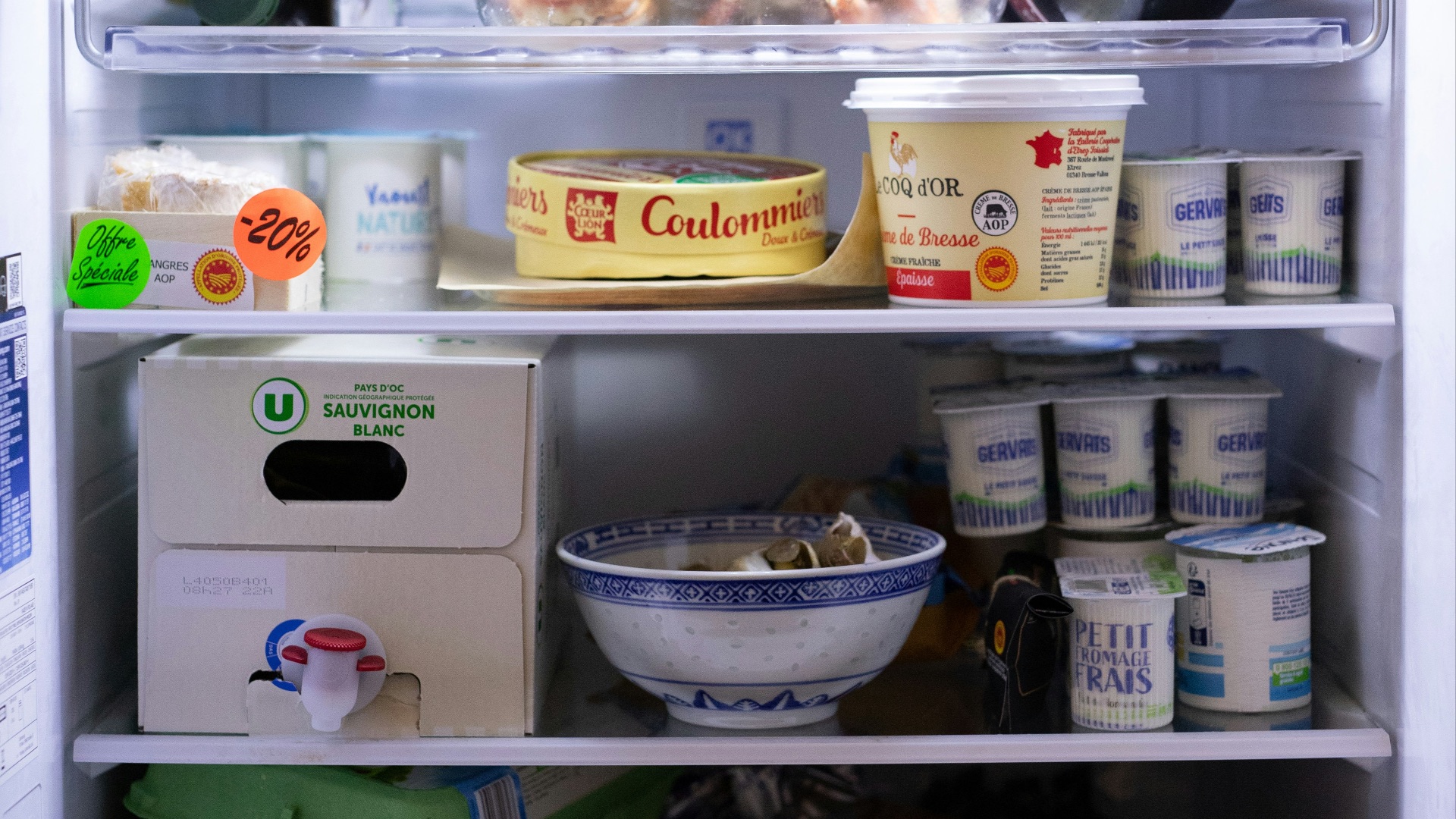
Recalled foods can be easy to miss, especially if you bought them weeks ago or froze them for later. Check every place the product might be stored, including backup freezers, lunch supplies, snack bins, and pantry shelves. If you share food with family members or roommates, ask them to check their spaces too. A recall only helps if the affected product is actually removed from use.
 Nicolas J. Barbier on Unsplash
4. Don’t Serve to Anyone Else
Once a product is under recall, don’t give it away, donate it, or use it in cooking for other people. Heating, rinsing, or picking around part of the food may not remove the risk, depending on the reason for the recall. It’s also possible that someone else has an allergy, pregnancy-related risk, immune condition, or age-related vulnerability you don’t know about. The safest move is to keep the product out of circulation entirely.
5. Follow the Recall Instructions for Disposal or Return
Most recall notices explain whether you should throw the product away, return it to the store, or contact the company for a refund. Read those directions before discarding the package, because you may need a label, receipt, lot code, or photo. If you throw it away, seal it in a bag so children, pets, or wildlife can’t get into it. Following the specific instructions also helps stores and manufacturers track the recall properly.
6. Clean Surfaces the Food May Have Touched
If the recalled food was opened, leaked, handled, or prepared in your kitchen, clean the areas it may have contacted. Wash cutting boards, counters, refrigerator shelves, utensils, containers, and your hands with care. For products linked to bacteria, cleaning matters because juices, crumbs, or residue can spread contamination to other foods. Taking a few extra minutes here can prevent the problem from continuing after the food is gone.
7. Watch for Symptoms After Exposure
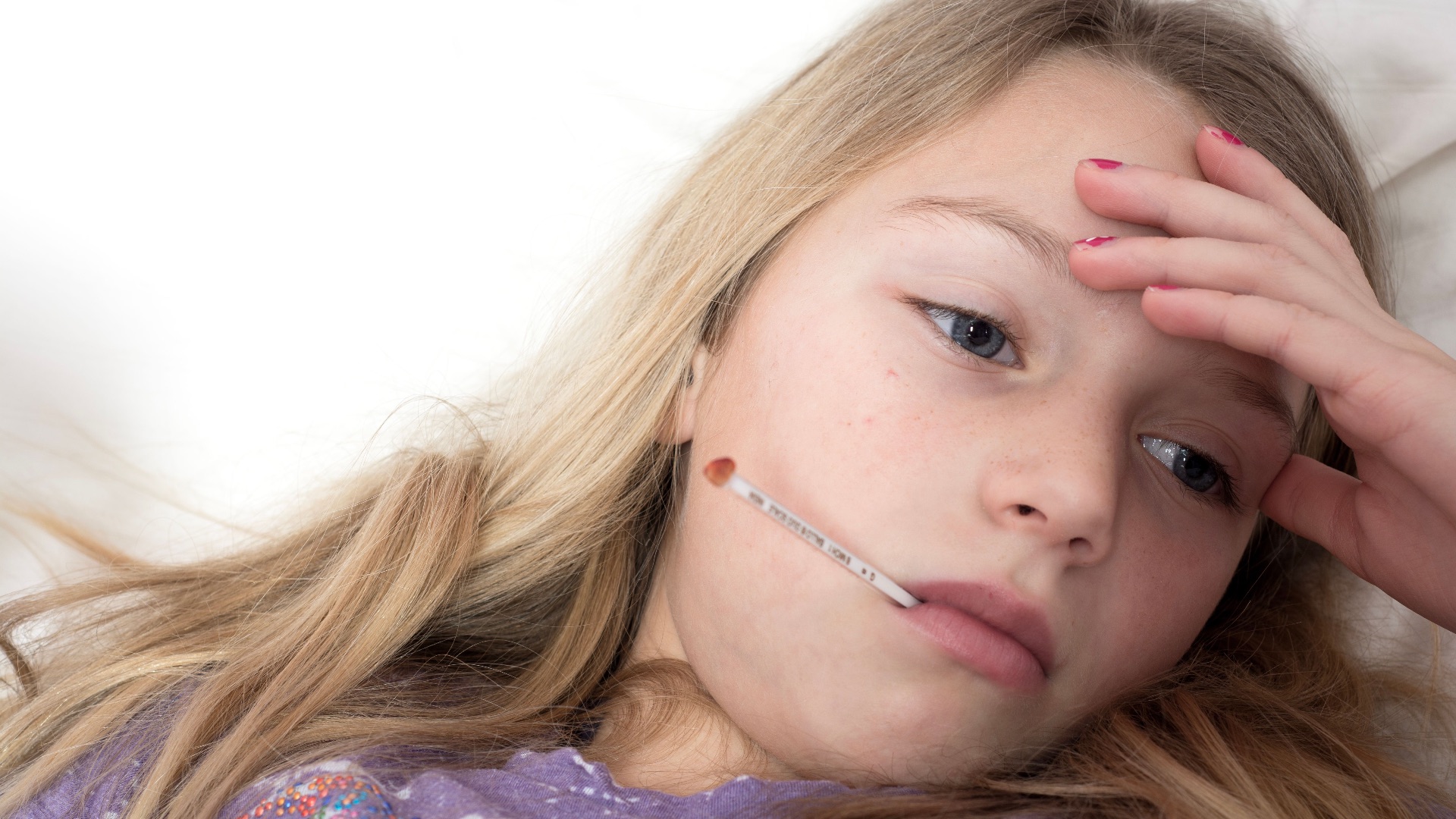
If you already ate the recalled food, pay attention to how you feel over the next several hours or days. Symptoms such as vomiting, diarrhea, fever, stomach cramps, weakness, or dehydration may point to foodborne illness, though timing can vary depending on the germ involved. People who are pregnant, older, very young, or immunocompromised should be especially cautious. You don’t need to panic, but you should take symptoms seriously.
8. Contact a Health Care Provider When Needed
Call a health care provider if you develop severe symptoms, symptoms that last, signs of dehydration, bloody diarrhea, high fever, or concerns related to pregnancy or a weakened immune system. It’s helpful to tell them the exact recalled product, when you ate it, and what symptoms you’re experiencing. Keep the package information if you still have it, because it may help with diagnosis or reporting. Medical advice is especially important when the recall involves pathogens that can cause serious complications.
 National Cancer Institute on Unsplash
9. Report Illness If Food Made You Sick
If you believe a recalled food caused illness, consider reporting it to your local health department or the appropriate food safety agency. Reports from consumers can help investigators identify outbreaks, connect cases, and prevent more people from getting sick. Write down what you ate, when you ate it, where you bought it, and when symptoms started. Receipts, packaging, and photos can be useful if officials need more details.

10. Keep Up with Recall Updates
Some recalls expand after the first announcement, so it’s worth checking for updates if the product is still in your home or if you’re feeling unwell. A recall may grow to include more dates, package sizes, stores, or related products. You can check official recall pages, company announcements, store notices, and public health updates for the latest information. Staying informed helps you respond based on the most accurate details rather than an early, incomplete notice.

KEEP ON READING