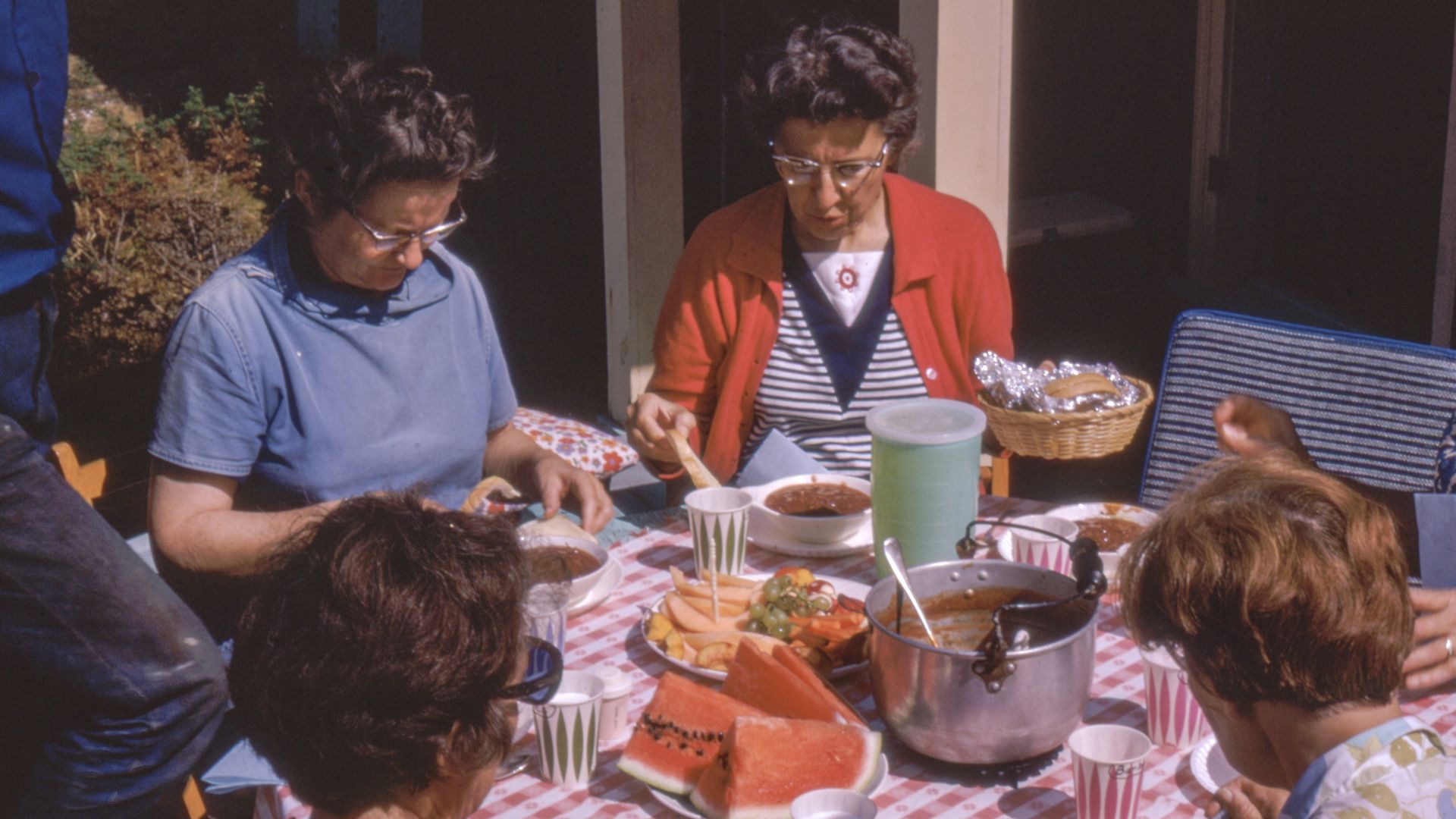
A surprise guest used to be less of a problem and more of an invitation to put the kettle on. When someone knocked and stepped inside, it was common to offer coffee, tea, toast, crackers, or something warm soon after. The food didn’t need to look impressive, and the house didn’t have to be perfectly ready for company. The emphasis was on the welcome.
Today, that kind of casual hospitality can feel more challenging. We often text before visiting, plan meals around busy schedules, and carefully consider allergies, dietary needs, and safe food handling when offering whatever we have on hand. However, welcoming a surprise guest still aligns with many people’s ideas about food, health, and everyday wellness. A small plate, a quick safety check, and a calm host can transform a visit from potentially awkward to easy and enjoyable.
What A Simple Pantry Can Do
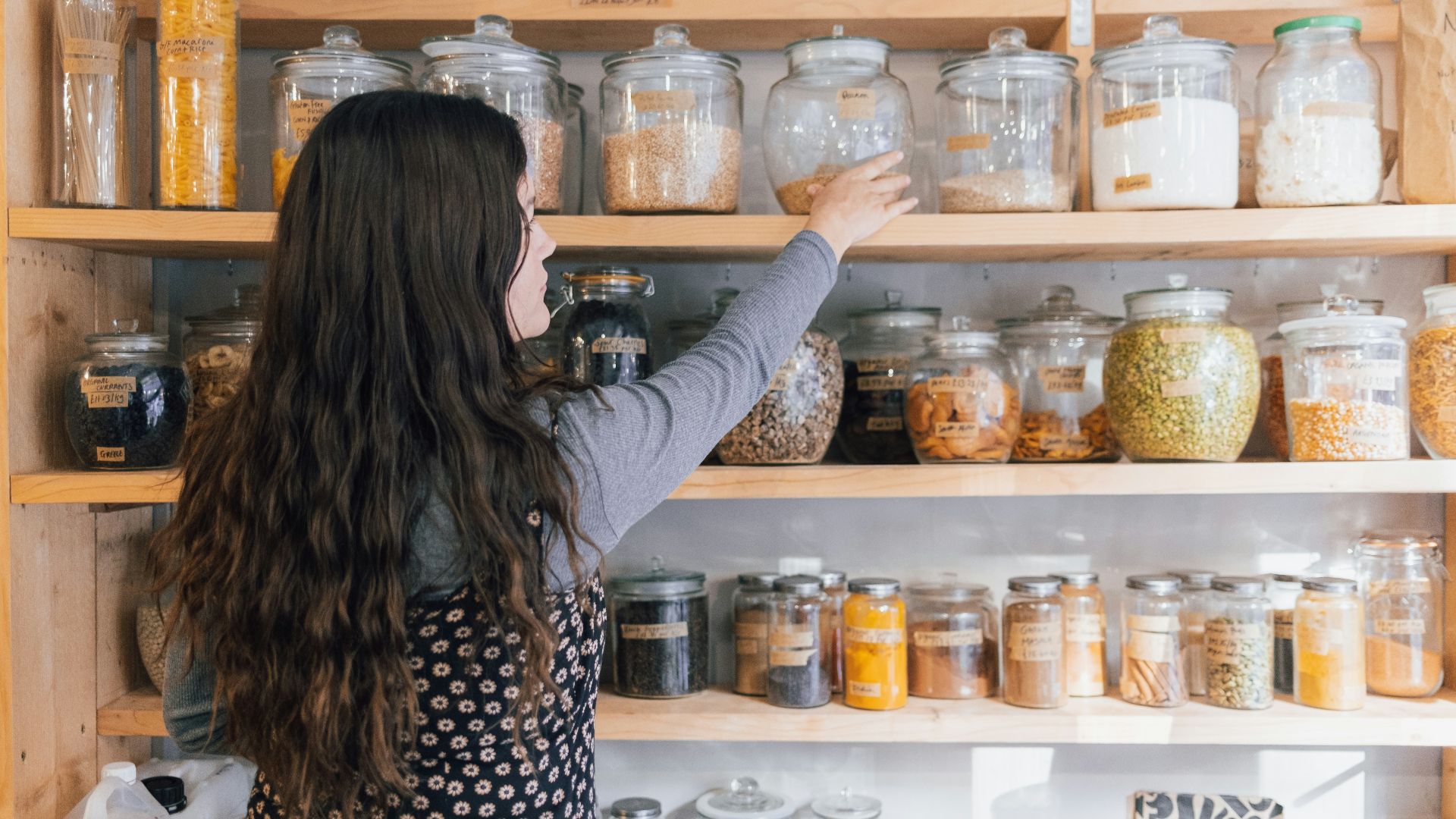
Feeding unexpected guests doesn’t have to involve a complex party menu or a refrigerator full of special ingredients. The simplest way to prepare is to use foods you already have on hand and enjoy eating. Staples like crackers, olives, canned beans, pasta, rice, tuna, tea, coffee, and some sturdy snacks can quickly become a warm welcome without sending anyone into a grocery-store panic.
There is a practical tradition behind this style of cooking. The Library of Congress’s Feeding America archive features images from 76 influential American cookbooks dating from the late 18th to early 20th century, along with searchable full-text transcriptions. While this resource doesn’t suggest that people were constantly entertaining unannounced guests, it does highlight an important point: American home cooking has long relied on resourcefulness, knowledge of pantry staples, and everyday cooking skills.
A modern “company shelf” should be practical, not fancy. It is most effective when stocked with foods that you use regularly, rather than elaborate jars that remain untouched until they expire. Shelf-stable foods are helpful, but it’s important to note that their safety relies on proper processing, packaging, and labeling, as explained by the USDA Food Safety and Inspection Service. Some canned foods, such as certain varieties of canned ham and seafood, may still require refrigeration, so always check the label for guidance.
The Modern Company Plate
A surprise guest doesn’t always require a full meal. Sometimes, the best welcome includes a drink, a comfortable place to sit, and a simple plate of food to create a relaxed atmosphere. Offering water, coffee, tea, sparkling water, or lemonade allows everyone a moment to settle in, especially when the visit is unexpected.
Small bites have a significant place in dining history, too. According to Britannica, hors d’oeuvres are small portions of savory food typically served before the main course or on their own with beverages. This concept works just as well at home, even if the food is simpler than restaurant canapés. A few bites can make a casual visit feel more thoughtful without turning it into a full dinner.
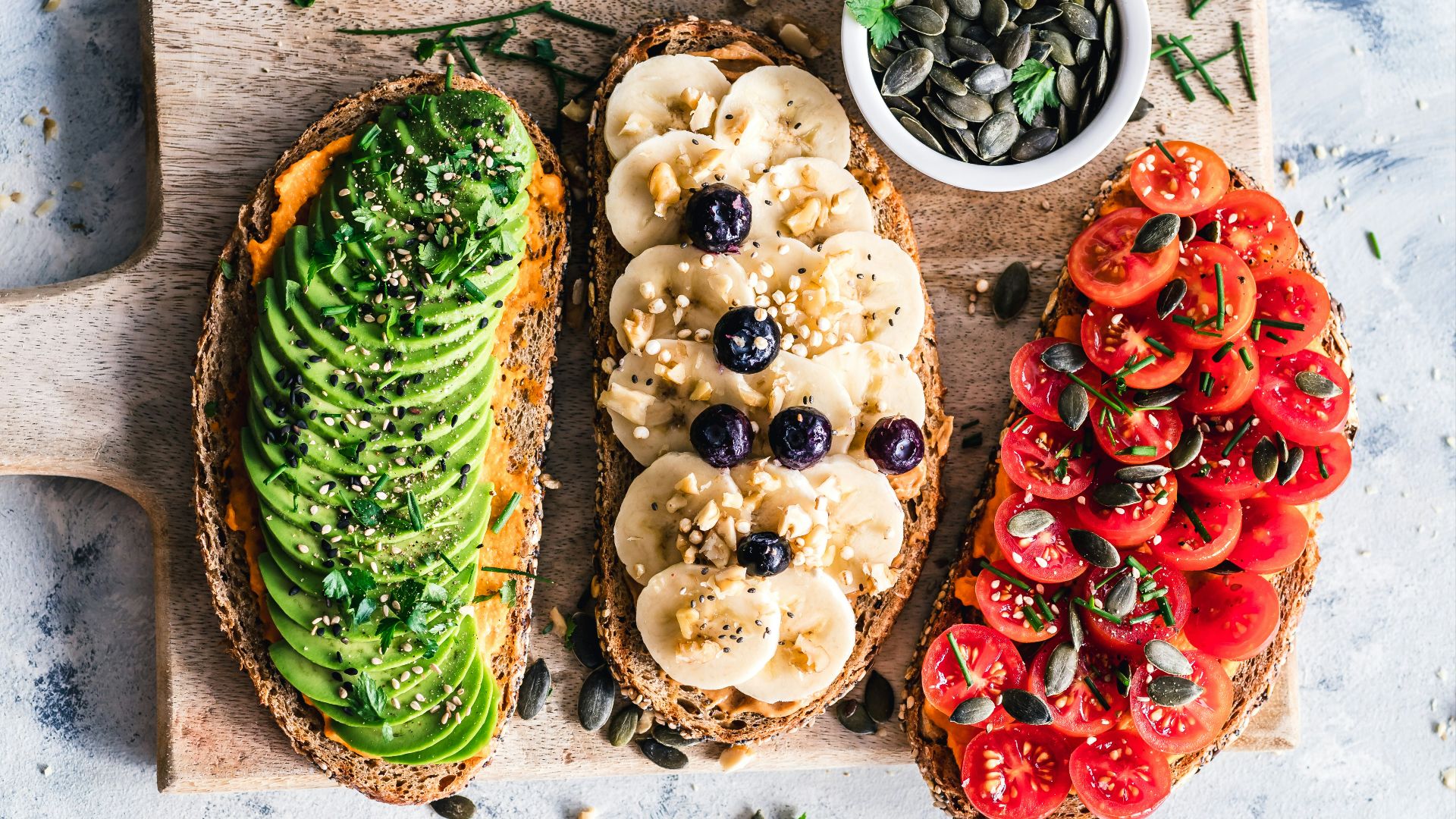
A good snack plate needs variety more than quantity. Combinations like crackers with cheese and apple slices, hummus with carrots and pita, toast with butter and jam, or popcorn with savory seasoning can accomplish this well. Small gestures can make basic food feel more inviting. Feeding someone doesn’t have to mean serving heavy dishes, oversized portions, or creating a perfect grazing board. A modest plate allows guests to nibble, chat, and gauge their hunger. It’s a generous gesture that isn’t pushy, showcasing a valuable hosting skill.
Safety Is Part Of The Welcome
Old-fashioned hospitality has its charm, but modern hospitality requires a bit more attention to detail. Allergies, food storage, and basic food handling rules matter, especially when the host is pressed for time. A warm welcome should never rely on guessing what someone can safely eat. The FDA identifies nine major food allergens in the United States: milk, eggs, fish, crustacean shellfish, tree nuts, peanuts, wheat, soybeans, and sesame. With this in mind, it’s important to ask, “Do you have any allergies or foods you avoid?” This inquiry doesn’t make the moment awkward; rather, it helps create a safer environment.
When it comes to food options, packaged foods can be more helpful since the ingredient label is readily available. However, homemade dips, baked goods, or casseroles can be tricky to navigate unless you know exactly what they contain. When in doubt, offering plain fruit, labeled packaged snacks, simple vegetables, or clearly marked spreads is safer than serving a mystery dish. While your goal may not be to provide restaurant-level service, minimizing uncertainty is key. Food safety is also crucial, particularly with leftovers or warm foods. According to FoodSafety.gov, refrigerators should be set to 40°F or below, freezers to 0°F or below, and perishable items should not be left out for more than two hours.
The social aspect of hospitality remains important. A 2025 Pew Research Center study found that 26% of U.S. adults reported knowing all or most of their neighbors, and 67% would bring a meal to a sick neighbor or friend. Many still value practical care, even if nurturing everyday connections takes more effort than in the past. The art of welcoming surprise guests isn’t merely about having a perfectly tidy home or a fully stocked fridge. Simple gestures, like offering a drink and checking for allergies, go a long way to show that feeding someone, even in small ways, is a clear expression of belonging.
KEEP ON READING