When Comfort Turns Into Overindulgence
There's a reason why everyone's obsessed with comfort foods. In addition to being warm and comforting, these dishes are often extremely indulgent, slathered in sauces and more salt, sugar, fat, and probably every unhealthy thing you can think of than you should be eating in a day. They're also incredibly nostalgic (remember how grandma used to bake those perfect chocolate chip cookies)?, which makes them even more irresistible. But before you go for seconds, you might want to watch your portions; too much of a good thing can be a bad thing, after all. With that said, here are 20 comfort foods you probably shouldn't eat too much of.
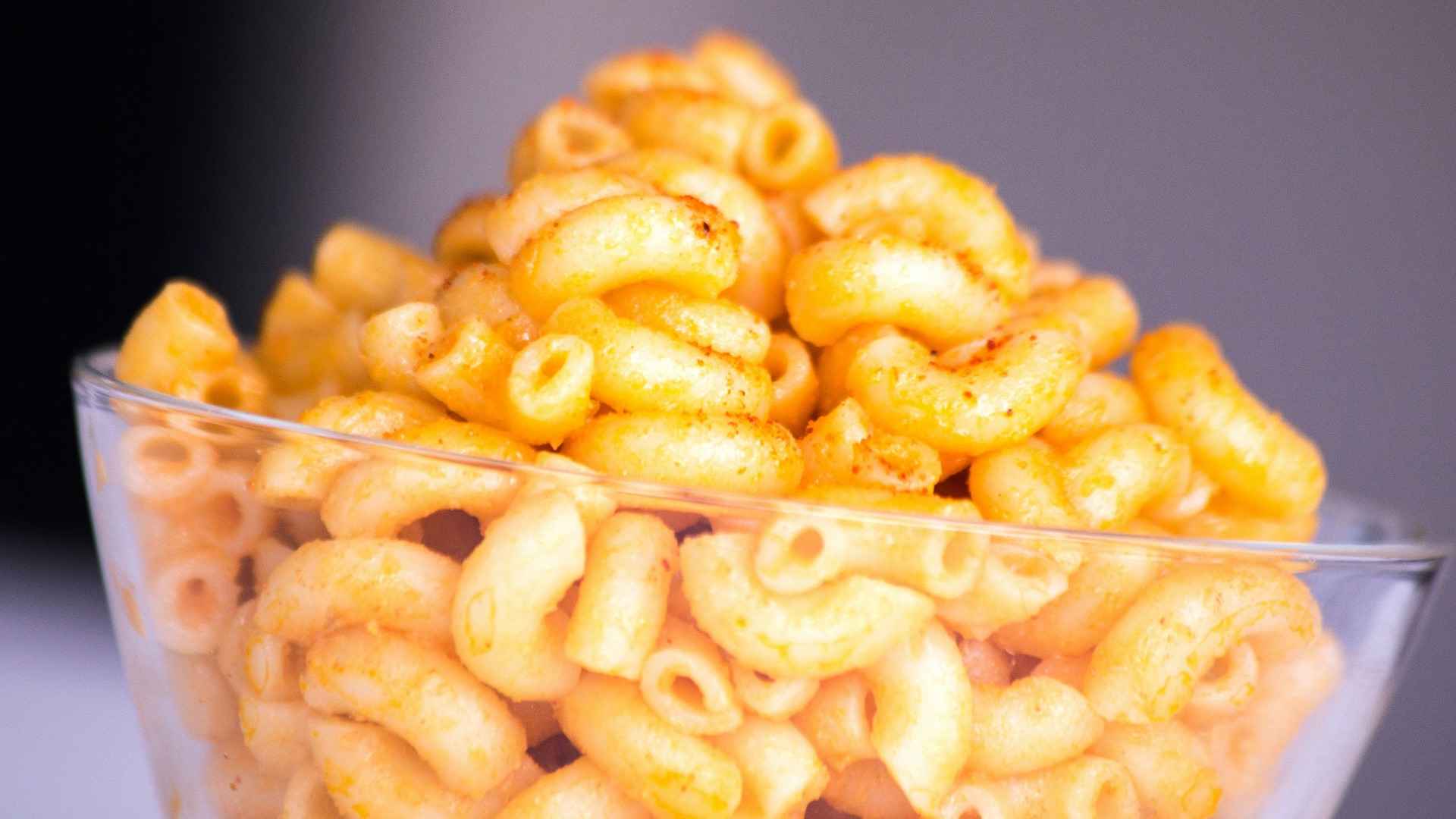
1. Macaroni and Cheese
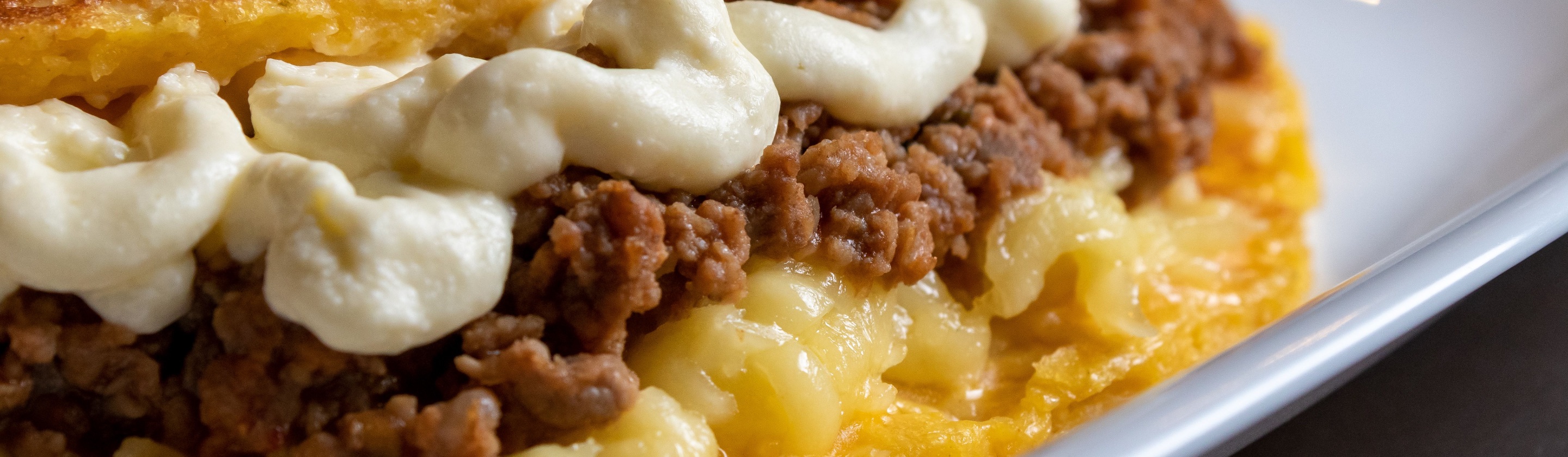
Few dishes deliver the same creamy, salty satisfaction as a bowl of macaroni and cheese. Unfortunately, the combination of refined pasta, butter, milk, and multiple handfuls of cheese can make it high in sodium and saturated fat while offering very little fiber. Homemade versions can be improved with vegetables, whole-grain pasta, or a lighter sauce, but portion size still deserves attention.
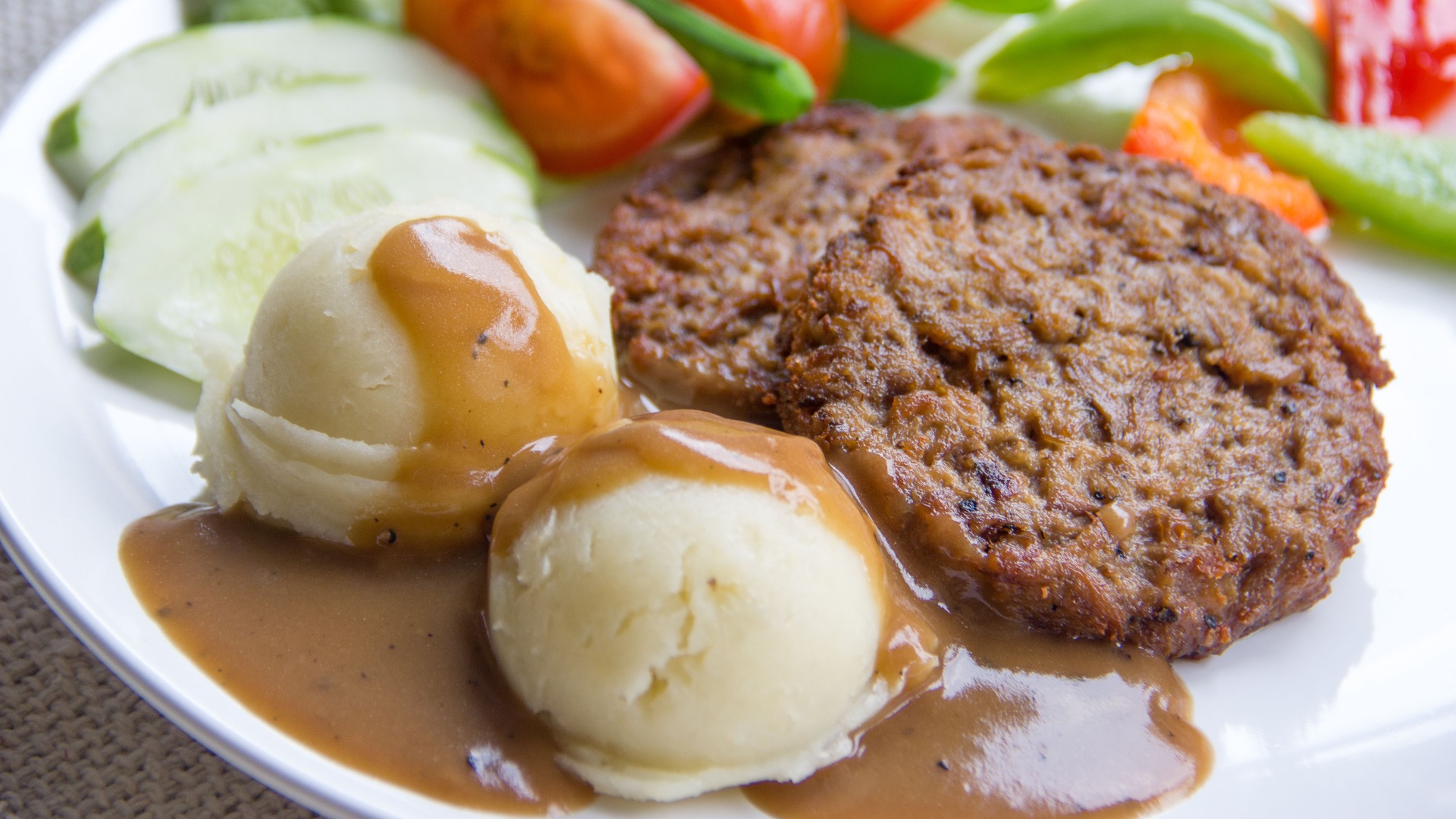
2. Mashed Potatoes with Gravy
Mashed potatoes may begin with a nutritious vegetable, but the finished dish often contains far more than potatoes. Butter, heavy cream, sour cream, and salty gravy can turn a simple side into one of the richest items on the plate.
You don't have to skip it, though a modest scoop usually provides plenty of the flavor and texture you're craving.
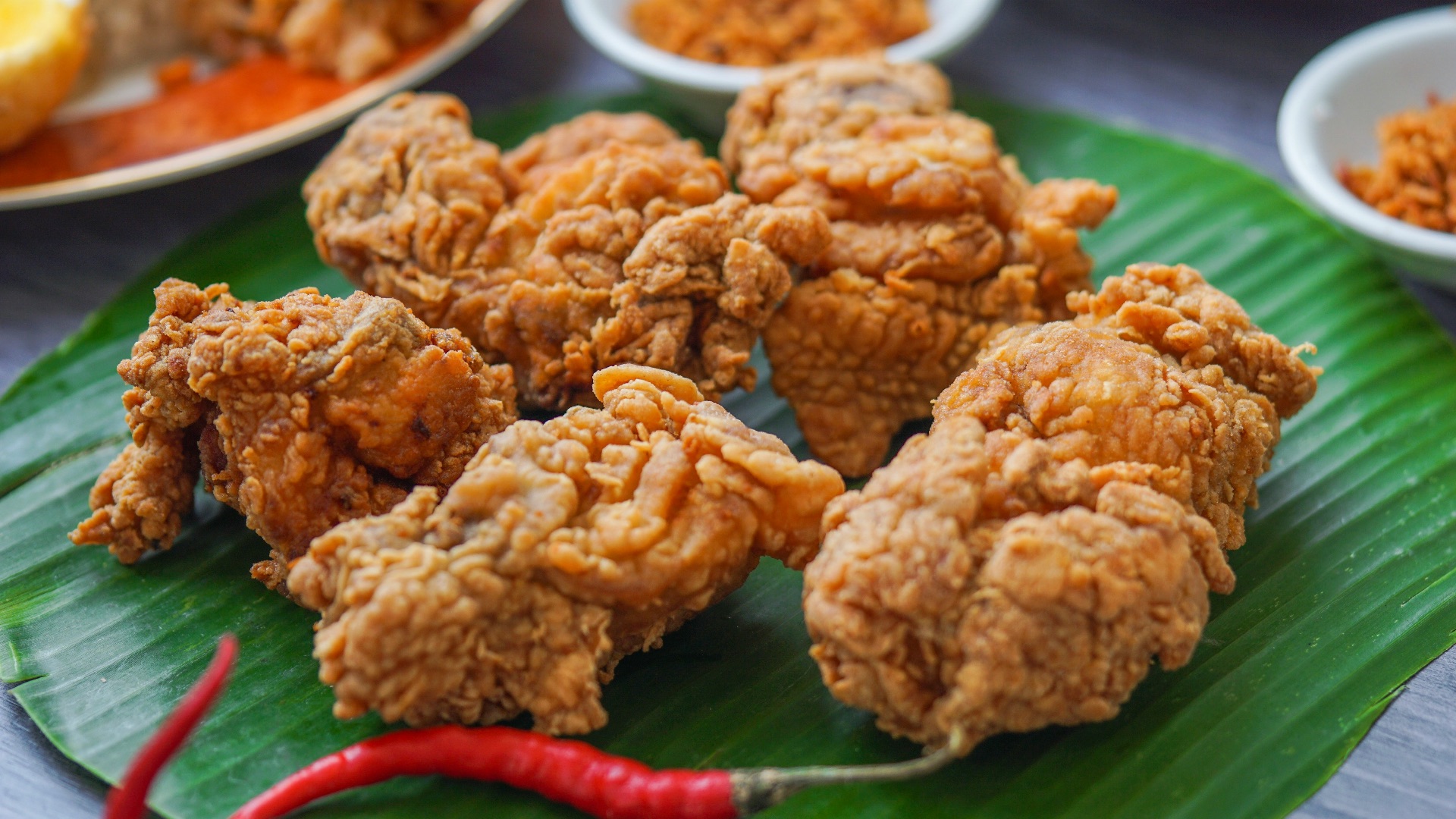
3. Fried Chicken
The crisp coating and juicy interior make fried chicken a difficult food to eat sparingly. Deep-frying raises the fat and calorie content, while the seasoned breading can deliver a surprising amount of sodium. Enjoying one or two pieces alongside lighter sides is a much better approach than making an entire bucket your dinner.
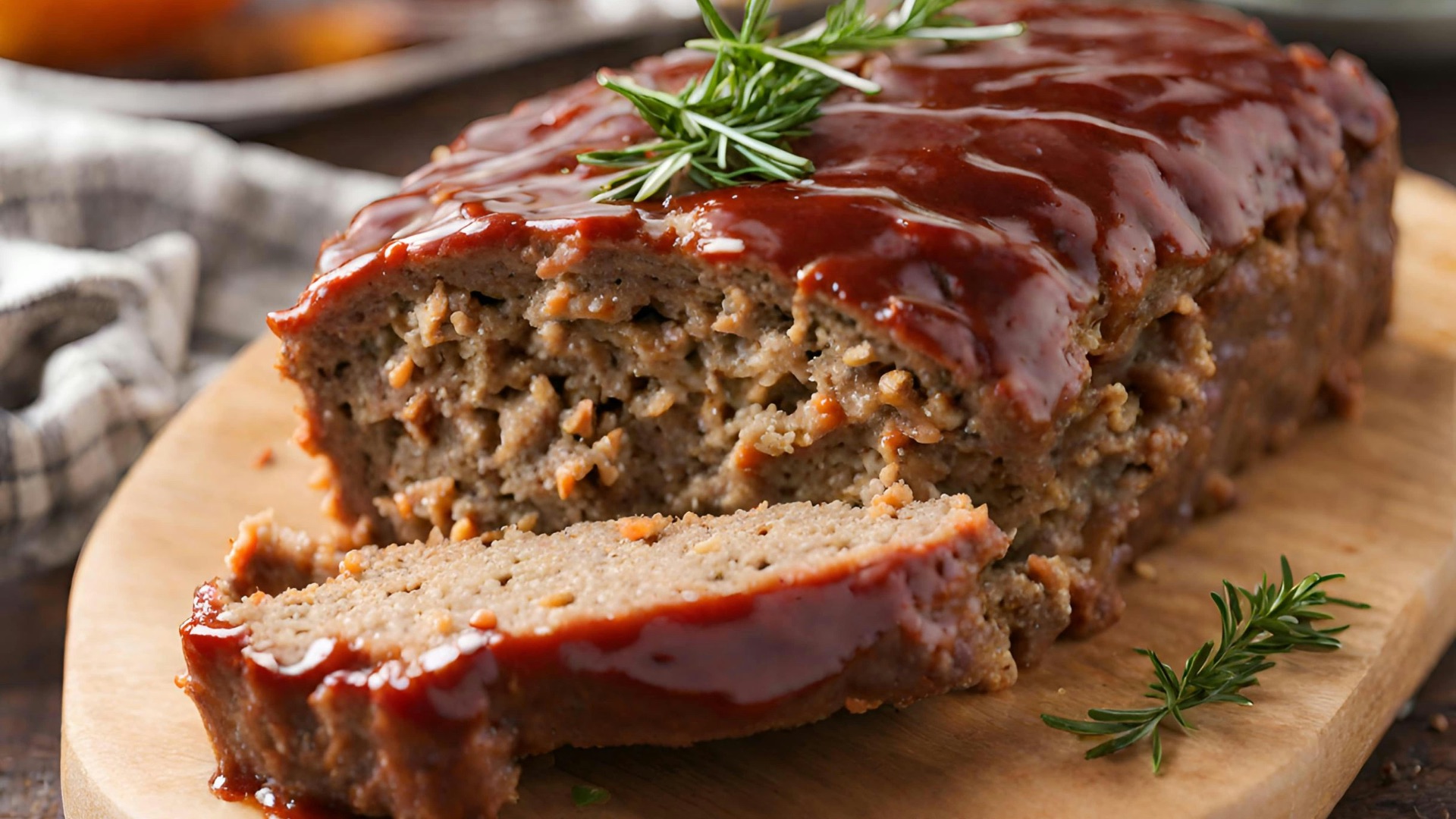
4. Meatloaf
Because meatloaf is associated with home cooking, it can seem more balanced than many restaurant meals. Depending on the recipe, however, it may contain fatty ground beef, sugary ketchup glaze, salty seasonings, and plenty of breadcrumbs. Using leaner meat and adding vegetables can help, but thick slices and repeated servings can still make the meal heavier than intended.
5. Chicken Pot Pie
Chicken pot pie contains plenty of ingredients that sound wholesome, including chicken, peas, carrots, and onions. The creamy filling and buttery pastry, however, often contribute more calories, sodium, and saturated fat than the vegetables can offset. A smaller wedge paired with a fresh side dish is generally more reasonable than eating an entire individual pie.
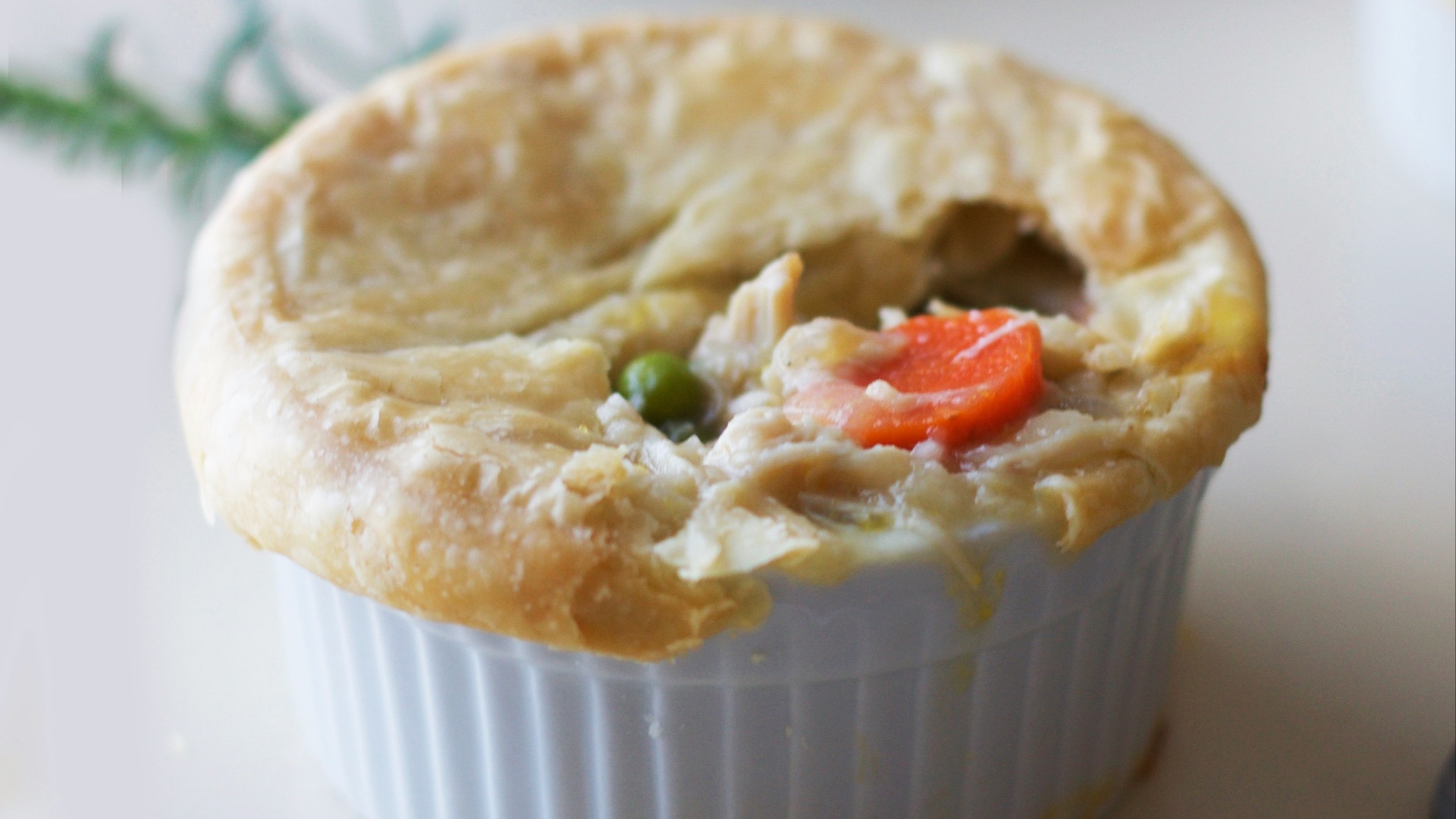 Jessica Kantak Bailey on Unsplash
6. Grilled Cheese
A grilled cheese sandwich may look simple, but its richness is easy to underestimate. Buttered bread, several slices of cheese, and a creamy bowl of soup can create a meal that is particularly high in sodium and saturated fat.
Using whole-grain bread, less butter, and a sensible amount of cheese keeps the familiar appeal without making it unnecessarily heavy.
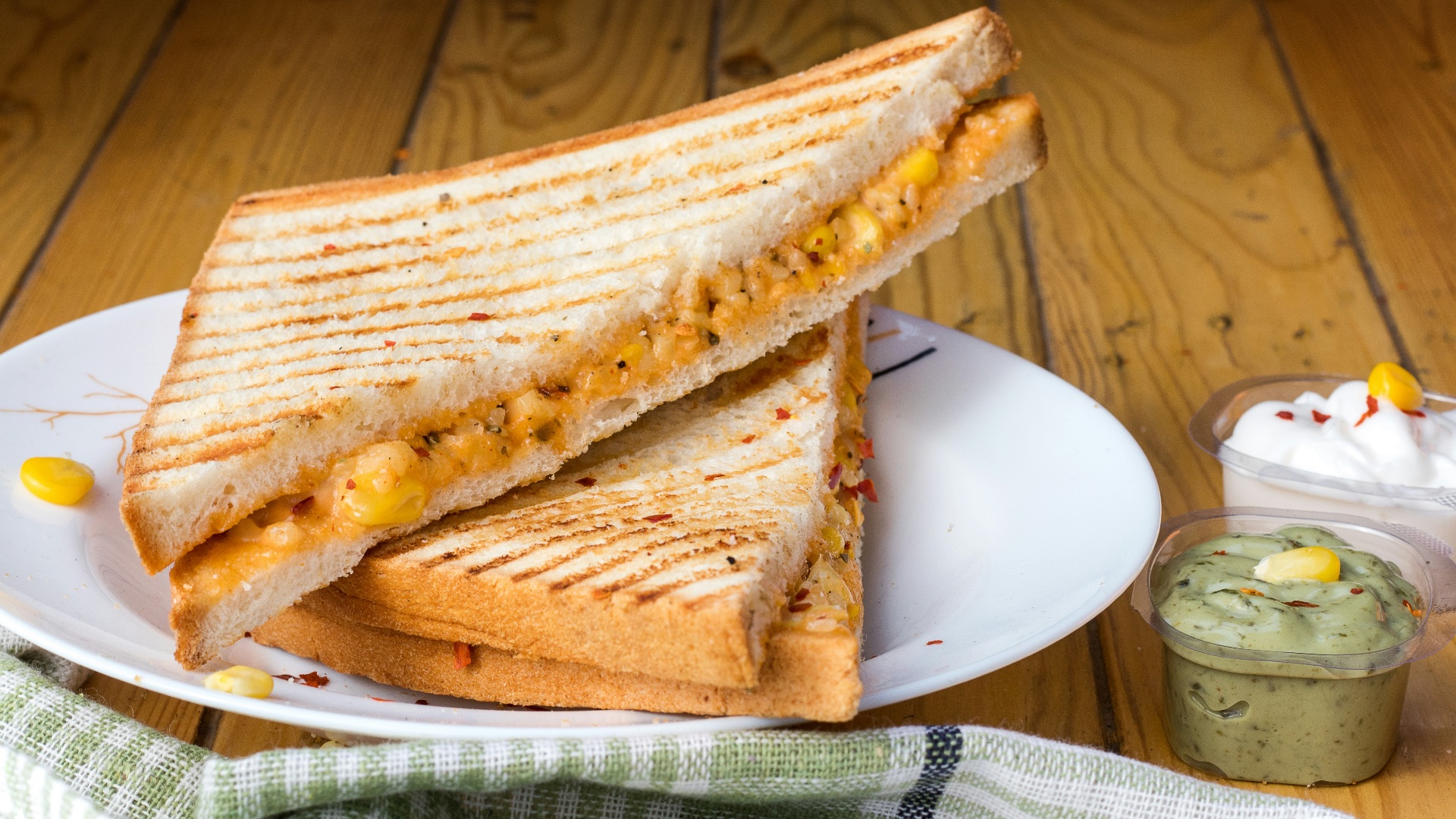 Pixzolo Photography on Unsplash
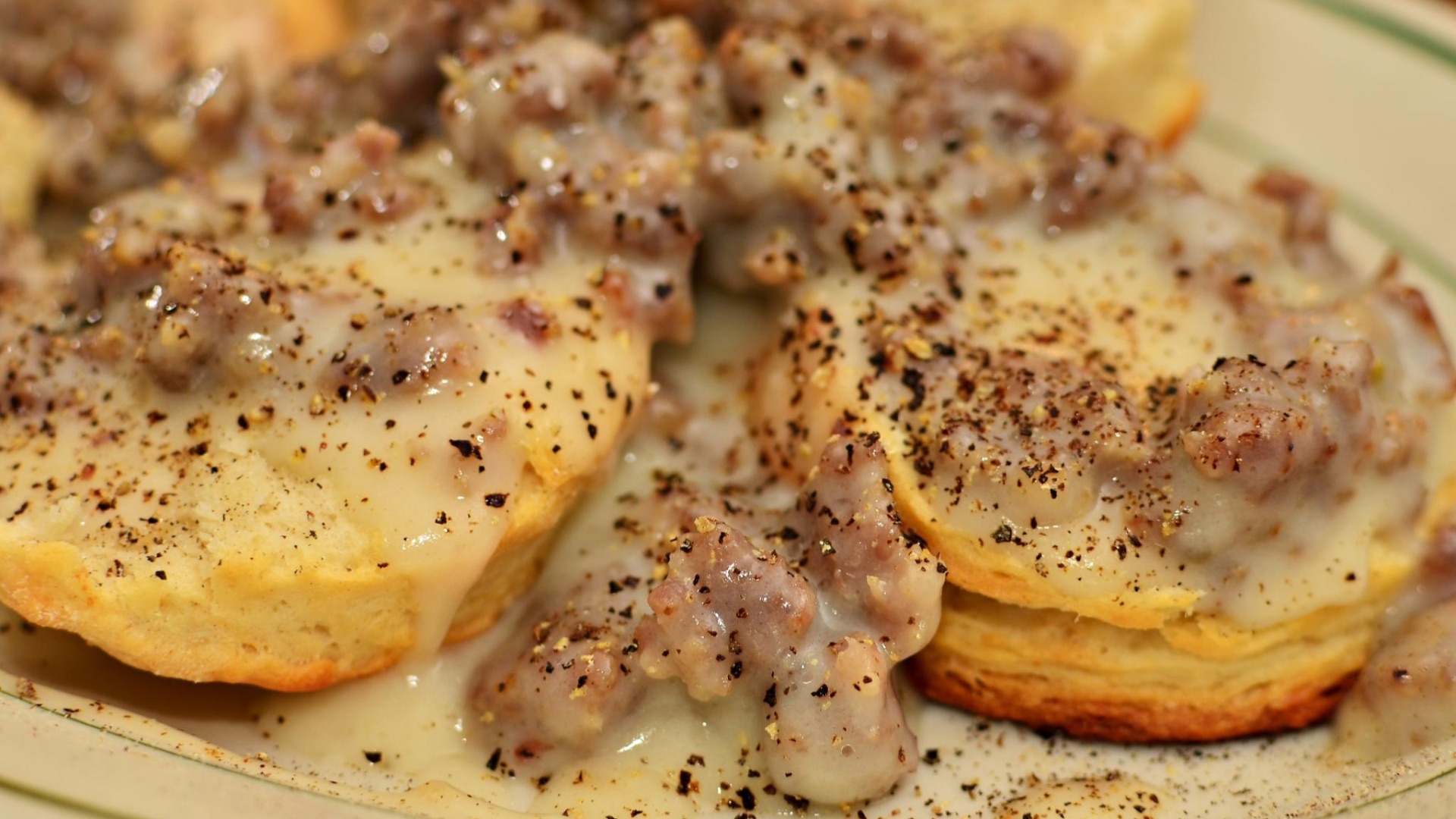
7. Biscuits and Sausage Gravy
Biscuits and gravy are filling enough to keep you satisfied for hours, but that staying power often comes from butter, shortening, sausage fat, and flour-thickened milk. Restaurant portions may include several oversized biscuits buried beneath a generous amount of salty gravy. It’s better enjoyed as an occasional breakfast, especially if the rest of the plate includes something lighter.
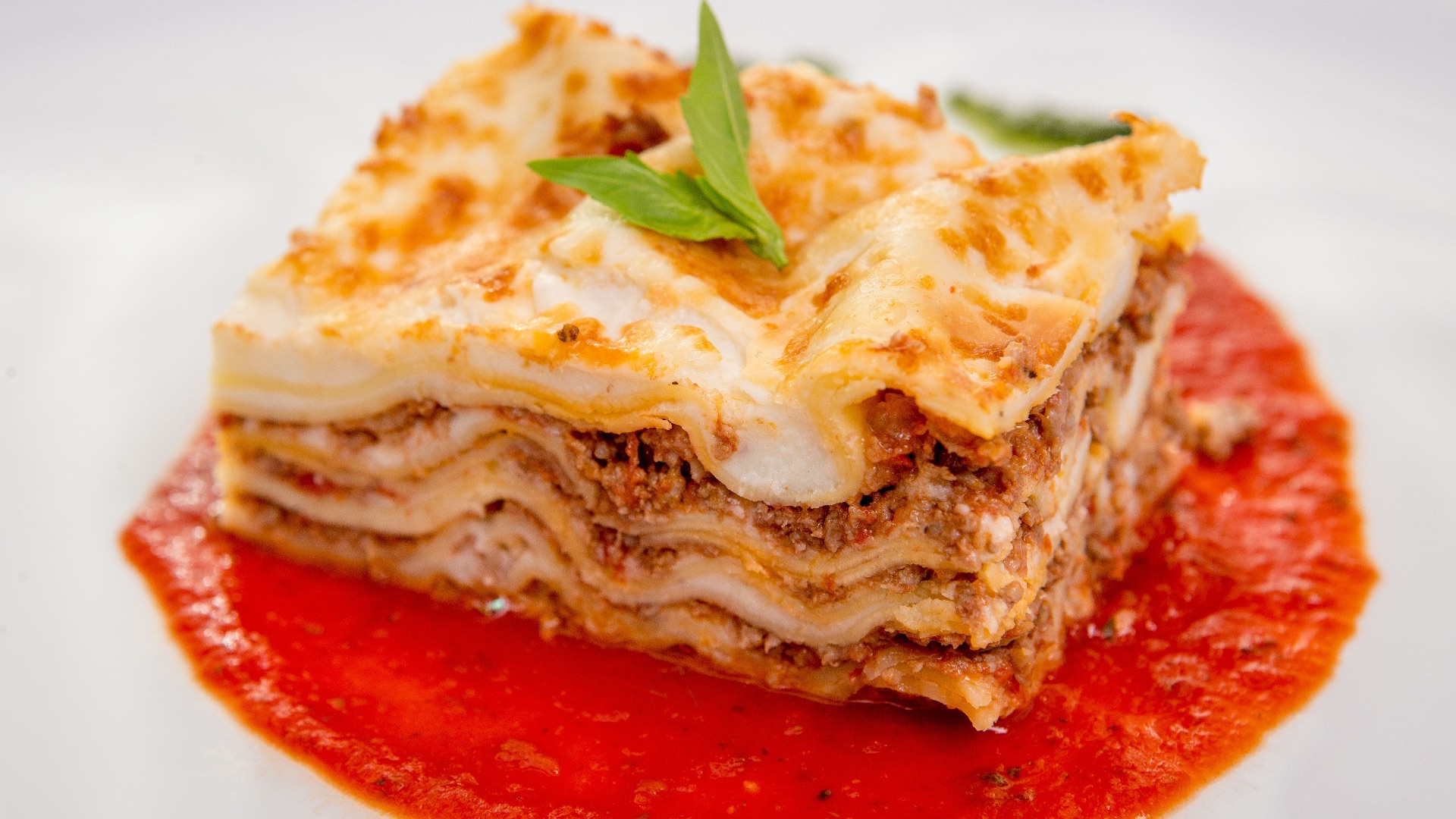
8. Lasagna
Lasagna brings together pasta, meat, tomato sauce, and several types of cheese in layer after satisfying layer. Those ingredients can also make a large serving dense in calories, sodium, and saturated fat, particularly when béchamel or extra cheese is involved. A modest square with vegetables on the side can be just as enjoyable as a much larger portion.
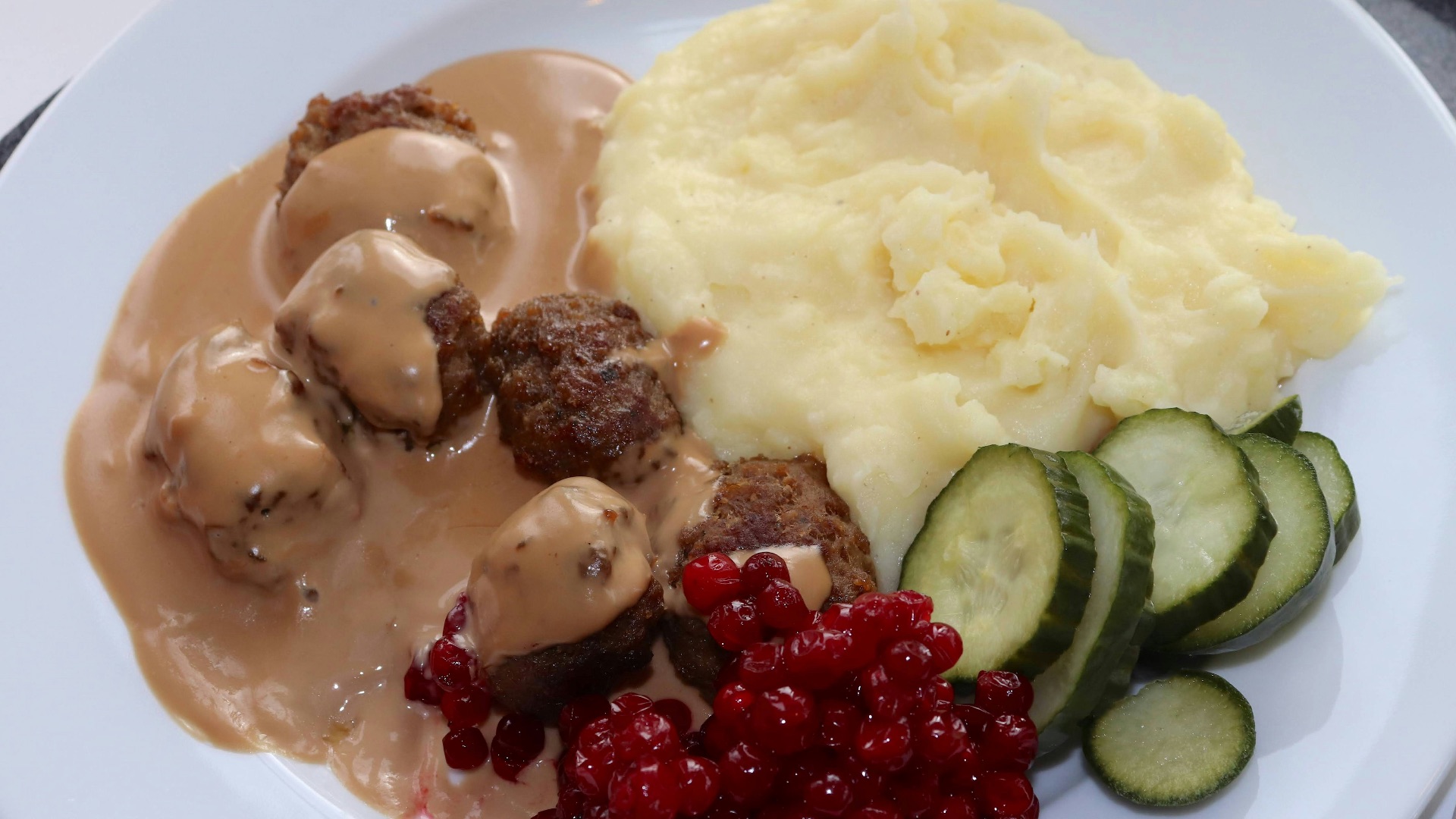
9. Swedish Meatballs
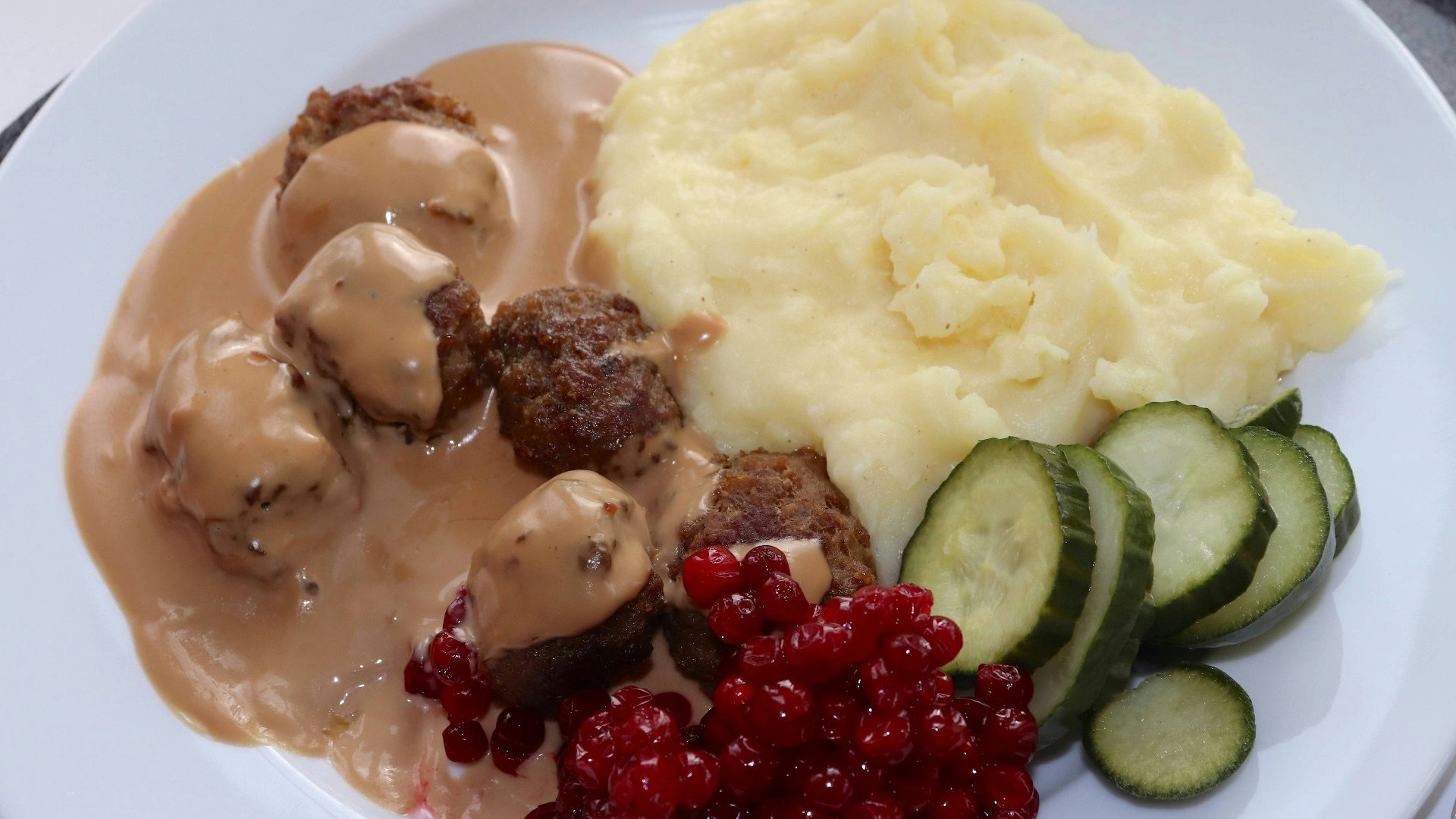
Swedish meatballs may be modest in size, but the richness of the dish adds up quickly once several land on your plate. The meatballs are often made with a blend of beef and pork, then served in a buttery cream sauce that can be high in saturated fat and sodium. Add mashed potatoes, egg noodles, or lingonberry jam, and the meal becomes even more substantial.
A smaller serving with vegetables on the side lets you enjoy the full flavor without making it an overly heavy dinner.
10. Pizza
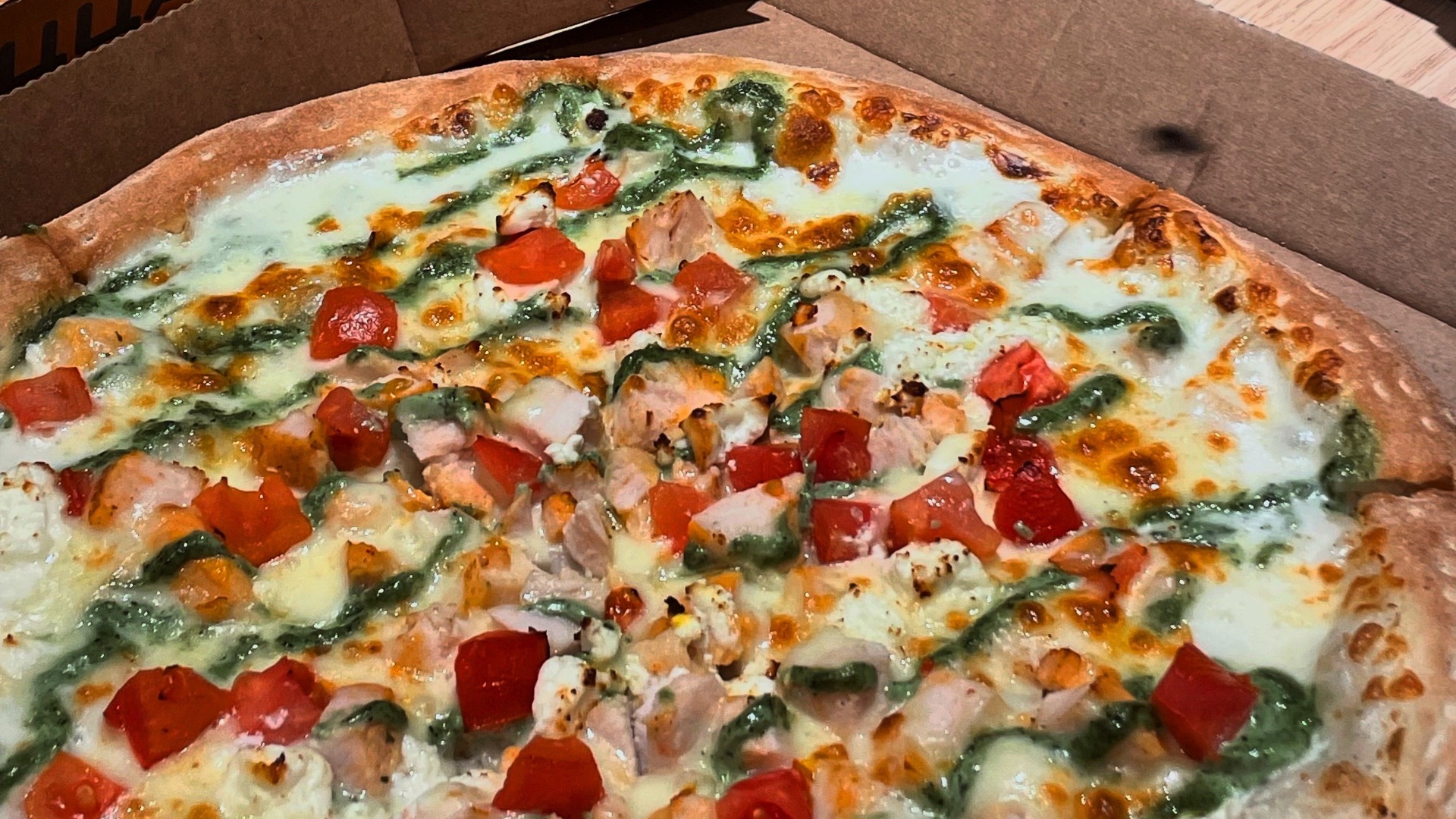
Pizza can vary enormously depending on its crust, toppings, and serving size. A thick base covered with processed meat, extra cheese, and salty sauce can therefore become fairly excessive after only a few slices. Choosing a thinner crust, adding vegetables, and stopping before the entire box disappears can make a noticeable difference.
11. French Fries
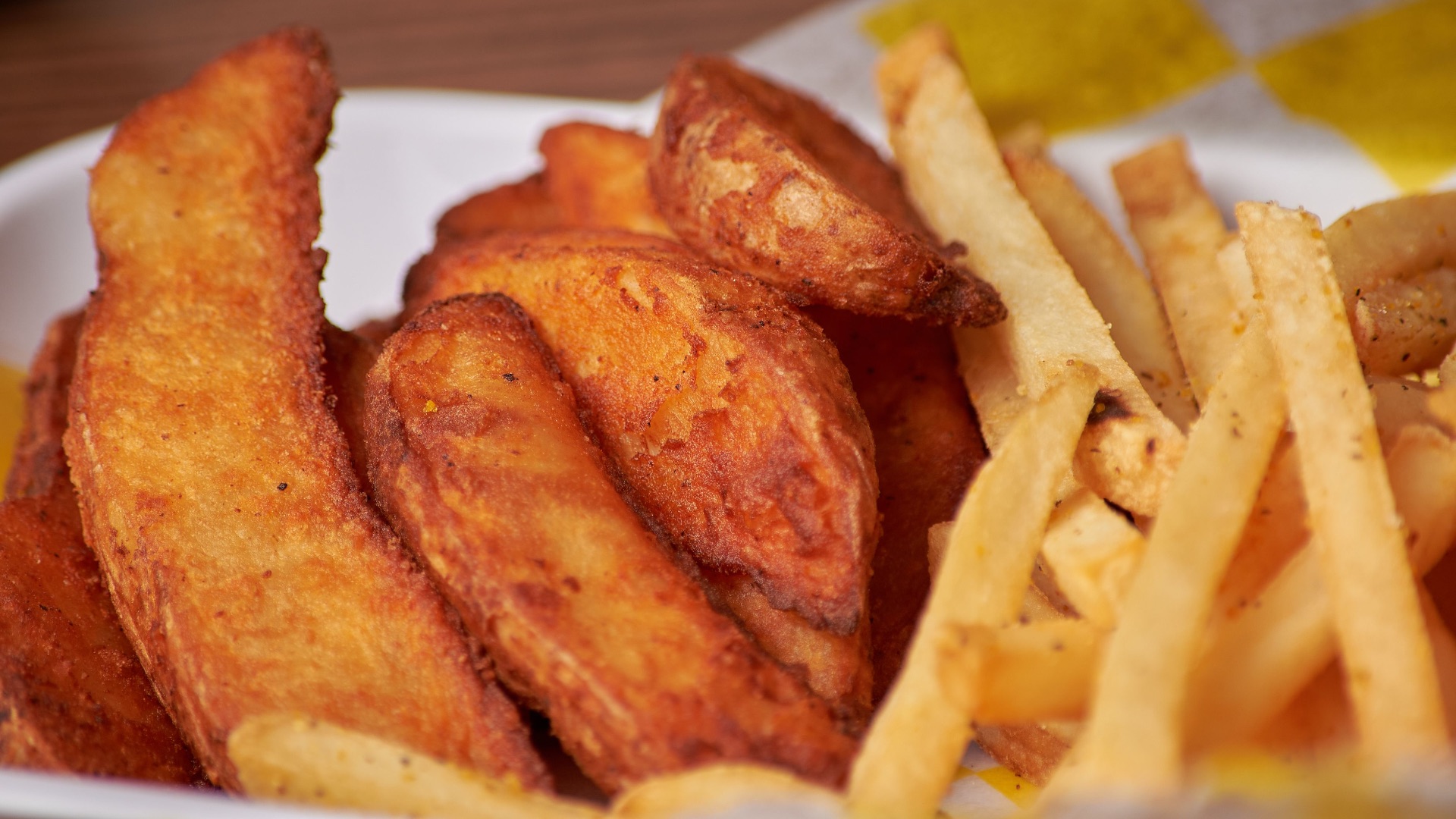
French fries rarely stay within the small side portion people originally intended to eat. Their crisp texture and salty seasoning make it easy to keep reaching for more, especially when a large order is placed in the middle of the table. Splitting a serving or ordering the smallest size lets you enjoy them without allowing them to dominate the meal.
12. Loaded Baked Potatoes
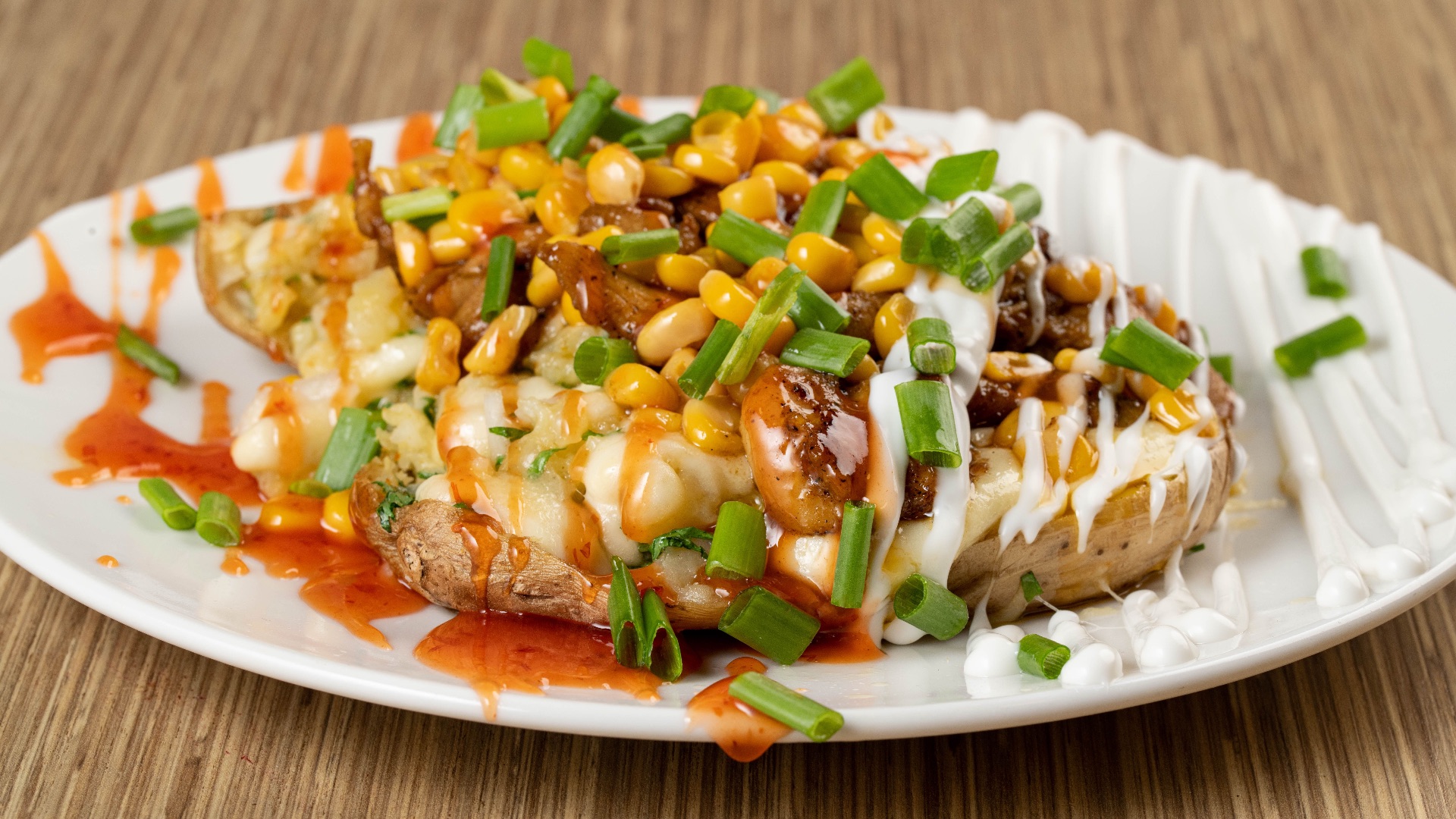
A plain baked potato can be nutritious, satisfying, and surprisingly versatile. Once it's covered with butter, bacon, sour cream, chili, and shredded cheese, however, the toppings may contribute far more fat and sodium than the potato itself. Selecting one or two favorites instead of adding everything available creates a more balanced result.
 mohamed abdelghaffar on Pexels
13. Cheeseburgers
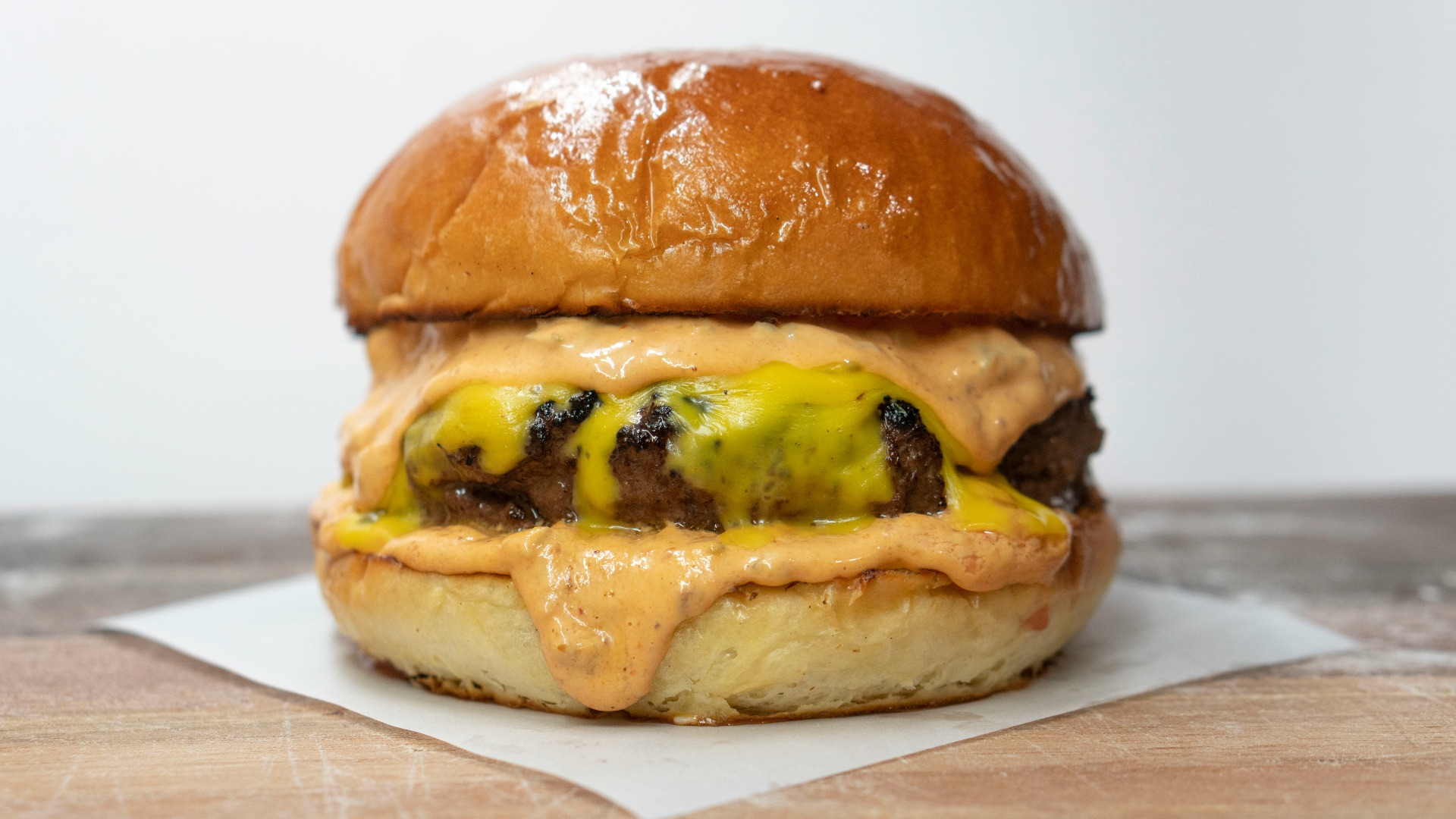
A cheeseburger combines several rich, salty ingredients in one convenient package. That means the mix of fatty beef, melted cheese, bacon, sauces, and buns made with refined flour can all add up pretty heavily before your sides (like fries and onion rings) even enter the picture.
A single patty with plenty of vegetables and fewer heavy condiments can still deliver the full experience without becoming overwhelming.
 amirali mirhashemian on Unsplash
14. Instant Ramen
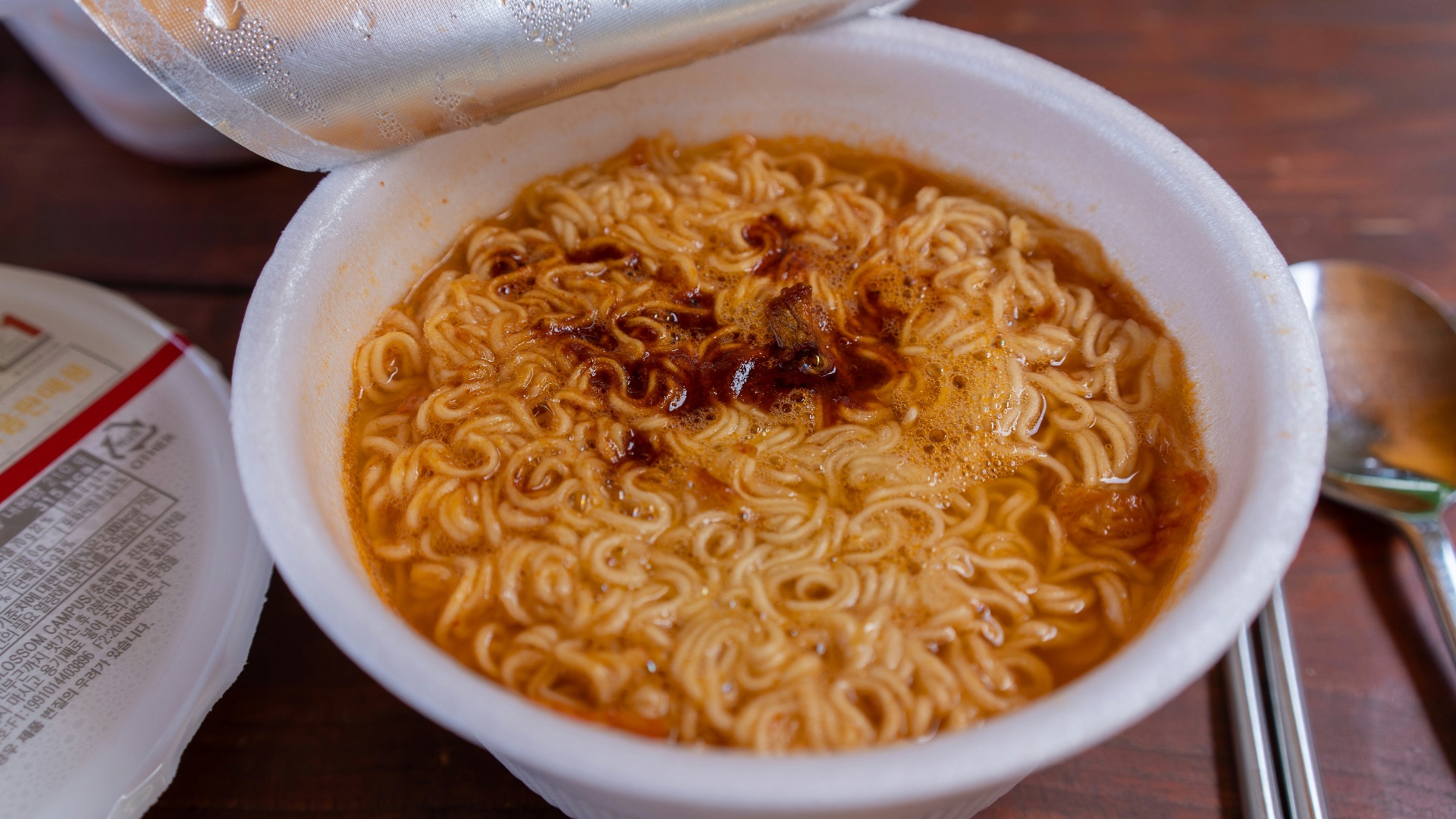
Ah, the lazy man's meal. The college students' favorite. As great as instant noodles are, though, you'll want to watch out: they usually contain little fiber or protein, while the flavor packet can supply a hefty share of the sodium you should consume in an entire day. Using less seasoning and adding vegetables, eggs, tofu, or chicken makes it more substantial and less dependent on salt.
15. Creamy Soups
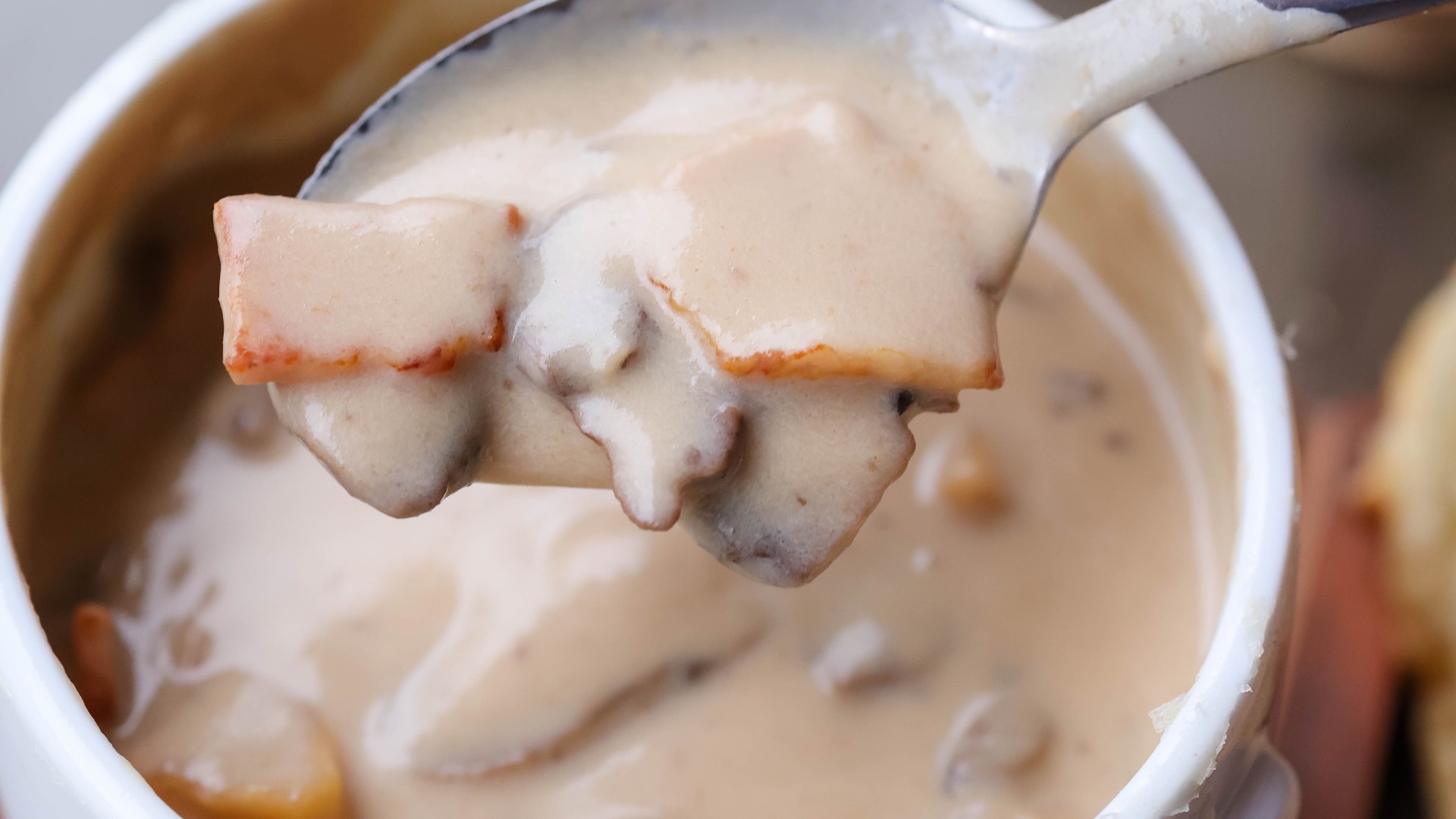
Creamy soups are often chosen for their comforting, velvety texture, especially on a cold day when something warm and filling feels especially appealing. That richness, however, usually comes from ingredients like butter, cream, cheese, and flour, which can quickly increase the calorie, fat, and sodium content. Varieties such as clam chowder, broccoli cheddar, and loaded potato soup are particularly dense, and canned versions may add even more sodium. A cup rather than a large bowl is often enough when the soup is especially rich.
16. Pancakes with Syrup
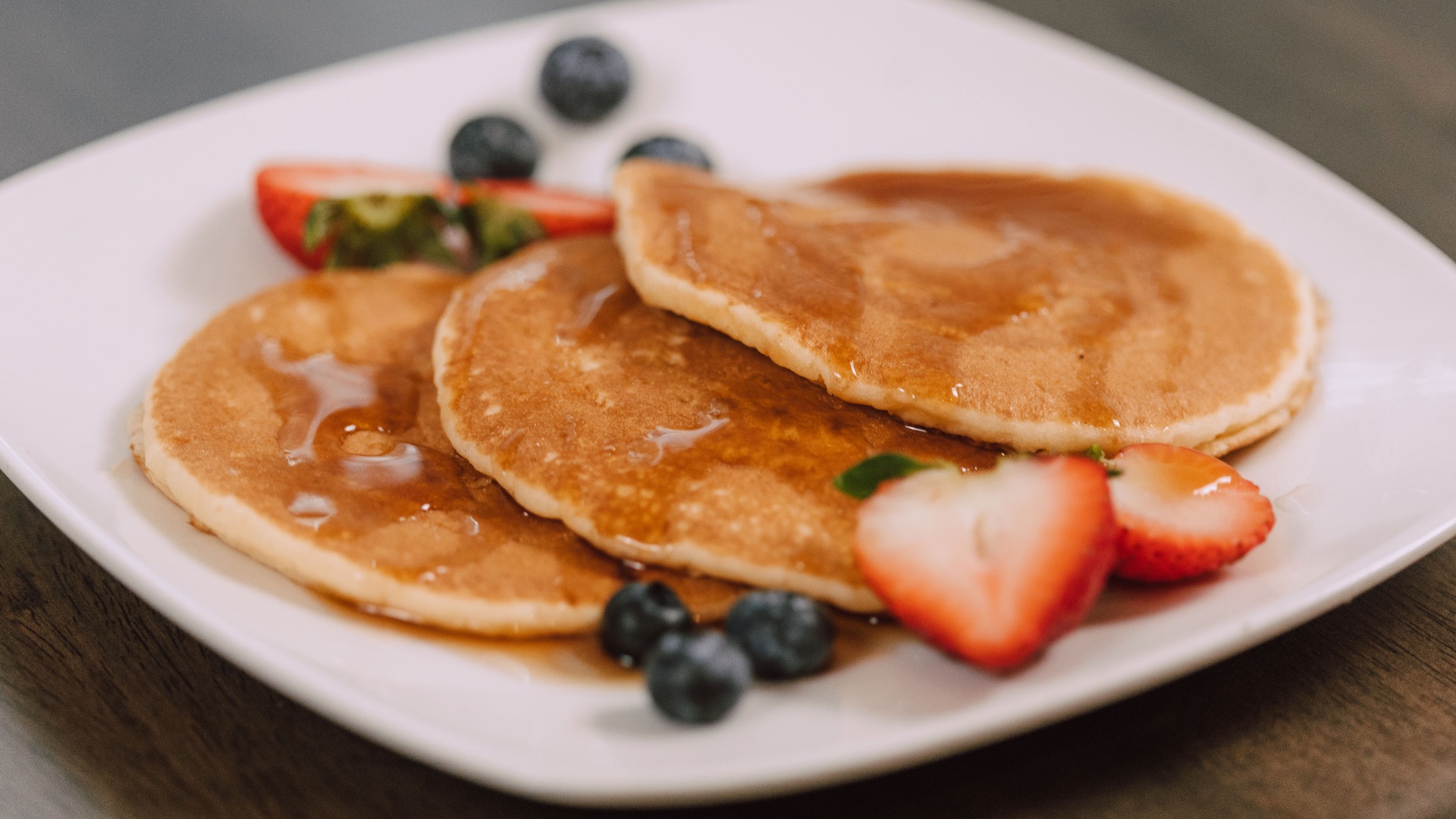
A tall stack of pancakes can deliver far more sugar and refined carbohydrates than you might expect from breakfast. Butter, syrup, whipped cream, chocolate chips, and sweetened fruit toppings only increase the total.
A smaller serving with fresh fruit and a restrained amount of syrup can still feel indulgent without becoming dessert before noon.
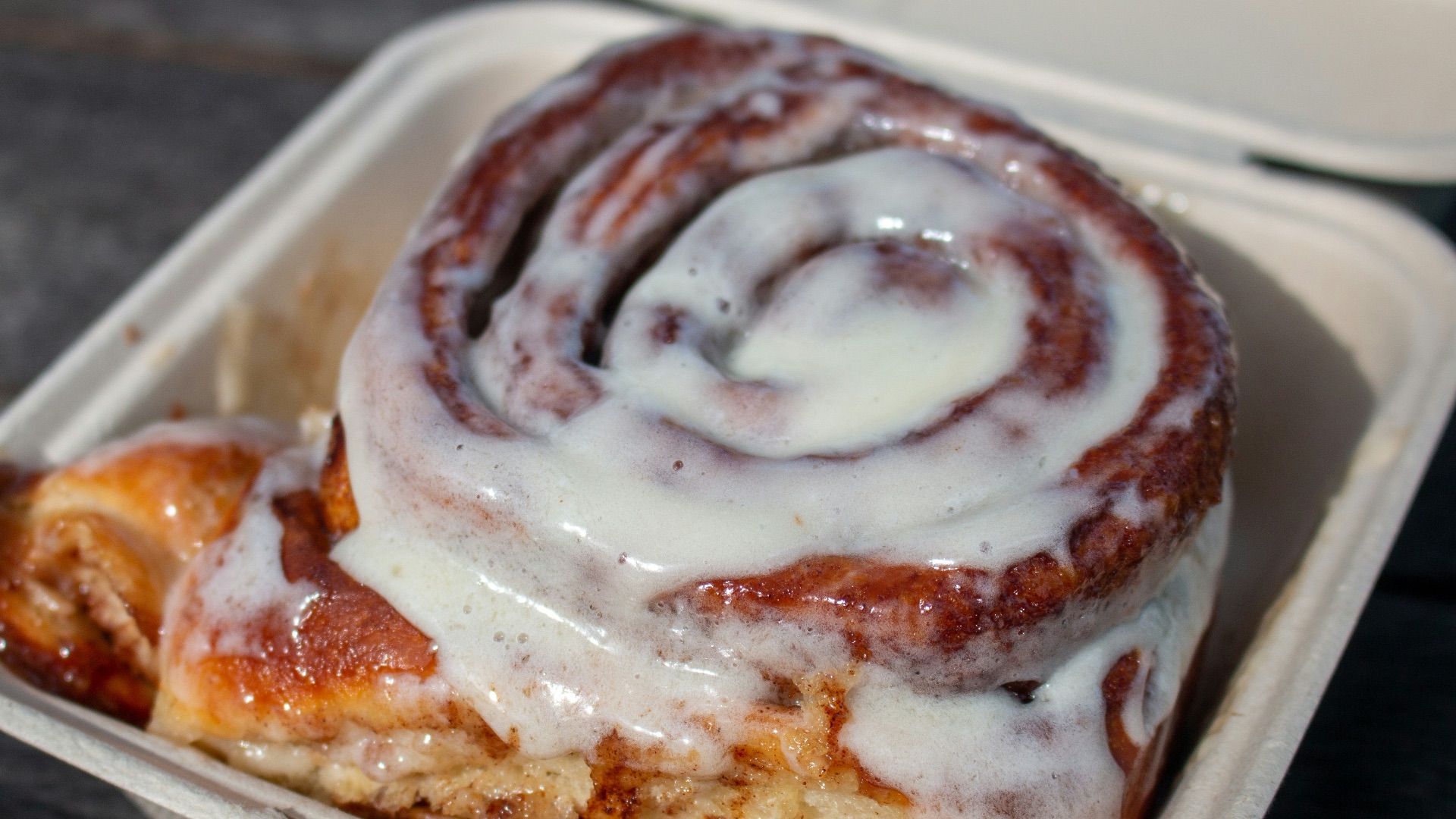
17. Cinnamon Rolls
Cinnamon rolls may appear beside muffins and bagels, but nutritionally, they have more in common with dessert. Sweet dough, butter, cinnamon sugar, and thick frosting make even one large roll particularly high in added sugar and saturated fat. They're best saved for an occasional weekend treat instead of becoming a routine grab-and-go breakfast.
18. Ice Cream
Ice cream is one of those desserts that's surprisingly easy to overeat. A proper serving is often much smaller than what people naturally scoop into a bowl, and premium varieties or added toppings like sauces, candy pieces, and cookies can quickly double the indulgence. Serving it in a small dish rather than eating from the carton makes it easier to recognize when you've had enough.

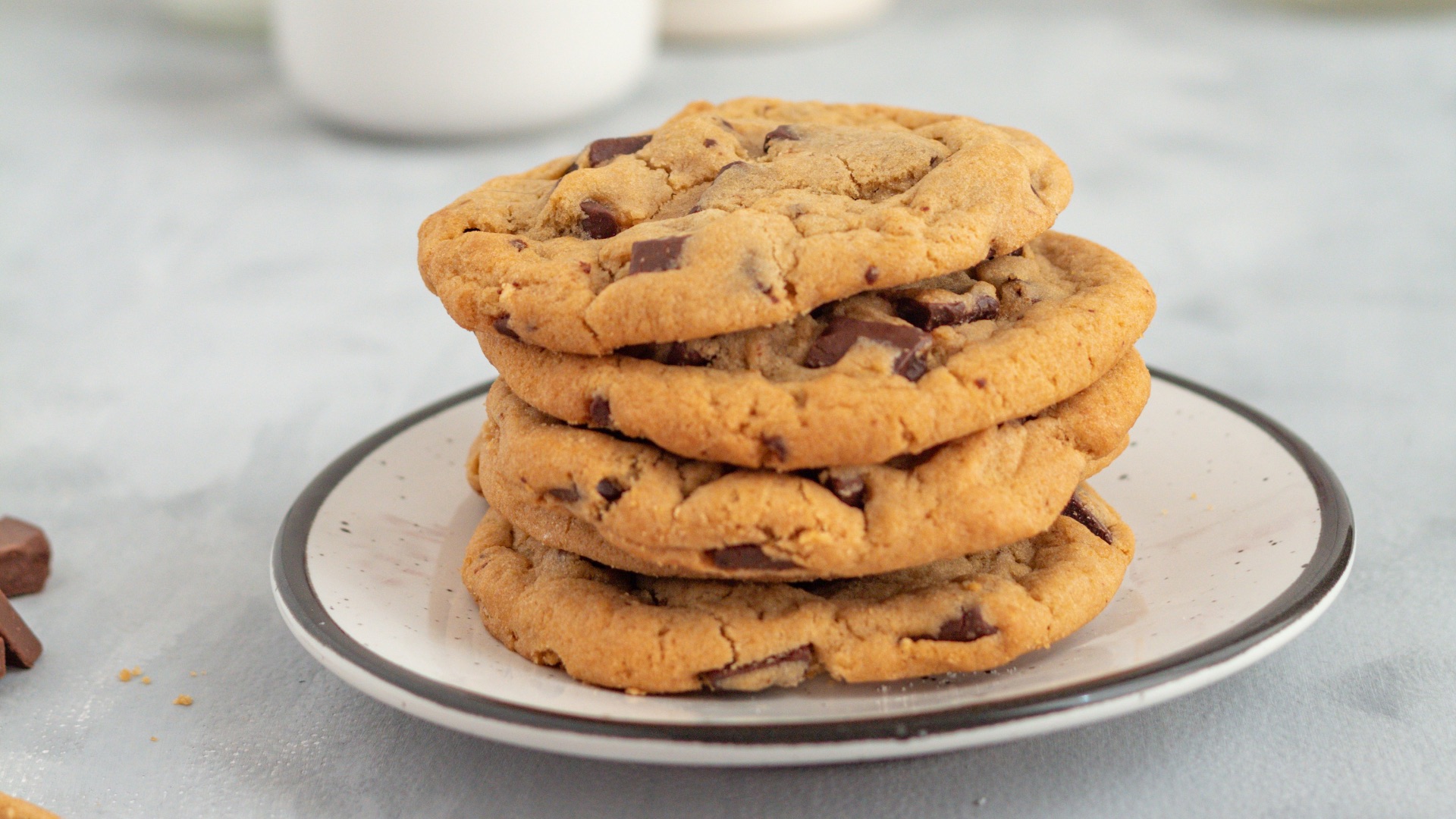
19. Chocolate Chip Cookies
A single chocolate chip cookie can be a satisfying finish to a meal, but one often leads to several more. Cookies are generally high in added sugar, butter, and refined flour, yet they don't provide much lasting fullness. Setting aside a couple before putting the package away is much more effective than relying on willpower once you start eating.
20. Bread Pudding
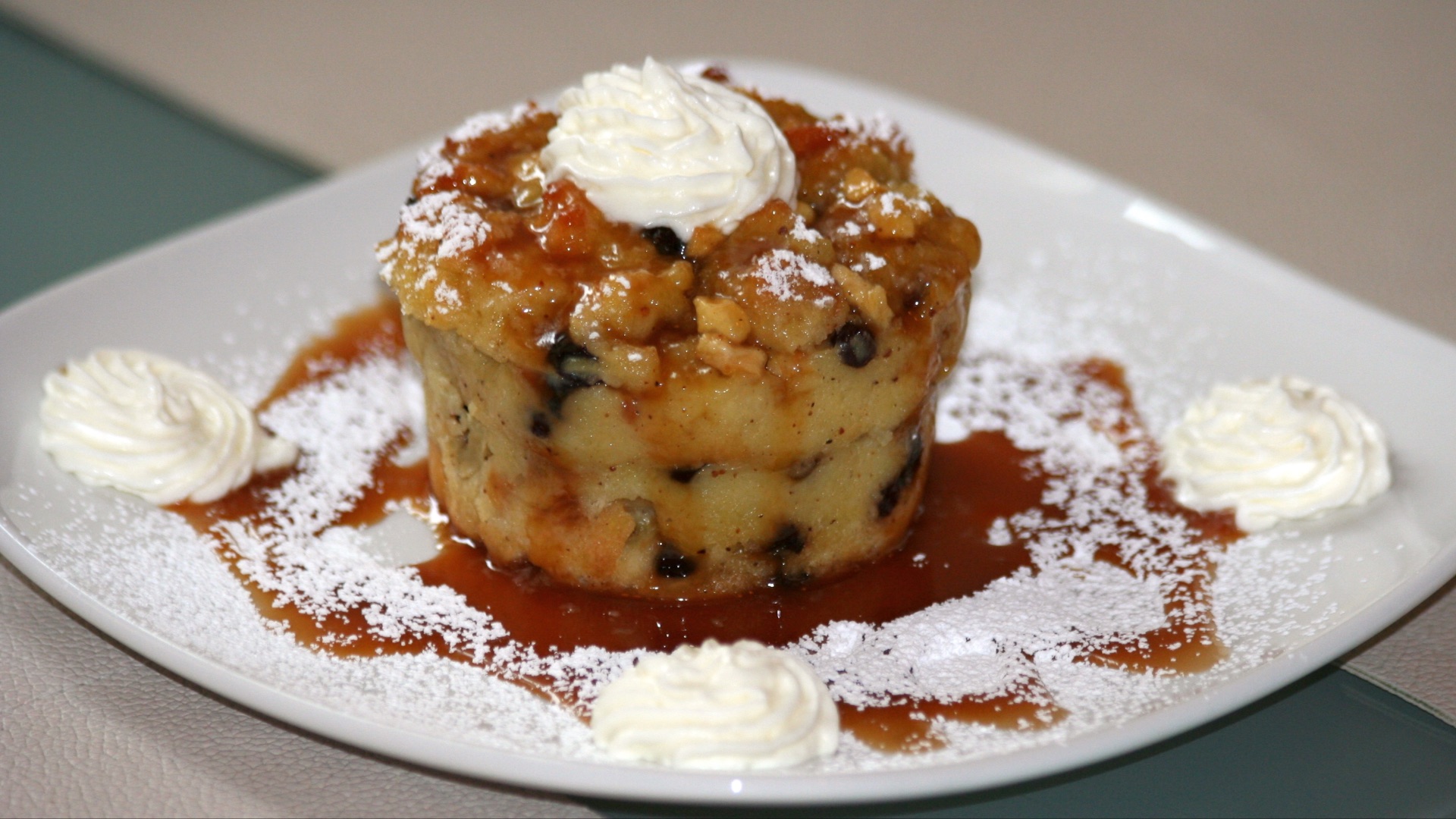
Bread pudding is a classic example of how simple pantry ingredients can be transformed into a rich, dessert-like dish.
What begins as bread is soaked in a mixture of eggs, milk or cream, butter, sugar, and spices, then often finished with caramel, custard, or another sweet sauce that deepens its richness. A small serving can be deeply satisfying, but a restaurant-sized portion may contain far more sugar and saturated fat than you'd choose knowingly.
KEEP ON READING

20 Dishes That Built Modern American Cuisine