20 Cooking Habits That Instantly Expose Someone As A Total Amateur In The Kitchen
20 Cooking Habits That Instantly Expose Someone As A Total Amateur In The Kitchen
Mistakes Experienced Cooks Notice Right Away
Everyone starts somewhere in the kitchen, and nobody becomes a great cook overnight. Even experienced home chefs have burned dinner, over-seasoned soup, or forgotten an ingredient at some point. Still, there are a handful of habits that immediately reveal when someone hasn't spent much time cooking. If a few of these are recognizable, don't worry because they're all easy to fix with a little practice.

1. They Never Read The Entire Recipe First
Many beginners dive straight into cooking without looking beyond the first step. Then they realize halfway through that something needed to marinate for hours or an ingredient hasn't even been prepared yet. Reading everything before beginning makes the entire process much smoother.
2. They Crowd The Pan
Crowding the pan is one of the quickest ways to produce a plate of bland, soggy food. Instead of searing nicely, it’ll release moisture and begin steaming. Giving foods some breathing room will result in better flavor and texture.
3. They Skip Preheating The Pan
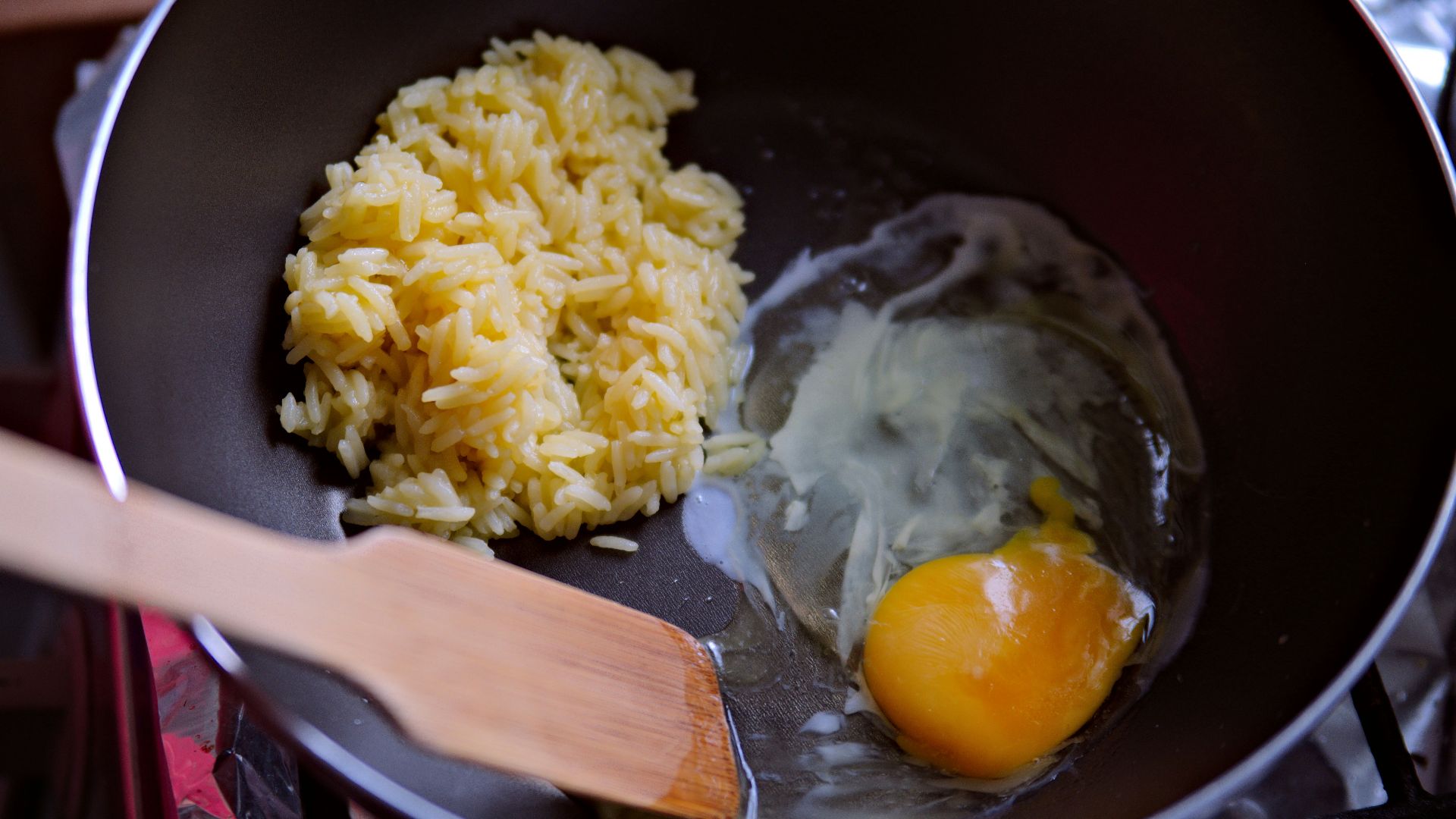
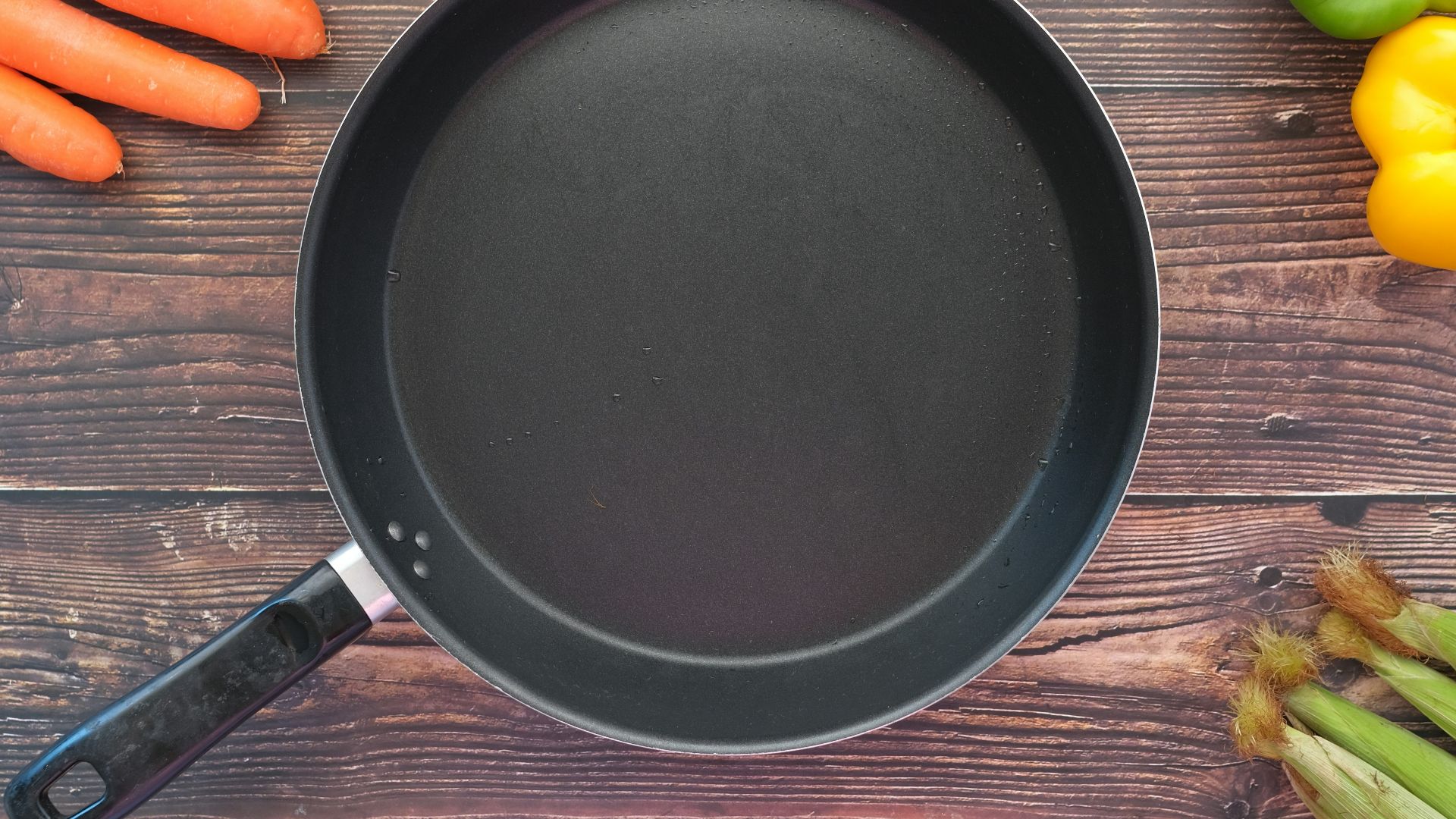
Some people toss food into a cold skillet and immediately turn on the burner. That often leads to uneven cooking and prevents meat or vegetables from developing a nice crust. Waiting a few minutes for the pan to heat makes a noticeable difference.
4. They Never Taste As They Cook
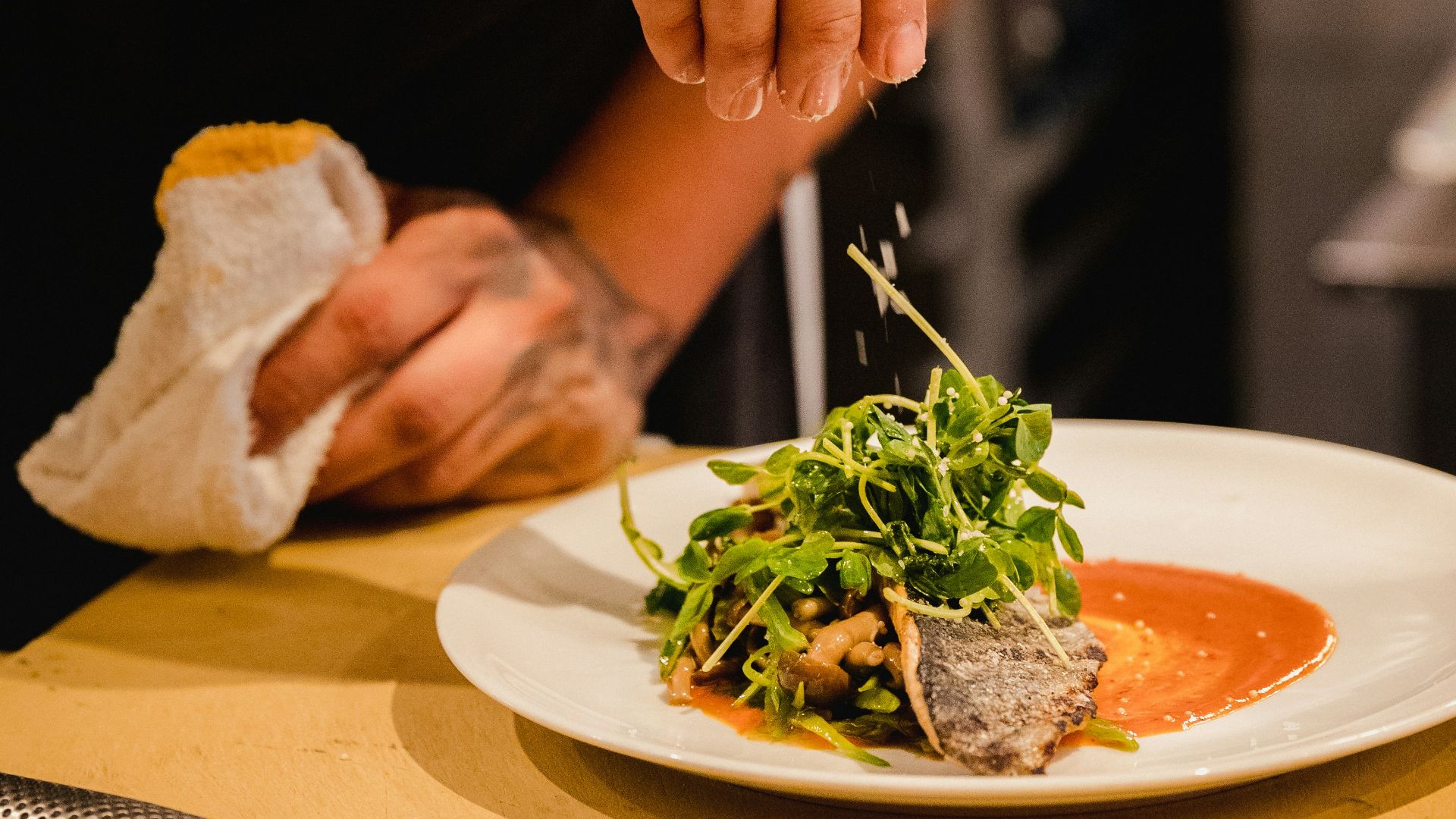
Seasoning food shouldn’t wait until it’s served on a plate. Tasting sauces, soups, and more as cooking continues allows adjustments to be made as needed. Once the dish is served, there’s no going back.
5. They Use Dull Knives
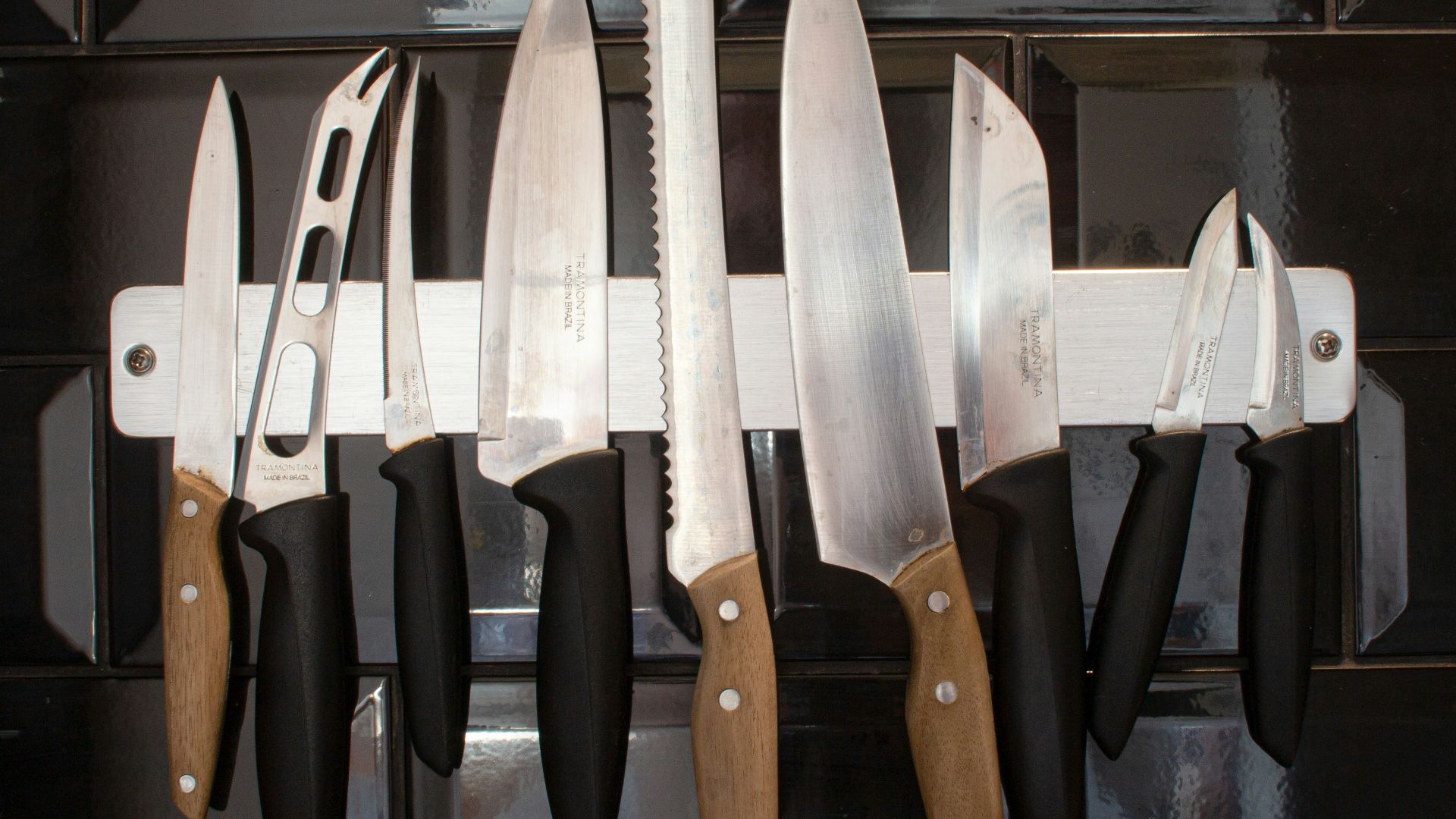
It might sound backwards, but dull knives are actually harder and less safe to use than sharp ones. They require more force, which makes slips more likely and cutting far less precise. Keeping knives sharp makes prep work quicker and more enjoyable.
6. They Constantly Flip Meat
Can't wait to see if that steak is cooked to perfection? Stop flipping it every thirty seconds. Not only does that prevent the outside from searing, but it’ll probably cook unevenly. Letting things cook for a while will yield a better result.
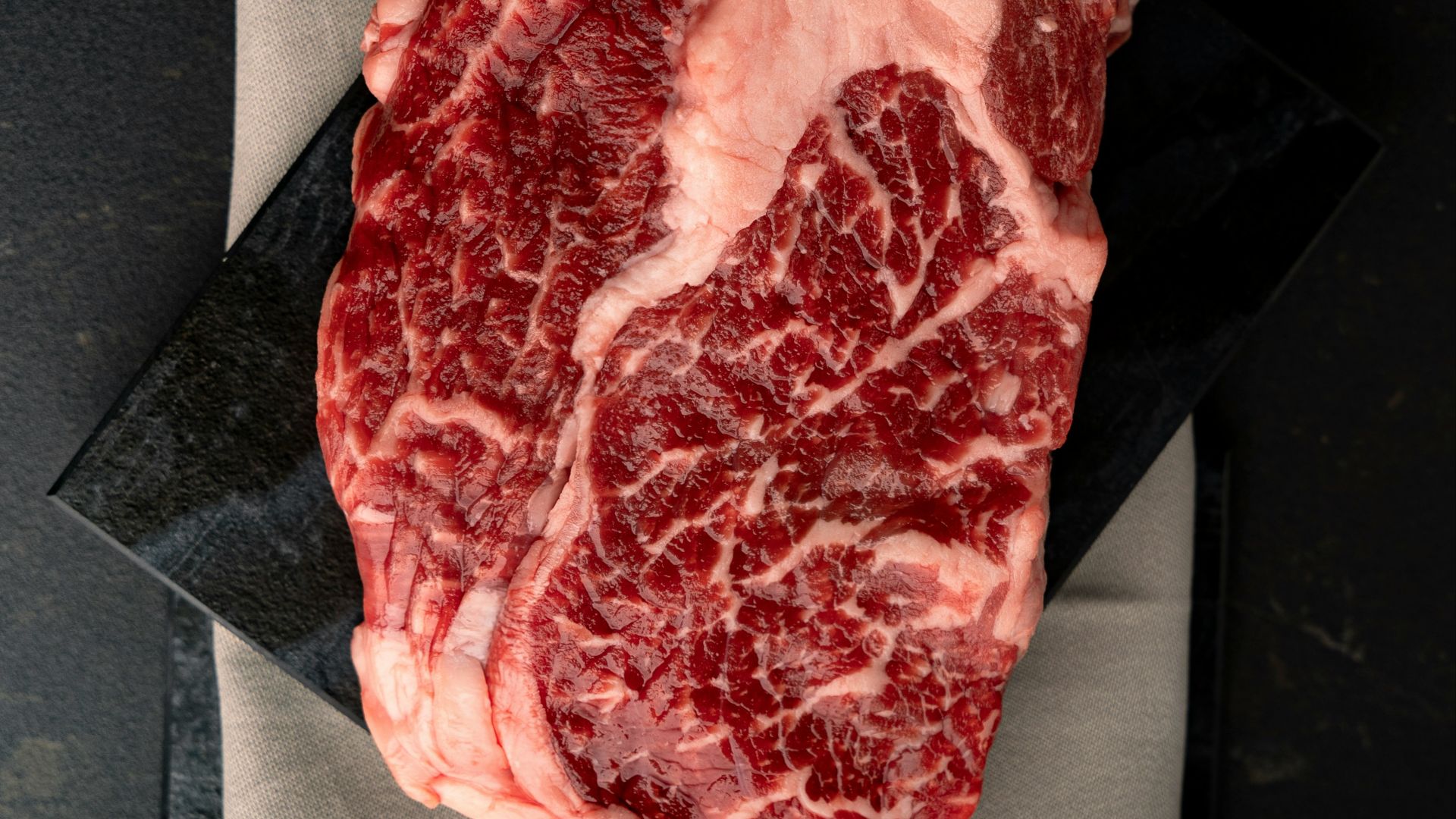
7. They Ignore Ingredient Temperatures
Recipes sometimes call for room-temperature butter, eggs, or other ingredients for good reason. Using everything straight from the refrigerator can affect texture and how ingredients combine. Paying attention to these small details often improves the final dish.
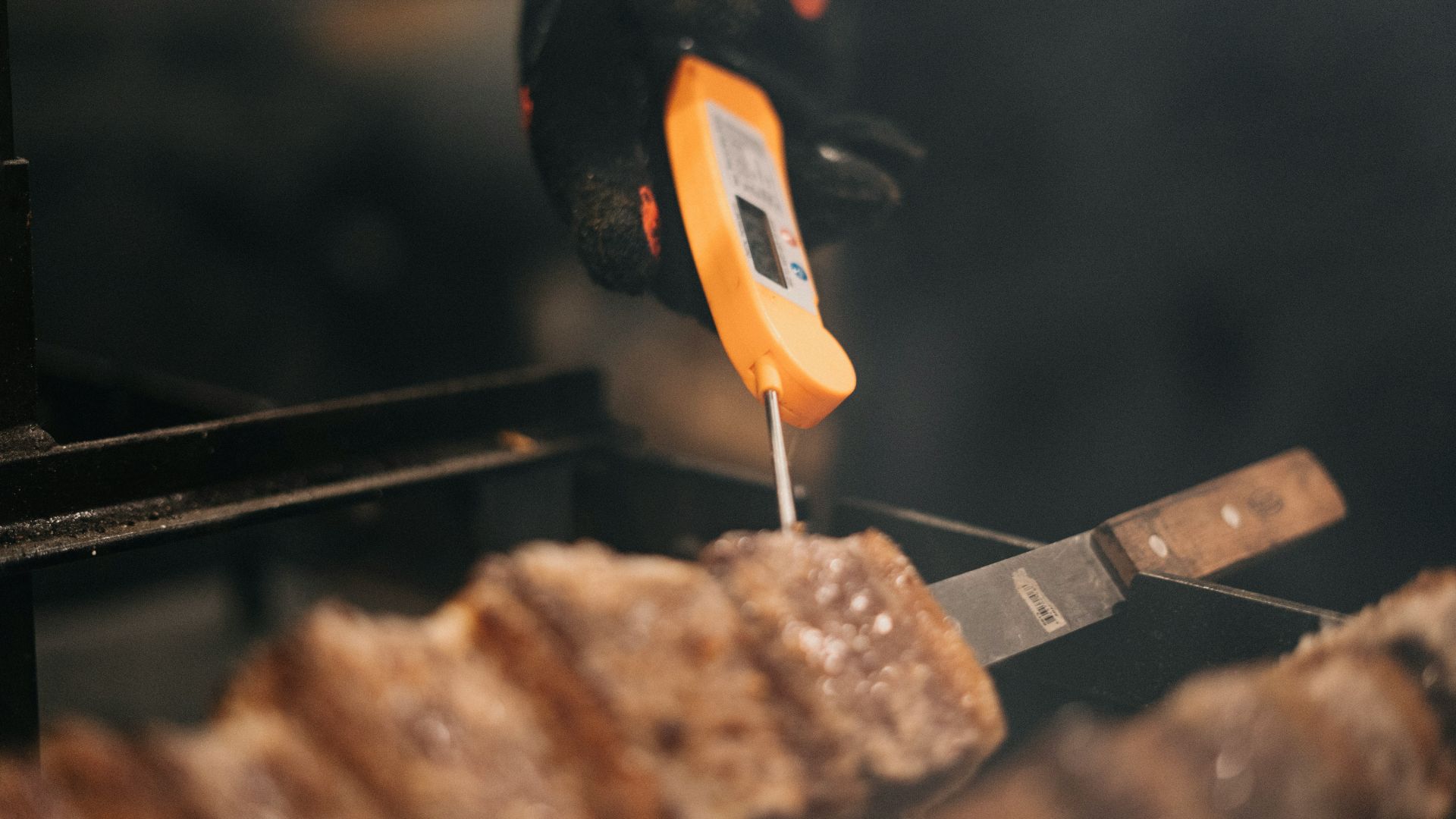
8. They Measure Everything Incorrectly
Recipes, especially baking recipes, call for proper measurements. Yet beginners often dive right in and scoop flour with the measuring cup or eyeball ingredients. Not only will the food probably not turn out, but the amounts won’t be correct if another batch needs to be made.
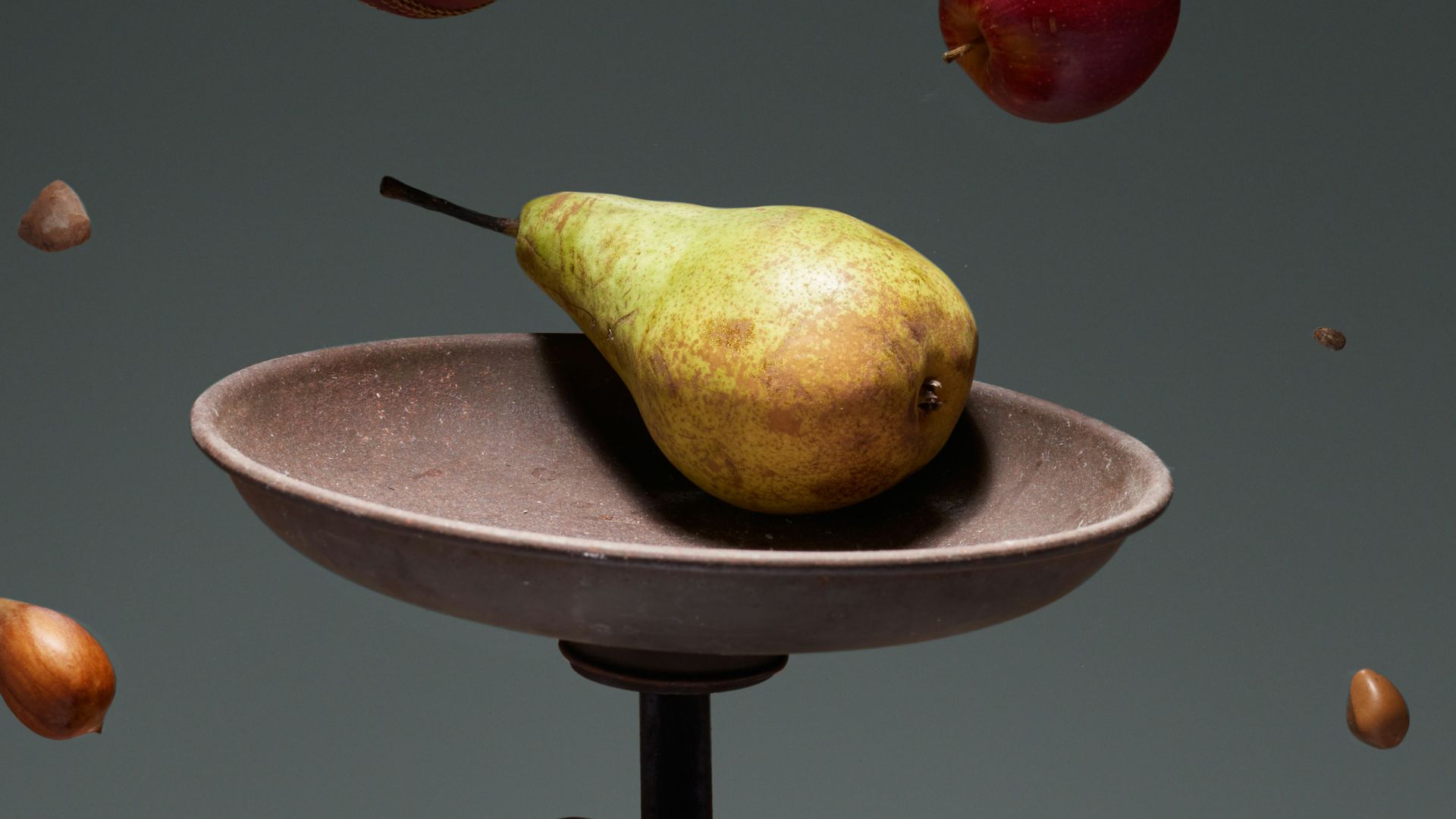
9. They Overcook Pasta
Pasta shouldn't be boiled until it's soft enough to fall apart. Experienced cooks usually stop cooking when it's still slightly firm because it continues cooking after it's drained. Following the package directions and tasting a piece before draining helps prevent mushy noodles.
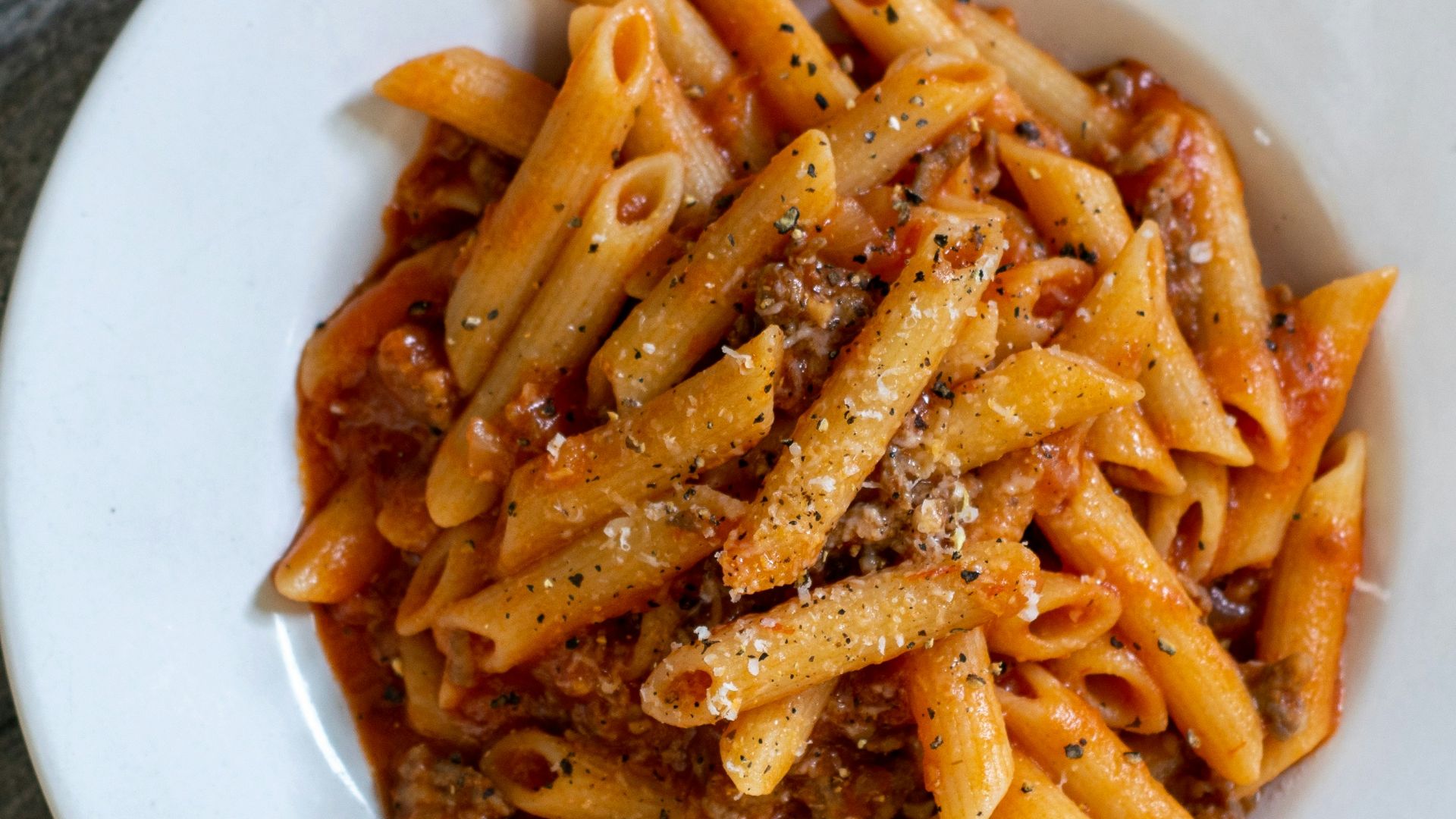
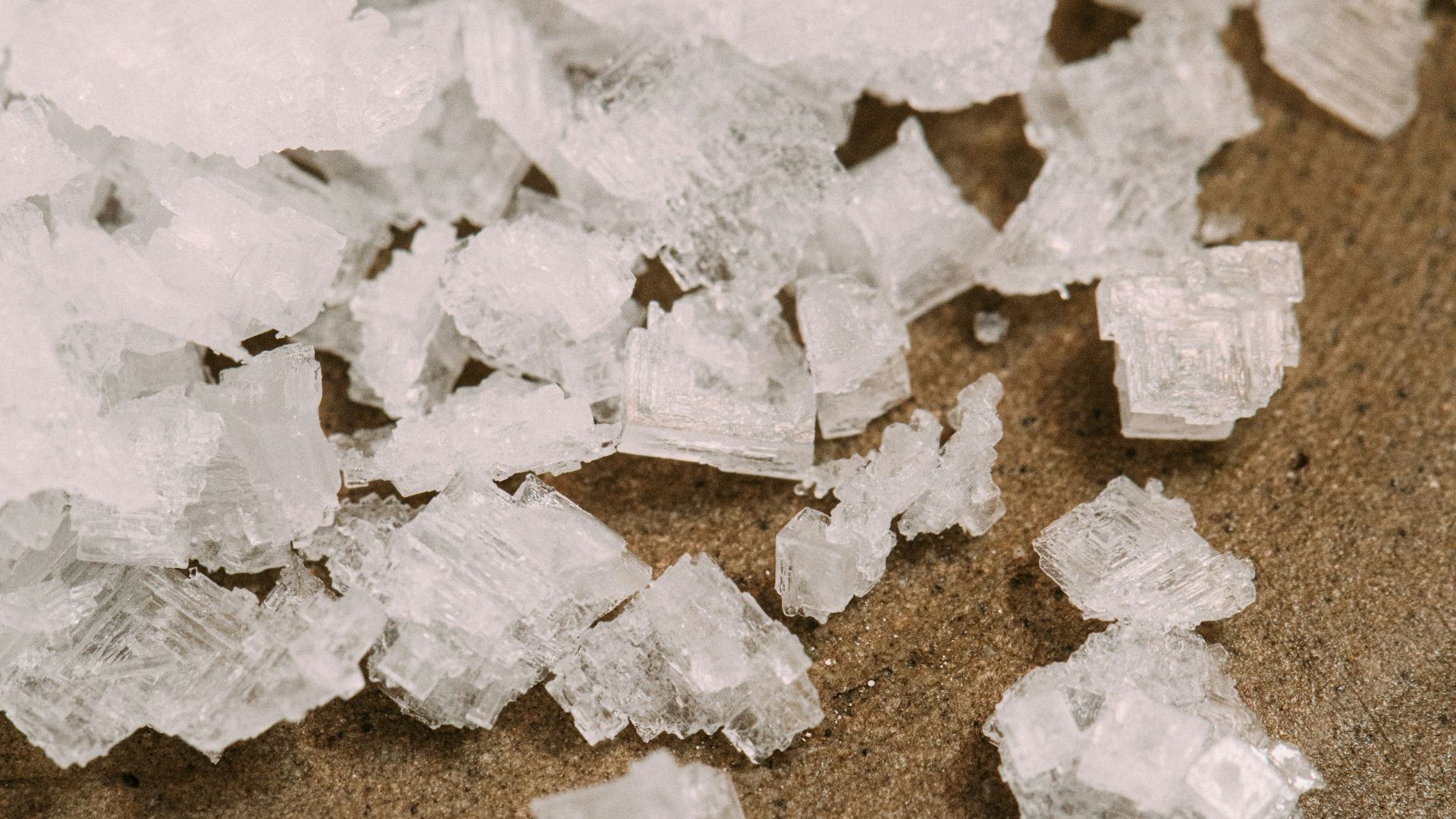
10. They Forget To Season In Layers
Slamming salt onto food at the very end will not bring out its full potential. Seasoning as cooking continues will ensure each ingredient is able to develop properly. This technique allows dishes to have more depth without becoming oversalted.
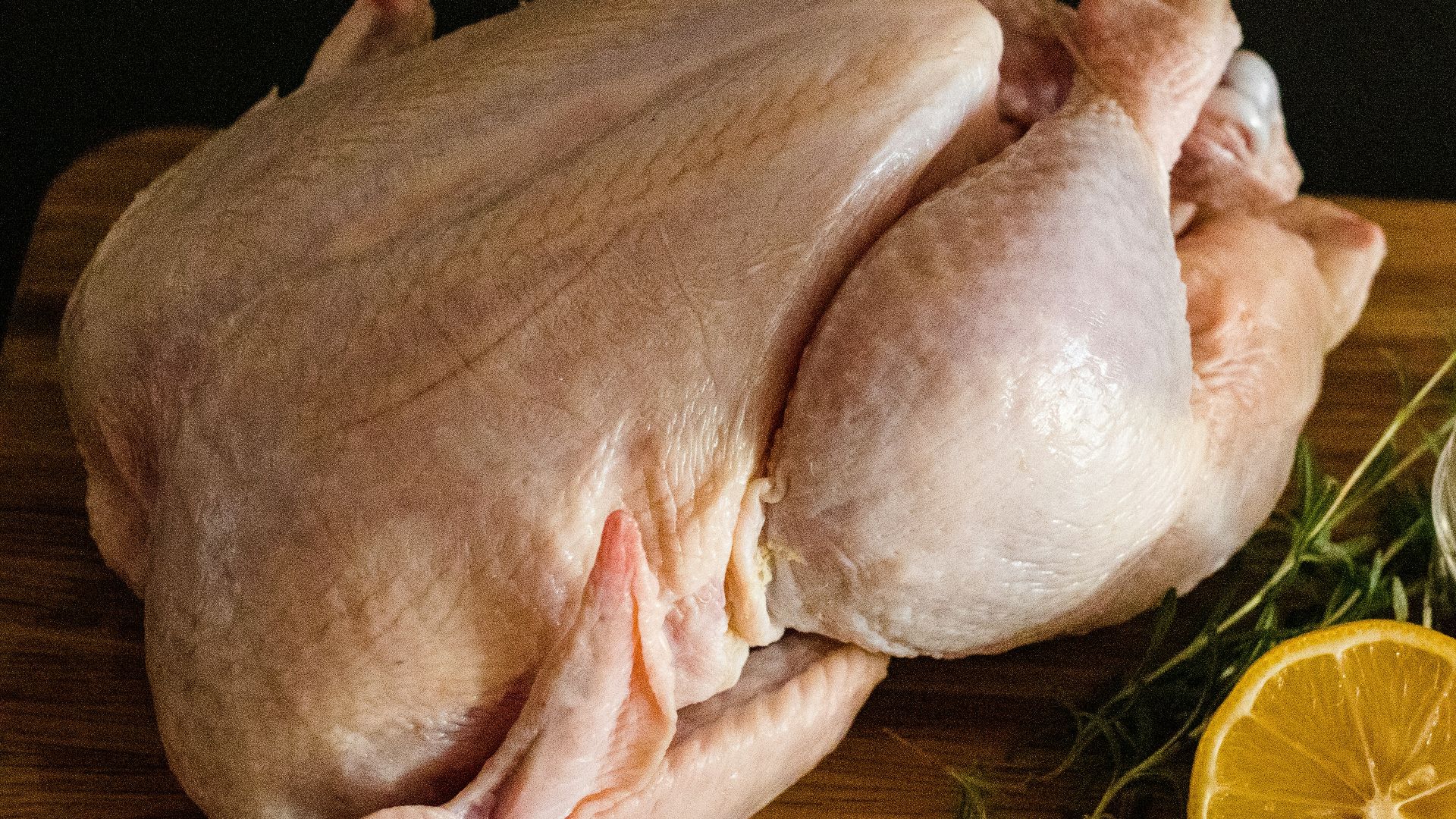
11. They Wash Raw Chicken
Many people still believe rinsing chicken makes it cleaner, but it actually spreads bacteria around the sink and nearby surfaces. Cooking chicken to the proper internal temperature is what makes it safe to eat. Skipping the rinse is both easier and safer.
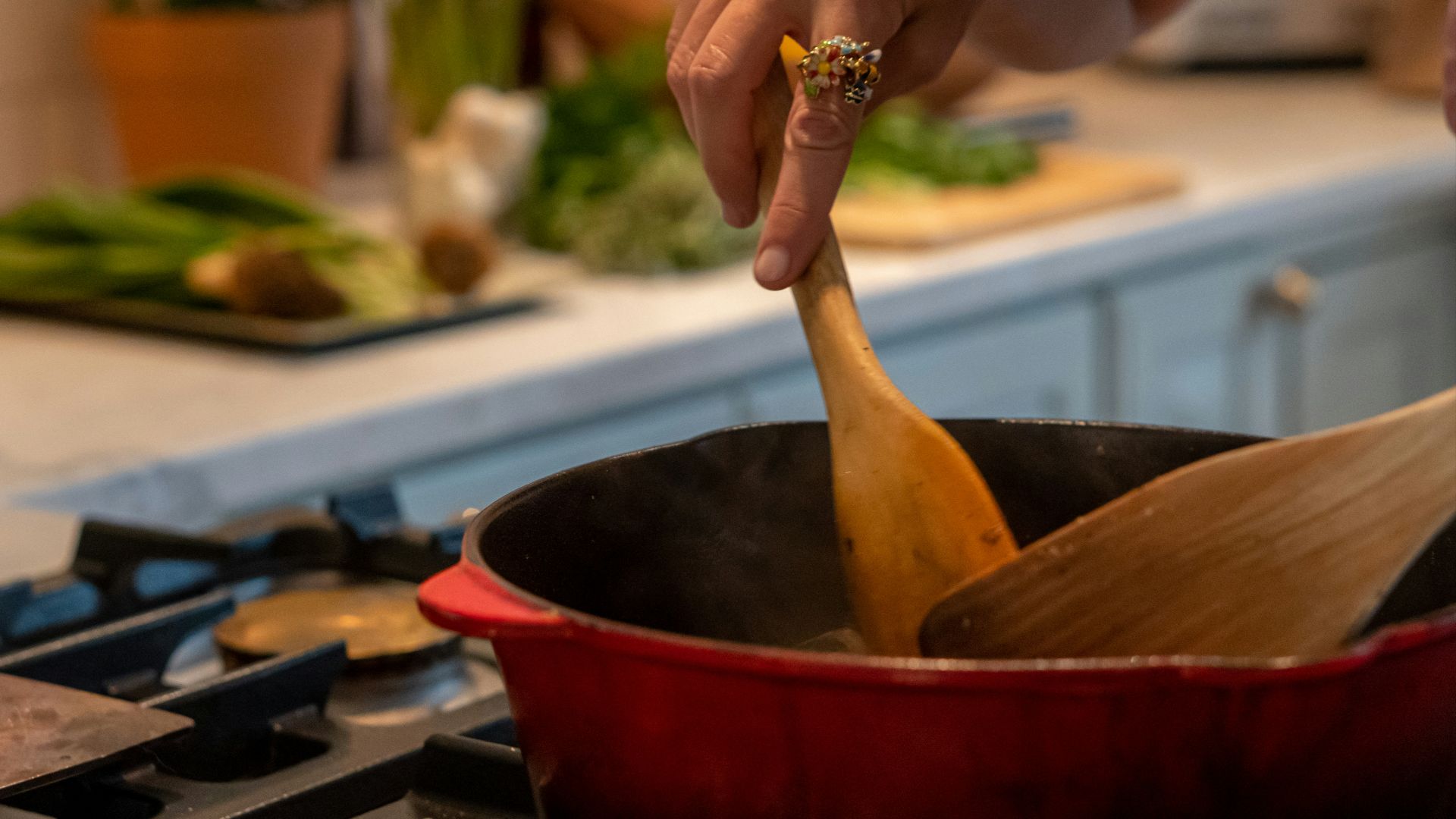
12. They Keep Stirring Everything
Some foods don’t need to be babysat while cooking. Things like rice, caramelized onions, and meat benefit from being left alone every once in a while. Knowing when to stir, and when to leave things alone, is half the battle.
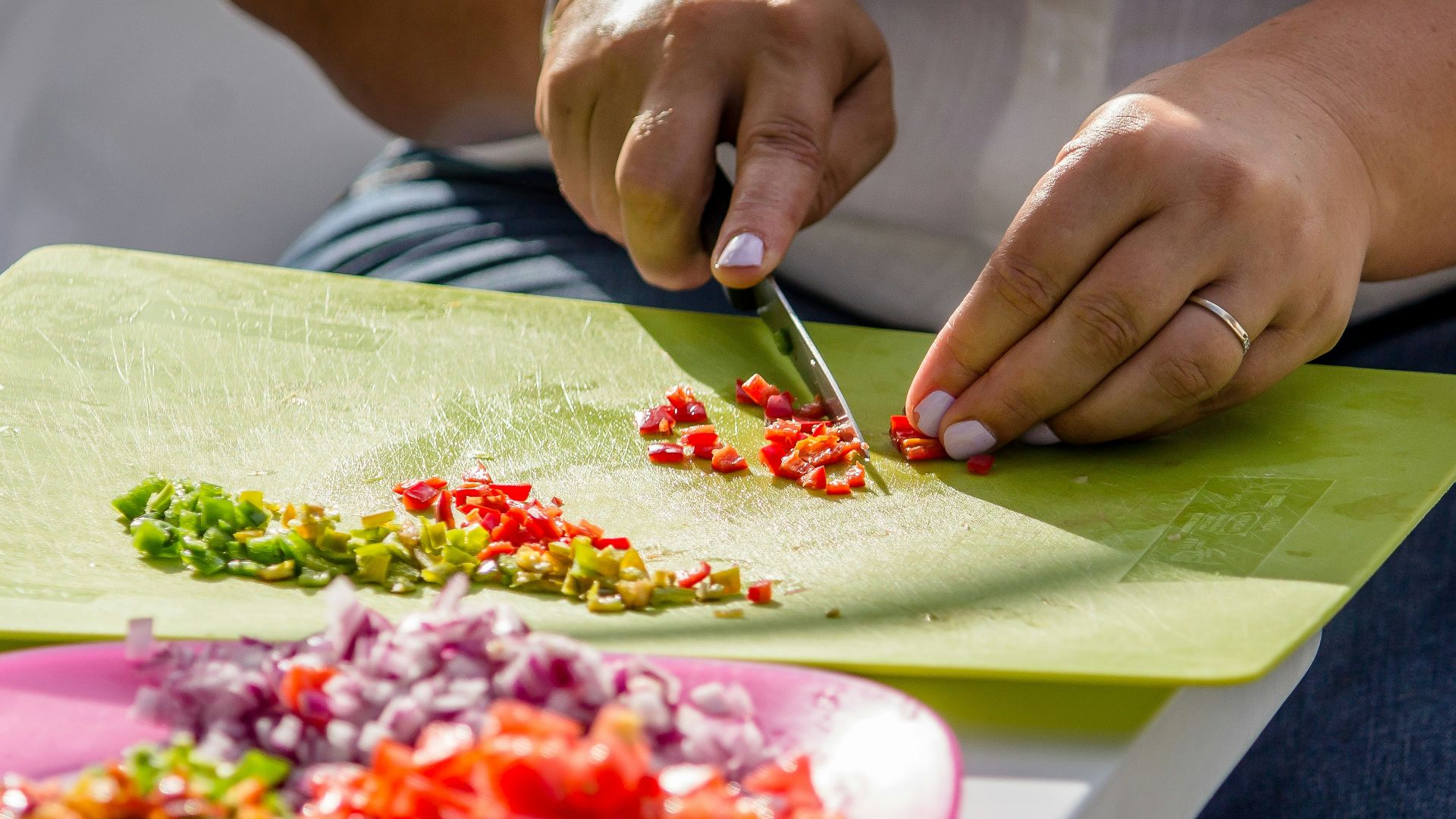
13. They Cut Everything Into Different Sizes
Uneven pieces might not seem like a big deal until some vegetables are burned while others remain undercooked. Similar-sized pieces cook at roughly the same rate, making the final dish much more consistent. Spending a little extra time with a knife pays off later.
14. They Cook Everything On High Heat
Turning all burners to high won’t cook food any faster. In fact, it’ll likely burn the outside while the inside is still raw. Learning which dishes require low, medium, or high heat is key to becoming a good cook.
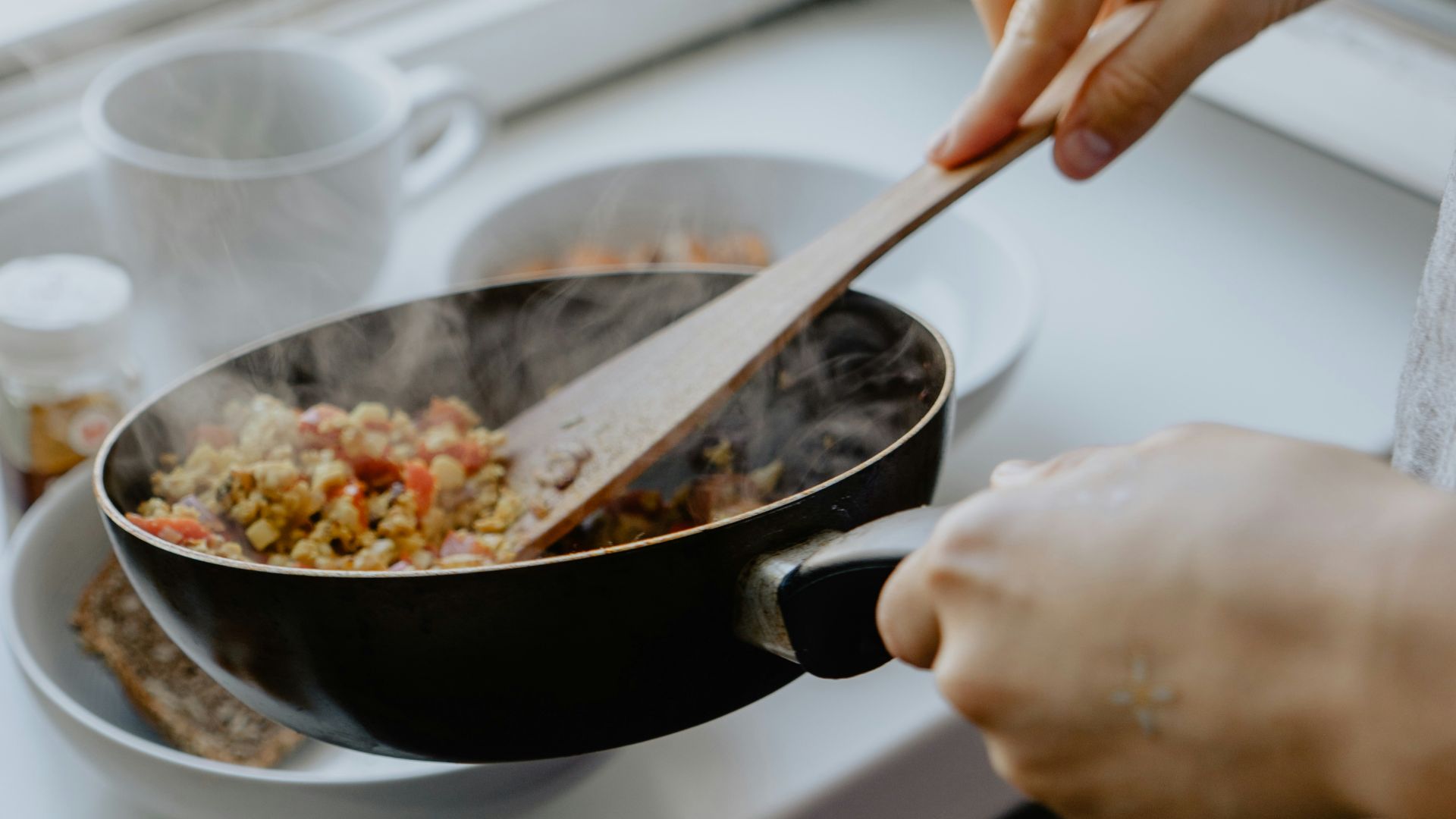
15. They Skip Resting Meat
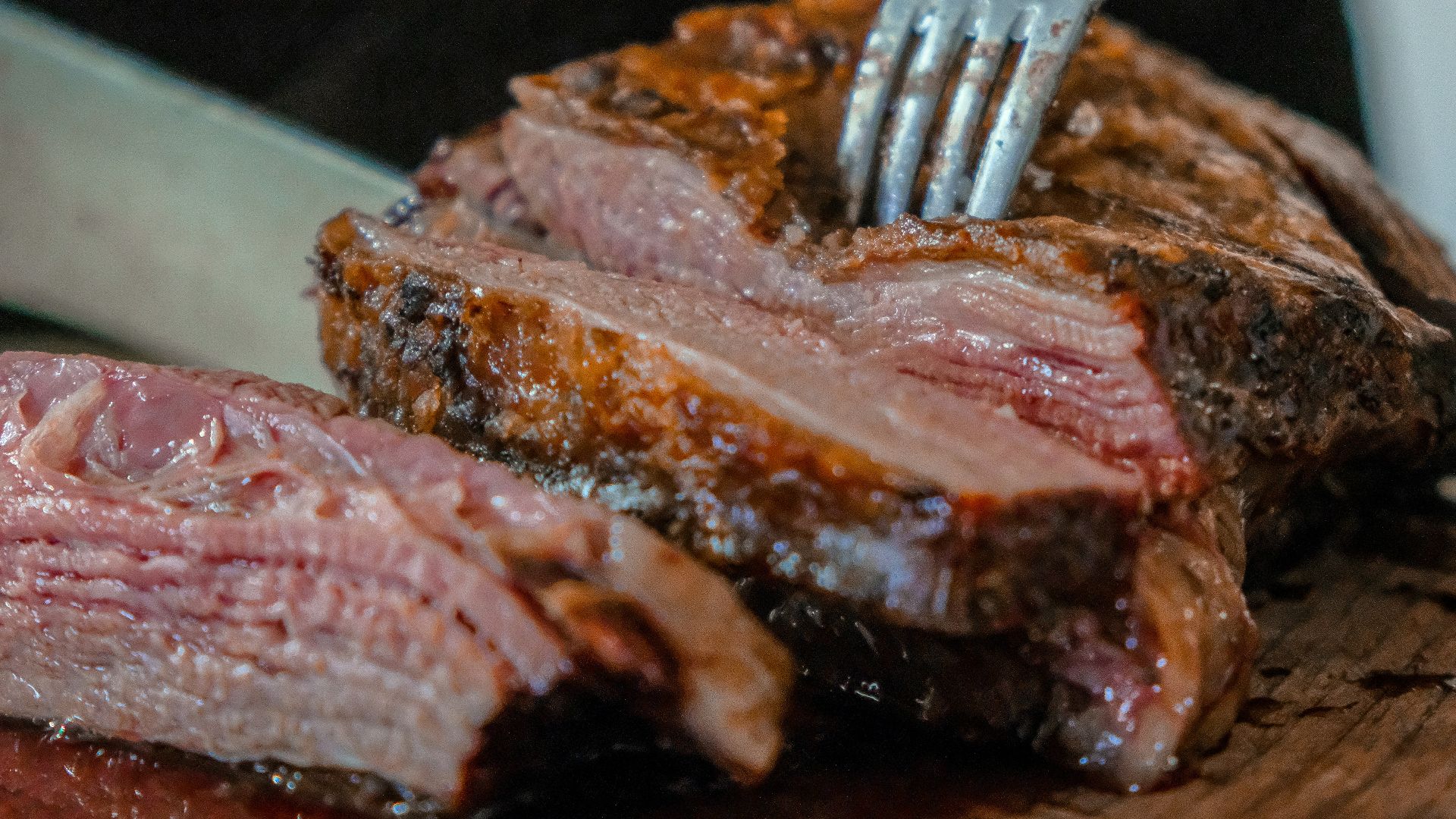
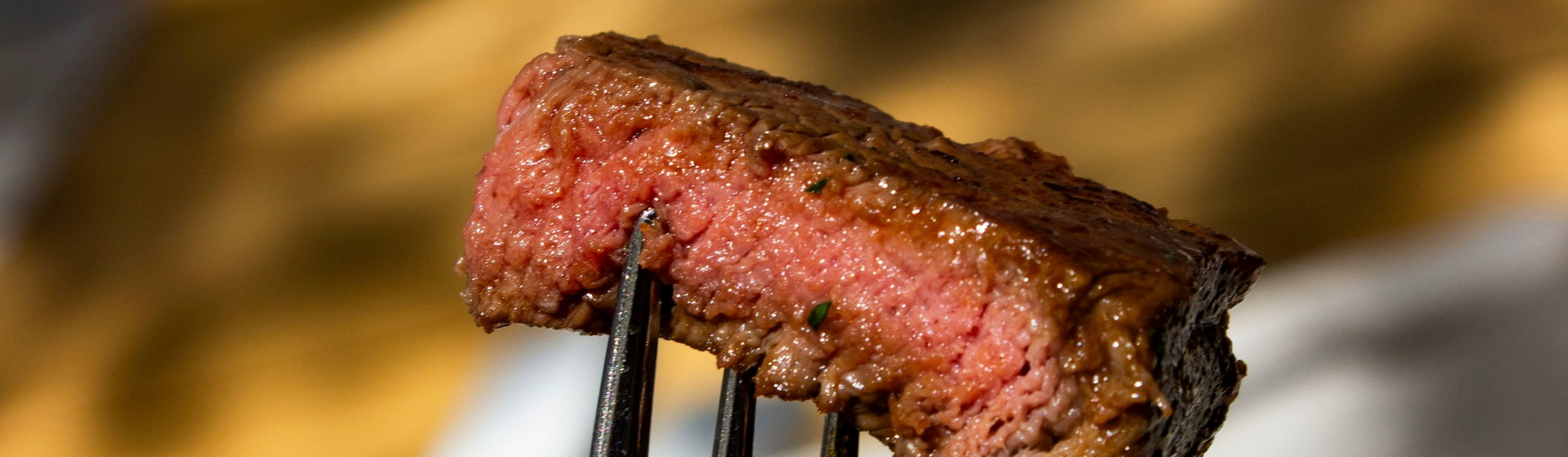
Cutting into steak or chicken the second it leaves the pan causes flavorful juices to spill onto the cutting board. Letting meat rest for several minutes allows those juices to redistribute throughout the meat. You'll end up with a much juicier meal by waiting just a little longer.
 José Ignacio Pompé on Unsplash
16. They Don't Prep Ingredients First
Trying to chop onions while garlic is already sizzling in the pan often creates unnecessary stress. Experienced cooks usually prepare everything before turning on the stove. Having ingredients ready lets you focus on cooking instead of rushing through prep.
17. They Fill Pots With Too Little Water
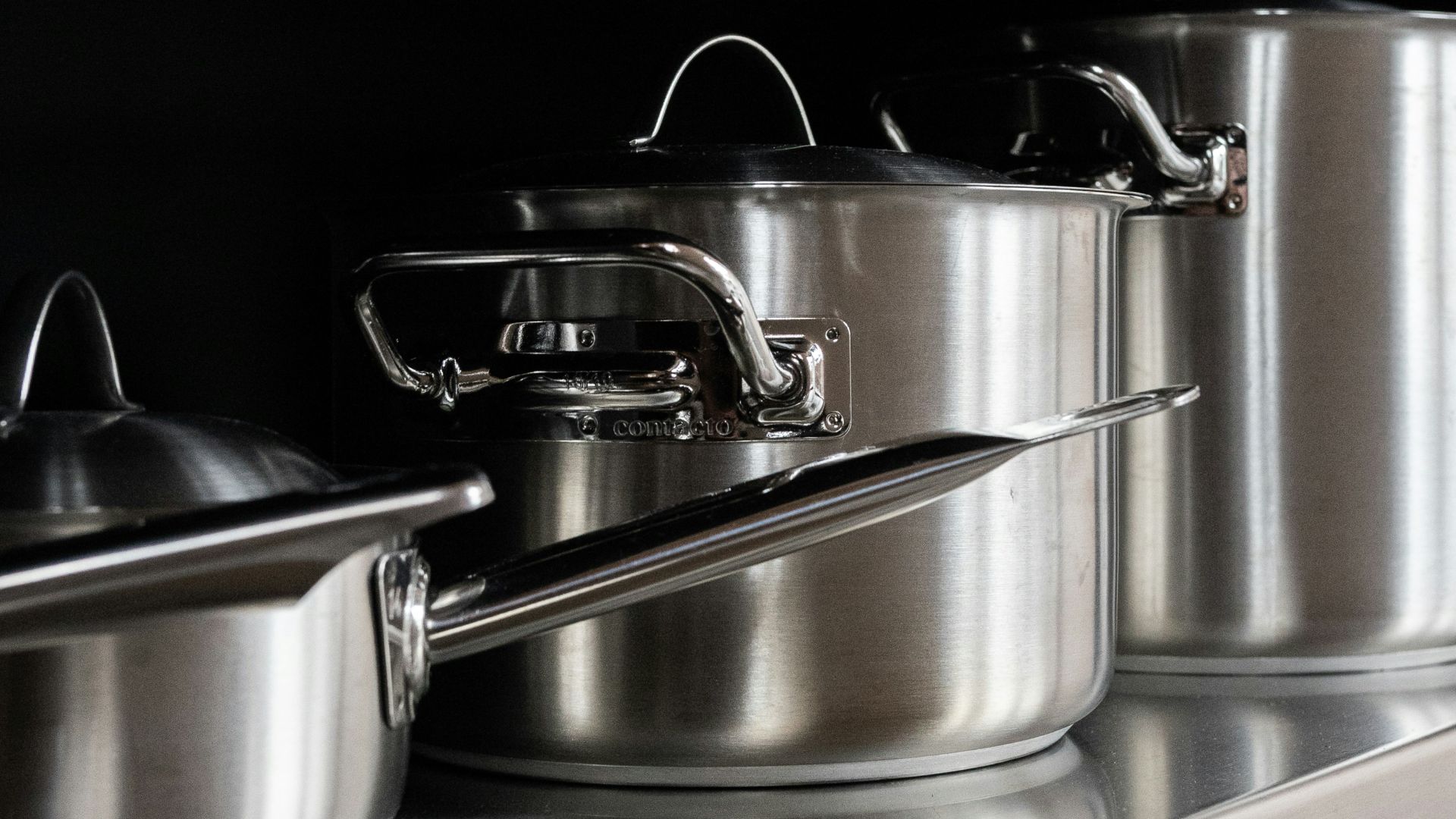
Using only a little bit of water to cook pasta or vegetables will cause them to cook unevenly and stick to the bottom. Pots with higher walls and plenty of water allow food to move around and cook how it’s supposed to. It also prevents the temperature from dropping when food is added.
18. They Never Clean As They Go
An amateur kitchen often ends up looking like a disaster before dinner is even finished. Experienced cooks wash bowls, wipe counters, and put away ingredients whenever they have a spare moment. Cleaning as you work makes the entire cooking experience much less overwhelming.
19. They Depend Too Much On Timers
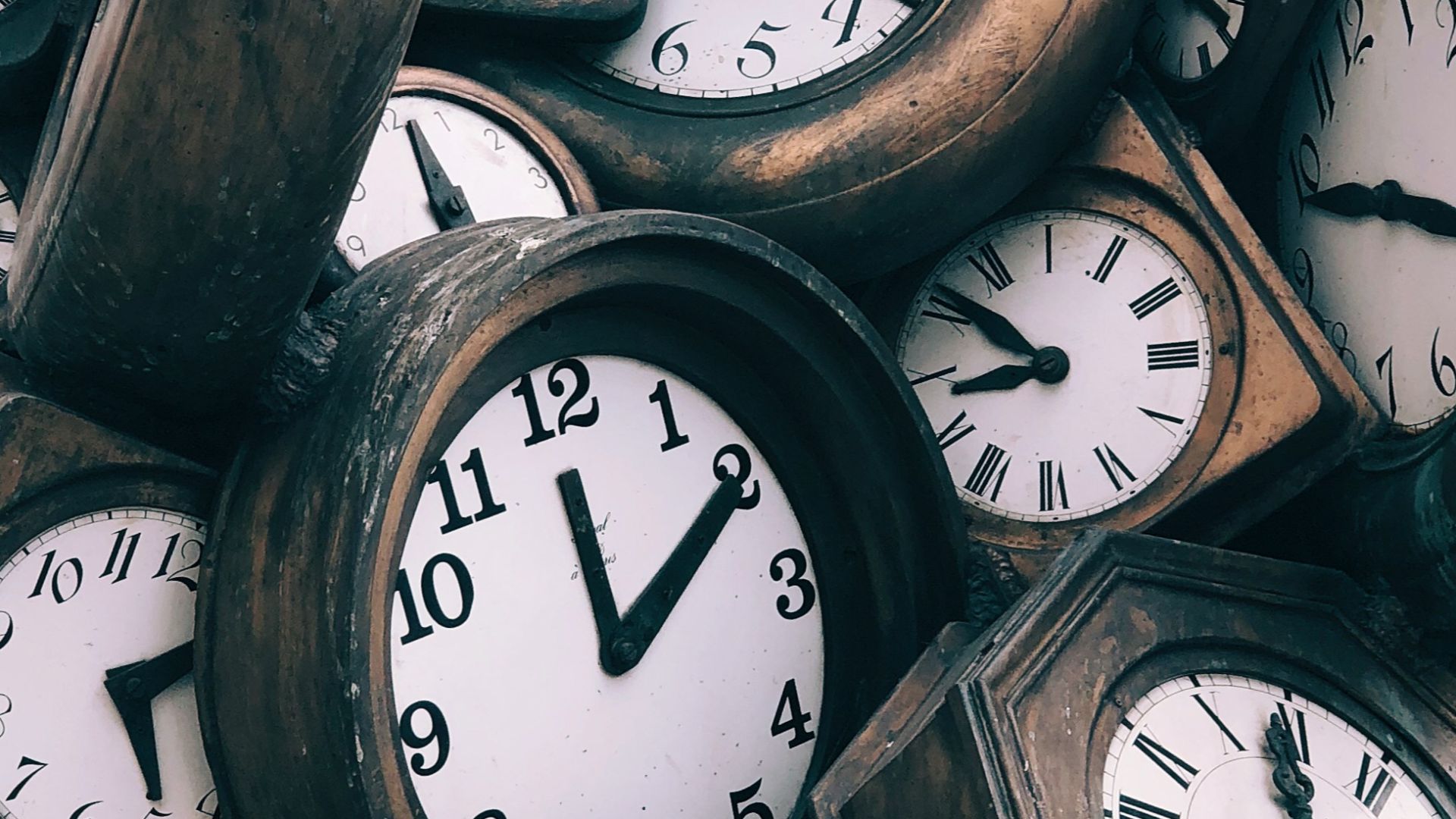
Yes, timers are great. But they shouldn’t take the place of your eyes and nose. Watching for color changes, smelling food, and feeling for doneness are all important parts of cooking. Knowing when something is done will come with practice.
20. They Panic When Something Goes Wrong
Every cook eventually burns toast, oversalts soup, or forgets an ingredient. Beginners often assume the entire meal is ruined, while experienced cooks look for ways to fix the problem or adapt. Staying calm and thinking creatively is one of the biggest differences between an amateur and a confident home cook.
KEEP ON READING
20 Dishes That Built Modern American Cuisine