 amirali mirhashemian on Unsplash
Breakfast has a reputation for being the healthiest meal of the day (or at least it should be, considering it's also the most important meal of the day), but that's not always the case. In fact, a lot of popular morning staples, from cereal to pancakes, waffles, and bagels, pack in more calories, sodium, and saturated fat than you'd expect, and eating them regularly can throw off your energy levels before you've even made it to lunch. To add to the problem, portion sizes and preparation methods have crept upward over the years, turning what used to be a modest meal into something closer to a calorie bomb.
If you're trying to build better habits without giving up the foods you love, it helps to know exactly what you're working with. Below are three breakfast classics that tend to do more harm than good when they become a daily routine, along with the numbers that explain why. While you don't have to cut them out entirely, understanding their nutritional impact may help you make smarter choices about how often you reach for them.
French Toast
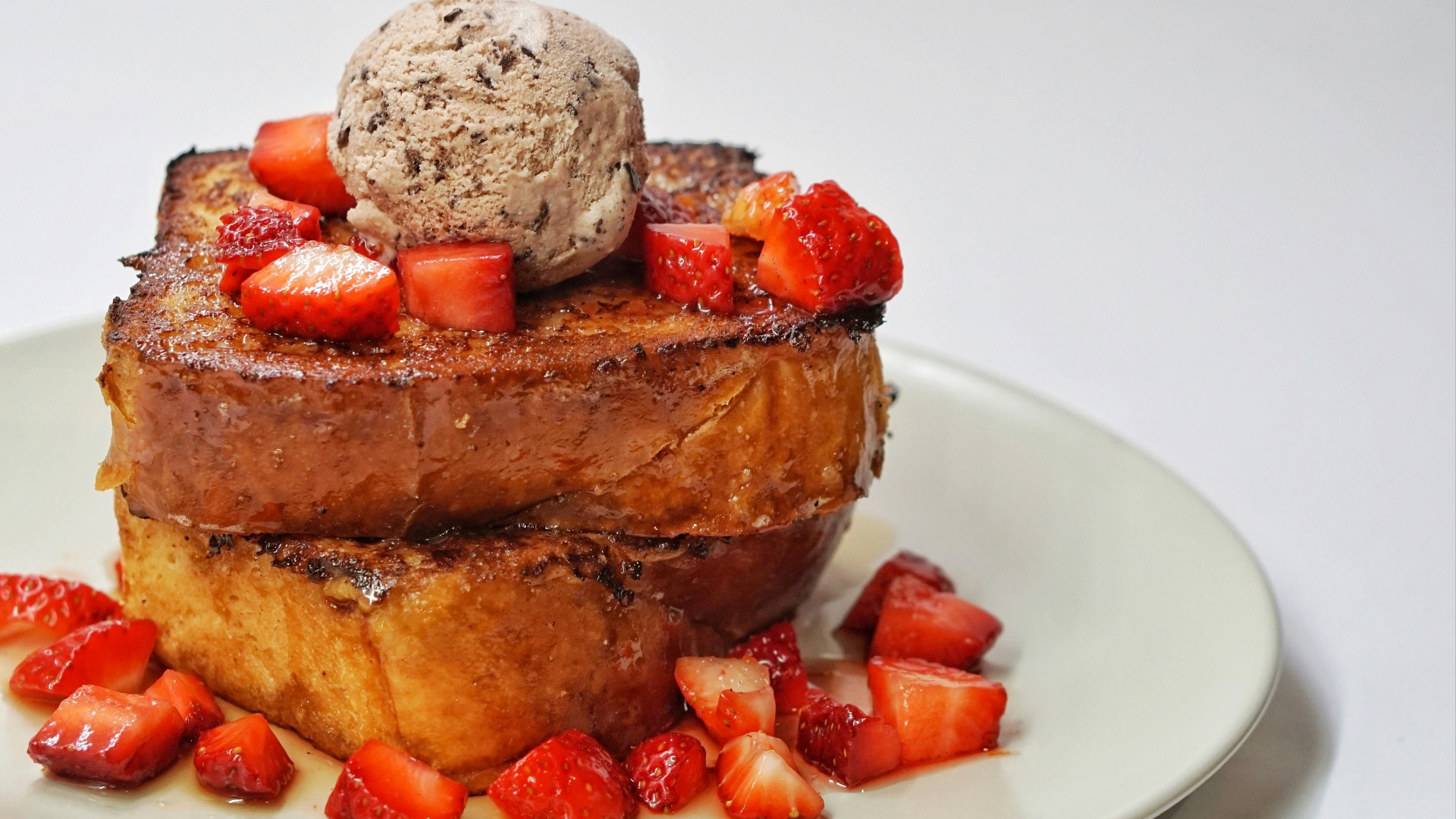
Forget the waffles and pancakes. Why would you reach for those when you can have French toast? But hold on just a second: if pancakes and waffles are bad enough, French toast is even more indulgent. Sure, it might feel like a comforting way to start the day, but top your dish with a chunk of butter and loads of syrup, and you've got a pretty hefty thing on your plate. A single slice made with just eggs and milk sits around 150 calories, yet two slices topped the way most people actually eat them can run anywhere from 300 to 500 calories. That's before you factor in any bacon or sausage on the side, which pushes the total even higher.
Restaurant versions make the problem worse. Because diners and cafes often use thicker bread, extra butter for the griddle, and generous pours of syrup, a single serving can equal nearly half of your daily calorie needs. The dish also leans heavily on refined carbohydrates, which can cause a quick spike in blood sugar followed by an energy crash an hour or two later.
None of this means you need to swear off French toast forever, of course. Swapping white bread for a whole-grain option, going lighter on the syrup, and pairing it with fresh fruit or a protein source like Greek yogurt can bring the meal into a more reasonable 300-to-500-calorie range without sacrificing the flavor you're after. It's really about portion control and what you choose to put on top.
Cream Cheese Bagels
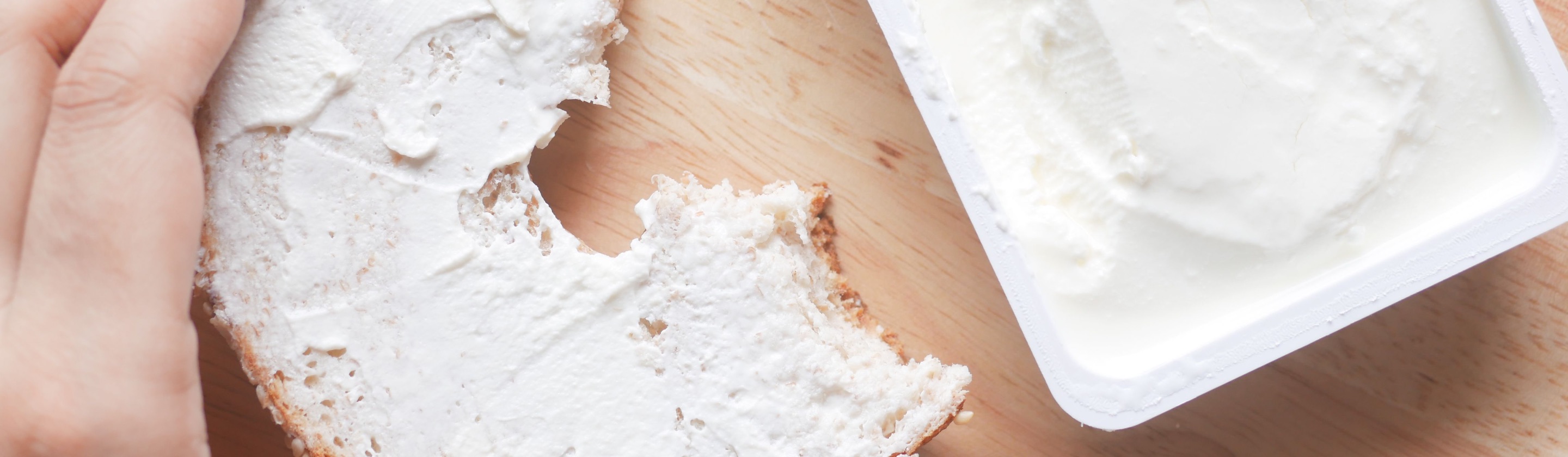
A bagel with cream cheese looks harmless enough, but it's one of the more deceptive breakfast choices out there. A single serving typically sets you back between 300 and 400 calories, and that estimate climbs quickly if you're getting your bagel from a coffee shop instead of making it at home. Chain bagels tend to be noticeably larger than the standard grocery-store size, which accounts for much of the difference.
Slathering on heaps of cream cheese spells out bad news enough (2 tbsp is already around 80 calories, along with 7 g of fat, depending on the brand), but sodium is of equal concern here, and it's one that catches most people off guard. A plain grocery-store bagel might carry around 400 to 500 milligrams of sodium, but a chain bagel with cream cheese, say, from Dunkin' Donuts, can reach 700 to 900 milligrams, which is nearly half the recommended daily limit in a single sitting. That's a lot to take on before you've even had lunch, especially if you're someone who's watching blood pressure or overall sodium intake.
So, what can you do if you regularly enjoy bagels with cream cheese? Try opting for half a bagel with about a tablespoon of cream cheese instead, which cuts the calorie and sodium load roughly in half, then pair it with a protein source like smoked salmon or a boiled egg to help you stay full longer. That way, you still get the flavor you're craving, but without the full nutritional hit.
Bacon Breakfast Sandwiches
Bacon, egg, and cheese biscuits are a beloved American breakfast, but they're also among the heaviest ways to start your morning. Depending on where you get one, calorie counts range widely; a Chick-fil-A version comes in at 420 calories, while other chain versions can climb past 500 or even 540 calories once you account for extra cheese and a larger biscuit.
Sodium and saturated fat are where this sandwich really adds up. The Chick-fil-A biscuit alone carries 1,220 milligrams of sodium and 11 grams of saturated fat, and the Dietary Guidelines for Americans recommend limiting saturated fat to about 20 grams and sodium to 2,300 milligrams for the entire day on a 2,000-calorie diet. That means one sandwich alone can eat up more than half your saturated fat budget before nine in the morning.
The biscuit itself is usually the biggest culprit, since its buttery, flaky texture contributes a significant share of the fat and calories on top of what the bacon and cheese add. Choosing a lighter carrier like an English muffin, swapping in turkey bacon, or asking for reduced-fat cheese can bring the nutritional profile down considerably while keeping the combination of flavors you actually enjoy. Making it at home also gives you far more control over portion size than a drive-through ever will.
The Bottom Line
What you decide on for breakfast sets the tone for the rest of your day, both in terms of energy and how your body handles food later on. While you don't necessarily need to eliminate calorie-heavy foods completely, you should treat them as occasional indulgences, which can make a real difference over time. Small adjustments, like watching portion sizes, choosing leaner proteins, and being mindful of added sodium, let you keep the flavors you love while avoiding the energy crashes and health risks that come from eating this way every single morning.
KEEP ON READING
20 Comfort Foods You Shouldn't Eat Too Much Of