20 Differences Between American & European Fast Food
A Tale of Two Drive-Thrus
Fast food exists on both sides of the Atlantic, but it doesn’t play by the same rules. If you’ve ever traveled and thought, “Why is this so different?” you weren’t imagining it. From portions and pricing to what counts as “normal” sauce and when people actually eat, American and European fast food can feel like two separate worlds. Here are 20 differences you’ll notice pretty quickly if you're paying attention.
1. Portion Sizes Tend To Be Bigger In The U.S.
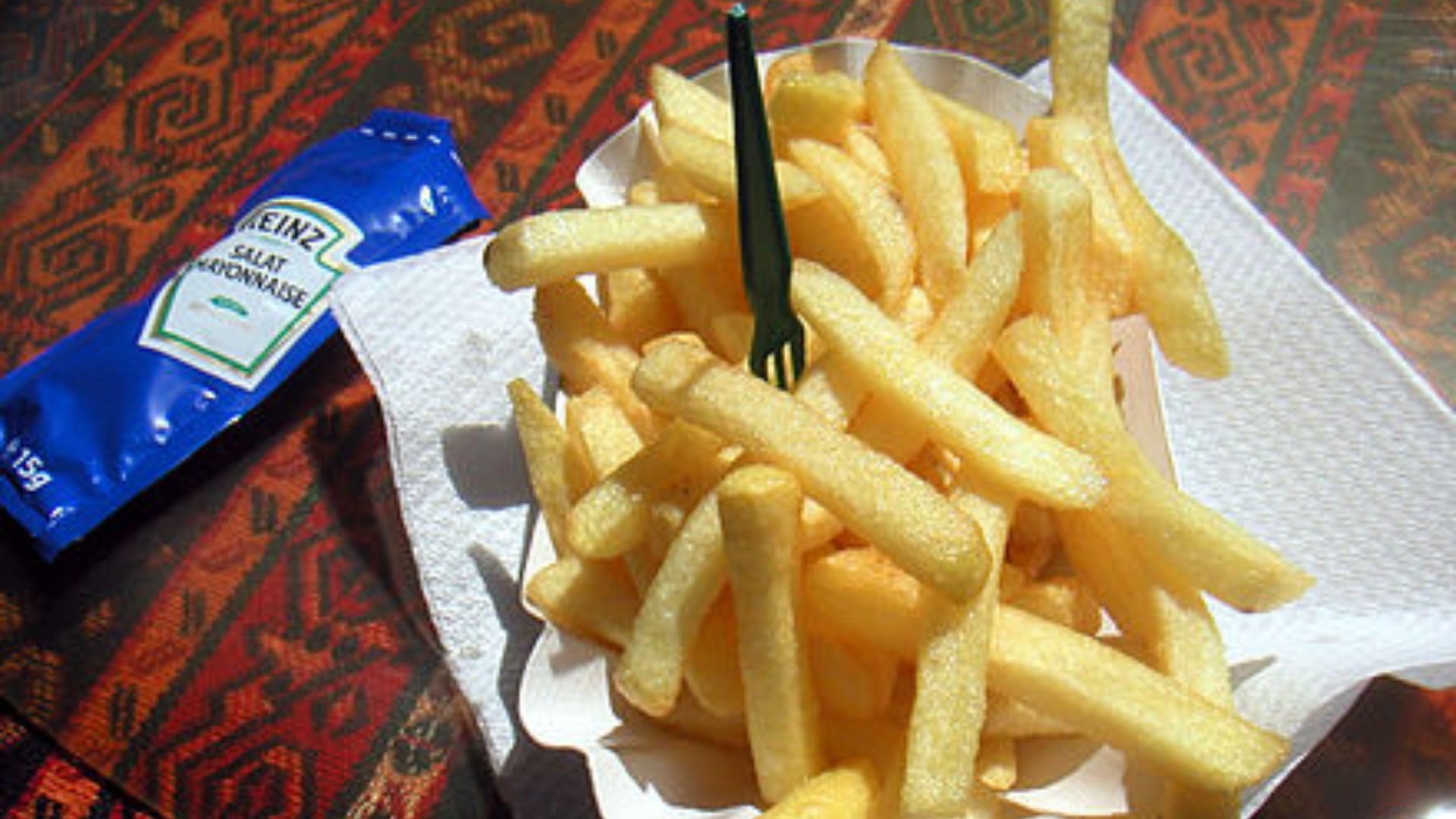
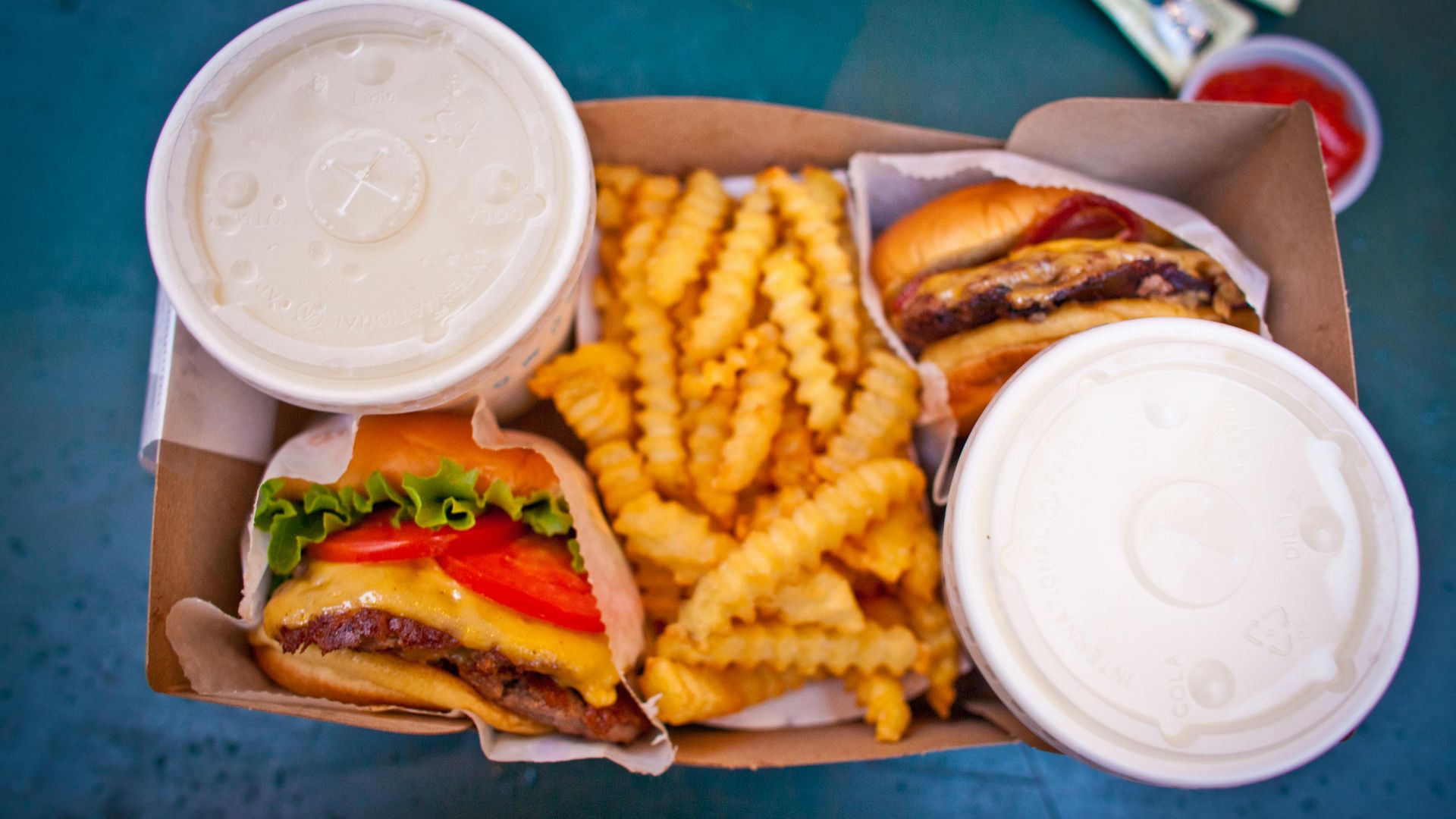
In America, fast-food portions often feel like they’re built for excessive consumption, especially when it comes to fries and fountain drinks. You’ll see larger default sizes and more aggressive combo upsells. In many European countries, the standard portion is smaller, and the “large” option doesn’t always look that large. If you’re used to American sizing, you might finish a European meal and still feel like you could snack later.
2. Refills Are a Big Deal In The U.S.
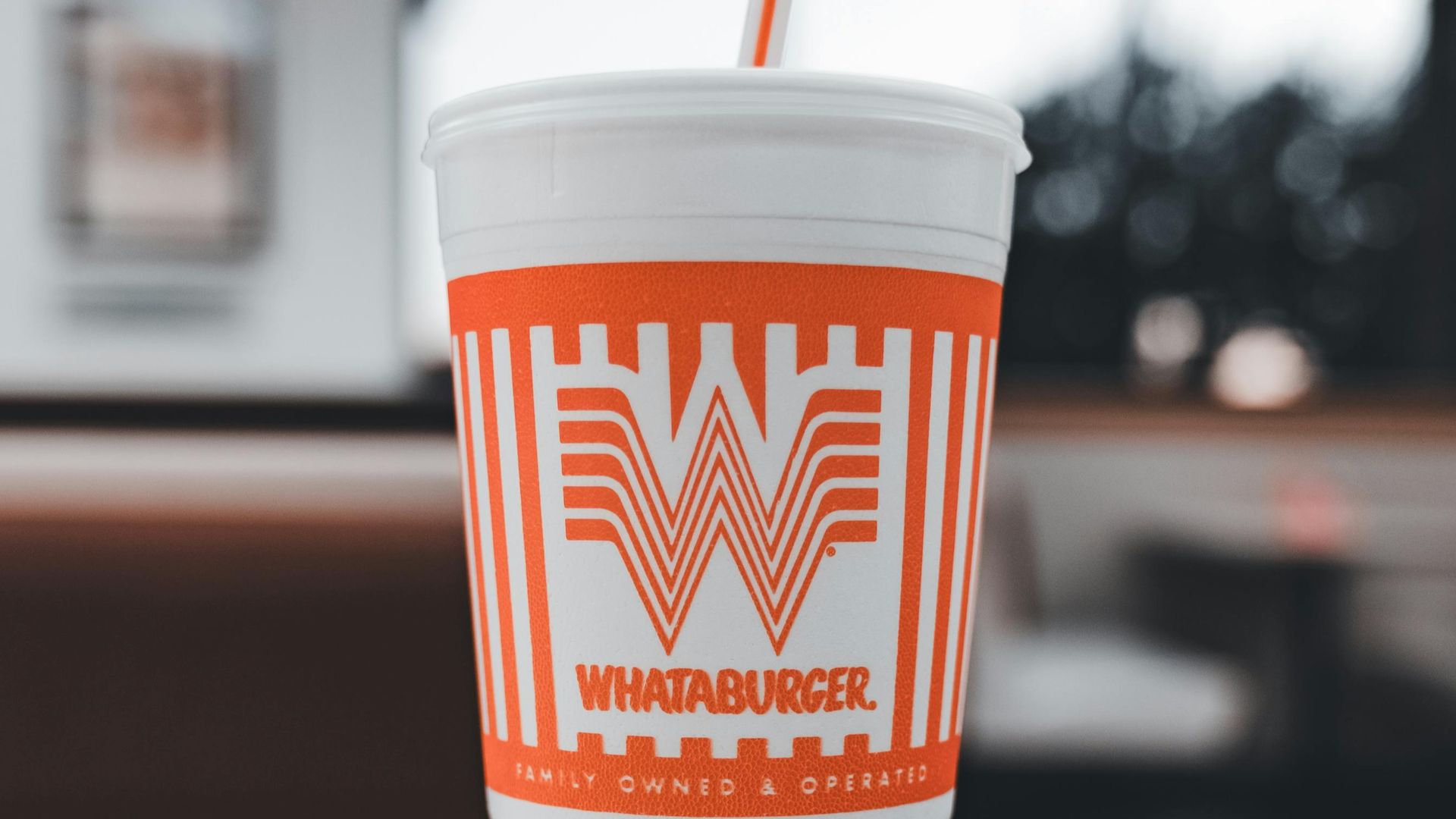
Free refills are common in American fast-food dining rooms, and people fully expect them. Self-serve soda fountains are everywhere, so you can top off as many times as you want without thinking twice. In Europe, refills are much less standard and often not offered at all. You’ll usually pay for each drink, which makes you slow down and choose more carefully.
3. European Menus Are More “Localized”
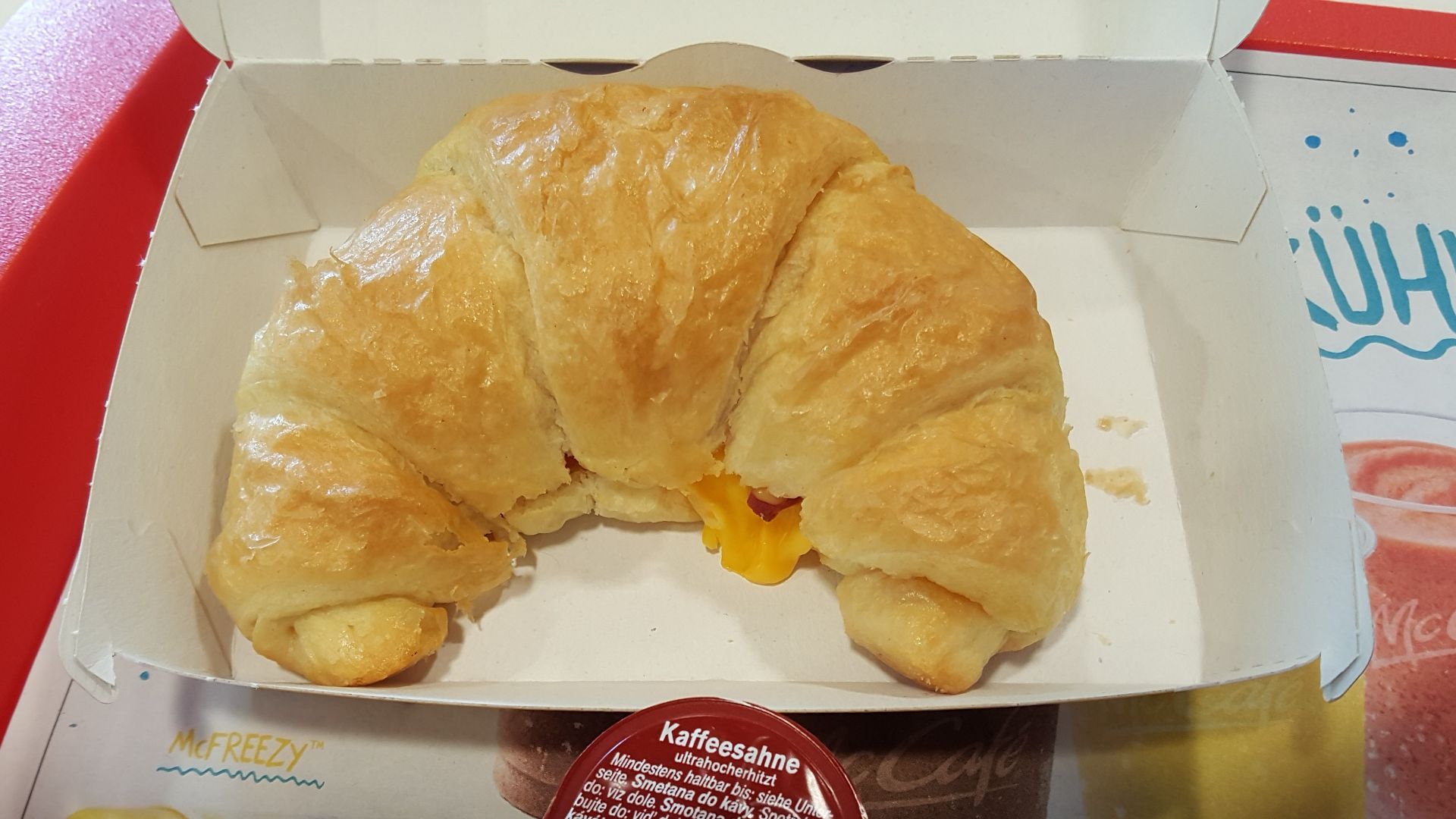
American chains like consistency, so many core menu items stay very similar from state to state. Europe still has global staples, but you’ll notice more regional flavors, like the pistachio McFlurry in Italy or currywurst at McDonald's in Germany. It’s not unusual to see a sandwich or sauce that only exists in one market. If you like trying new things, European fast food can be a fun surprise.
4. The U.S. Leans Hard On Drive-Thrus
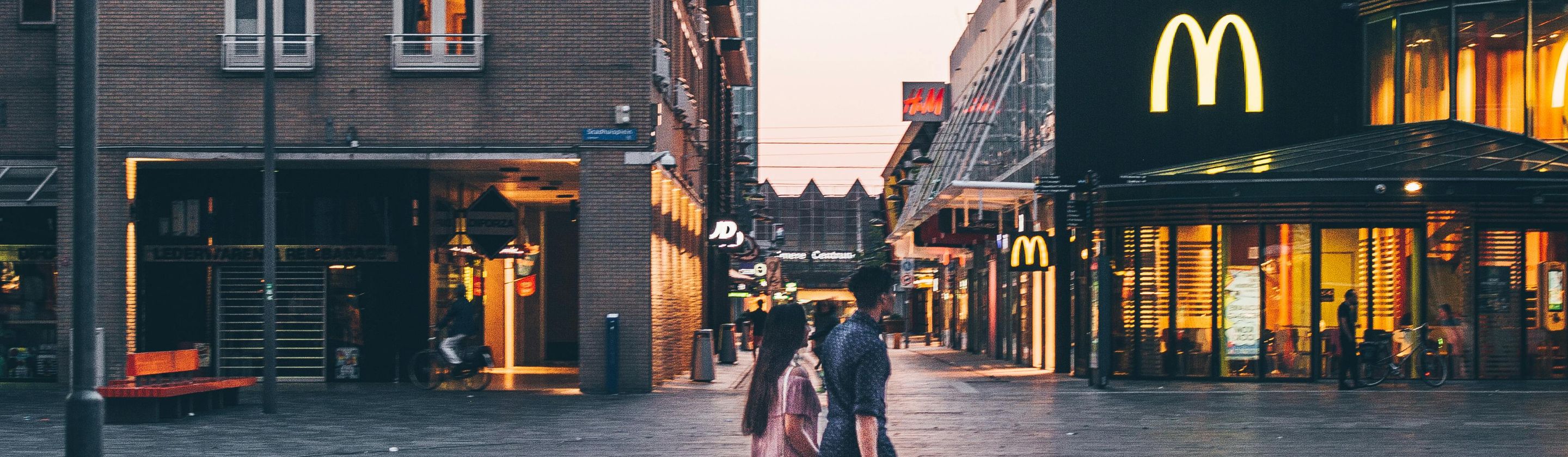
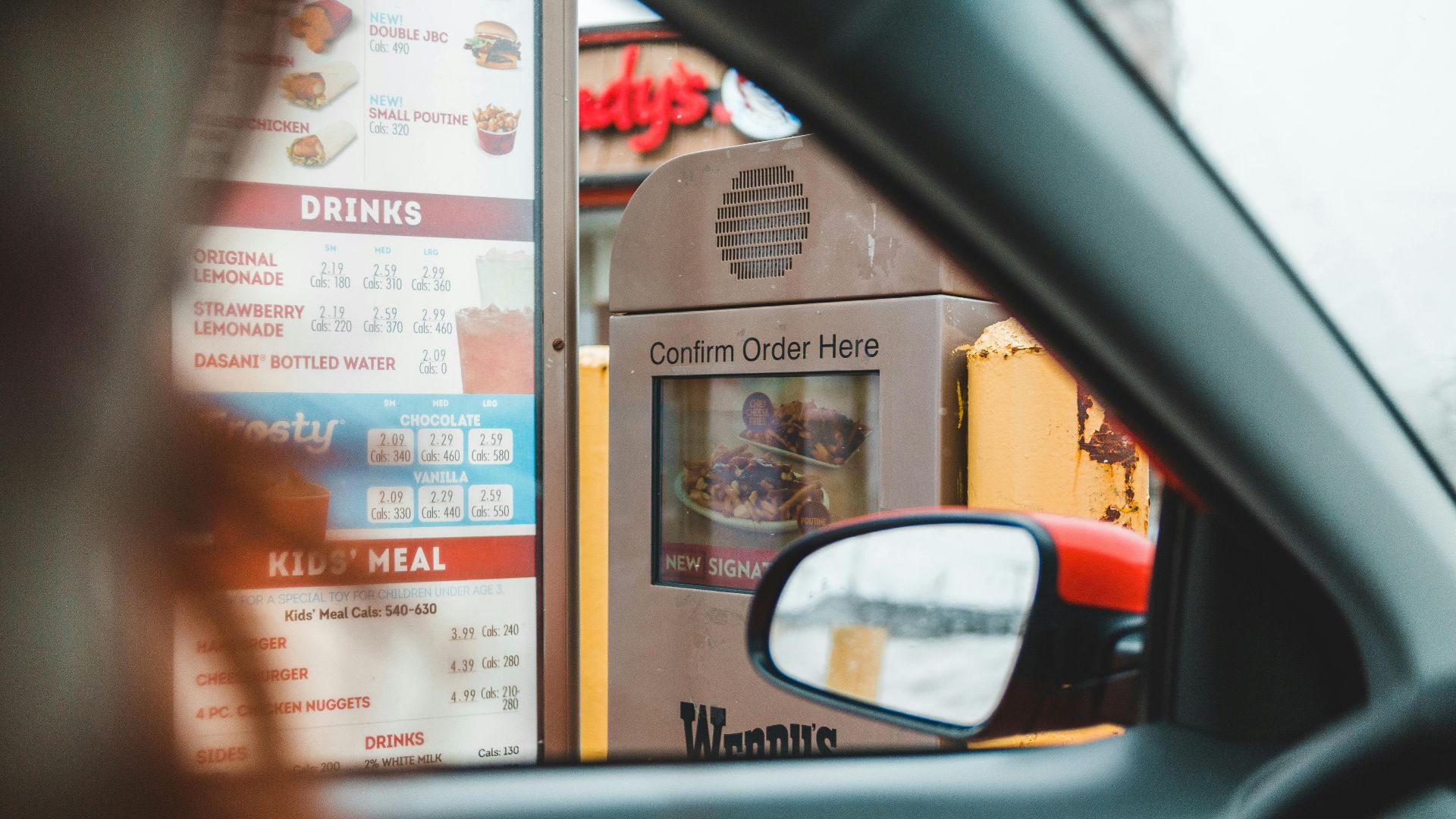
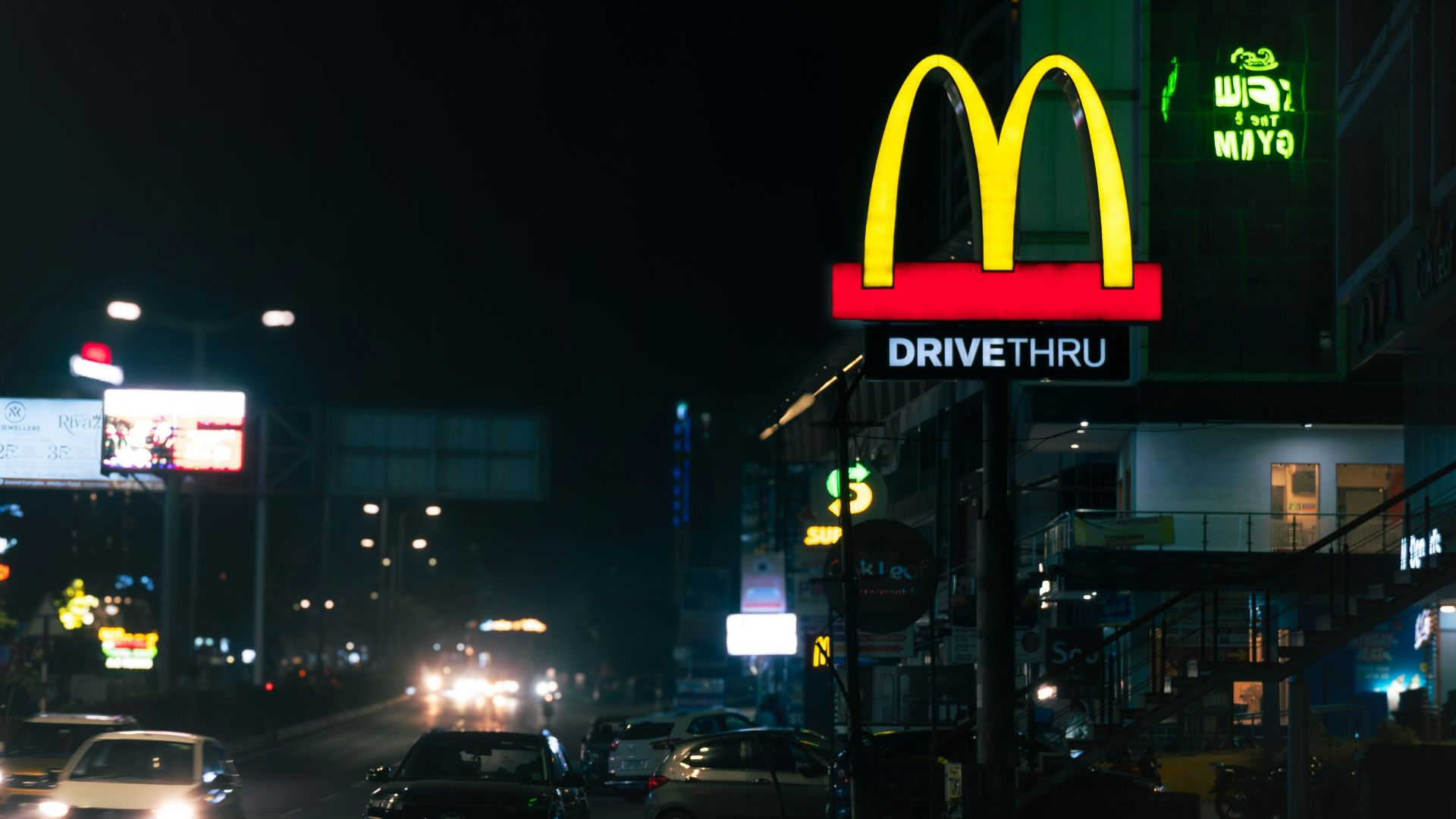
In the United States, drive-thrus are practically part of the culture, especially outside major cities. Many locations are designed around car traffic, and the dining room can feel secondary. Across much of Europe, fewer people rely on cars for daily errands, so drive-thrus aren’t as universal. You’re more likely to walk in, grab your food, and head back out on foot.
5. In Europe, Fast Food Is Less of a Routine
In the U.S., it’s pretty normal for people to eat fast food several times a week without it feeling like a big event. Busy schedules, long commutes, and late nights make it an easy default. In many European places, fast food can feel more occasional, like a convenient stop rather than a habit.
6. Sauce Culture Works Differently
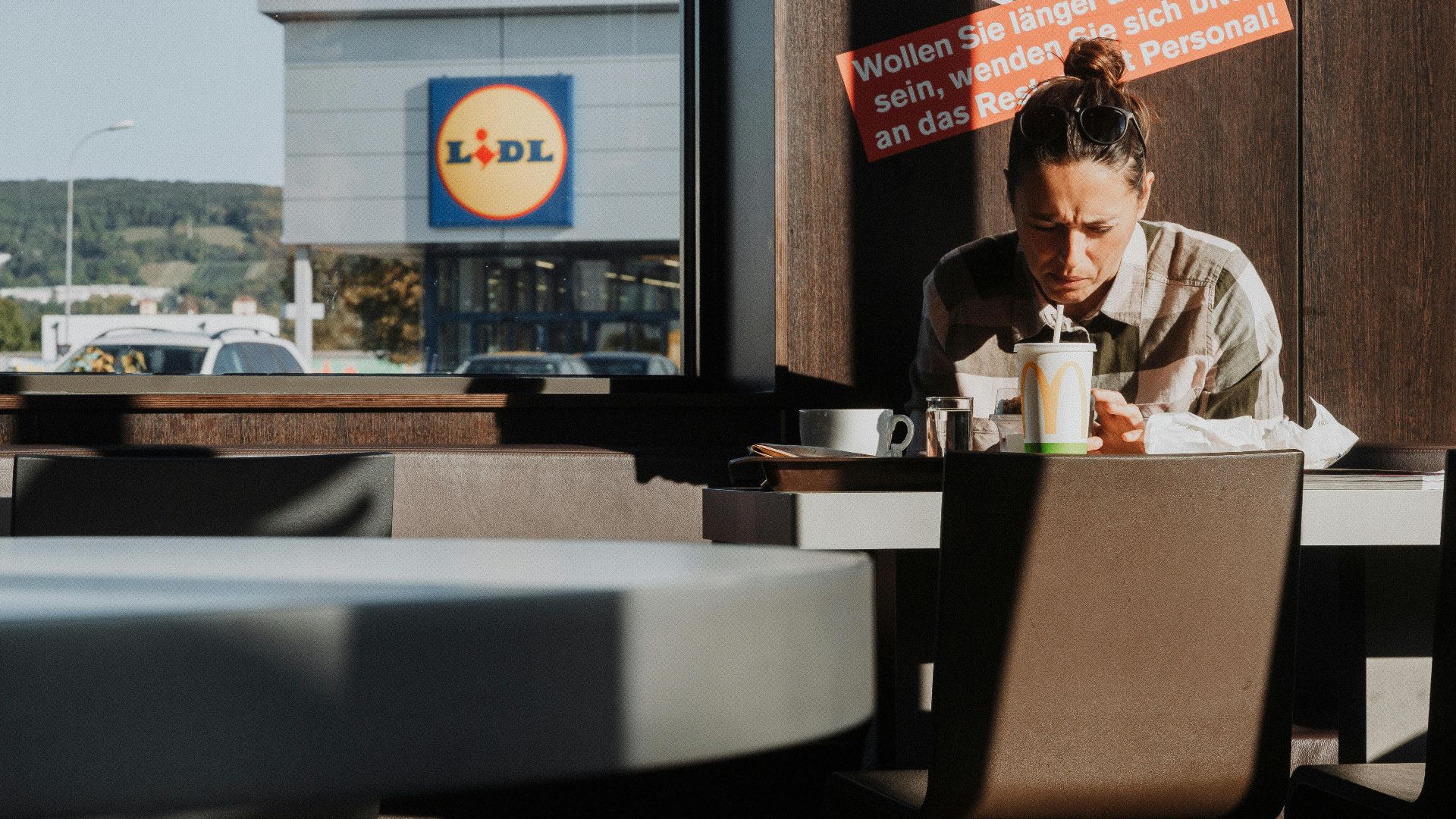
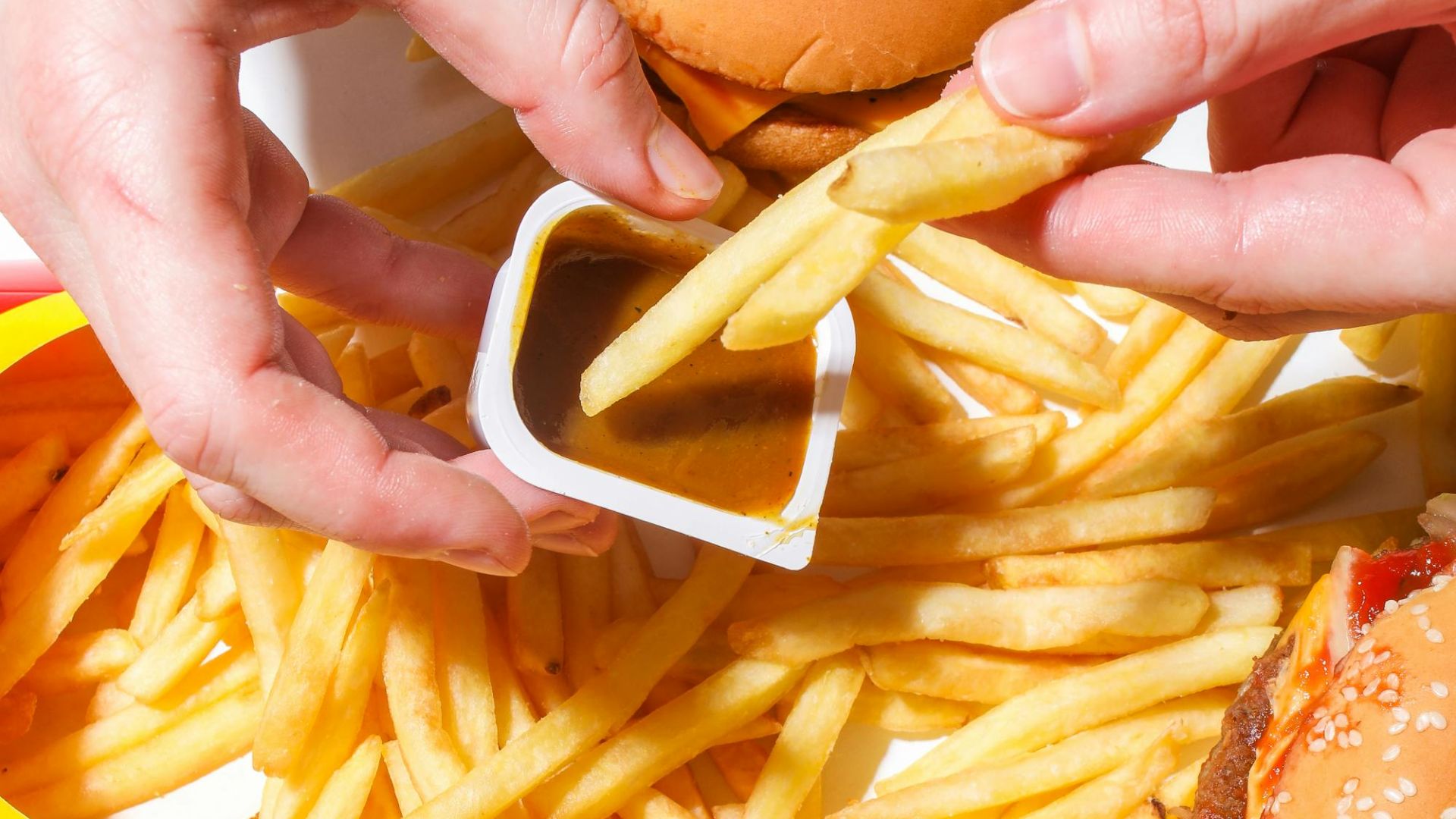
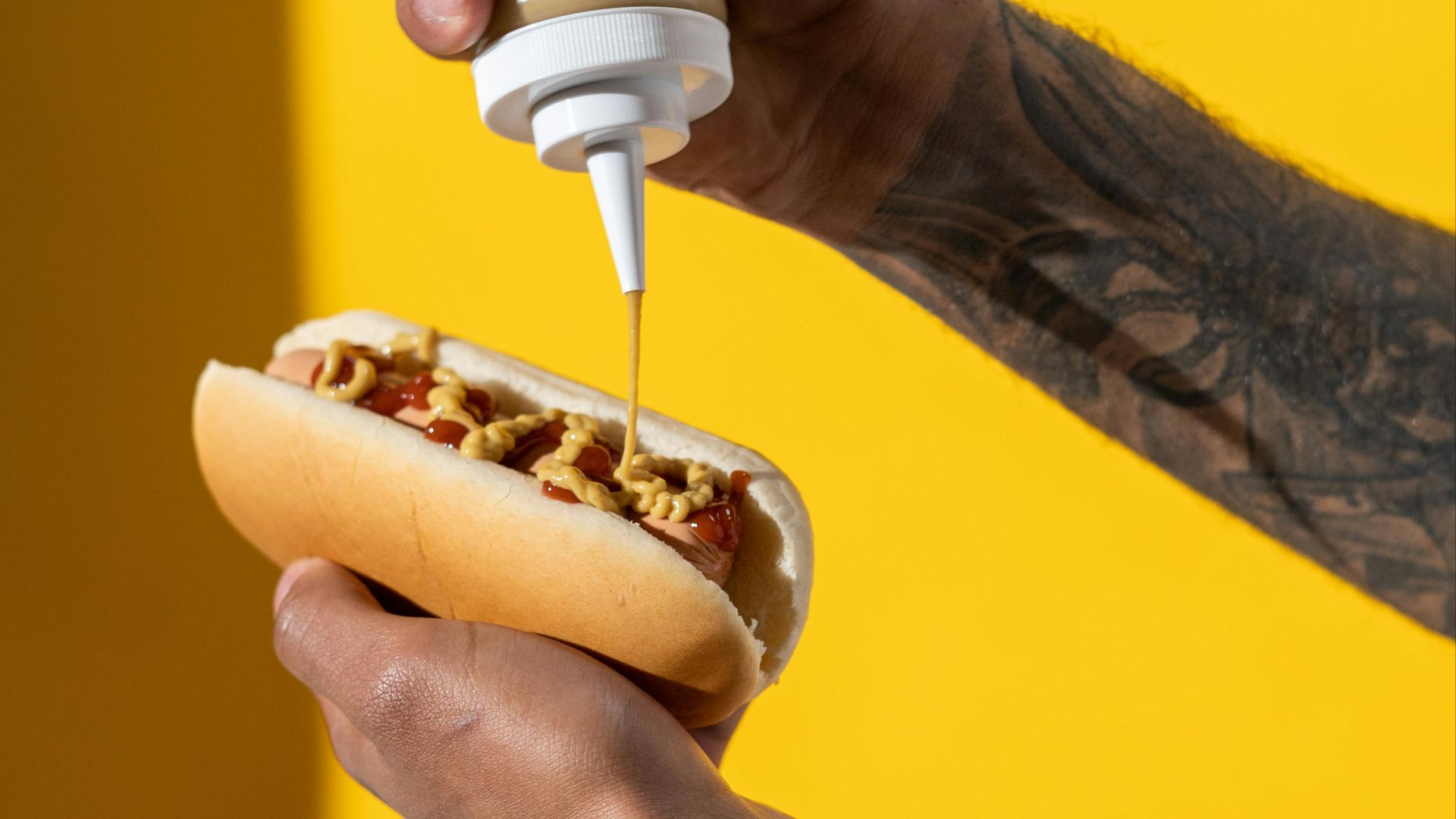
Americans love sauces, but a lot of them come built into the sandwich or served as a standard side. In Europe, you might see a bigger emphasis on paying for sauce packets or choosing from a wider variety at the counter. Some countries are famously serious about mayo-based sauces, and ketchup isn’t always the main star. You’ll probably rethink what you consider a “normal” dipping combo.
7. European Fast Food Is a Bit More “Grown-Up”
In the States, fast food is heavily marketed to families, kids, and anyone who wants comfort food fast. Europe still has kid-friendly branding, but some locations feel slightly more adult in presentation and menu styling. You might notice more espresso drinks, simpler interiors, or items that don’t scream “kids menu.”
8. Tax & Pricing Can Be Less Straightforward In The U.S.
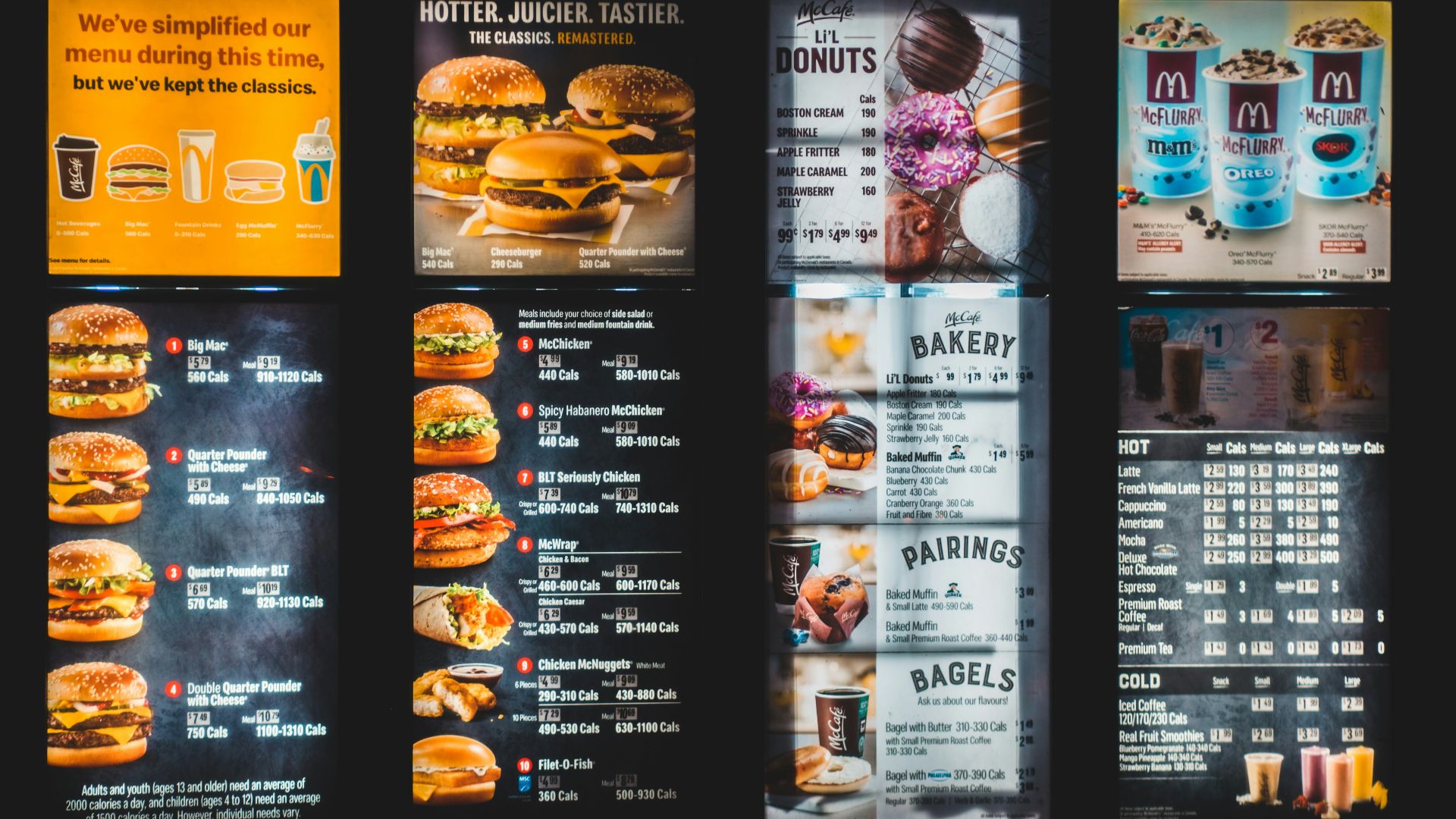
American menus often list prices before sales tax, which can make the total jump a bit at the register. In many European countries, the posted price usually includes tax, so what you see is what you pay. That doesn’t make it cheaper, but it does feel more predictable.
9. Tipping Expectations Usually Don’t Hit The Same
Fast food in the U.S. typically doesn’t involve tipping, but you’ll still see tip prompts showing up on screens more often now. That can catch you off guard when all you did was tap your card and grab a bag. In Europe, tipping at fast-food counters is generally less expected, and the payment flow usually doesn’t nudge you as much. The whole transaction can feel quicker and less awkward.

10. Bread & Buns Taste Noticeably Different
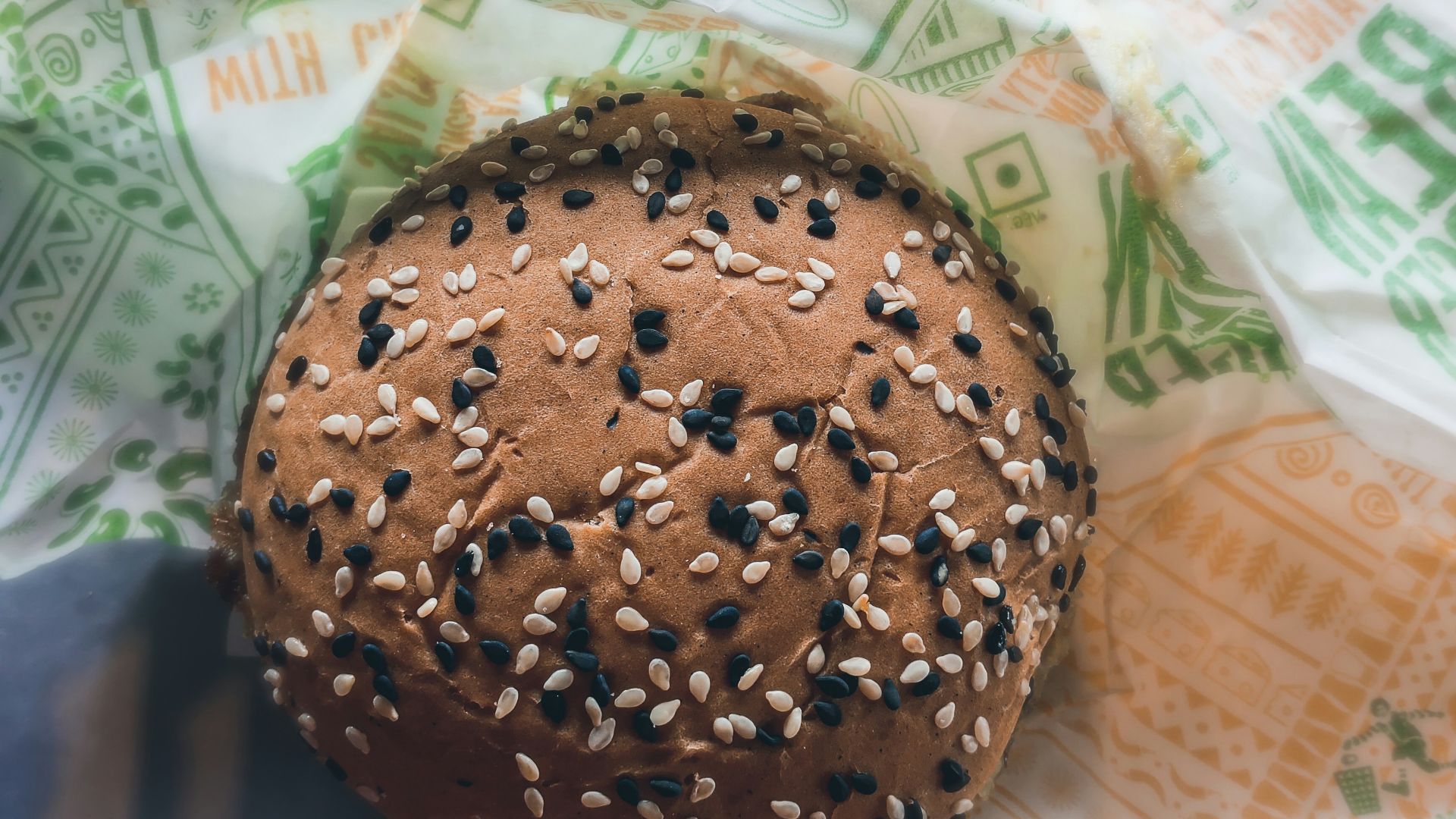
American fast-food buns often run softer and slightly sweeter, which is part of the familiar chain taste. In Europe, bread can feel firmer, less sweet, and sometimes closer to bakery-style rolls depending on the country. Even when it’s the same chain, the bite can feel different. If you’re picky about texture, you’ll notice this one immediately.
11. Breakfast Isn’t Treated The Same In Europe
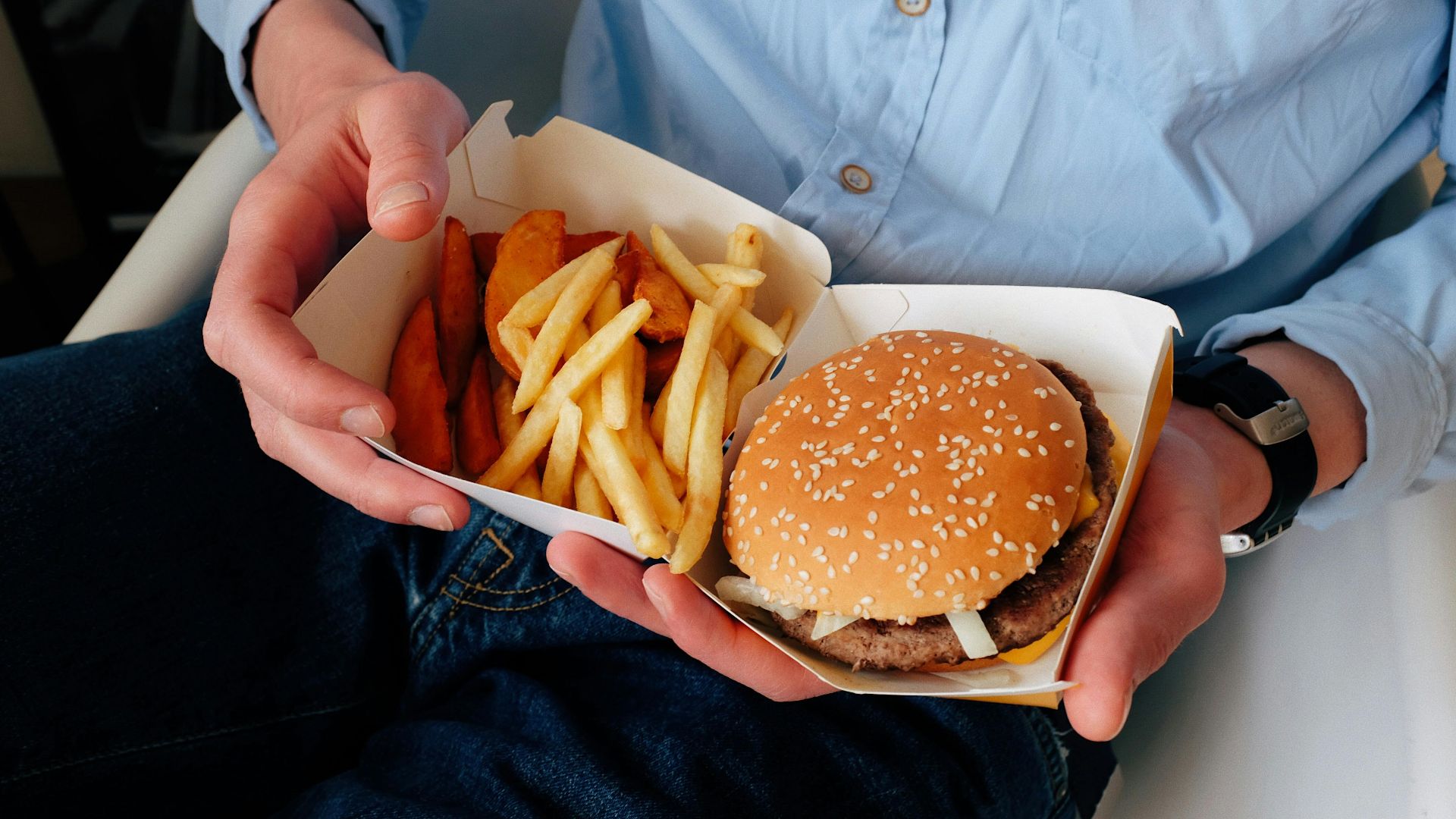
In the U.S., breakfast is one of the busiest times of day for fast food restaurants, with full menus and loyal customers who treat it like a daily ritual. Many European countries have breakfast traditions that don’t revolve around a drive-thru sandwich and hash browns as they're more likely to have their breakfast at home. Some chains offer breakfast options, but they may be limited, shorter in hours, or less emphasized.
12. You’ll See More Emphasis On Coffee In A Lot Of Europe
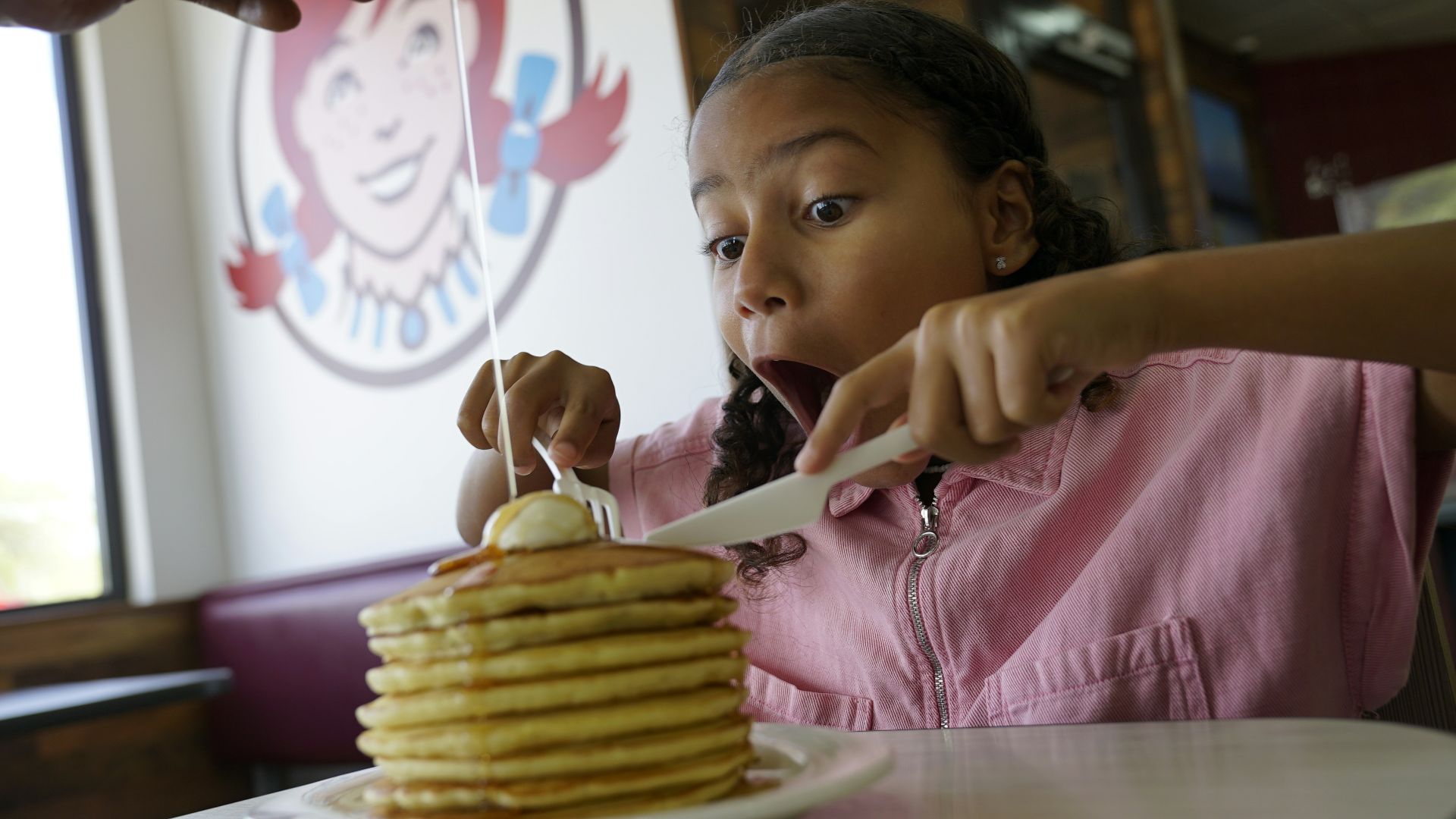
American fast food does coffee, but it’s often treated as an add-on unless the chain is built around it. In Europe, coffee culture is stronger overall, so fast-food spots may offer better espresso-based options or take coffee more seriously. People also tend to drink coffee differently, with smaller servings and less sugar and flavorings.
13. Seating & Layout Can Feel More Compact
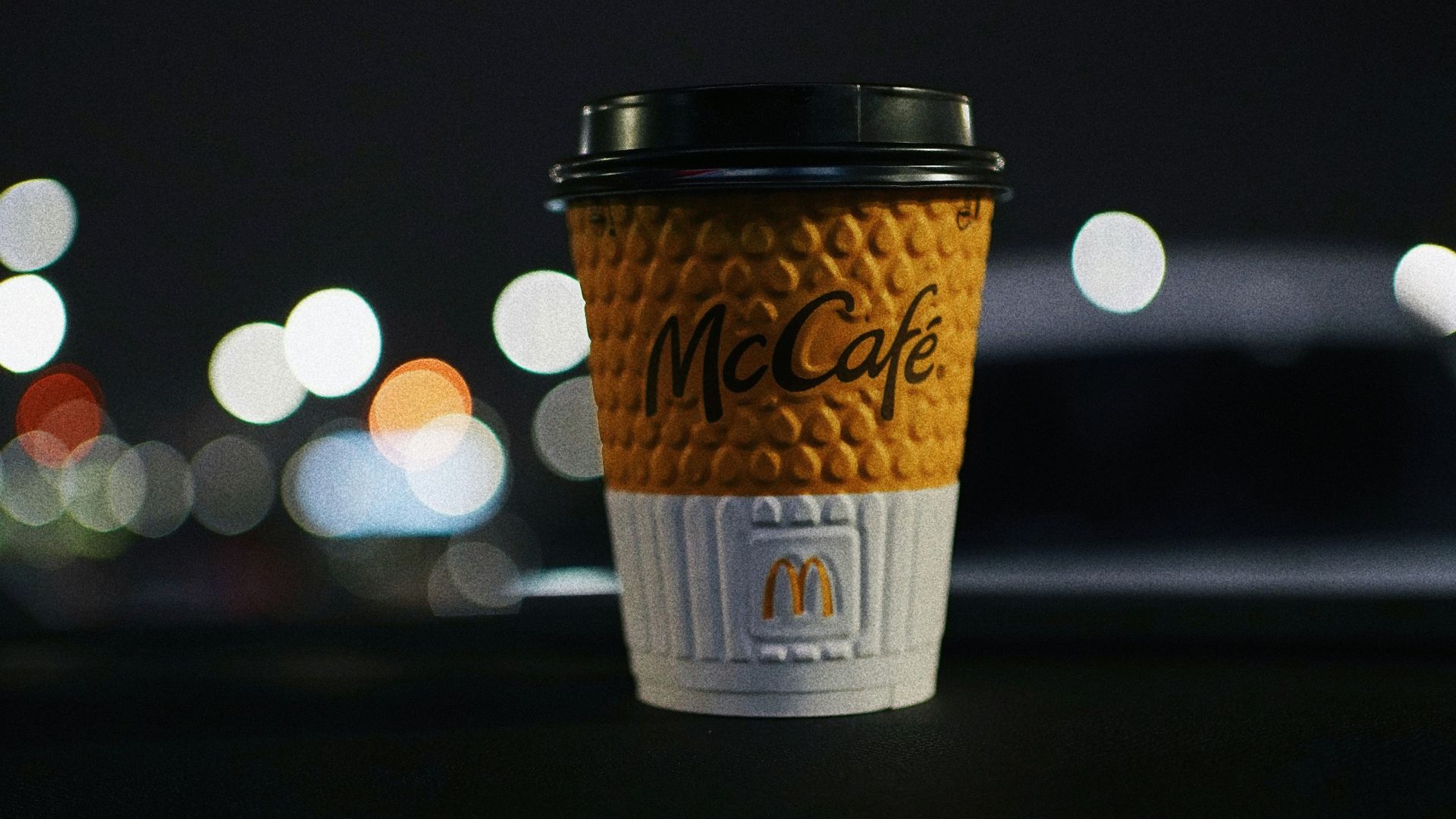
Many American fast-food locations are designed with lots of seating, wide aisles, and space for groups. In Europe, urban locations are common, and real estate can be tighter, so dining rooms may be smaller. You might see more narrow seating, fewer booths, or a layout built for quick turnover. It can feel cozy, but it’s not always super comfortable for lingering.
14. European Fast Food Often Has More Vegetarian Options
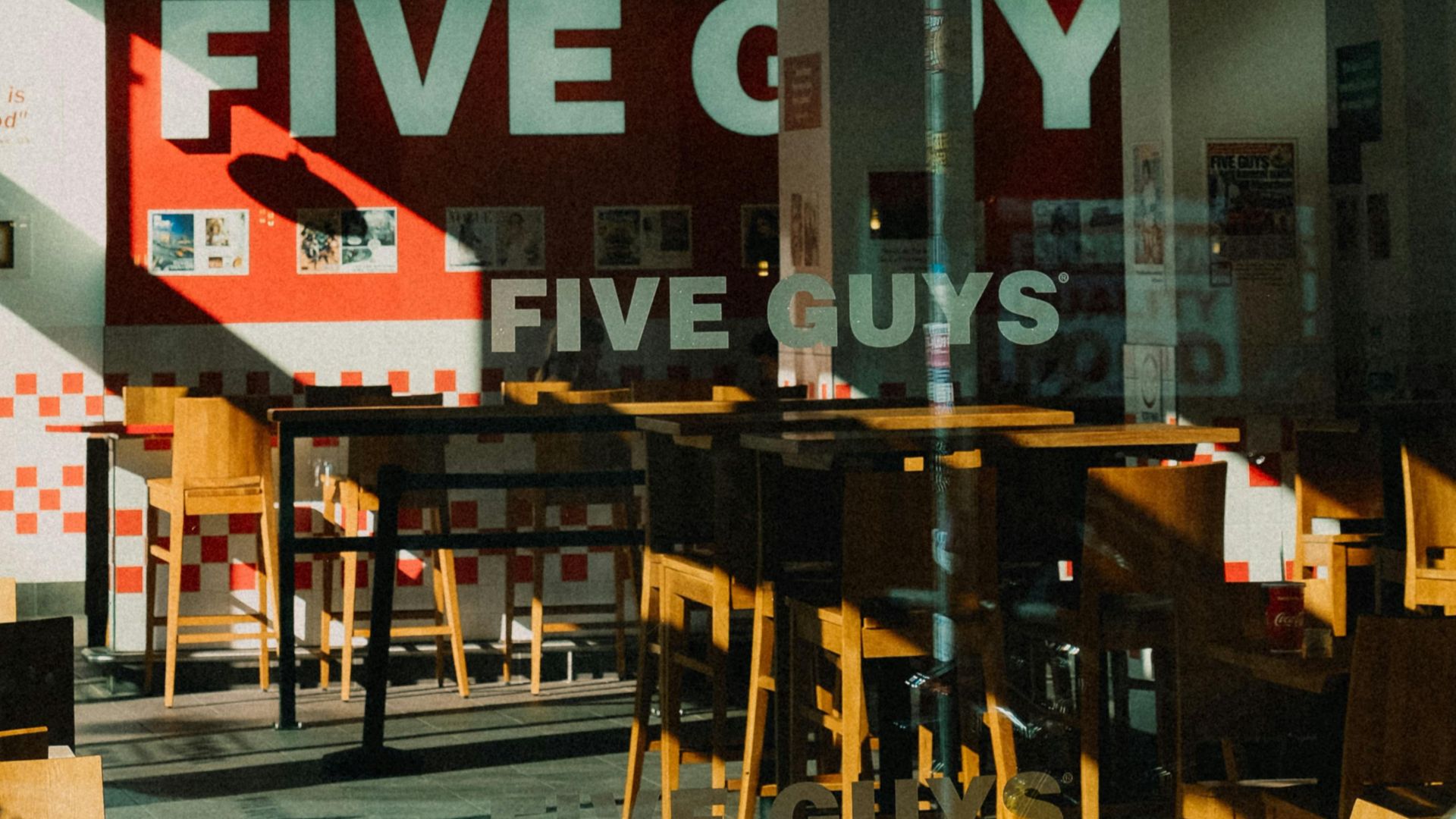
The U.S. has improved a lot, but vegetarian choices can still feel inconsistent depending on the chain and location. In many European markets, you’ll find more clearly labeled vegetarian items and more menu variety built around them. Some countries also have cultural habits that make meatless options more mainstream. If you don’t eat meat, ordering can feel less like a negotiation.
15. Soft Drinks Don’t Always Dominate The Meal In Europe
In America, a soda with your combo is almost automatic, and the menu design pushes you in that direction. In Europe, you’ll see more people choosing water, sparkling water, or smaller bottled drinks. The drink sizes can also be more modest, which changes the whole meal feel. You might even find yourself skipping a drink entirely if it’s priced separately.

16. The Condiment Setup Can Be More Controlled
American fast-food spots often have a self-serve area with napkins, ketchup, and sometimes extra toppings. In Europe, condiments may be kept behind the counter more often, or you’ll be given exactly what you ask for. That can make the dining room look cleaner, but it also means you can’t always grab five extra packets without a moment of shame.
17. Desserts & Baked Items Play a Bigger Role In Europe
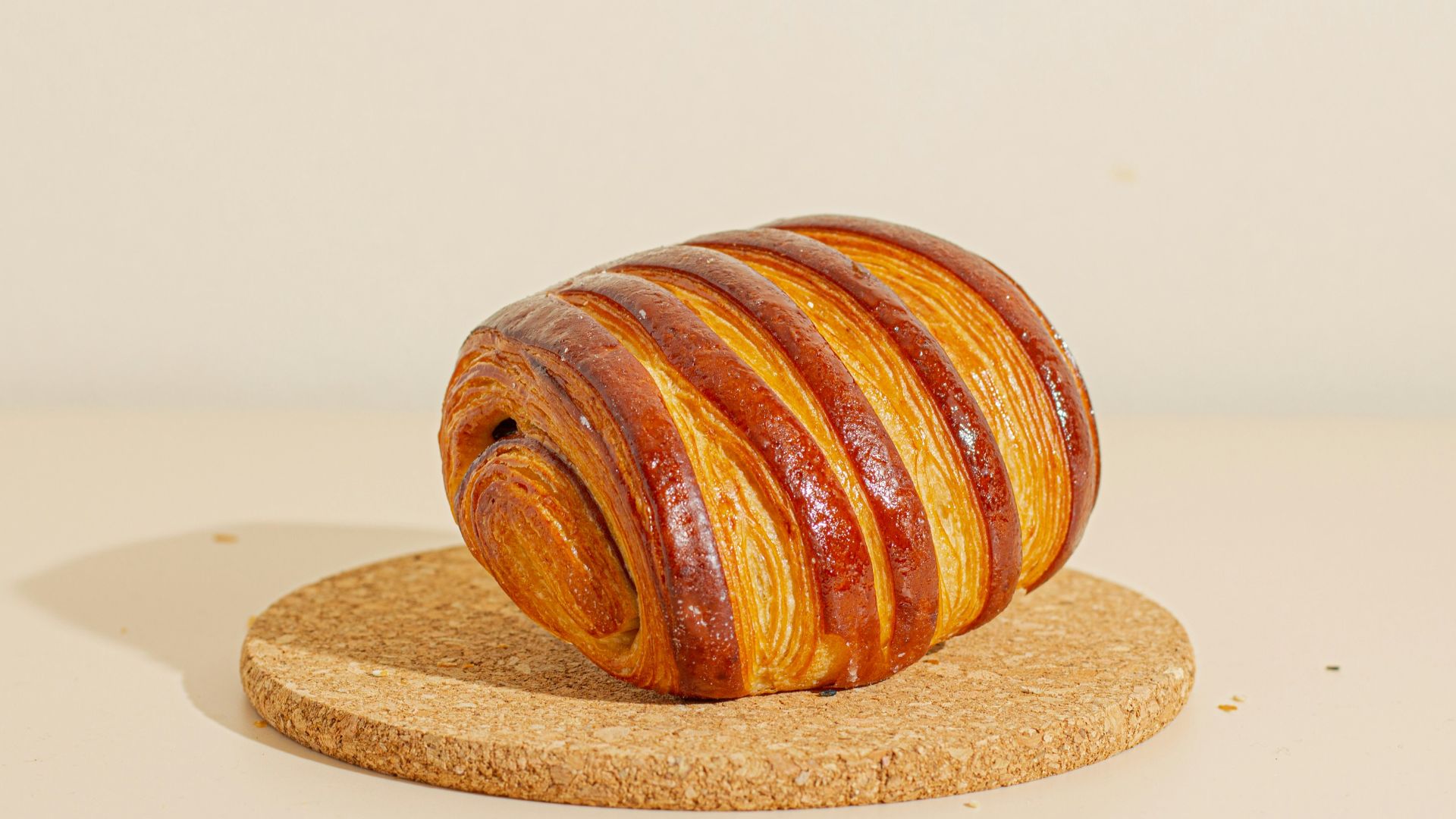
In the U.S., dessert usually means a milkshake, a pie, or a cookie, and it’s often treated as optional. Across Europe, many fast-food locations lean into pastries, baked treats, and café-style sweets more heavily. Things like danishes, almond croissants, and regional favorites, like pastel de nata and macarons adorn the menu and often even come as part of a meal combo.
18. Late-Night Availability Varies More Than You’d Expect
In many American cities, you can find fast food late into the night, and for many people, it's their go-to after a night out. Europe can be hit-or-miss depending on local culture and regulations, with some places closing earlier than you’d assume. Big cities still have late-night options, but smaller towns may shut down fast.
19. European Locations Feel More Like “Real Restaurants”
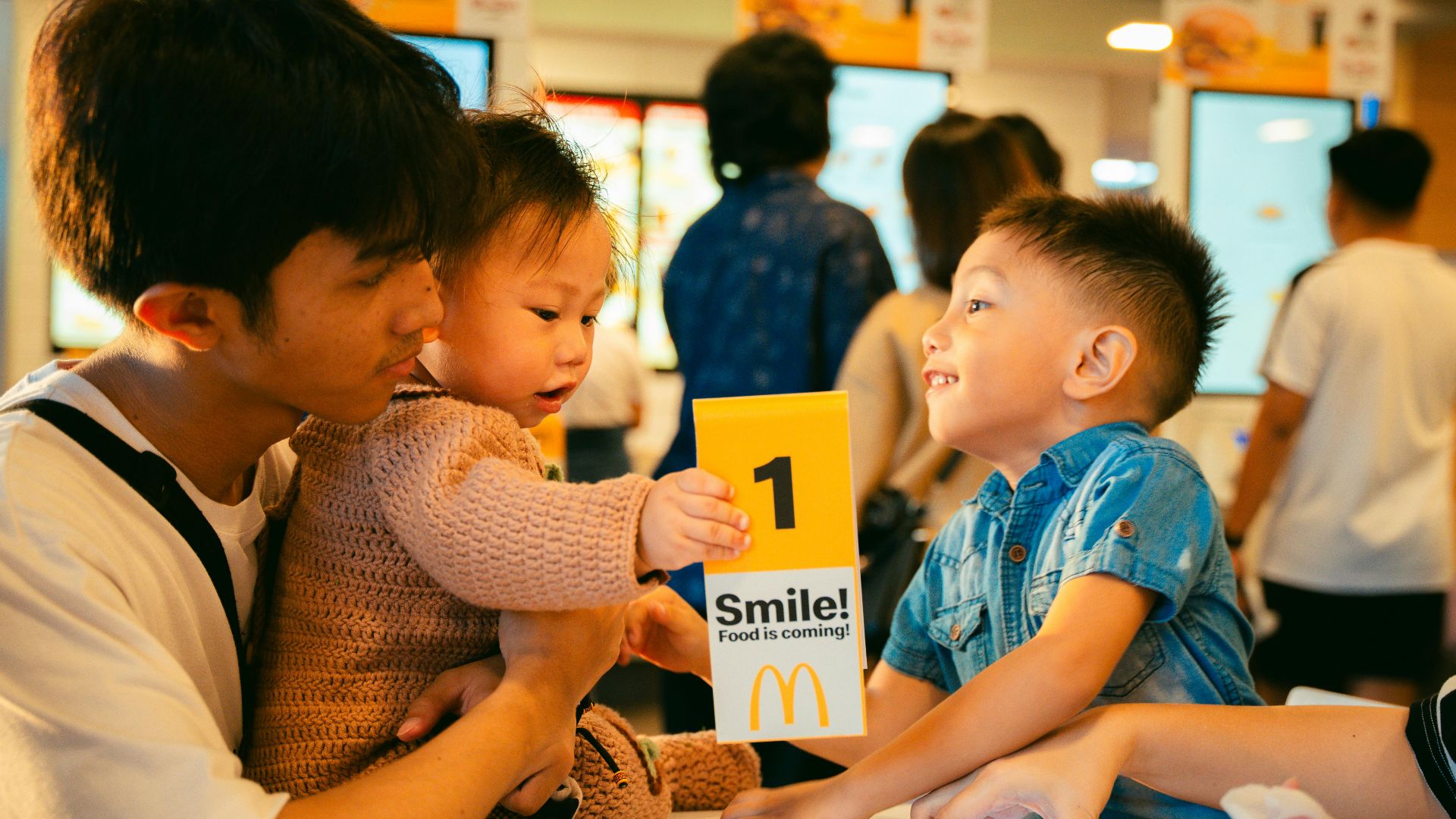
American fast food is built around speed and efficiency, and the dining area can feel like an afterthought. In parts of Europe, some locations put more effort into interior design, seating comfort, and even table service for certain formats. You may find ordering kiosks paired with staff who bring food to your table. It’s still fast food, but the experience can feel slightly more polished.
20. The Overall Pace Can Be Different
In the U.S., the expectation is that your food will be ready fast, and the whole process is optimized for quick movement. European fast food can still be speedy, but the rhythm sometimes feels less rushed, especially when people choose to sit and eat. If you’re in a hurry, it’s worth remembering that “fast” can mean different things in different places.