20 Facts About Cheese That Everyone in France Just Grows Up Knowing
There’s More to Cheese Than Picking a Favorite
French children aren’t handed an official cheese encyclopedia, but many grow up absorbing the basics simply because it's such an integral part of their culture. They learn that cheese has its own course, that cutting a wedge incorrectly may attract immediate criticism, and that a powerful smell doesn’t necessarily mean something has gone wrong. Regional identity, milk type, ripeness, and proper storage all matter, even when nobody pauses to explain why. Here are 20 cheese facts that French people seem to be born knowing.
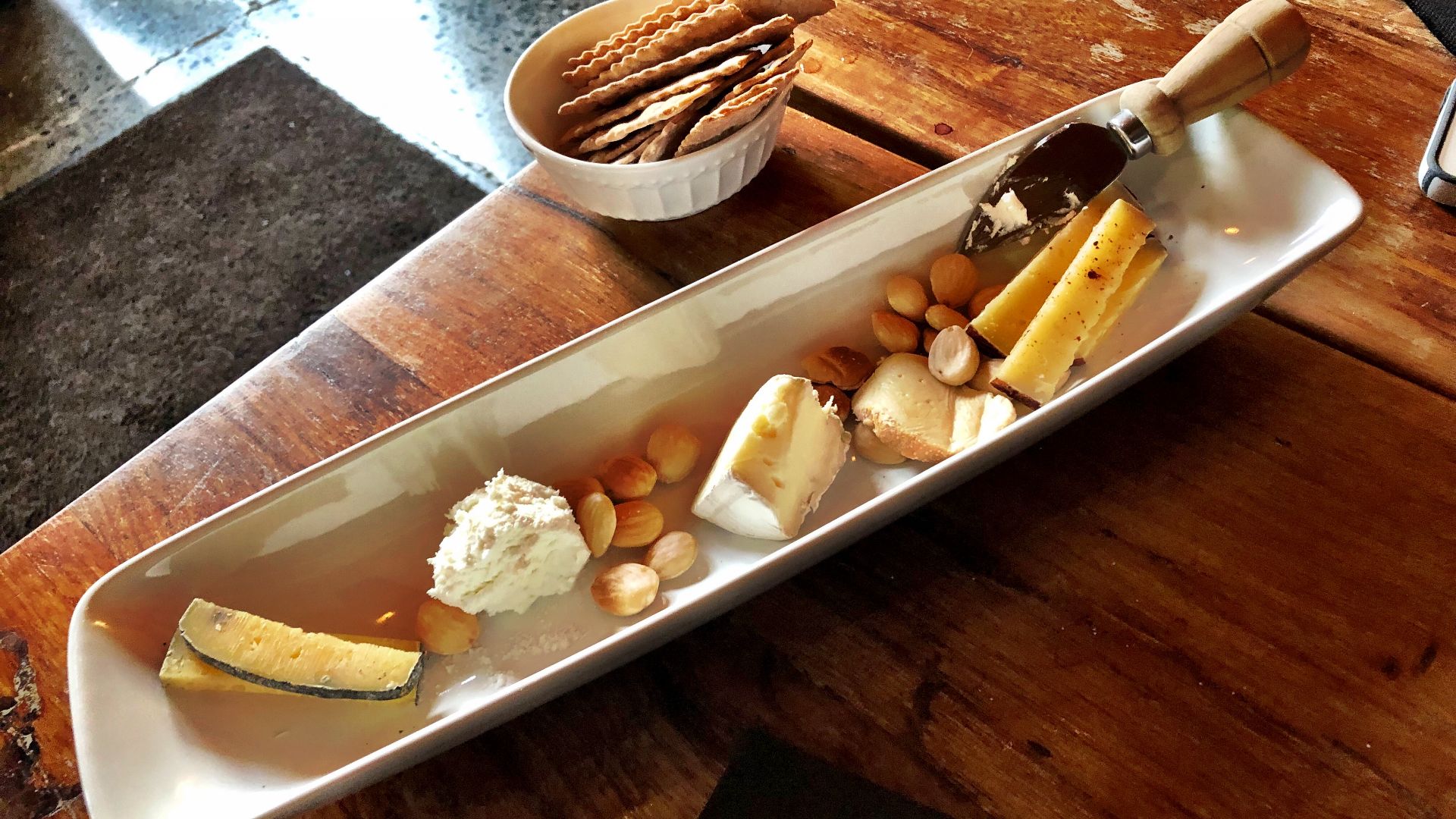
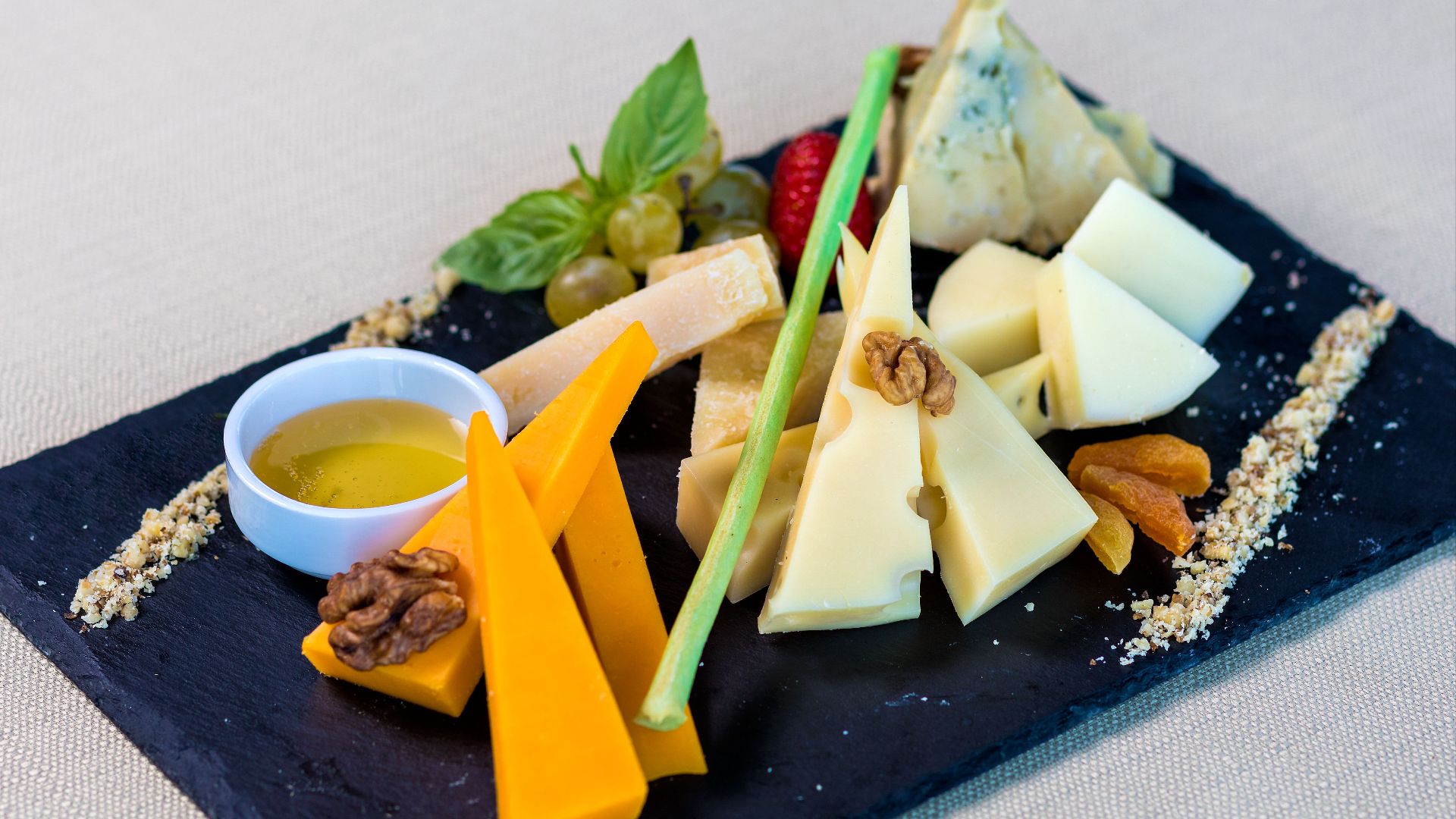
1. Cheese Comes Before Dessert
At a traditional French meal, the cheese course appears after the main dish and before anything sweet. It isn’t usually treated as an appetizer or casually added beside the dessert plate. By the time you’re old enough to serve yourself, the order already feels perfectly normal.
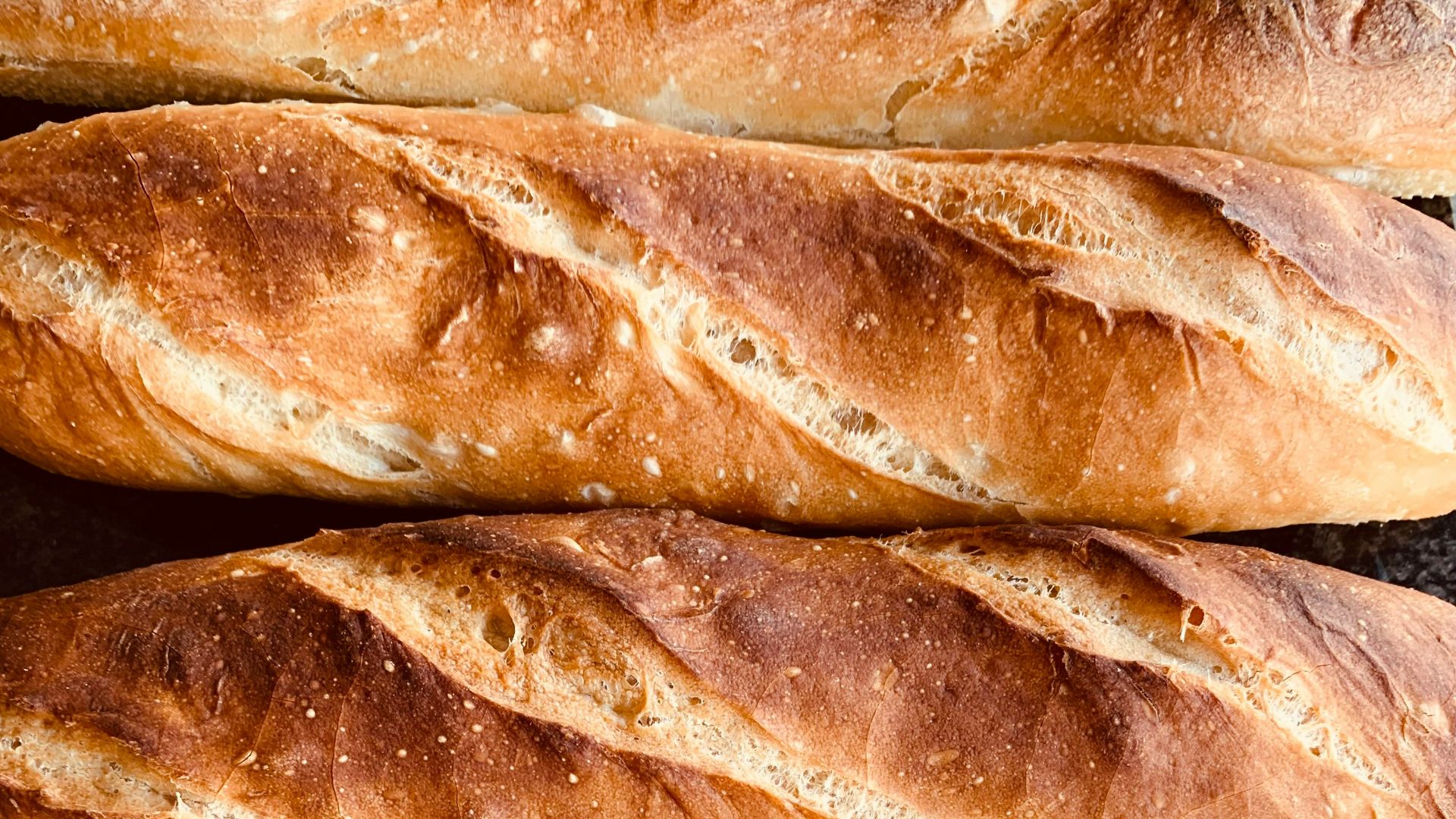
2. Bread Is the Usual Partner
French cheese generally arrives with bread rather than a pile of flavored crackers. A piece of baguette or country loaf supports the cheese without competing with its texture and flavor. The bread is there to accompany each bite, not turn the plate into a fully loaded snack tray.
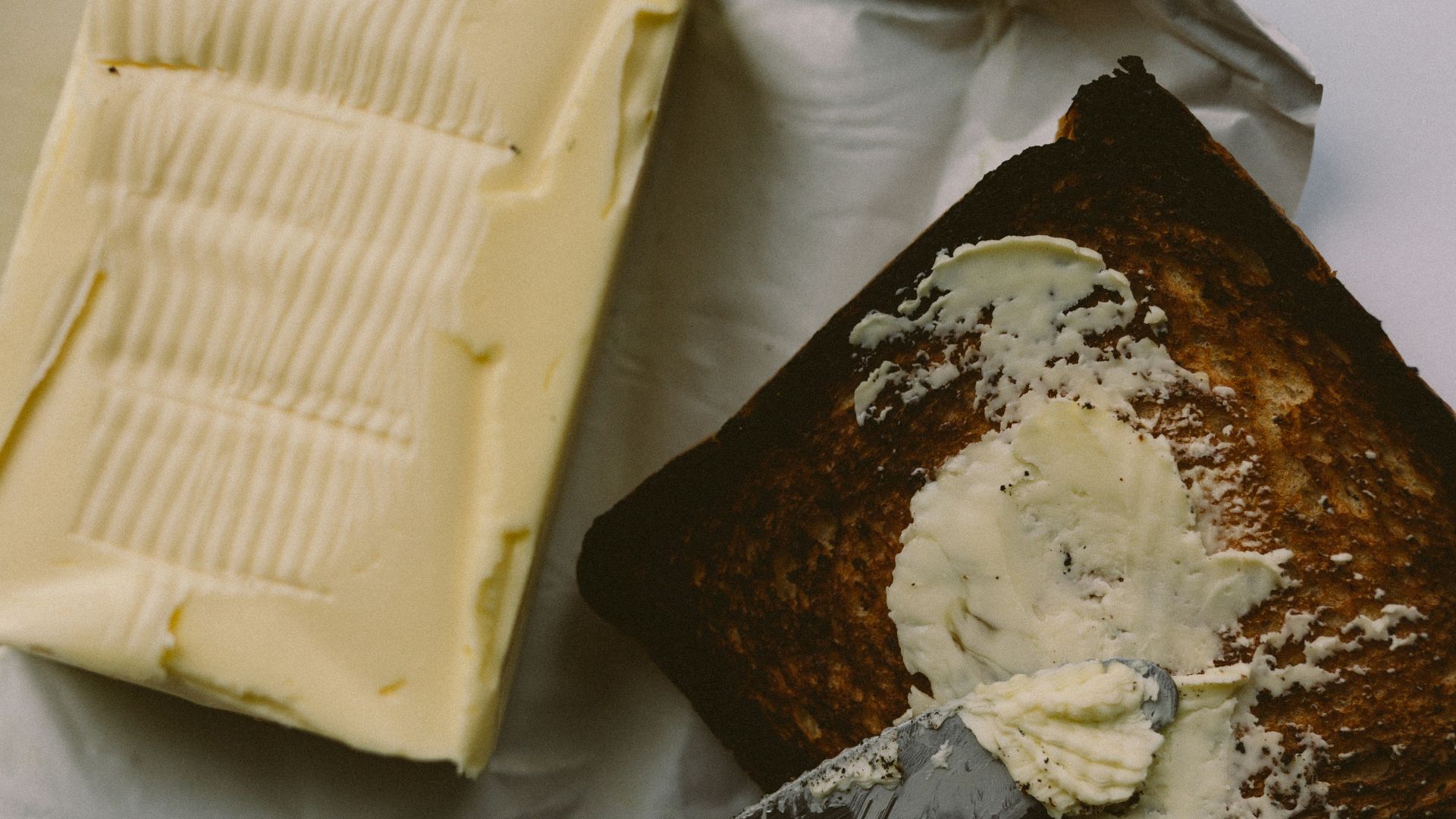
3. You Don’t Butter the Bread First
Bread and butter may be welcome elsewhere in the meal, but adding butter beneath a rich piece of cheese is often unnecessary.
The cheese already supplies plenty of fat, flavor, and creaminess on its own. Nobody will call the police, but you may receive a puzzled look from across the table.
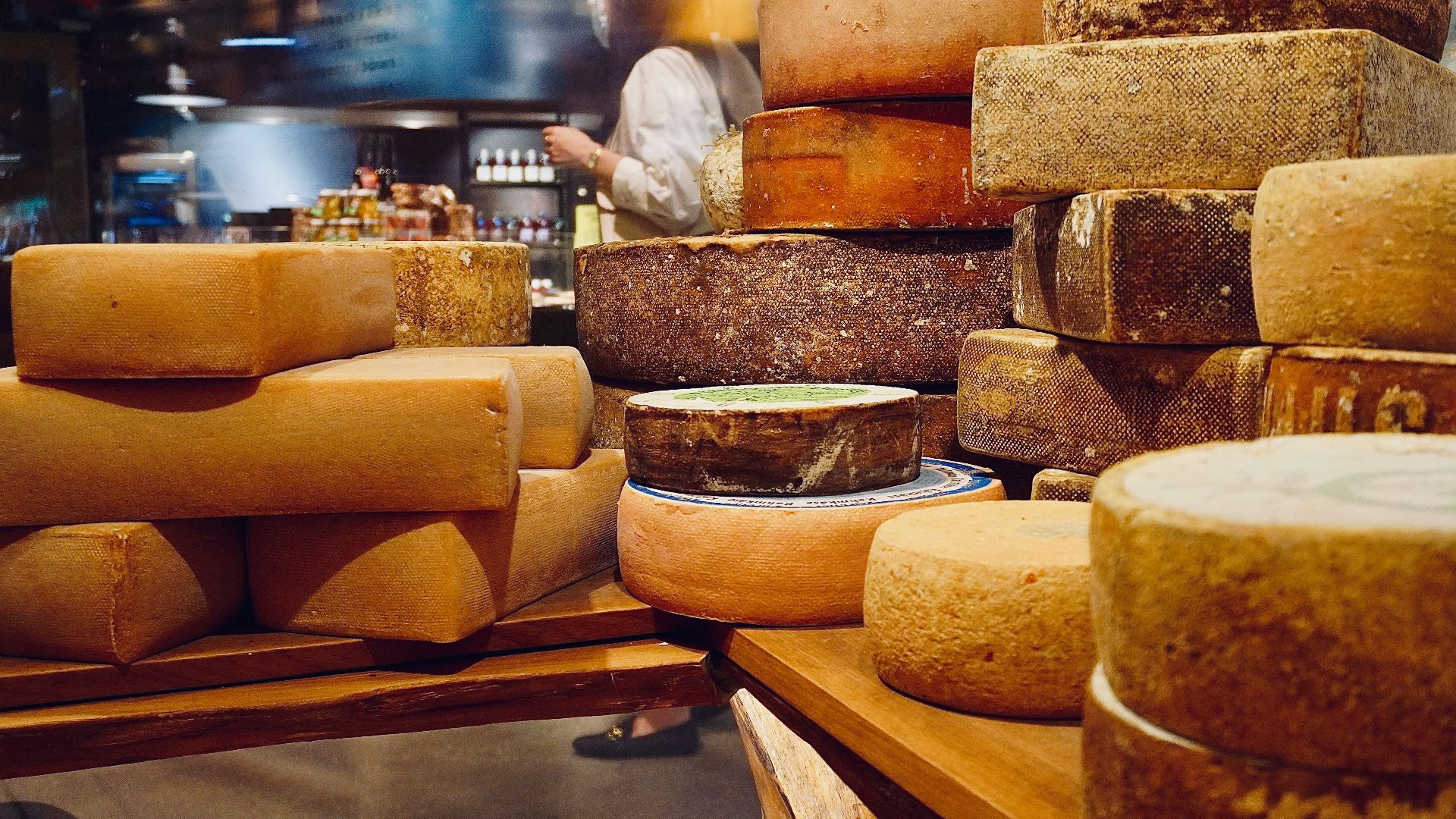
4. Cheese Tastes Better When It's Room Temperature
Taking cheese directly from the refrigerator and serving it immediately can mute its aroma and make the texture firmer than intended. Allowing it to warm slightly helps softer varieties become creamier and brings out more flavor. Giving it a little time out on the counter before cutting into it can make a world of difference.
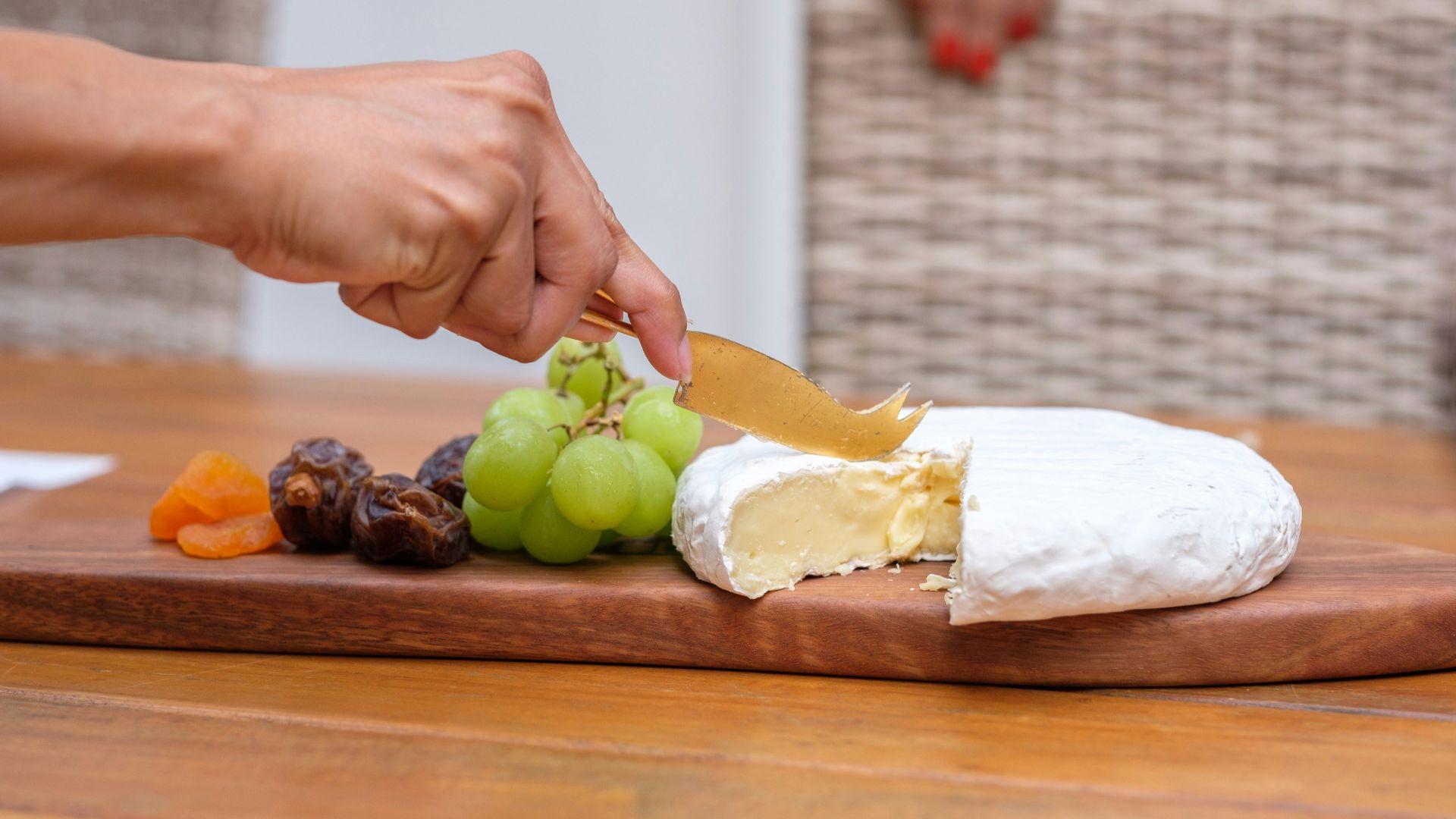
5. Every Shape Has Its Own Cutting Method
A round Camembert, a long goat cheese, and a triangular wedge shouldn’t all be sliced in the same direction. The goal is to divide the rind and center fairly so everyone receives a good piece. Nobody wants to get only the driest or ripest section.
6. Cutting Off the Nose Is Bad Form
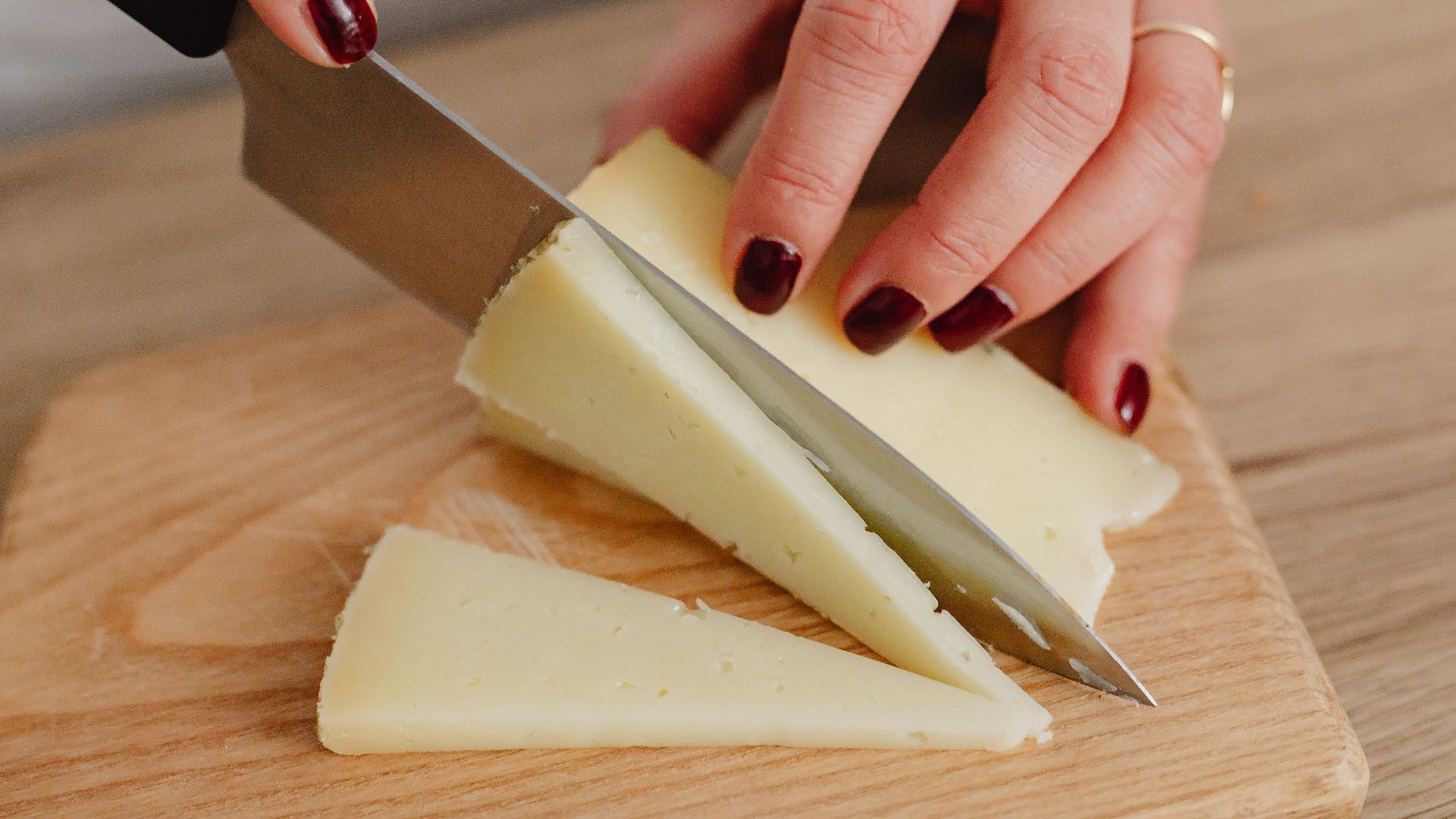
The pointed tip of a wedge often contains the most mature and flavorful part of the cheese. Slicing it straight off leaves everyone else with pieces that contain less of the center. A better cut runs along the side so each person receives a fair share from tip to rind.
 https://kaboompics.com/ on Pexels
7. The Rind Isn’t Automatically Waste
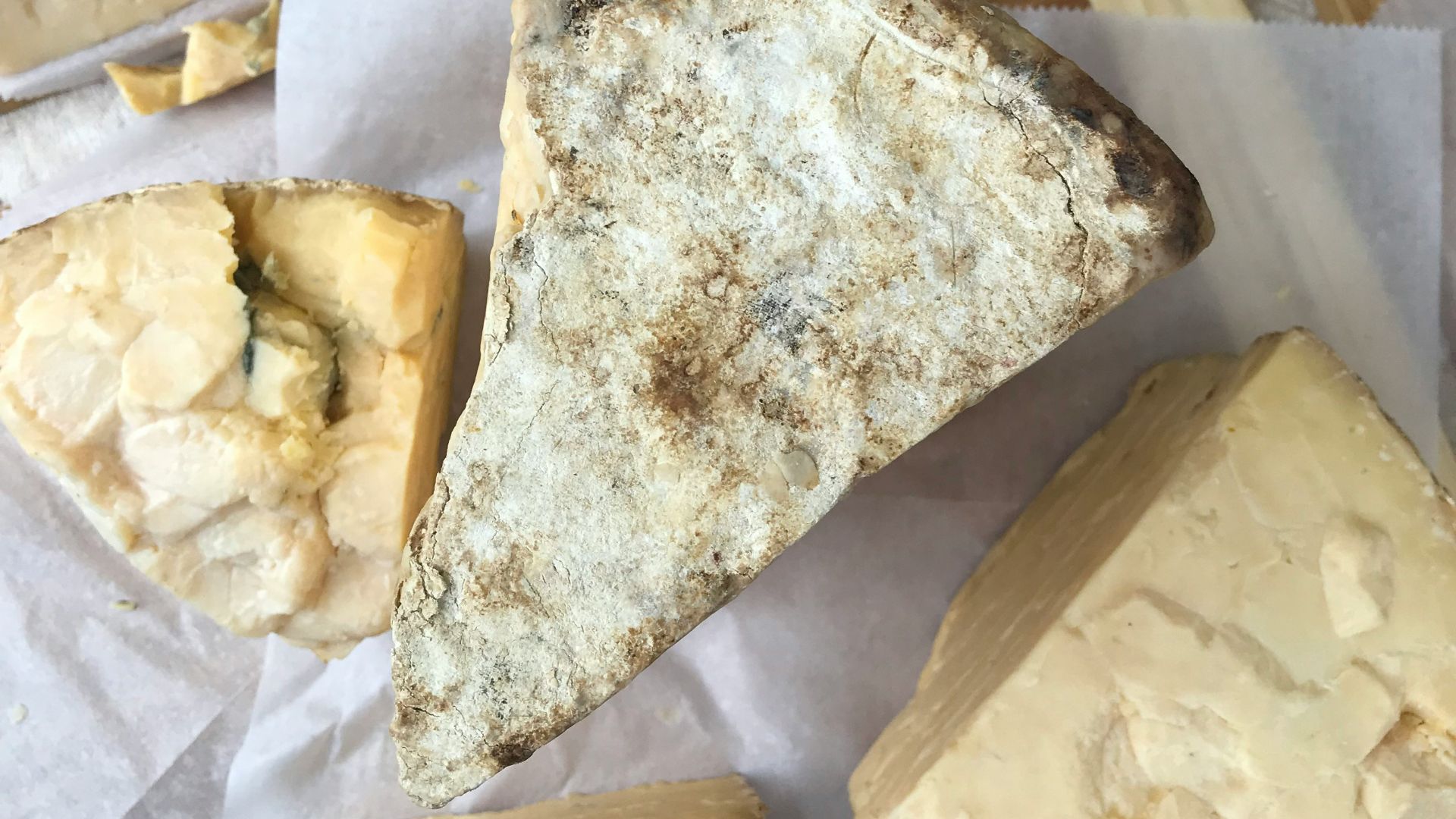
Many cheese rinds are meant to be eaten, and many of them actually add a lot of flavor, particularly the soft white coating on Brie and Camembert.
Washed and natural rinds may also be edible, although personal preference still matters. Wax, cloth, and other artificial coverings obviously belong beside the plate rather than in your mouth.
 Rebecca Orlov | Epic Playdate on Unsplash
8. Mold Can Be Exactly What You Want
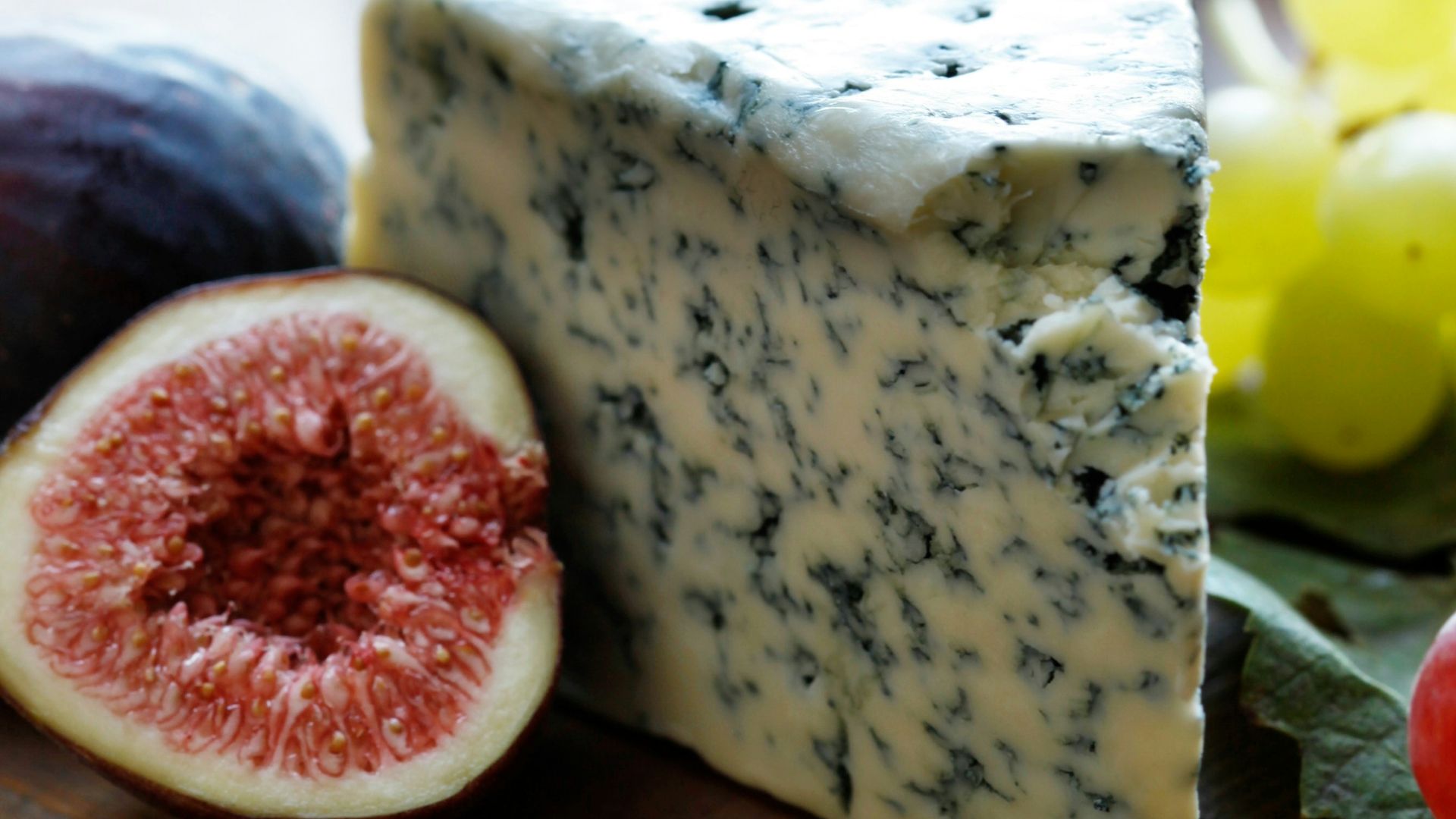
Blue veins in Roquefort or Bleu d’Auvergne aren’t signs that the cheese was forgotten at the back of the refrigerator. Carefully managed molds help create the flavor, aroma, and texture that define these cheeses. Of course, unexpected fuzzy growth on a fresh cheese is a different conversation entirely.
9. A Strong Smell Doesn’t Mean a Bad Cheese
Some washed-rind cheeses produce aromas powerful enough to fill a room before the wrapping is fully opened. Their flavor may be far milder and creamier than the smell suggests. Anyone who judges French cheese entirely with their nose will miss several excellent options.
10. The Type of Milk Changes Everything
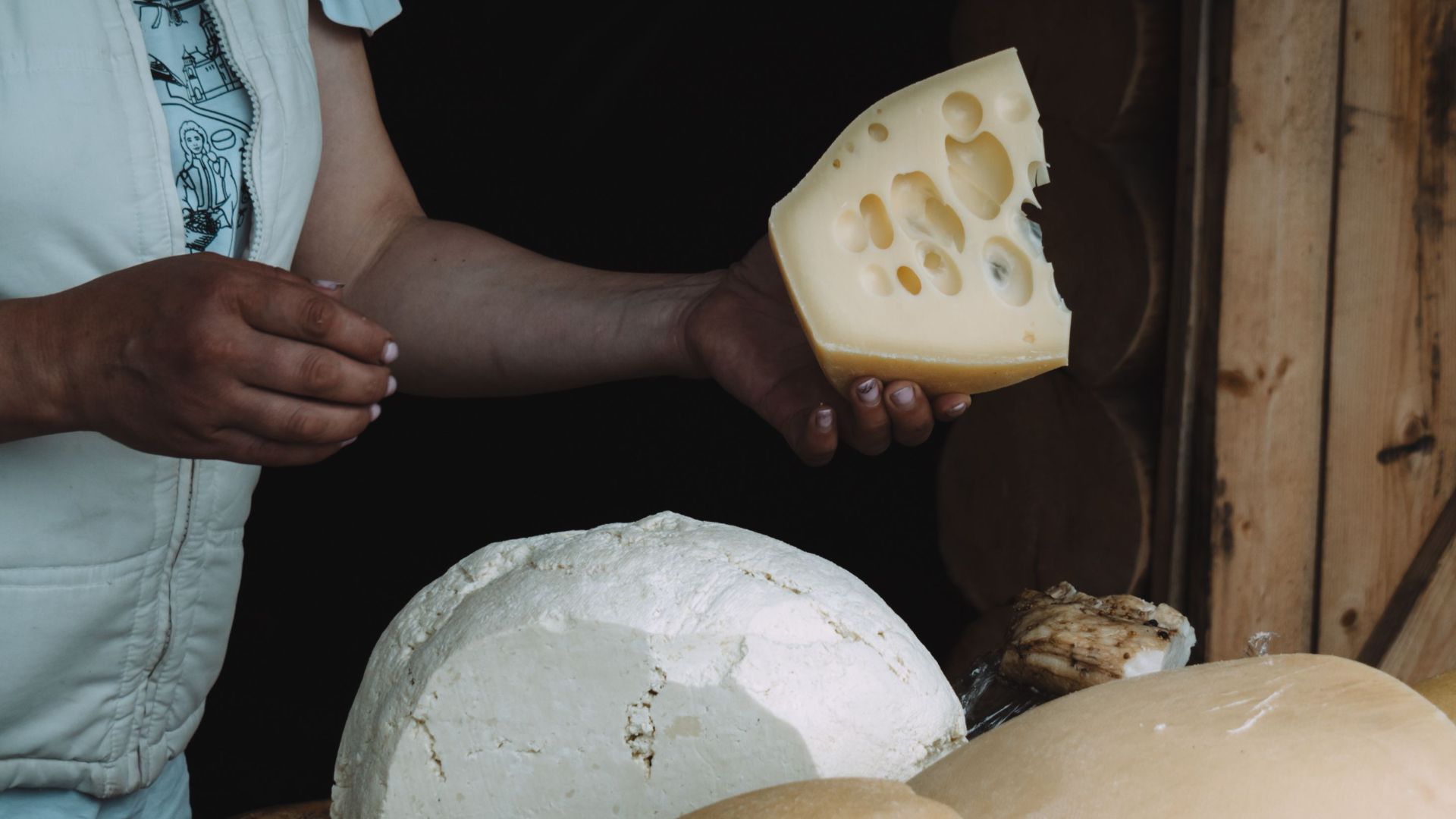
Cow’s, goat’s, and sheep’s milk produce noticeably different cheeses. Goat cheese often has a bright, tangy character, while sheep’s milk can create especially rich and distinctive varieties such as Roquefort. The animal matters, but its breed, feed, location, and the cheesemaking method influence the final result too.
 Farhad Ibrahimzade on Unsplash
11. Goat Cheese Isn’t One Single Style
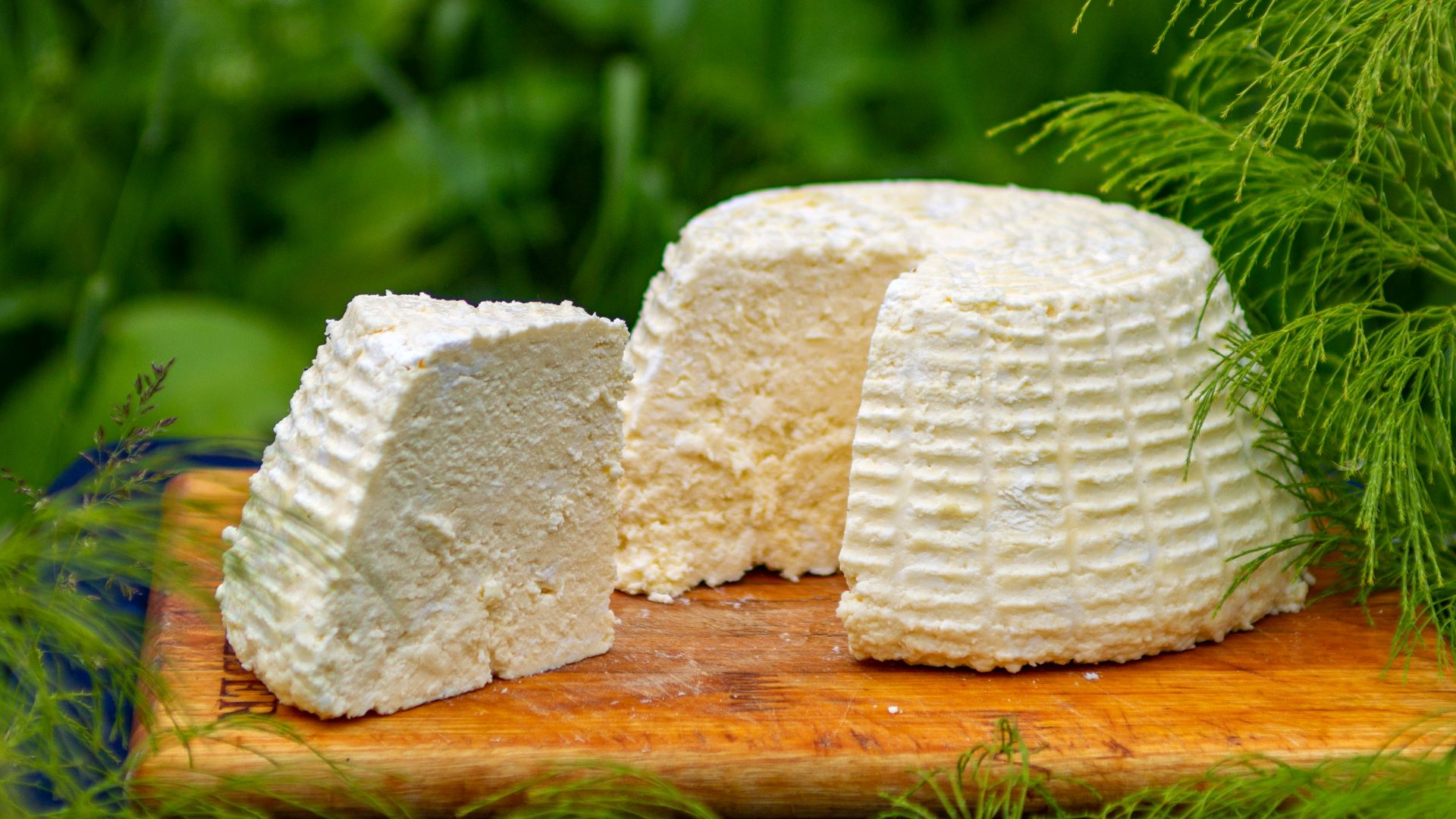
Calling something “goat cheese” tells you far less than many people assume. It may be fresh and spreadable, shaped into a small log, coated in ash, wrinkled on the outside, or aged until it becomes firm and intense.
In France, the category includes many regional cheeses rather than one predictable white product.
 Aleksey Melkomukov on Unsplash
12. Raw-Milk Cheese Is Perfectly Normal
Plenty of celebrated French cheeses are made with unpasteurized milk, which can help preserve a complex community of microorganisms and regional flavors. In fact, roughly three-quarters of French AOP cheese production was made from raw milk in 2023. Raw milk isn’t simply a marketing phrase, although certain people, including pregnant women and those with weakened immune systems, may be advised to avoid some raw-milk products.
13. Pasteurized Doesn’t Automatically Mean Inferior
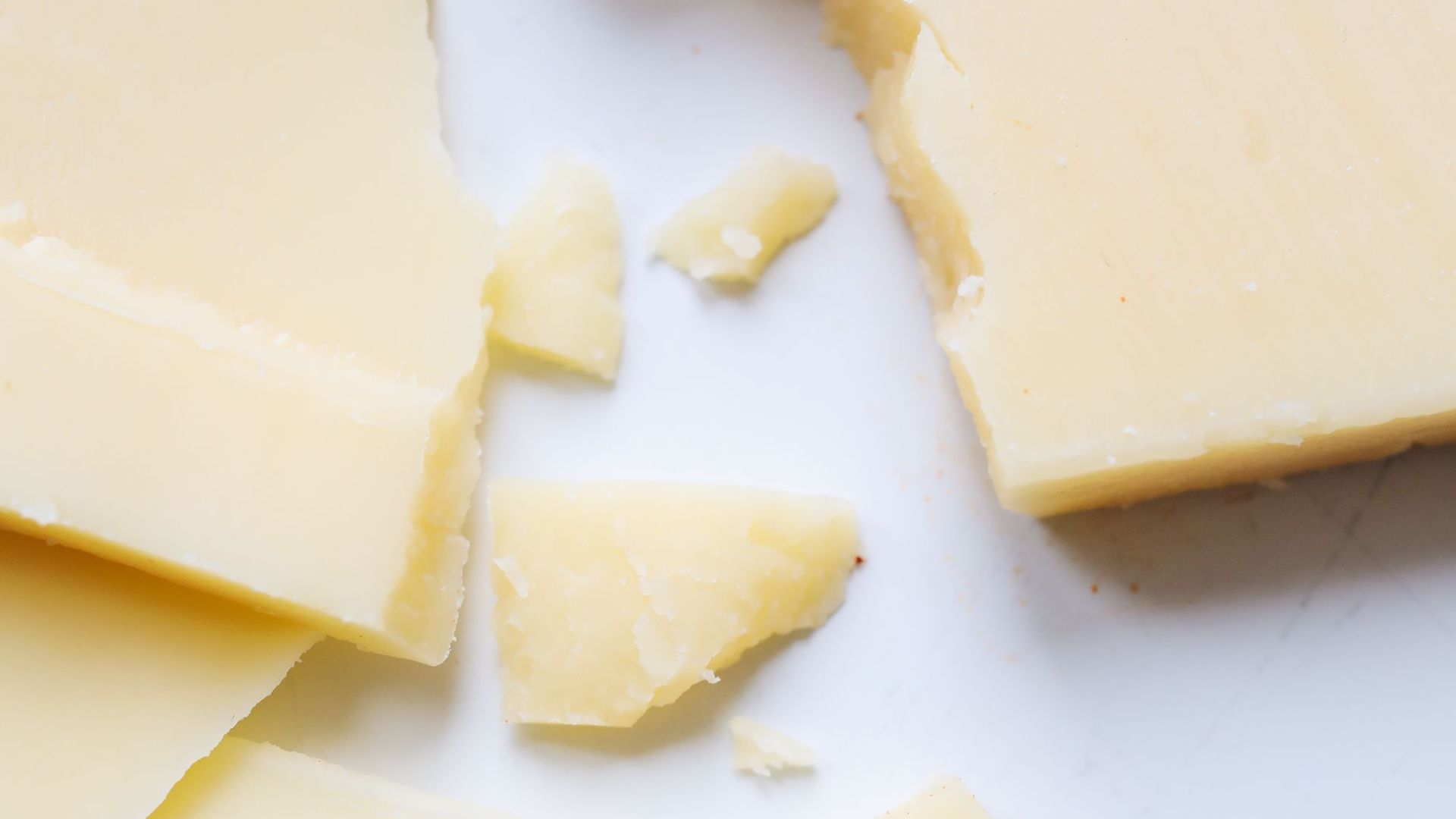
Raw-milk cheese inspires passionate loyalty, but pasteurization alone doesn’t determine whether a cheese is good. Skillful production, milk quality, aging, and storage still make an enormous difference. France produces worthwhile examples in both categories, even if the debate can become lively at dinner.
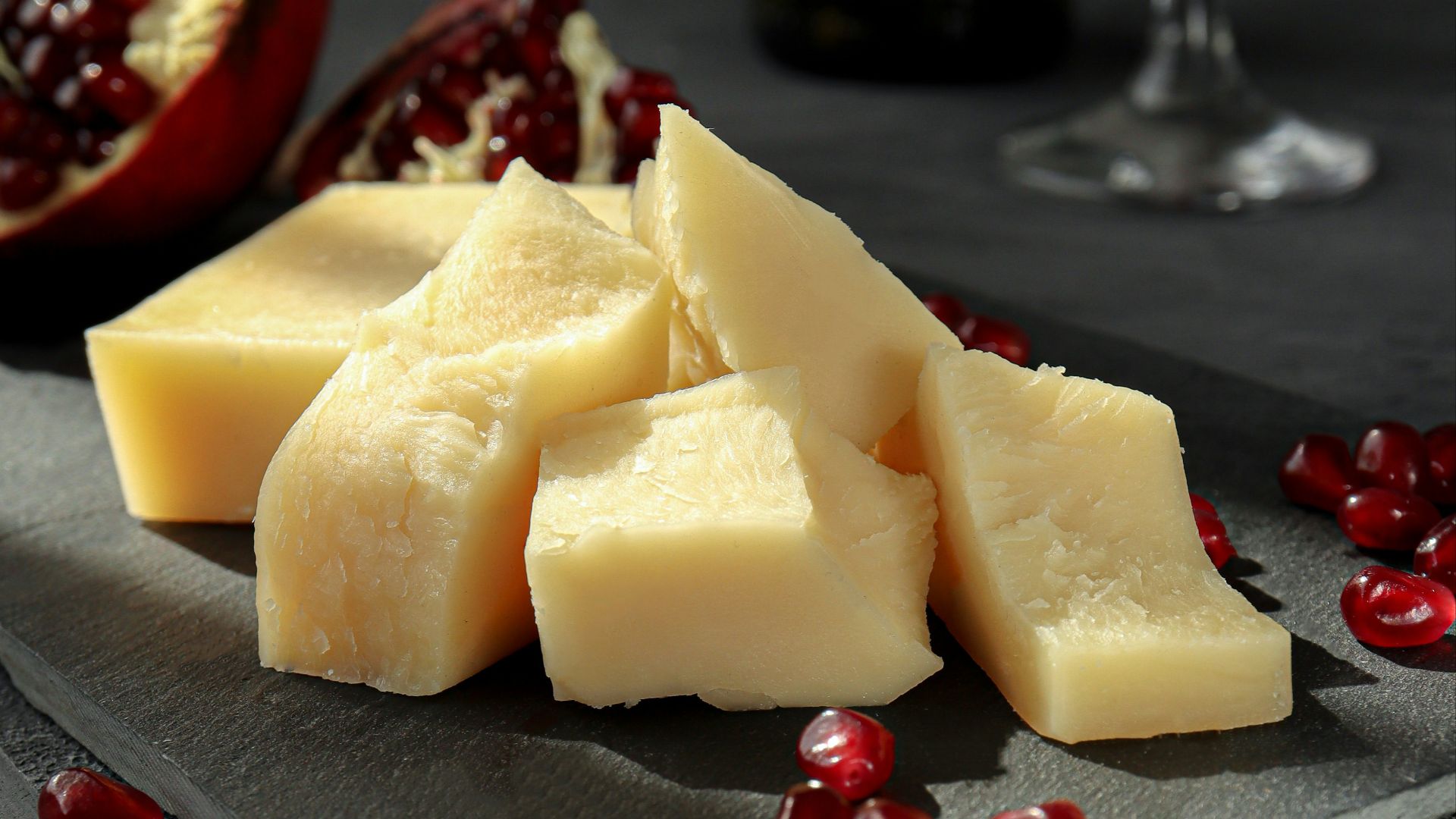
14. AOP Is More Than a Fancy Sticker
An Appellation d’Origine Protégée label links a product to a defined geographical area and a regulated production process. The ingredients and manufacturing stages must follow rules connected to that territory, so producers can’t simply copy the name anywhere they please. France currently has dozens of protected cheeses, each carrying more paperwork than its peaceful appearance suggests.
 Commission of the European Communities on Wikimedia
15. Camembert Isn’t Just Any Small White Wheel
Supermarkets around the world sell many cheeses called Camembert, but Camembert de Normandie AOP is a specific protected product.
Its name points to a place, ingredients, and production requirements rather than only a general shape and flavor. French shoppers know to read the full label.
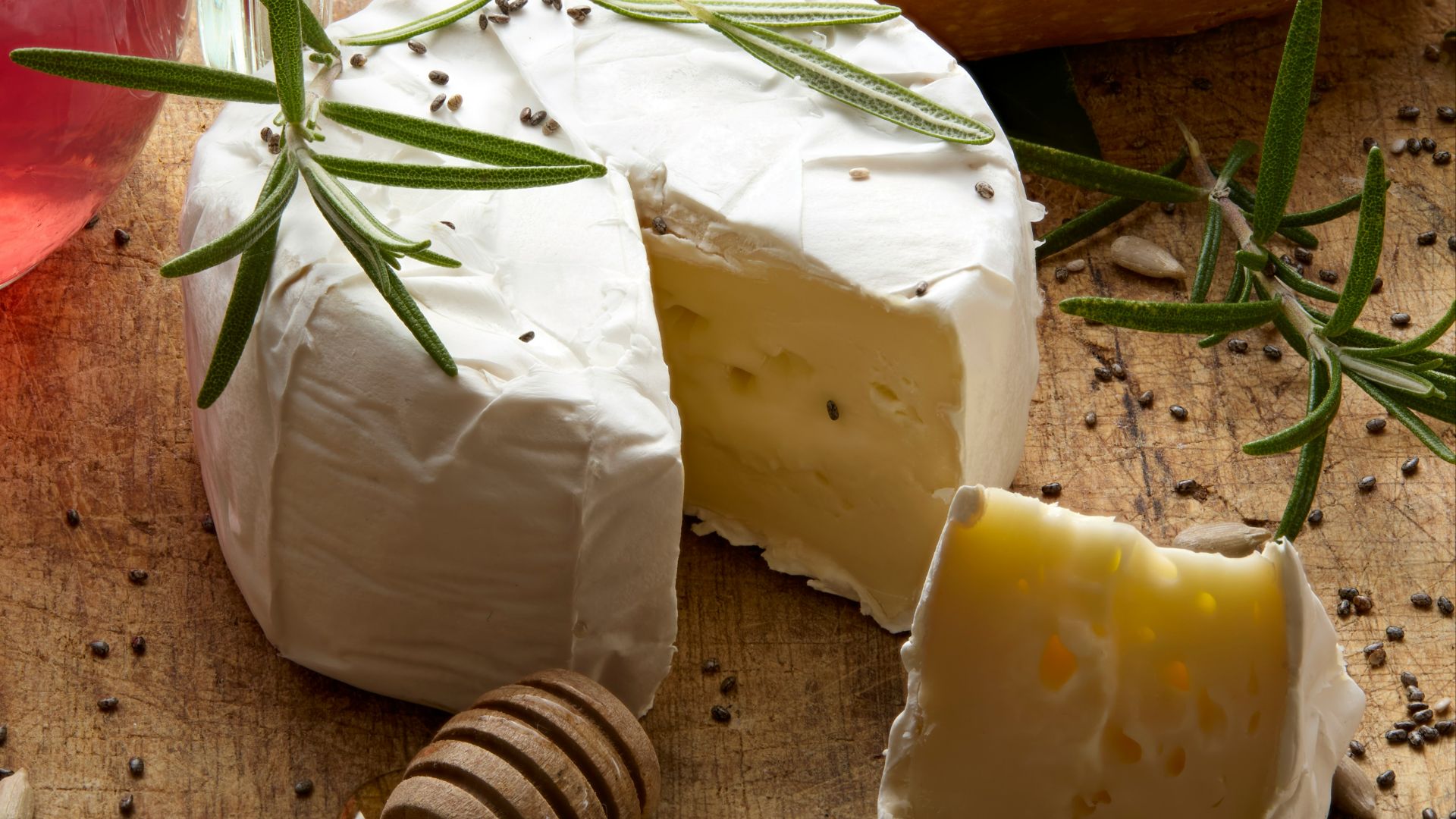
16. Where a Cheese Comes From Matters
French cheeses are strongly tied to their regions, whether that means Comté from the Jura, Munster from the east, or Roquefort from southern France. Climate, grazing land, local breeds, and established techniques all help shape the result.
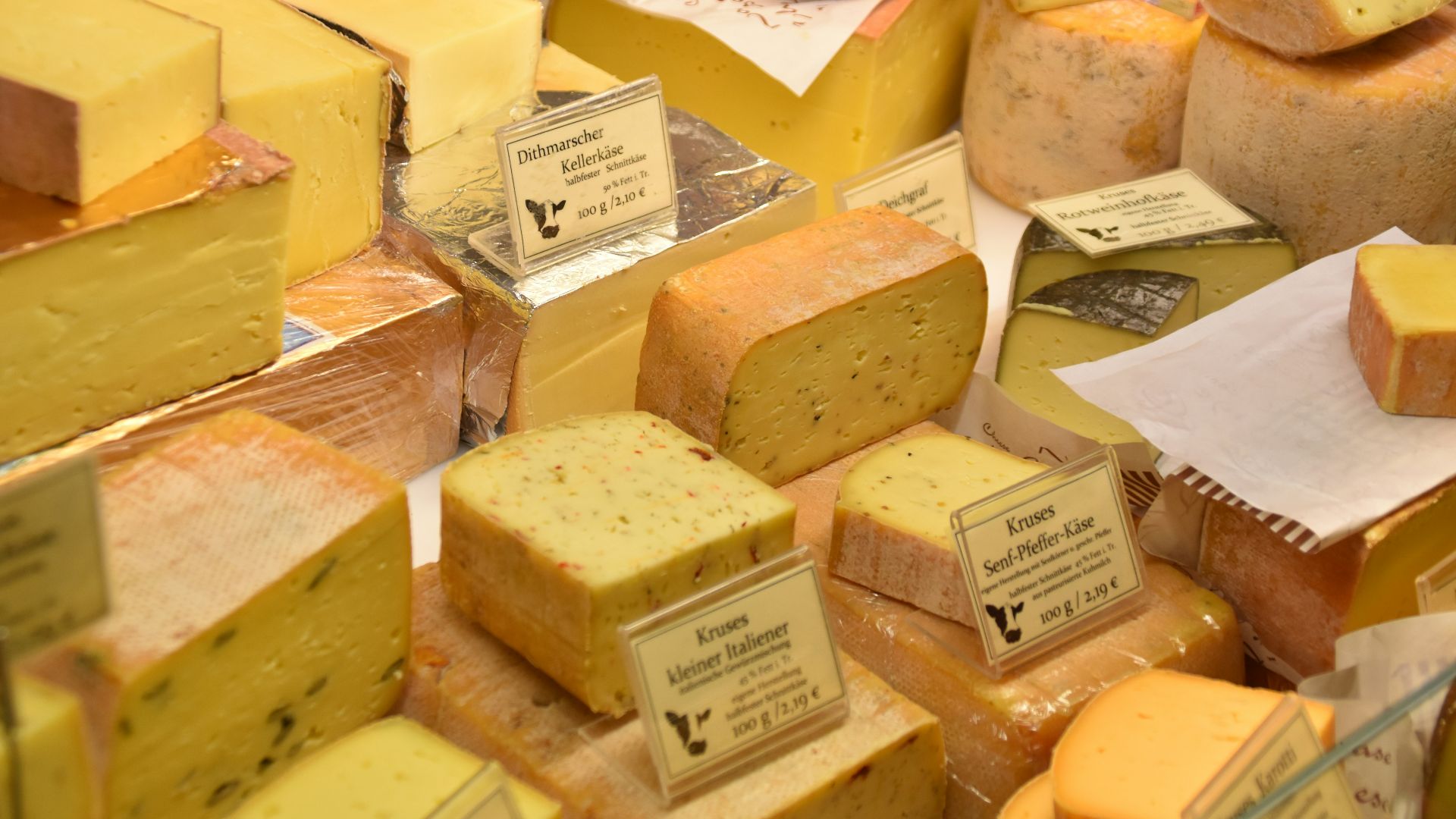
17. Aging Is an Actual Profession
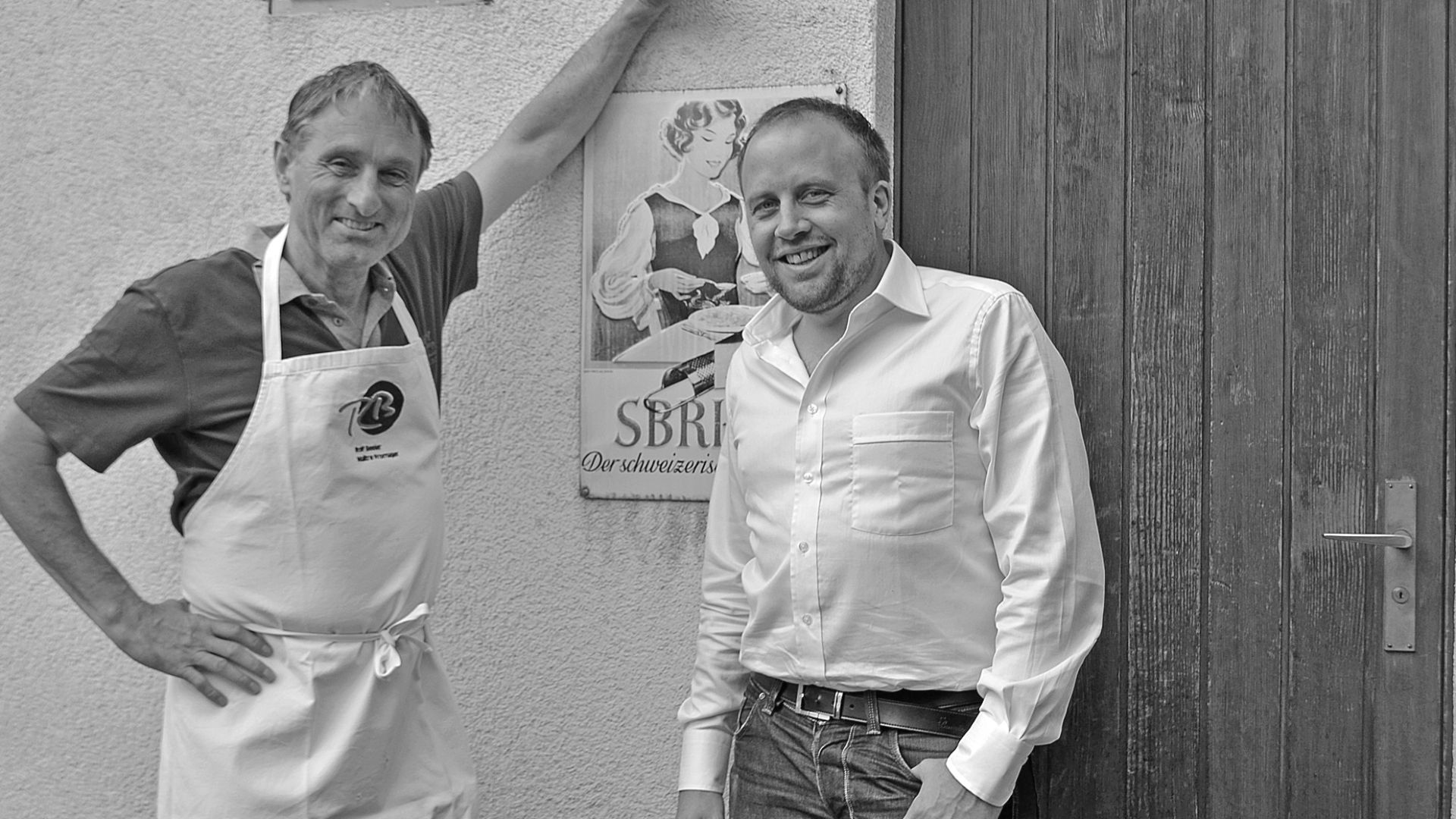
Cheese doesn’t always leave the producer ready for the table. An affineur manages the aging process by controlling temperature, humidity, turning, washing, and the condition of the rind. Proper maturation can transform a mild young cheese into something much deeper, softer, firmer, or more aromatic.
18. Ripeness Is a Matter of Timing
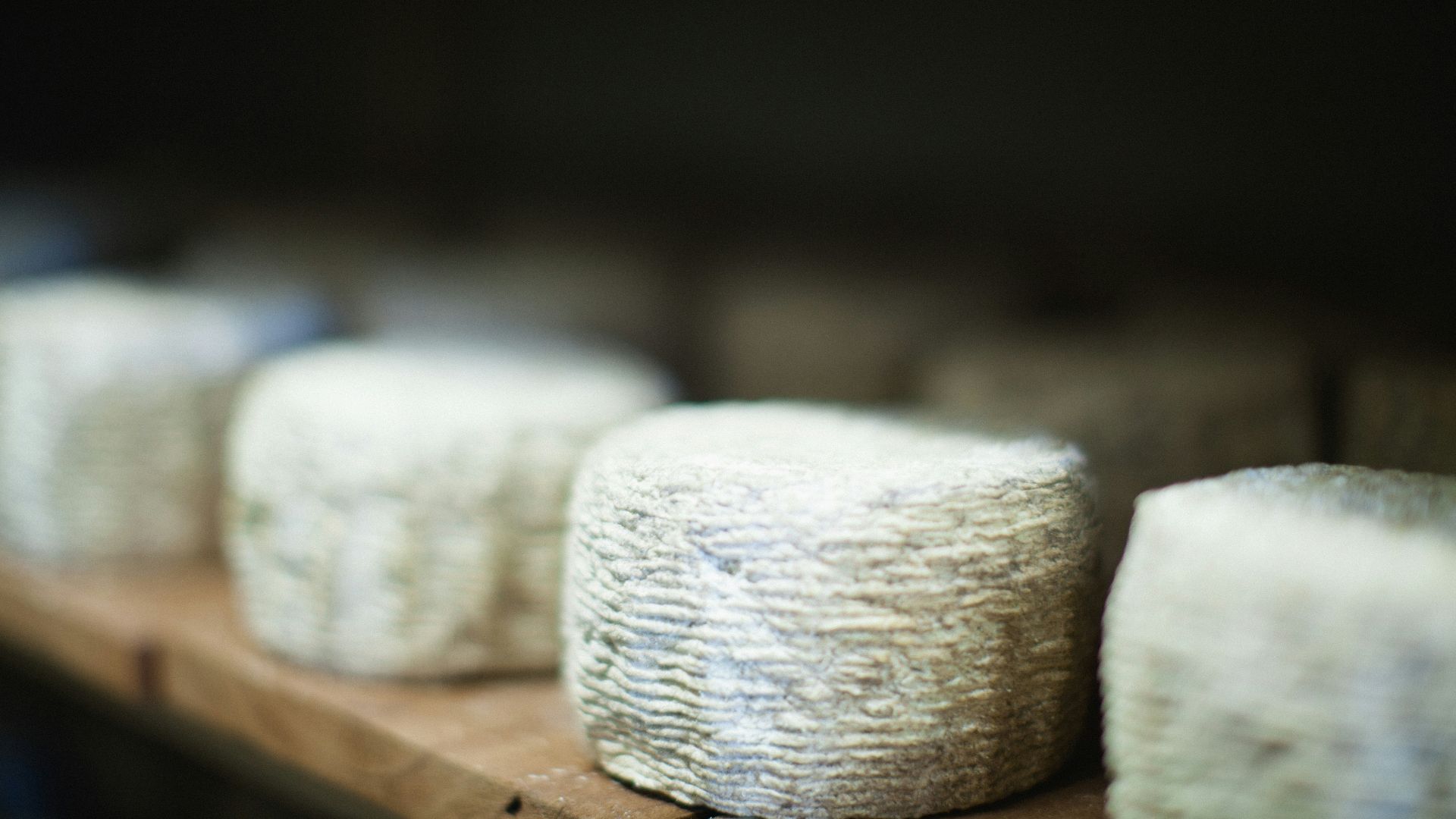
The same cheese can taste completely different depending on when you open it. A young Camembert may feel firm and restrained, while a fully ripe one can become creamy, aromatic, and almost runny near the center. French buyers often consider when they plan to eat a cheese rather than simply choosing the package with the latest date.
19. Cheese Needs to Breathe, but Not Dry Out
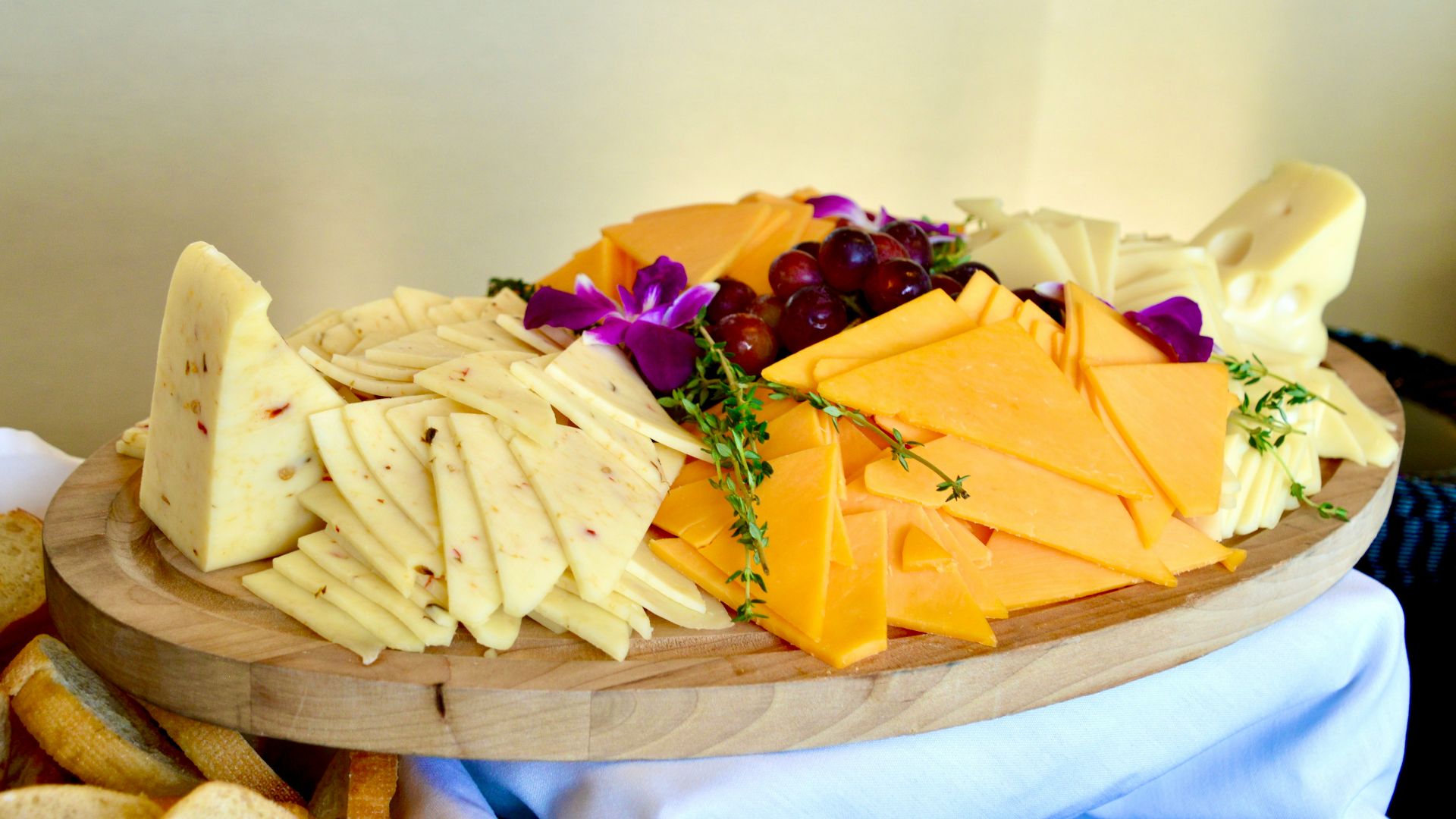
Wrapping every cheese tightly in plastic for days can trap moisture and unwanted odors, while leaving it completely exposed causes it to dry out. Cheese paper, waxed paper, or the original wrapping often provides a better balance.
Strong varieties should also be contained well unless you want the entire refrigerator to develop the same personality.
20. There’s No Single Correct French Cheese Board
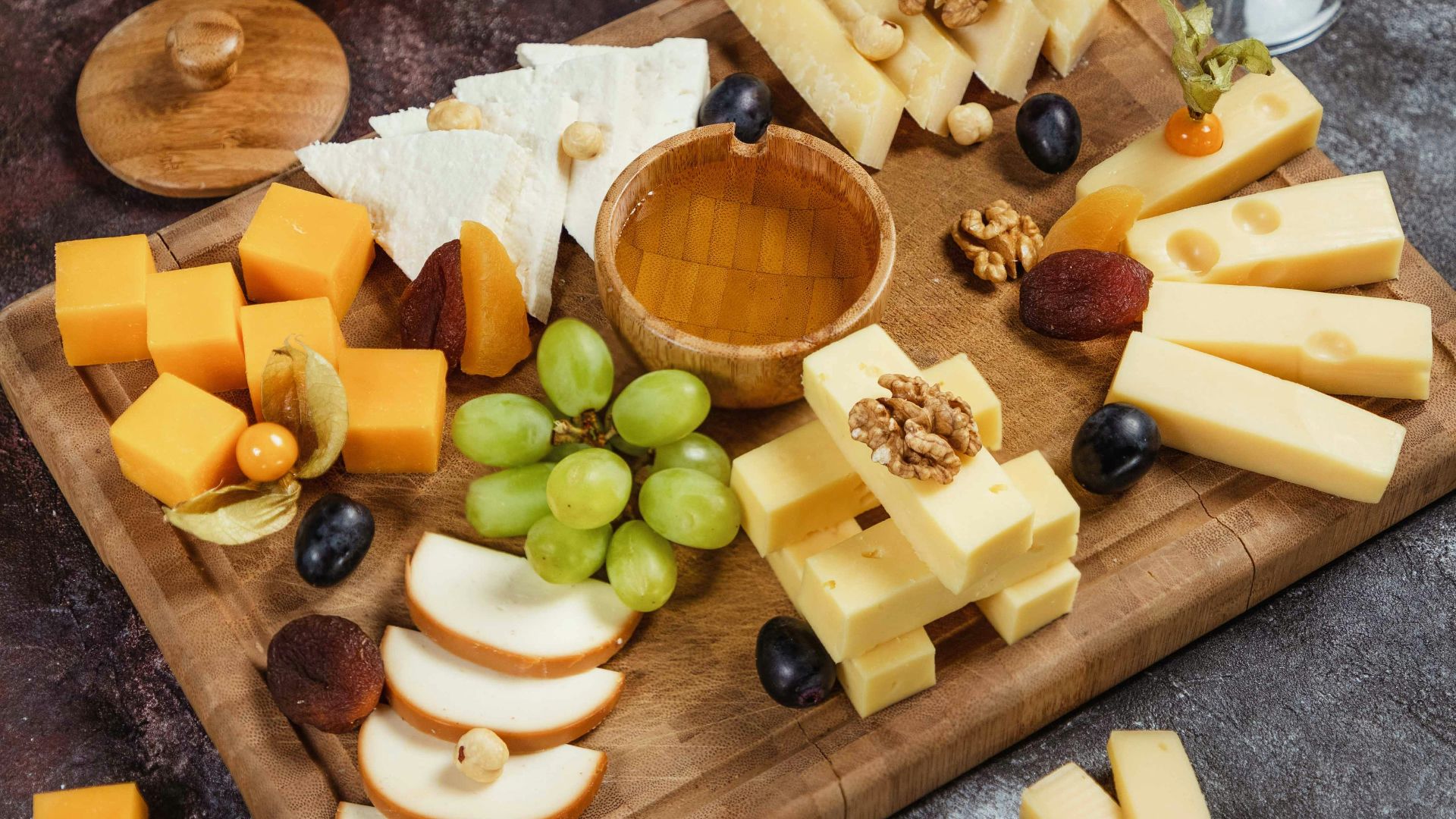
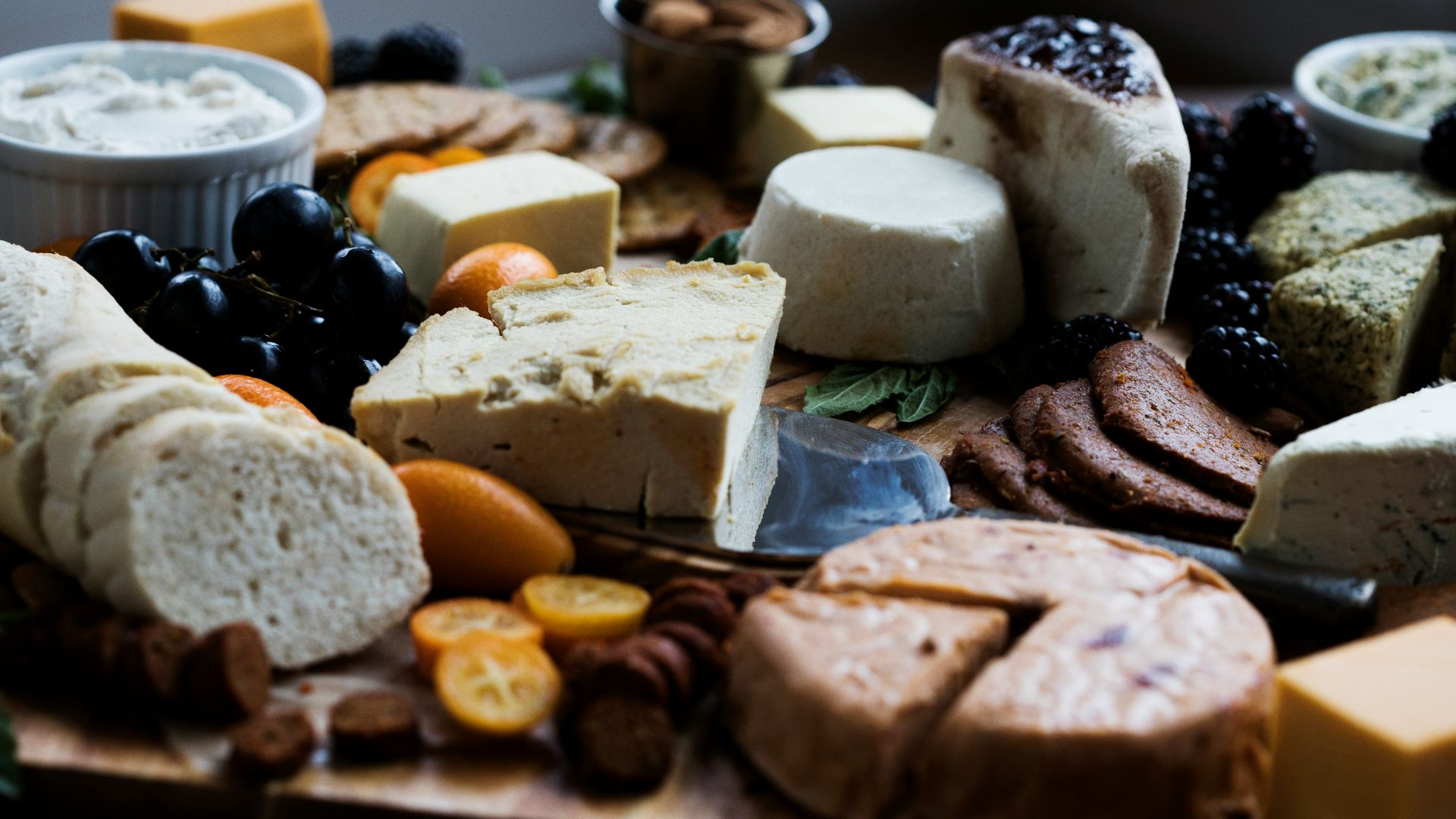
A good selection may include different milks, textures, strengths, and regions, but French families don’t all arrange identical restaurant-style platters every night. Many simply place one or two cheeses on the table and let everyone take a modest portion. With 46 French cheeses holding AOP status alone, growing up in France doesn’t mean trying everything, but it does mean there’s always something else to discover.
KEEP ON READING
20 Comfort Foods You Shouldn't Eat Too Much Of
Global Twists on Humble One-Bowl Wonders