Nature Doesn't Do Reruns
Some foods show up on grocery shelves every single week of the year, grown in greenhouses or shipped in from wherever the season happens to be in full swing. Others refuse to play along. They bloom and ripen on their own timeline, and once that window closes, you're waiting another twelve months for a second chance. That kind of scarcity tends to drive up price, but it also explains why certain flavors taste like an event rather than an ingredient. Farmers and foragers build entire calendars around these narrow harvest windows, and missing one by even a week can mean an empty crate. Here's 20 foods that only come around once a year, whether the world is ready or not.
1. Saffron
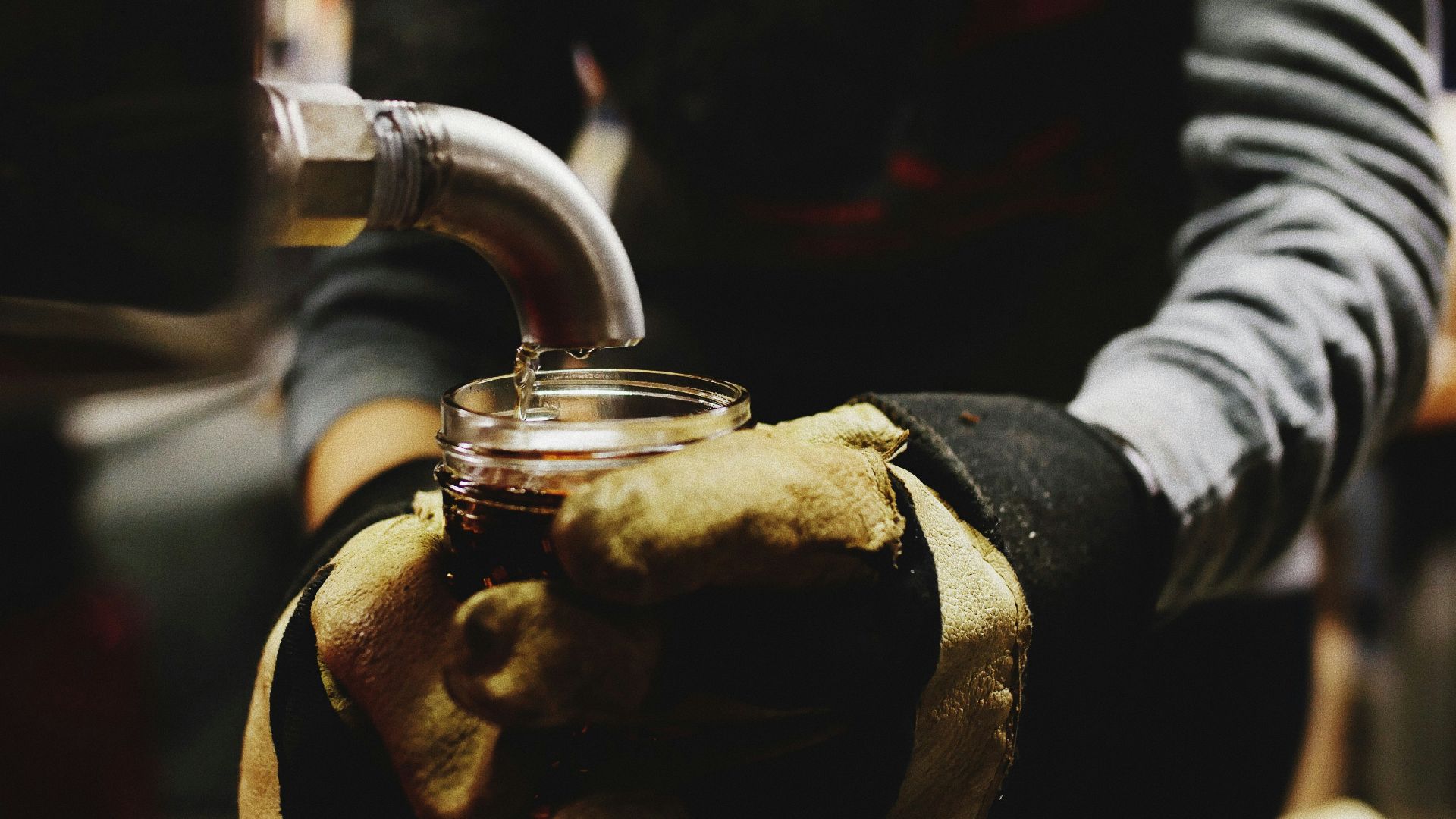
Saffron comes from the tiny crimson threads inside a crocus flower, and those flowers bloom for roughly two weeks each autumn before shutting down completely. Every thread has to be plucked by hand, which is part of why saffron remains one of the most expensive spices on earth. Miss the bloom and there's no backup crop waiting in the wings.
2. White Truffles
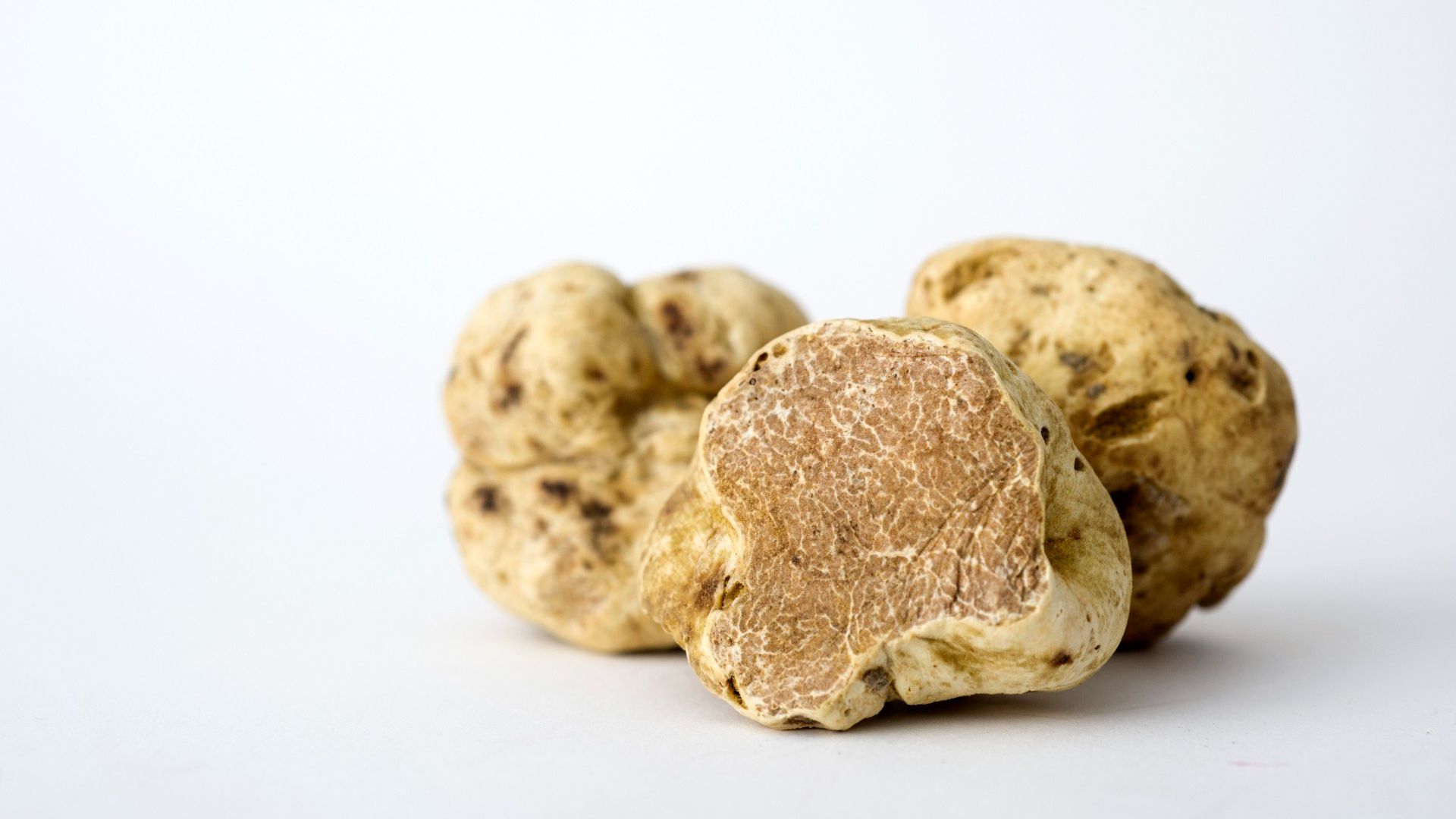
White truffles grow wild underground near the roots of oak and hazelnut trees, mostly around Alba in northern Italy, and they only surface between September and December.
Dogs, not pigs, do most of the hunting these days, sniffing out a fungus that can't be farmed on demand. Once winter sets in, the season simply ends, and buyers wait until fall rolls around again.
3. Morel Mushrooms
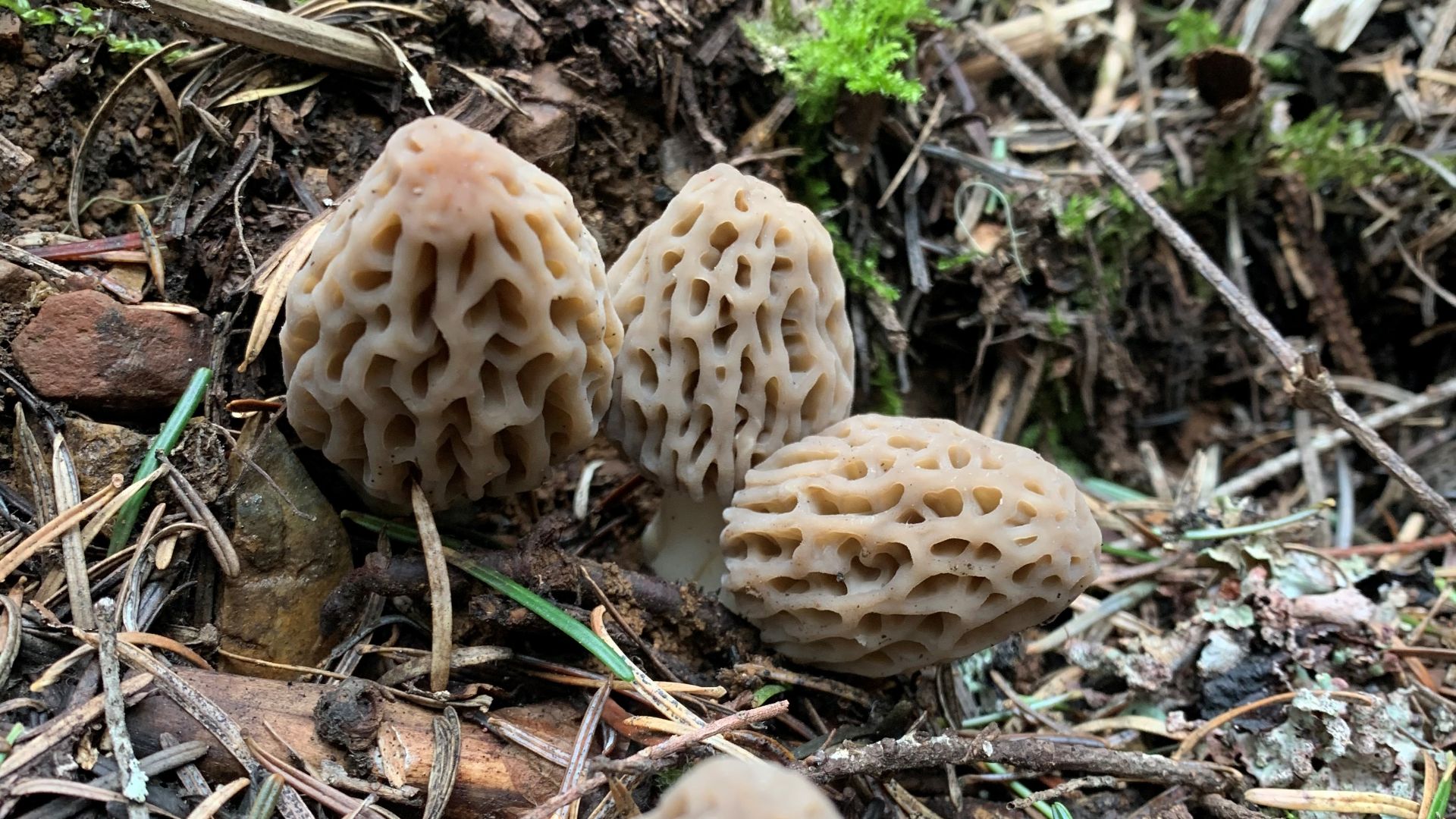
Morels pop up in the spring, usually right after the first real warm spell following melting snow, and they vanish again within a few short weeks. Foragers chase them through burned forests and old orchards, since morels seem to favor disturbed ground for reasons nobody fully understands. Try to find one in July and you'll come home empty-handed.
 Forest Service - Northern Region on Wikimedia
4. Vanilla Beans
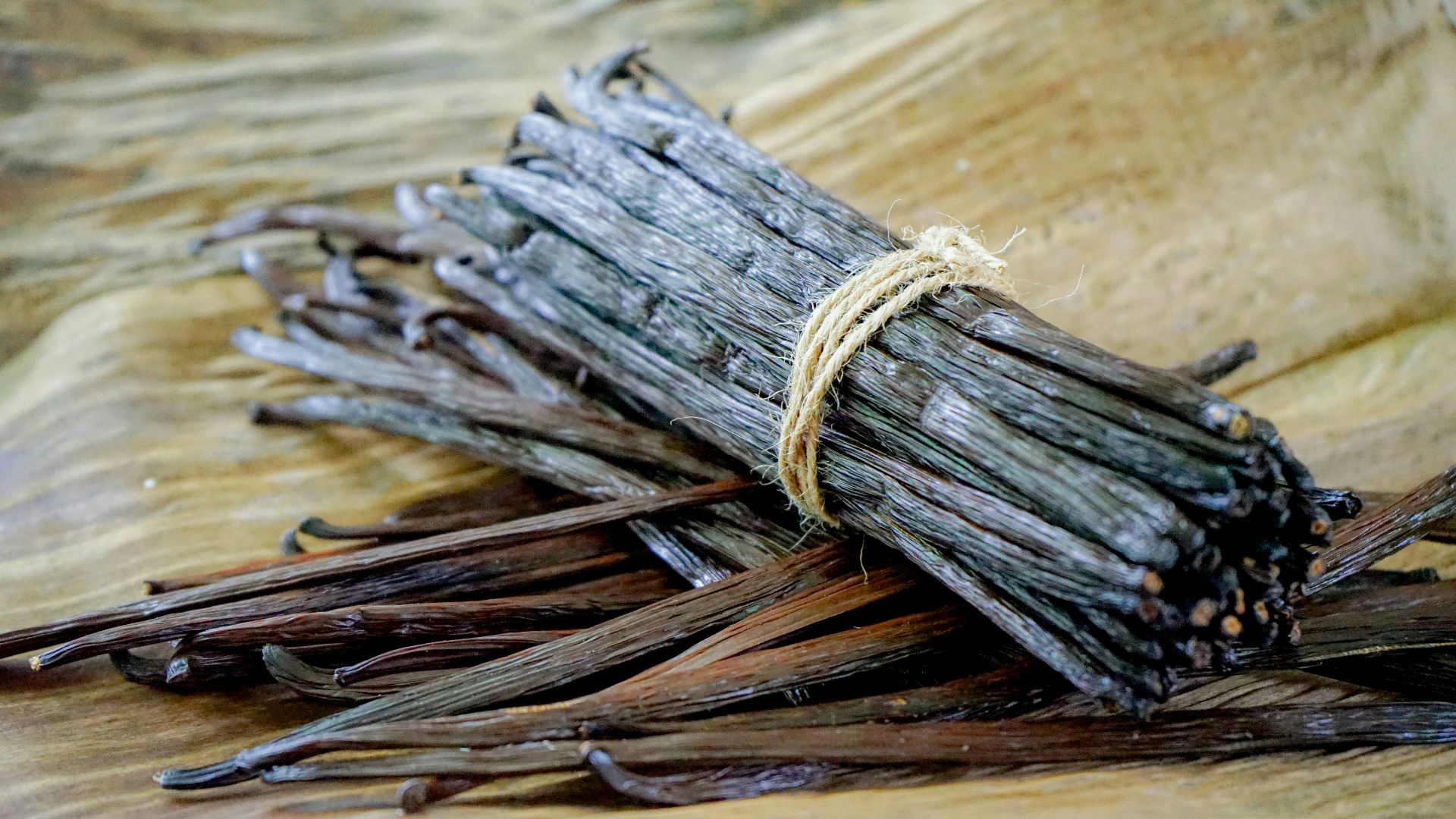
Vanilla orchids bloom for a single day each year, and if a flower isn't hand-pollinated within hours of opening, it never produces a bean at all. Madagascar supplies most of the world's vanilla, and workers there spend that narrow window pollinating flowers one by one with a small wooden stick. The beans then take months to cure, but the entire harvest traces back to that one brief morning.
5. Maple Syrup
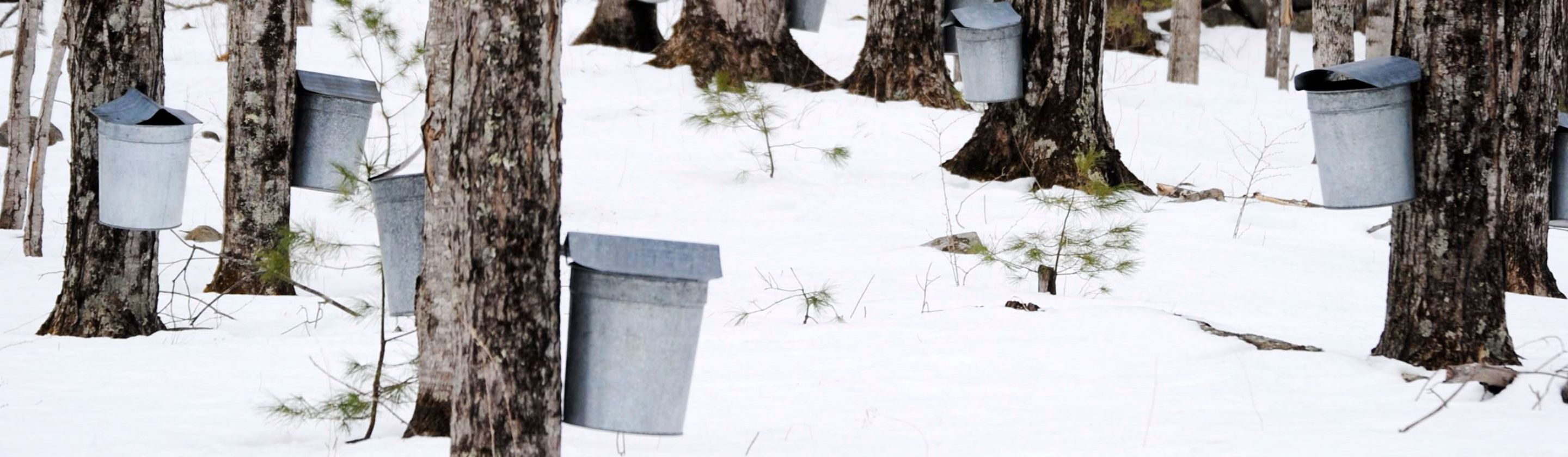
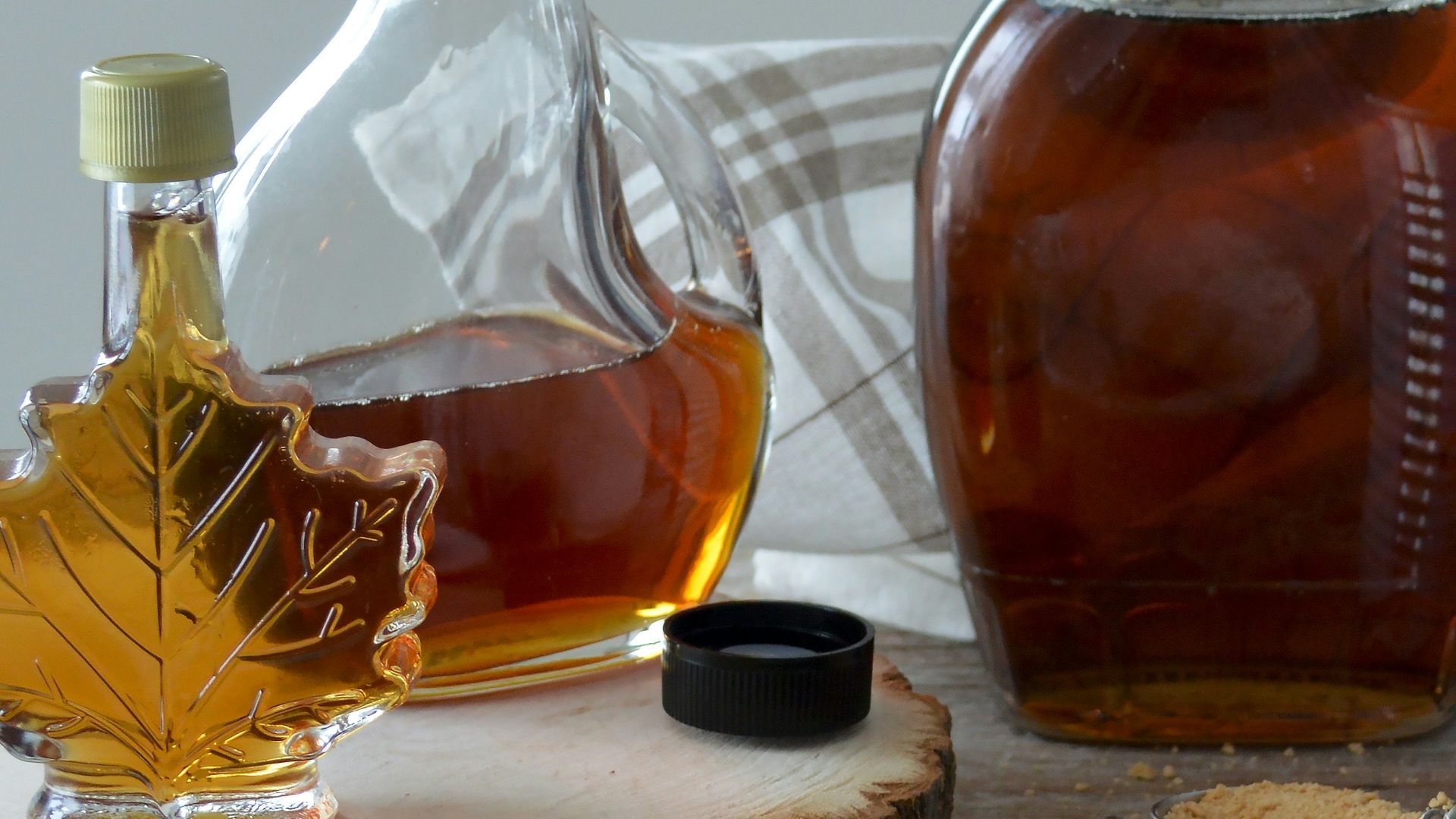
Maple sap only runs during a short stretch in early spring, when nights are still freezing but days climb just above freezing. That temperature swing is what pushes sap up through the tree, and once buds start to break, the sap turns bitter and the season is over.
Sugar shacks across Vermont and Quebec live and die by that few-week window every year.
6. Wild Rice
True wild rice grows in shallow lakes across Minnesota and parts of Canada, and it's harvested in late summer by canoe, with one person paddling while another knocks the grains loose with a stick. The whole process still looks much the way it did generations ago. Once the ricing season ends, that's it until next year.
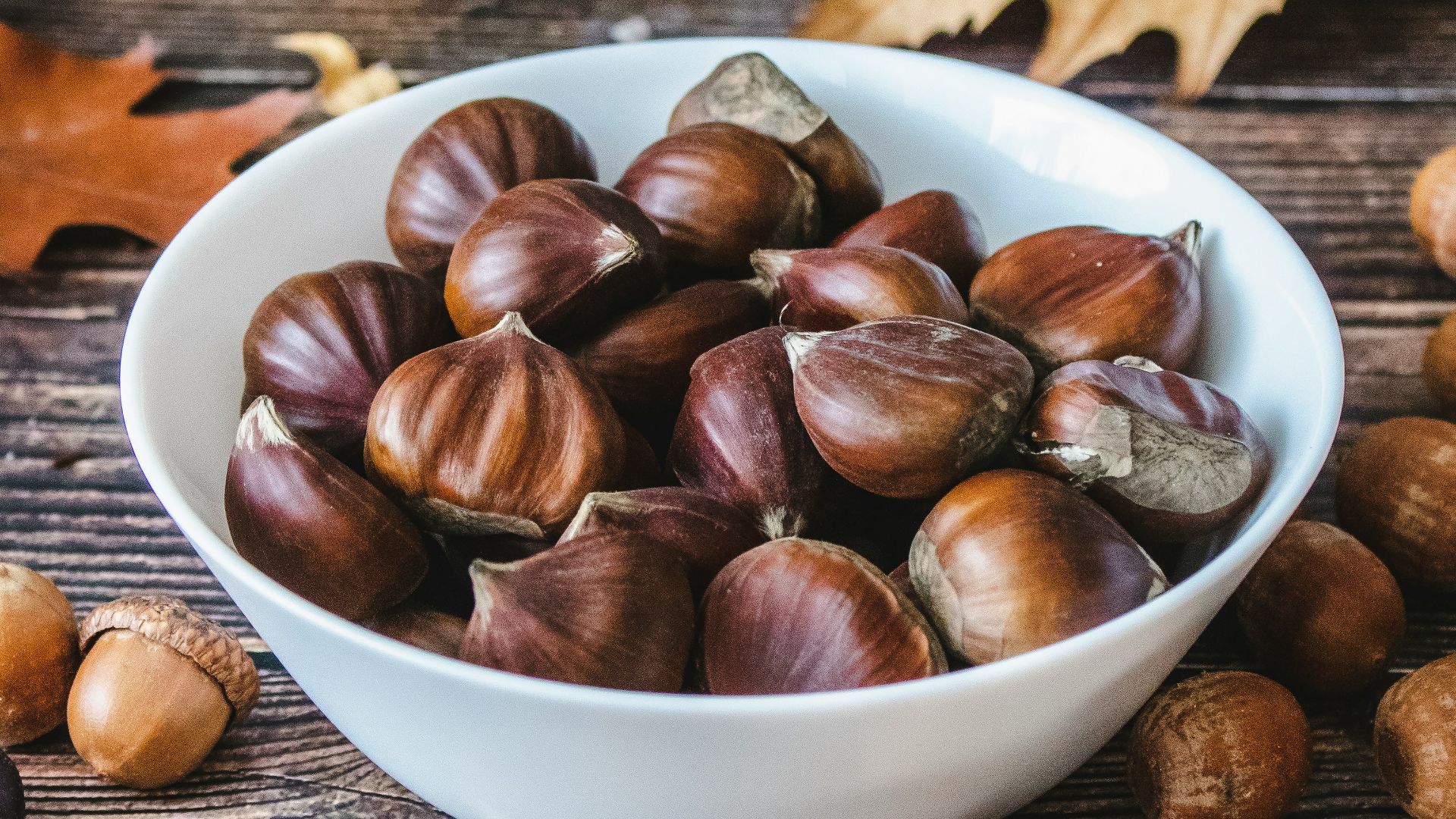
7. Chestnuts
Chestnuts drop from their spiny burrs in autumn, usually over a span of just a few weeks, and they don't store well once picked. Italian and French markets fill up with roasted chestnuts the moment the season hits, and vendors sell them fast because the window for good quality is short. By winter, fresh chestnuts are basically gone.
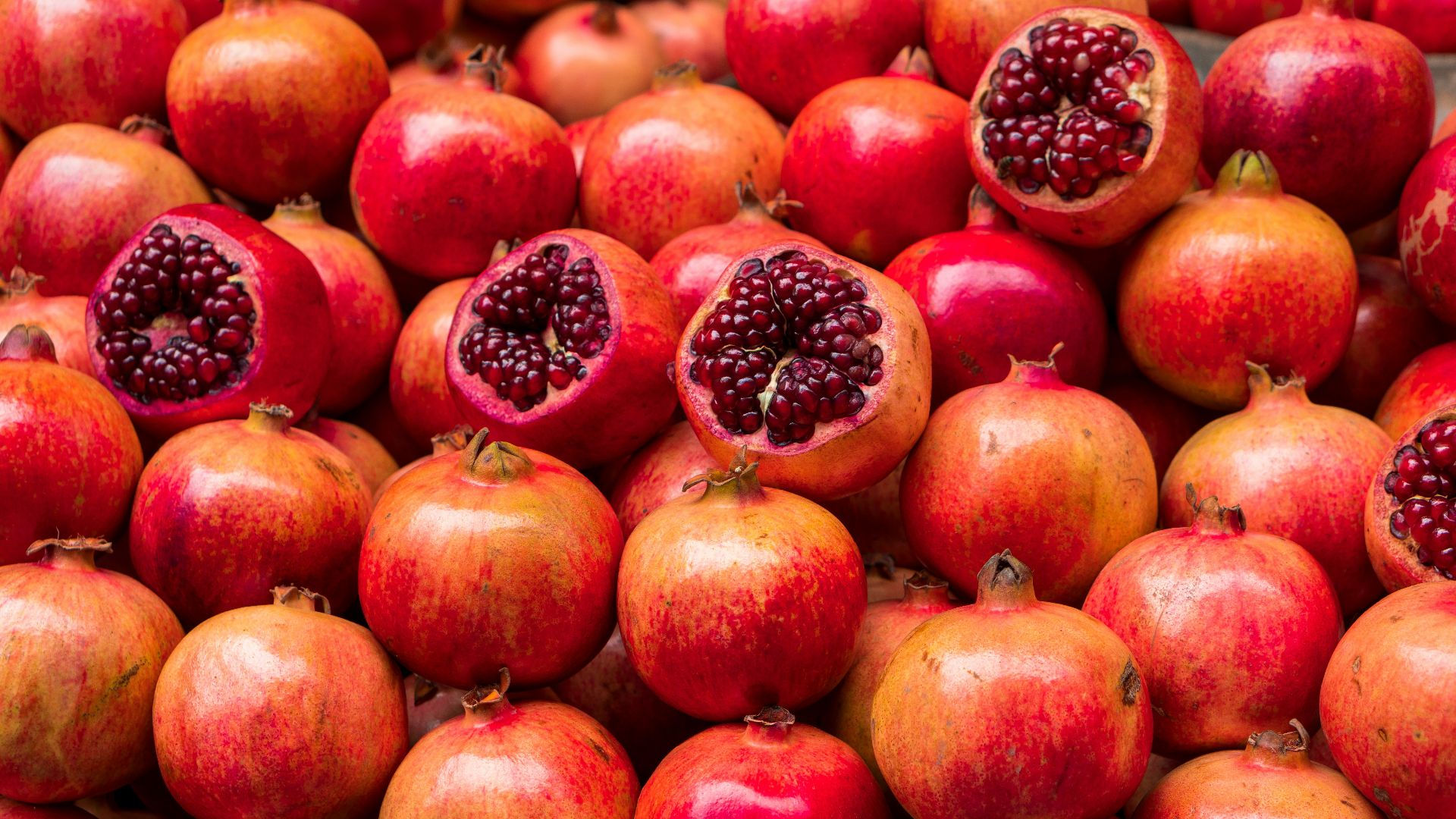
8. Pomegranates
Pomegranates ripen once a year in the fall, their skins deepening to a deep red right before harvest. Pick one too early and the seeds stay sour and pale, so growers wait for that exact color shift before bringing in the crop. It's a single, decisive harvest with no second wave.
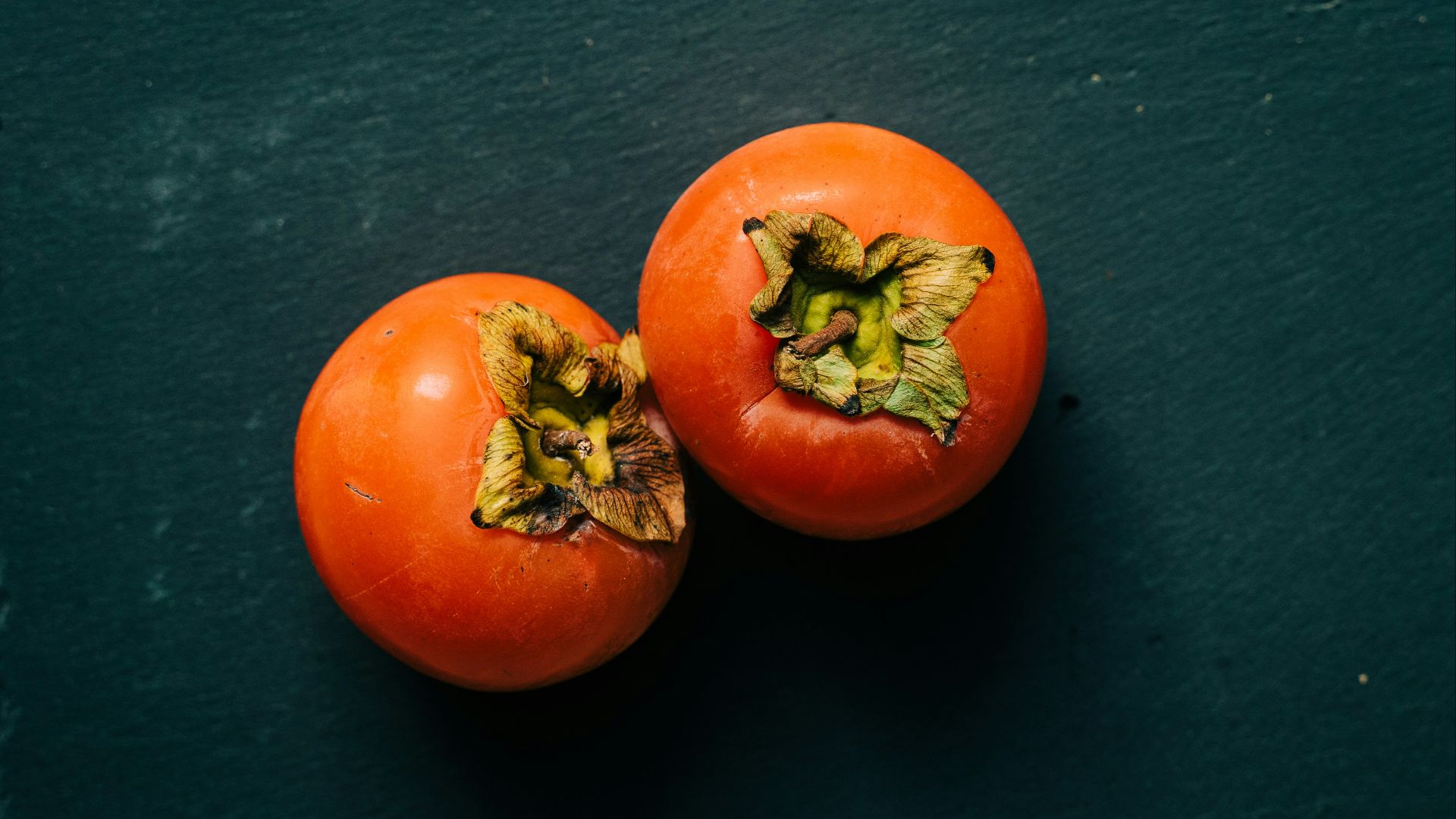
9. Persimmons
Persimmon trees, especially the Hachiya variety, produce fruit that ripens all at once in late fall, hanging on bare branches like little orange lanterns after the leaves have dropped.
The fruit has to soften almost to mush before it's edible, otherwise the tannins make your mouth pucker instantly. Once that autumn crop is picked, the tree goes dormant until the following year.
 Gabriella Clare Marino on Unsplash
10. Quince
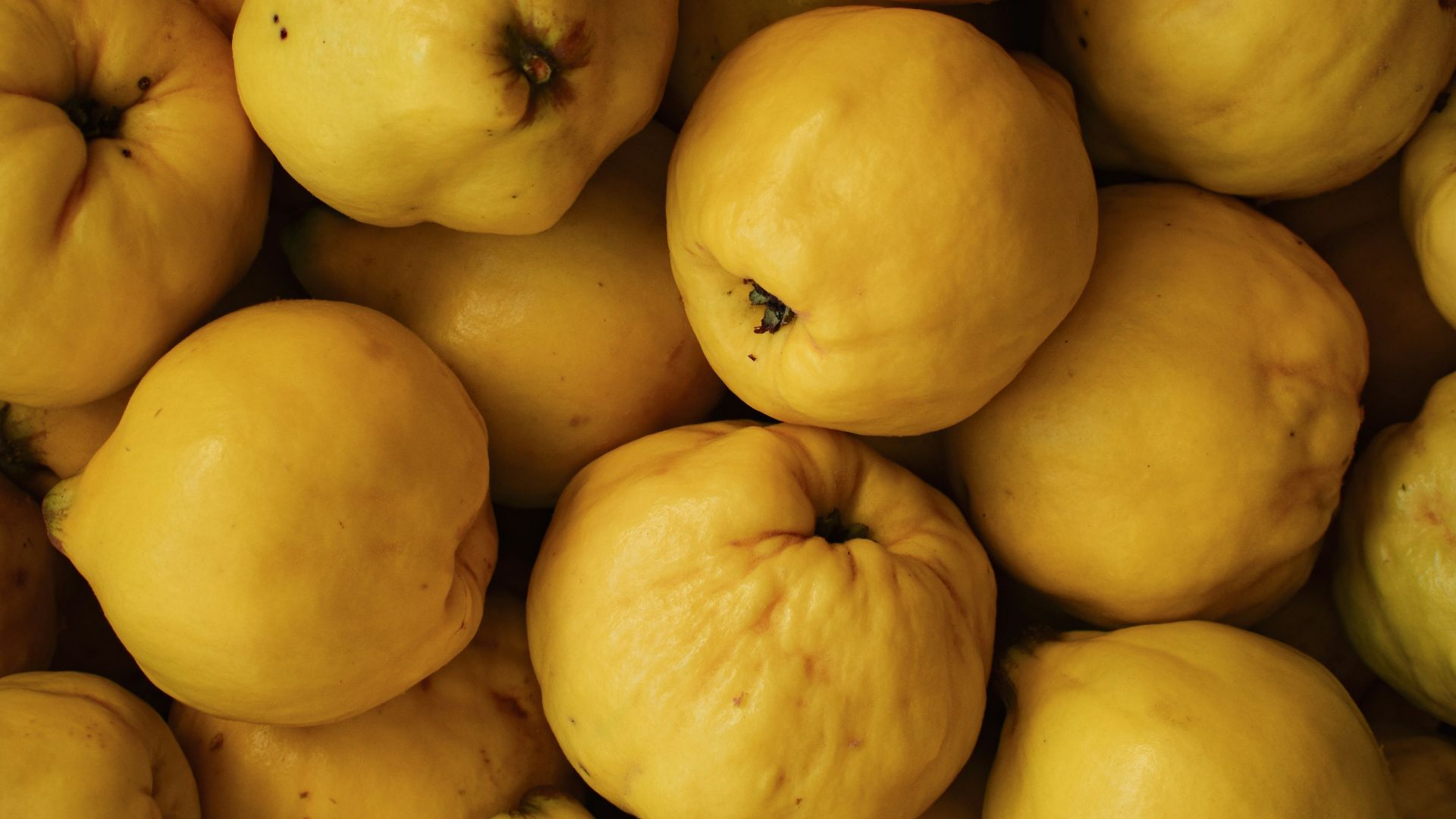
Quince ripens in October, turning from hard and green to a fragrant golden yellow that fills a kitchen with scent before you even cut into it. It's nearly inedible raw, which is why most quince gets cooked down into paste or jelly shortly after harvest. There's no summer quince or spring quince. Fall is the only shot.
11. Matsutake Mushrooms
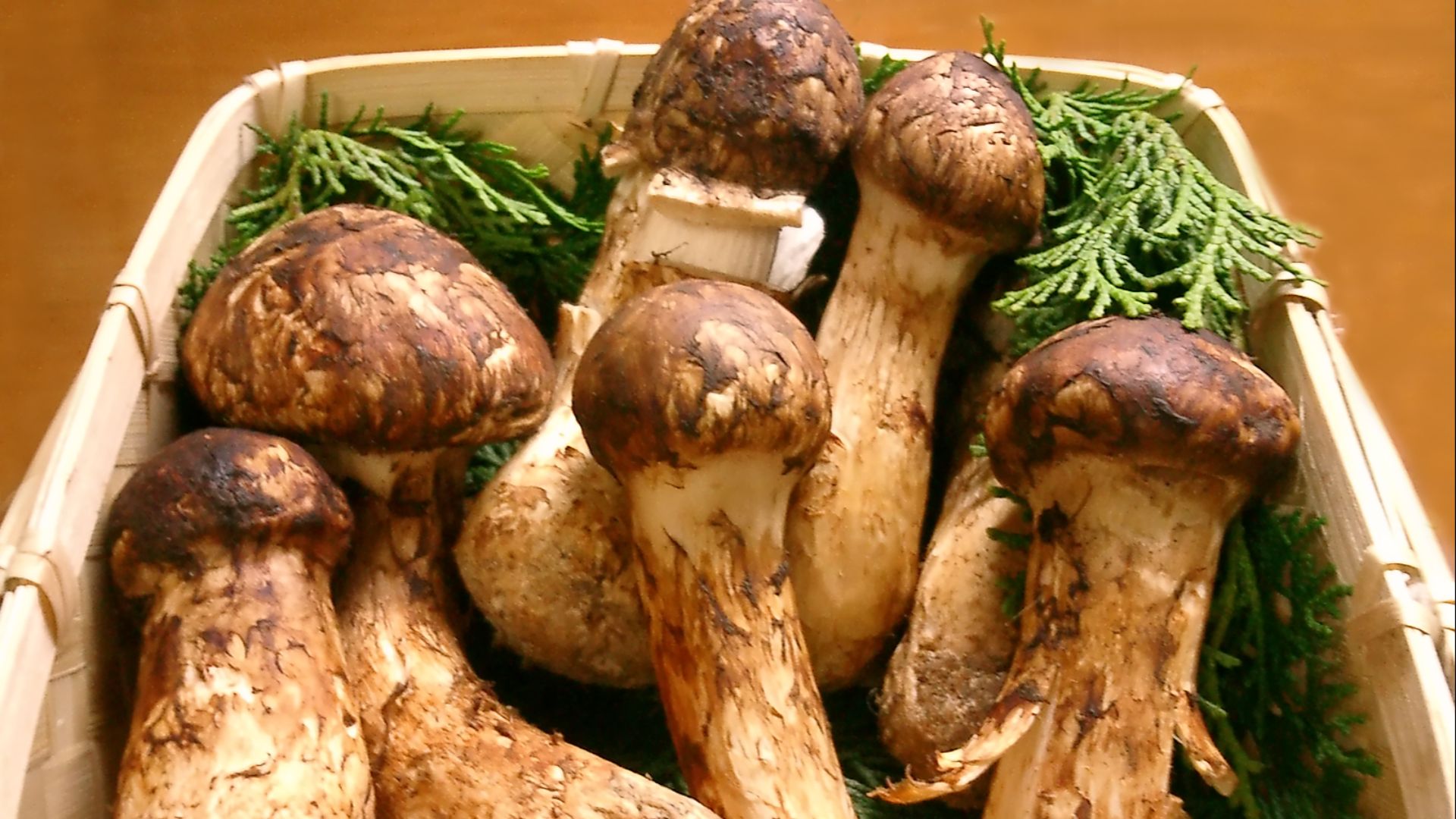
Matsutake mushrooms grow under specific pine trees in Japan and the Pacific Northwest, appearing for just a few weeks each autumn under very particular soil and temperature conditions. They're prized for a spicy, almost cinnamon-like aroma that chefs go to real lengths to protect during cooking. Foragers guard their patches closely, since a good matsutake spot can be worth serious money for that brief window.
12. Fiddlehead Ferns
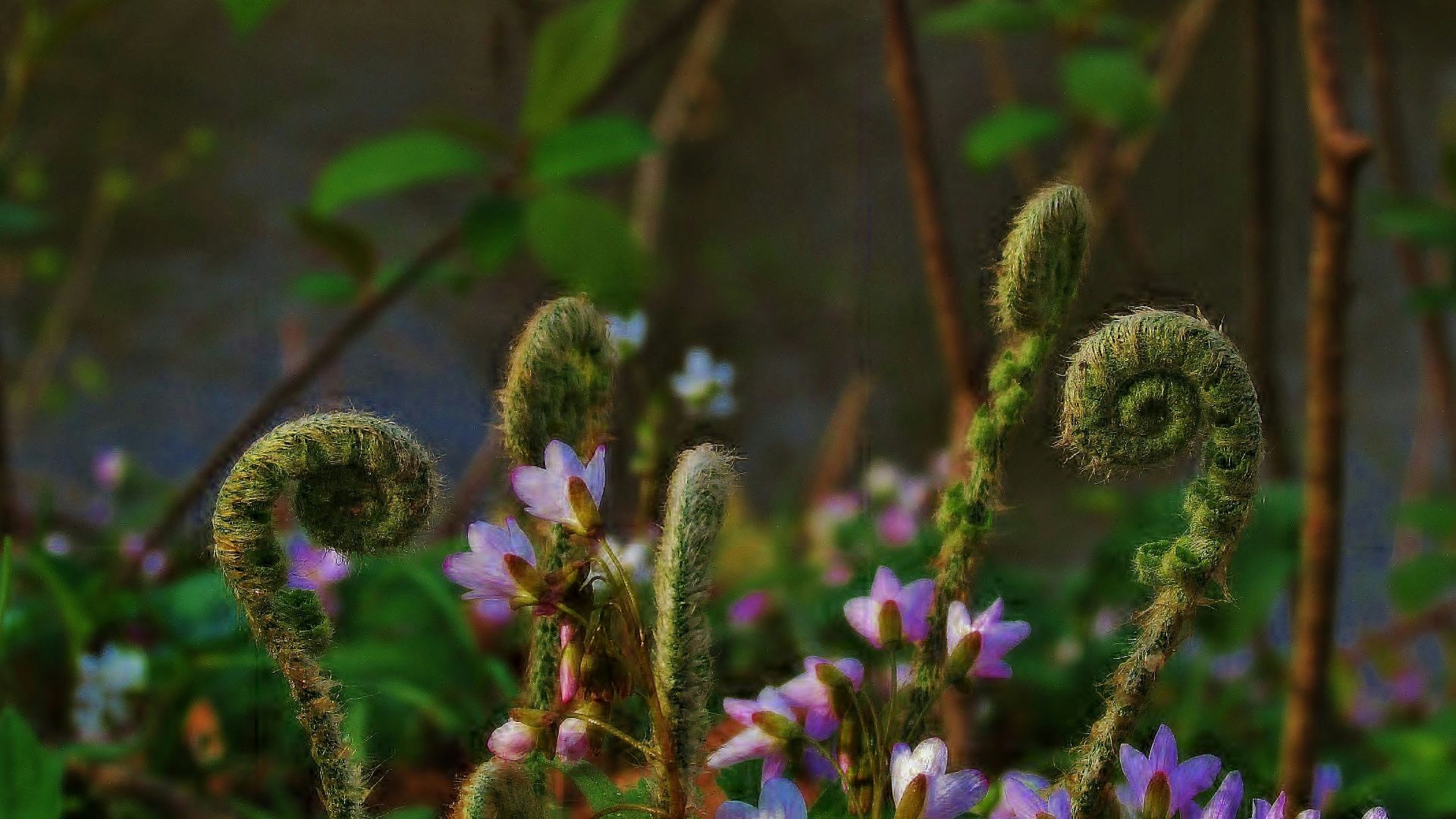
Fiddleheads are the tightly coiled tips of young ferns, harvested in early spring before they unfurl into full fronds. The window lasts maybe two weeks, and foragers have to move fast once they spot a patch. A day or two later, those same ferns are too mature to eat.
13. Ramps
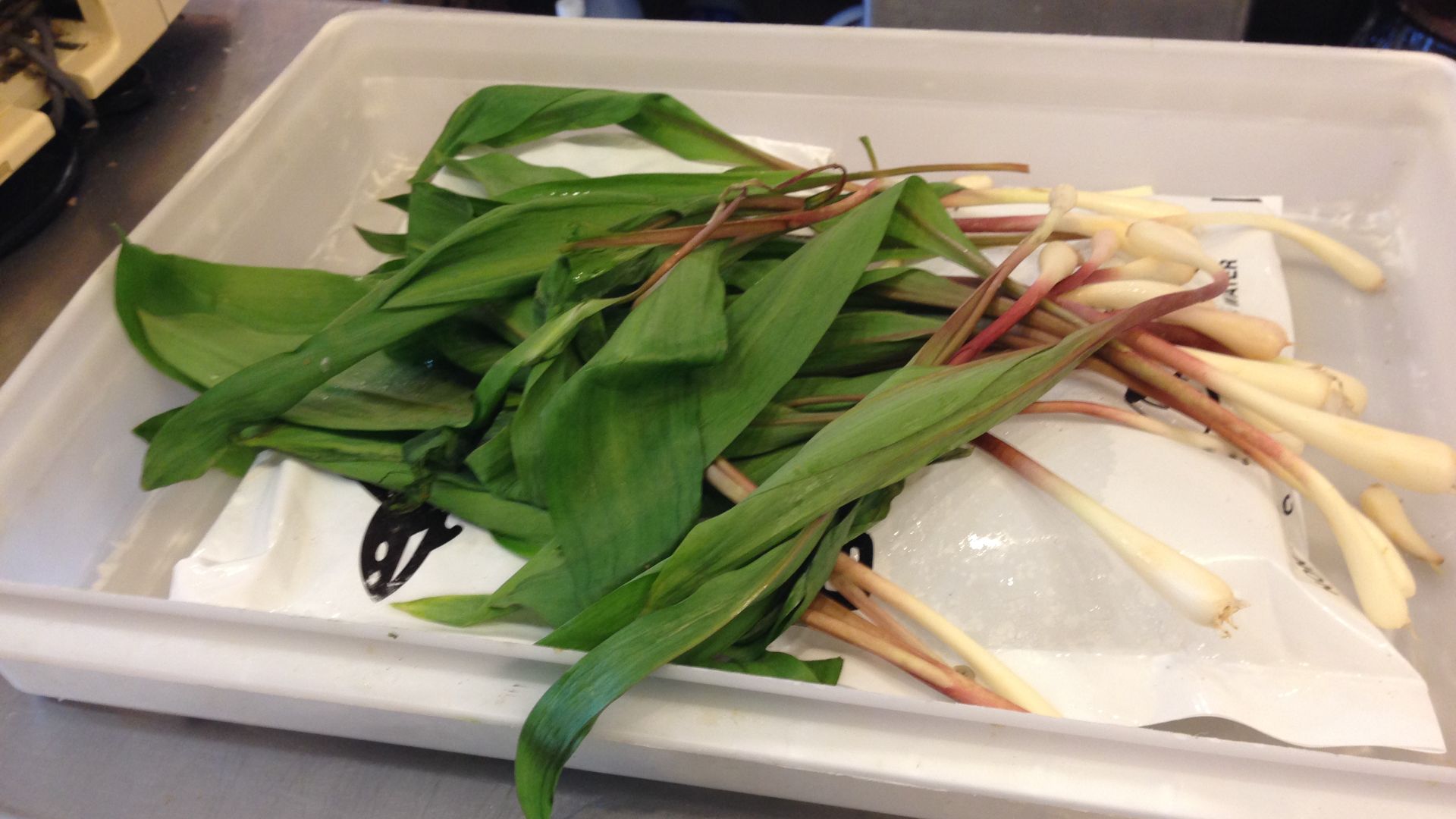
Ramps, a wild relative of onions and garlic, push up through forest floors for a few weeks each spring, and Appalachian communities have built entire festivals around their brief arrival. Overharvesting has become a real concern, since ramps grow slowly and don't bounce back quickly if a patch gets stripped. Once the leaves die back in early summer, the season closes completely.
 commons.wikimedia.org on Google
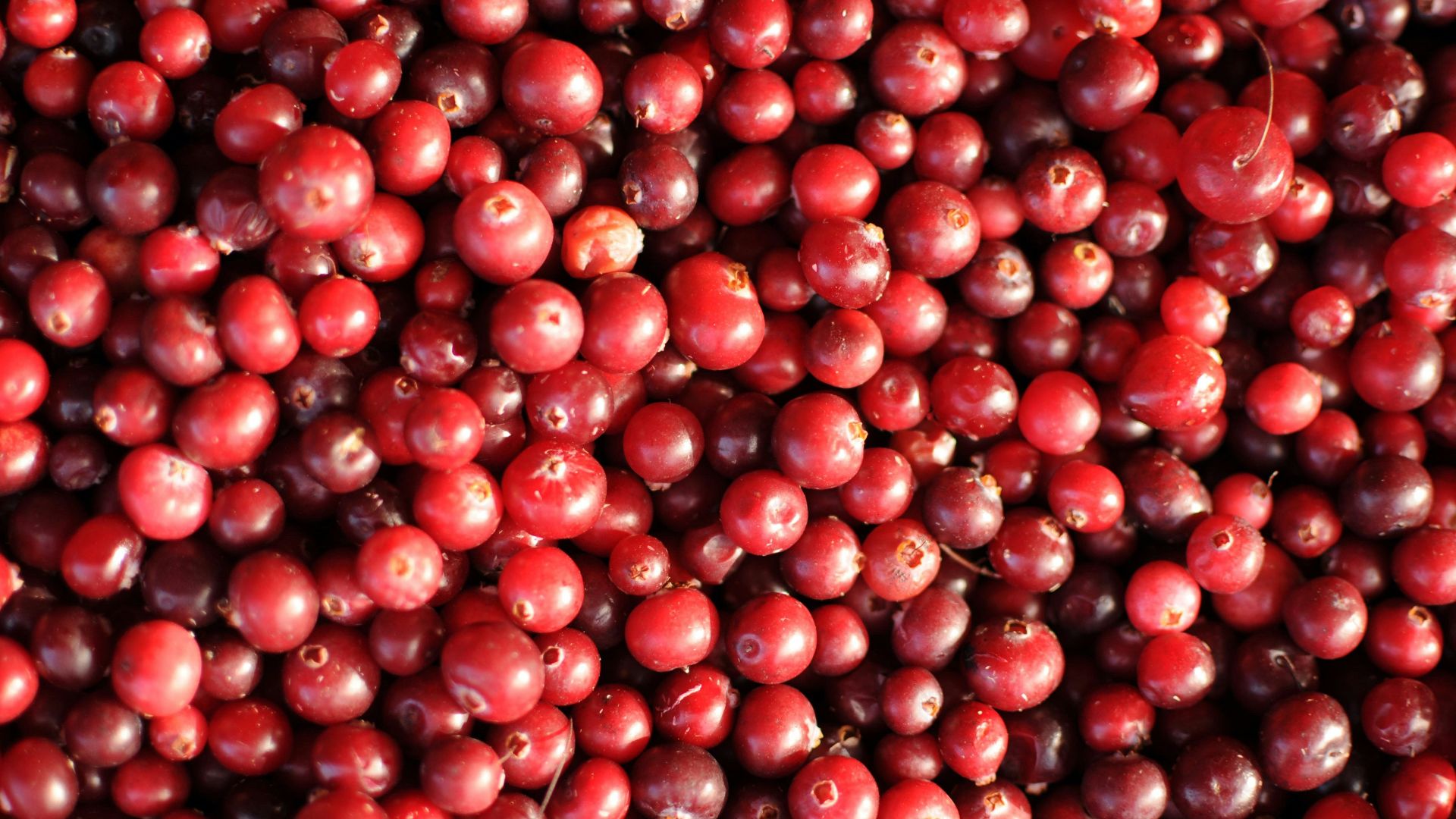
14. Cranberries
Cranberries ripen in the fall, and harvest typically means flooding the bogs so the berries float to the surface in a sea of deep red. It's a striking sight, but it only happens once a year, right around the weeks leading up to Thanksgiving. After that, the vines go quiet until the following autumn.
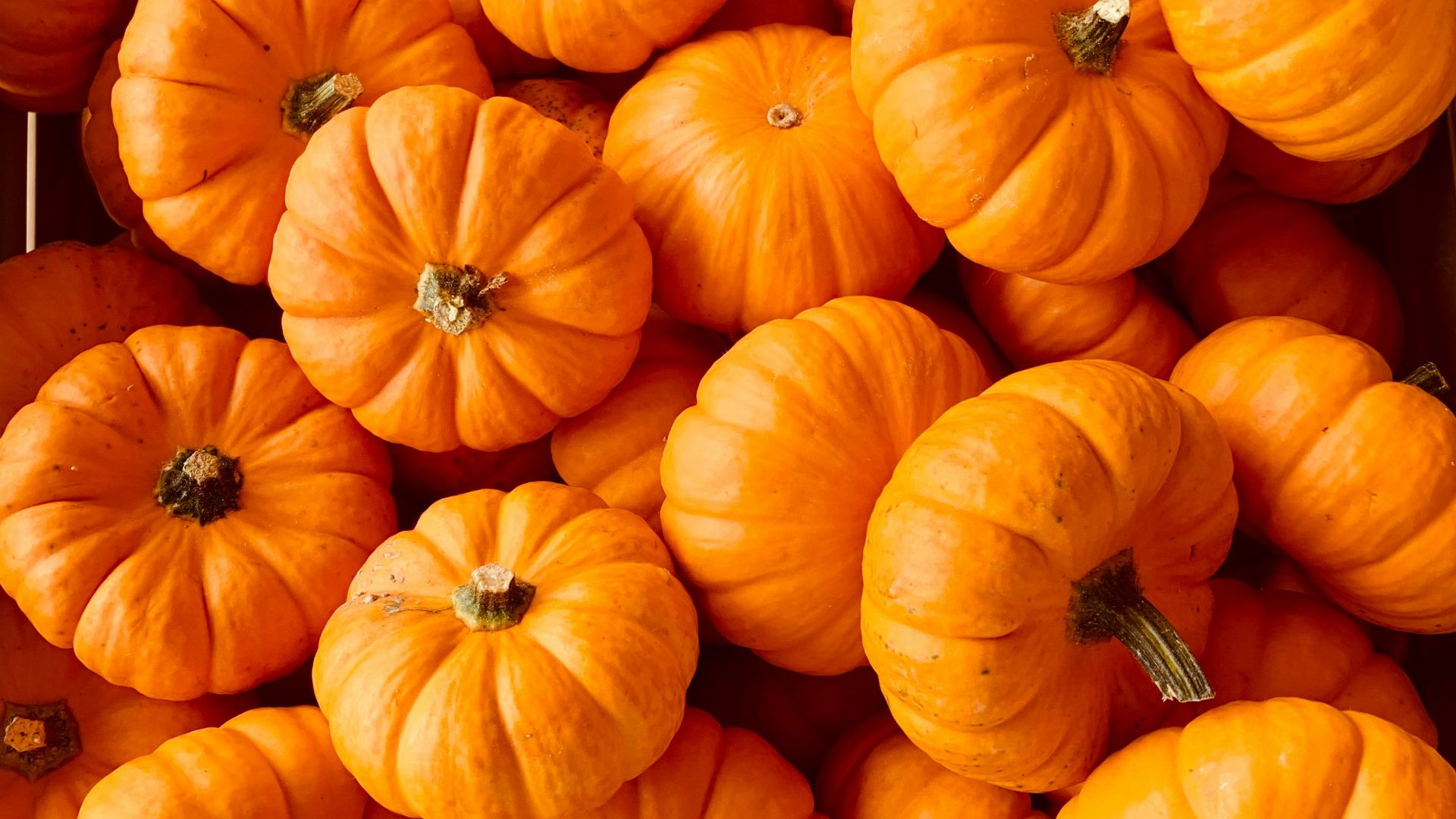
15. Sugar Pumpkins
Sugar pumpkins, the smaller, denser cousins of the big jack-o'-lantern variety, are harvested in a single fall window once their rinds harden and turn deep orange. Farmers usually leave them on the vine until the first light frost, which sweetens the flesh. There's no second planting cycle within the same year.
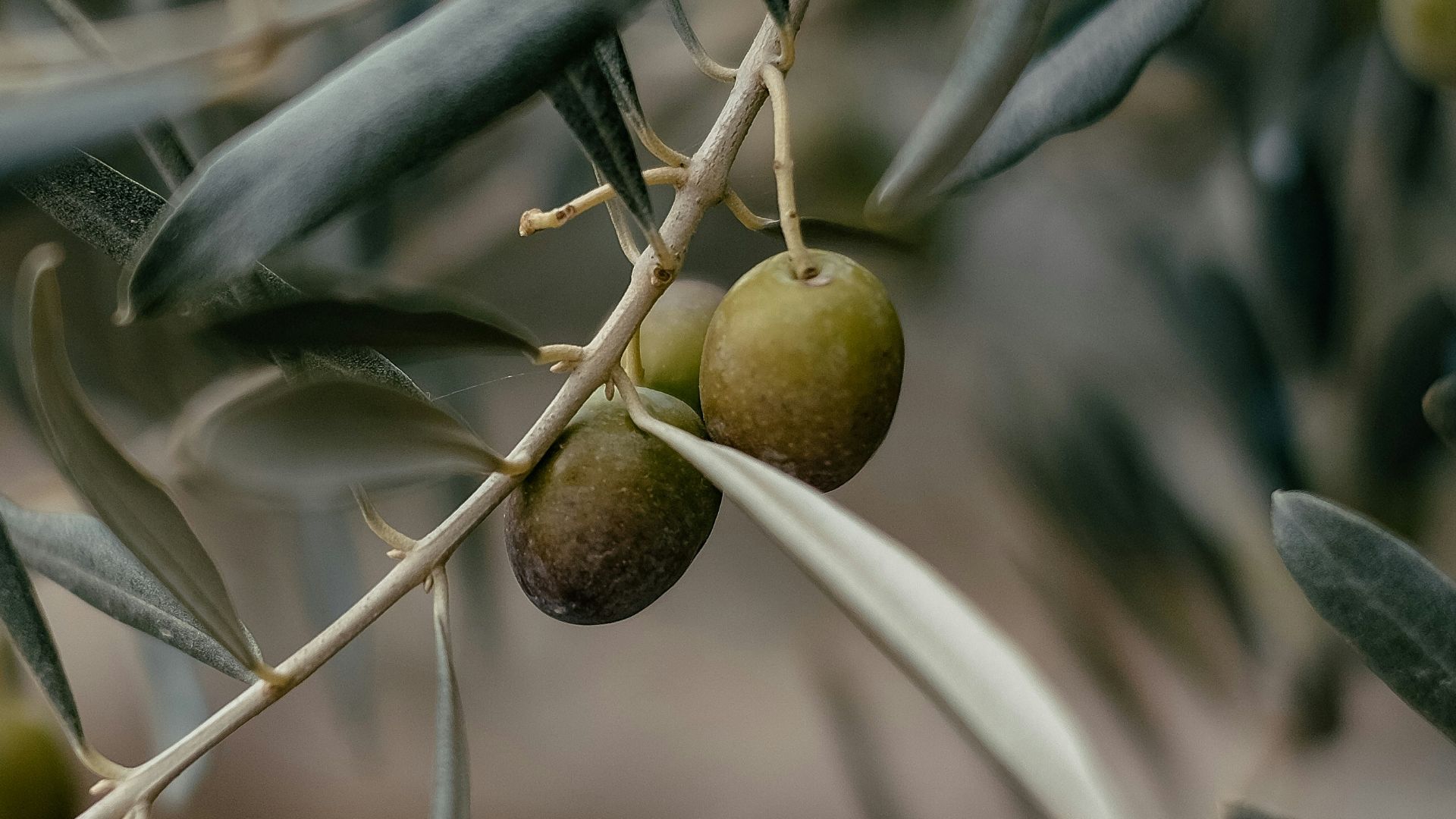
16. Olives
Olive harvest happens once annually, typically in the fall, and timing matters enormously since greener, earlier-picked olives produce a sharper, more peppery oil than fully ripe black ones. Groves across Italy, Spain, and Greece run entire regional economies around that single harvest window.
Once the trees are stripped, growers wait a full year before doing it again.
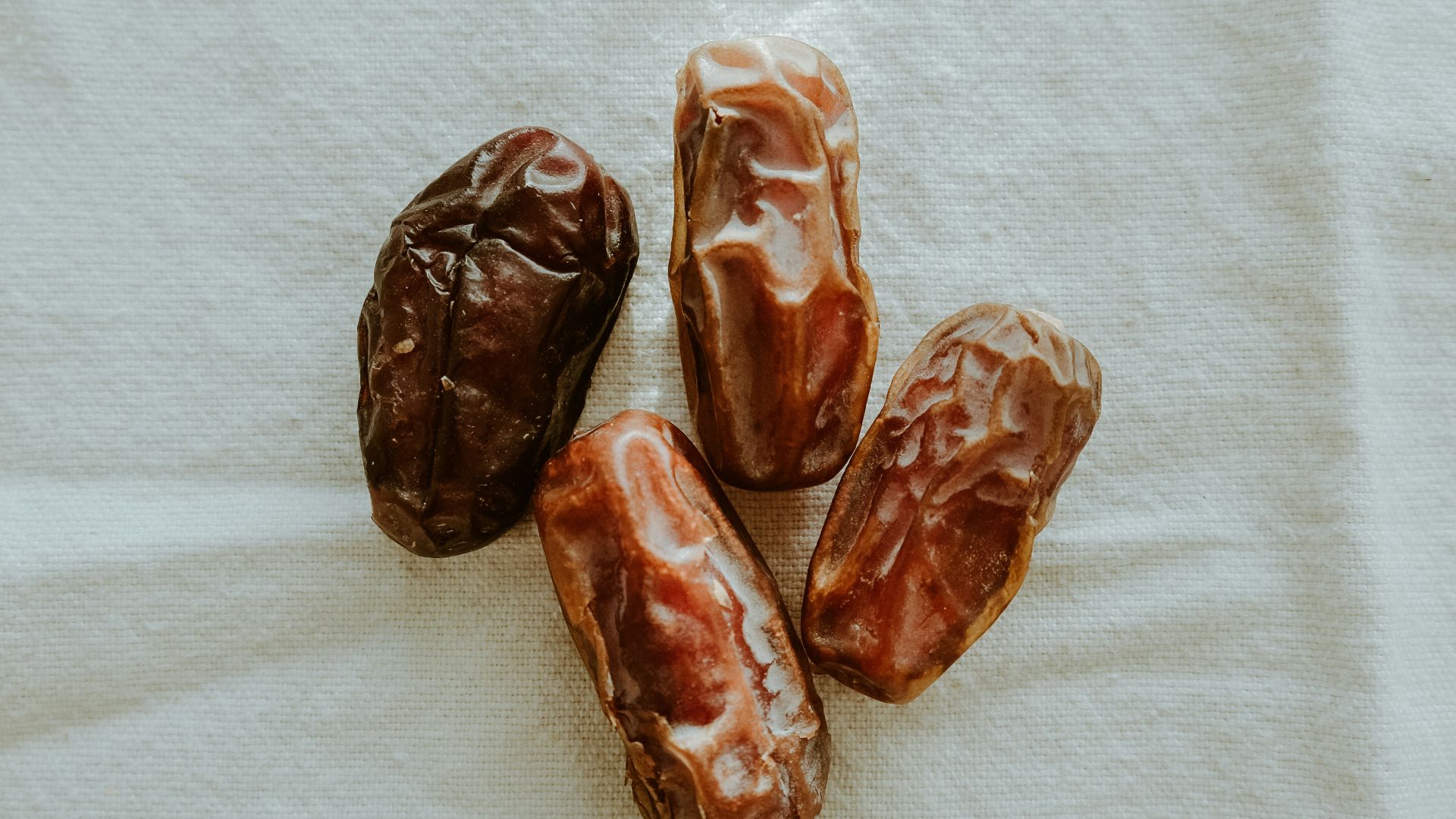
17. Medjool Dates
Medjool dates ripen on towering palm trees in late summer, and harvesting them often means climbing thirty or forty feet up with nothing but a rope and some serious nerve. The fruit has to be picked at exactly the right stage of ripeness, since dates left too long on the tree dry out and lose their caramel-like softness. It's one harvest, once a year, and it isn't for anyone afraid of heights.
18. Icewine Grapes
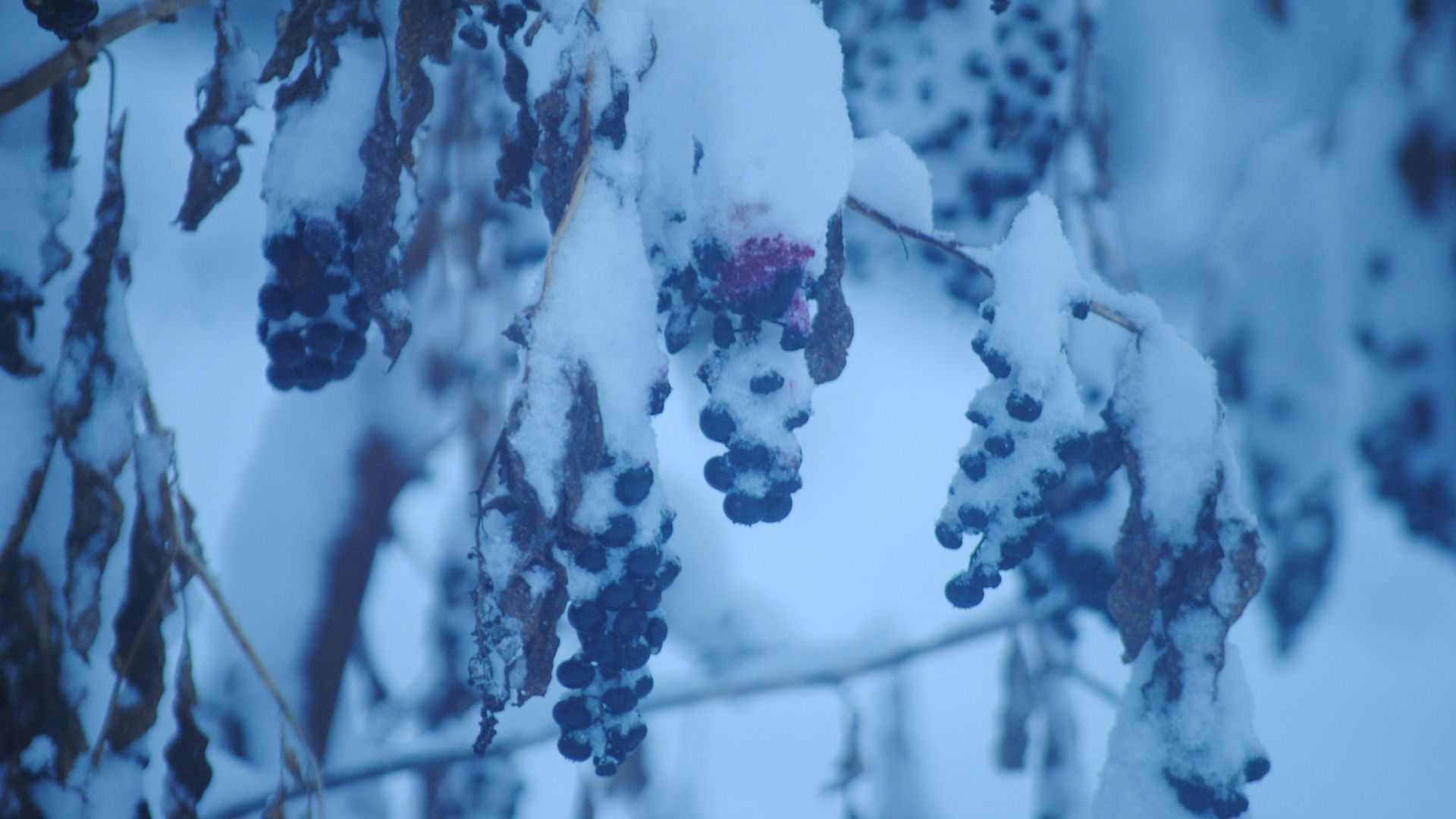
Icewine grapes are left on the vine long after a normal harvest, sometimes into December or January, until temperatures drop low enough to freeze the fruit solid while it's still attached. Workers then pick and press the grapes in the middle of the night, before sunrise thaws them out. It's a strange, cold, once-a-year gamble that can be wiped out entirely by a warm winter.
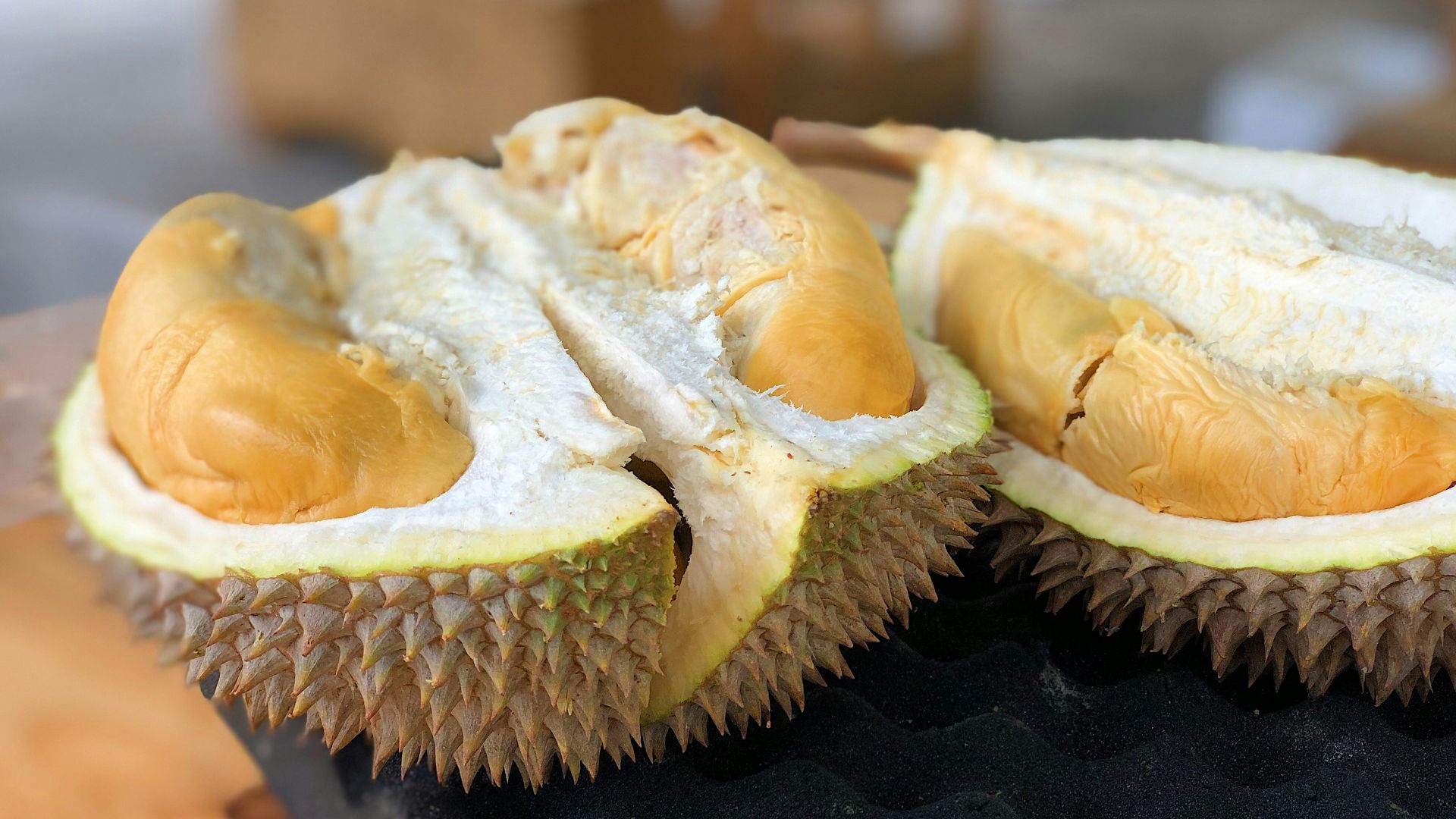
19. Durian
Durian trees in Southeast Asia produce fruit during a single, intense season, usually a few months in the middle of the year, and the smell alone announces the harvest before you even see the spiky husks piled up at market. Fruit is often left to drop naturally rather than picked, since a durian that falls on its own is considered better quality.
Once the season passes, the fruit disappears from markets almost entirely until the next year.
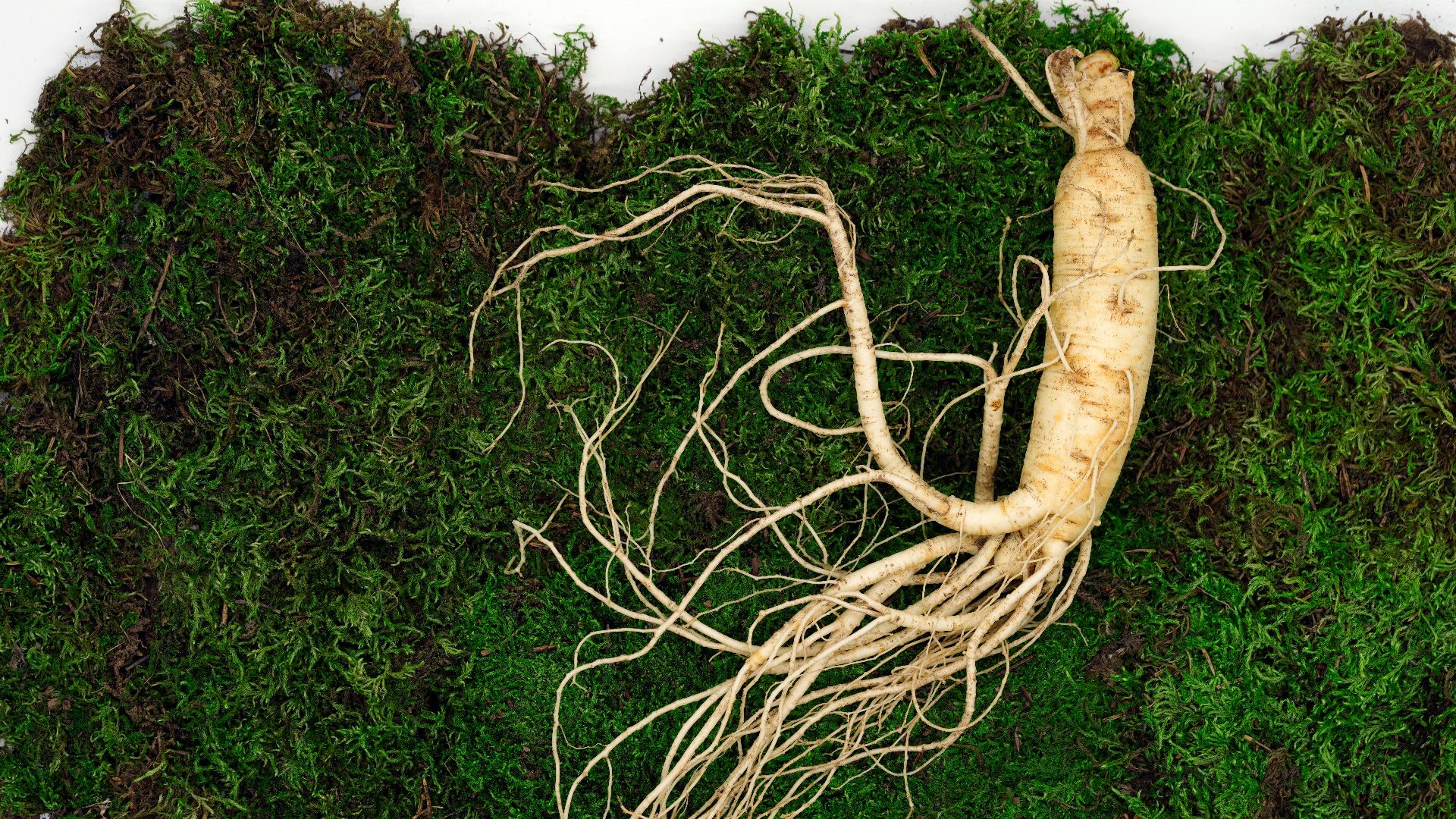
20. Ginseng
Wild ginseng roots take years, sometimes a decade or more, to mature enough to harvest, and even then diggers only go looking during a short legal season each fall. Overharvesting has pushed some states to tightly regulate when and how much can be dug. Once that window closes, the forests are left alone again until the following autumn.
KEEP ON READING

You’re Storing Tomatoes Wrong in This Heat
You’re Storing Potatoes Wrong in This Heat
You’re Storing Peppers Wrong in This Heat
You’re Storing Carrots Wrong in This Heat