20 Foods That Changed Completely After Coming to America
Immigration Gave Familiar Foods a Whole New Identity
The U.S. has always borrowed heavily from the cuisines brought over by immigrants, but those dishes rarely stayed the same once they arrived. Ingredients were more plentiful, customer tastes were different, and restaurant owners often adjusted recipes to appeal to a wider crowd. Sometimes the American version eventually became so distinctive that someone from the food's supposed homeland might barely recognize it. From supersized pizzas to cream cheese-filled sushi rolls, here are 20 foods that took on very different personalities after coming to America.

1. Pizza
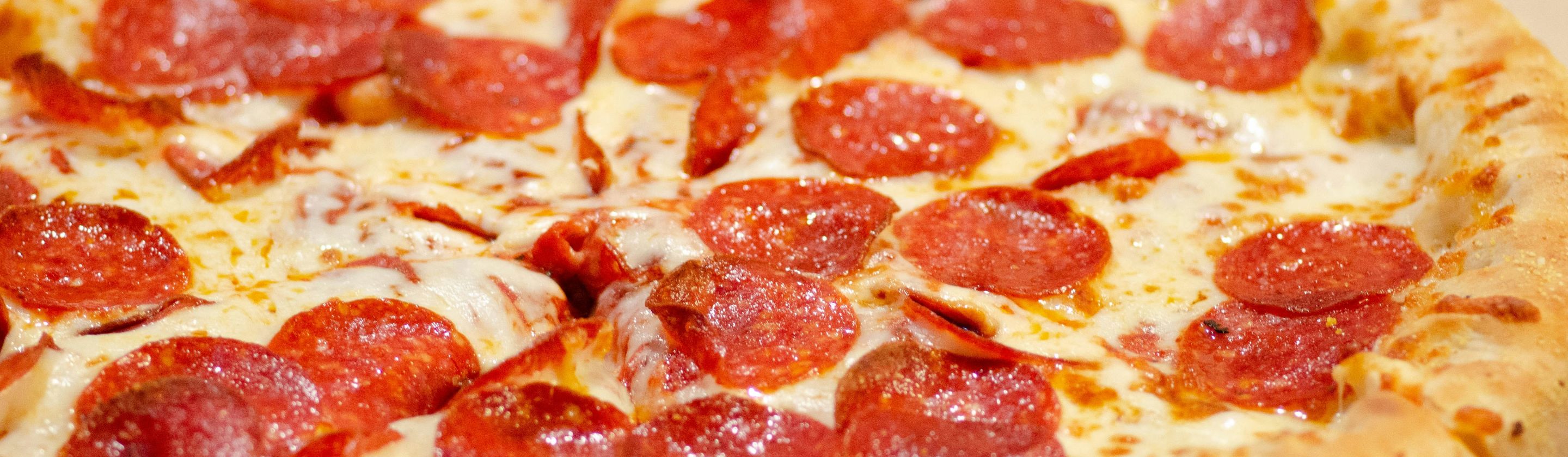
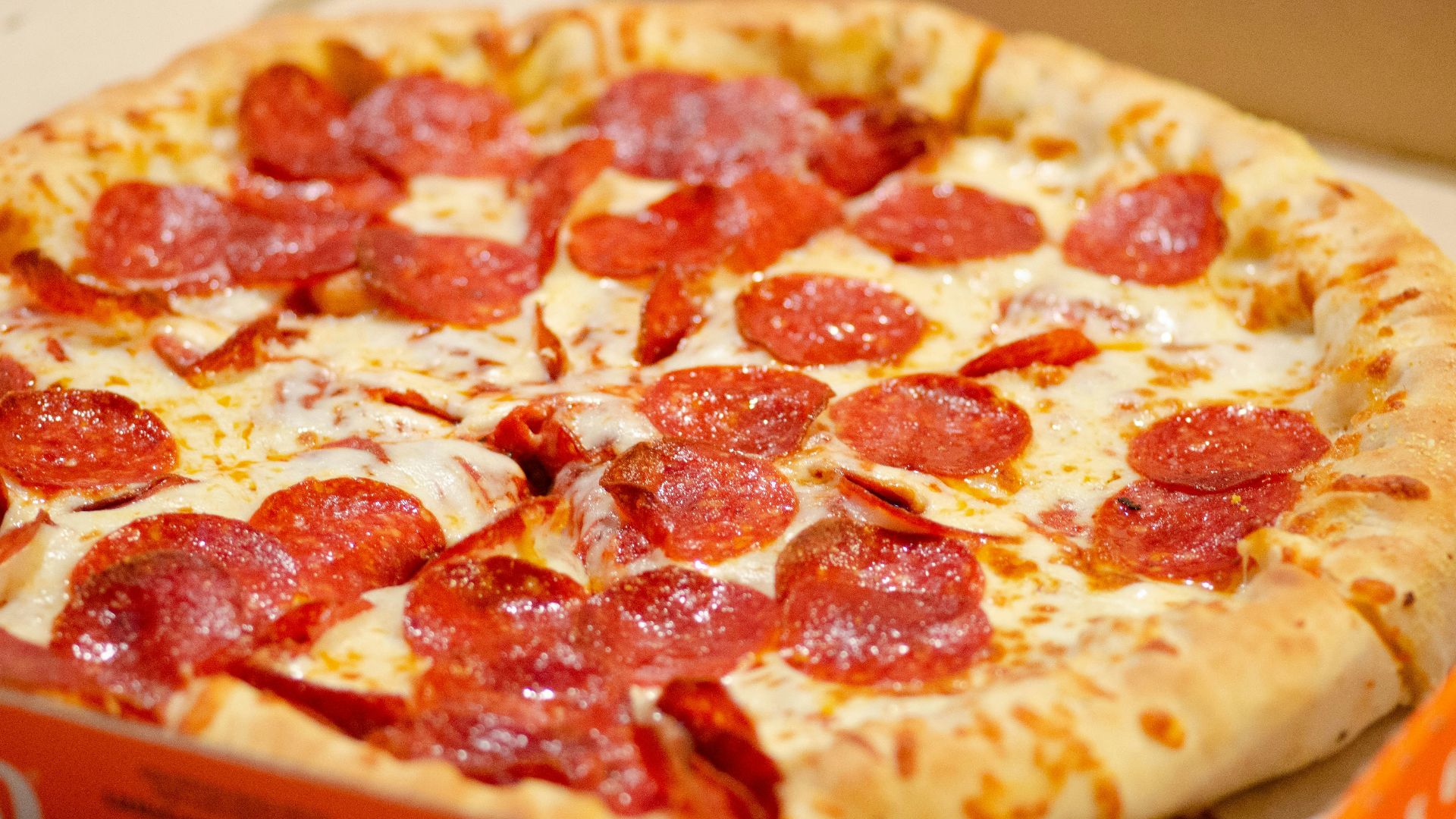
Pizza arrived in the U.S. with Italian immigrants, but the simple pies associated with Naples didn't stay simple for long. American versions became larger, heavier on cheese, and increasingly covered with toppings ranging from pepperoni to sausage and peppers. Regional styles also multiplied, giving us everything from New York slices to Chicago deep dish and Detroit-style square pizza. What began as relatively straightforward Italian street food turned into an enormous American category of its own.
2. Spaghetti & Meatballs
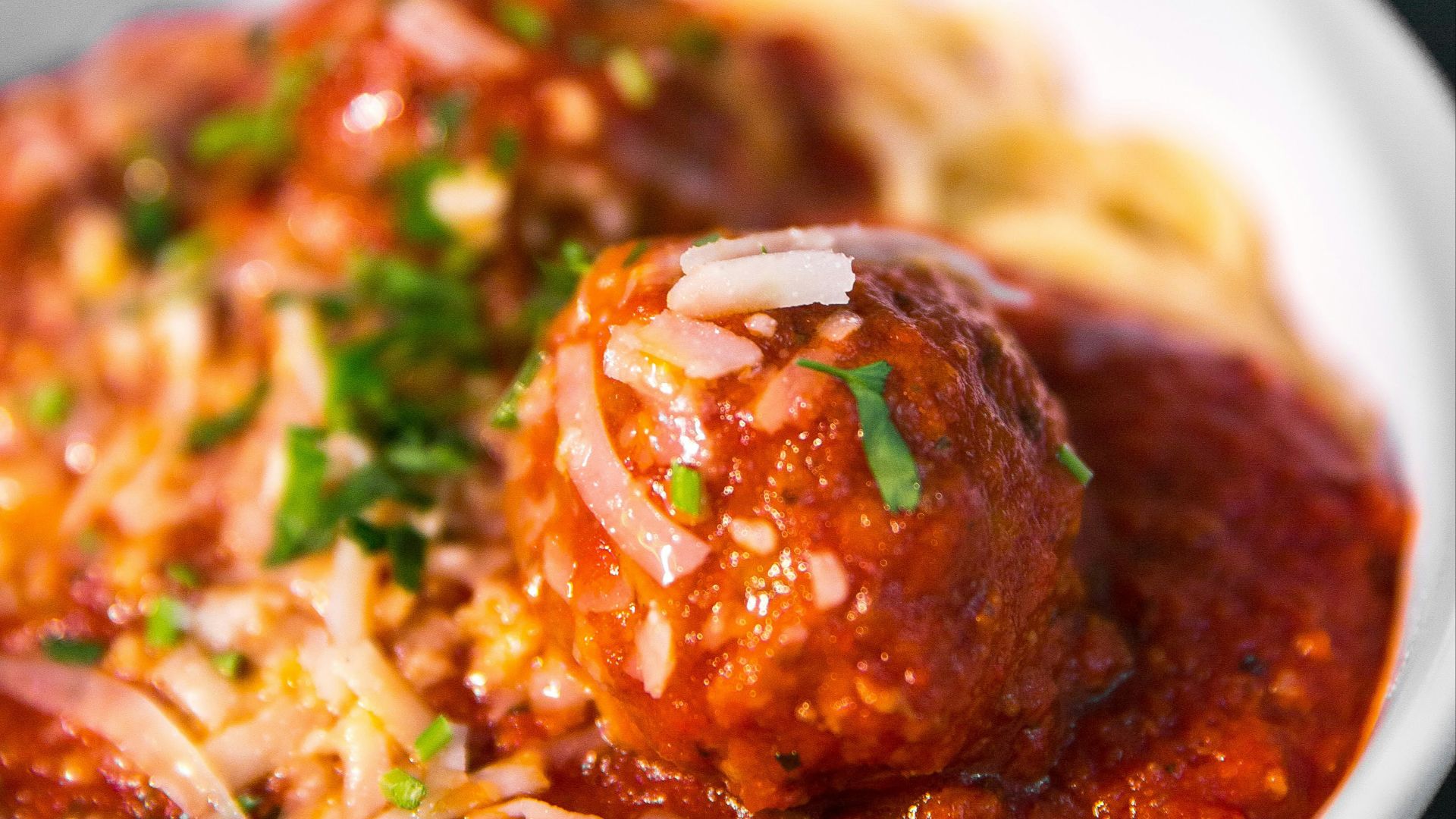
You can certainly find pasta and meatballs in Italy, but the giant meatballs sitting on top of a mountain of spaghetti are largely an Italian American creation. Immigrants who had previously used meat more sparingly suddenly found it more affordable in the U.S. so meatballs consequently grew larger and became the centerpiece rather than a smaller part of a meal.
3. Chinese Takeout
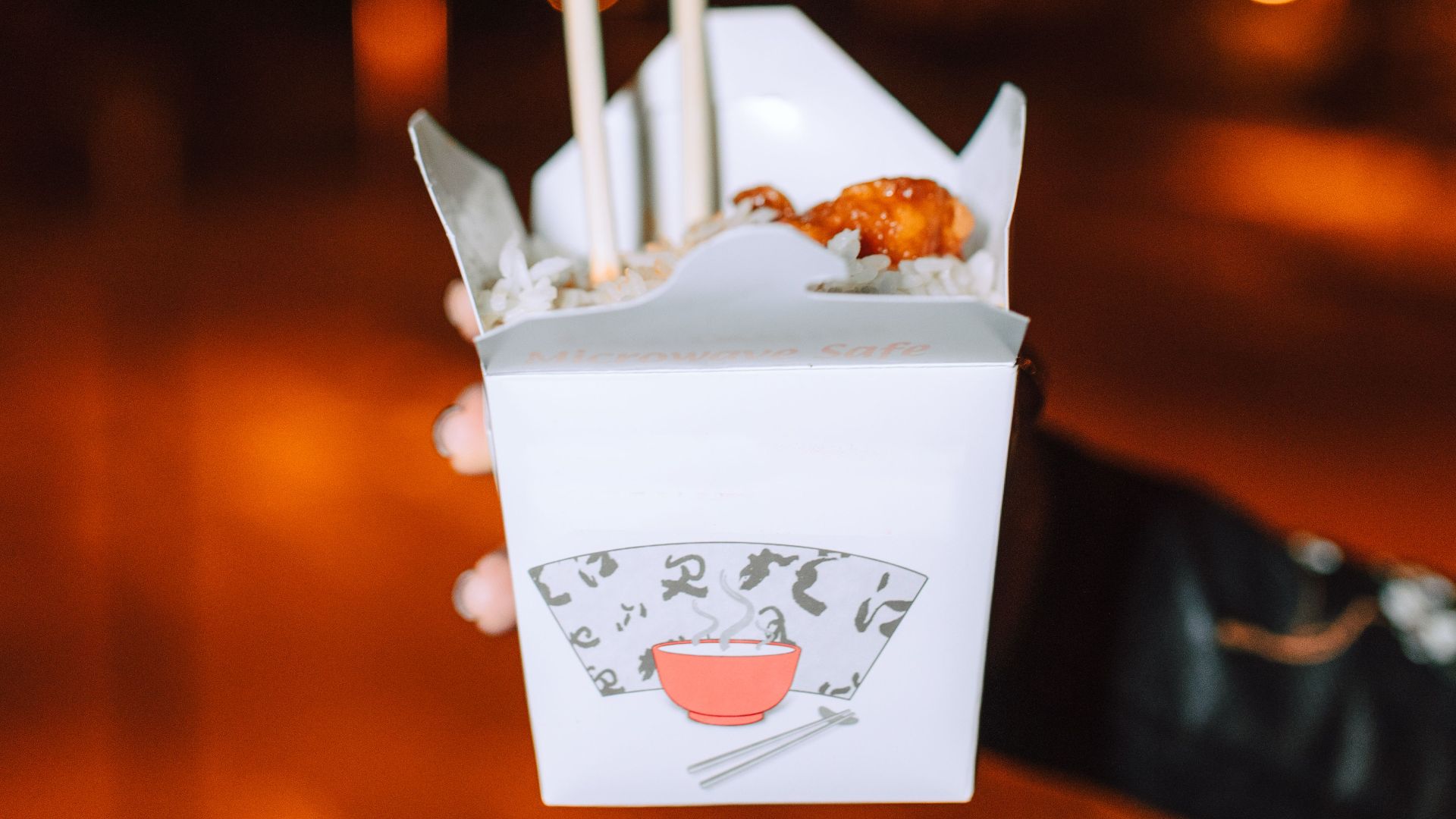
Chinese immigrants initially cooked dishes based on the regional cuisines they knew, particularly food from southern China. Restaurants soon adapted to American customers by adding sweeter sauces, more deep-fried preparations, and larger portions of meat. Dishes such as orange chicken and crispy beef reflect those changes much more than traditional everyday cooking in China. Even the familiar cardboard takeout box became part of an American Chinese food culture that developed separately.
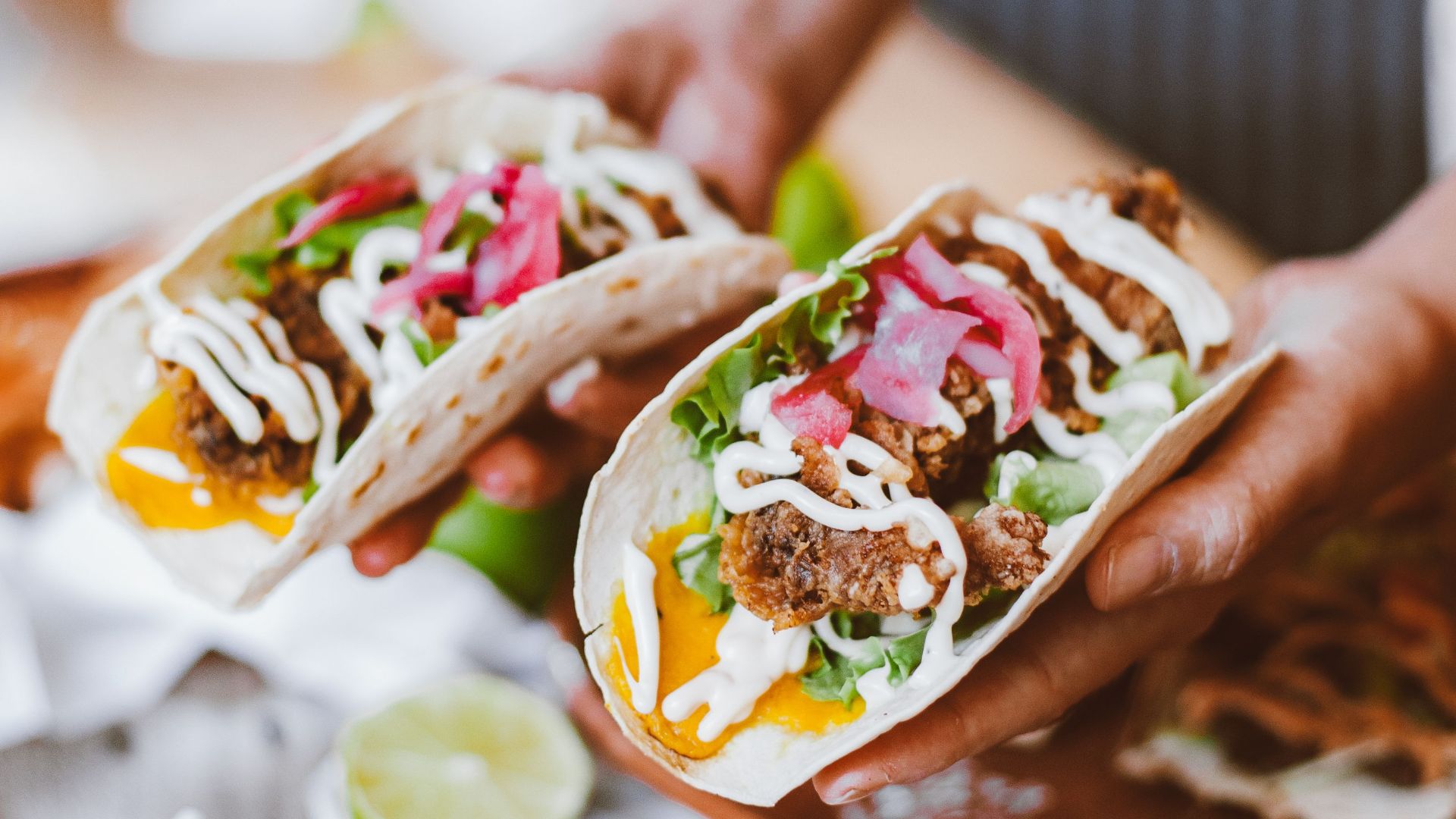
4. Tacos
Traditional Mexican tacos can be wonderfully straightforward, often featuring a small corn tortilla, meat, onion, cilantro, and salsa. In the U.S., tacos frequently became larger and piled with shredded cheese, lettuce, sour cream, tomatoes, and other extras. Hard taco shells also became particularly associated with Americanized Mexican food. Today, you can order tacos filled with practically anything, which shows just how far the format has traveled.
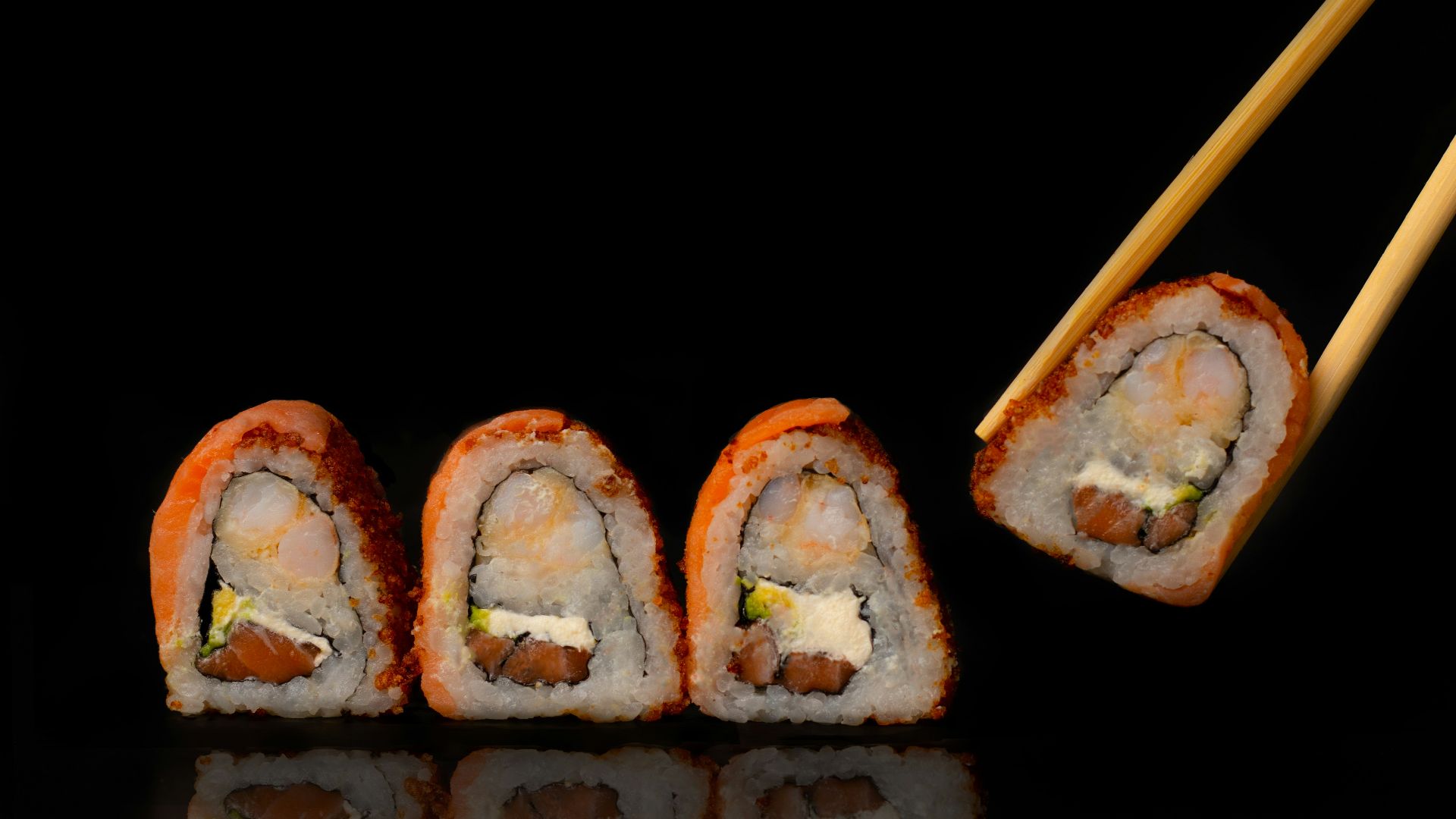
5. Sushi
Japanese sushi traditionally emphasizes rice, seafood, seasoning, and carefully balanced flavors, but American sushi chefs started experimenting with locally available ingredients. Avocado became a surprisingly successful addition, while rolls were increasingly made inside-out so the seaweed was less visible to unfamiliar diners. Cream cheese, spicy mayonnaise, fried toppings, and elaborate sauces followed, creating a whole branch of sushi that's distinctly American.
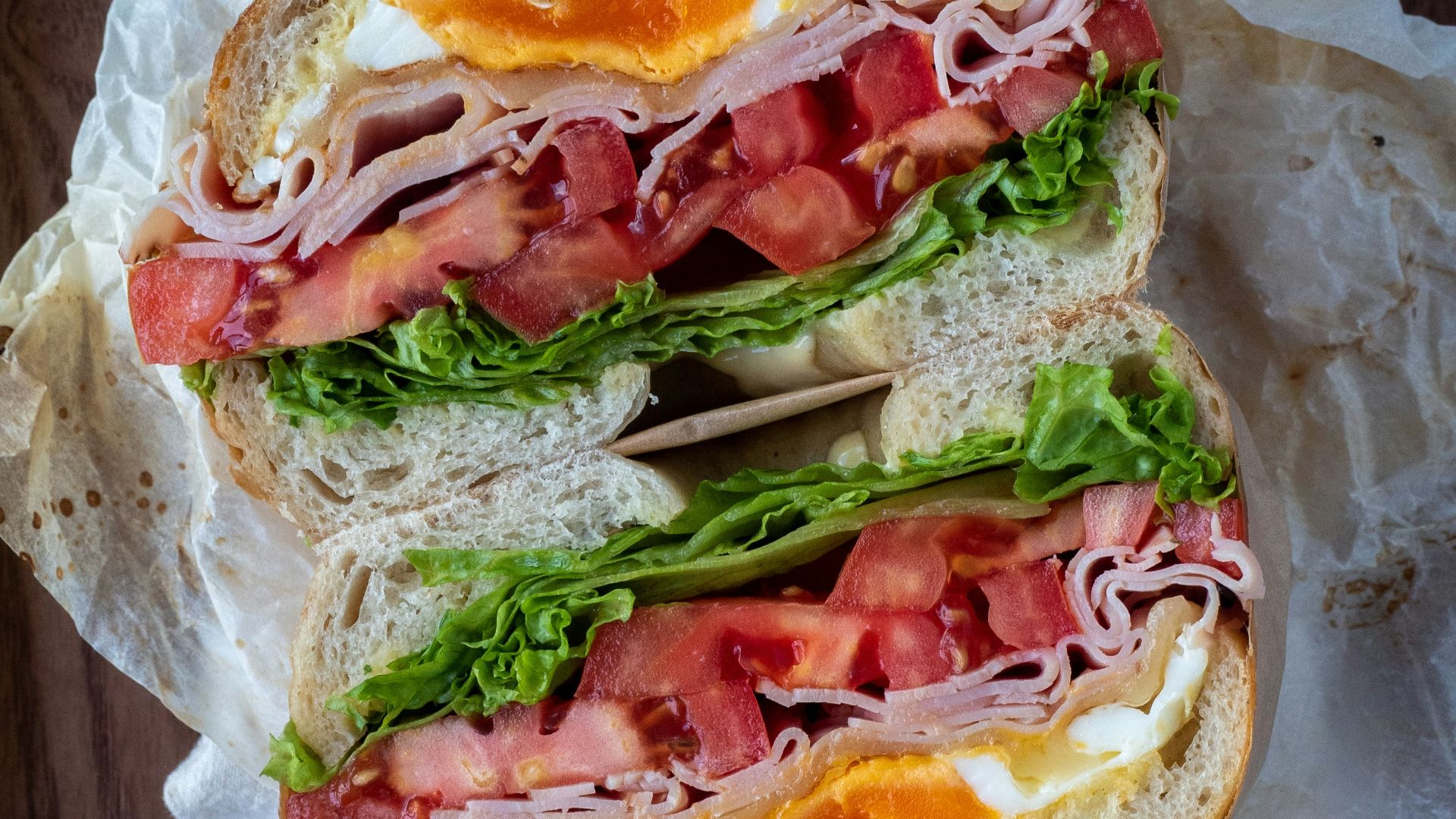
6. Bagels
The bagels brought to America by Eastern European Jewish immigrants were generally smaller, denser, and much less extravagant than many modern versions. Over time, American bagels grew considerably in size and appeared in increasingly creative flavors. Cream cheese went from a topping to something often spread on in very generous quantities, while breakfast sandwiches added eggs, bacon, sausage, and more.
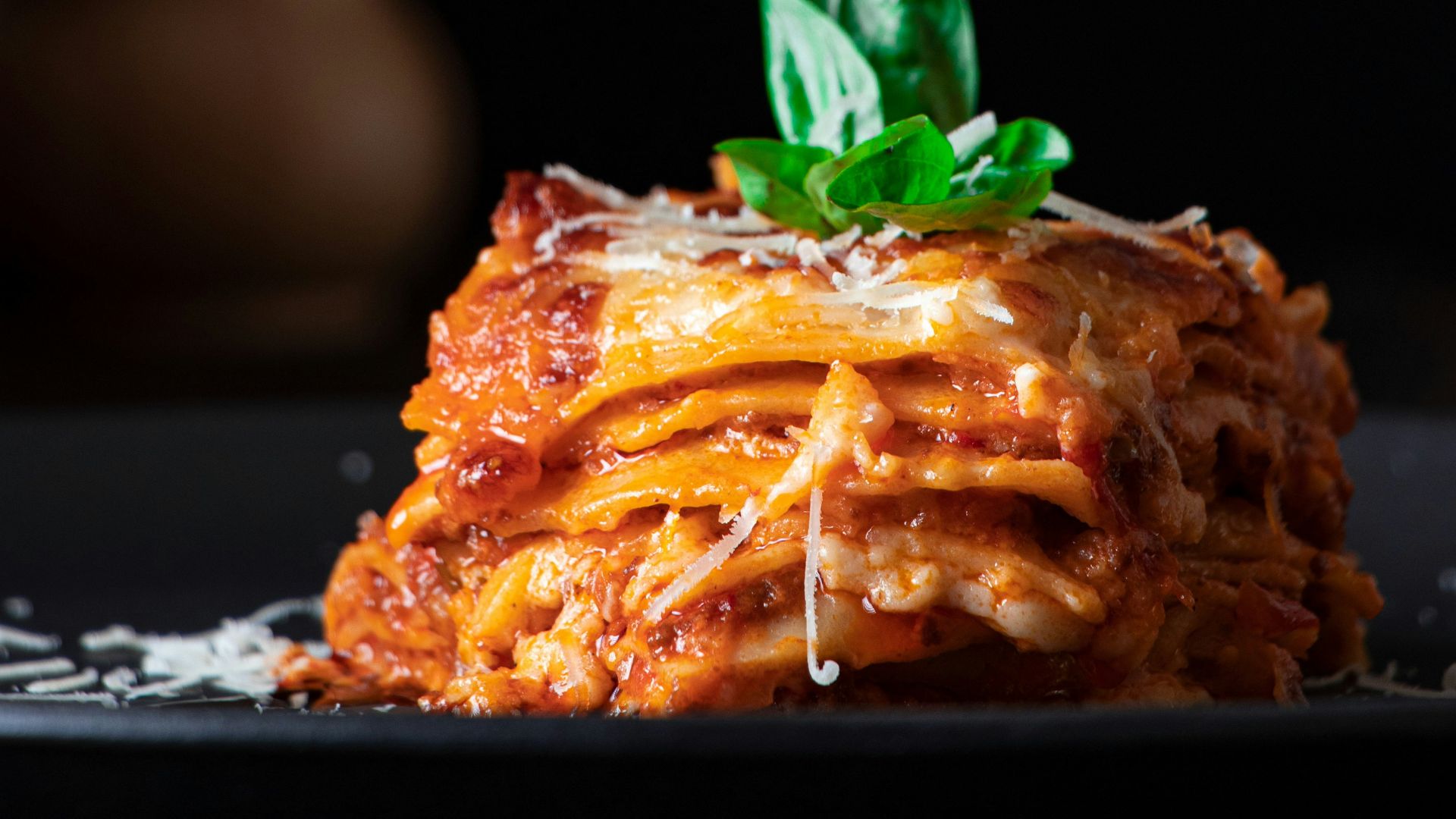
7. Lasagna
Italian lasagna varies significantly by region, so there's never been just one authentic version. Still, Italian American lasagna developed a recognizable preference for abundance, often combining ricotta, mozzarella, Parmesan, ground meat, and plenty of tomato sauce. American recipes tend to build thick, substantial layers that produce an especially rich dish.
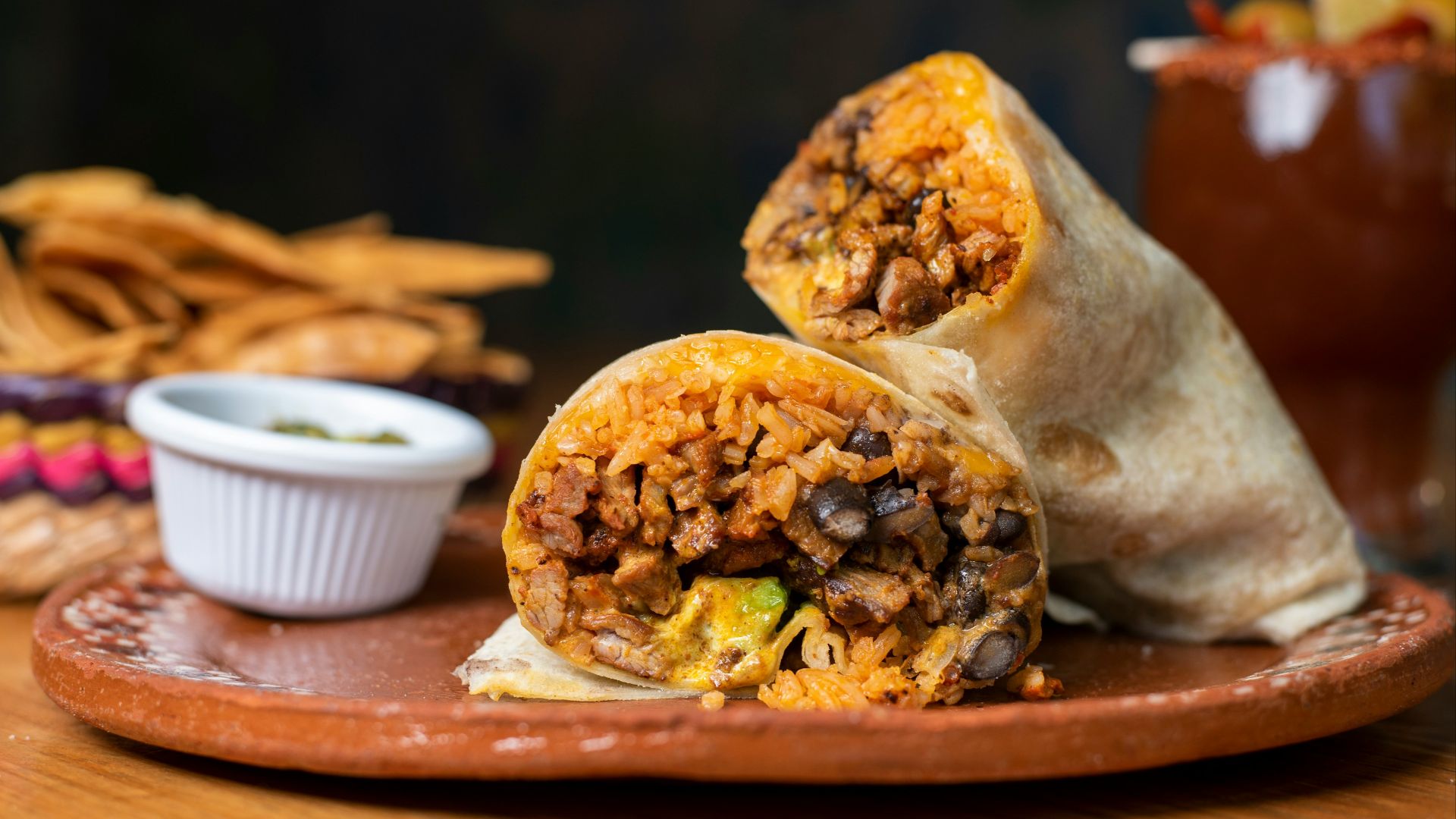
8. Burritos
Burritos existed in northern Mexico before becoming an American staple, but they were generally much simpler than today's giant restaurant versions. In the U.S., particularly California, cooks began stuffing oversized flour tortillas with rice, beans, meat, cheese, salsa, sour cream, and vegetables. The Mission-style burrito popularized in San Francisco pushed the concept particularly far.
9. Hamburgers
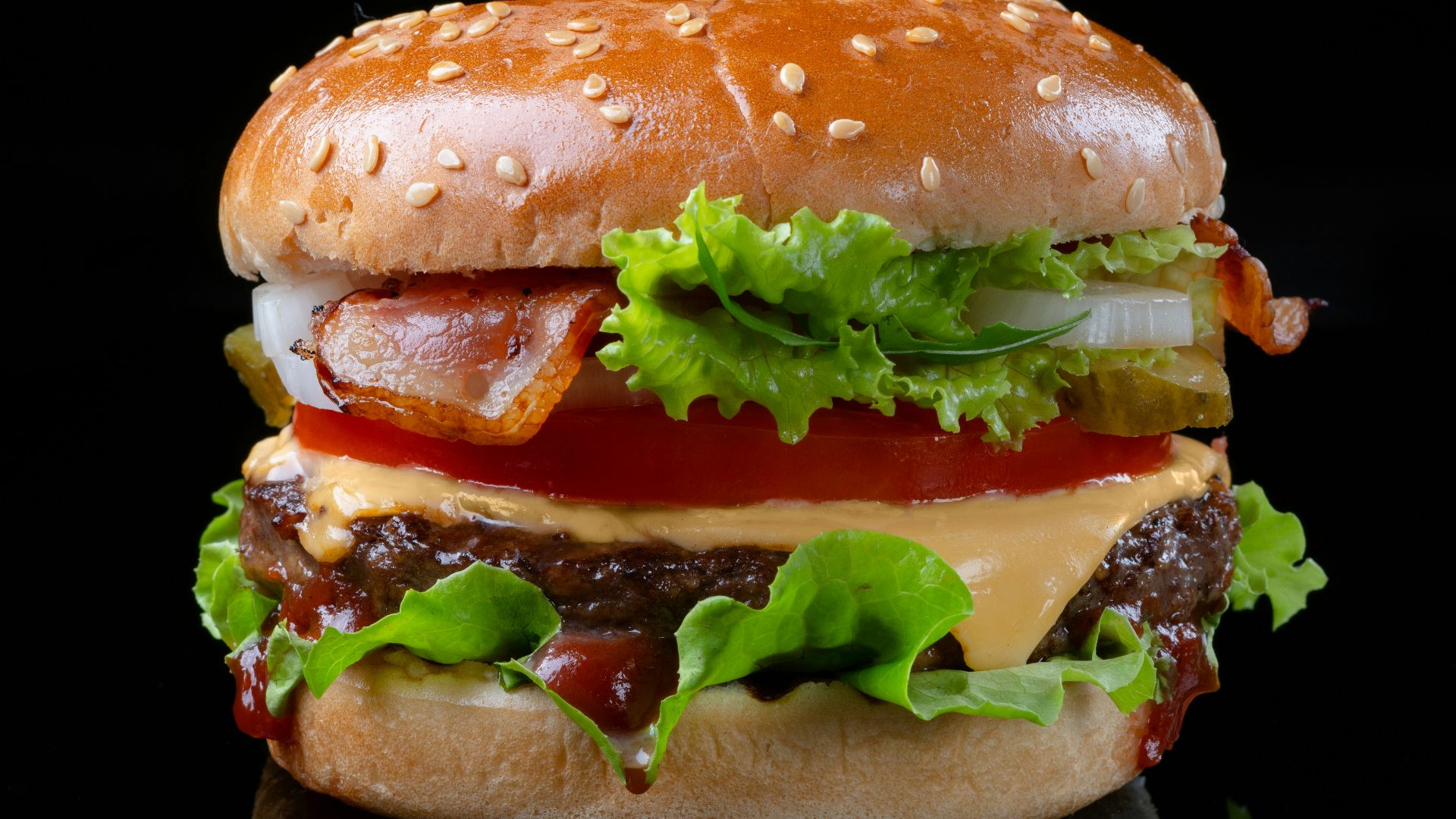
The hamburger's distant roots are often connected to minced-beef traditions associated with Hamburg, Germany, but the American sandwich evolved into something entirely different. Putting a beef patty inside a bun turned it into portable fast food, and toppings quickly expanded beyond basic onions or pickles. Cheese, bacon, special sauces, fried eggs, onion rings, and increasingly elaborate extras eventually joined the party. America didn't simply adopt chopped beef; it helped turn the hamburger into an international fast-food icon.
 David Foodphototasty on Unsplash
10. Hot Dogs
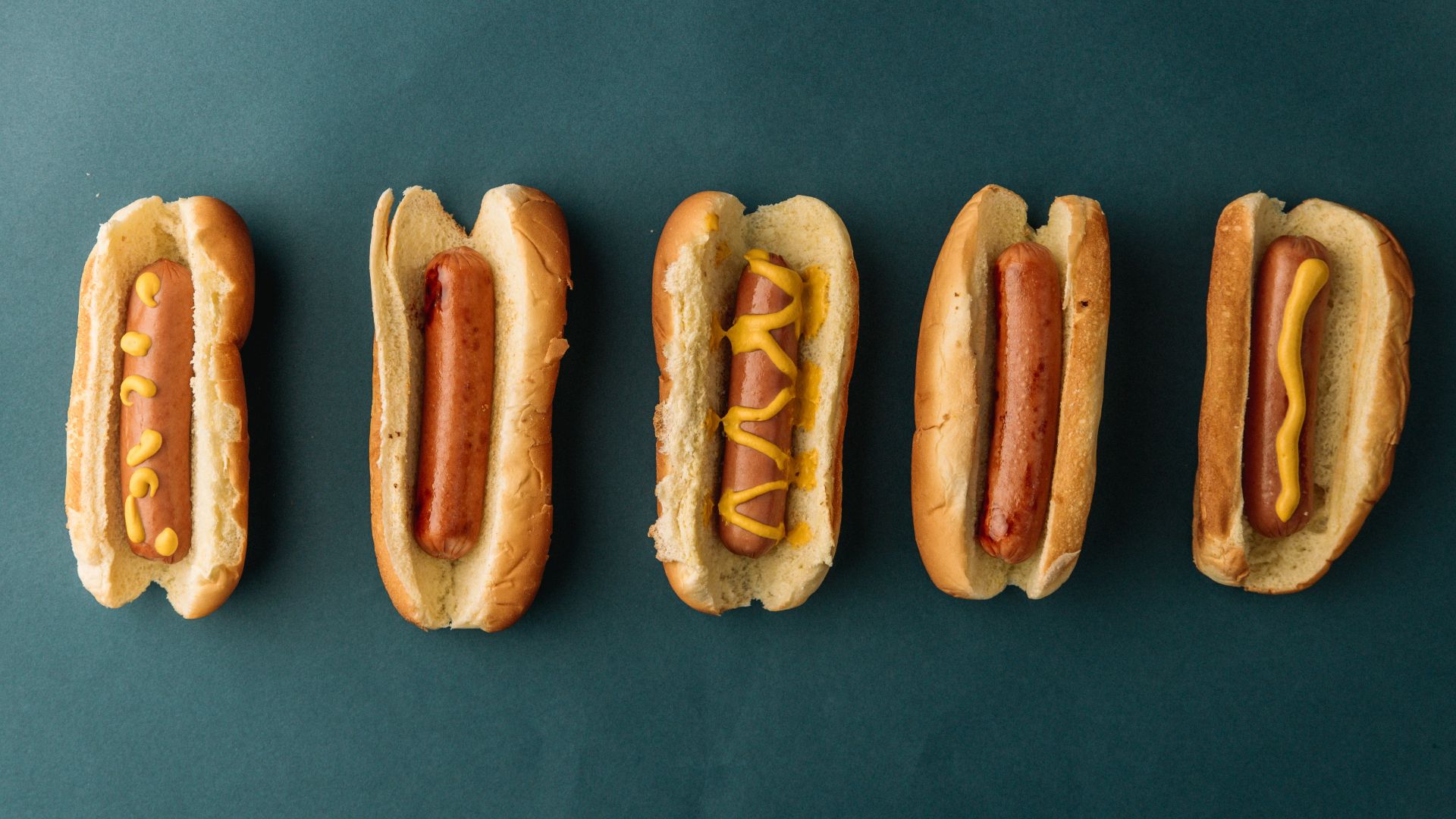
German-speaking immigrants brought numerous sausage traditions to the U.S., including frankfurters and wieners. Once those sausages were tucked into buns and sold at ballparks, street stands, and fairs, the American hot dog developed its own identity. Different cities added completely different topping combinations, from Chicago's vegetables and relish to New York's sauerkraut and mustard.
11. Chicken Parmesan
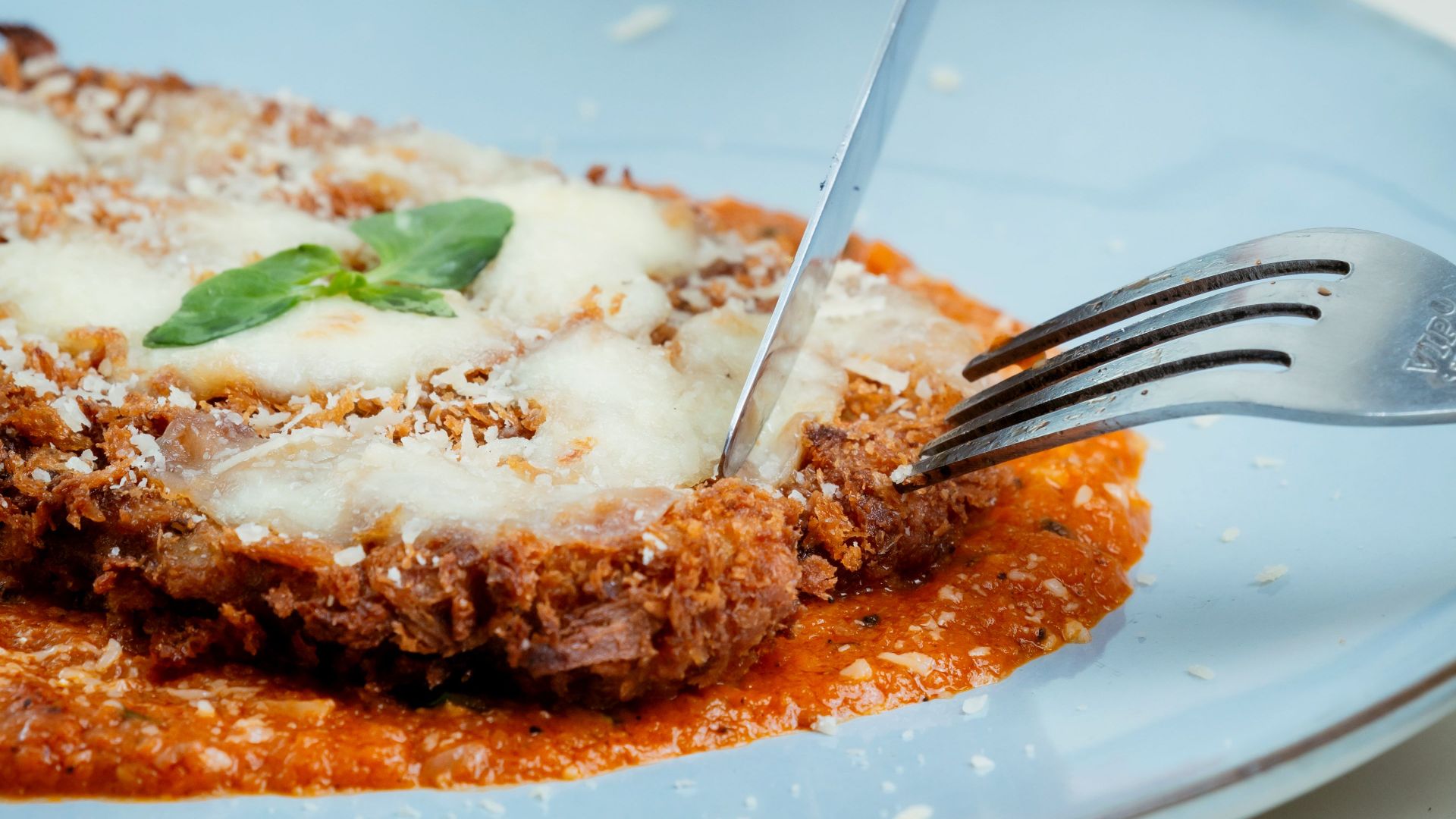
Chicken Parmesan sounds thoroughly Italian, yet its closest culinary ancestor is eggplant parmigiana rather than a classic Italian chicken preparation. Italian Americans adapted the concept in a country where meat was relatively affordable, replacing eggplant with breaded chicken cutlets. Tomato sauce and lots of melted mozzarella turned it into the hearty restaurant dish familiar today.
12. Gyros
Greek gyros traditionally revolve around seasoned meat cooked on a vertical spit, but the version popularized in America developed some notable differences. Many American restaurants adopted a standardized mixture of beef and lamb shaped into a dense cone rather than using stacked slices of meat. Generous amounts of tzatziki, lettuce, tomato, and onion typically joined it inside a pita.
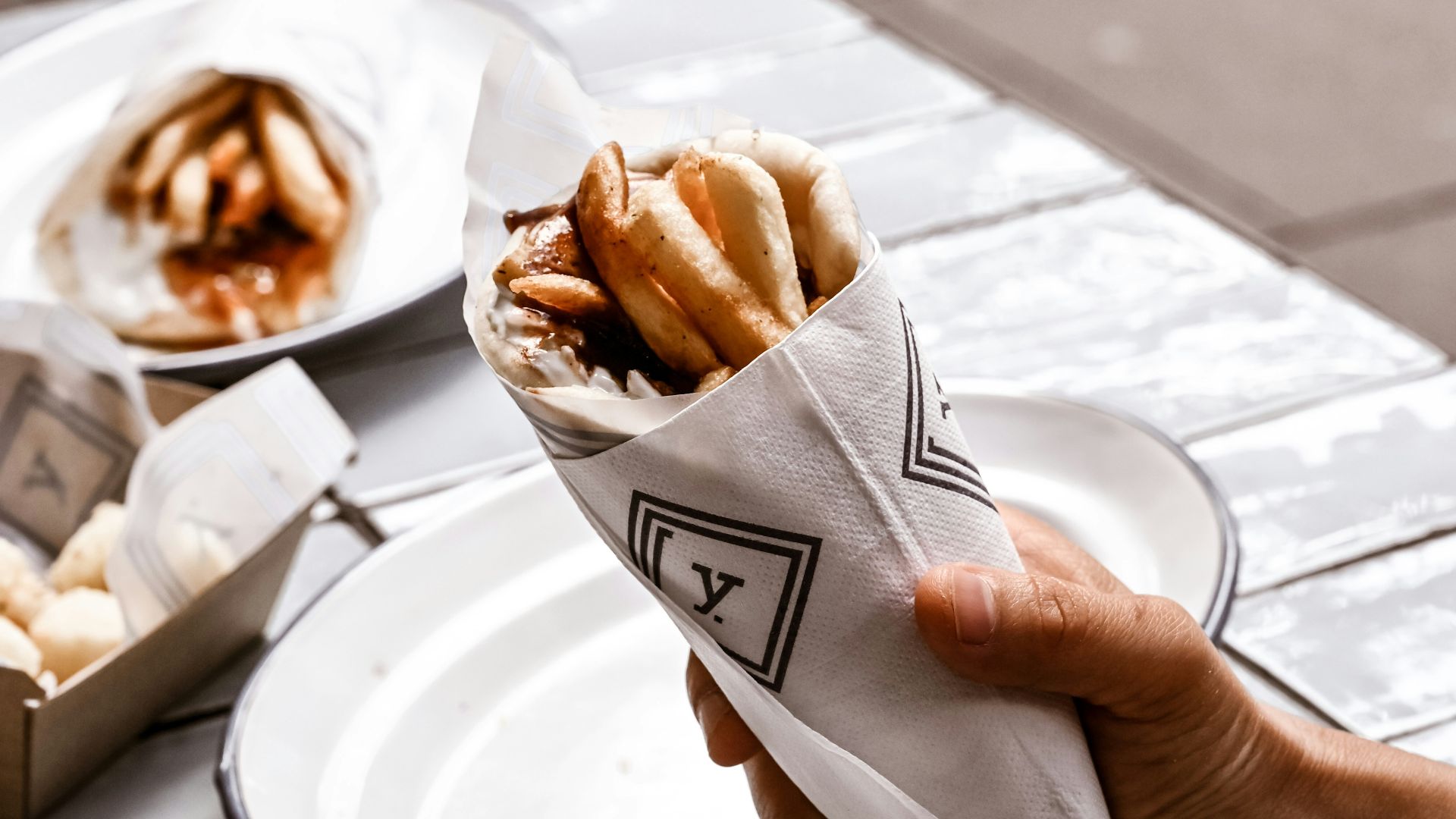 Jojo Yuen (sharemyfoodd) on Unsplash
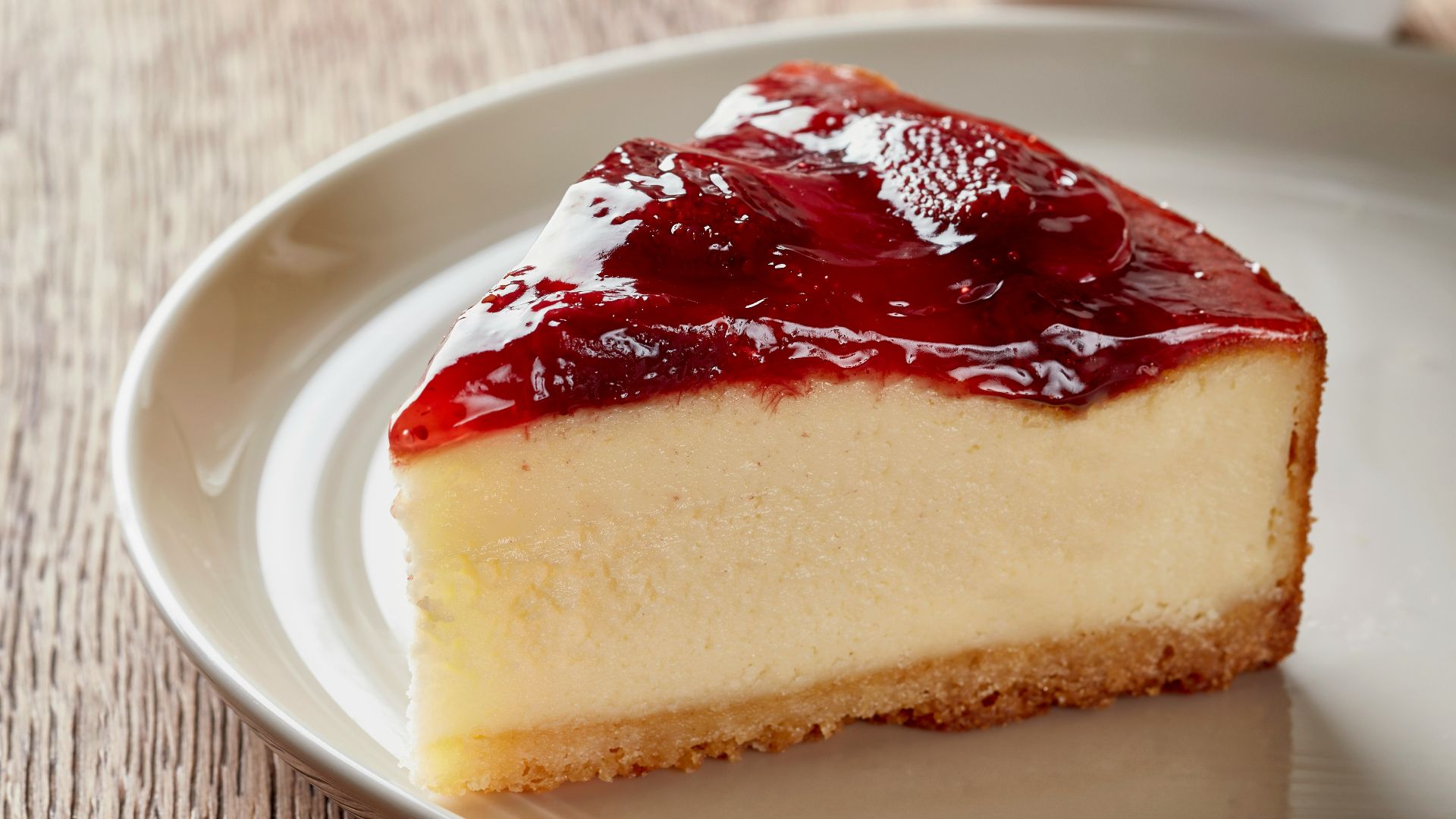
13. Cheesecake
Cheesecake has ancient roots and appears in numerous European culinary traditions, but New York turned it into something especially decadent. The widespread availability of American cream cheese helped create a smooth, dense filling quite different from cheesecakes made with ricotta, quark, or other cheeses elsewhere. American portions also became notably substantial.
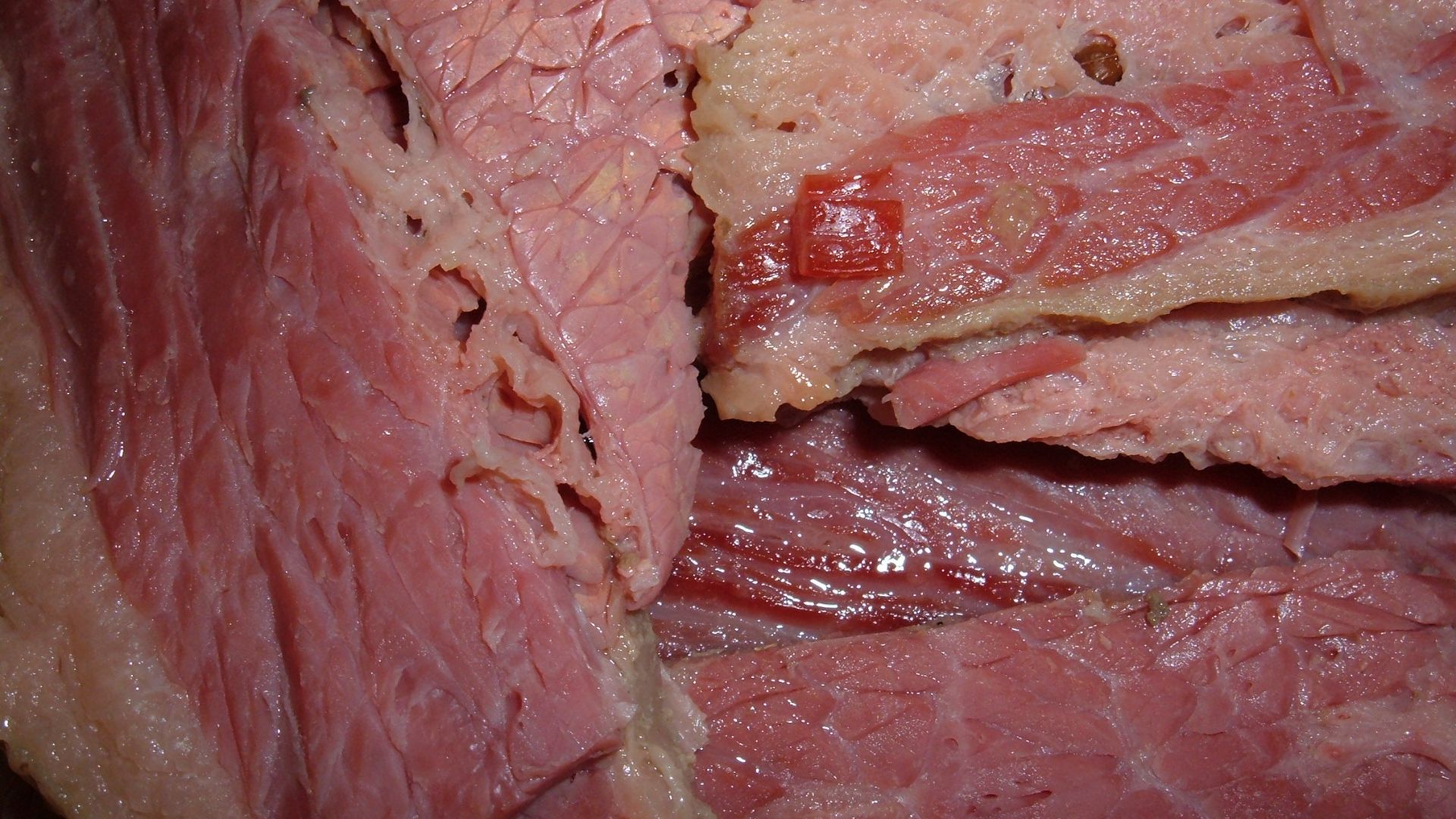
14. Corned Beef
Corned beef and cabbage is closely associated with Irish American celebrations, yet it wasn't the standard everyday meal of most people in Ireland. Irish immigrants in American cities encountered inexpensive cured beef through neighboring Jewish communities and used it as an alternative to the pork they might have eaten back home. Cabbage remained an affordable companion, and the pairing became increasingly tied to Irish American identity. Eventually, many Americans came to view the dish as quintessentially Irish.
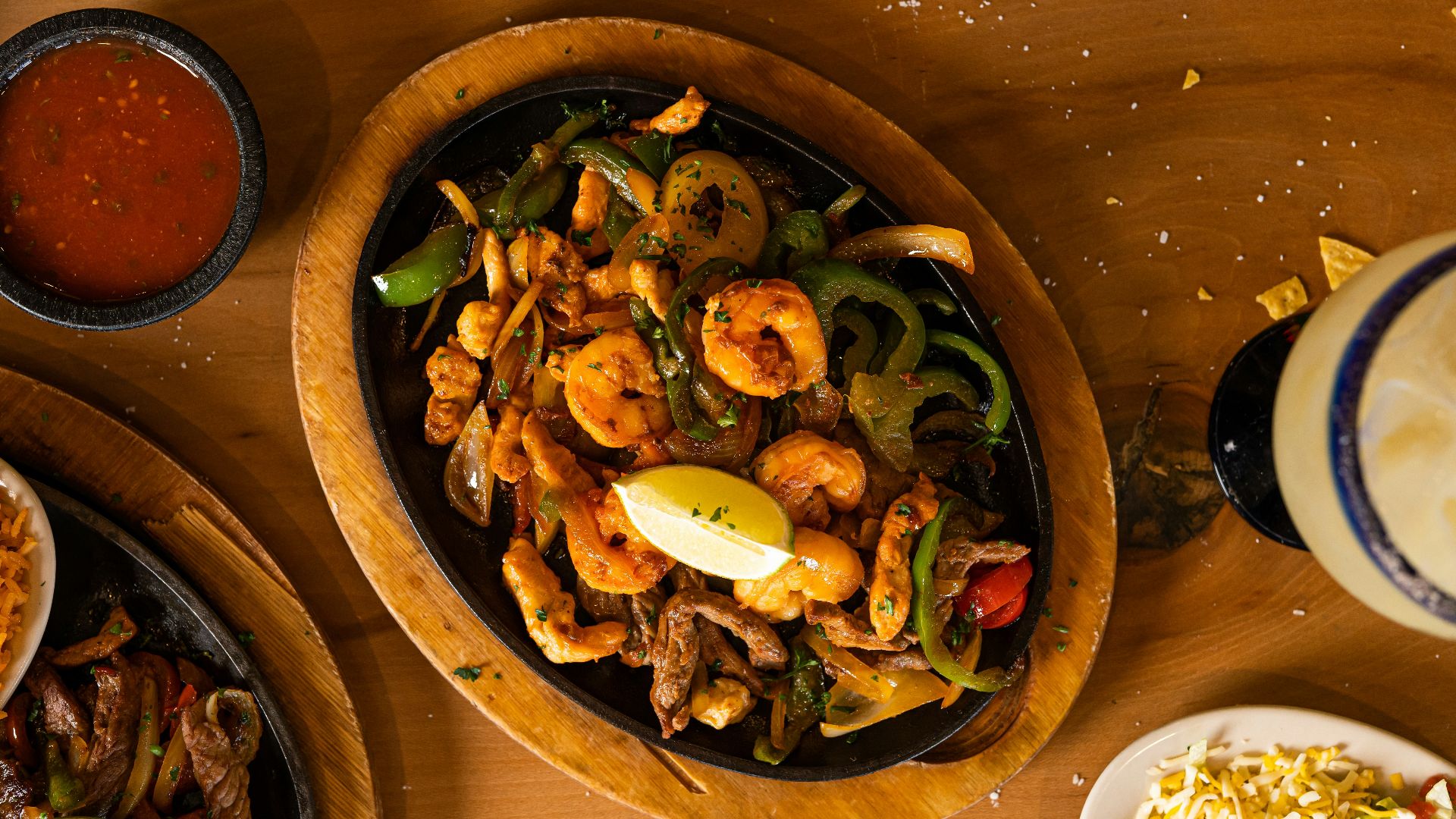
15. Fajitas
The word "fajita" originally referred to a particular cut of beef associated with Mexican ranch workers in Texas. As Tex-Mex restaurants popularized the dish, sizzling platters became a spectacle and the definition widened considerably. Chicken, shrimp, vegetables, cheese, sour cream, guacamole, and several other additions entered the picture. What started with skirt steak eventually became an entire restaurant category defined more by presentation than one specific ingredient.
 Hybrid Storytellers on Unsplash
16. French Fries
Fried potatoes were already well established in Europe before Americans enthusiastically embraced them. In the U.S., however, fries became closely tied to burgers, diners, drive-ins, and eventually fast-food chains. Restaurants began covering them in cheese, chili, bacon, ranch, truffle flavoring, and practically anything capable of staying on top.
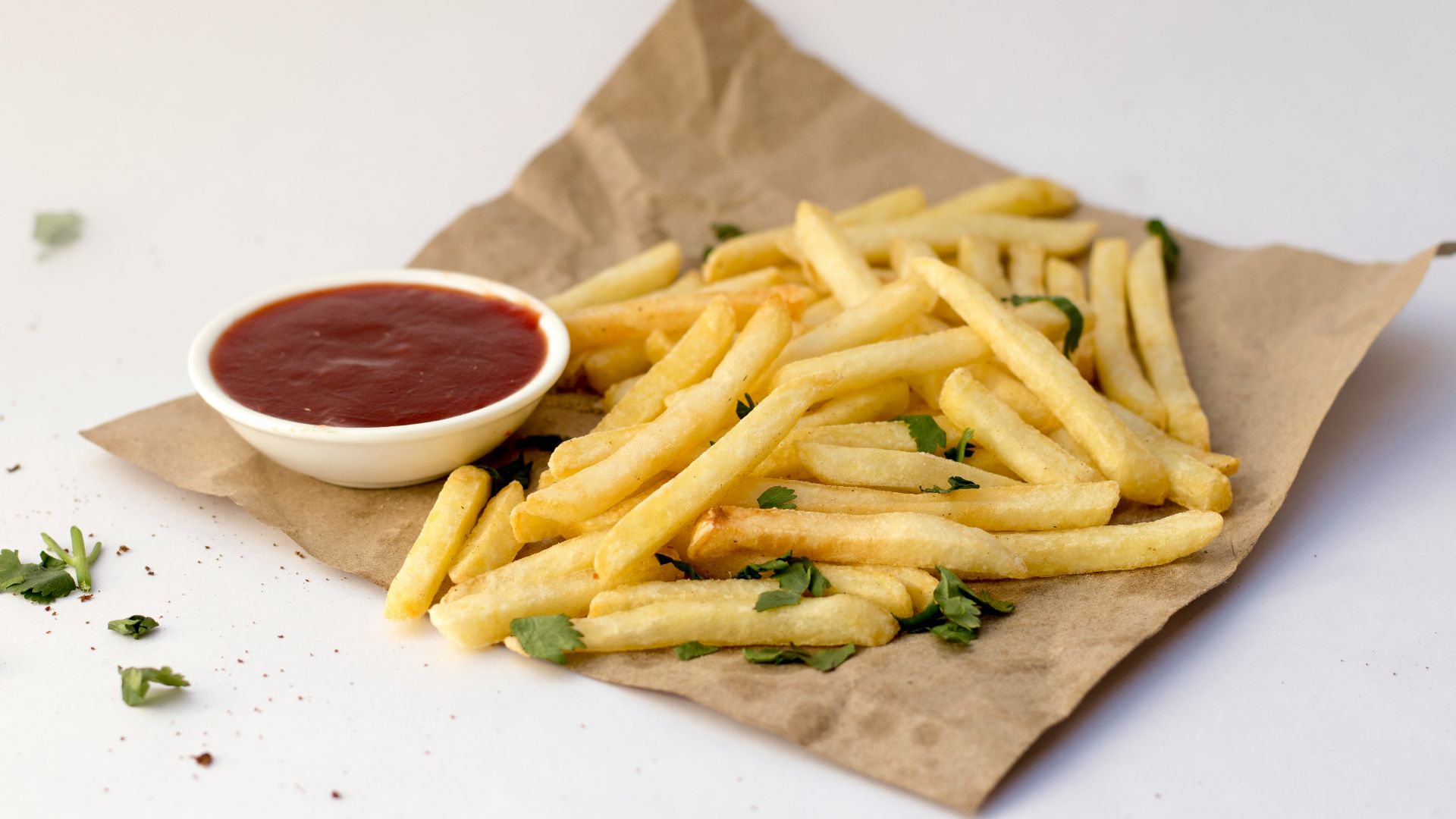 Pixzolo Photography on Unsplash
17. Egg Rolls
American Chinese egg rolls are closely related to Chinese spring rolls, but they're usually thicker, heavier, and considerably more filling. Their wrappers fry into a bubbled, crunchy shell surrounding cabbage, pork, and other ingredients. The familiar appetizer developed alongside Chinese American restaurant cuisine rather than simply being imported unchanged from China.
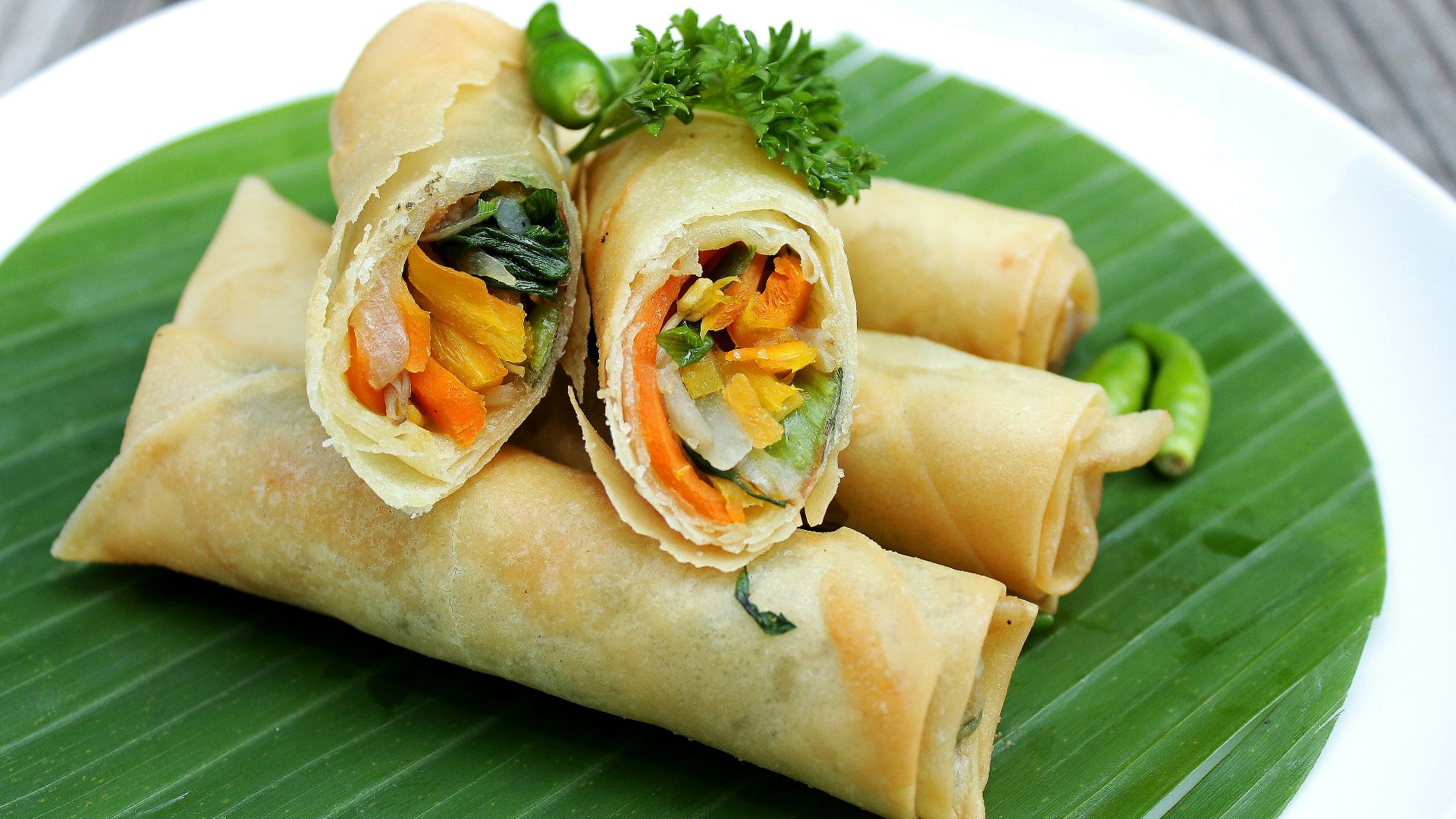
18. Italian Subs
Italian immigrants brought cured meats, cheeses, and bread traditions to the United States, but the loaded Italian submarine sandwich developed here. American delis started layering several meats such as salami, ham, capicola, and mortadella together with provolone, vegetables, oil, and seasonings. Instead of eating these ingredients separately, customers got them stacked into one enormous sandwich. Regional versions eventually appeared throughout the Northeast, sometimes under completely different names.
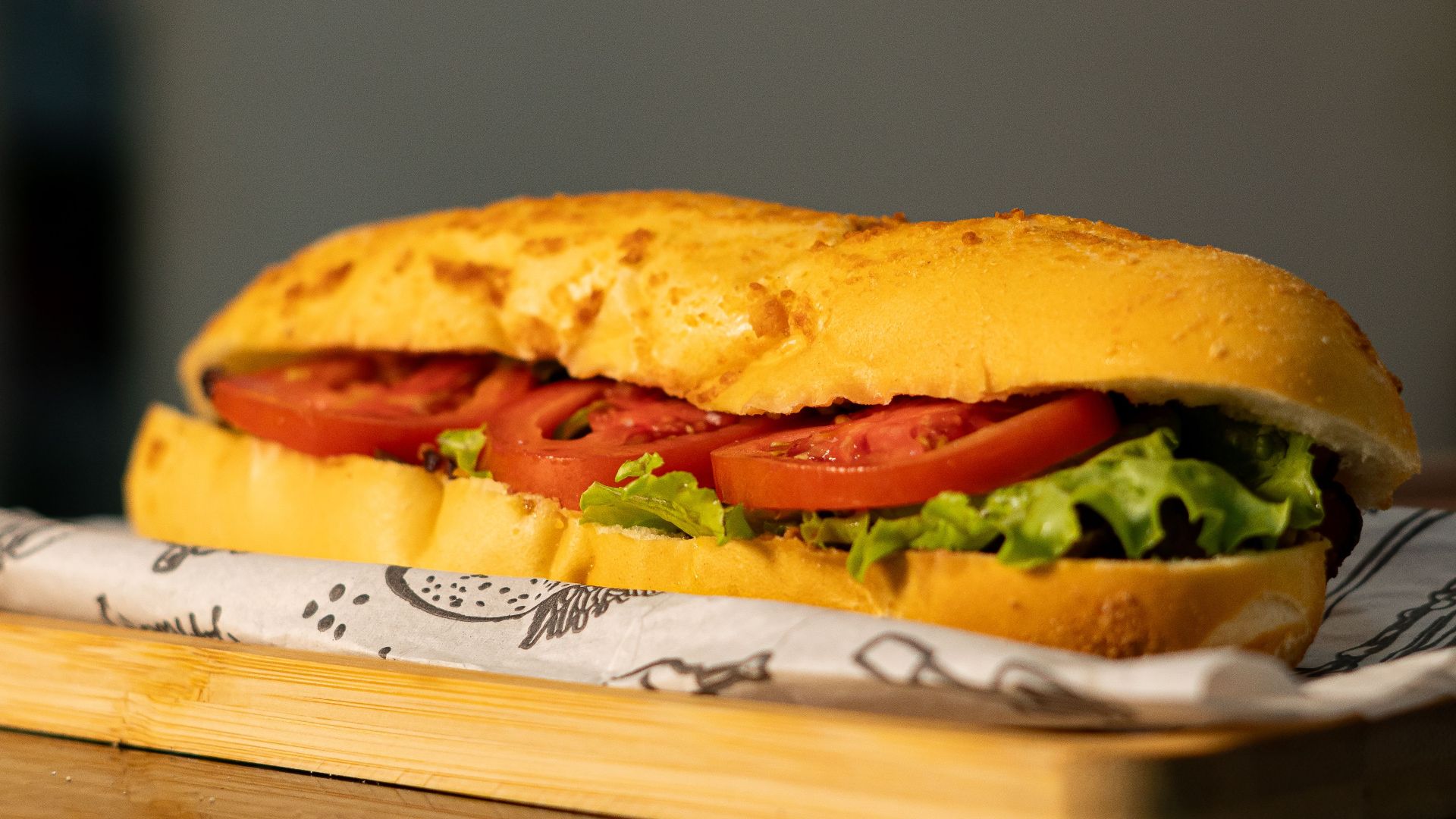
19. Nachos
Nachos originated in Mexico, but the original version created near the Texas border was remarkably simple: tortilla pieces topped with cheese and pickled jalapeños. Once American restaurants adopted them, the toppings multiplied rapidly. Ground beef, beans, sour cream, guacamole, olives, tomatoes, queso, chicken, and other additions transformed nachos into a full meal. Stadium concession stands also helped popularize processed cheese sauce, creating another distinctly American variation.
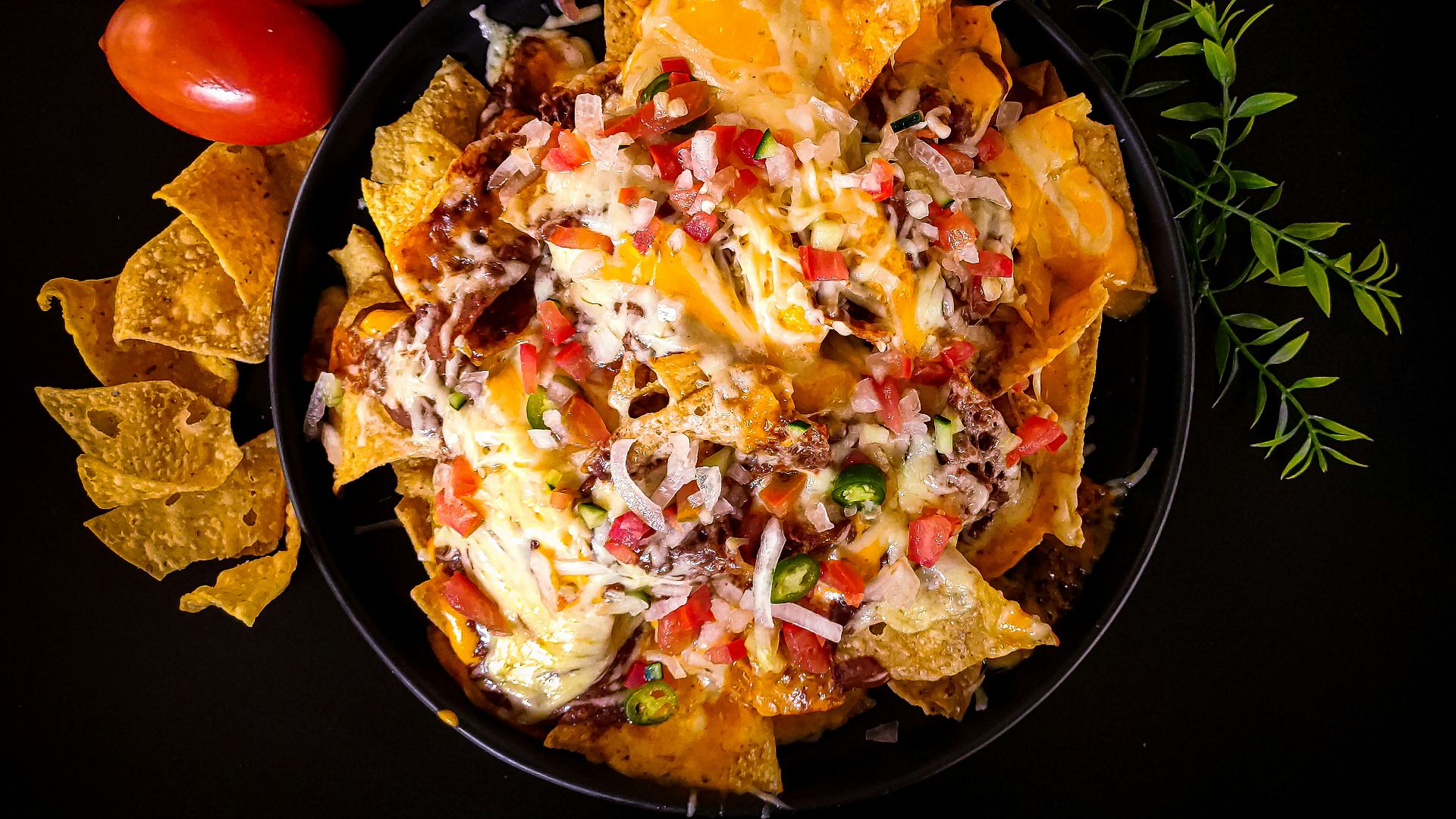
20. Doughnuts
Fried dough existed across many European cultures long before America developed its famous doughnut obsession. Once the treat became entrenched in American bakeries and coffee shops, varieties expanded far beyond lightly sweetened fried dough. Frosting, jelly, custard, sprinkles, cereal, cookies, maple glaze, and bacon have all found their way onto or inside doughnuts. Modern American shops now regularly treat the basic ring as a starting point rather than the finished product.

KEEP ON READING
20 Foods That Were Once Considered Disgusting