The Menu Items That Make Kitchen Veterans Wince
Chefs spend years watching what happens in a kitchen before food ever reaches a table, and it changes what they're willing to order once they're the one paying the bill. A dish can look fine and still be built on a shortcut nobody outside the kitchen would ever notice. Ask a cook what they skip and you'll usually get a fast, specific answer. Here's 20 things chefs almost never order when they're the ones sitting at the table.
 Ulysse Pointcheval on Unsplash
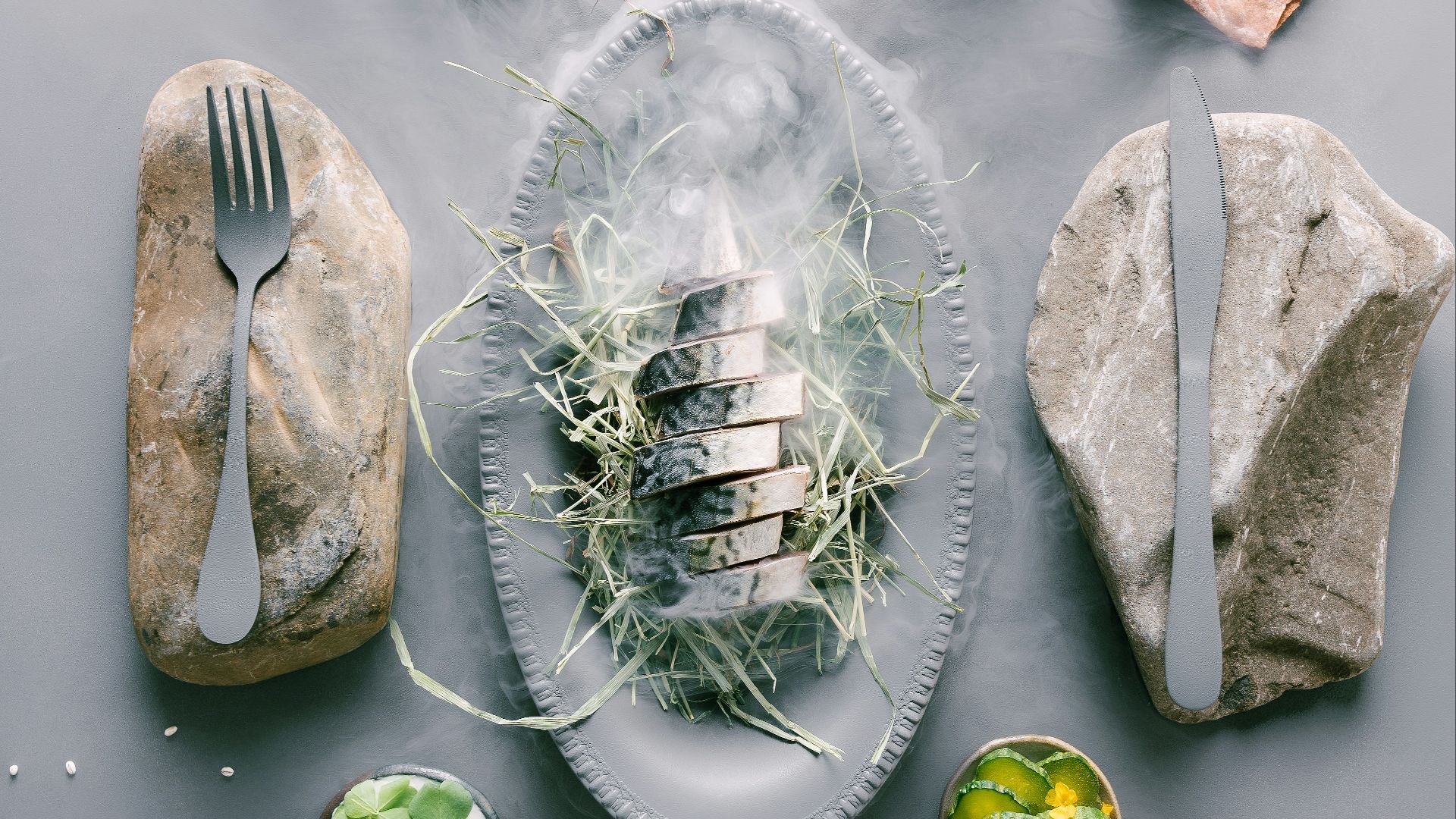
1. The Monday Fish Special
Most fish deliveries land midweek, so a Monday special is often just last week's catch, sold again under a different name. Chefs know this rhythm from working the line themselves, and they'd rather order chicken or a cut of beef on a day like that. It's not a hard rule, but enough kitchens run this way that the pattern sticks.
2. Anything Called "World Famous"
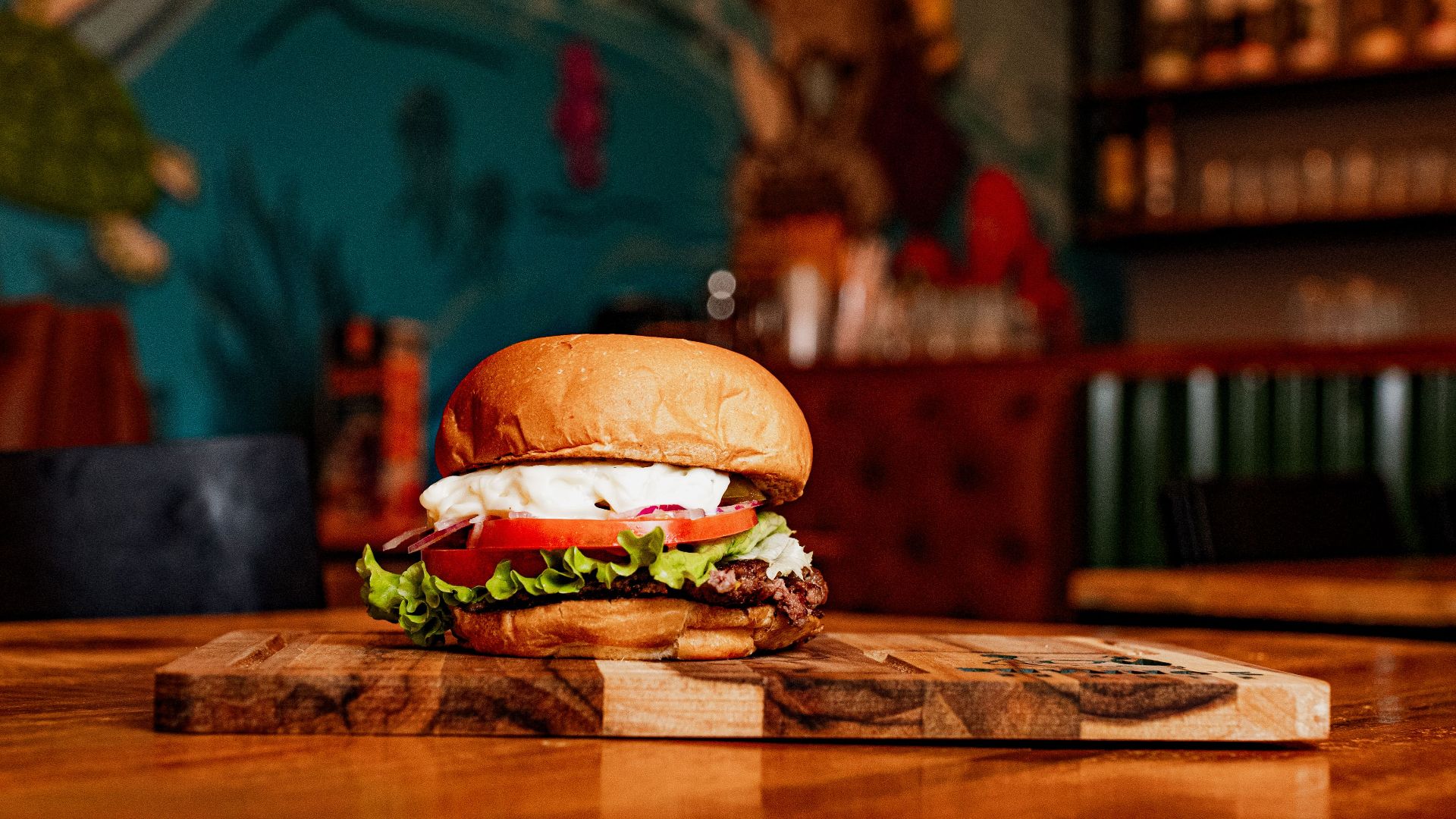
A dish confident enough to earn a reputation doesn't usually need to announce it on the menu. Chefs tend to read that phrase as compensation for something the food itself doesn't quite deliver. If a burger needs a title like that to sell itself, the burger is doing less work than the menu copy.
3. Hollandaise After 11 A.M.
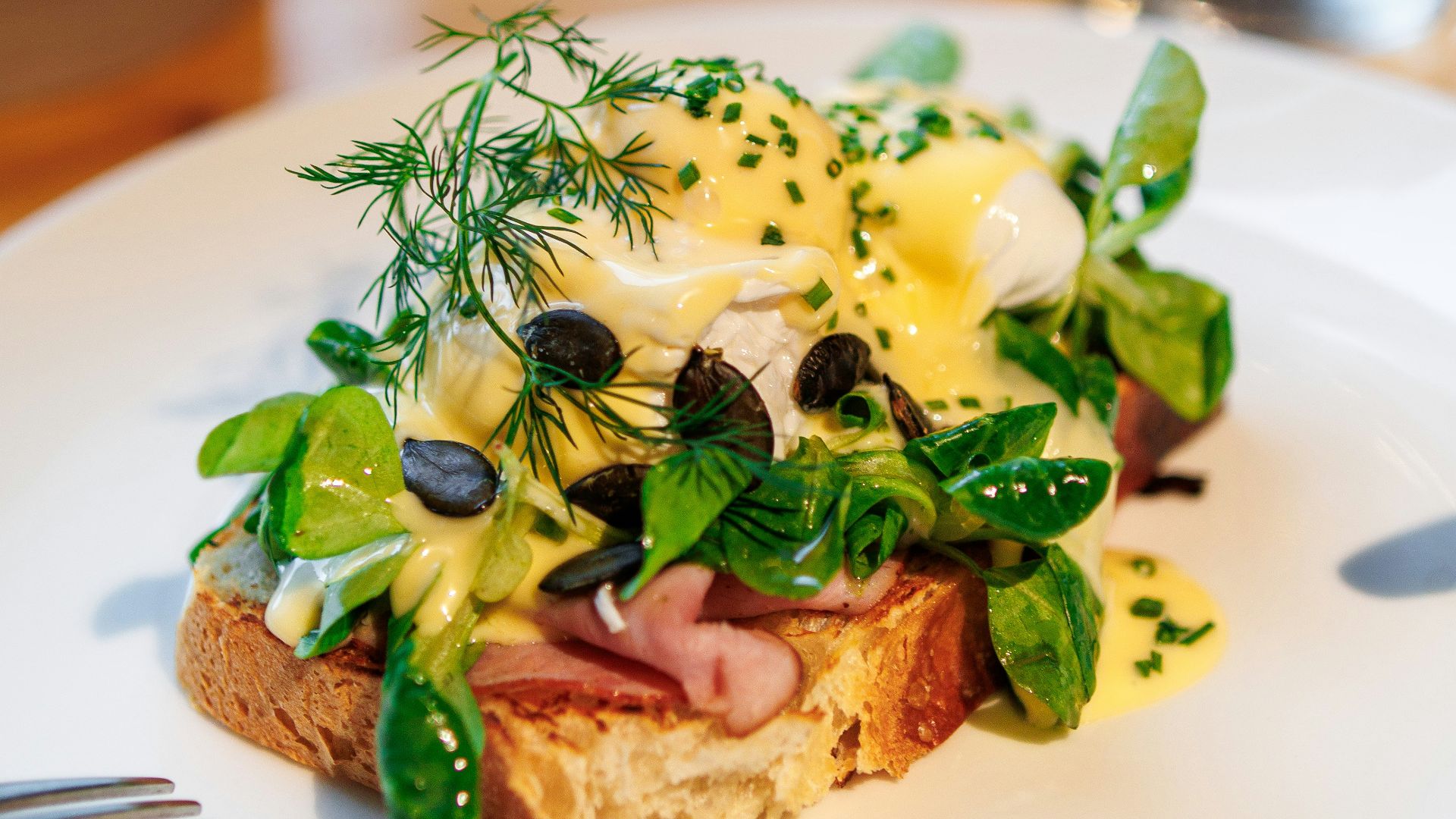
Hollandaise breaks down fast, and a lot of brunch spots make one batch early and hold it under a heat lamp for hours. By late morning, that sauce has usually separated at least once already and been whisked back together to hide it. Chefs who've had to do that fix themselves order their eggs a different way.
4. The Empty Dining Room
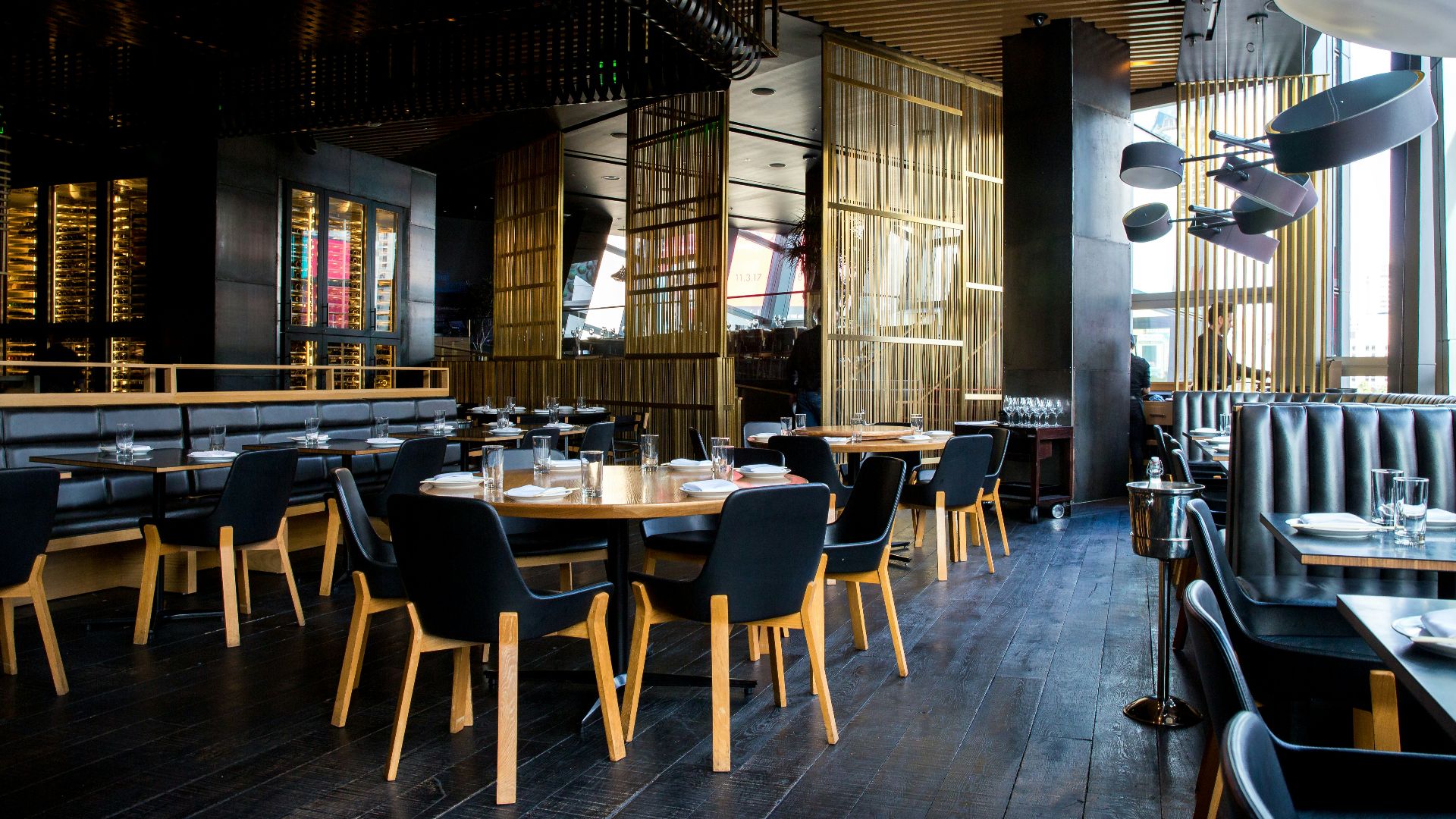
A restaurant with no one in it at 7:30 on a Friday is telling you something, even if the food might still be fine. Chefs read a dead room as a sign the ingredients aren't turning over fast enough, which matters more with proteins and dairy than most people realize. Slow rooms scare cooks more than bad reviews do.
5. Well-Done Steak
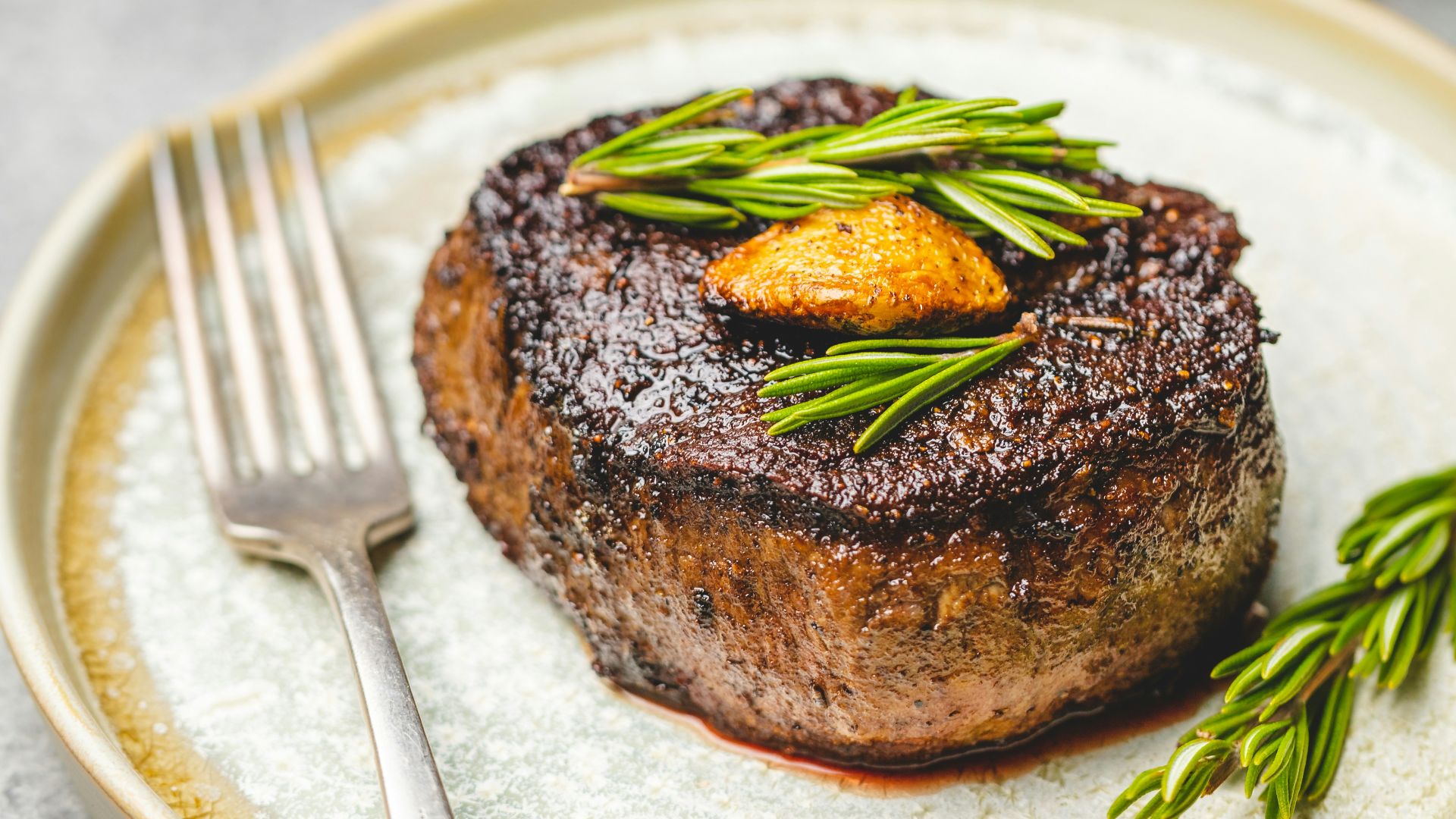
Ask for a steak well-done and you're often getting whatever cut has been sitting the longest, cooked past the point where a kitchen worries much about quality. Chefs know this because they've been the ones pulling that particular piece for the well-done order while saving the better cut for someone ordering medium-rare.
6. Deconstructed Anything
Taking a dish apart and scattering the pieces across a plate sounds inventive, but chefs often see it as a way to serve less for the same price. A deconstructed cheesecake is still cheesecake, just with more plate and less filling. Most cooks would rather eat the version that took the extra ten minutes to assemble properly.
7. The Bread Basket
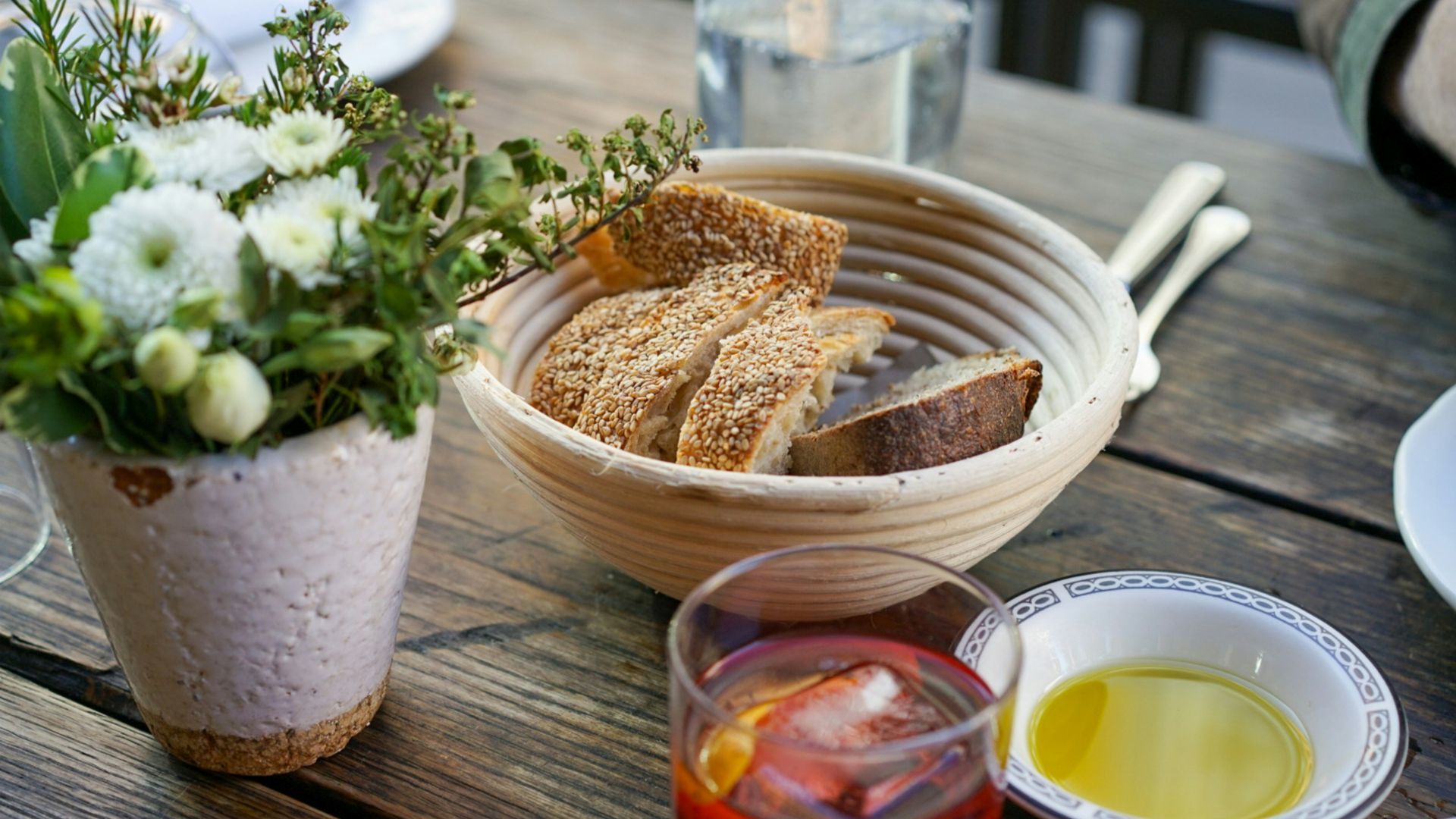
Bread baskets get refilled from the same bowl all night, and the pieces that come back untouched sometimes go right back into rotation. Chefs who've worked service know exactly how that basket gets assembled after a table leaves. It's a small thing, but once you've seen it happen, it's hard to reach for the roll.
8. Iced Tea From the Gun
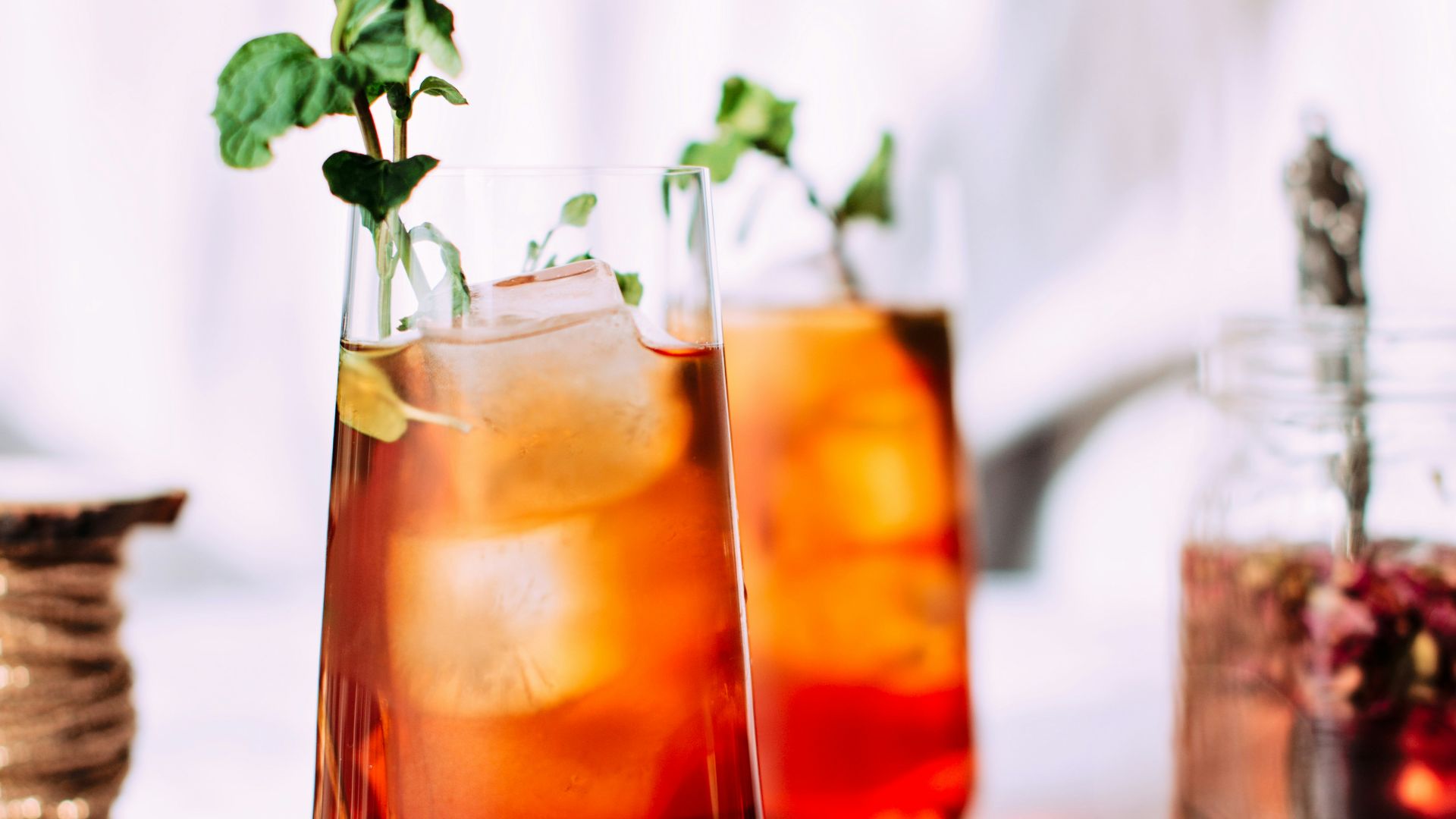
The soda gun behind most bars pours a dozen different drinks through the same nozzle, and it doesn't get a deep clean between each one. Chefs who've had to break down a bar setup know what builds up in those lines over a busy week. Bottled tea or a fountain drink poured straight from its own line is the safer bet.
 Food Photographer | Jennifer Pallian on Unsplash
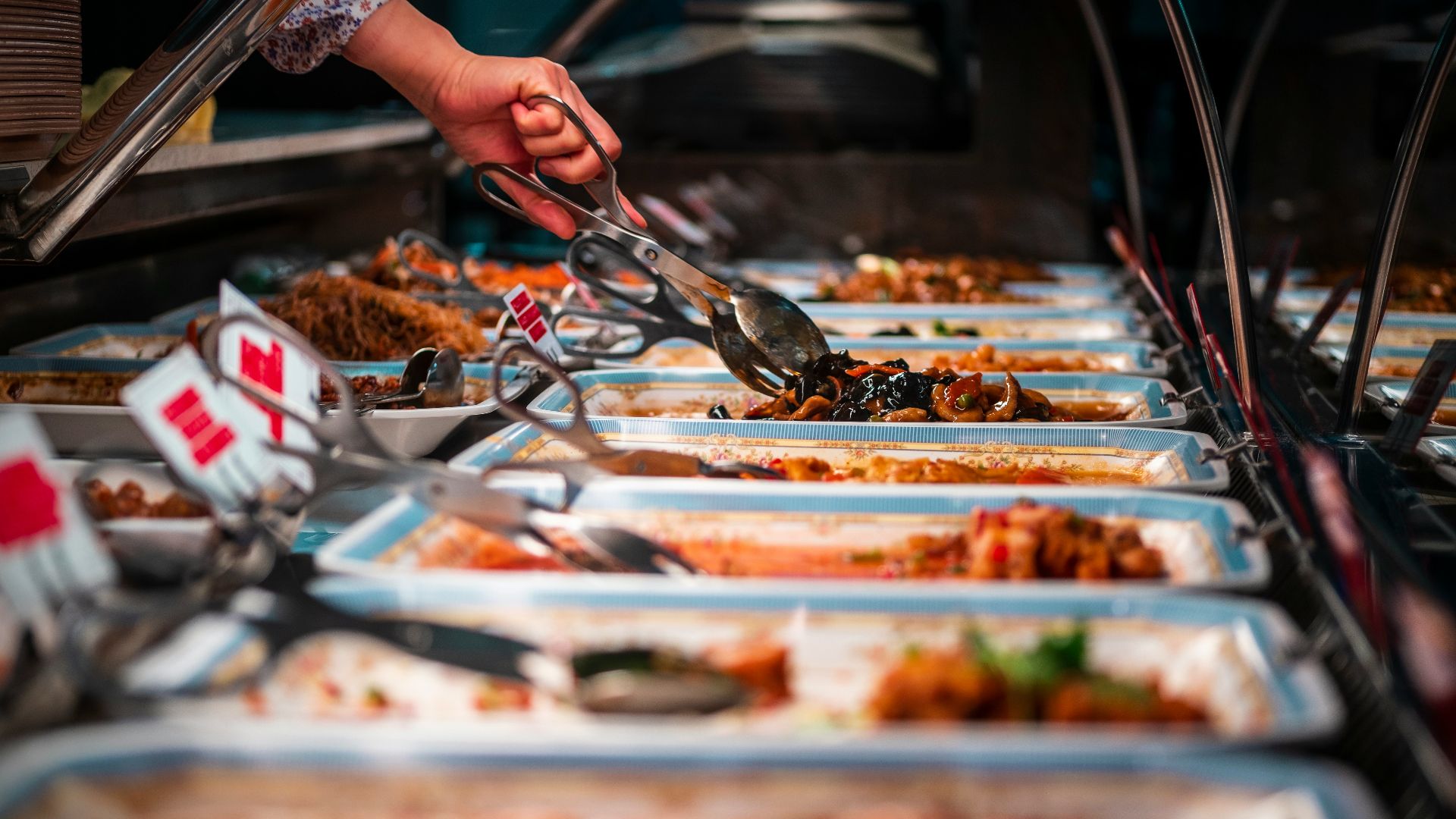
9. Buffet Sushi
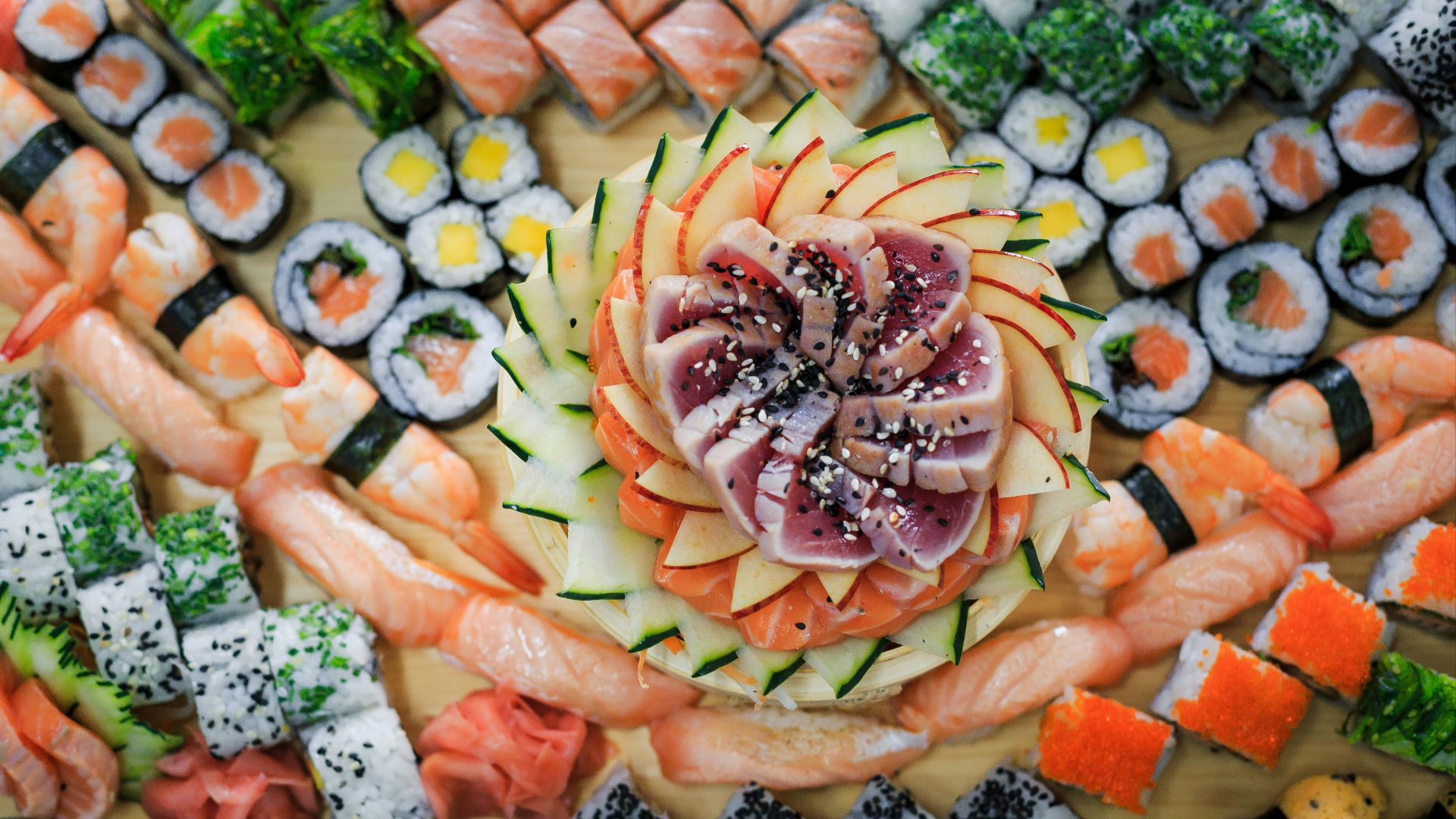
Raw fish needs tight temperature control and a short window between prep and plate, and a buffet line can't promise either one. Chefs see sushi sitting under a heat lamp and treat it the way they'd treat any protein left out too long. If the fish has been sitting since the buffet opened, so has the risk.
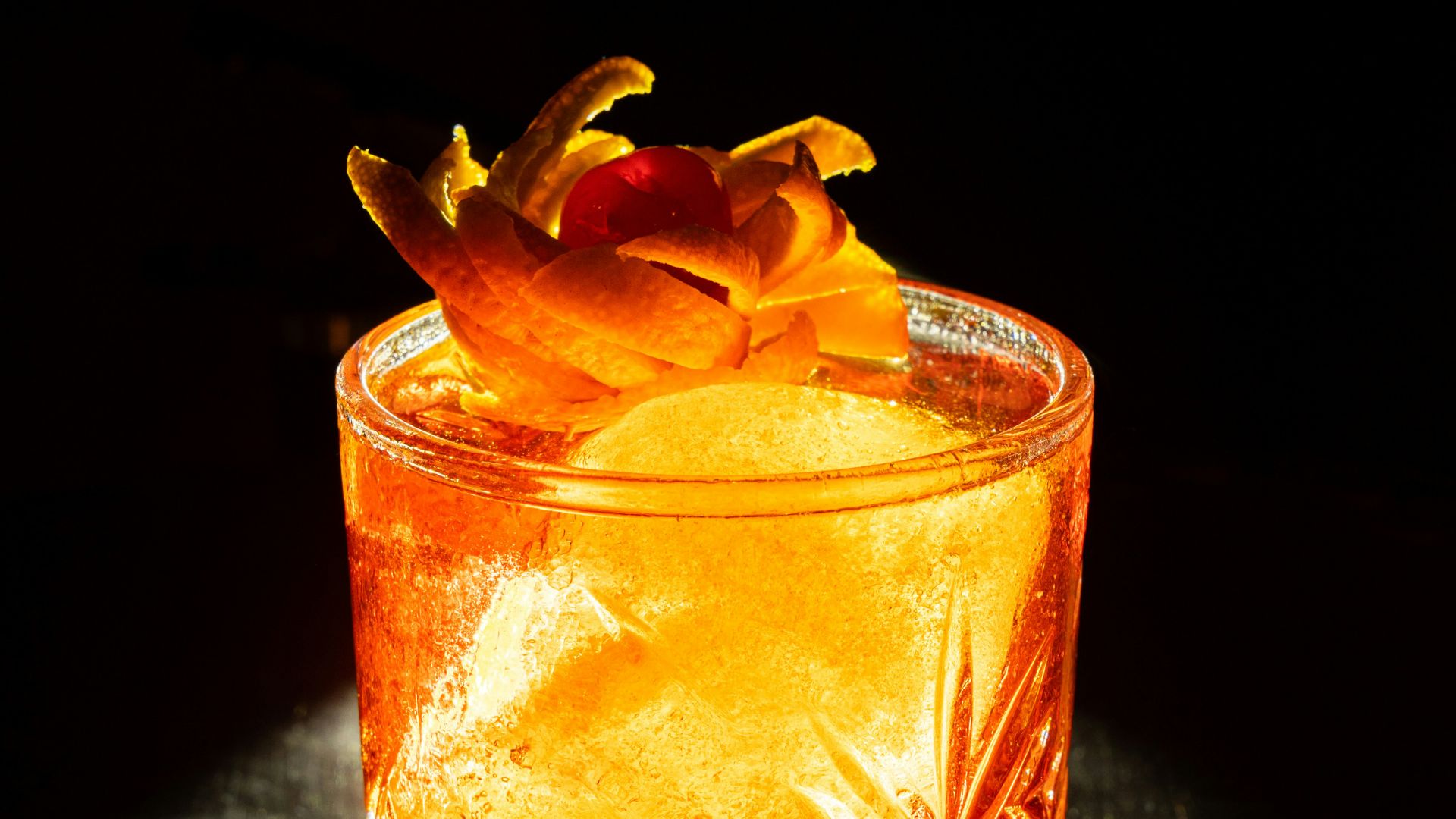
10. The Garnish-Heavy Cocktail
A cocktail piled with citrus wheels and a candied rim can be covering for a pour that's mostly ice and syrup. Bartenders and chefs who've worked a busy bar know that garnish is cheap and liquor is not. That much decoration on a drink usually means there's less alcohol in the glass than you'd expect.
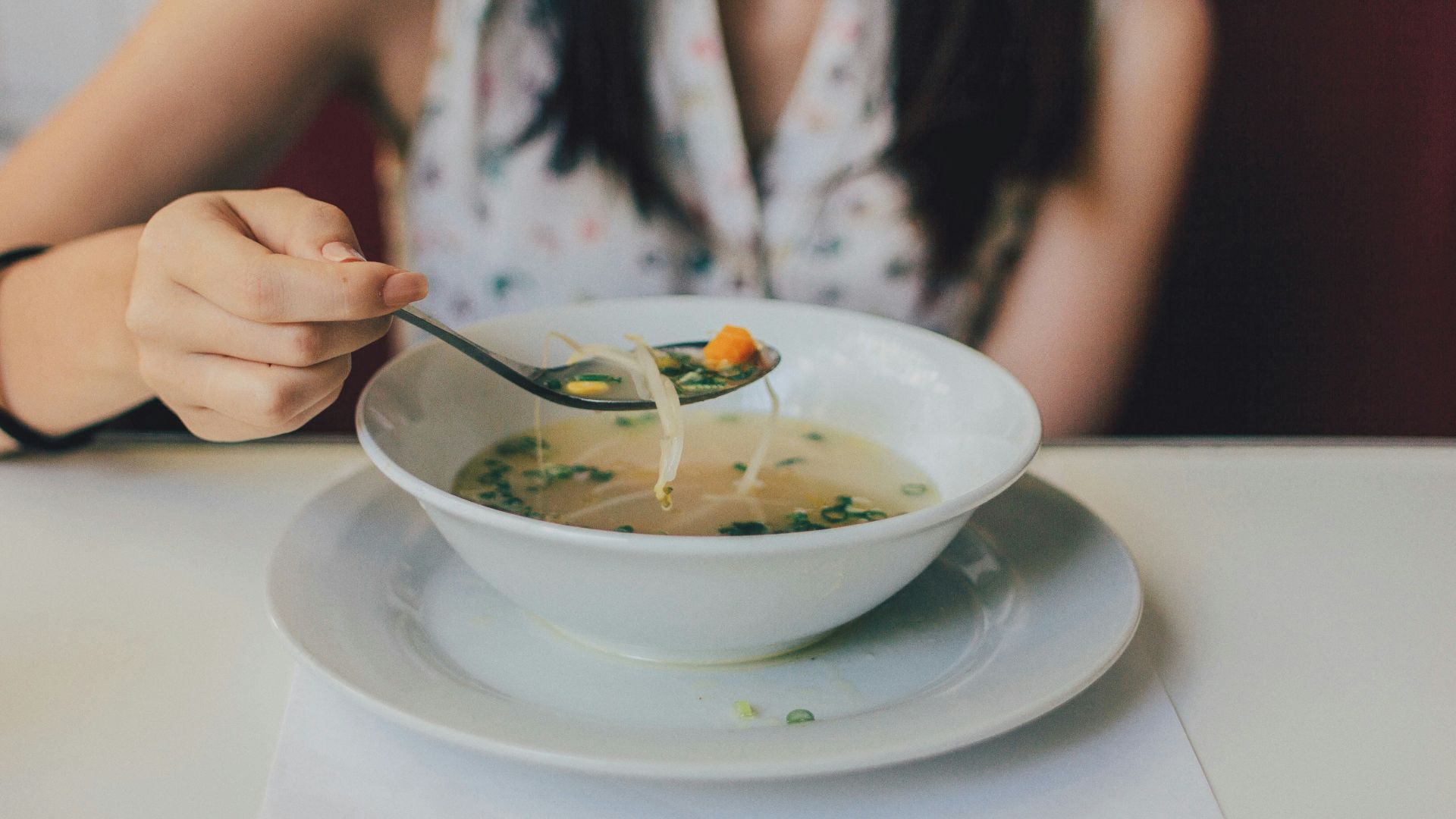
11. Soup of the Day at a Diner
Soup of the day at a place that reuses stock can mean the soup of the last several days, folded into a new pot with whatever vegetables needed to disappear. Chefs who've worked a diner line know this isn't exactly dishonest, but it still changes what they order. A sandwich, or a plate they can watch get built, feels like a safer bet.
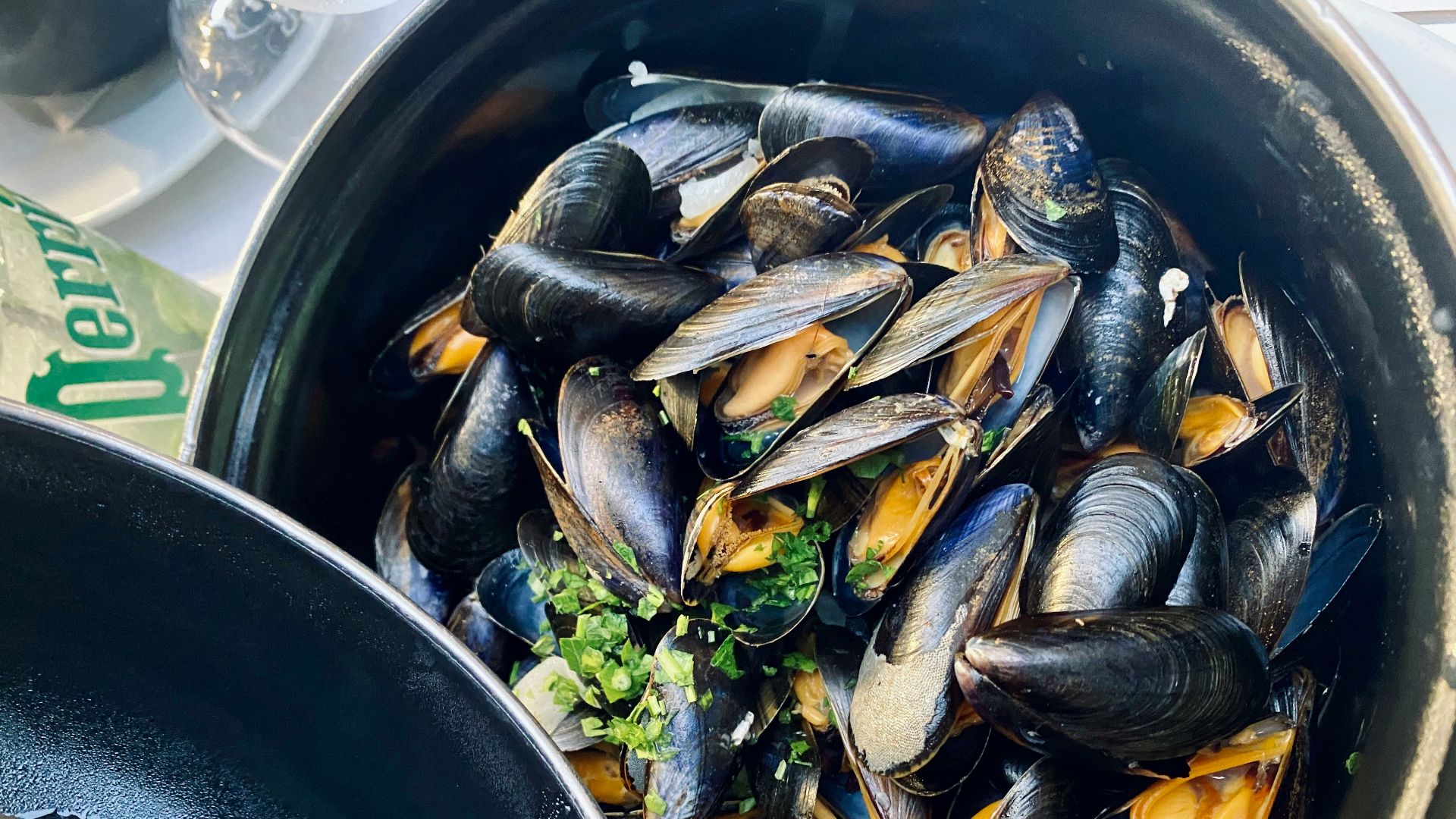
12. Mussels You Can't Place
Mussels have to be alive right up until they're cooked, and a kitchen that isn't turning them over fast enough will still serve the ones that should've been tossed. Chefs check the shells and the smell before anything hits a menu at home, and a menu they don't control gives them no way to do that. A pile of mussels on a slow Tuesday just isn't worth the gamble.
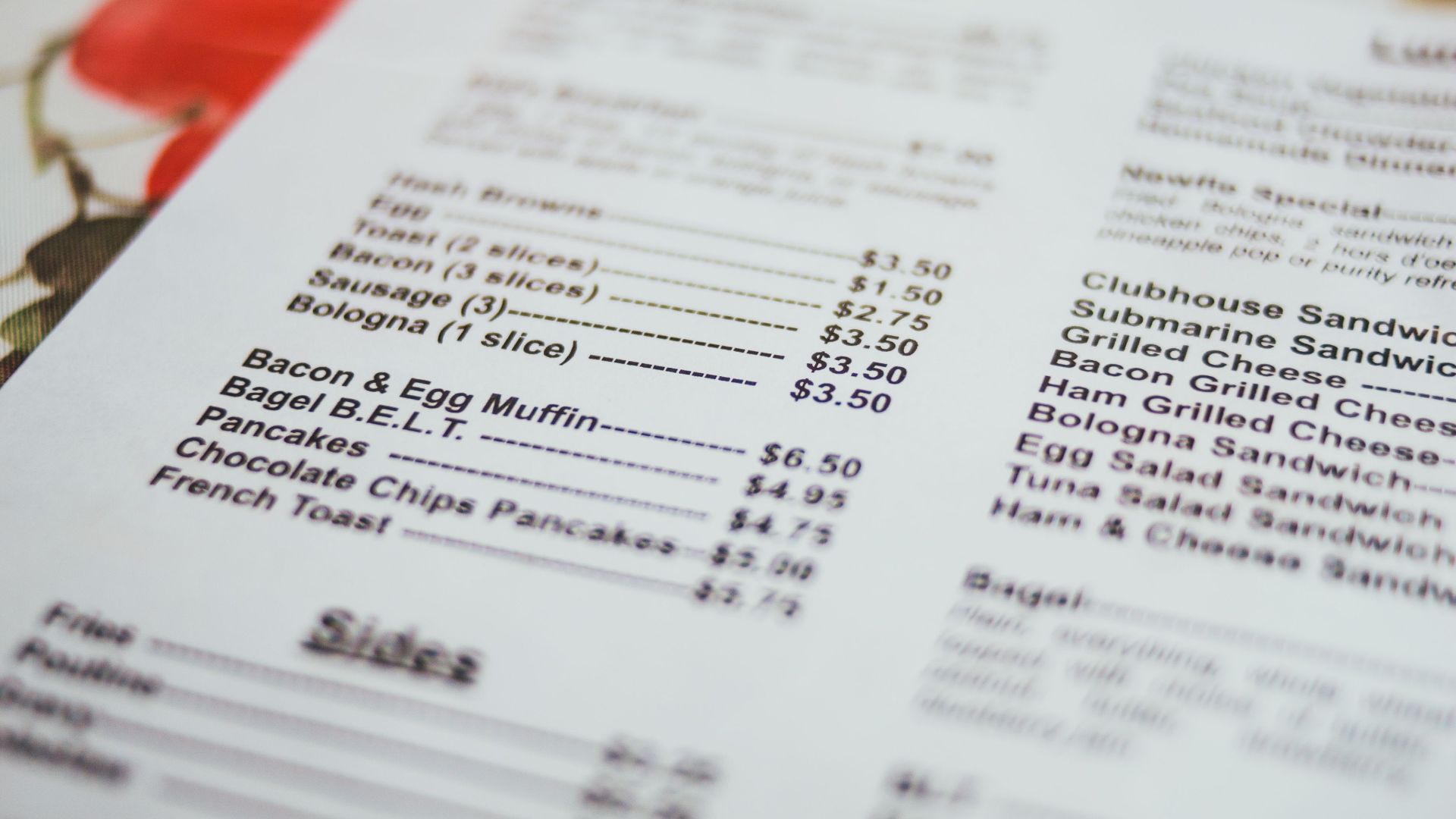
13. The Menu That Does Everything
A restaurant that serves sushi and a full breakfast menu under the same roof can't really focus on either one. Chefs read a sprawling menu as a sign the kitchen is stretched thin and the walk-in is full of ingredients that don't move often enough. A place with twelve dishes done well beats a place with eighty done adequately.
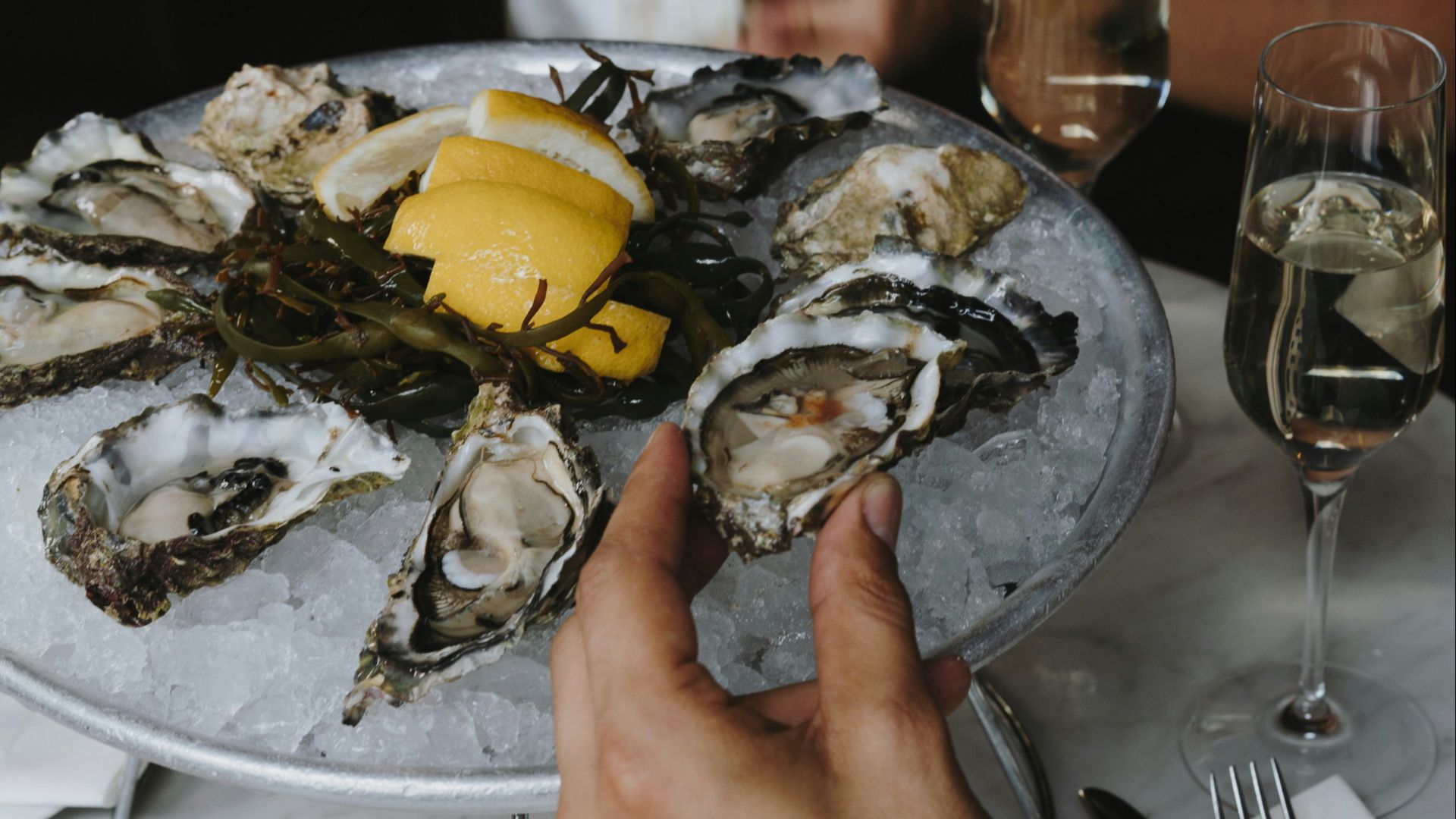
14. Off-Season Oysters
The old rule about only eating oysters in months with an "r" doesn't hold up the way it used to, but the instinct behind it still shapes how chefs order. Warmer months mean a shorter window between harvest and plate before quality drops. Cooks would rather wait for the cooler months than trust an oyster that traveled too far in the heat.
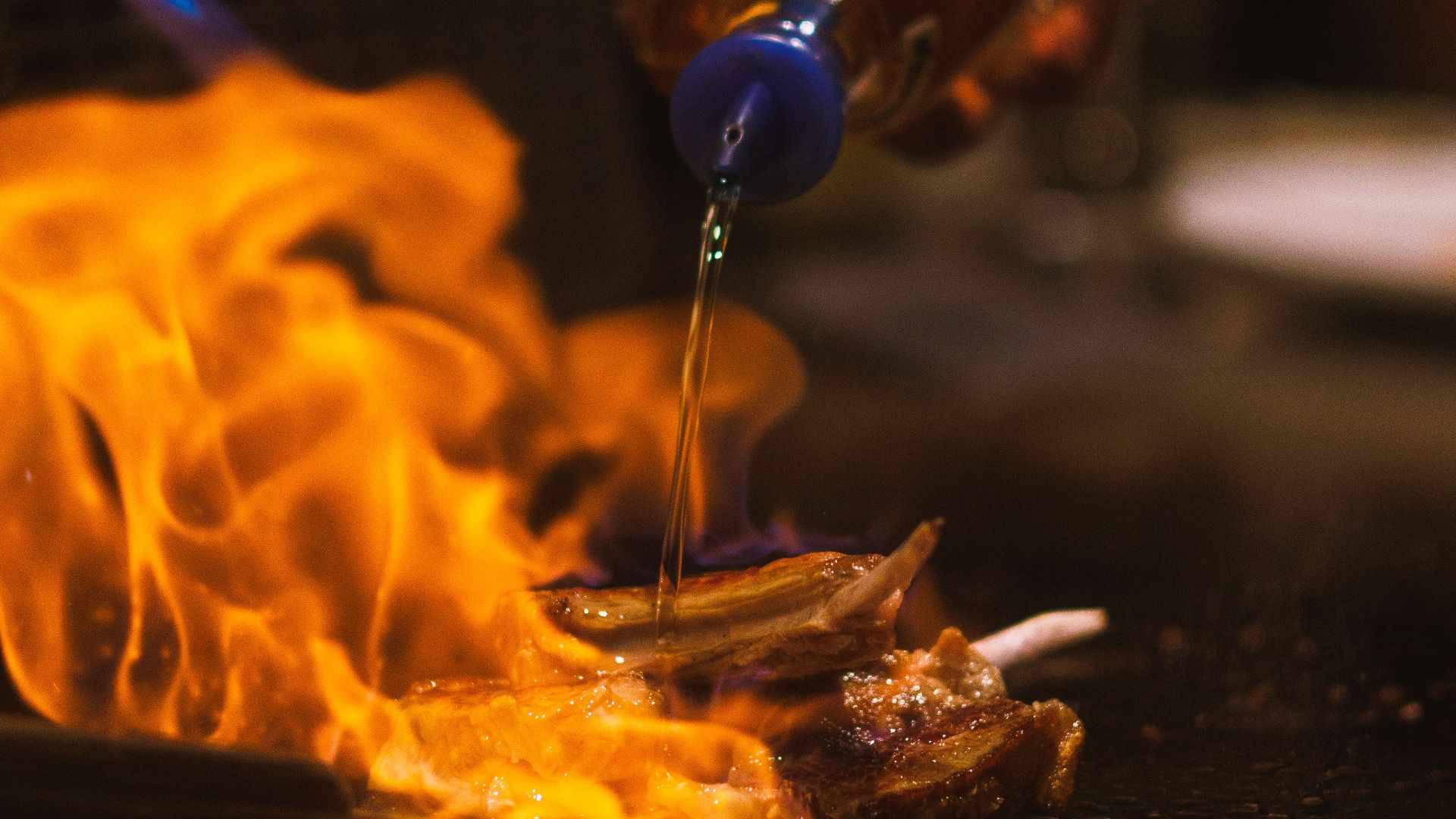
15. Tableside Flambé
Setting a dish on fire in the middle of a dining room is a show, and shows take time a kitchen doesn't always have during a rush. Chefs suspect a flambé ordered on a packed Saturday means extra minutes the rest of the kitchen has to absorb somewhere else. The theater is fun to watch and a lot less fun to be the one covering for it in the back.
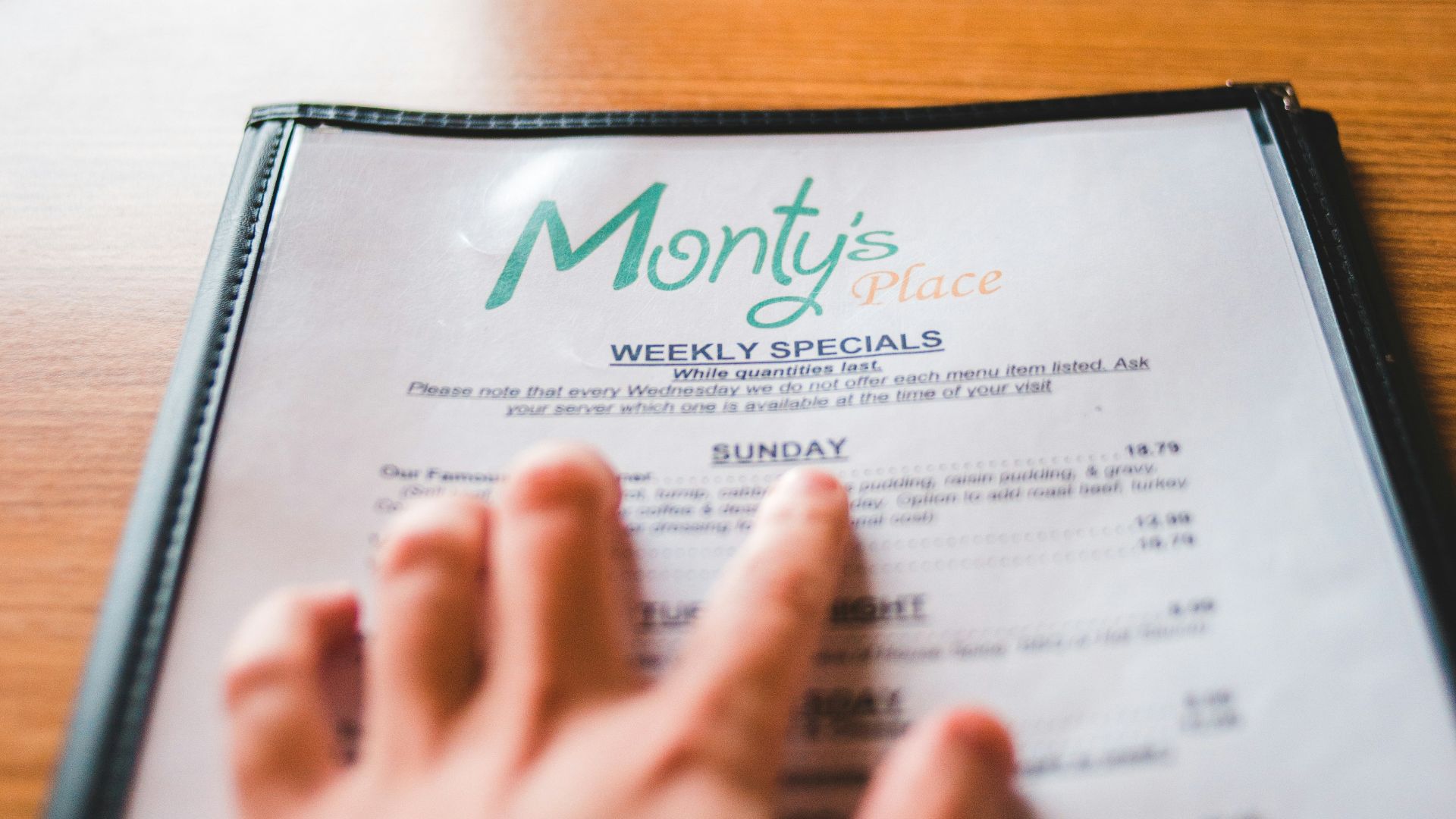
16. The Secret Menu Item
An off-menu order sounds like an insider move, but it usually means a cook building something on the fly with whatever's on hand, outside the recipes the kitchen actually tested. Chefs who write menus know how much work goes into getting a dish right before it becomes official. They'd rather order the thing the kitchen has actually practiced.
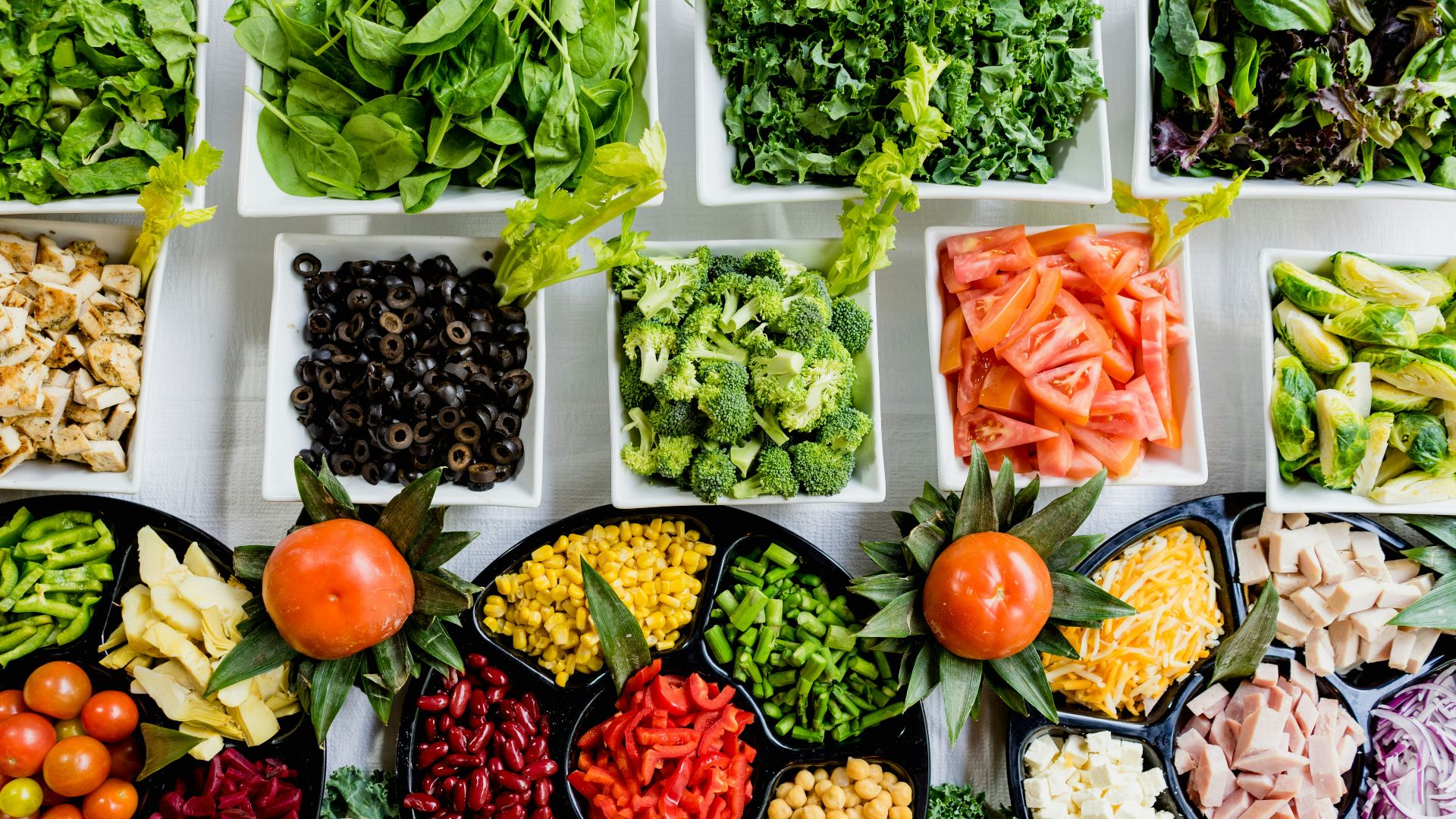
17. The Salad Bar
A salad bar sits under lights or ice for hours, refilled from the back whenever a bin runs low instead of getting swapped out. Chefs know the bottom of a container rarely matches what's sitting on top, especially by mid-afternoon. A composed salad off the kitchen line beats anything self-serve that's been open since brunch.
18. All-You-Can-Eat Anything
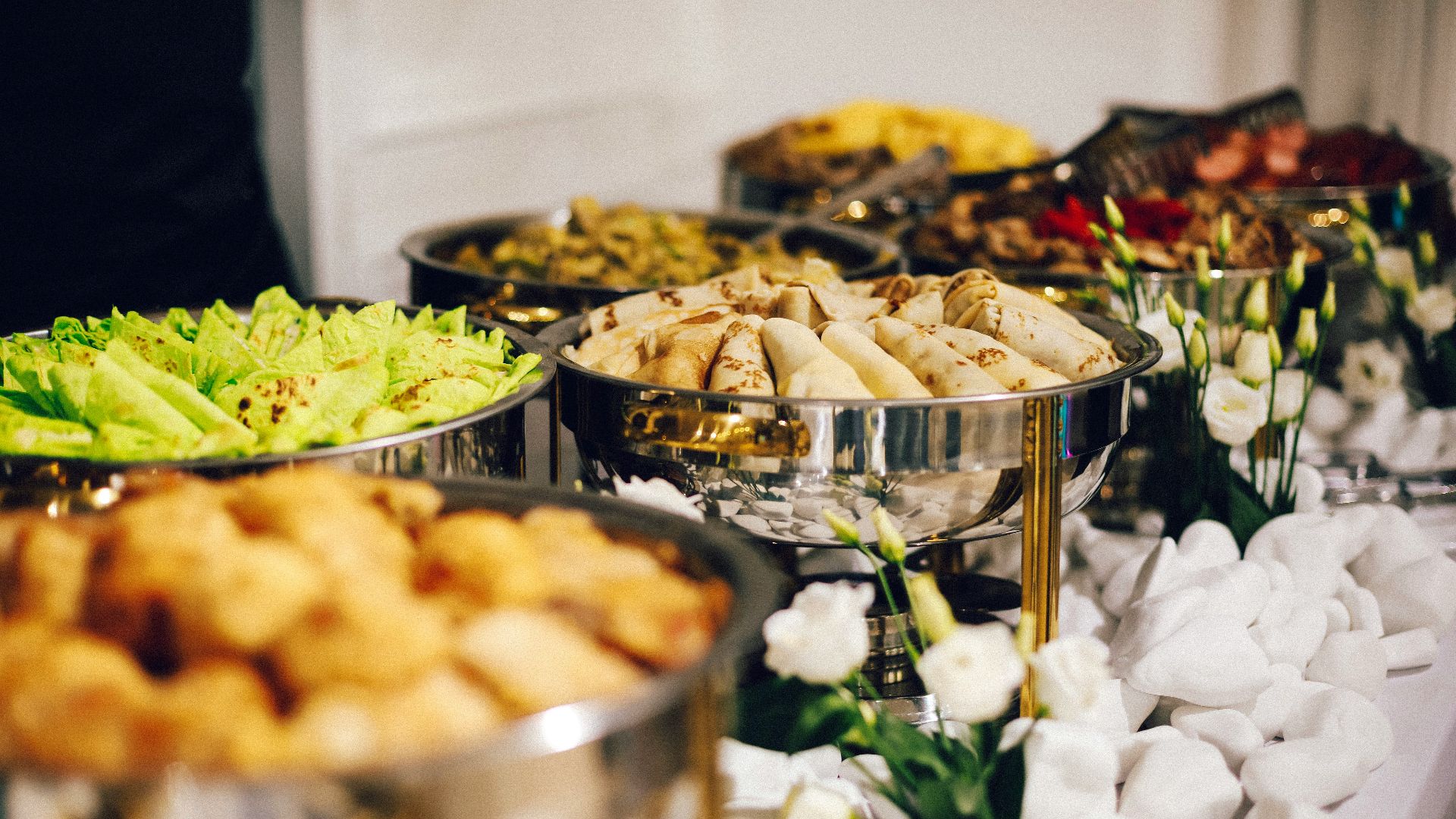
A restaurant built around unlimited portions has to cut costs somewhere, and that usually means cheaper ingredients or shortcuts in prep. Chefs see the business model for what it is, and quality isn't the point of it. Volume and margin drive that menu, not the seafood sitting under the heat lamp.
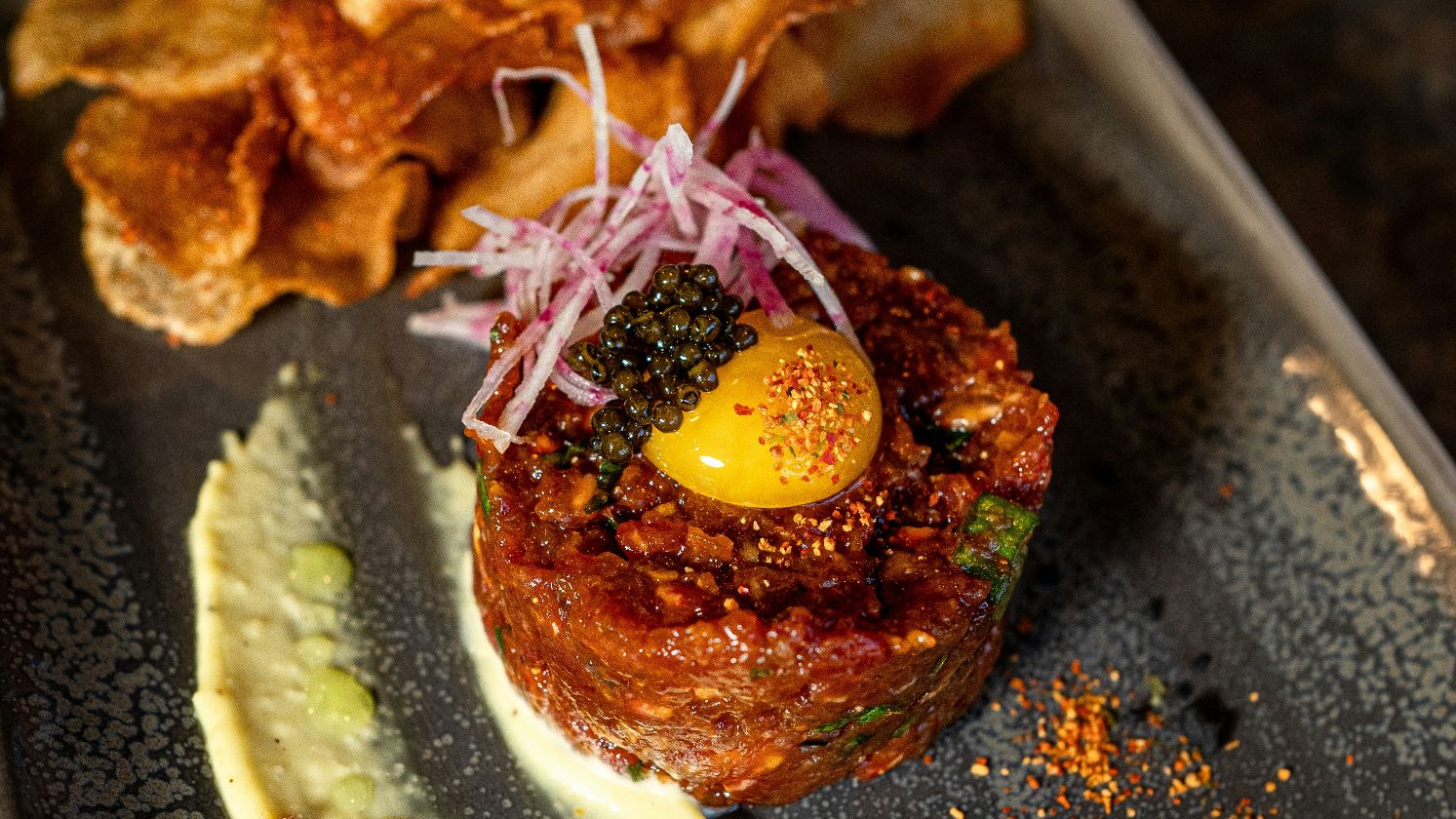
19. Steak Tartare at a Slow Restaurant
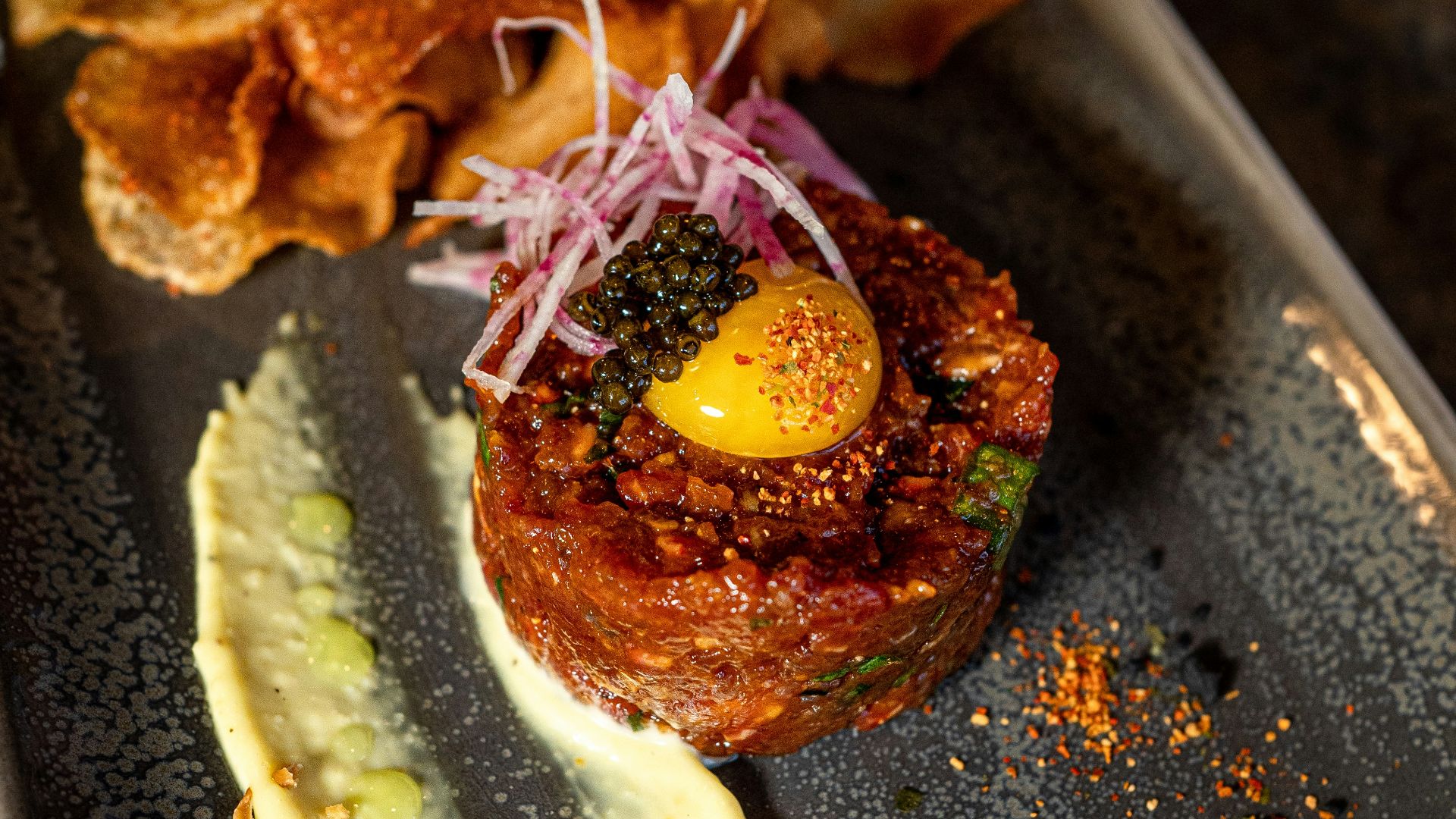
Raw beef needs to be ground or hand-cut close to when it's served, and that only makes sense at a restaurant selling enough of it to keep the meat moving. Chefs order tartare at places known for it and skip it everywhere else. A restaurant that sells one tartare a night probably isn't buying beef fresh enough to make that dish safe.
20. The Special That's Been Special All Week
A special still on the board five days after it first appeared is probably just inventory the kitchen needs to clear before it turns. Chefs recognize the pattern from running their own specials boards and chasing ingredients that are about to go bad. When the same dish keeps showing up night after night, order something off the regular menu instead.
KEEP ON READING
The Best Gifts to Give To Any Baking Lover
10 Most Hated Foods in the Entire World