20 Foods That Explain America Better Than Any History Book
A Country You Can Taste
American food is never just food. It tells stories about immigration, slavery, industrialization, poverty, abundance, regional pride, convenience, nostalgia, marketing, and the national belief that almost anything can be fried or supersized. Some dishes show how communities survived, while others reveal how quickly Americans turn practicality into culture. If you want to understand the country, look at what's on the dinner table. Here are 20 foods that explain America better than any history book.
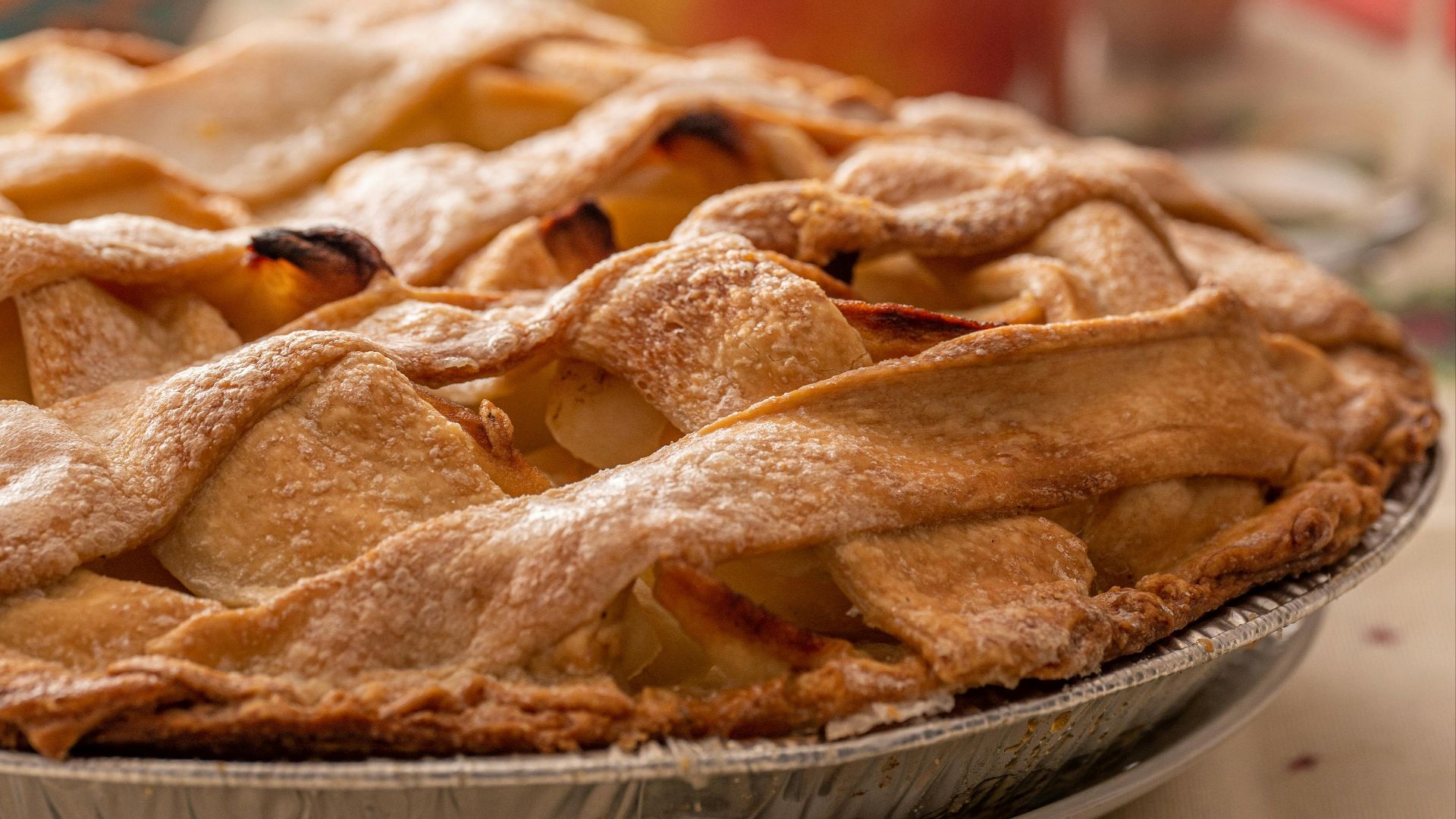
1. Apple Pie
Apple pie became a symbol of America even though apples and pie-making traditions come from elsewhere. an enduring cultural icon in the United States, deeply tied to national identity and culinary nostalgia. It was originally brought to the colonies by European settlers and has evolved into a symbol of domestic comfort, famously invoked during World War II when soldiers fought for "Mom and apple pie".
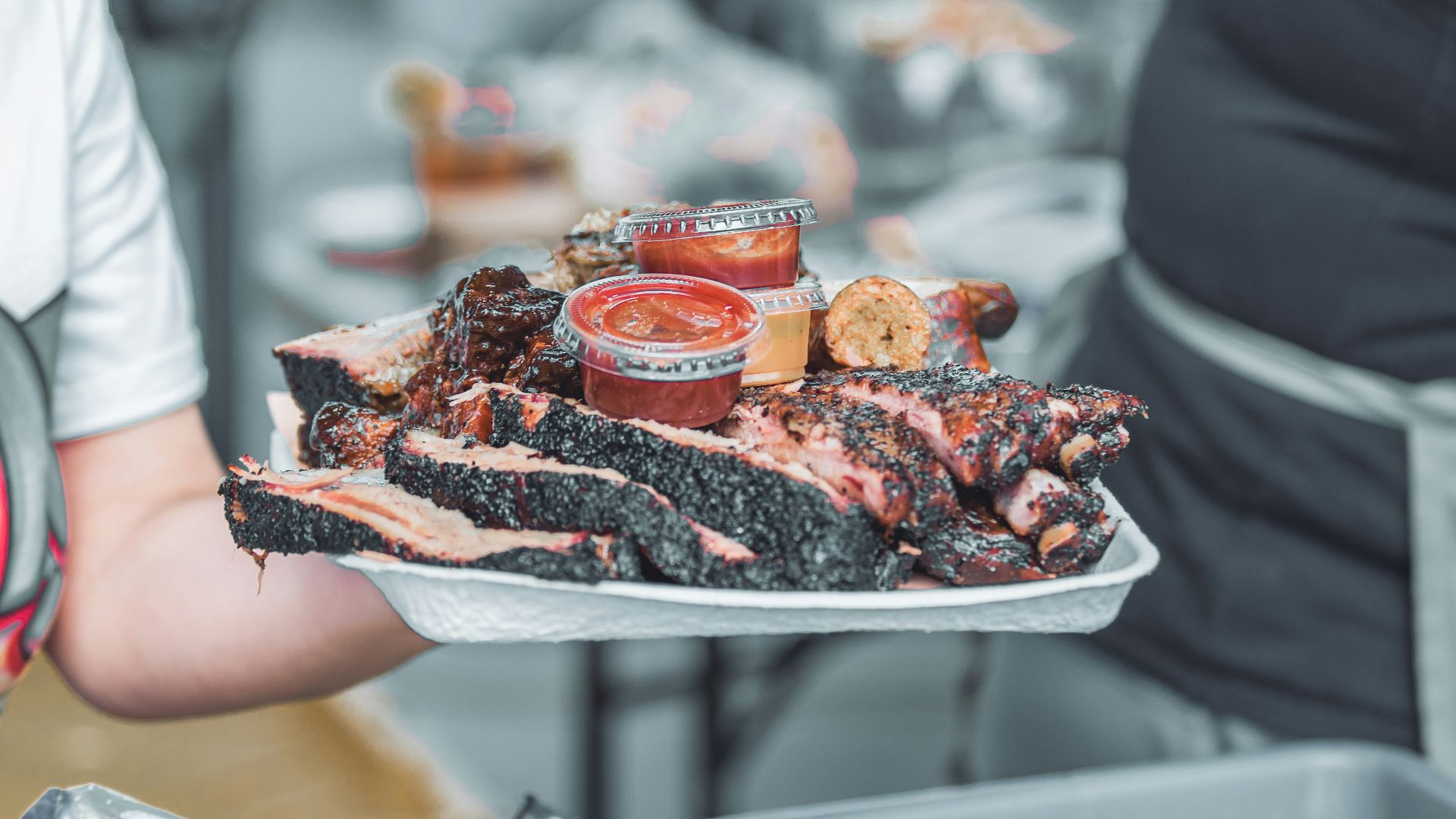
2. Barbecue
Barbecue explains America because it’s regional, emotional, and guaranteed to start arguments. Texas brisket, Carolina pulled pork, Kansas City ribs, and Memphis dry rub all carry histories of place, labor, migration, and pride. It's a centuries-old tradition born from the fusion of Indigenous Caribbean grilling, European colonist livestock, and the culinary contributions of enslaved African Americans.
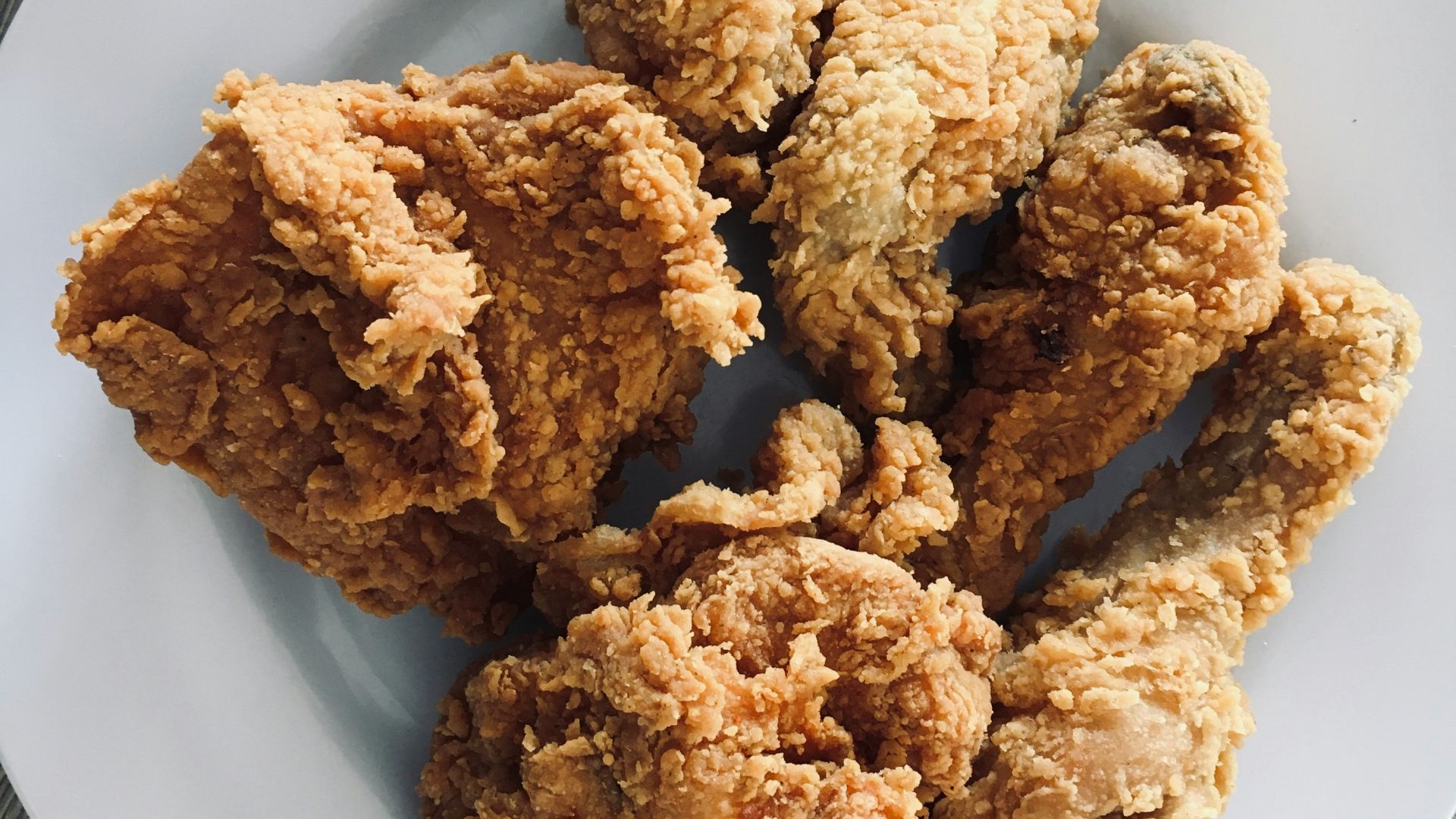
3. Fried Chicken
Fried chicken tells a complicated story of survival, skill, racism, comfort, and celebration.
It evolved from Scottish frying techniques, refined by enslaved people in the American South. Because enslaved people were strictly restricted from owning larger livestock like pigs or cattle, raising and selling fried chicken provided a crucial pathway to independent income.
4. Hamburgers
The hamburger grew from European ground-meat traditions and became an American icon through urbanization, diners, fairs, and later, fast food. German immigrants helped popularize Hamburg-style steak, while American cooks transformed it into a sandwich. In the 20th century, chains like White Castle and McDonald’s turned the burger into a symbol of speed, affordability, and standardization.
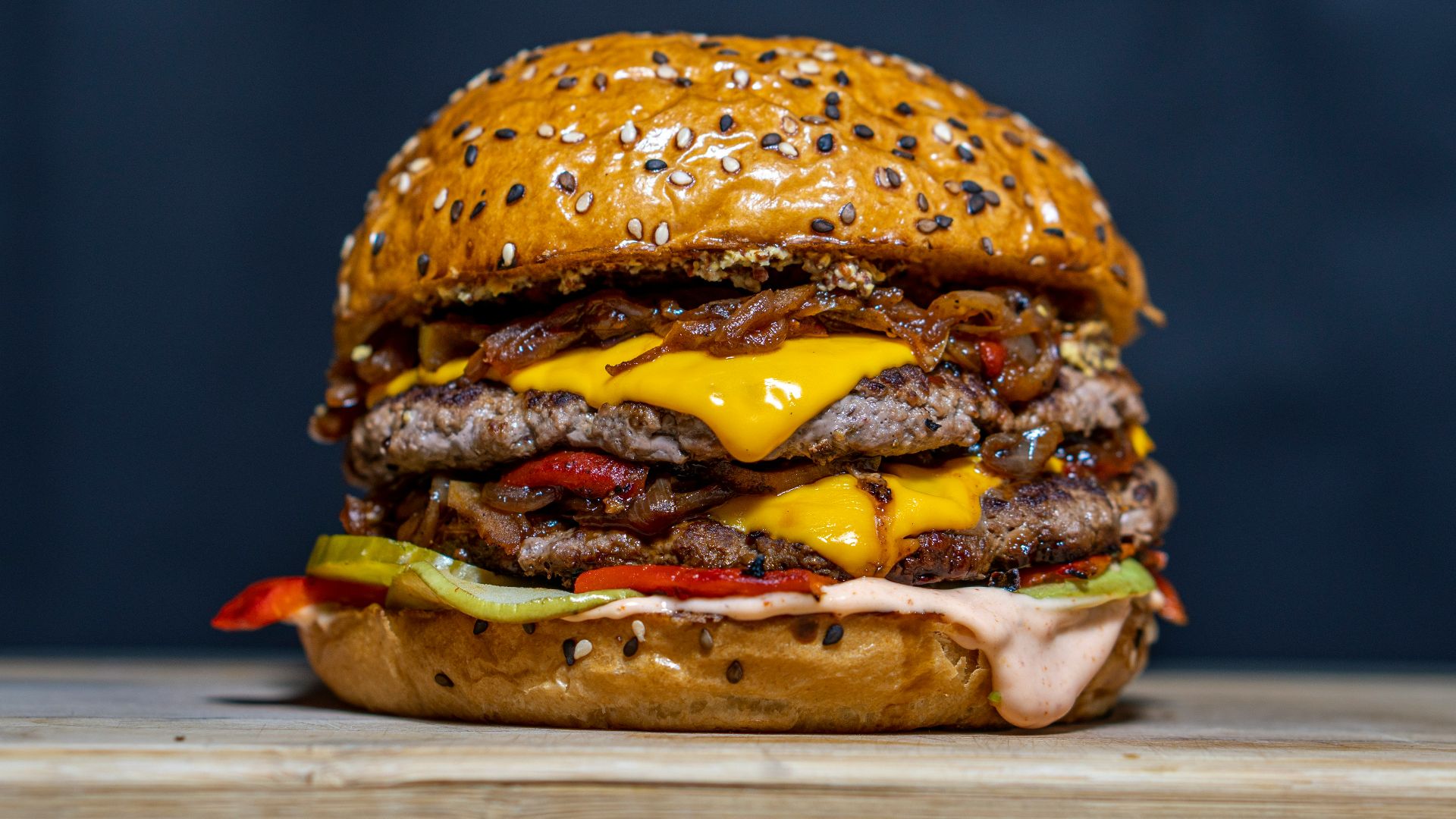 amirali mirhashemian on Unsplash
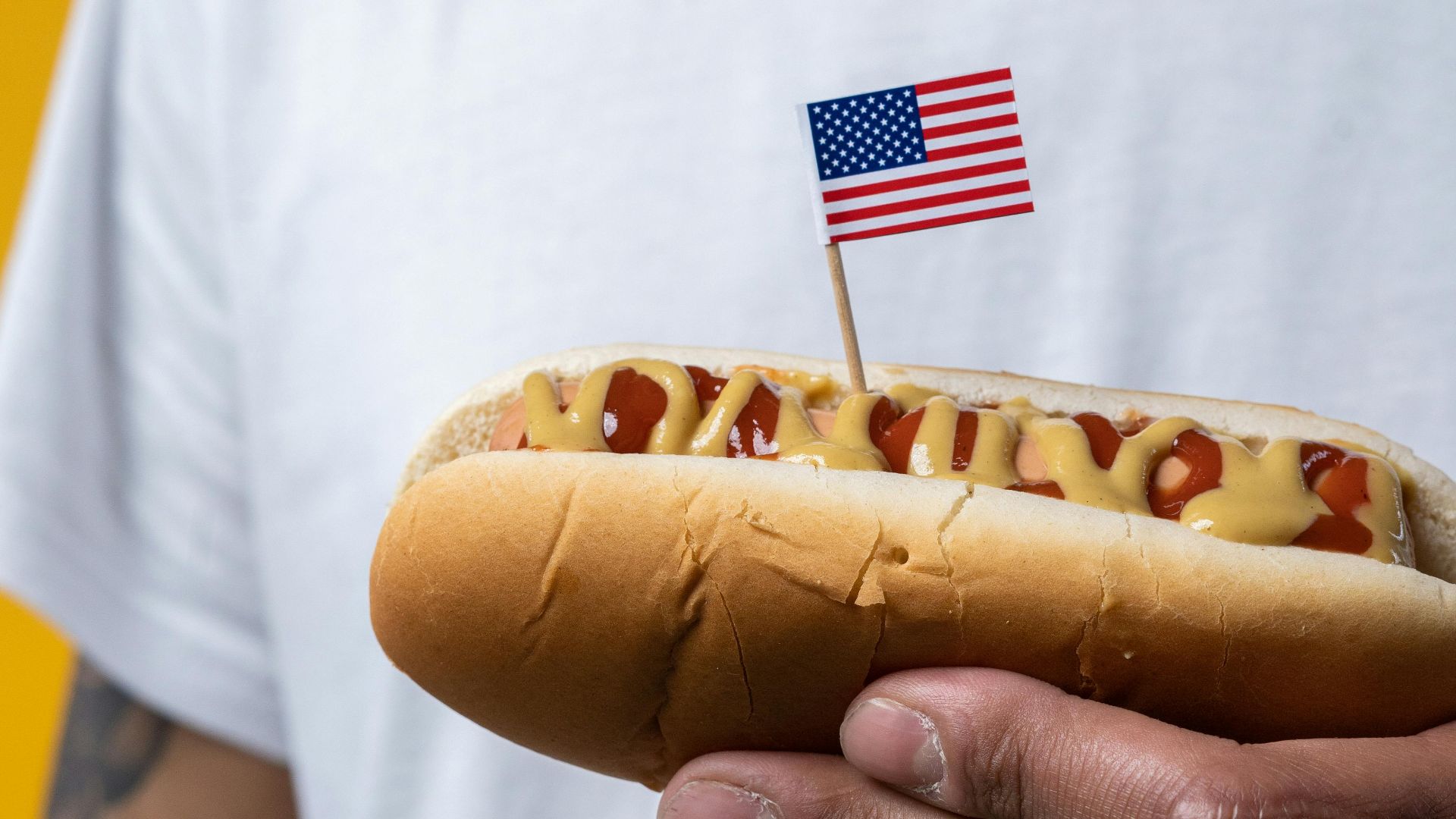
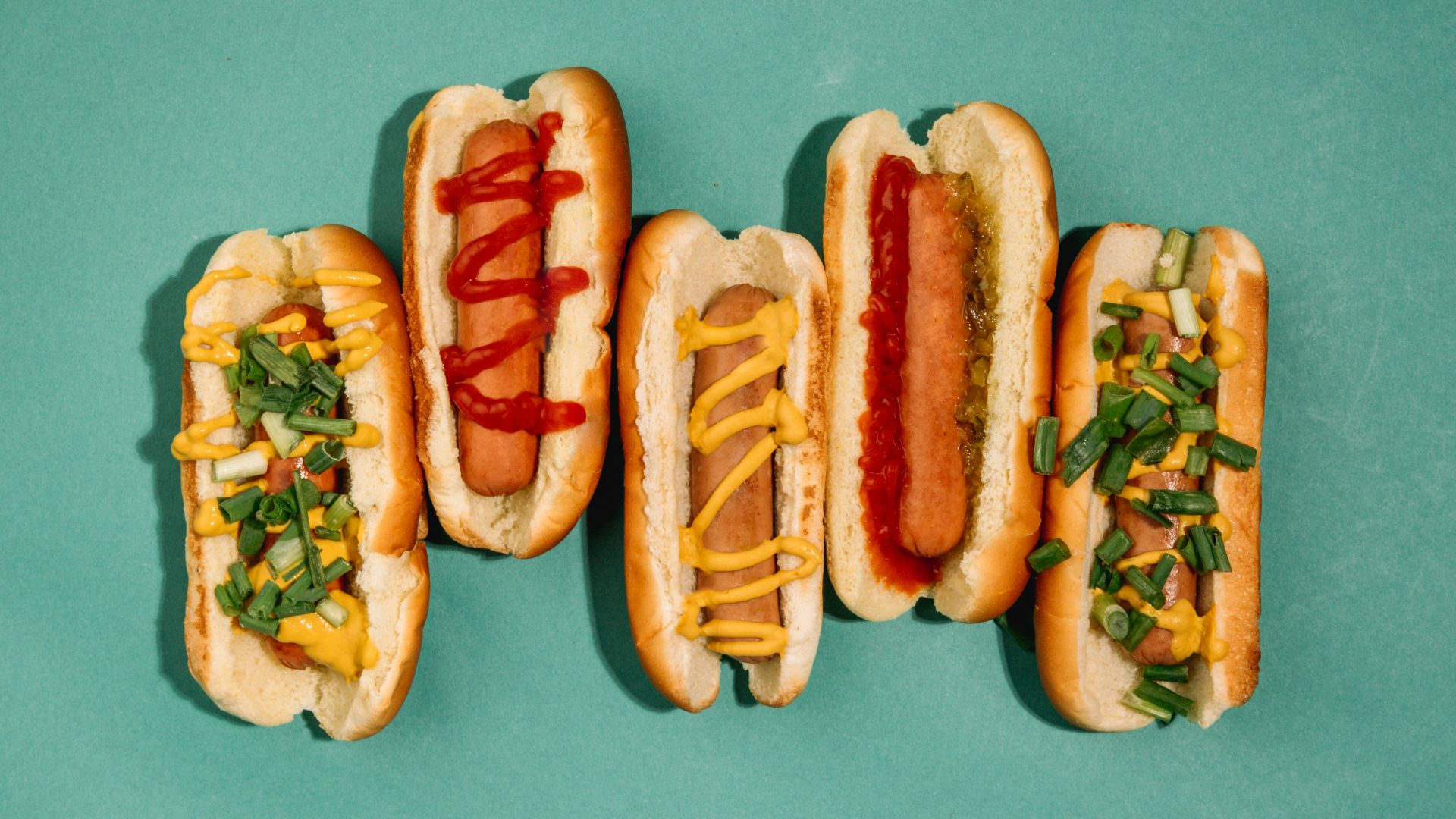
5. Hot Dogs
Hot dogs came from German sausage traditions and became American through street vendors, baseball parks, Coney Island, and working-class city life. They were cheap, portable, and easy to eat in crowded urban spaces. By the early 20th century, hot dogs had become tied to leisure, sports, and public celebrations.
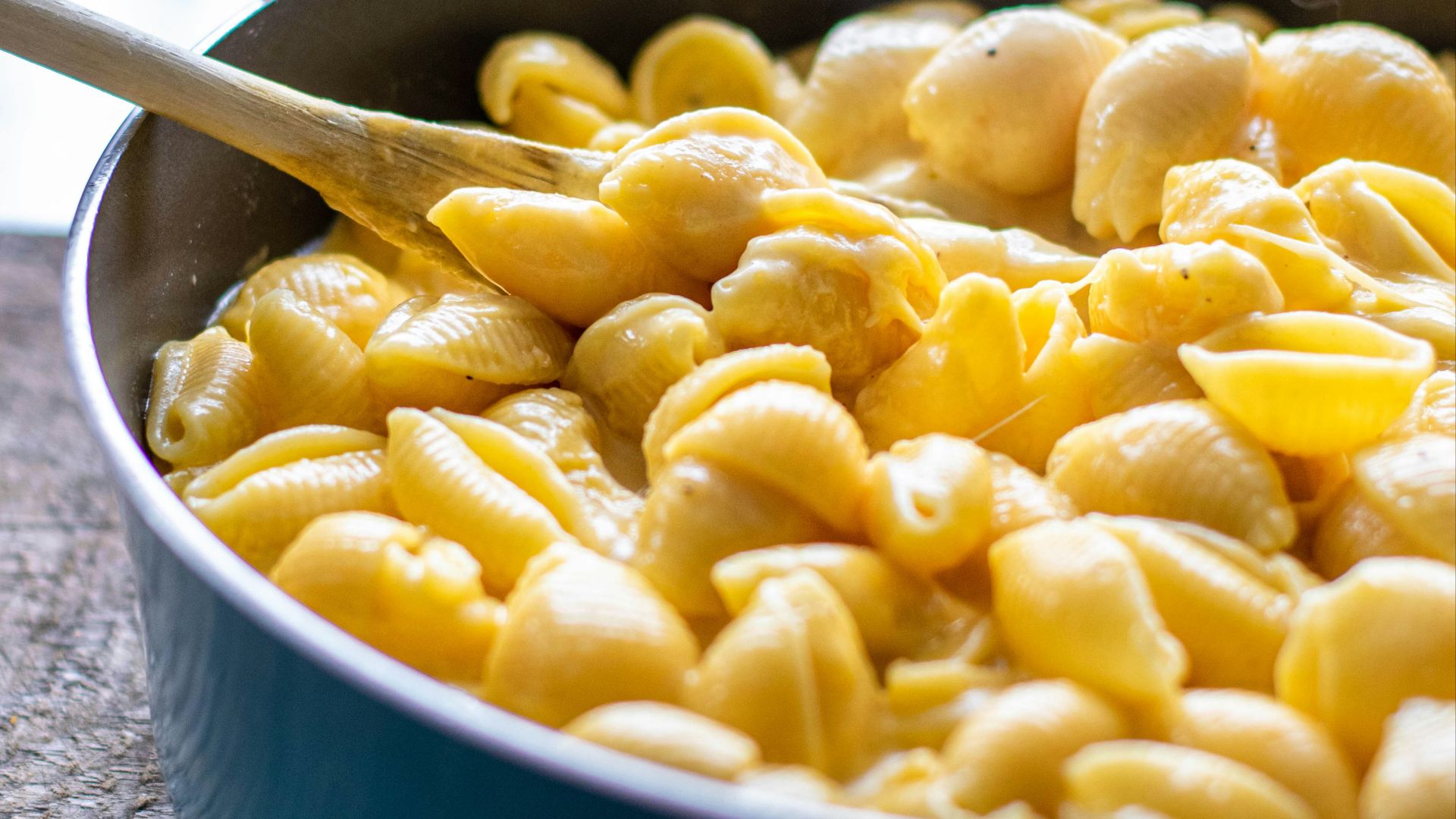
6. Macaroni & Cheese
Macaroni and cheese has roots in European pasta-and-cheese dishes, but it became American through both elite dining and later mass convenience. Thomas Jefferson famously served macaroni dishes after encountering pasta in Europe, helping associate it with early American tables. In the 20th century, boxed macaroni and cheese became popular during the Great Depression because it was cheap, filling, and easy to prepare.
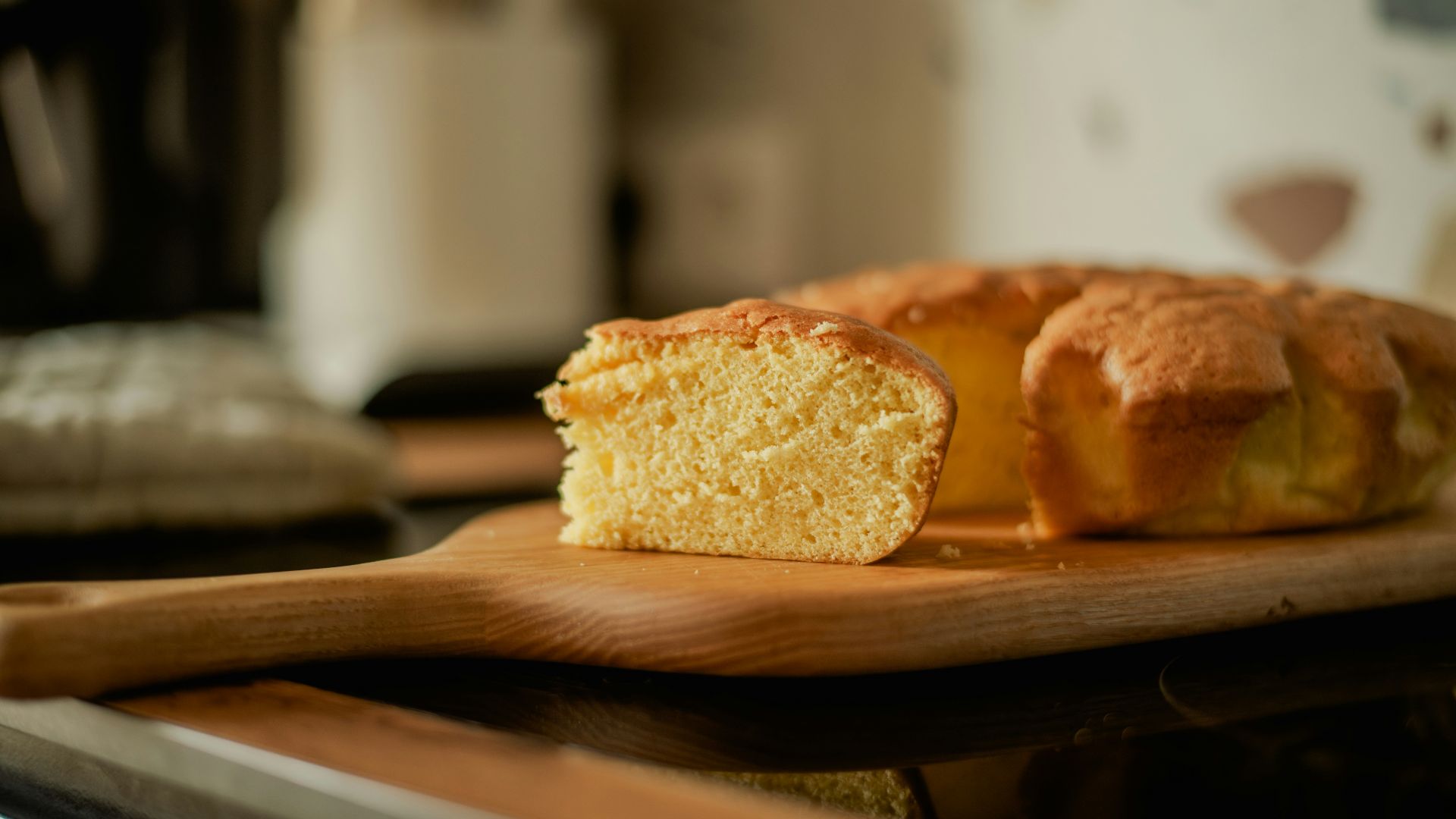
7. Cornbread
Cornbread begins with Indigenous corn agriculture, long before European colonists arrived. Native peoples grew and cooked corn in many forms, including into early breads and cakes. European colonists quickly adopted cornmeal because it grew well and often thrived in climates where wheat spoiled easily. In the South, cornbread became a staple for poor families and enslaved people because it was affordable and filling.
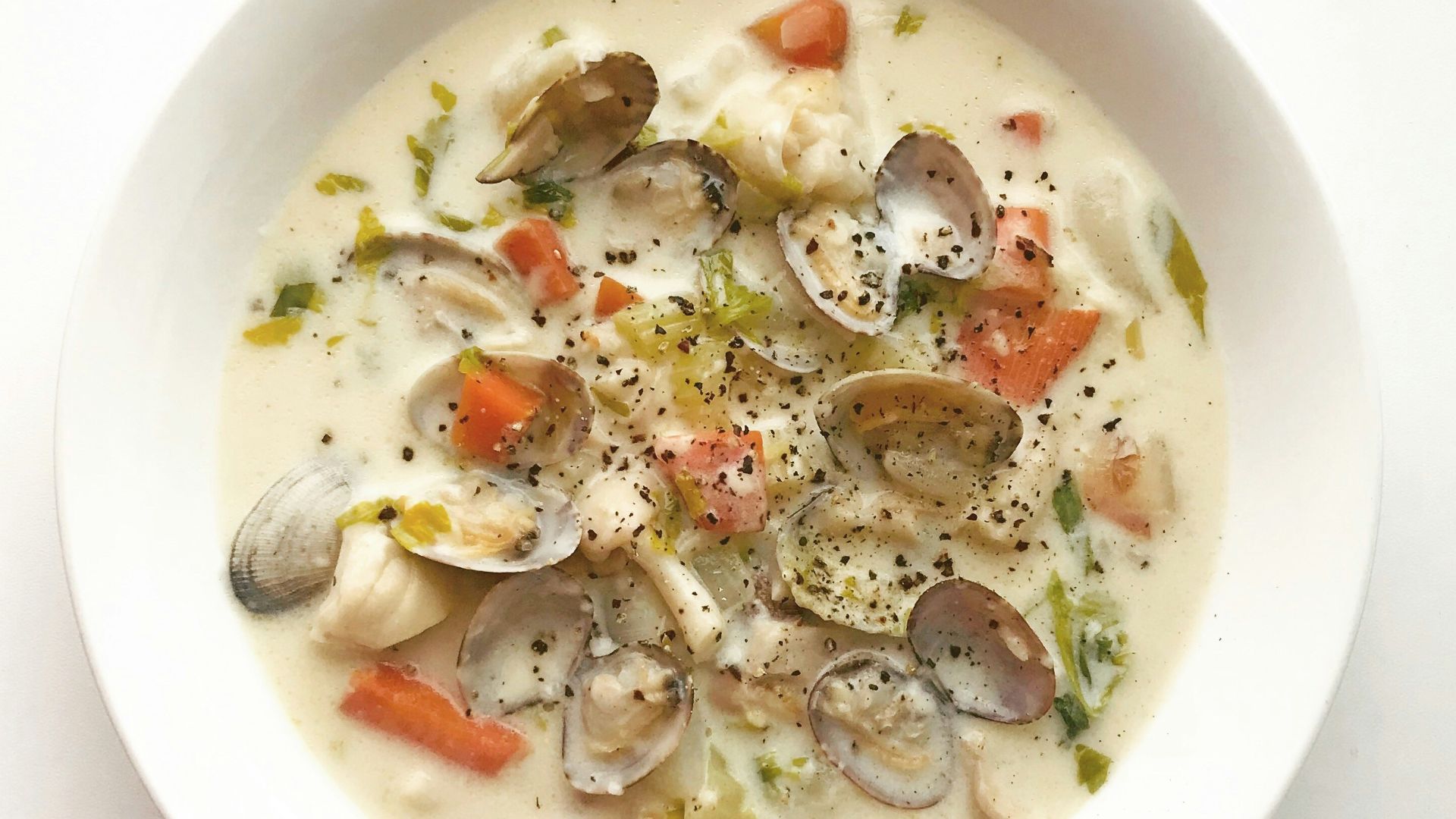
8. Clam Chowder
Clam chowder reflects New England’s coastal economy and colonial foodways. European settlers adapted seafood stews using local clams, potatoes, onions, and dairy. The dish grew out of fishing communities where practical, hearty food mattered.
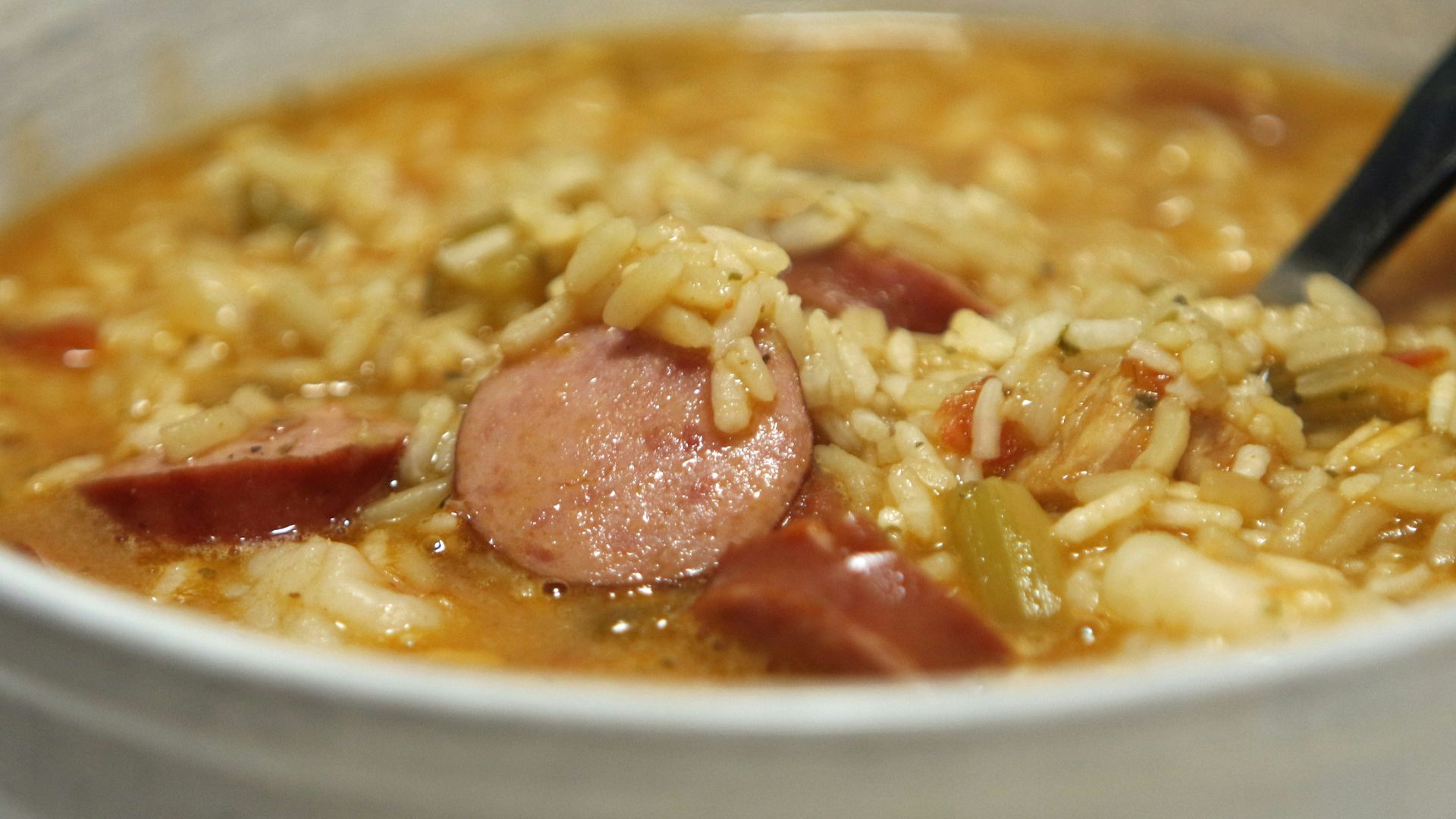
9. Gumbo
Gumbo is one of the clearest examples of America’s blended food history. Its name is often linked to West African words for okra, while its roux reflects French influence and its ingredients show Indigenous, Spanish, Caribbean, and Southern connections. In Louisiana, gumbo developed through Creole and Cajun communities shaped by colonization, slavery, migration, and trade.
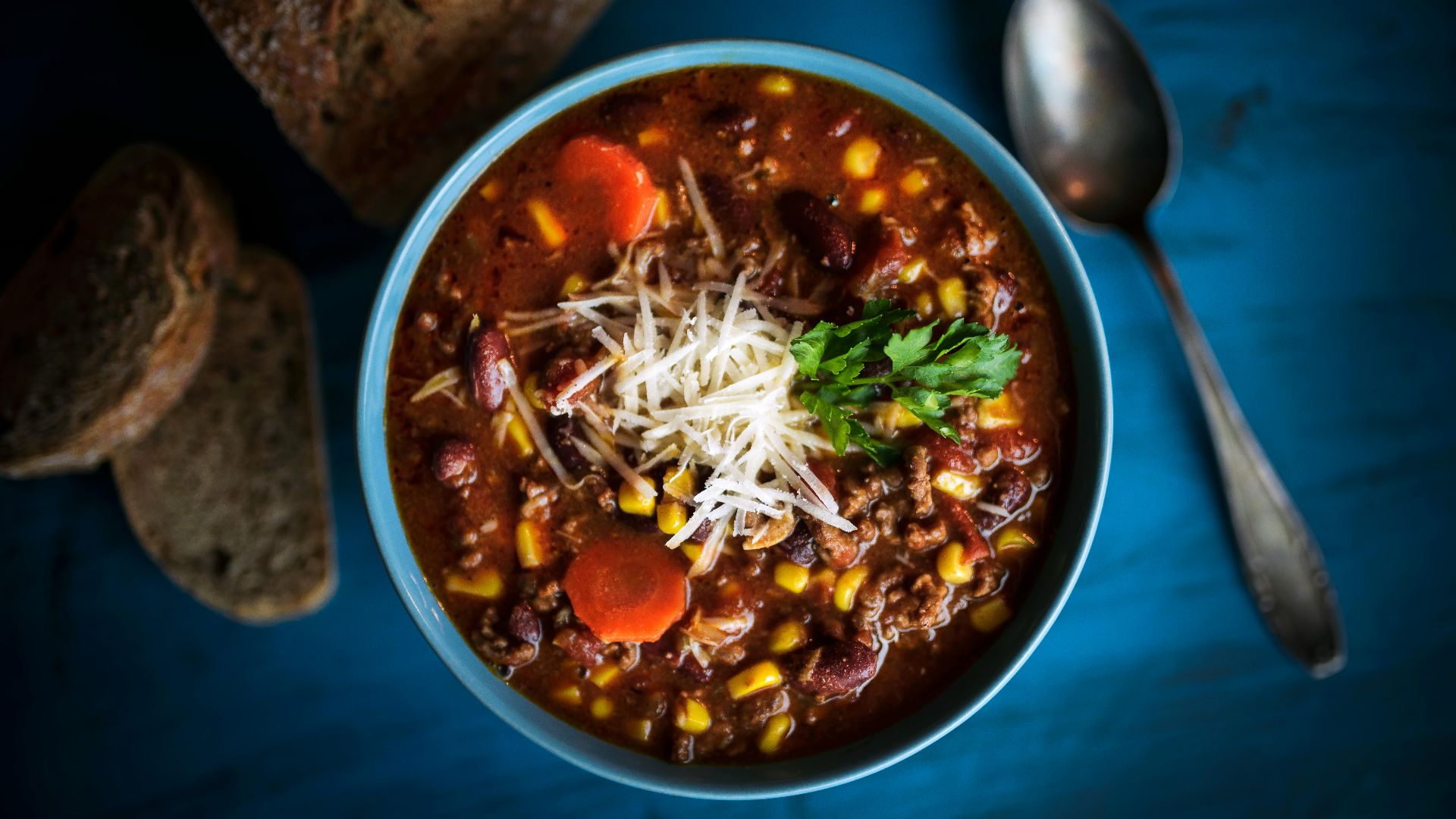
10. Chili
Chili grew from the borderlands of Texas and northern Mexico, where meat, chiles, and spices came together in hearty, practical dishes. In the 19th century, “chili queens” in San Antonio sold bowls of chili in public plazas, helping popularize it as street food. Later, chili parlors and canned chili spread the dish across the United States.
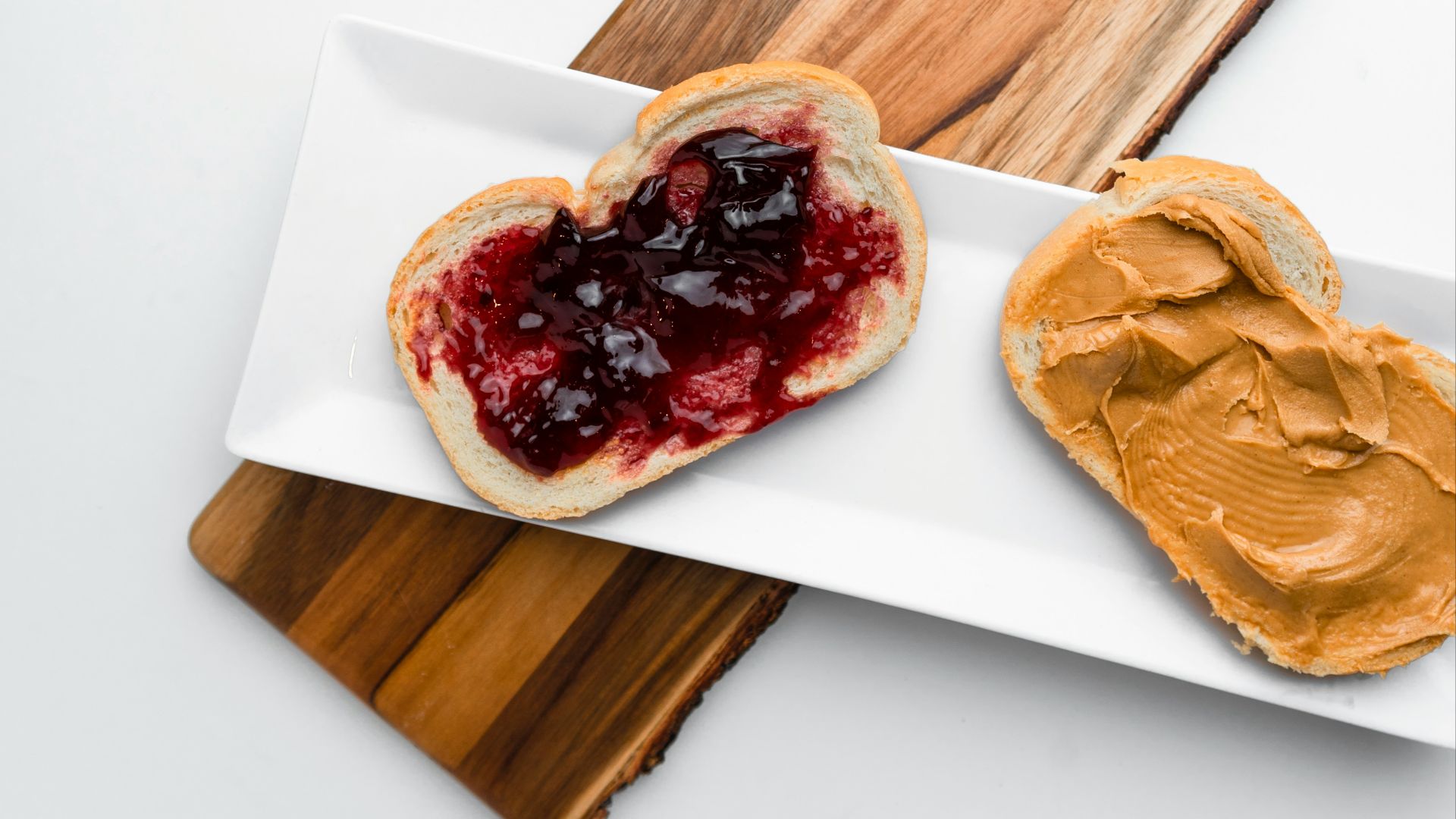
11. Peanut Butter & Jelly
Peanut butter and jelly became popular through industrial food production and changing ideas about childhood. Peanut butter was promoted in the late 19th and early 20th centuries as a nutritious protein source, while sliced bread and commercial jam made the sandwich easy to assemble. During World War II, soldiers received peanut butter and jelly in rations, and after the war, it became a school-lunch staple in suburban America.
12. Thanksgiving Turkey
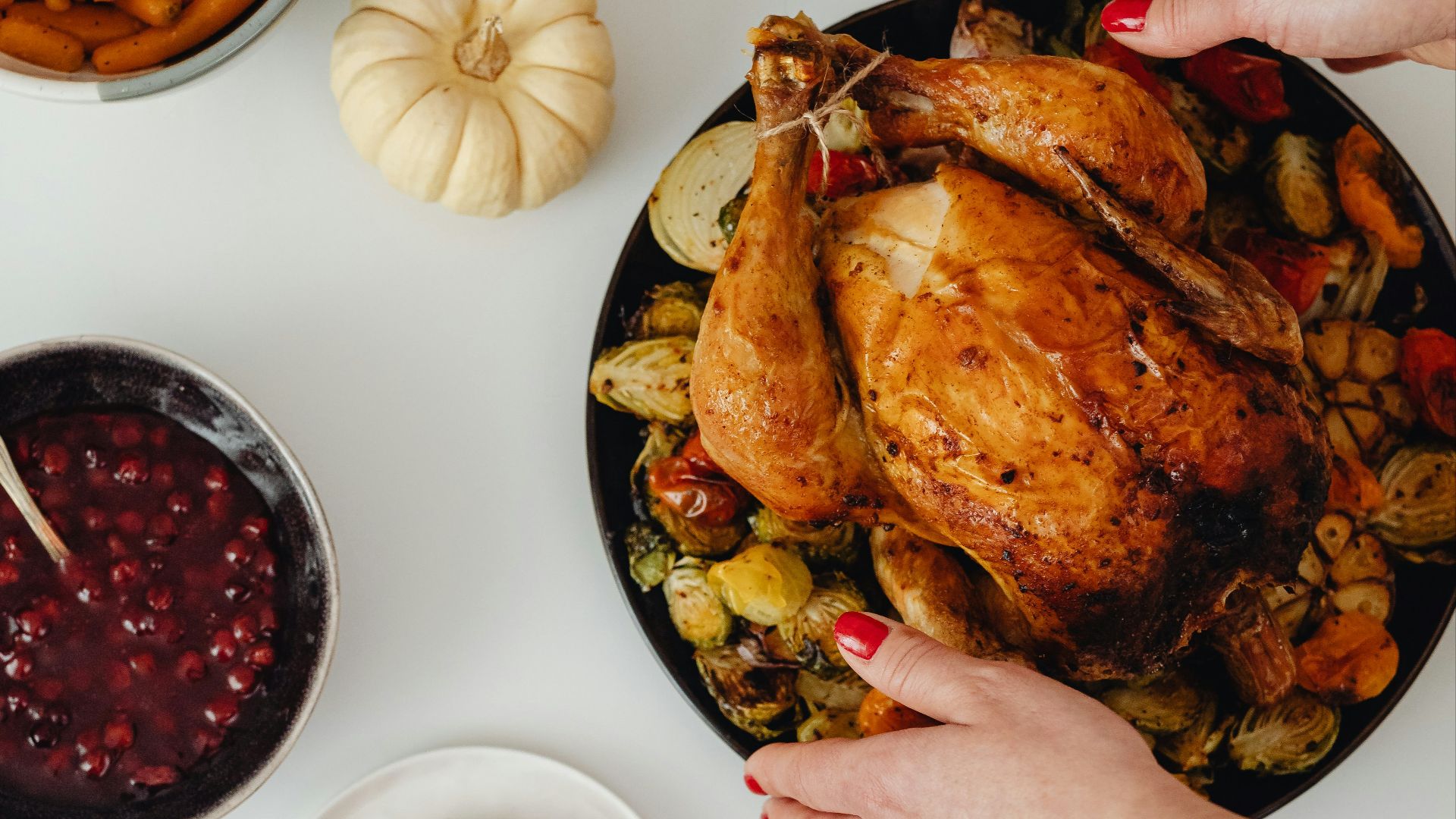
Thanksgiving turkey is tied to national mythmaking as much as food history. The modern holiday was shaped in the 19th century, especially after Abraham Lincoln declared Thanksgiving a national holiday in 1863 during the Civil War. Turkey became central because it was large enough to feed families and fit the image of rural abundance.
 Karolina Grabowska on Unsplash
13. Pizza
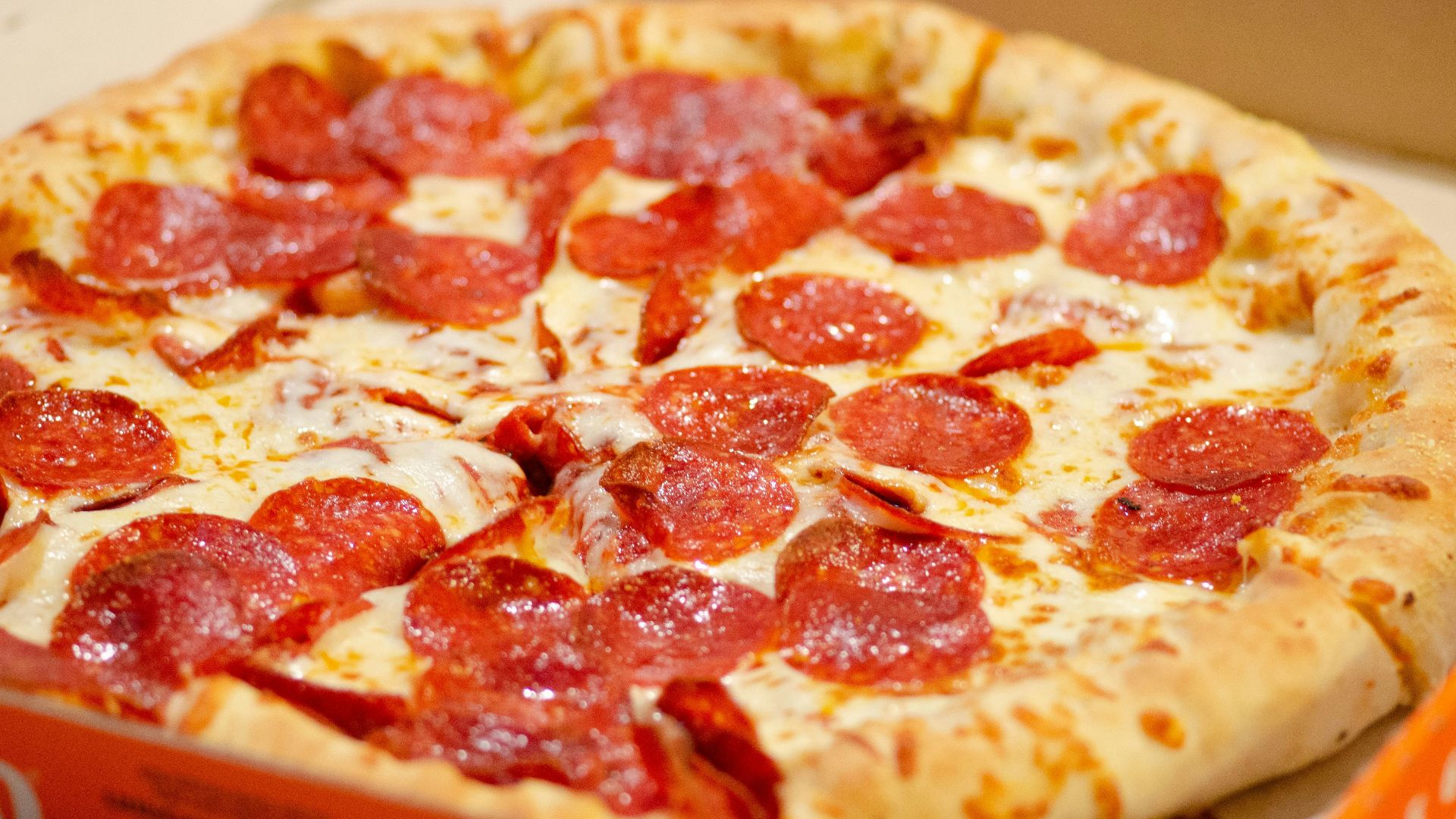
Pizza came to the U.S. with Italian immigrants in the late 19th and early 20th centuries. It first spread in cities with large Italian-American communities, especially New York. After World War II, American soldiers who had eaten pizza in Italy helped broaden its popularity. Frozen pizza, delivery chains, and regional styles later turned it into one of the country’s most adaptable foods.
14. Tacos
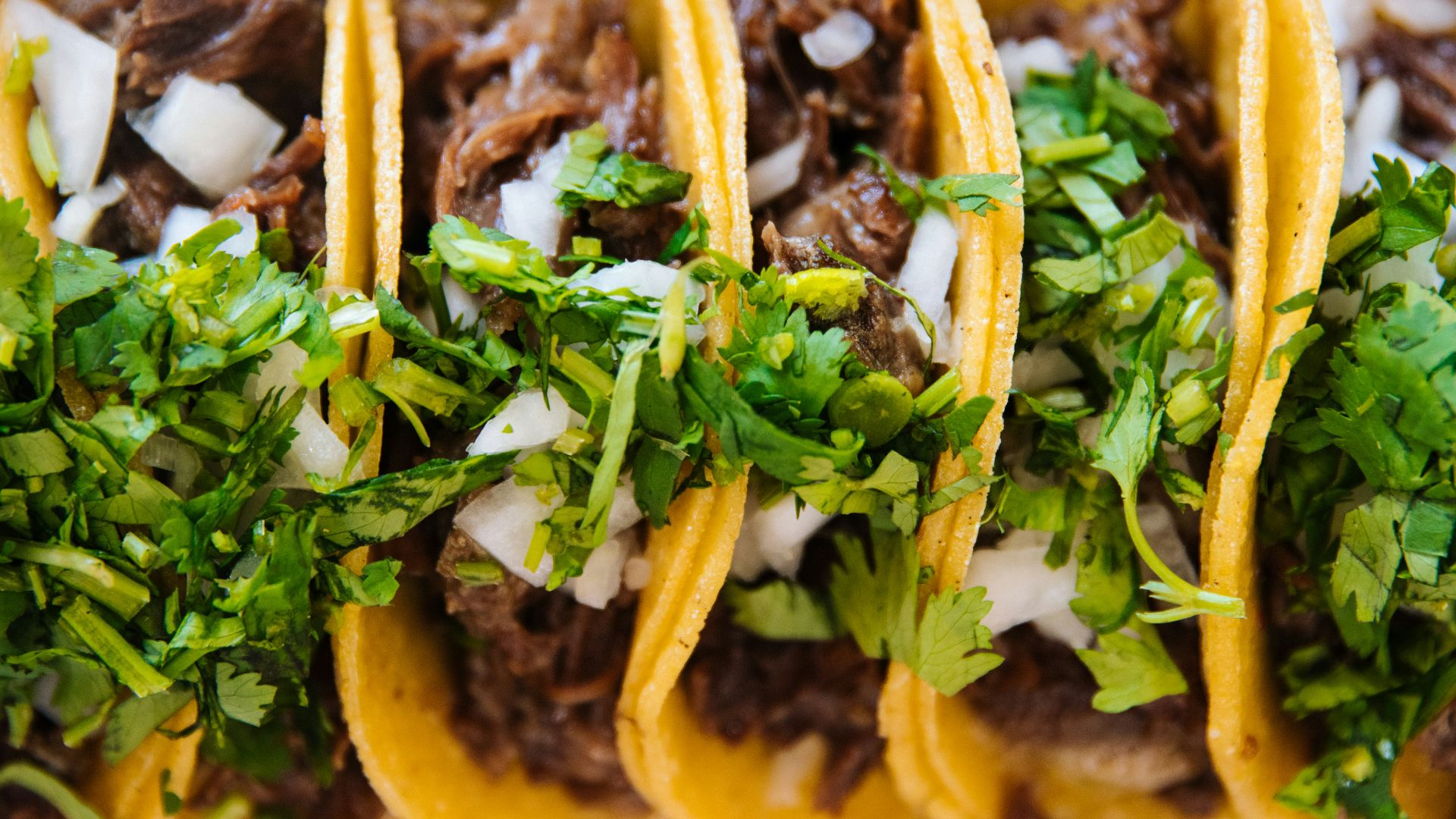
Tacos explain the deep Mexican and Mexican American roots of American food. They were eaten in the borderlands long before many Americans considered them mainstream.
In the 20th century, migration, urban Mexican American communities, and fast-food chains helped bring tacos to a national audience.
15. Soul Food
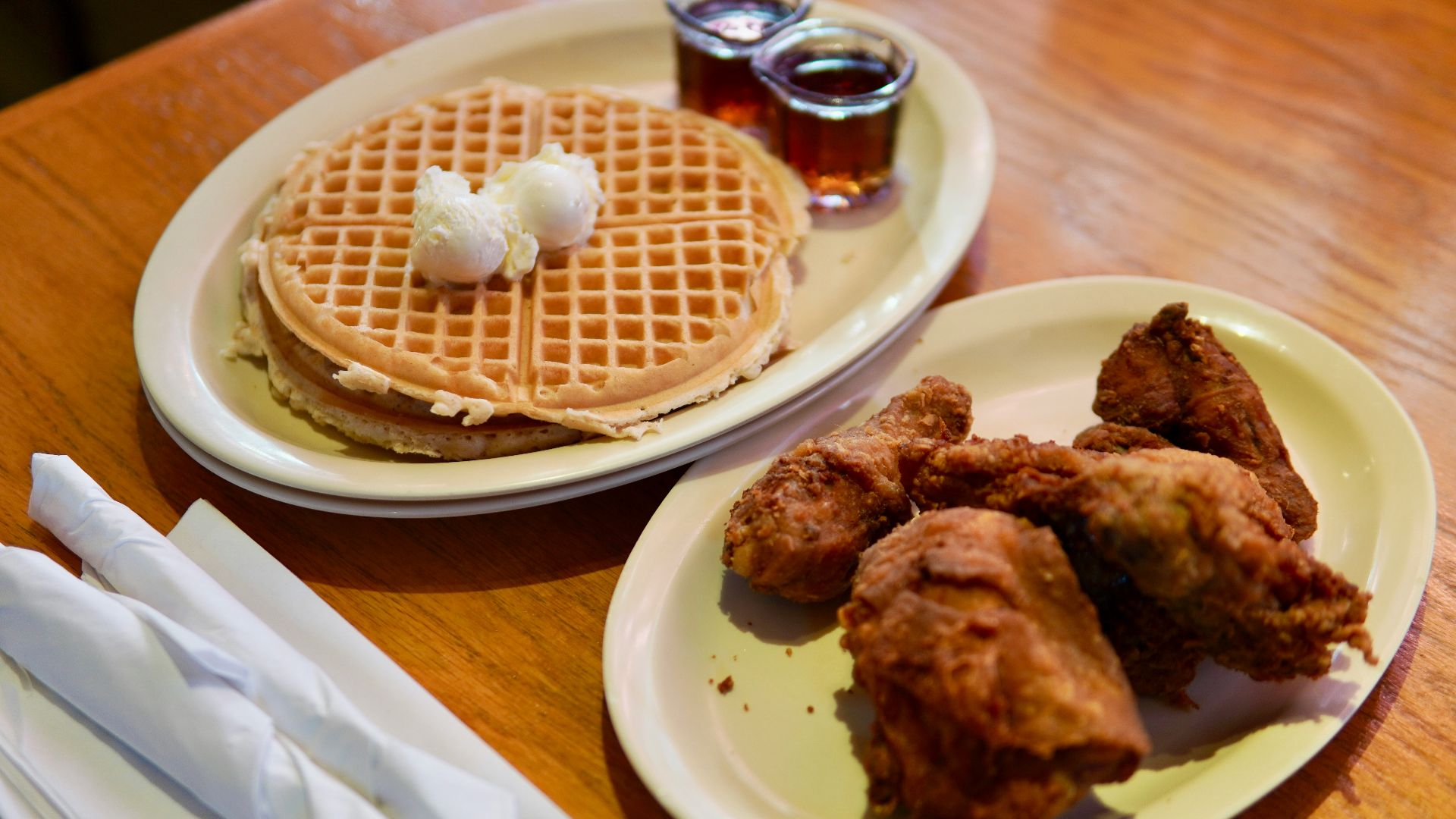
Soul food grew from the history of slavery, survival, migration, and Black community life. Enslaved African Americans created nourishing meals from limited ingredients, drawing on West African knowledge, Southern crops, and forced adaptation. During the Great Migration, Black families carried these dishes from the rural South to cities across the North and West.
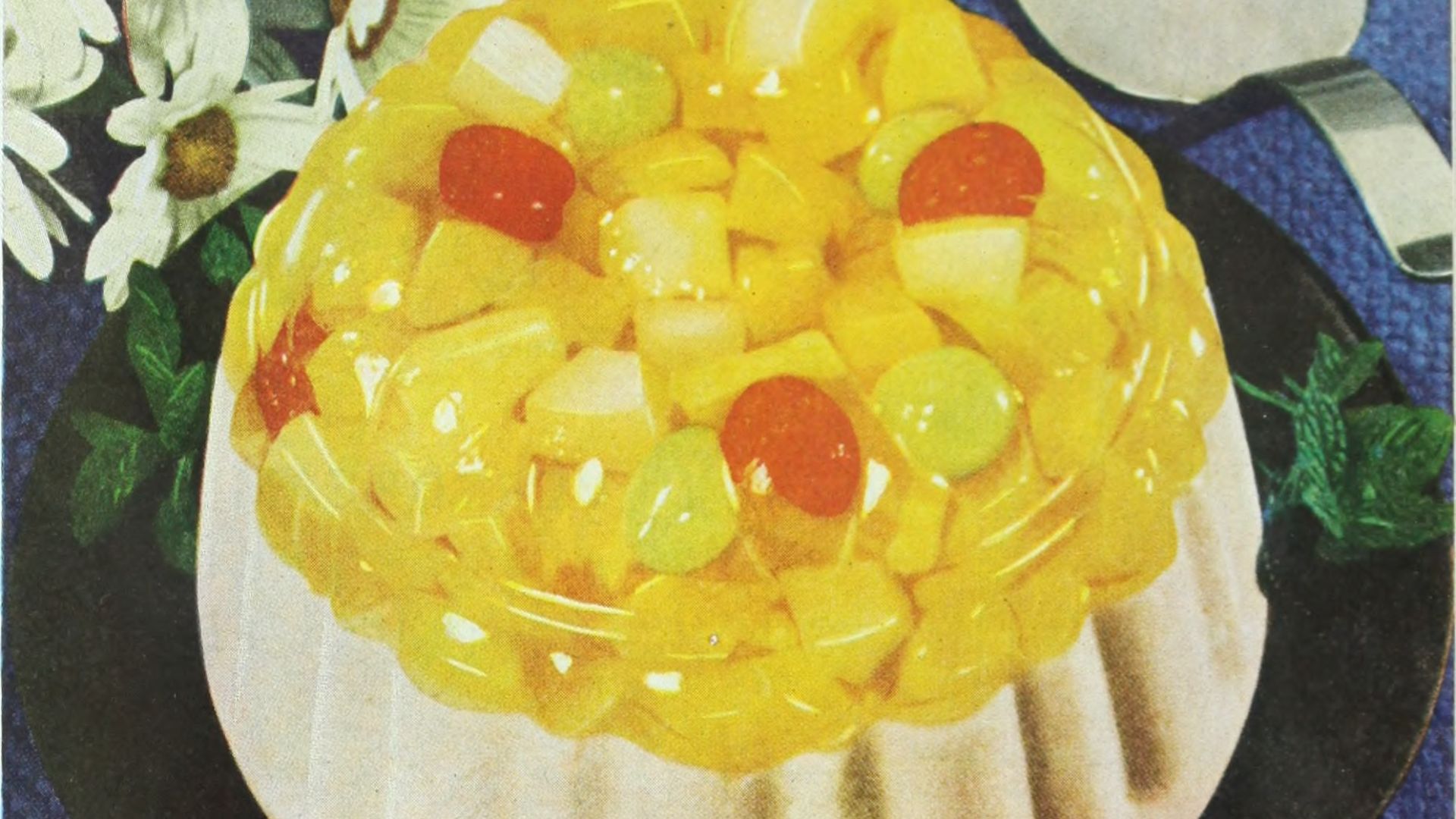
16. Jell-O Salad
Jell-O salad explains the rise of industrial food and mid-century domestic culture. Gelatin dishes became popular as refrigeration spread and packaged food companies marketed convenience to American households. In the 1950s and 1960s, molded salads with fruit, vegetables, or even meat reflected ideas of modern entertaining and suburban abundance.
 Internet Archive Book Images on Wikimedia
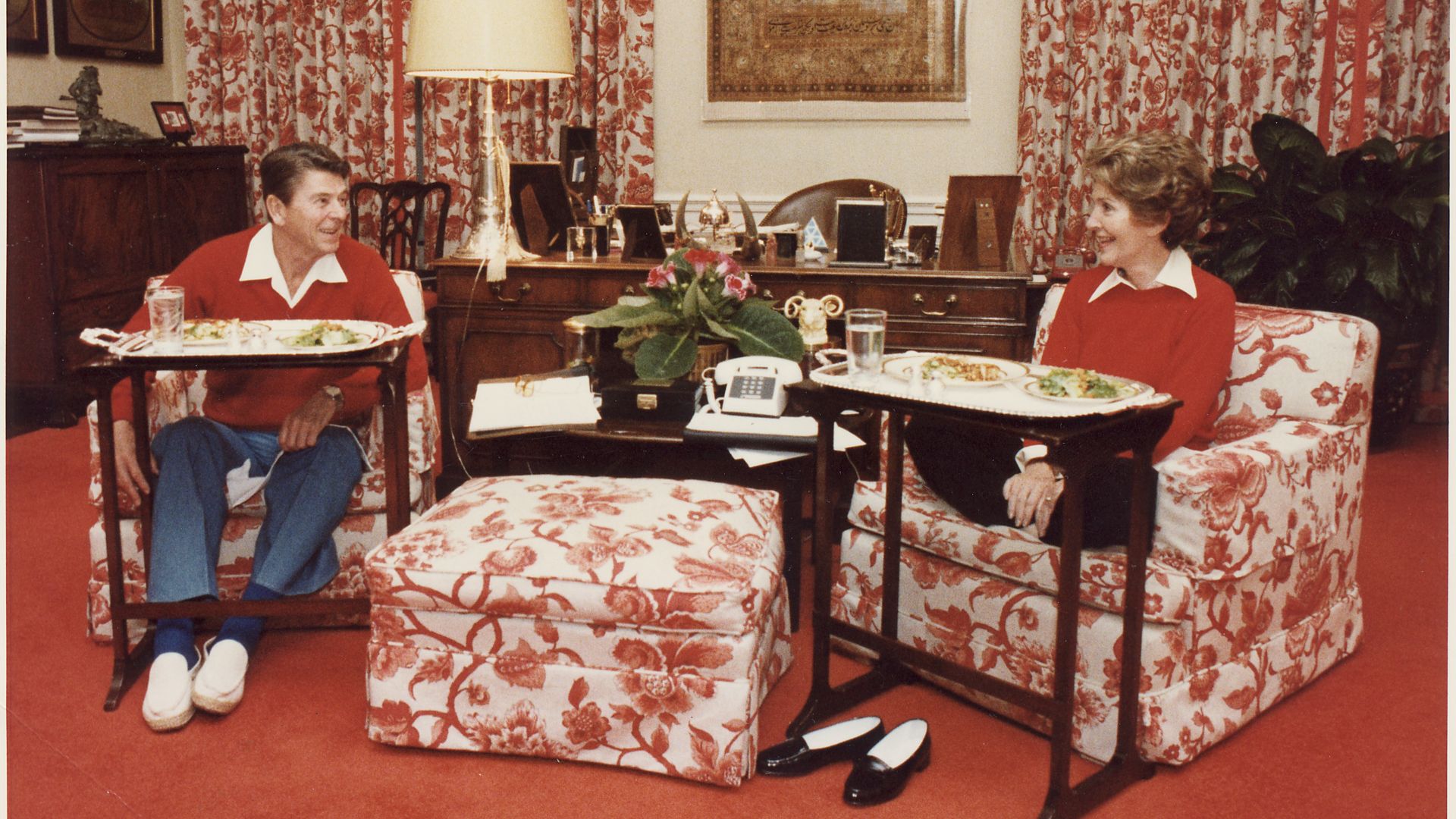
17. TV Dinners
TV dinners emerged in the 1950s and captured postwar America perfectly. They depended on frozen-food technology, television culture, changing work patterns, and the desire for convenience, allowing families to eat individual meals in front of the TV instead of gathering around a traditional dinner table. Their history shows how technology and marketing changed not just what Americans ate, but how they ate.
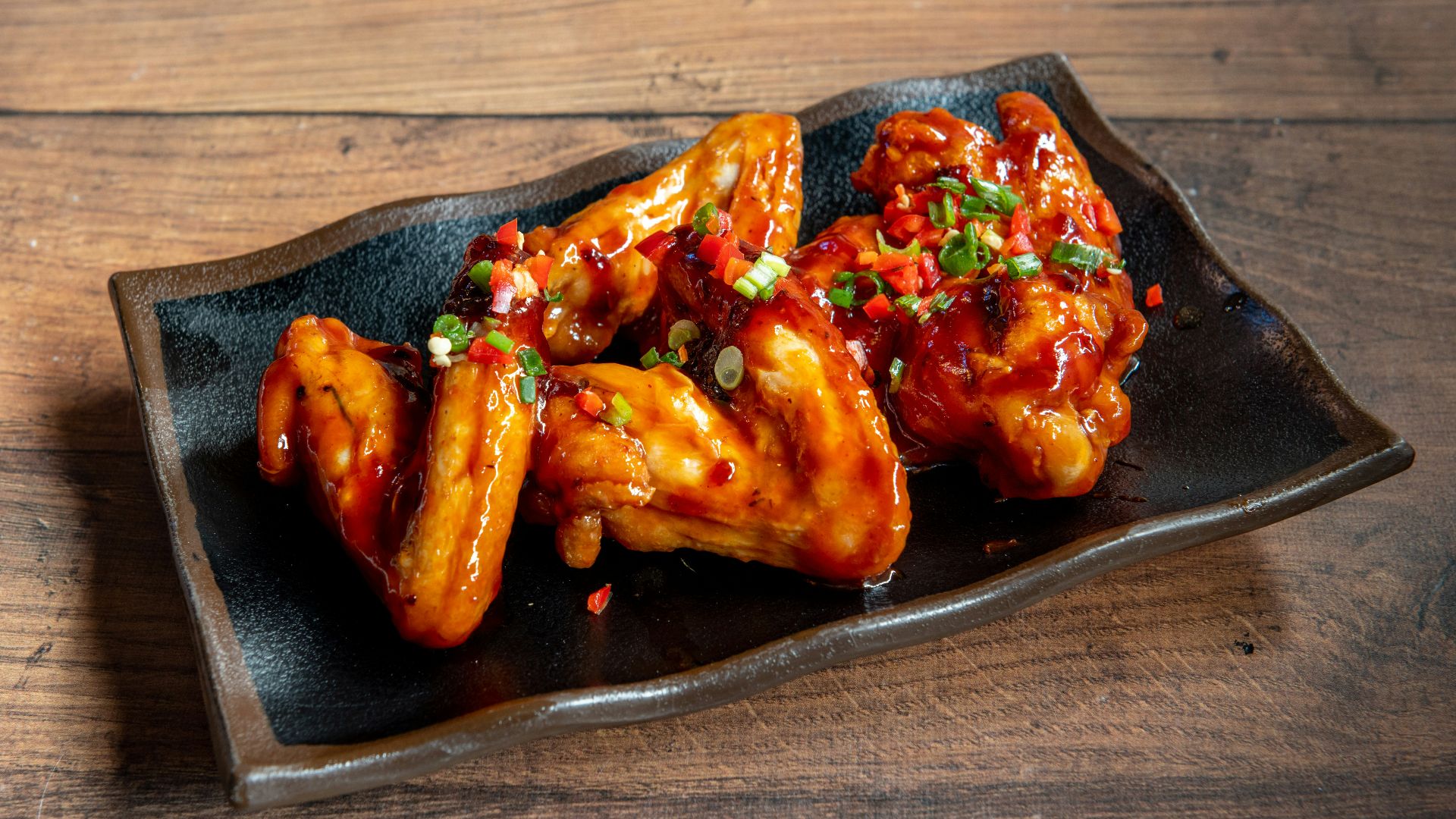
18. Buffalo Wings
Buffalo wings became famous in the 1960s after being popularized in Buffalo, New York. They turned an inexpensive chicken part into a bar-food classic, especially when paired with hot sauce, celery, and blue cheese.
As sports bars grew and televised football became a major social ritual, wings became a national game-day food.
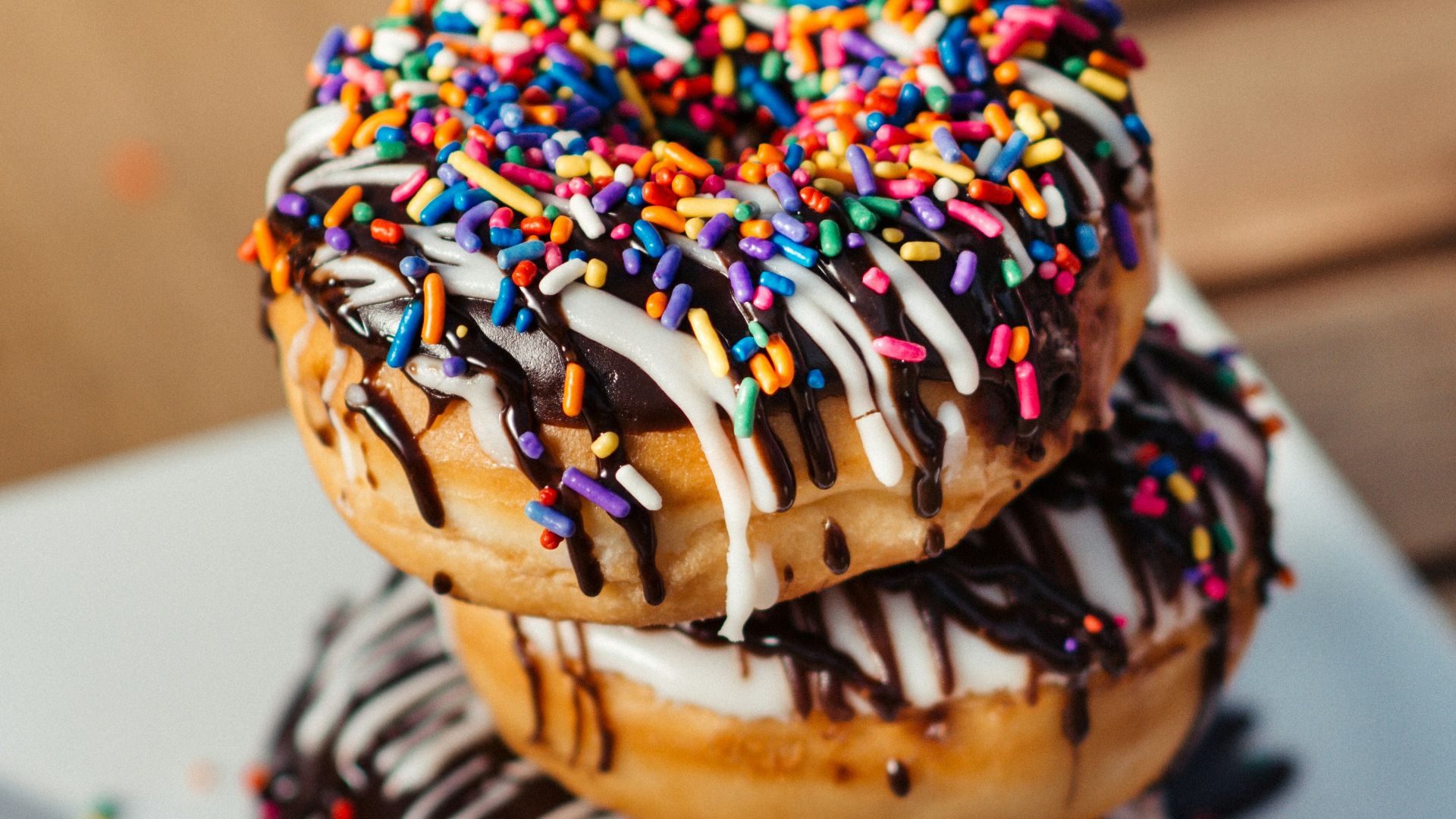
19. Donuts
Donuts have roots in Dutch and other European fried-dough traditions, but they became American through urban bakeries, industrial production, and coffee culture. During World War I, Salvation Army volunteers served donuts to soldiers, helping link them with comfort and patriotism. Later, donut shops and chains made them a morning staple for workers, commuters, and police officers.
20. Fast-Food Fries
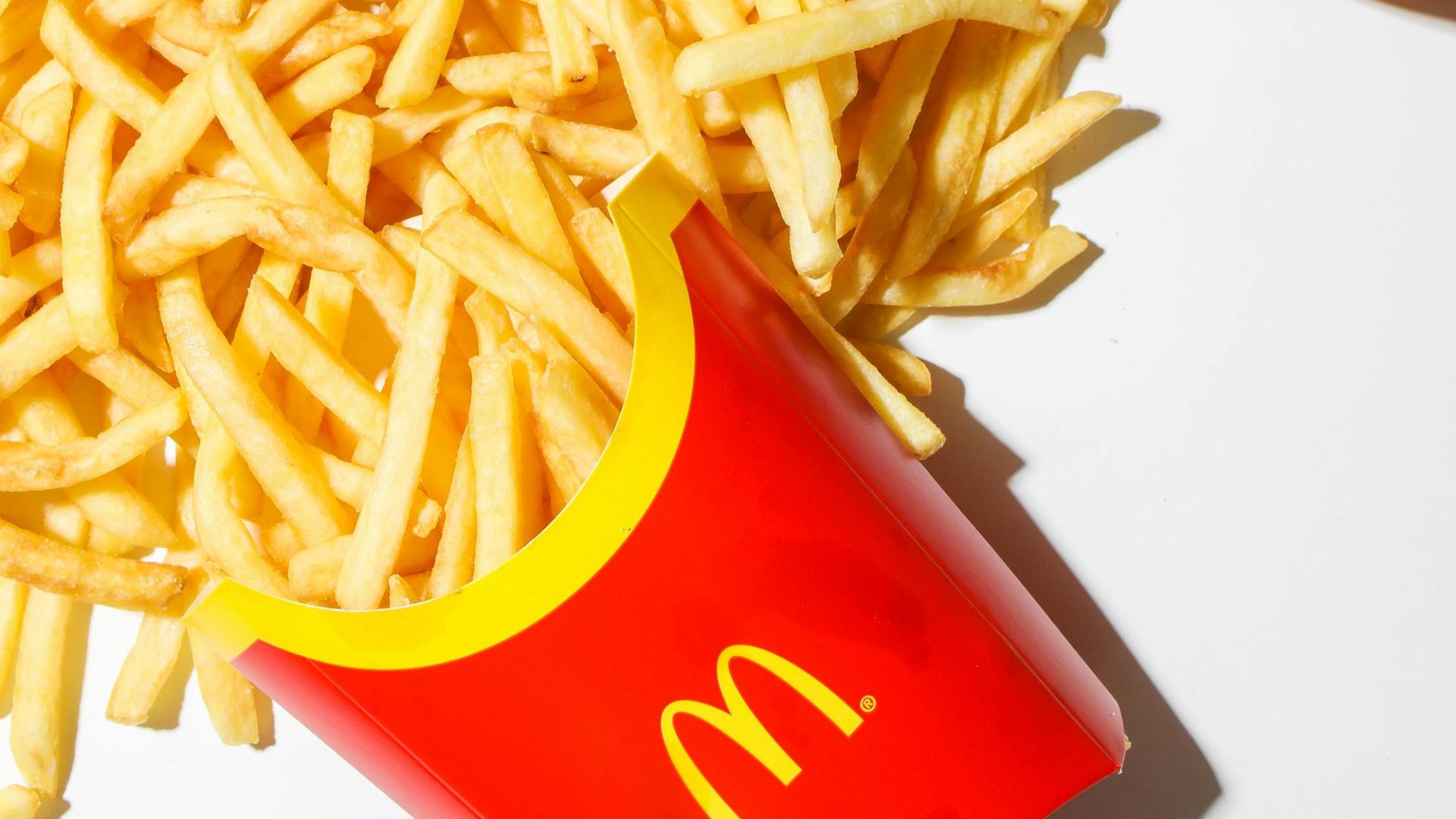
Fast-food fries tell the story of industrial agriculture, franchising, highways, and American standardization. Potatoes became a massive commercial crop, while chains like McDonald’s turned fries into a consistent national product. Their popularity depended on car culture, drive-thrus, frozen processing, and the promise that food could taste the same everywhere.
KEEP ON READING

The Most Popular Signature Dishes Around the World