20 Foods That Got a Reputation They Didn’t Really Deserve
Some Foods Were Judged a Little Too Harshly
Food reputations can get weirdly dramatic. One bad cafeteria version, an overused joke, or a generation of people declaring something disgusting can be enough to ruin a perfectly decent ingredient for years. The funny part is that a lot of these foods aren't actually bad. They just had the misfortune of being cooked badly, misunderstood, or turned into cultural punch lines before anyone gave them a fair chance. Here are 20 such foods.
 Paweł Kuźniar (Jojo_1, Jojo) on Wikimedia
1. Brussels Sprouts
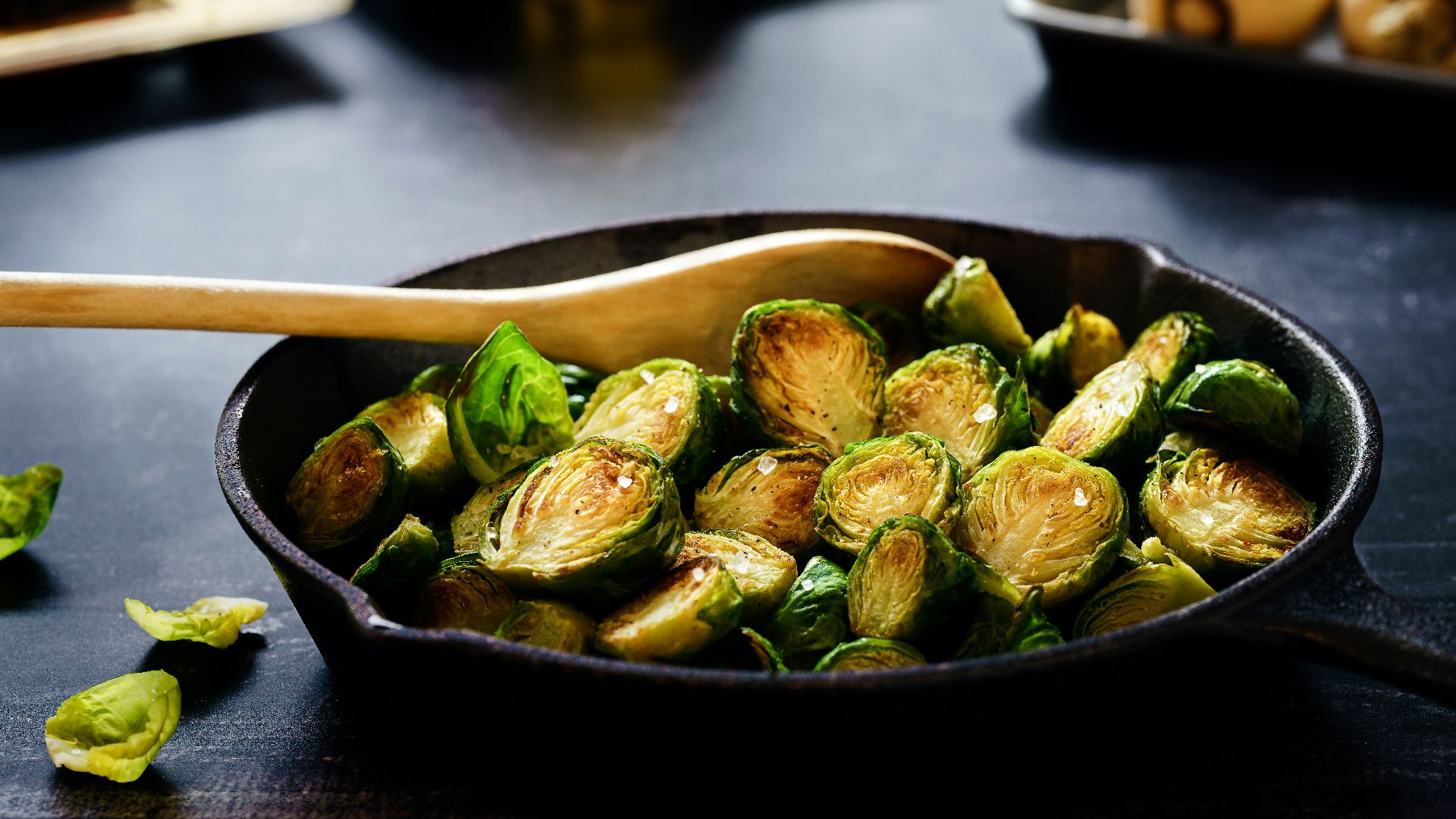
Brussels sprouts spent years being treated like the official vegetable of childhood disappointment. A lot of that came from people boiling them into soft, bitter little tragedies and then acting shocked when nobody wanted seconds. Roasted properly, they're crisp, nutty, and much more appealing than their old reputation suggests.
 Sebastian Coman Photography on Unsplash
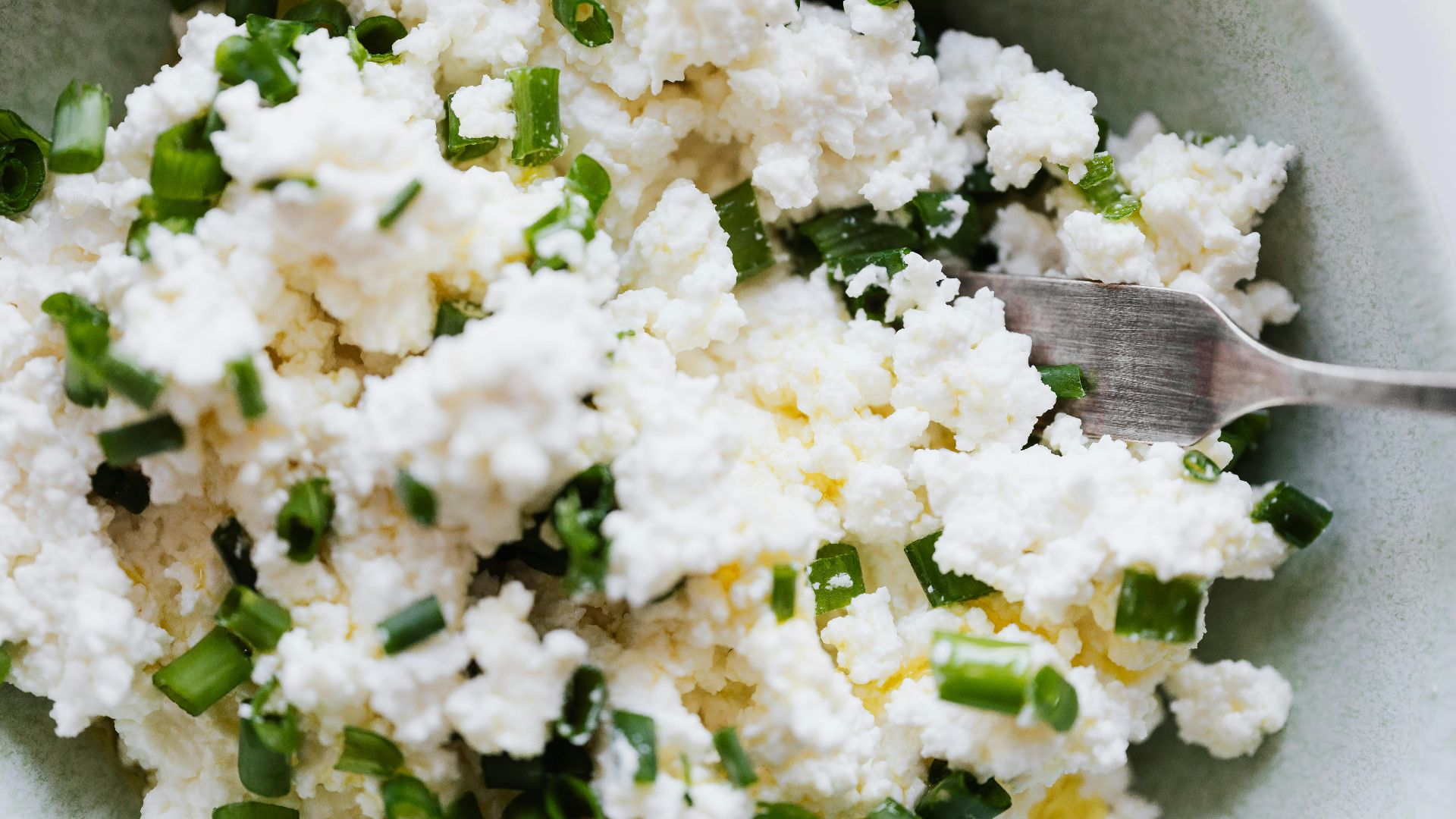
2. Cottage Cheese
Cottage cheese has always suffered from being judged visually before it gets to defend itself. The texture turns some people off immediately, and then the whole conversation ends before taste even enters the room. In reality, it's mild, useful, and easy to pair with both savory and sweet flavors.
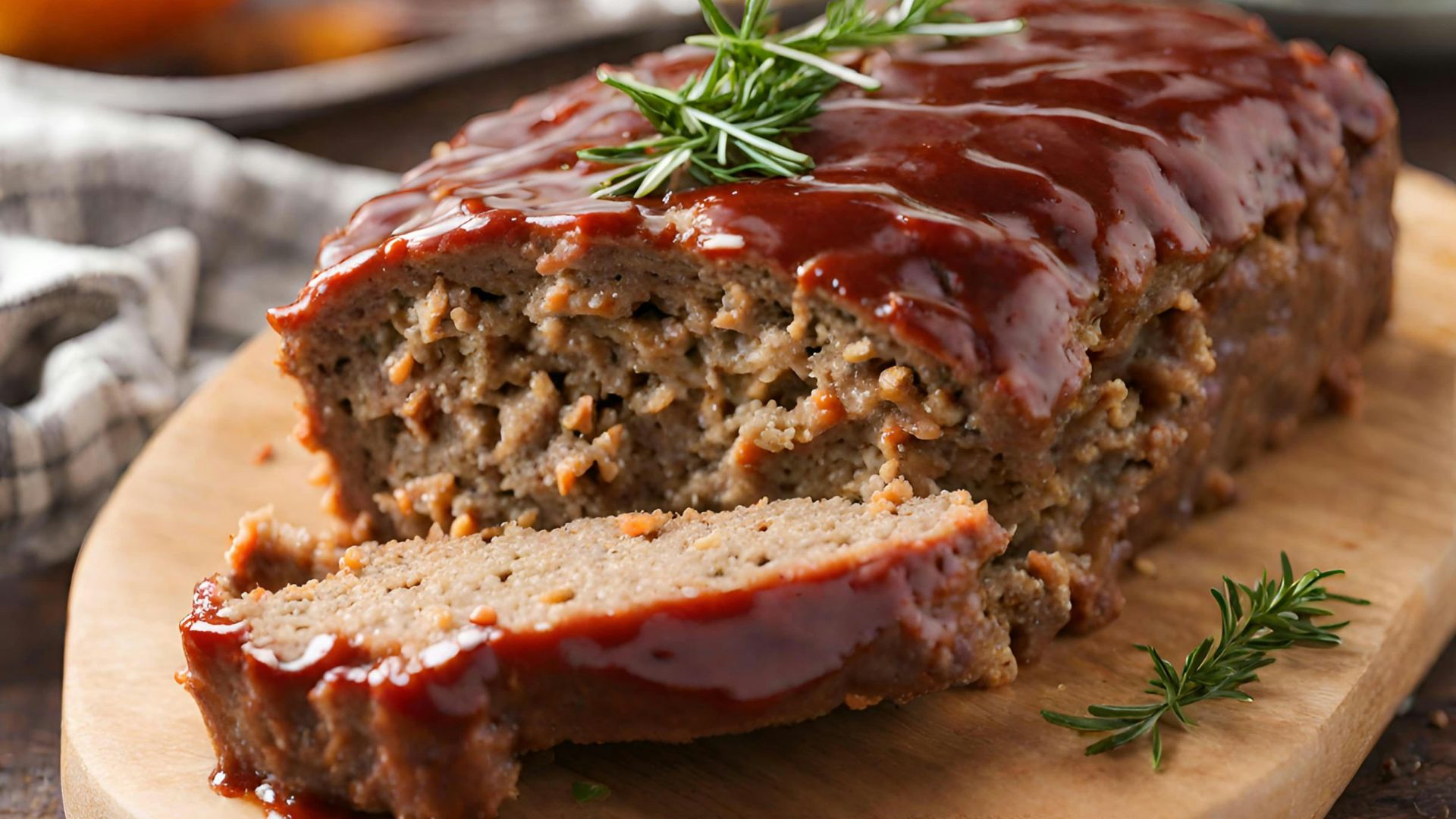
3. Meatloaf
Meatloaf has long been treated like the culinary symbol of dull family dinners. That's a little unfair to a dish that can be hearty, flavorful, and genuinely comforting when it's made well. The problem is that too many people met their first meatloaf through school cafeterias or dry home versions that gave up halfway through life, only to be rescued by copious amounts of ketchup.
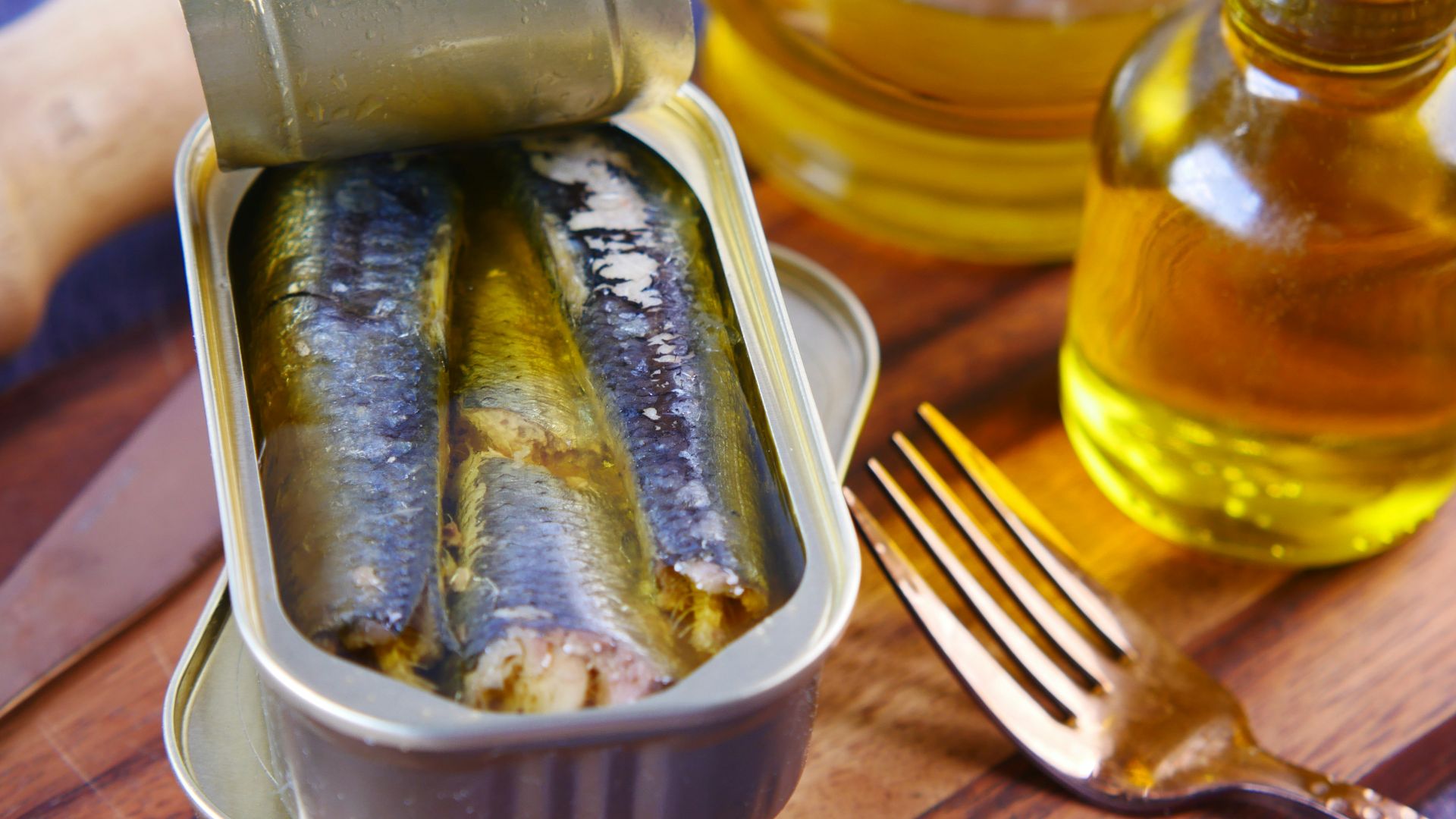
4. Sardines
Sardines are one of those foods people love to mock without much current evidence. They come in a tin, look old-fashioned, and make people assume the experience will be grim before they even open the lid. Actually, they're rich, savory, and a lot more enjoyable than their gloomy little image implies.
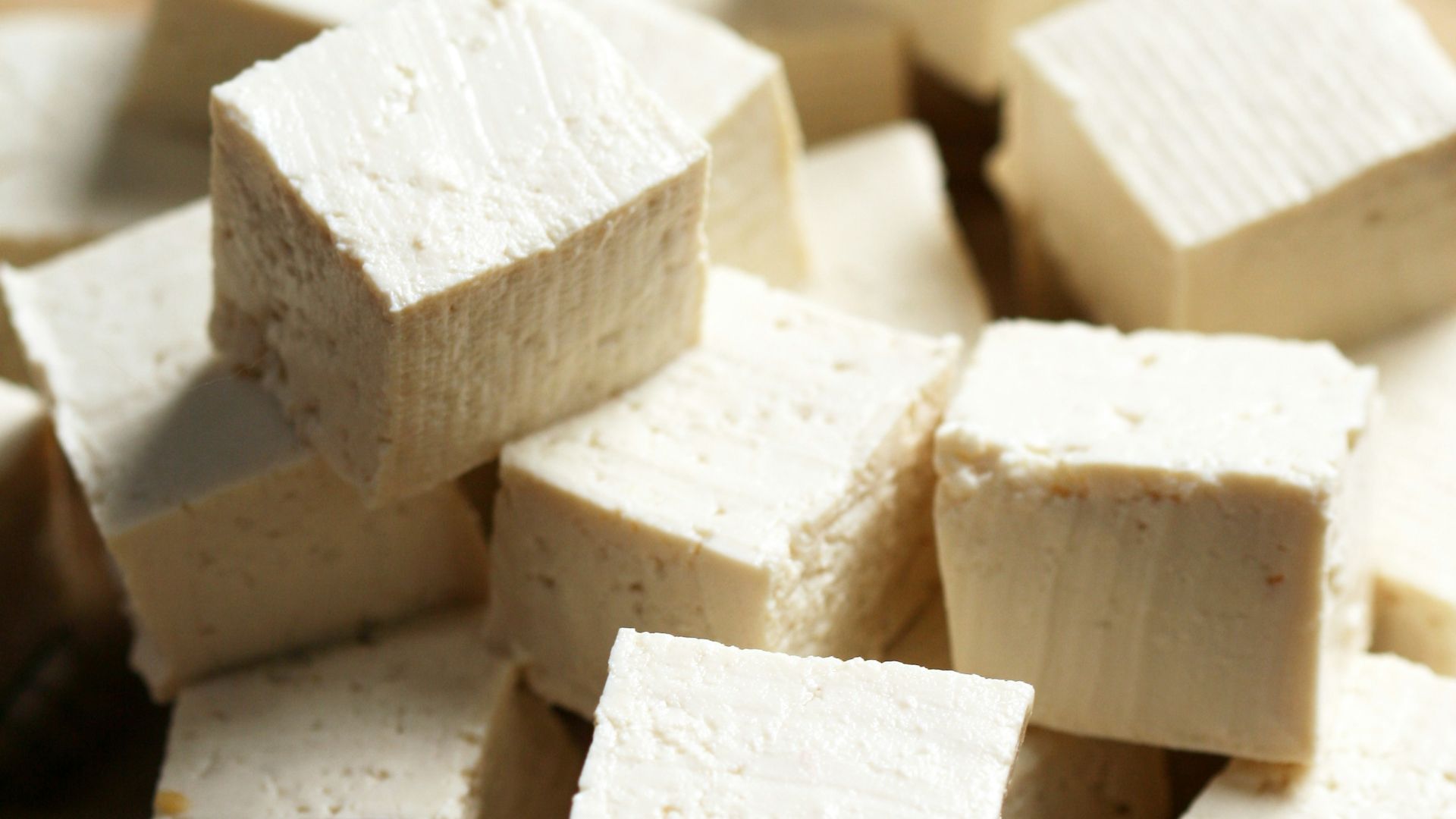
5. Tofu
Tofu gets judged by people who expect it to behave like chicken and then get offended when it doesn't. That's not really tofu’s fault. It's meant to absorb flavor, take on texture, and work with what you cook it in rather than arrive pre-loaded with personality. Once people stop asking it to be something else, it usually starts doing much better.
6. Cabbage
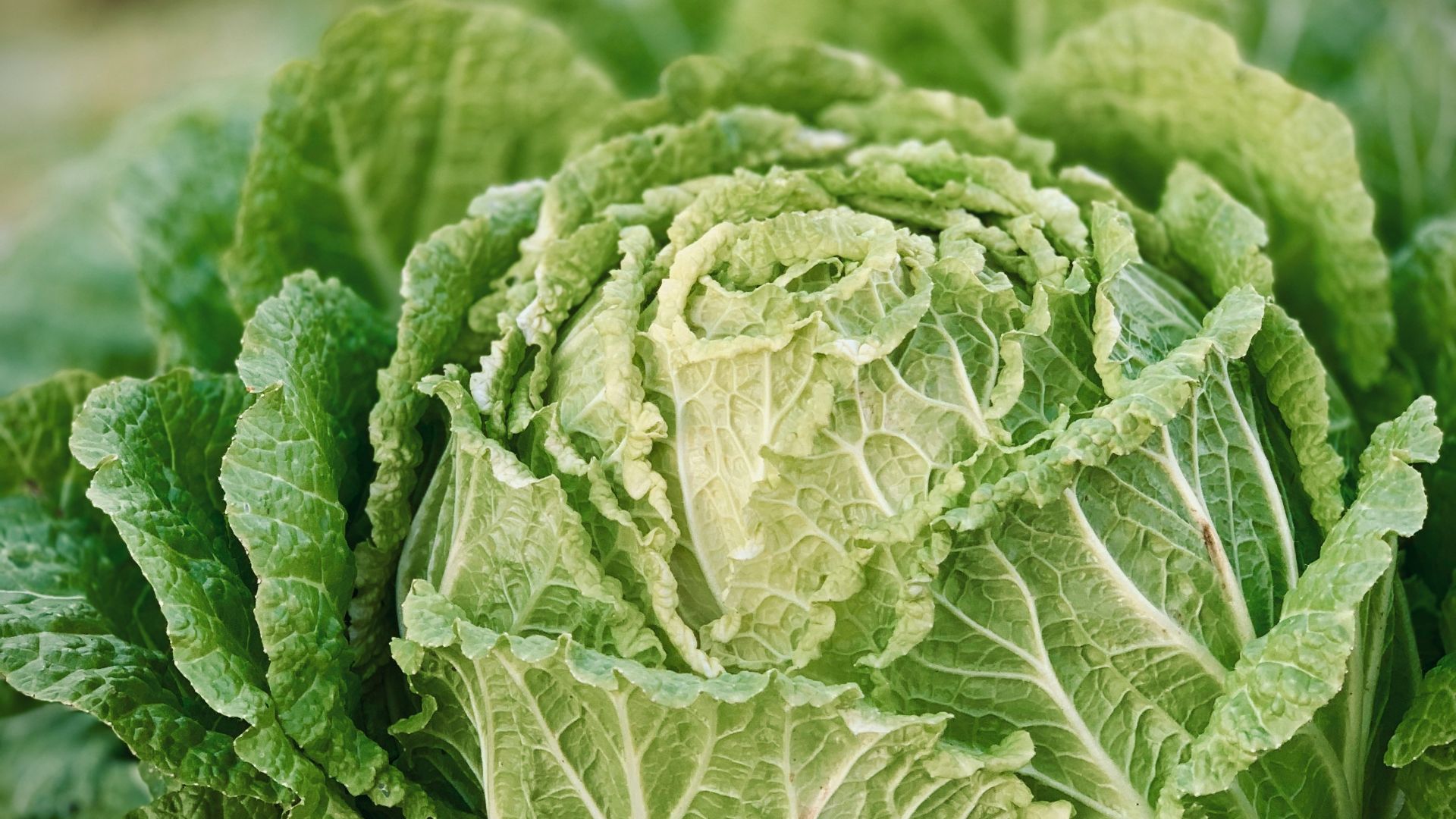
Cabbage often gets treated like a cheap filler food instead of the versatile ingredient it actually is. It can be sweet, crisp, rich, or deeply savory depending on how you cook it, but a lot of people still picture sad boiled leaves from another era. That is a very narrow way to look at a vegetable that handles slaws, soups, sautés, and roasting so well.
7. Butter
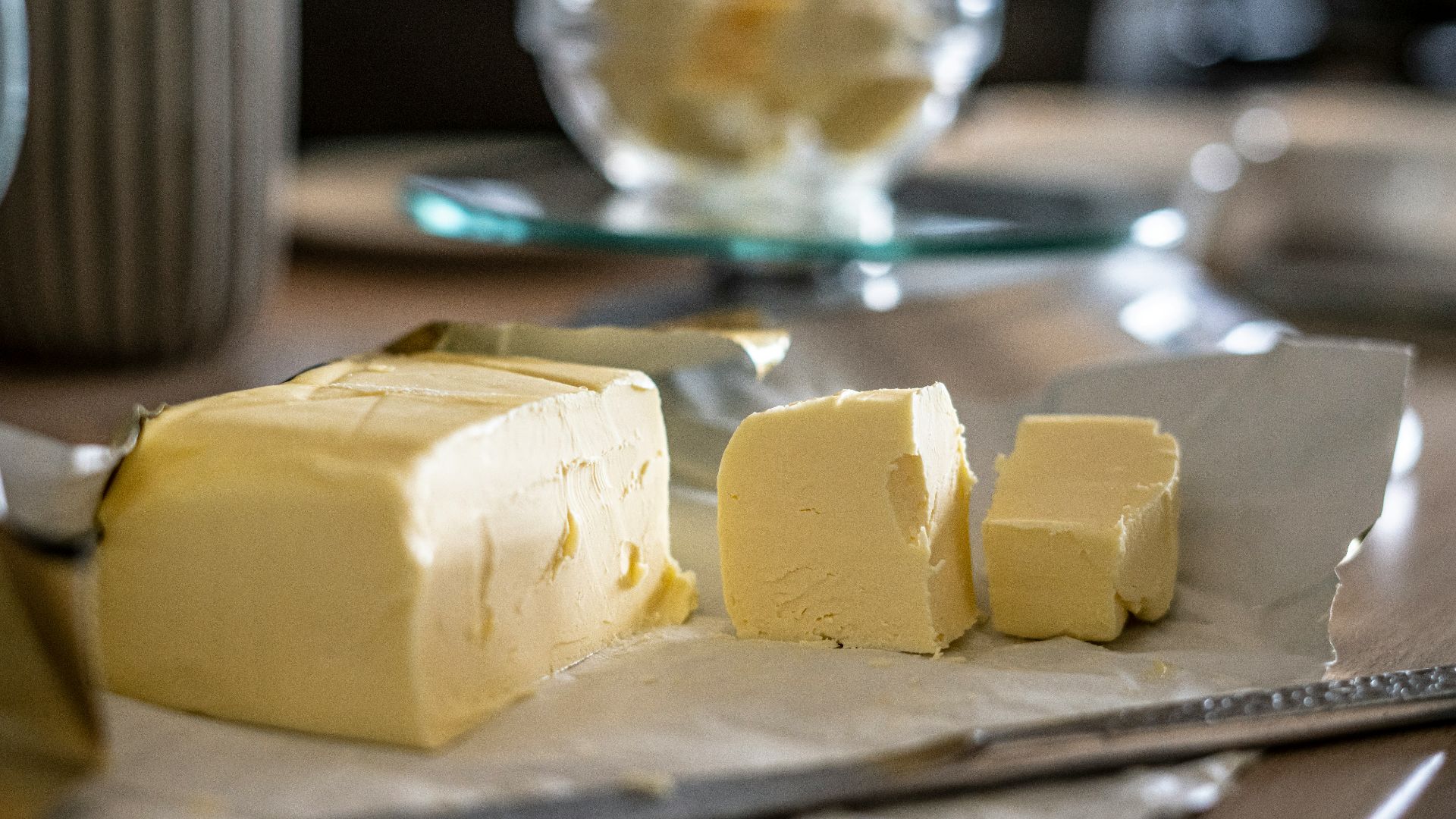
Butter spent a long time being treated like a villain, mostly because it got swept into decades of fear around fat and cholesterol. For years, people were conditioned to see it as automatically unhealthy, even though the real conversation about diet turned out to be more complicated. Now we understand that butter isn't inherently bad for you in moderation, and even contains some beneficial nutrients.
8. Beets
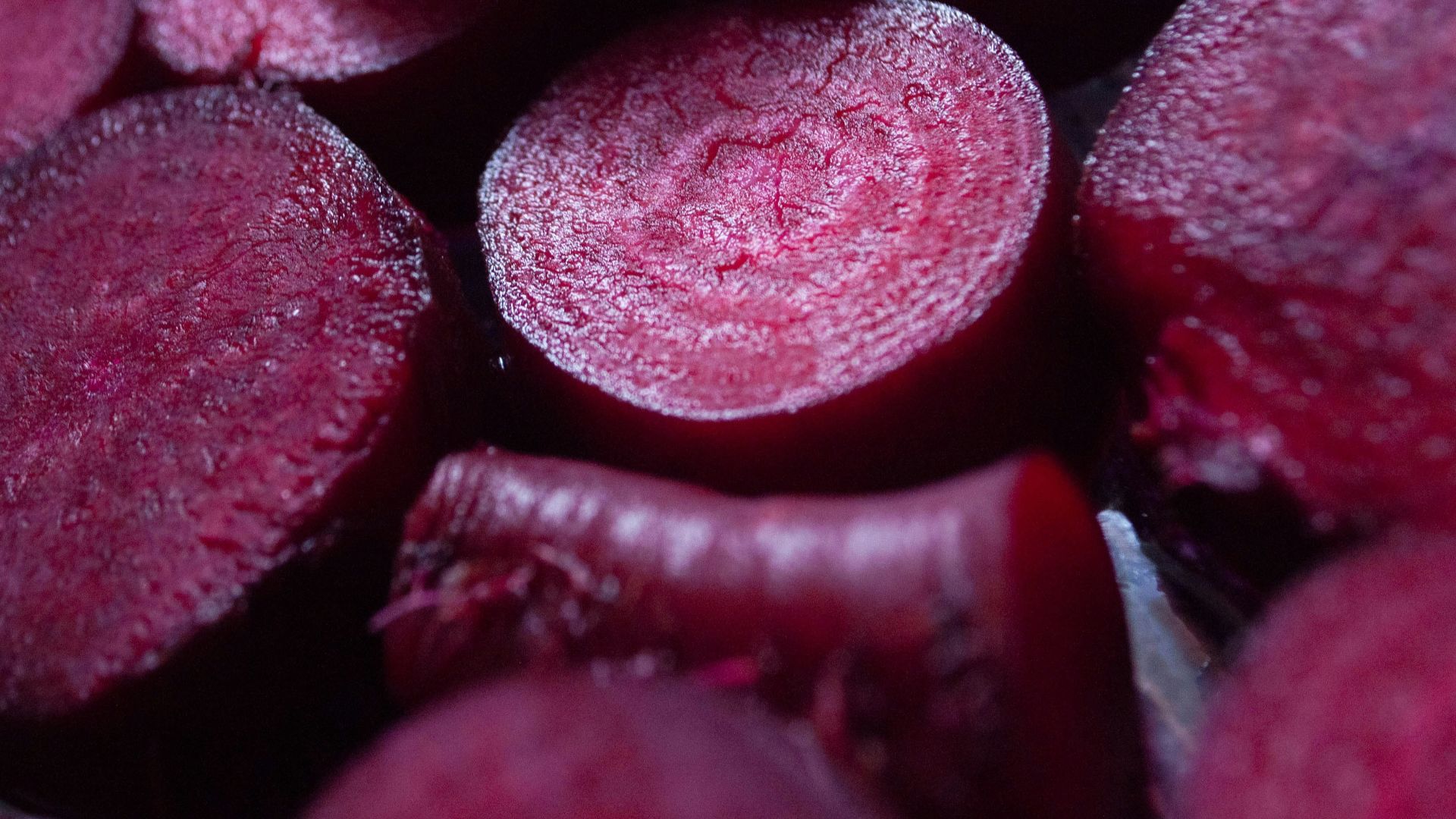
Beets got stuck with the phrase “taste like dirt,” which has done truly lasting damage. The trouble is that once somebody hears that description, they often go into the bite already committed to disliking it. Roasted well, beets are sweet, earthy, and much more balanced than the anti-beet crowd tends to admit.
9. Okra
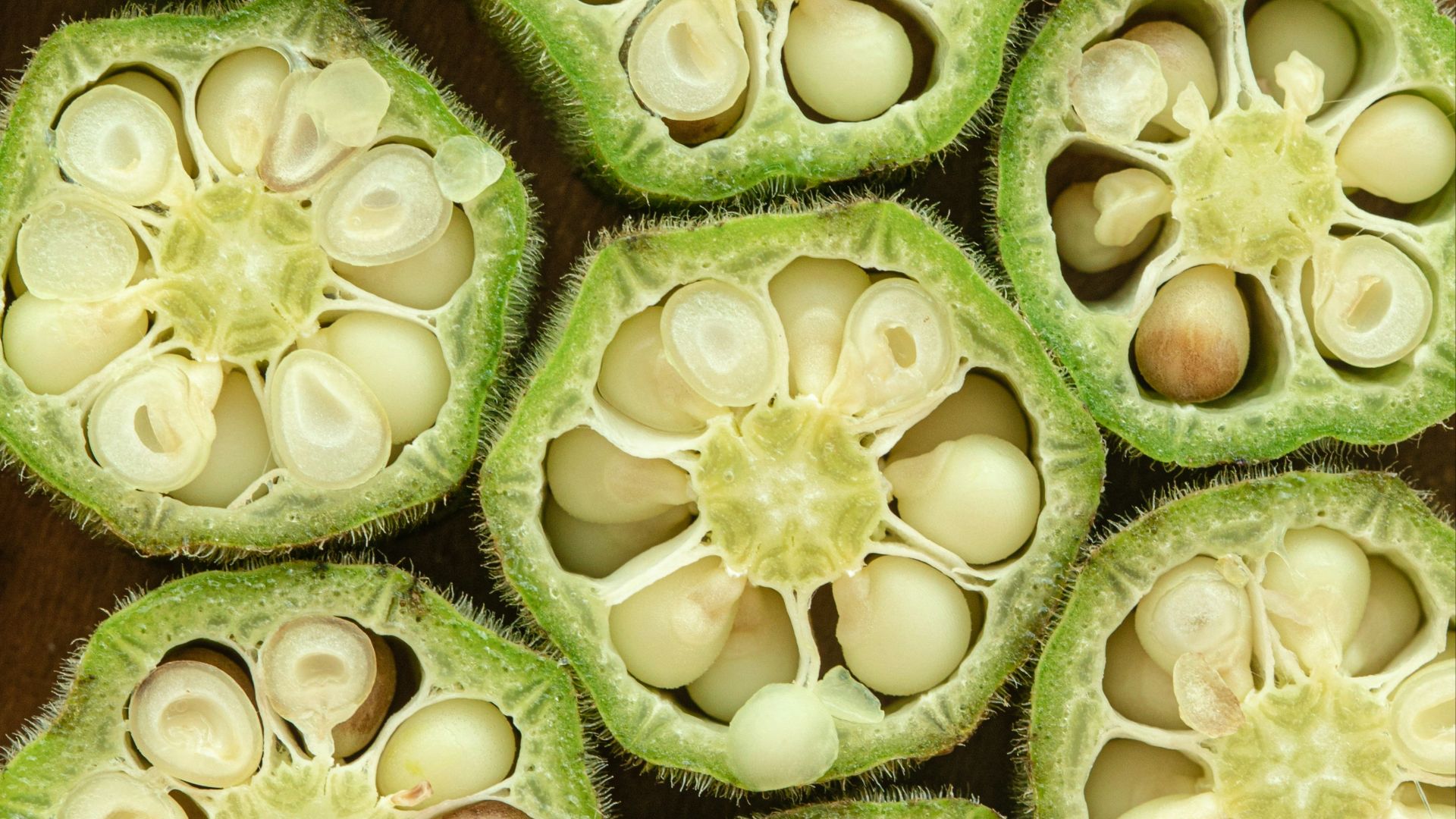
Okra has one texture issue, and unfortunately, that issue has overshadowed everything else. If people encounter it in the wrong preparation, they decide the whole vegetable is beyond redemption. That's a shame, because fried okra, stewed okra, and properly cooked okra can all be excellent in completely different ways. One slimy experience shouldn't have destroyed its entire reputation.
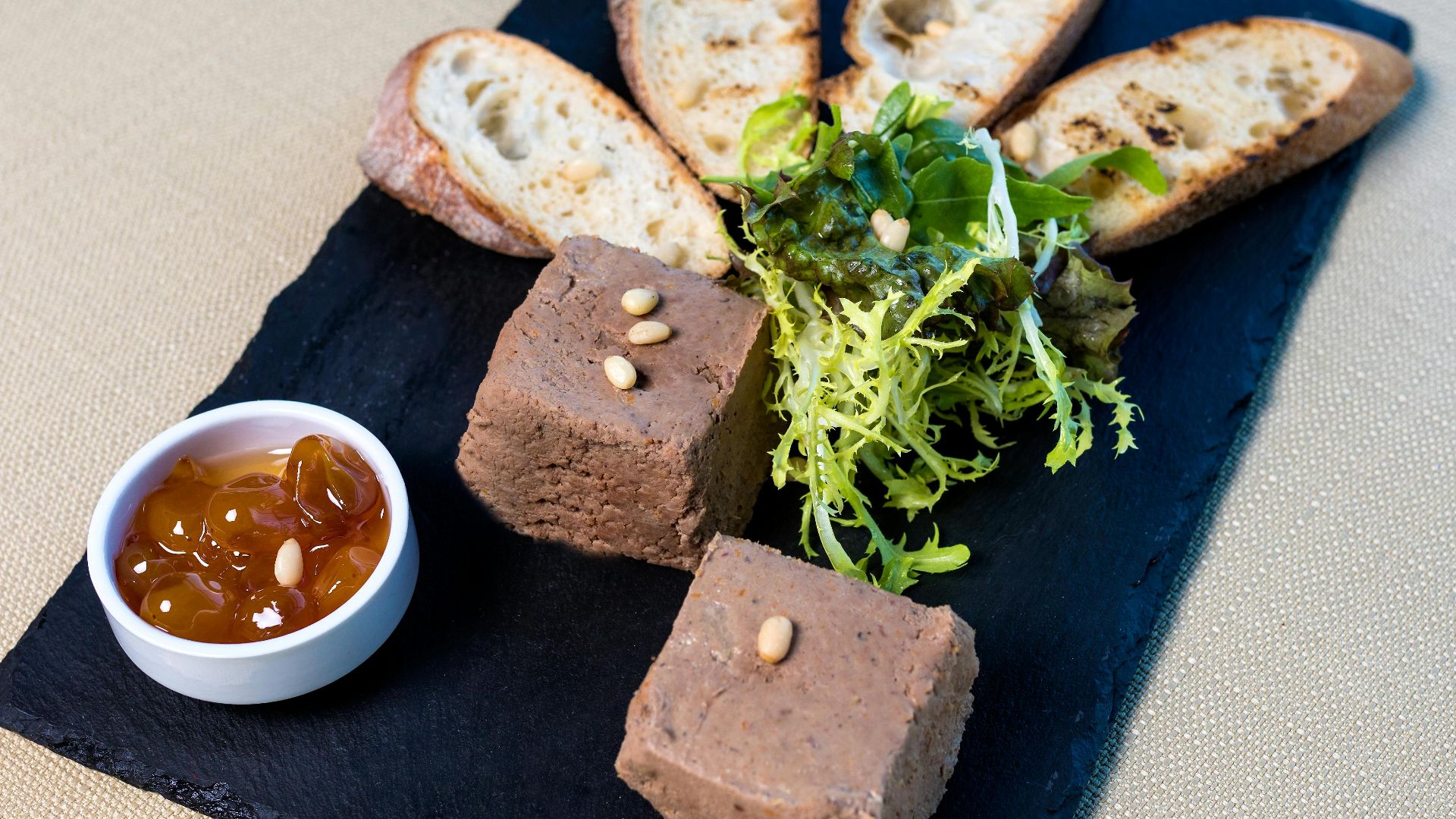
10. Liver
Liver is one of those foods people announce they hate with almost ceremonial confidence. Some of that comes from strong flavor, but a lot of it comes from inherited disgust. It's not for everyone, but it's also not the culinary monster it gets made out to be.
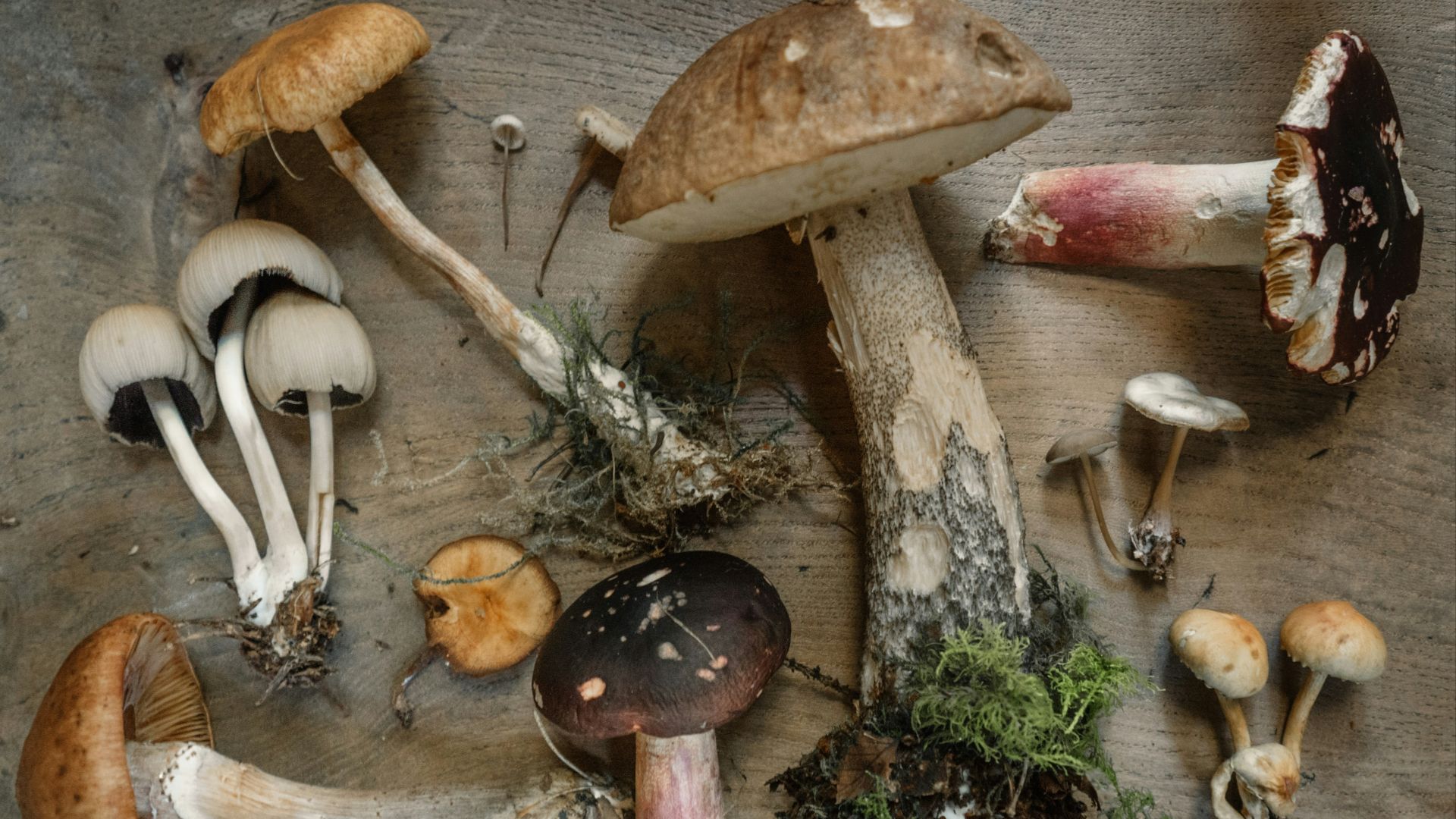
11. Mushrooms
A lot of the resistance towards mushrooms comes down to texture, appearance, or some vague belief that they're weird in principle. Meanwhile, mushrooms keep making soups, sauces, pasta, and countless other dishes taste better without asking for praise. Their reputation has always been louder than the offense.
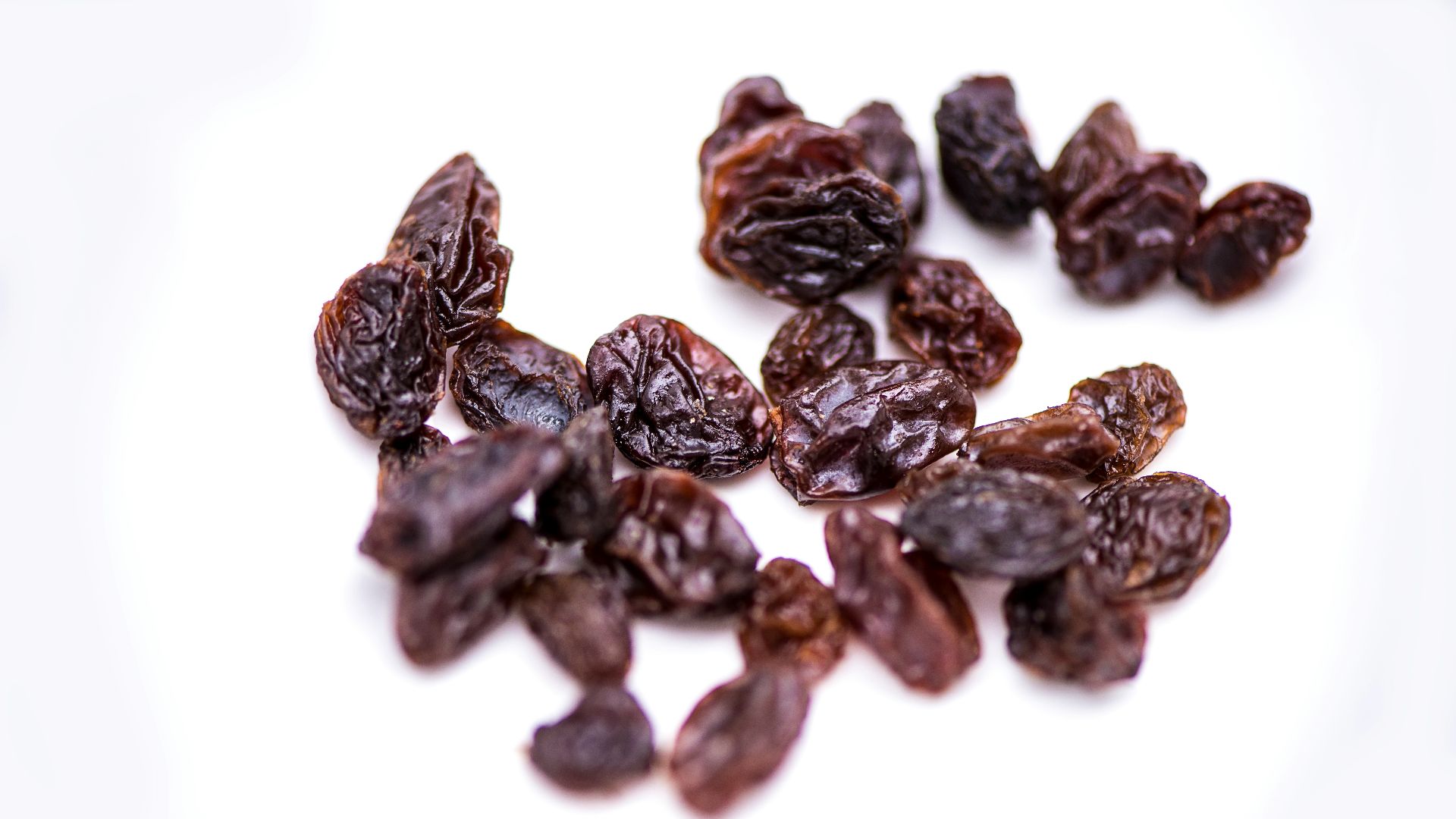
12. Raisins
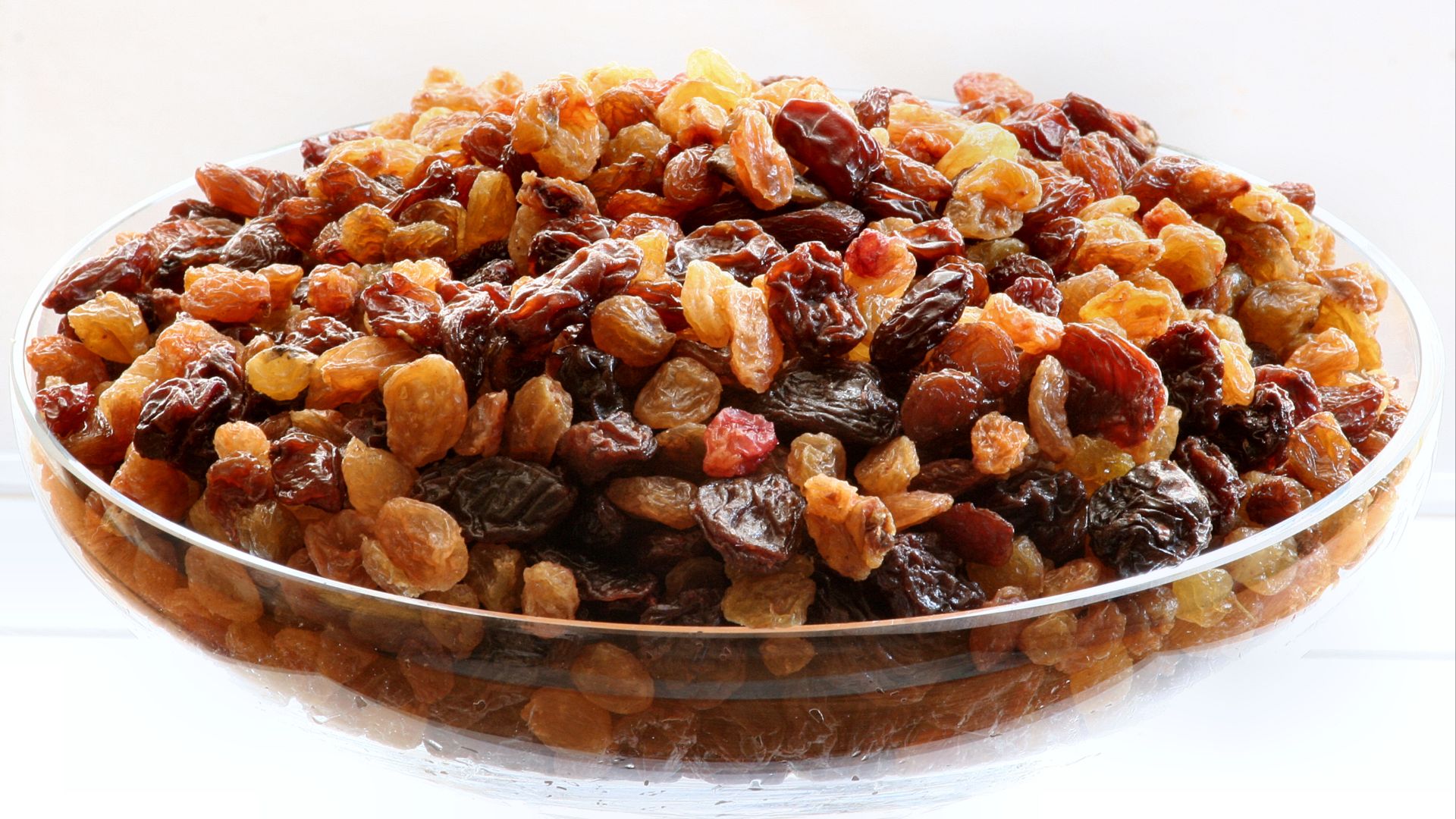
Raisins have become a very reliable punch line, especially online, which hasn't helped them at all. They are not the most thrilling dried fruit in the world, but they're also not the betrayal people act like they are. A lot of the outrage seems tied to very specific childhood snack experiences and the fact that they're so often misjudged for chocolate in baked goods.
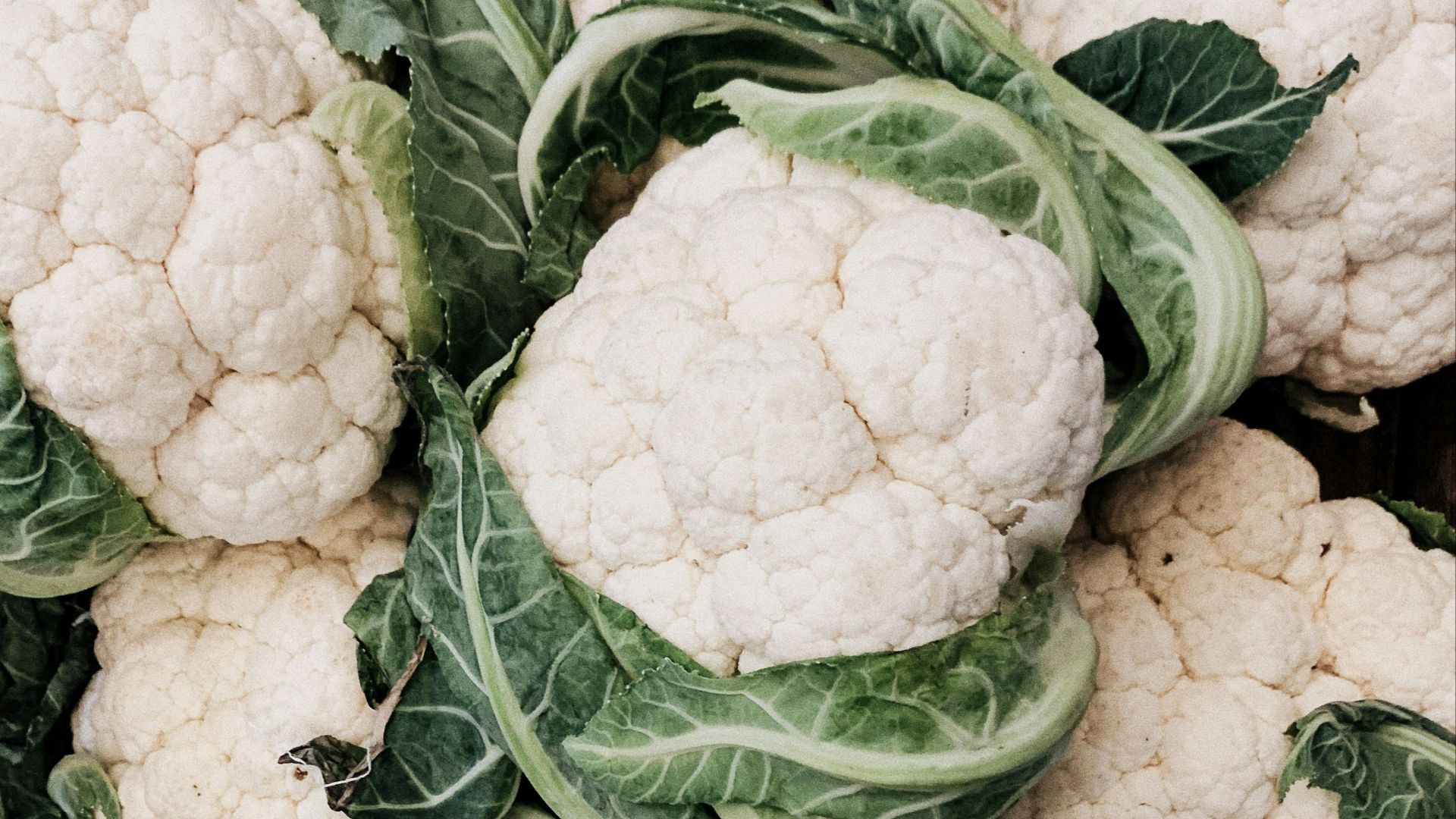
13. Cauliflower
Cauliflower got attacked from two different angles. First, it was dismissed as boring, then it became trendy and got criticized for showing up in everything from pizza crust to rice substitutes. Somewhere in the middle, a very decent vegetable became everybody’s favorite food argument.
14. Bologna
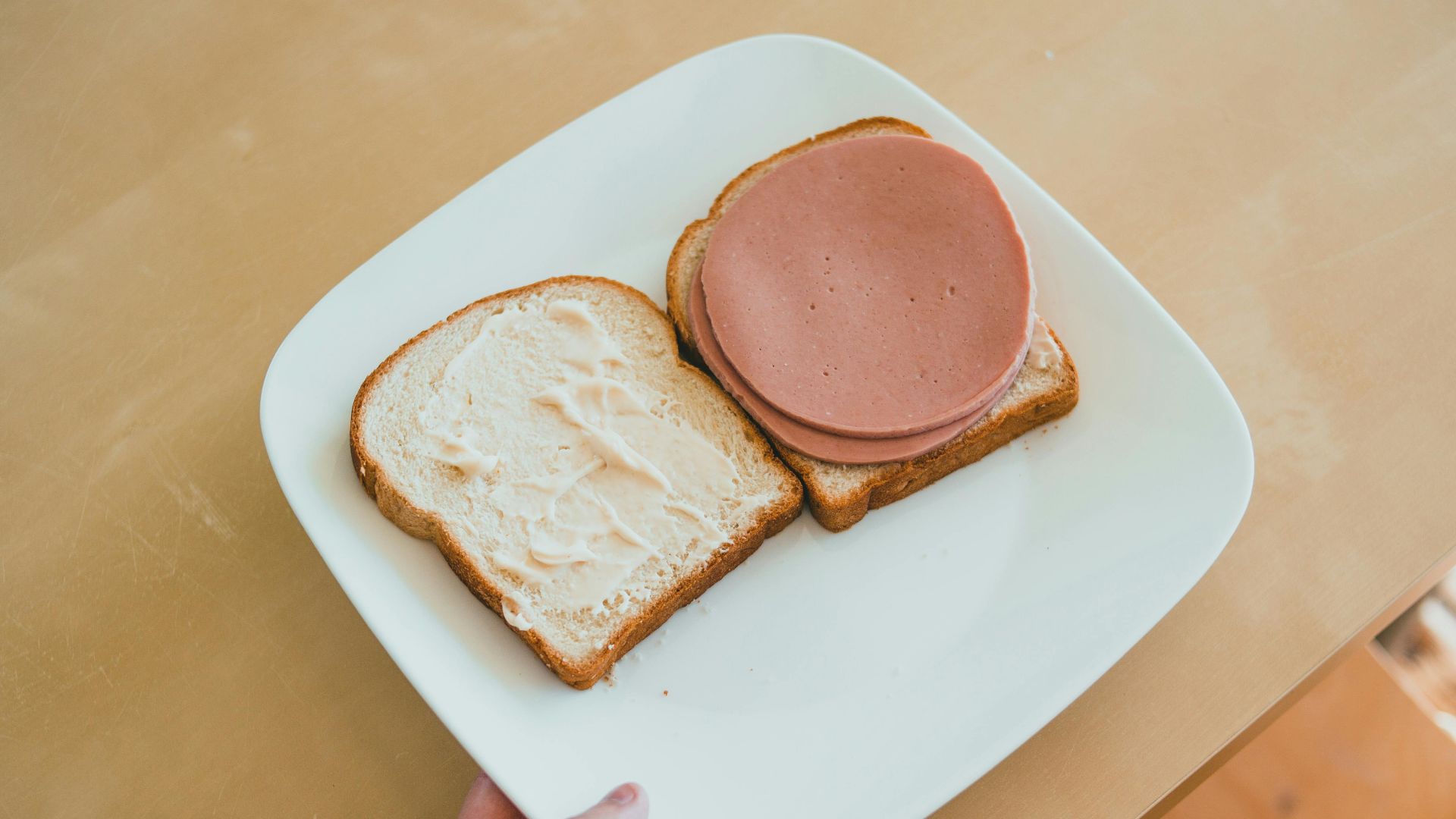
Bologna has been insulted so often that it barely gets treated like food anymore. It became a symbol for cheap lunches and low standards instead of being judged on what it actually tastes like. That doesn't make it gourmet, but it does mean the ridicule often arrives before the sandwich does. A lot of people dislike what bologna represents more than the thing itself.
15. Jell-O
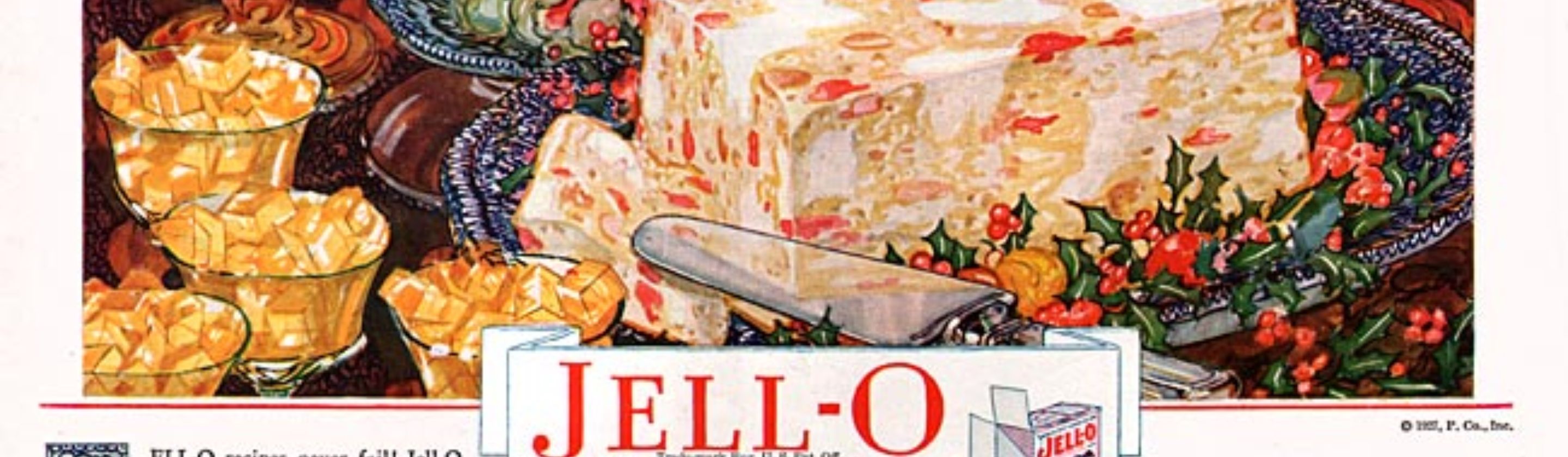
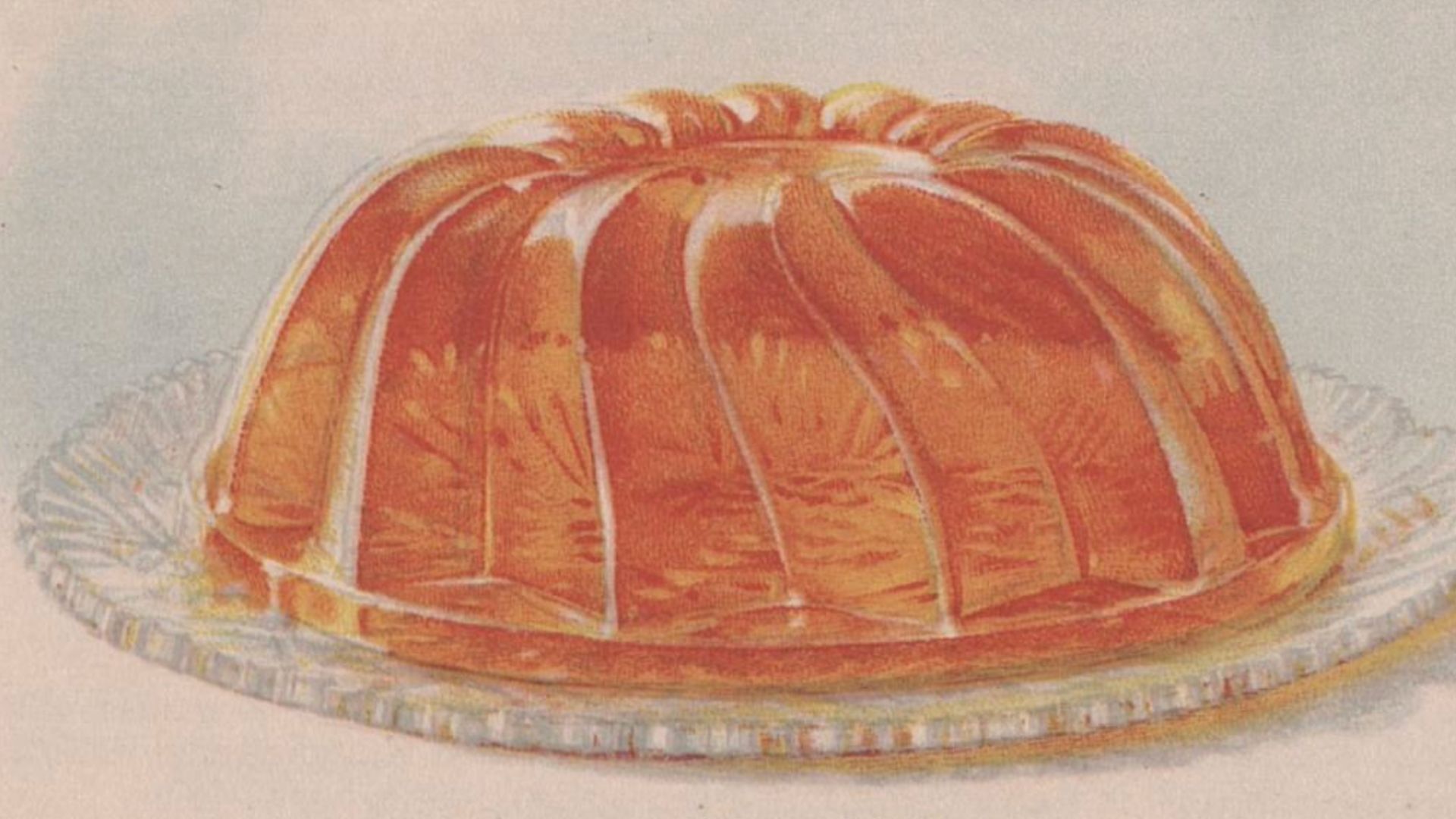
Jell-O feels like one of those foods people mock because it belongs to another era of social life. Its texture is strange, its image is old-fashioned, and nobody has worked very hard lately to make it look cool again. While it's not the most elegant dessert, it's sweet, harmless, and perfectly honest about what it is.
 Photographer not credited. on Wikimedia
16. Eggplant
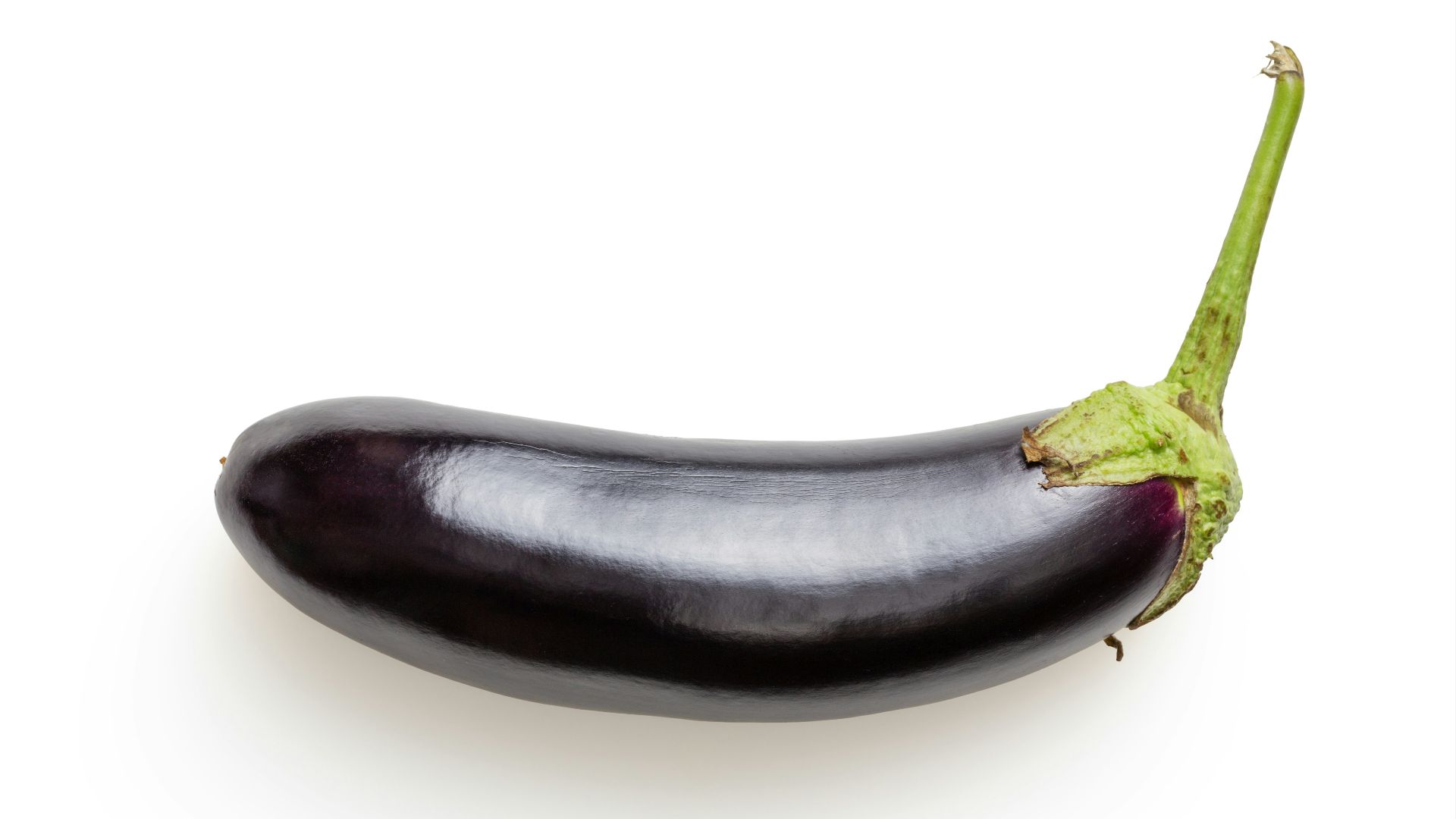
Eggplant has been blamed for too many bad cooking decisions. When it's underseasoned, undercooked, or left soggy, it really can be disappointing, and that version seems to have stuck in people’s minds. Cooked well, though, it is silky, rich, and capable of carrying bold flavors beautifully.
17. Black Licorice
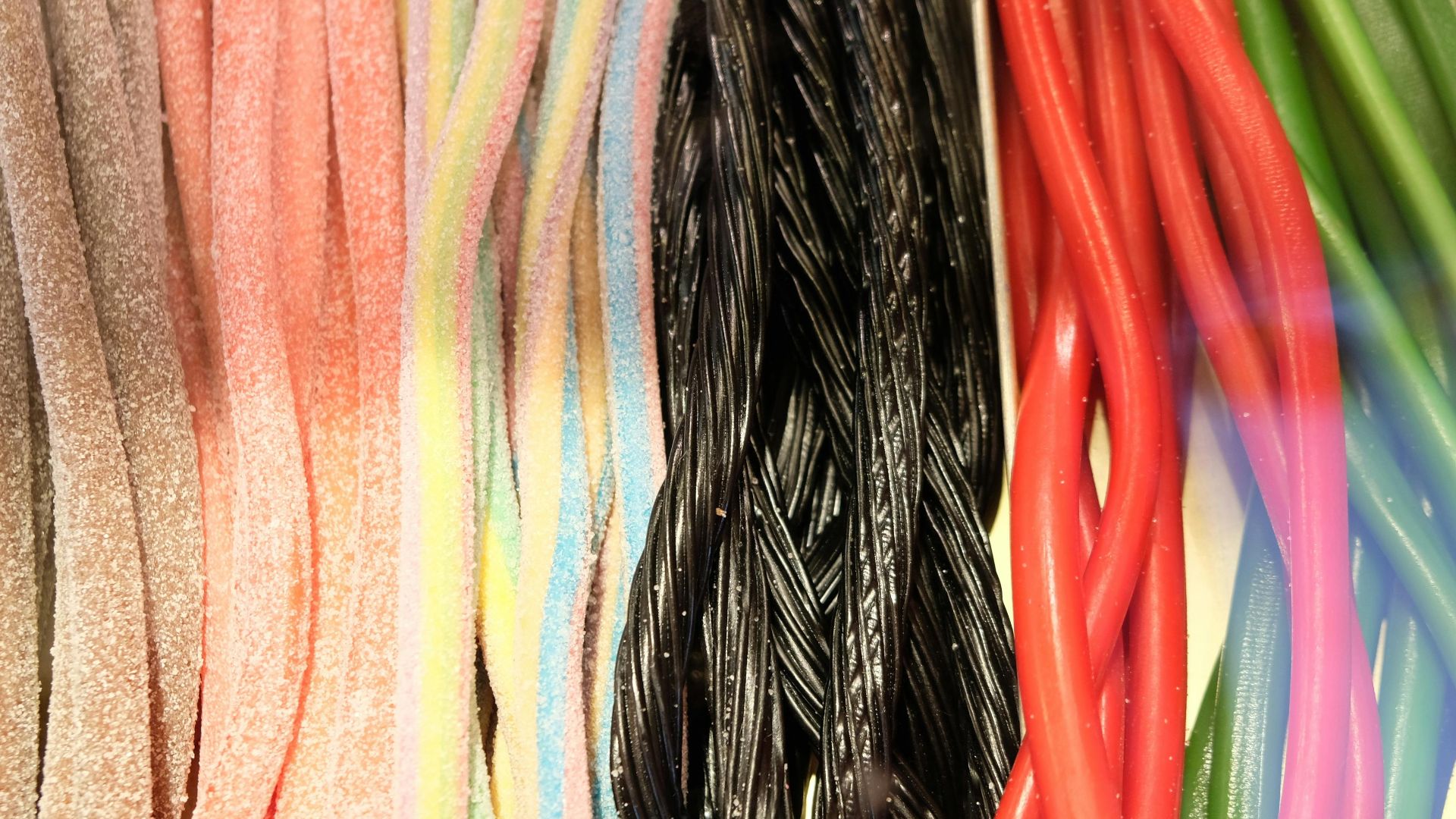
Black licorice is genuinely divisive, but it still gets an extra layer of hatred because people enjoy performing their disgust around it. It has a strong flavor, and strong flavors always attract louder opinions. That doesn't mean it's secretly for everybody, though it does mean the dramatic reaction sometimes outgrows the actual candy. Its reputation became bigger than the bite.
18. Spam
Spam has spent decades being treated like a joke when it's really just a food with a strong old-fashioned identity. It's salty, rich, and useful in ways many people don't notice because they stopped taking it seriously years ago. In places where it became part of real everyday cooking, it built a much better reputation than it did in snarkier food culture.

19. Prunes
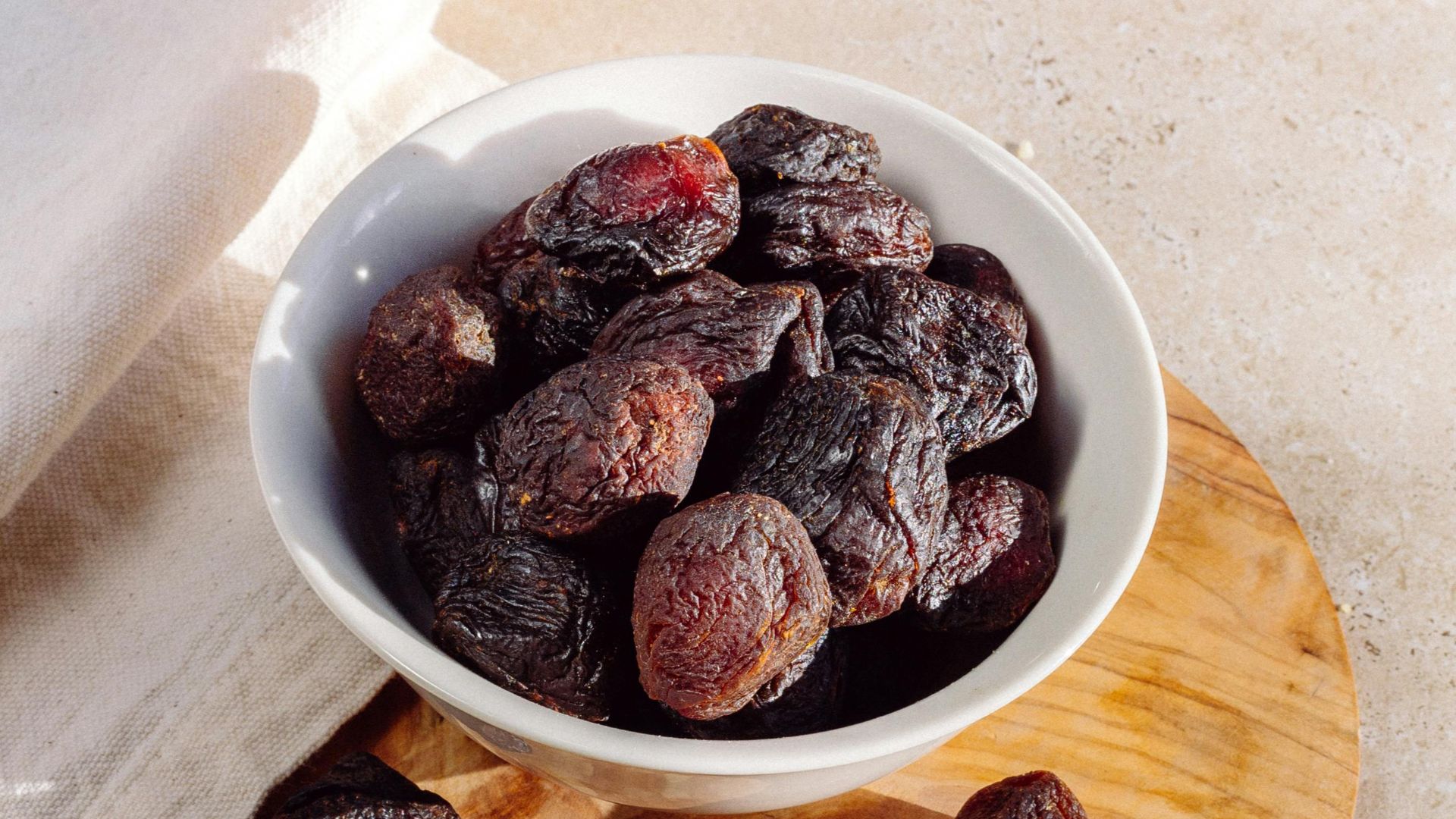
Prunes got branded so aggressively as old-person food that their actual qualities never stood much of a chance. People stopped thinking of them as fruit and started thinking of them as a warning about aging. That's rough treatment for something naturally sweet, soft, and perfectly decent.
 Antoni Shkraba Studio on Pexels
20. Fruitcake
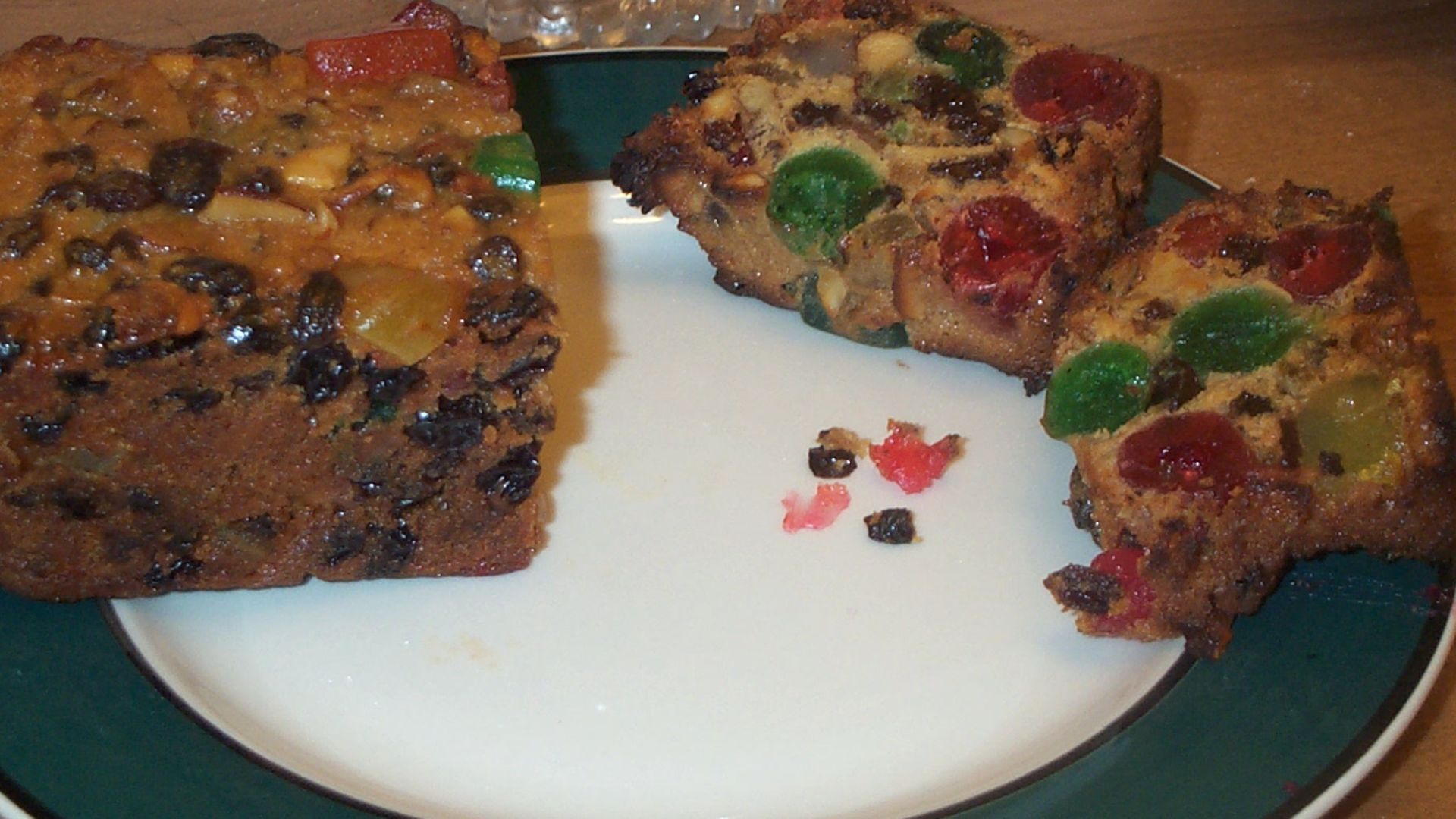
Fruitcake may be the clearest example of a food whose reputation became more famous than the food itself. The jokes spread so thoroughly that people often decide they hate it before they've tasted a decent version. A good fruitcake is rich, dense, and full of flavor, even if bad ones absolutely exist.
KEEP ON READING

The Most Popular Signature Dishes Around the World