The Menu Has Its Little Secrets
Restaurant meals come with more than just food on a plate. You’re also paying for rent, staff, service, atmosphere, prep time, and the convenience of not washing a single dish afterward. Still, some foods get marked up much more than others because they’re cheap to make, easy to dress up, or just popular enough that people keep ordering them anyway. Once you know which items tend to carry the biggest markups, you may never look at the appetizer section the same way again. Here are 20 foods that restaurants mark up the most.

1. Pasta
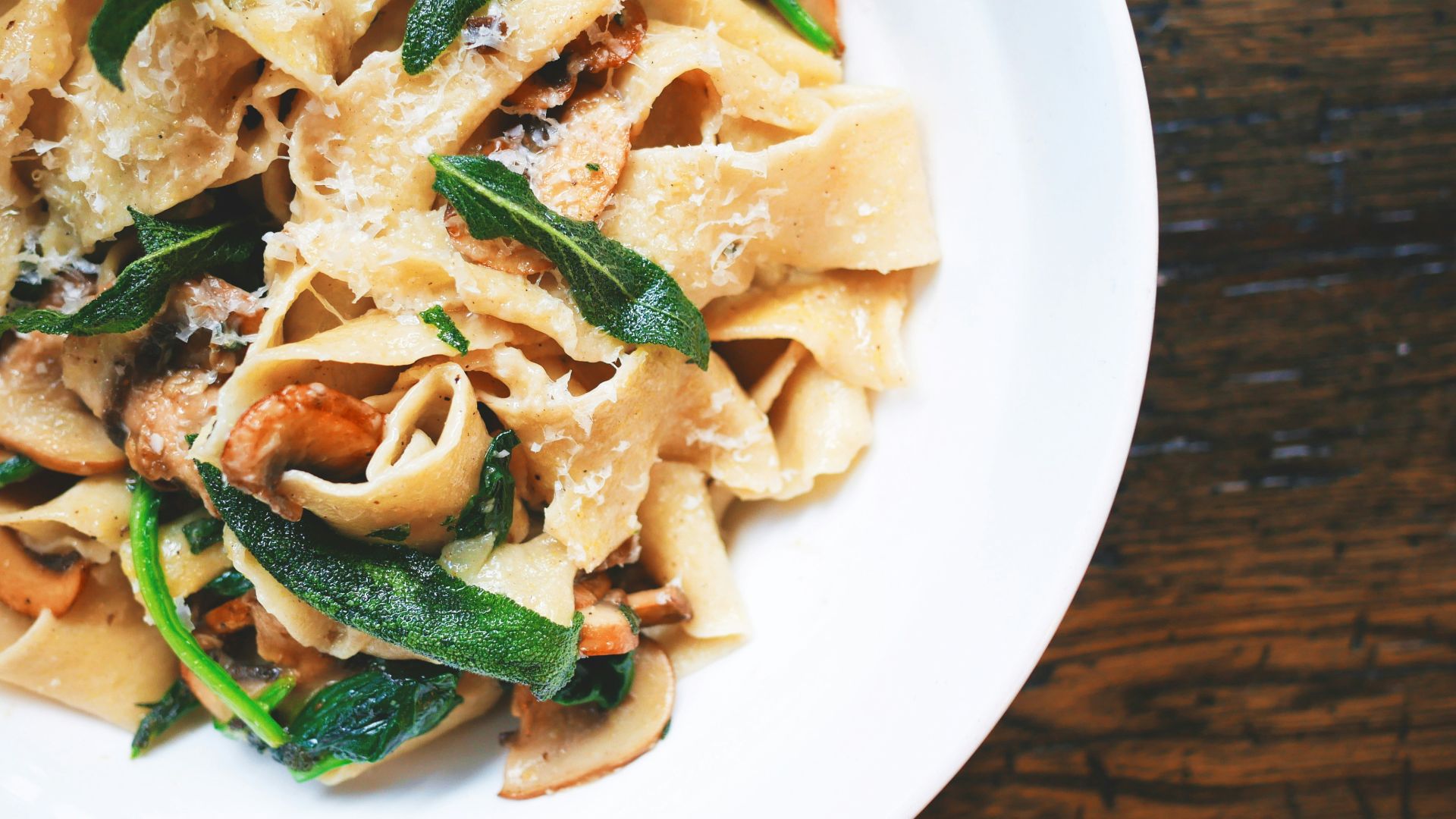
Pasta is one of the biggest markup stars on many menus because the basic ingredients are usually inexpensive. A plate of noodles, sauce, and a little garnish can look fancy without costing much to make. It’s delicious, but the profit margin is often doing a happy dance in the kitchen.
2. French Fries
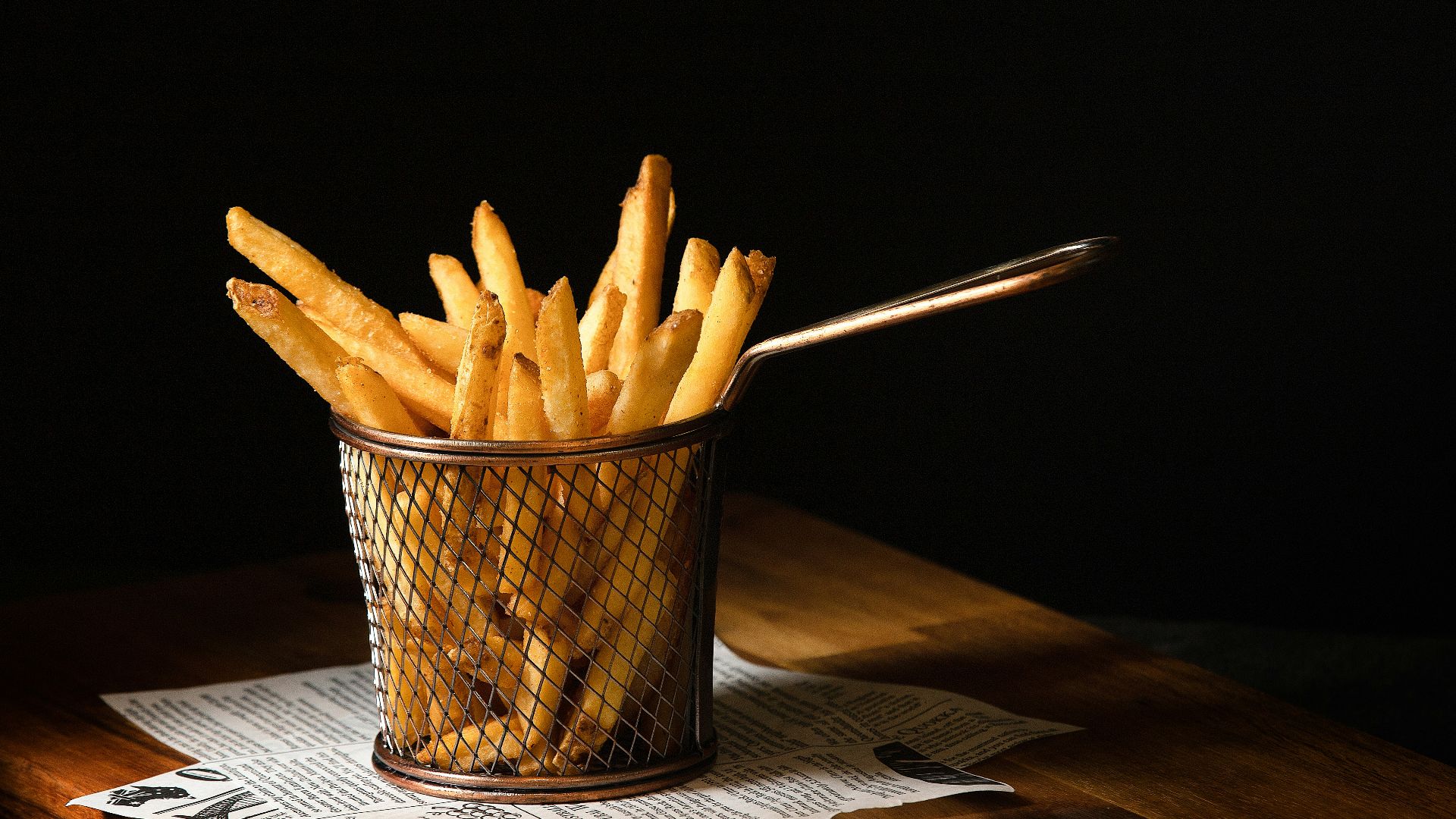
French fries are cheap, loved by almost everyone, and incredibly easy to sell as a side or appetizer. A potato doesn’t cost much, but once it’s sliced, fried, salted, and served in a cute basket, the price can climb fast. Add garlic, herbs, cheese, or aioli, and suddenly you're paying even more for “loaded” or “signature” fries.
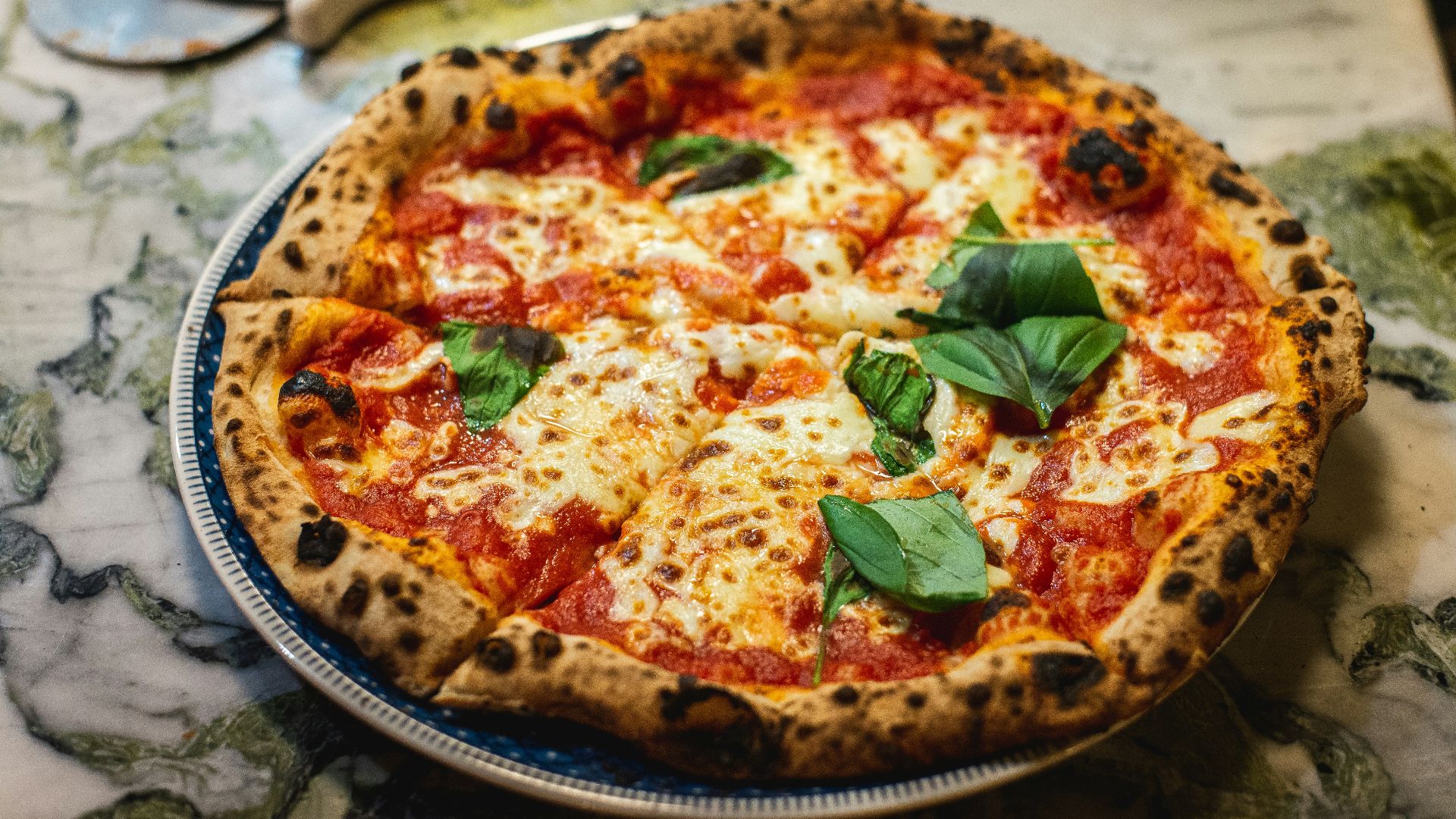
3. Pizza
Pizza can be expensive for customers while being cheap for restaurants to produce. Dough, sauce, and cheese don’t usually cost a fortune, especially when bought in bulk. Premium toppings can raise the cost, but many pizzas still have plenty of room for markup. That bubbling cheese is doing a lot of emotional and financial work.
 Aurélien Lemasson-Théobald on Unsplash
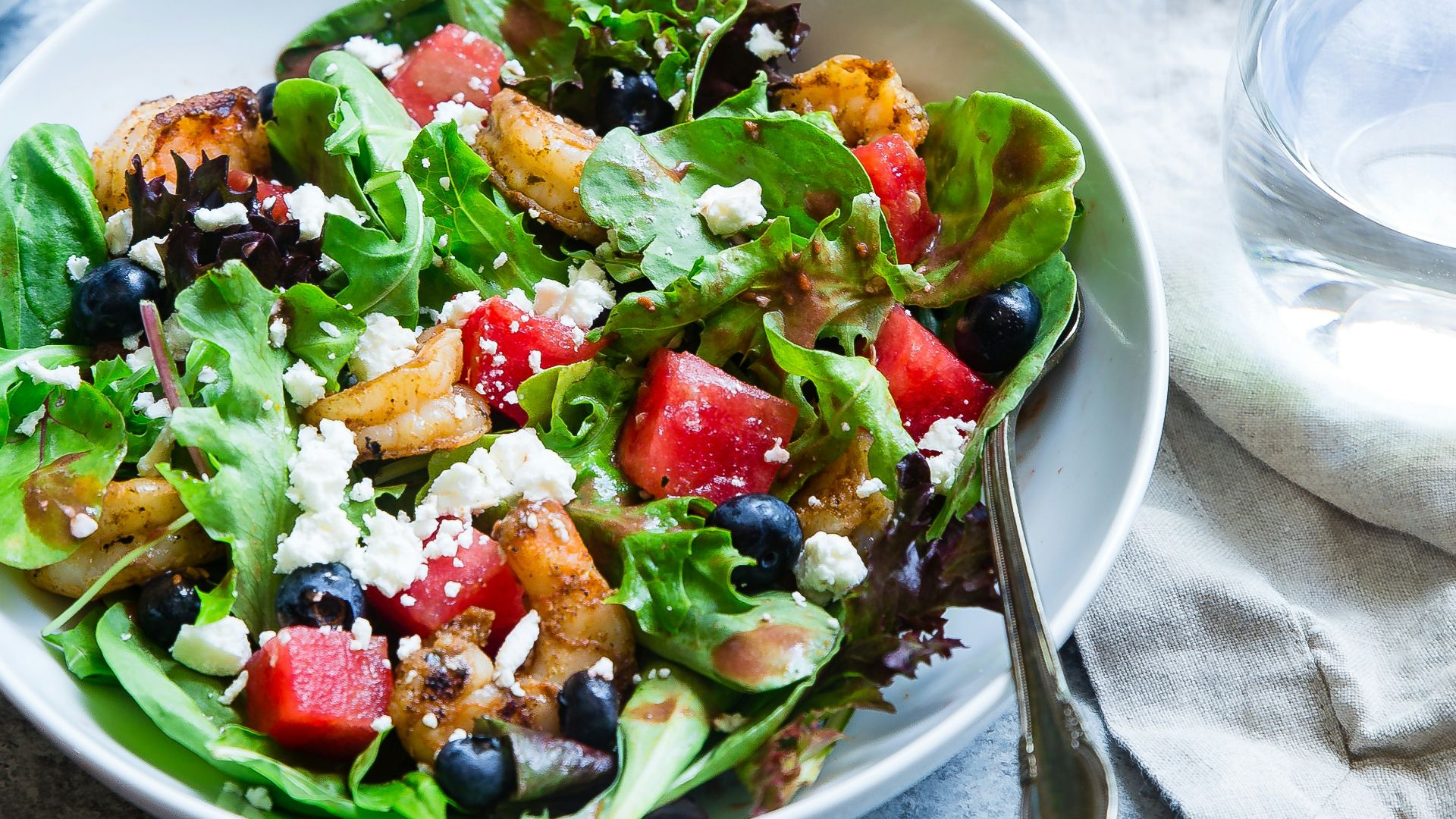
4. Salads
Salads can feel like the responsible choice, but they’re often priced surprisingly high. Lettuce, a few vegetables, dressing, and some toppings can turn into a pricey menu item once arranged nicely in a bowl. Add grilled chicken, avocado, or nuts, and suddenly, you're paying $30 for a salad that costs $3 to make.
5. Omelets
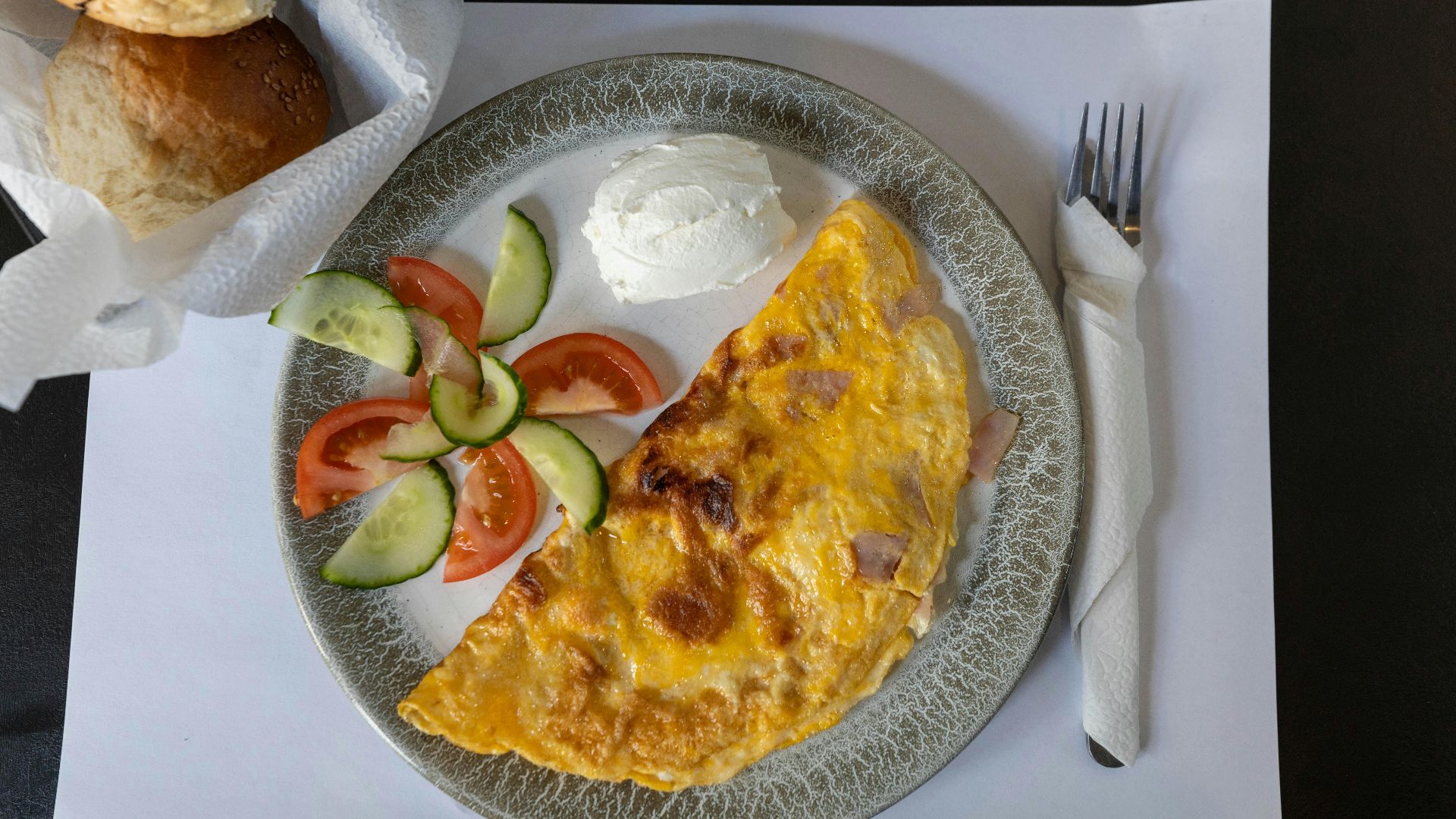
Omelets are brunch royalty when it comes to markup. Eggs are usually inexpensive, and fillings like cheese, onions, peppers, and mushrooms don’t add much cost. Once the omelet is served with toast and potatoes, it suddenly feels like a full restaurant experience that consumers are willing to dish out $20 for.
6. Pancakes
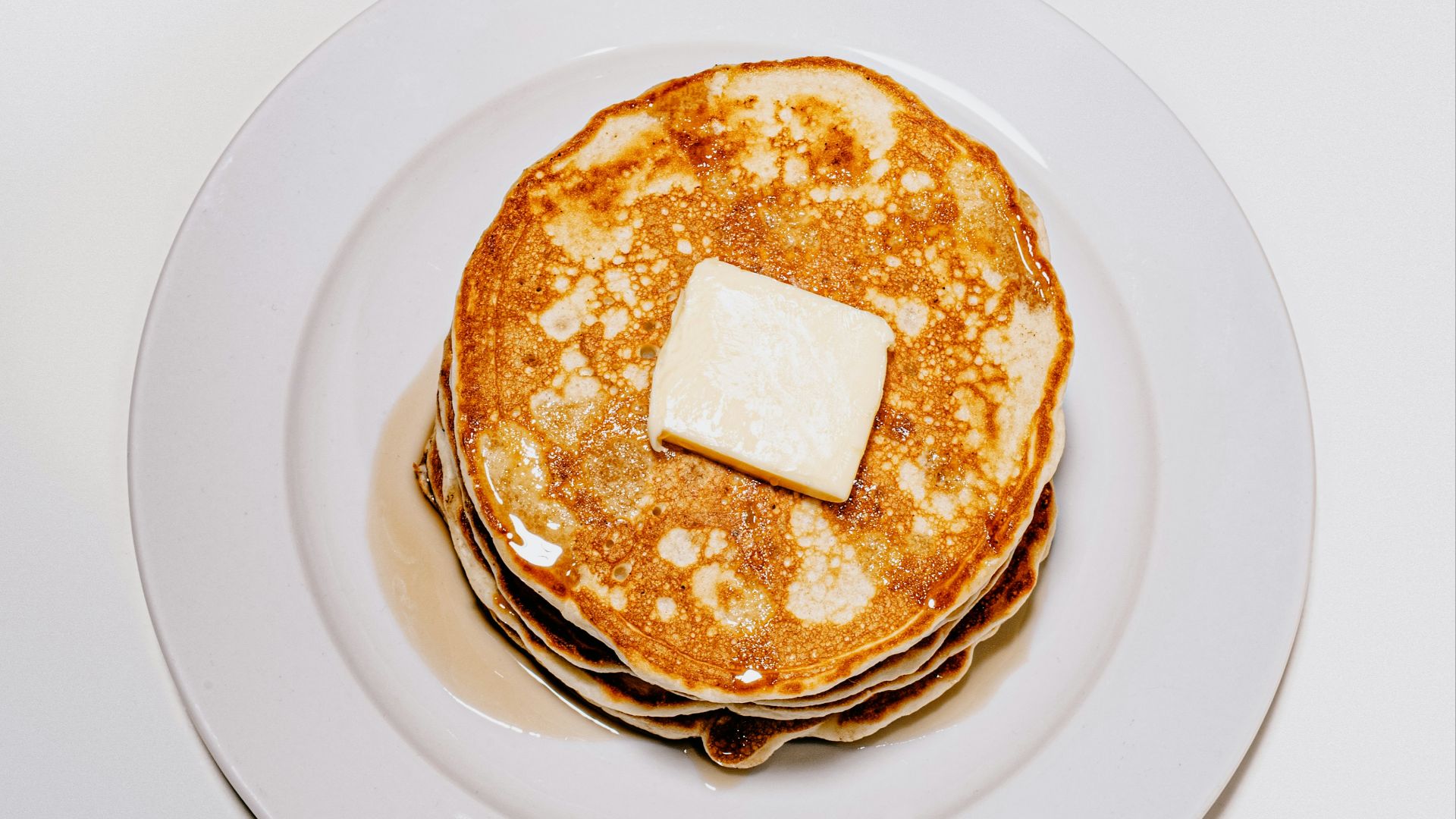
Pancakes are made from basic ingredients that cost very little compared with the menu price. Flour, eggs, milk, sugar, and baking powder can stretch a long way in a restaurant kitchen. Once they’re stacked high and topped with fruit, syrup, or whipped cream, the weirdly high price becomes much easier to justify if you don't think about it too much.
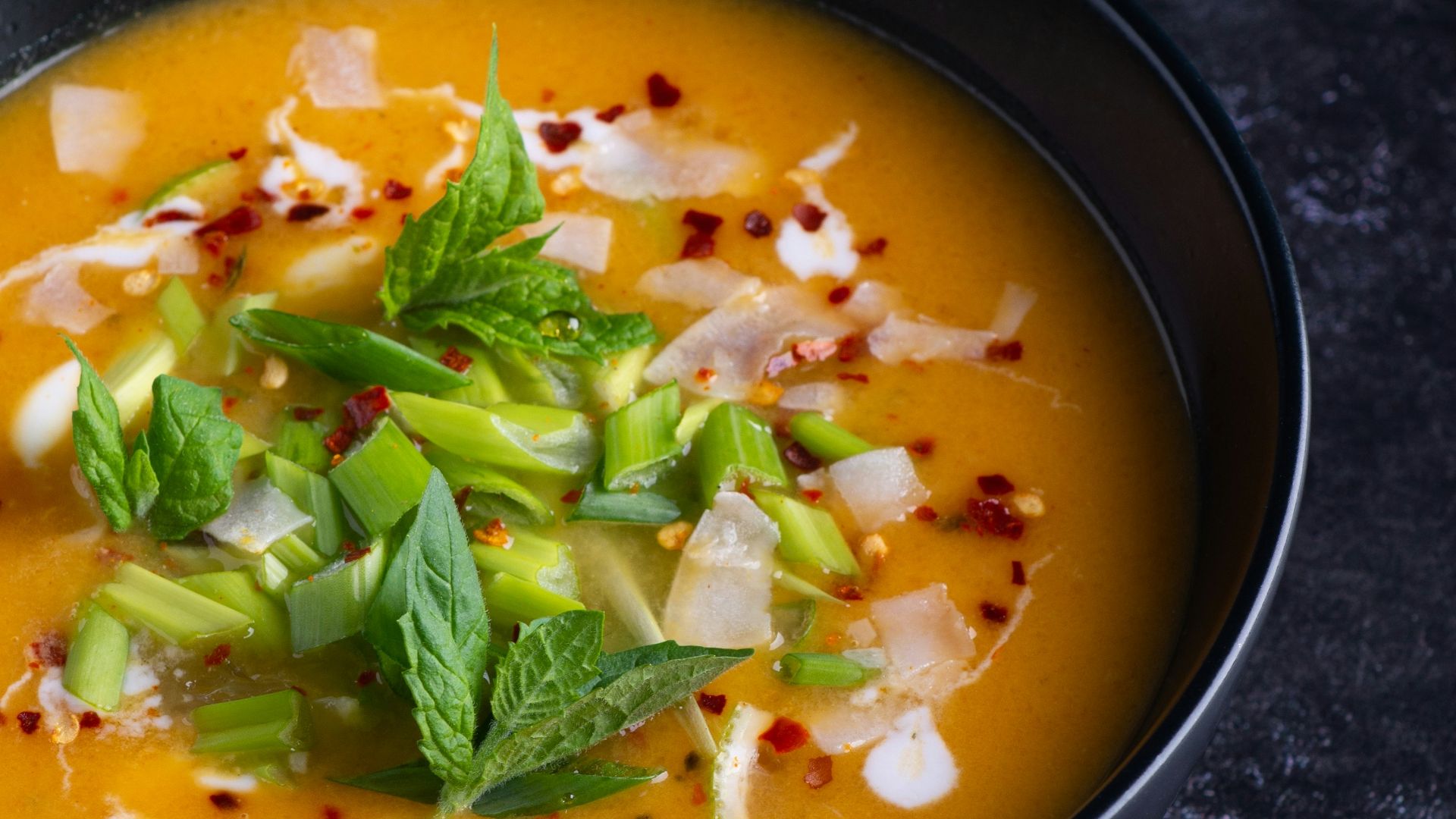
7. Soup
Soup can be a smart way for restaurants to use ingredients efficiently. Vegetables, stock, beans, noodles, and leftover proteins can become a comforting bowl that sells well. Since a single batch can serve many people, the cost per portion is often low. The customer gets warmth and flavor, while the restaurant gets a tidy little profit.
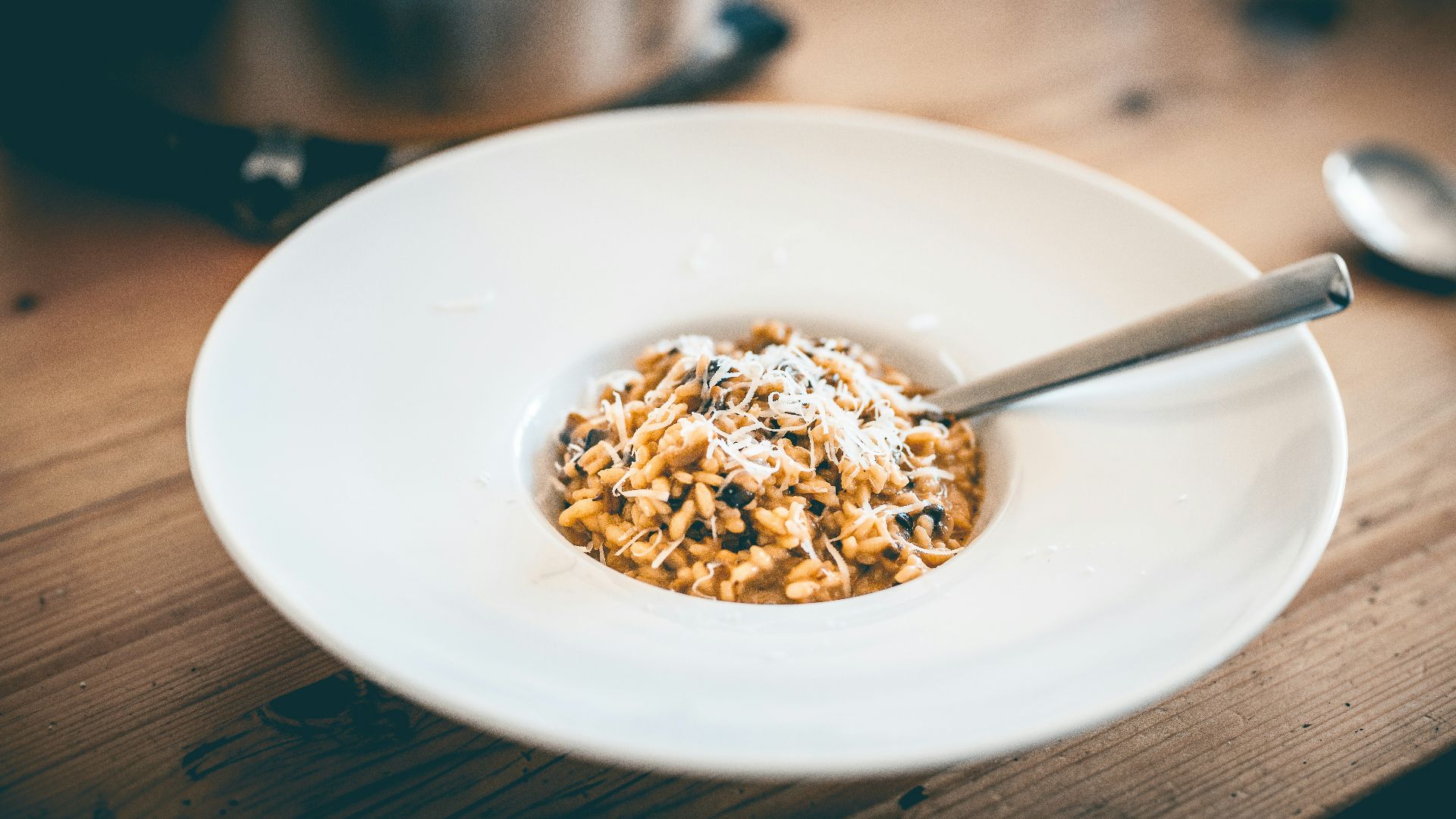
8. Risotto
Risotto sounds elegant, which helps it command a higher price. At its core, though, it’s usually rice, stock, butter, cheese, and careful stirring. Add mushrooms, seafood, or seasonal vegetables, and the dish can suddenly feel upscale. The labor matters, but the ingredient cost often isn’t as luxurious as the menu makes it seem.
9. Tacos
Tacos can be affordable street food, but sit-down restaurants often price them much higher. Tortillas, fillings, salsa, and toppings can be inexpensive when made in large quantities. Once they’re presented in sets of two or three with colorful garnishes, they can feel worth the restaurant price.
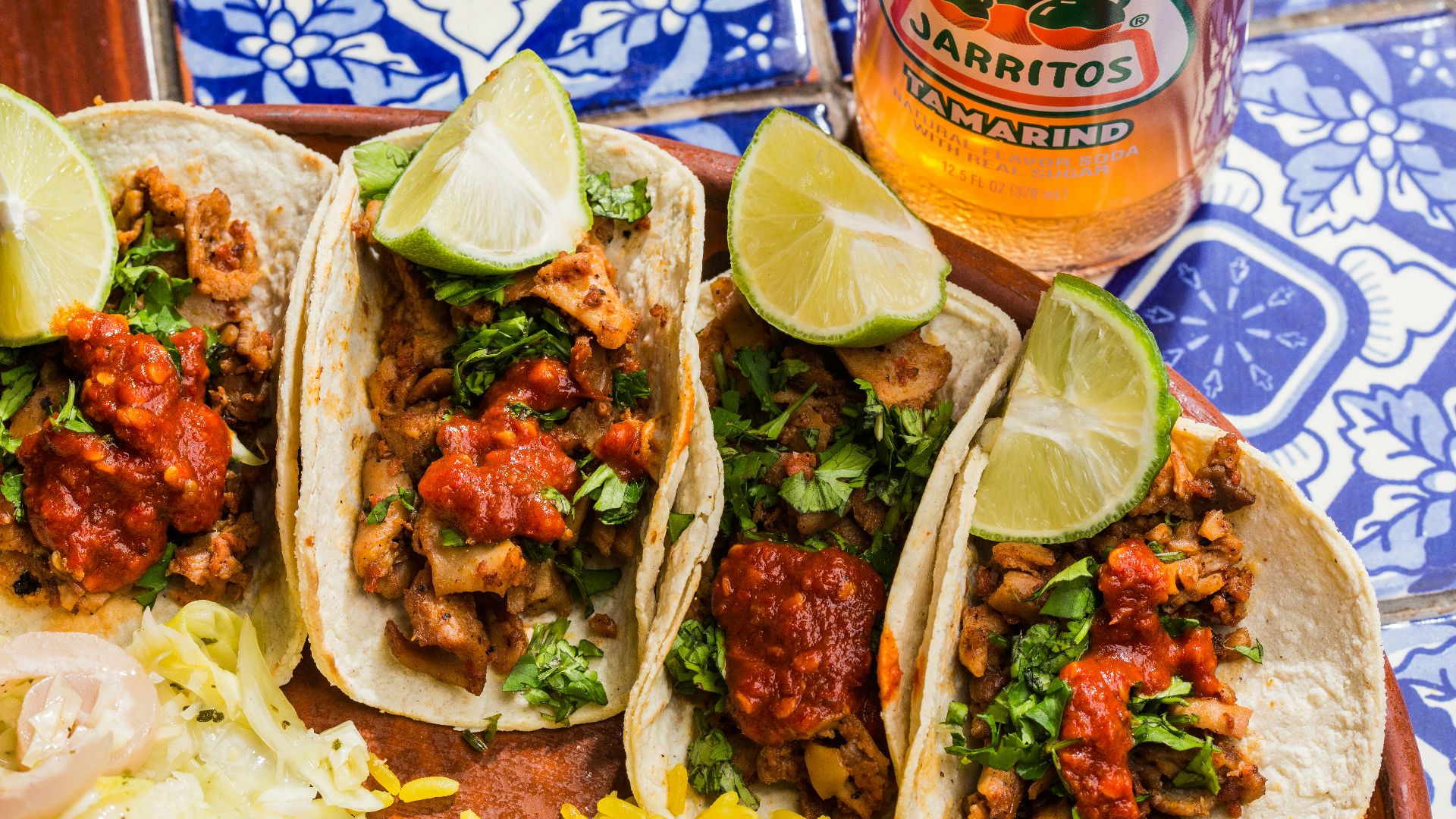 Jarritos Mexican Soda on Unsplash
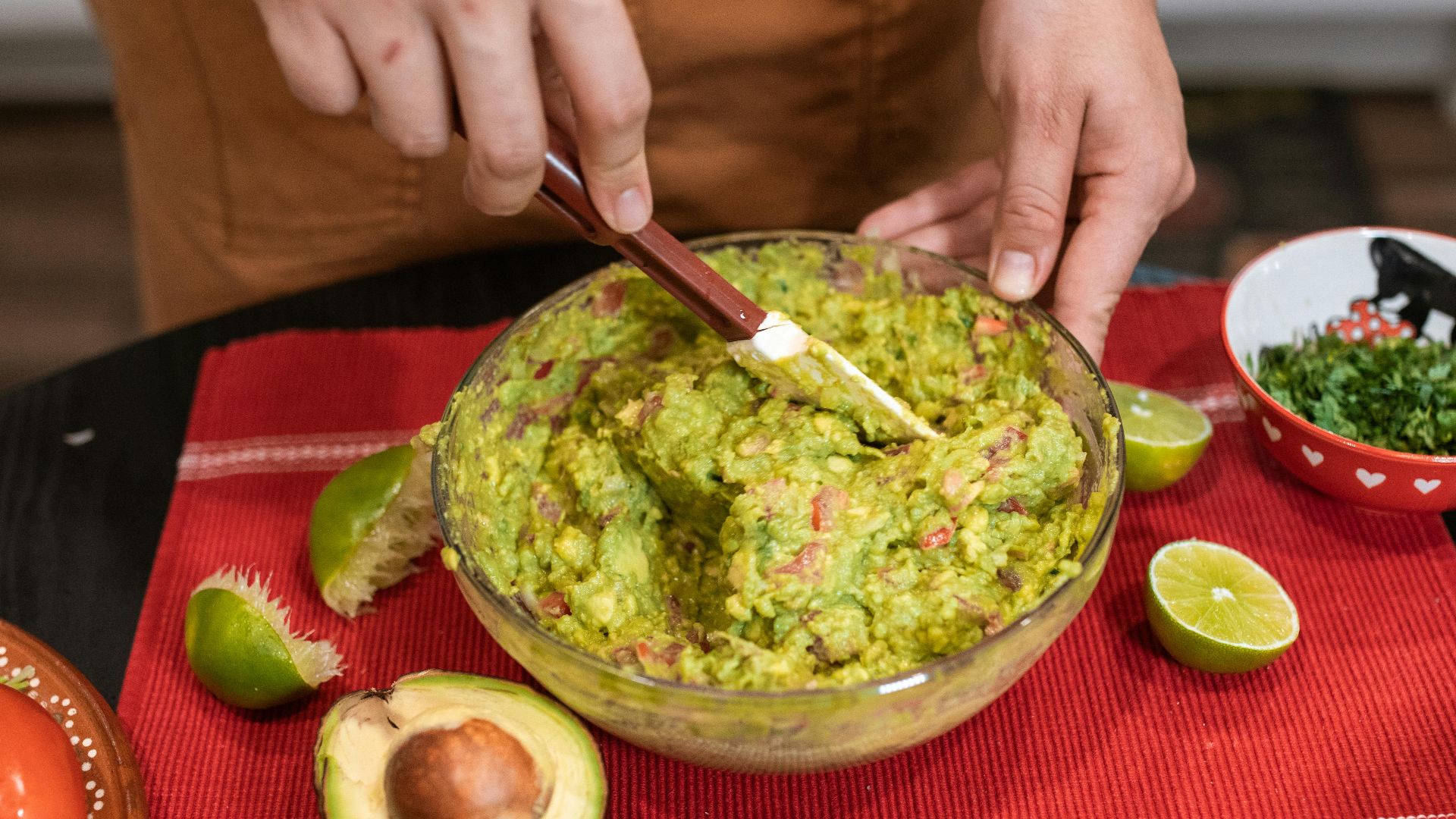
10. Guacamole
Guacamole can get pricey fast, especially when it’s treated like a tableside event. Avocados aren’t always cheap, but the final price often goes far beyond the ingredient cost. Lime, onion, cilantro, and salt don’t add much, yet the finished bowl can cost as much as an entrée in some places, and even adding a small dollop to your burrito can be a few extra dollars.
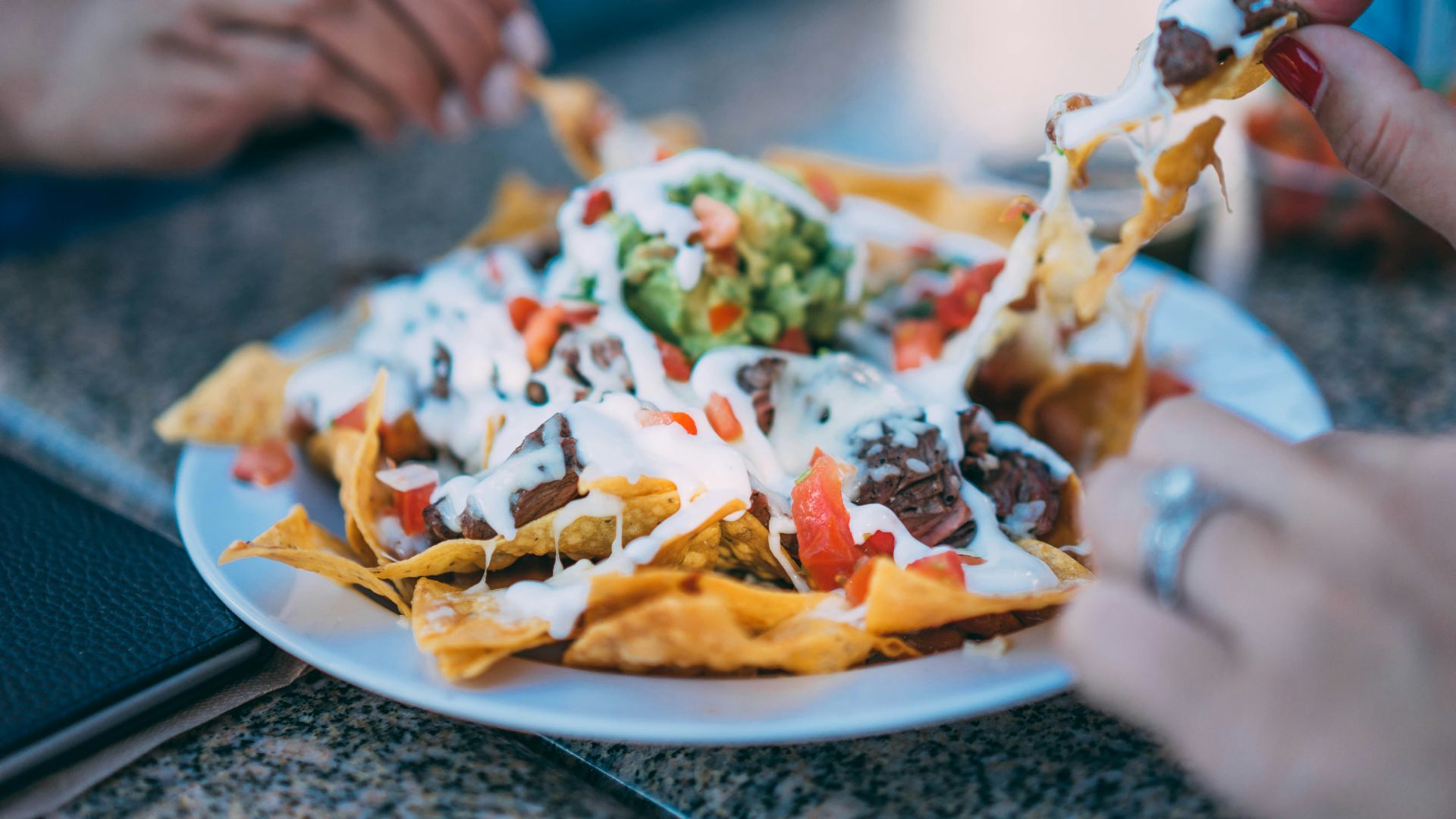
11. Nachos
Nachos are built from ingredients that restaurants can portion and layer easily. Chips, cheese, beans, salsa, sour cream, and jalapeños don’t usually require expensive sourcing. Add a little meat or extra topping, and the dish can be sold as a shareable appetizer at a generous price. It feels like a feast, but it’s often a very profitable pile.
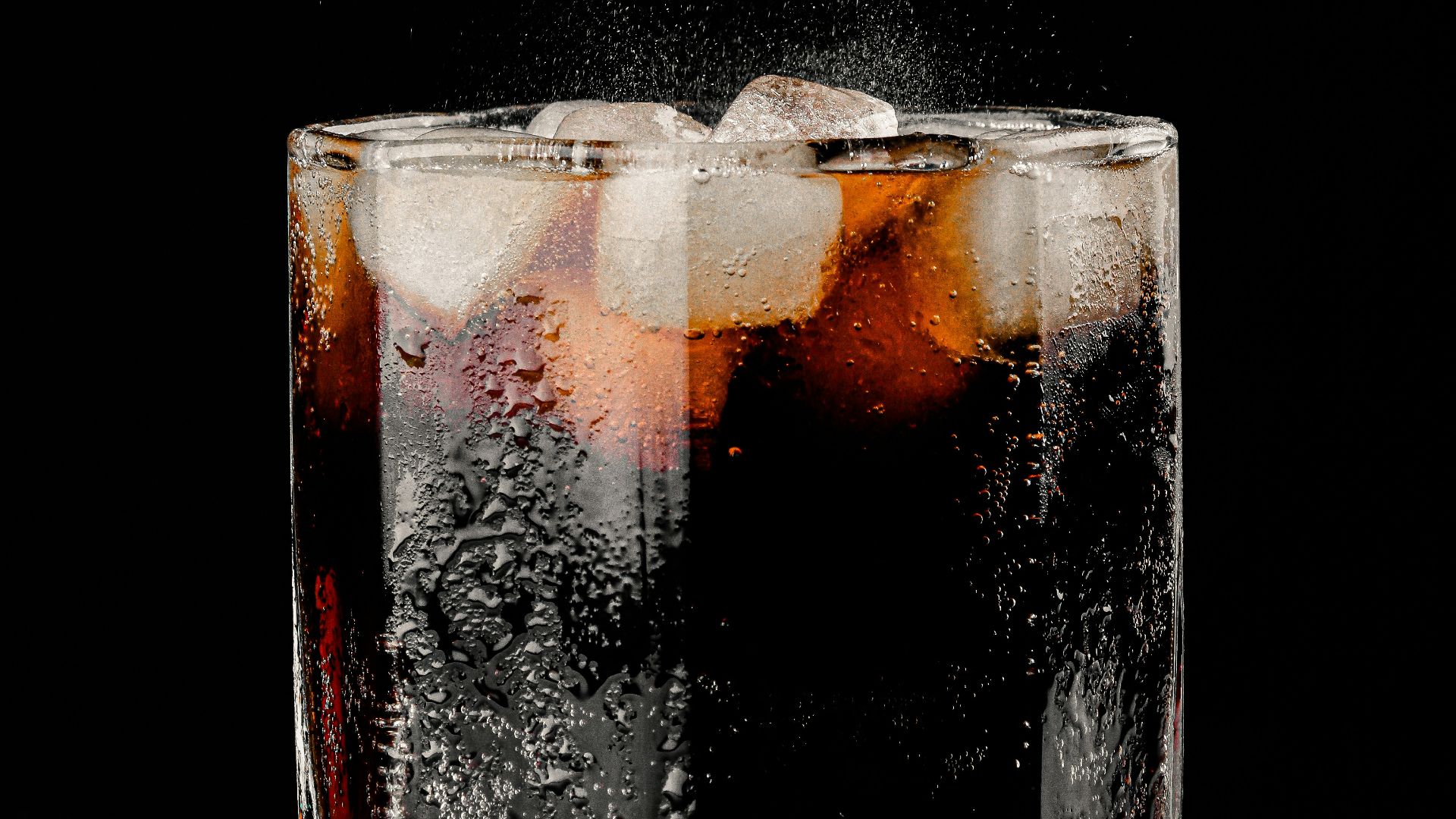
12. Soda
Soda is one of the easiest restaurant markups to overlook because it feels like such a small add-on. The cost per glass is usually low, especially when it comes from a fountain machine, but the menu price can still be surprisingly high. You’re mostly paying for convenience, ice, and the fact that fries just seem to demand a fizzy drink.
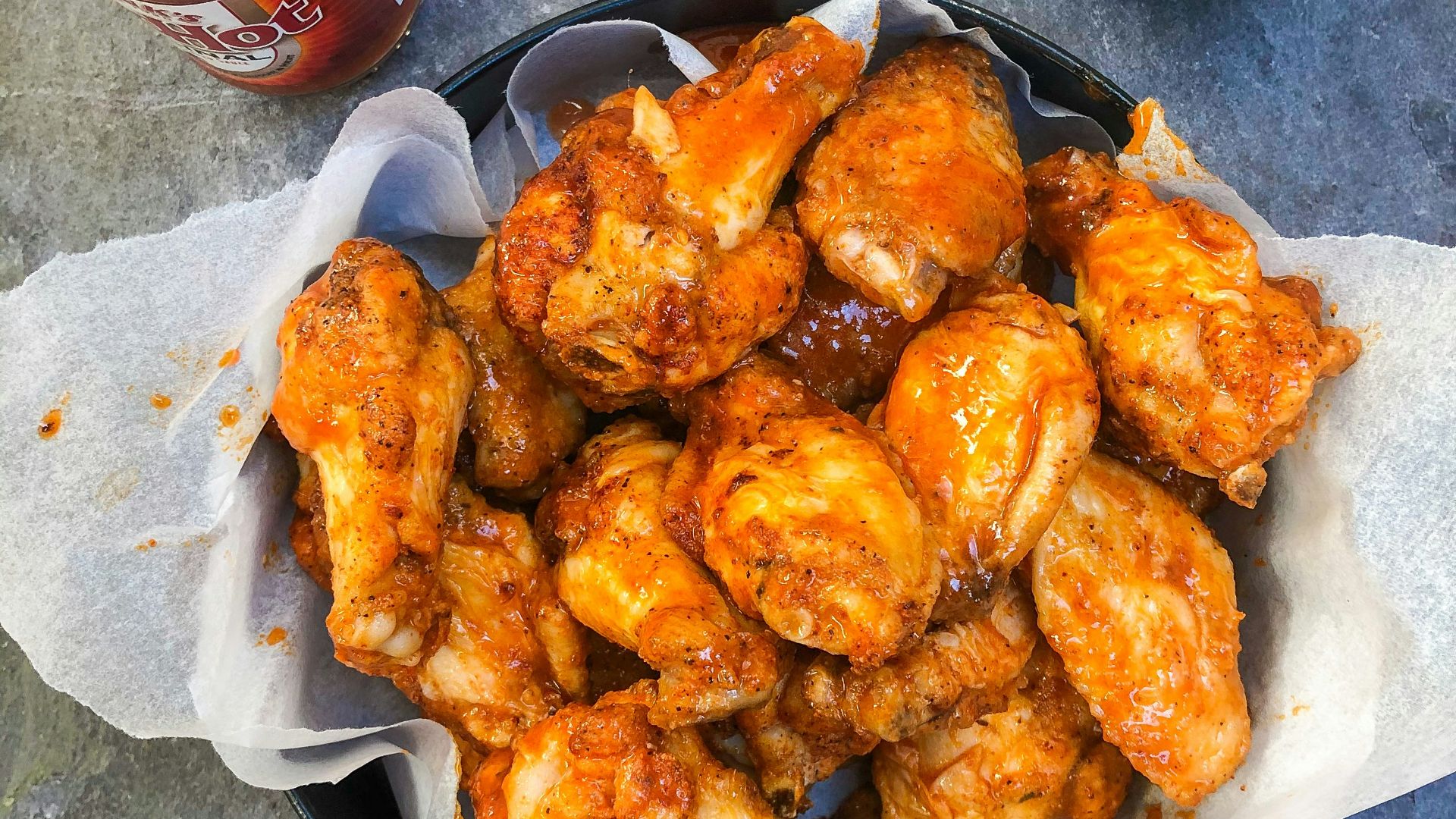
13. Chicken Wings
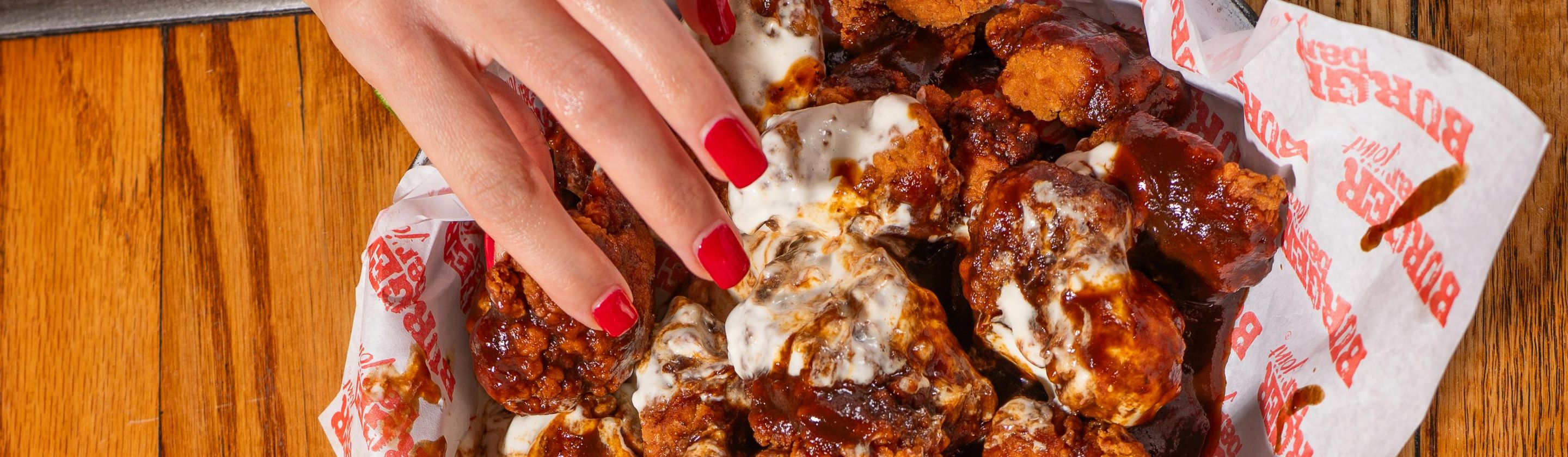
Chicken wings used to be known as a cheap bar snack, but those days feel pretty distant now. Restaurants can charge quite a bit for a basket, especially when they offer multiple sauces and dry rubs, but the wing used to be thought of as the less desirable part of the chicken.
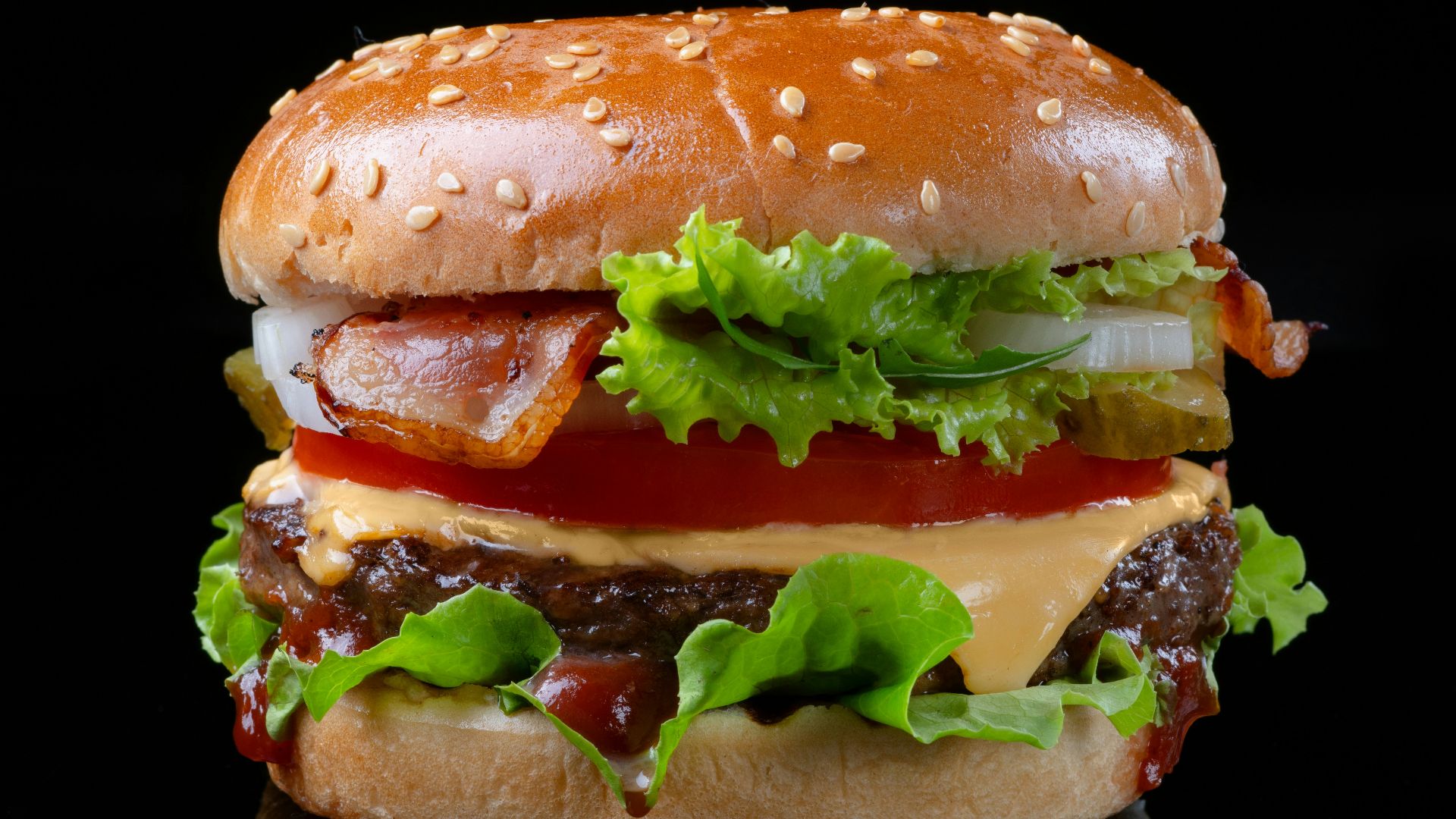
14. Burgers
Burgers can range from budget-friendly to wildly expensive depending on the restaurant. A basic patty, bun, cheese, lettuce, and sauce can be marked up heavily once the burger is branded as gourmet. Add bacon, special sauce, or a fancy bun, and the price climbs quickly.
 David Foodphototasty on Unsplash
15. Avocado Toast
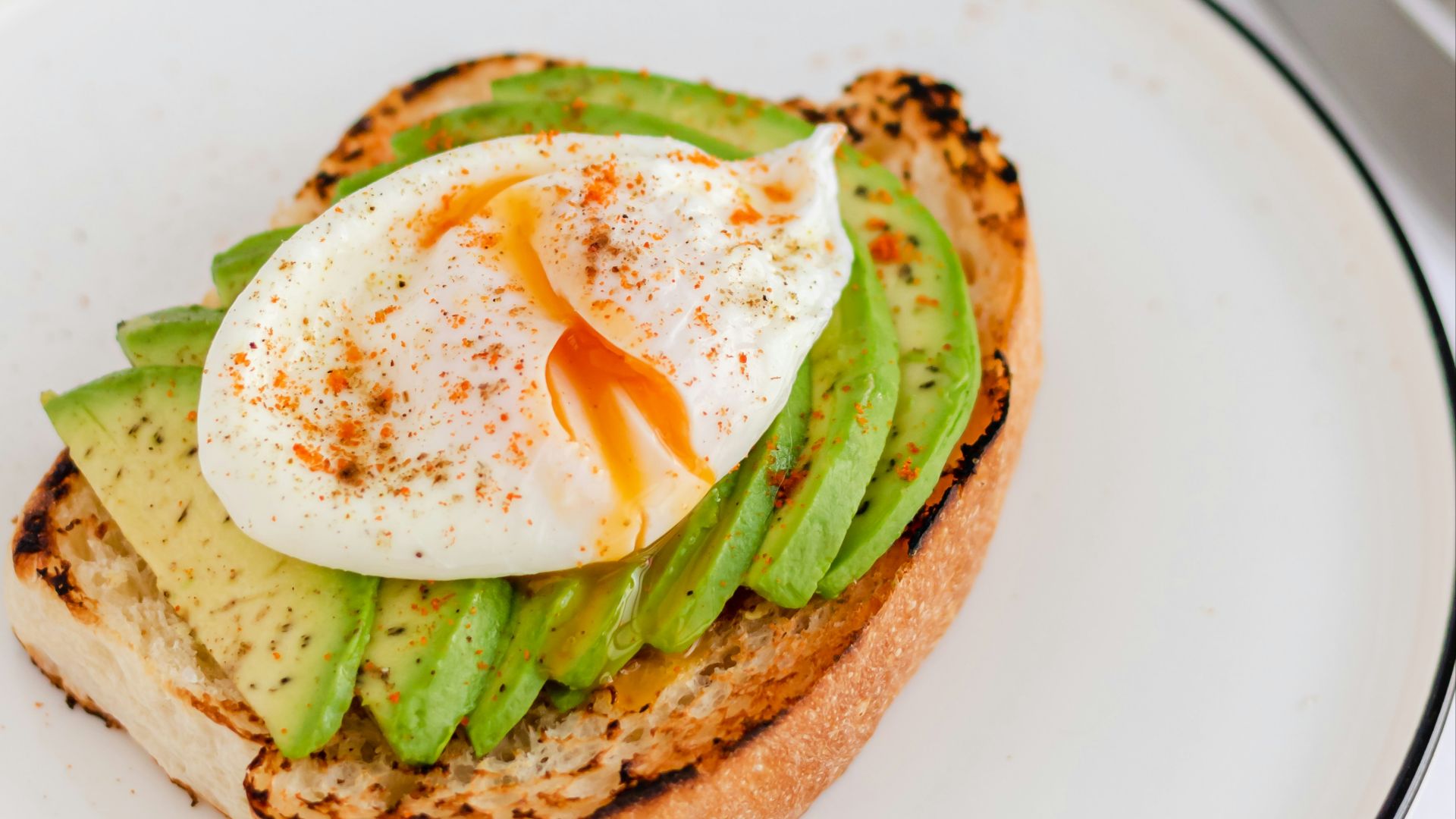
Avocado toast became famous for a reason, and restaurants happily leaned into it. Bread and avocado can be dressed up with chili flakes, seeds, eggs, herbs, or a drizzle of oil. The result looks pretty and feels trendy, which makes a higher price easier to sell, but at the end of the day, though, it’s still toast with very good PR.
16. Cheese Boards
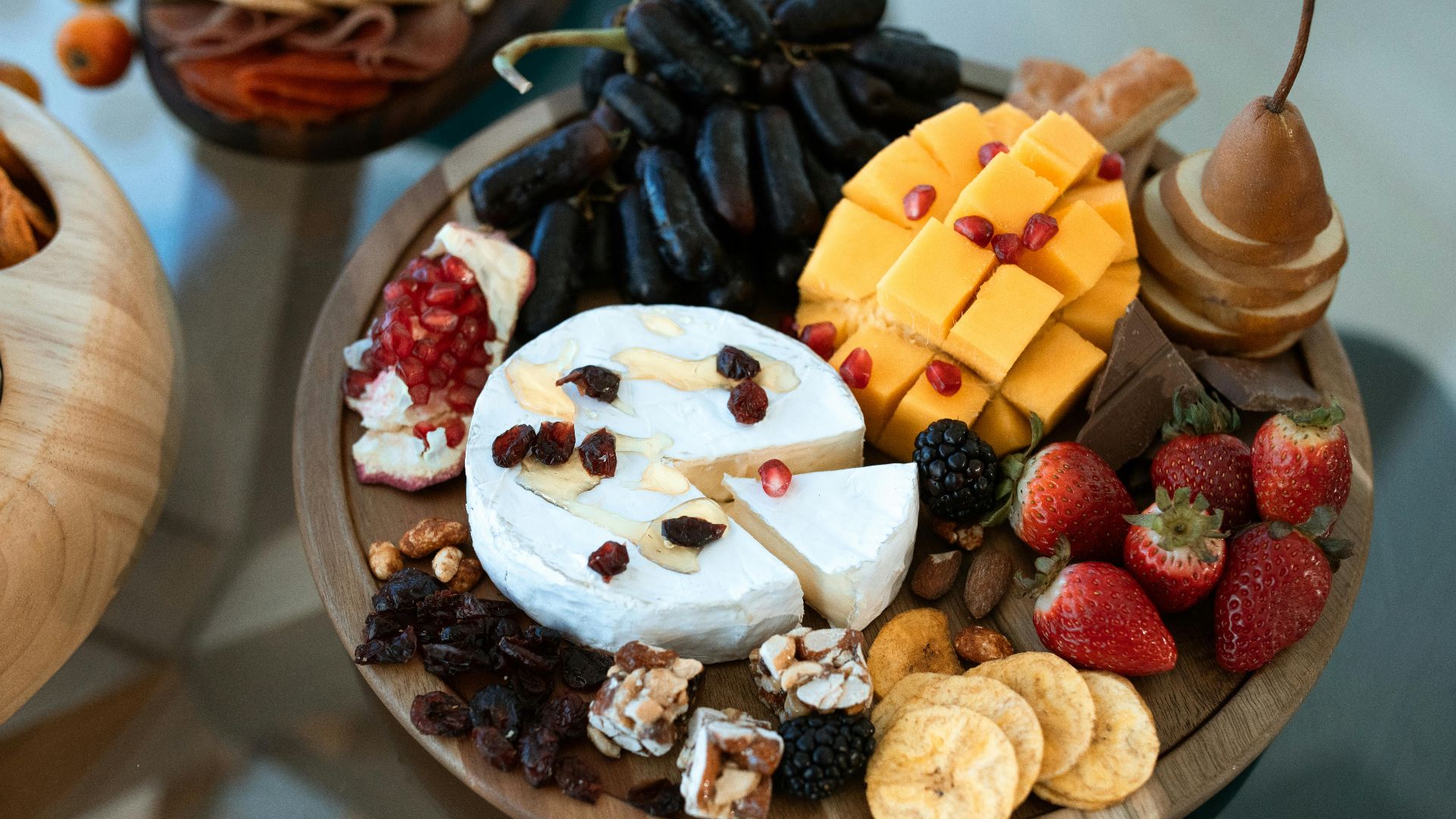
Cheese boards often look abundant, but restaurants can control the portions very carefully. A few slices of cheese, crackers, fruit, nuts, and spreads can be arranged beautifully and priced as a premium appetizer, but the presentation does a lot of the heavy lifting here. You’re paying for the spread, the styling, and the fact that it feels fun to share.
17. Edamame
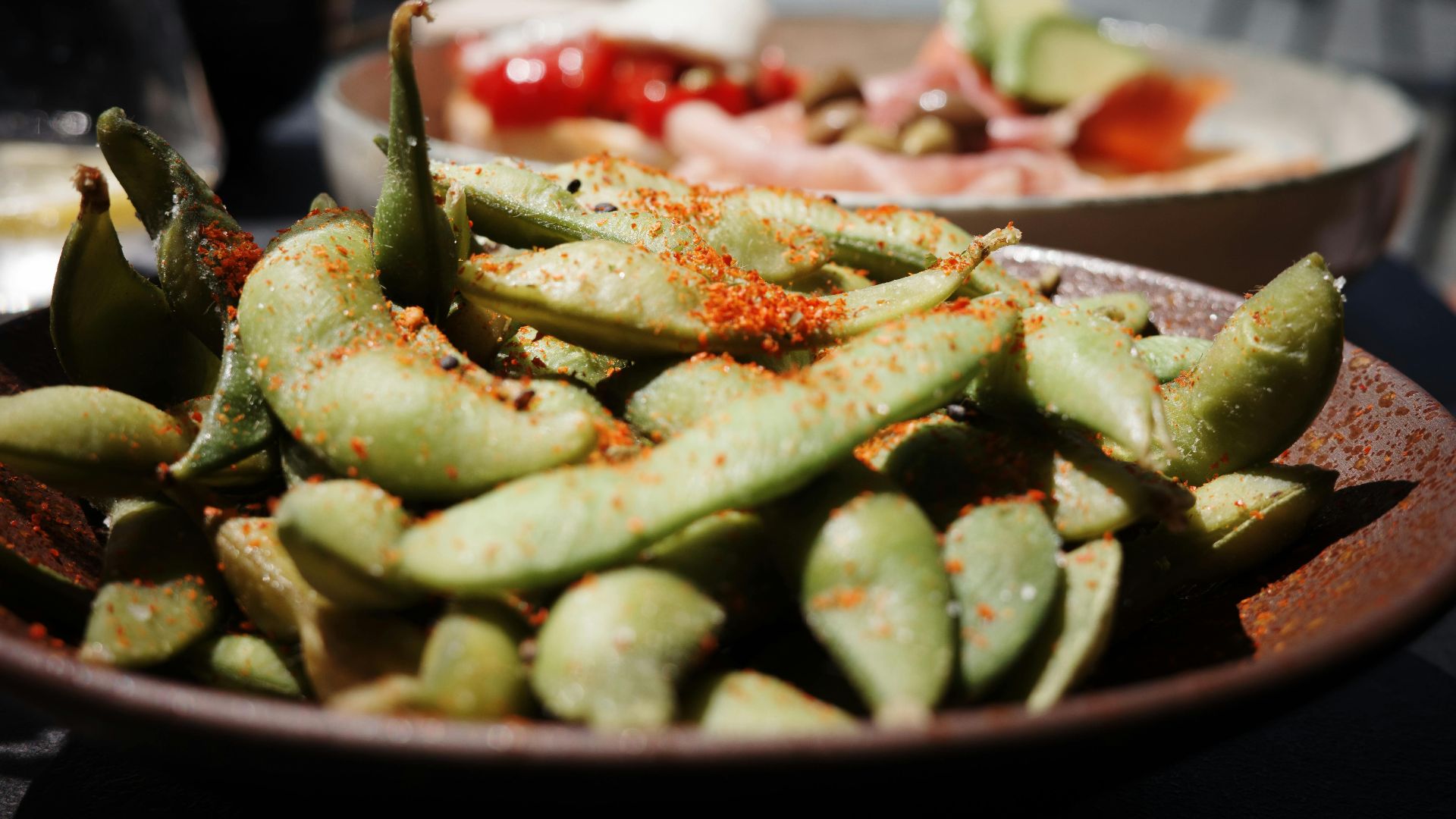
Edamame is simple, tasty, and often much cheaper to prepare than it is to order. Restaurants usually steam or boil the pods, sprinkle them with salt, and send them out quickly. It’s a low-effort appetizer that customers like because it feels light, healthy, and snackable.
18. Alcohol
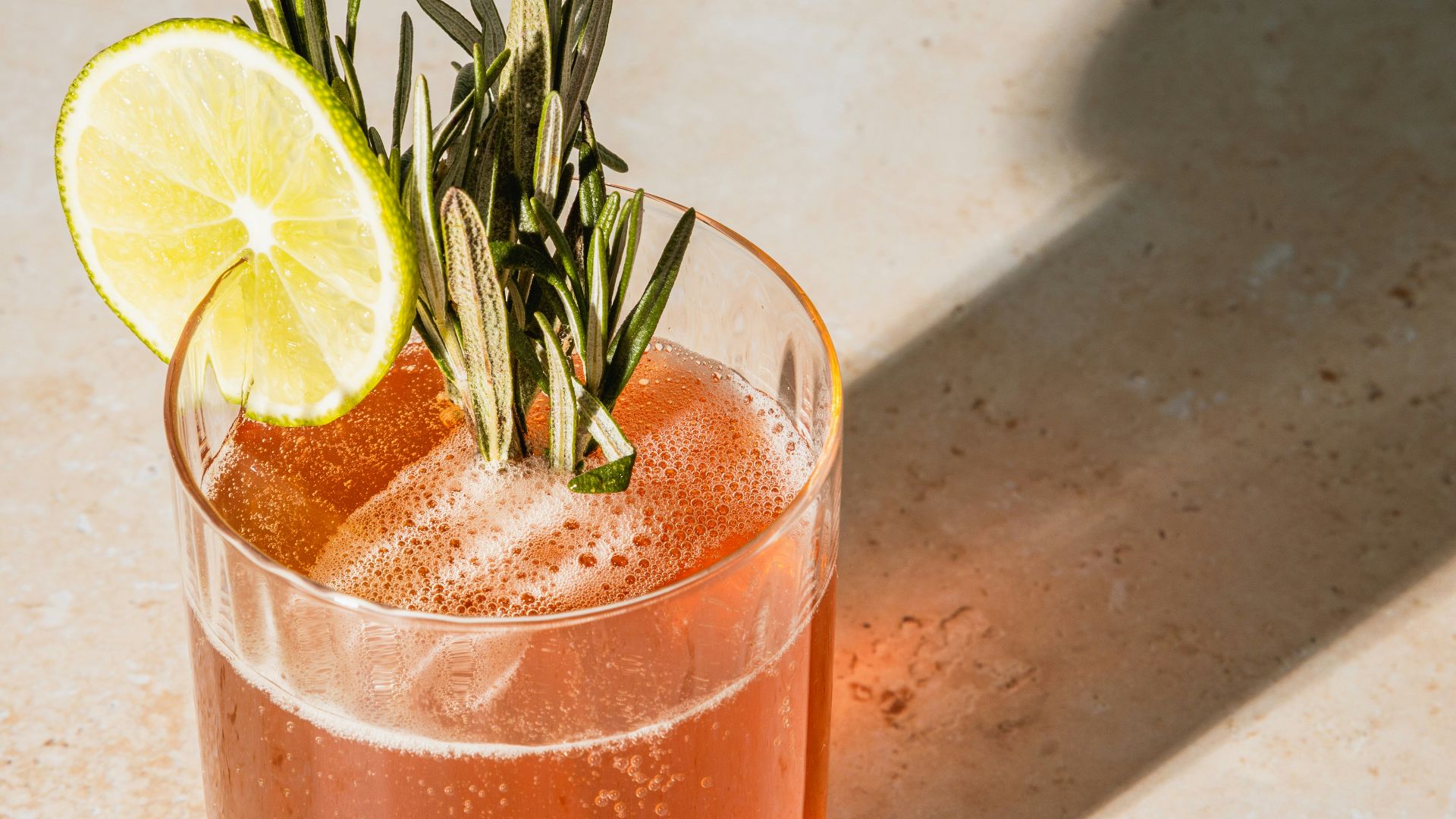
Alcohol is one of the most famously marked-up items in restaurants, especially when it comes to wine, cocktails, and by-the-glass pours. A bottle that costs the restaurant much less can be sold at a price that makes your eyebrows do a little workout. Cocktails can climb even higher once they include fresh herbs, fancy ice, or a dramatic garnish.
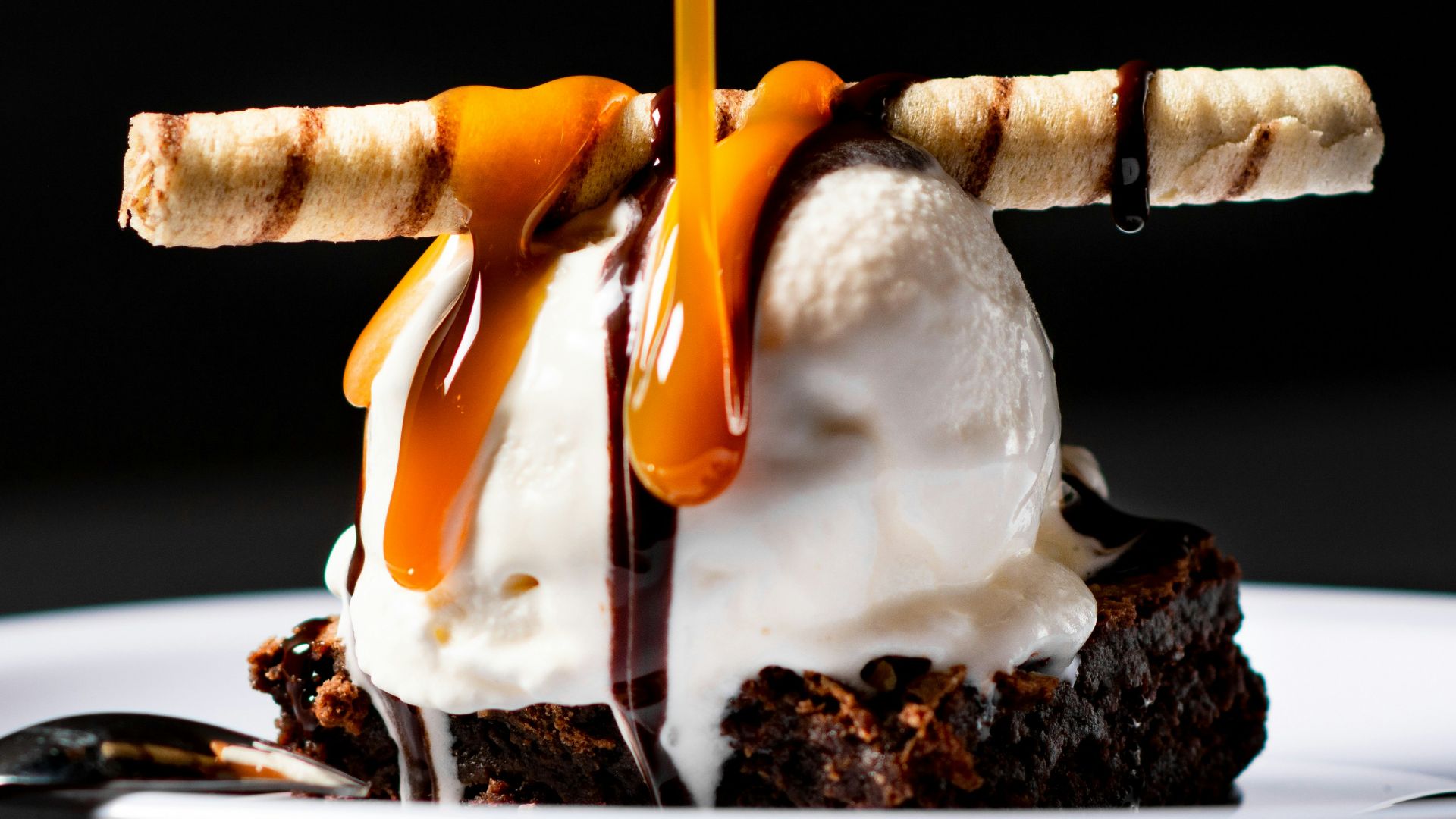
19. Desserts
Desserts can carry a big markup because portions are controlled and ingredients are often affordable. Cake, brownies, pudding, ice cream, and cheesecake can be prepared ahead of time and served quickly. A drizzle of sauce or a dusting of powdered sugar can make the plate feel special. By the time dessert arrives, your defenses are usually weaker anyway.
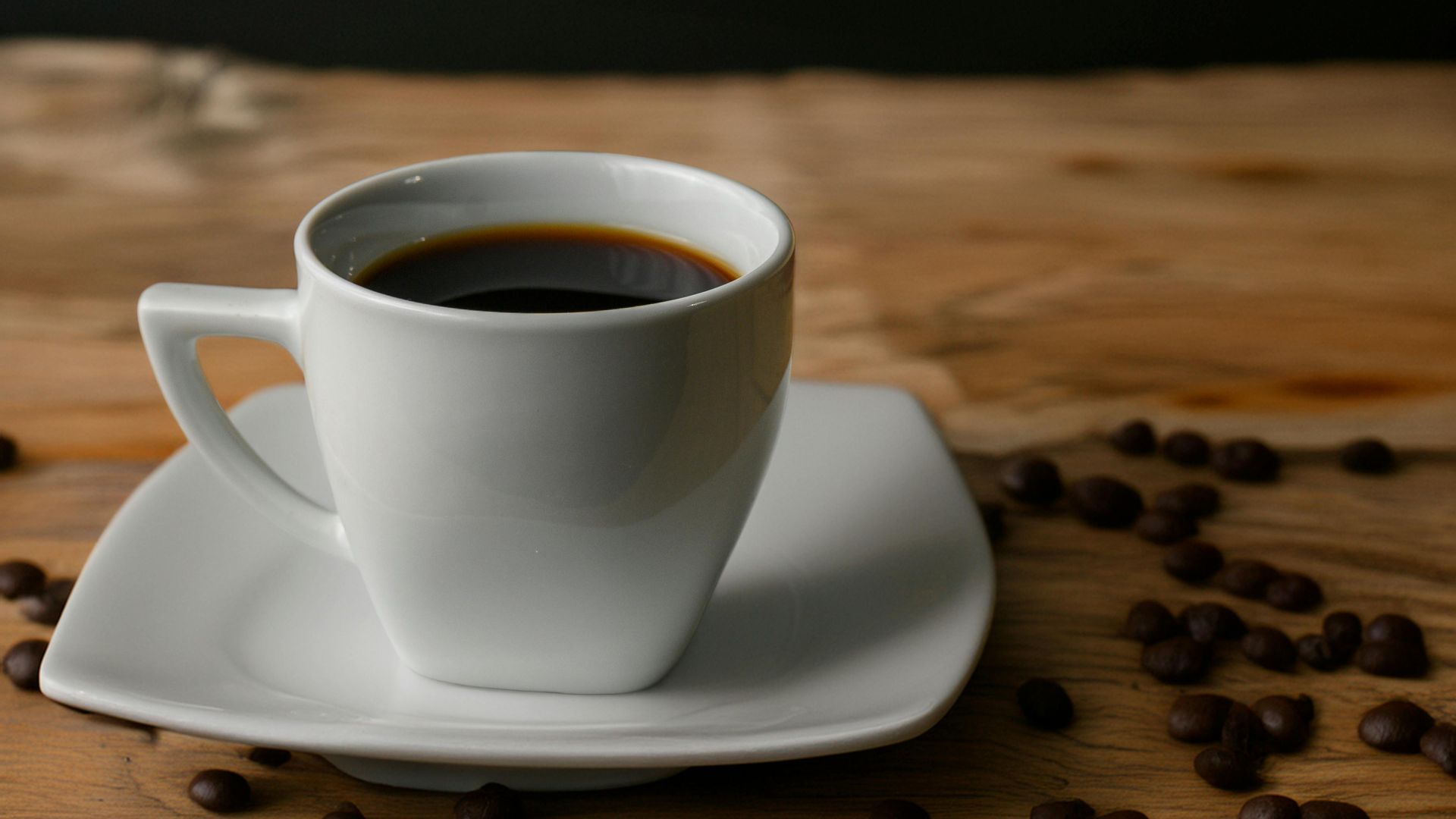
20. Coffee & Tea
Coffee and tea are classic restaurant markups because the cost per cup is usually low compared with the menu price. Even simple brewed coffee or a basic tea bag can sell for several dollars once it’s served at the table. Specialty versions can climb even higher with steamed milk, syrups, loose-leaf blends, or pretty presentation.
KEEP ON READING
20 Theme Park Snacks People Fly In Just to Eat

20 American Restaurants Your Grandparents Loved
20 Foods You Can't Eat Without Teeth