Do You Disagree?
Not every expensive food is automatically better, and plenty of budget-friendly options are perfectly good. Still, there are certain ingredients where paying a little more can noticeably improve the flavor, texture, freshness, or overall cooking experience. If you're deciding where to spend and where to save at the grocery store, these are some of the foods where an upgrade can actually be worth it.
 Margaret Jaszowska on Unsplash
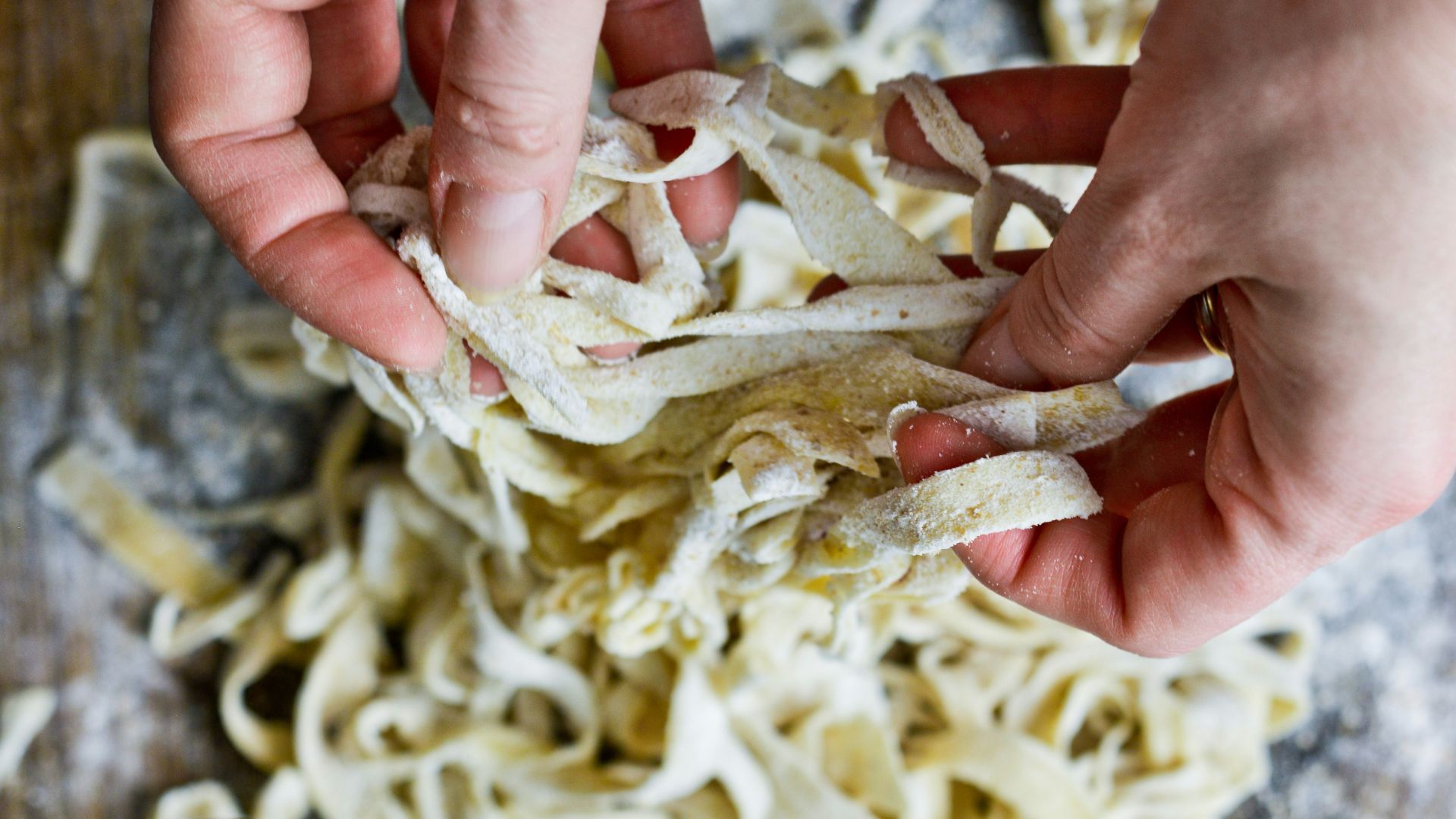
1. Extra-Virgin Olive Oil
Fresh extra-virgin olive oil tastes brighter and more complex than cheap cooking oil. Make sure you're choosing a bottle with a harvest date (or the region it comes from), but you don't necessarily need to spring for the priciest option. Using a higher-quality oil for salad dressing, dipping bread, or finishing a dish can really make a difference.
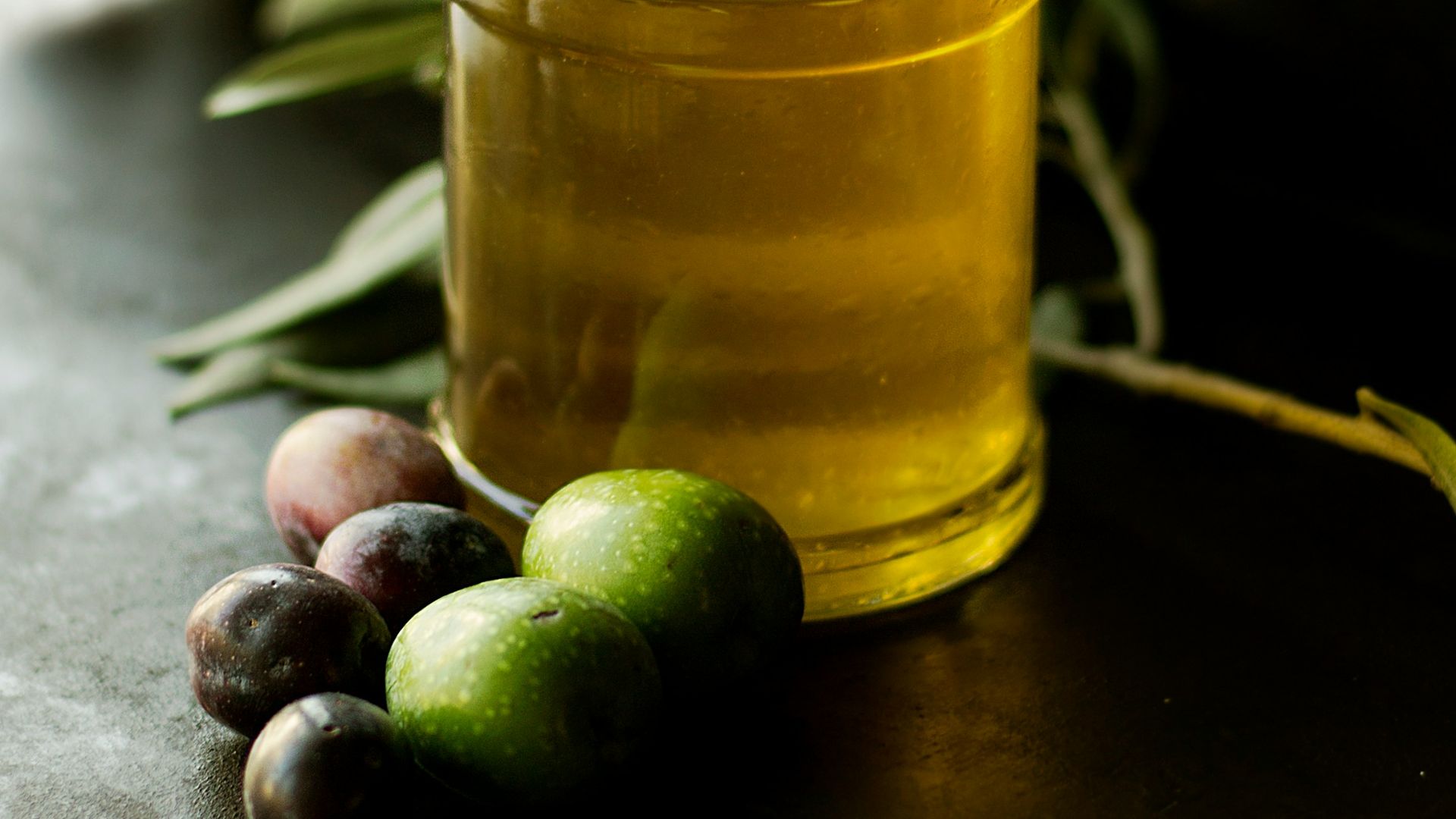
2. Parmesan Cheese
Freshly grated Parmigiano-Reggiano tastes richer and nuttier than most supermarket brands of grated Parmesan cheese. It's aged for several years, so the flavor is concentrated and the texture is firmer. Since you only need to use a little while it's still freshly grated, it can be worth spending the extra money for authenticity.
3. Pure Maple Syrup
Pure maple syrup costs more than pancake syrup because you're actually getting maple syrup rather than a flavored corn syrup product. The flavor is richer and more nuanced, with different grades offering different levels of intensity.
Once you've tasted the real stuff on pancakes or waffles, the difference is pretty hard to ignore.

4. Fresh Berries
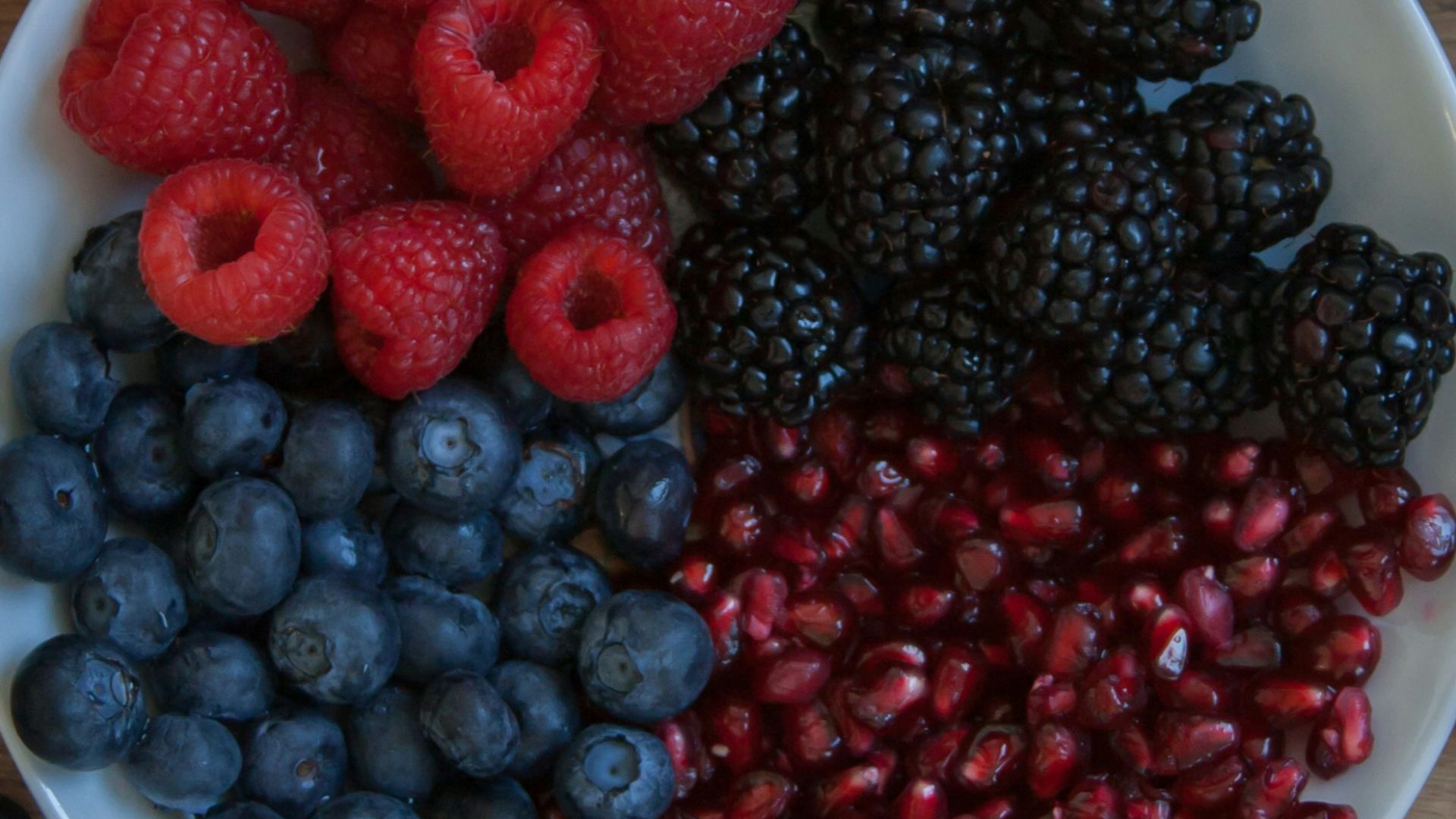
Buy whole berries instead of pre-sugared syrups or fruit salad mixes. Strawberries, blueberries, raspberries, and blackberries of all kinds are dramatically more flavorful when they're actually ripe and fresh. Since you're eating them raw rather than dousing them with sugar, pay a little more for a high-quality container.
5. Coffee Beans
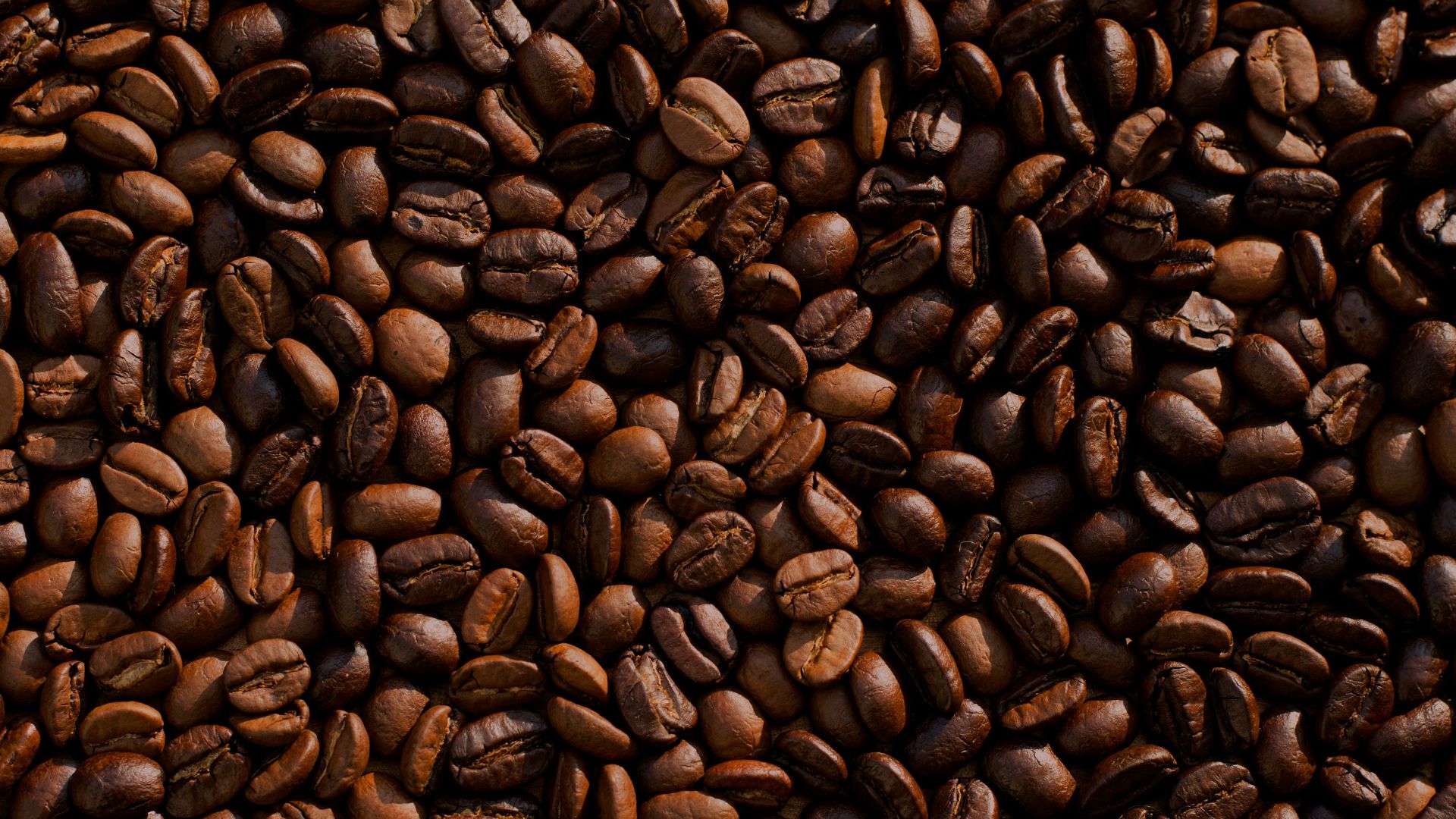
If you drink coffee every day, you can taste the difference between high-quality beans and economy coffee. Freshly roasted coffee tends to have stronger, more interesting flavors and aromas. You don't have to become a coffee expert, either; buying freshly roasted beans from a reputable roaster is already a major improvement.
6. Real Vanilla Extract
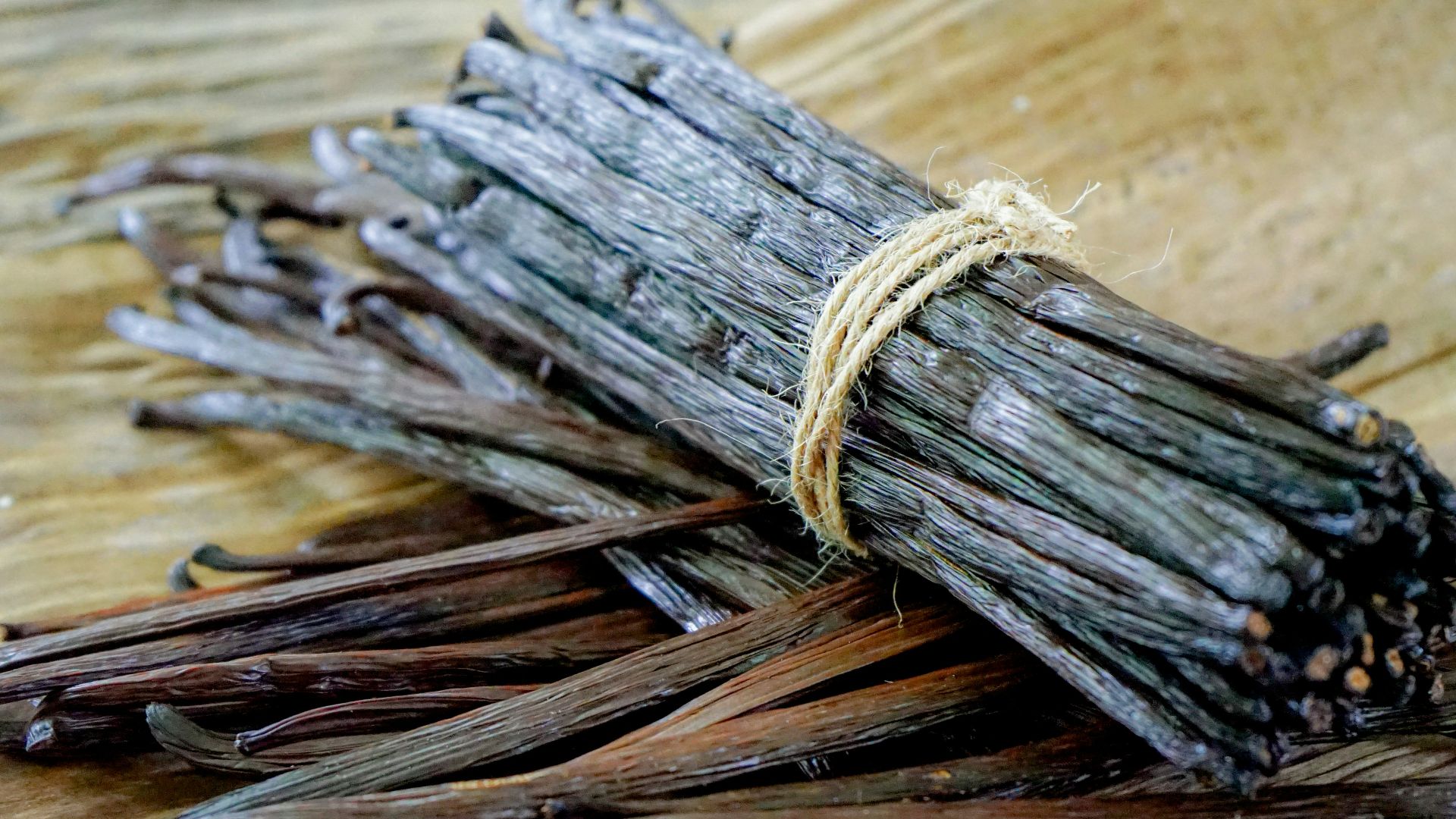
Real vanilla extract is stronger and more rounded than its artificial counterparts. The flavor difference is easiest to spot in recipes where vanilla is one of the major flavors. If you're baking cookies, cakes, custards, ice cream, or other desserts where vanilla plays a starring role, choose the high-quality stuff.
7. Dark Chocolate
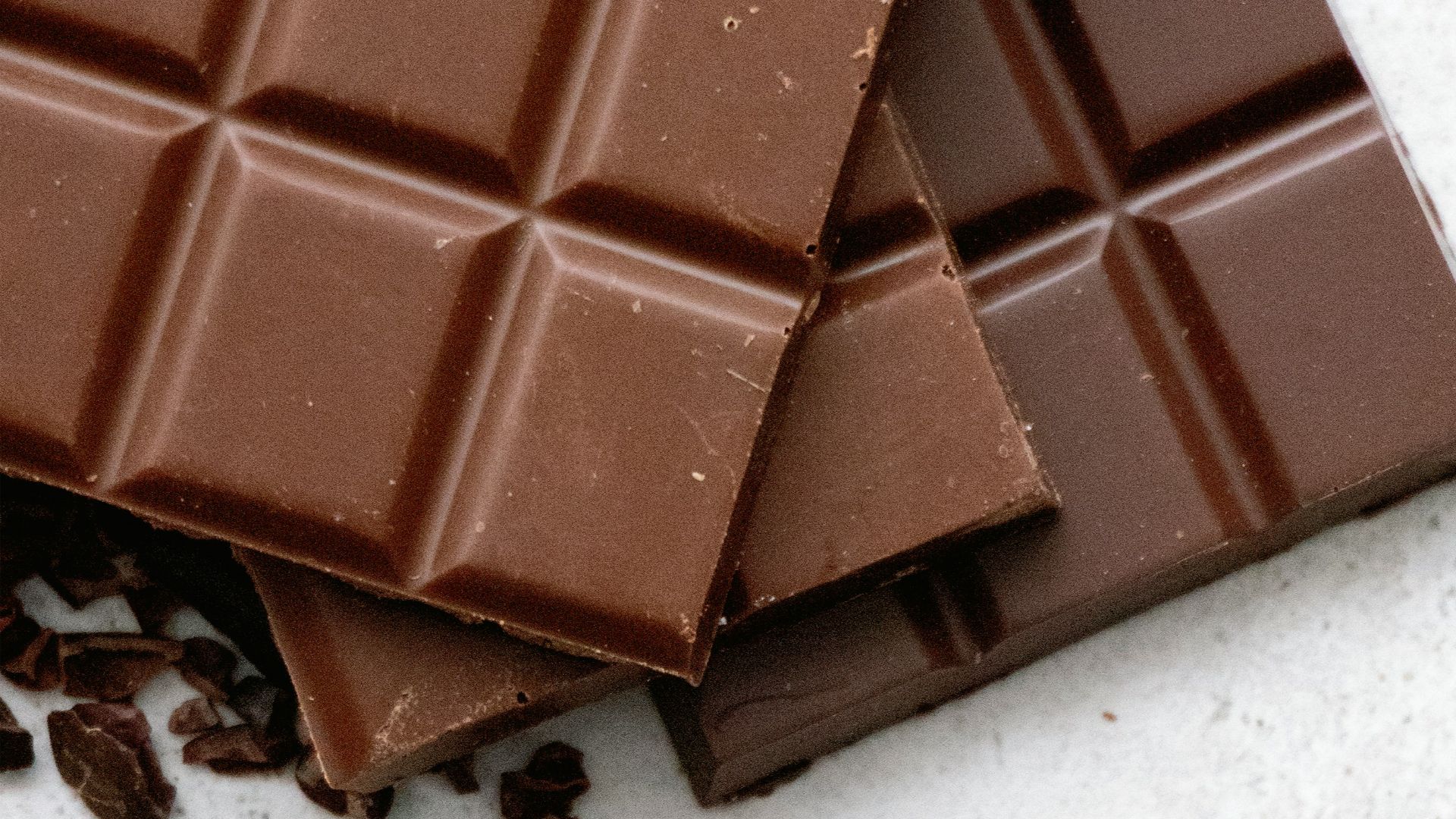
Higher-quality dark chocolate has a smoother texture and more interesting flavor than its inexpensive cousin. When you spend more on cocoa, you can start tasting differences ranging from fruity to nutty without needing tons of sugar.
Eat a square of high-quality chocolate instead of half a chocolate bar.
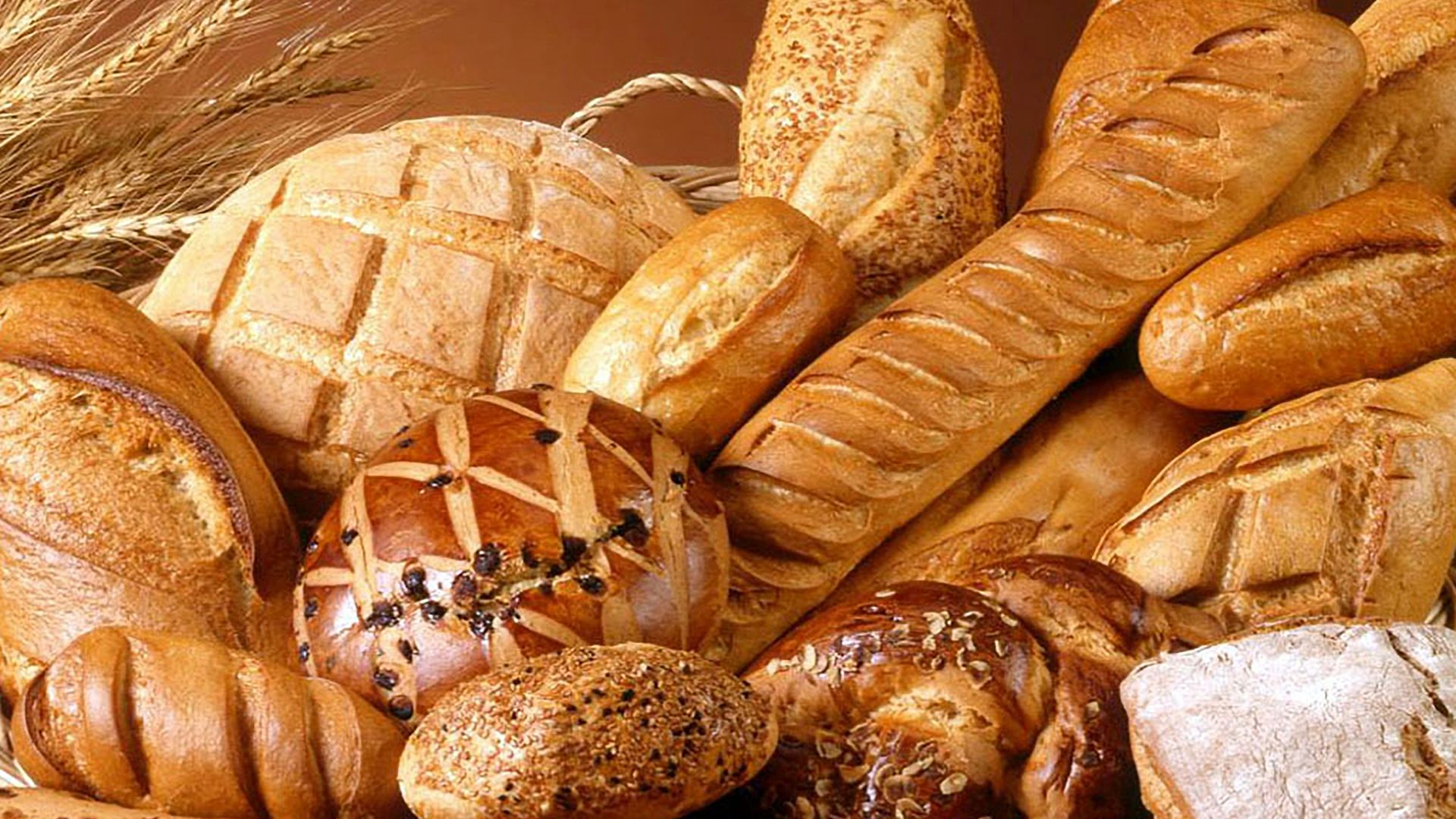
8. Freshly Baked Bread
Fresh bread is one of those items that instantly makes supermarket bread taste like cardboard. It has a better crust and texture, plus natural flavors that aren't preserved with additives or excessive sweetness. Fresh bread is great on its own, but it takes sandwiches and toast to the next level.
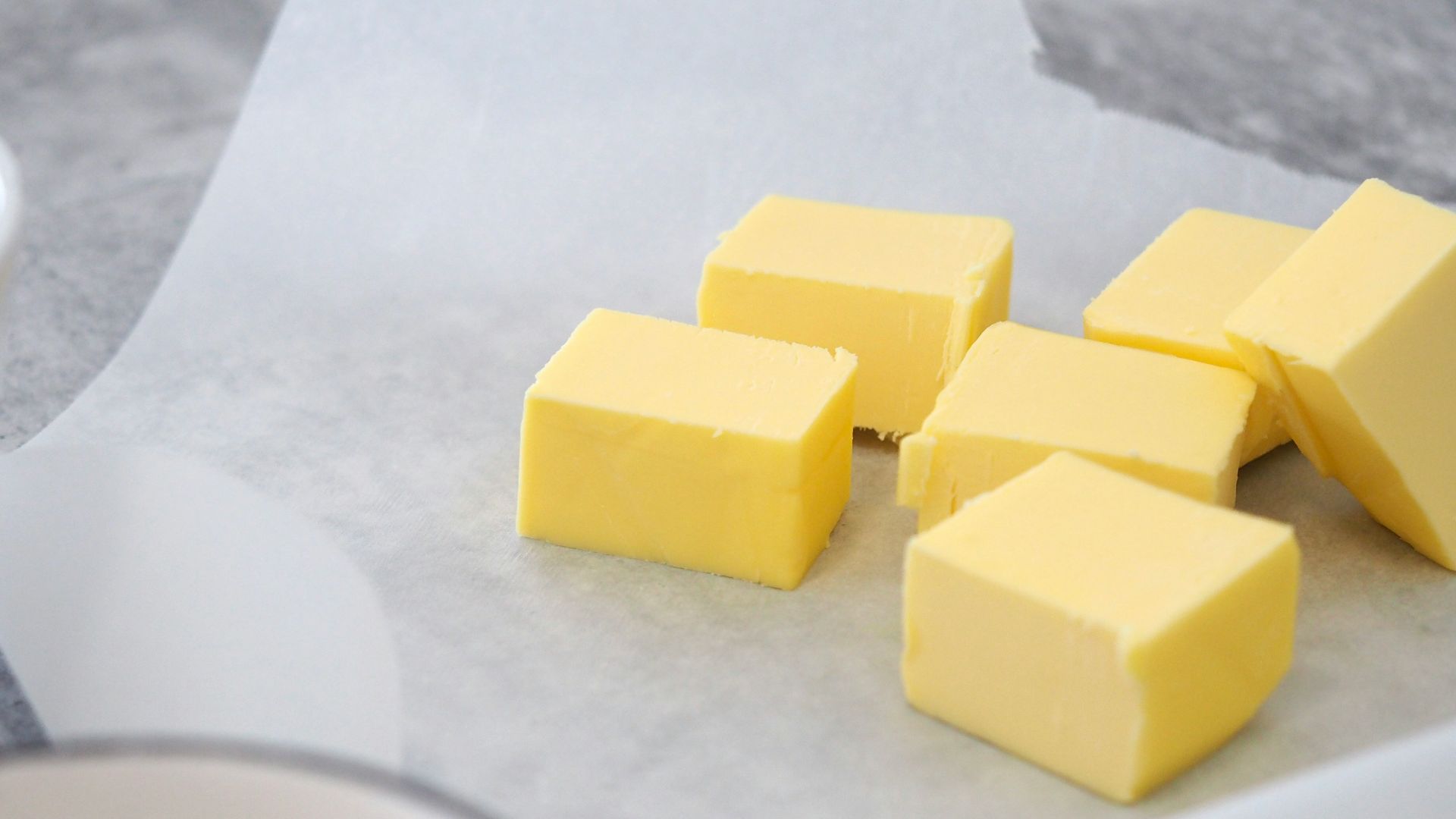
9. Grass-Fed Butter
Butter isn't just butter when you're using it as a major part of a dish. Higher-quality butter can have a richer flavor and, depending on the product, a deeper yellow color associated with higher levels of carotenoid pigments. It's particularly worthwhile for baking, sauces, compound butter, and anything where the butter gets plenty of attention.
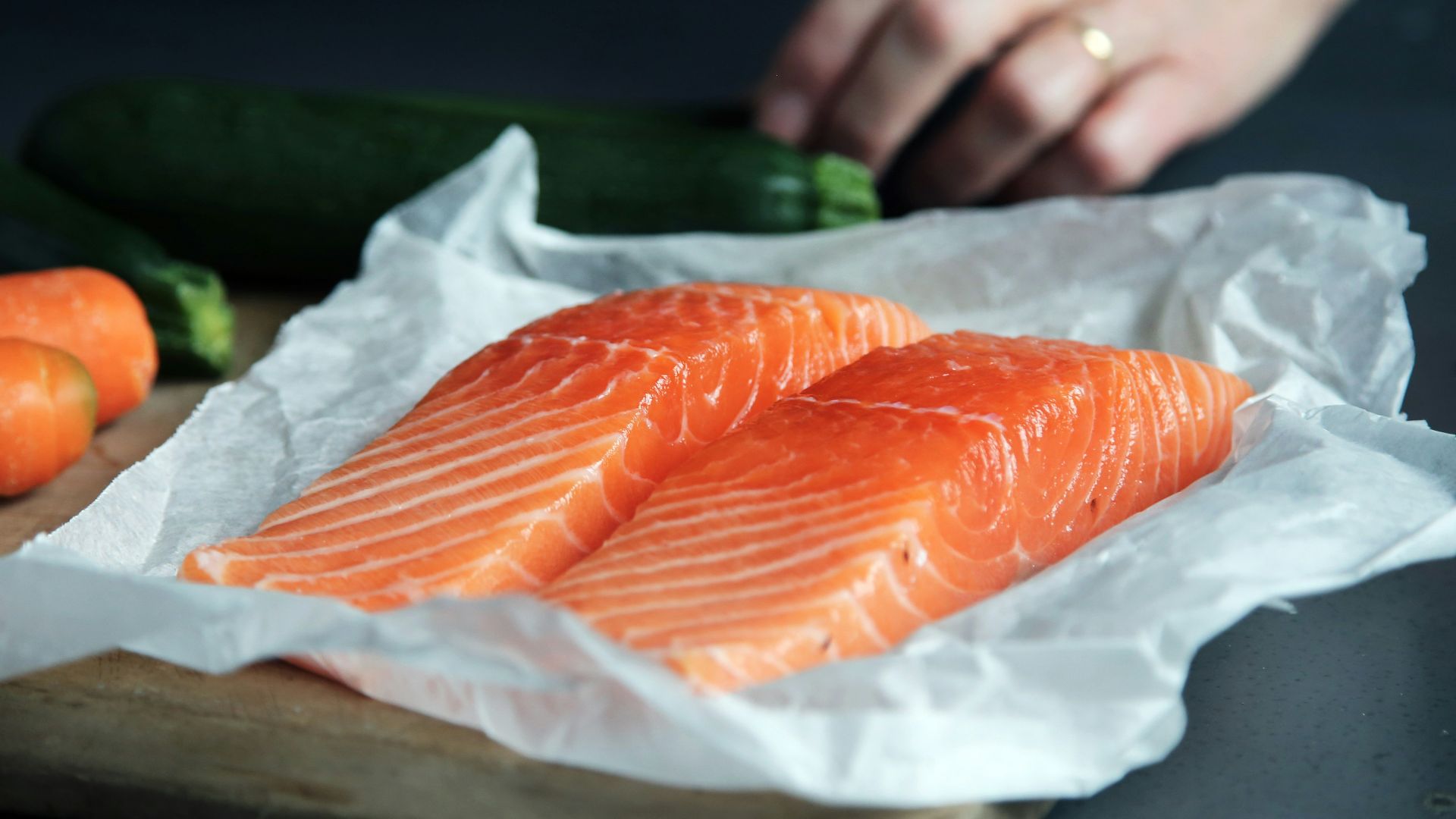
10. Wild-Caught Salmon
Fresh salmon doesn't have to be expensive if you know where to look. Look for wild-caught salmon instead of farmed varieties, and pay attention to where the fish was caught. Wild salmon have a firmer texture and unique flavor that depends heavily on their natural habitat.
11. Balsamic Vinegar
Aged balsamic vinegar is one of those ingredients that isn't life-changing unless it's really high quality. Inexpensive balsamic from the grocery store doesn't compare to traditionally aged vinegar from Italy. Drizzle aged balsamic on salads, strawberries, cheese, tomatoes, and roasted vegetables for a sweet and savory boost.
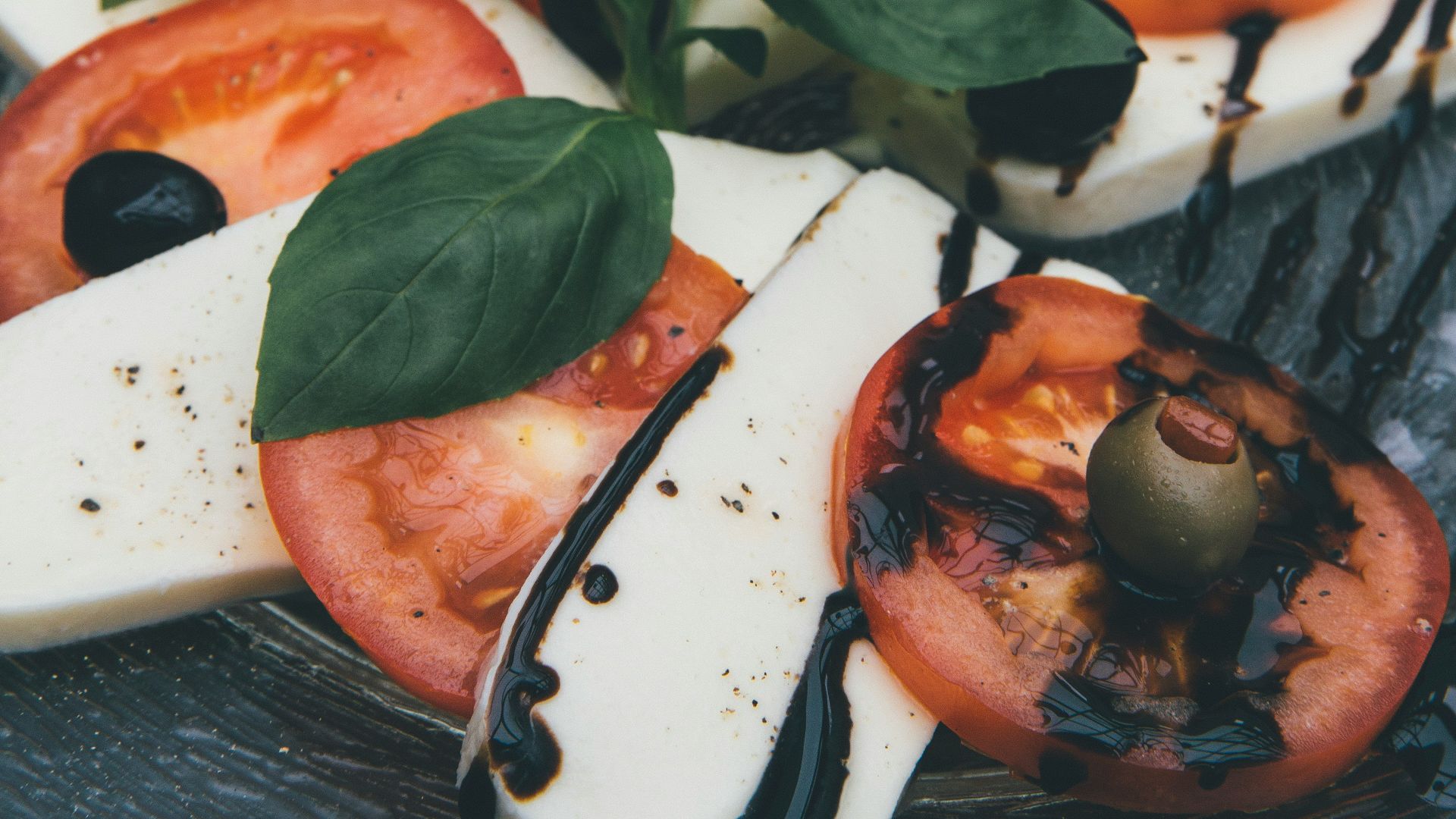
12. Parmigiano-Reggiano
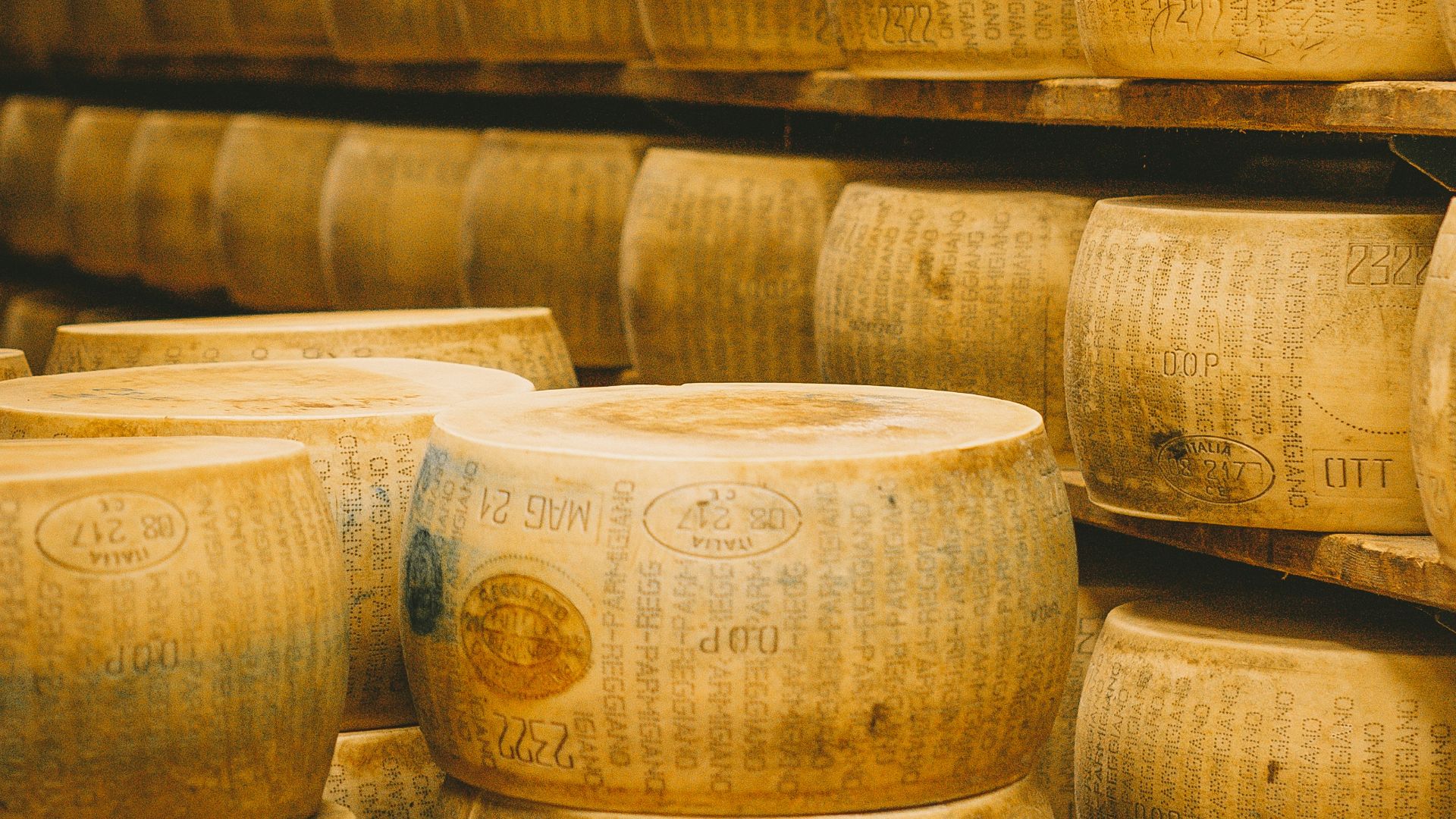
Parmigiano-Reggiano deserves another mention because it's one of those cheeses where authenticity matters considerably. The protected Italian cheese has a distinct granular texture and intense savory flavor that makes it useful far beyond pasta. Buy a wedge rather than pre-grated cheese when you can, and grate it as needed for maximum freshness.
13. High-Quality Honey
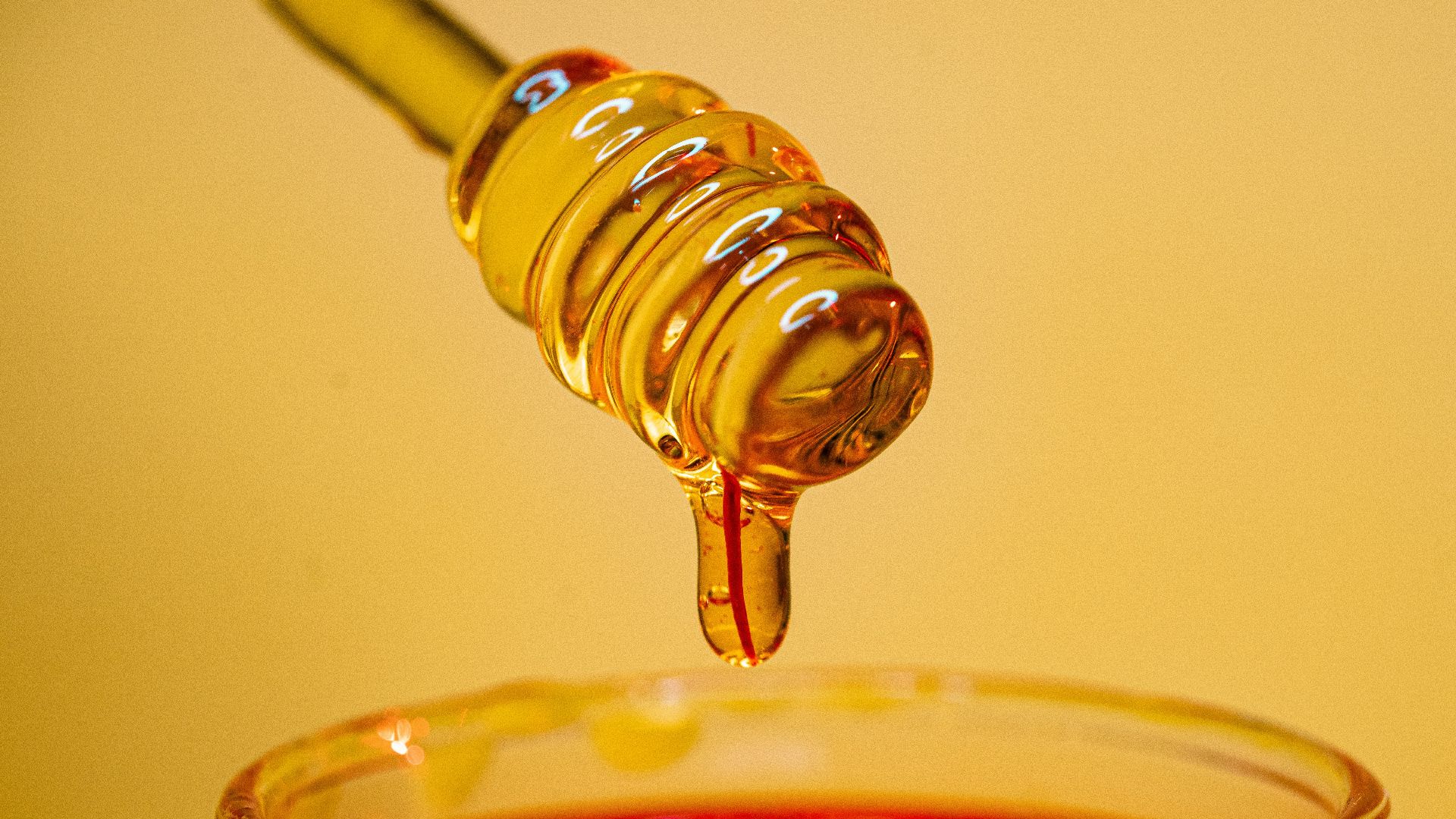
Regular honey is sweet, but high-quality honey has so much more personality. Bright floral? Check. Fruity undertones? You bet. Creamy herbal flavor? Honey can do that too. Honey is delicious on its own, but try drizzling a high-quality honey on yogurt, toast, fruit, or cheese.
14. Fresh Herbs
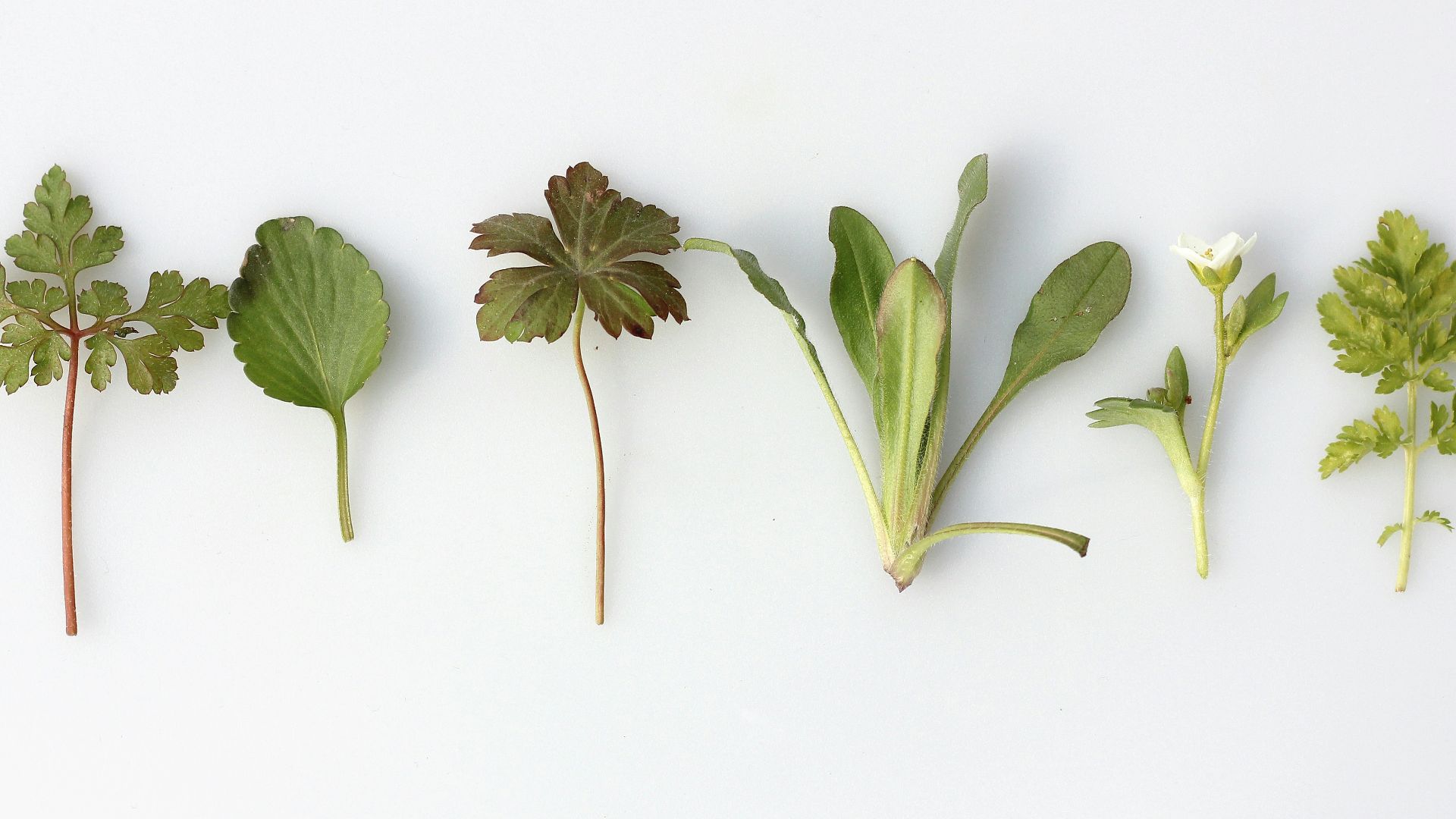
Herbs make food taste fresh, and fresh herbs are even better at doing that than dried spices. Basil, cilantro, parsley, mint, and dill can elevate any meal when they're used as a finishing touch. Pick up a fresh bundle on your way home from work; you only need a few tablespoons to make your dinner feel special.
15. Specialty Mushrooms
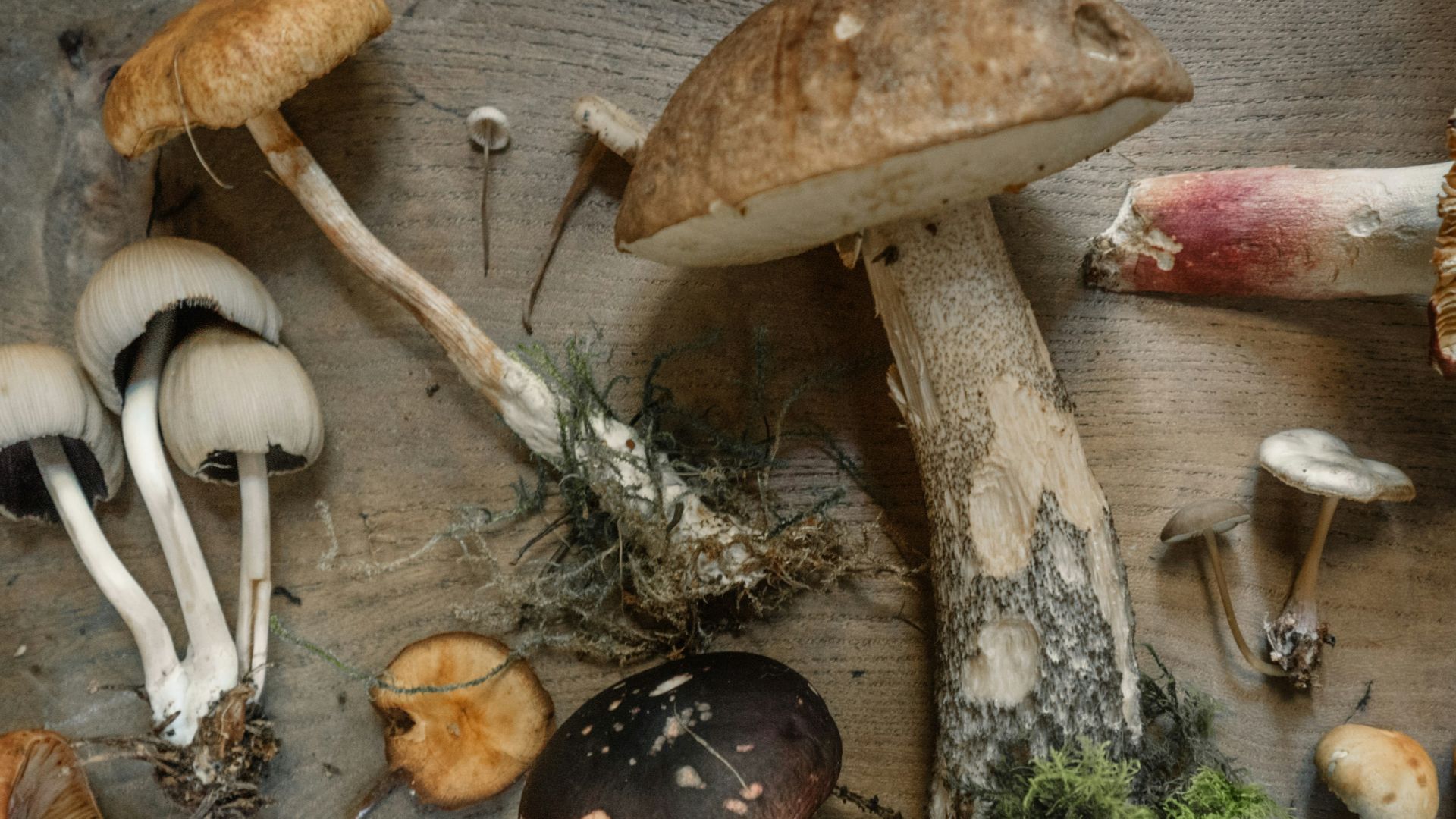
Mushrooms such as shiitakes, oysters, and maitakes offer textures and flavors that ordinary button mushrooms can't always match. They're particularly good in pasta, soups, stir-fries, and simple sautés where their character gets to shine. You don't need to buy them every week, but they're a worthwhile splurge when you're making mushrooms the star.
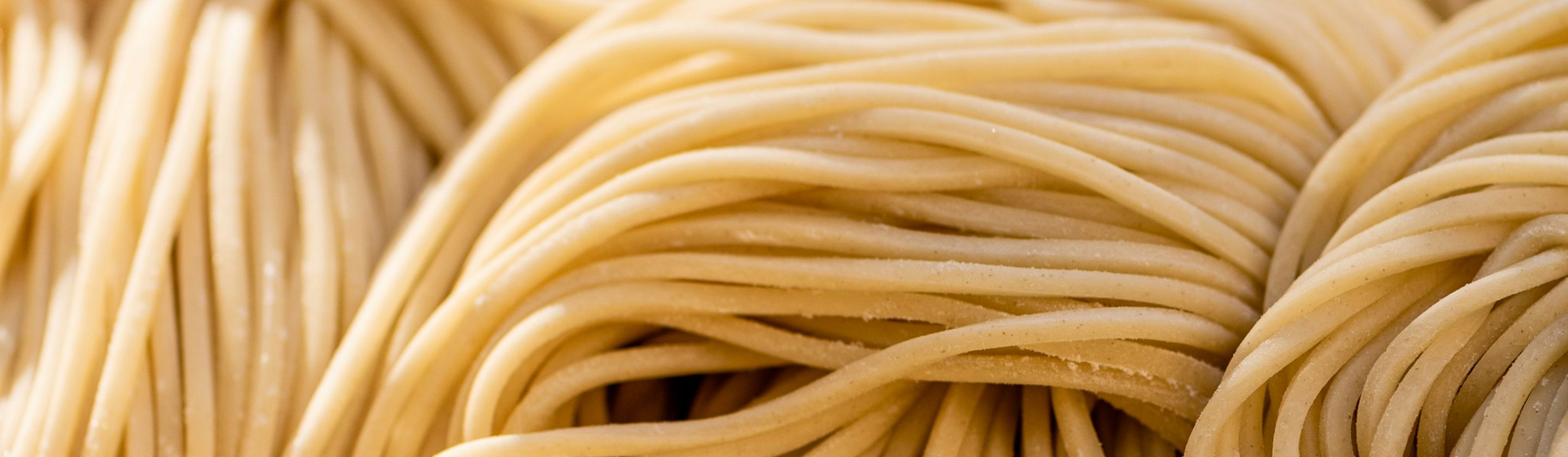
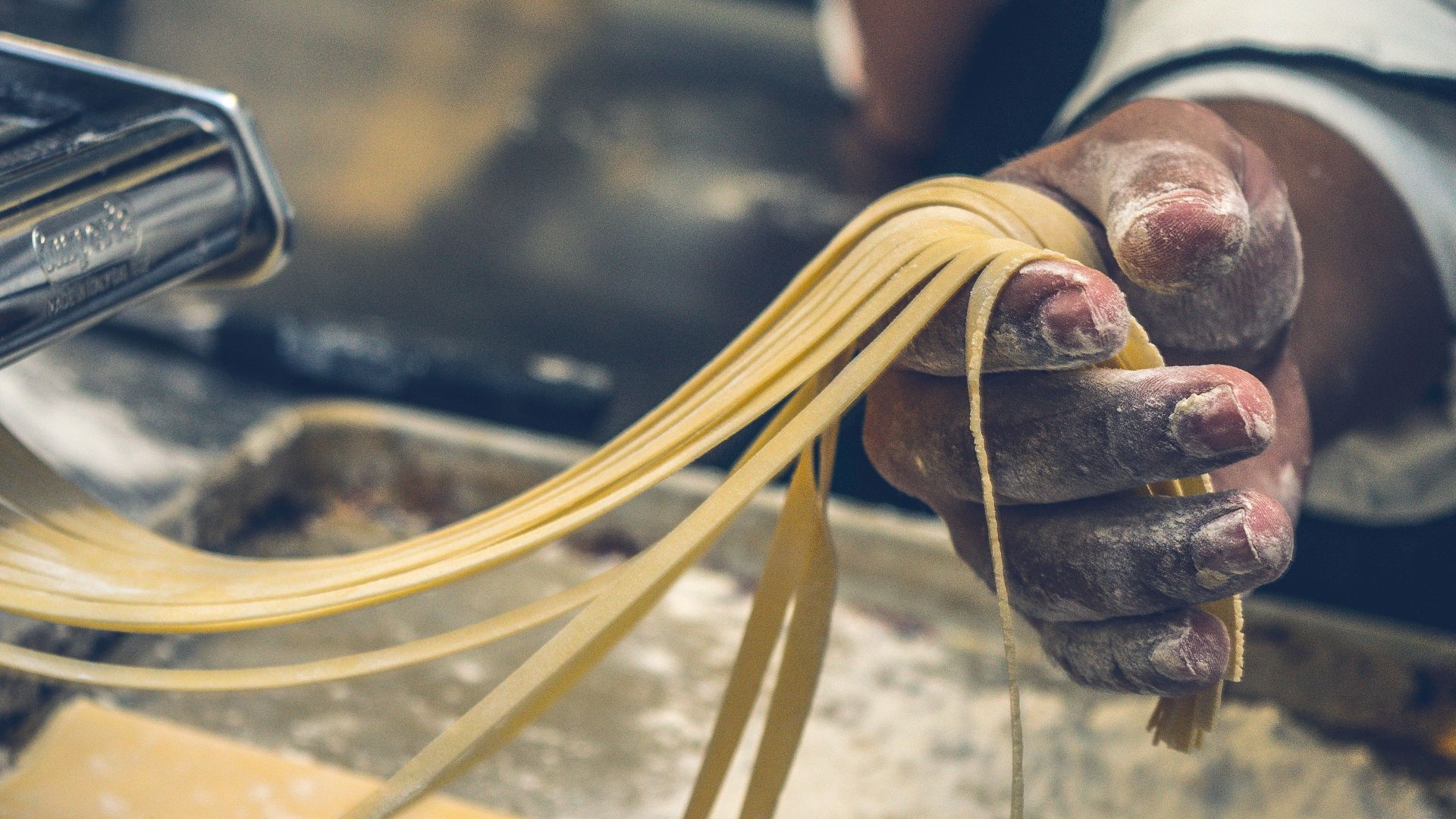
16. Fresh Pasta
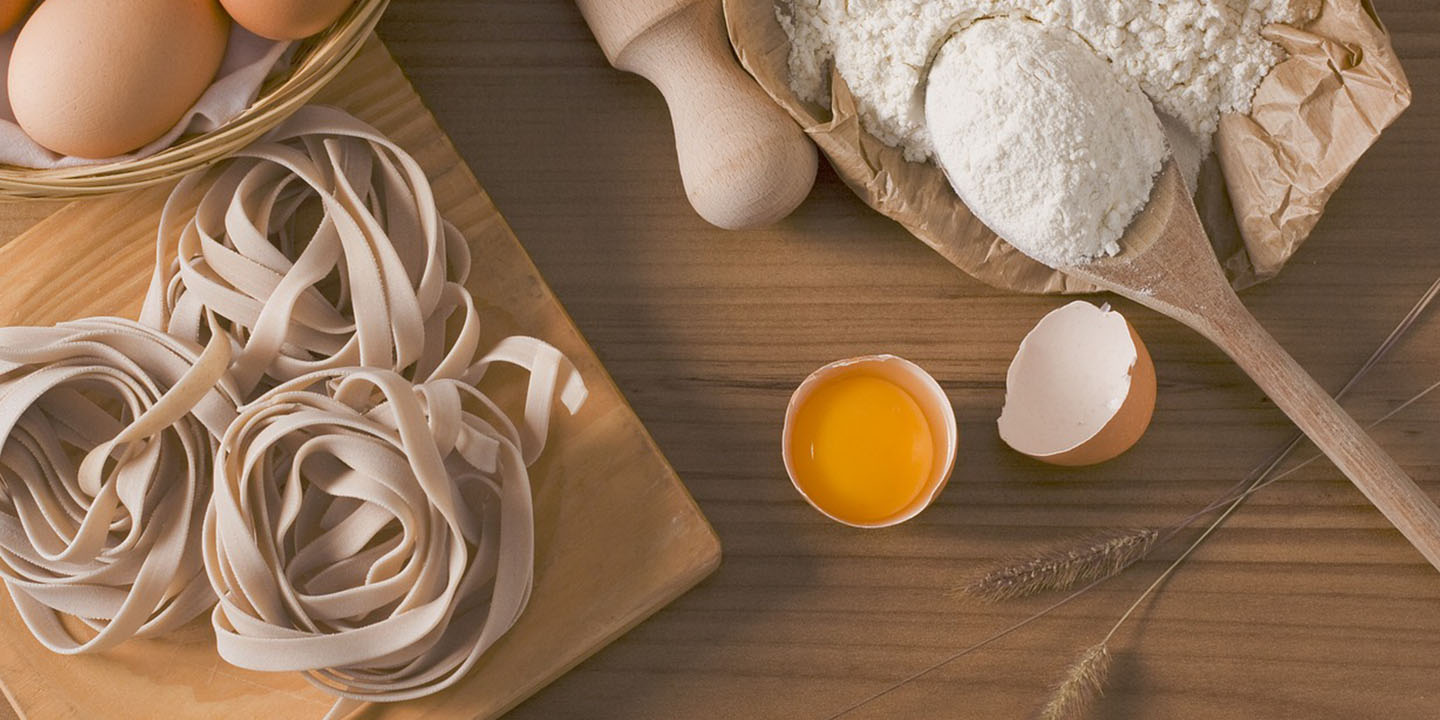
Fresh pasta might seem like it's too rich for everyday meals, but it really isn't. Pastas made from homemade dough or at the store tend to be softer and cook faster than dried options. Pair it with a delicate sauce that might get lost with hearty dried pasta.
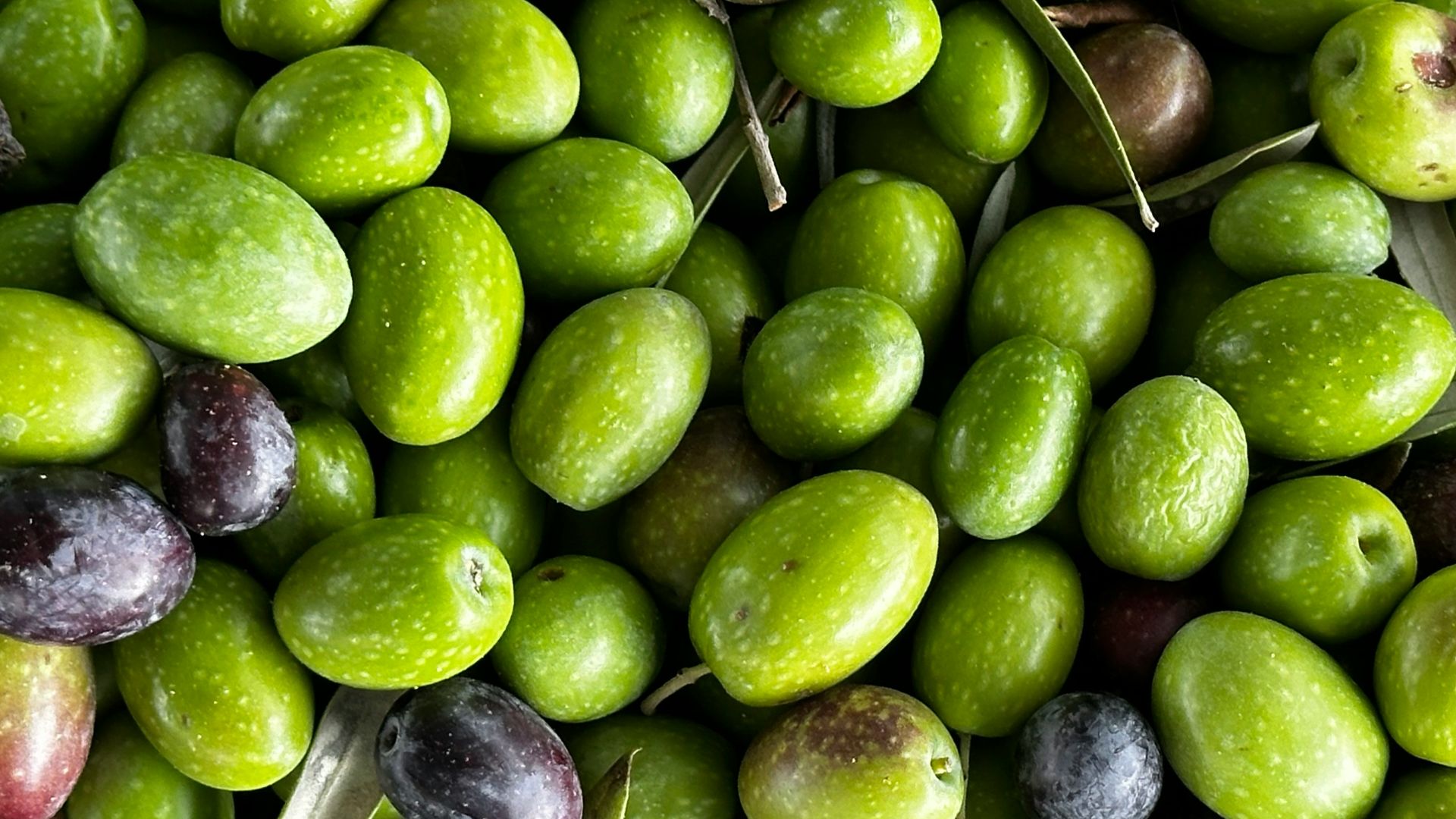
17. Good Olives
Better olives have firmer textures, cleaner flavors, and much more variety than the cheapest jarred options. Kalamata, Castelvetrano, Cerignola, and other varieties each bring something different to a dish. They're also an easy snack, so buying olives you genuinely enjoy can make the extra cost worthwhile.
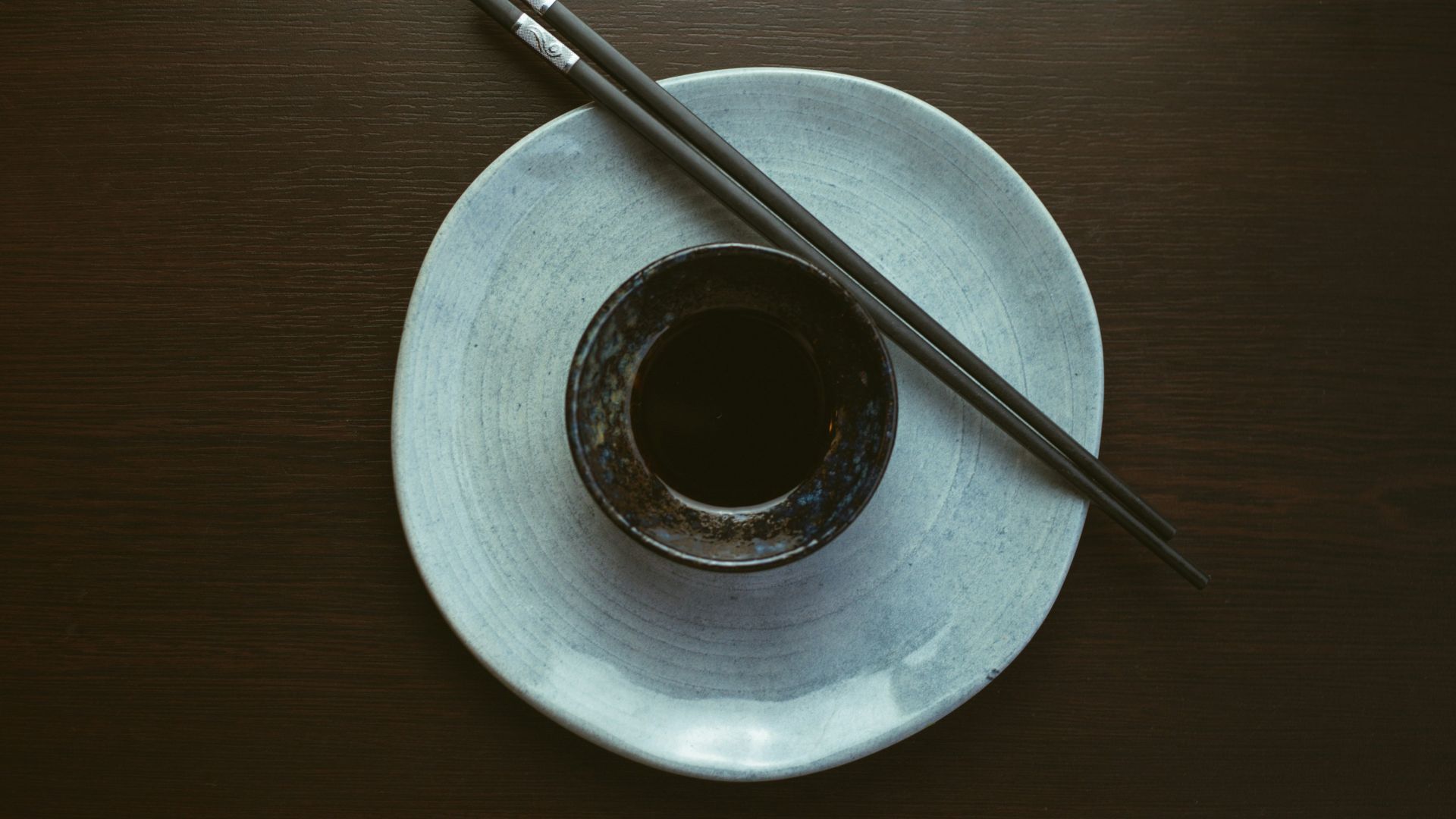
18. Aged Soy Sauce
Good soy sauce is much more than salty liquid seasoning. High-quality soy sauce, especially if it's naturally brewed, has tons of umami and develops complexity as it ages. Use soy sauce to season marinades, sauces, stir-fries, and dumpling dipping sauce.
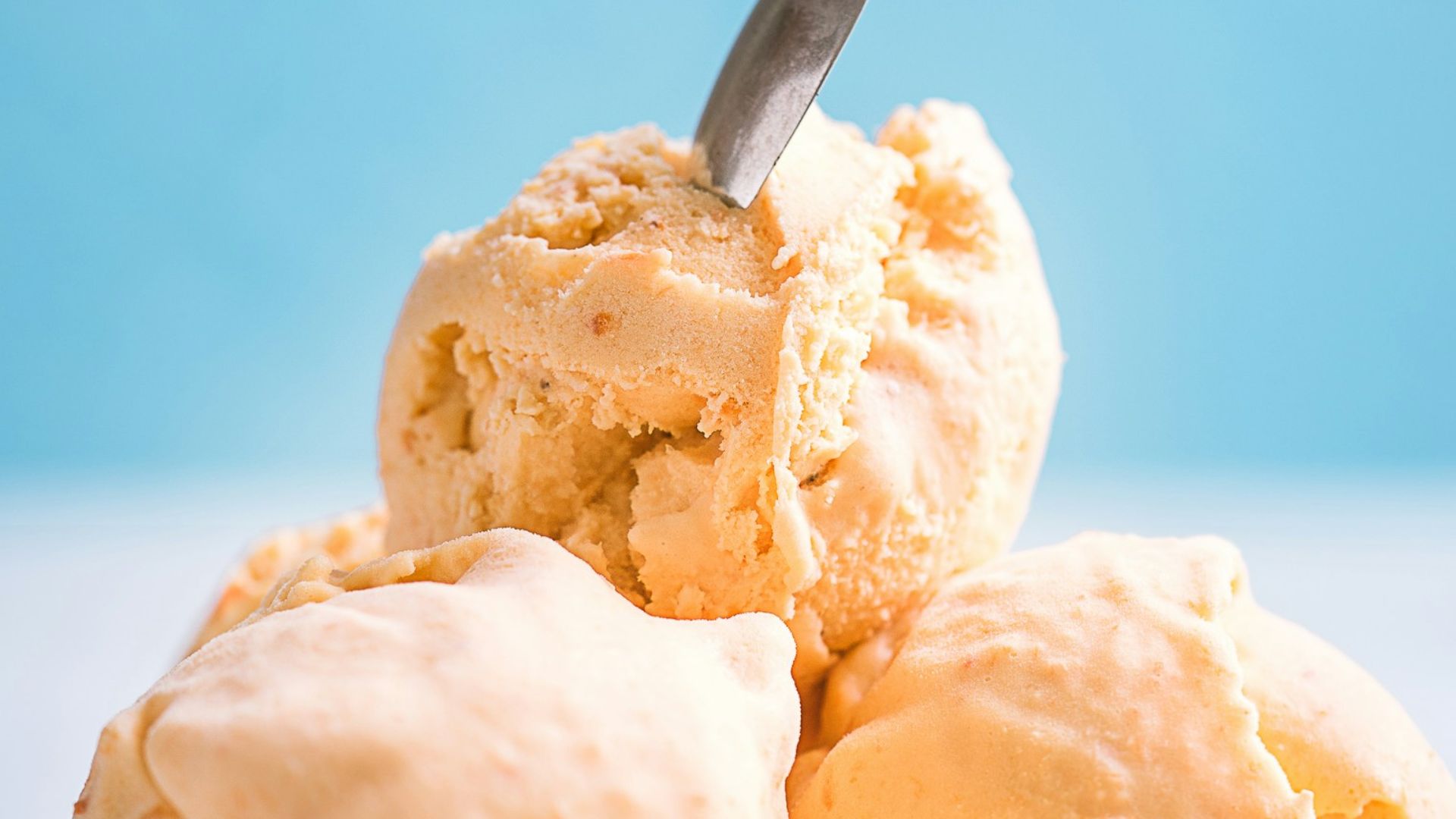
19. Good Vanilla Ice Cream
Similar to good vanilla extract, high-quality vanilla ice cream has a deep dairy flavor and rich texture. When you use real vanilla bean and don't overload the ice cream with mix-ins, you can really taste the difference.
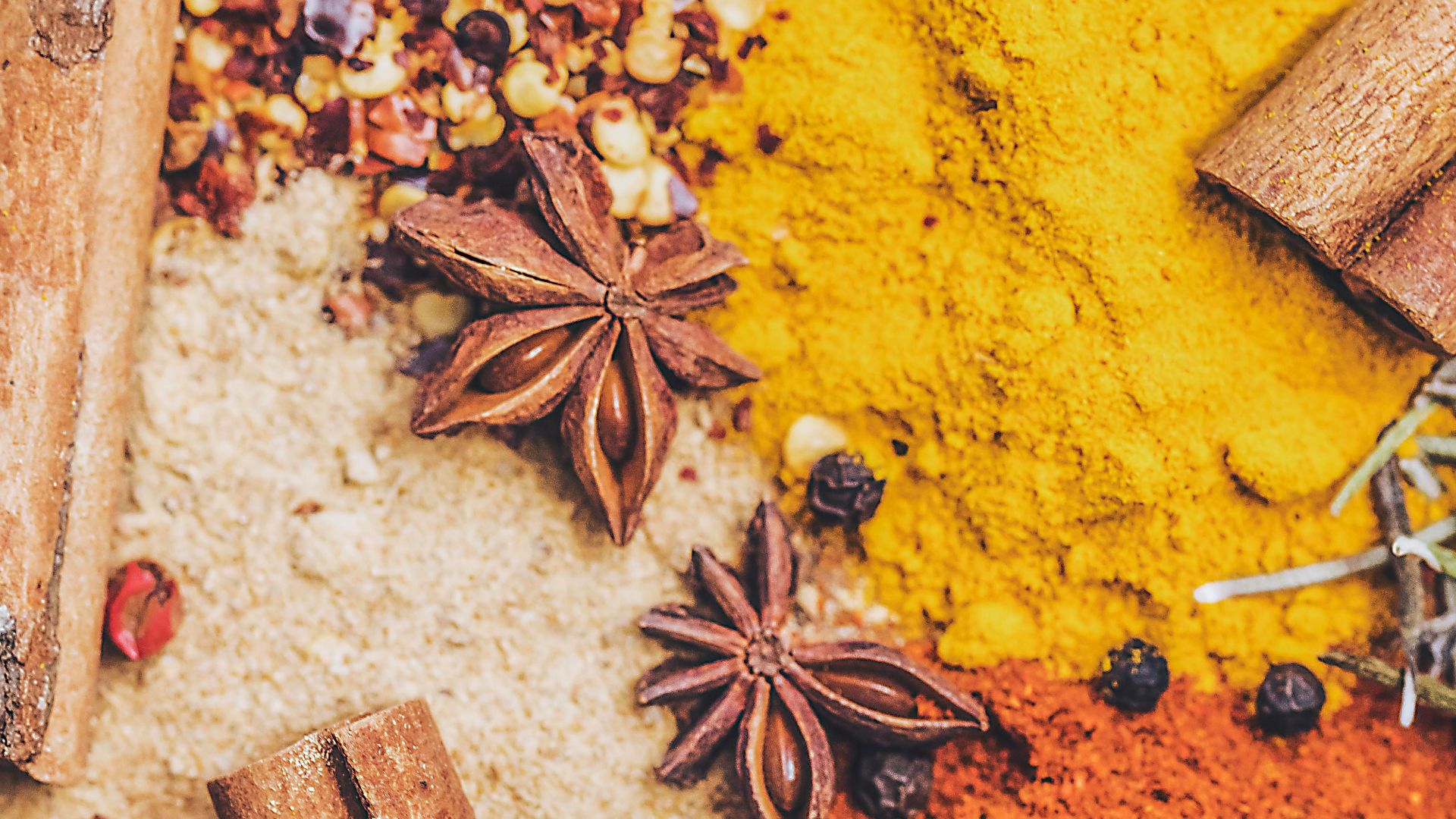
20. Freshly Ground Spices
Spices don't expire immediately, but their flavors oxidize quickly after you open the container. Invest in a pepper grinder and buy whole spices that you can grind as needed. You'll notice a bigger difference with spices that have more intense aromas, like black pepper, cumin, coriander, and nutmeg.
KEEP ON READING
The 5 Most Consumed Foods in the Entire World