Food That Stayed Home
Malaysian cooking does not rush to impress. Freshness often matters more than polish, and many dishes depend on place, climate, and timing in ways restaurants elsewhere struggle to copy. As a result, some foods stay stubbornly local. This list focuses on those quiet standouts. Expect textures that demand attention and flavors that make more sense once you slow down and meet them on their own terms. So, pick one dish from the list that surprised you most and make it your next food mission.
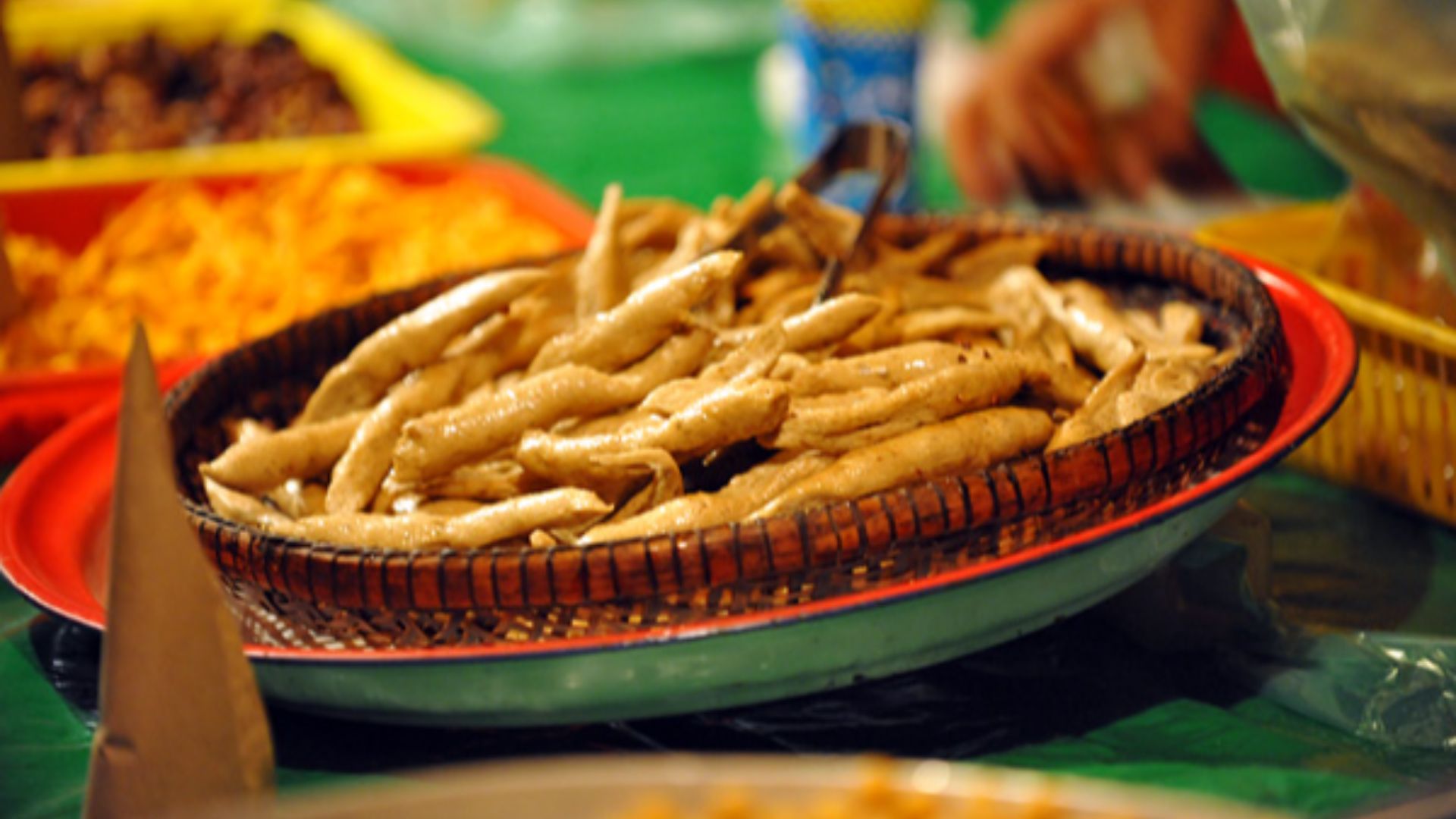
1. Keropok Lekor
Coastal snacks rarely travel well, and this explains why many people miss them. Fresh fish mixed with sago flour creates a chewy bite that firms as it cools. After boiling, frying adds contrast. Hands shape each roll, keeping the process stubbornly local.
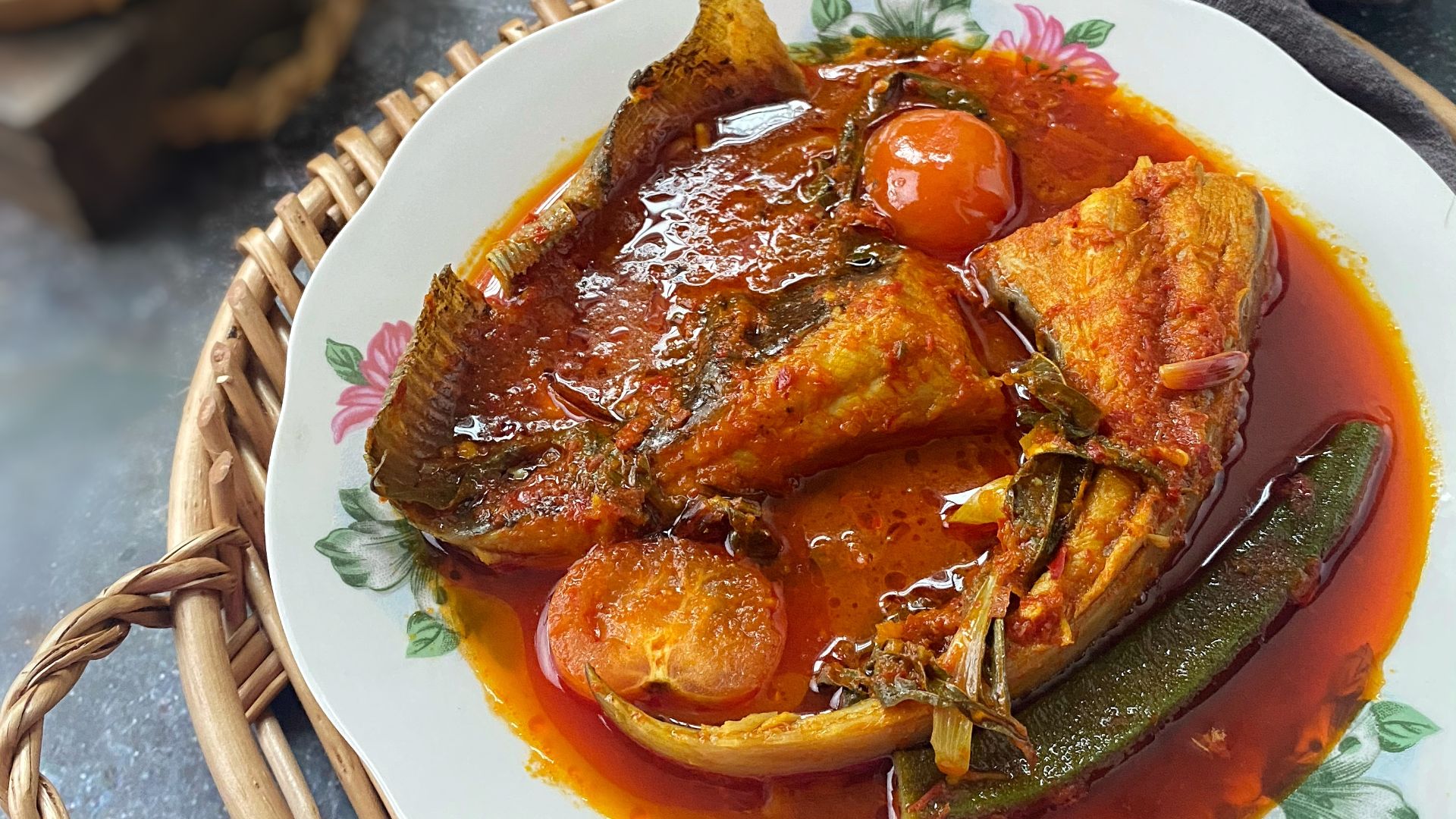
2. Asam Pedas
Tamarind drives the chemistry here, which lowers pH while chilies and belacan amplify aroma. Fish like stingray hold structure under heat by allowing the broth to stay sharp rather than muddy. Because fresh asam keping matters, the dish resists standardization outside southern Malaysia.
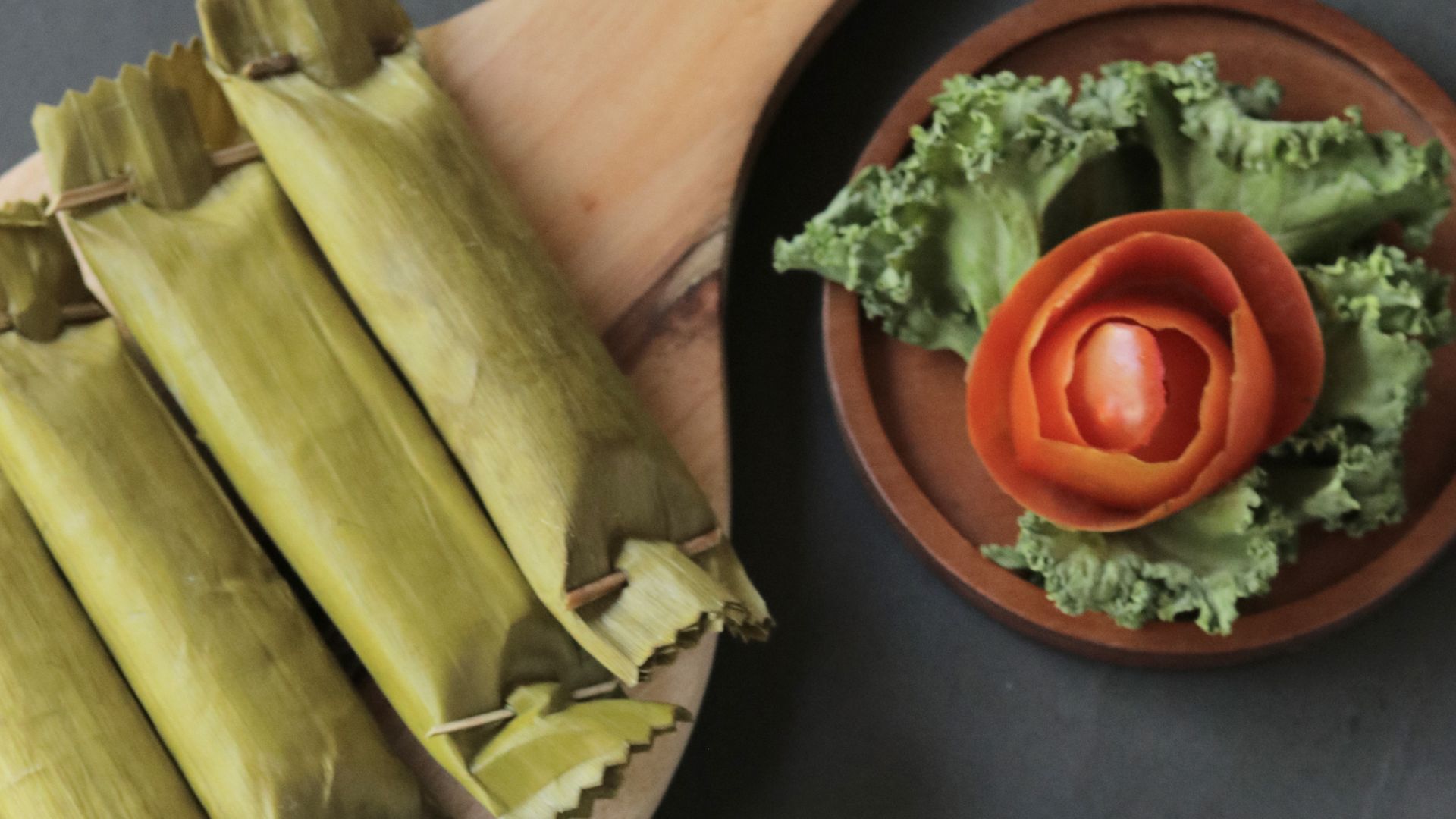
3. Otak Otak
The banana leaf does half the work before a bite even happens. Smoke settles in, coconut milk softens the paste, and spices warm without overwhelming. Despite the strange name, the texture surprises with a gentle touch. Street stalls sell it fast, mostly because patience runs out first.
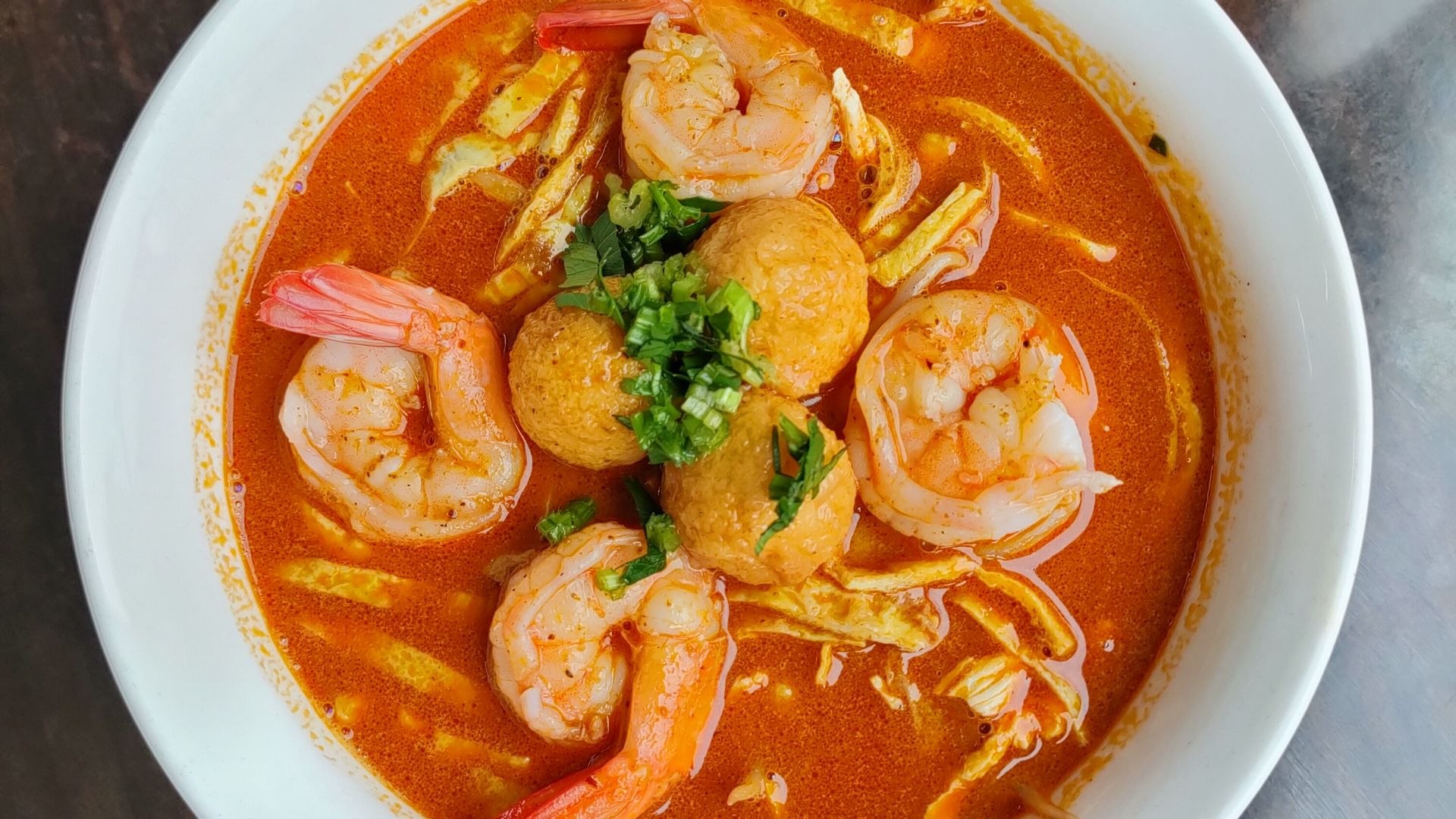
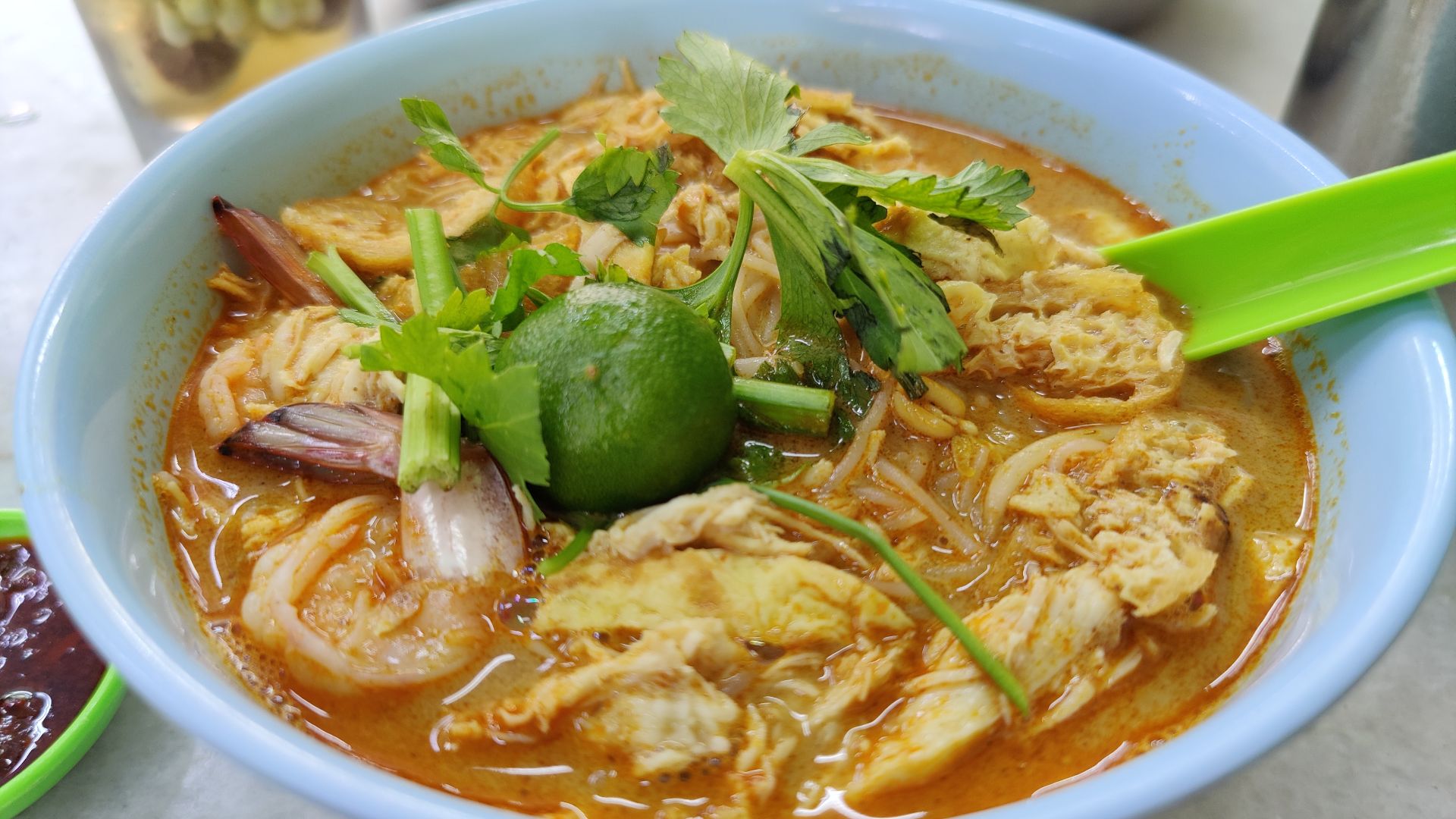
4. Sarawak Laksa
Breakfast soup sounds questionable until this bowl proves otherwise. Prawn broth meets coconut milk without turning heavy, while a proprietary spice paste does the real lifting. Toppings pile on confidently. Limited availability explains the hype, although locals treat it like another morning routine.
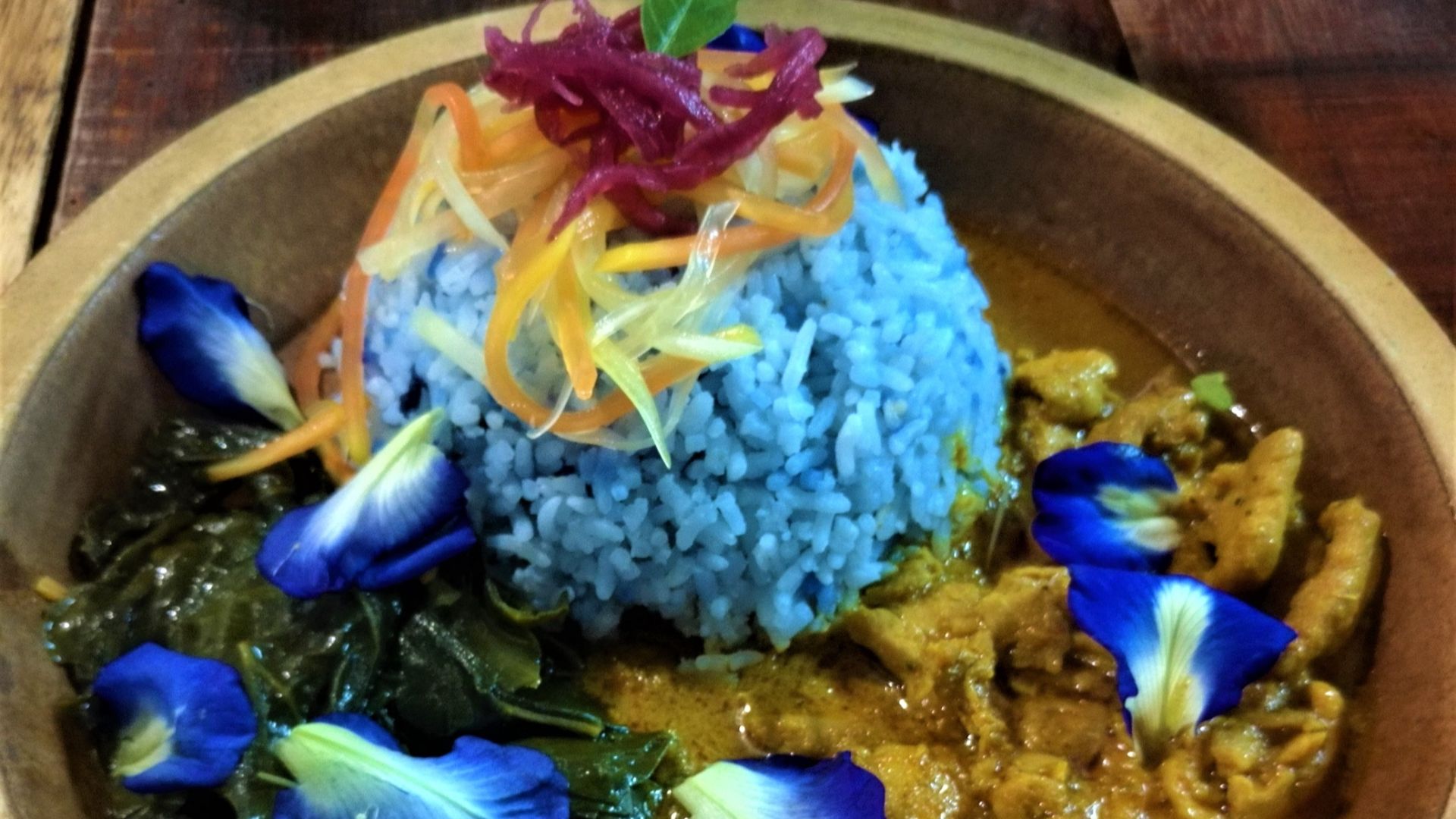
5. Nasi Kerabu
Butterfly pea flowers tint the rice naturally, signaling a dish built around herbs rather than heavy sauces. Fried fish, salted egg, and coconut sambal balance each other. Popular during Ramadan, preparation stays complex, which keeps it regional despite growing curiosity elsewhere.
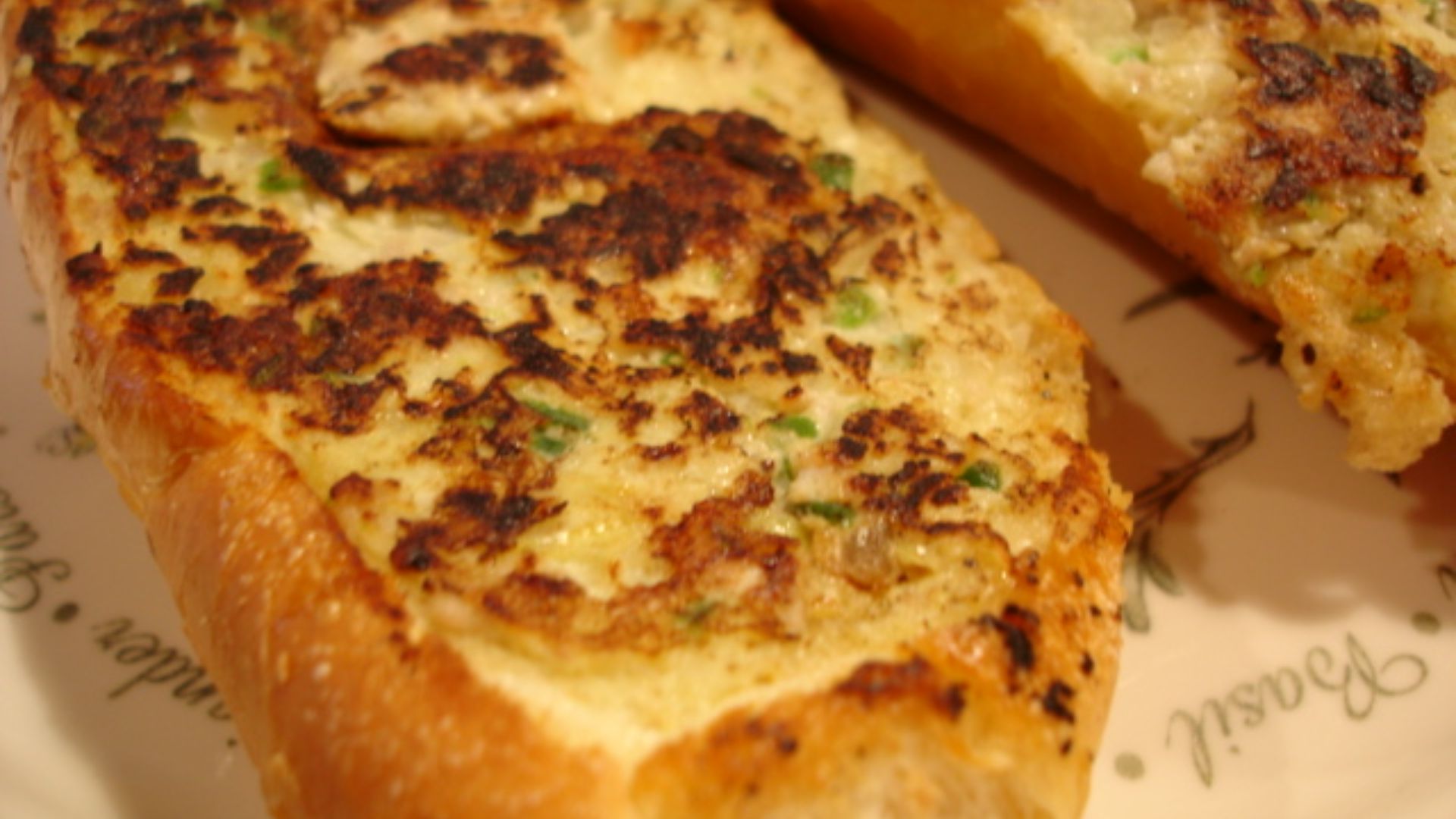
6. Roti John
Colonial bread met street-level ambition and never looked back. Egg soaks directly into the loaf as the minced meat cooks inside it. Plus, night markets keep it relevant. Besides, nothing polite survives chili sauce dripping onto hands after midnight.
 stef yau from Seattle, USA on Wikimedia
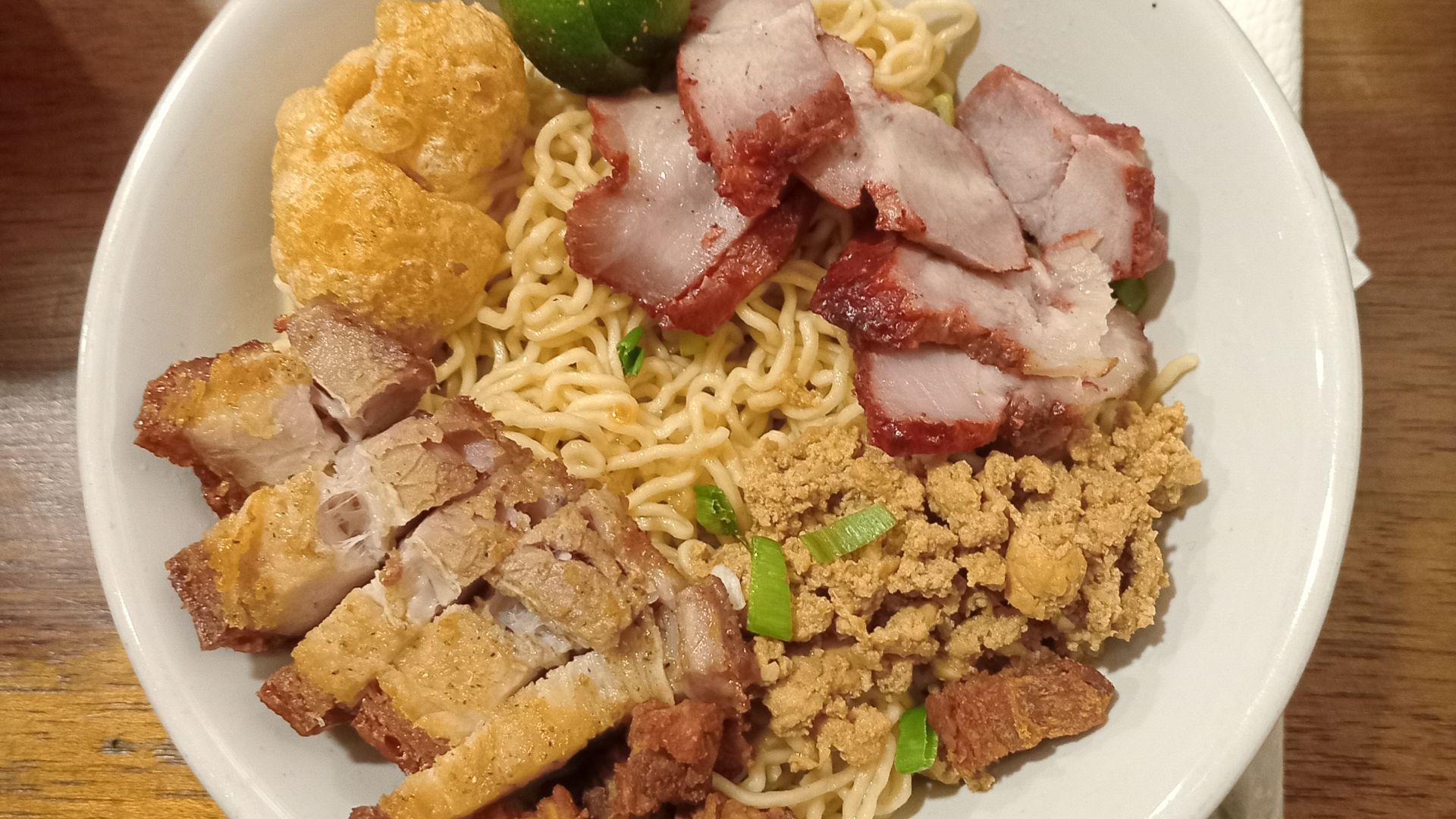
7. Kolo Mee
Breakfast arrives quietly in Kuching with dry tossed noodles slicked in shallot oil. Hakka roots matter here, yet restraint defines the bowl. No broth hides flaws. Quality noodles carry everything, which explains why this dish stays local and fiercely defended.
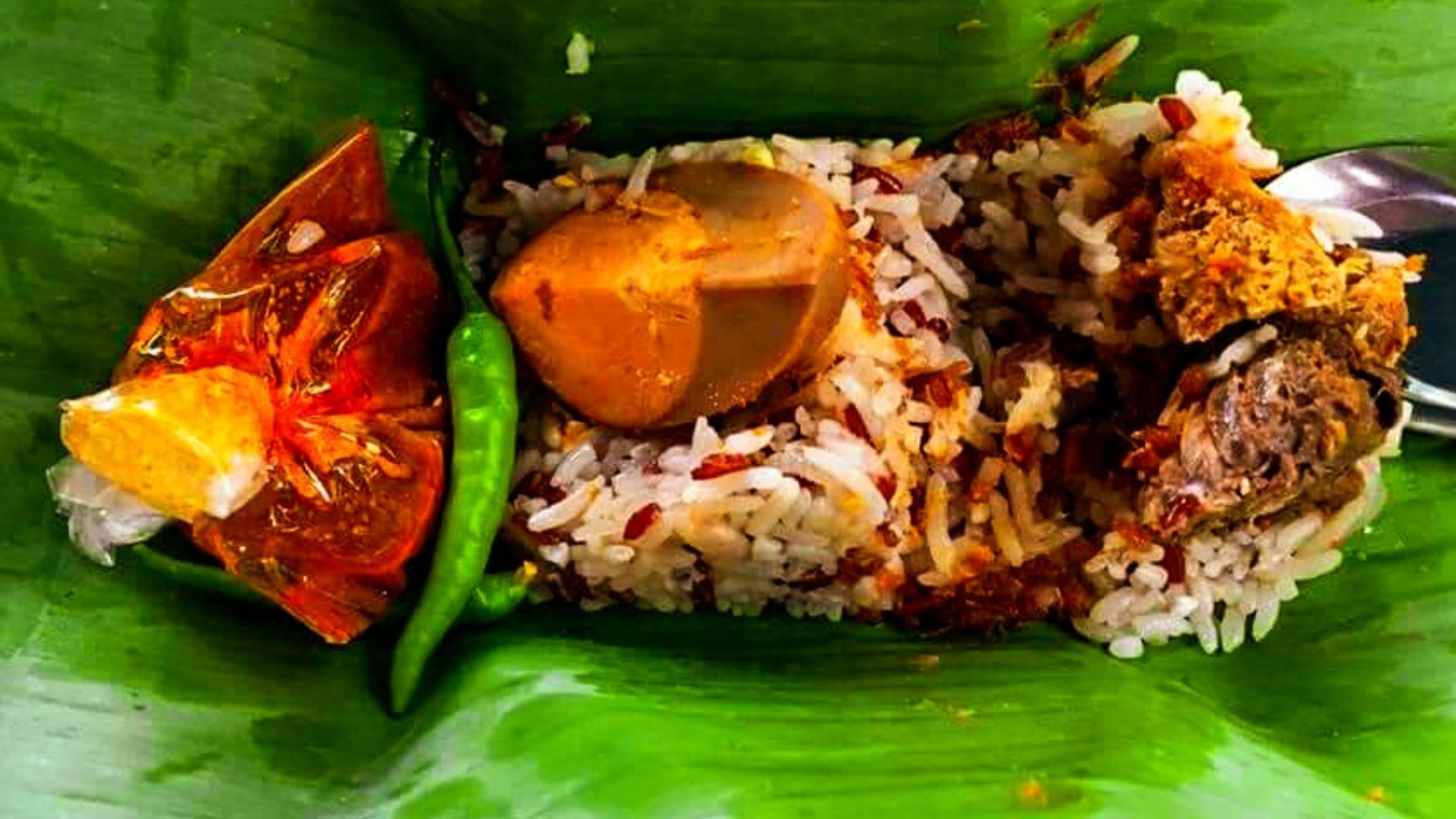
8. Nasi Dagang
Trade routes shaped this meal long before breakfast plates did. Coconut rice scented with fenugreek travels well, especially beside tuna curry. East coast families still serve it early. Memory clings to it, partly because preparation takes patience modern kitchens rarely allow.
 Amirudin Mohd Zani on Wikimedia
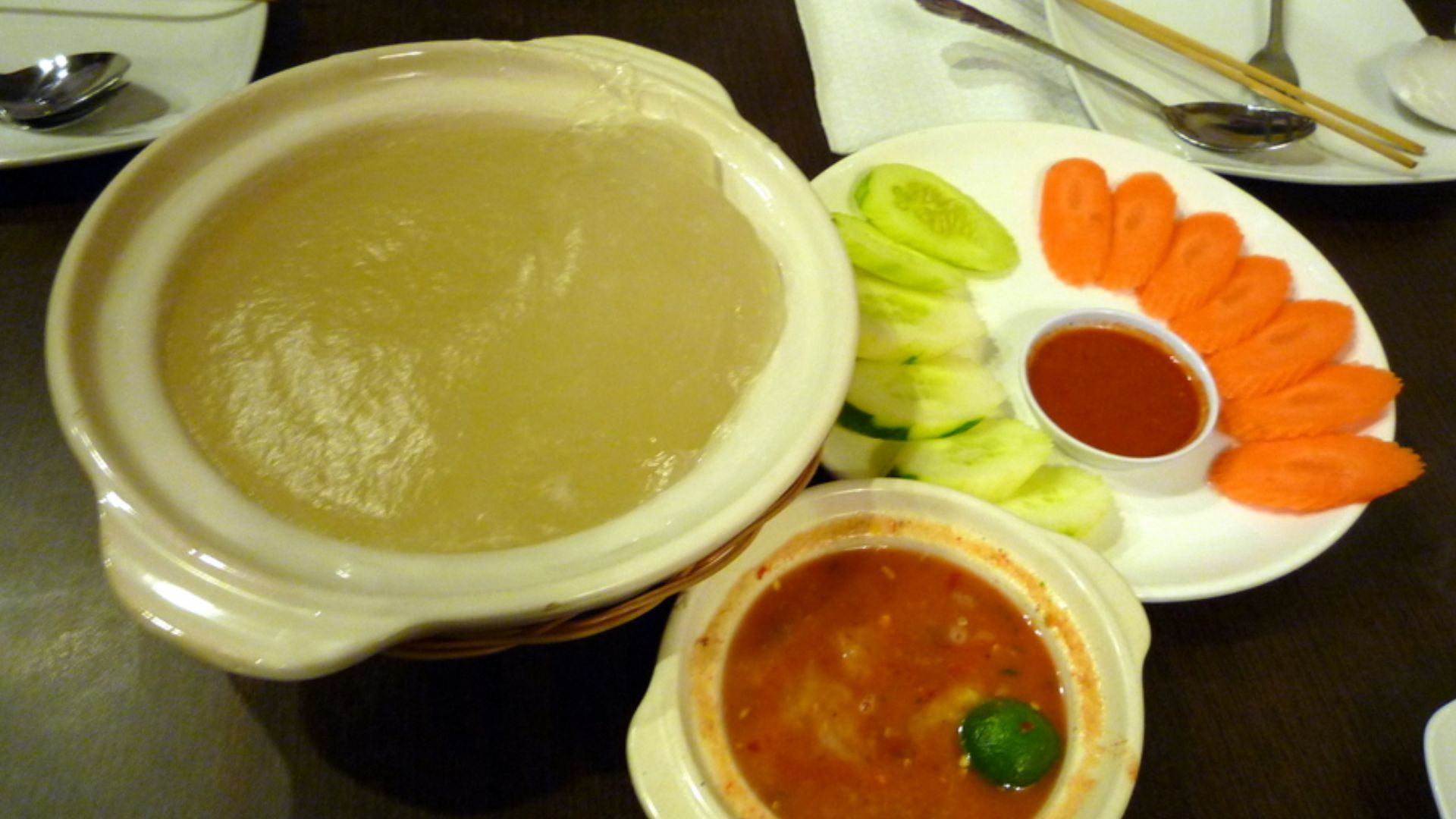
9. Ambuyat
Sago starch carries almost no flavor on its own, which makes sambal essential. Texture leads first, then heat and salt follow. Indigenous traditions center the meal around group timing. Eating also stays coordinated. Focus eventually shifts away from taste and toward participation.
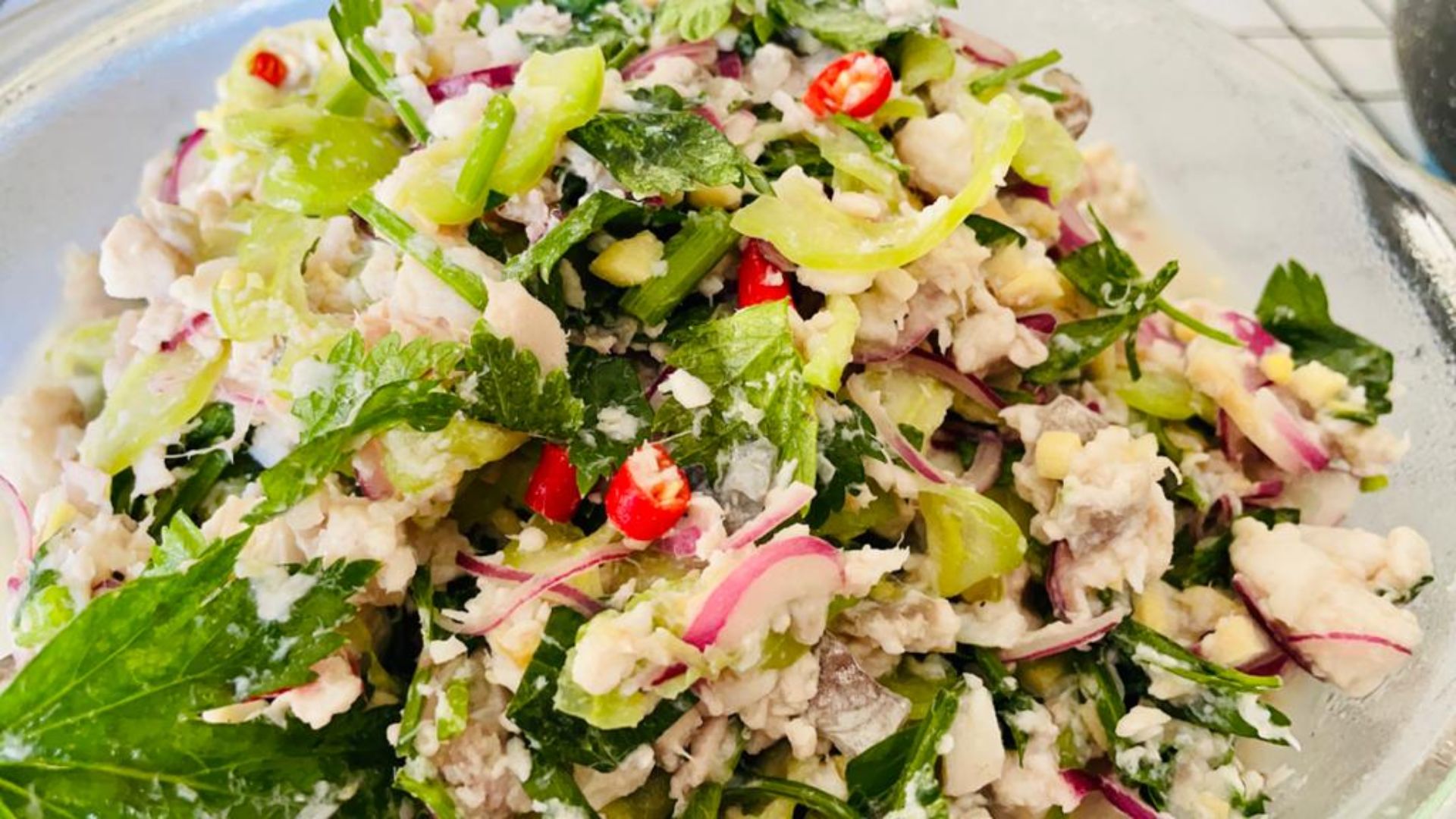
10. Hinava
Heat never enters the process, yet intensity builds fast. Lime also cures fish immediately, locking in freshness while chilies sharpen focus. Bitter gourd adds friction. Because timing decides safety, the dish rewards trust and punishes hesitation without apology.
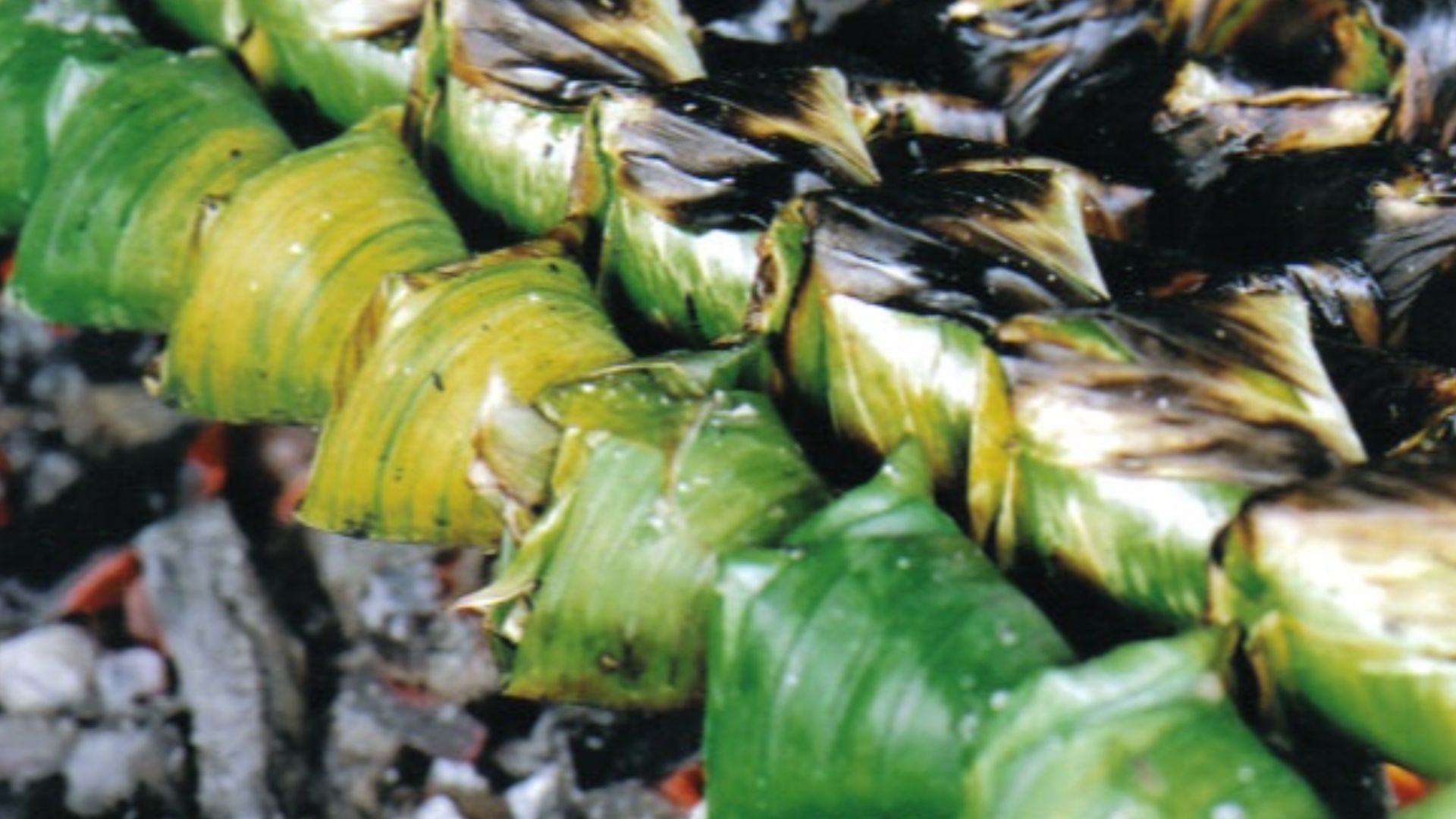
11. Satar
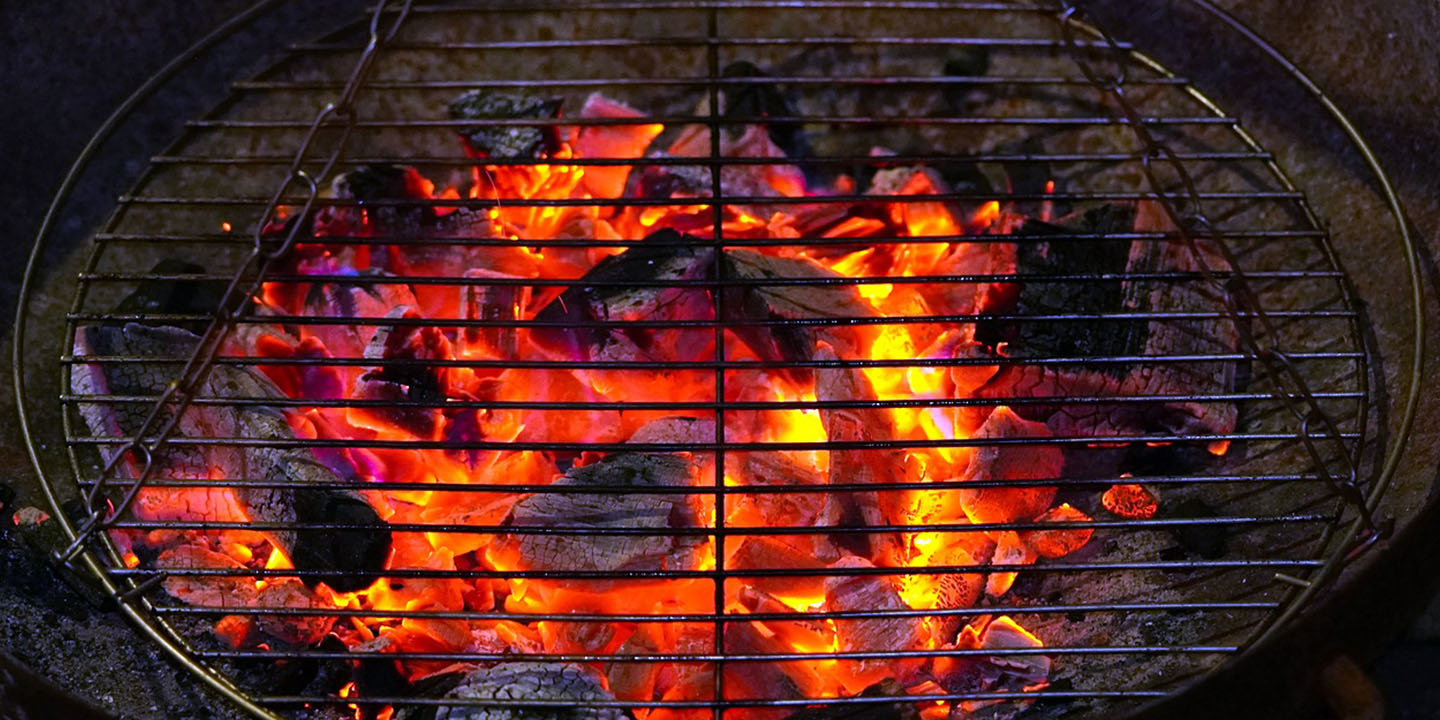
What started as fishermen figuring out what to do with extra sardines became satar. Fish paste, coconut, and spices get wrapped in banana leaves and grilled until smoky. The pyramid shape travels well, the charcoal reduces microbes, and somehow, this bold Terengganu snack still flies under the radar globally.
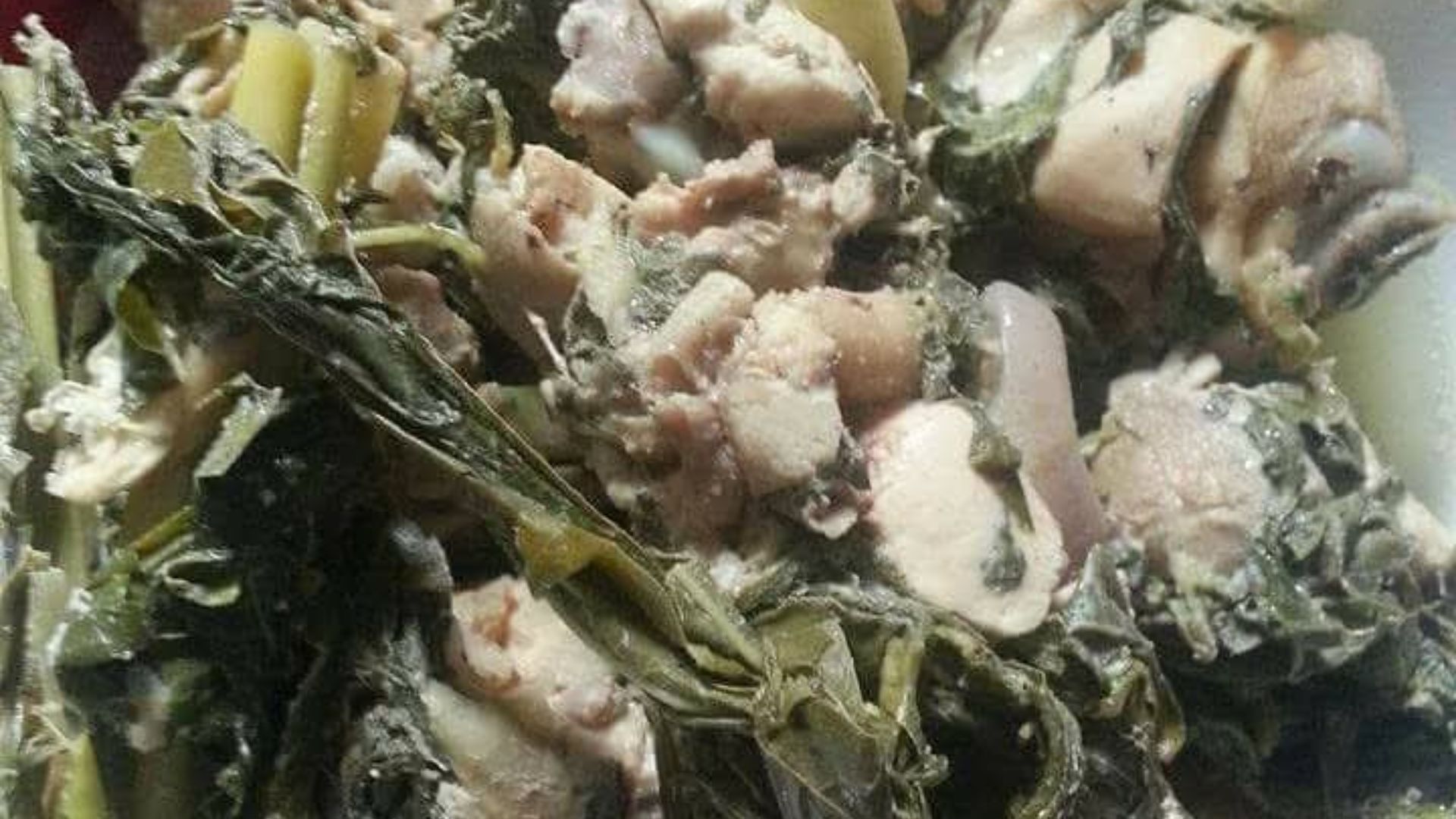
12. Ayam Pansoh
Bamboo once doubled as cookware and a container. Chicken steams inside with forest aromatics, absorbing moisture without fat. Longhouse traditions favored this approach for portability since fire does the work quietly. Afterward, the meat pulls apart easily, which carries smoke and restraint instead of aggressive seasoning.
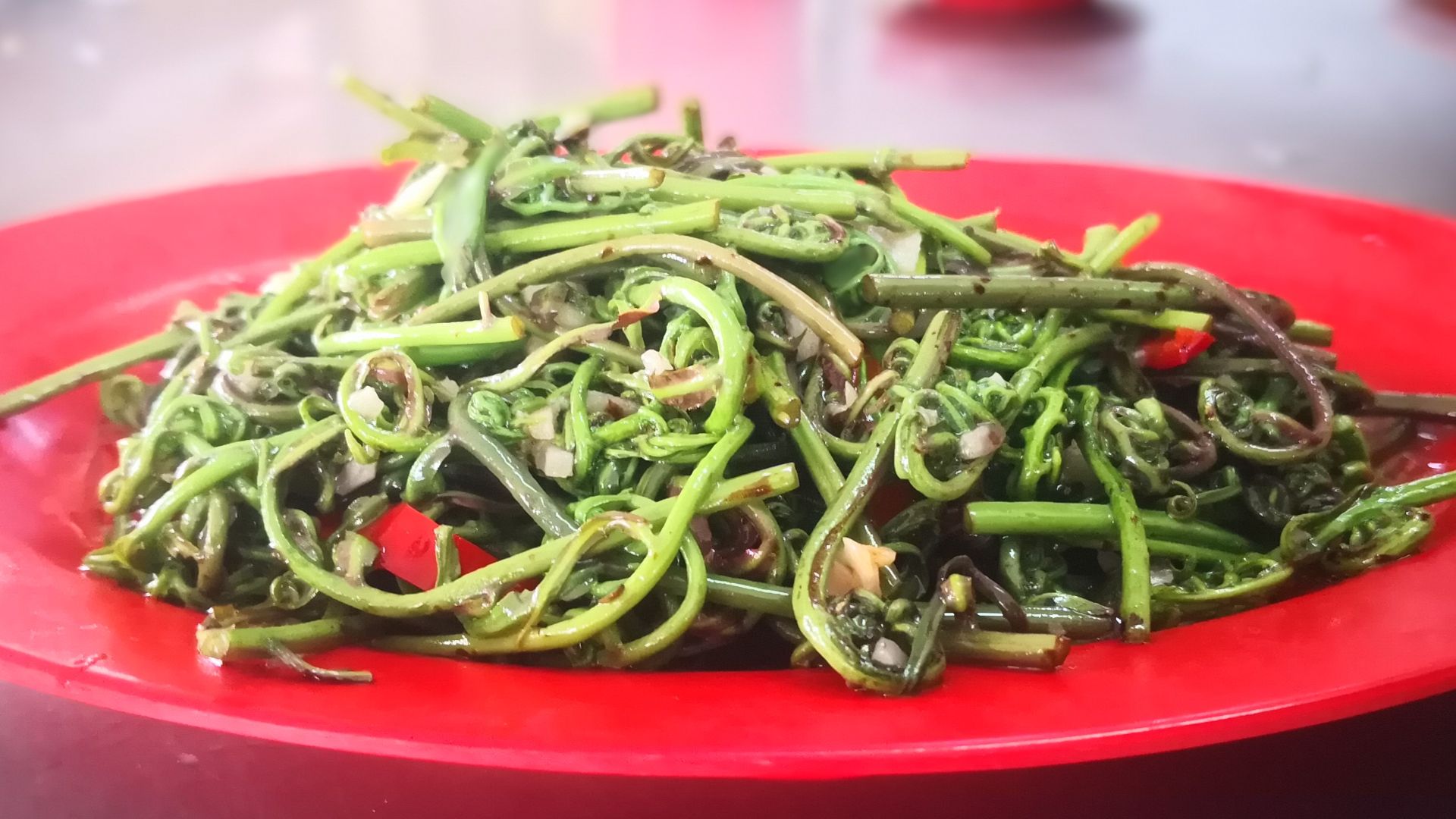
13. Midin
Wild ferns respond differently to heat than cultivated greens. High moisture content further preserves crunch briefly, while harvest location affects bitterness. Foraged vegetables like this resist export because their texture degrades fast, and this explains their absence beyond regional kitchens.
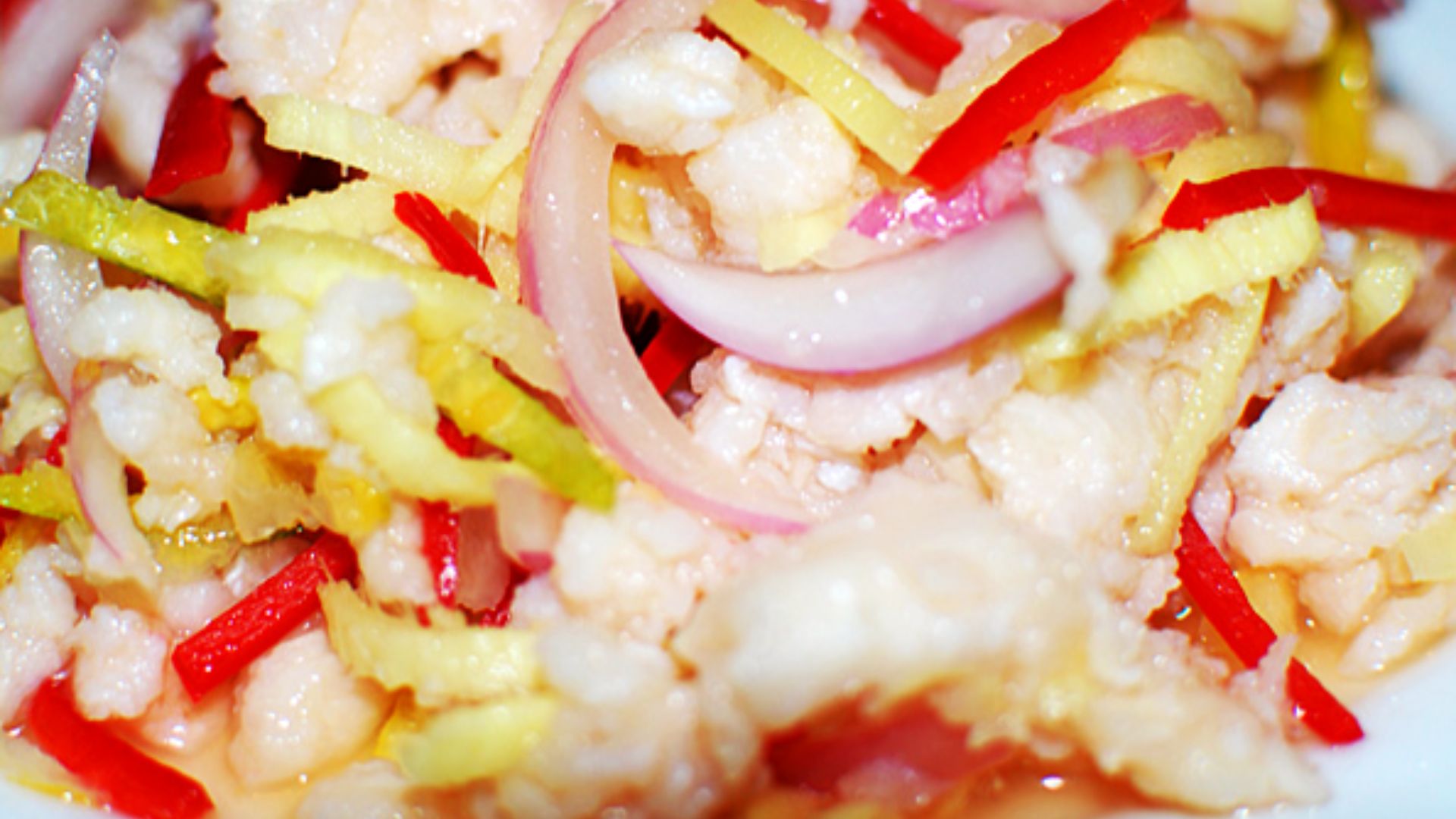
14. Umai
No heat. No waiting. Acid handles preservation fast so that the raw seafood stays firm, onions add bite, and chilies keep balance honest. Fishermen relied on speed, not storage. And even now, freshness determines success more than seasoning or presentation.
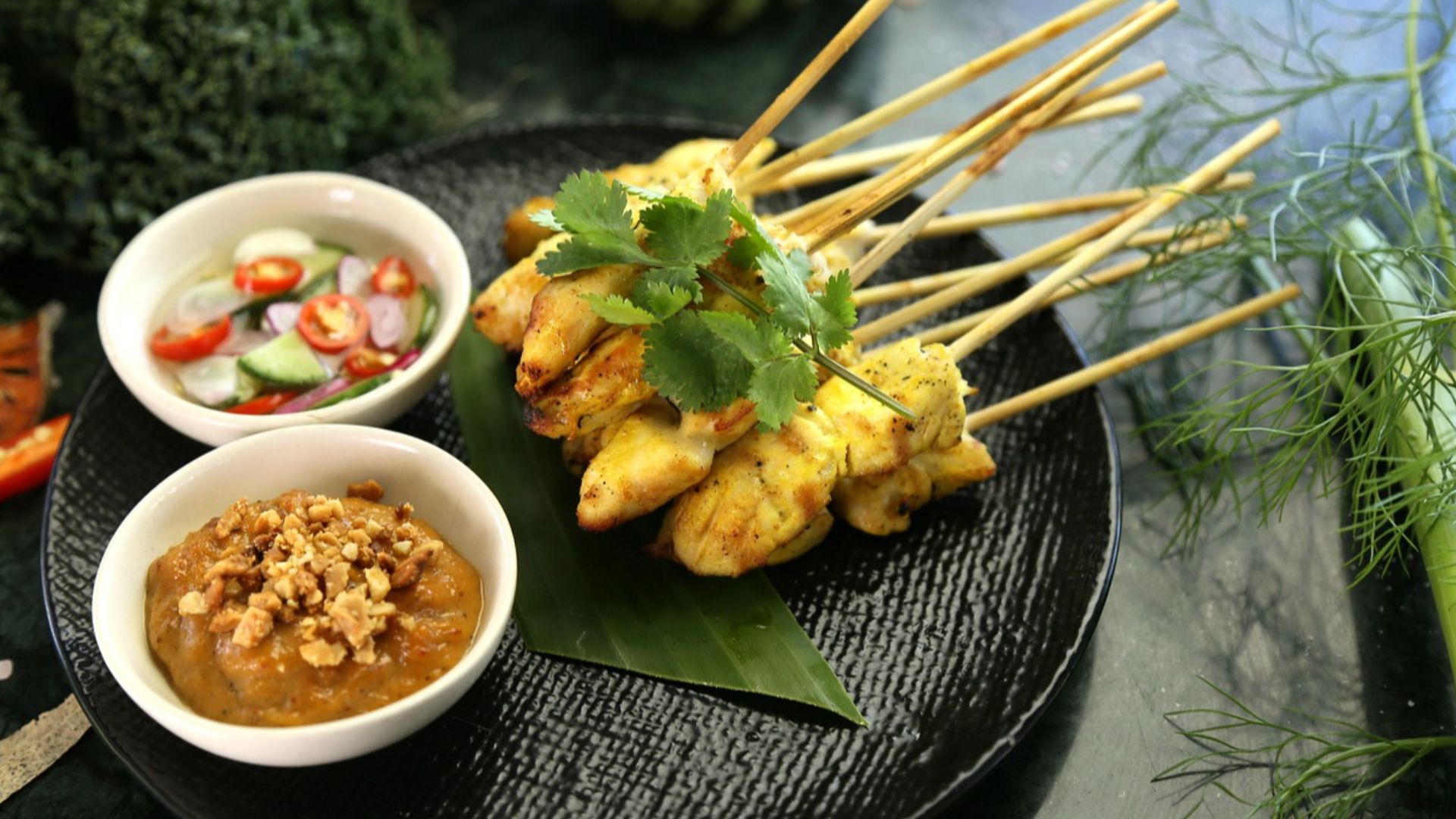
15. Satay Celup
Grilling takes a back seat here. Skewers plunge into bubbling peanut sauce instead. Choices pile up quickly, which also explains the chaos around the pot. Control disappears fast. Yet eating slows everyone down, since impatience risks soggy meat and burned fingers.
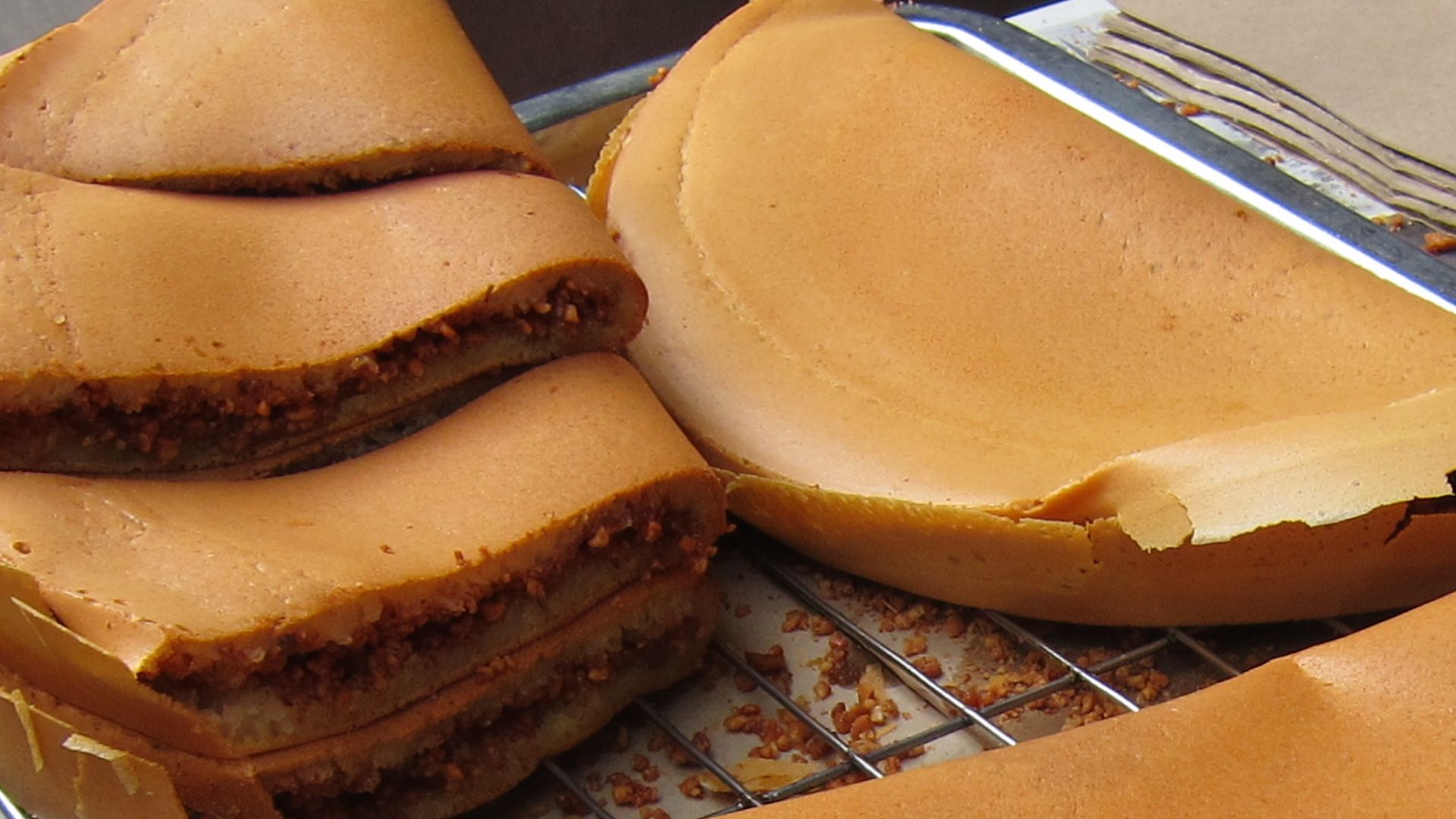
16. Apam Balik
Night markets taught patience through smell alone. Batter spreads thick, peanuts toast slowly, and sugar melts in the heat. Folding further seals everything inside. Childhood memories cling to that first crack. Plus, the unique texture matters more than sweetness, keeping queues steady across generations.
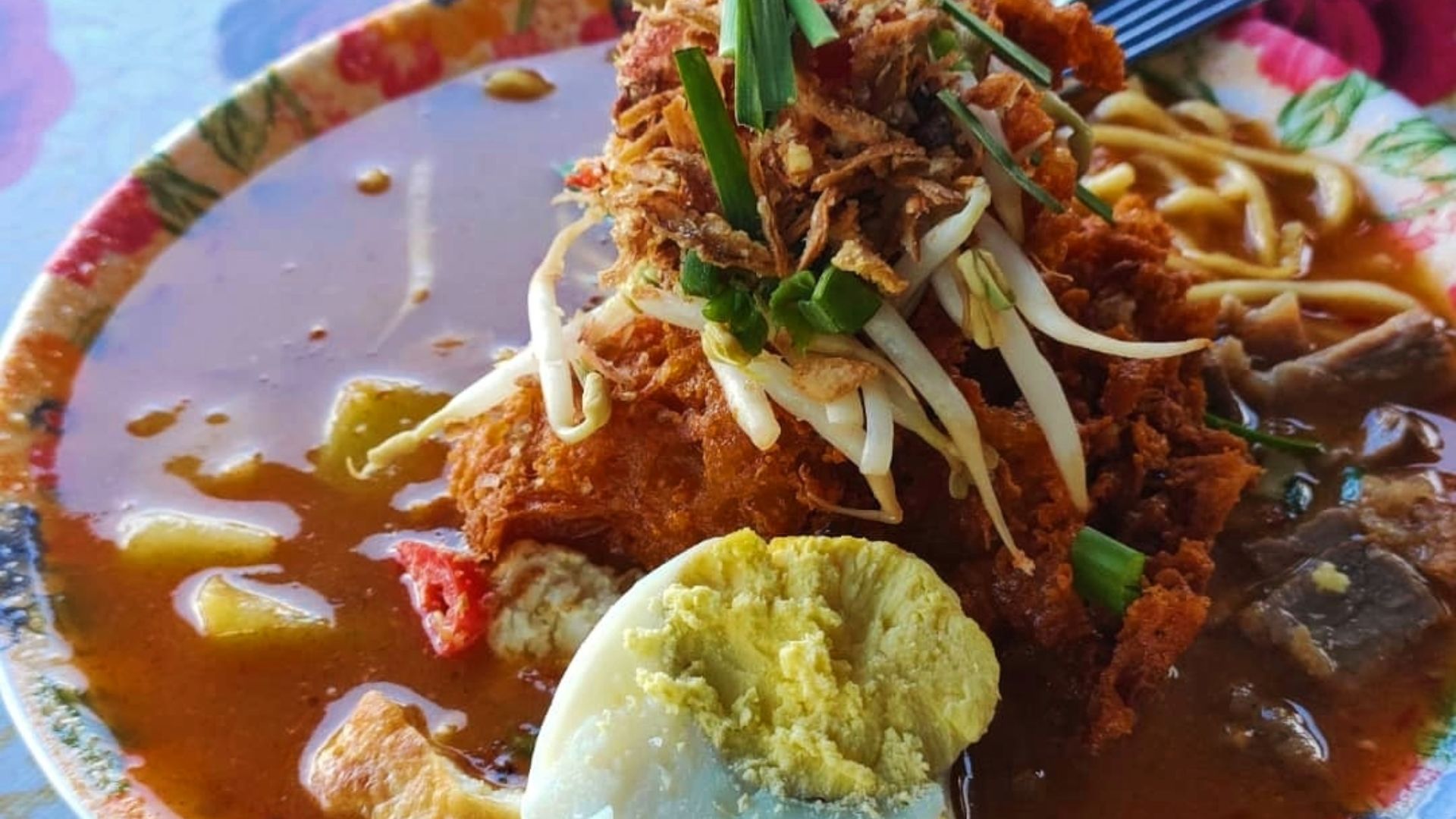
17. Mee Rebus
Yellow noodles meet sweet potato gravy thickened naturally. Protein varies by region, though the base stays consistent. Javanese influence shapes spice balance. Because starch drives texture here, timing matters. Overcooked noodles collapse fast, which ruins the intended contrast.
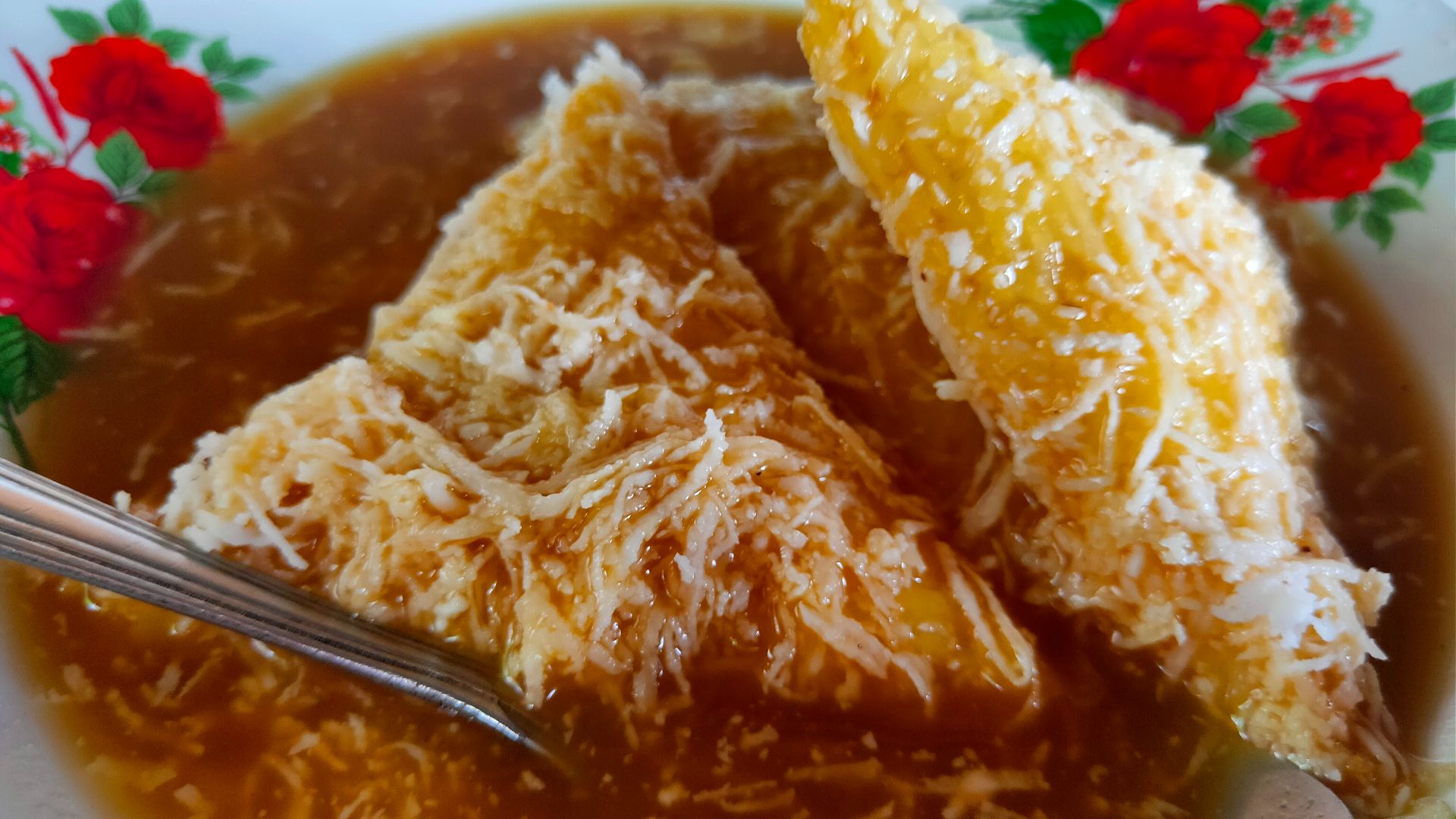
18. Kuih Lopes
Kuih Lopes is a traditional Malaysian kuih made from glutinous rice cooked with pandan for a fragrant, lightly green tint. It’s shaped into compact parcels, sliced, then coated in freshly grated coconut. The finishing touch is gula melaka (palm sugar) syrup, adding rich caramel sweetness to every chewy bite.
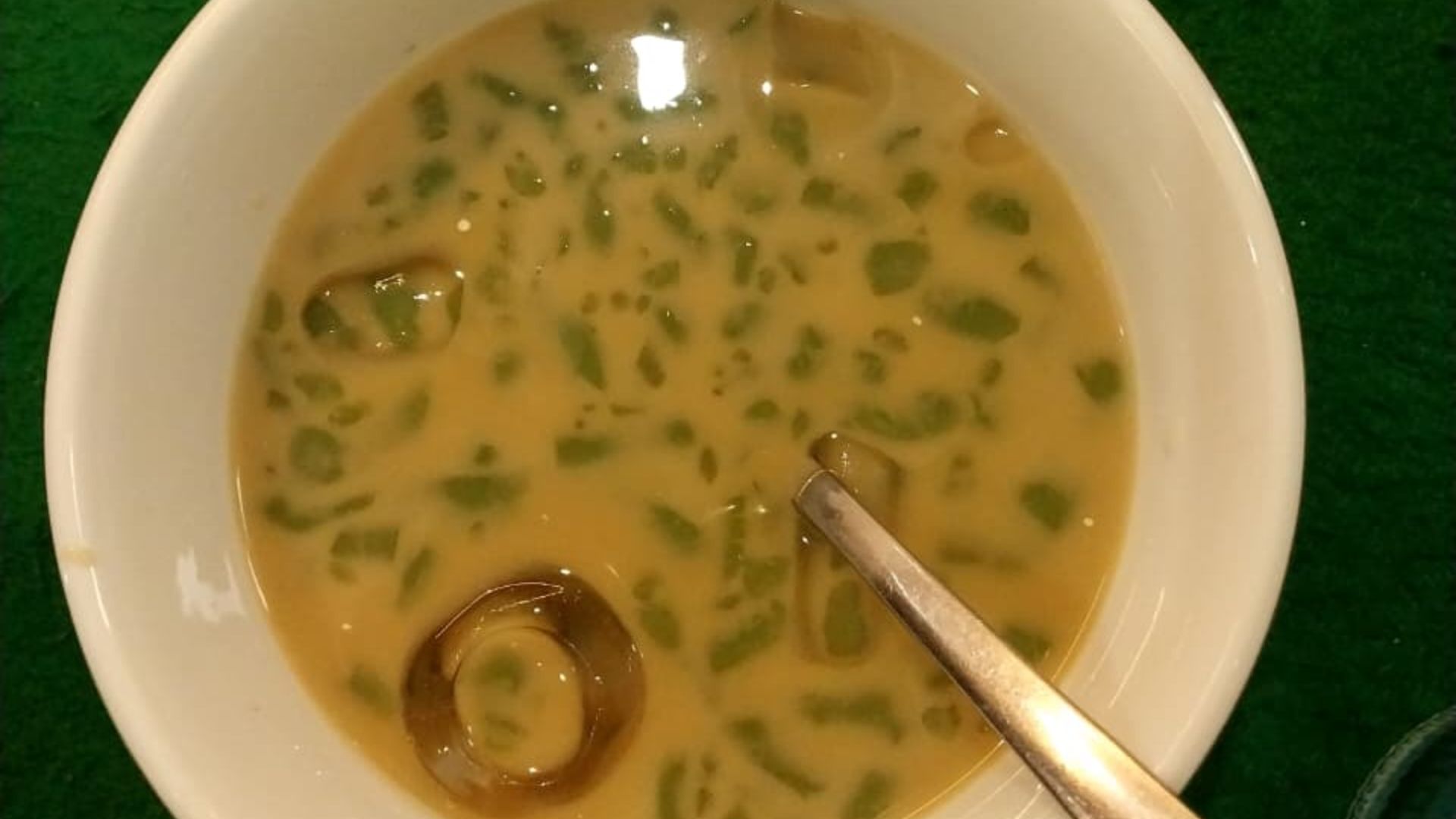
19. Bubur Anak Lebah
This comforting Malaysian dessert porridge featuring tiny, chewy “bee larvae” dumplings made from rice flour. The little pellets are simmered in sweet coconut milk, often scented with pandan, and served warm. Its creamy texture and gentle sweetness make it a nostalgic treat, especially during rainy days.
20. Ramly Burger
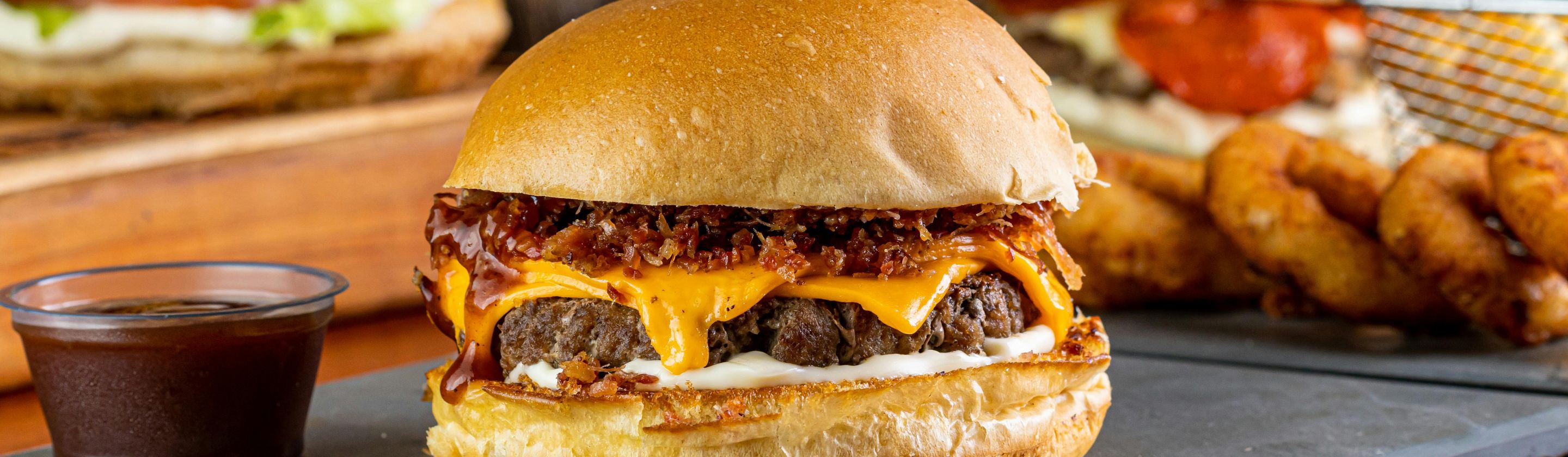
Egg wraps keep things nicely contained while sauces multiply fast. Founded for halal certainty, the burger thrives after midnight in street markets more than during daylight. Replication struggles abroad, since brand loyalty matters more than culinary technique or plating discipline.
KEEP ON READING
Happy Hour: The 20 Best Foods For Social Snacking