20 Restaurant Foods That Used to Feel Fancy but Don’t Anymore
From Fancy to Everyday Foods
Some restaurant dishes used to come with a certain amount of luxury attached to them. You ordered them for anniversaries, business dinners, or nights when everyone actually bothered to dress up. Simply seeing them on the menu automatically made a place feel more upscale. Over time, though, chain restaurants, supermarket versions, and changing dining habits made many of those once-special foods feel surprisingly ordinary. Here are 20 restaurant foods that used to feel fancy but don't anymore.
1. Shrimp Cocktail
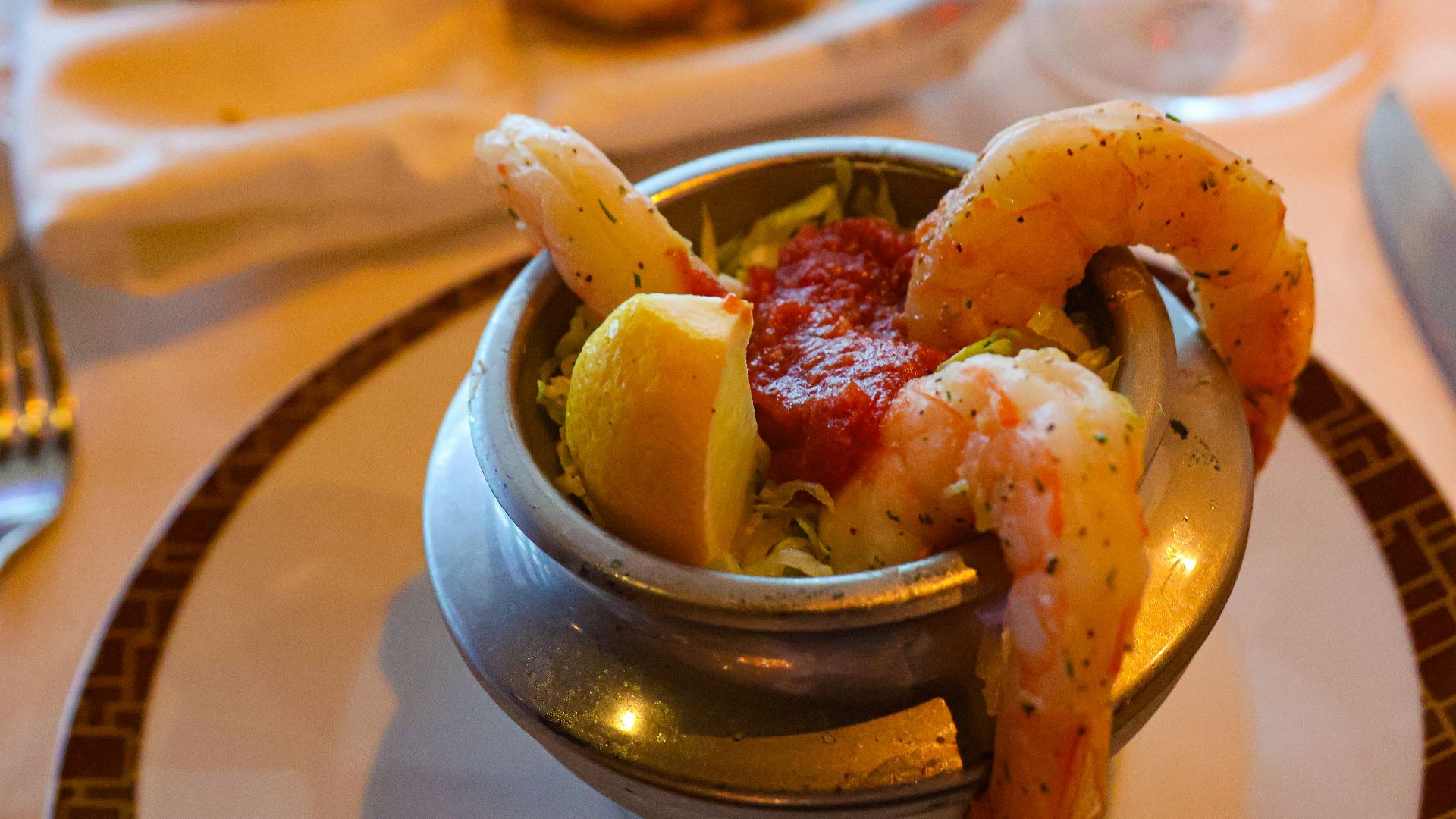
There was a time when starting dinner with shrimp cocktail immediately made the meal seem more sophisticated. The dish became especially associated with upscale American dining rooms, steakhouses, and Las Vegas casinos during the mid-20th century. These days, however, chilled shrimp and cocktail sauce show up everywhere from grocery-store party trays to casual chain restaurants.
2. French Onion Soup
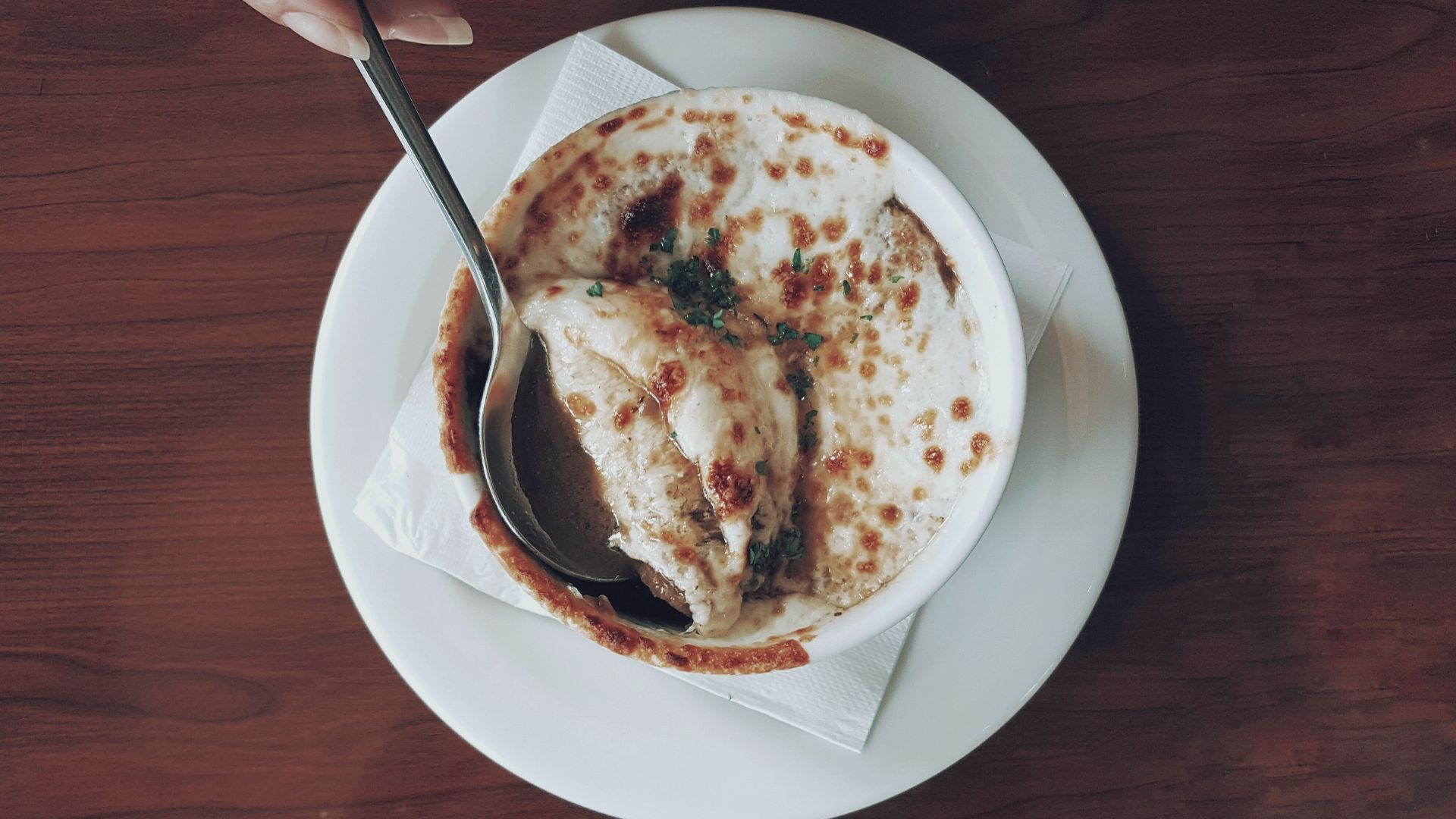
A bubbling crock of French onion soup once had a distinctly continental reputation in the U.S. Restaurants could make a meal seem more elegant simply by topping caramelized onions and broth with a thick layer of bread and melted Gruyère. Now it’s such a familiar steakhouse and chain-restaurant staple that most diners probably aren’t blown away when one arrives at the table.
 Maria Isabelle Warren on Pexels
3. Chicken Cordon Bleu
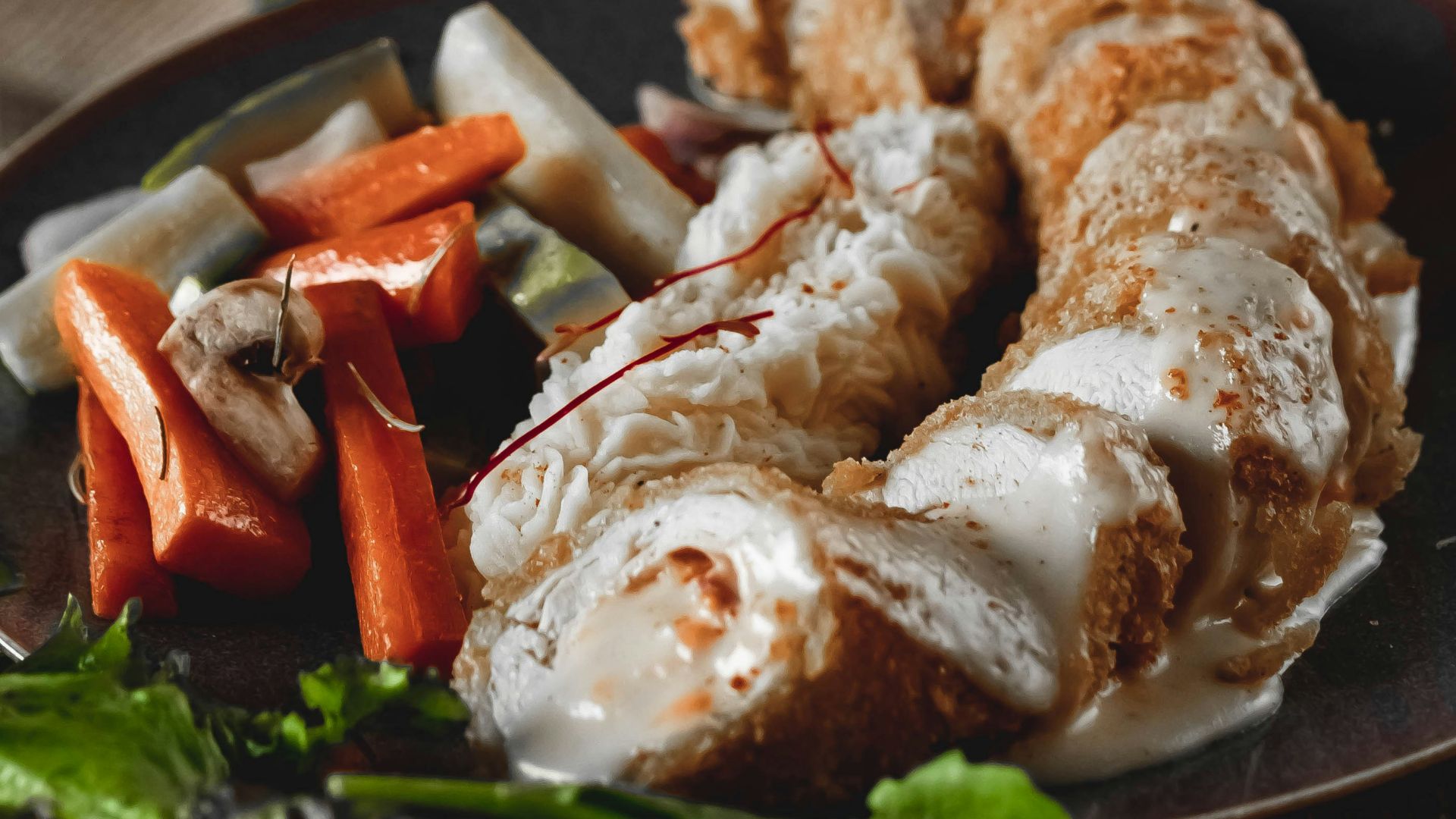
Chicken stuffed with ham and cheese sounded extremely refined to generations of American diners, particularly when the dish was described by its French name.
It became a popular choice at formal dinners, country clubs, banquets, and wedding receptions during the second half of the 20th century. Once frozen versions started filling supermarket freezers, however, some of that special-occasion shine disappeared.
4. Lobster Tail
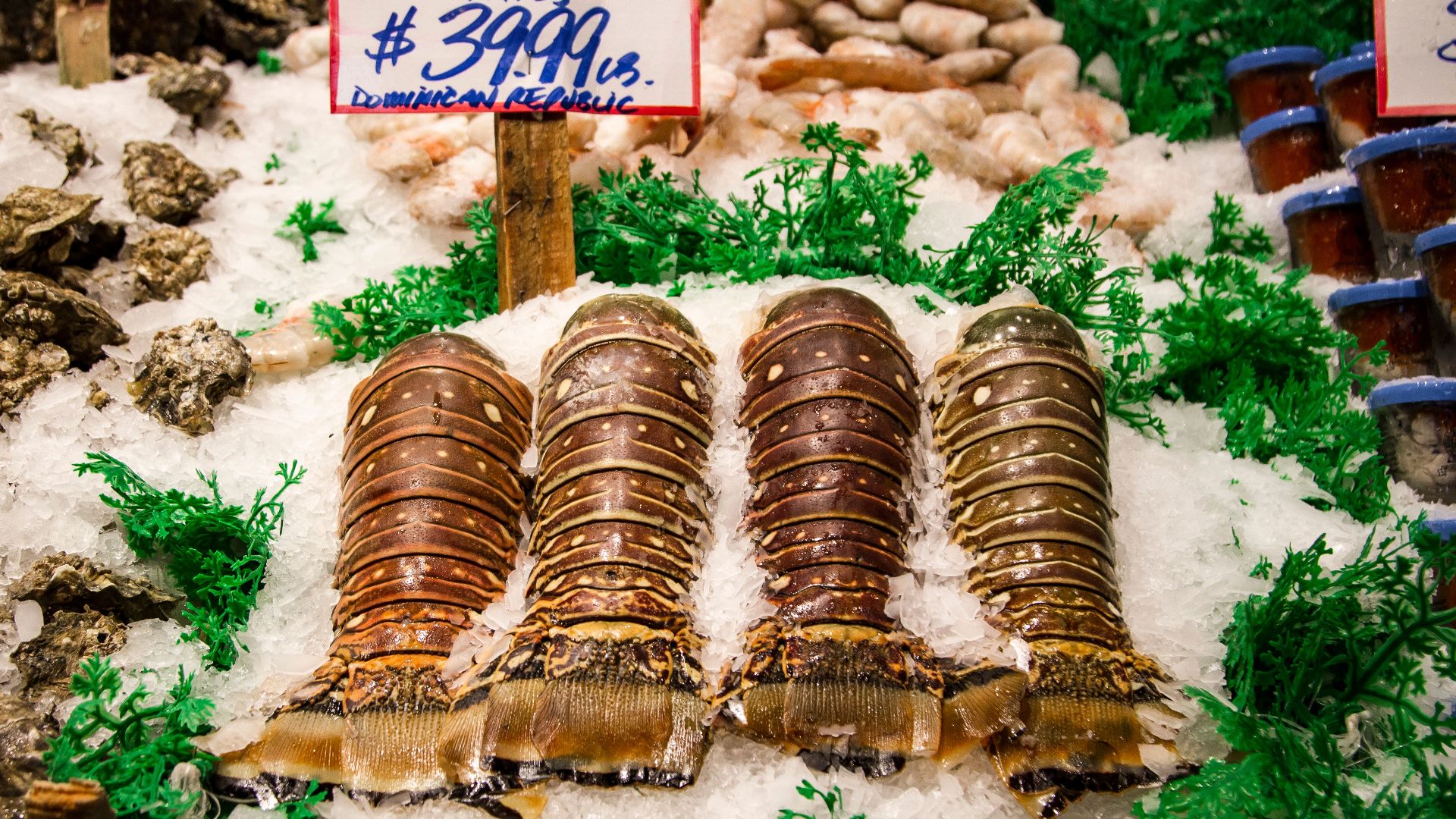
Few foods announced a splurge quite as clearly as a broiled lobster tail sitting beside a steak. Lobster itself is still expensive, but restaurant chains and surf-and-turf promotions have made the tail far more familiar than it once was. You can even find frozen lobster tails in ordinary supermarkets now, which makes the dish much more accessible.
5. Caesar Salad
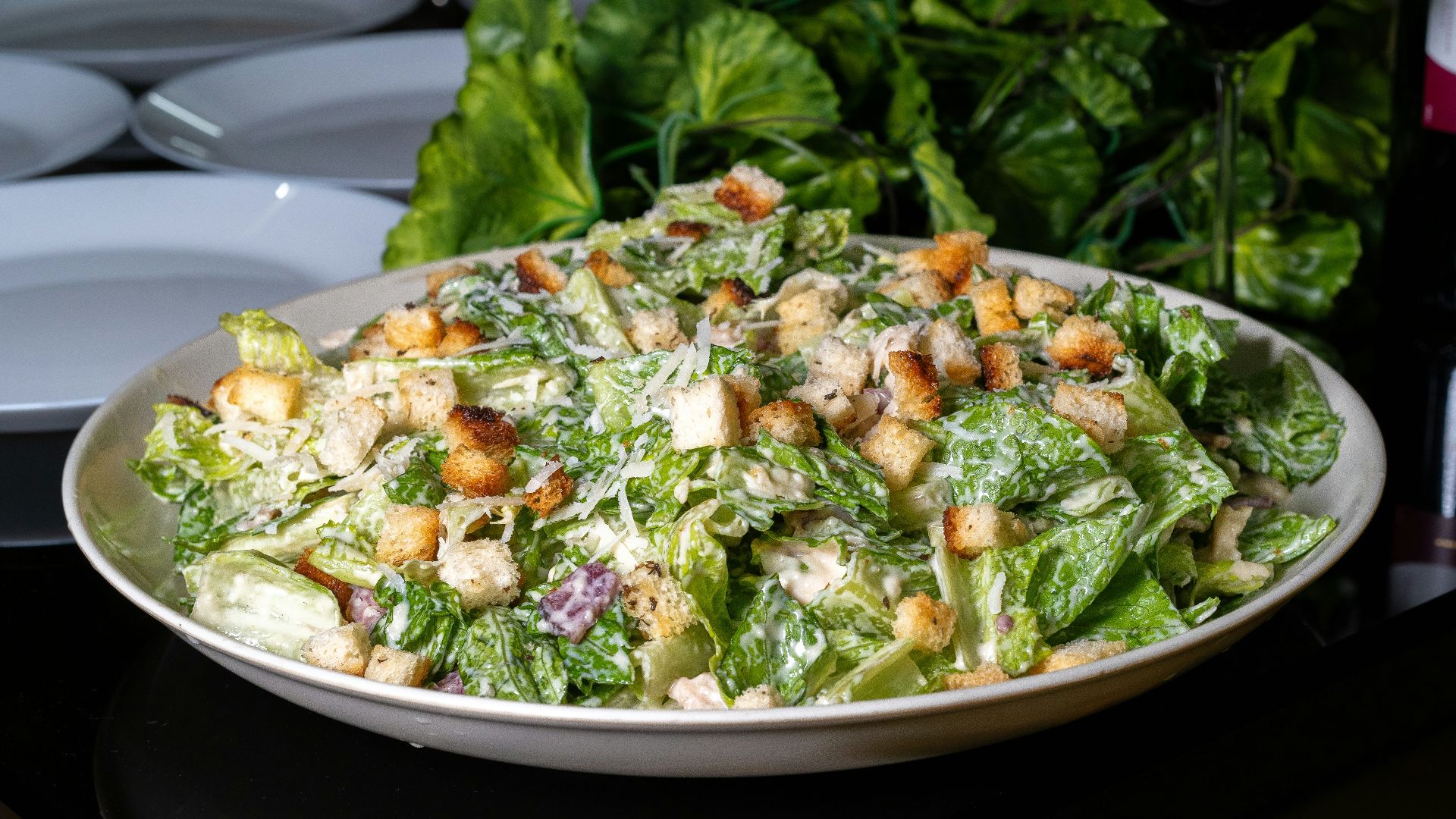
A Caesar salad used to come with a little more ceremony than tossing lettuce into a bowl. Higher-end restaurants often prepared it tableside, combining the dressing, Parmesan, croutons, and romaine directly in front of diners. Today, Caesar salad appears everywhere from basic pubs to high-end restaurants and grab-and-go counters in between.
6. Beef Wellington
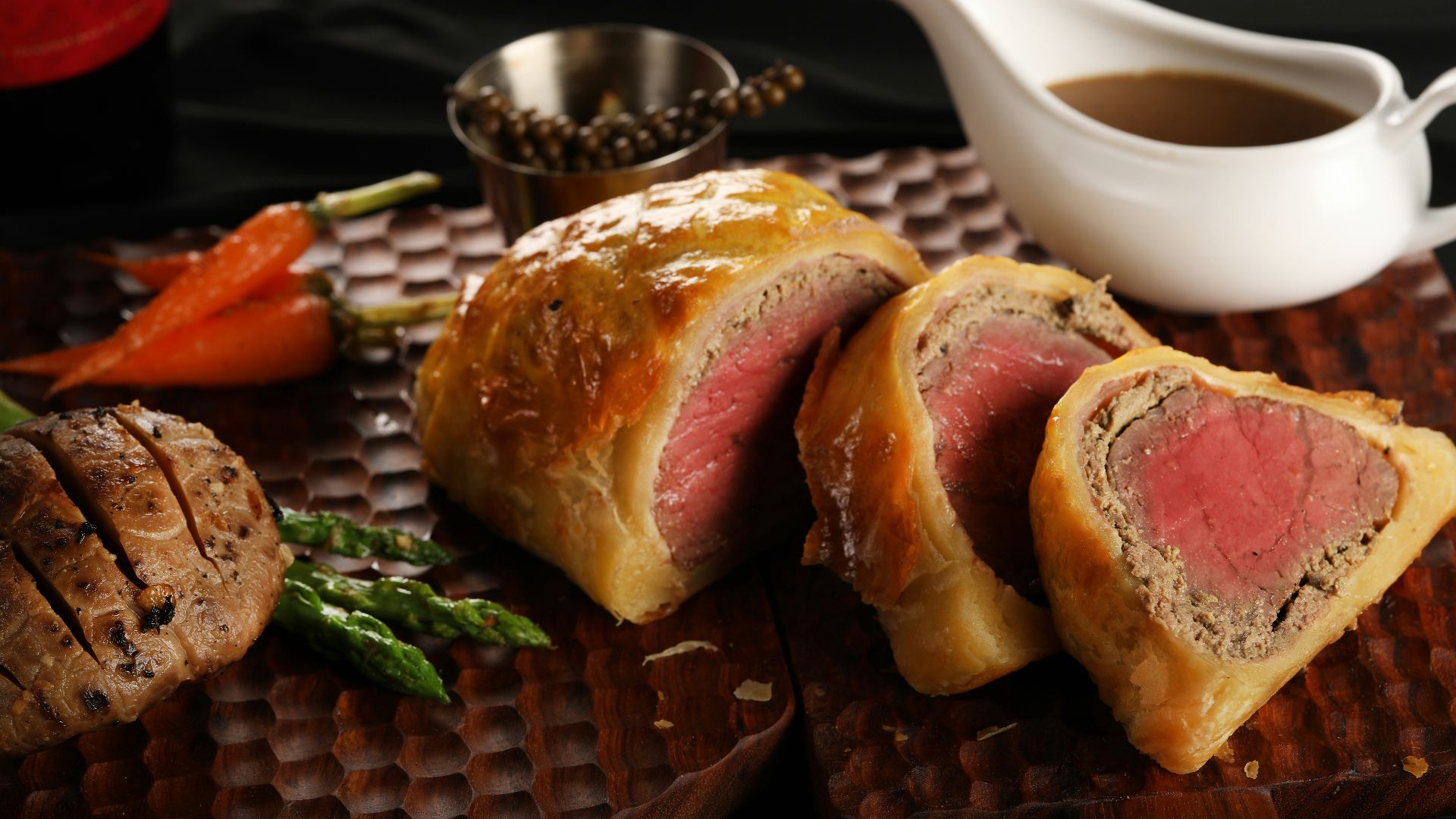
Beef Wellington still takes skill to prepare properly, but its reputation has changed considerably. The combination of beef tenderloin, mushroom duxelles, and pastry was long associated with formal dining and elaborate dinner parties where presentation mattered almost as much as flavor. Cooking shows, gastropubs, and countless individual Wellington variations have made it far more recognizable, even if most people still aren’t making it from scratch after work.
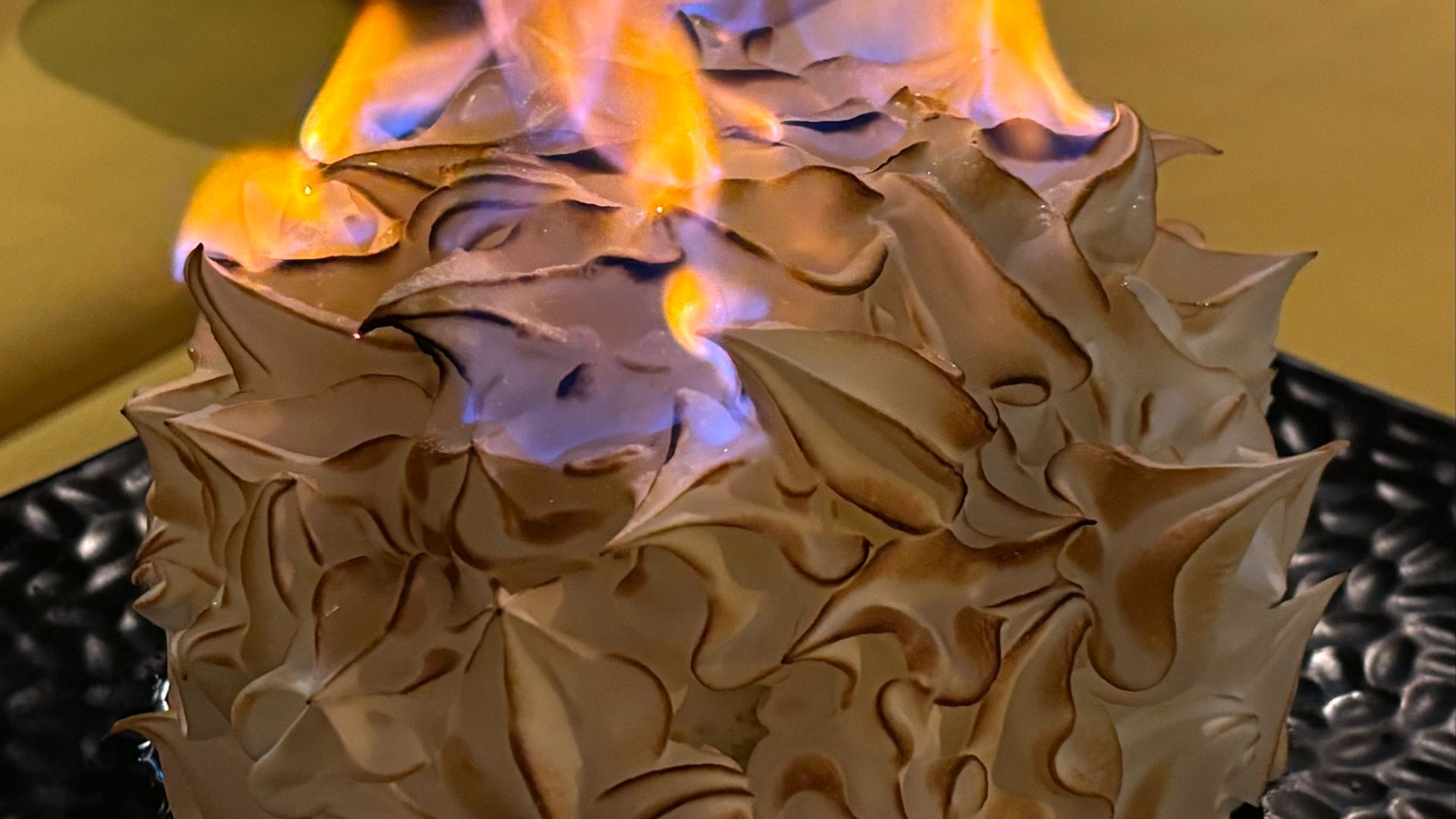
7. Baked Alaska
Few desserts once delivered more restaurant drama than Baked Alaska.
Ice cream hidden beneath cake and browned meringue made it the kind of dessert that belonged in grand hotels and elaborate dining rooms, especially when it received a tableside flambé treatment. It hasn’t exactly become everyday food, but its old-fashioned presentation now tends to feel nostalgic rather than glamorous.
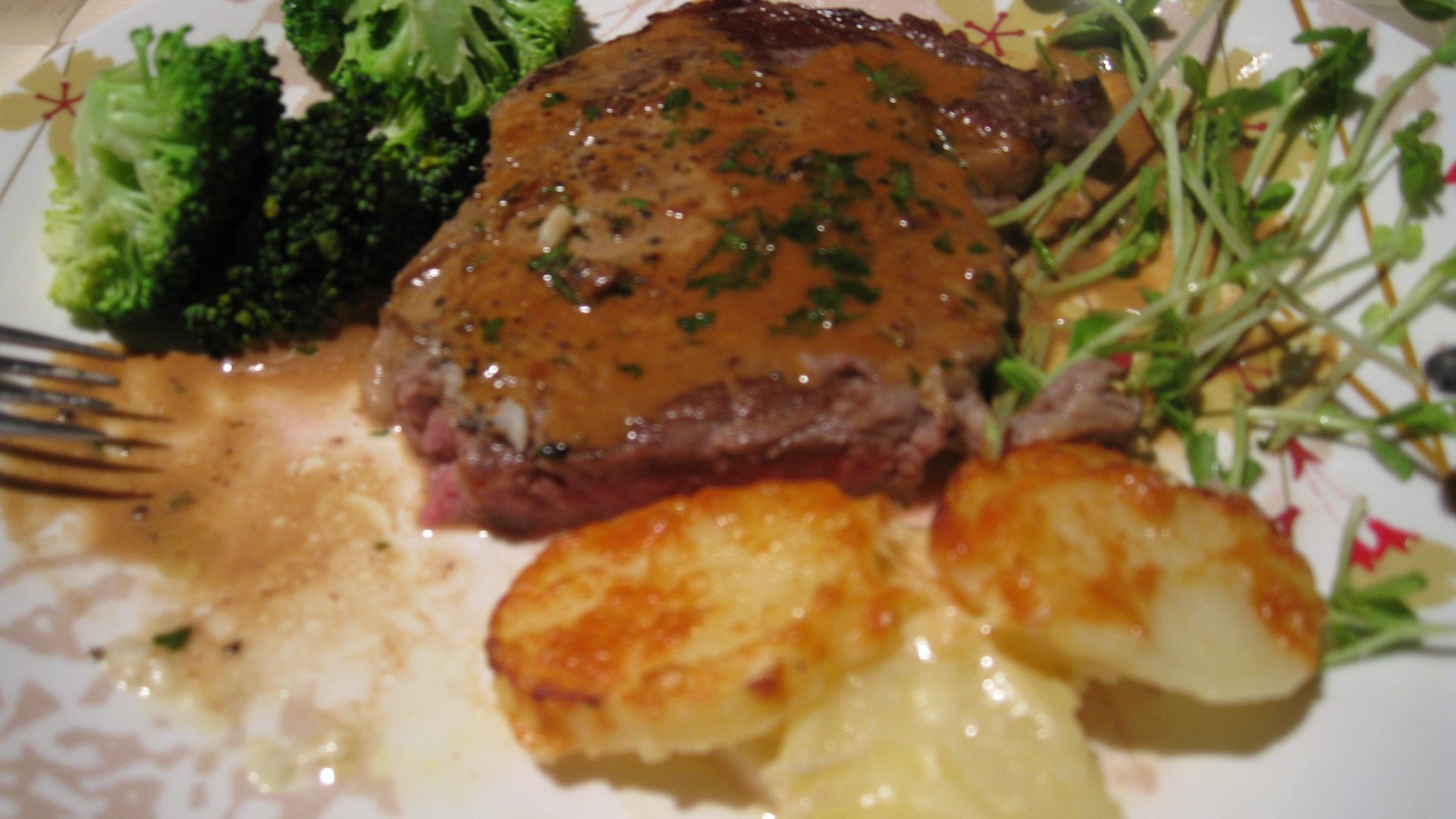
8. Steak Diane
Steak Diane once had all the ingredients of an impressive restaurant order, including tender beef, a rich pan sauce, and often a tableside flambé. It became particularly fashionable in upscale restaurants during the mid-20th century when tableside cooking was the fad. The dish eventually fell out of fashion, and today its name is more likely to inspire retro curiosity than envy from the next table.
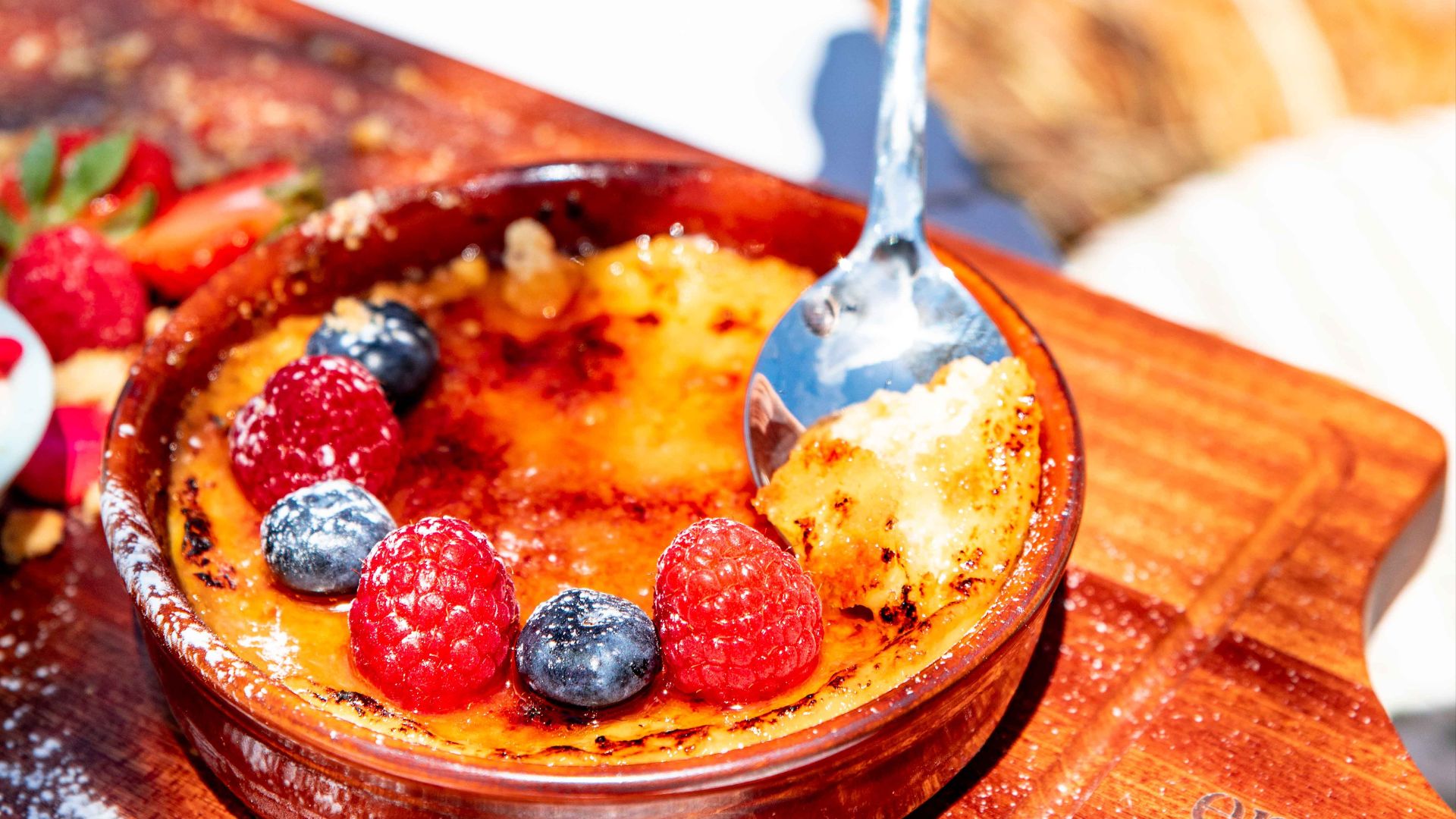
9. Crème Brûlée
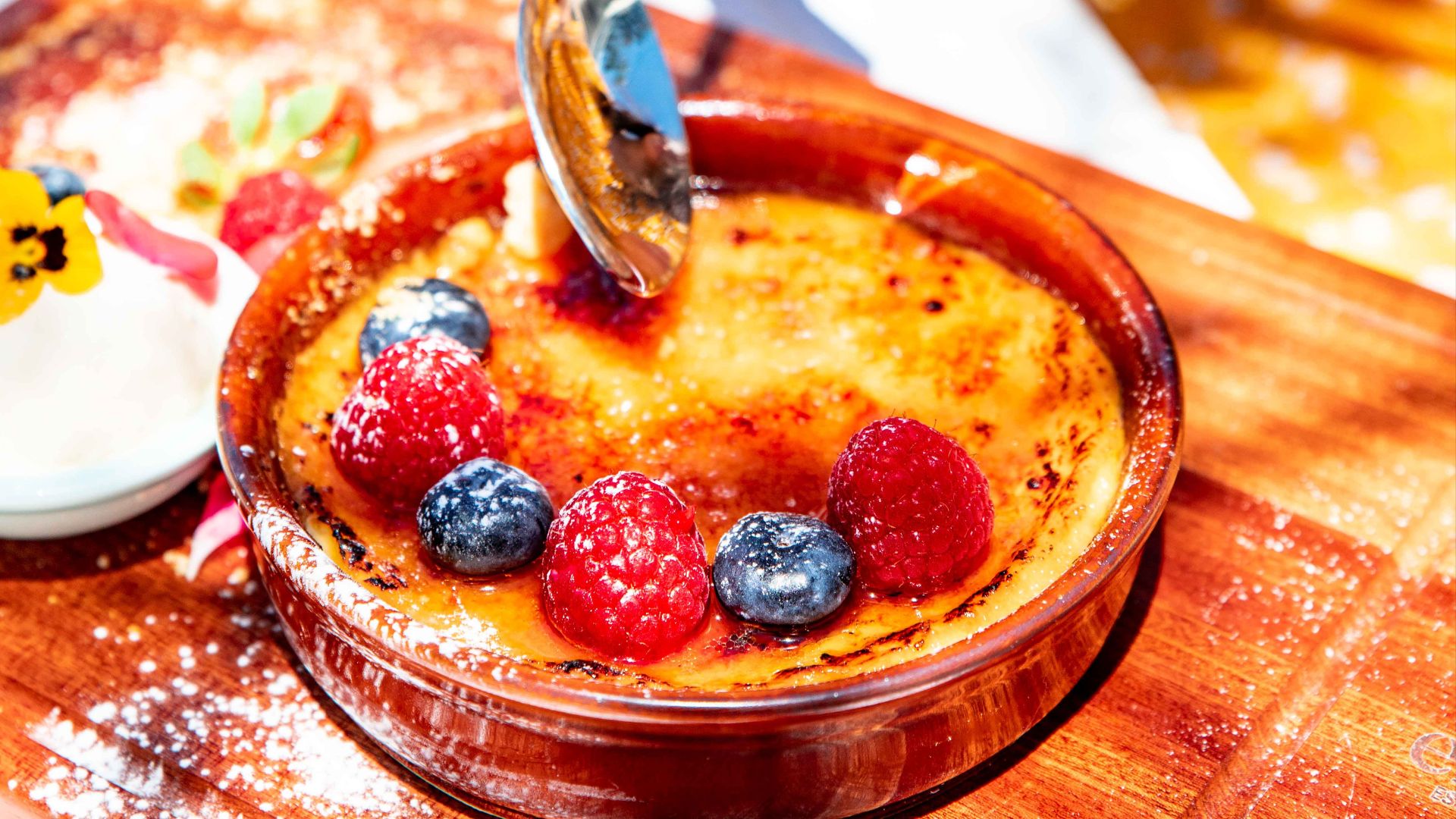
Cracking through the caramelized top of a crème brûlée once felt like an unmistakably fancy way to finish dinner. For years, the French custard was strongly associated with upscale restaurants rather than home kitchens or casual dining. It became so widely available that you can now order it at mid-level restaurant chains or buy it at the supermarket.
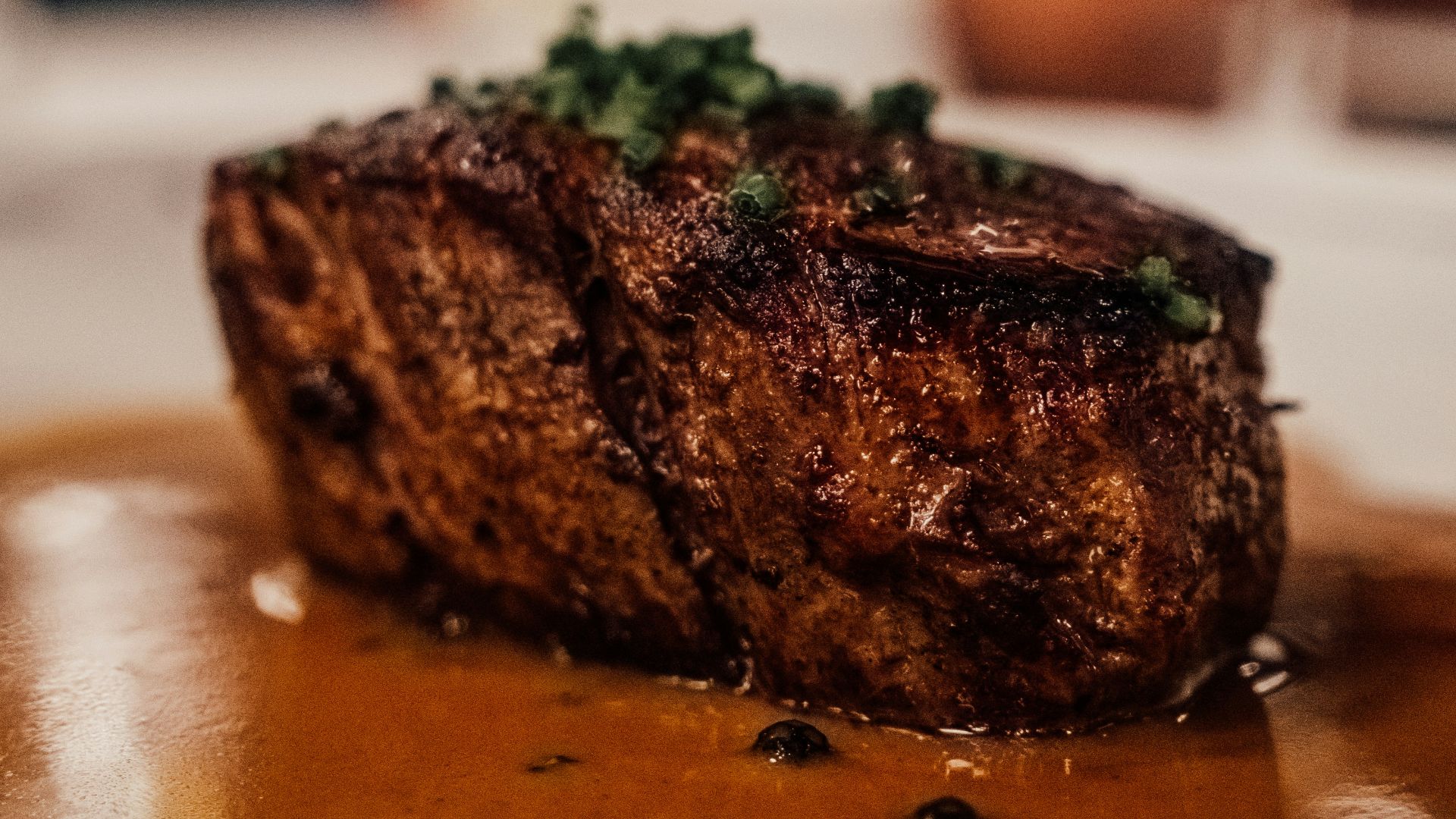
10. Filet Mignon
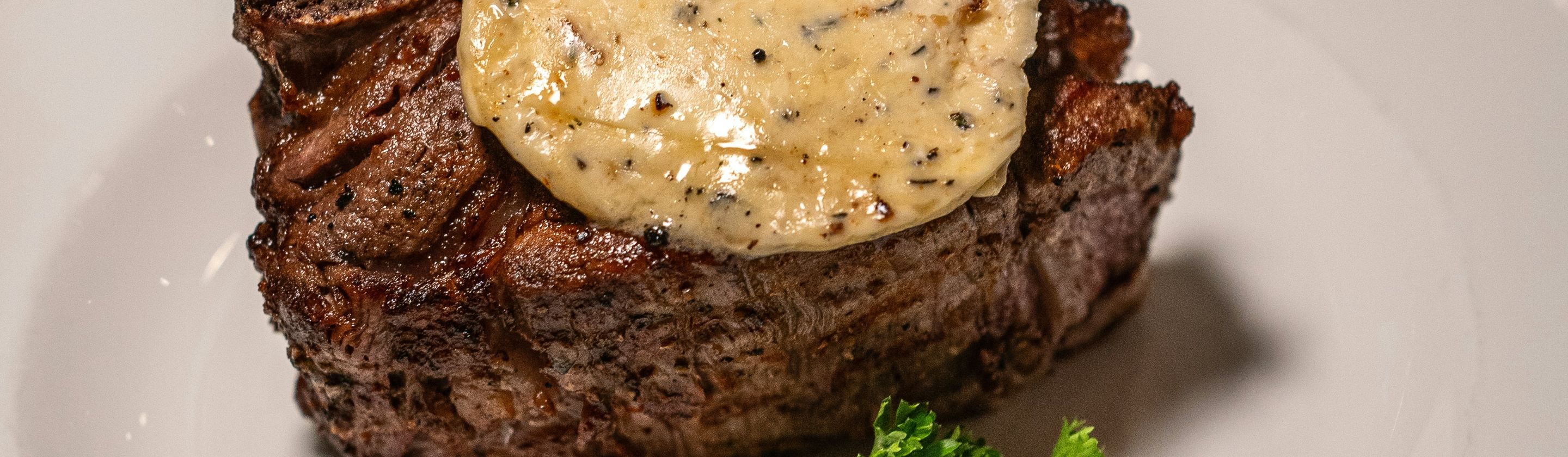
Filet mignon still carries one of the higher price tags on a steakhouse menu, but the name itself isn’t as intimidatingly luxurious as it once was. The tender cut became shorthand for fine dining at a time when steak dinners were closely tied to expense-account meals and major celebrations.
Today, warehouse stores, casual steakhouses, meal kits, and supermarket butcher counters have made filet a much more ordinary cut.
11. Escargot
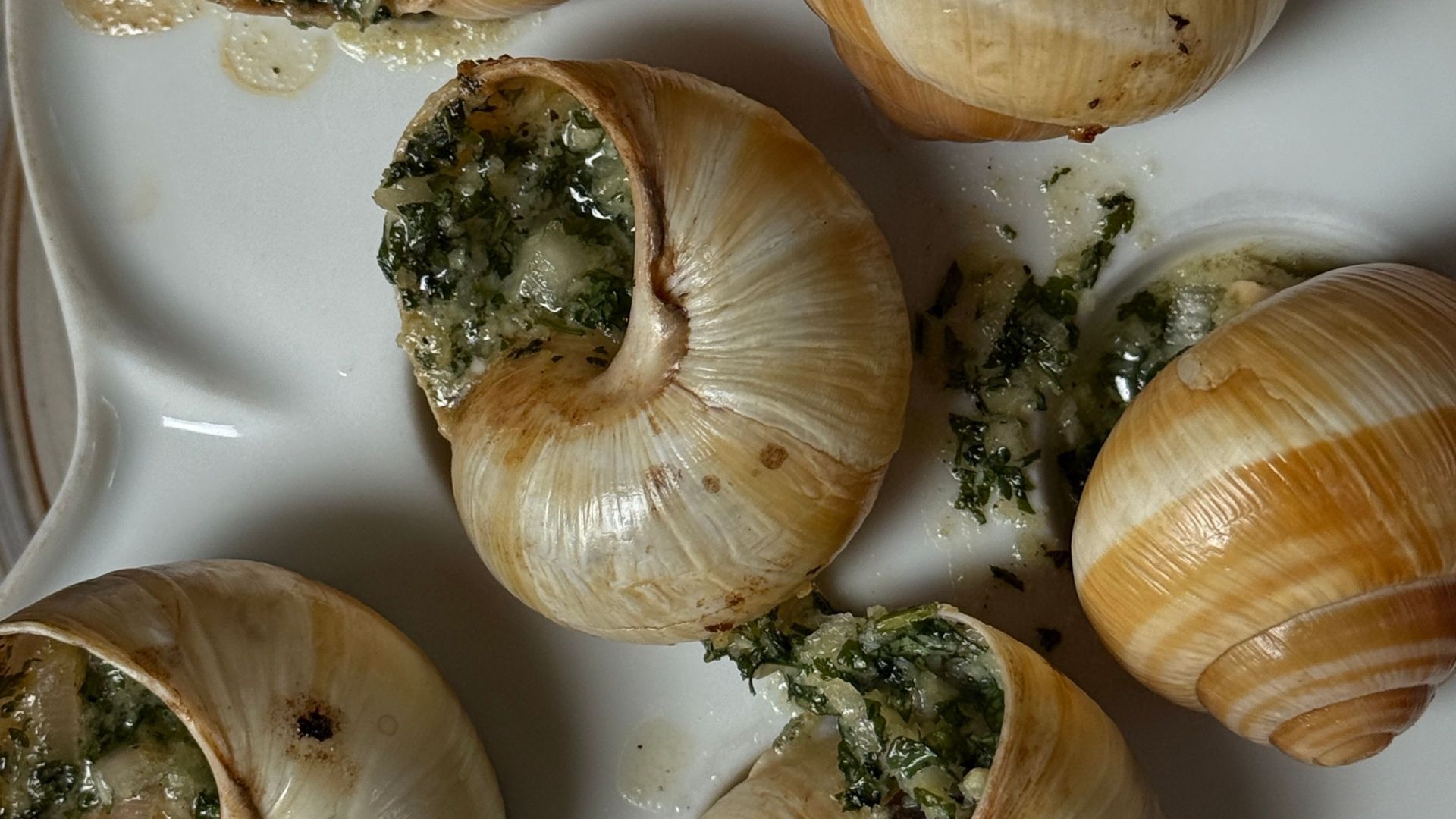
Ordering snails was once a quick way to show everyone at the table that you knew your way around a French menu. Escargot became associated with elegant continental restaurants in America, where plenty of diners tried it largely because it seemed adventurous and sophisticated. Although it’s hardly an everyday appetizer, its reputation has mellowed enough that ordering it now feels more curious than extravagant.
12. Chateaubriand
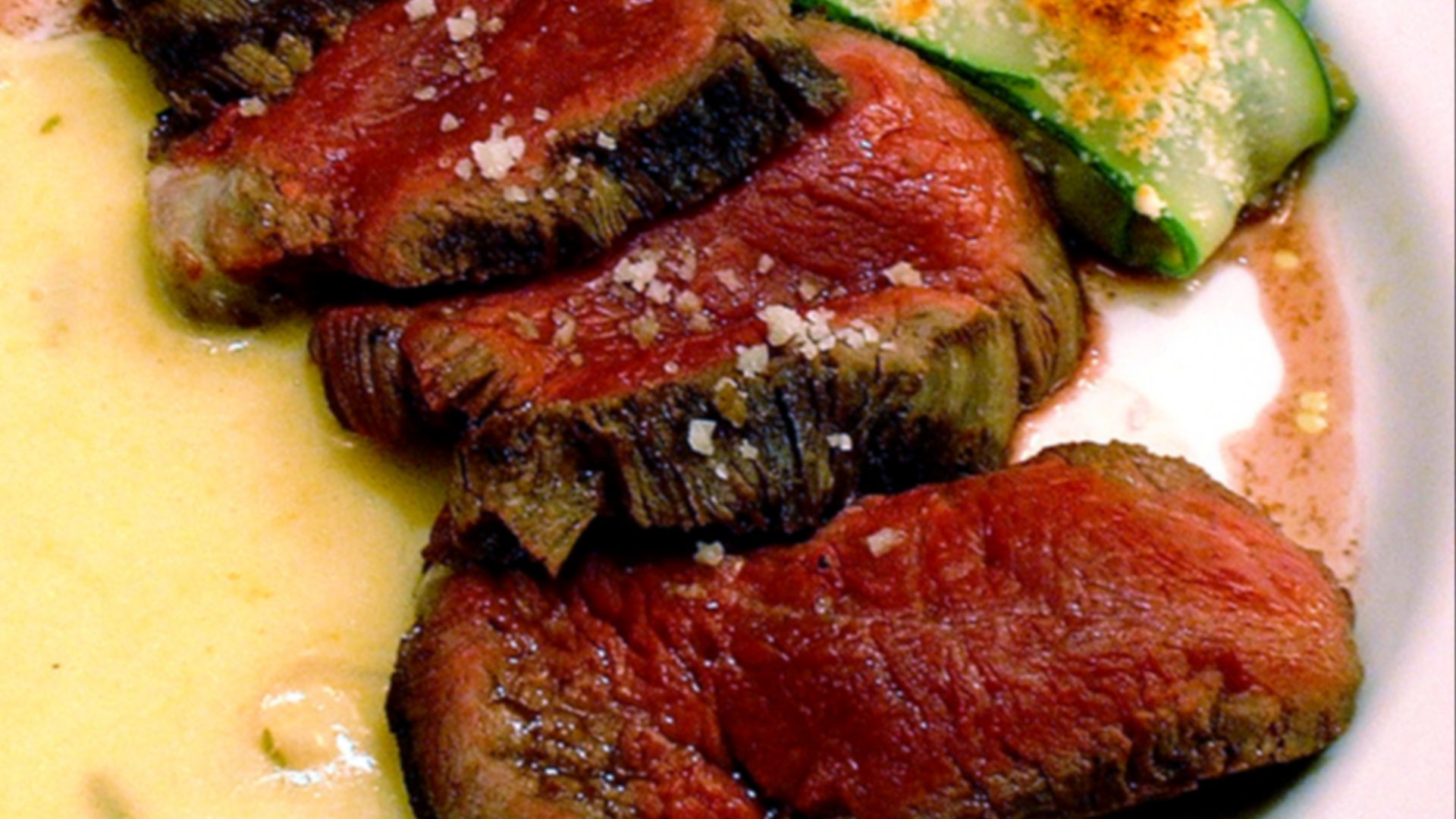
Even the name Chateaubriand sounds like something that should arrive beneath a silver dome. Traditionally designed to serve multiple people, the thick cut of beef tenderloin became associated with elaborate restaurant service and celebratory dinners. Modern diners are much more likely to recognize individual steak cuts such as filet mignon or ribeye, leaving Chateaubriand with a somewhat old-school sense of luxury.
13. Oysters Rockefeller
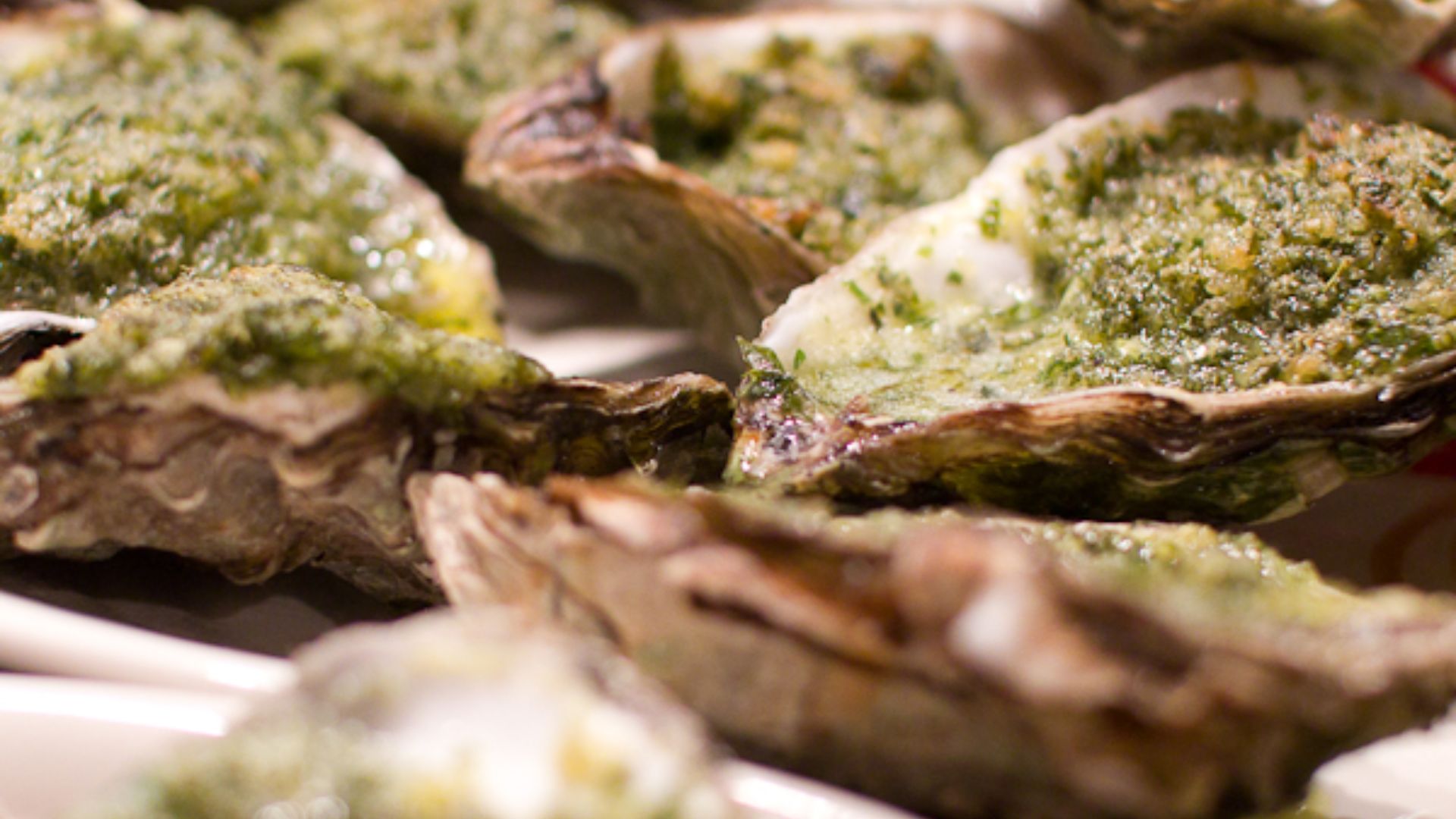
Oysters Rockefeller was created in New Orleans in the late 19th century and named to suggest extreme richness. The baked oysters, traditionally covered with a buttery green topping, became a fixture of elegant seafood restaurants for generations. Raw bars and modern seafood spots have since made oysters much more mainstream, and the Rockefeller preparation isn't generally their most coveted form as it once was.
14. Eggs Benedict
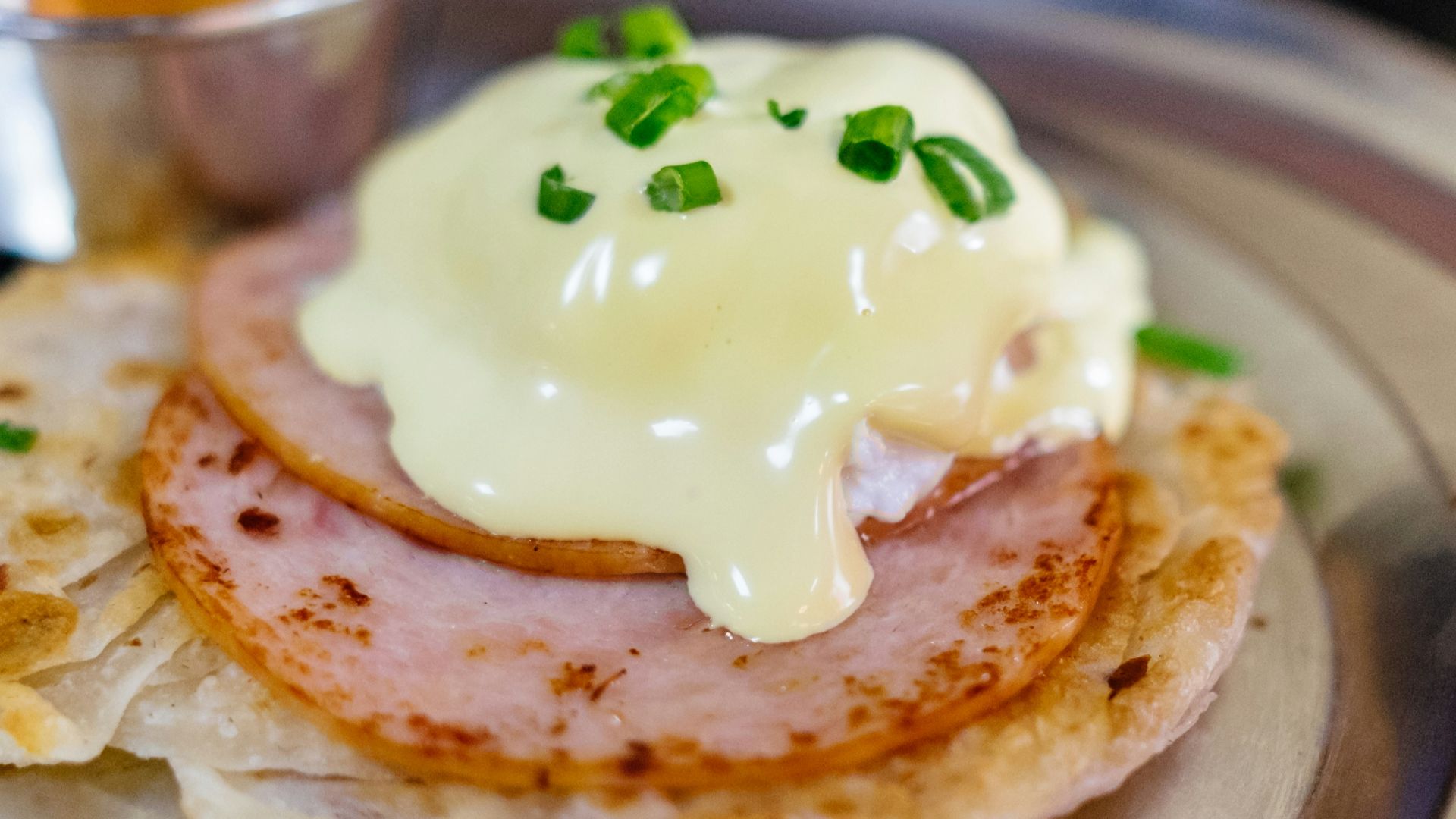
Brunch wasn’t always the casual weekend institution it is today, and Eggs Benedict once represented a particularly polished breakfast order. Poached eggs, Canadian bacon, English muffins, and hollandaise required more preparation than the standard plate of eggs and toast. Now Benedict variations appear on neighborhood café menus everywhere, with toppings ranging from smoked salmon to avocado and pulled pork.
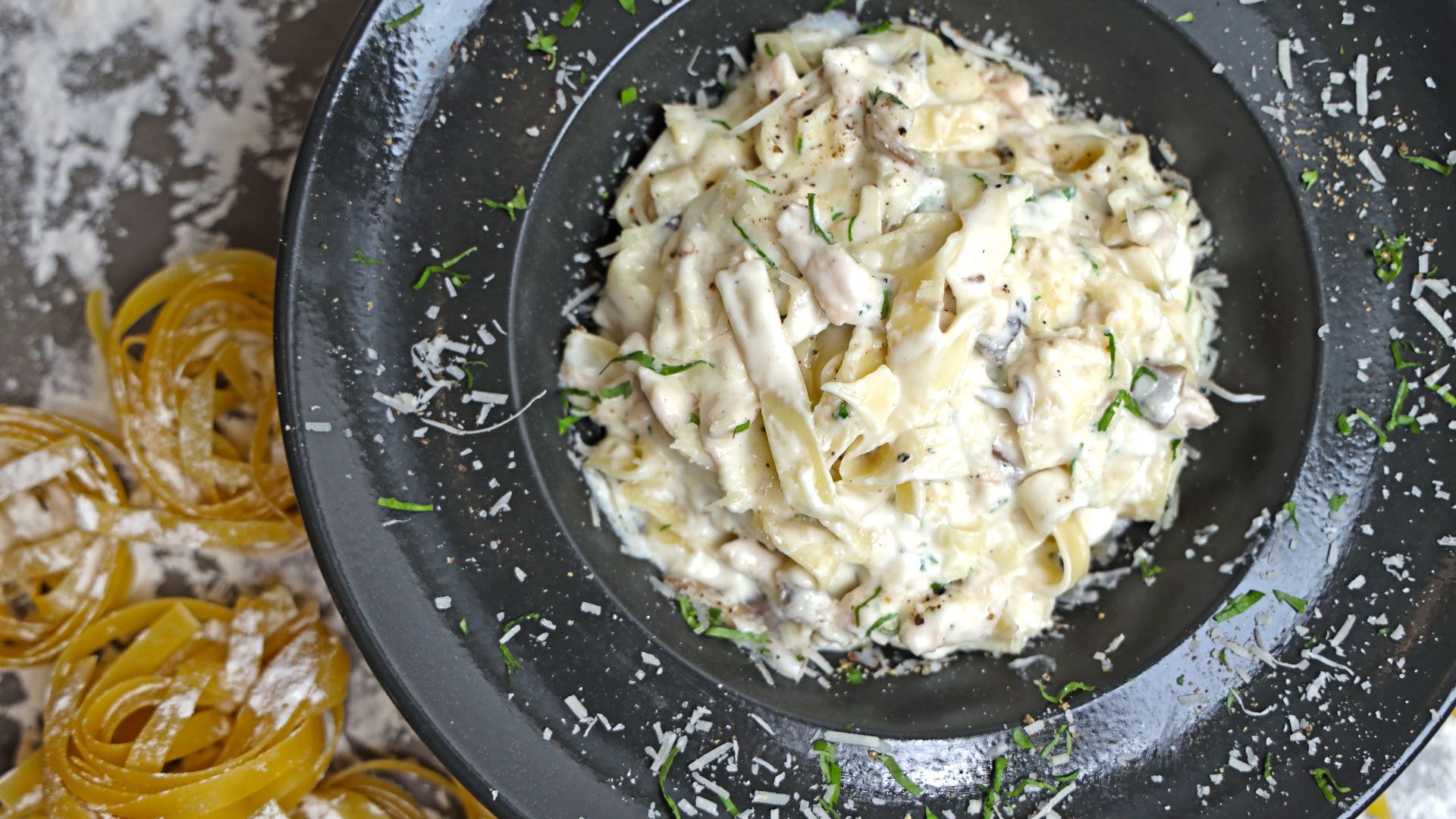
15. Fettuccine Alfredo
Creamy fettuccine Alfredo once had a luxurious Italian-restaurant image in the U.S. Butter, Parmesan, and silky pasta made it seem considerably more indulgent than the spaghetti dishes many Americans regularly ate at home. Bottled Alfredo sauce, frozen dinners, and endless chain-restaurant versions eventually turned it into one of the most familiar pasta orders around.
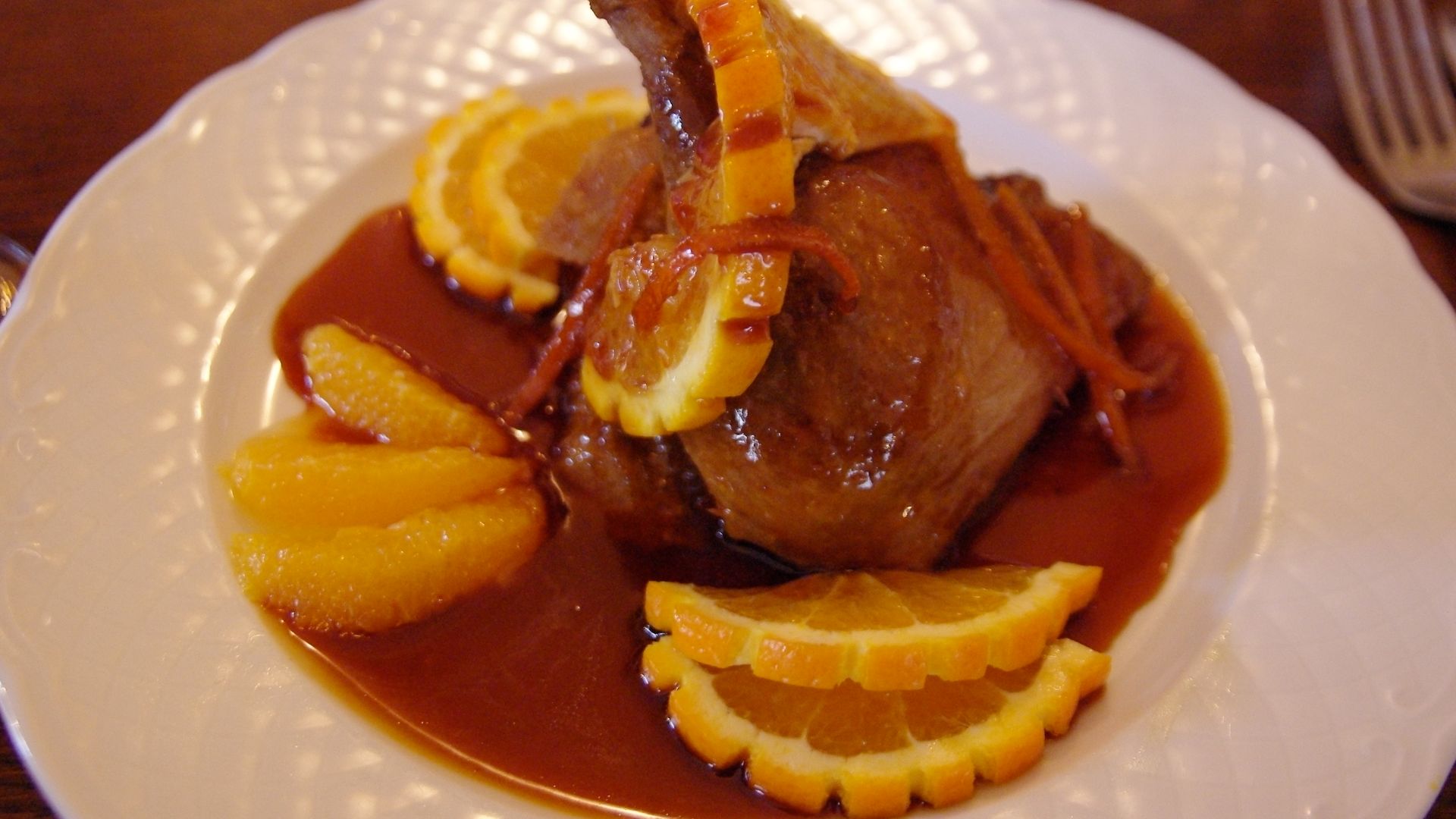
16. Duck à l’Orange
Duck à l’Orange was practically built for an era when French cuisine represented the height of American fine dining. Serving roasted duck with a glossy citrus sauce sounded far more sophisticated than ordering chicken, particularly during the dish’s mid-century popularity. French restaurant traditions have changed since then, leaving Duck à l’Orange with a reputation that feels charmingly retro rather than at the height of gastronomy.
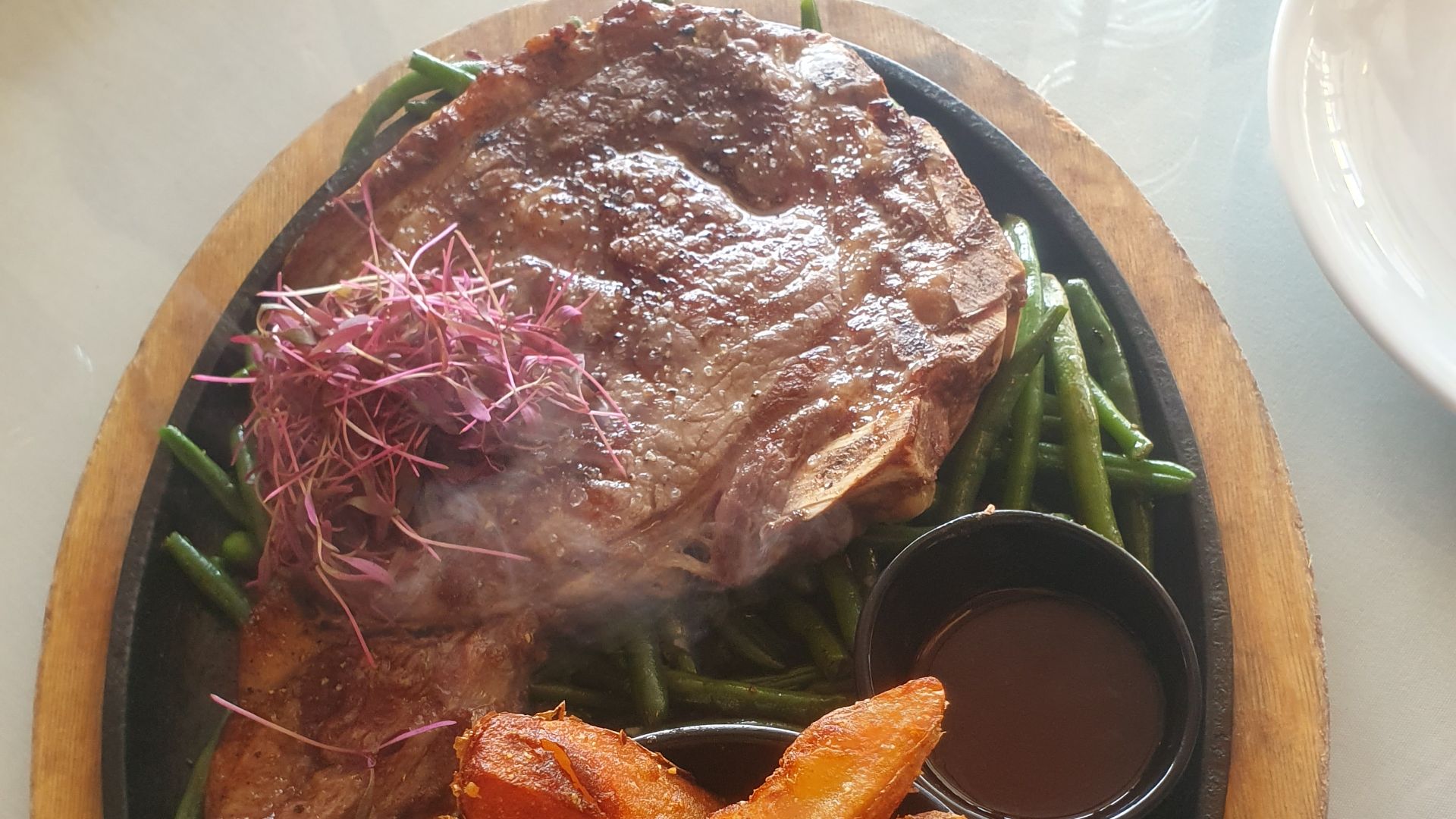
17. Prime Rib
A thick slice of prime rib used to be a centerpiece meal reserved for Sunday dinners, hotel restaurants, holiday buffets, and upscale steakhouses.
Having it carved to order made the experience feel even more substantial. Prime rib nights at neighborhood restaurants and casual chains have made the cut considerably less exclusive, although a really good version can still make dinner feel special.
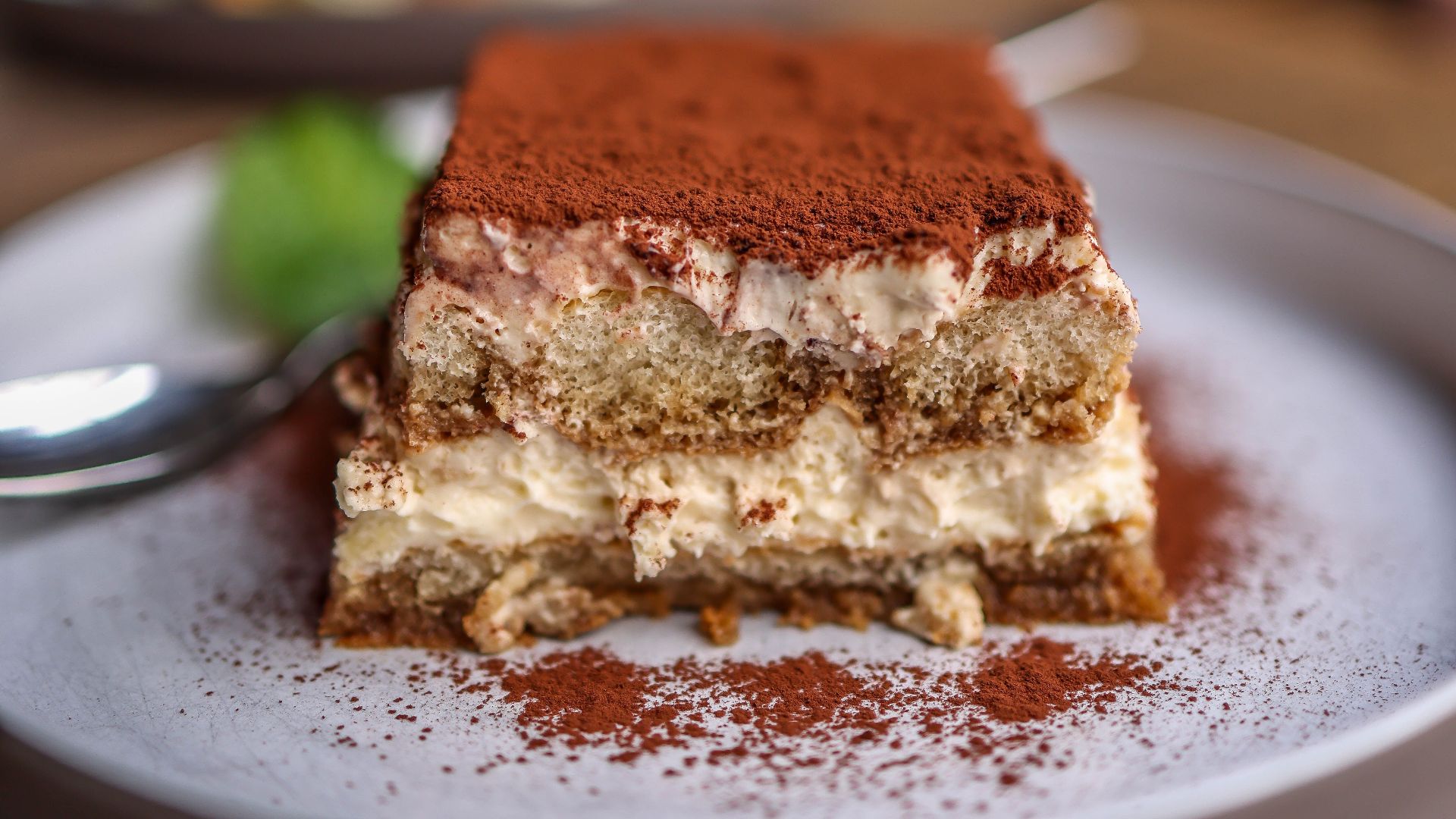
18. Tiramisu
When tiramisu started to become popular in American restaurants during the 1980s and 1990s, the Italian dessert seemed wonderfully sophisticated. Layers of coffee-soaked ladyfingers, mascarpone, cocoa, and sometimes liqueur felt much more cosmopolitan than ordering another slice of cake. Its enormous popularity eventually worked against its fancy reputation, and tiramisu is now available everywhere from all-you-can-eat buffets to supermarket dessert cases.
19. Bananas Foster
Bananas Foster once offered exactly the kind of tableside spectacle people expected from an expensive restaurant. Created at Brennan’s in New Orleans, the dessert combines bananas, butter, sugar, spices, and rum, traditionally flambéed before being served with ice cream. Flaming desserts have become less common overall, so today the dish tends to evoke classic restaurant nostalgia rather than modern luxury.
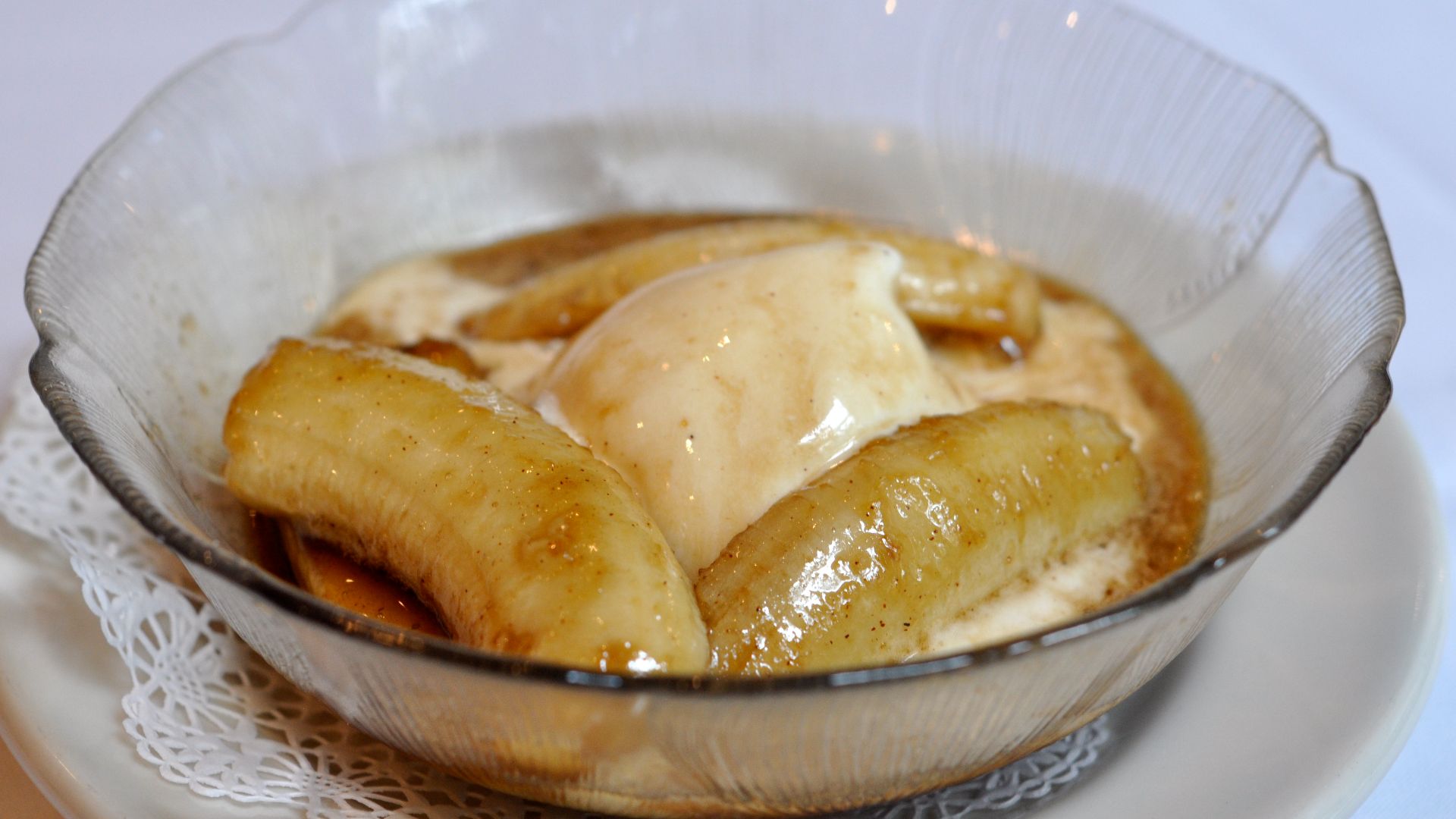 Kimberly Vardeman on Wikimedia
20. Surf & Turf
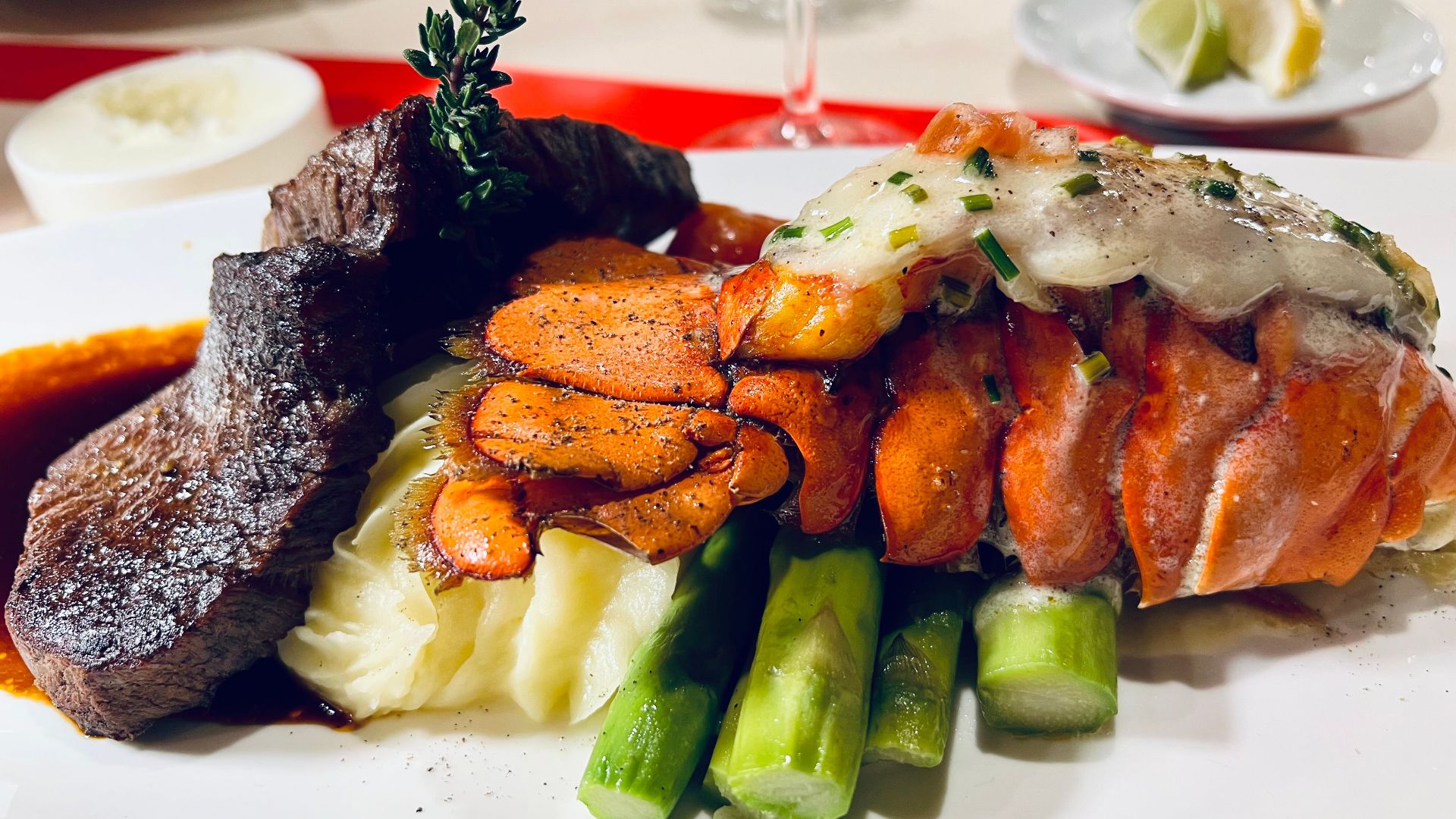
Putting steak and lobster on the same plate once represented the ultimate restaurant splurge. Surf and turf became especially popular in mid-century America, when combining two expensive proteins made a dinner seem unapologetically extravagant. Steakhouses and casual chains eventually adopted the combination so enthusiastically that it became almost a menu cliché.
KEEP ON READING

The 5 Most Consumed Foods in the Entire World