20 Spicy Pantry Staples For Those Who Like To Bring The Heat
Wake Up Your Meal
There's something almost comforting about spicy food, the kind of heat that makes your forehead shine a little while you keep reaching for another bite. That burning sensation we feel comes from a compound known as capsaicin, which triggers the same receptors that register physical heat. That's why spicy food feels so real in your body, so immediate. And pantry heat is wonderfully flexible, smoky, fruity, tangy, and sharp, depending on what your meal is calling for. Stock these 20 staples, and you're ready to start sweating.
 Yusra Mizgin Günay on Unsplash
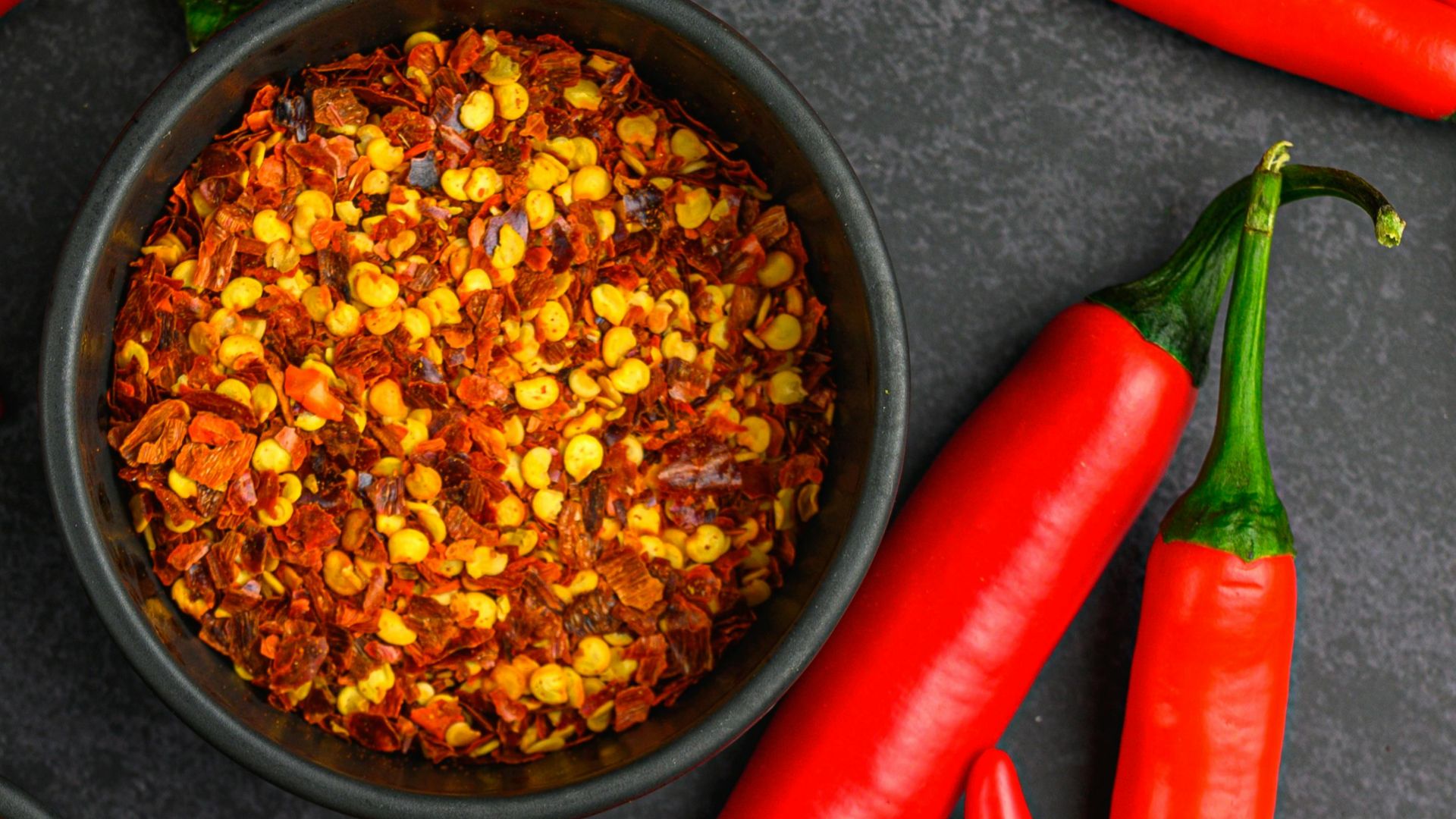
1. Red Pepper Flakes
This is the classic little shaker on every pizza shop table, and for good reason. It delivers a straightforward, peppery sting that hits fast and lingers. It’s great on roasted vegetables, pasta, eggs, and buttery toast. It has a medium-ish burn, with a bright, slightly bitter edge that perks up richer foods without changing their texture.
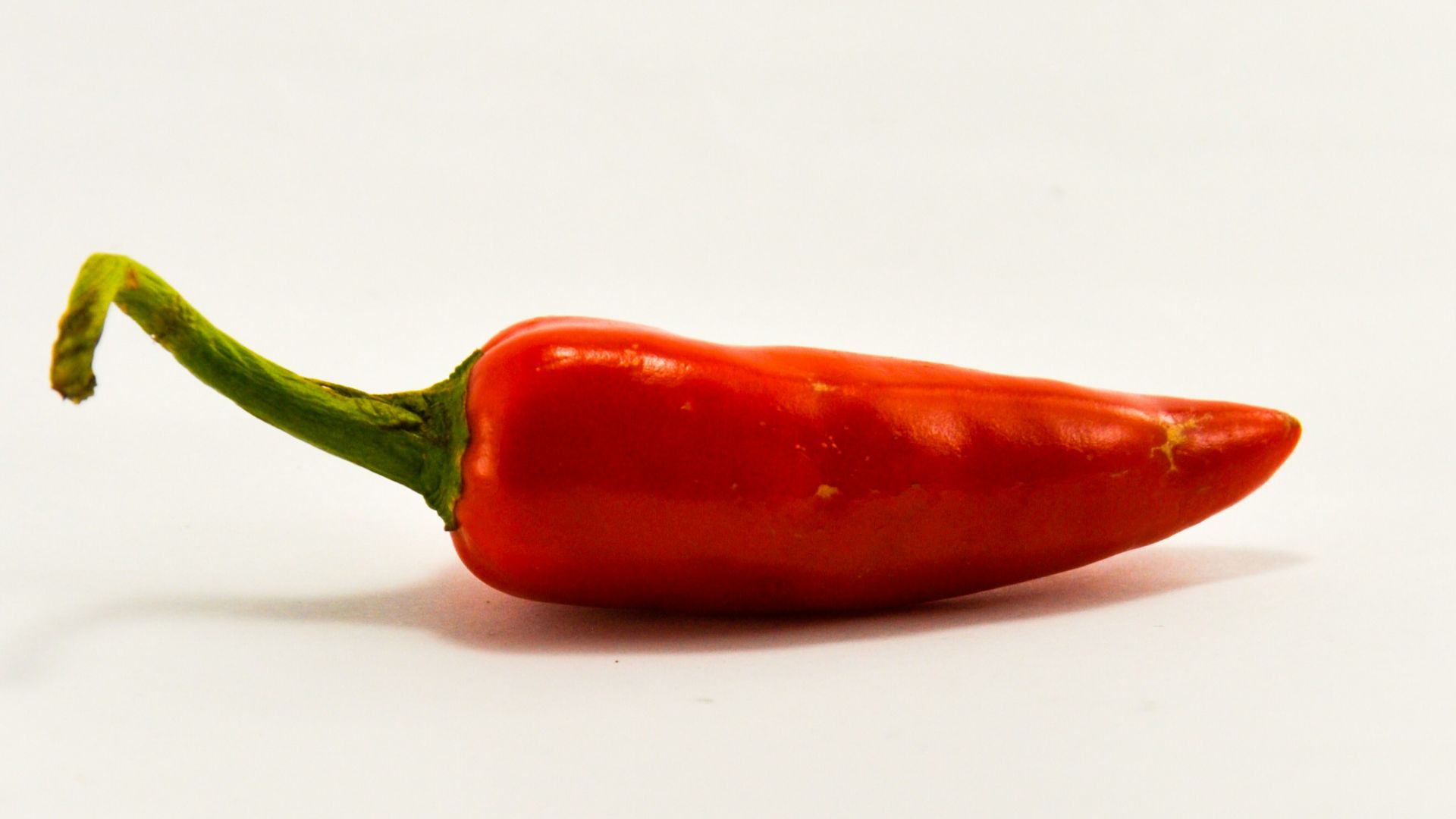
2. Cayenne Pepper
Cayenne made its way into American home kitchens through classic home-style cooking and spice blends, and it's still one of the easiest ways to add some warmth to any meal. When added to soups, stews, and beans, you’ll get clean and direct heat that builds in the back of the mouth.
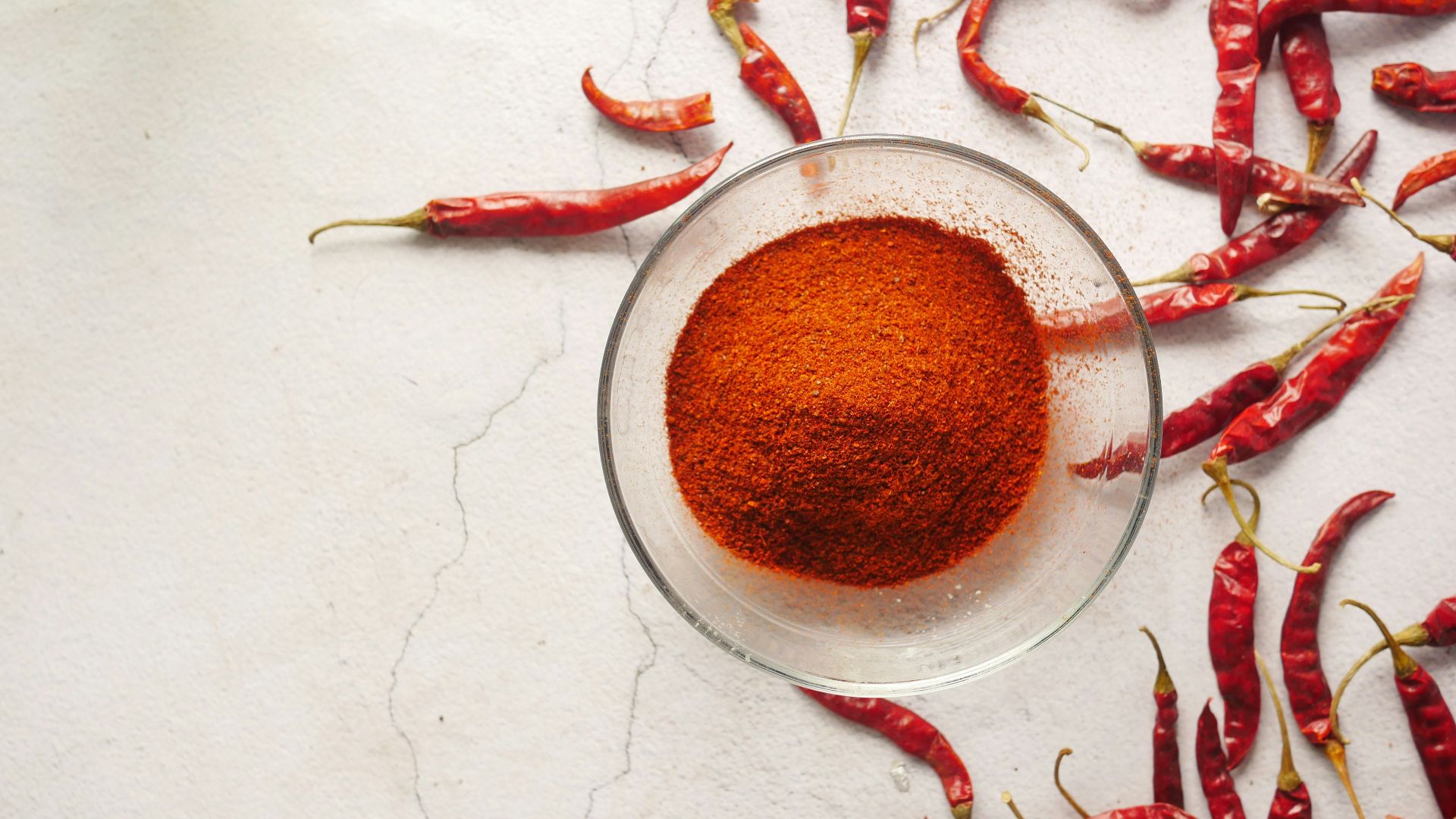
3. Chili Powder Blend
American-style chili powder is a blend of ground chiles and spices. It gives a broader warmth than cayenne, often with a slightly sweet, earthy profile that works well with ground meats, tomato-based dishes, and skillet vegetables. It’s more about aroma than bite, honestly.
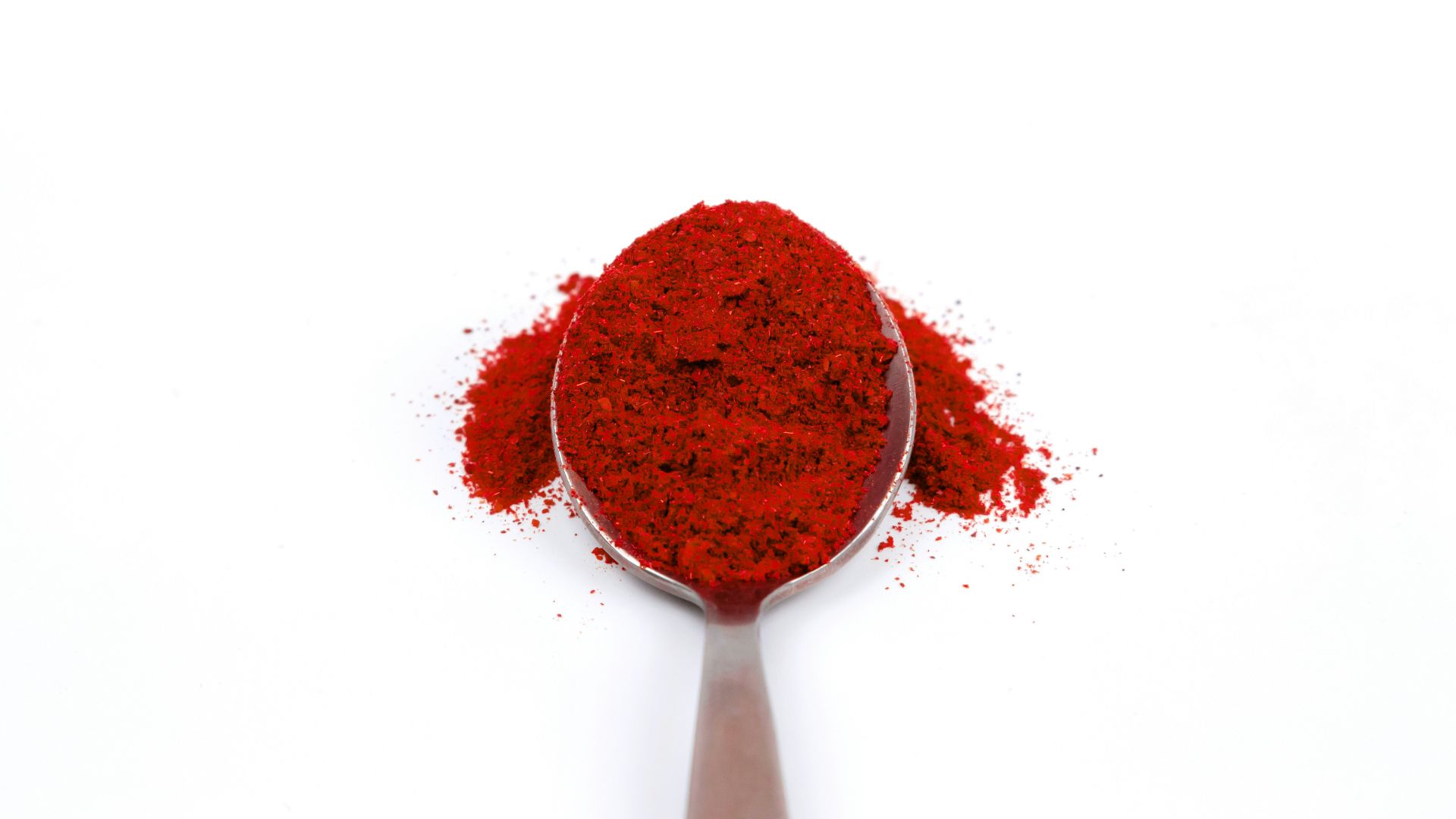
4. Smoked Paprika
Smoked paprika comes from peppers dried over smoke before grinding — a method closely tied to Spanish paprika traditions. It provides you with a gentle-to-medium heat and a deep smokiness that flatters potatoes, roasted chicken, lentils, and creamy dips.
 Volodymyr Hryshchenko on Unsplash
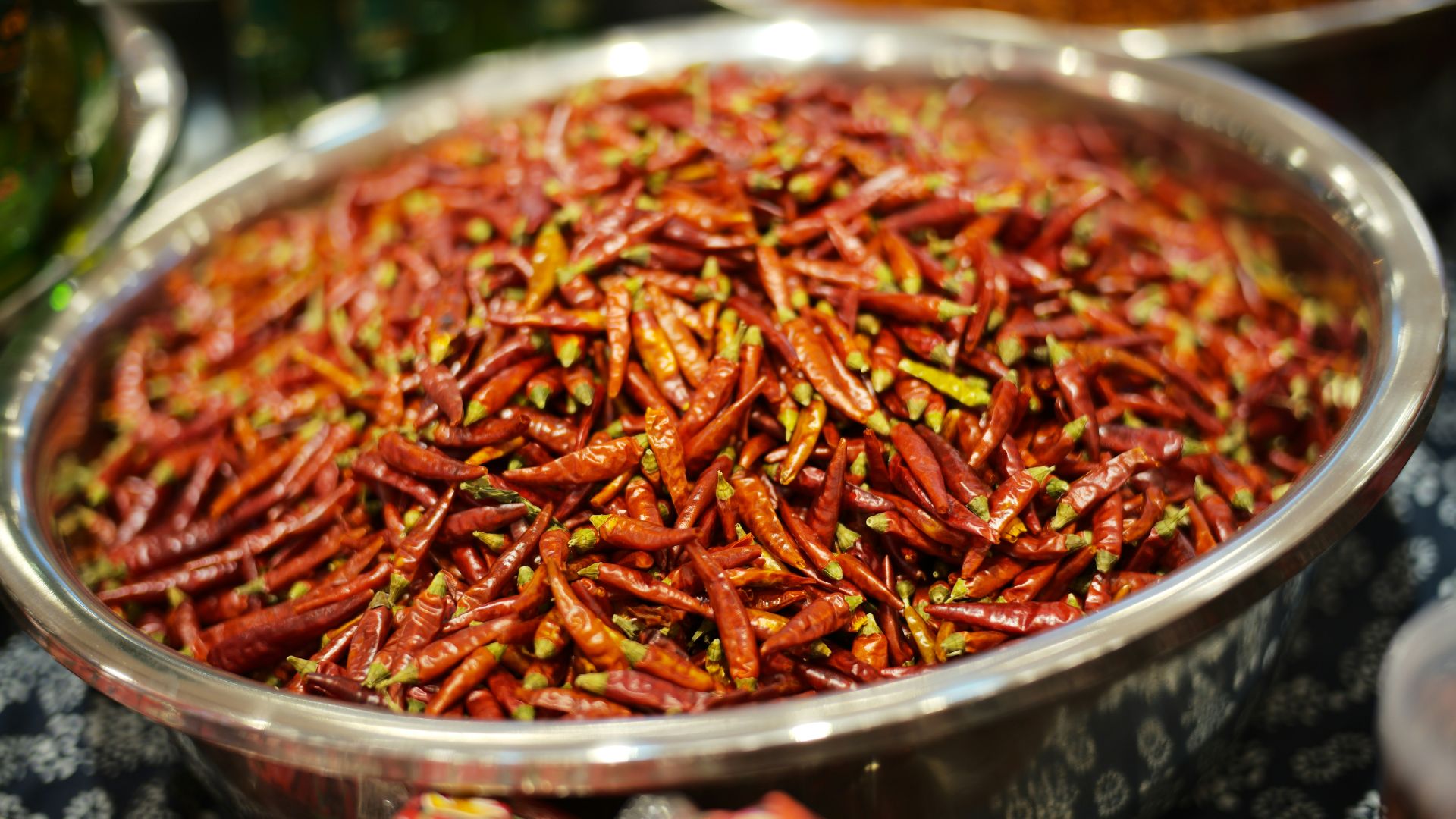
5. Dried Whole Chilies
Dried chiles are the old-school pantry foundation in many Mexican kitchens, and each variety brings its own personality. Ancho is mild and raisiny, guajillo is brighter with a slight tang, and árbol is the little one that brings a quicker, higher burn. They're perfect for simmered broths, bean pots, and sauces where you want to slowly build up some heat.
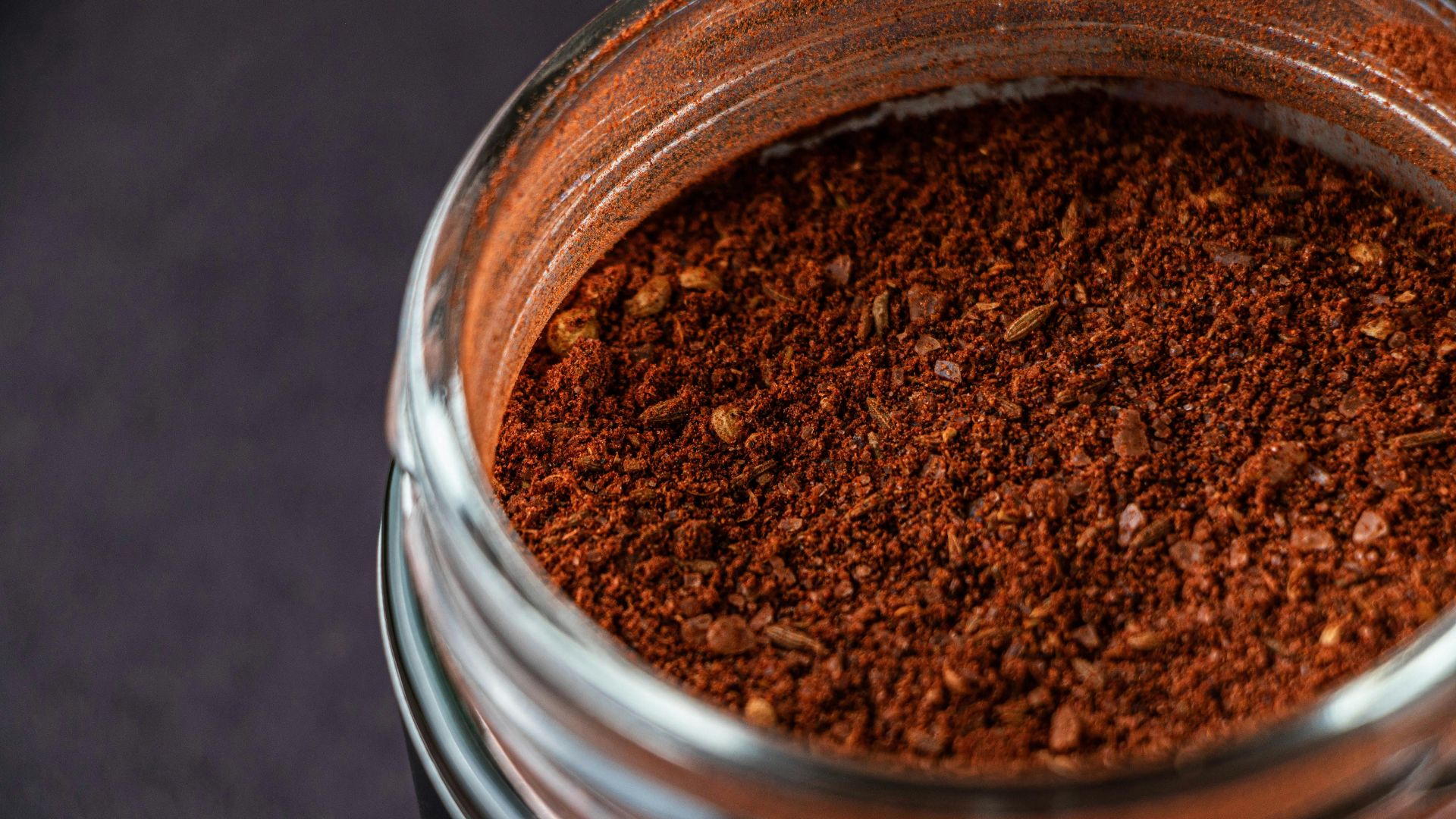
6. Ground Chipotle Chile
Chipotle is a smoked, dried jalapeño with a cozy, woodsy punch. Chipotle powder adds a medium, smoky heat to burgers, chili, roasted sweet potatoes, and mayo-based spreads without needing any extra liquid.
 Norma Gabriela Galván on Pexels
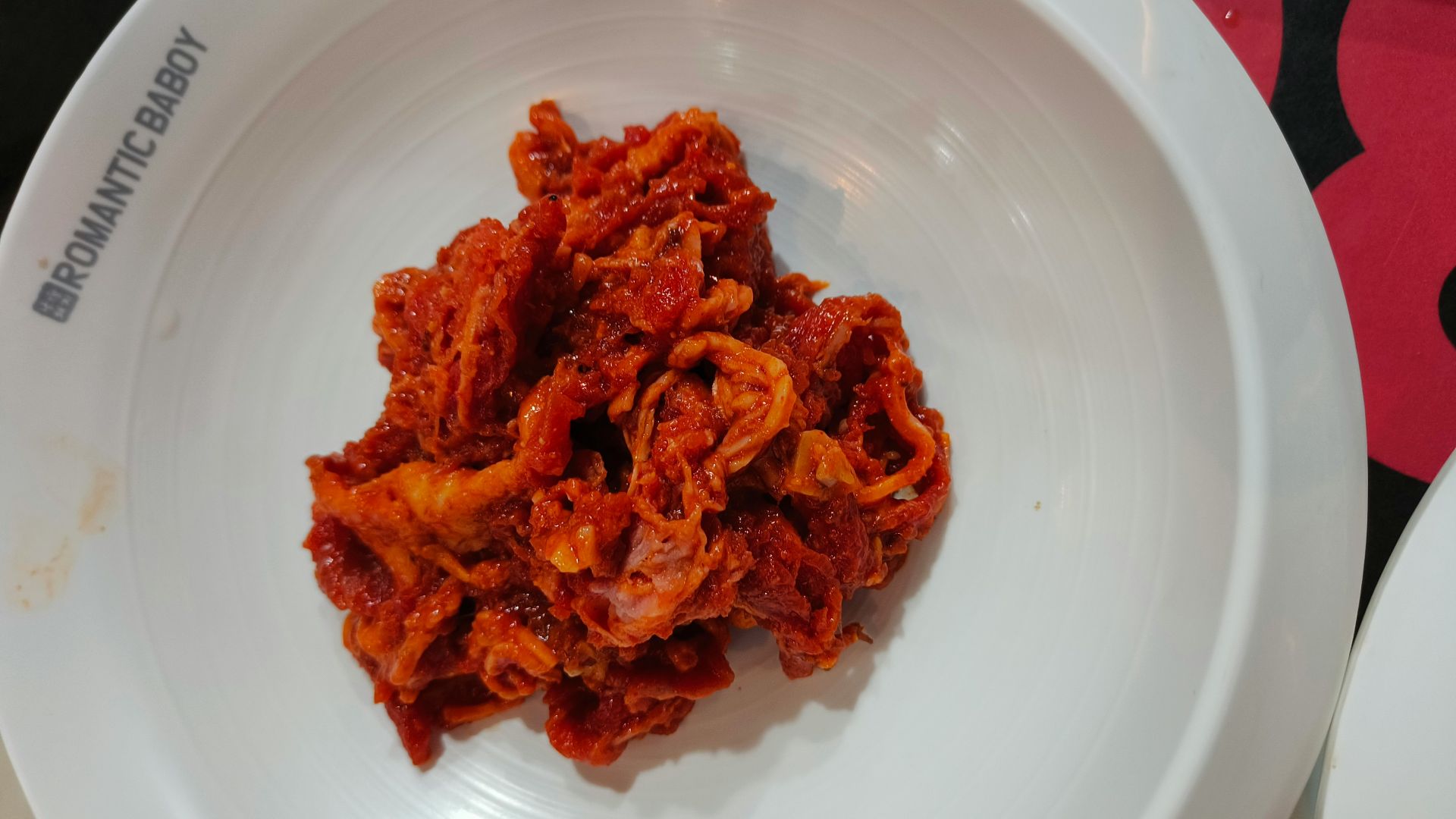
7. Gochujang
Gochujang is a fermented paste traditionally made with chile powder, rice, and fermented soybeans, and it has some pretty stupendous layering alongside its heat. Thick, glossy, and slightly sweet, this paste works beautifully in stir-fries, glazes, noodle bowls, and dipping sauces.
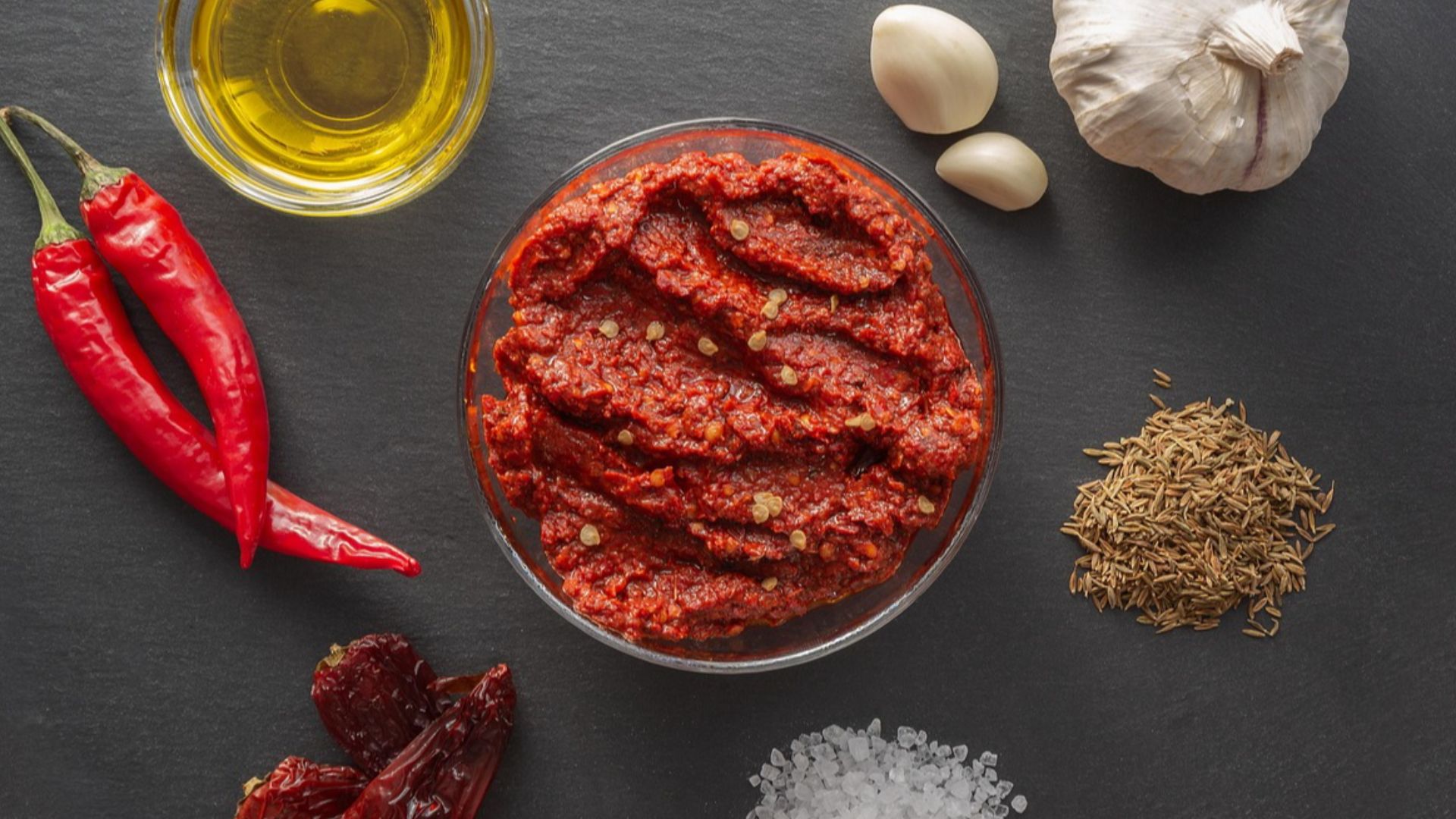
8. Harissa Paste
Harissa comes from North African kitchens, where chiles were blended with aromatics and spices into a paste for everyday cooking. A small spoonful can completely change the direction of a soup, a grain bowl, or a roasted vegetable dish. The burn ranges from mild to hot, usually finishing with a garlicky, toasted-chile warmth.
9. Sambal Oelek
Sambal oelek keeps it simple: crushed chiles, salt, and sometimes vinegar, with a texture you can actually see. It adds a bright, fresh heat to rice bowls, dumplings, grilled meats, and dressings, and it's especially good when you want the chile flavor to stay front and center. It offers a clean, lively heat with minimal sweetness.
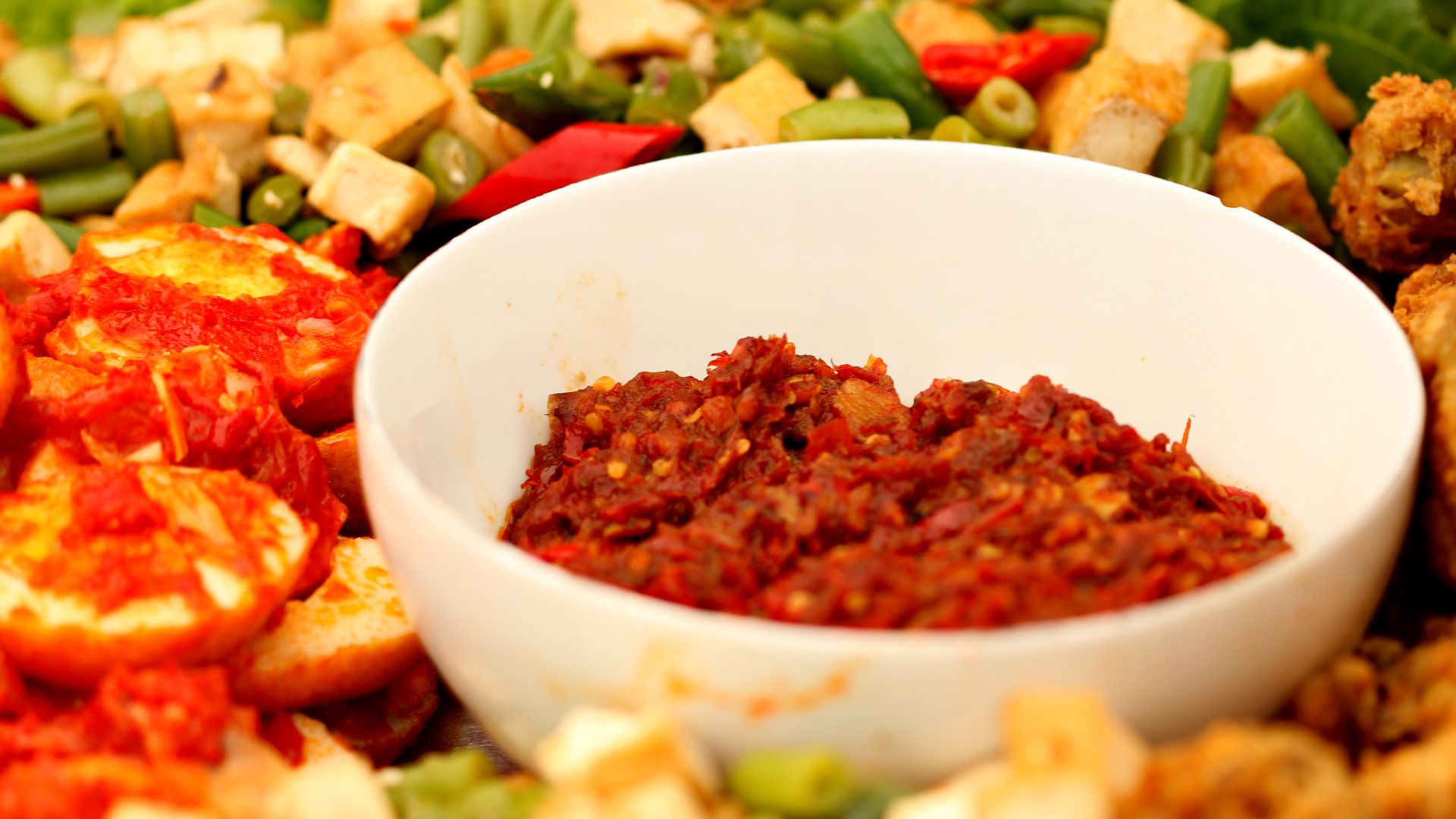 Kbidols - Haryadi Andradjati on Wikimedia
10. Sriracha
Sriracha earned its place in the modern pantry through its easy squeeze-bottle charm and its mix of chiles, garlic, sugar, and vinegar. It brings medium heat with a noticeable sweetness, which is why it plays so nicely with eggs, fried rice, sandwiches, and creamy sauces.
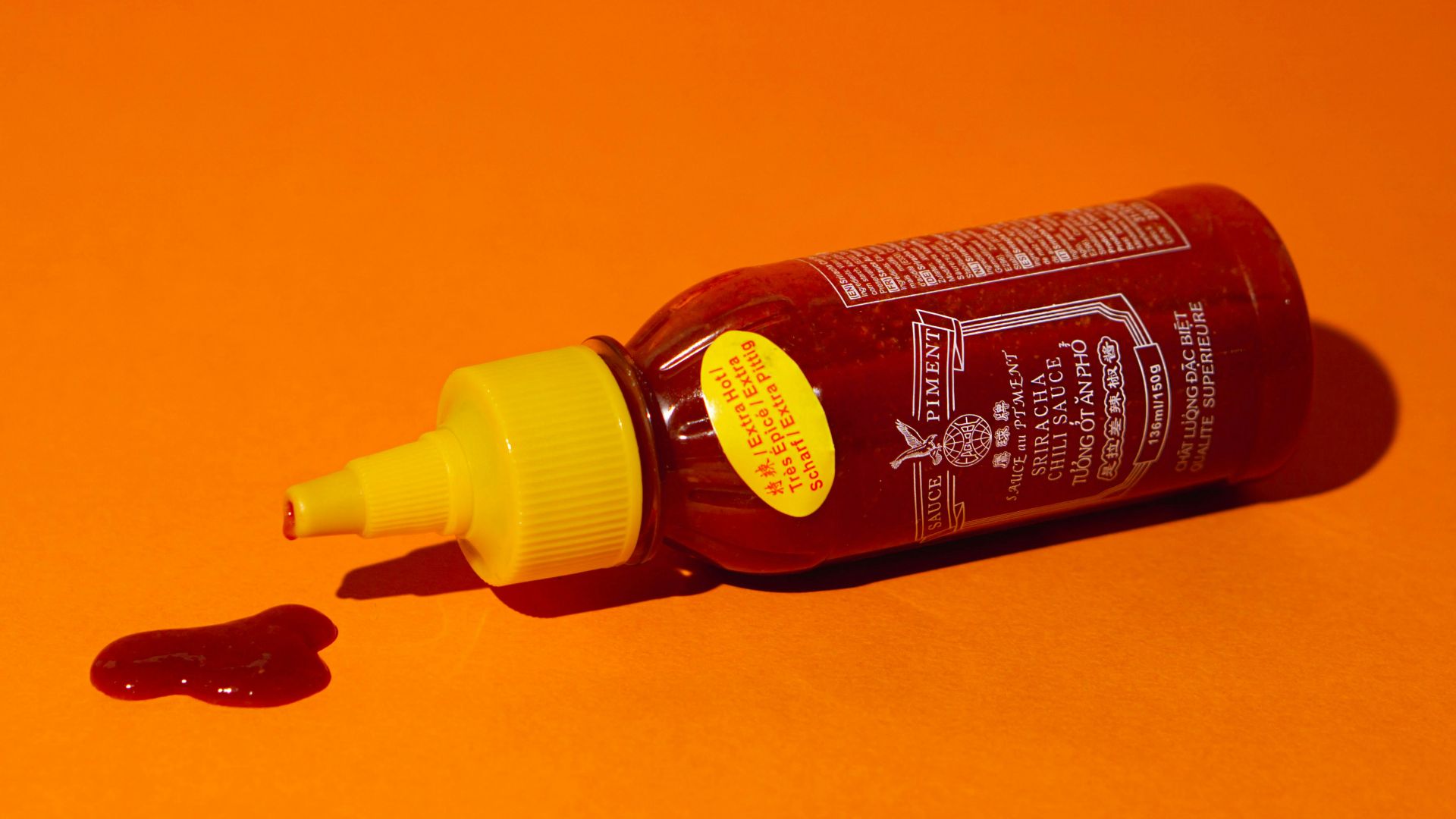 frogses production on Unsplash
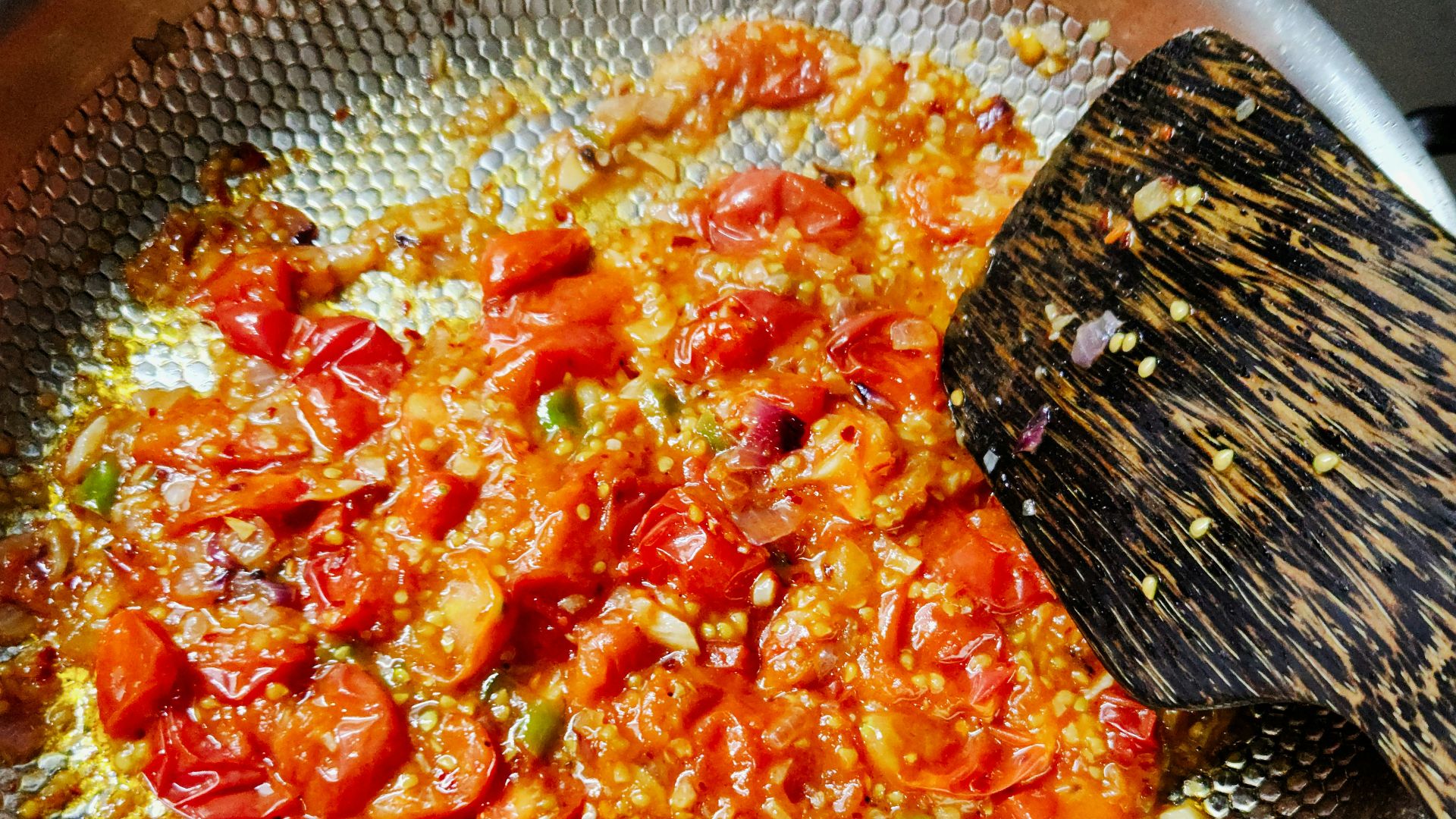
11. Chili Garlic Sauce
Chili garlic sauce is thicker and chunkier than sriracha, and it leans into the bite of real garlic. It punches up noodles, steamed vegetables, stir-fries, and marinades, with little pops of chile that hold their texture. The heat tends to be medium-to-hot, with a savory edge that makes it extra satisfying.
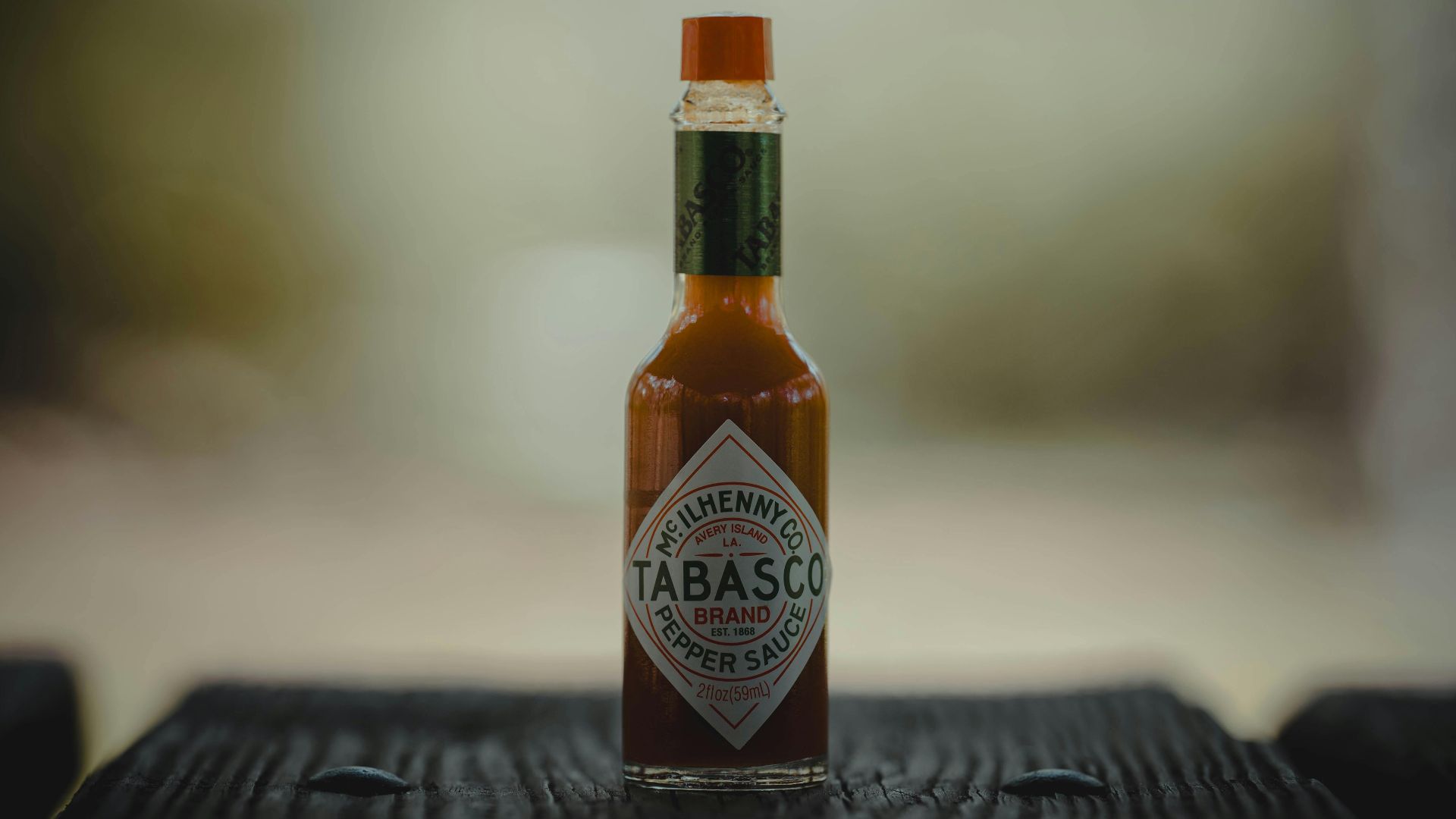
12. Classic Vinegar-Based Hot Sauce
Vinegar-based hot sauces grew from practical preservation and a love of tangy, chile-forward flavor, especially across the American South. They cut through fried foods, cooked greens, and beans. The vinegar helps to lift the heaviness of the meal, while the pepper delivers a quick zing to your taste buds.
13. Extra-Hot Specialty Hot Sauce
Super-hot sauces exist because modern chile breeding has produced peppers that can exceed two million on the Scoville scale, and because humans love pushing themselves to the absolute limit. A few drops can carry a whole plate, and trust us, you don’t want more than a few drops.
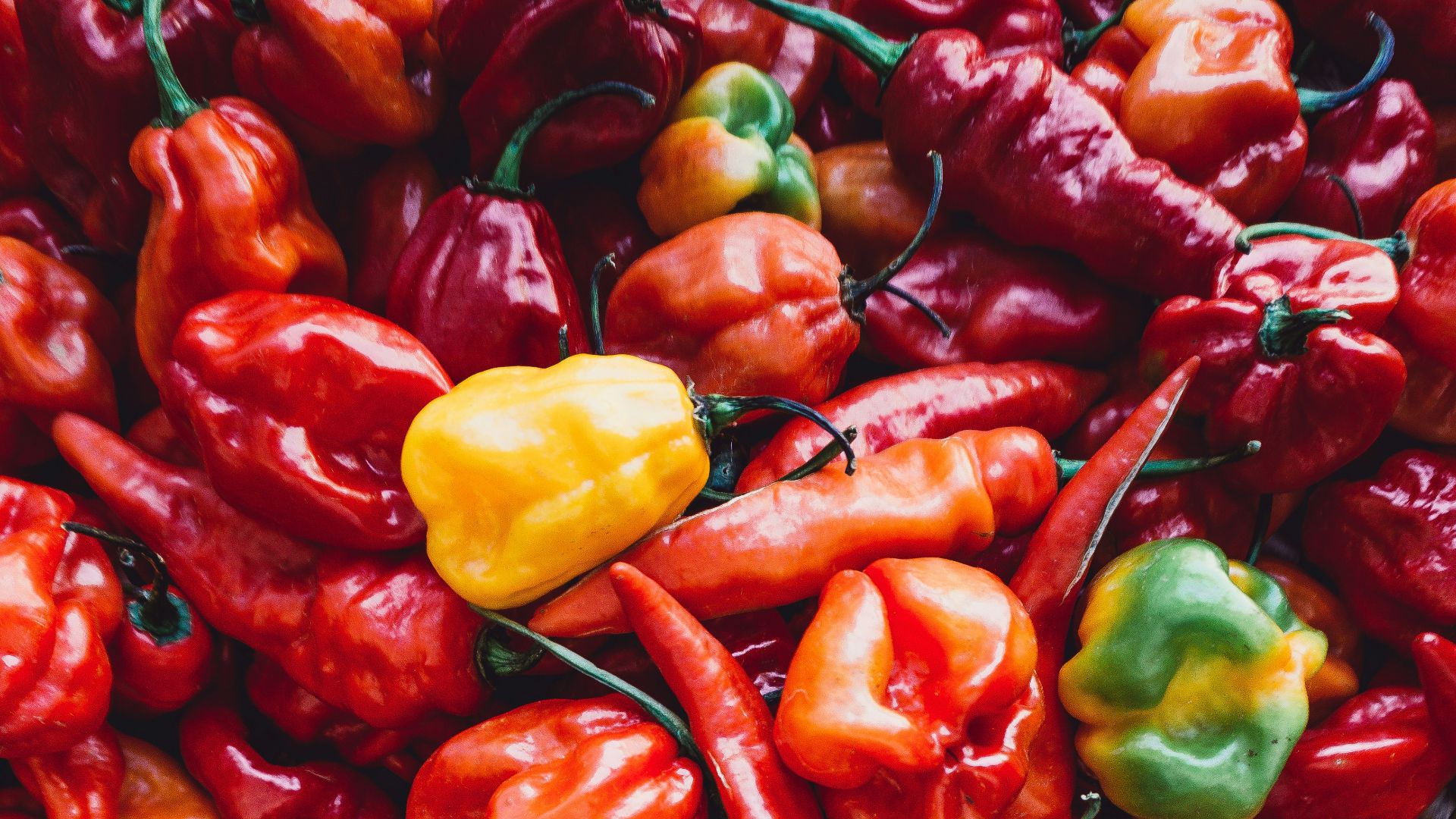
14. Dried Cayenne Or Thai Chilies
Whole dried cayenne and Thai chilies are small, potent, and easy to keep tucked in a jar for months. They quickly infuse in hot oil, broths, and simmered beans, delivering a clean, bright heat without much sweetness. Here, a little goes a long way.
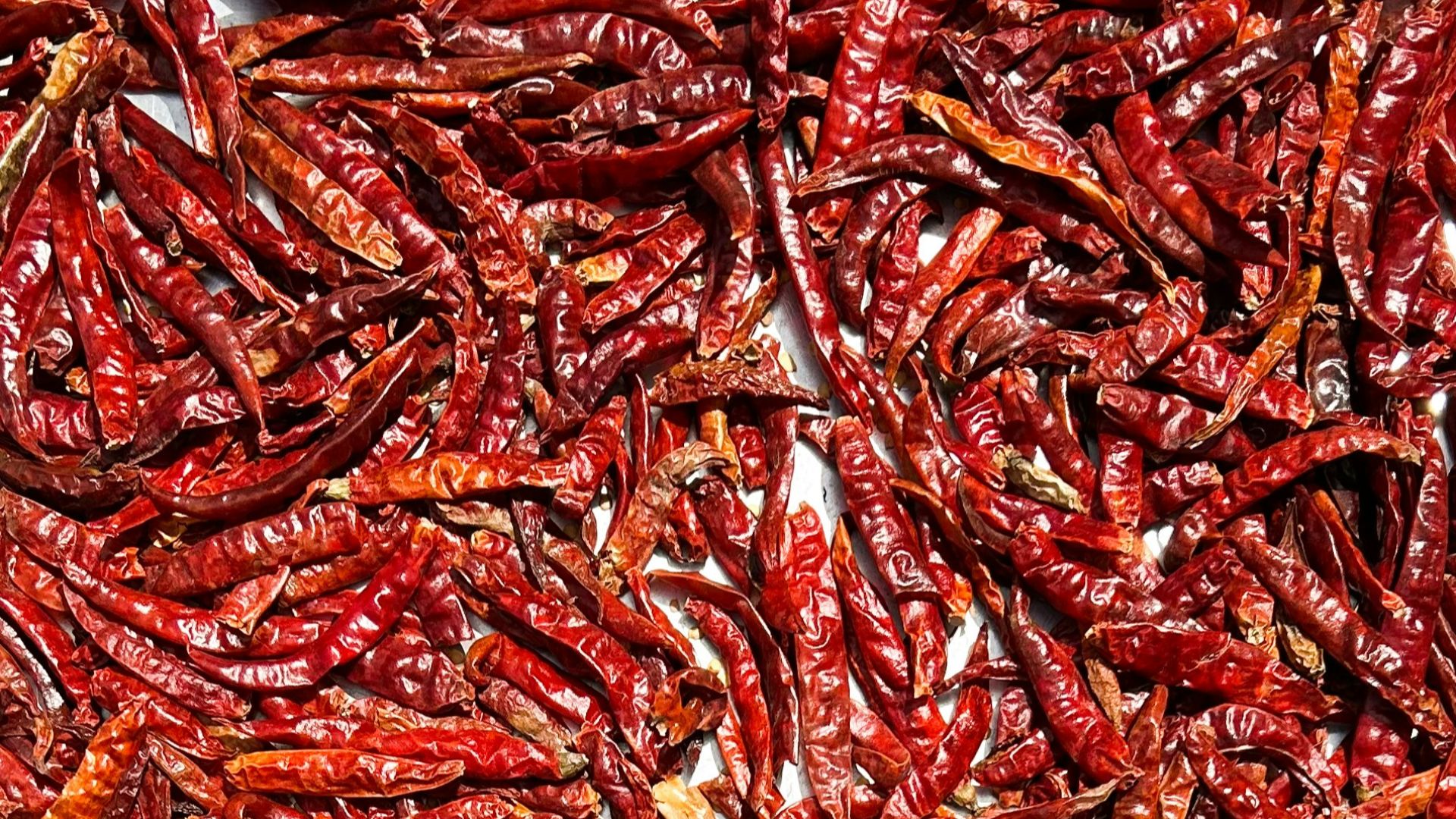
15. Habanero Or Scotch Bonnet Hot Sauce
Habanero and Scotch bonnet peppers are famous for pairing serious heat with a tropical, fruity aroma. Caribbean-style sauces lean into that fruitiness, so the heat feels lively rather than flat, especially with grilled meats, rice dishes, and creamy dips.
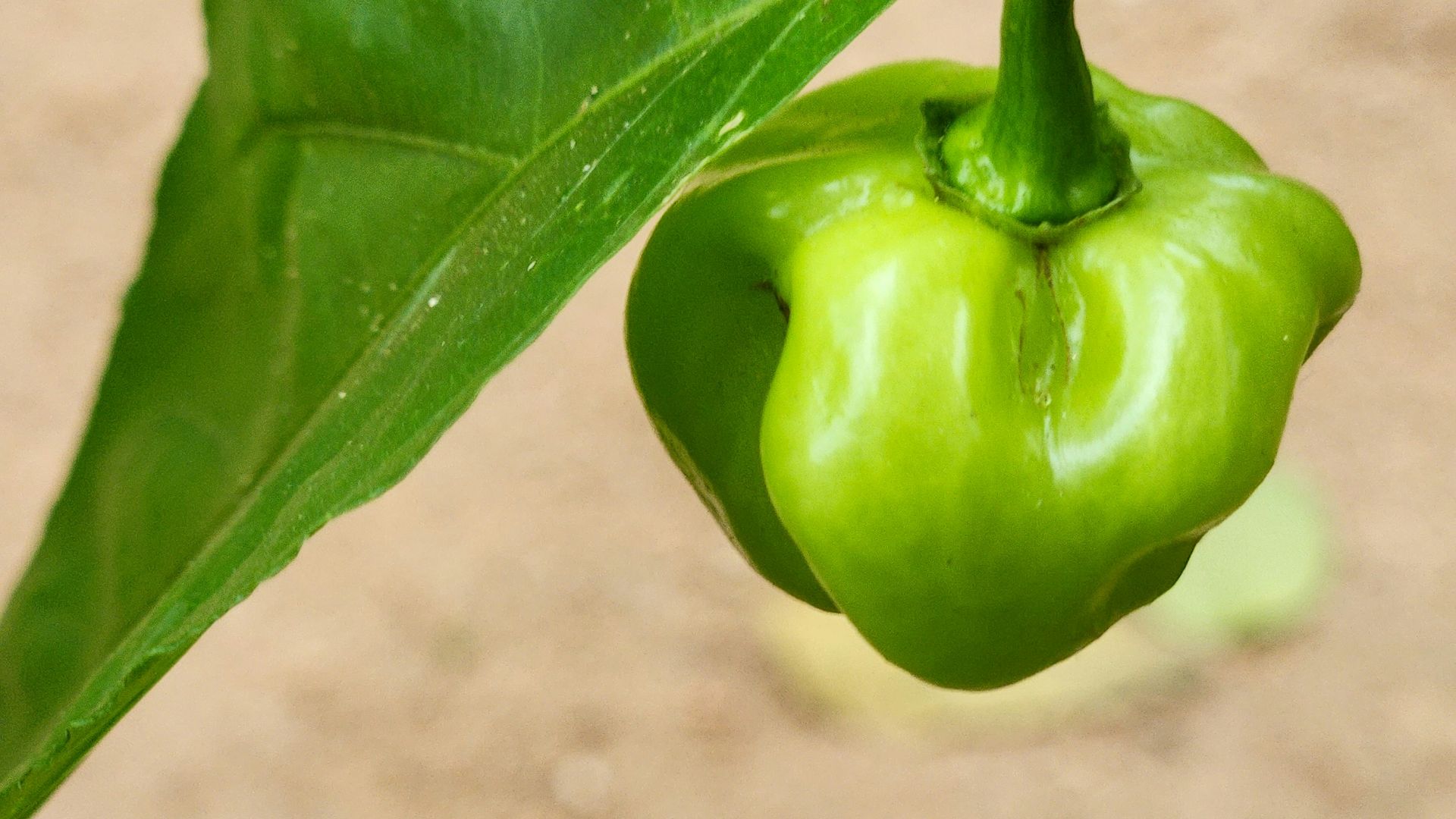
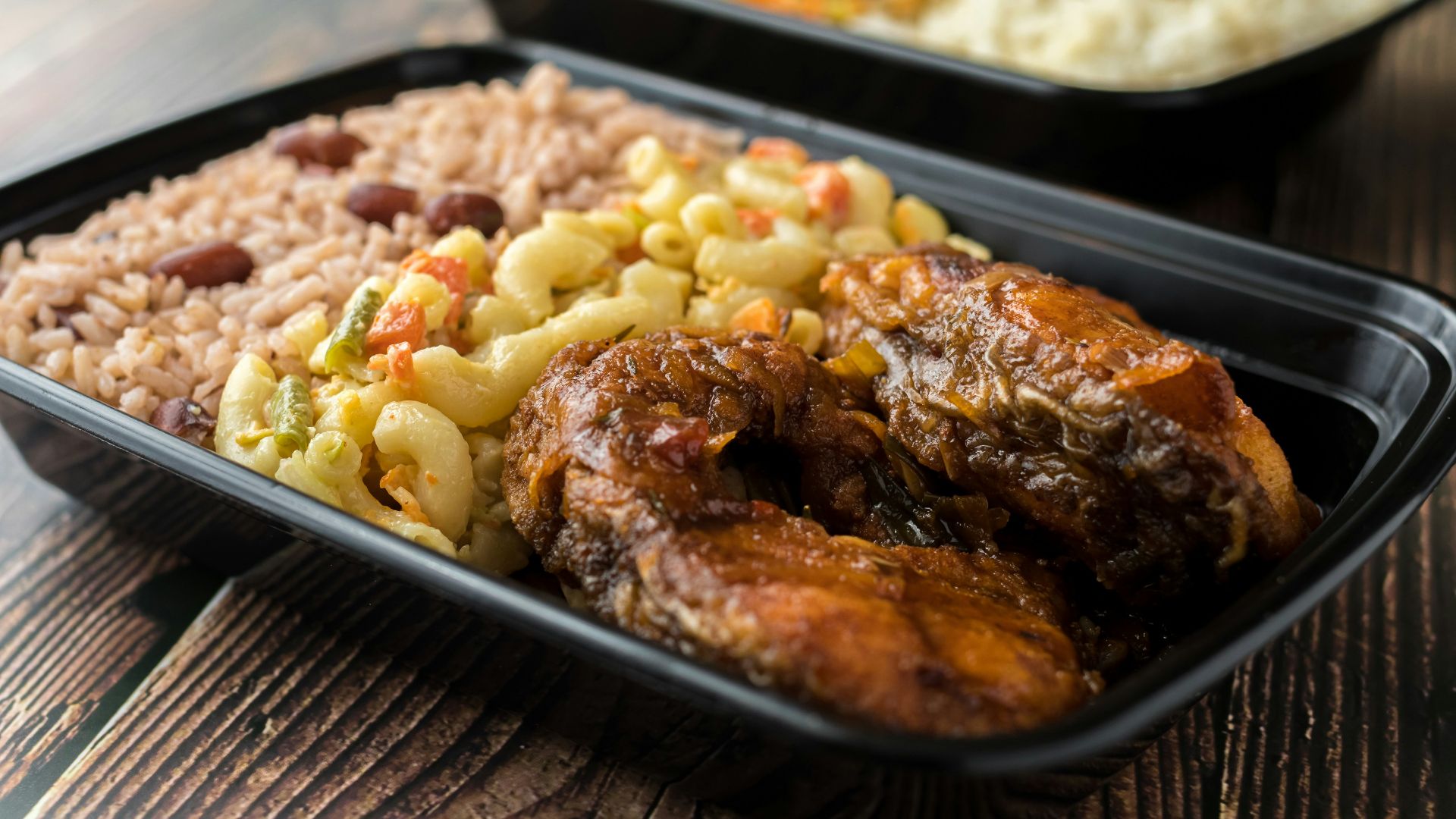
16. Jerk Seasoning Paste Or Rub
Jerk seasoning is tied to Jamaican cooking traditions, where spice mixtures, typically built around allspice and hot peppers, evolved as both a flavor and cooking method. A hot jerk paste or rub brings layered warmth to chicken, pork, roasted vegetables, and even buttered corn. It lands somewhere in the medium-to-hot scale, with a peppery bite that lasts.
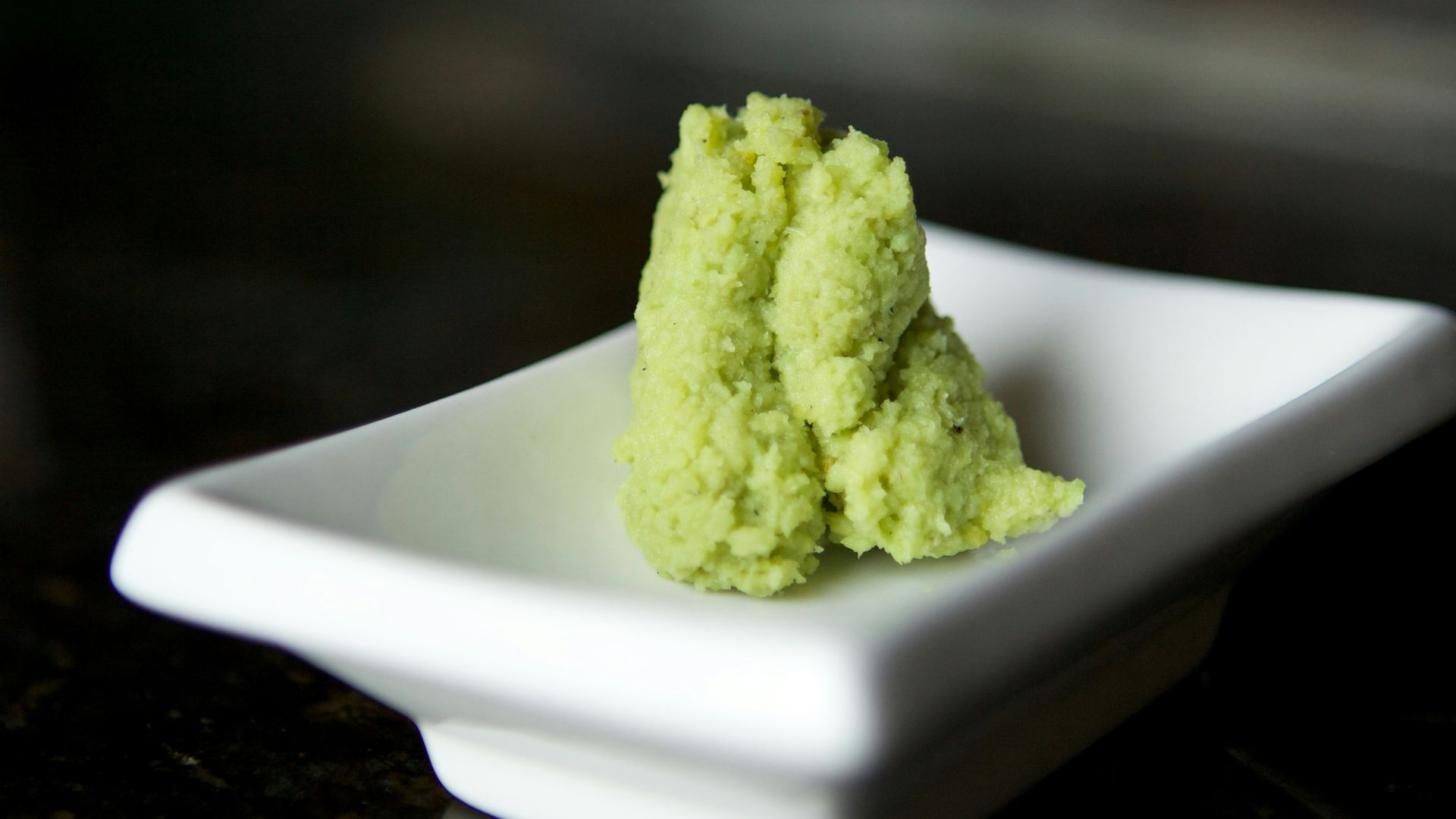
17. Wasabi Paste Or Powder
Wasabi heat is different from chili heat. The burn rises through the nose more than it lingers on the tongue, a sharp, fast, clear-the-sinuses rush. Real wasabi is perishable, so most pantry versions use horseradish and mustard with coloring, but they still deliver the same quick kick. It’s great in dressings, mayo, and soy-based dips.
 David Todd McCarty on Unsplash
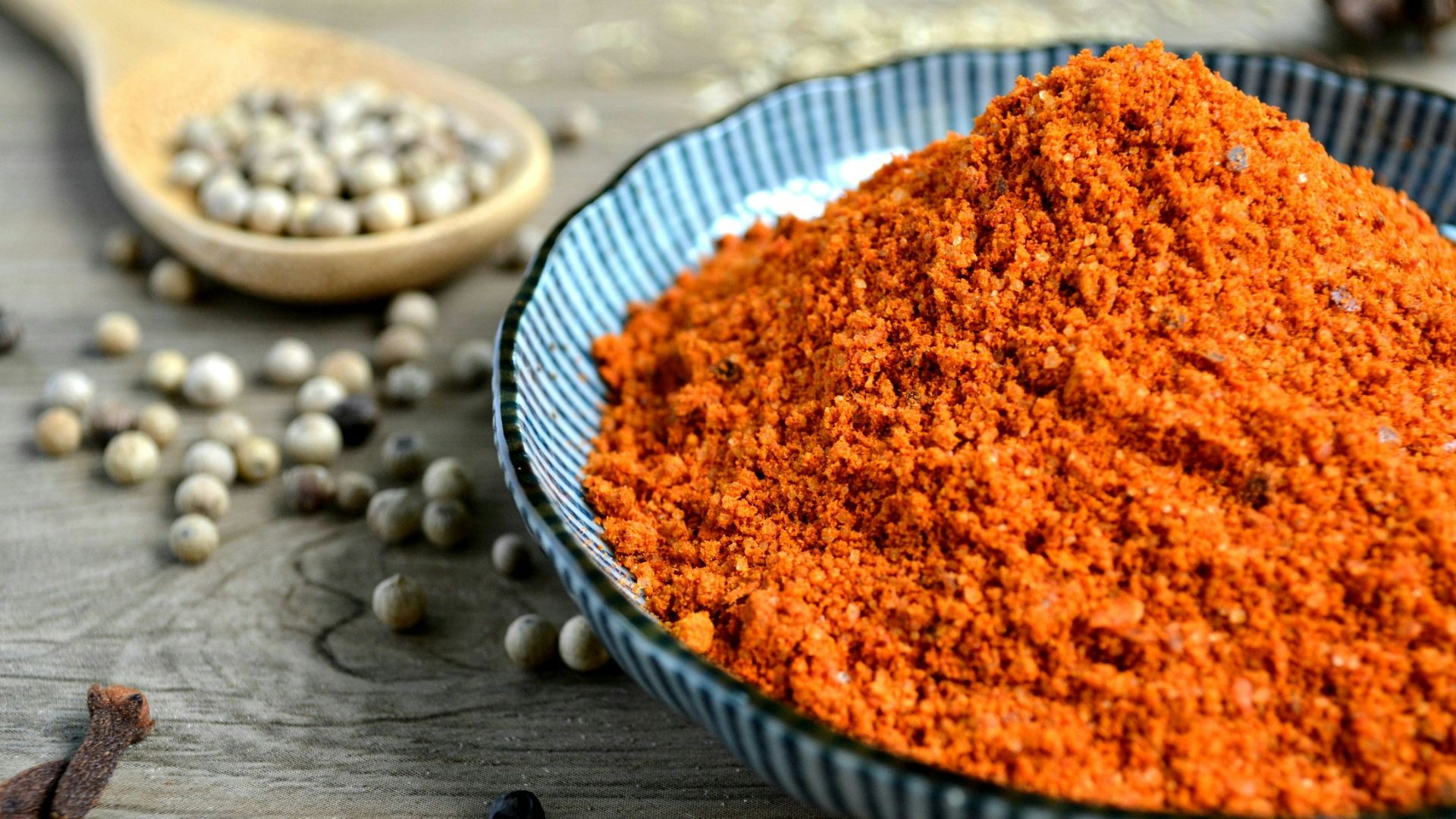
18. Hot Curry Powder Or Madras Curry Powder
Curry powder blends became popular through British colonial trade routes and later home cooking, combining turmeric, cumin, coriander, and chiles into an all-in-one shortcut. Hot or Madras-style blends bring warmth and a deep spicy aroma, making them useful in lentils, roasted cauliflower, soups, and savory pies.
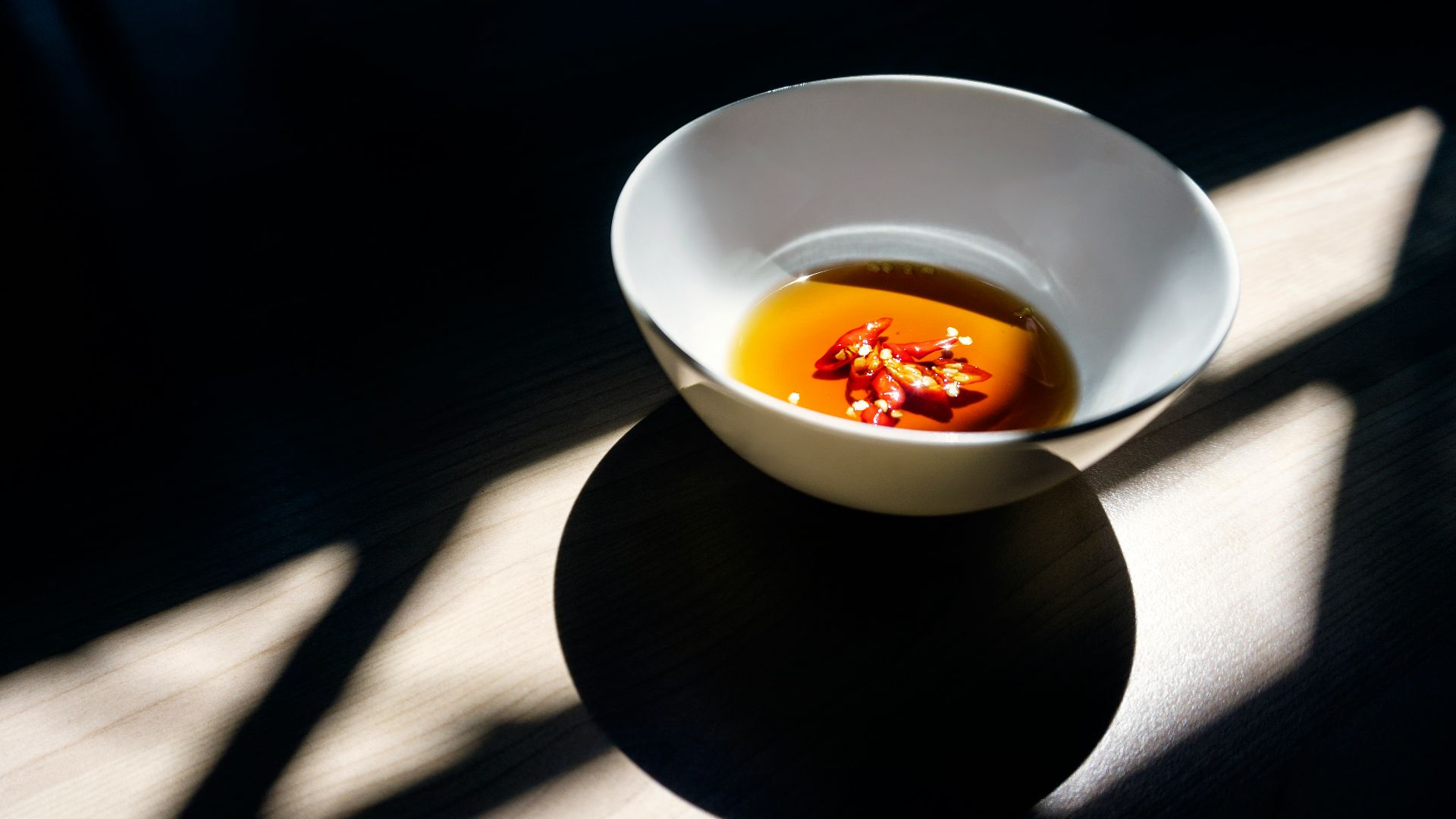
19. Spicy Chili Crisp Or Chili Oil
Chili crisp has become a pantry obsession because it adds both heat and texture. It shines on noodles, rice, eggs, dumplings, and roasted vegetables, especially when you want a savory, toasted-chile flavor with a little crackle. The heat scale ranges widely, but often lands at medium with a slow, oily glow.
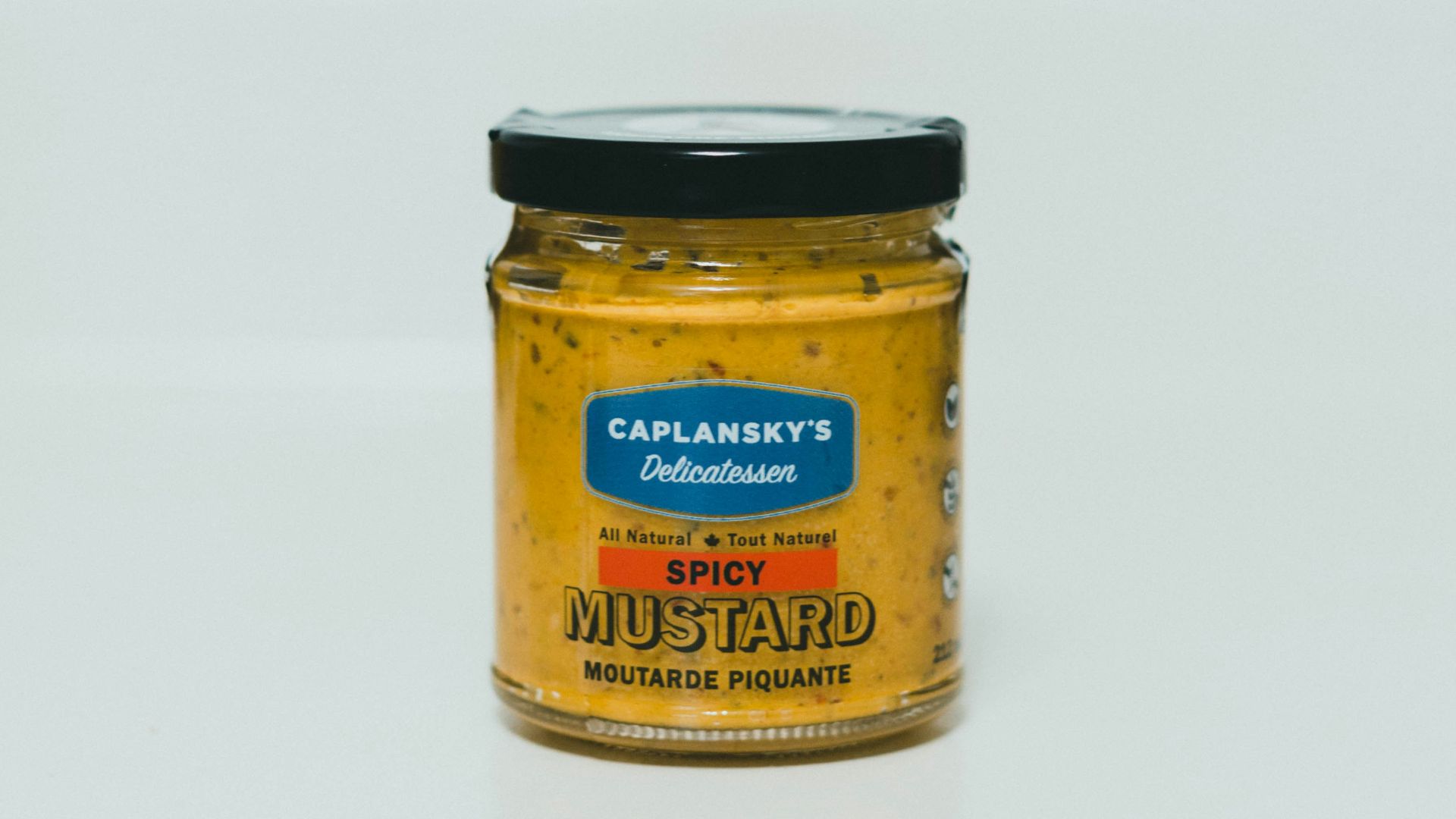
20. Spicy Mustard
Mustard's punch comes from mustard seed chemistry, which creates a sharp, nasal heat that reads differently from chile burn. Spicy stoneground or hot Dijon brings instant bite to sandwiches, vinaigrettes, sausage, and cheese boards, cutting richness while adding a tingle. The heat is quick and bracing, then clears out fast enough to go back for another swipe.
KEEP ON READING

The 5 Most Consumed Foods in the Entire World