Your Eyes Are Misleading You
Food usually gives you plenty of clues about what you're about to experience, but appearances don't always tell the whole story. Some foods have bright colors that suggest one flavor while delivering something completely unexpected, while others look heavy, rich, or even intimidating despite tasting surprisingly mild. If you've ever taken a bite expecting one thing and gotten something entirely different, these 20 foods show just how easily your eyes can fool your taste buds.
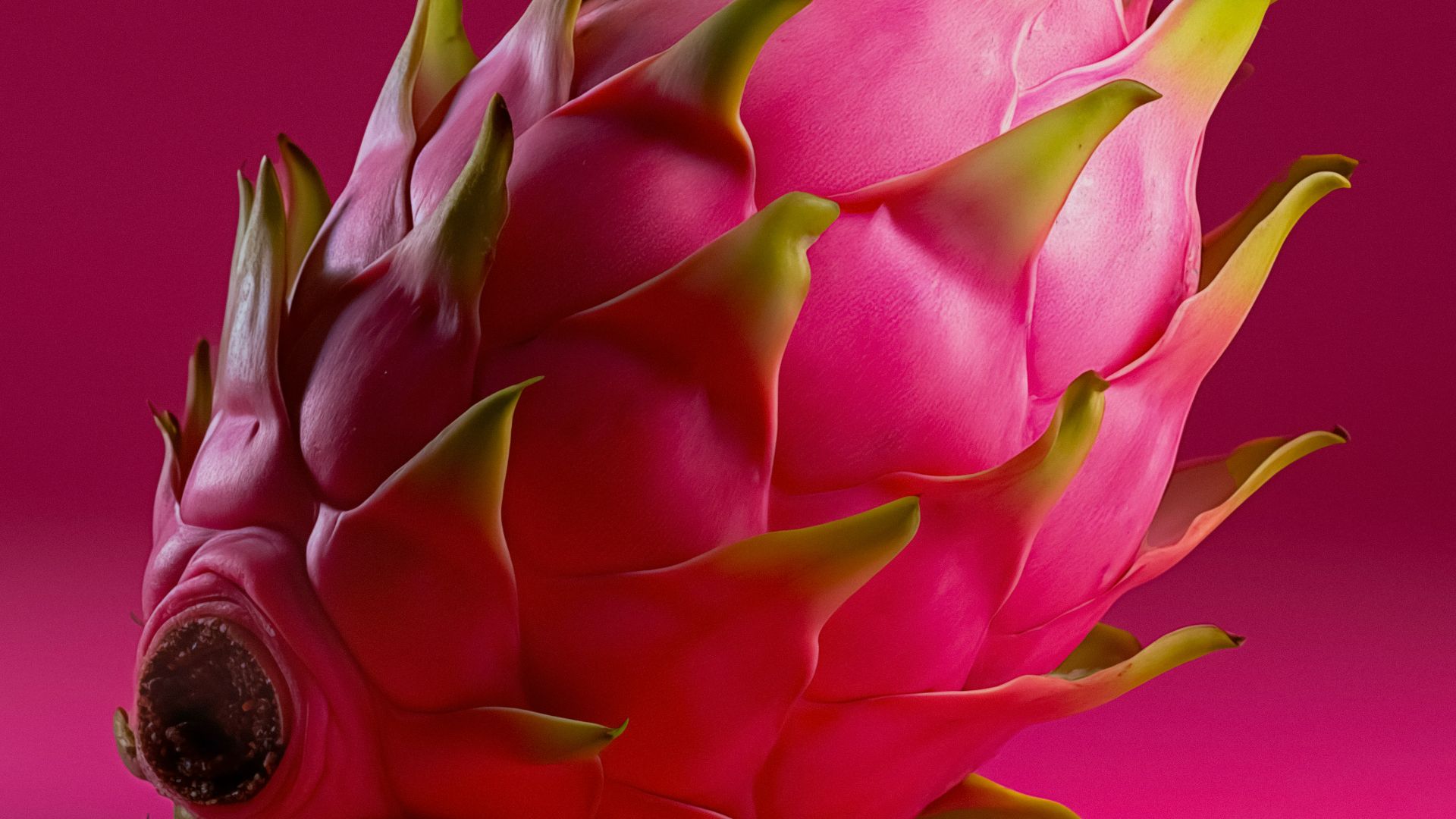
1. Dragon Fruit
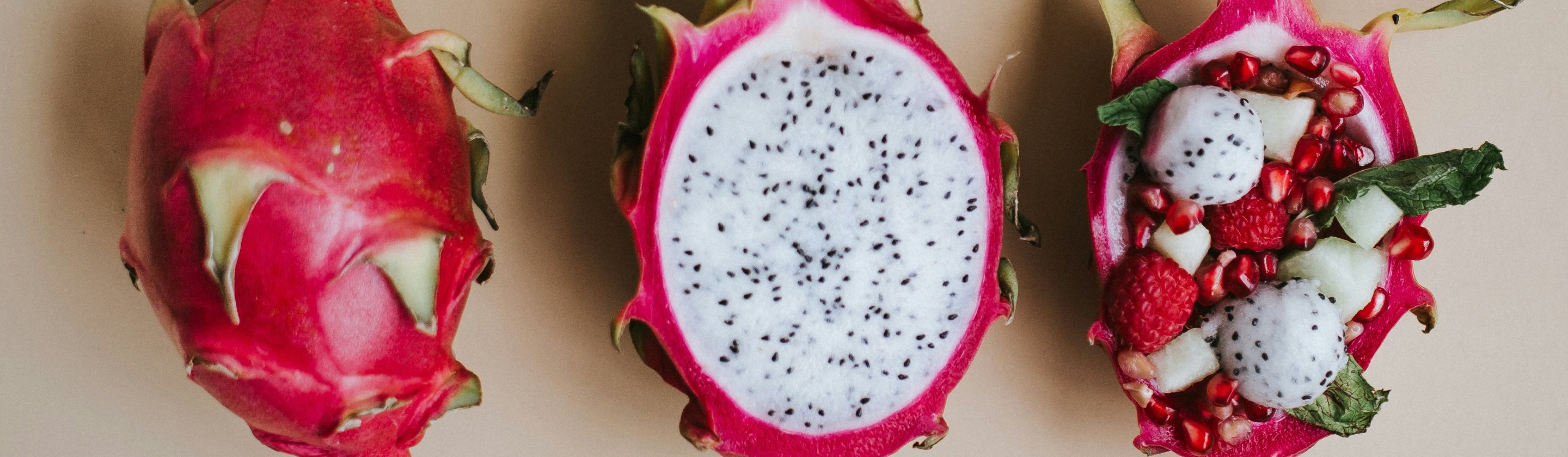
Dragon fruit has a showy exterior, complete with magenta skin and little black seeds sprinkled throughout its pale flesh. The flavor, however, is mild and just slightly sweet with a hint of tartness that feels refreshing. If you’ve been expecting bold tropical flavors, taking your first bite will be quite the surprise.
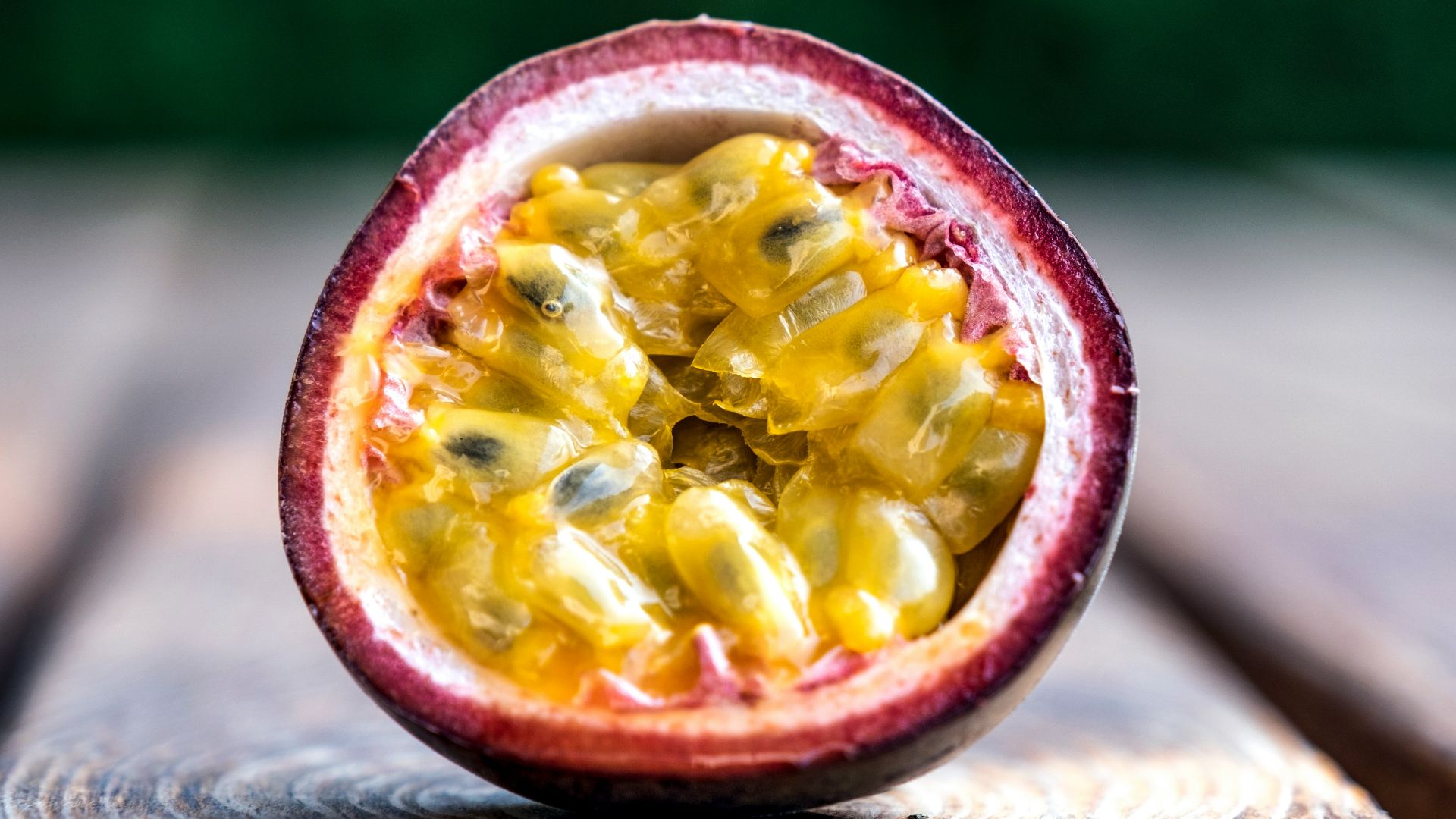
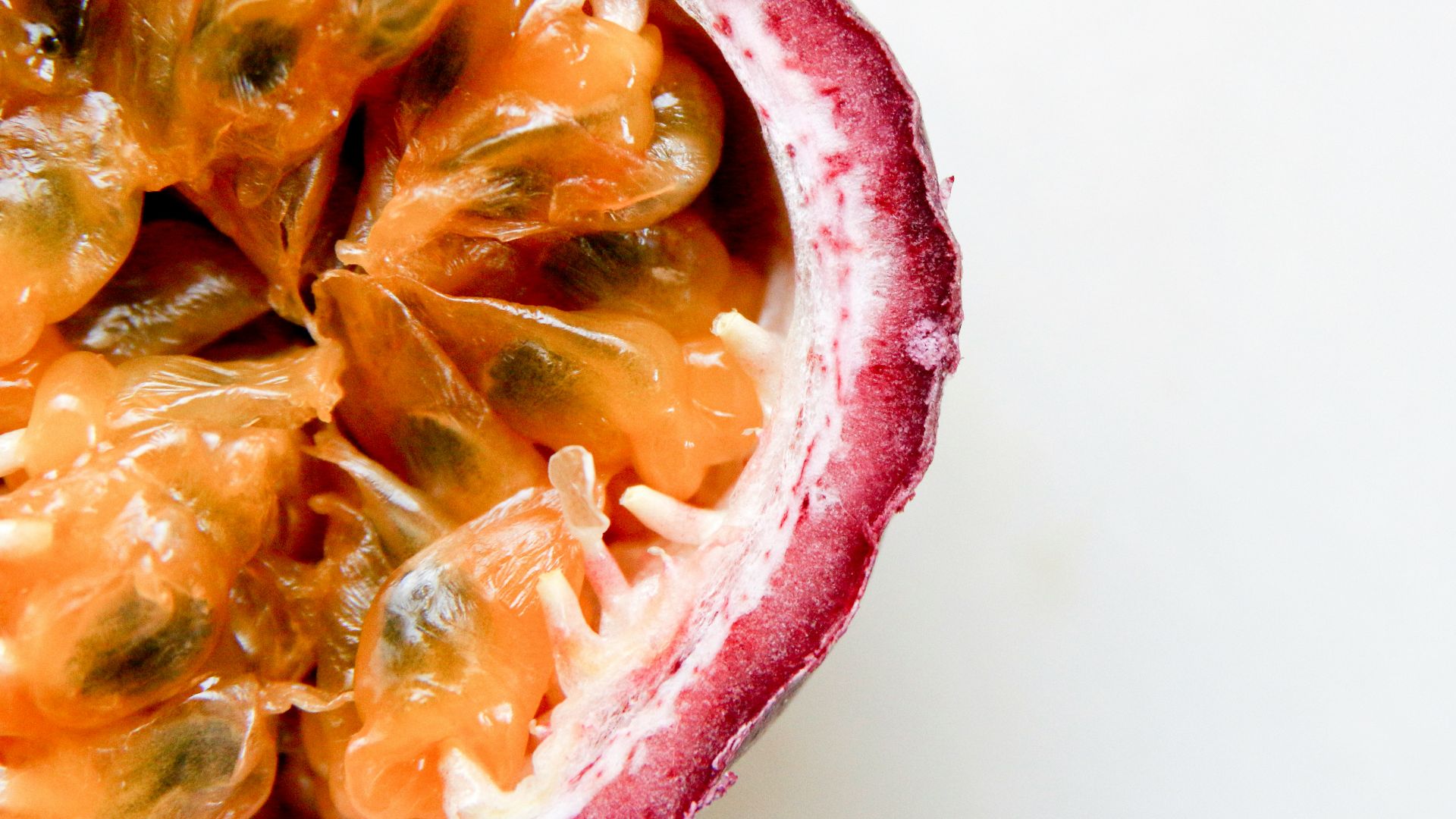
2. Passion Fruit
Passion fruit will likely intimidate you before you even take a bite. After you cut through its leathery hide to find the seeds, you discover its bright white pulp. It has a very sweet and tart flavor that’s much bolder than its unusual appearance.
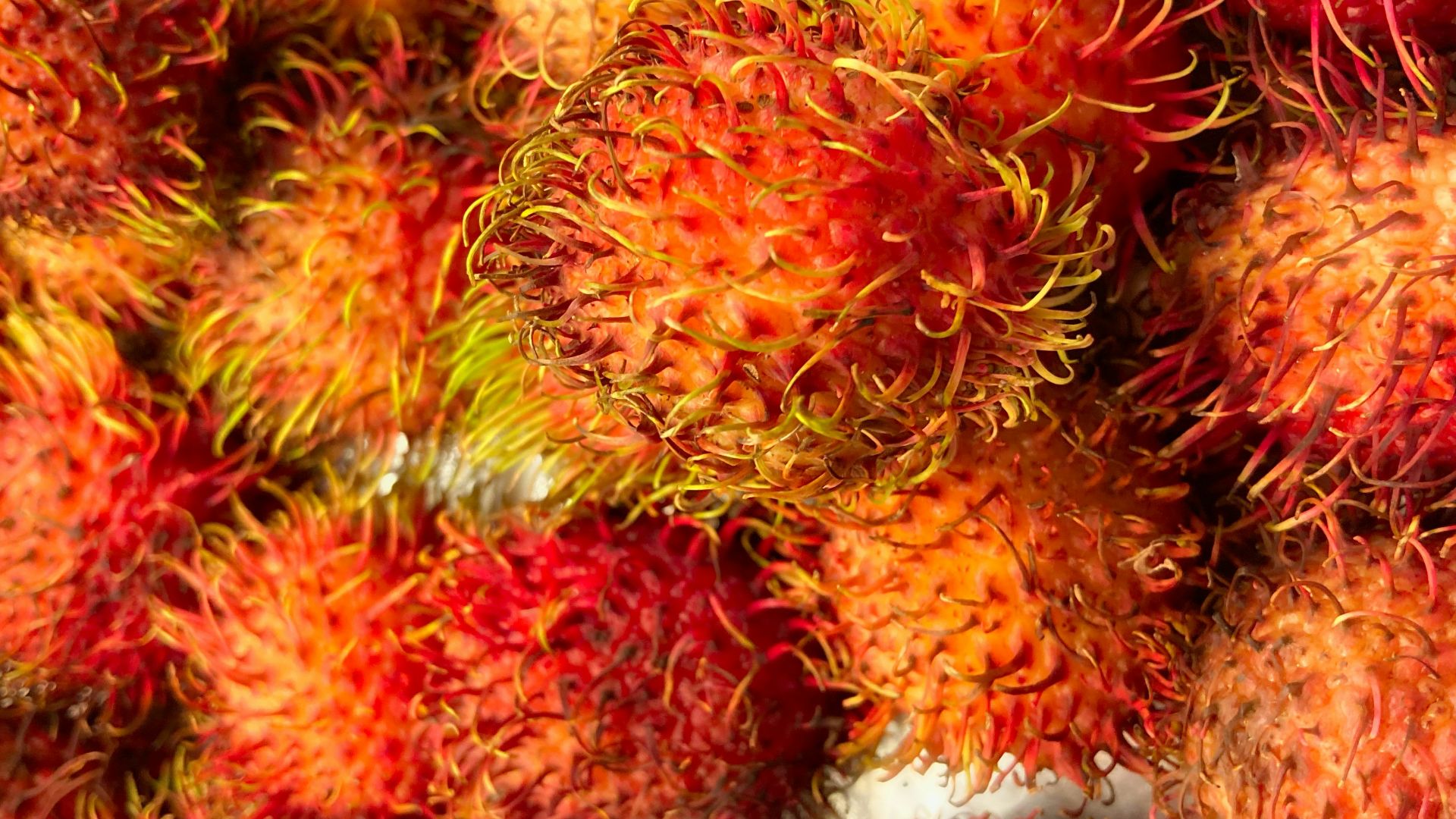
3. Rambutan
The exterior of rambutan might deter you from trying it. Under its hairy shell, you’ll find juicy white fruit with a mild, sweet taste. The look of it will also feel very unfamiliar, which makes the familiarity of its flavor even more surprising.
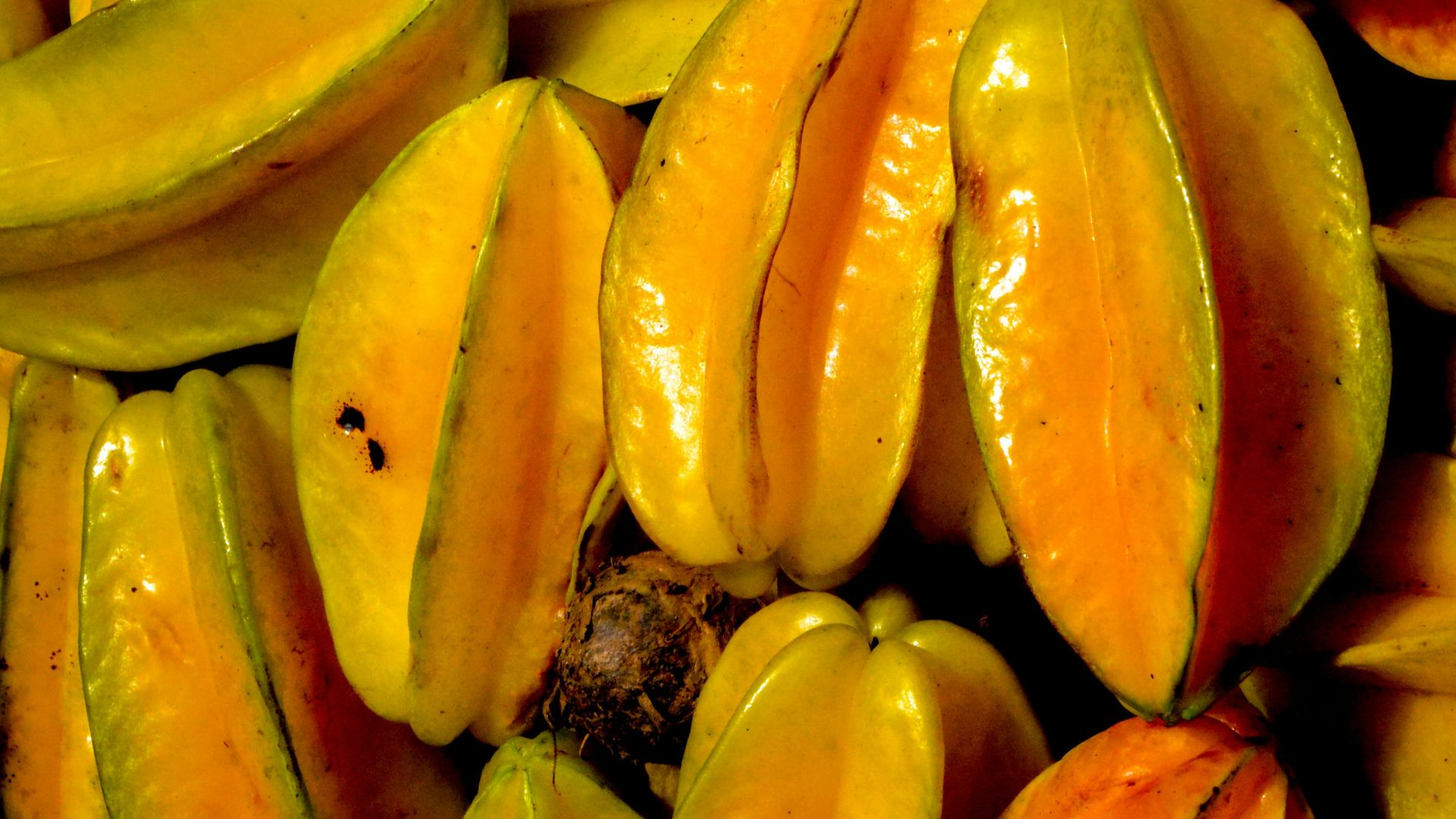
4. Star Fruit
Star fruit might look like an ordinary green or yellow fruit before you cut into it. Once sliced, its distinctive star shape makes it look much more unusual than its mild, sweet-and-tart flavor suggests. The crisp texture and refreshing taste make it much less intimidating than its appearance.
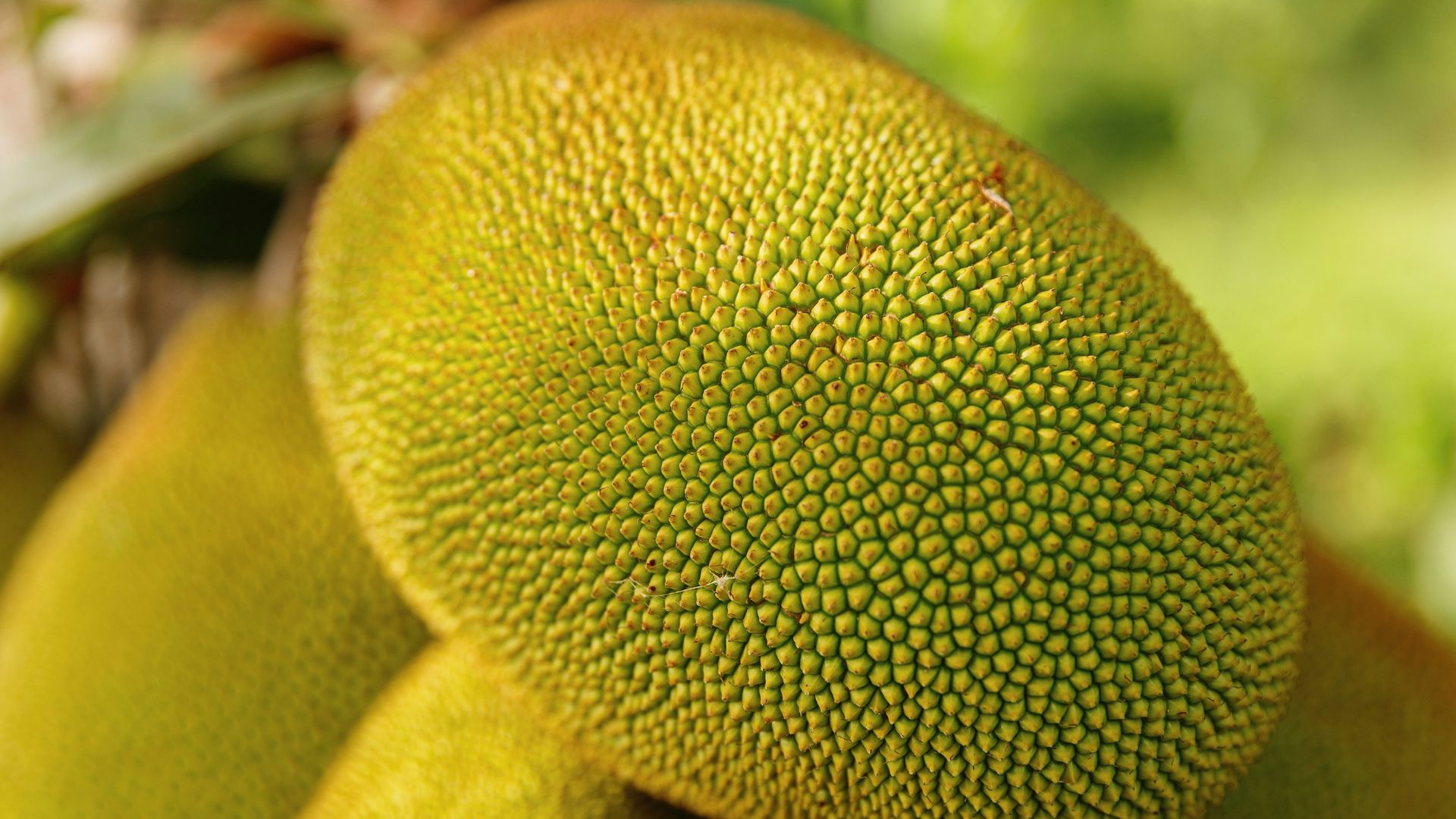
5. Jackfruit
Jackfruit might scare you away just based on its massive size and spiky appearance. Its soft and sweet interior is completely different from the green shell. Jackfruit’s flavor also ranges depending on ripeness, so your first bite might be mild or strong, sweet or savory.
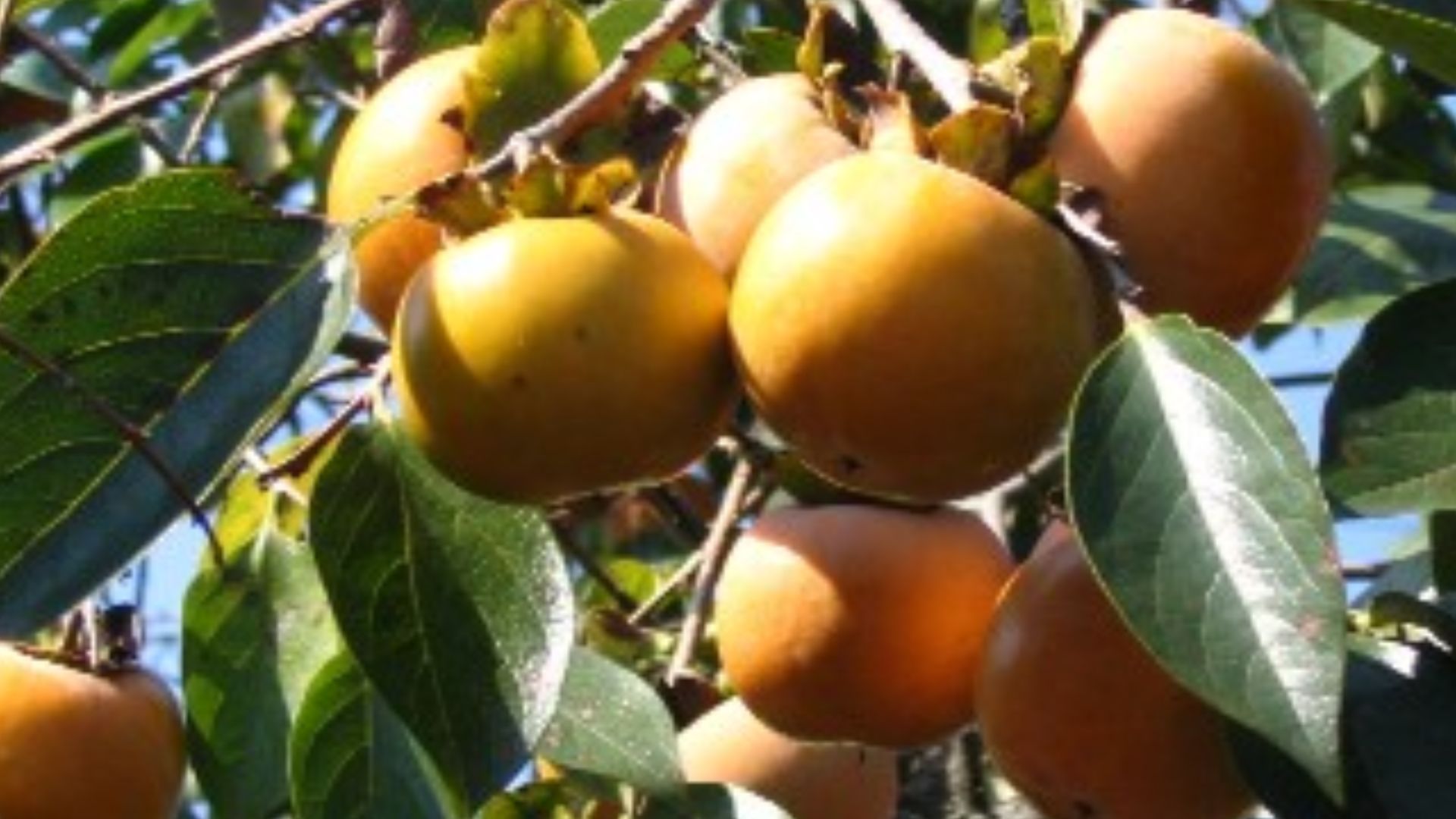
6. Persimmon
Persimmons look like petite tomatoes, making it hard to discern their flavor. Once ripe, many varieties are soft and exceptionally sweet, with a taste similar to honey. Unripe persimmons taste sour and mouth-puckering, which is why it’s important to know how to tell if they are ready to eat.
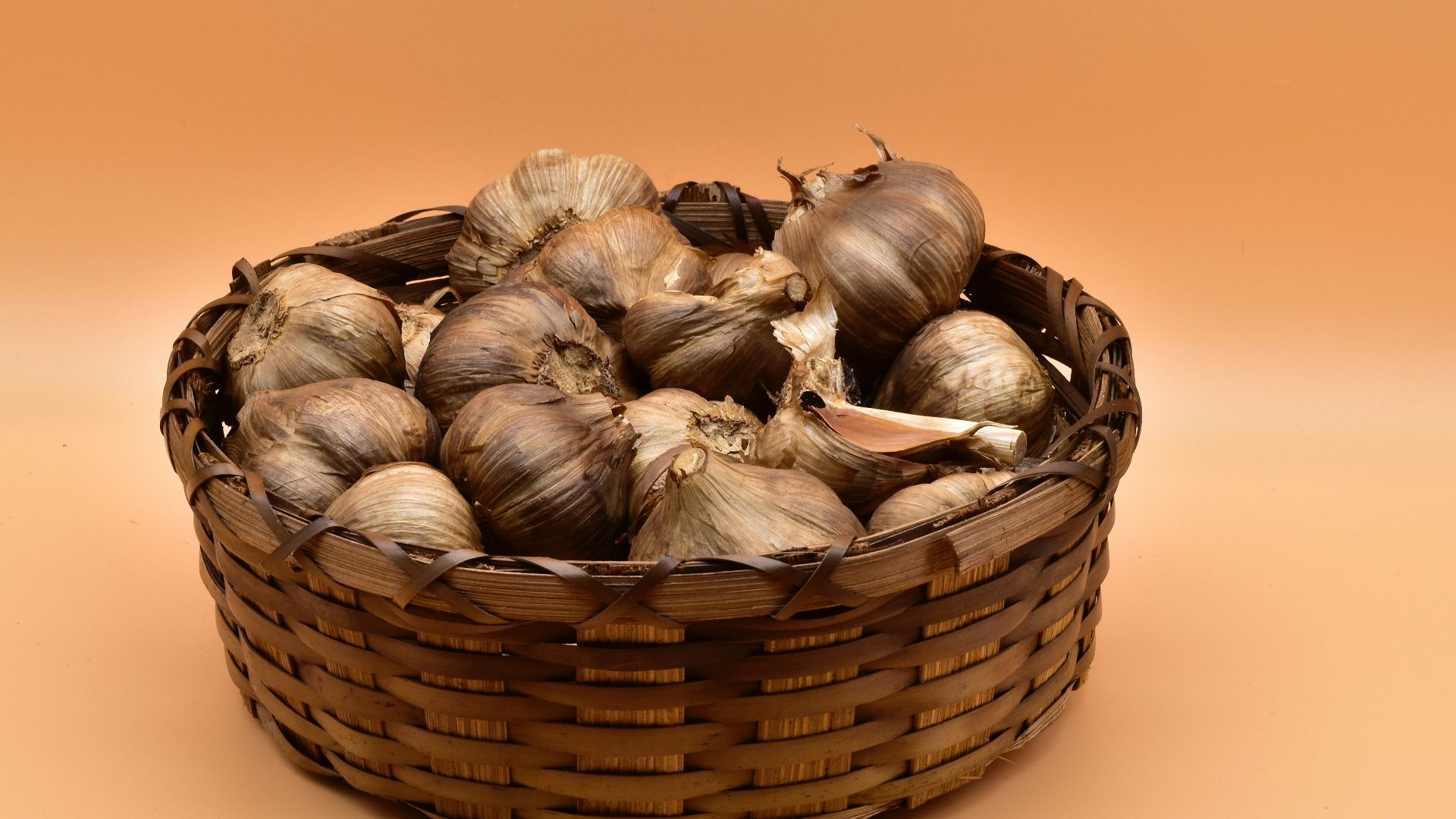
7. Black Garlic
Black garlic’s uncanny resemblance to burnt garlic may cause you to steer clear. However, once you try it, the caramel-like sweetness is sure to surprise you. Black garlic is less pungent than raw garlic, with notes of sweetness and acidity that make it quite savory.
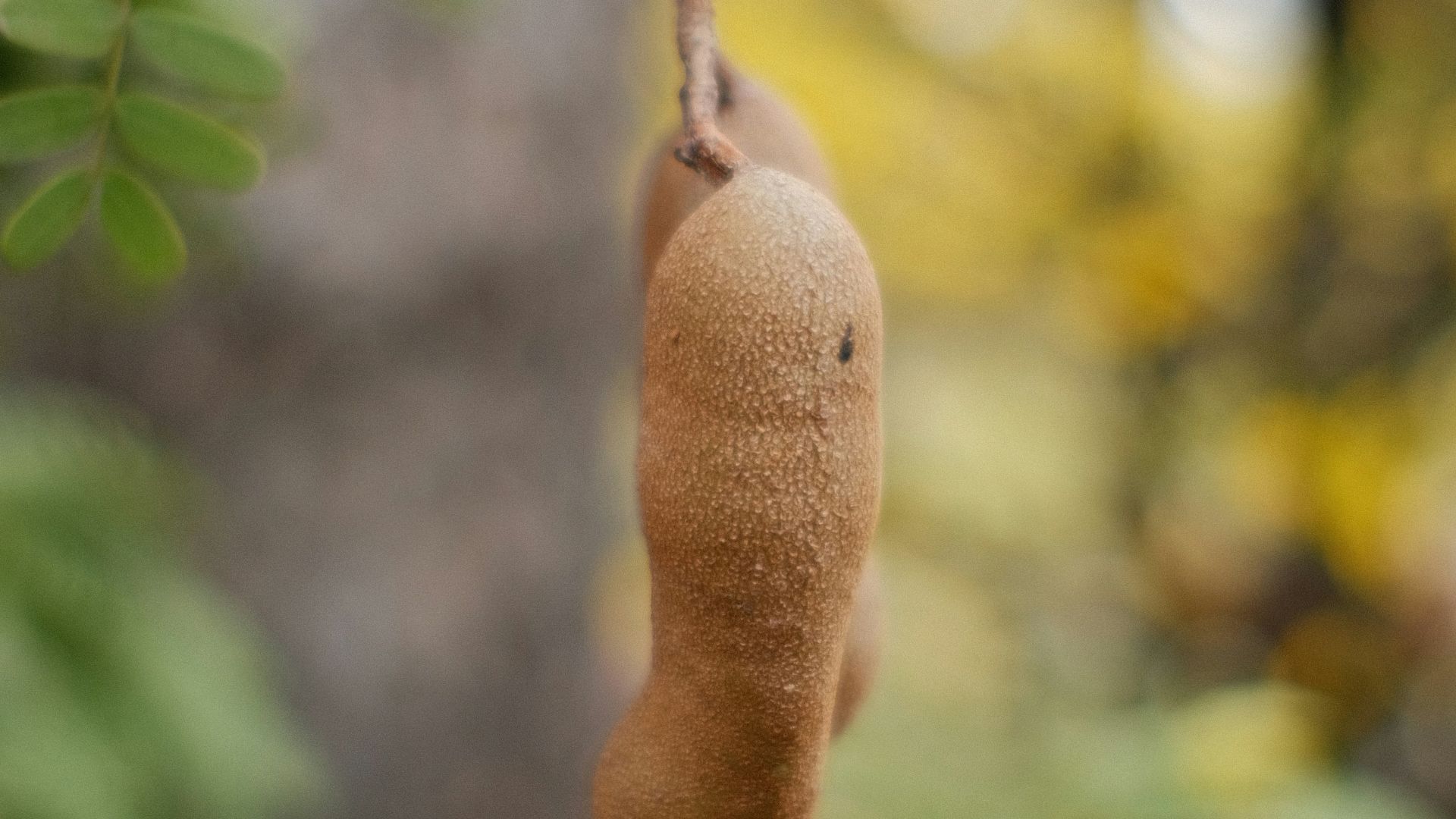
8. Tamarind
The tamarind pod has a rough brown exterior that doesn’t hint at its juicy interior. The pulp is sticky and sweet with a touch of tang, making it versatile in both sweet and savory dishes. Like black garlic, it’s used frequently in cooking despite its mysterious appearance.
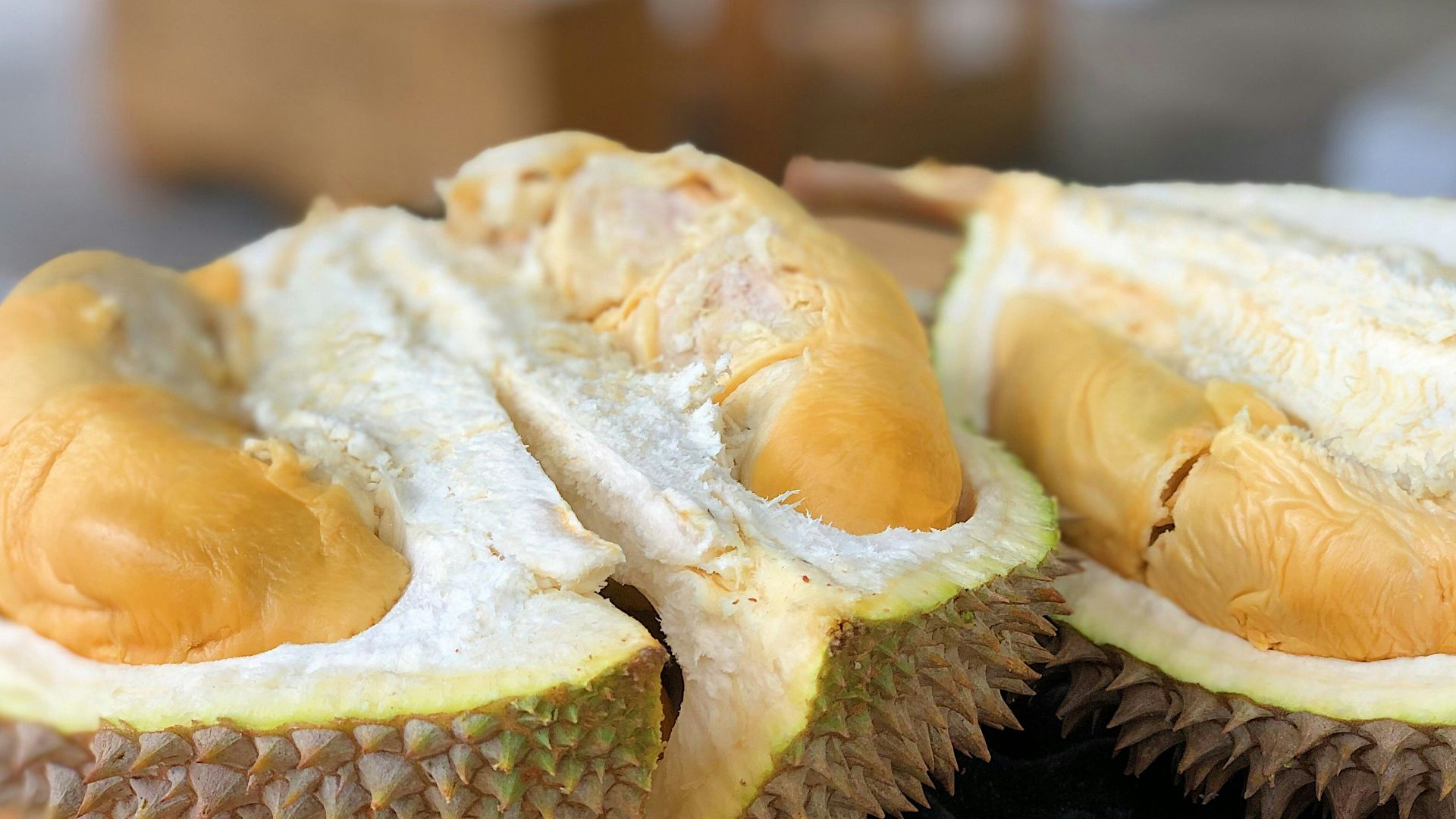
9. Durian
Durian is famous for its strong smell, which can make people expect the flavor to be equally aggressive. The creamy flesh can actually taste surprisingly sweet and rich, with different varieties offering different combinations of fruity and savory notes. The texture is also remarkably soft.
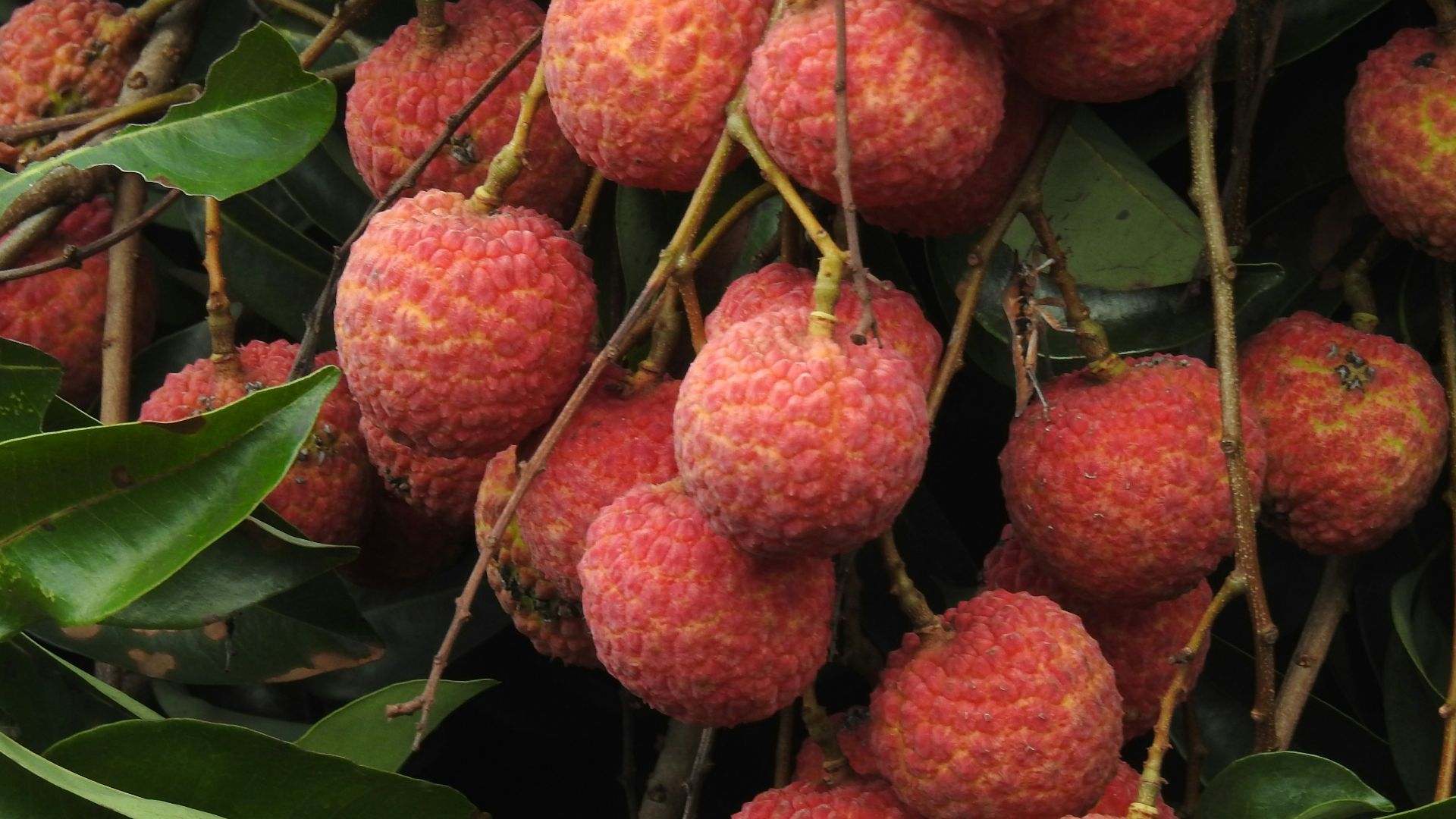
10. Lychee
Lychees appear to have tough skin that hides their bright-white flesh. After you peel the reddish shell, you’ll discover their sweet, floral taste. There’s a big contrast between the look and feel of lychee’s exterior and its smooth, translucent interior.
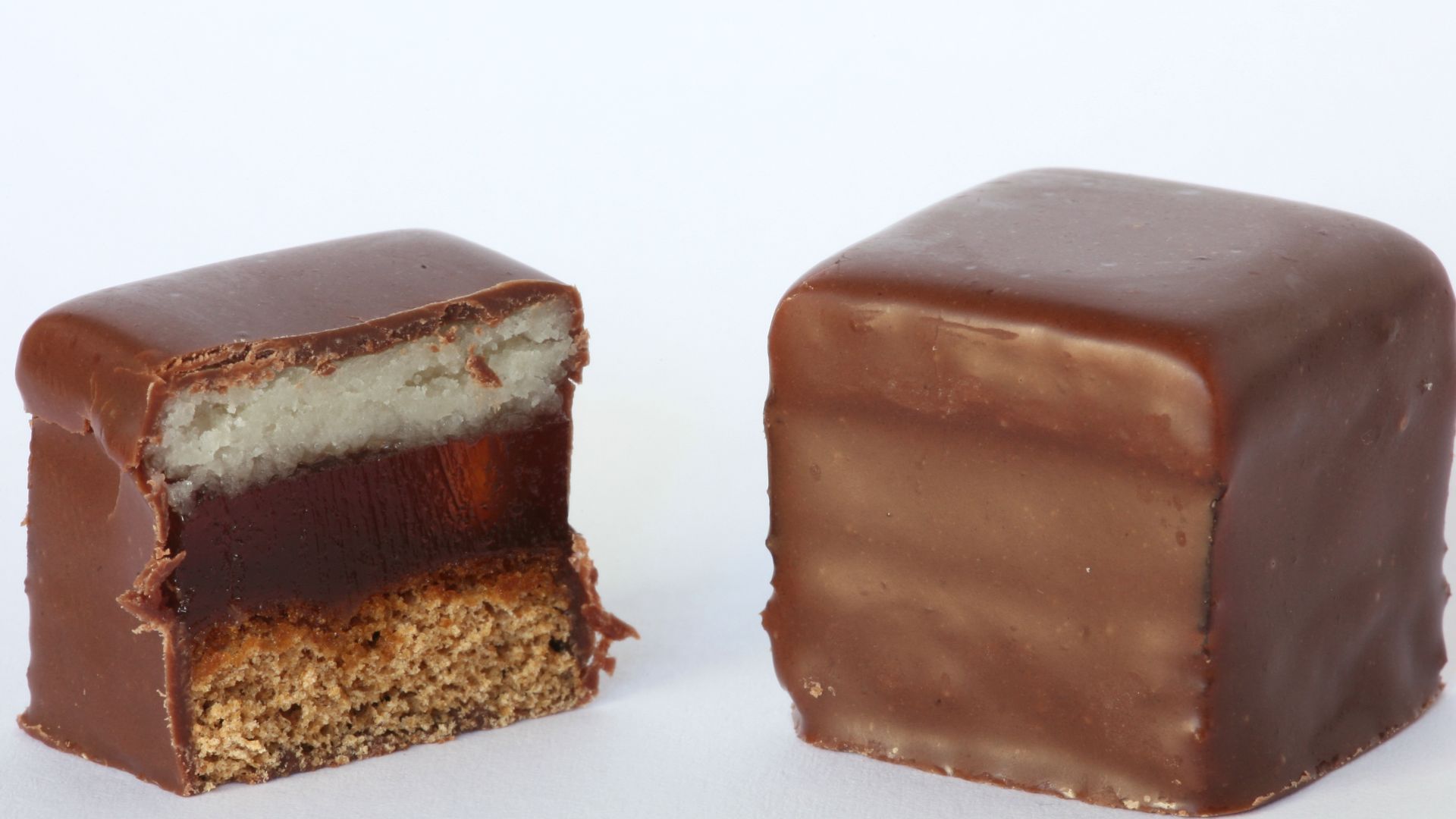
11. Persipan
Persipan can look just like regular marzipan or other almond-based treats but is made from the kernels of apricots or peaches. That slight difference results in a flavor some describe as nutty with a slight odor that’s hard to place. You wouldn’t know it just by looking at it.
12. Watermelon Radish
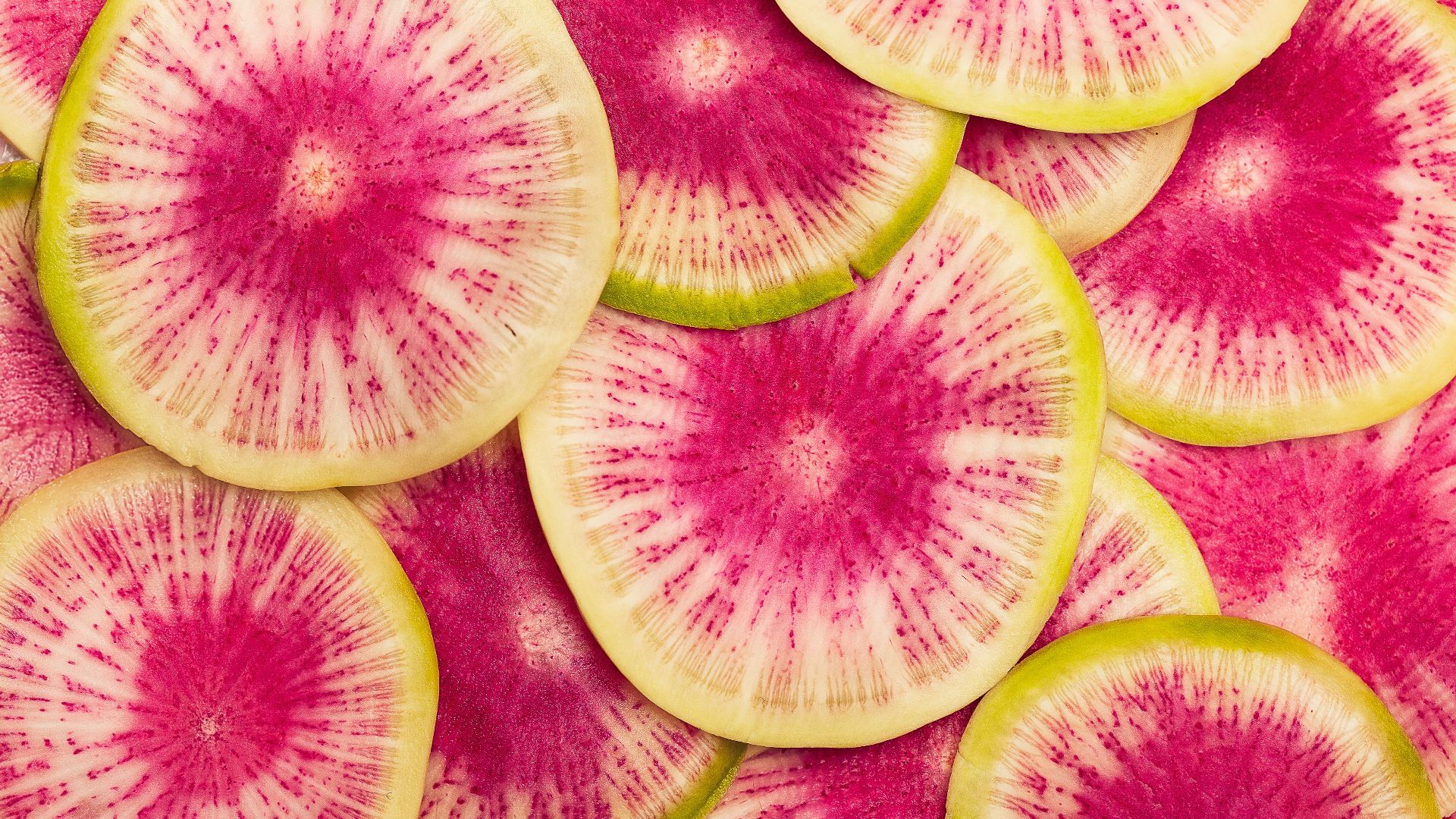
Watermelon radishes have a fairly plain green or pale exterior, so slicing one open can be a genuine surprise. The interior can reveal vivid pink or reddish rings that look much sweeter than the vegetable actually tastes. Despite its colorful appearance, the flavor remains distinctly radish-like, with a peppery bite that catches many first-time tasters off guard.
13. Fiddlehead Ferns
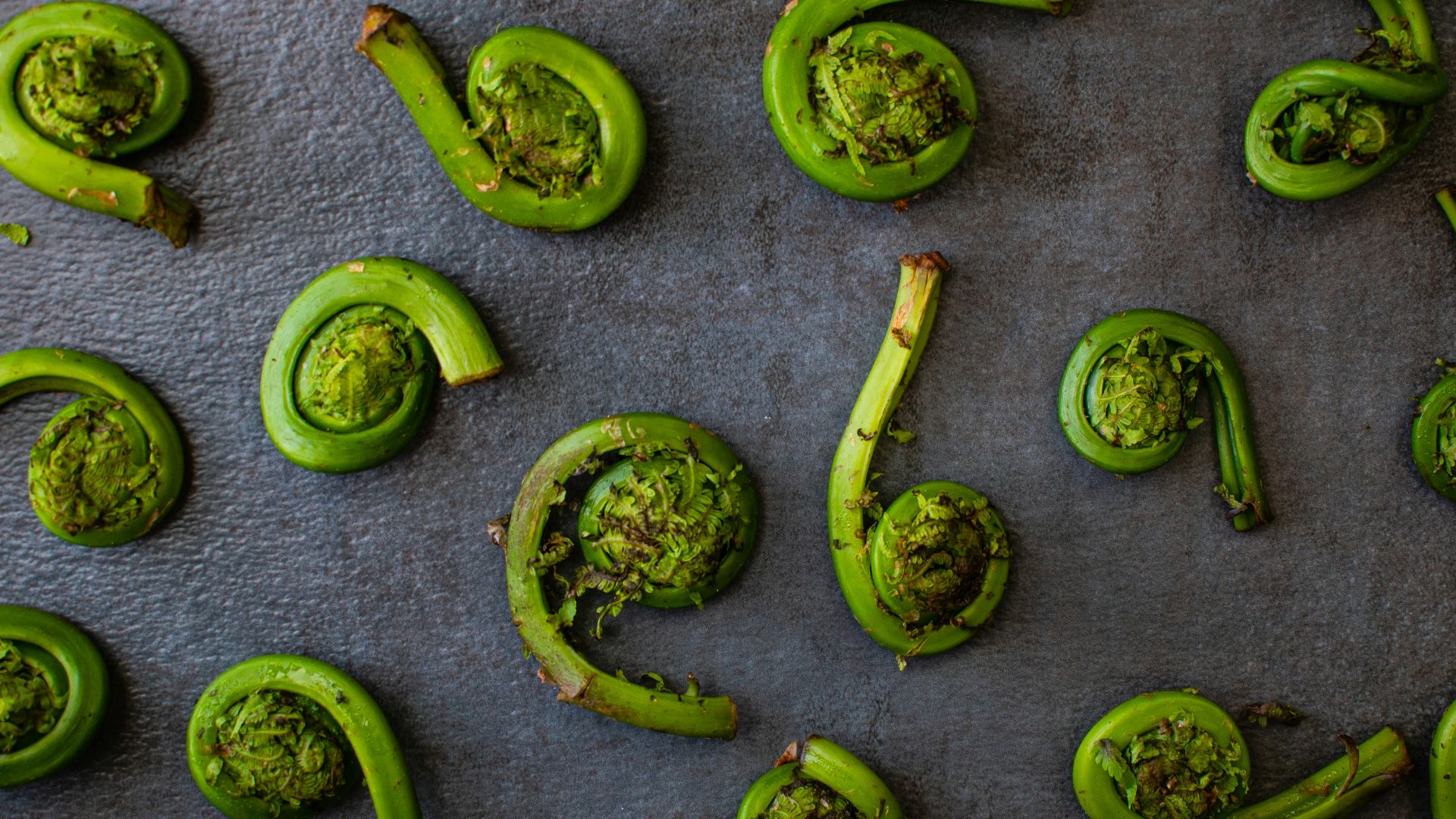
You probably wouldn’t guess you could eat fiddlehead ferns based on their appearance. However, they have a mild flavor with a texture similar to asparagus or other vegetables. Their appearance is far more striking than their taste.
 The Matter of Food on Unsplash
14. Black Sapote
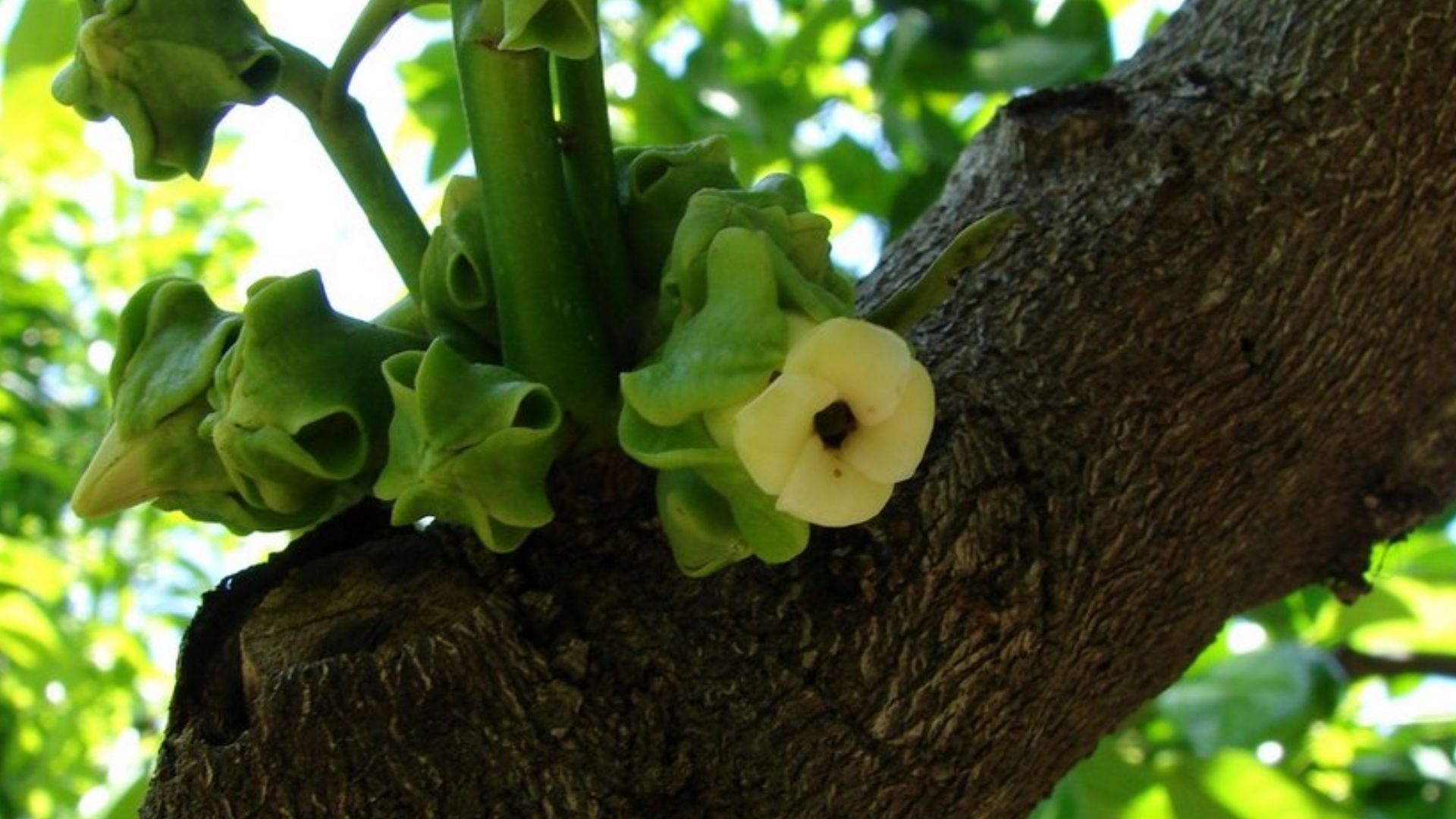
Many refer to black sapote as chocolate pudding fruit because of its dark color when ripe. While the look and texture may trick you into thinking it tastes like chocolate, it’s much fruitier. Black sapote has a sweet and creamy taste that only hints at chocolate.
 Tatiana Gerus from Brisbane, Australia on Wikimedia
15. Romanesco
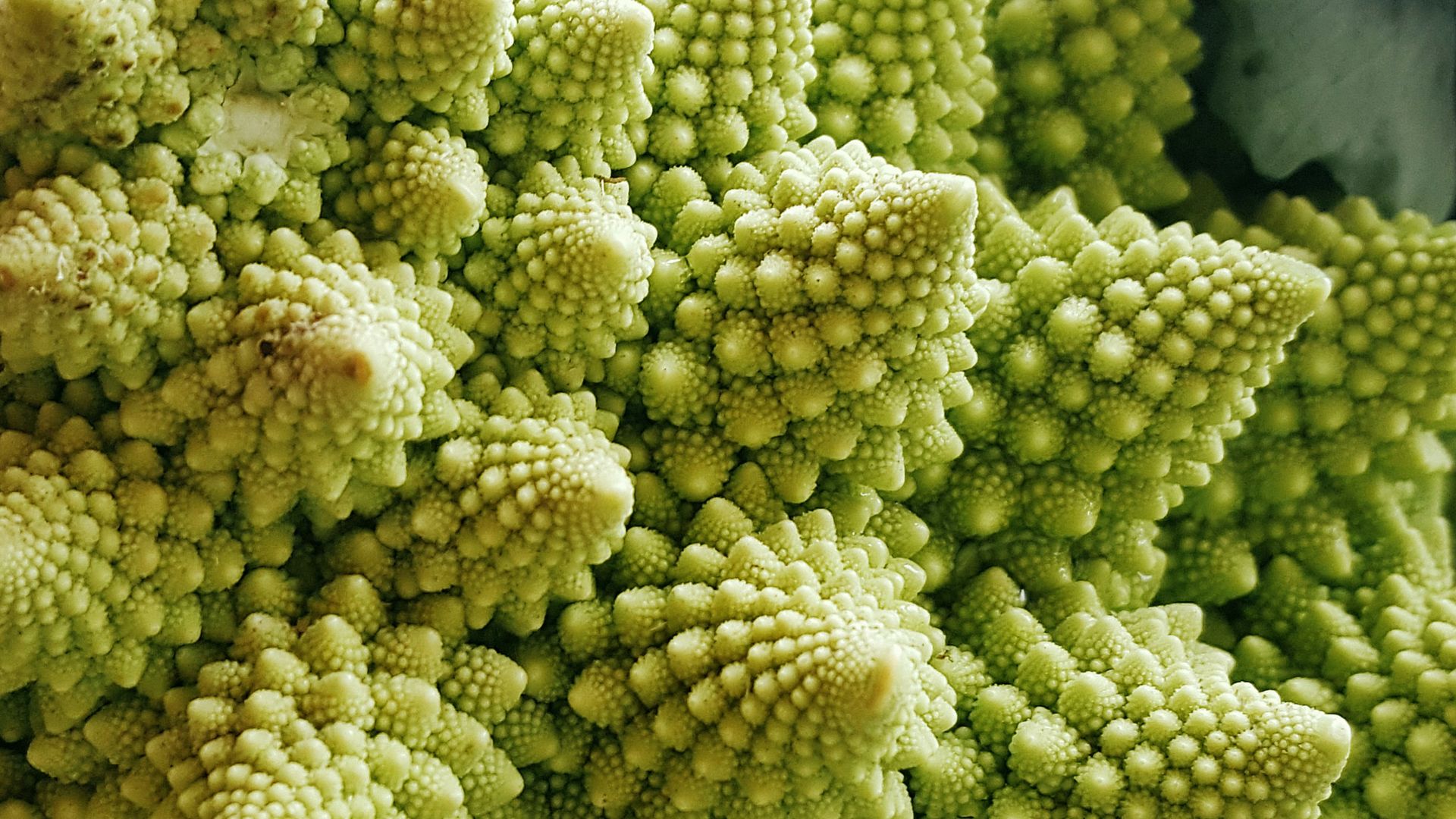
Romanesco may appear too intricate to be edible. Once cooked and tasted, however, you’ll find that it has a flavor similar to broccoli and cauliflower. If you didn’t notice it on your plate before you took a bite, you’ll certainly recognize it now.
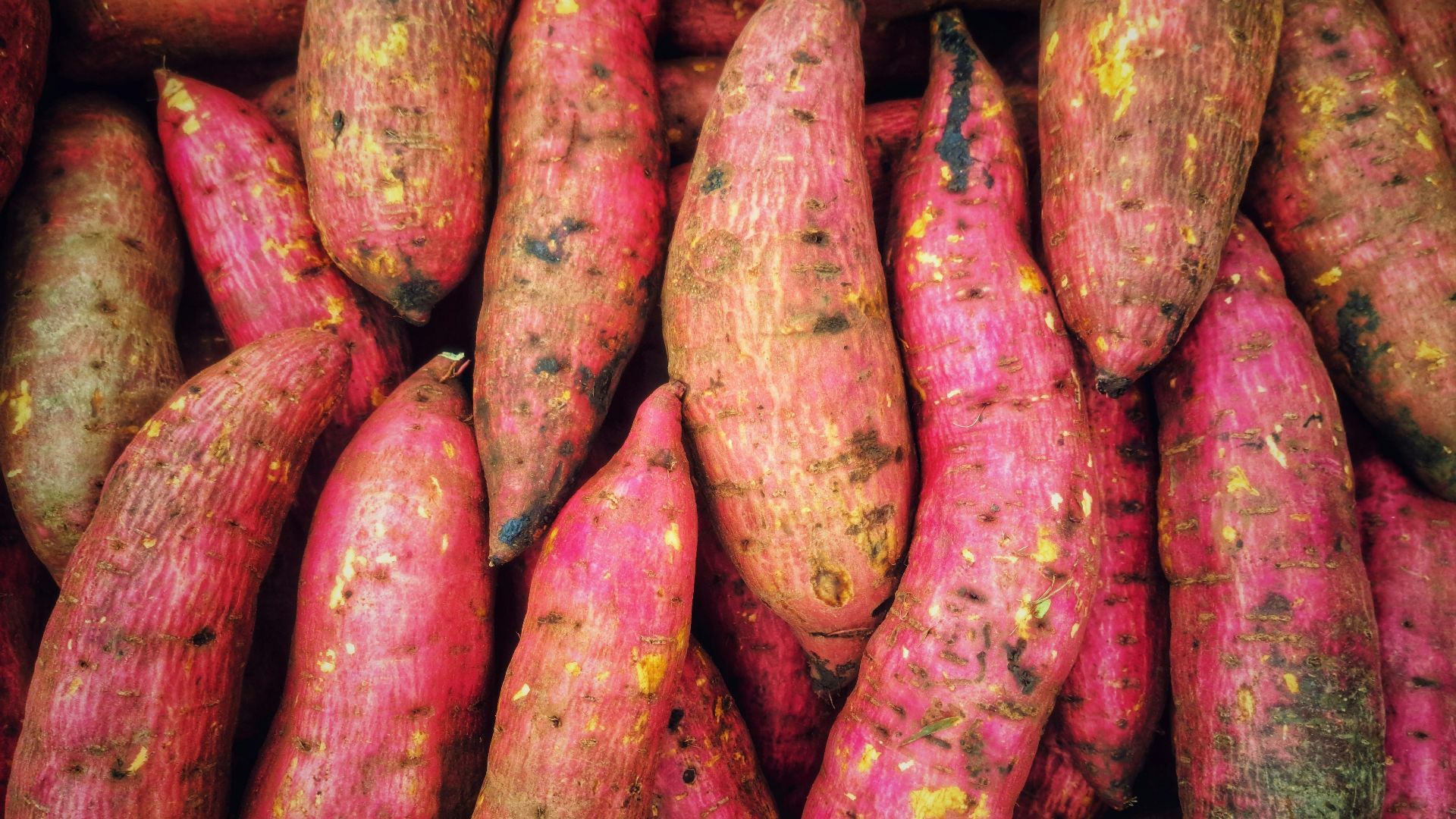
16. Purple Sweet Potato
Purple sweet potatoes don’t look like what you typically imagine when you think of sweet potatoes. Once you cut one open, you’ll be met with dark purple flesh that tastes like its orange cousin. Some varieties are nuttier or drier than others, but it’ll still taste sweet.
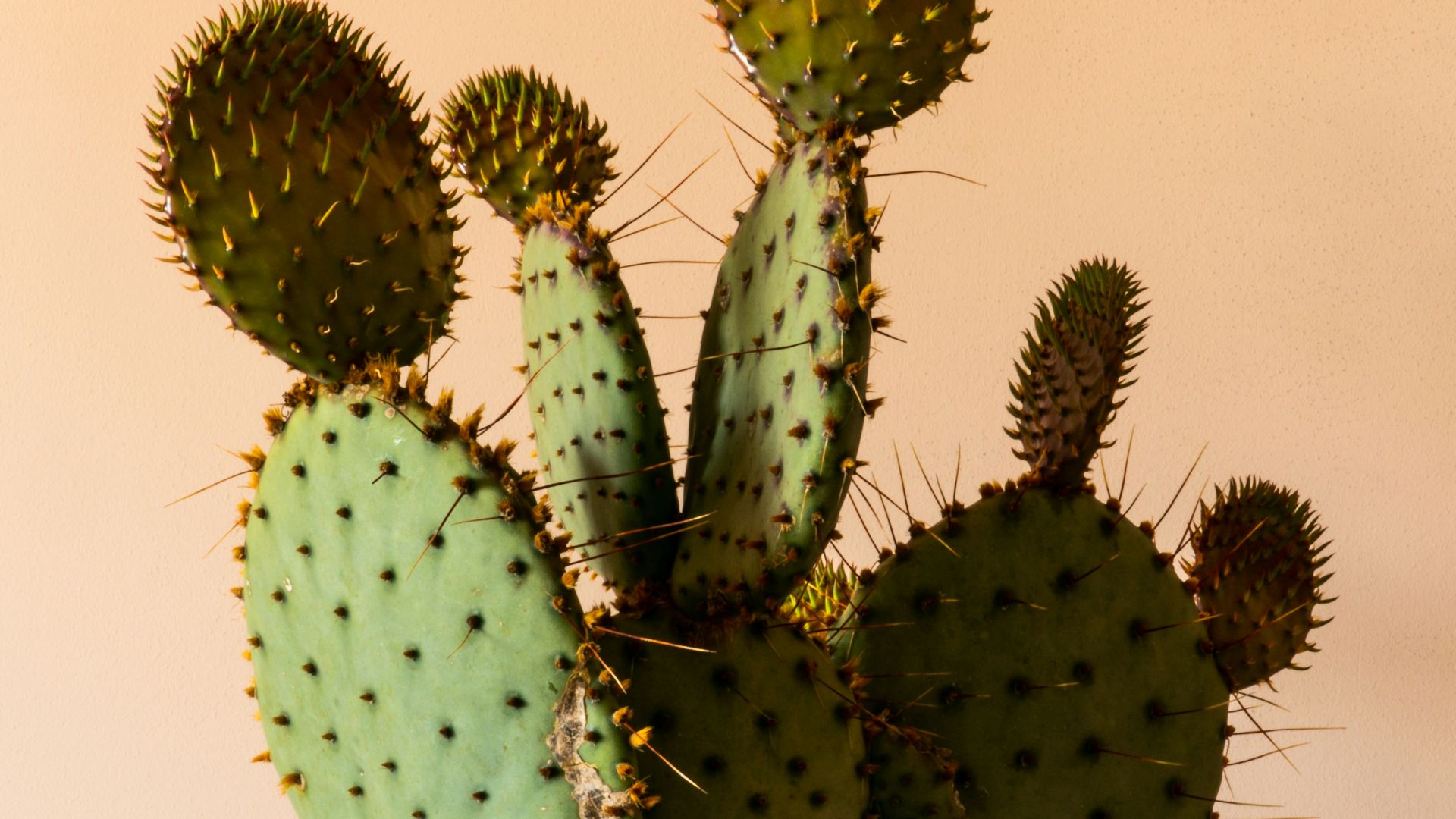
17. Cactus Pear
If you weren’t expecting cactus pear to be edible, its looks will likely confirm it. Once you cut past the outer layer of needles, you’ll find a sweet, juicy fruit that some compare to watermelon and berries. Just don’t let its appearance fool you into thinking it’s sour.
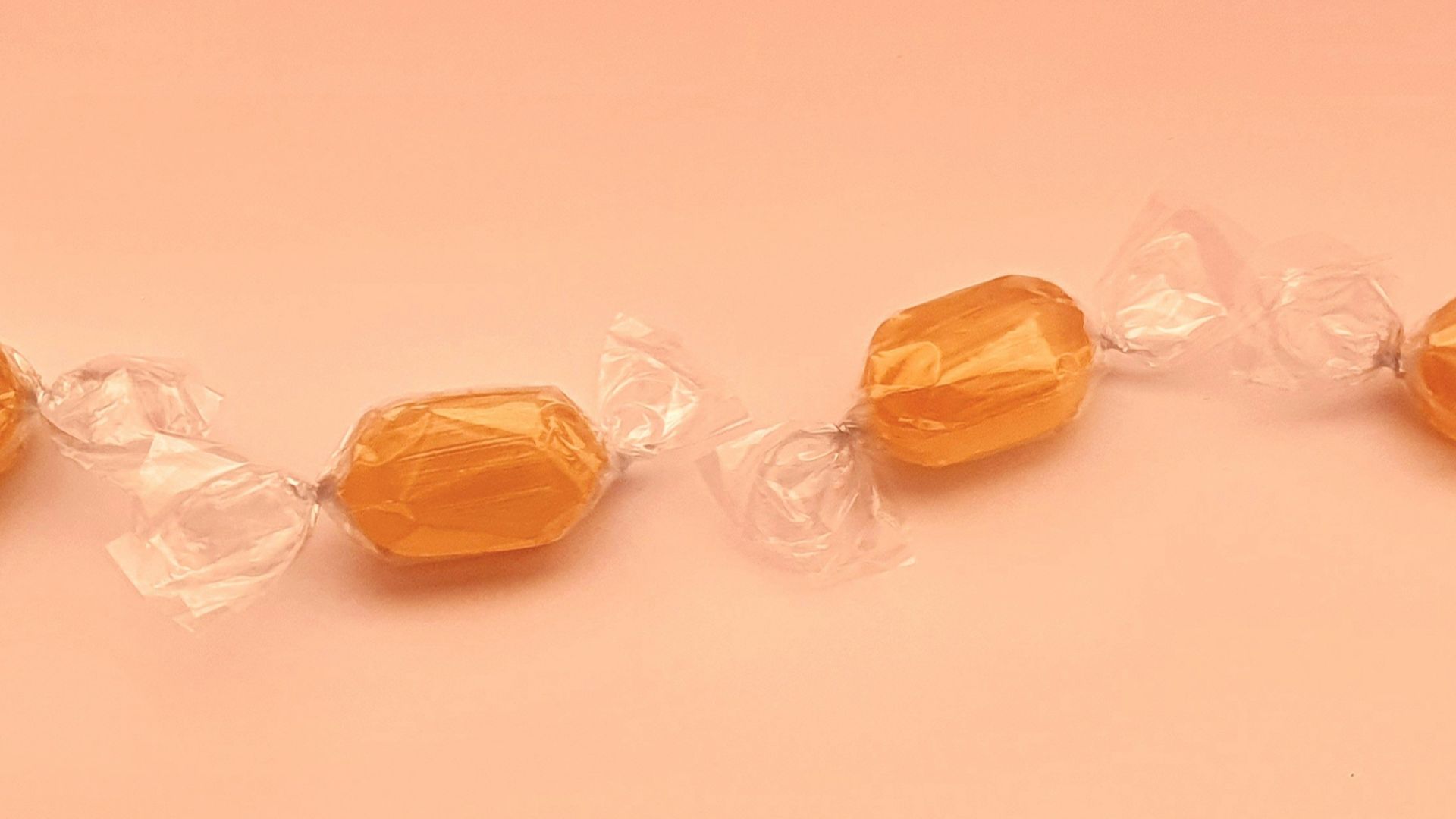
18. Durian Candy
Like actual durian fruit, durian candy may look totally unassuming on the outside. Once you take a bite, you’ll be hit with durian’s signature smell and taste. While durian-flavored candy may be stronger than you’re expecting, it’ll likely make an impression.
 Graphic Wanderings on Unsplash
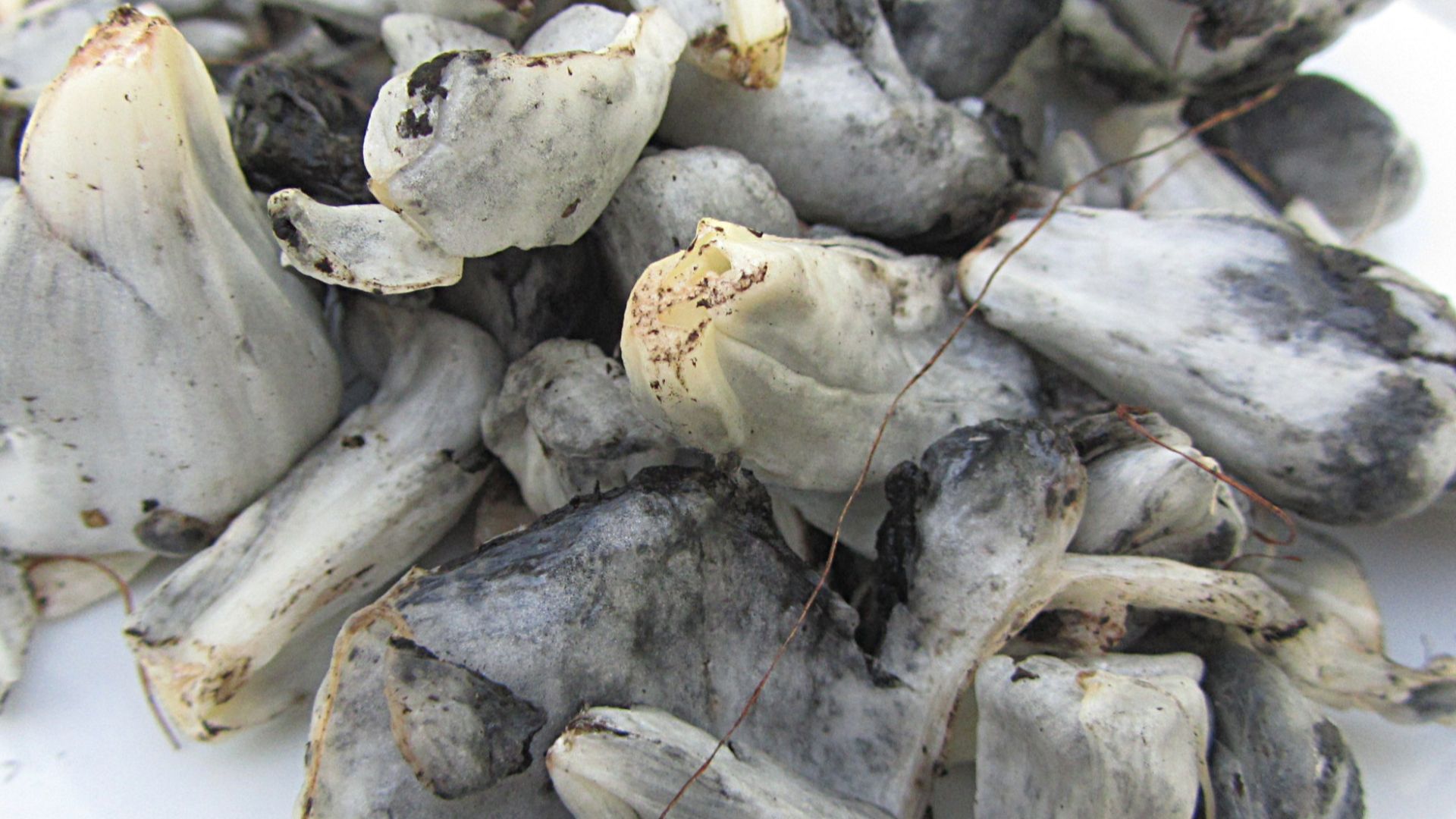
19. Huitlacoche
It can be hard to imagine how you can cook with huitlacoche once you see it. Despite its looks, huitlacoche has a rich flavor that’s often used in Mexican dishes. Try it on tacos, quesadillas, or even soups to experience its earthy flavor for yourself.
20. Soursop
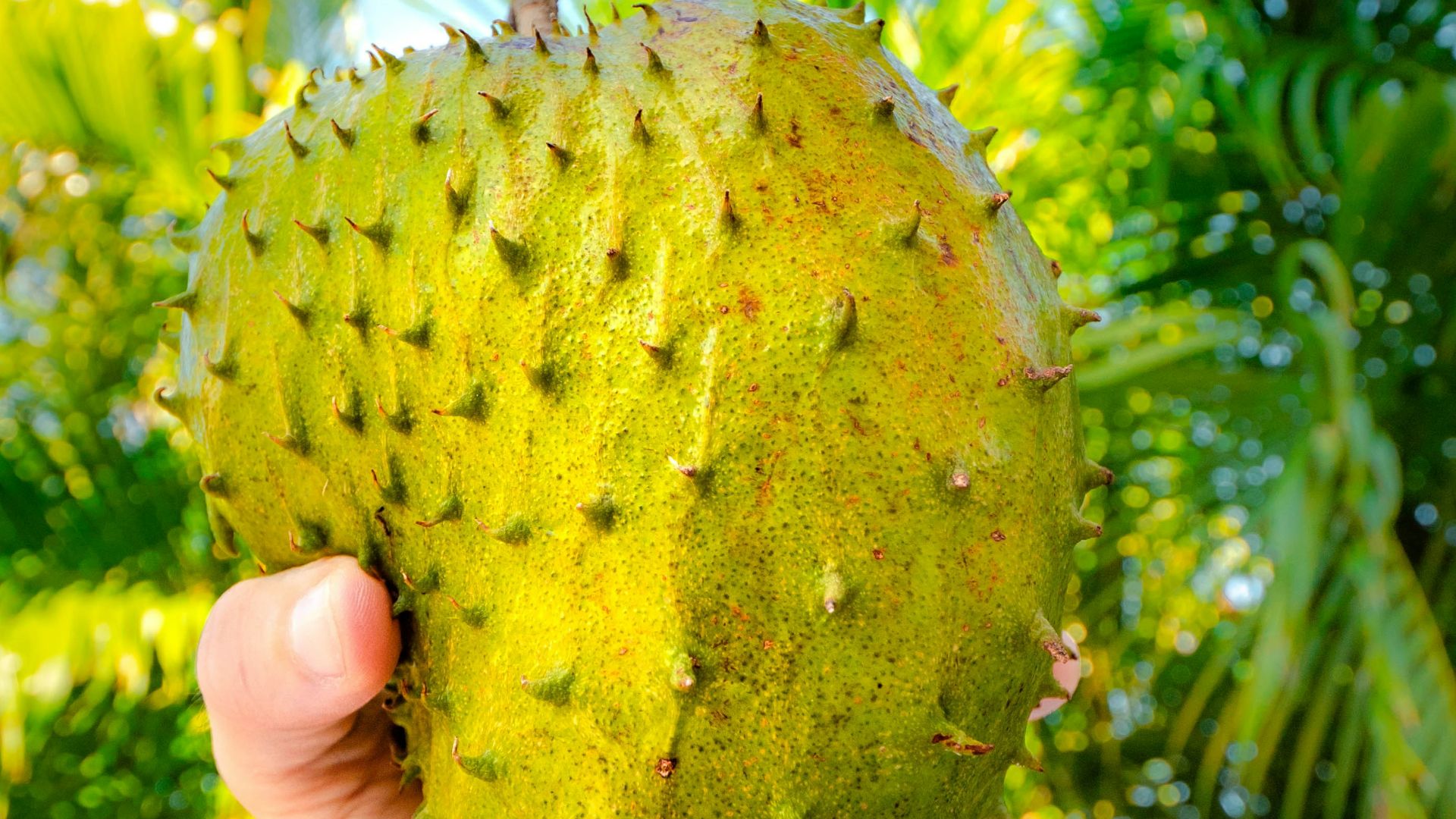
Soursop may look tough on the outside, but inside you’ll discover a creamy fruit with a sweet and tangy taste. Some describe the flavor as hinting at a mixture of familiar fruits like strawberries, mangoes, and pineapples. No wonder it’s used in sweets!
KEEP ON READING