20 Things People Used to Eat That Would Horrify Us Today
Dinner Hasn’t Always Been This Normal
Every generation has foods it considers perfectly ordinary, and every later generation gets to stare at those foods with deep concern. Before modern refrigeration, food safety rules, and mass farming, people ate plenty of things that would make a modern dinner guest quietly lose their appetite. Some of these dishes were practical, some were status symbols, and some were simply what people had available. Still, it’s hard not to be grateful that most of us no longer have to make small talk over a platter of jellied mystery meat. Here are 20 foods that people used to eat that would horrify our modern palette.
1. Lamprey Pie
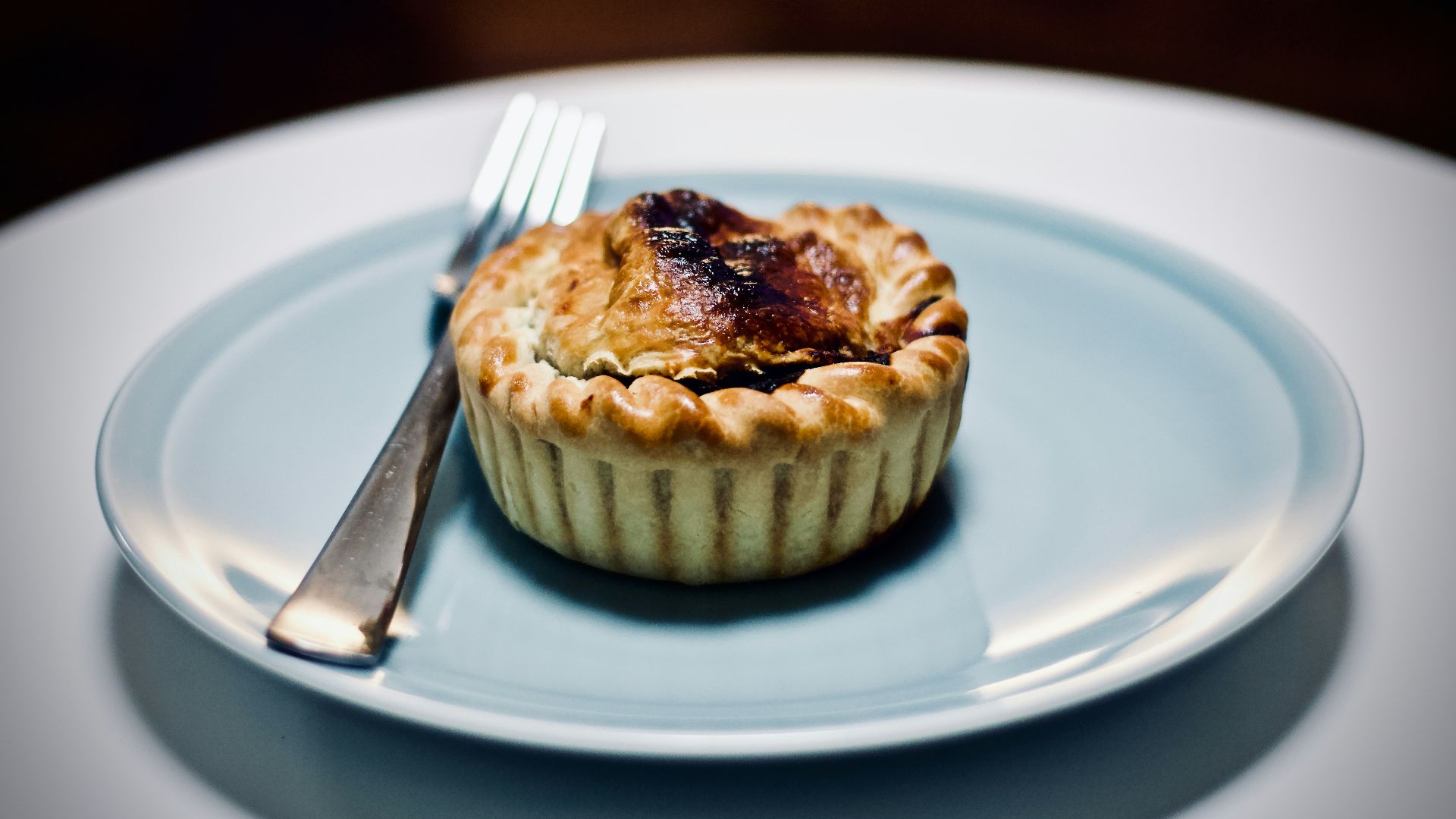
Lamprey pie was once considered a fancy dish in parts of medieval Europe. Lampreys are eel-like, bloodsucking fish, which already makes the menu description do a lot of unfortunate work. They were baked into rich pies and served to people who apparently had stronger nerves than many of us do now. Today, most diners would need a moment after hearing the phrase “bloodsucking fish pie.”
 Jelleke Vanooteghem on Unsplash
2. Jellied Eels
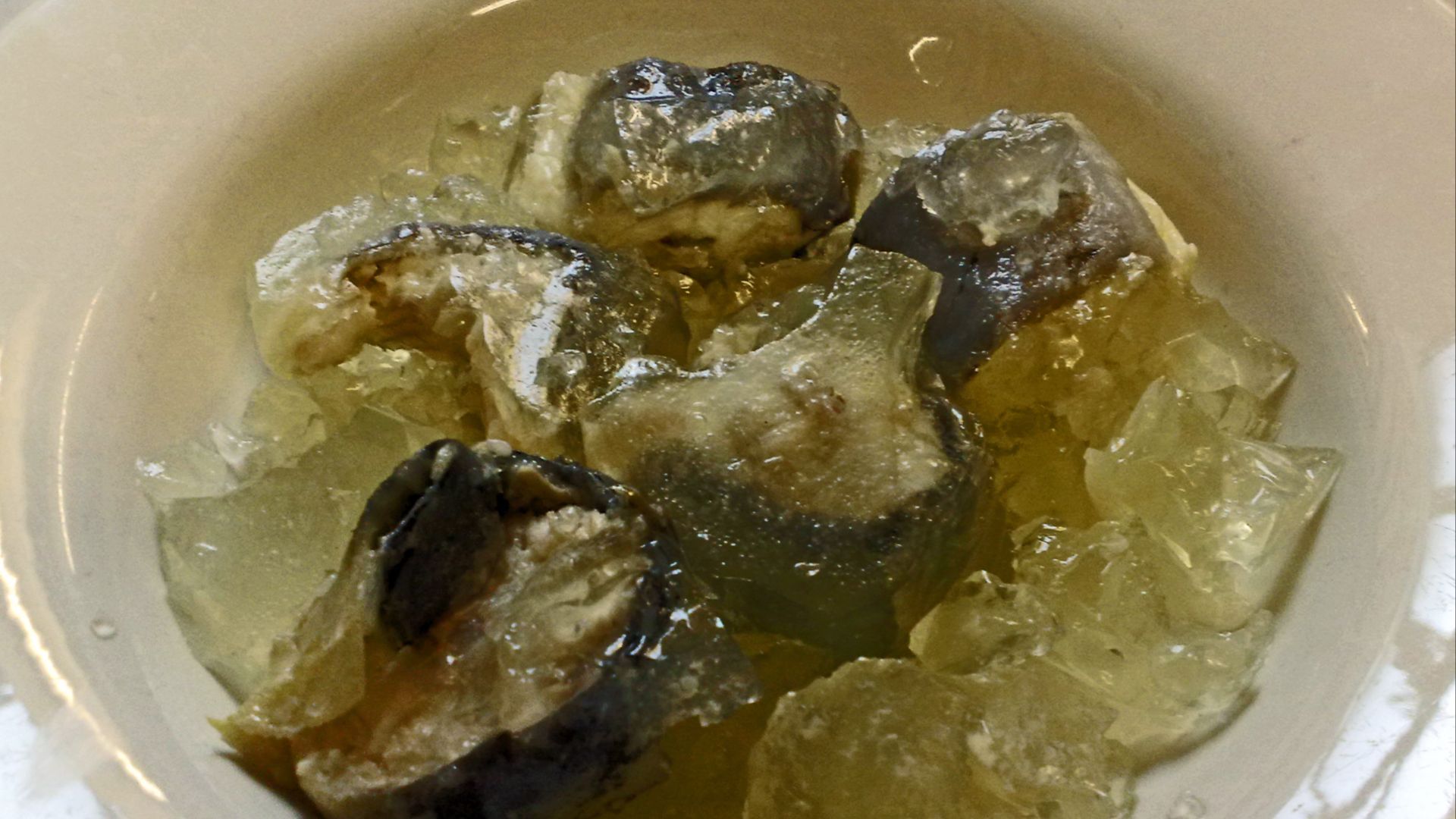
Jellied eels were once a common working-class food in London. The eels were chopped, boiled, and cooled until their natural gelatin formed a jelly around the pieces. For people who grew up with the dish, it could be comforting and familiar. For everyone else, cold eel in jelly sounds like the opposite of comforting.
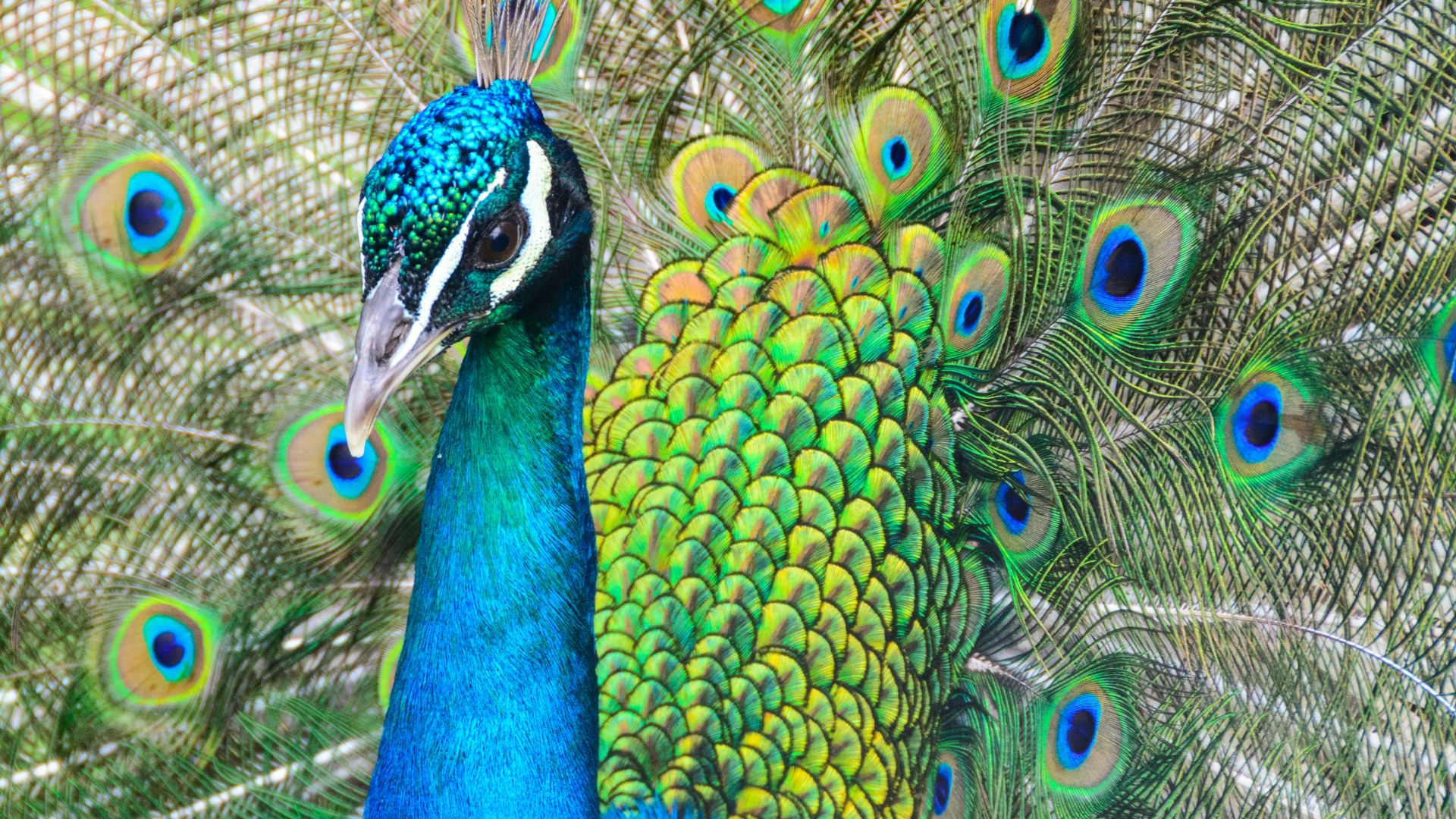
3. Roasted Peacock
In medieval banquets, roasted peacock was sometimes served as a showpiece. The bird might even be presented with its feathers arranged dramatically, because subtlety was apparently not on the menu. It wasn’t always prized for taste as much as spectacle and status.
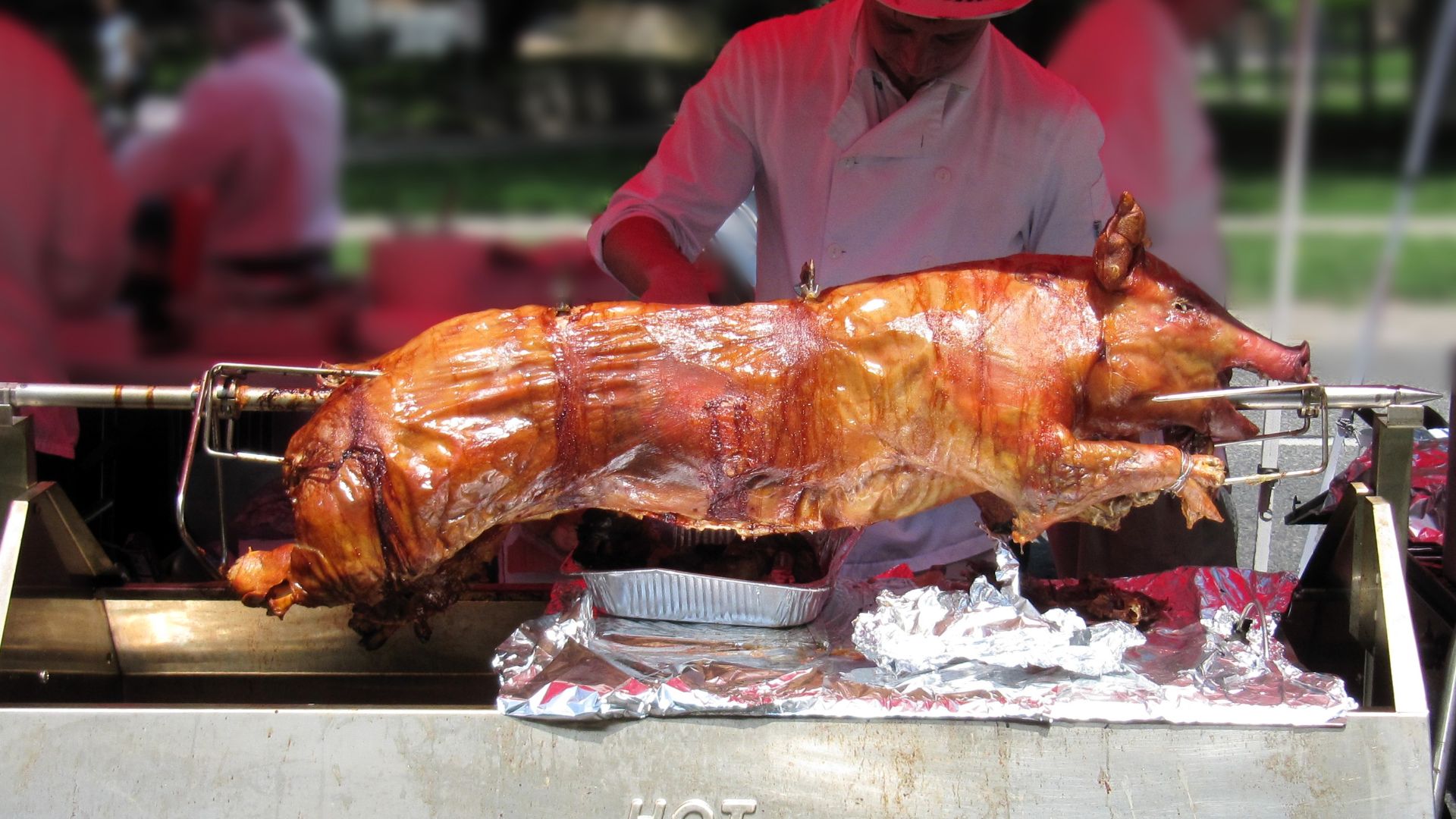
4. Cockentrice
Cockentrice was a medieval dish made by sewing together parts of different animals, often a pig and a capon. The result was meant to look strange, impressive, and fantastical. It was less about everyday eating and more about proving the kitchen had both skill and a troubling imagination.
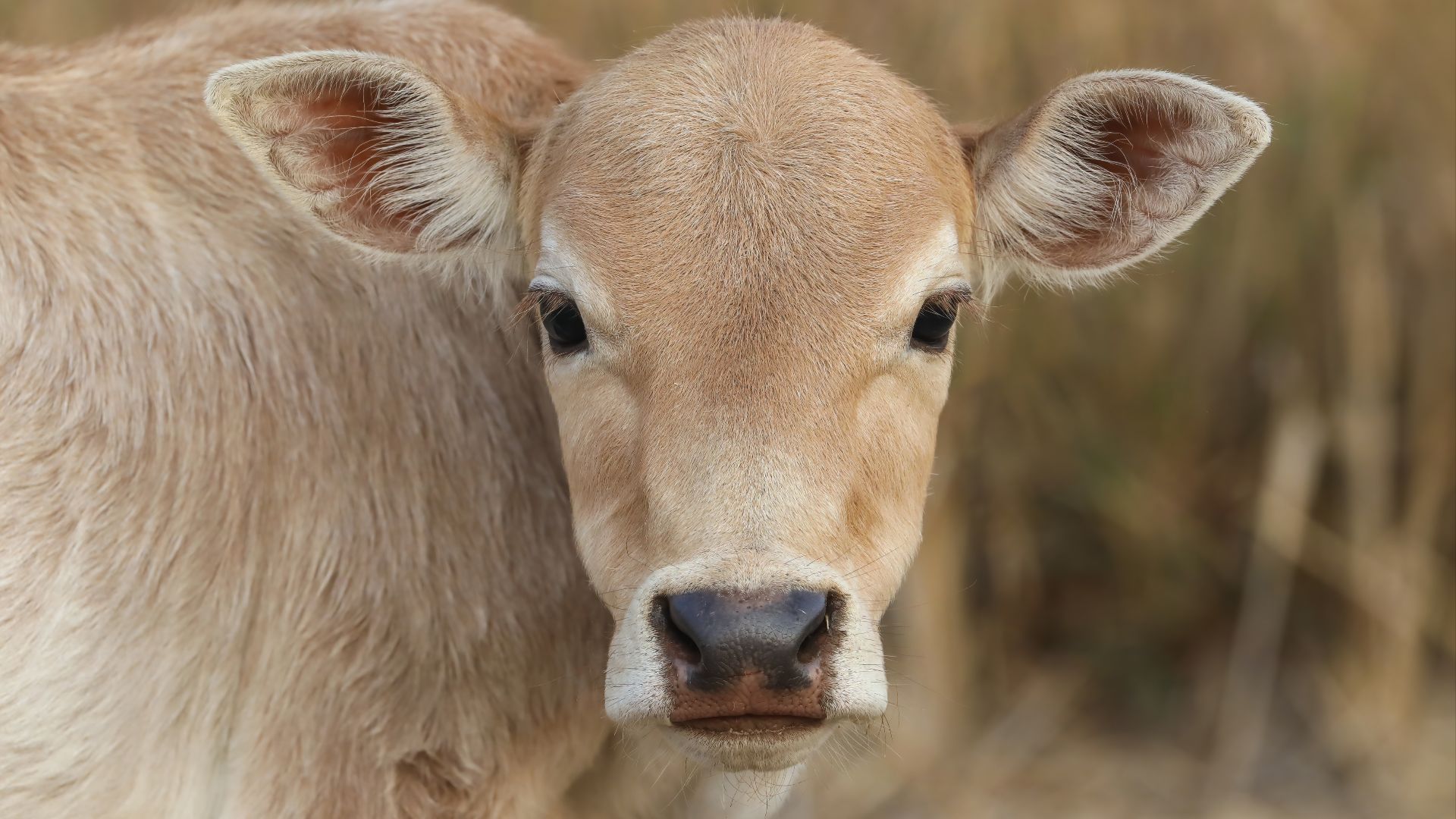
5. Calf’s Head
Calf’s head was once a respectable dish in European and American cooking. It could be boiled, roasted, or used in mock turtle soup, depending on the time and place. People valued it because wasting animal parts was impractical and expensive. Modern eaters may respect the nose-to-tail logic while still not wanting to look at it.
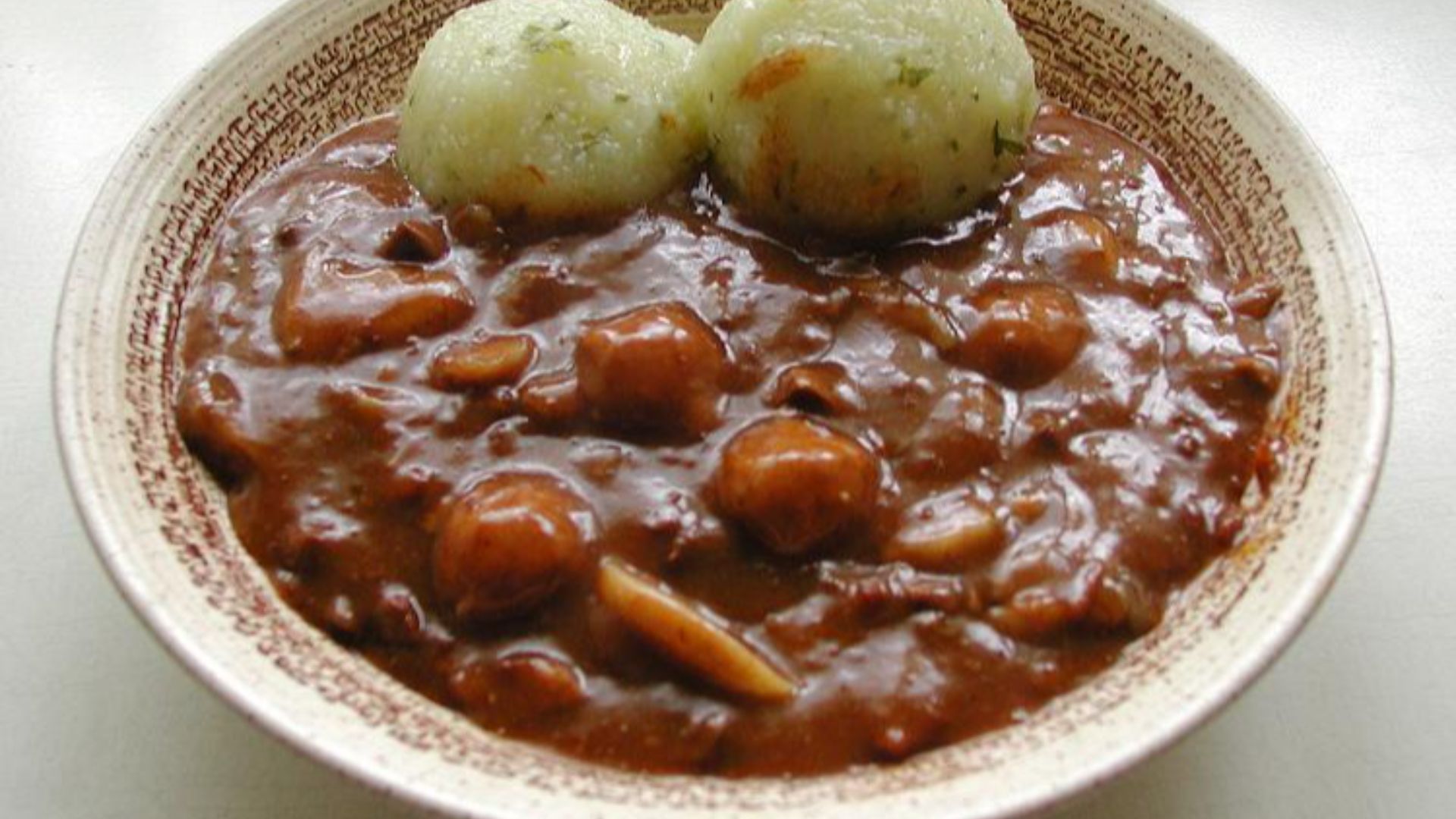
6. Mock Turtle Soup
Mock turtle soup became popular as a cheaper substitute for real turtle soup. It was often made with calf’s head, organ meats, and seasonings meant to imitate the flavor and texture of turtle. The dish was once considered refined, even appearing in formal dining settings. These days, many people would find both the real and imitation versions a little hard to process.
 Wilfried Wittkowsky on Wikimedia
7. Real Turtle Soup
Real turtle soup was once a luxury dish in Britain and America. It used actual turtle meat and became associated with fancy dinners, hotels, and elite tables. Conservation concerns and changing tastes have made it much less acceptable today.
8. Squirrel Stew
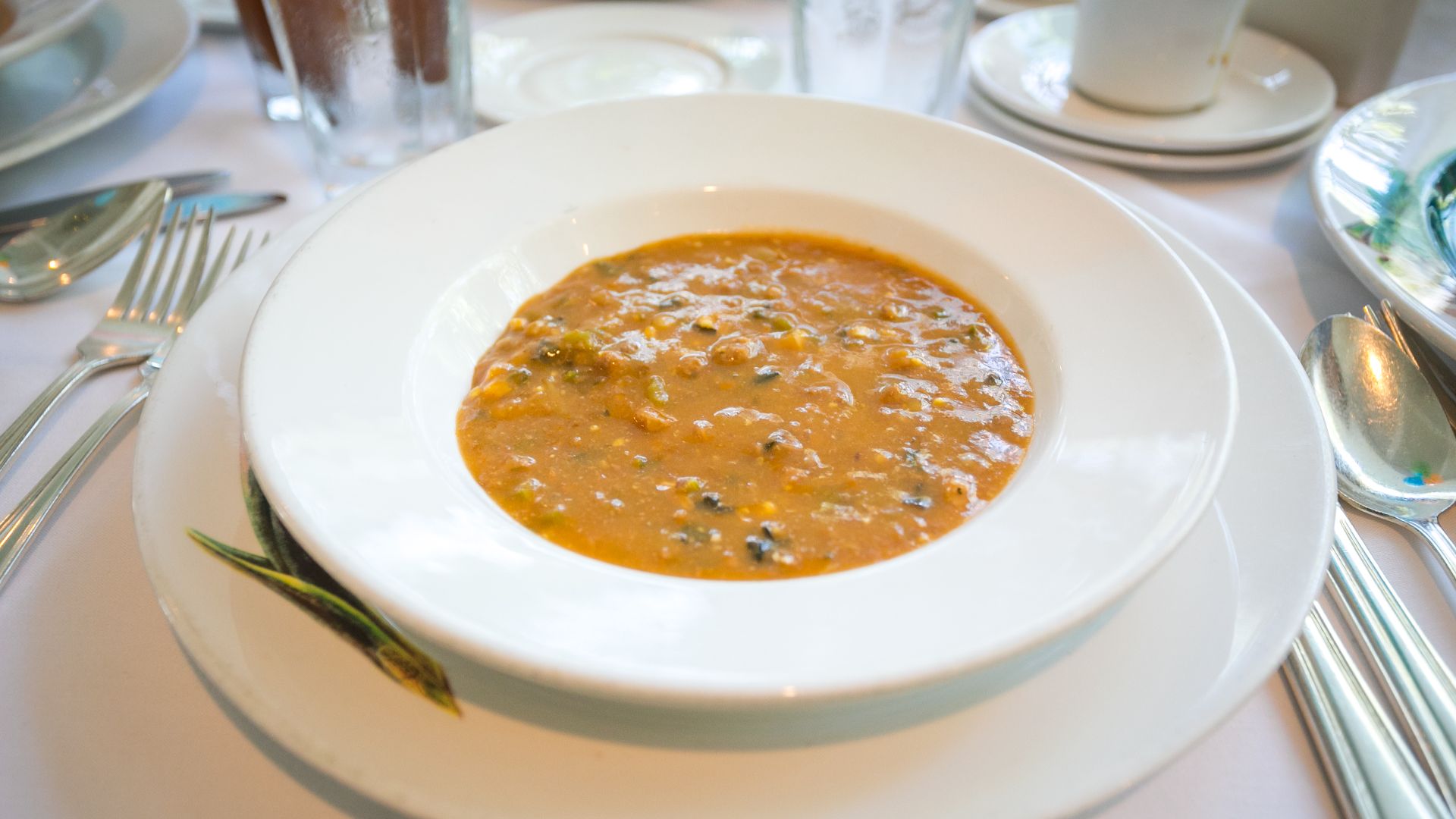
Squirrel stew was a practical food in many rural areas, especially where hunting small game helped fill the pot. The meat was cooked slowly with vegetables and seasonings to make it tender. For people living close to the land, this was normal and sensible. For modern city dwellers, the idea of backyard squirrel dinner is unacceptable.
9. Possum
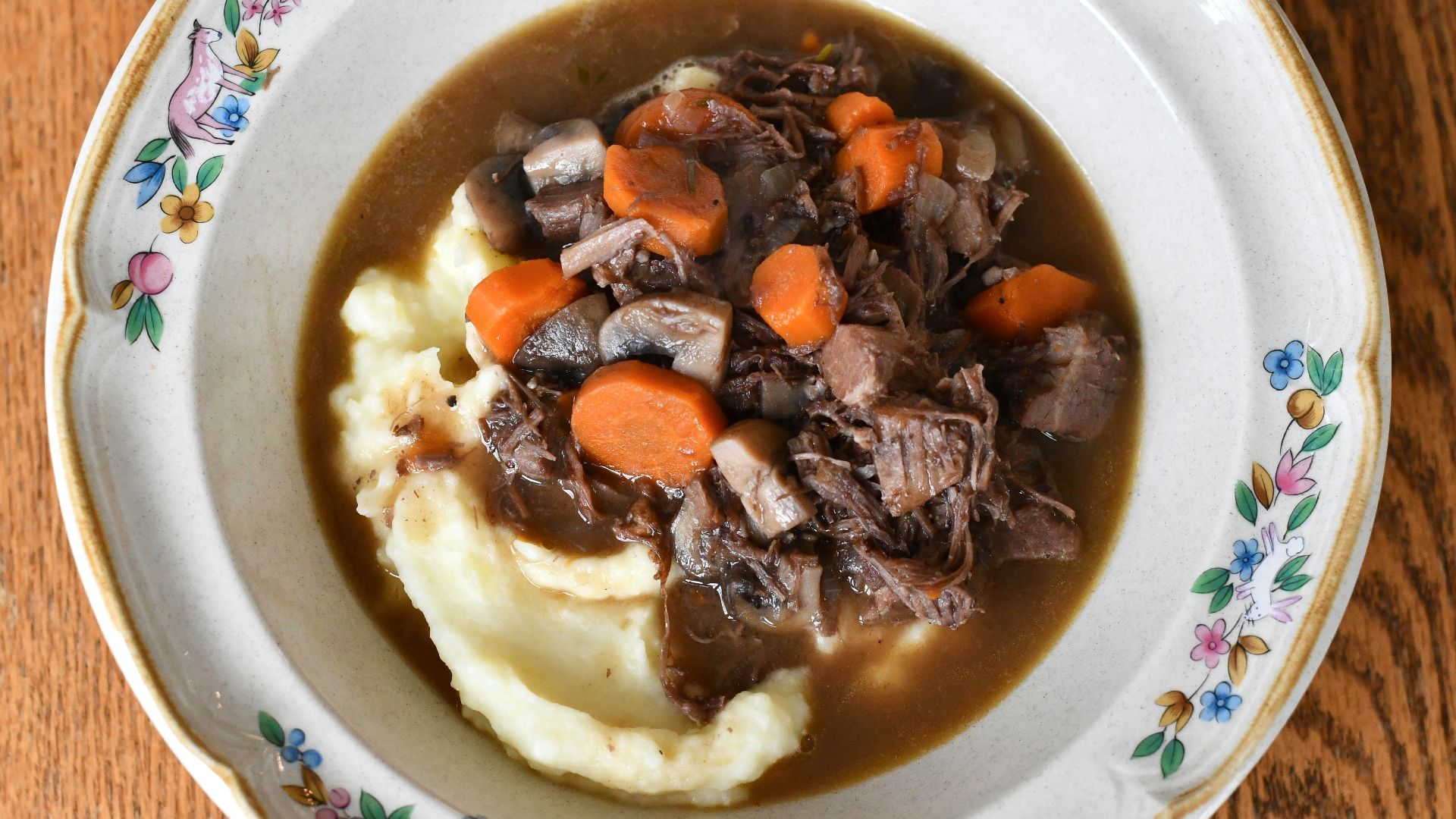
Possum was once eaten in parts of the American South, often roasted or stewed. It was sometimes served with sweet potatoes, which did their best to make the situation sound friendlier. In earlier eras, people used what was available, and wild game could be an important food source. Today, most people would rather the possum remain outside and continue its mysterious evening business.

10. Pickled Pigs’ Feet
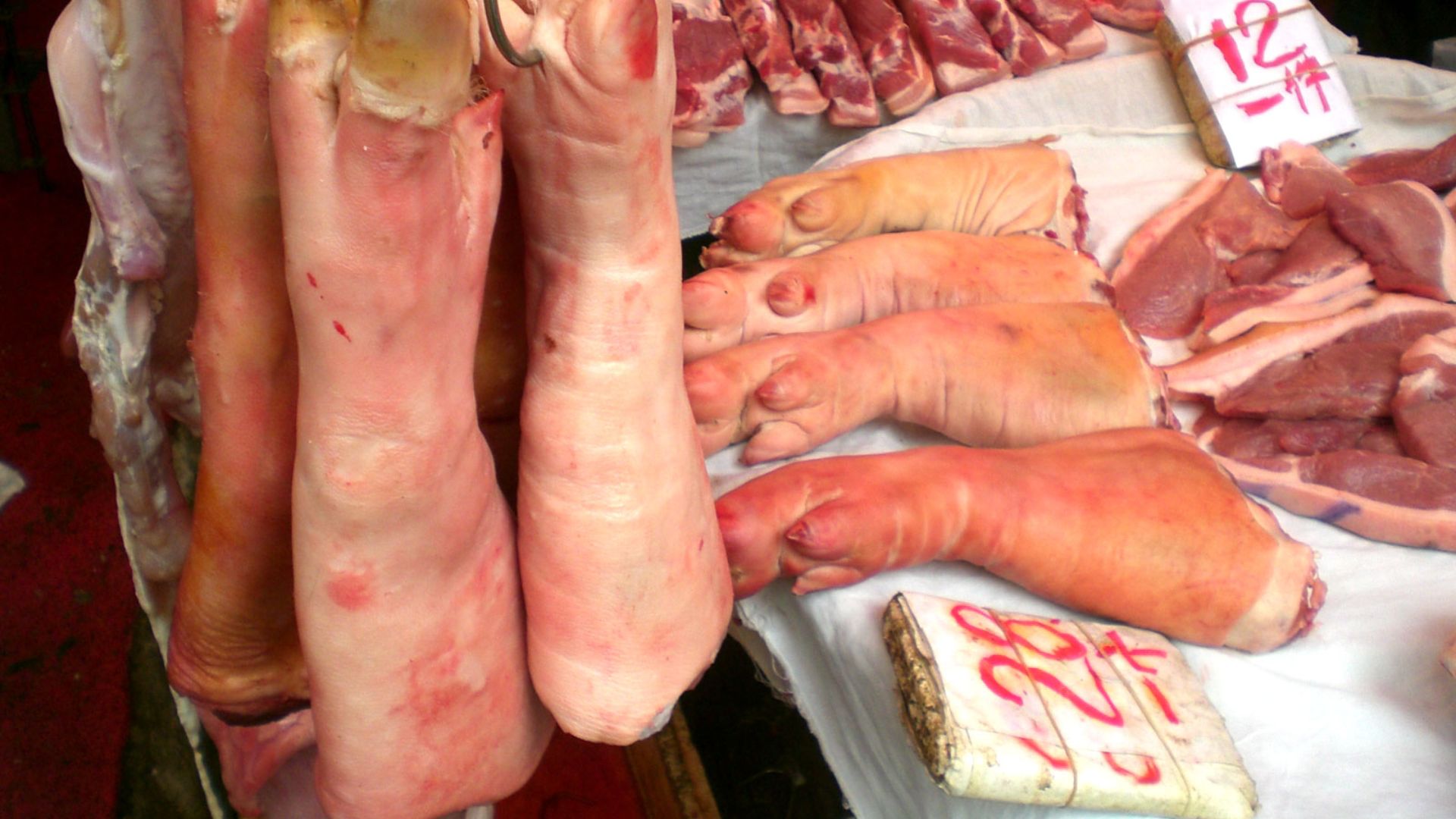
Pickled pigs’ feet were once a familiar food in many households and bars. They were preserved in vinegar and spices, then eaten cold or at room temperature. While some people still enjoy them, a jar of pale trotters floating in brine can be a difficult sell to the modern snack crowd.
11. Head Cheese
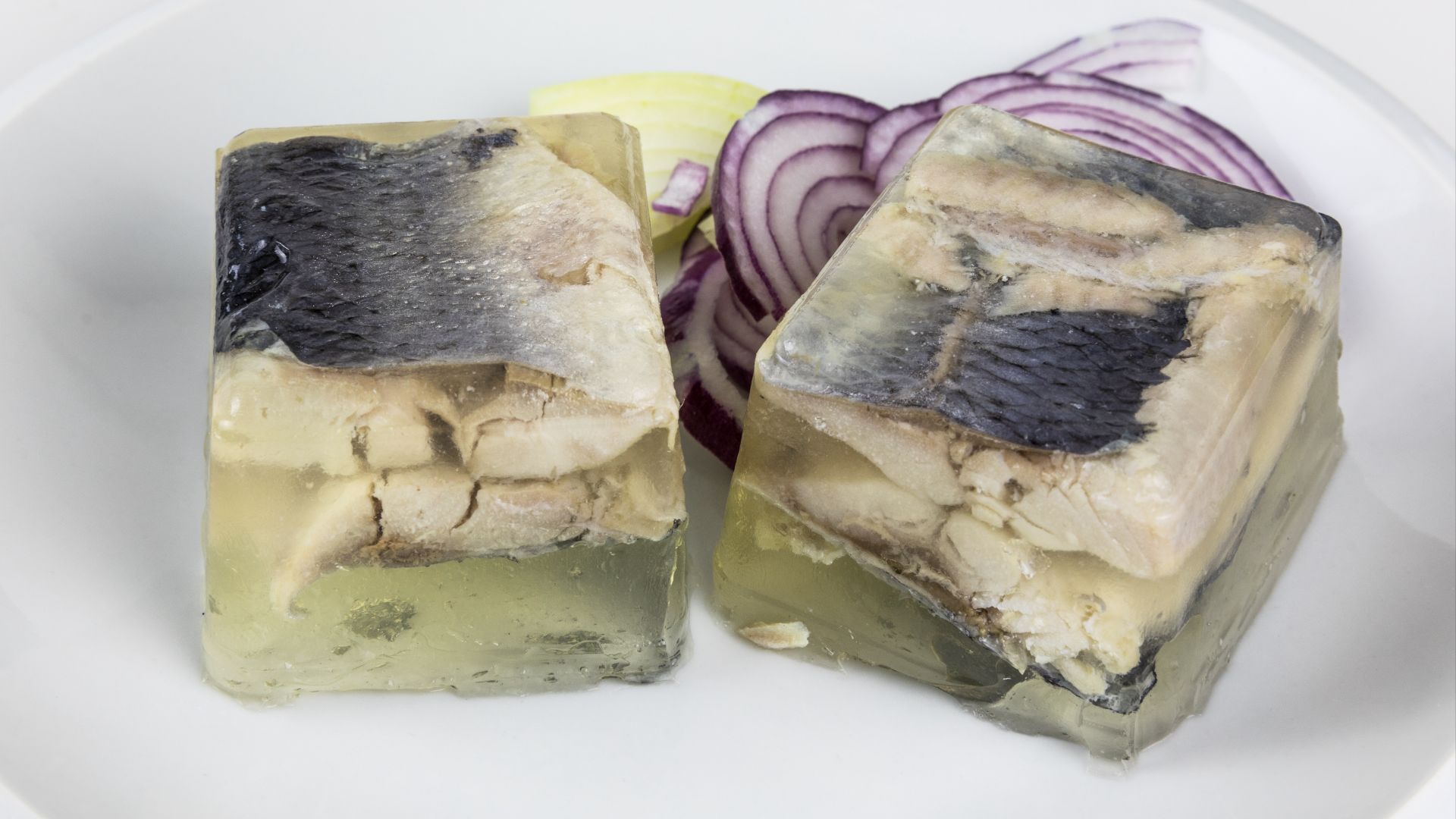
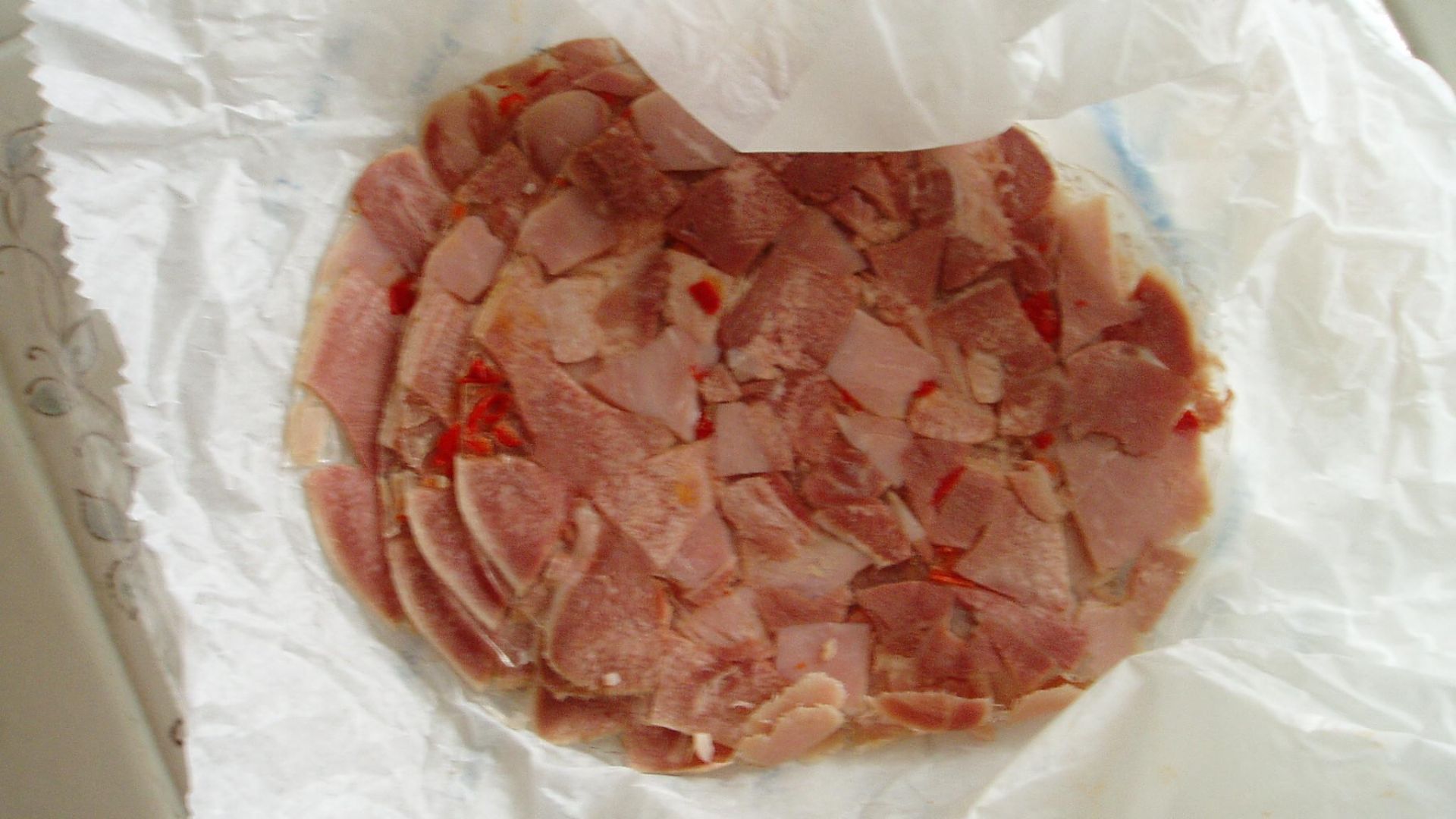
Head cheese isn't cheese; it’s a cold terrine made from meat from the head of a pig or calf, set in gelatin. Historically, it was a smart way to use parts of the animal that might otherwise go to waste. The name may be the most confusing part, though the appearance is working hard too.
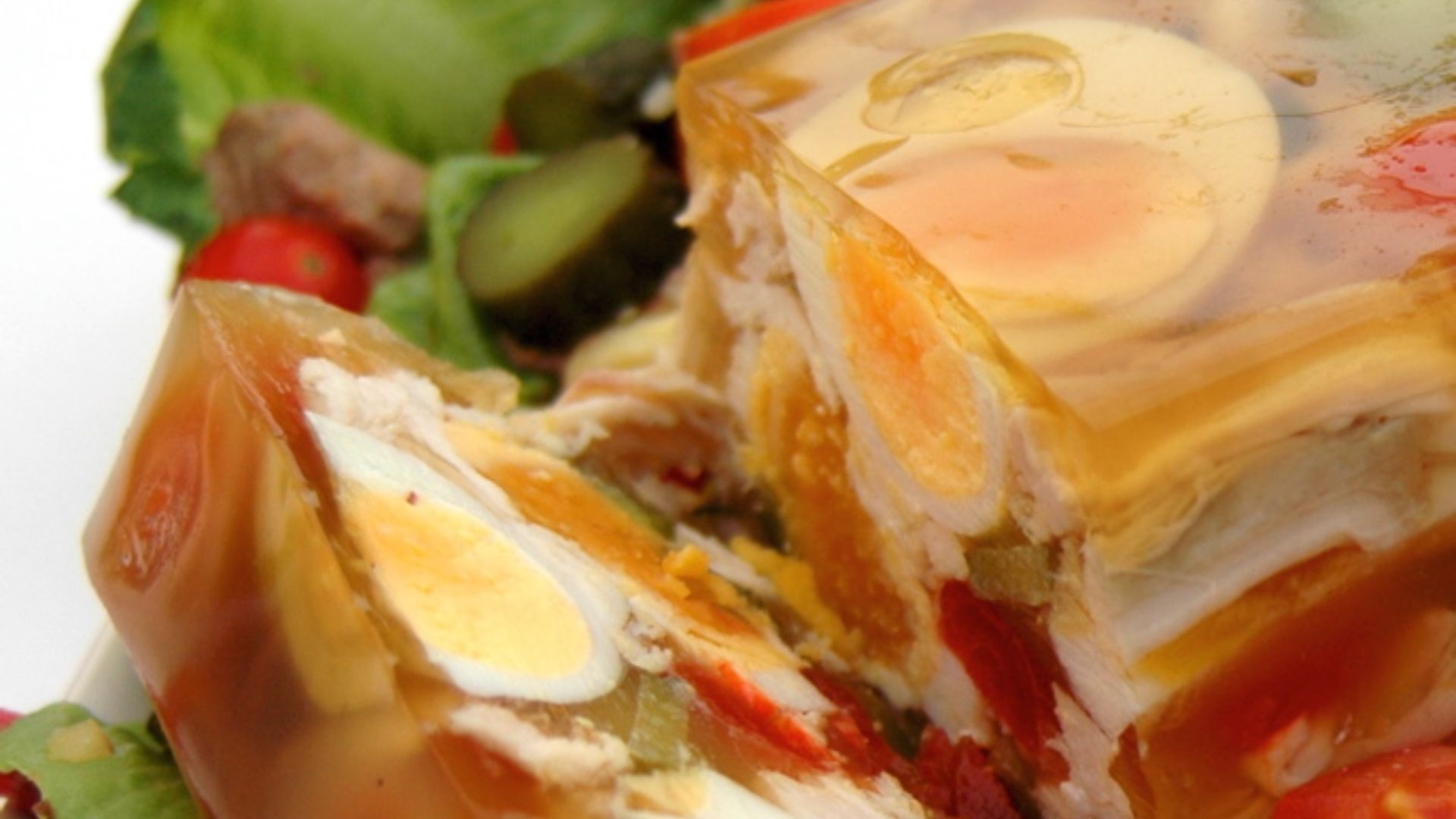
12. Aspic Everything
Aspic had a major moment when savory foods were suspended in gelatin. Meat, eggs, vegetables, seafood, and salads could all end up trapped in a shimmering mold. People once saw this as elegant, modern, and impressive because gelatin showed technical skill and access to refrigeration. Today's crowd, however, prefers their dishes not to be suspended in goo.
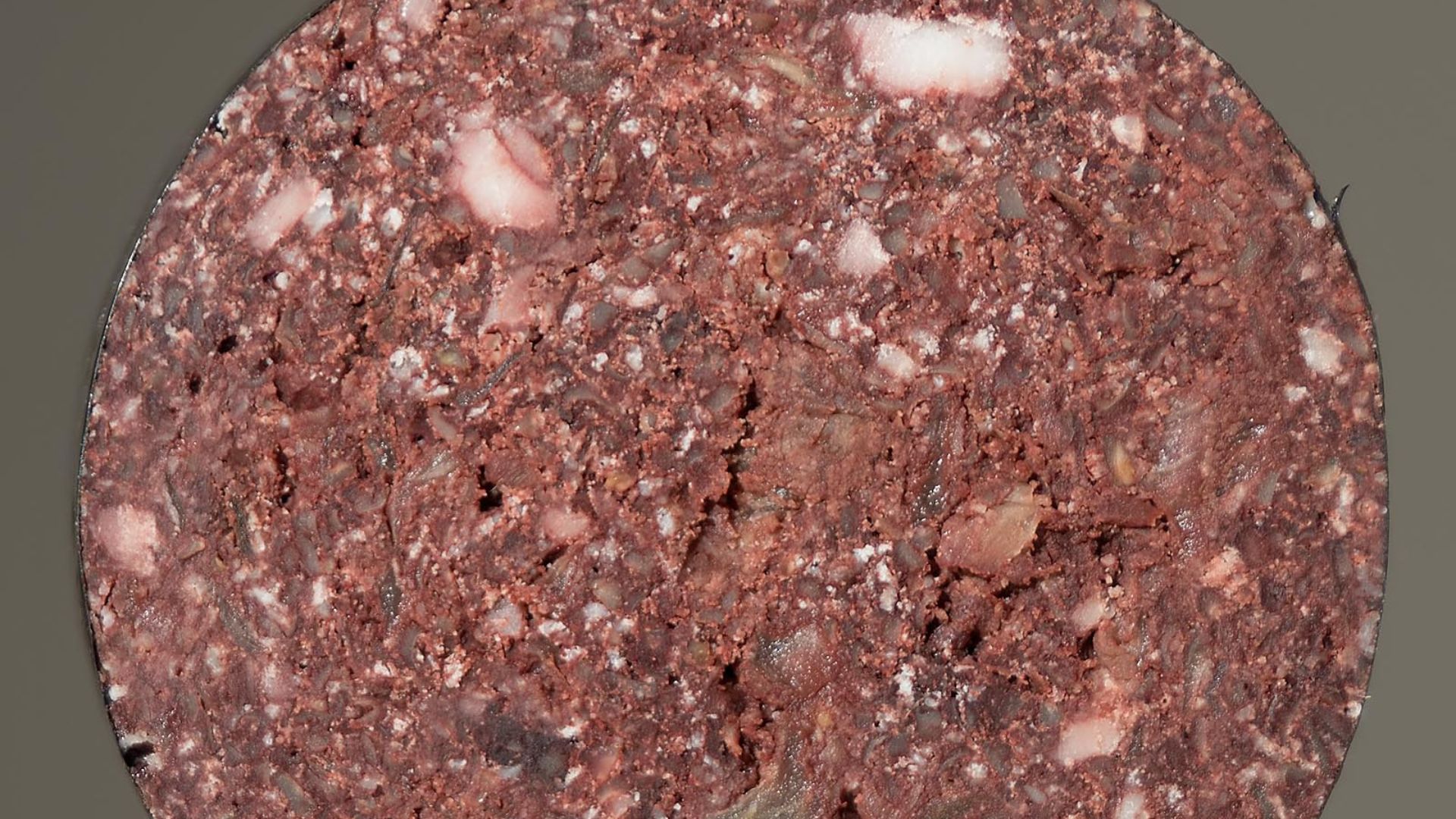
13. Black Pudding
Black pudding is a blood sausage made with pork blood, fat, oats or barley, and seasoning. It has a long history in Britain, Ireland, and other parts of Europe. Fans enjoy its rich flavor and hearty texture, especially at breakfast. Many modern diners, however, hear “blood sausage” and feel their stomach to sumersaults, especially because it's typically served at breakfast.
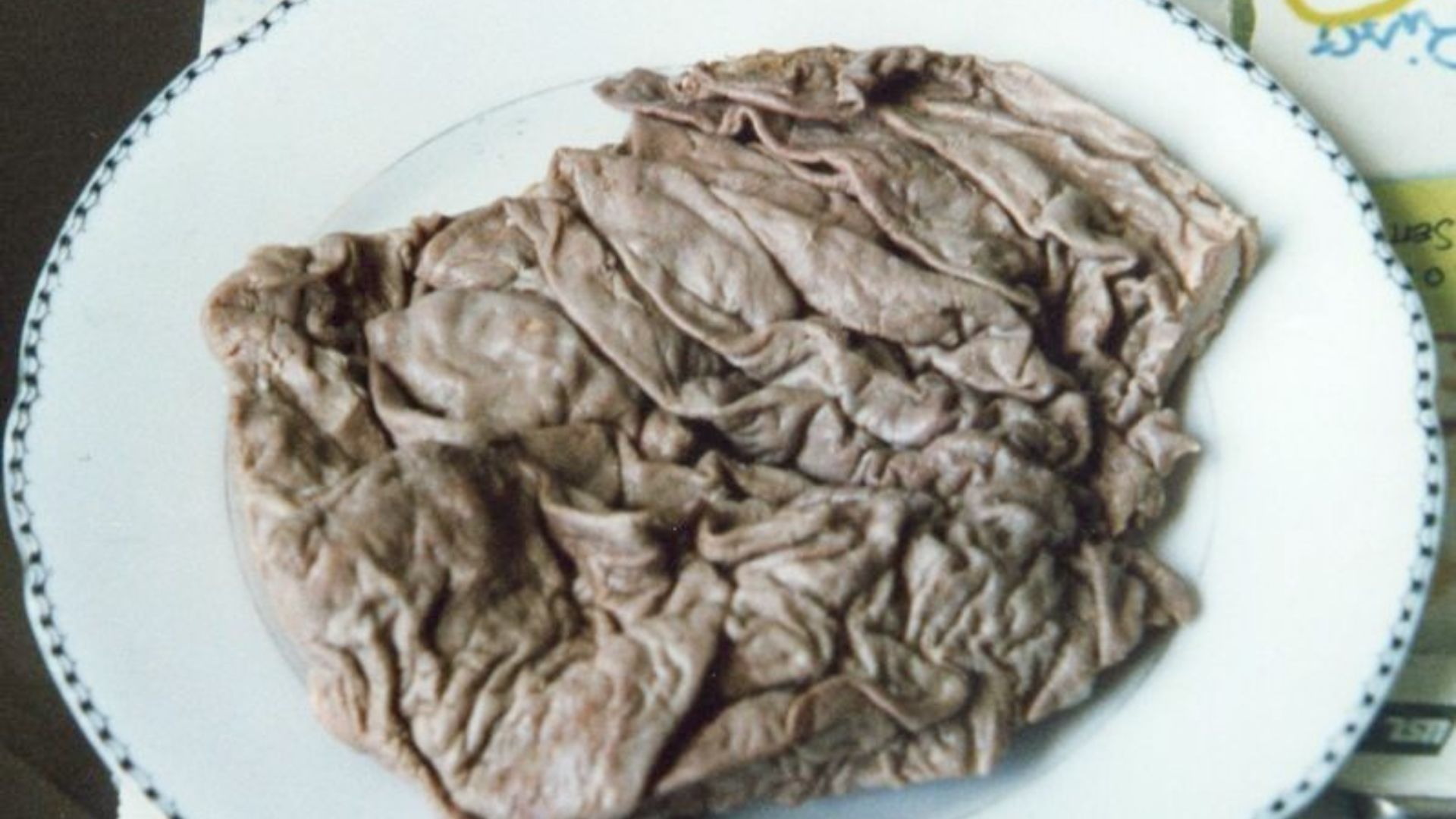
14. Boiled Tripe
Tripe, which is the stomach lining of a cow or another ruminant animal, has been eaten in many cultures for centuries. It could be boiled, stewed, fried, or added to soups. The texture is the part that often alarms newcomers, since it can be chewy and distinctive. People who love it really love it, while others need no further details.
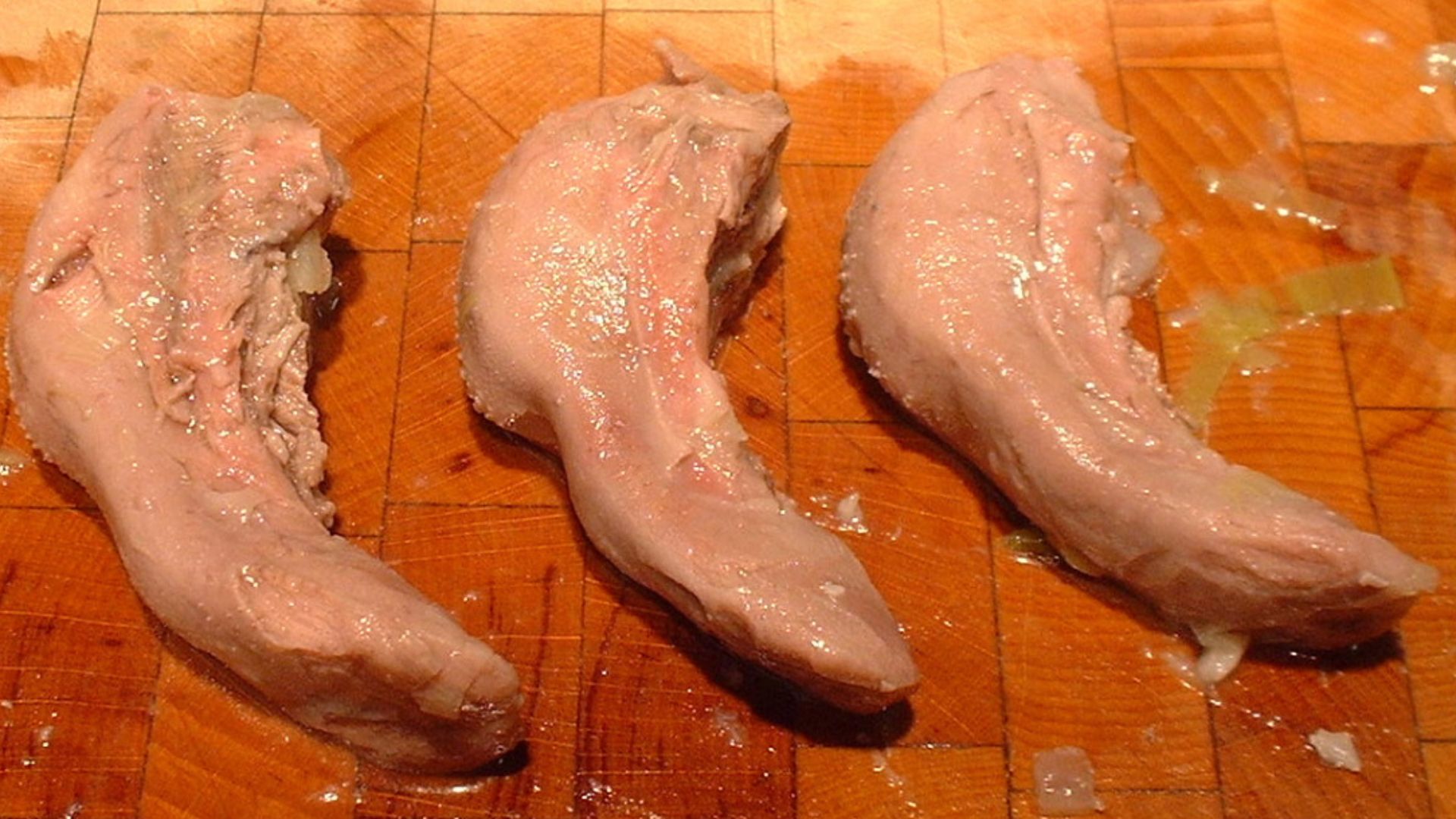
15. Pickled Lamb’s Tongue
Pickled lamb’s tongue used to appear in home cooking, delis, and old-fashioned cold platters. Tongue meat can be tender and flavorful, but the idea of eating an actual tongue unsettles many people. The dish is a reminder that older food habits were often practical, even when the visuals were not helping.
16. Stuffed Dormice
Ancient Romans famously ate dormice, sometimes stuffed and seasoned as a delicacy. These small rodents were fattened in special containers before being cooked. To elite Romans, this could be a refined and impressive dish. To a modern reader, it sounds like someone confused fine dining with a very upsetting pet situation.

17. Lark Pie
Small birds like larks were once commonly eaten in Europe. They could be baked into pies, sometimes in large numbers, because tiny birds don’t exactly bring a lot of meat individually. The dish made sense in a world where many wild birds were considered fair game. Today, the idea of a pie full of little songbirds feels more tragic than tasty.

18. Cod Liver in a Tin
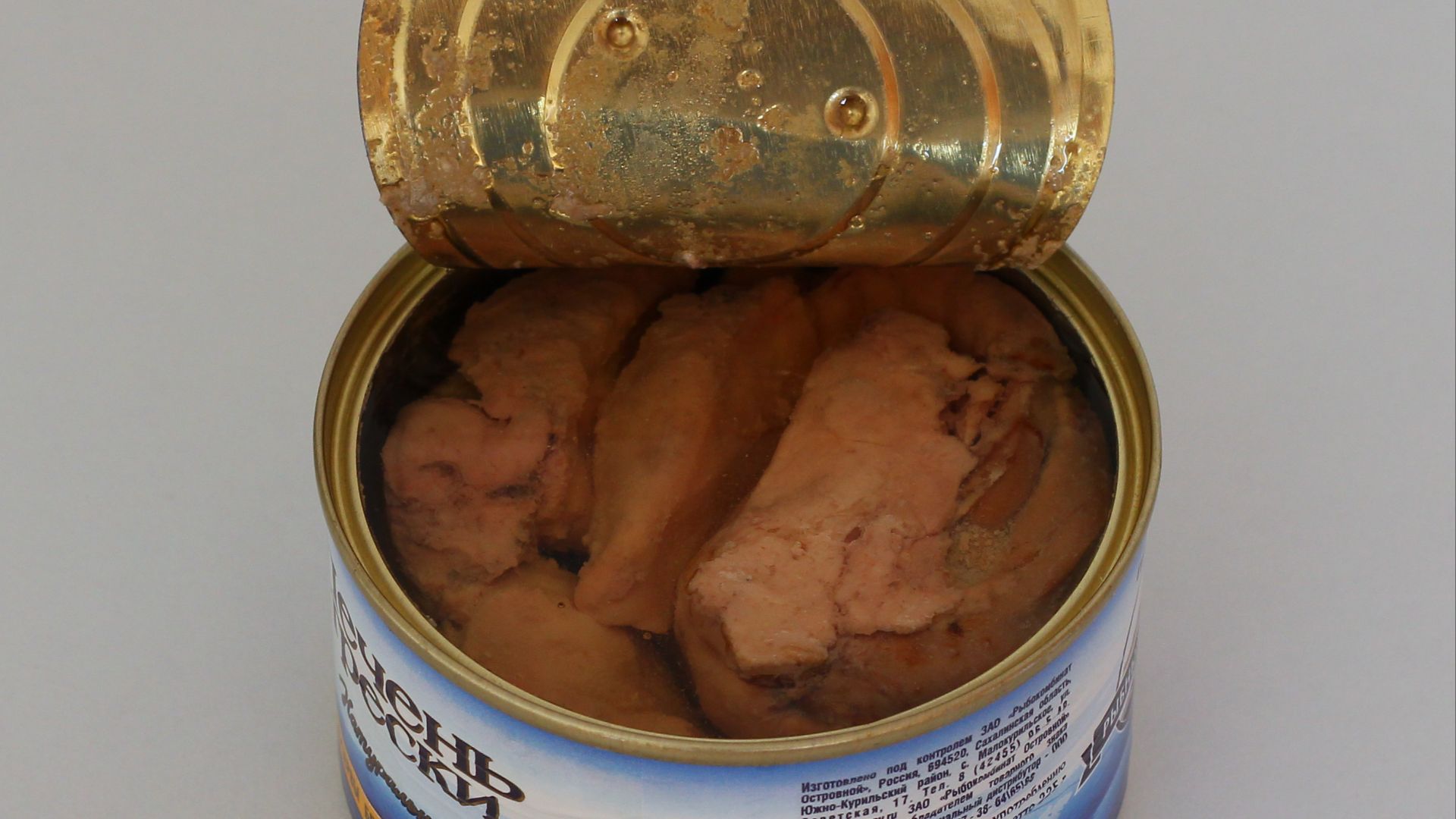
Cod liver was once valued as a nutritious and practical food, especially in northern countries. It was often packed in oil and eaten on bread or crackers. While it still exists and has fans, the strong flavor and soft texture can surprise anyone expecting ordinary canned fish.
19. Floating Island With Meat Broth
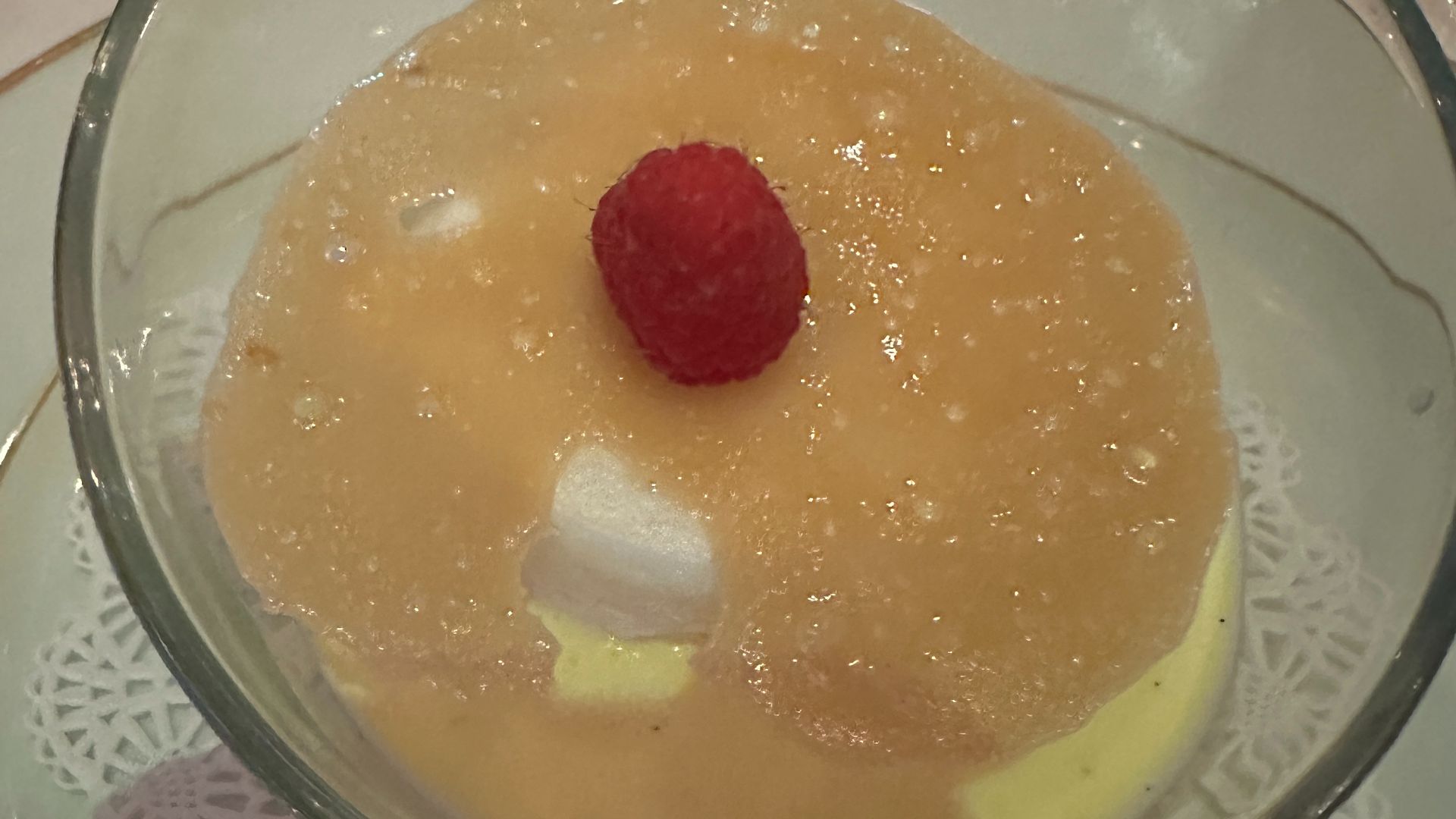
Old cookbooks sometimes mixed sweet and savory in ways that feel strange now. Certain custards, creams, or light dishes could appear alongside broths or meat-heavy meals in combinations modern diners might find confusing. Taste categories weren't always as separate as we expect them to be today. If dessert starts drifting toward soup, many of us begin asking questions.
20. Lard Sandwiches
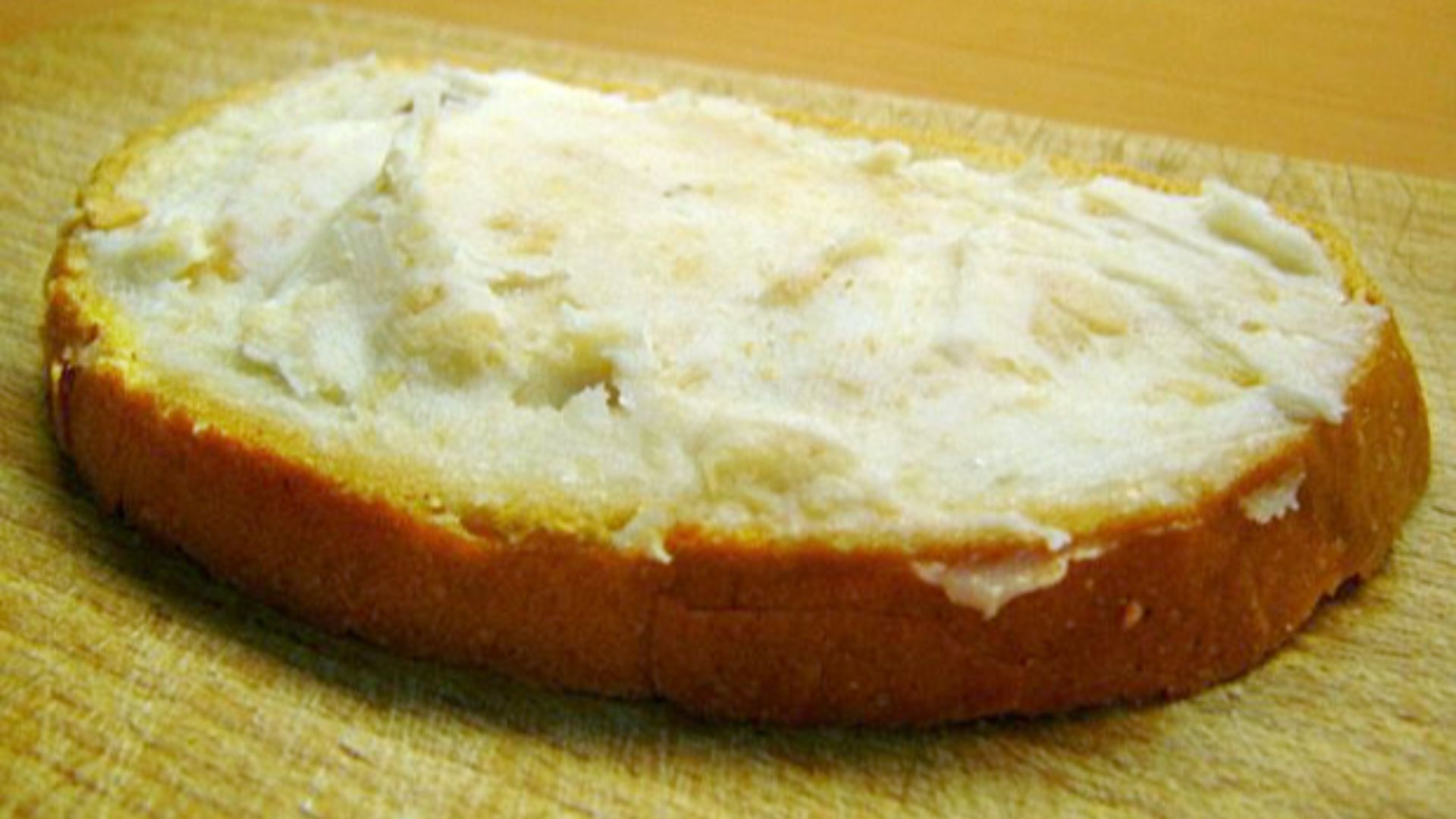
Lard sandwiches were once eaten by people who needed cheap calories and had limited options. Bread spread with lard, sometimes with salt, onions, or drippings, could be filling and affordable. In hard times, practicality mattered more than modern nutrition advice.
KEEP ON READING
20 Cheap Foods That Actually Make You Look Wealthy
20 Gluten-Free Meals That Don't Taste Gluten-Free

20 Drinks People Order When They Want A Personality