When Familiar Favorites Suddenly Taste Different
Fast food depends heavily on consistency, which means even a small recipe adjustment can attract immediate attention from loyal customers. Chains usually make these changes to improve nutrition, simplify preparation, survive delivery trips, or update ingredients, but diners don’t always consider the new version an improvement. From altered frying oils to completely rebuilt pizzas, these 20 changes proved that people remember exactly how their regular order is supposed to taste.
1. McDonald’s French Fries Lost Their Beef Tallow
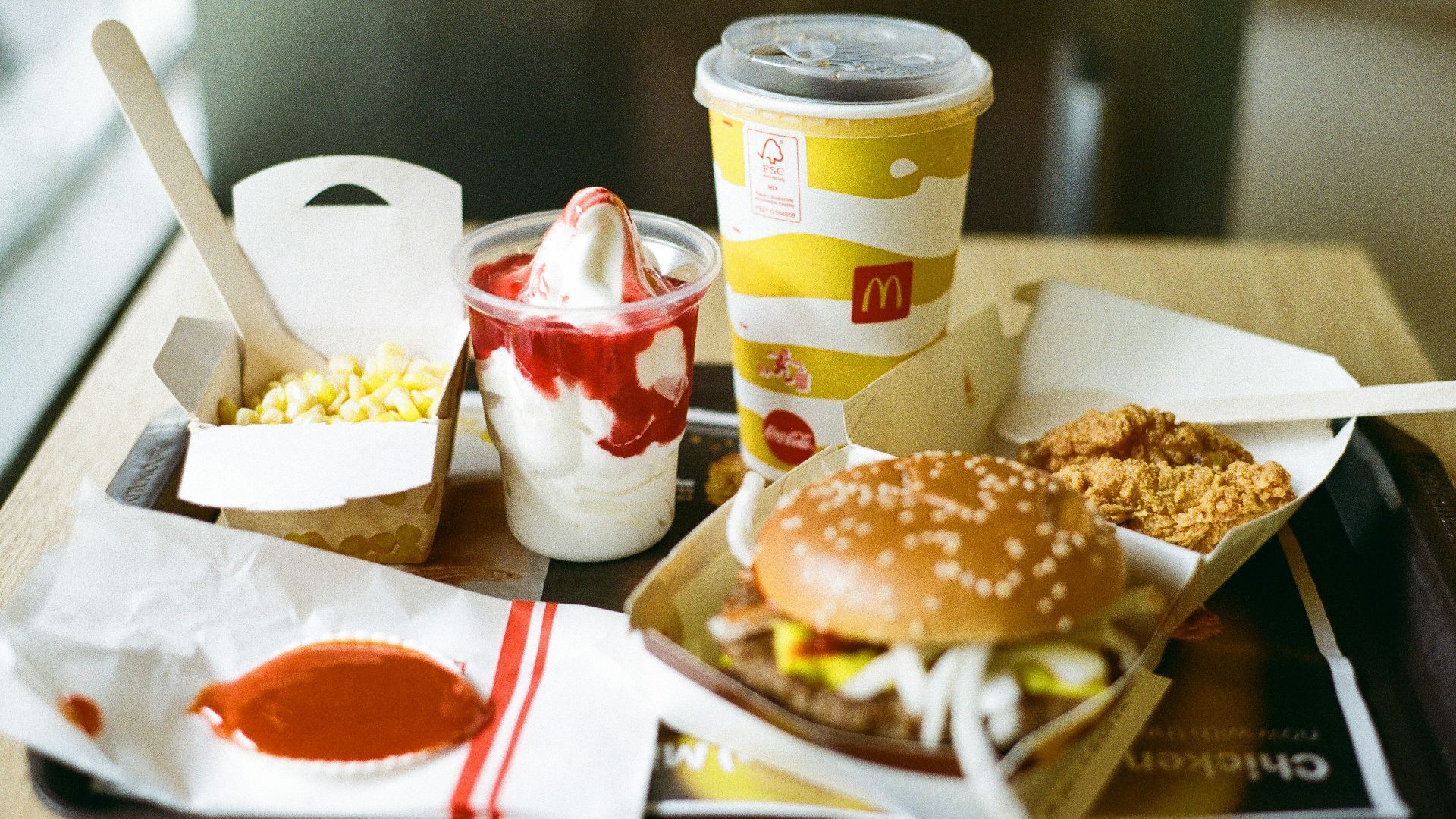
For decades, the fries were cooked in an oil mixture dominated by beef tallow, which contributed to their distinctive richness. The chain switched to vegetable oil in 1990 following criticism of saturated fat.
2. McDonald’s Apple Pie Went From Fried to Baked
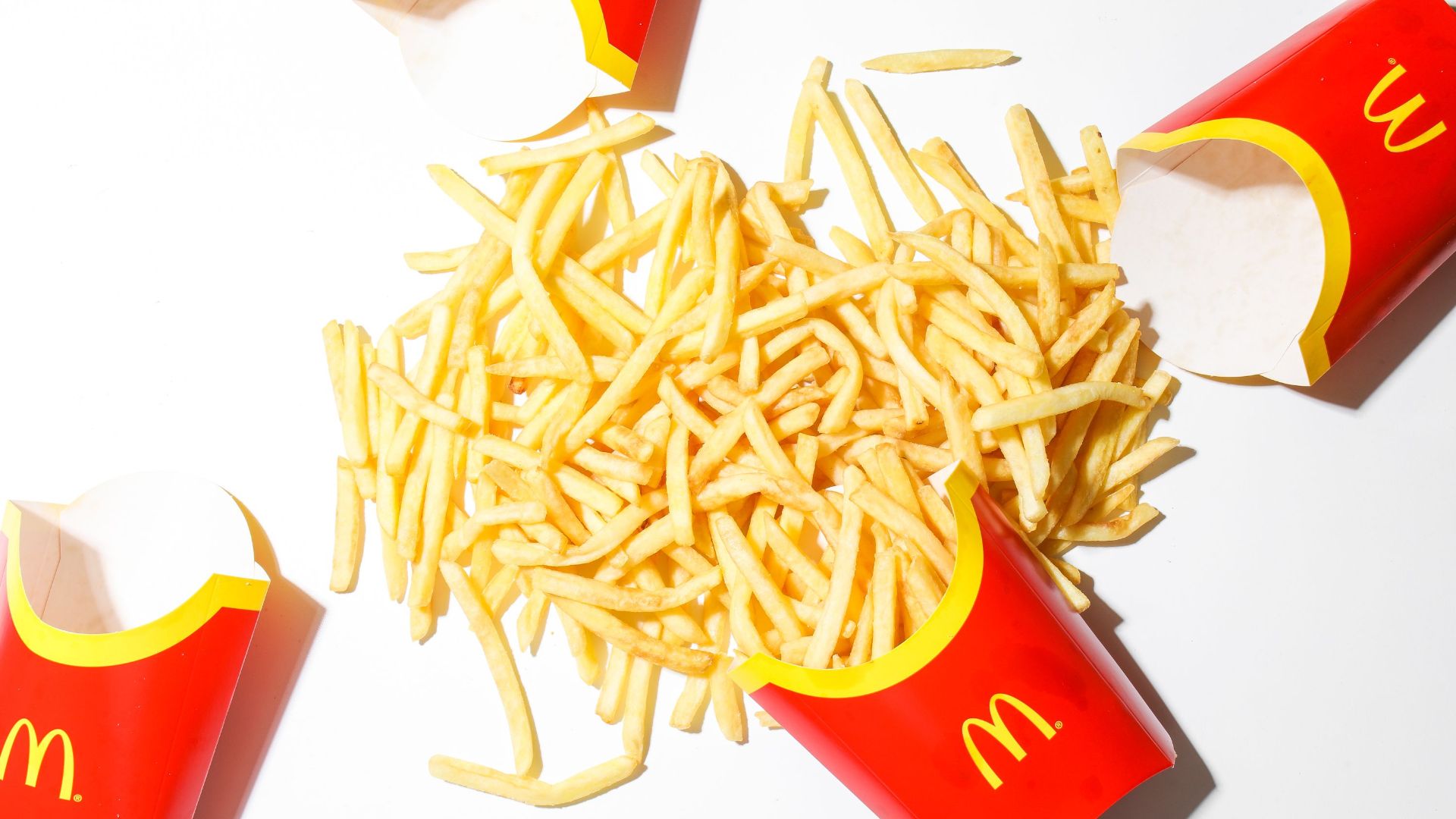
The original apple pie had a crisp, blistered shell because it was deep-fried before being served. In 1992, most American locations replaced it with a baked version that had a softer crust and a noticeably different texture. Fans continued requesting the fried recipe for decades, leading to a limited nationwide return in 2026.
3. McDonald’s Chicken McNuggets Switched to White Meat
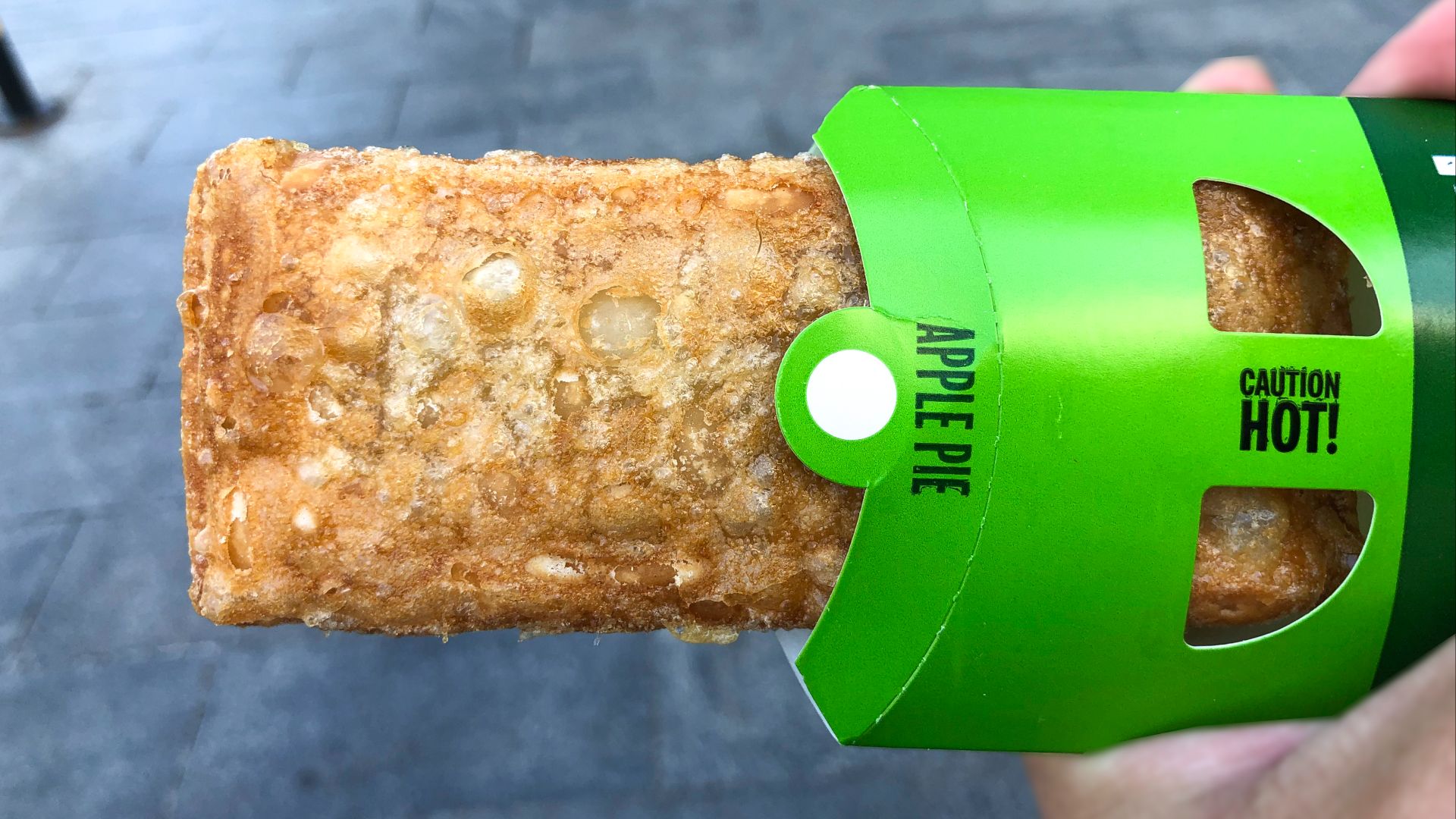
The original nugget recipe included a combination of white and dark chicken meat, giving it a slightly richer flavor. In 2003, the chain introduced an all-white-meat version as consumers became more interested in leaner ingredients.

4. McDonald’s Quarter Pounder Started Using Fresh Beef
In 2018, most American restaurants began cooking Quarter Pounder patties from fresh rather than frozen beef. The patties were prepared when ordered, producing a hotter and generally juicier burger than the earlier version.
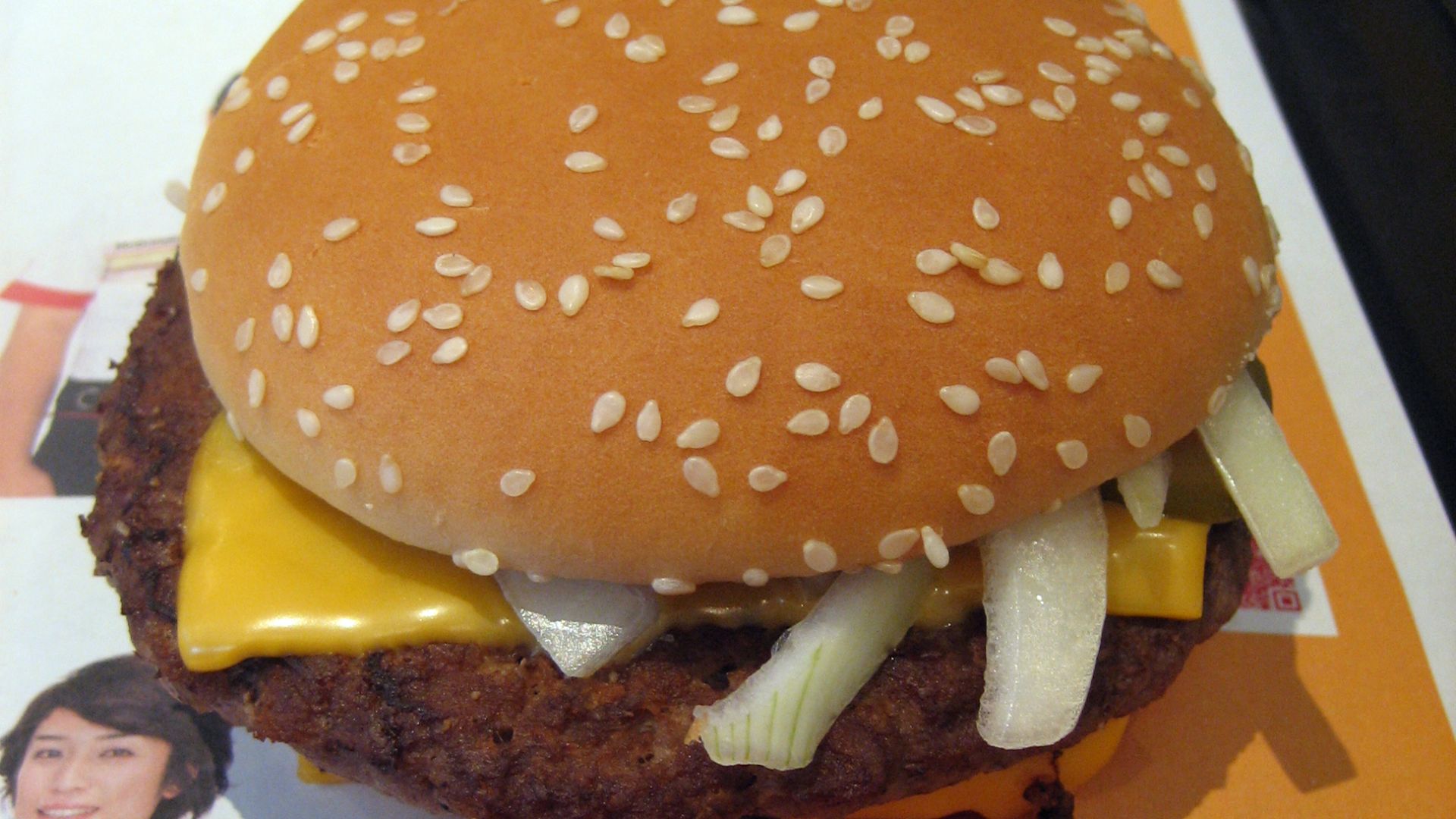
5. McDonald’s Removed Preservatives From Its Classic Burgers
Seven familiar burgers received ingredient changes in 2018 when artificial preservatives, flavors, and added colors were removed from most components. The buns and cheese were reformulated, while the pickles continued to contain an artificial preservative.
6. Domino’s Rebuilt Its Pizza From the Crust Up
After openly acknowledging widespread criticism, the chain introduced a completely revised pizza recipe in late 2009. The overhaul brought garlic-seasoned crust, a sweeter and spicier tomato sauce, and a new cheese blend. Customers noticed because the company didn’t attempt to make the transition quietly, instead building an advertising campaign around its previous recipe’s weaknesses.
7. Wendy’s Introduced Natural-Cut Fries With Sea Salt
The chain replaced its traditional fries in 2010 with skin-on potatoes seasoned with sea salt. The new fries were designed to look and taste more natural, but they also had a different texture and stronger potato flavor.
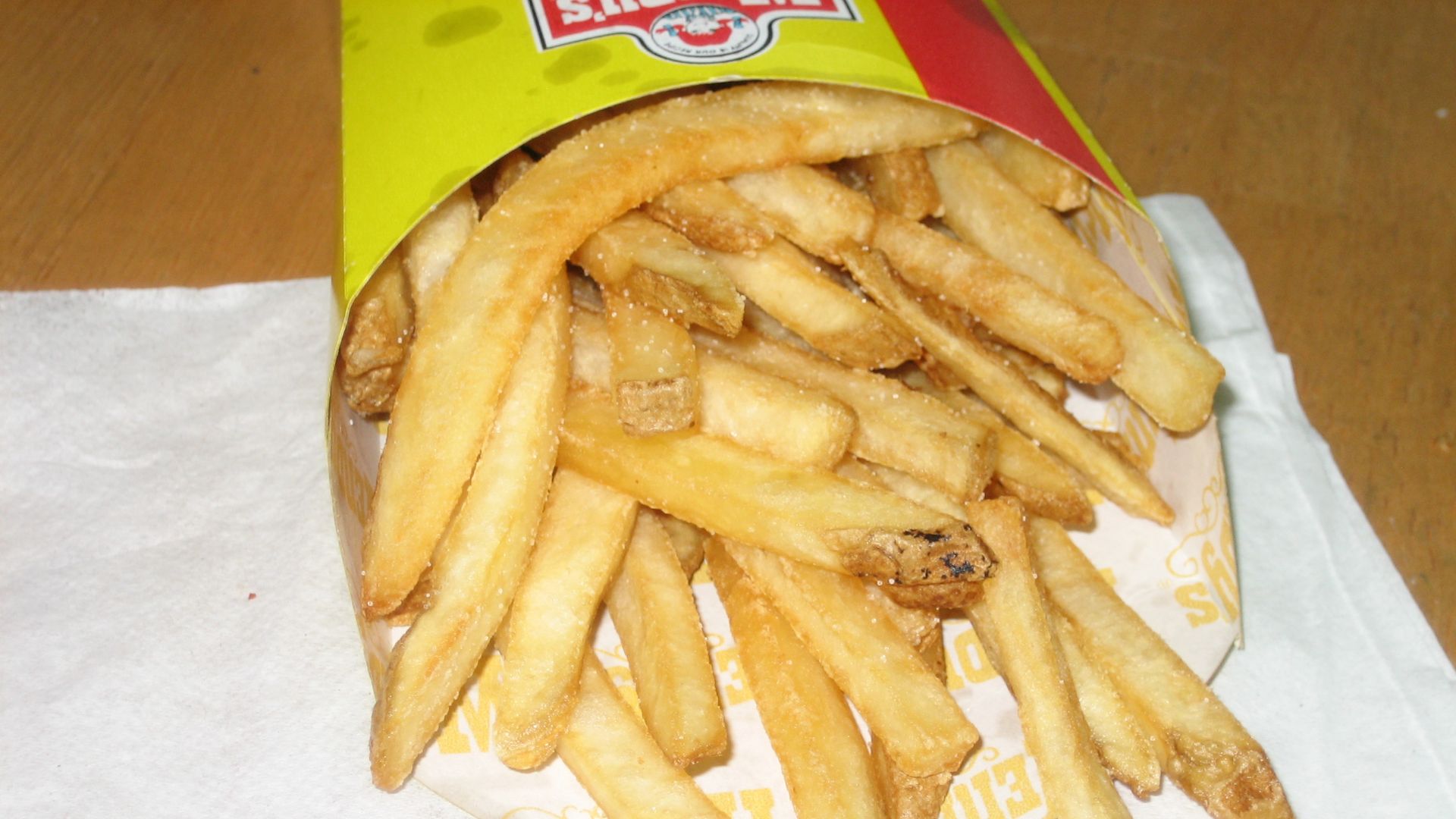
8. Wendy’s Made Its Fries Crispier for Delivery
A second major fry reformulation arrived in 2021 as takeout and delivery orders became increasingly important. The updated coating was designed to help the fries remain hot and crispy for as long as 30 minutes after leaving the fryer. Customers noticed the crunchier shell, although not everyone preferred it to the previous natural-cut recipe.
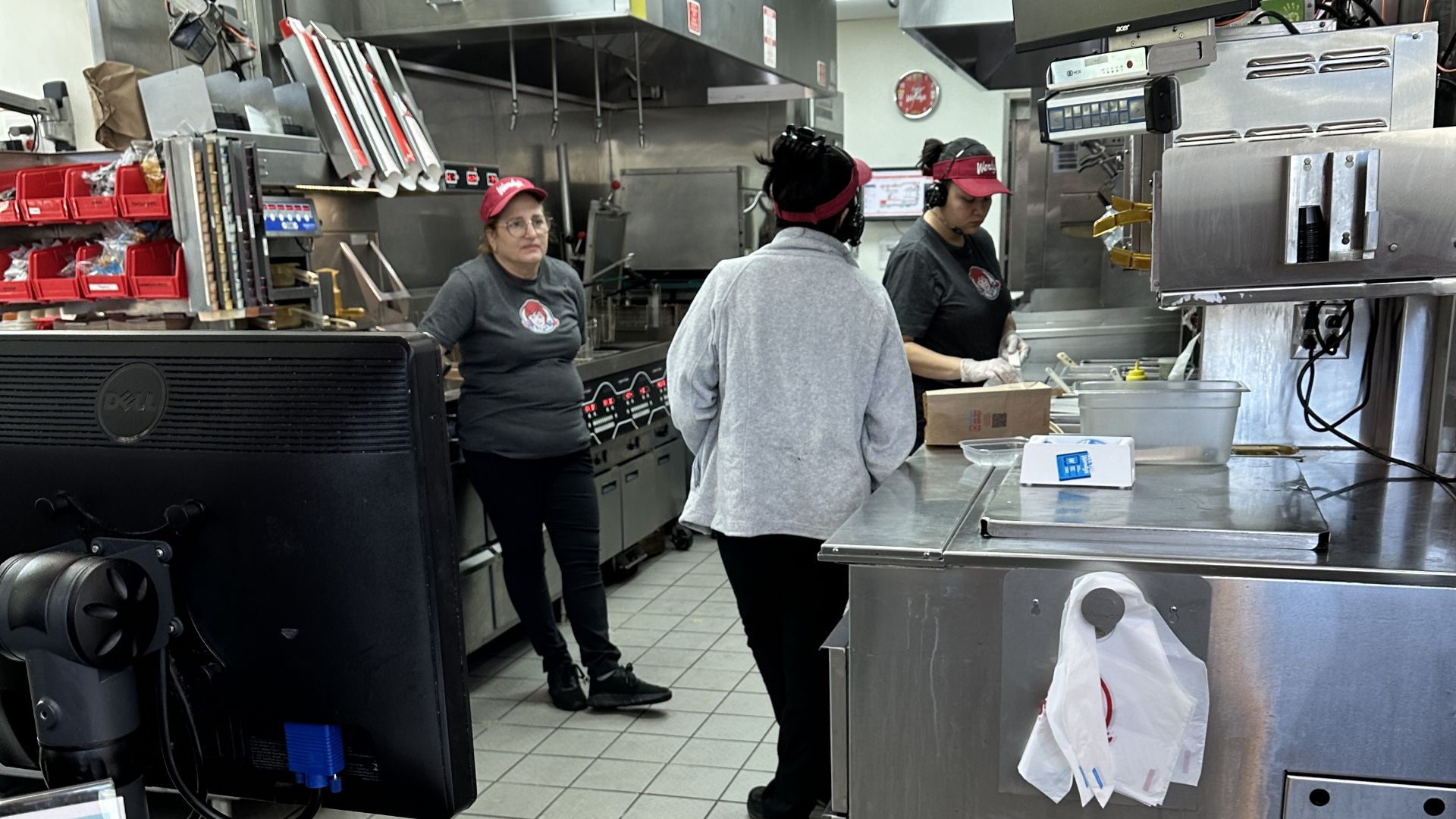
9. Wendy’s Turned Its Burgers Into Dave’s Hot ’N Juicy
In 2011, the chain changed its long-running hamburger recipe while introducing the Dave’s Hot ’N Juicy line. Patties became thicker, their corners were slightly rounded, and several toppings and preparation details were revised. The update gave the burgers a different balance of meat, bread, and condiments that regular customers could recognize immediately.
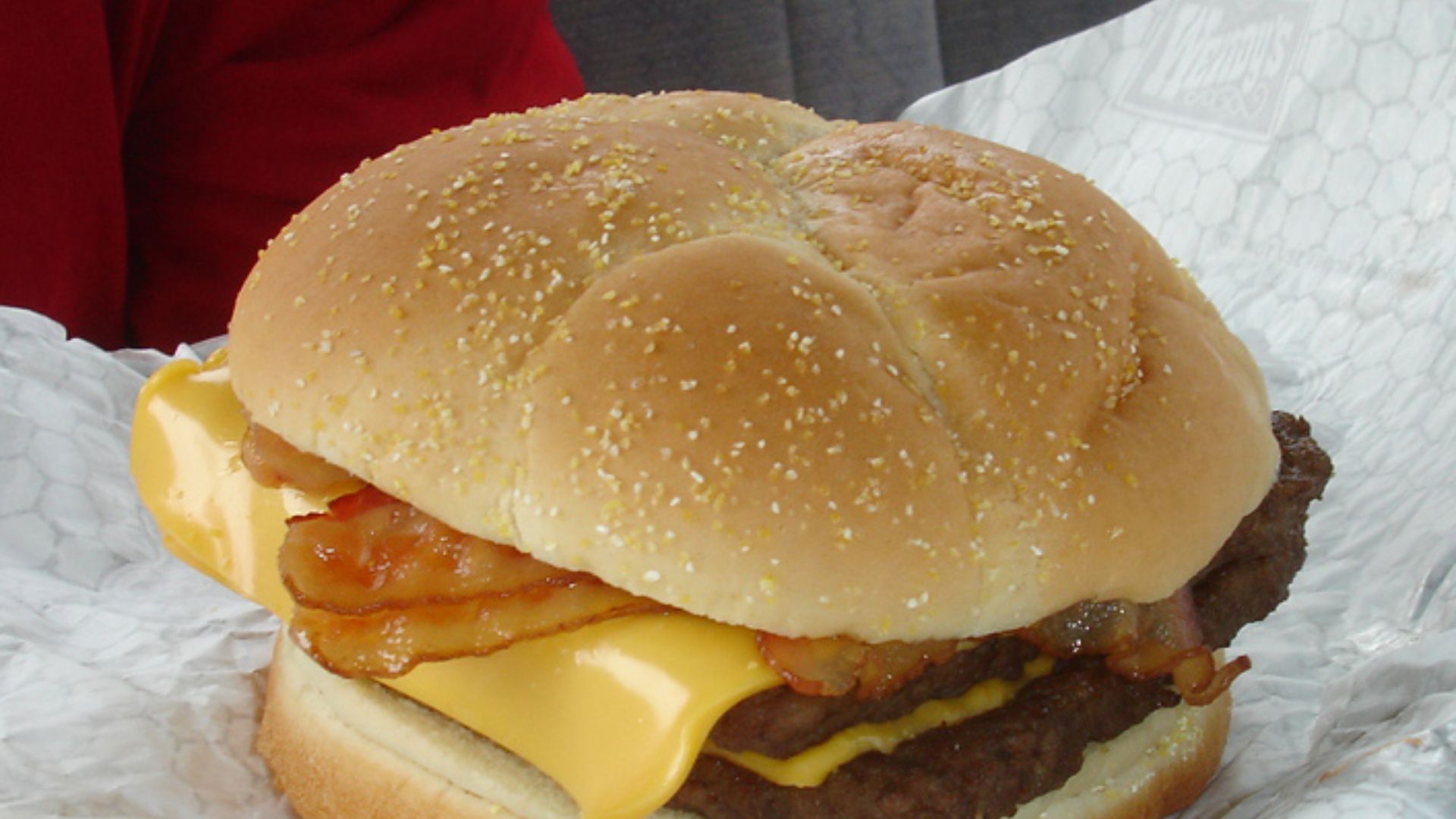 The original uploader was KForce at English Wikipedia. on Wikimedia
10. Burger King Gave Its Fries a Crispy Coating
The chain redesigned its North American fries in 1997 after spending more than two years developing the recipe. A potato-based starch coating helped the fries stay crisp for longer after cooking.
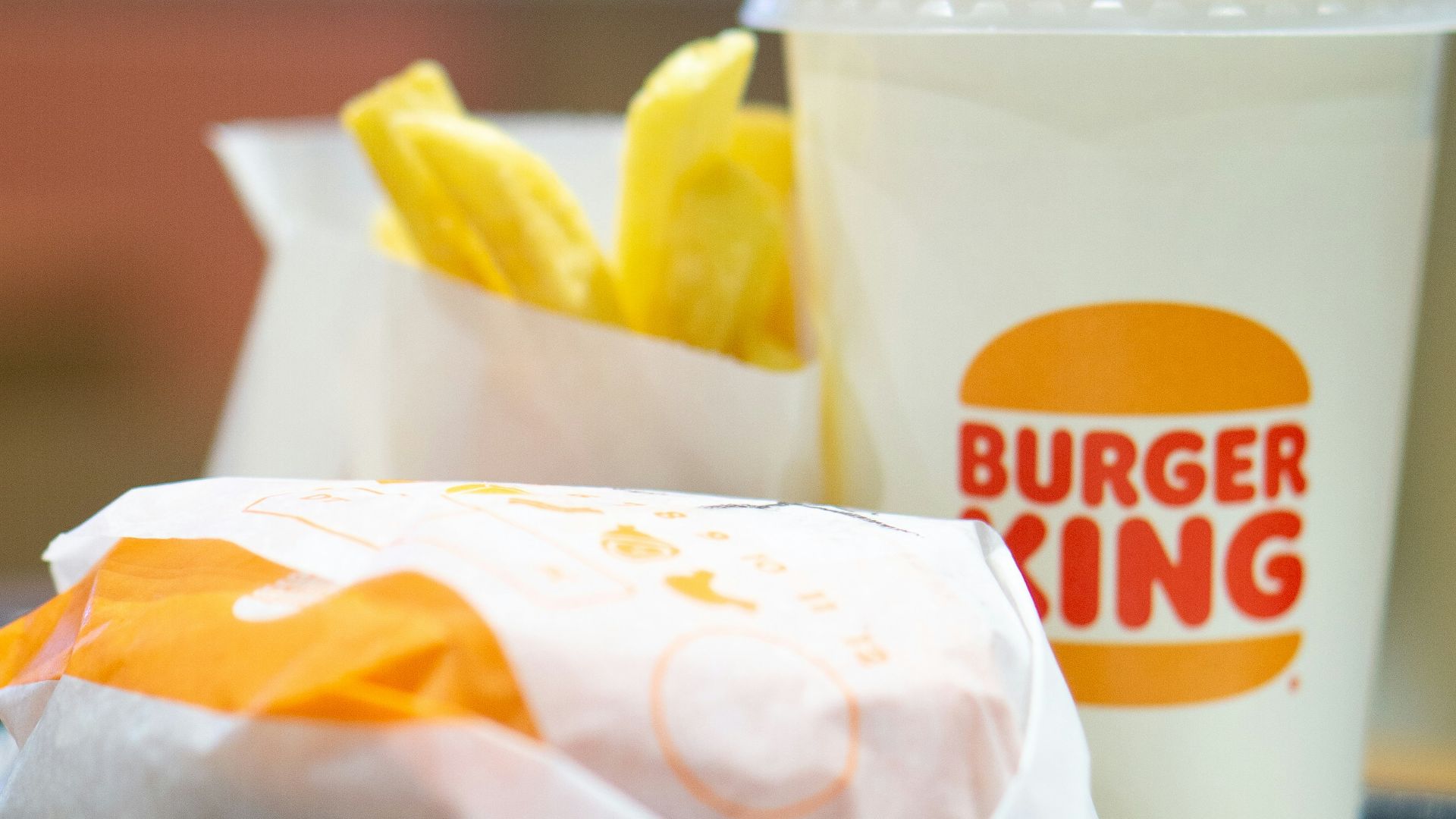
11. Burger King Made Its Fries Thicker
Another major redesign arrived in 2011, bringing thicker cuts, a new coating, and reduced sodium. The broader shape created a softer interior and changed the ratio between crisp exterior and fluffy potato.
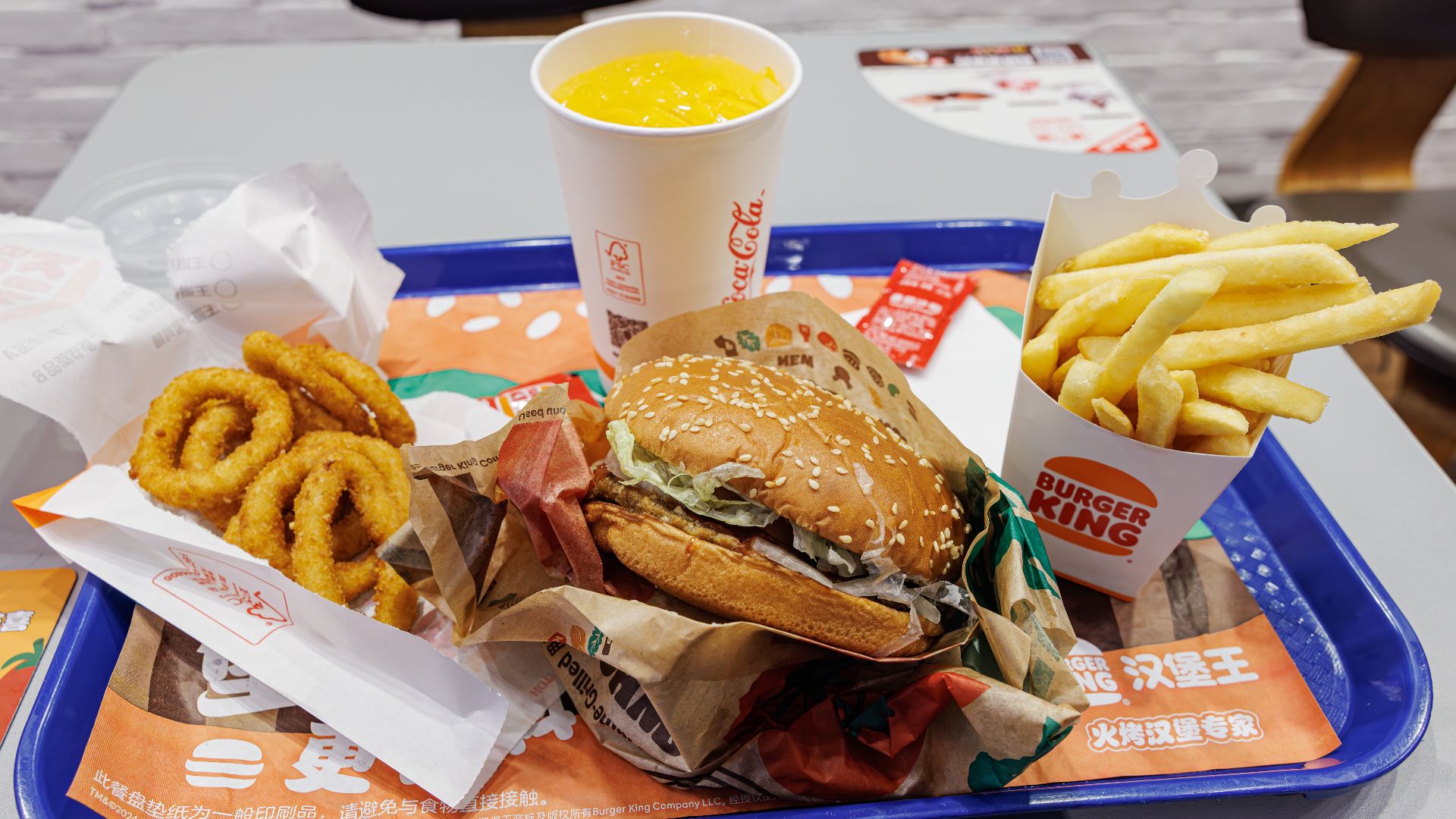
12. Burger King Reworked Its Onion Rings
During a 2001 menu overhaul, the chain replaced traditionally sliced onion rings with a formed product made from onion paste. The change created more consistent shapes and made preparation easier across thousands of restaurants.
13. Burger King Reformulated Its Chicken Tenders
The chain introduced a revised version of its chicken tenders in 2011 as part of a much larger menu restructuring. Nostalgia for the older recipe remained strong enough that later chicken products were frequently compared with the discontinued original.
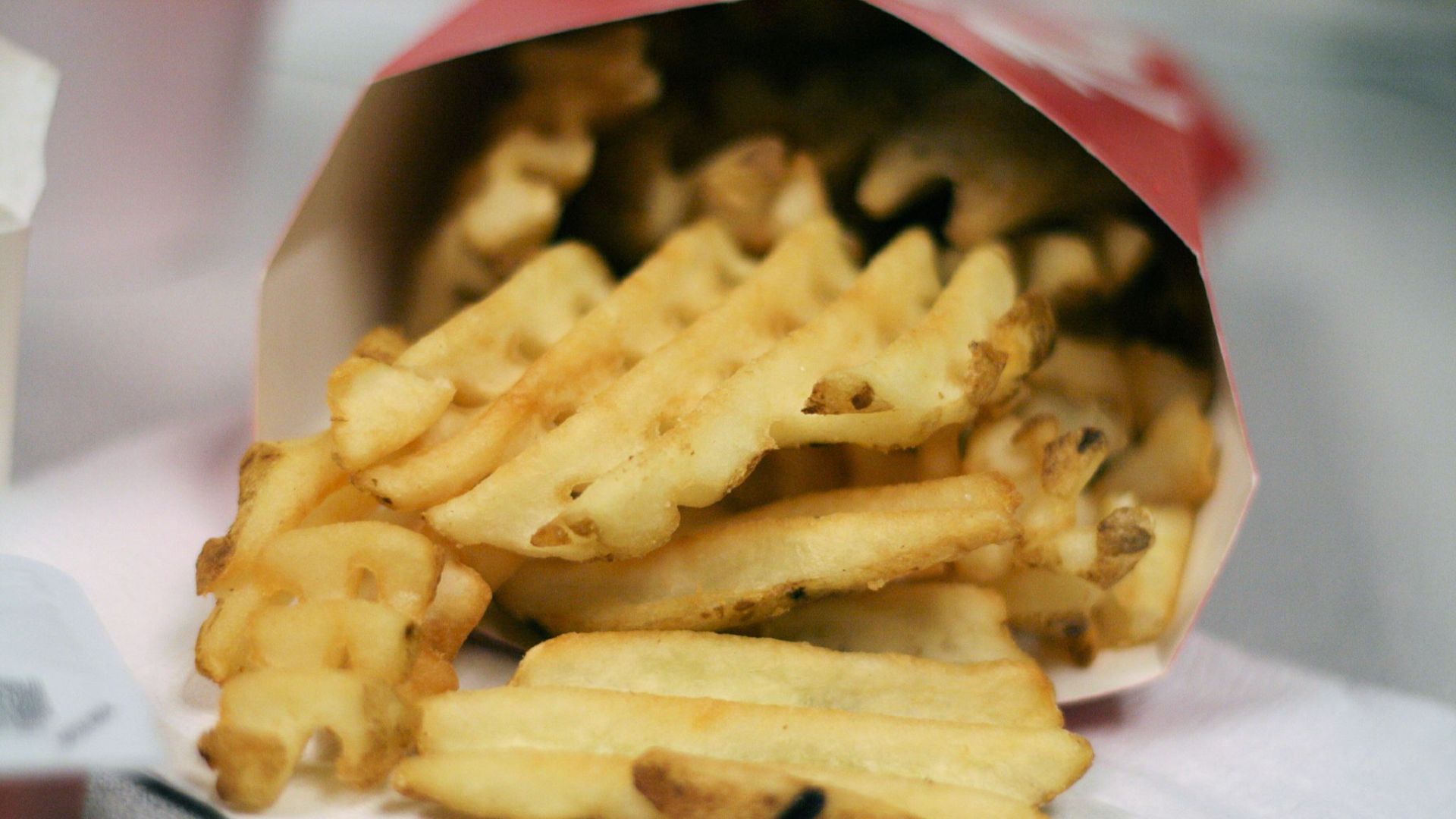
14. Chick-fil-A Added Pea Starch to Its Waffle Fries
In 2024, the chain adjusted its waffle fry recipe by adding pea starch to help the fries remain crispy longer. The backlash demonstrated that greater crispness wasn’t necessarily the improvement loyal diners wanted.
15. KFC Replaced Potato Wedges With Seasoned Fries
In 2020, the chain removed its thick, seasoned potato wedges and introduced Secret Recipe Fries instead. Customers organized petitions and repeatedly requested the wedges, which eventually returned nationally for a limited period in 2025.
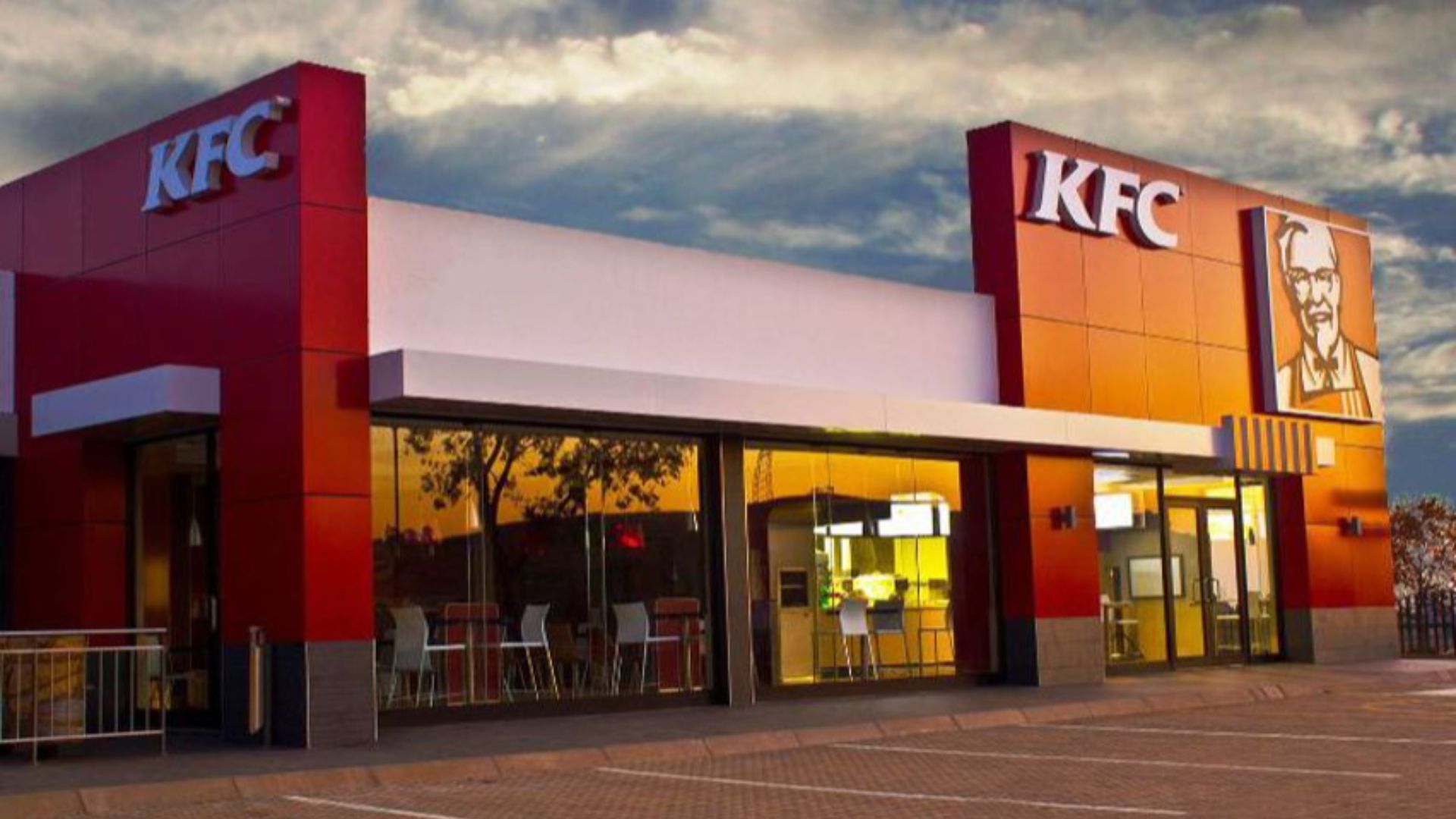
16. KFC Changed Its Cooking Oil
In 2006, the chain announced that its American restaurants would move away from partially hydrogenated soybean oil. The replacement was a low-linolenic soybean oil intended to eliminate trans fat from most fried menu items.
17. Pizza Hut Launched the Flavor of Now
A large 2014 menu overhaul introduced new crust seasonings, sauces, cheeses, and drizzles while modifying several familiar recipes. Later changes shifted attention back toward simpler classics after the reinvention failed to transform sales.
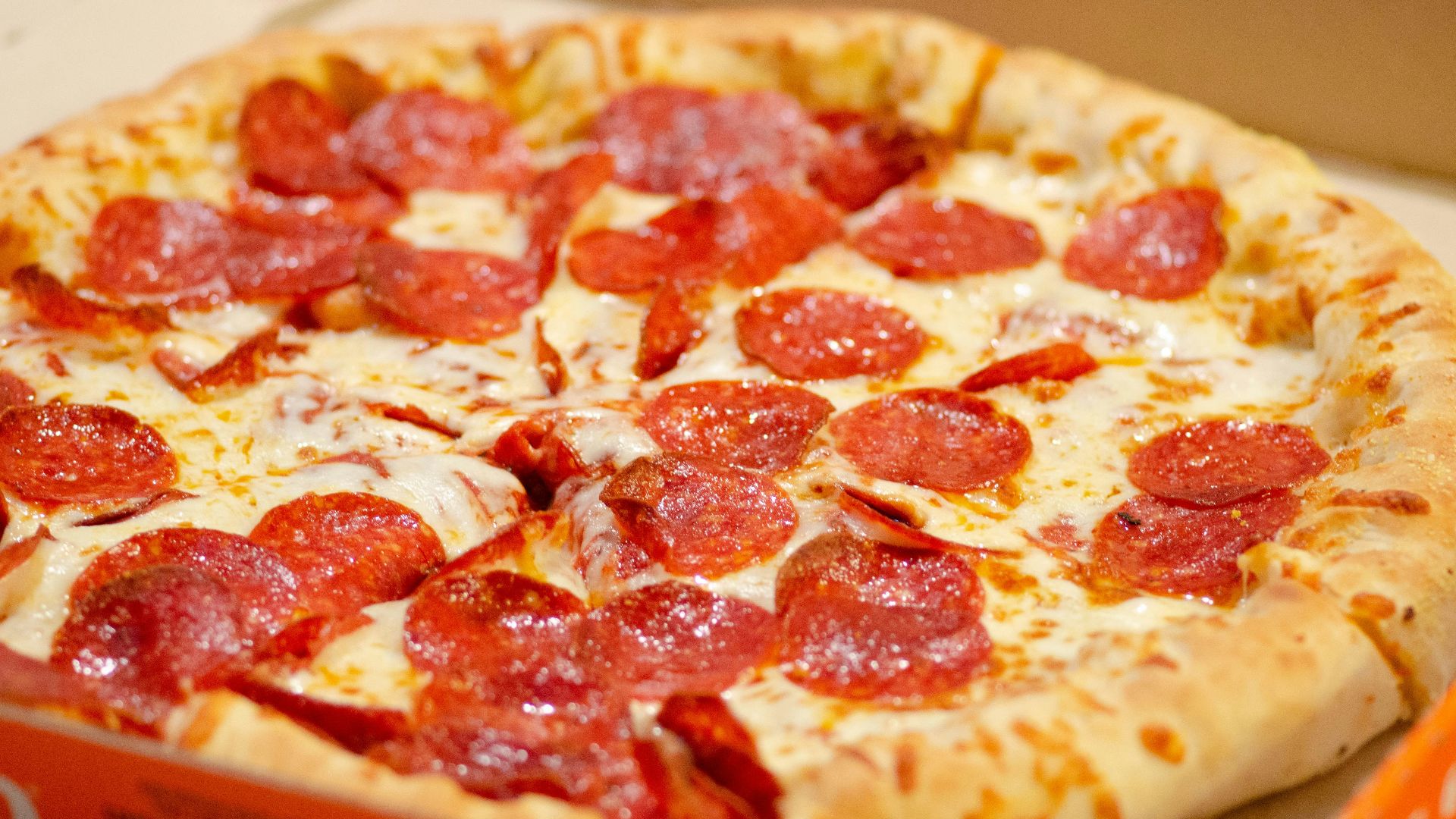
18. Pizza Hut Updated Its Original Pan Pizza
The Original Pan Pizza received a substantial reformulation in 2019 after several years of development. Customers could easily identify the firmer base and altered flavor, although opinions differed on whether it improved a long-established favorite.
19. Subway Removed a Controversial Bread Additive
The chain changed its bread formula in 2014 by removing azodicarbonamide after the ingredient attracted widespread public attention. It had been used as a dough conditioner and was permitted in American food, but its unfamiliar name concerned many customers.
20. Subway Gave Its Menu an Eat Fresh Refresh
In 2021, the chain revised numerous ingredients, including breads, turkey, ham, steak, bacon, and several toppings. Restaurants briefly closed early so employees could prepare for what the company described as its largest menu update.
KEEP ON READING
You’re Storing Tomatoes Wrong in This Heat
You’re Storing Potatoes Wrong in This Heat
You’re Storing Peppers Wrong in This Heat