Where Your Organic Budget Matters Most
Should you buy organic or not? Which foods are safe, and which ones aren't? We know: grocery shopping is stressful (and expensive) enough without fussing over buying organic or non-organic, but this is something you might actually want to pay attention to. From leafy greens like spinach to potatoes, the produce you eat every day could have an adverse effect on your health if you're not choosing correctly. Checking the Environmental Working Group’s (EWG) Dirty Dozen and Clean Fifteen lists will help you out a lot, too, as they identify crops that commonly carry more or fewer pesticide residues. Here are 10 foods you should always buy organic, and 10 that are safe even without the organic label.

1. Spinach
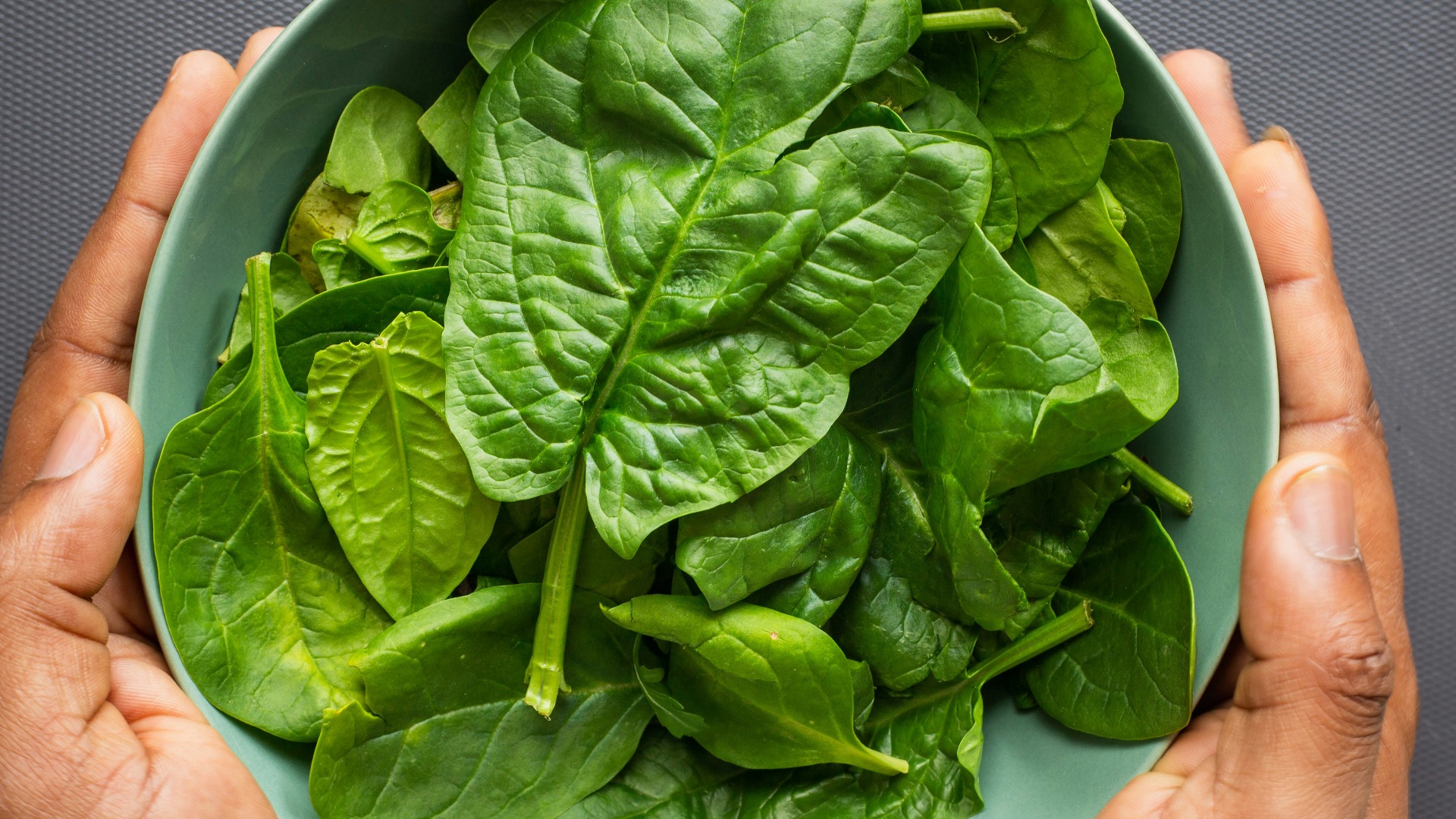
Spinach ranked first on the EWG’s 2026 list of produce with the highest pesticide contamination, making it a reasonable place to spend extra. Its large, delicate leaves are eaten whole and can’t be peeled before serving. Whether you’re blending it into smoothies or tossing it into salads, choosing organic may lower the range of residues entering your meals.
2. Kale and Similar Greens
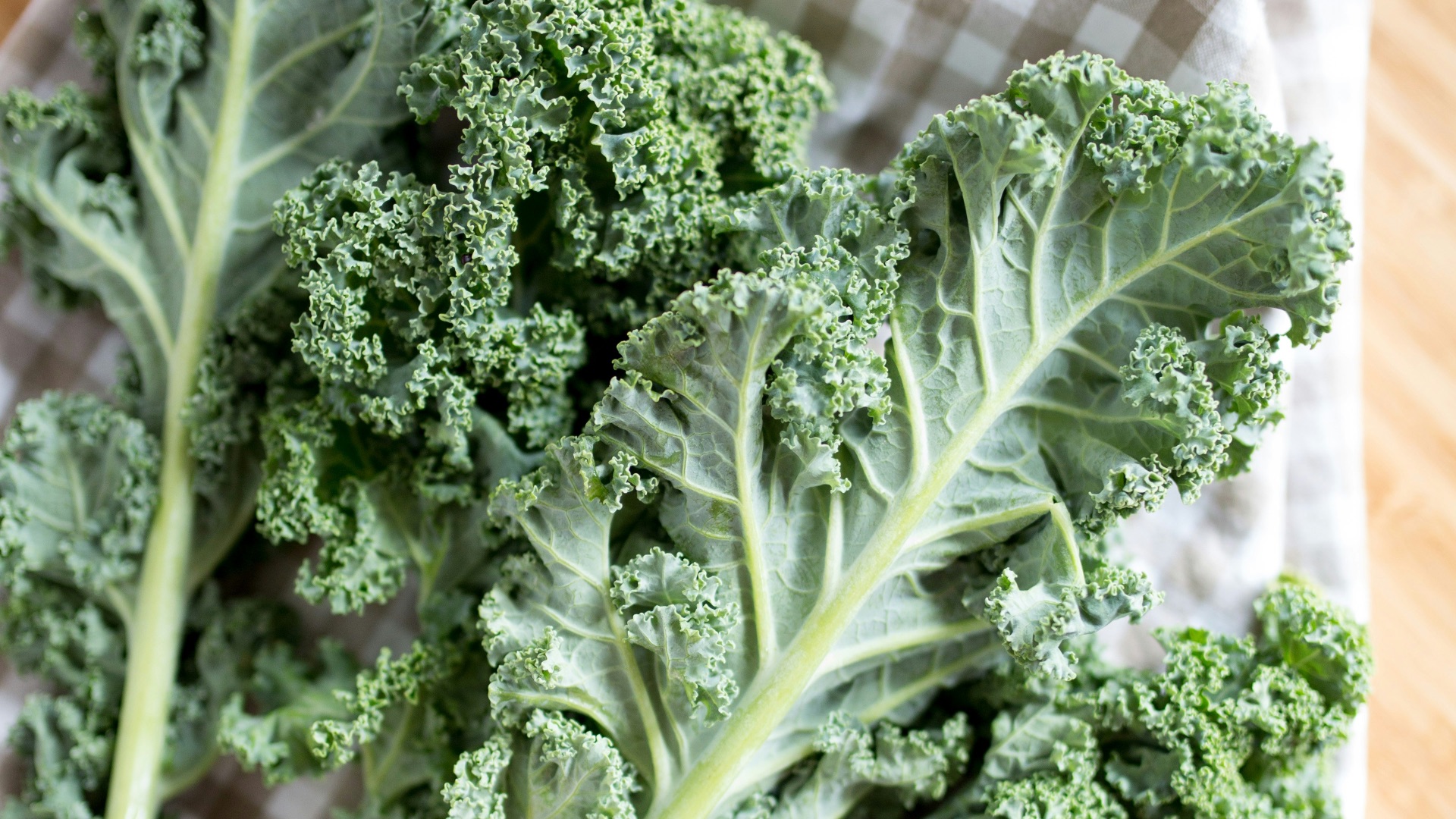
Kale, collard greens, and mustard greens, like spinach, ranked high on EWG's Dirty Dozen list. Because their textured leaves offer plenty of places for agricultural sprays to settle, rinsing may not remove every trace. Organic versions are particularly worth considering when you eat these greens several times a week.
3. Strawberries
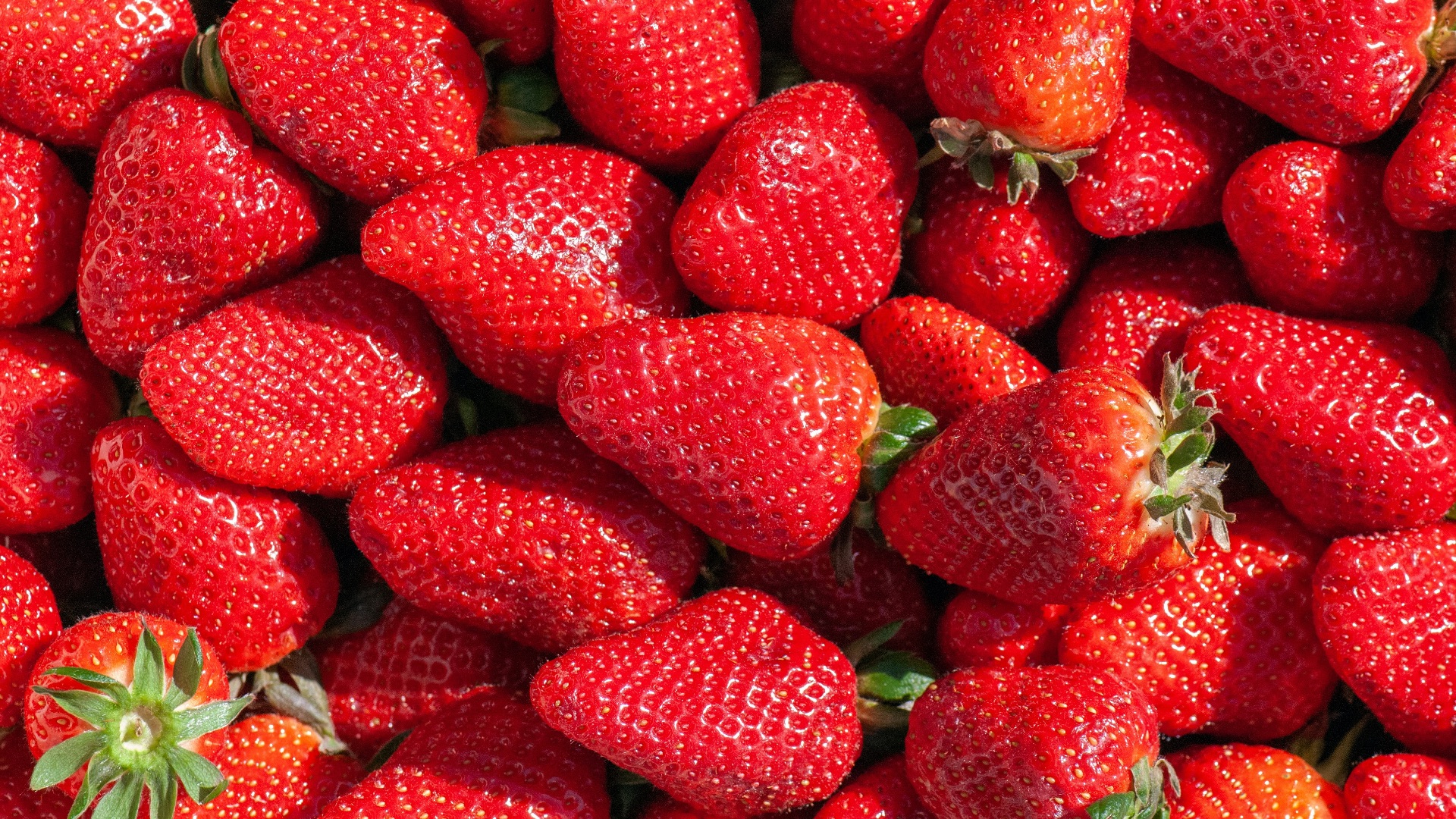
Unfortunately for strawberry lovers, the fruit has remained a Dirty Dozen regular. In the EWG’s 2024 analysis, more than 90% of strawberry samples contained residues from at least two pesticides. Since the fruit’s thin, seeded exterior is eaten whole and can’t be scrubbed aggressively without damage, strawberries are one of the strongest candidates for an organic upgrade.
4. Grapes
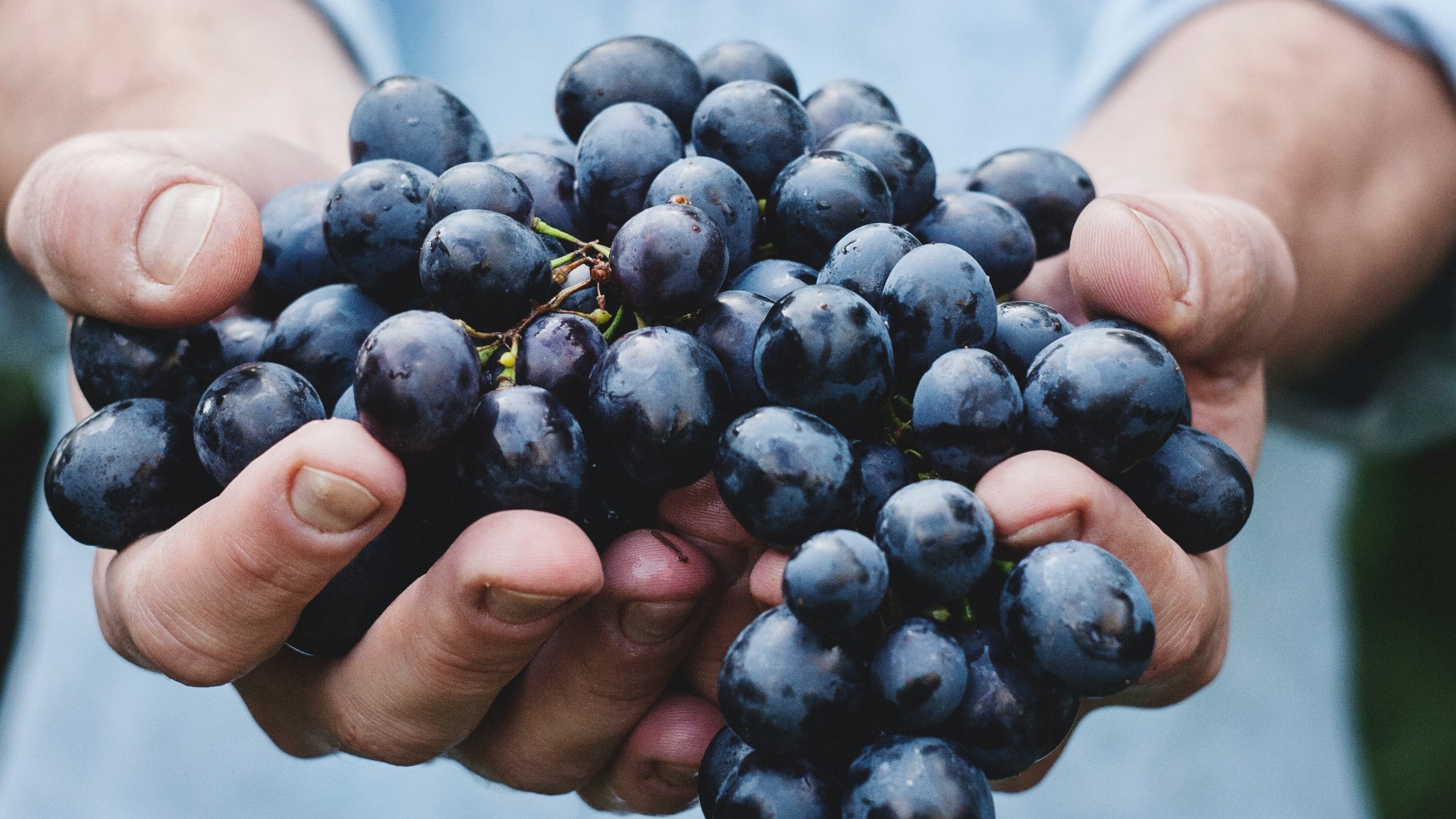
Grapes consistently rank among the higher-residue fruits, appearing on both the 2023 and 2024 Dirty Dozen lists and remaining a concern in more recent testing, where they ranked fourth. Their thin skins are eaten, and tightly packed bunches make it difficult to wash every grape thoroughly unless you remove them from the stem. Organic grapes can be expensive, but buying them during peak season or choosing organic raisins may help reduce repeated exposure.
5. Nectarines
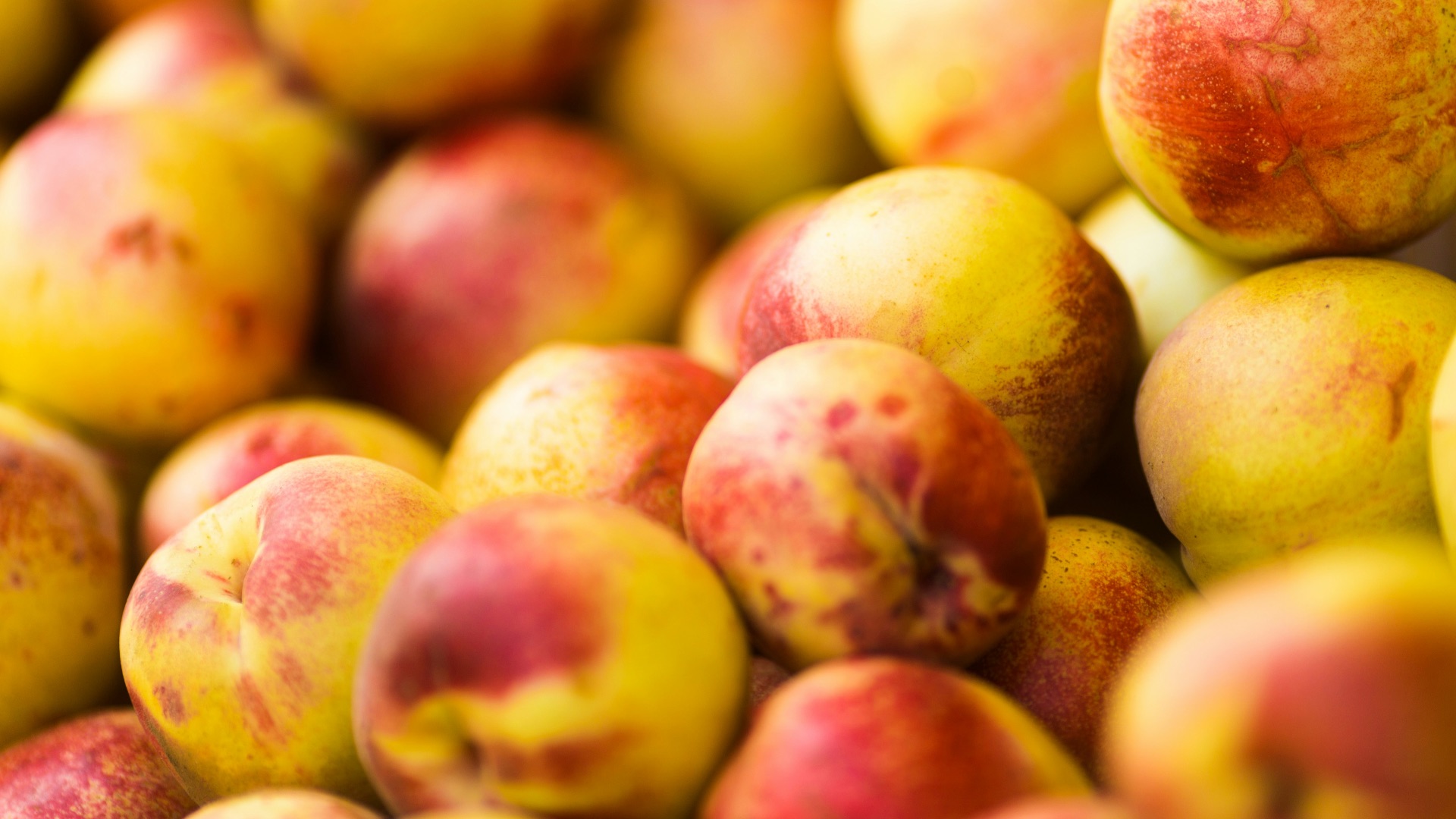
Like munching on nectarines? Well, you might want to be wary: nectarines have repeatedly joined other fruits on high-residue produce lists, including the 2023 and 2024 editions. Their smooth skin might look easier to clean, but it’s thin and easily bruised, so vigorous scrubbing isn’t practical. Buying organic lets you keep the peel without relying on washing alone to reduce what remains on the fruit.
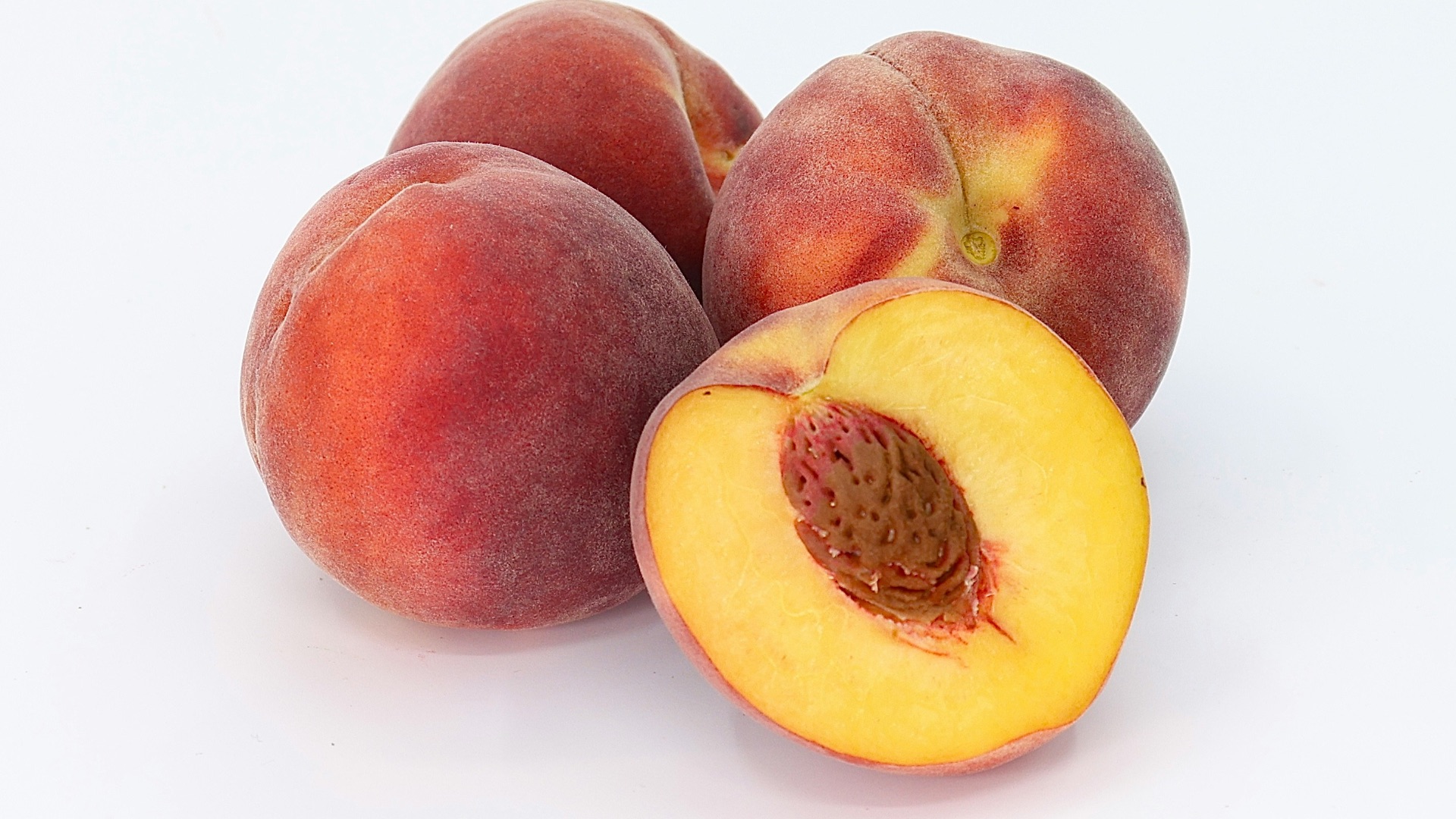
6. Peaches
Peaches have been recurring Dirty Dozen entries for years, a sad fact for peach lovers. Their fragile skin and susceptibility to insects, fungal diseases, and storage problems can lead to pesticide use at several stages of production. The 2026 EWG analysis also reported frequent detection of fludioxonil, a fungicide (deemed a "forever chemical") used to control spoilage, on sampled peaches.
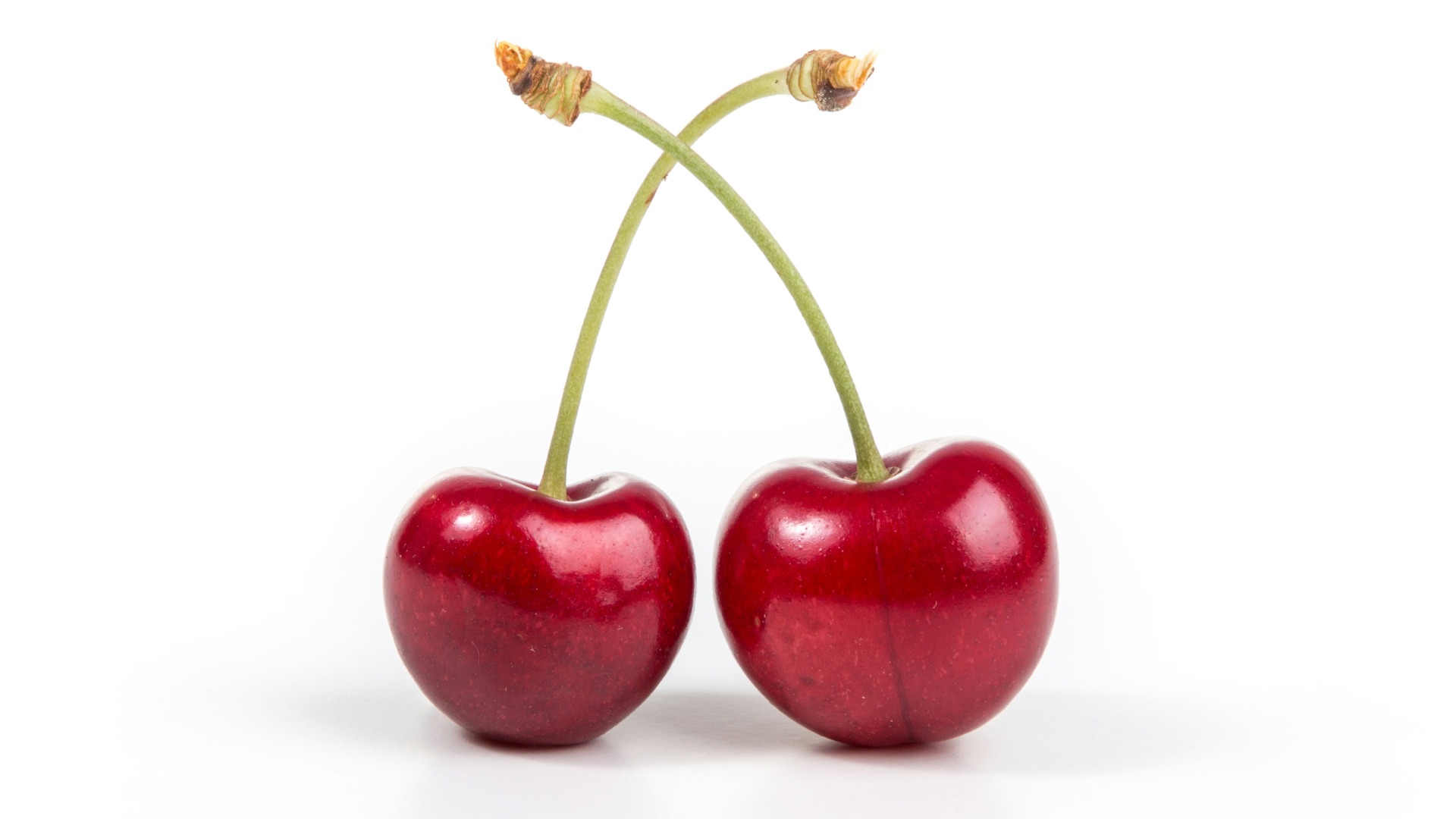
7. Cherries
Cherries have remained a recurring Dirty Dozen fruit, appearing on consecutive recent lists alongside peaches, apples, and grapes. They’re normally eaten whole after only a quick rinse, and washing each small fruit individually isn’t especially practical. Because a serving can contain a dozen or more cherries, buying organic may provide more reassurance.
 Quaritsch Photography on Unsplash
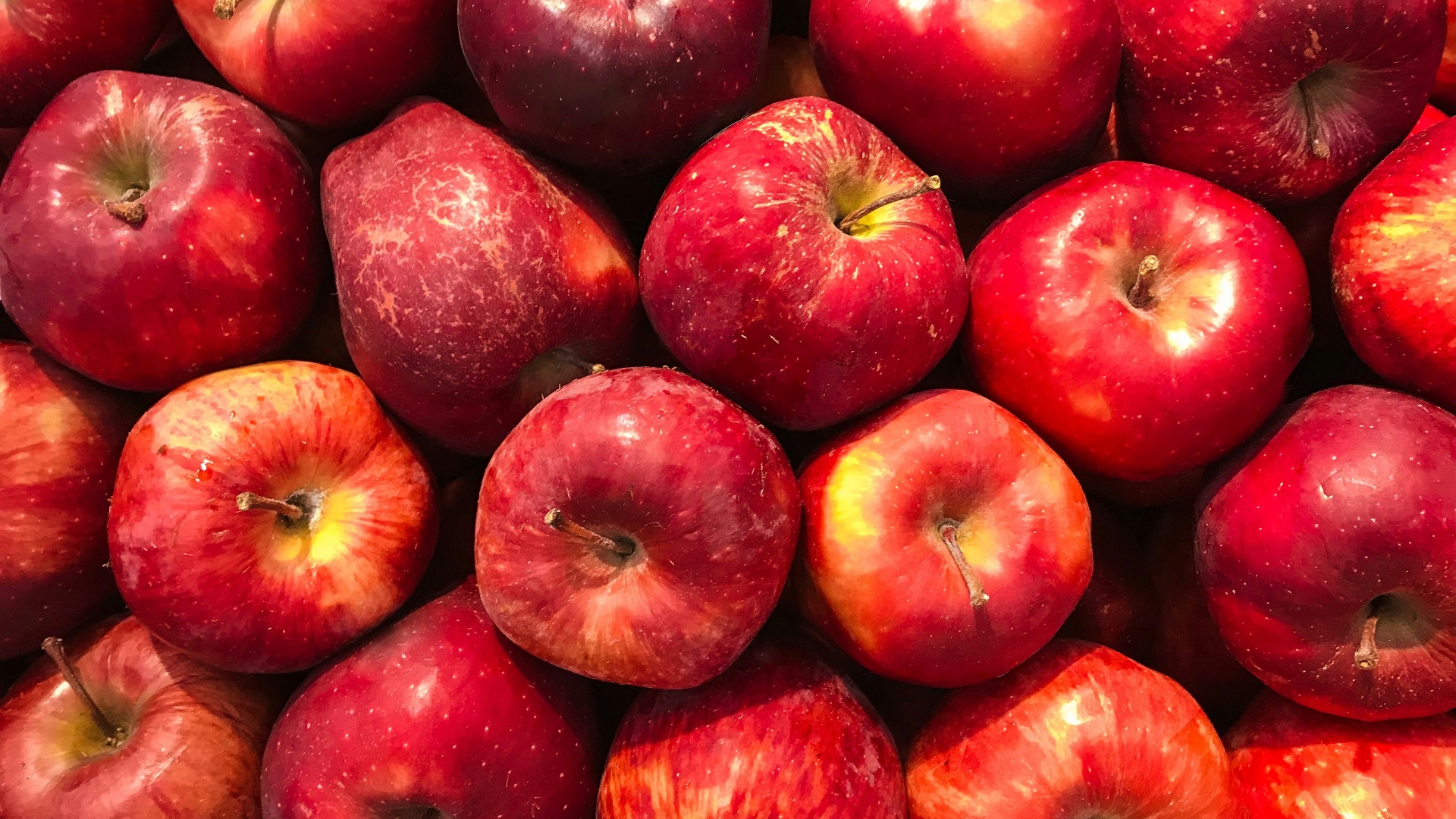
8. Apples
Apples are a long-standing Dirty Dozen selection rather than a recent addition. Along with treatments used in orchards, some conventionally grown apples may receive fungicides after harvesting to prevent decay during months of storage and transportation. Organic apples can be a sensible investment because they’re eaten frequently, widely available year-round, and commonly served to children with the peel intact.
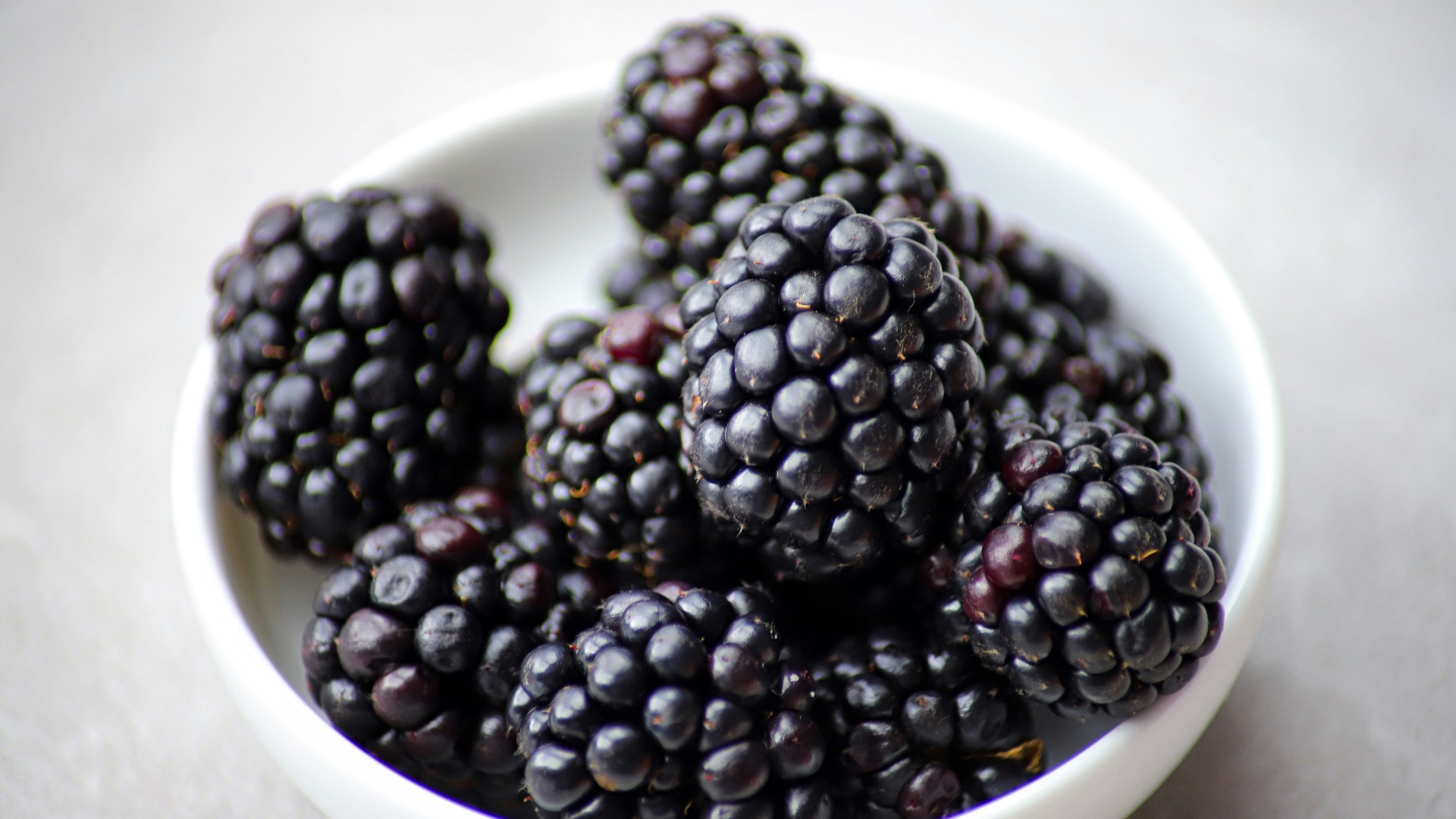
9. Blackberries
Blackberries joined the Dirty Dozen after the USDA tested them for the first time in 2023, according to the EWG. Their clustered shape and many crevices make them difficult to scrub without damaging the fruit. An organic carton may therefore be worthwhile, especially because blackberries are normally eaten raw and whole.
10. Potatoes
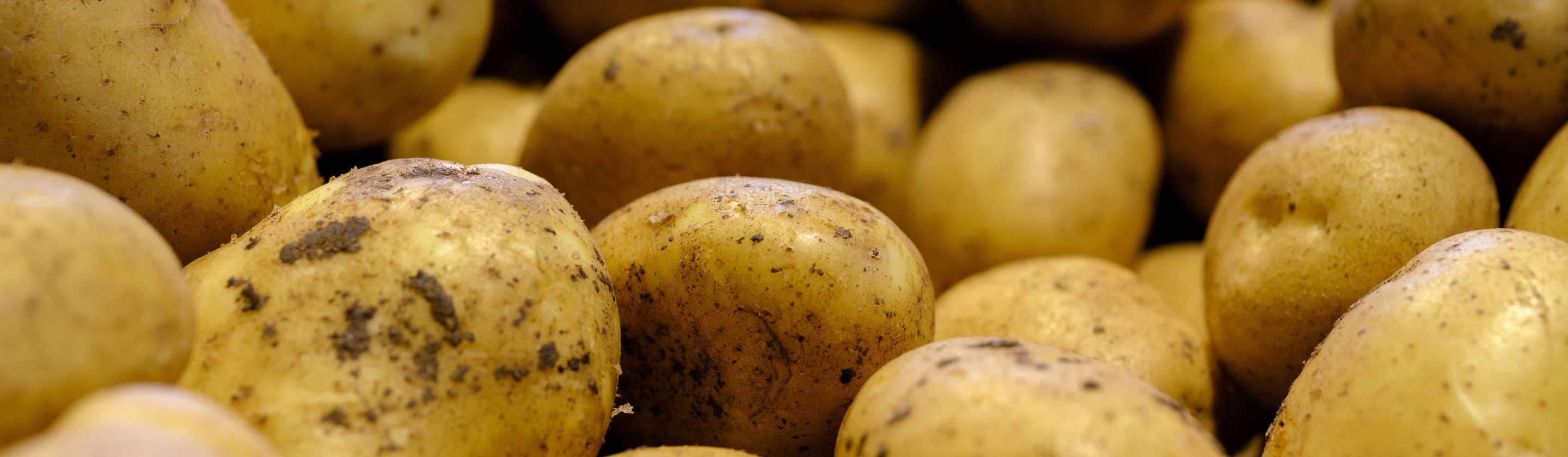
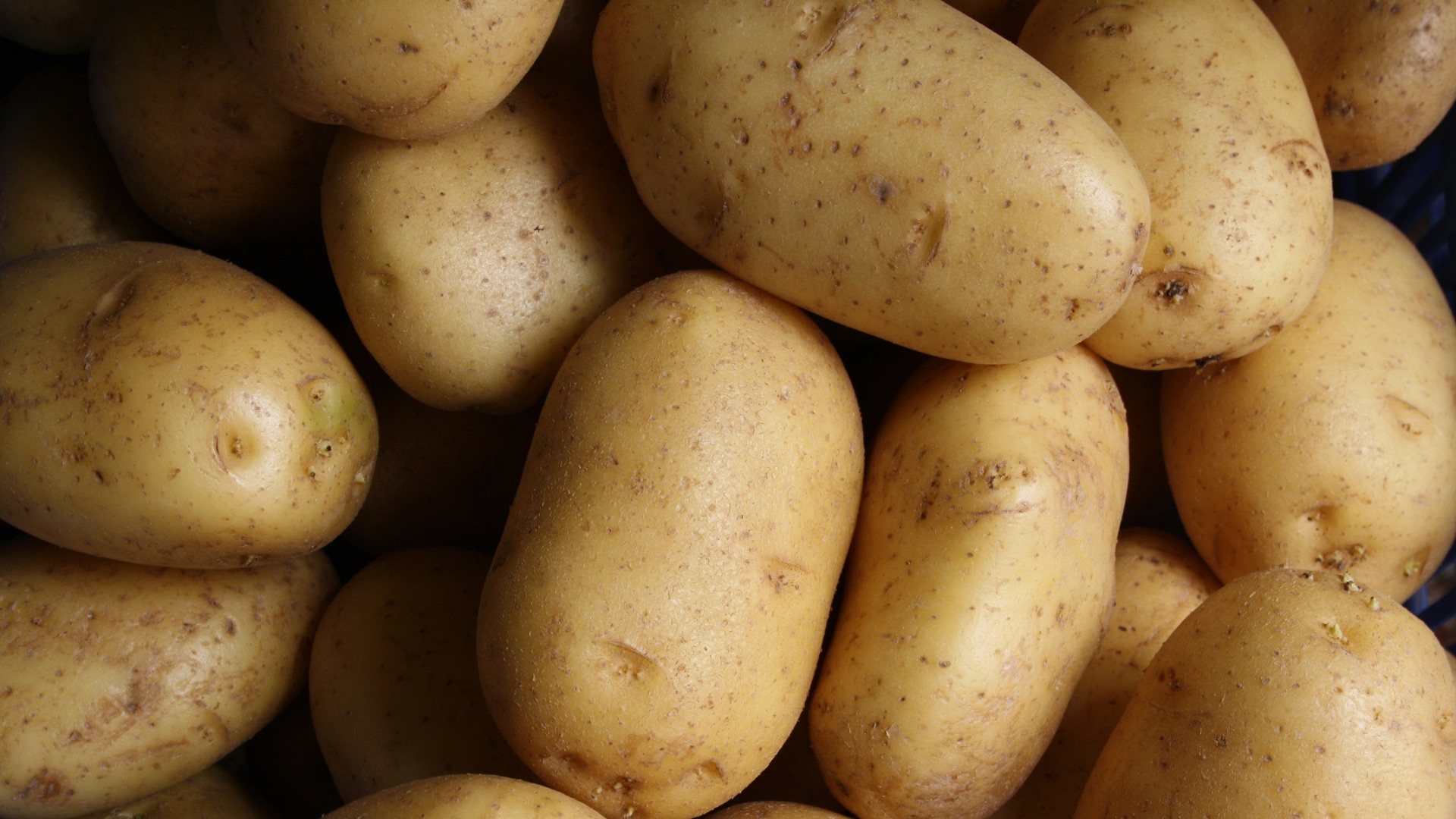
Potatoes rose up one spot from 11th to 10th in the EWG’s 2026 Dirty Dozen due to high concentrations of cholorpram, a herbicide banned in the EU for health reasons. Although you can peel them, many recipes keep the skin for texture and nutrients, and potatoes may be eaten frequently enough for small differences to add up. Scrubbing conventional potatoes is still important, but choosing organic can reduce your reliance on peeling.
Now that we've covered which foods you should buy organic, let's take a look at which ones are safe even without the organic label.
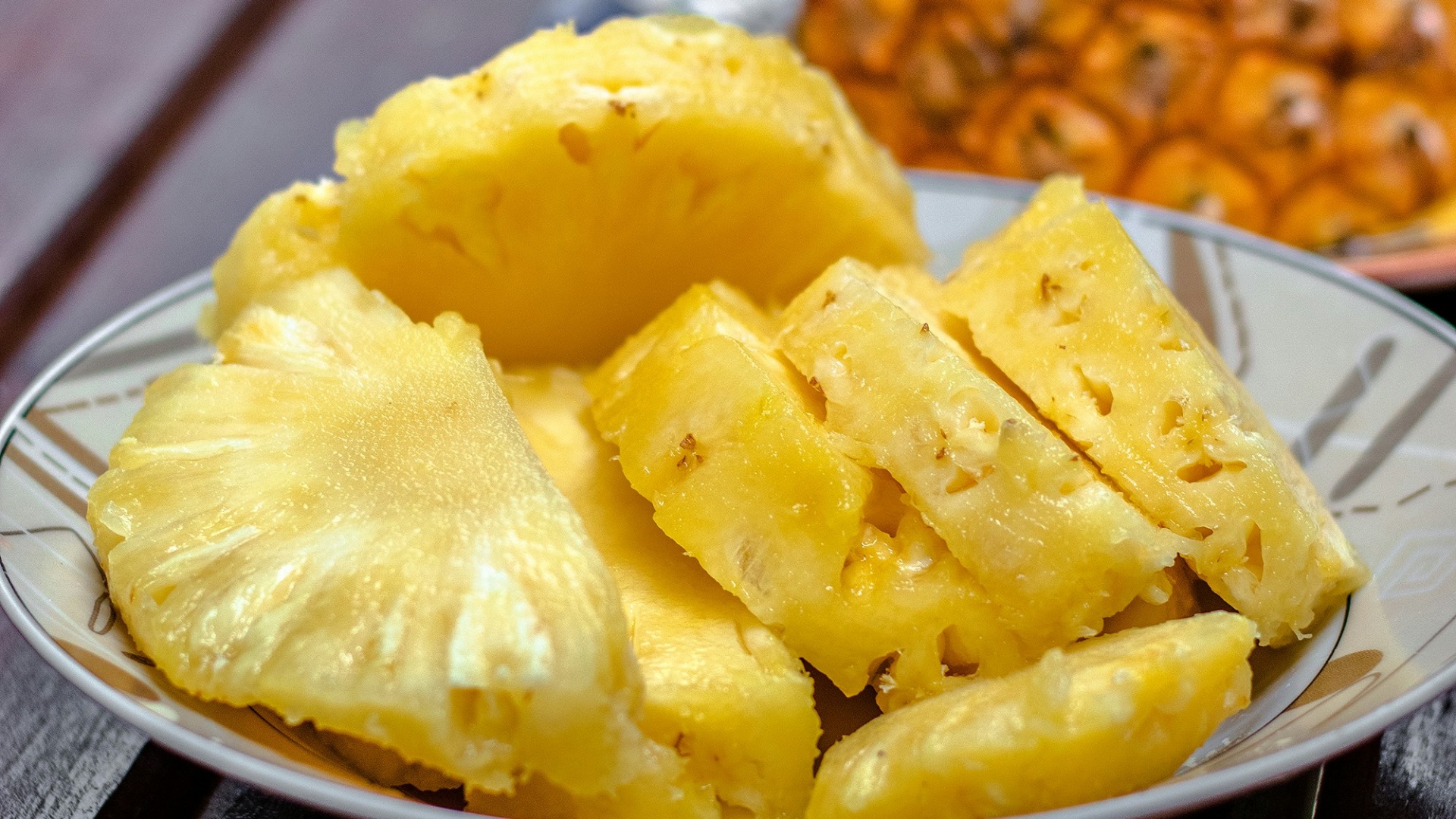
1. Pineapples
Pineapples have repeatedly appeared among the produce items with the lowest detected pesticide residues, including at the top of the 2025 and 2026 Clean Fifteen lists. Their thick, rough rind is removed completely, leaving the edible flesh well separated from the exterior. Unless you prefer organic farming practices for environmental reasons, conventional pineapple is an easy place to save money.
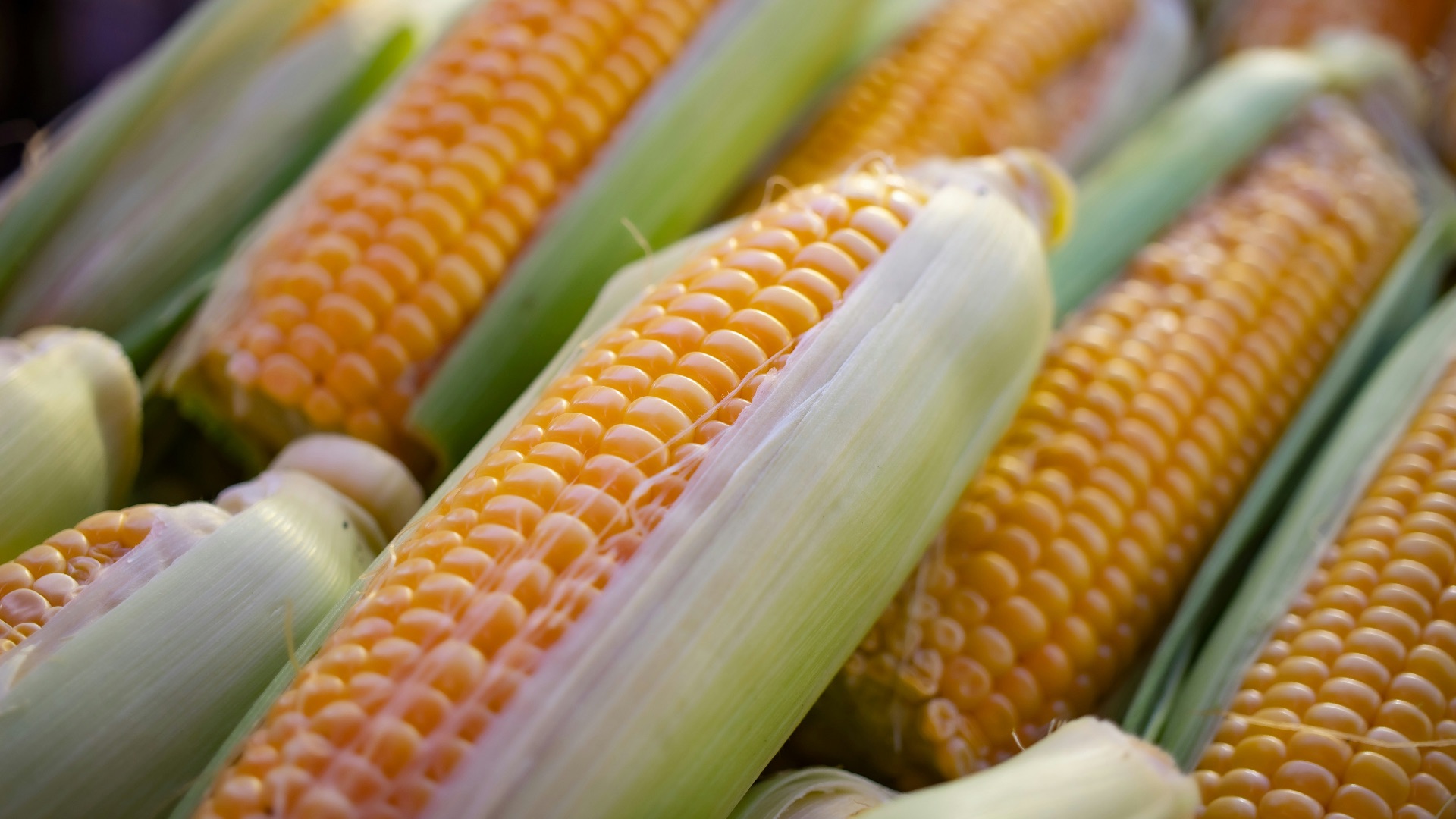
2. Sweet Corn
Fresh and frozen sweet corn has remained near the low-residue end of the EWG’s produce guide across consecutive years. Several layers of husk protect the kernels while the corn develops, and those layers are discarded before cooking. Conventional corn is therefore a practical choice, although certified organic may still appeal to shoppers who specifically want to avoid genetically modified varieties.
 Wouter Supardi Salari on Unsplash
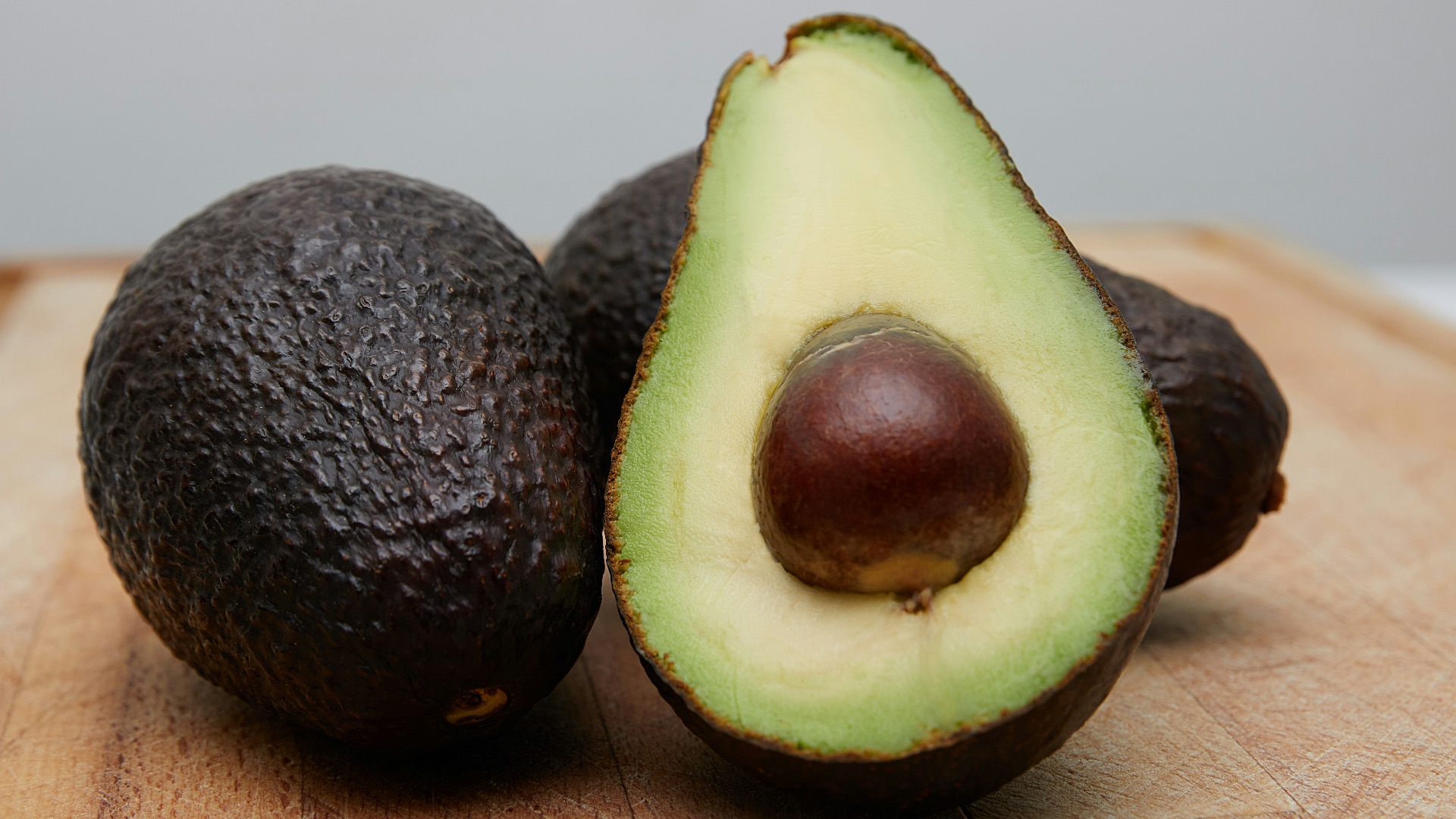
3. Avocados
Avocados have a long record of appearing among the cleanest conventional produce choices. In previous EWG testing, fewer than 2% of conventional avocado samples had detectable pesticide residues, reinforcing that this isn’t simply the result of one favorable ranking. Since the thick peel is never eaten, paying extra for organic avocados usually won’t make a significant difference in what reaches your plate.
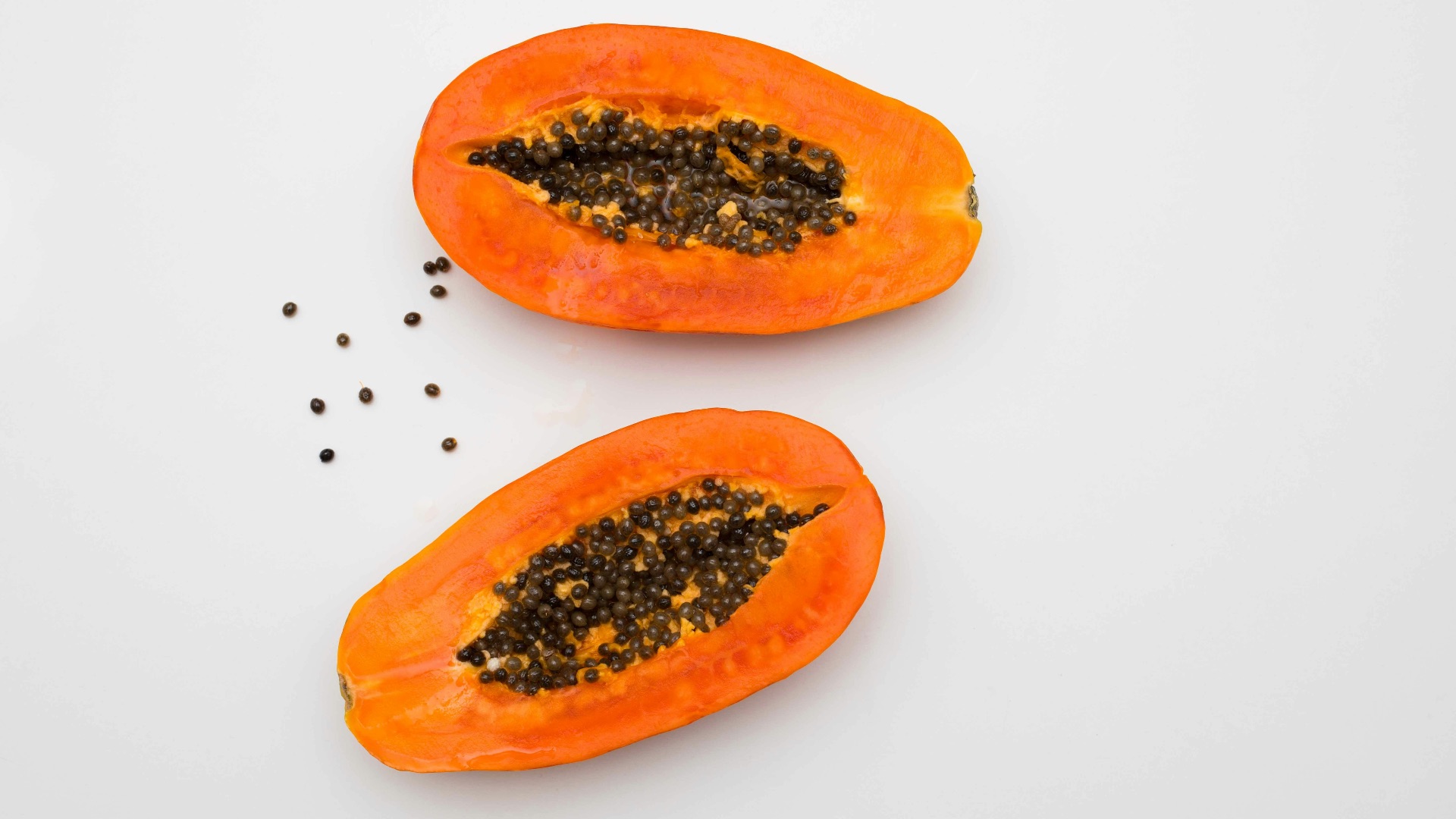
4. Papayas
Papayas have stayed near the low-residue end of recent Clean Fifteen guides, and their substantial peel is removed before serving. That protective outer layer reduces the relevance of anything detected on the fruit’s surface. Conventional papayas are generally a reasonable purchase, though organic is the better choice if avoiding genetically modified produce is one of your priorities.
5. Onions
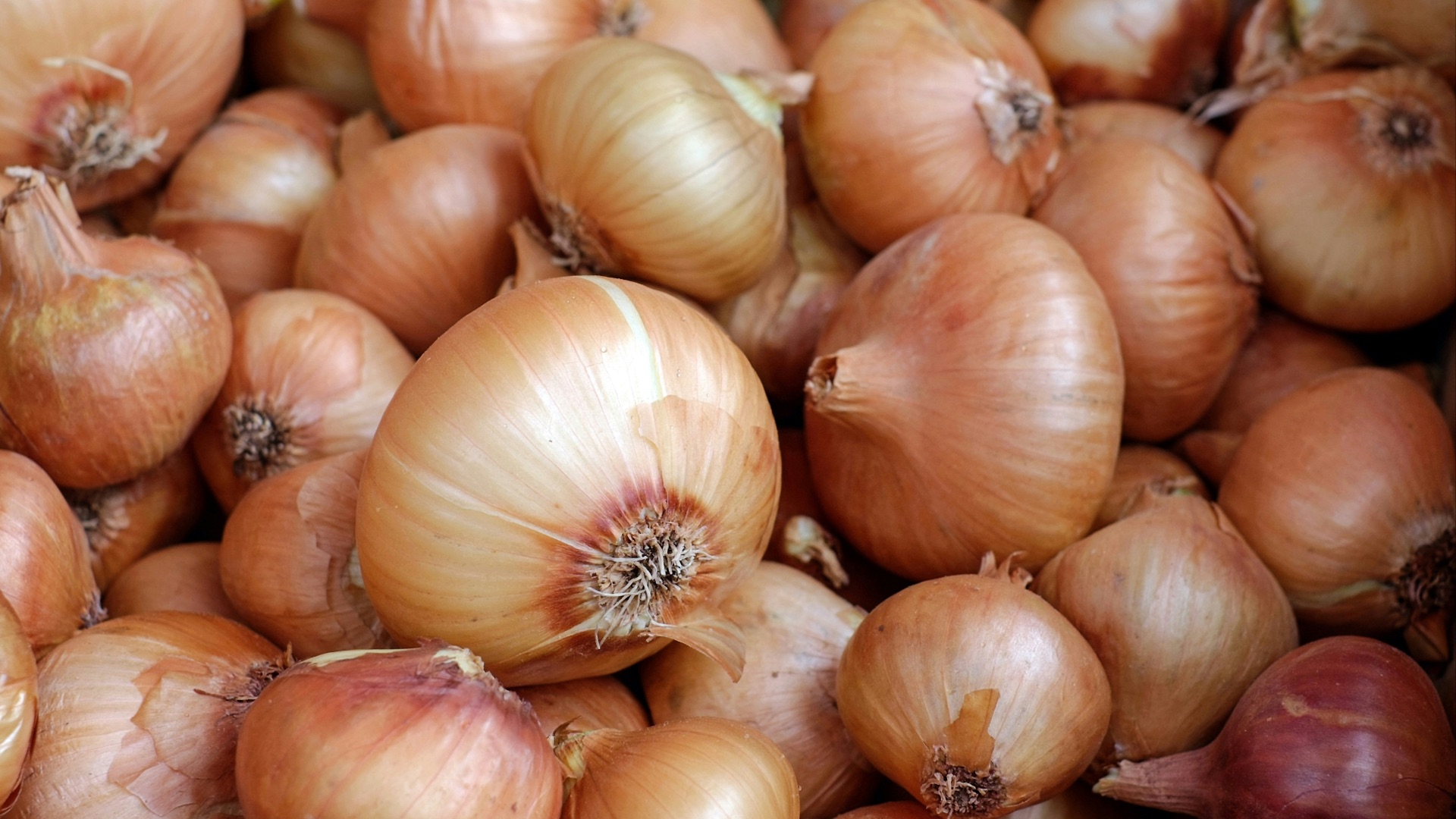
Onions appeared among the lowest-residue produce items in both the 2025 and 2026 guides. Before cooking, you usually discard the papery skin along with at least part of the dry outer layer, further limiting what reaches the edible portion. Because onions are inexpensive and used so frequently, buying conventional can produce meaningful savings over time.
6. Frozen Sweet Peas
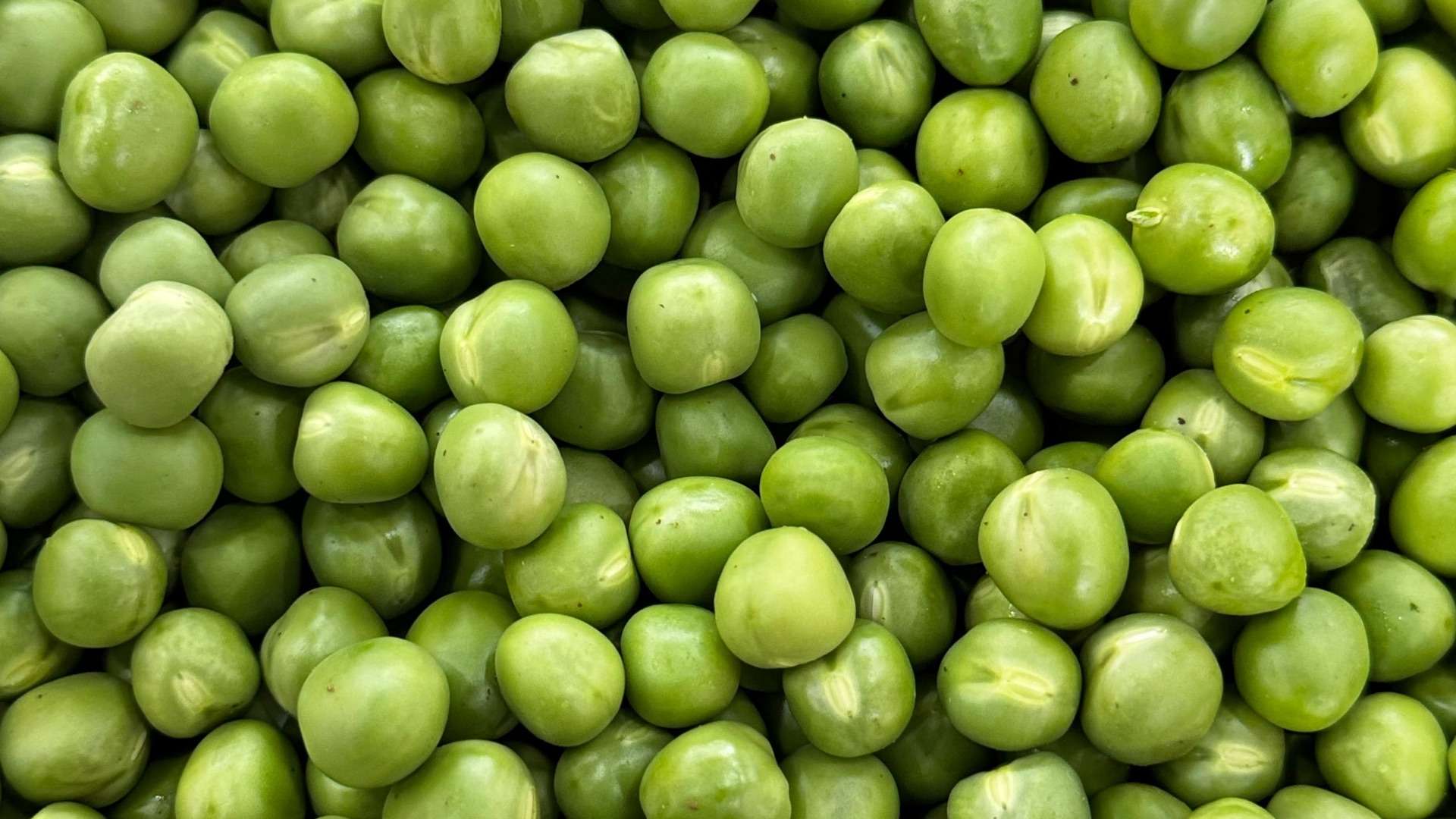
Frozen sweet peas have repeatedly earned a place on the Clean Fifteen, making them a lower-priority organic purchase. The edible peas grow inside pods and are removed before they’re packaged, so you aren’t consuming the exposed exterior. They’re also blanched before freezing, although you should choose organic based on preference rather than assuming the conventional version poses an unusual concern.
7. Asparagus
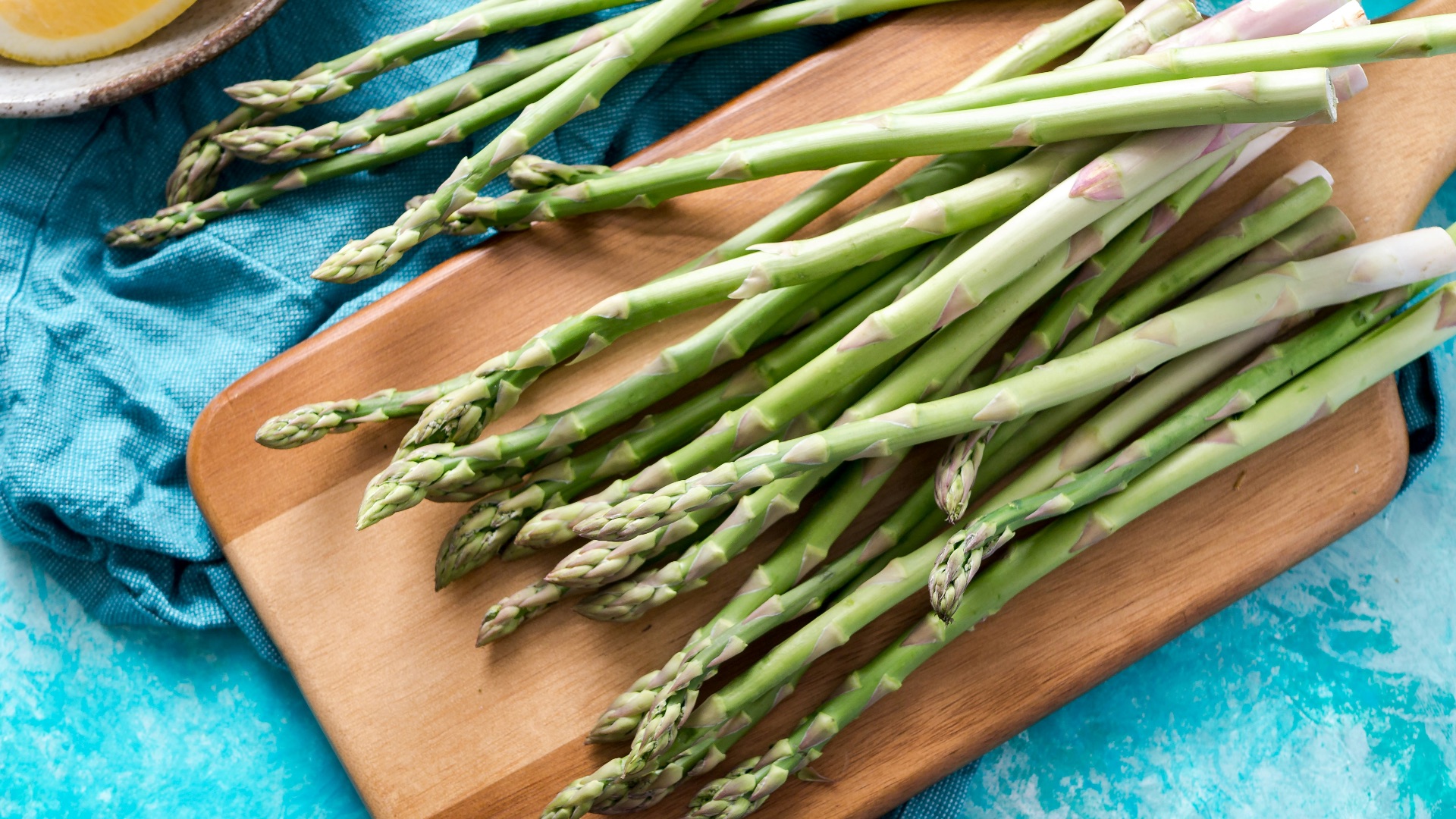
Unlike many delicate leafy vegetables, asparagus has consistently fallen on the lower-residue side of the EWG’s testing. You eat the stalk directly, but recent data still place conventional asparagus among the produce choices with comparatively few pesticide detections. When the organic bunch costs considerably more, there’s little reason to feel uneasy about choosing the regular one.
 Christine Siracusa on Unsplash
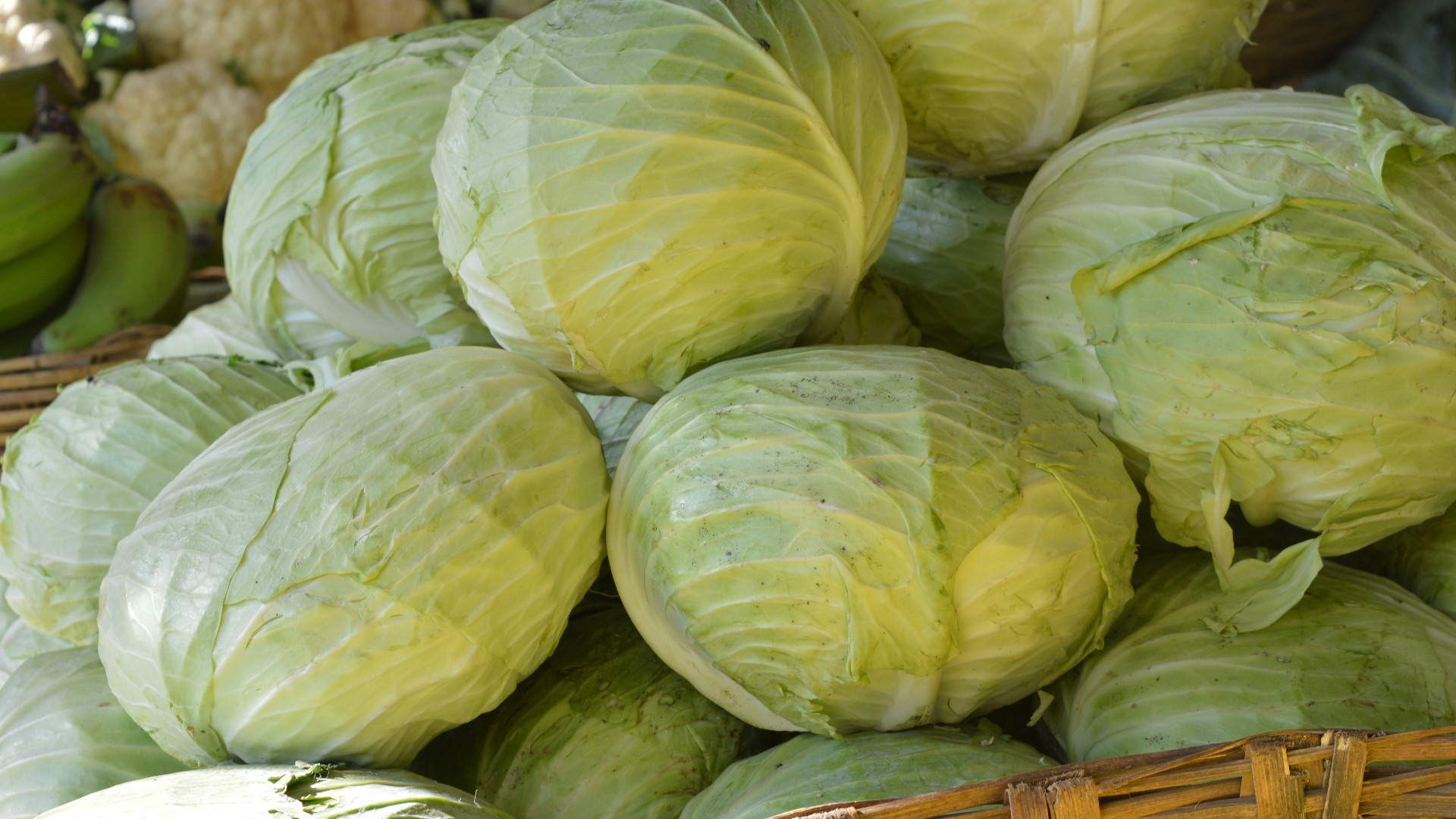
8. Cabbage
Cabbage has appeared on consecutive Clean Fifteen lists, so its low-residue reputation doesn’t depend on a single testing cycle. Several broad exterior leaves surround and protect the tightly packed portion you’ll actually chop, and those outer leaves can be removed if they’re damaged or dirty. Conventional cabbage remains one of the most economical ways to add vegetables to slaws, soups, stir-fries, and roasted meals.
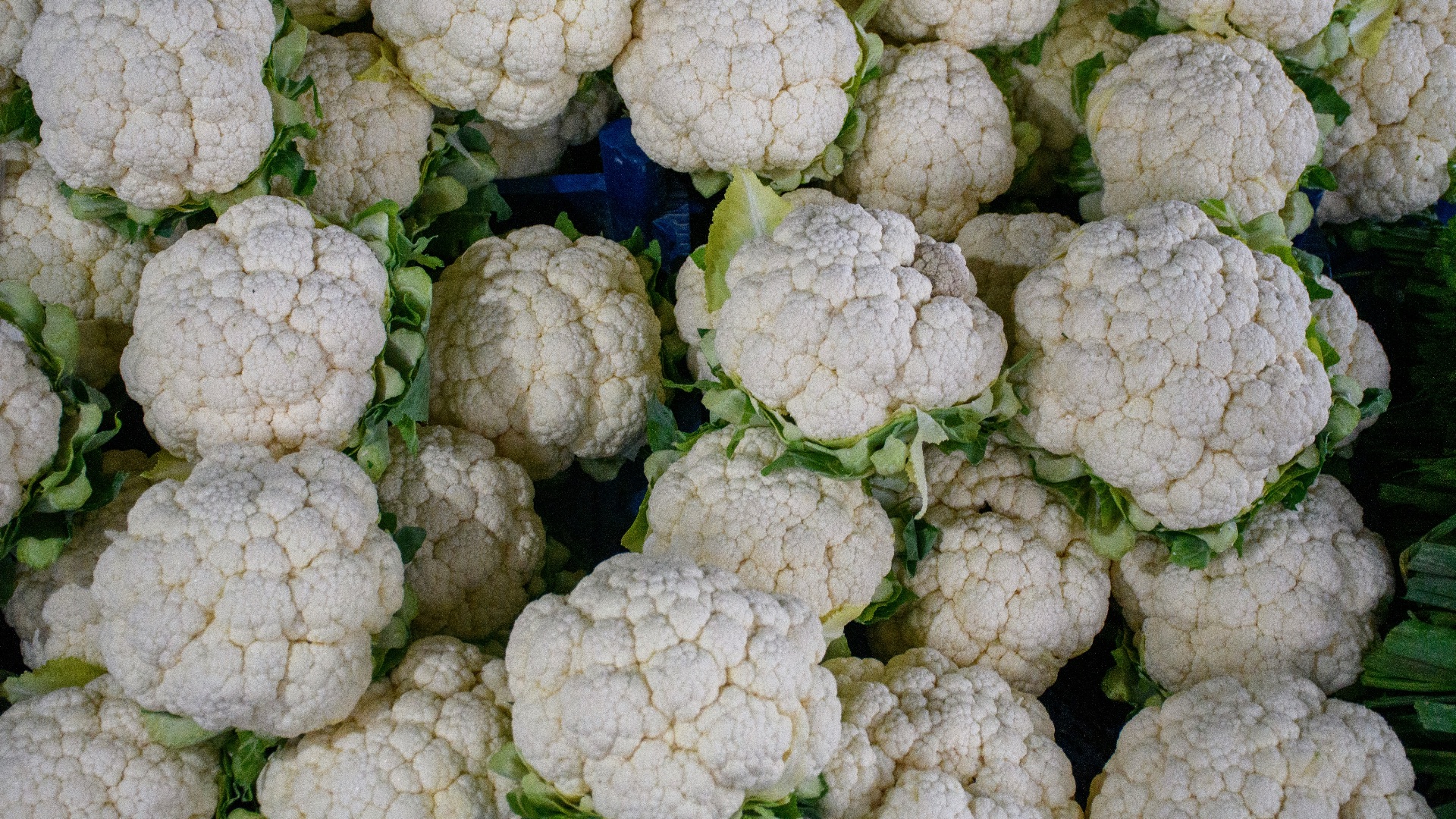
9. Cauliflower
Cauliflower has also maintained a place among the lower-residue conventional choices in recent years. The edible head develops beneath surrounding leaves, while any remaining leaves and the thick base are trimmed away during preparation. Choosing a conventional head lets you prioritize your organic budget for produce with a more persistent history of multiple residues.
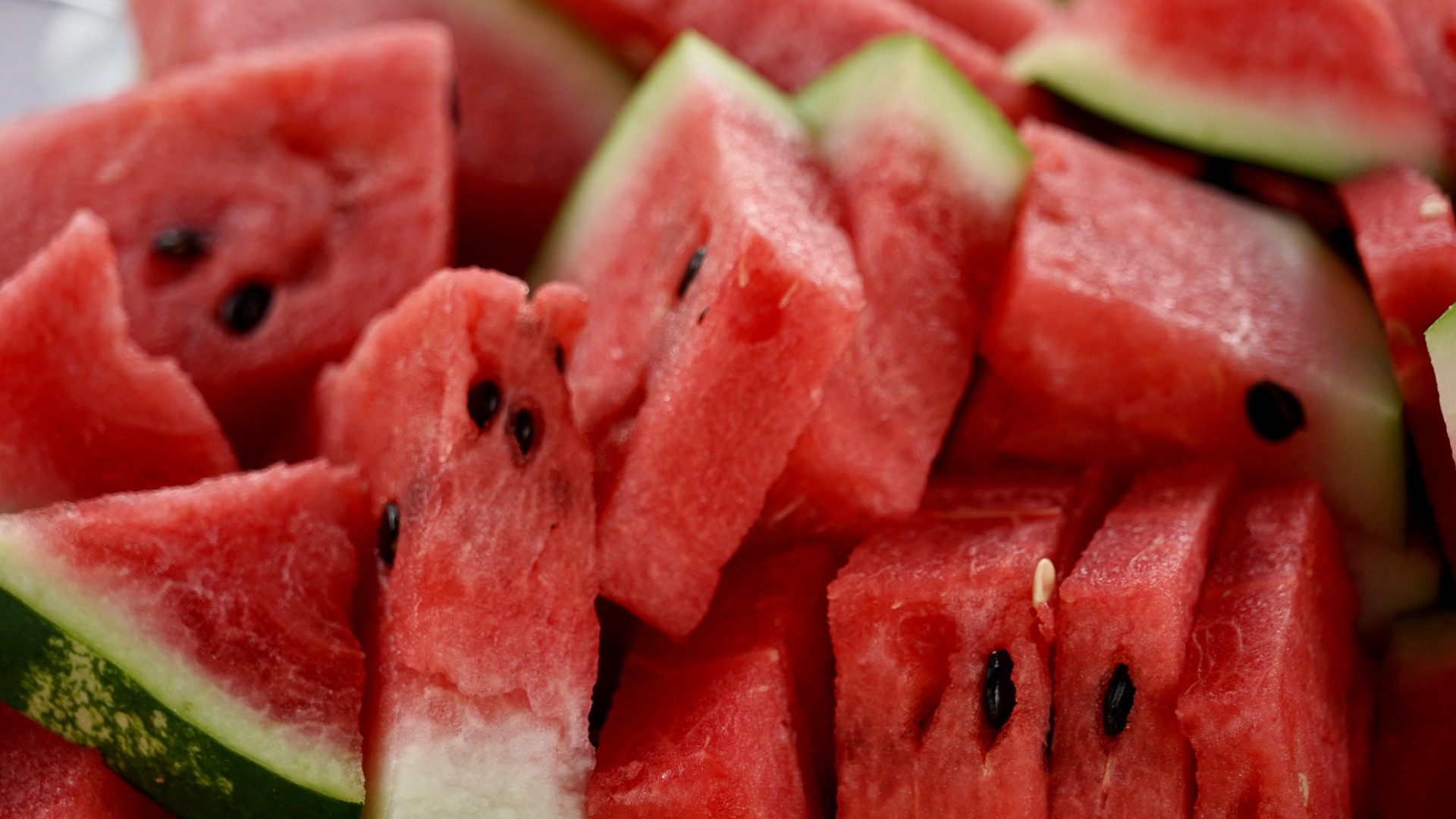
10. Watermelon
Watermelon’s thick, inedible rind provides a substantial barrier between the growing environment and the fruit you consume. It appeared on both the 2025 and 2026 Clean Fifteen lists, indicating that conventional watermelon has repeatedly tested relatively well. Wash the rind before slicing so your knife doesn’t carry dirt or bacteria into the flesh, but an organic label isn’t usually necessary for pesticide-related reasons.
KEEP ON READING


The Most Popular Chocolate Bars in the USA

The Most Popular Candies in the USA