The items chosen to put on a plate often do more than just satisfy physical hunger; they act as a window into psychological makeup. Food science and personality psychology have long suggested that flavor preferences are deeply intertwined with temperaments and how individuals navigate the world around them. Whether reaching for a bottle of hot sauce or a decadent piece of chocolate, the brain is actually expressing a set of core traits through taste buds. It’s a fascinating area of study that turns every meal into a subtle form of self-expression that most people never even notice.
Understanding these connections doesn't require a degree in biology, but it does help to look at how different flavors interact with the nervous system. Everyone has that one "comfort food" gravitated toward during a long week, and those choices aren't usually random. From willingness to take risks to a need for emotional security, the contents of a pantry can tell a compelling story about personality. A closer look reveals what go-to cravings might be whispering about personality behind the scenes. For instance, do you find yourself coming back to a particular sweet delight, or do you prefer a savory salty snack?
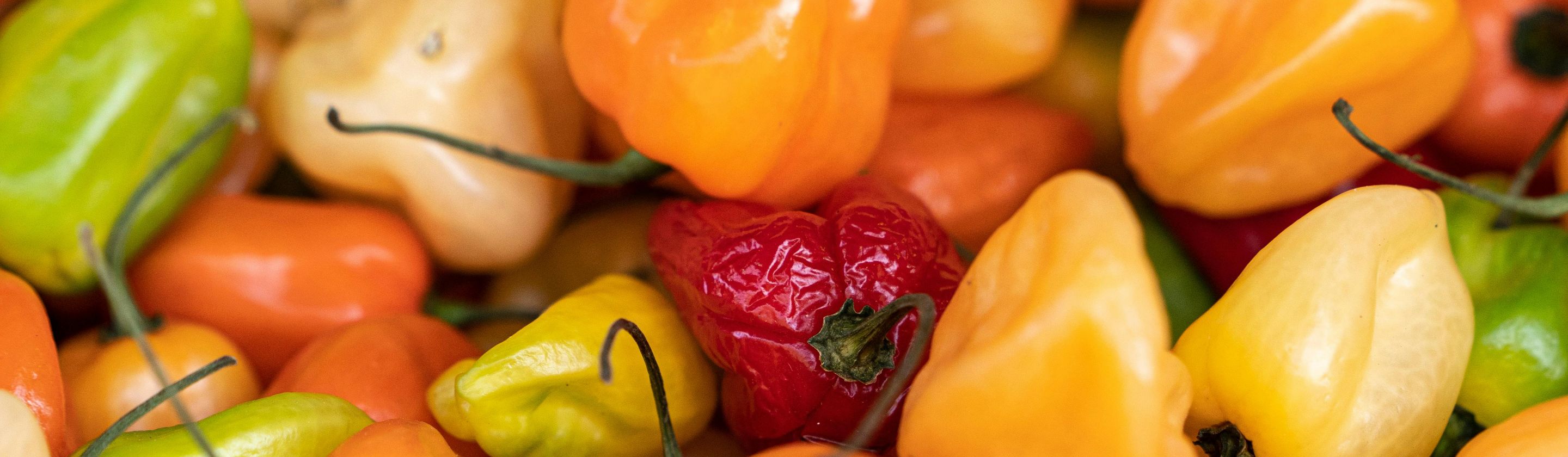
The Thrill Seekers of Spicy Cuisine
 Pixzolo Photography on Unsplash
A preference for spicy foods means there is no fear of “turning up the heat” in other areas of life. Research has shown again and again that people who seek out capsaicin are high sensation-seekers. These individuals seek out roller coasters and white-knuckle adventures; they love doing new things that terrify others. Spicy food’s “pain” is welcomed because it creates a sense of feeling alive in a way that is both stimulating and physically intense.
These individuals are often the friend who always jumps at the chance to go on an adventurous weekend trip or take on risky projects at work. Routine becomes boring quickly, and there is a constant desire to add a “worm” to dinner salsa for excitement. Studies have found that people who rank high in risk-taking are over 160% more likely to report loving spicy foods. How can eating bland food be enjoyable when something exists that creates a sense of aliveness and stimulation? This applies to life decisions as much as it does to food choices.
It also suggests resilience and a willingness to work through mild discomfort in pursuit of reward. The burn of spicy food is embraced because it is followed by a release of endorphins that help the body recover from the intensity. This can translate into the ability to handle high-intensity situations that might overwhelm others. Spicy food becomes a form of training for handling intensity in everyday life.
Sweet Tooths and Social Harmony
Those who consistently find themselves wandering into the dessert aisle often possess a personality described by psychologists as "agreeable." There is a legitimate scientific correlation between a preference for sugary treats and a tendency toward helpfulness, kindness, and social cooperation. These individuals are often the "glue" in friend groups, always looking for ways to sweeten someone’s day or smooth over conflict before it escalates. The love for chocolate or pastry is not just about sugar; it reflects a warm and approachable nature.
People who prefer sweet flavors are often found to be more empathetic and willing to share time and resources with others in need. These individuals are frequently the ones others turn to when a sympathetic ear or encouragement is needed during a rough patch. This "sweet" disposition makes them easy to get along with, though it can sometimes make it difficult to say no when asked for favors. Harmony in the environment is often prioritized above almost everything else, much like the balanced sweetness of a perfectly baked cake.
Beyond simply wanting to be sweet and pleasant, sugar is often associated with emotional safety in day-to-day living. Eating sugar triggers serotonin release in the brain, creating a warm and comforting sensation. Home life is often viewed as a safe-haven away from the harshness of the outside world, with a preference for softness and comfort. While some people live for the edge, others are content existing in the middle where everything feels sweet and steady.
Those who prefer salty or bitter flavors are often very down-to-earth individuals who prefer careful thought before action. Emotions are not easily allowed to take over, and facts are typically examined before beginning a new endeavor. These individuals are often viewed as logical and dependable friends, partners, and coworkers who provide stability during stressful times. Whether enjoying salty snacks or sipping scotch, there is a preference for substance over superficial sweetness.
KEEP ON READING

20 Dishes That Built Modern American Cuisine