20 Very Old Foods That Made a Surprising Comeback & Are Now Trendy
Yesterday’s Staples Somehow Became Today’s Food Obsessions
Food trends love acting brand new, even when they're really just wearing better packaging and a nicer label. A lot of the foods people now talk about like fresh discoveries were already being eaten centuries, and sometimes thousands of years, ago because they were practical, nourishing, and easy to preserve or grow. Then they faded into the background for a while, only to come back with farmers market charm, wellness language, or restaurant-level confidence. Here are 20 very old foods that made a surprising comeback and are now trendy all over again.
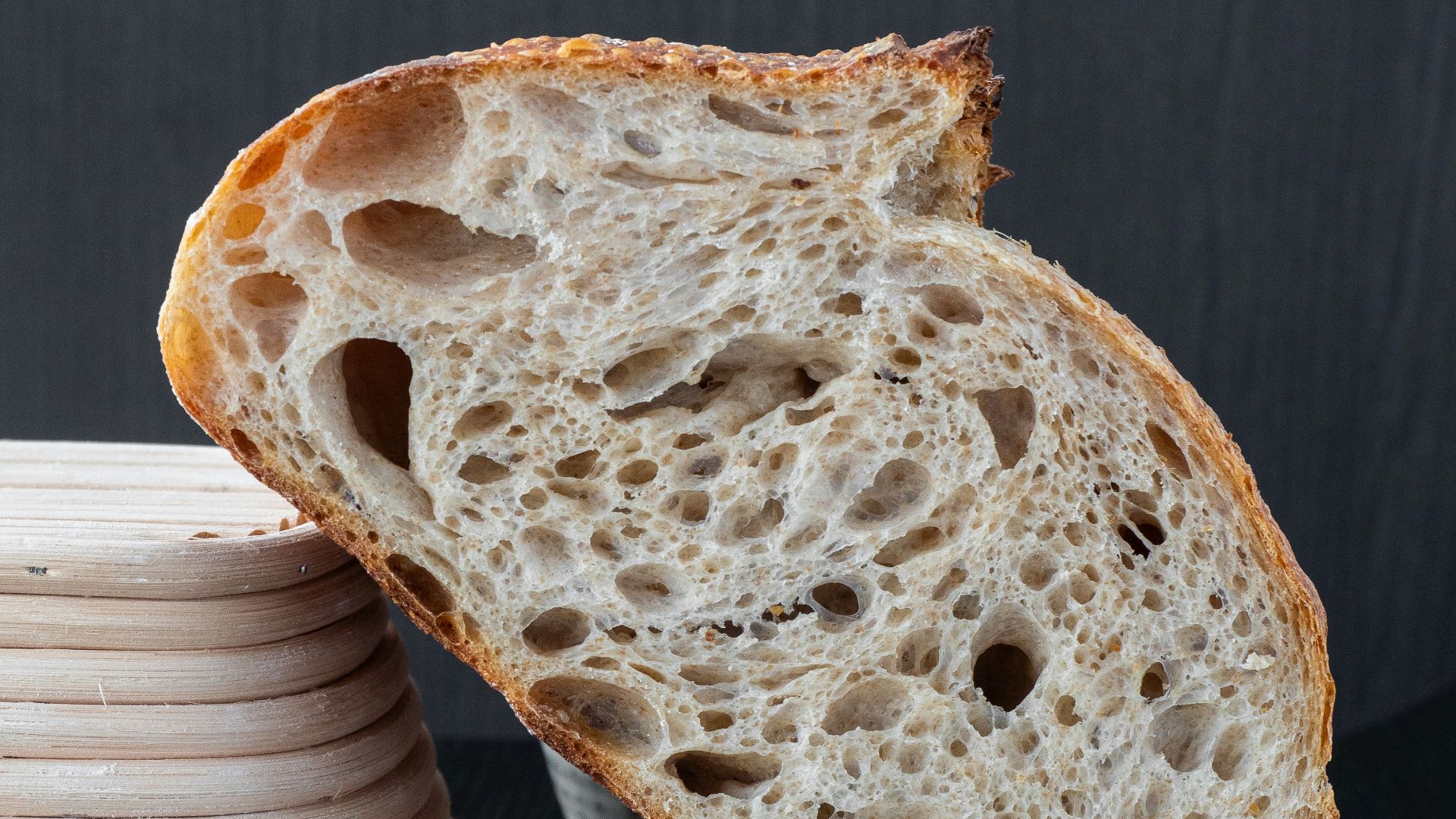
1. Sourdough Bread
People have been using natural fermentation to make bread for thousands of years, long before anyone started posting crumb shots online. Now it stands as the loaf that signals patience, craft, wholesomeness, and superior taste. You can still buy it for lunch, but it also somehow carries the energy of a personality trait.
2. Bone Broth
Bone broth may sound like a recent wellness invention, but it's really just old-fashioned stock with better branding. People have simmered bones for centuries because it stretched ingredients, added flavor, and made practical use of what was left. These days, it gets sold in sleek containers and discussed like a secret to better living.

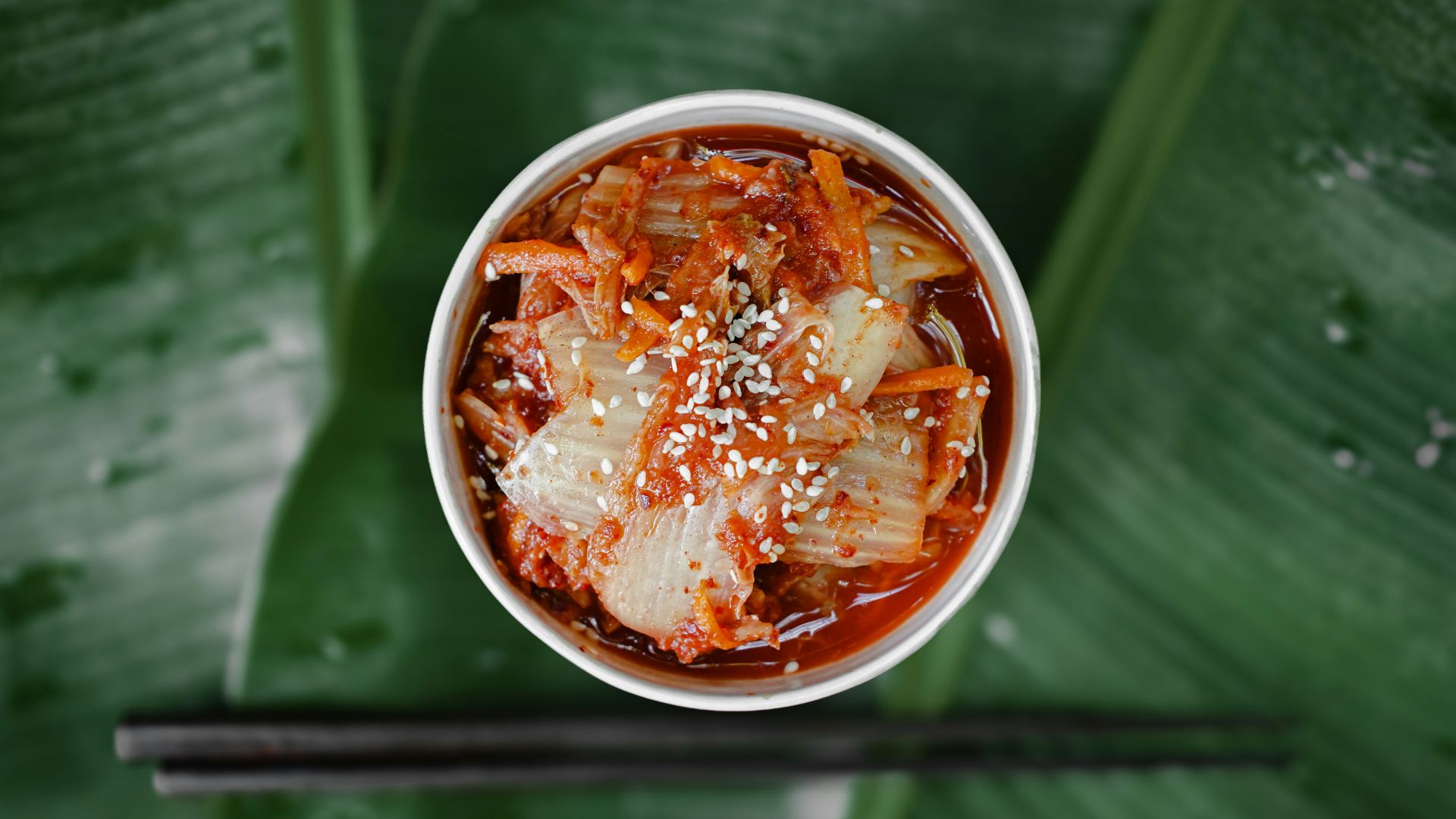
3. Kimchi
It may be slightly newer to the mainstream West, but kimchi has deep roots in Korean food history. It began as a practical, flavorful, and smart way to preserve vegetables through colder months long before the world became obsessed with fermentation and gut health. Now it shows up in grain bowls, fancy sandwiches, and menus that want to sound a little cooler than average.
 Frames For Your Heart on Unsplash
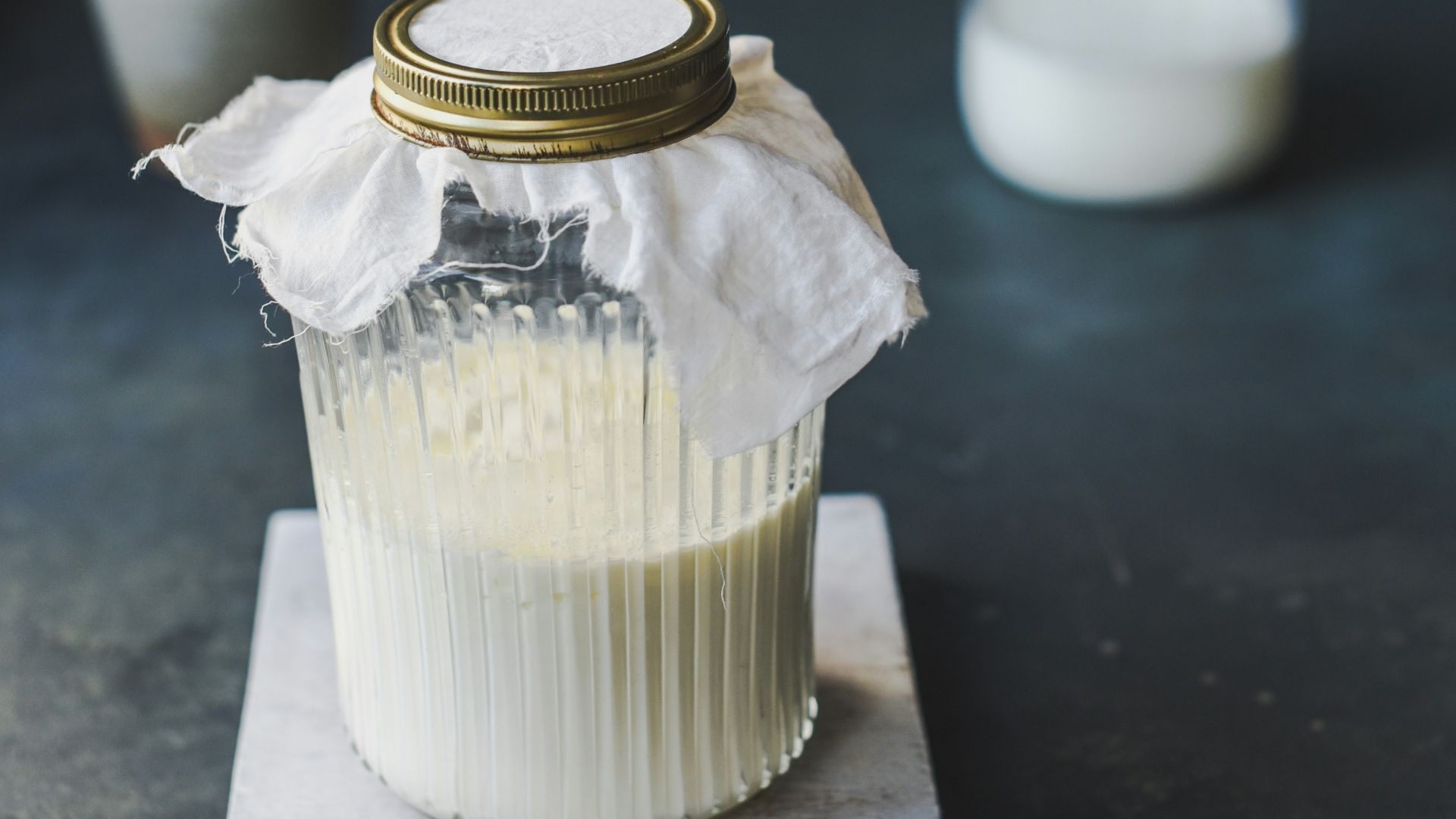
4. Kefir
Kefir has been around for a very long time, especially in the Caucasus region, where fermented milk was part of everyday life rather than a modern gut-health flex. What used to be a traditional drink is now sold as a probiotic hero in stylish bottles with very serious promises. It has definitely benefited from the current obsession with all things fermented. Ancient food plus modern microbiome language is a strong combination.
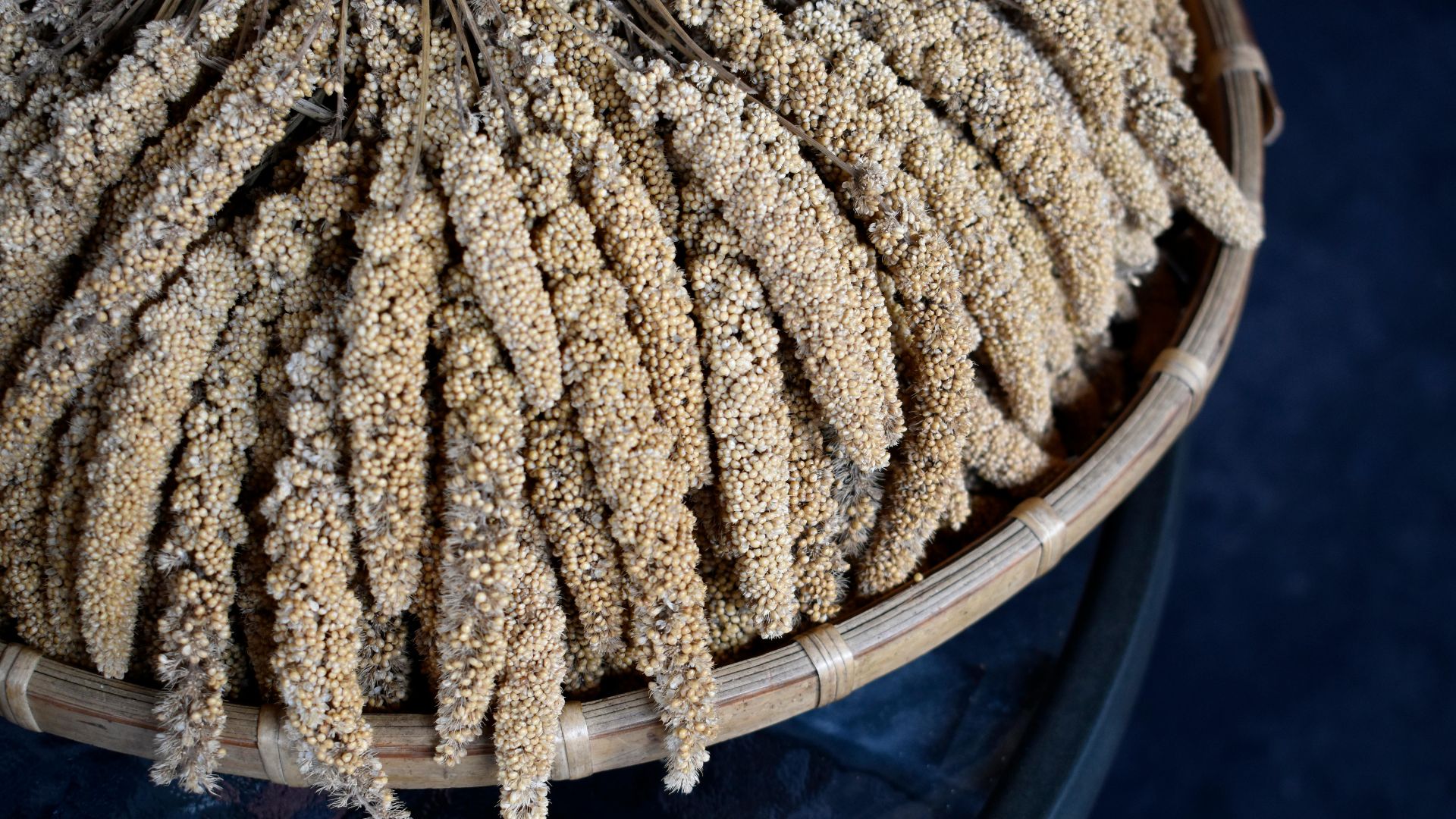
5. Millet
Millet is one of those grains that spent centuries feeding people quietly before trendy food culture decided to notice it again. It has long been used in parts of Africa and Asia because it's resilient, useful, and adaptable in difficult growing conditions. Now it shows up in health-focused recipes and upscale grain bowls with a completely different social life.
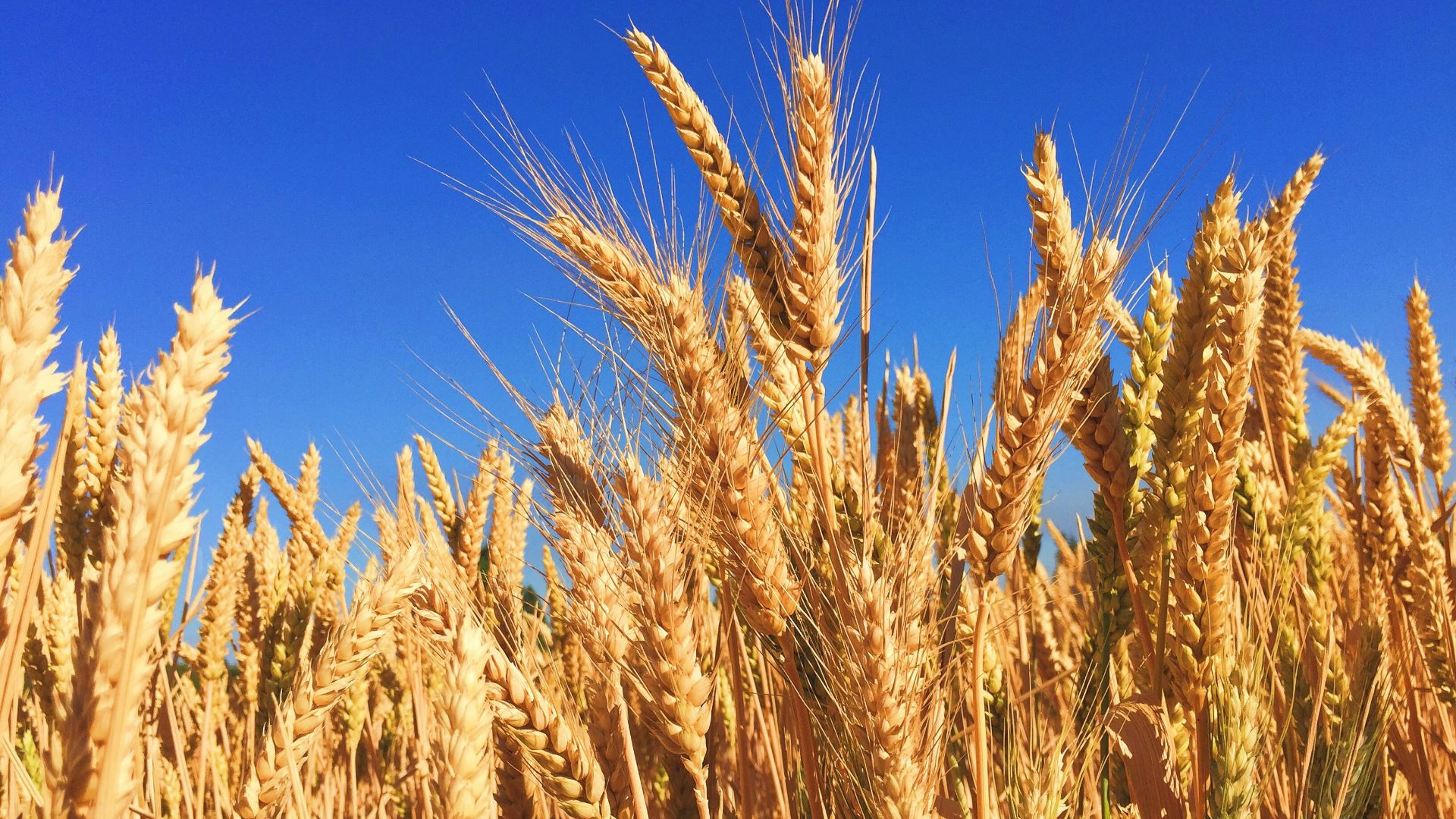
6. Barley
Barley has been feeding people since ancient agricultural societies, which gives it a pretty impressive résumé. For a long time, it was mostly associated with soups, porridges, and practical cooking that didn't need much applause. Now it gets invited into warm salads, rustic restaurant dishes, and grain-forward wellness meals.
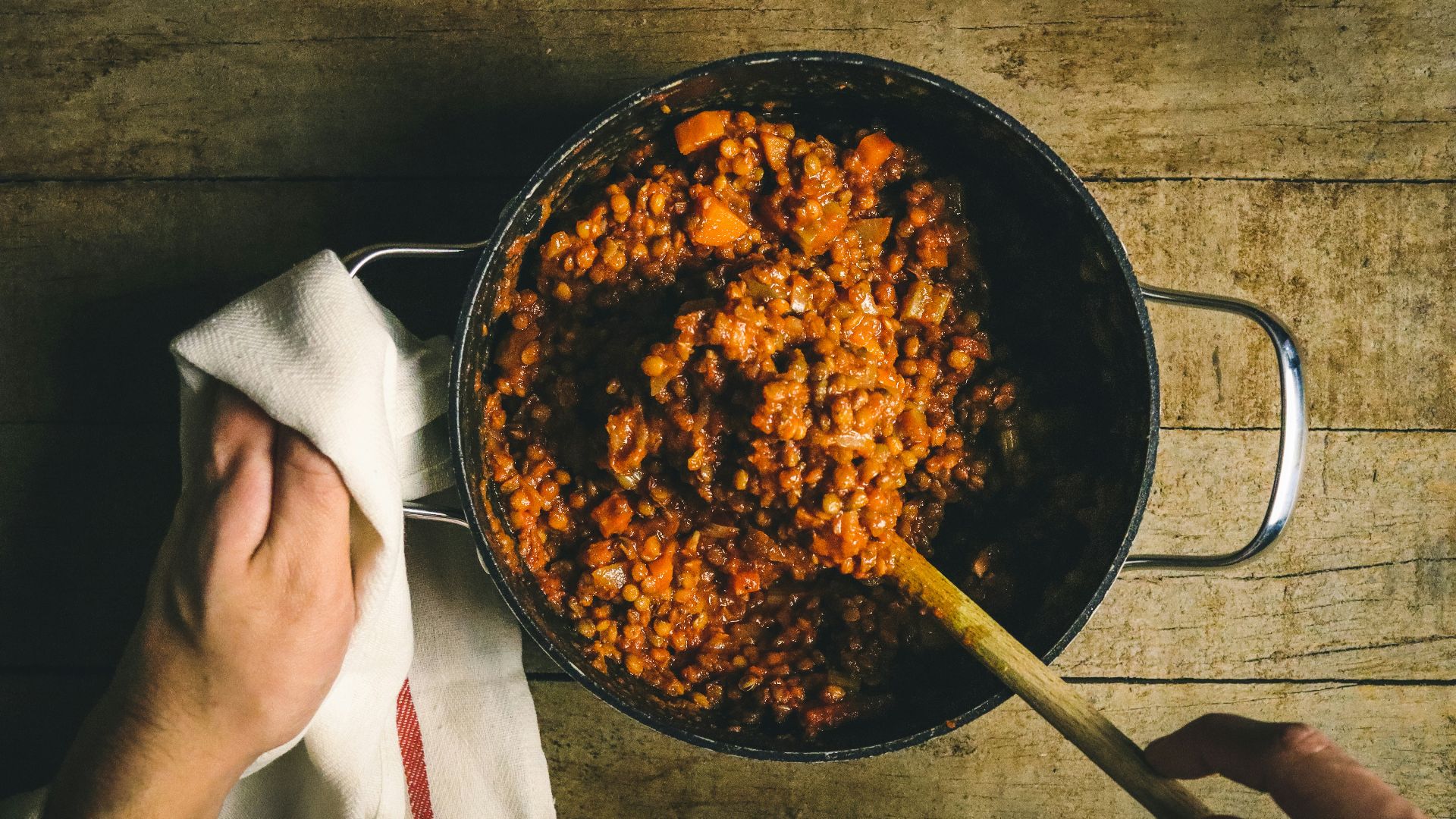
7. Lentils
Lentils are one of the oldest cultivated foods around, and they've been doing dependable work for ages. They were affordable, filling, and easy to store, which is exactly why people kept them close through all kinds of difficult periods. Today, they're back in polished soups, plant-based meals, and every menu trying to sound earthy and smart.
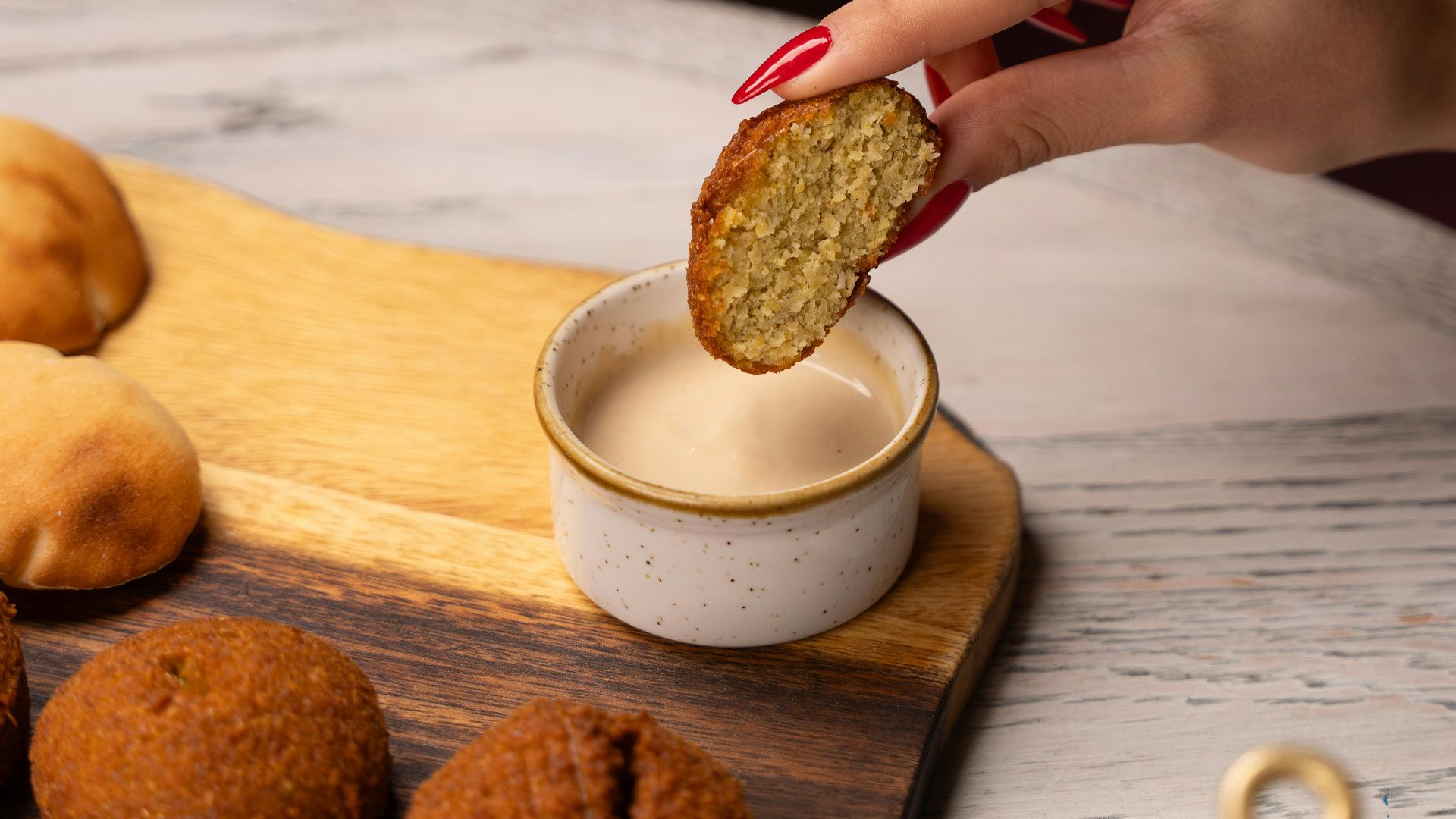
8. Tahini
Tahini has been part of Middle Eastern and Mediterranean food traditions for centuries, so its recent rise is less an invention and more overdue recognition. For a long time, it was known mostly through specific dishes, but now it gets drizzled, whipped, blended, and spread onto everything.
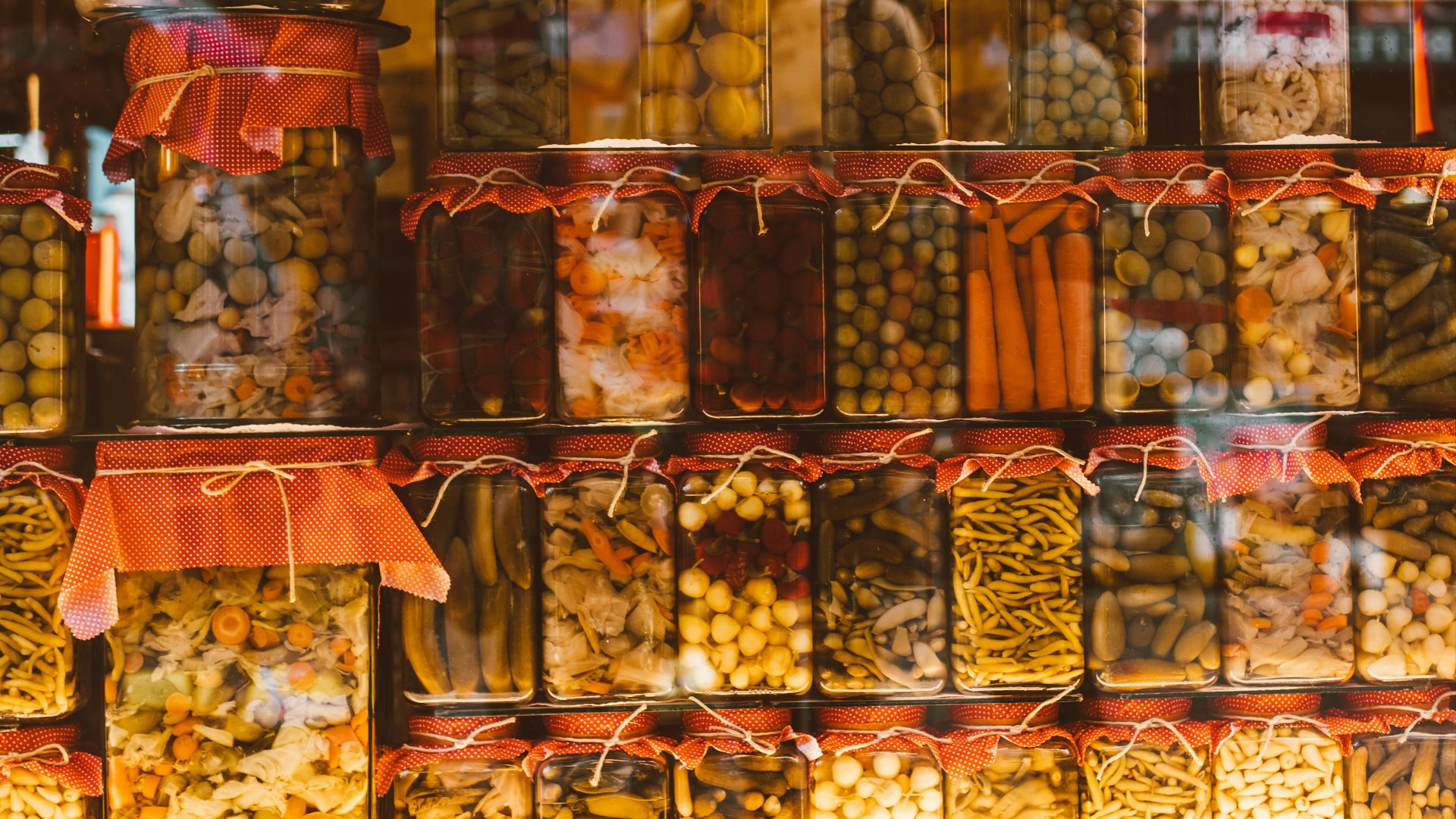
9. Pickled Vegetables
Pickled vegetables began as a form of preservation, not as a lifestyle choice. People pickled food because they needed it to last, not because they wanted their sandwiches to sound artisanal. Now, pickled onions, carrots, radishes, and just about everything else show up in restaurants trying to add brightness and personality.
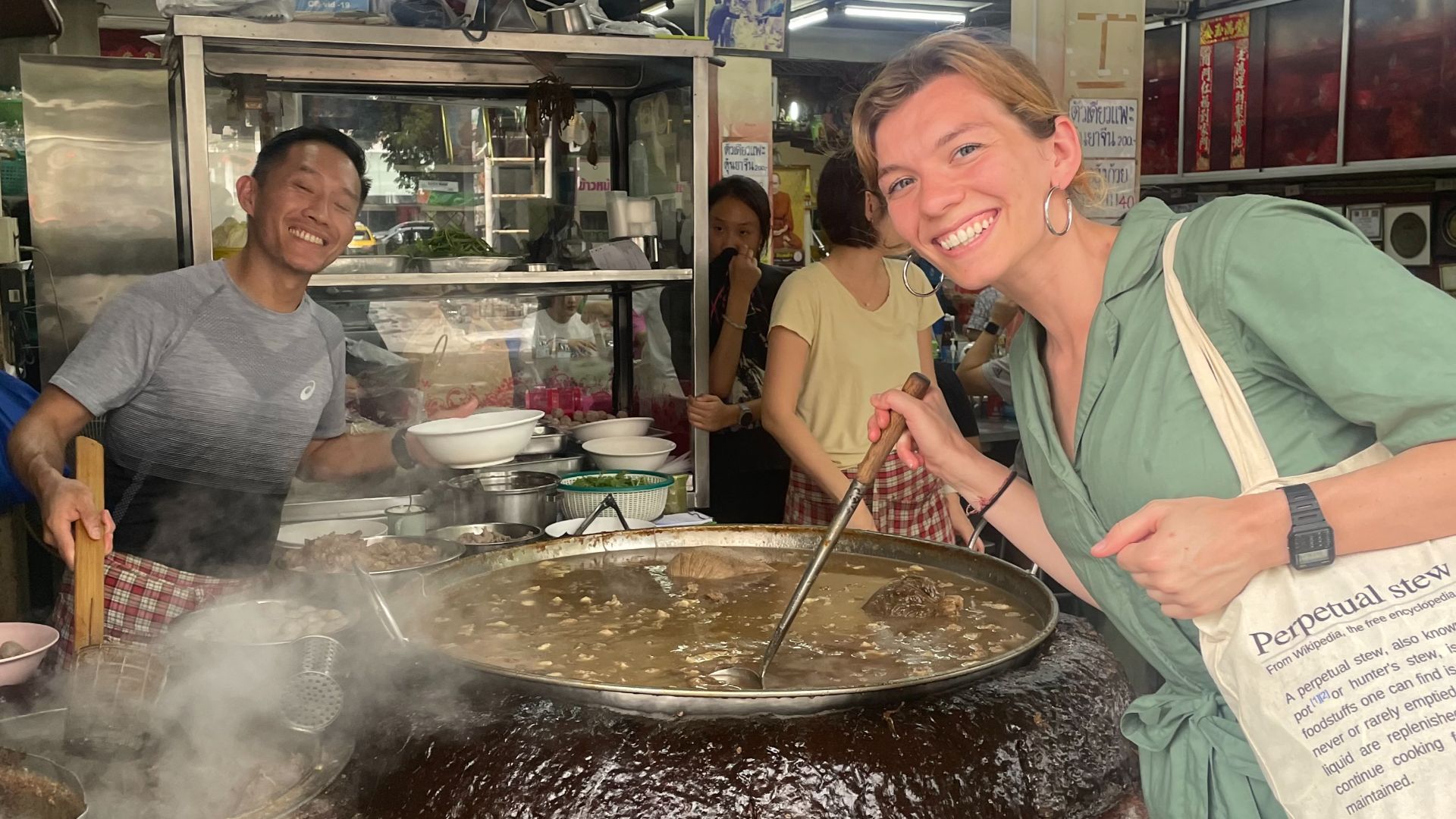
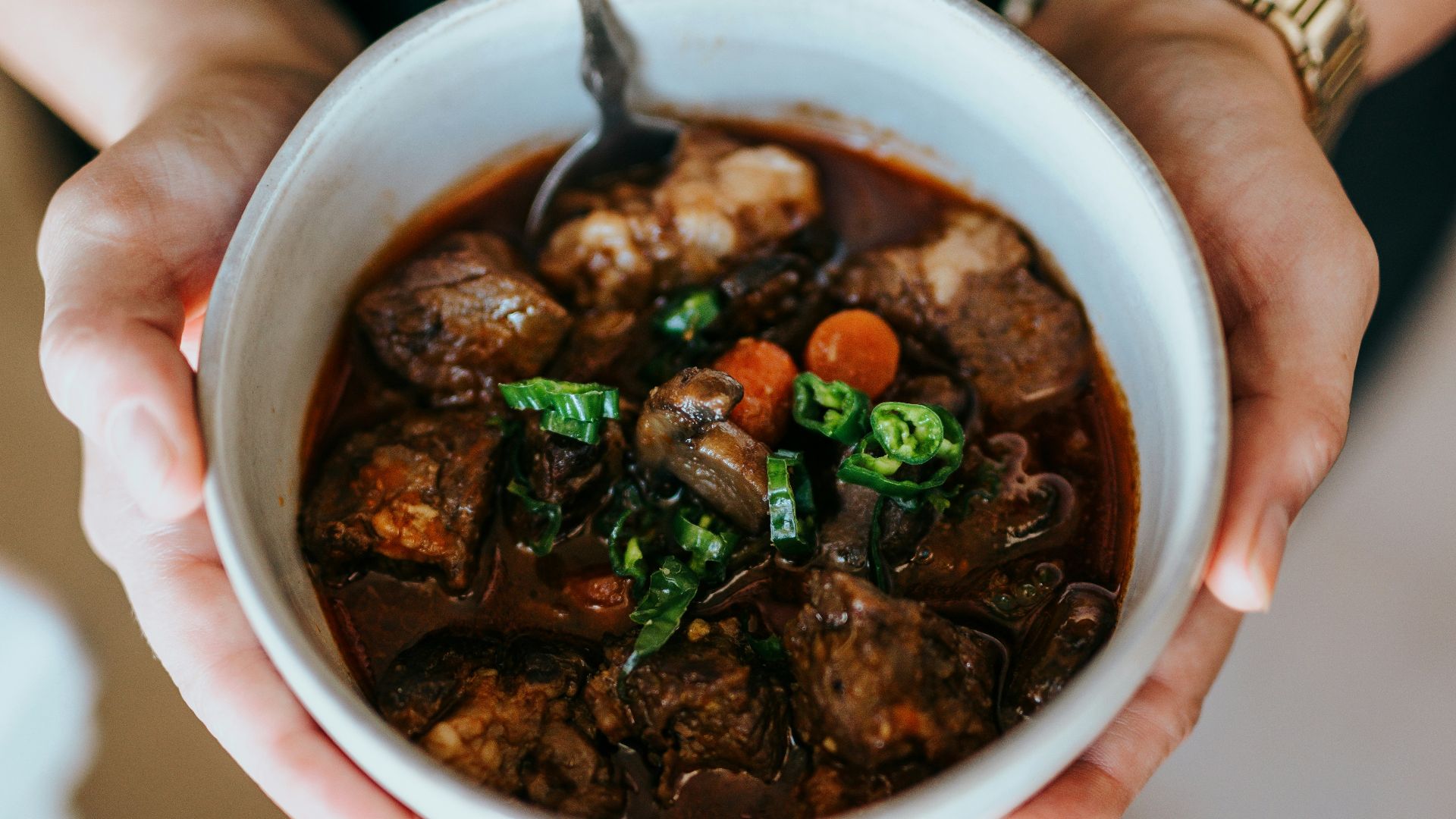
10. Perpetual Stew
Perpetual stew started as an old, practical way to keep a pot of food going by adding whatever ingredients were available over time. What makes its comeback so interesting is that it didn't return quietly in somebody’s farmhouse kitchen. It came back as a social-media-fueled community event, with people showing up to public stew gatherings and adding their own ingredients to the pot.
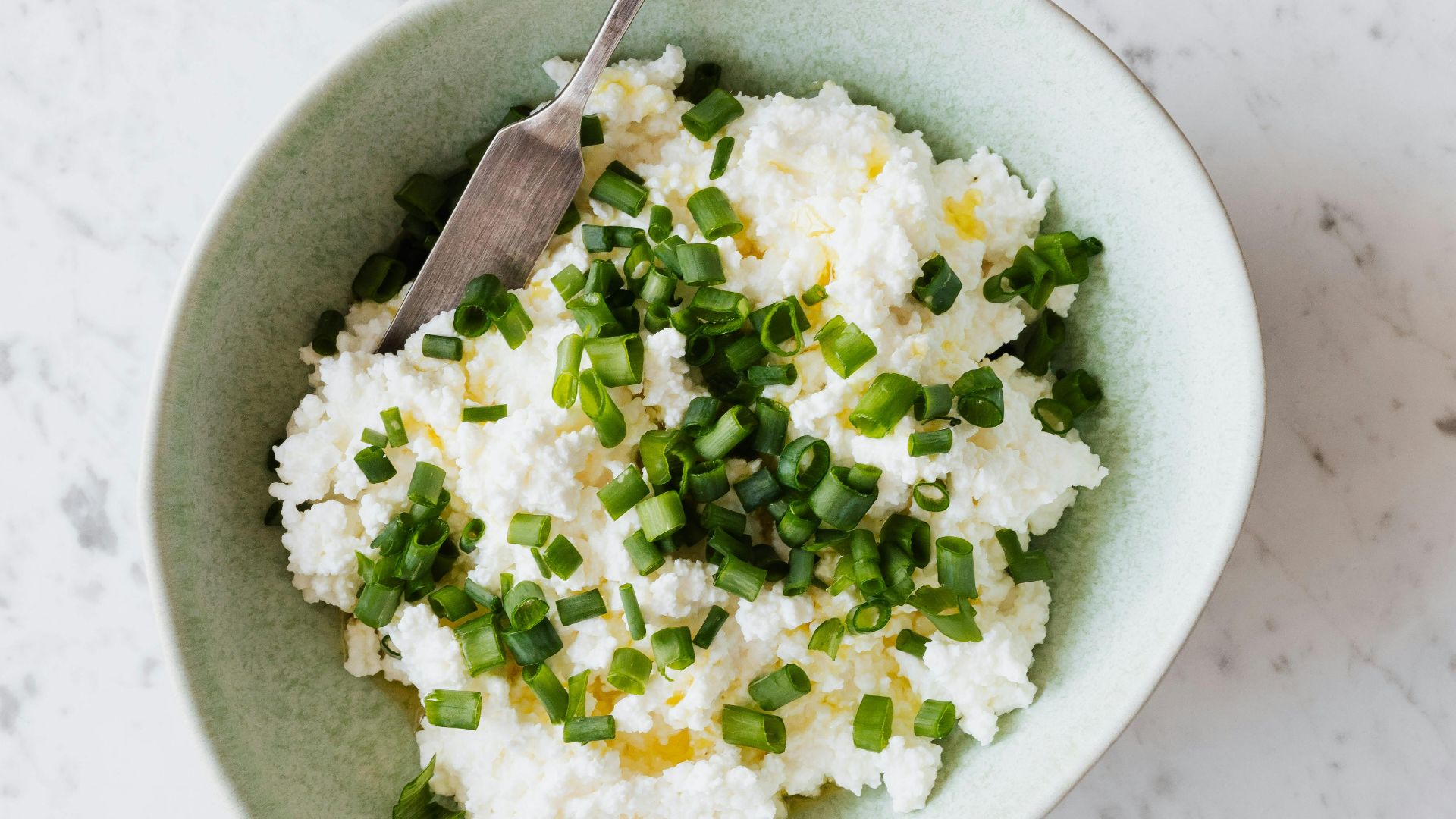
11. Cottage Cheese
Cottage cheese isn't ancient in quite the same way as grain cultivation, but soft fresh cheeses go back a very long time. For a while, it lived in the world of diet plates and deeply uninspired lunches, which didn't help its image. Now it's back in recipes, protein-focused meals and snacks, and social media experiments where people act as if they discovered it themselves.
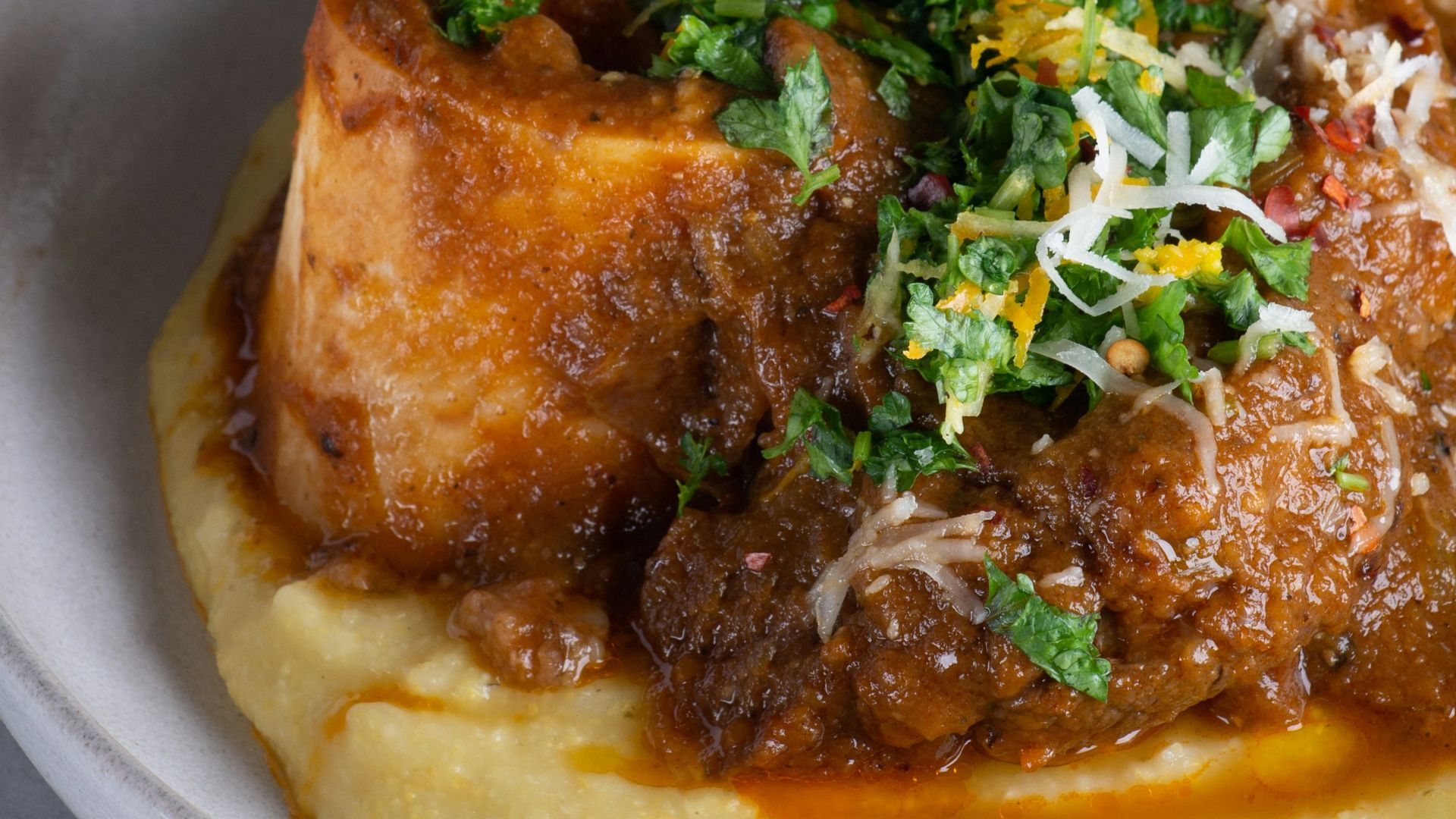
12. Polenta
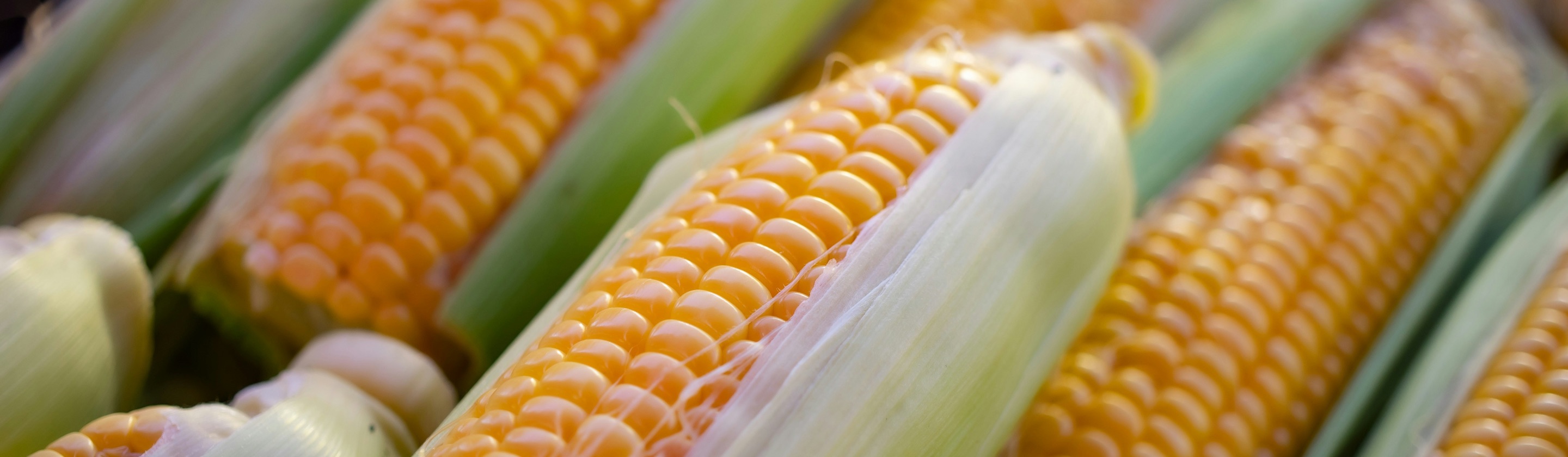
Polenta has old peasant-food roots, which is often the first step toward becoming trendy later. It was filling, inexpensive, and useful long before it became creamy, plated, and paired with expensive toppings. These days, it appears in restaurants filled with fancy cheese and dressed up in such a way that you completely forget it's just glorified cornmeal.
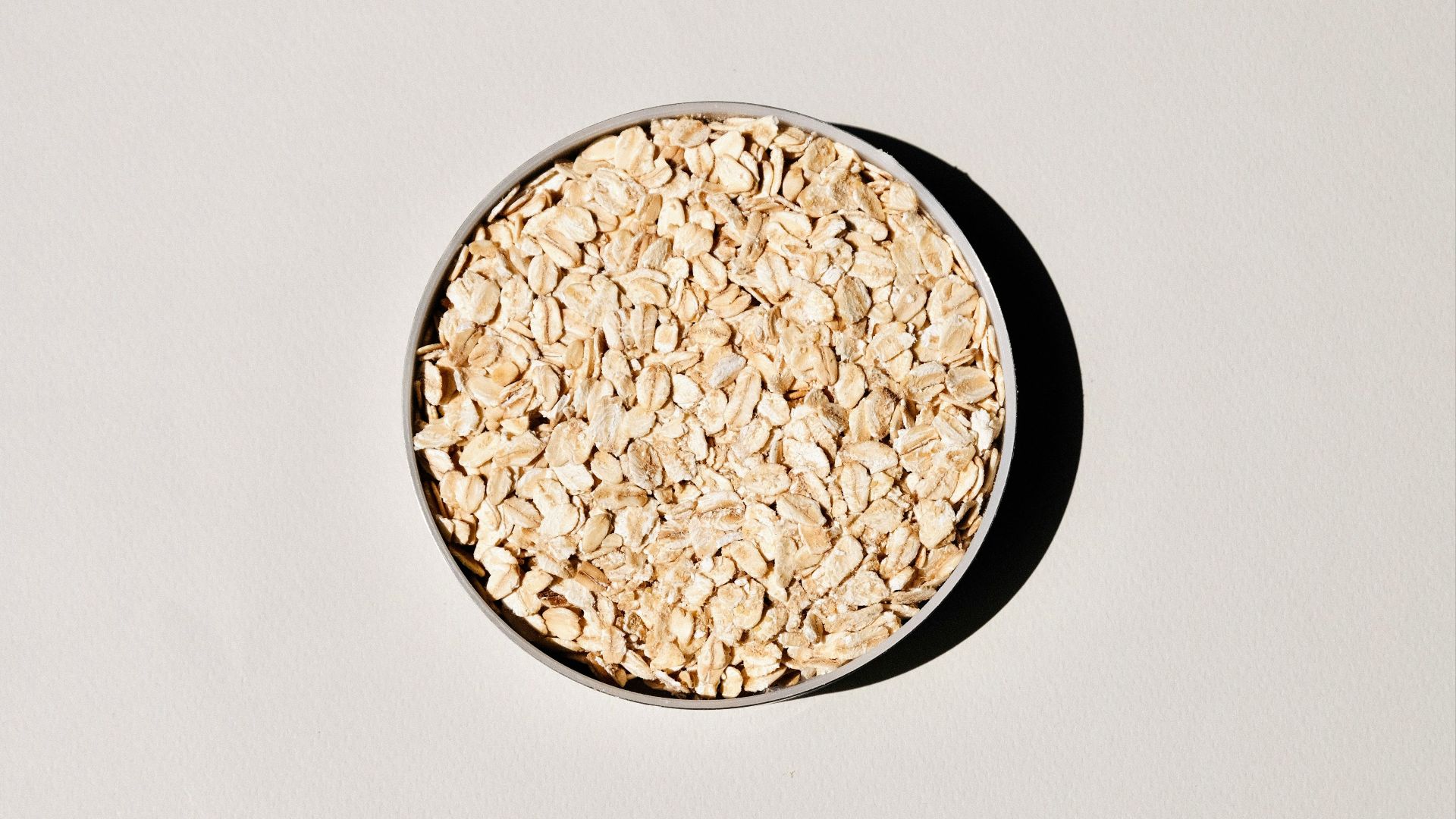
13. Oats
Oats have been a staple for centuries, especially in colder climates where people wanted something reliable and filling. For a long time, oatmeal had a very sensible image and not much excitement around it. Then, overnight oats, baked oats, oat milk, and every imaginable oat-based reinvention showed up to change the mood. Now the grain that once meant basic breakfast somehow feels on trend again.
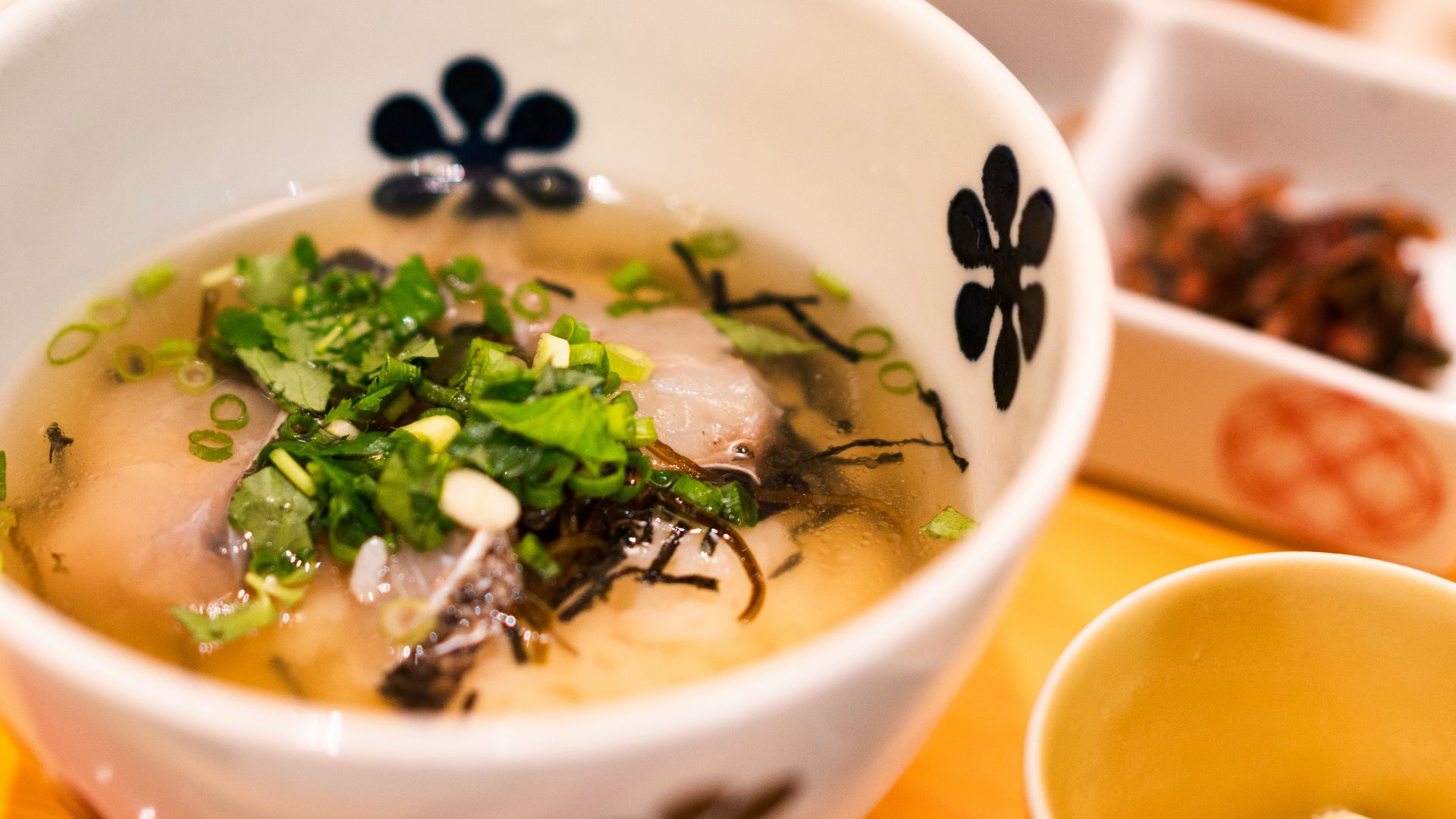
14. Miso
Miso has a long history in Japanese cooking and has spent centuries proving that fermentation can do excellent things for flavor. It was already deeply respected where it came from, but now it's crossed over into global trend status. You see it in dressings, soups, glazes, and even desserts trying to sound a little more interesting than vanilla.
 White.Rainforest ™︎ ∙ 易雨白林. on Unsplash
15. Quinoa
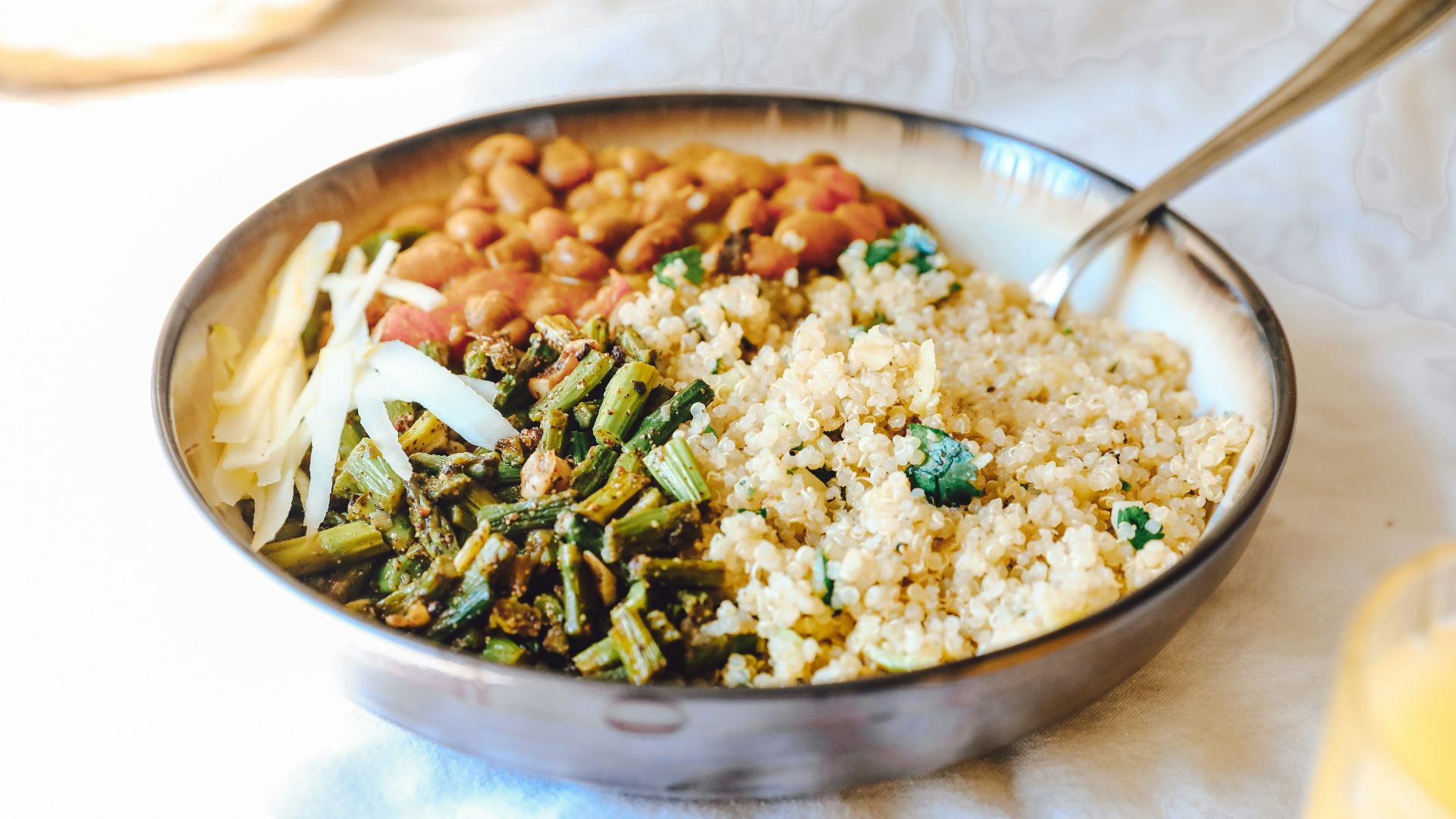
Quinoa is often treated like a modern health-food mascot, but it's been cultivated in the Andes for thousands of years. Long before it was sold in expensive little bags, it was already a staple crop with real staying power. Then the wellness world adopted it with enormous enthusiasm and made it a symbol of nutritional virtue, which is quite a leap for a seed that spent centuries just doing its job.
 Shashi Chaturvedula on Unsplash
16. Yogurt
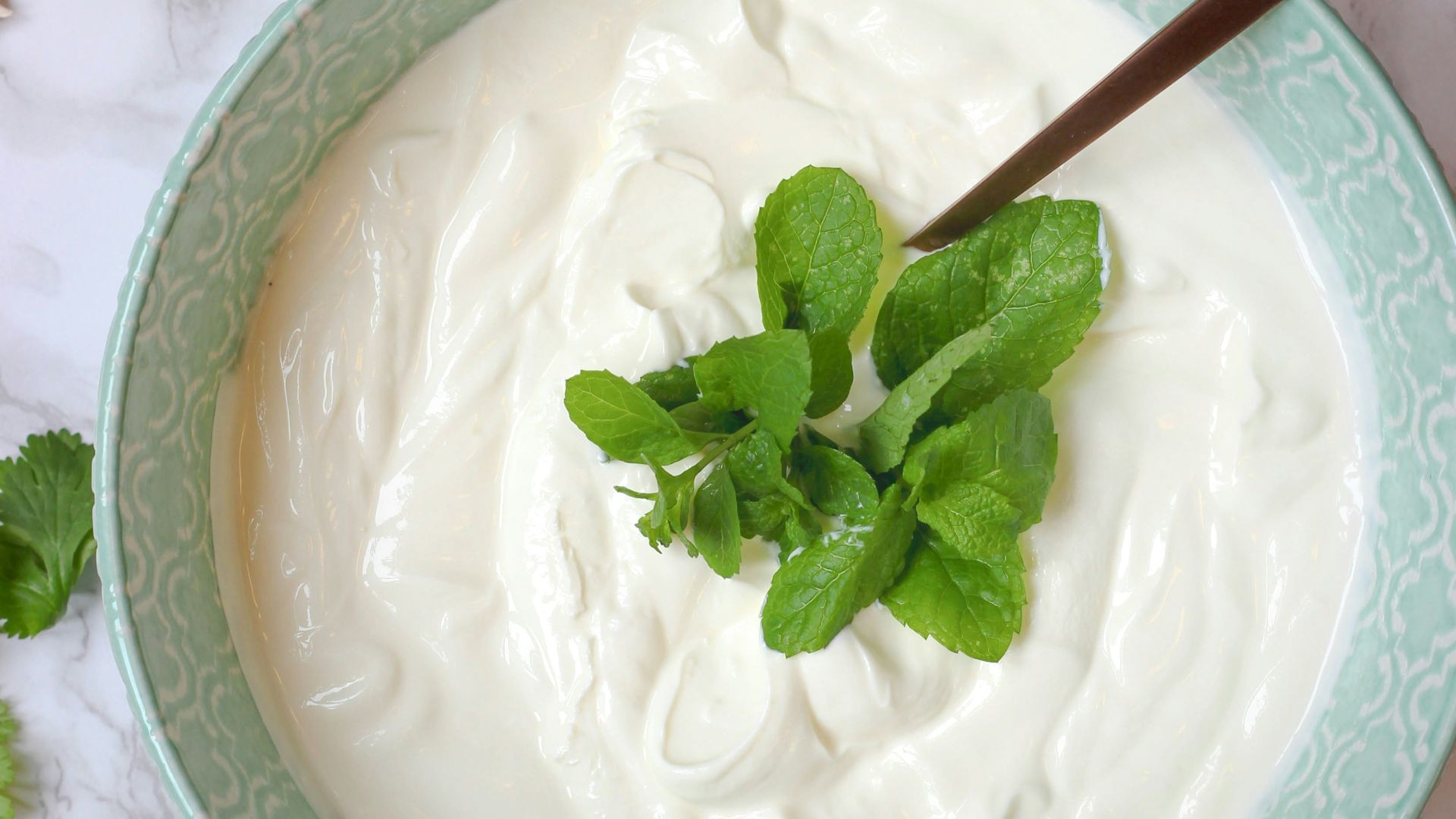
Yogurt has been around for ages, and fermented dairy is hardly a new invention. What changed is the amount of attention it now gets for protein, probiotics, and all the other impressive things people want breakfast to do. It used to be ordinary food in many cultures. Now it gets branded, strained, whipped, and promoted like a strategic advantage.
 micheile henderson on Unsplash
17. Seaweed
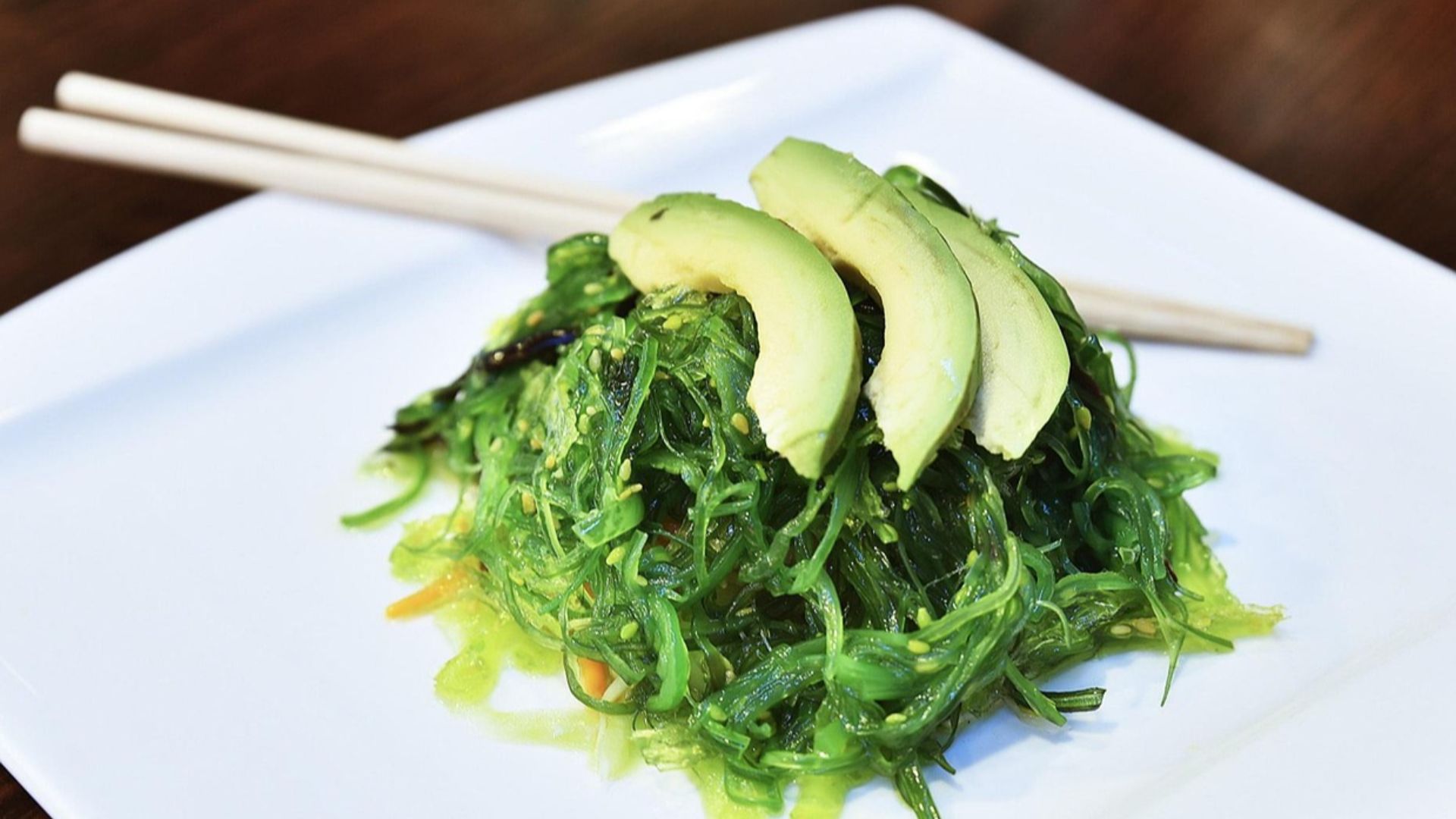
Seaweed has been eaten in coastal cultures for a very long time, especially in East Asia, where it was never exactly waiting for trend approval. Still, in a lot of Western food culture, it went from niche or unfamiliar to distinctly fashionable. Now it appears in snacks, salads, broths, and health conversations with surprising ease.
18. Amaranth
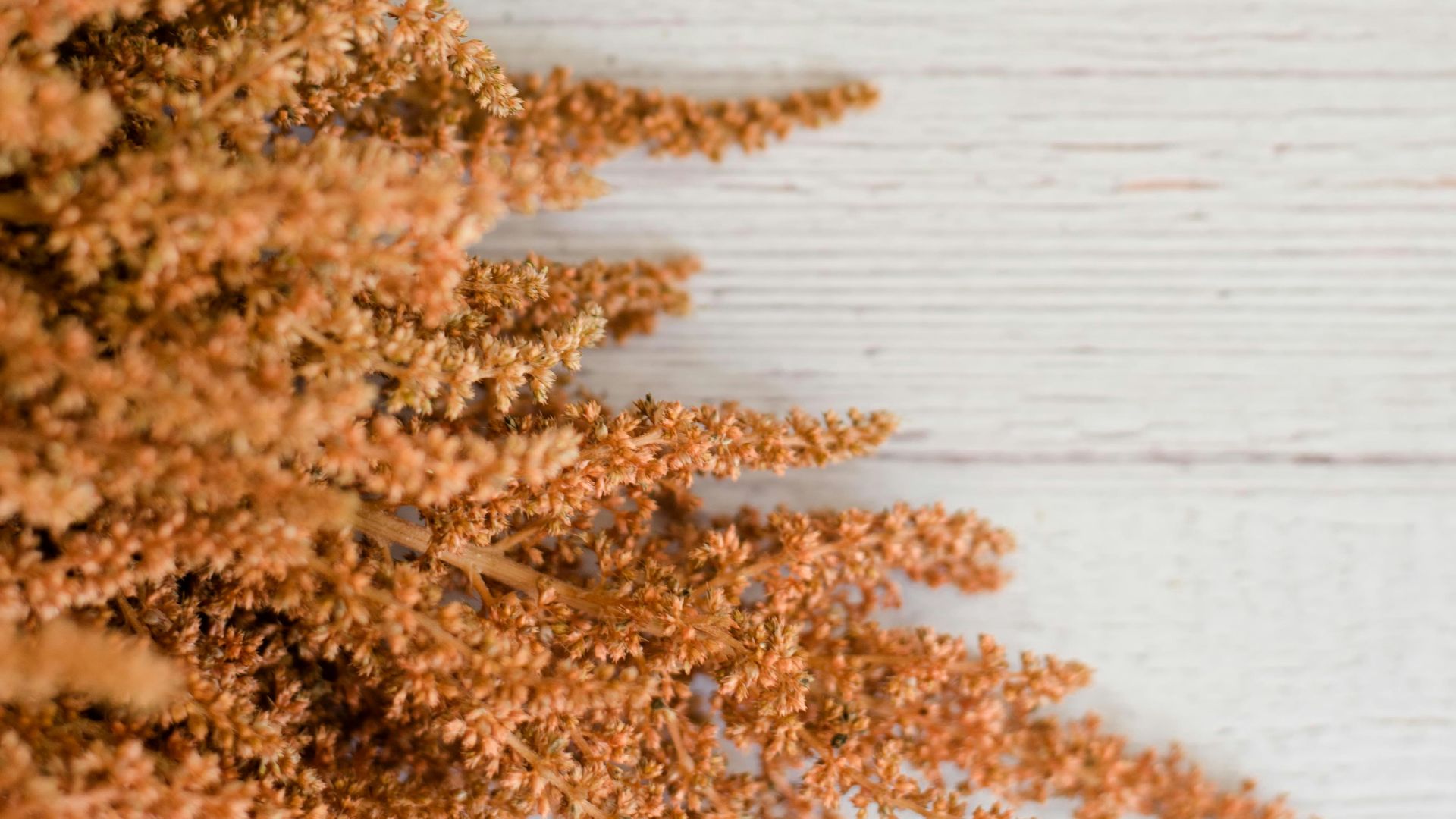
Amaranth is another ancient grain that has spent a long time being historically important without being especially trendy. It has roots in pre-Columbian agriculture and was valued long before modern food culture decided to rediscover it. Now it turns up in grain mixes, porridges, and health-driven recipes that want a little more character than rice can provide.
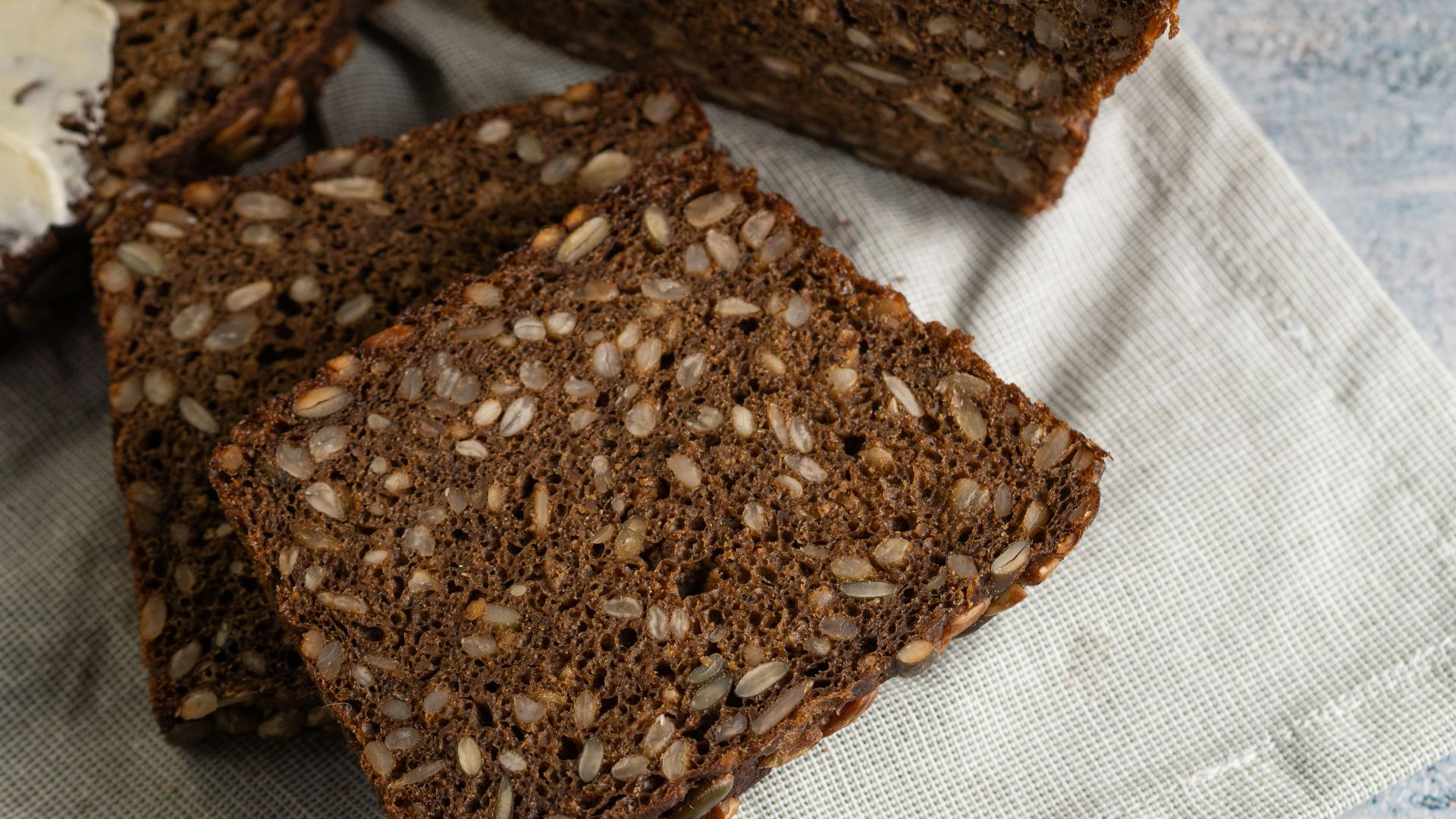
19. Rye Bread
Rye has old roots in European food culture and was once a practical staple rather than a specialty item. It grew more consistently in harsh winter climates than regular wheat, fed people dependably, and didn't need to sound charming about it. Now, rye bread gets praised for its depth, nutritional content, tang, and old-world appeal in a way that makes it feel much more stylish than it used to.
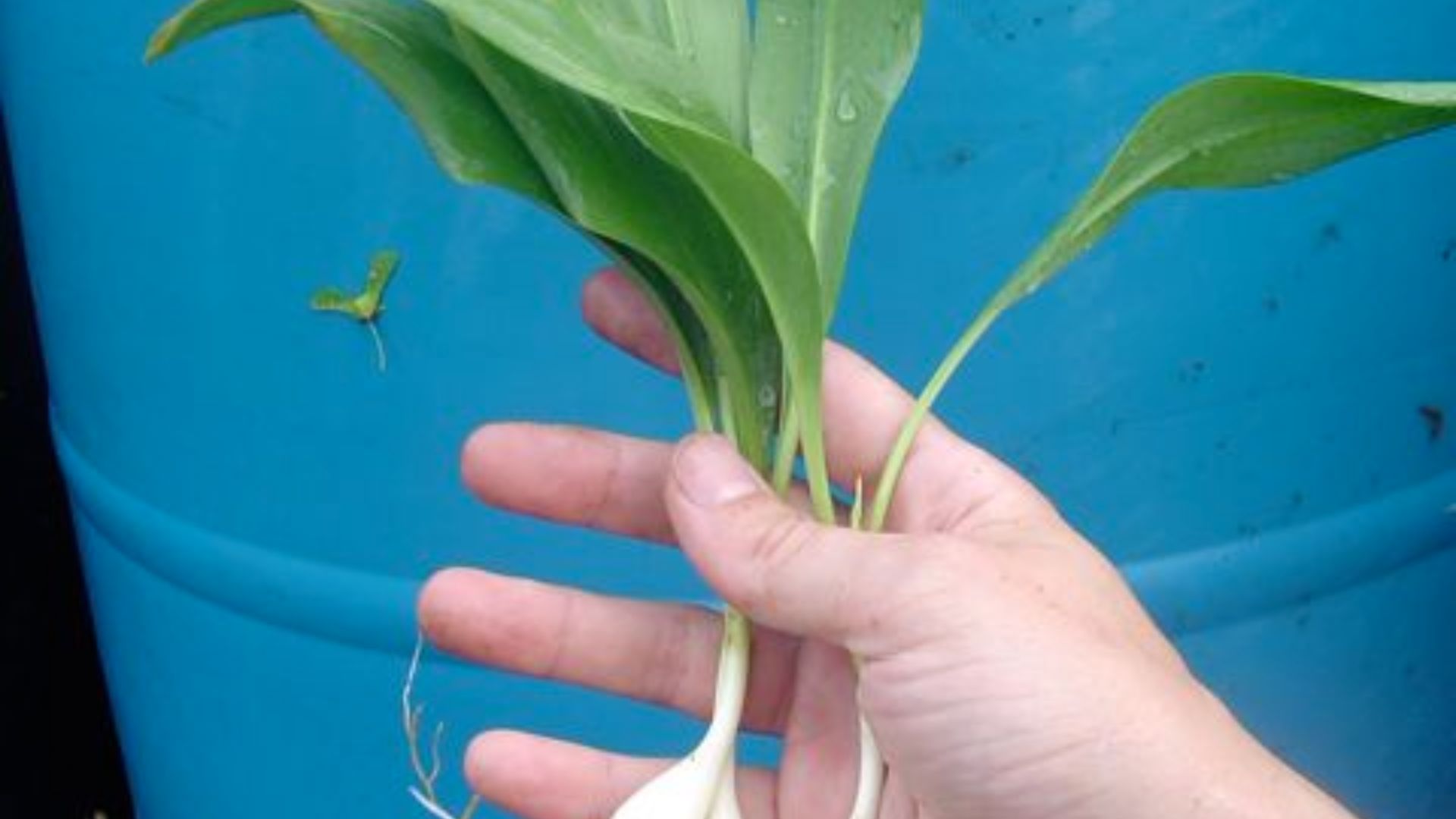
20. Ramps
Ramps were once gathered because they were there, seasonal, and useful after a long winter. They belonged to foraging traditions and practical local foodways long before they became a springtime obsession for chefs and farmers' market crowds. Now people get strangely intense about them for a few weeks every year, as though wild onions have become a luxury event.
KEEP ON READING
20 Theme Park Snacks People Fly In Just to Eat

20 American Restaurants Your Grandparents Loved
20 Foods You Can't Eat Without Teeth