A Misleading Name: Why White Chocolate Isn't Considered "Real" Chocolate
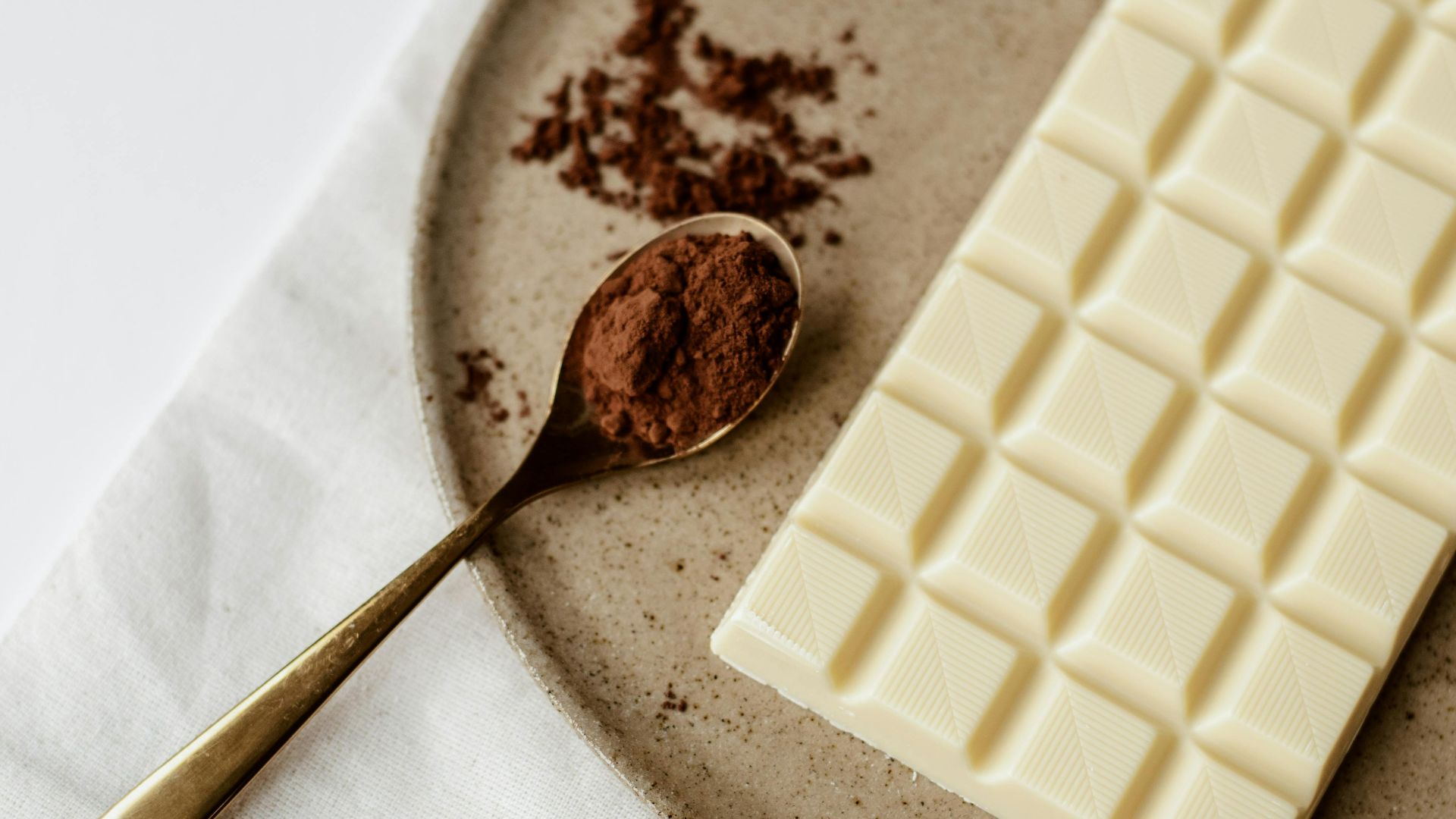
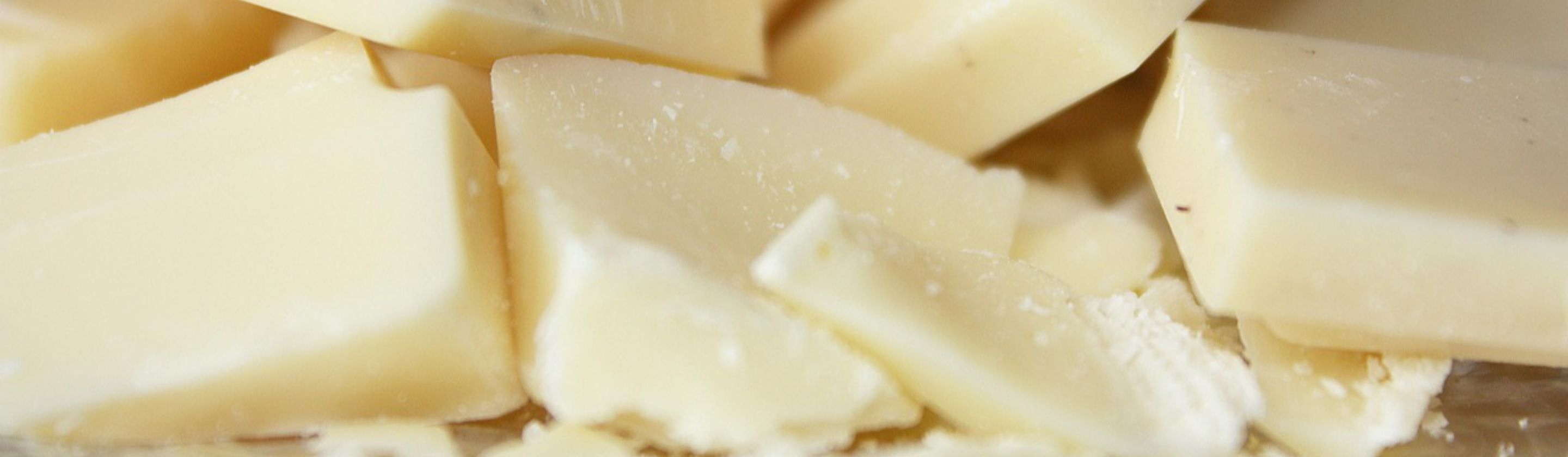
White chocolate looks like chocolate, melts like chocolate, and sits on store shelves next to chocolate bars. But according to chocolatiers and food regulations, it doesn't qualify as "real" chocolate. The reason comes down to what's inside. While it shares some ingredients with its darker counterparts, white chocolate lacks the one component that defines true chocolate.
Here's why the name is technically misleading and what actually goes into that smooth, sweet confection.
The Ingredients Behind White Chocolate
White chocolate comes from cocoa butter mixed with sugar, milk solids, and flavorings like vanilla. Cocoa butter is the fatty portion extracted from cacao beans during chocolate production. It provides the creamy texture and melt-in-your-mouth quality that people associate with chocolate.
Milk and dark chocolate rely on cocoa solids—the non-fat part of the cacao bean that gives chocolate its deep flavor, brown color, and slight bitterness. White chocolate skips this entirely. Without cocoa solids, it has no chocolate flavor in the traditional sense.
The Case Against Calling It Chocolate
It’s clear now that real chocolate requires cocoa solids. But regulatory bodies in the EU and the US have set minimum standards for what can be labeled as chocolate. According to FDA rules, products sold as white chocolate in the US must include a minimum of 20% cocoa butter, but it still doesn't qualify as true chocolate because it contains zero cocoa solids.
What's missing matters beyond taste. Cocoa solids contain antioxidants and flavonoids, compounds linked to health benefits in dark chocolate. They also provide the bitter depth and complexity that define chocolate's flavor profile. White chocolate offers none of that.
This has sparked ongoing debates. Some argue white chocolate belongs in the confection category rather than the chocolate family. Chocolatiers and food scientists tend to draw a hard line: without cocoa solids, it's not chocolate.
Culinary Role And Popularity
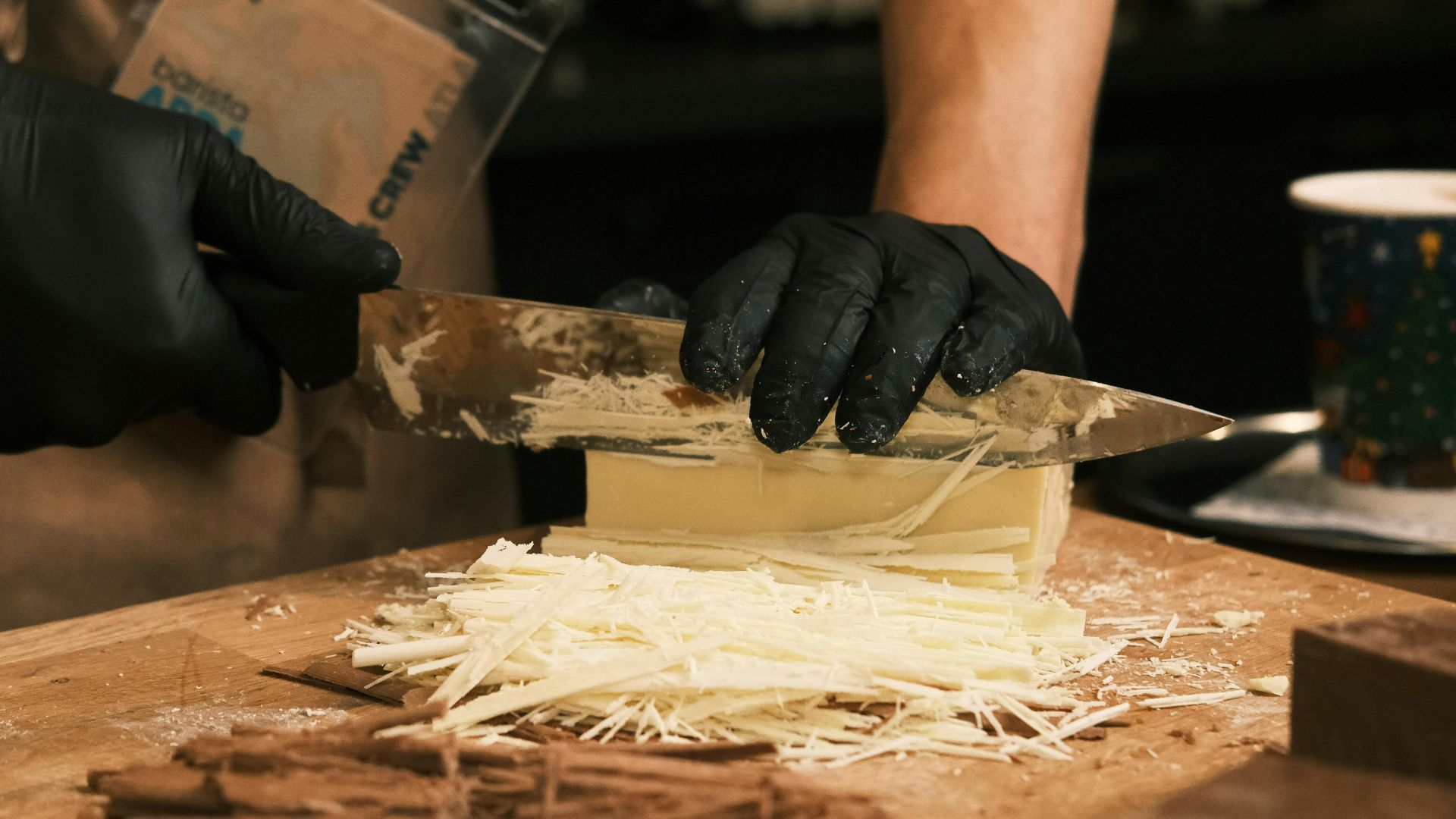
Despite the technicalities, white chocolate has earned its place in kitchens worldwide. Chefs and bakers use it in desserts, ganaches, mousses, and decorative work. Its smooth texture makes it ideal for coatings and drizzles. The mild sweetness pairs well with tart fruits like raspberries or citrus, creating flavor contrasts that darker chocolates can't achieve.
Beyond the kitchen, its role varies across cultures. In Switzerland and Belgium, white chocolate is often used in premium pralines, while in Japan, it gained fame through “White Day,” a holiday where people gift sweets in return for Valentine’s chocolates.
Consumers love it for what it is, not what it isn't. The creamy, vanilla-forward taste appeals to people who find dark chocolate too intense. It's versatile enough to complement both delicate pastries and bold flavors. In short, white chocolate may not meet the strict definition of chocolate, but it has carved out its own identity. Whether you see it as a sweet imposter or a beloved treat in its own right, it's here to stay.
KEEP ON READING

The Most Popular Signature Dishes Around the World