Does Cilantro Taste Like Soap To You? You're Not Imagining Things, It's In Your DNA
Does Cilantro Taste Like Soap To You? You're Not Imagining Things, It's In Your DNA
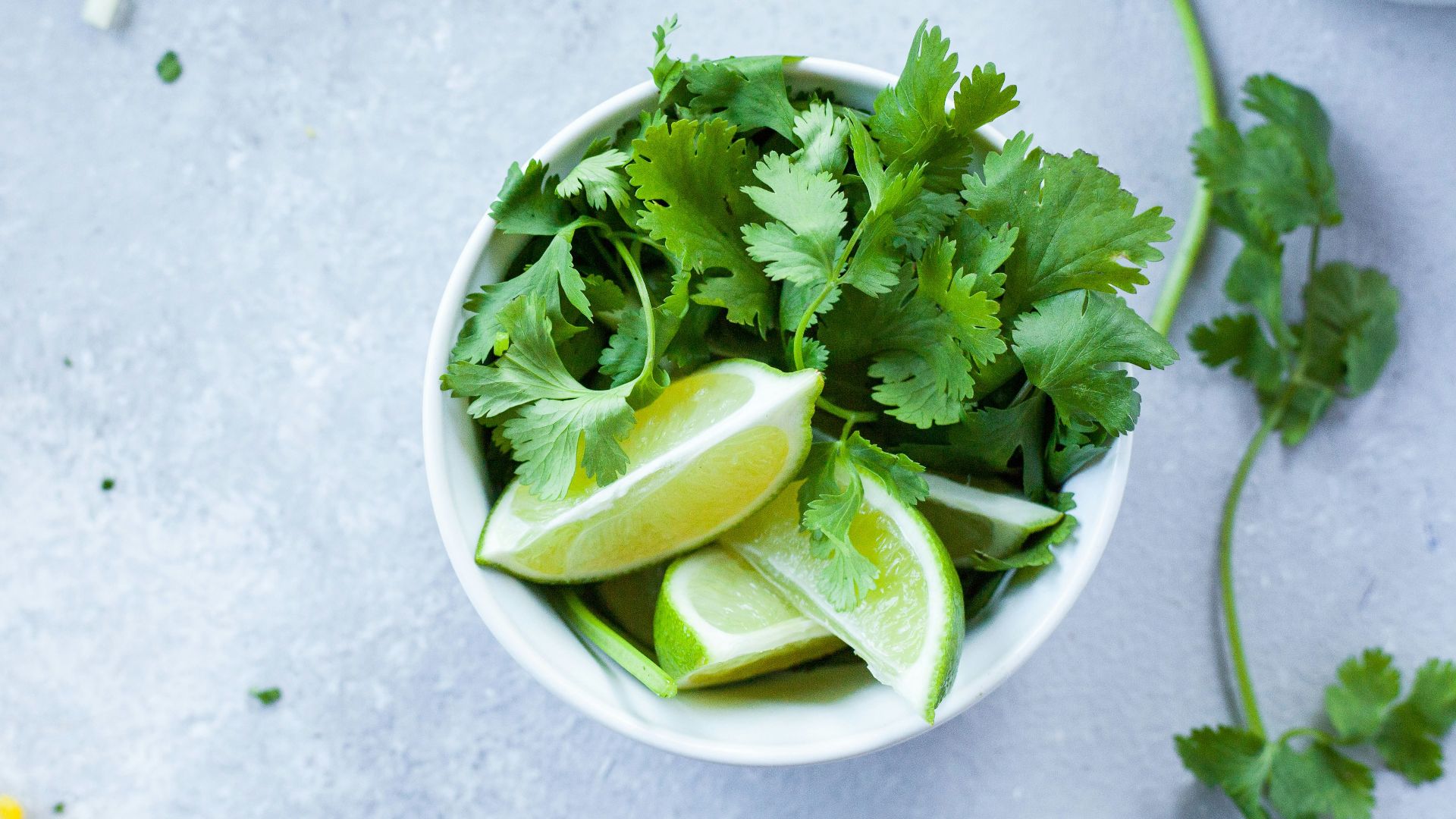
Many people insist cilantro tastes like soap, yet others pile it onto tacos without hesitation. The disagreement shows up at dinner tables everywhere and rarely ends quietly. However, science offers an explanation that goes beyond picky eating.
Genetics influences how certain compounds register on the tongue, which means the flavor experience truly differs by person. The goal here is to explain why cilantro divides opinions so sharply and how DNA shapes that reaction. Once biology enters the conversation, the debate shifts away from taste judgment and toward understanding how differently bodies interpret the same bite.
The Science Behind The Soap Taste
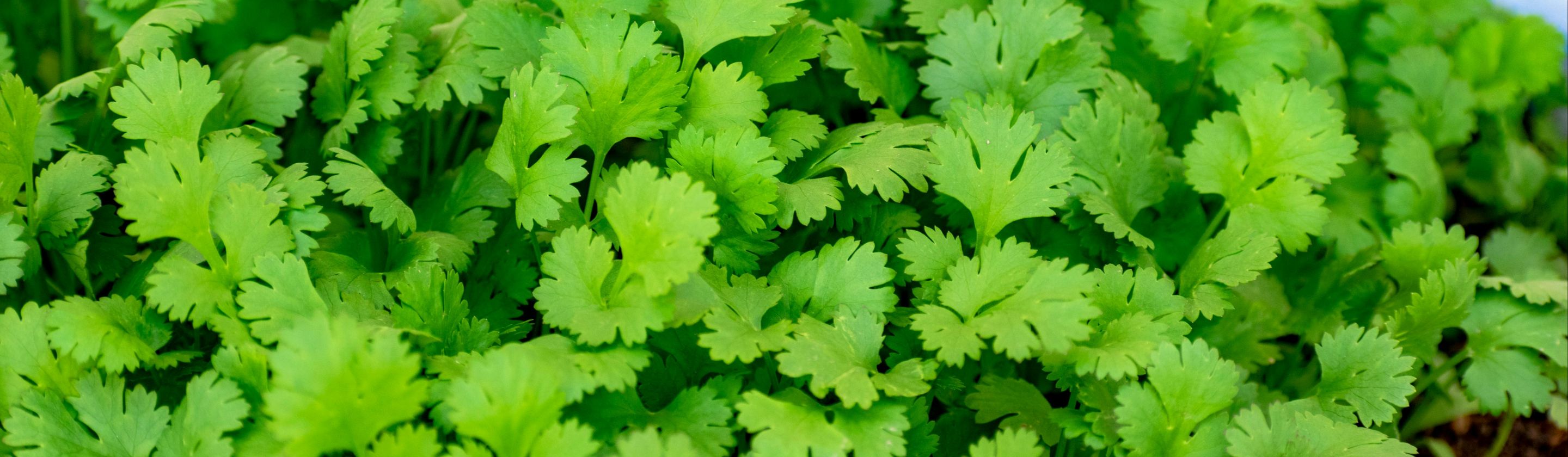
Research links cilantro aversion to a specific genetic variation connected to the OR6A2 gene. That gene affects how the brain detects aldehydes, a group of naturally occurring compounds found in cilantro leaves. Aldehydes also appear in soaps, detergents, and certain cleaning products, which explains why some people register the flavor as harsh or chemical.
Heightened sensitivity causes the association to trigger instantly, long before any pleasant herbal notes emerge. Others lack that sensitivity and perceive cilantro as fresh or citrusy rather than as sensitive. Therefore, genetic differences explain the split rather than imagination or exaggeration. Studies even estimate that roughly four to fourteen percent of people experience the soapy taste. That percentage varies by population, which helps explain why reactions differ across regions and families.
Cultural And Culinary Perspectives
Cilantro appears everywhere in global cooking, especially across Mexican, Indian, Thai, and Middle Eastern cuisines. For many cooks, the herb feels essential rather than optional. Plus, repeated exposure can soften strong reactions over time, particularly for people who were raised eating cilantro regularly.
Cultural context shapes expectations, too. Someone introduced to cilantro early may associate it with comfort foods rather than surprise. Meanwhile, diners encountering it later in life may struggle with the initial shock. Chefs understand this divide well. Some kitchens also keep parsley or basil on hand as substitutes for guests who are allergic. Respecting taste differences keeps meals enjoyable instead of confrontational.
What This Says About Taste And Genetics
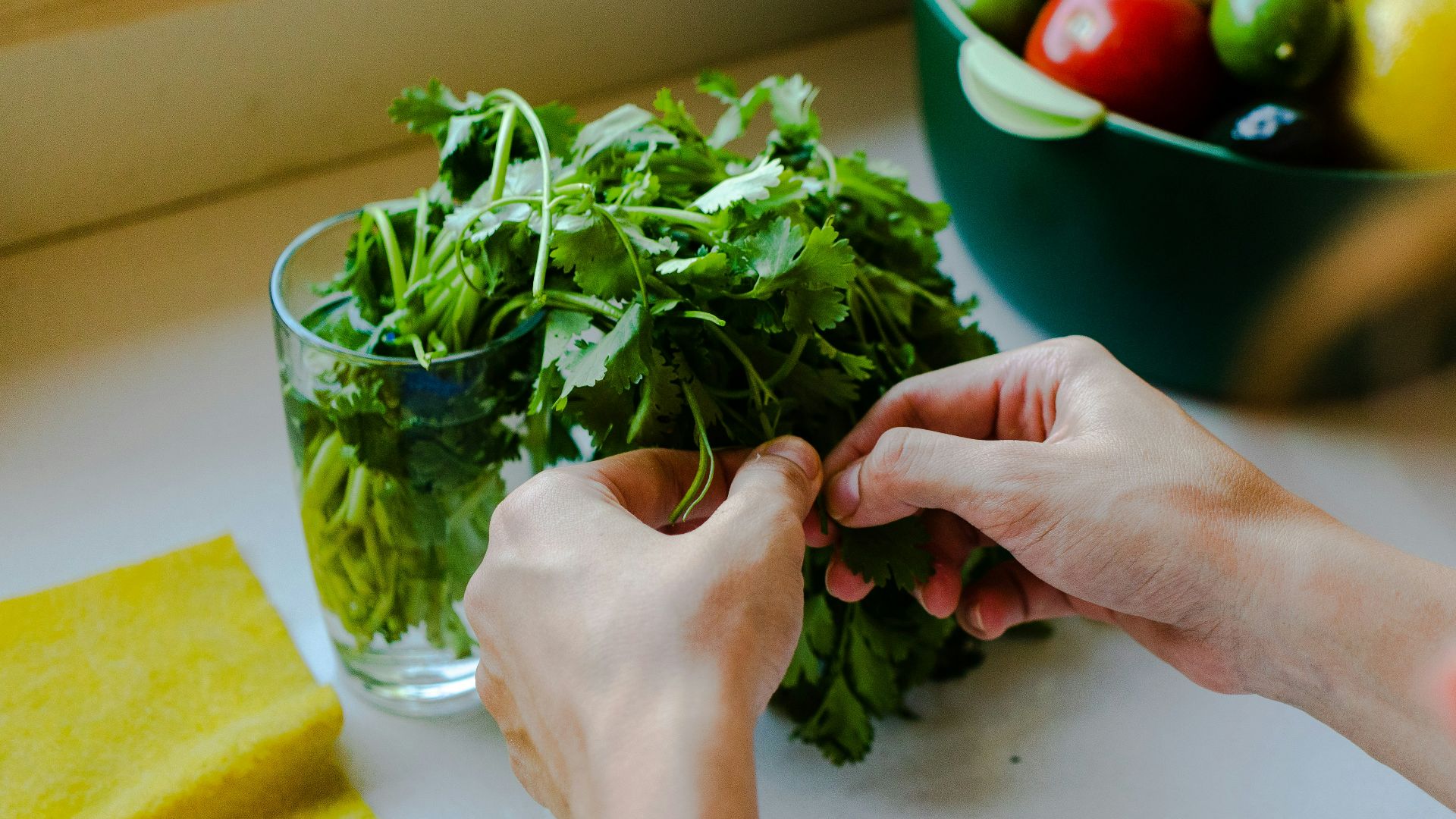
Taste rarely operates as pure preference. Biology quietly sets the stage long before opinions form. Cilantro offers a clear example of how genes influence everyday experiences without fanfare. Other foods follow similar patterns. Brussels sprouts, bitter greens, and black coffee also trigger genetic responses tied to taste receptors.
Recognizing these differences reframes food debates entirely. Dislike does not signal immaturity, and enthusiasm does not signal superiority. Cilantro’s soapy reputation reflects variation rather than defect. Once that idea settles in, food conversations become more curious and far less judgmental.
KEEP ON READING

20 Worst Foods for Your Liver