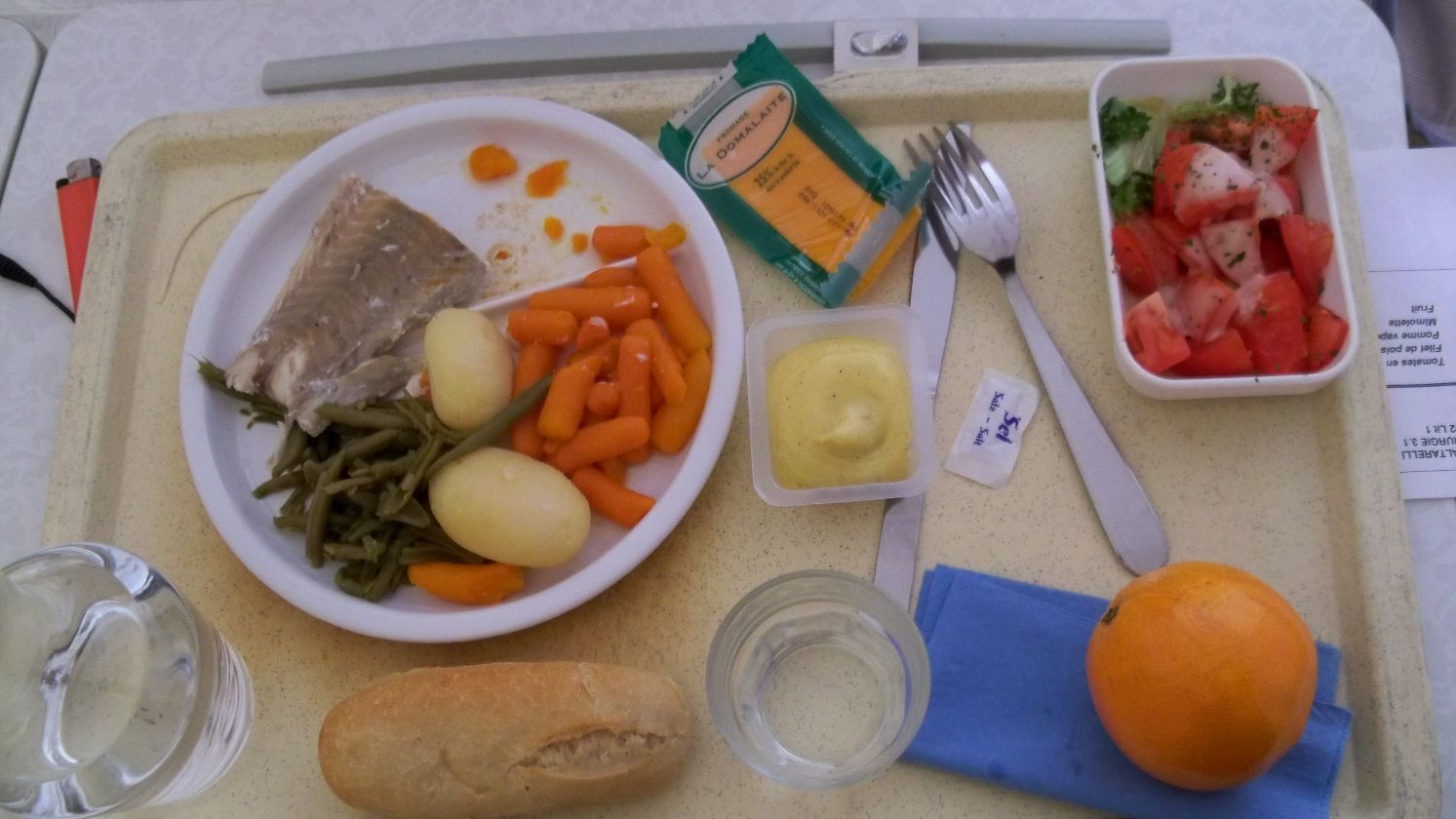
One Country Has The Worst Hospital Food, And It's Not Surprising
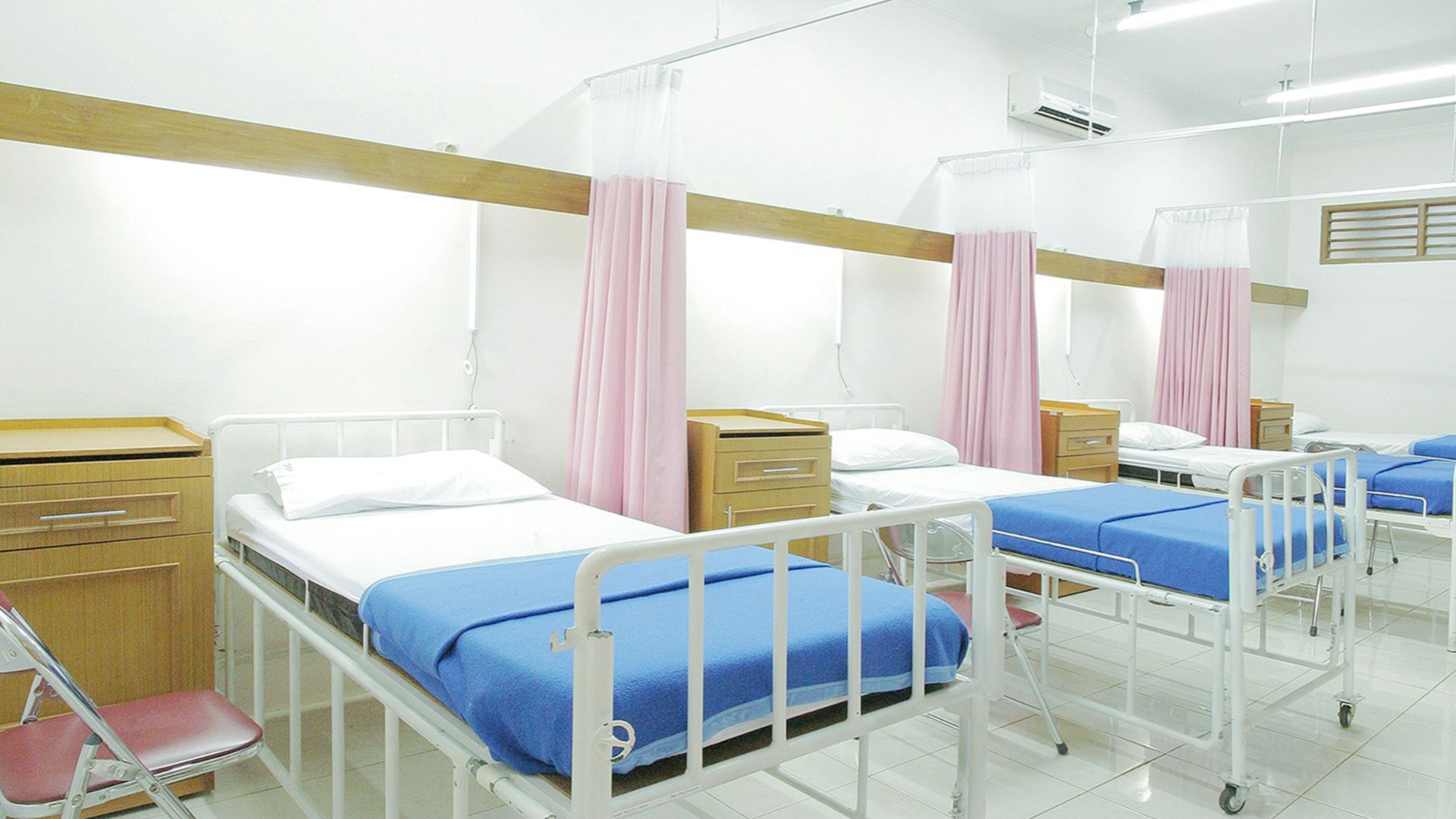
When you wind up in a hospital bed, you are already having a pretty rough day and looking for any shred of comfort you can find. You would think that a place dedicated entirely to healing your body would serve nourishment that actually looks and tastes like real food. Instead, patients in Western nations are frequently greeted by lukewarm trays of unidentifiable culinary sadness that look like they belong in a low-budget movie. While hospital menus across the globe have a universally bad reputation, one specific country consistently takes the crown for the absolute worst healthcare cuisine, and the reasons behind it will not surprise you at all.
Canada has famously earned a reputation for serving some of the most appalling, uninspiring hospital food in the entire developed world. From coast to coast, patients regularly share horror stories of mysterious gelatinous blocks, gray meats swimming in lukewarm liquid, and breakfast items that resemble industrial foam. This tragic gastronomic reality has become a national running joke, but it highlights a serious flaw in how the system approaches patient recovery. When you dive into the systemic issues plaguing Canadian medical facilities, it becomes entirely obvious why the food on your tray is so consistently terrible.
The Tragedy of the Industrial Assembly Line
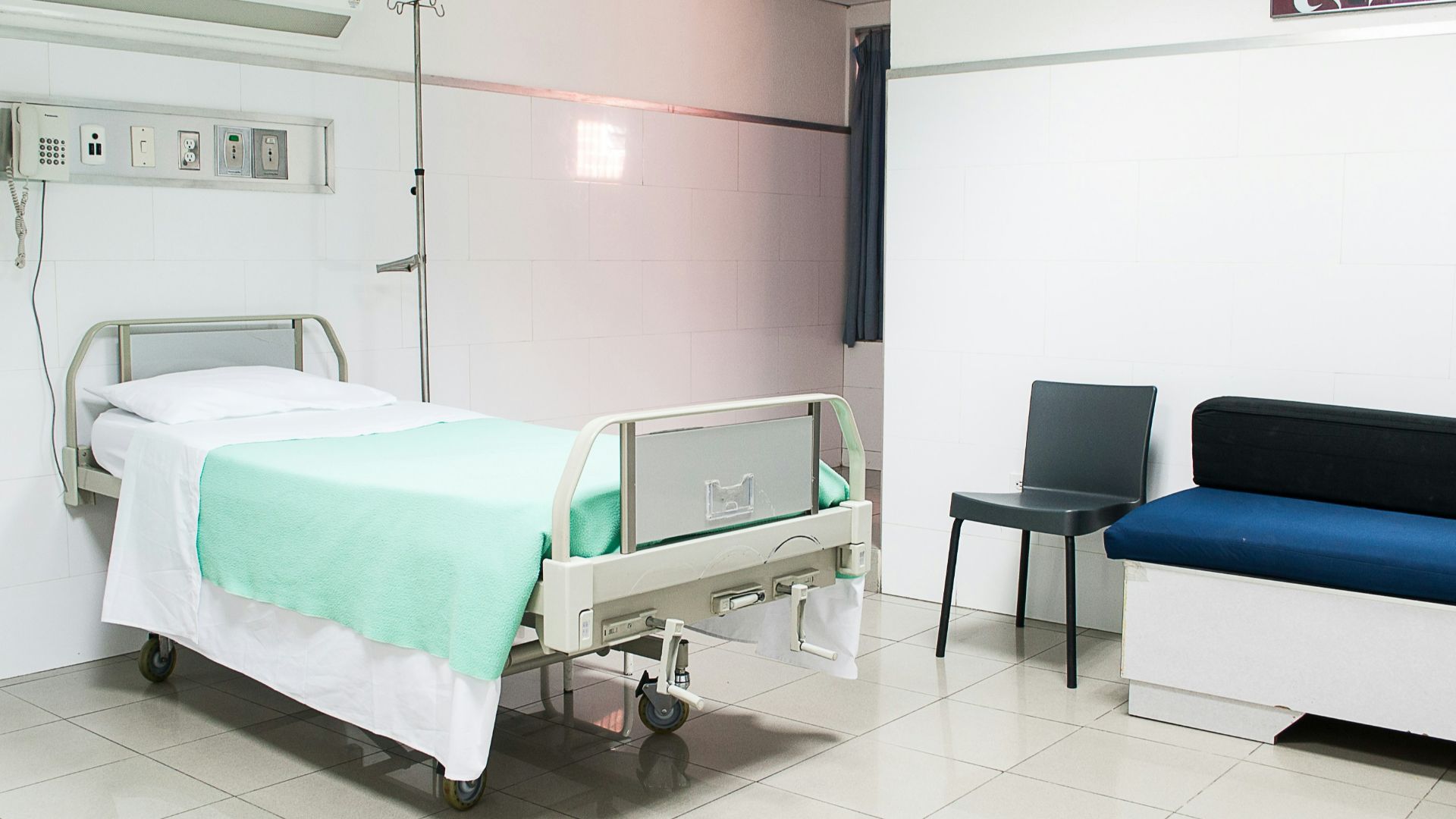 Martha Dominguez de Gouveia on Unsplash
The primary reason your Canadian hospital meal tastes like cardboard stems directly from a massive shift toward centralized, industrial food production. Decades ago, medical centers actually housed fully functioning kitchens where real chefs cooked fresh meals from scratch for the patients upstairs. Over time, budget cuts forced administrators to outsource everything to massive corporate suppliers who specialize in frozen, mass-produced dietary packages. This means that the meal placed in front of you was likely cooked weeks ago in a factory hundreds of miles away.
Once these frozen blocks arrive at the medical facility, staff members simply load them into giant industrial rethermalization ovens to heat them back up. This reheating process completely destroys any remaining texture, leaving vegetables incredibly soggy and turning proteins into rubbery disasters. You are essentially eating a highly regulated, thoroughly zapped TV dinner that has been stripped of any culinary love or freshness. It is a highly efficient assembly line for the hospital's spreadsheet, but it is an absolute tragedy for your taste buds.
Furthermore, the strict food safety protocols in these industrial supply chains mean that nobody is allowed to taste the dishes during prep. The focus is entirely on eliminating bacteria and meeting basic caloric metrics rather than ensuring the food is appetizing. This complete disconnect between the factory floor and the patient bed ensures that flavor is entirely sacrificed for logistical convenience. You end up with a meal that is technically sterile and safe to consume, but completely devoid of any joy.
Strict Restrictions and the Infamous Egg Puck
Another major hurdle that guarantees a depressing dining experience is the overwhelming mountain of dietary restrictions the kitchen must navigate. Hospitals have to cater to thousands of patients simultaneously, all dealing with unique issues like high blood pressure, diabetes, or severe digestive sensitivity. To make things easier, the menus are engineered around the lowest common denominator, resulting in a total ban on salt, sugar, and fat. When you remove those three fundamental pillars of flavor, you are left with a tray of pure, unadulterated blandness.
This extreme restriction is exactly how Canada gave birth to its most infamous healthcare culinary masterpiece, the legendary breakfast egg puck. Instead of cracking a fresh egg into a skillet, staff rehydrate a powdered mix and bake it into a perfect, rubbery yellow circle. Former patients frequently note that these sad creations taste somewhere between industrial Styrofoam and a damp kitchen sponge. It meets the basic protein requirements for a recovering body, but it does absolutely nothing to lift a patient's spirits.
Even the doctors and nursing staff at these facilities will openly warn you to avoid the standard meal trays if you can. They see firsthand how a plate of gray Salisbury steak sitting in a puddle of mystery gravy can actively depress a patient. It is incredibly common for families to sneak home-cooked meals into the wards just to give their loved ones something edible. This lack of basic seasoning turns every mealtime into an endurance test rather than a moment of comfort.
Budget Cuts Over Patient Satisfaction
The final piece of this unappetizing puzzle is the relentless pressure of government funding models and strict institutional budget cuts. In a publicly funded healthcare system, administrators face constant pressure to reduce operational costs wherever they can. Unfortunately, the dietary department is almost always the very first area to see its funding slashed to protect medical equipment budgets. This leaves kitchen managers with just a few dollars per day to feed each patient three full meals.
When you are working with a micro-budget, fresh produce and high-quality meats are completely out of the question. The purchasing agents are forced to buy the cheapest possible ingredients, which usually means canned goods and processed fillers. You end up with a plate filled with instant mashed potato flakes, canned green beans, and highly processed deli meats. It is a system designed to save money on paper, completely ignoring how bad nutrition can slow down actual recovery times.
KEEP ON READING

20 Fast Food Items With Surprisingly Weird Origins


20 Foods Only Rich Kids Ate Growing Up