Which Leftovers Deserve a Second Chance?
From fish and chips to mac and cheese, some foods don't give you much leeway past the first few hours they were made. Have you ever tried reheating a plate of leftover nachos or poutine? Yeah, we bet it didn't go well. Thankfully, for all the gross dishes out there that can't pass a second round, some actually taste better the next day. Here's how to know which ones you should just toss and which ones are still good after a night in the fridge.
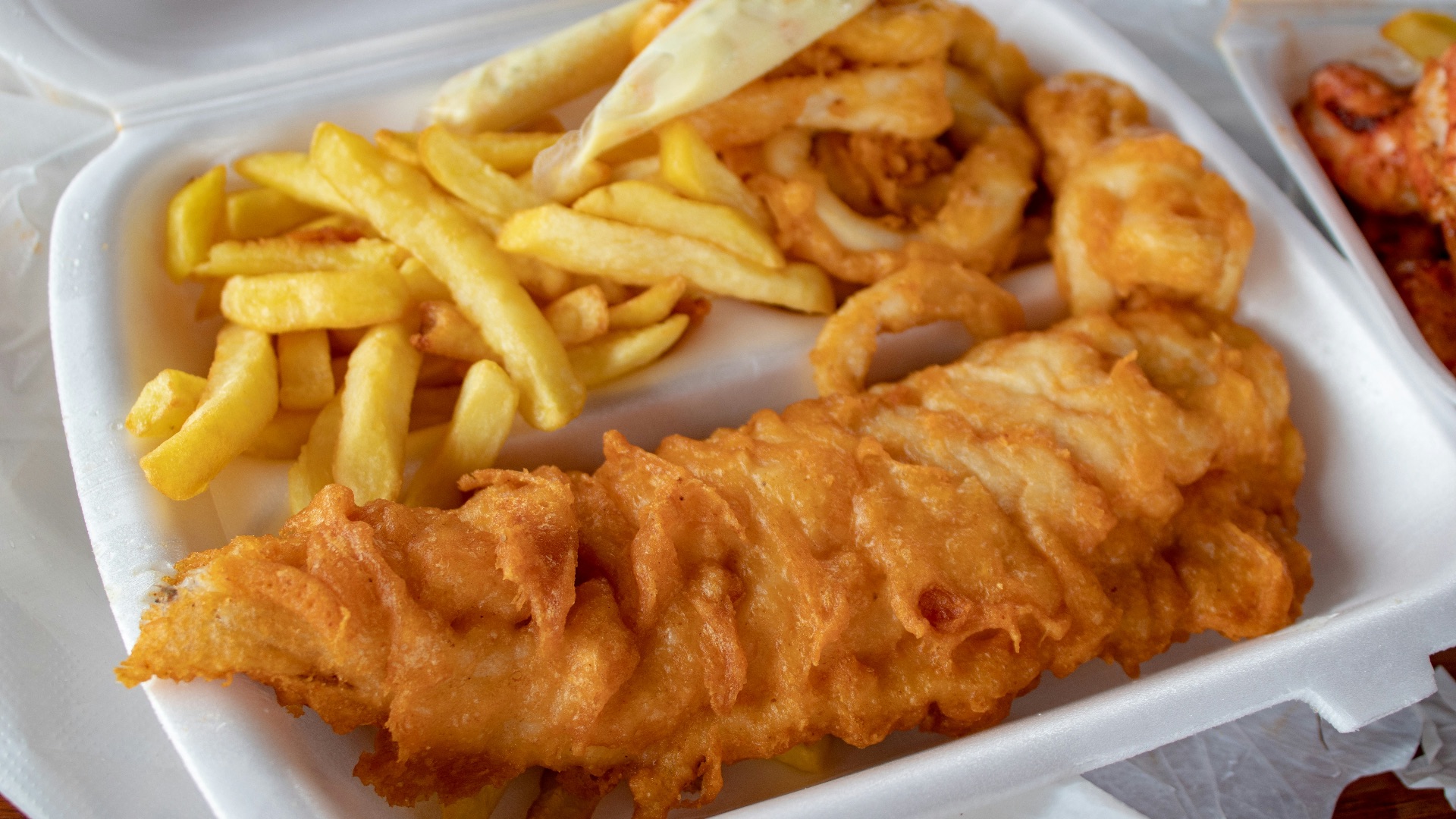
1. Fried Fish
Reheated fried fish almost never keeps the crisp texture that made it good in the first place. The coating can turn limp, while the fish itself often becomes dry or overly fishy. Even if you use an oven or air fryer, it’s hard to bring back that fresh-from-the-fryer balance. It’s usually better eaten right away, when the outside is still crisp and the inside is still tender.
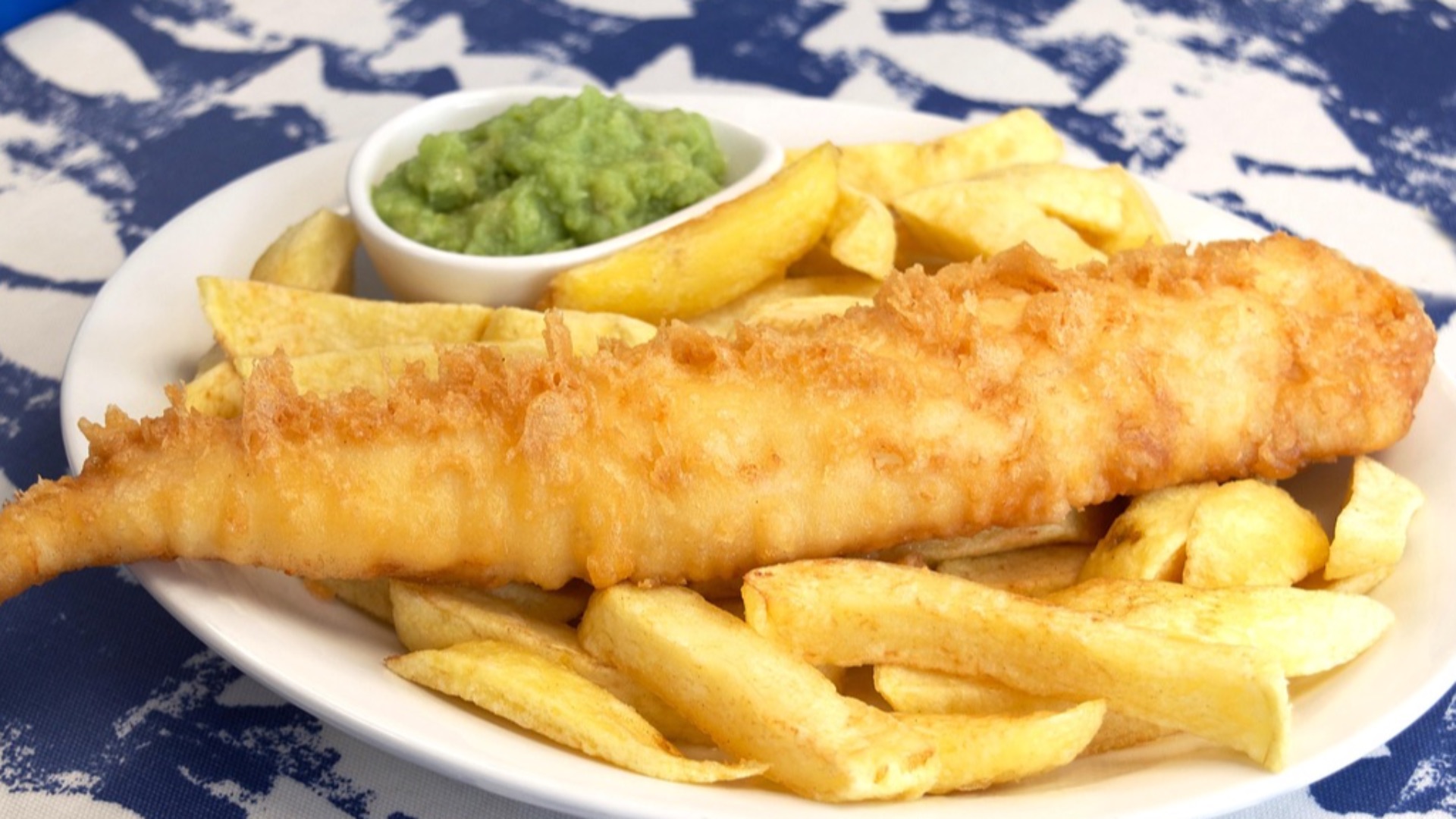
2. Mac and Cheese
Unless you're a wiz in the kitchen and know how to make mac and cheese better the next day, you're better off polishing it off the night you made it. Boxed versions like Kraft Dinner are especially gross when reheated, often turning rubbery and oily, with the sauce separating and the pasta dry or slightly grainy. Adding a splash of milk and reheating gently can help, but it rarely matches the smooth, cheesy consistency of a freshly made batch.
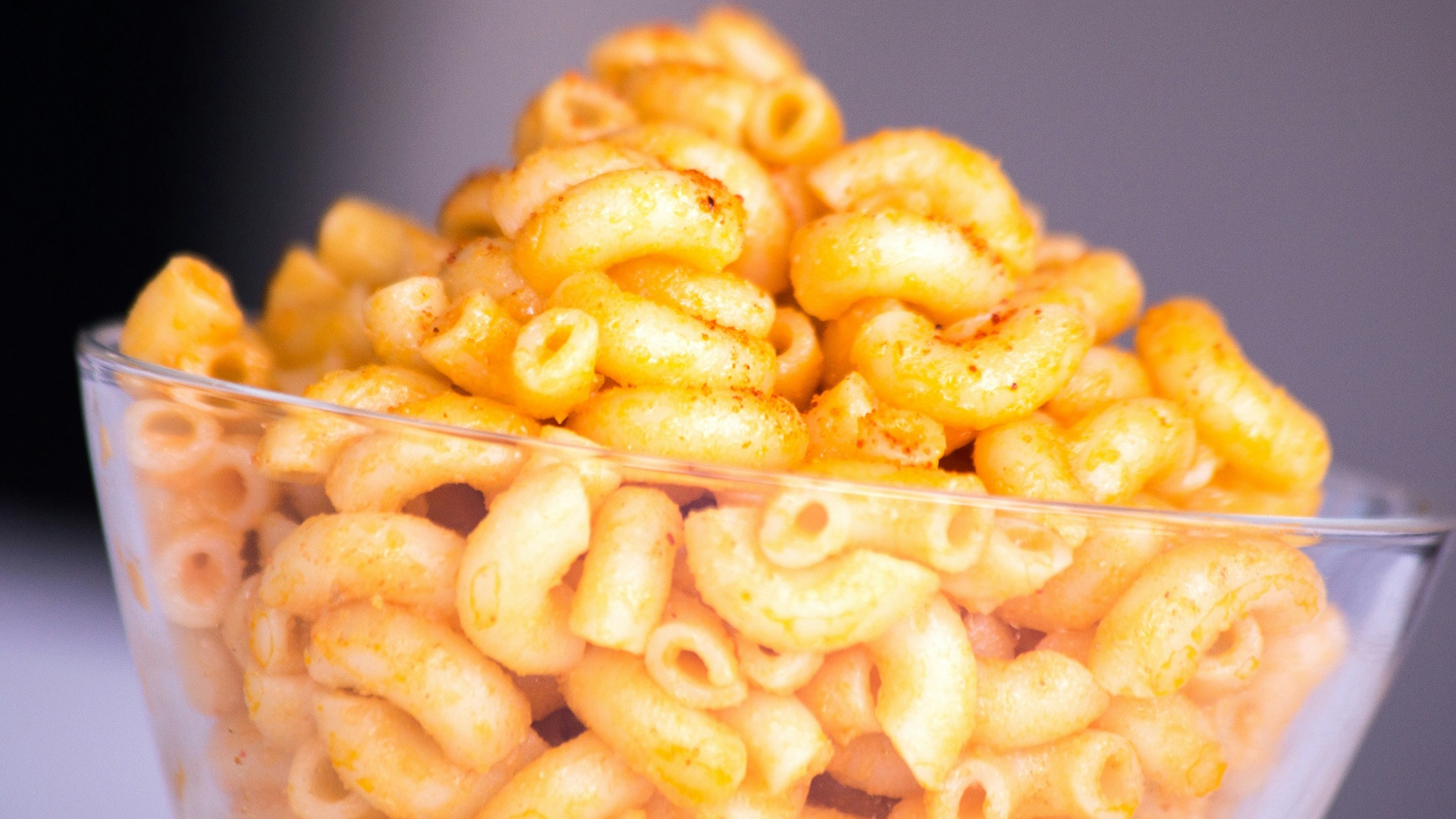
3. French Fries
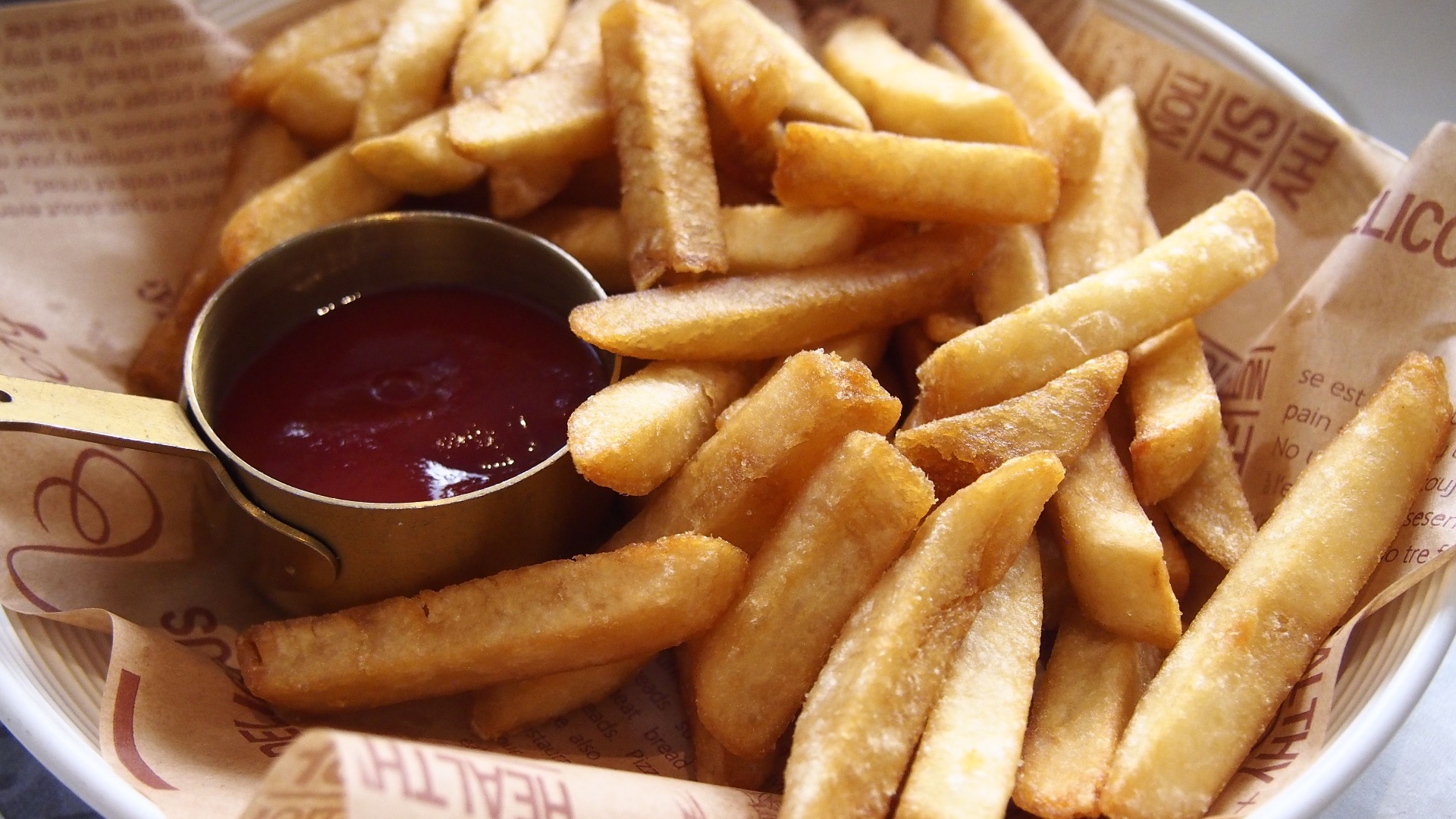
French fries are one of the biggest leftover letdowns because their appeal depends so much on texture. Once they sit in the fridge, the crisp outside softens and the inside can become dry or mealy. A hot oven or air fryer can help a little, but they rarely taste as good as they did fresh. Cold fries also tend to absorb moisture and oil in a way that makes them feel heavy.
4. Grilled Steak
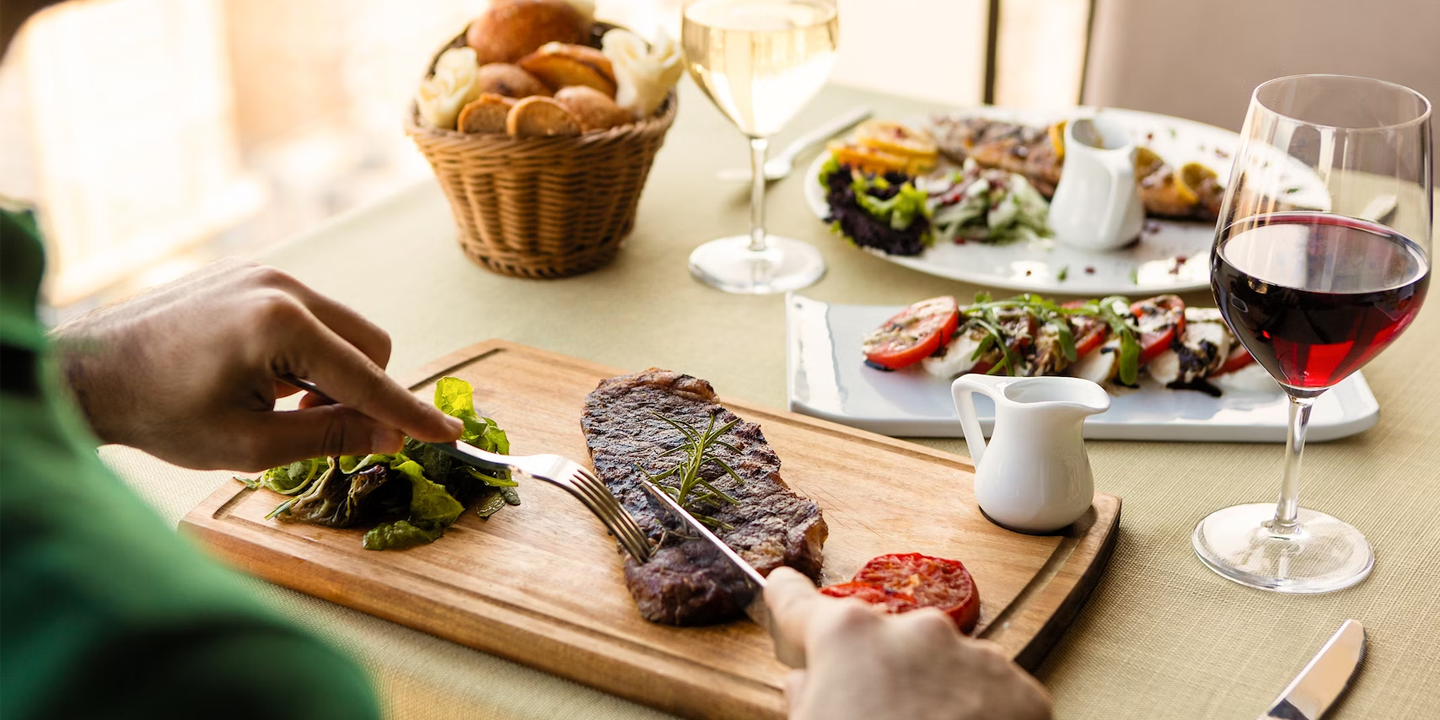
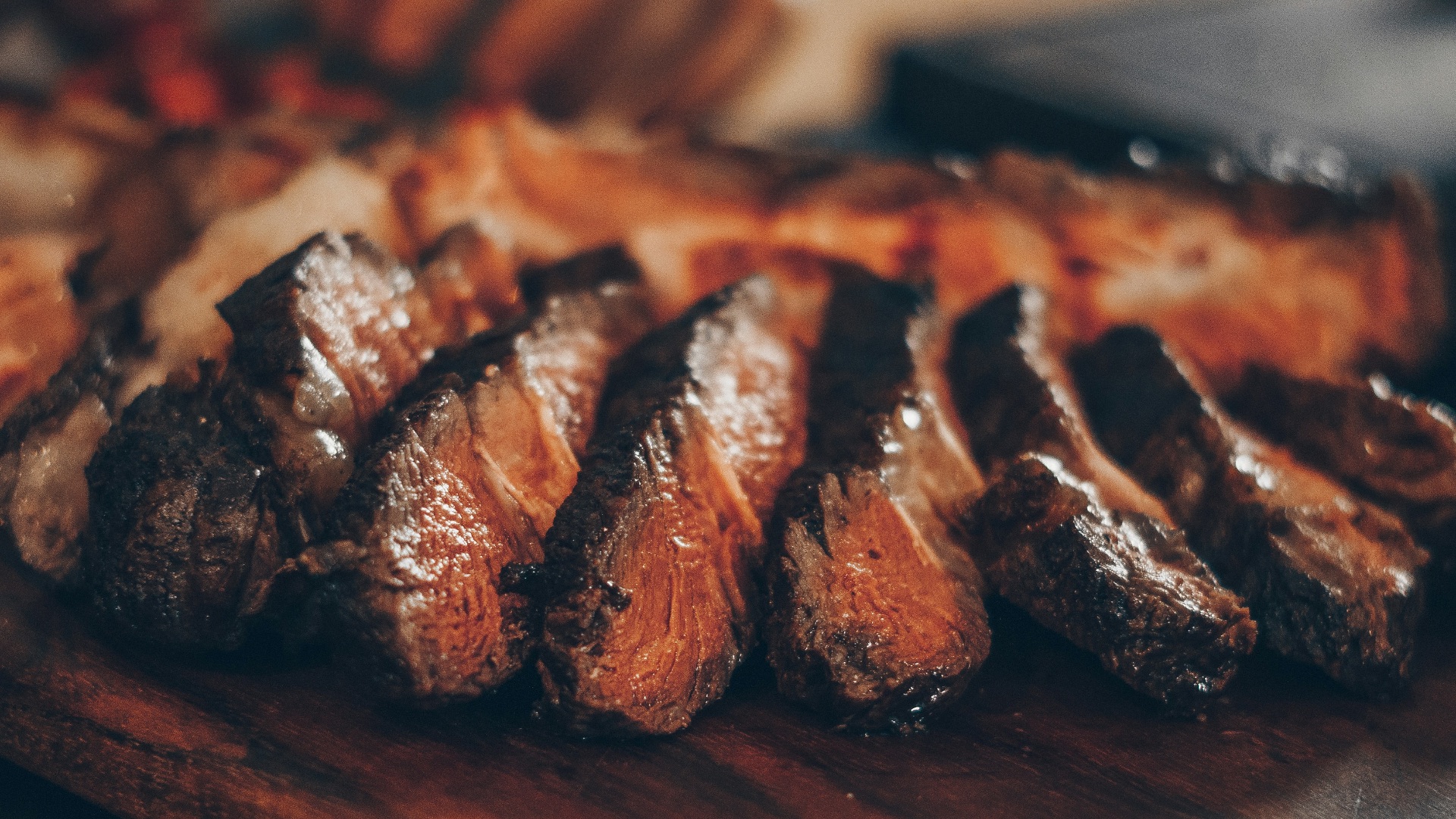
A perfectly cooked steak can become disappointing once it’s reheated, especially if it was medium-rare or rare to begin with. The extra heat keeps cooking the meat, which can turn a juicy steak into something dry and chewy. Microwaving is especially risky because it can leave the outside hot while the center stays uneven. Thin slices served cold in a salad or sandwich often work better than trying to recreate the original plate.
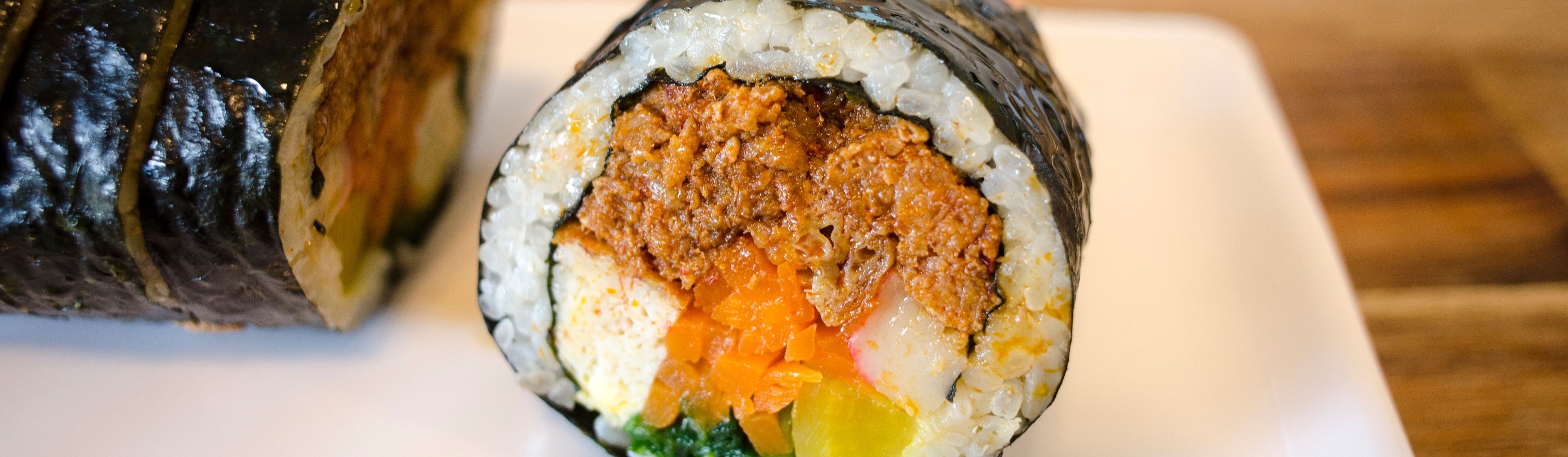
5. Kimbap
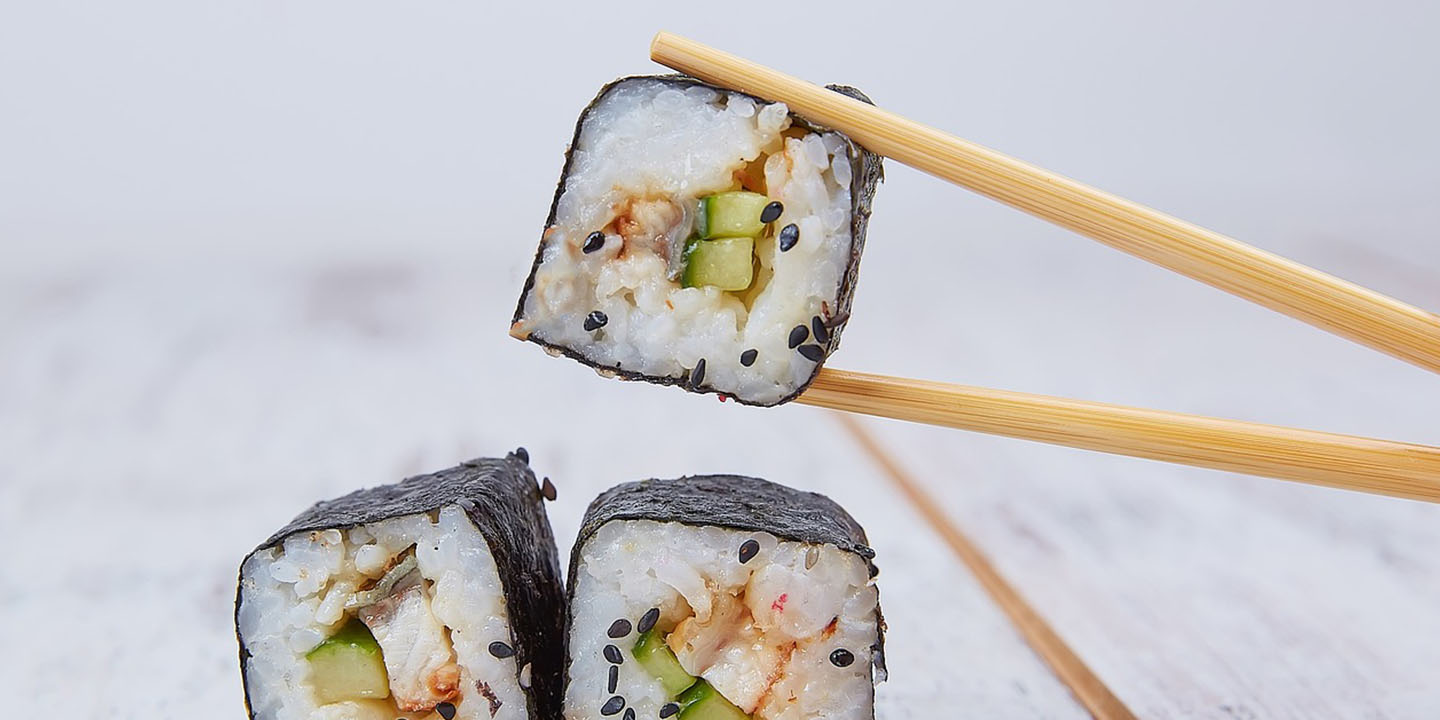
Just like how you wouldn't reheat sushi (warm fish and rice, anyone?), kimbap, too, is best enjoyed fresh. Once refrigerated, the rice can harden and lose its soft, slightly sticky quality, while fillings like vegetables and egg can become soggy and mushy. Reheating isn’t ideal either, since warming it can make the whole roll fall apart, and you'd be left with a hot mess. literally. There is, however, one trick: dip cold kimbap into egg then pan fry both sides.
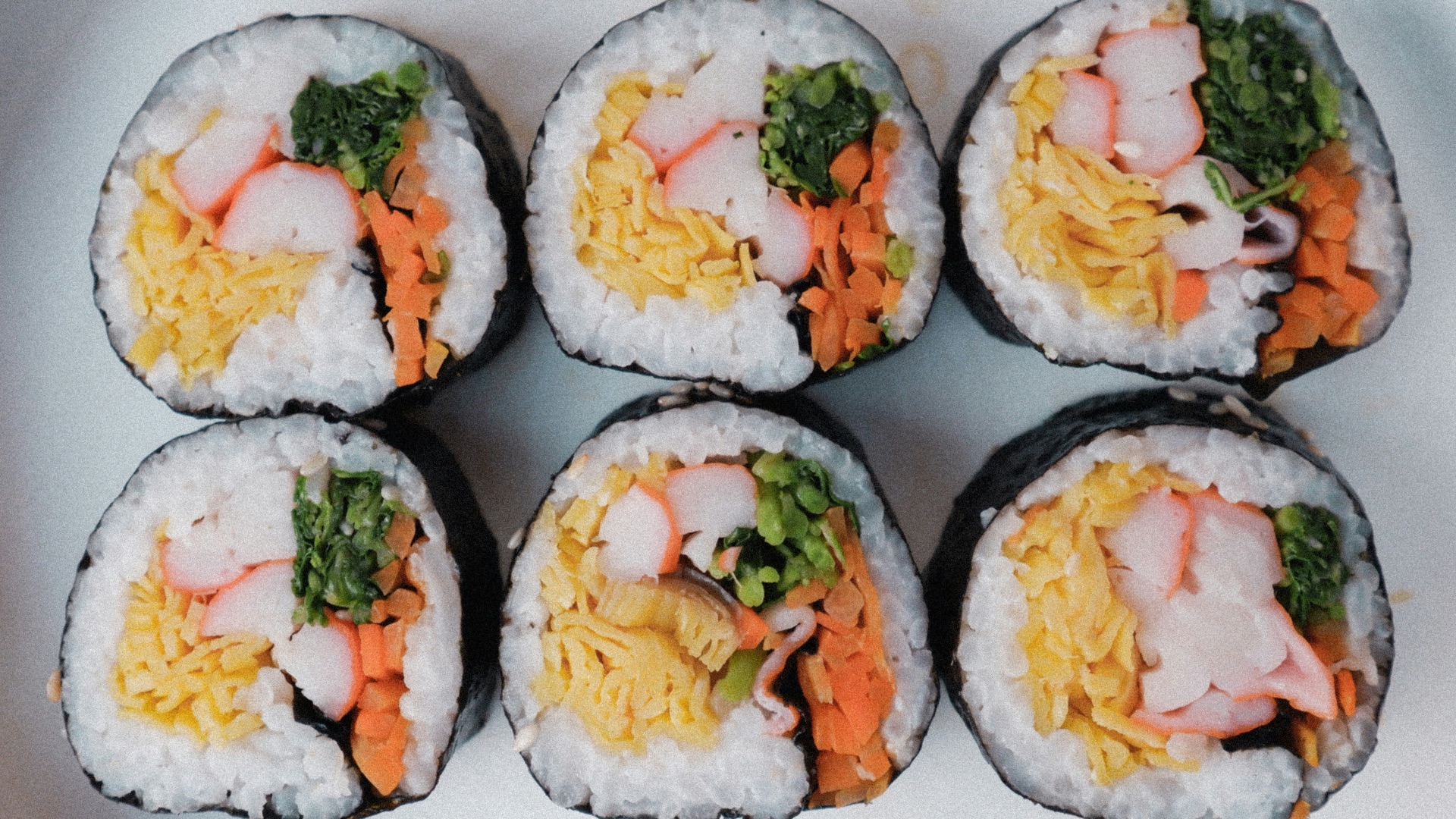 Devi Puspita Amartha Yahya on Unsplash
6. Poutine
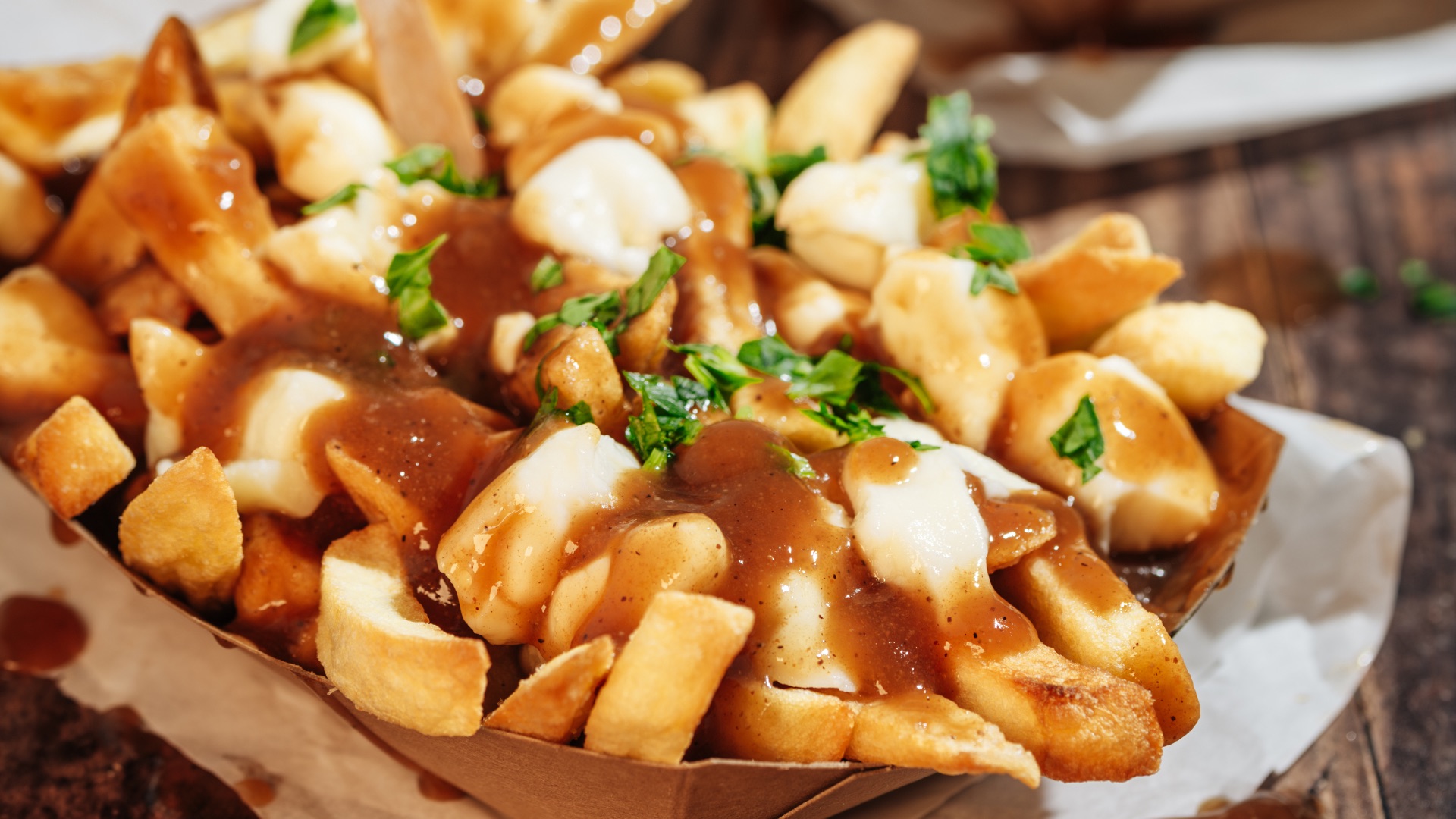
If fries don't hold up well, you bet poutine doesn’t, either. The chips lose their crispness, the gravy soaks in and turns everything soggy, and the cheese curds can become rubbery instead of soft and slightly melty. Even with careful reheating, it’s hard to bring back the perfect contrast of a fresh order. It’s best enjoyed right away while everything is still hot and balanced.
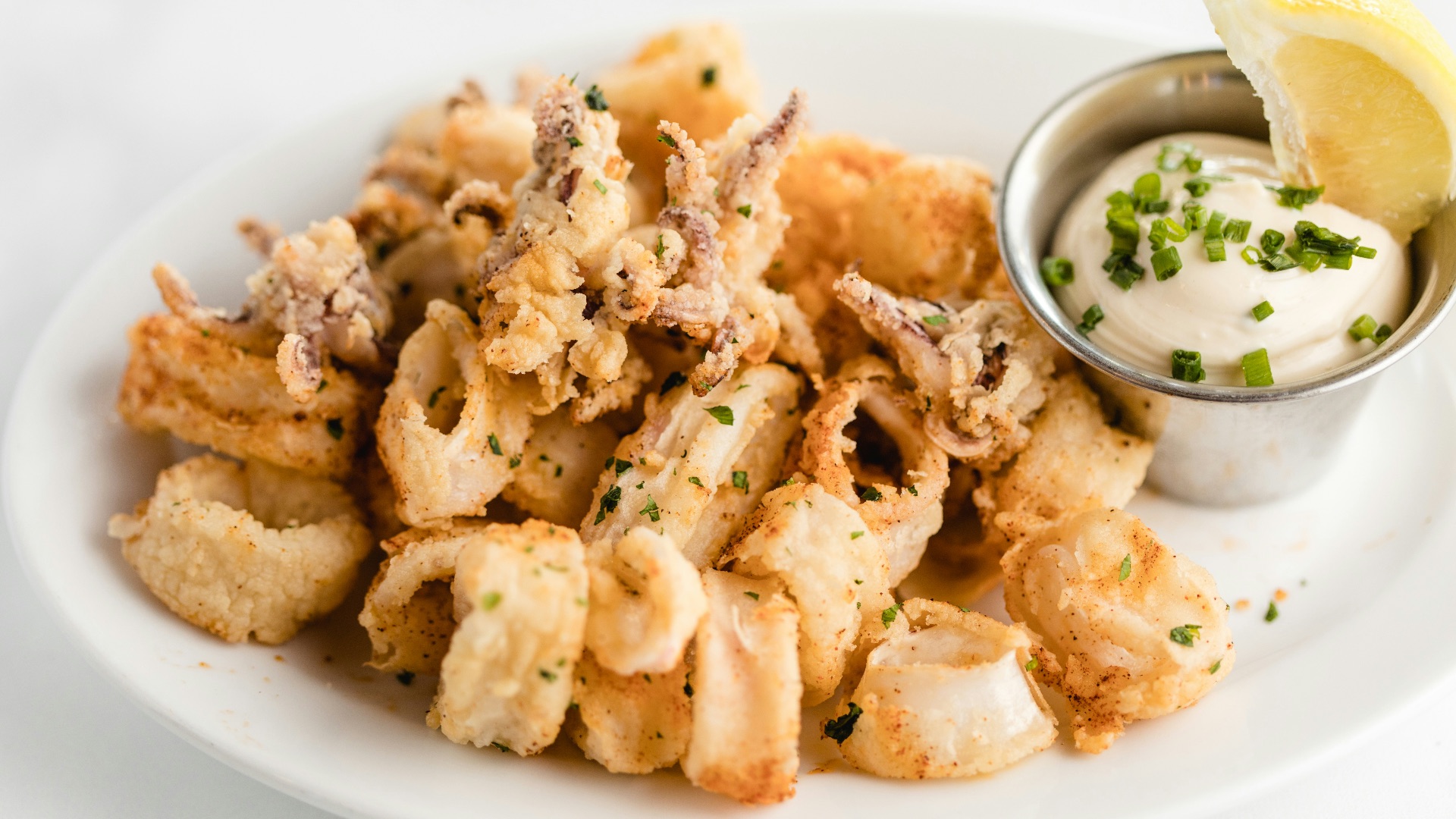
7. Fried Calamari
Fried calamari has a short window where it tastes great, and that window closes quickly. Once reheated, the coating can become greasy, and the squid itself often turns rubbery. Even careful reheating usually can’t restore the light texture you get when it’s freshly cooked. Leftover calamari is one of those foods that makes you wish you had just ordered a smaller portion.
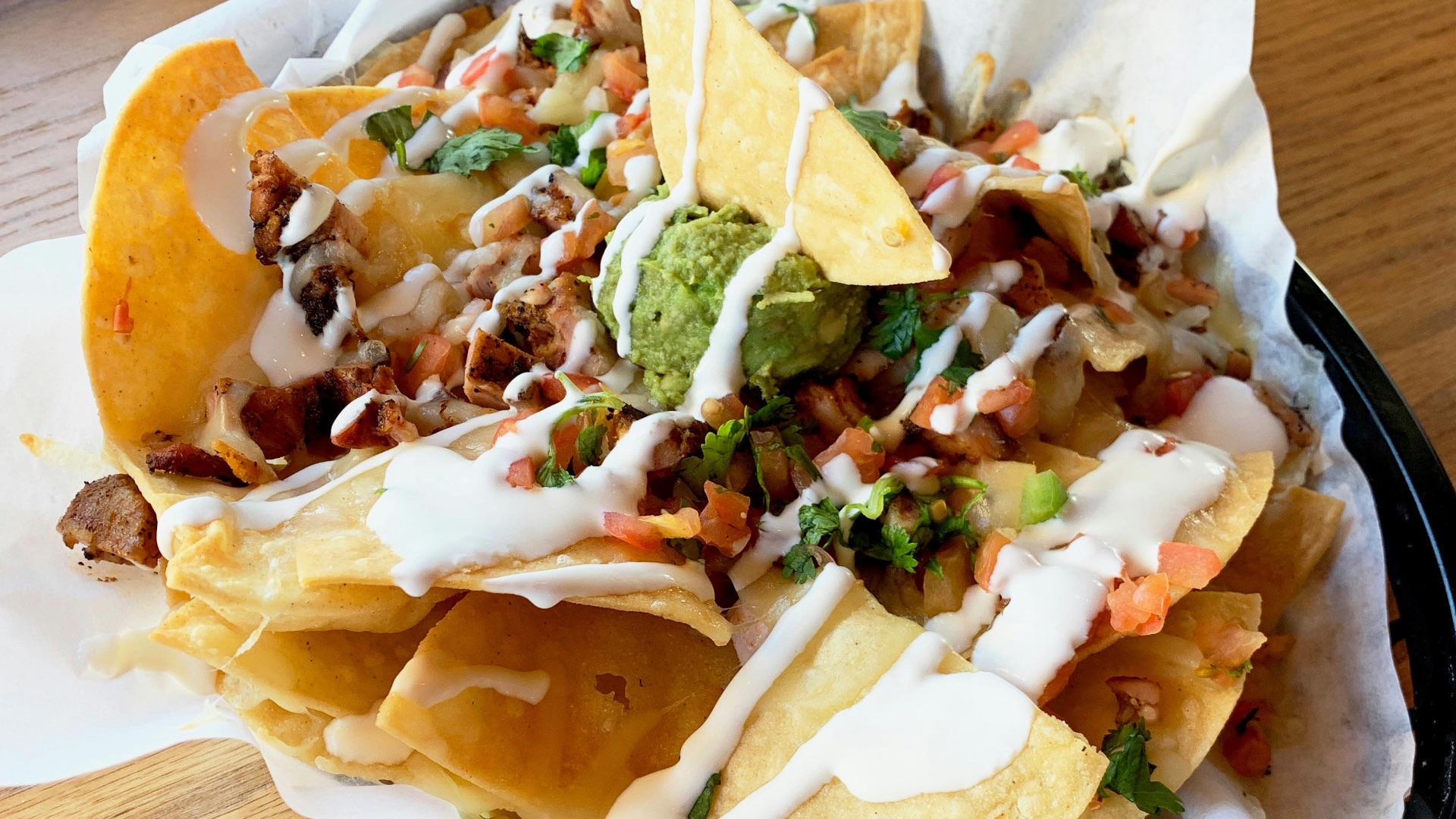
8. Nachos
Saving nachos for the next day? Here's a tip: don't do it. Unless, of course, you're okay with soggy chips and limp beans and toppings, which offer none of the crunch that makes them enjoyable. Even using an oven won’t fully restore the original texture, so they’re best eaten fresh.
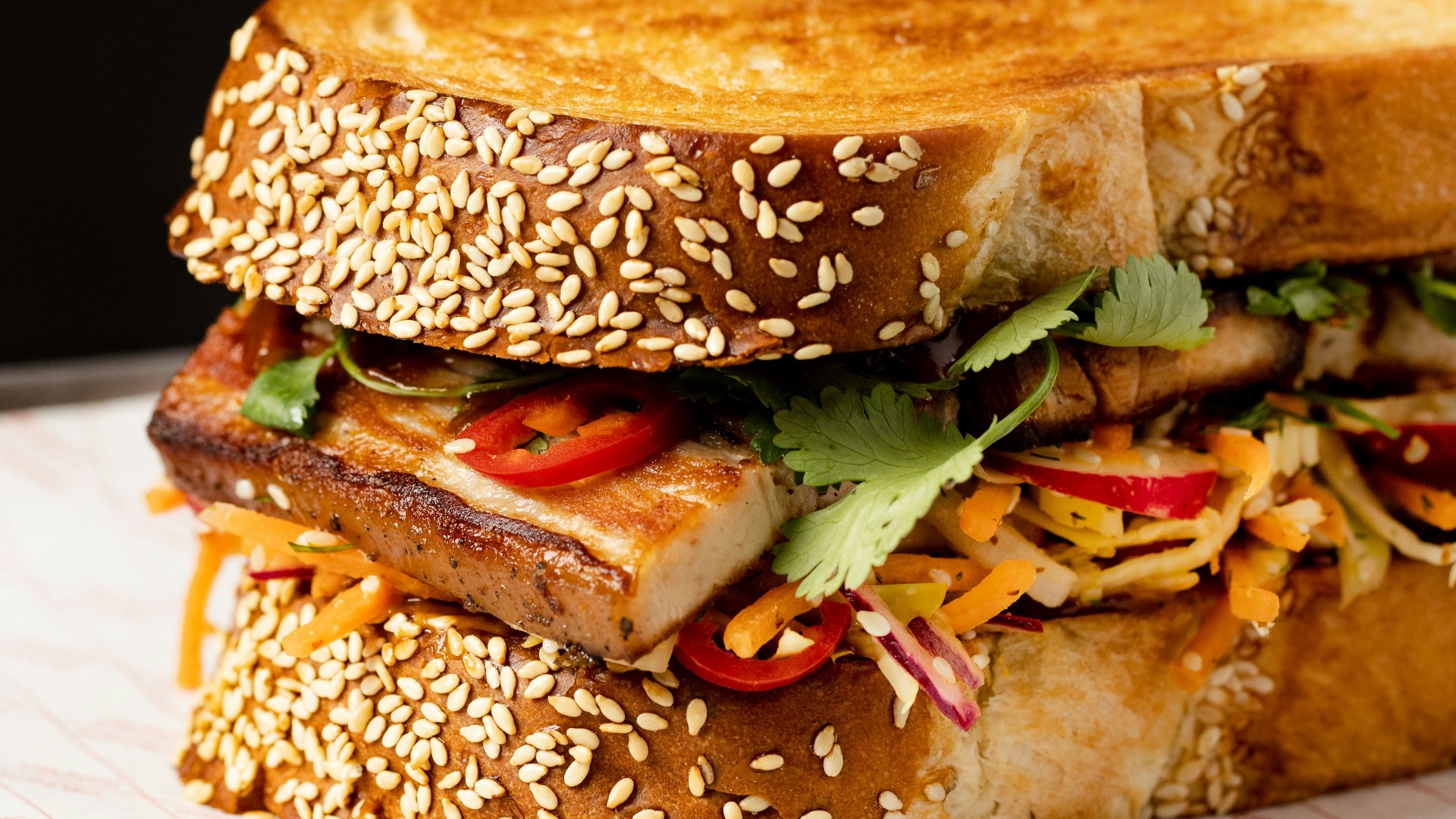
9. Toasted Sandwiches
A toasted sandwich sounds like it should reheat well, but it often ends up with the wrong textures in every bite. The bread can become tough at the edges and soggy near the fillings. Lettuce, tomato, mayo, and other fresh ingredients don’t handle heat well either. Once a sandwich has been fully assembled and toasted, it’s usually best enjoyed right away.
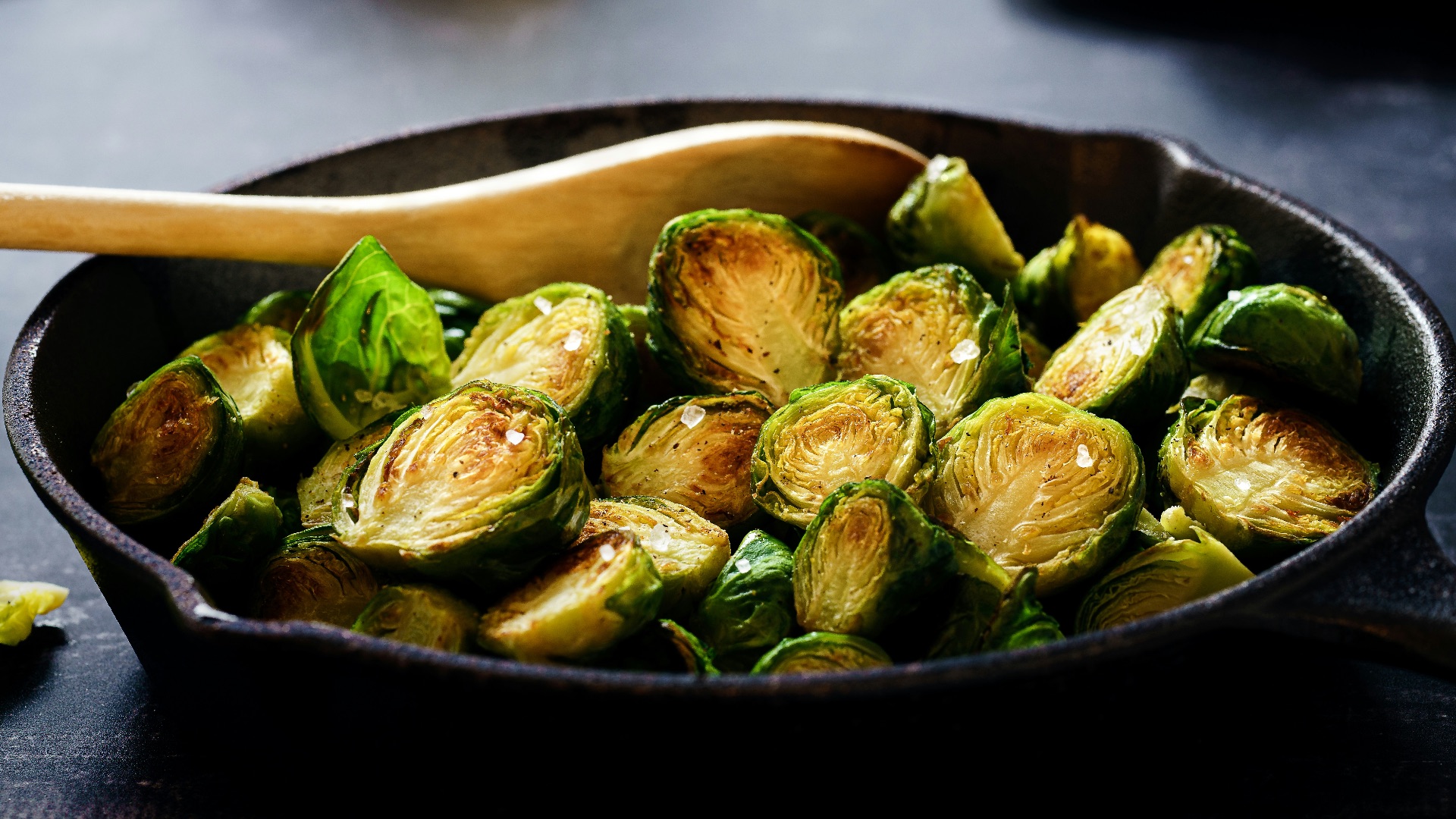
10. Roasted Brussels Sprouts
Roasted Brussels sprouts can be delicious when they’re browned and crisp, but reheating often brings out their stronger cabbage-like smell. The crisp edges soften, and the centers can become mushier than you’d like. They’re still usable in a grain bowl or chopped into a hash, but they rarely taste as good on their own. For the best texture, roasted vegetables with less moisture tend to reheat better.
Now for the better news: some foods survive the fridge and improve overnight. Curious which dishes they are? Let's jump into them next:
 Sebastian Coman Photography on Unsplash
1. Chili
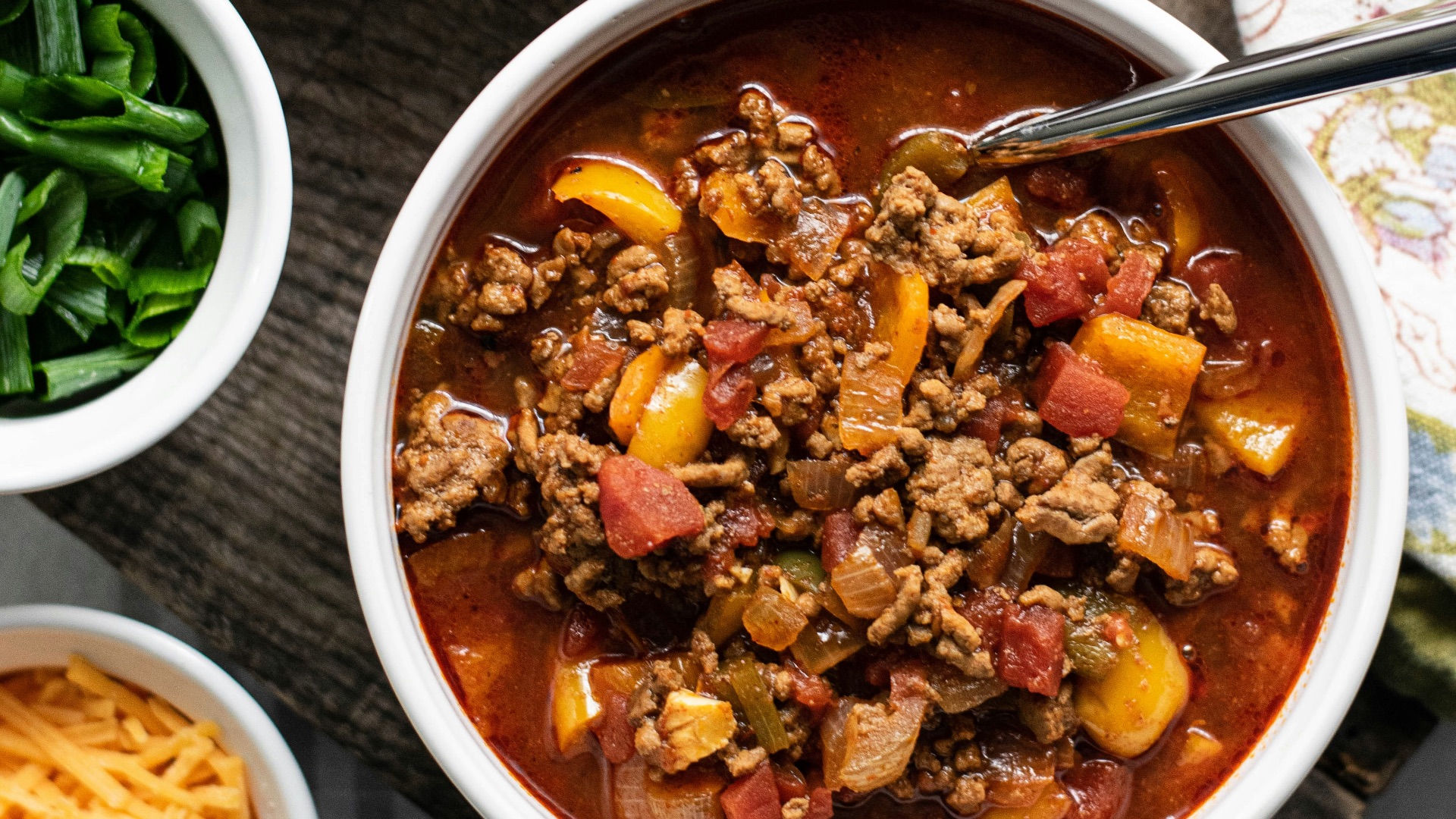
Chili is one of the best examples of a dish that improves overnight. The spices have more time to blend into the beans, meat, tomatoes, and broth, so the flavor feels fuller the next day. It also thickens in the fridge, which can make each spoonful more satisfying. Reheat it slowly, and it often tastes even better than it did when it first came off the stove.
2. Lasagna
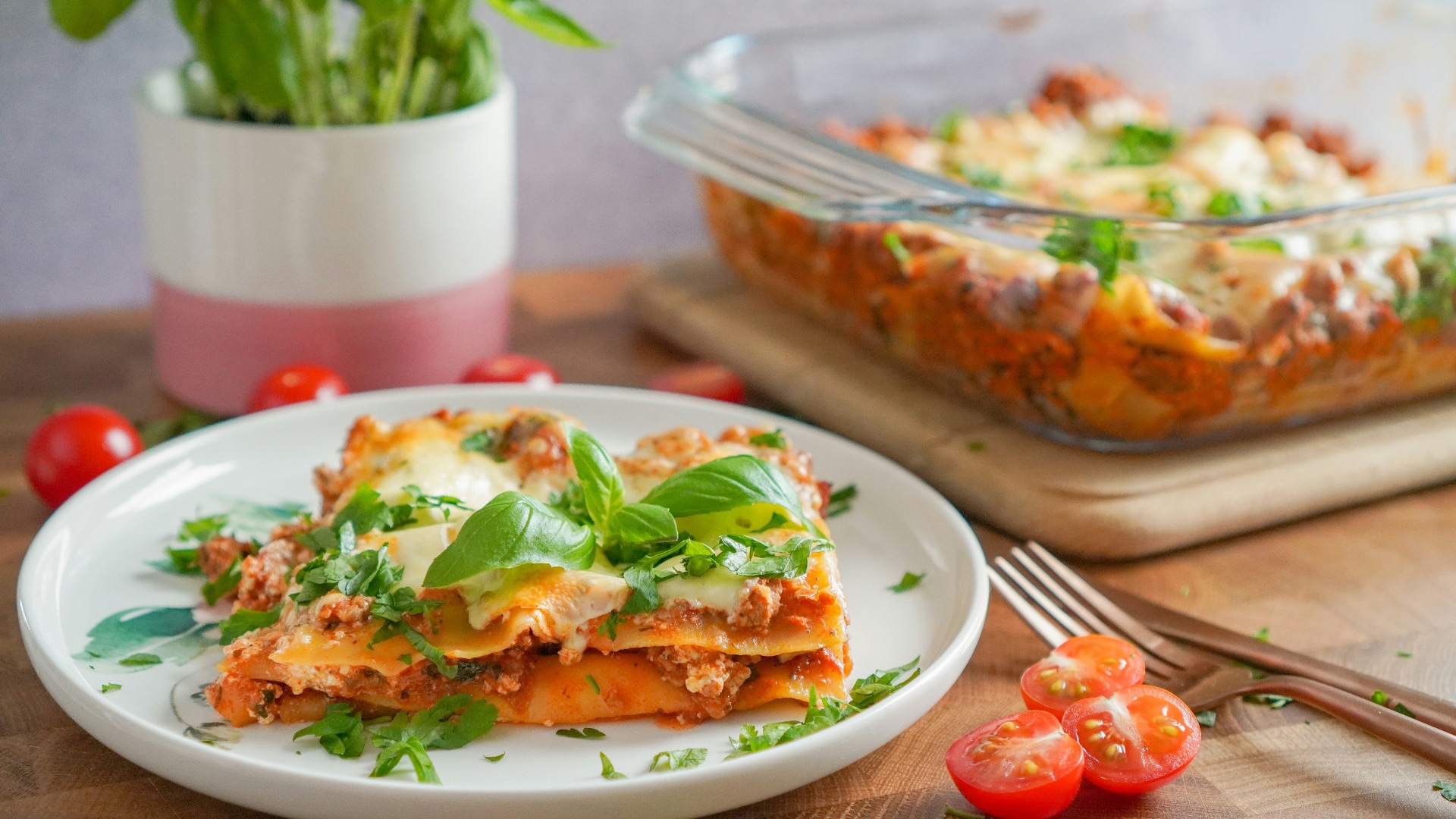
Lasagna can be messy when it’s fresh from the oven, but the next day, it holds together beautifully. The pasta absorbs some of the sauce, and the layers become easier to slice cleanly. The cheese, meat, vegetables, and tomato sauce also settle into a richer flavor. A covered dish in the oven is usually the best way to reheat it without drying out the edges.
 Karolina Kołodziejczak on Unsplash
3. Curry
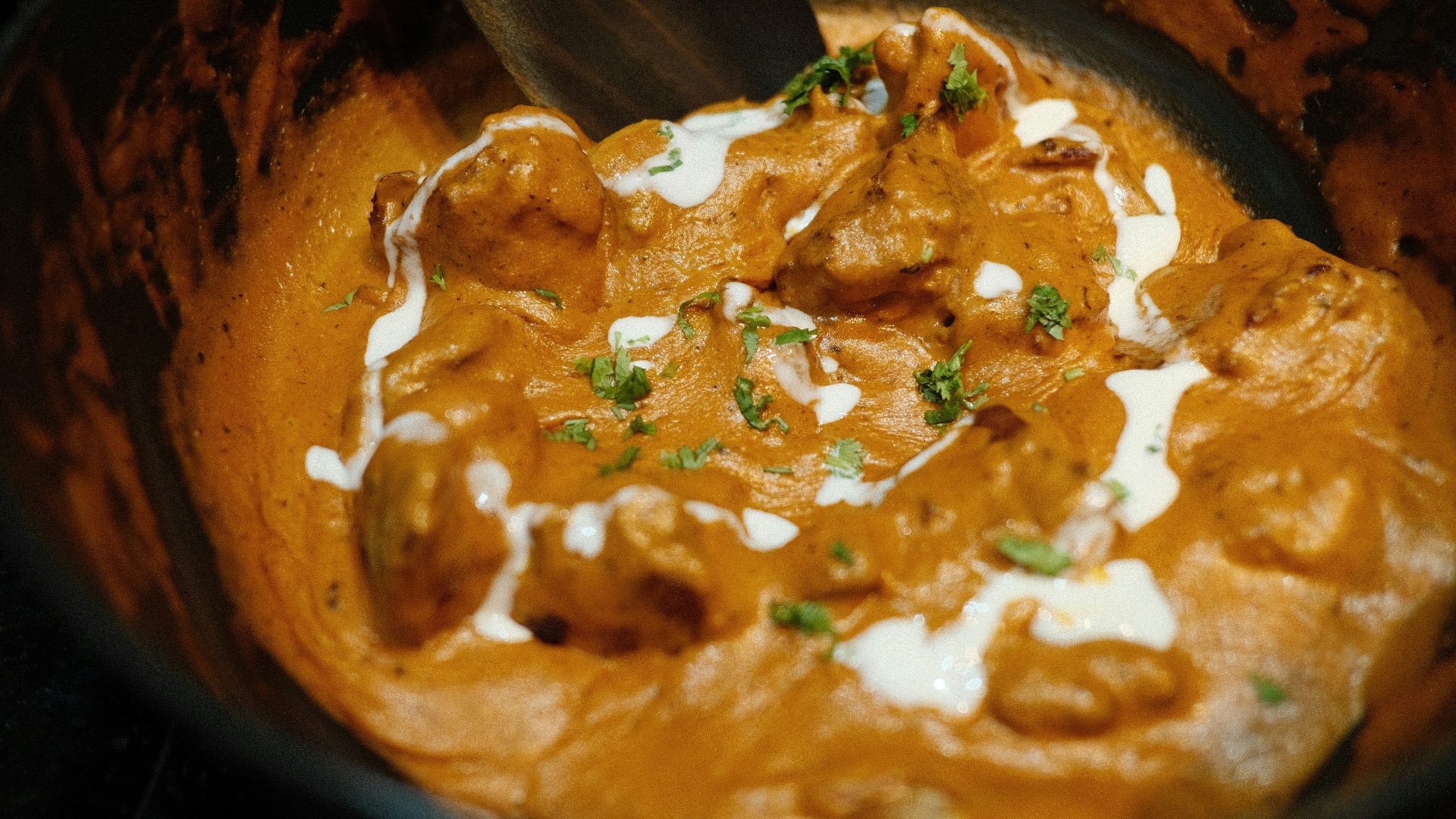
Many curries taste better after sitting overnight because the spices have more time to develop throughout the sauce. Whether it’s a coconut-based curry, tomato-based curry, or slow-cooked meat curry, the next-day version often tastes deeper. The sauce may thicken in the fridge, which can make it cling better to rice or bread. Gentle reheating helps keep the texture smooth and prevents the bottom from scorching.
4. Beef Stew
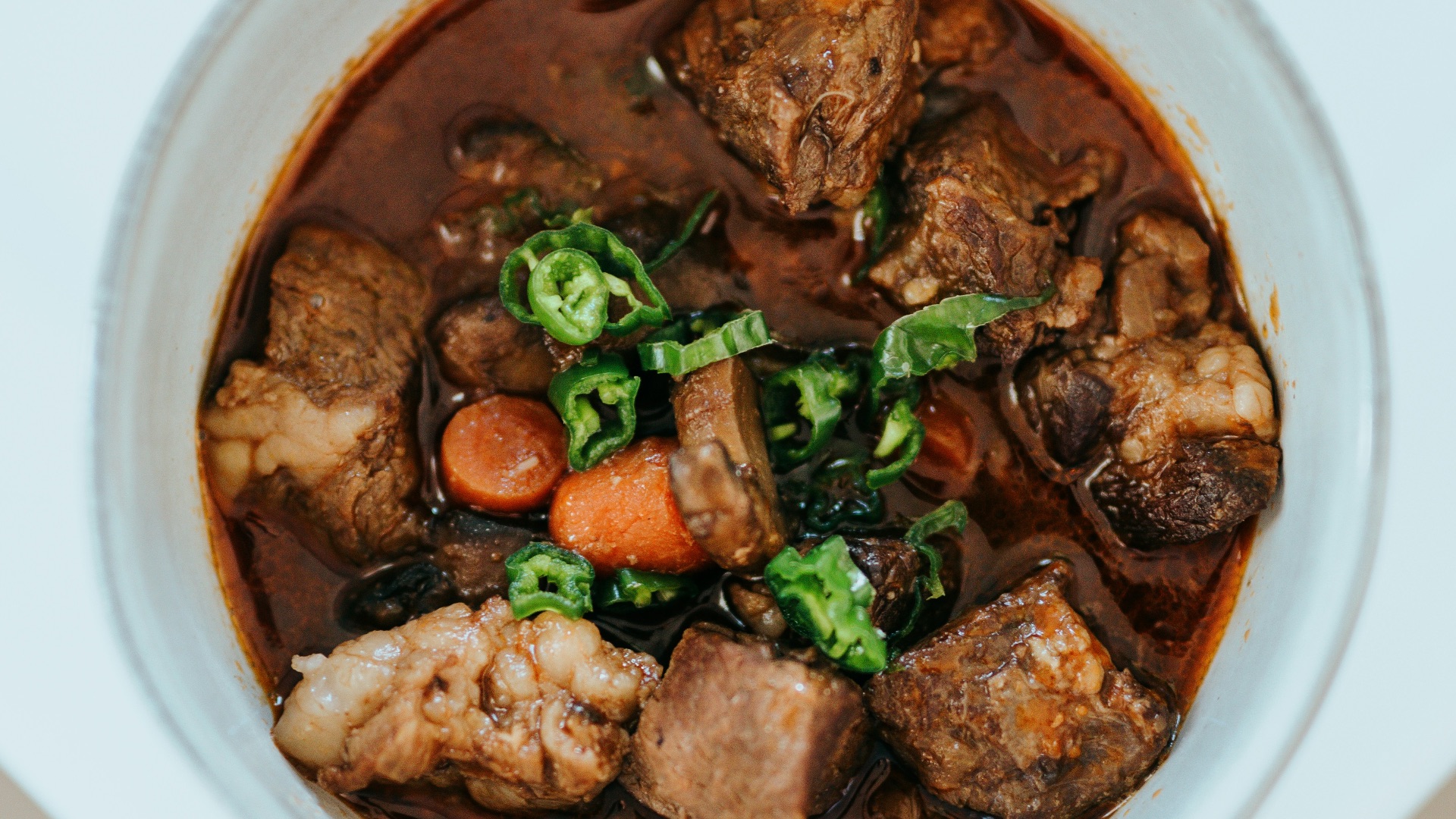
Beef stew is made for leftovers because slow-cooked ingredients usually become even more flavorful after resting. The broth thickens, the vegetables absorb more seasoning, and the meat stays tender if you reheat it carefully. A stew that tasted good on day one can feel more complete on day two. It’s especially helpful to warm it on the stove so you can stir and adjust the consistency.
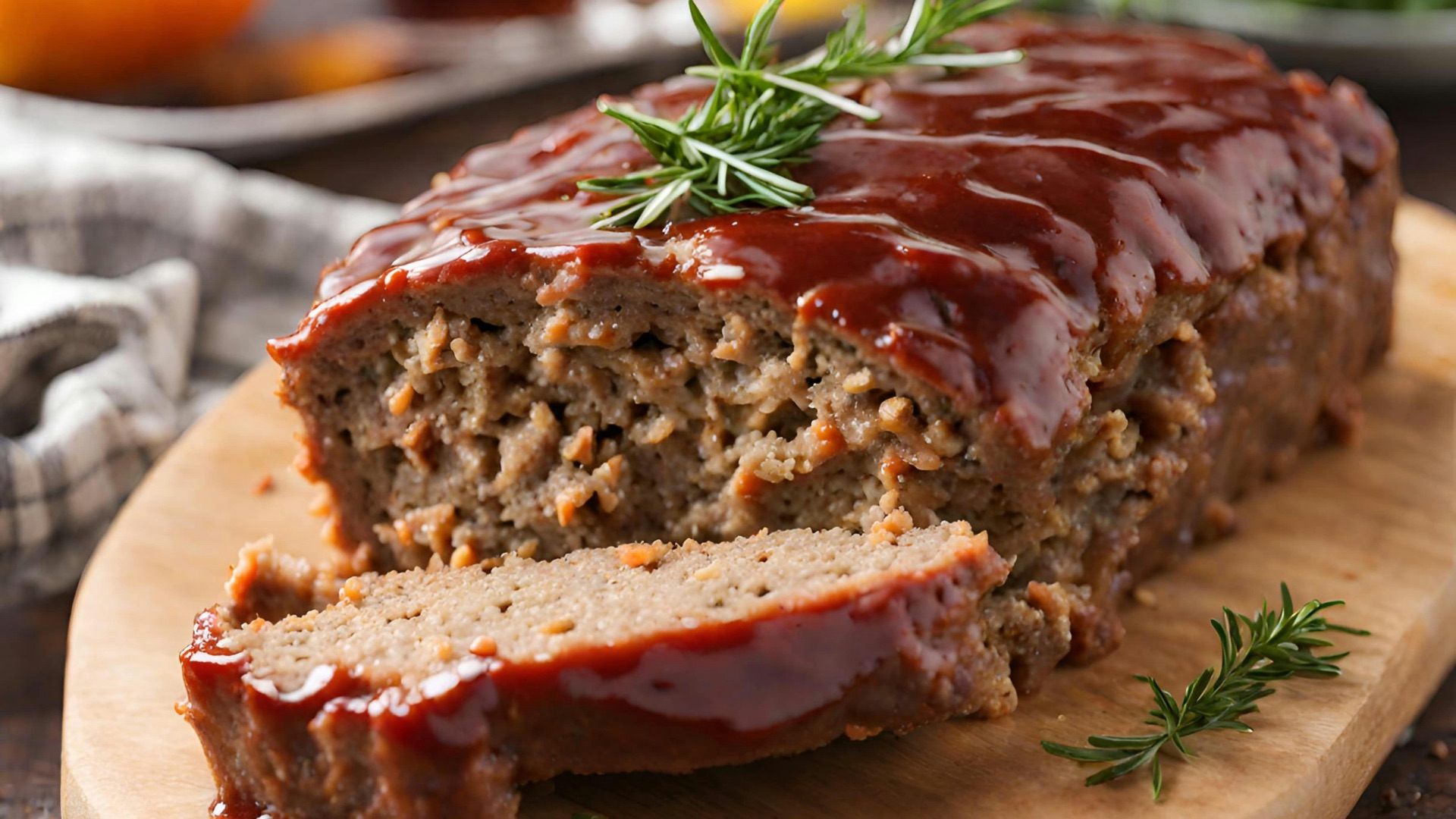
5. Meatloaf
Meatloaf might be a hard sell for many, but trust us: it slices better and tastes more seasoned after a night in the fridge. The structure firms up, so it’s easier to cut without crumbling apart. It also works well beyond a basic dinner plate, especially in sandwiches with a little sauce or mustard. Reheated gently, it can stay moist while still giving you that hearty leftover comfort.
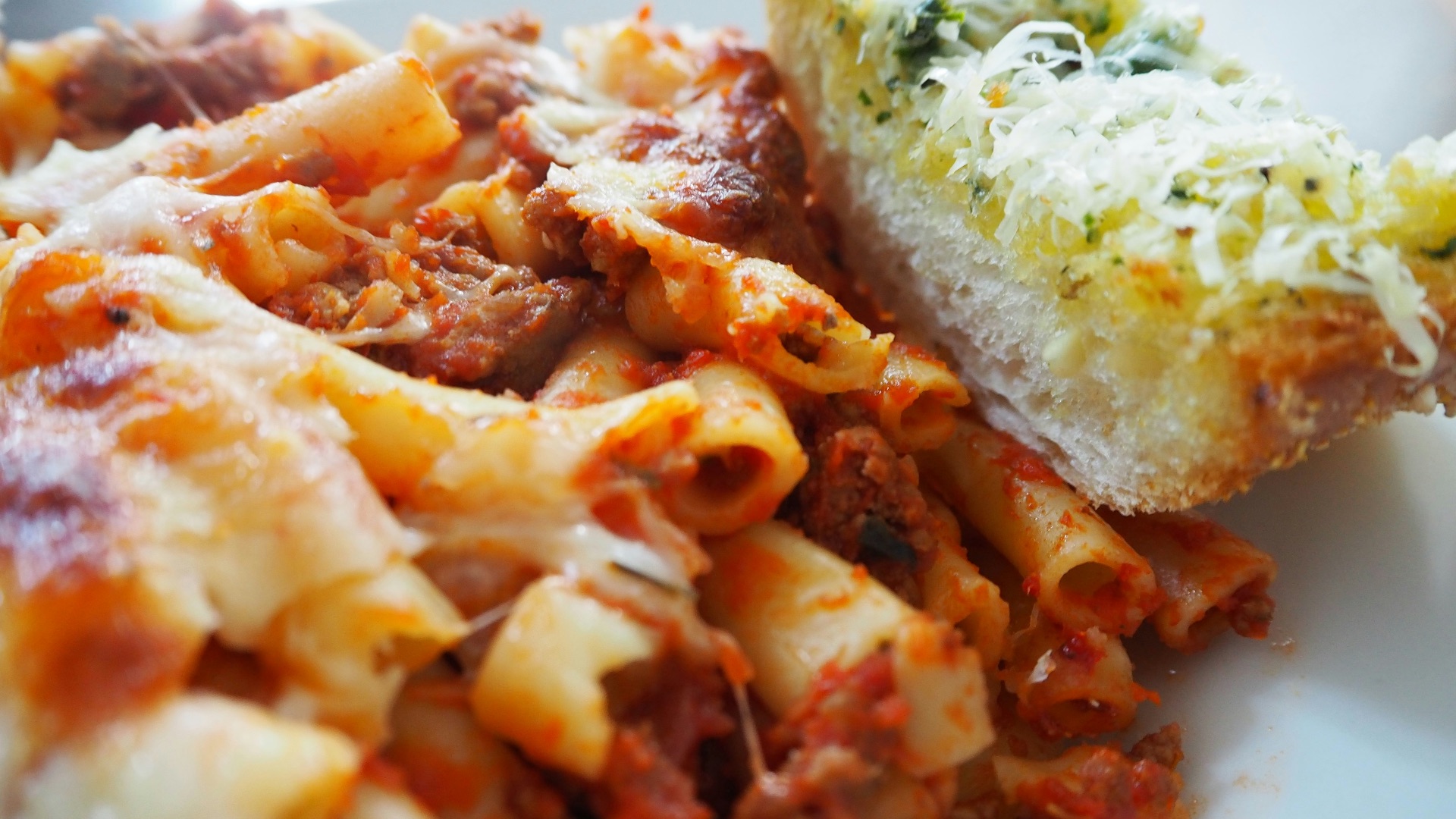
6. Baked Ziti
Baked ziti gets better once the pasta has had time to soak up some of the sauce. The cheese firms slightly, the tomato flavor becomes more settled, and the whole dish feels more cohesive. It’s also forgiving to reheat because it already has enough sauce and cheese to protect it from drying out too quickly. A little extra marinara on top can make it taste freshly baked again.
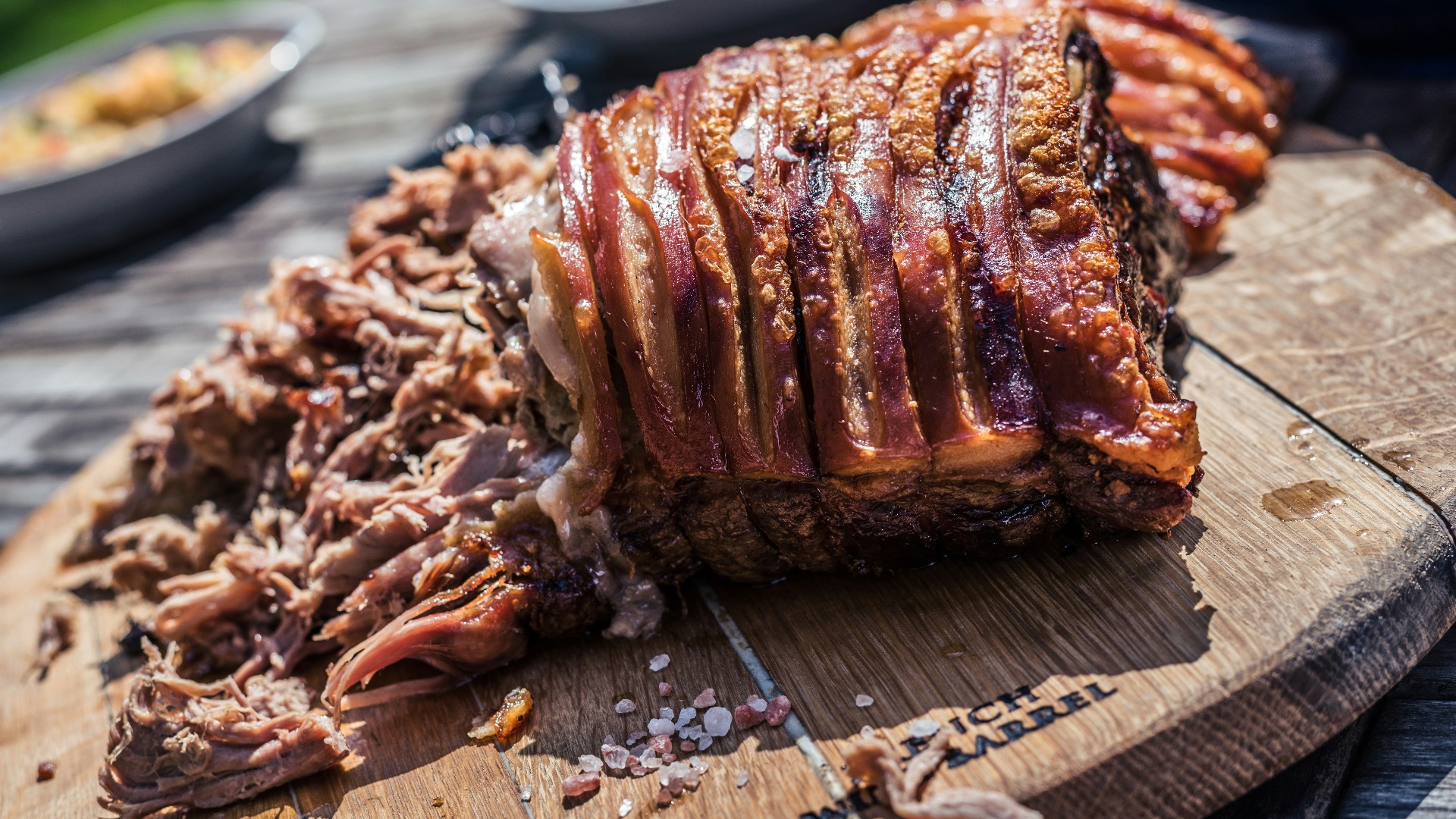
7. Pulled Pork
Pulled pork is a great next-day food because the meat has already been cooked until tender. Sitting overnight lets the sauce and seasoning move through the shredded pieces more evenly. It’s easy to reheat in a covered pan with a splash of liquid so it stays moist. The leftovers can also become tacos, sandwiches, rice bowls, or loaded baked potatoes without much effort.
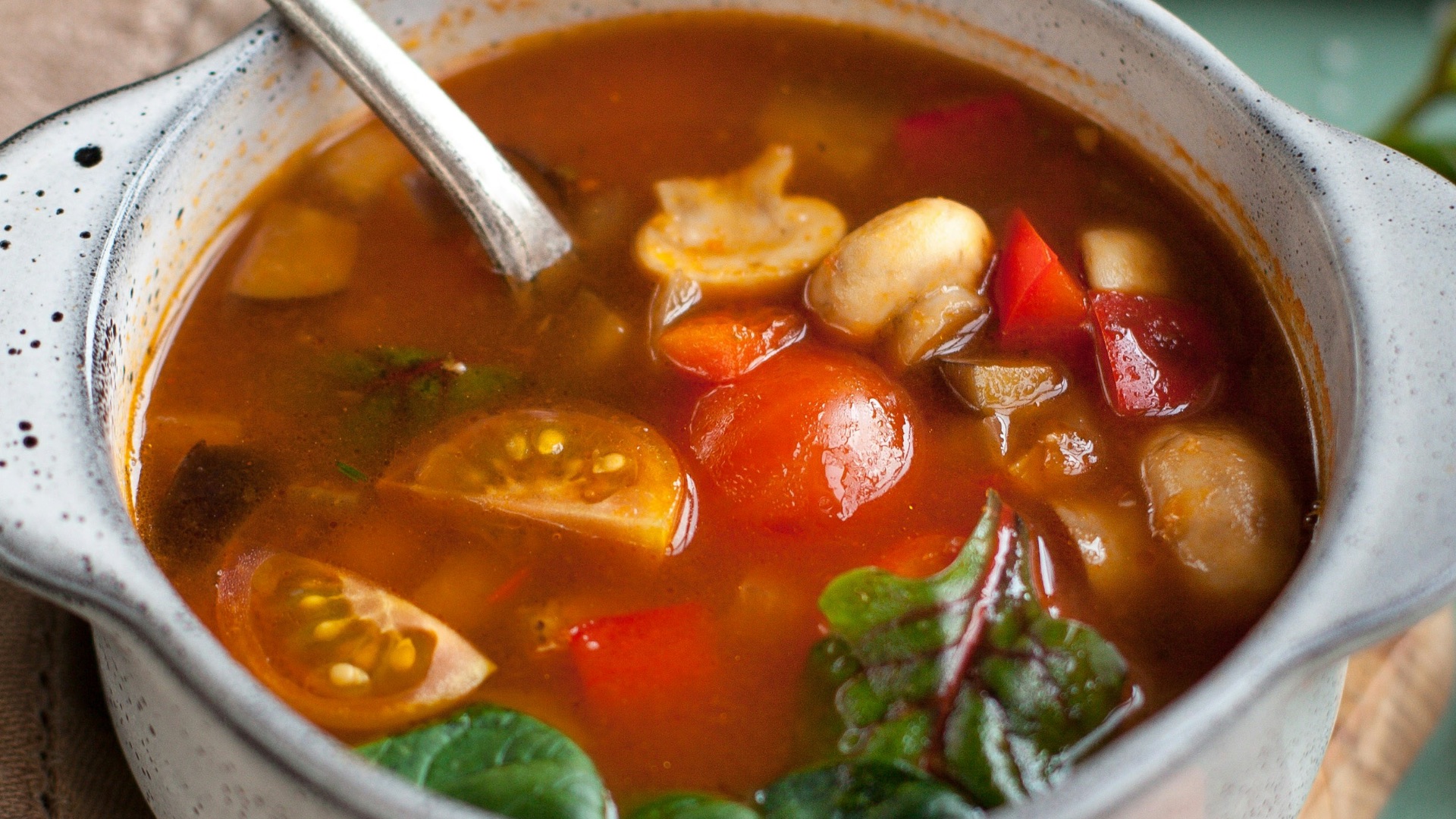
8. Soup
Many soups taste better the next day, especially ones with beans, lentils, vegetables, chicken, or beef. The broth absorbs more flavor from the ingredients as it sits, making the whole pot taste more complete. Some soups thicken in the fridge, so you may need to add a little water or broth when reheating. That small adjustment usually brings the texture right back without weakening the flavor too much.
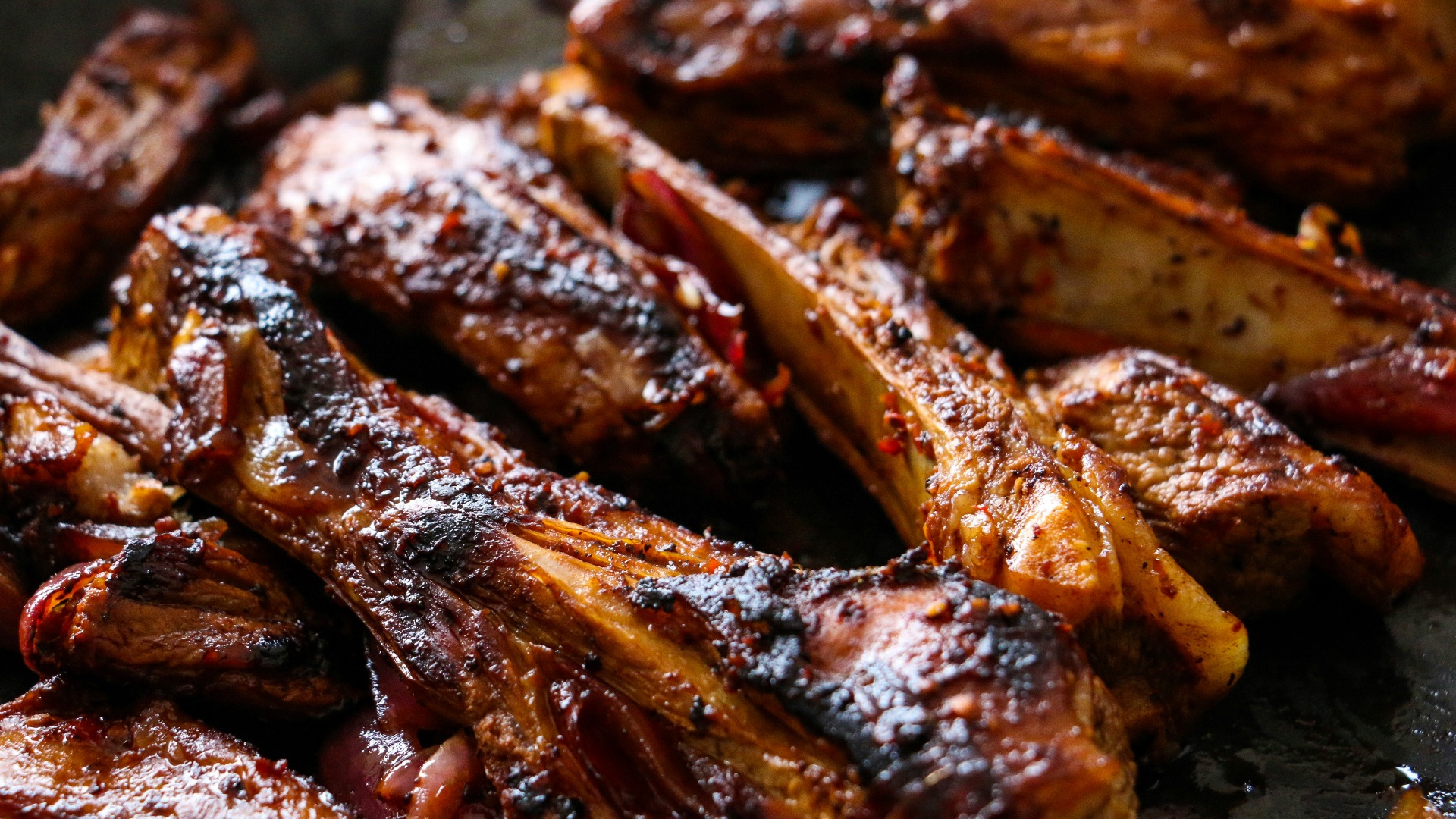
9. Braised Short Ribs
Braised short ribs are often even better after an overnight rest. The rich cooking liquid has more time to flavor the meat, and the fat is easier to remove once it has chilled and solidified. Reheating them slowly in their sauce helps keep the meat tender. This is one of those dishes that rewards you for making it ahead instead of rushing it to the table.
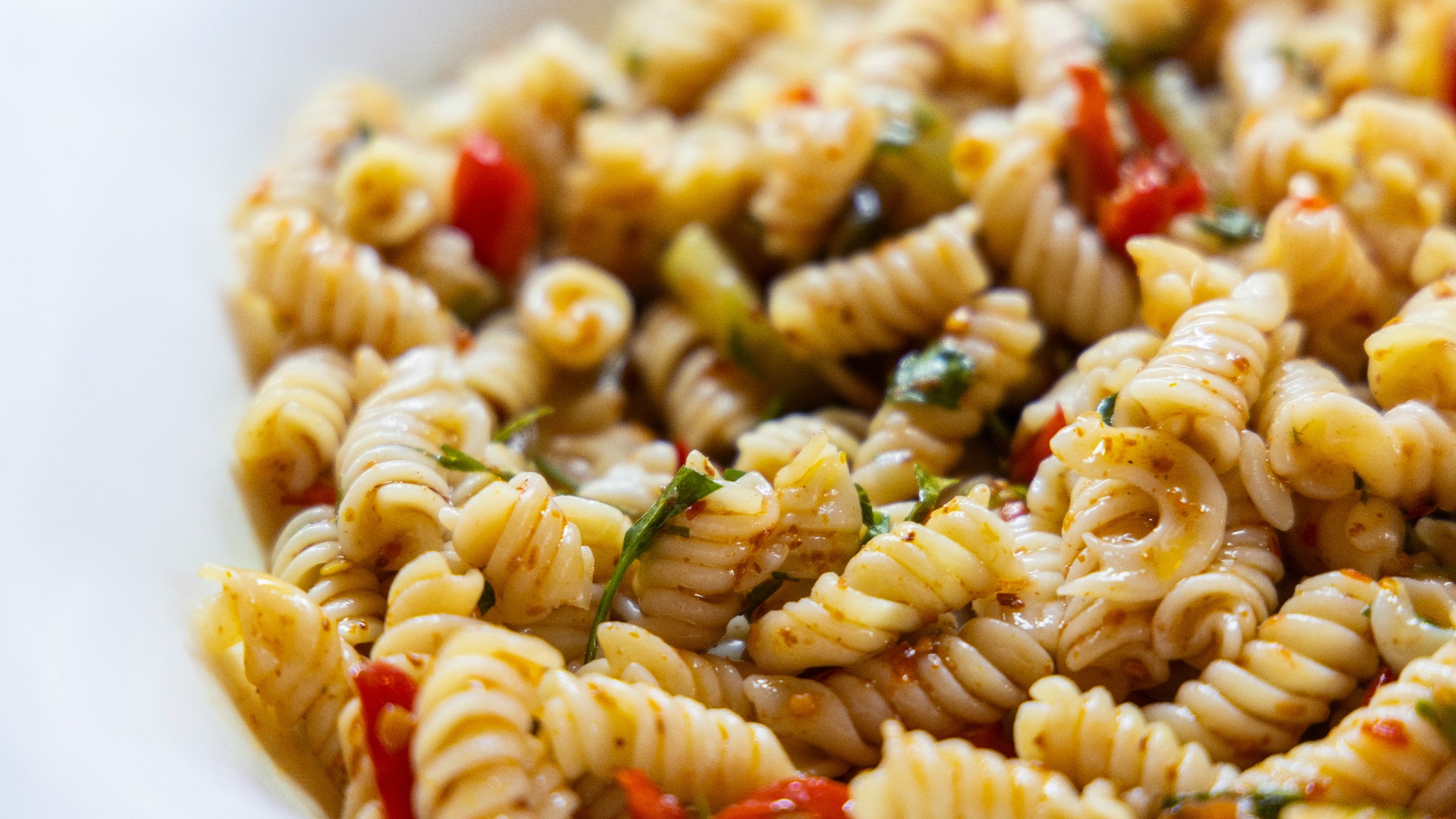
10. Pasta Salad
Pasta salad is usually better after it’s had several hours in the fridge. The dressing soaks into the pasta, vegetables, herbs, and add-ins, which makes the flavor more consistent throughout. Unlike creamy hot pasta, it’s designed to be eaten cold or chilled, so reheating isn’t part of the problem. Just give it a stir before serving, and add a little extra dressing if the pasta has absorbed too much.
KEEP ON READING

The 5 Most Consumed Foods in the Entire World